HIV Care Ruling Strikes Down Limits on Care for Trans Patients

HIV care ruling is the phrase at the center of a major court decision that arrived on November 19, when U.S. District Judge William G. Young ruled that the Trump administration conditions on Ryan White HIV program funds were unlawful. The rules had barred clinics from acknowledging their transgender patients identities or using federal money for gender affirming care, and the judge said they were based in animus, loathing, and discrimination. The decision came after a September bench trial in Massachusetts, and it now shapes care for many patients across the country.
The 165 page ruling permanently blocks the government from enforcing the conditions against the providers who sued, and Lambda Legal, which brought the case, called it a sweeping victory for the doctors, nurses and patients who rely on the Ryan White program. In the slides ahead we look at what the program does, how the trial unfolded, and what the decision means for clinics and patients. Readers who follow court fights may also want to read about a major international court ruling on forced removal.
References:
Out: Judge blocks Trump’s limits on HIV care for trans patients
POZ: Judge Rules Against Trump White House Restrictions on Transgender HIV Healthcare
Pride Source: Federal Judge Strikes Down Trump Administration Limits on Ryan White HIV Care for Trans Patients
The Daily Consensus: Federal Judge Strikes Down Trump-Era Restrictions on HIV Funds for Transgender Patients
The HIV Care Ruling Came on November 19 in Massachusetts

On November 19, U.S. District Judge William G. Young issued his decision in a federal court in Massachusetts, and the news traveled fast through clinics and health groups across the country. The ruling said the Trump administration conditions on Ryan White HIV program funds were unlawful, and it struck them down in full. For the providers who had sued, the date marked the end of months of waiting. One court can change daily life, as in a major international court ruling on forced removal each turned on a single decision.
Judge William G. Young Wrote the Decision

Judge William G. Young heard the case and wrote the 165 page ruling that now guides clinics across the country. He listened to the evidence during a bench trial in September, decided the facts himself without a jury, and then weighed the testimony before writing his decision. His words were blunt, and he said the funding conditions were based in animus, loathing, and discrimination. Judges rarely use such strong language, as people saw after a tough Senate hearing.
What the HIV Care Ruling Means for the Ryan White Program

The Ryan White program pays for HIV care for people who cannot easily afford it, and it supports clinics, doctors, nurses, and patients across the United States. When the Trump administration placed conditions on that money, clinics faced a hard choice between their funding and the way they care for transgender patients. The court decision removed those conditions, so clinics can again serve every patient who walks through the door. To see how health spending shapes care, read about health care spending in the United States.
How the Grant Rules Worked in Practice

Federal grants often come with rules, and the rules here told clinics they could not acknowledge their transgender patients identities and could not use federal money for gender affirming care. For a clinic that depends on Ryan White funds, that rule reaches into every exam room, because staff must choose between the rule and honest, respectful care. The providers who sued said the conditions were unlawful, and the court agreed. Similar fights over government rules have played out in a briefing on diversity programs.
Clinics Caught in the Middle of the HIV Care Ruling

Clinics that rely on Ryan White money found themselves caught between two duties, the duty to keep their doors open and the duty to care for every patient with honesty and respect. A small clinic cannot simply replace federal funding, so a rule that ties money to silence puts real pressure on doctors and nurses. The court decision lifted that pressure by striking the conditions down. The tension between funding and principle also runs through a fight over legal fees.
What Gender Affirming Care Means in a Clinic

Gender affirming care supports a transgender person in living as who they are, and it can include counseling, hormone treatment, and other services that a doctor and patient decide together. In a clinic, it also means using the right name and the right words when a patient checks in. The funding rules had barred clinics from using federal money for this care. The ruling restores a basic idea, that care should follow the patient, as shown in a mayor keeping promises.
The Words Behind the HIV Care Ruling: Animus and Loathing
Judges usually write in careful, measured language, so the words in this decision stood out. Judge Young said the funding conditions were based in animus, loathing, and discrimination, three words that describe hostility toward a group rather than a neutral policy choice. That finding mattered because courts look closely when a rule seems driven by dislike of the people it affects. The strong language also told clinics that the court had heard them, much like a benched football star showed how words can carry real weight, and an international court finding used plain language to describe a grave wrong.
A 165 Page Ruling Built on a Long Trial

A ruling of 165 pages is long by any measure, and its length tells its own story about how much evidence the court weighed before deciding. The judge heard a bench trial in September, reviewed testimony from doctors, nurses, and patients, and then wrote a decision that explained every step of his reasoning. Long rulings give clinics and lawyers a clear record to follow. Big decisions often come with long records, as in a major international court ruling on forced removal.
Inside the September Bench Trial

The case was decided after a bench trial in September, which took place in Massachusetts and put the facts directly before Judge Young. In a bench trial there is no jury, so the judge hears the witnesses, reads the documents, and decides what happened and what the law requires. The trial gave providers a chance to explain how the funding rules changed daily life in their clinics. The record built in that courtroom shaped the ruling, just as a tough Senate hearing showed how hearings can shape what happens next.
What a Bench Trial Is and Why It Matters

A bench trial is a trial where the judge, not a jury, decides the facts and applies the law, and it is common in cases that turn on written rules and expert testimony. Both sides still call witnesses and present documents, but the process is often faster and more focused than a jury trial. In this case the bench trial let the court hear directly from the people who run HIV clinics. Court procedure can feel distant, yet it decides real lives, as the vote that made a Speaker each showed.
Lambda Legal and the HIV Care Ruling

Lambda Legal is the legal group that brought this case to court, and it has spent decades defending the rights of LGBTQ people and people living with HIV. The group argued that the funding conditions were unlawful, and it spoke for the providers who rely on Ryan White money. When the ruling came down, Lambda Legal called it a sweeping victory for the doctors, nurses, and patients who depend on the program across the country. Advocacy groups carry these fights, much like the voices behind a bill to protect children.
The Providers Who Brought the Case
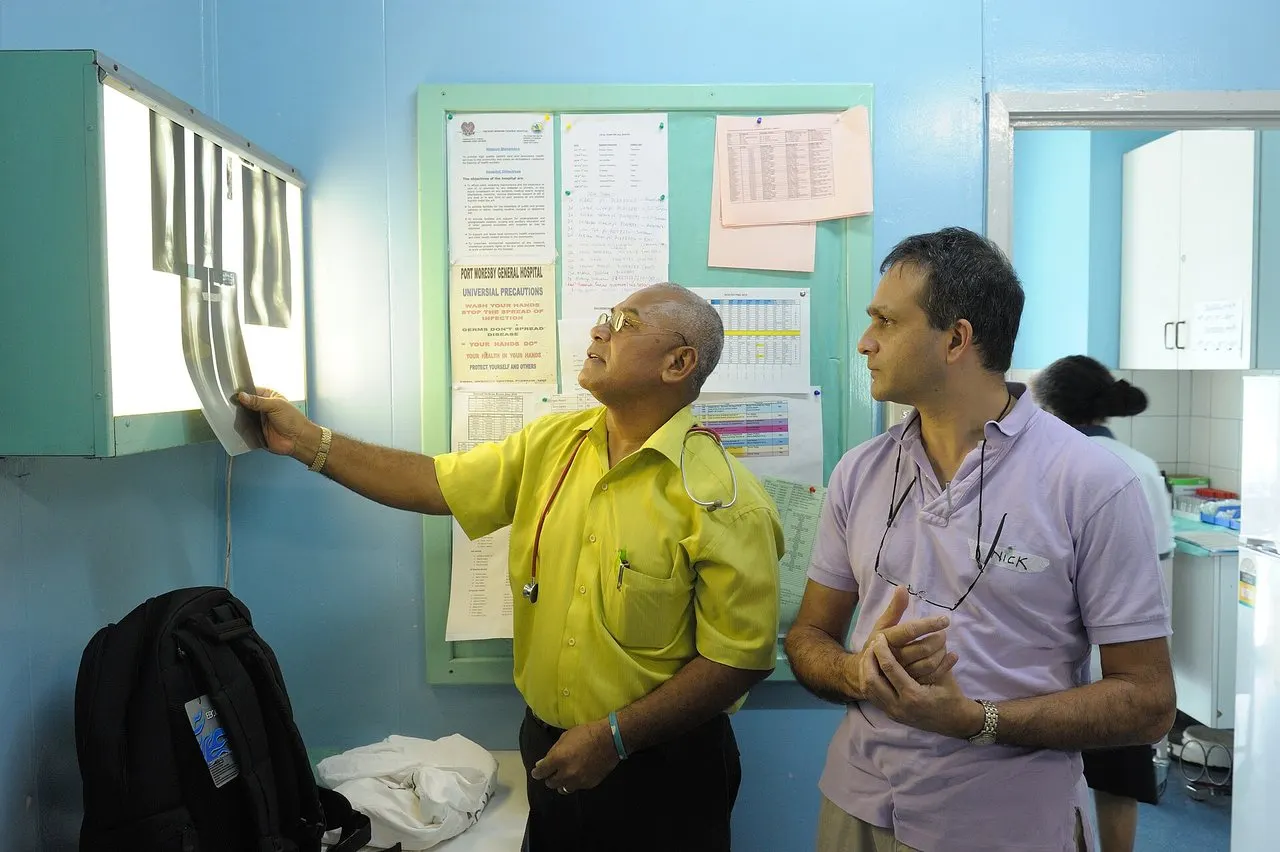
The providers who sued are the clinics and health groups that use Ryan White funds to care for people living with HIV, and they are the ones who felt the funding rules first. They told the court that the conditions forced them to choose between their money and their patients. The ruling now blocks the government from enforcing the conditions against them, which means they can plan their budgets and their care without fear. Their stand took courage, as did the stand in a challenge to party leadership.
A Permanent Block From the HIV Care Ruling

The ruling does more than criticize the funding rules, because it permanently blocks the government from enforcing the conditions against the providers who sued. A permanent block is a strong remedy, and it means the clinics do not have to wait and worry about the rules coming back in a new form. The HIV care ruling gives them lasting protection, and it lets them rebuild the services that the conditions had pushed aside. Lasting court orders are rare and powerful, as readers can see in an international court finding.
What the Block Means for Clinics Right Now

For clinics, the most important change is practical, because they can now use Ryan White funds without hiding who their patients are or turning away care that patients need. Staff can greet patients by the right name, record their care honestly, and spend their time on medicine instead of on rules that made their work harder. That freedom matters most in small clinics, where every dollar and every hour counts. Practical change after a court fight is a familiar story, like a mayor keeping promises.
HIV Care Across the Country After the Decision

The Ryan White program reaches clinics in every part of the country, from big cities to small towns, and the ruling matters far beyond Massachusetts because the providers who sued serve patients in many places. HIV care depends on steady funding, regular visits, and trust between patients and their care teams, and all three suffer when rules force clinics to hide part of who a patient is. The decision helps keep that trust intact wherever the program operates. National programs touch every state, as shown by health care spending in the United States.
Why the HIV Care Ruling Matters for the Ryan White Program

The Ryan White program was built to make sure people living with HIV can get care even when money is tight, and it has become a lifeline for patients who have nowhere else to turn. Clinics use the funds to pay for visits, medicine, and the support services that keep patients in care over many years. When funding rules threatened that work, providers warned that patients would be the ones to suffer, and the court listened. The court decision protects that lifeline, and readers can learn more from a bill to protect children.
Care Without Fear for Every Patient

Good HIV care starts with trust, and trust grows when a patient can walk into a clinic and be seen as a whole person. Fear keeps people away from care, and it grows when rules tell clinics to stay silent. By striking them down, the court gave patients one less reason to stay away, and it gave clinics room to welcome everyone. Care without fear is an idea with roots, much like a childhood television hero reminds us that kindness shapes lives, and a warm greeting between leaders showed how a gesture can speak volumes.
Trans Patients and the HIV Care Ruling
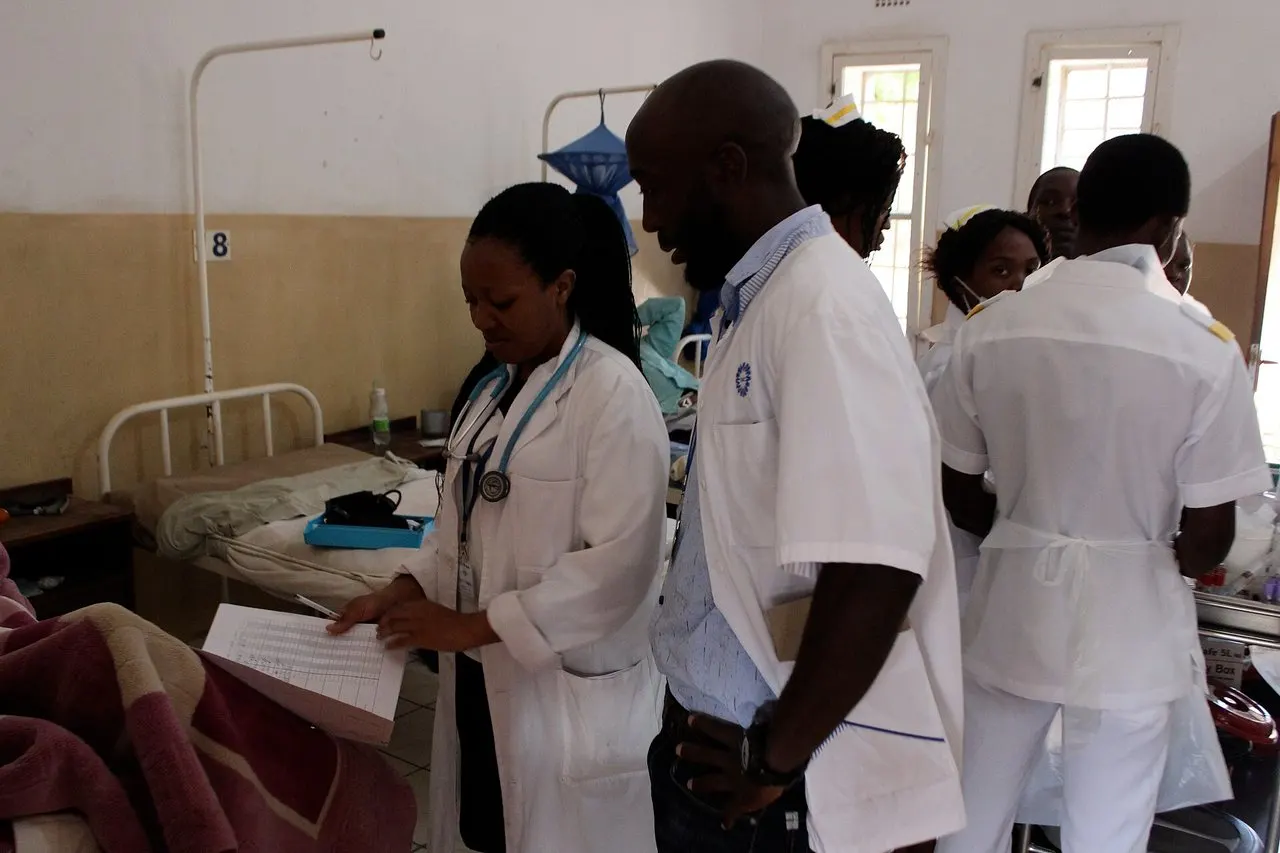
Transgender patients need the same HIV care as anyone else, including regular testing, medicine, and checkups that keep them healthy over time. When a clinic cannot acknowledge who they are, simple visits become stressful, and some patients may stop coming at all. The ruling means clinics can treat every patient openly, using the right name and the right words, and that openness is part of good medicine. Respect in the exam room matters, as does respect in public life, which readers can see in a rebuke from a prime minister.
The Role of Federal Judges in Checking the Government

Federal judges play a quiet but powerful role in American life, because they decide whether the rules written by the government follow the law. When a judge finds that a rule is unlawful, the rule stops, and agencies must change course even when the rule came from the highest levels of government. That check keeps power within bounds, and it protects people who have little voice in Washington. The work of judges shapes daily life, as shown by the arrest of a judge.
How Courts Decide When a Rule Goes Too Far

Courts ask a simple question when they review a government rule: does it follow the law and treat people fairly? Judges read the rules, listen to the people affected, and look for signs that a rule was driven by hostility rather than need. In this case the court found the funding conditions were based in animus, loathing, and discrimination, and that finding was enough to strike them down. The method is careful and slow, much like a class action against the government shows how courts test big questions, and a sidelined cabinet secretary showed how fast a fight can move.
What Comes Next After the HIV Care Ruling

The government now has a choice, because it can accept the ruling and let clinics work under the old rules, or it can appeal and ask a higher court to look at the case again. An appeal would take months, and the permanent block would stay in place while the higher court decides. For now, the HIV care ruling stands, and clinics can plan their work with confidence instead of waiting for the next change. What happens next matters, as it did after a presidential visit left everyone asking where things were headed.
Appeals and the Long Road Ahead

If the government appeals, the case will move to a higher court, where new judges will read the same record and decide whether Judge Young got it right. Appeals are a normal part of the legal system, and they give the losing side a fair chance to argue that the first court made a mistake. The process is slow, and it can take a year or more, but the ruling stays in force unless a higher court says otherwise. The long road of an appeal is familiar, as in a fight over legal fees.
How Health Groups Reacted to the News

Health groups across the country welcomed the ruling, because it lets their clinics get back to the work of caring for patients without new limits on who they can serve. Doctors and nurses who spoke about the case said the conditions had made their jobs harder, and they praised the court for listening to the people who see patients every day. The reaction shows how much this case meant to the health community. Groups often speak up after big decisions, as they did in a briefing on diversity programs.
What the HIV Care Ruling Means for Patients Today

For patients, the ruling changes the feel of a clinic visit, because they can now be open about who they are without worrying that honesty will cost their clinic its funding. That change matters deeply to people who have long felt they must hide part of themselves to get care. A clinic that welcomes every patient is one where people return for follow up visits, take their medicine, and stay healthy. Patients deserve that welcome, and the decision helps deliver it, as readers can see in a mayor keeping promises.
The Human Side of a Court Decision

Behind every court ruling are people, including the doctors who stay late, the nurses who learn every patient name, and the patients who trust a clinic with their health. The ruling does not change who they are, but it changes what they can do, because care can now be honest from the first hello to the last follow up. Those human moments are what the law is for, even when the language of a ruling sounds distant. Human stories sit at the heart of life, as in a warm greeting between leaders.
A Long Fight for Equal Care in America

The fight for equal care in America has a history, and this ruling is one more chapter in a story that stretches back through many courtrooms and many patients. Each generation has asked the courts to look again at rules that treated some people as less worthy of care, and each time the answer has moved the country closer to fairness. The work is not finished, because new fights will come, yet this decision shows that the courts can protect patients. History moves in steps, as in a historic meeting of leaders.
Lessons to Take From the HIV Care Ruling

The ruling teaches a clear lesson, which is that funding rules cannot be used to punish patients for who they are. When the government attaches conditions to money that clinics need, courts will look at why those conditions exist, and hostility is never a good reason. The HIV care ruling also teaches clinics to speak up, because their testimony in the September trial gave the judge the facts he needed. Those lessons will guide the next fight, as readers can see in a sidelined cabinet secretary.
What Would You Ask About This Decision?

Now the decision rests with the courts and the government, but the conversation belongs to all of us, because HIV care touches families, friends, and neighbors in every part of the country. If you could ask one question about this case, what would it be? Would you ask how the ruling changes care in your town, or what the government will do next? Share your thoughts in the comments below, and keep reading our coverage of the courts and health care. Your voice matters, as it does in a challenge to party leadership.