Canned M1911 Pistols Sealed Like Soup After the War
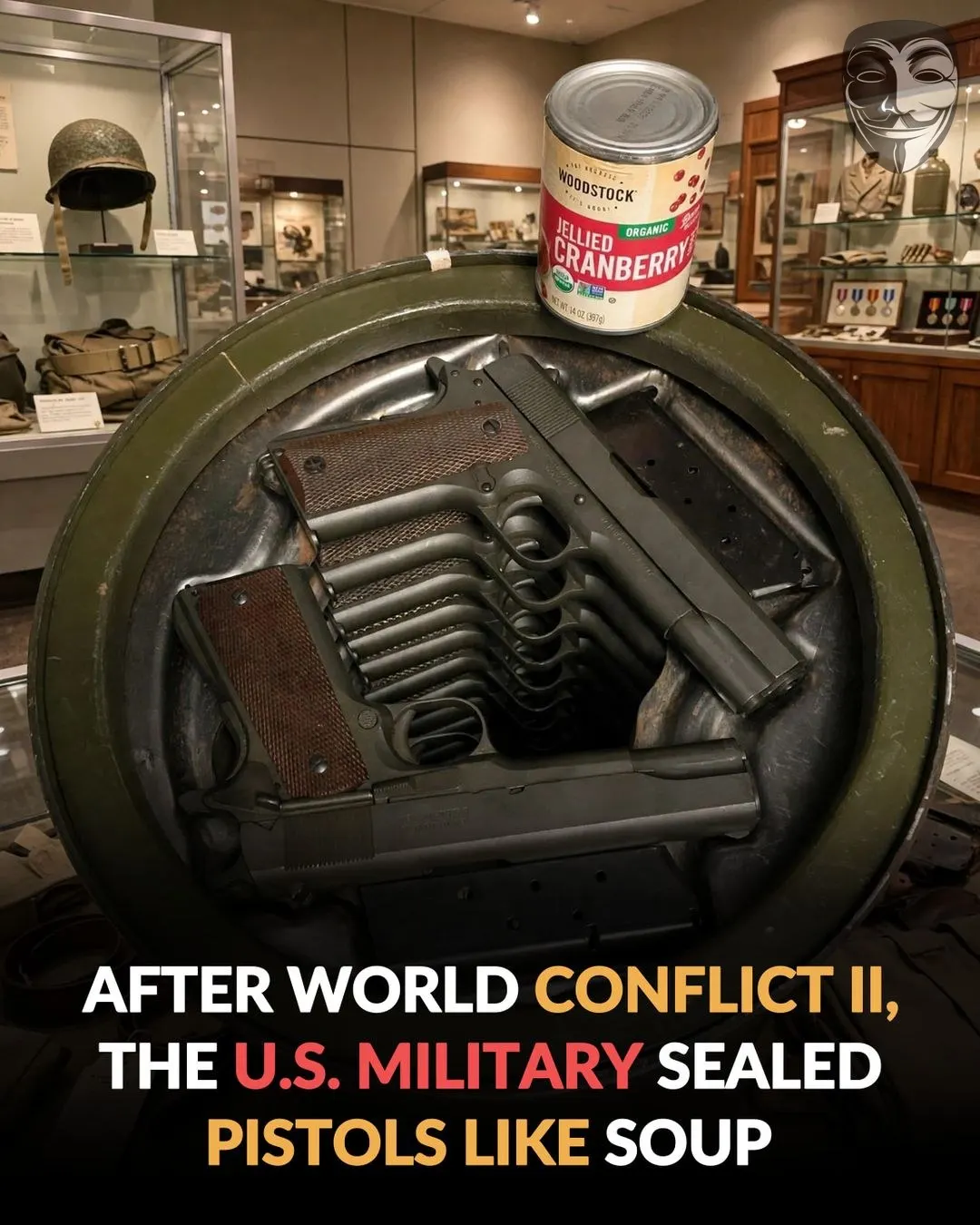
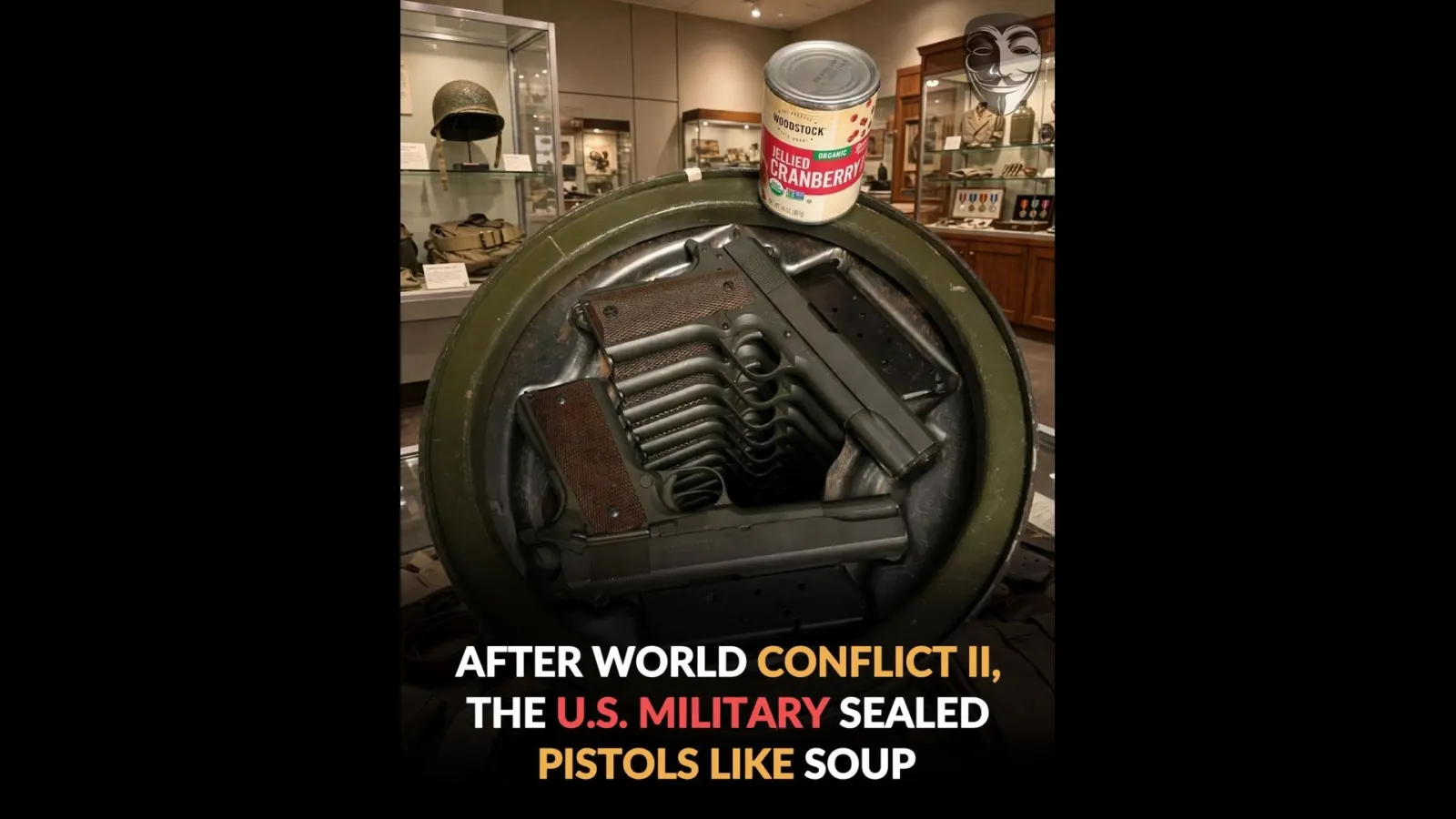
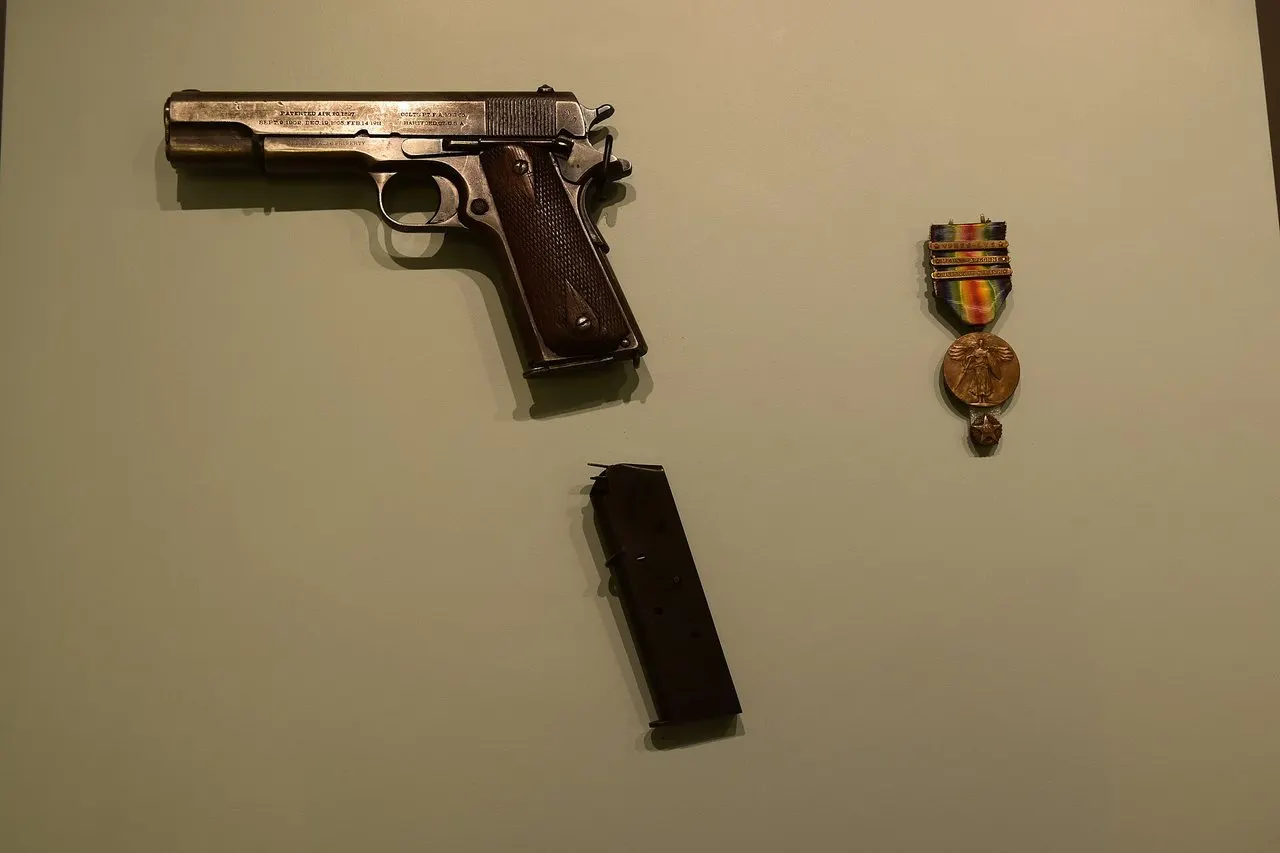
Canned M1911 pistols were sealed in airtight steel cans by workers at Springfield Armory after World War II, when the Army faced a mountain of surplus handguns and needed a way to keep them ready for the future. Each can held twenty pistols, forty magazines and bags of desiccant to soak up moisture, and a full can weighed about ninety pounds. The idea sounded strange, like packing lunch instead of weapons, yet careful tests proved the method worked.
In the slides ahead we tell the full story of the cans, the price of the work and the one can still on display today next to a can of cranberry sauce. You will see how the Armory packed nearly 60,000 pistols, why the cans were dropped and dunked in hot water, and why they were never meant to be dropped from planes. The story is a small slice of history with a very odd twist. For a change of pace, read a historic trip to China.
References:
Guns: That time the Army packed devices like sardines for long term storage
American Rifleman: The CMP M1911s: The Inside Story
Guns: Rack No 24: An Army Surplus CMP 1911
National Park Service: Springfield Armory National Historic Site
A Huge Surplus Left Behind After the War
In the slides ahead we tell the full story of the cans, the price of the work and the one can still on display today next to a can of cranberry sauce. You will see how the Armory packed nearly 60,000 pistols, why the cans were dropped and dunked in hot water, and why they were never meant to be dropped from planes. The story is a small slice of history with a very odd twist. You may also like two teens found safe after a plea.
Springfield Armory and the Canned M1911 Pistols
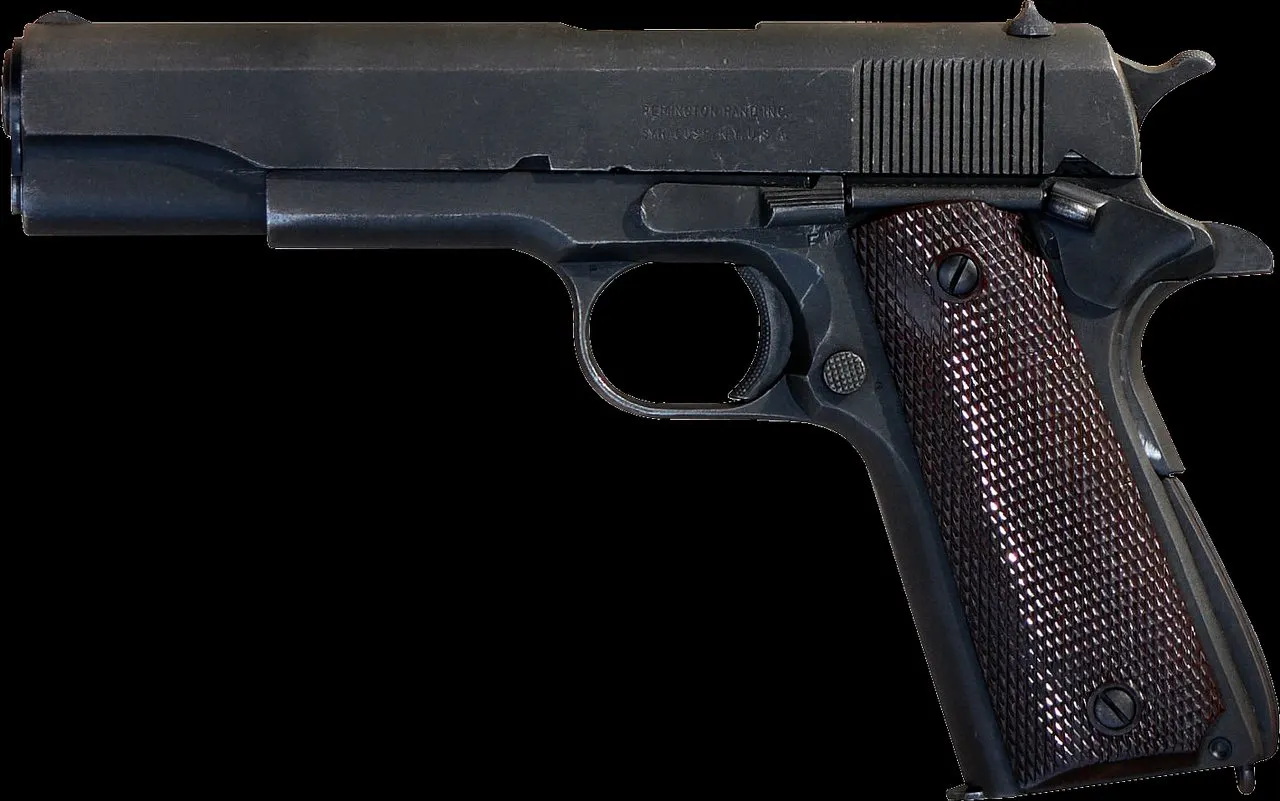
When World War II ended, the United States military was left with a huge supply of surplus weapons, and Springfield Armory in Massachusetts had far more M1911A1 pistols than it could use. The pistols were still good, and the Army wanted them ready in case they were ever needed again. Throwing them away would waste fine weapons, so the Armory had to find a way to store them safely for years. Read more in a CEO asked to return.
Rust: The Enemy of the Canned M1911 Pistols

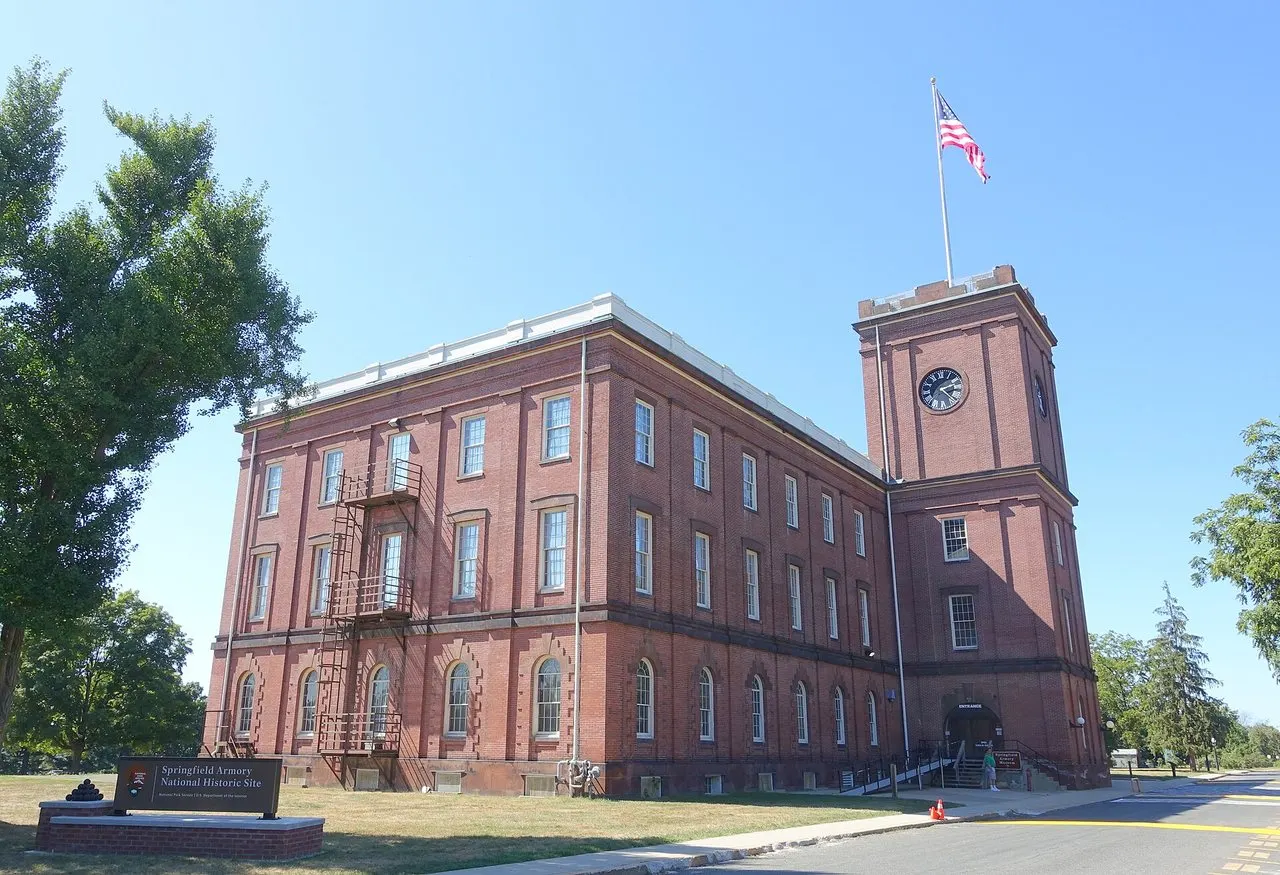
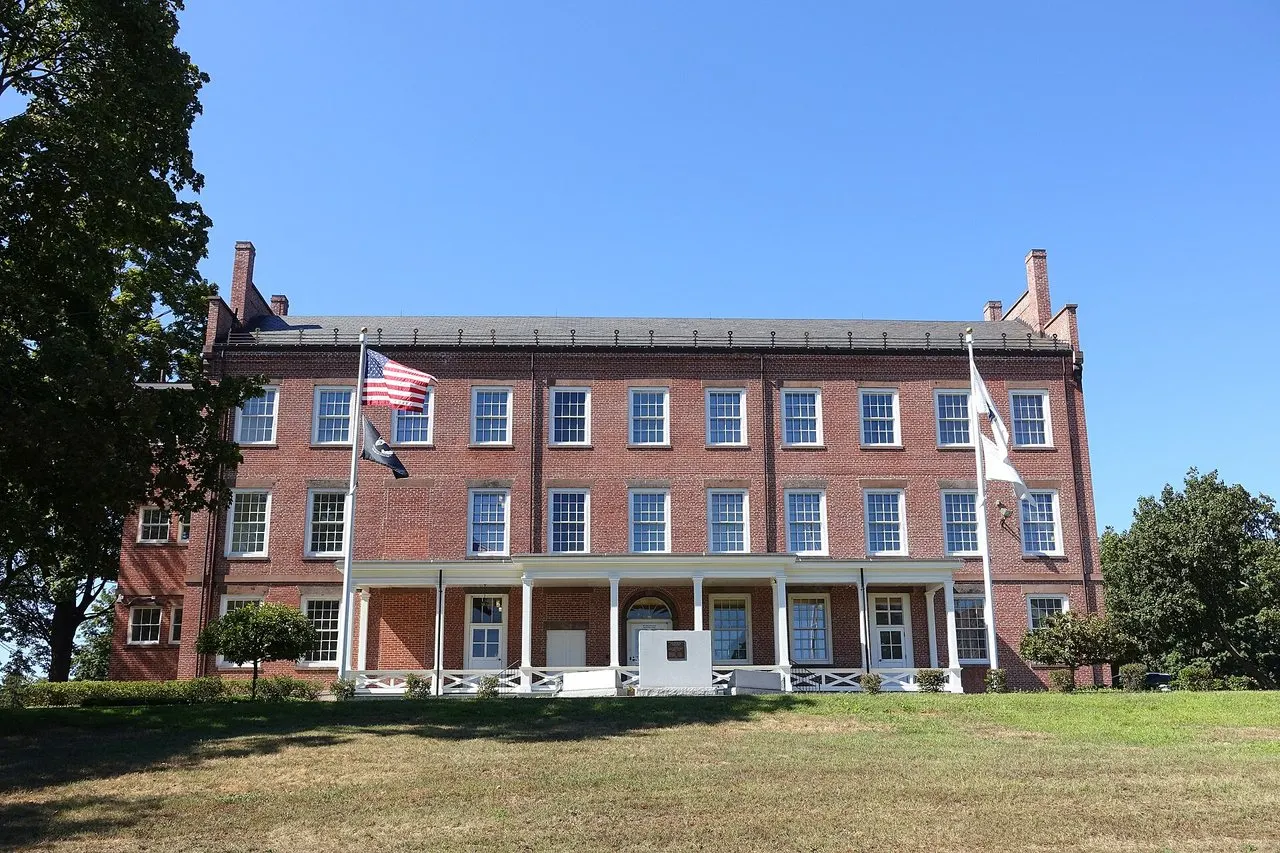
Springfield Armory stood in Springfield, Massachusetts, and it had built weapons for the United States for a very long time. After the war its workers faced a new kind of job, not making guns but saving them. The Armory became the place where the big canning plan took shape, and its name is still tied to the story today. The site now welcomes visitors who want to see its history up close. For another story, see a handshake that drew questions.
Canned M1911 Pistols: Twenty Pistols in Every Can
Steel rusts when air and water reach it, and a pistol left on a shelf for years would soon be ruined. Oil helps for a short time, but it dries out and dust settles in every corner of the metal. The Armory needed a plan that would keep each pistol dry and clean for a long time without anyone opening the package to check it. Sealing the guns away from air was the answer they chose. Our site also covers a long awaited return to Vice City.
Forty Magazines Packed Beside Them
Each steel can held exactly twenty M1911A1 pistols, packed in tight so they would not shift or knock against each other. Workers placed them with care, because a scratch or a dent could harm a fine weapon. Twenty was the number that fit well and kept the can easy to handle. The count was the same in every can, which made storage simple and the stock easy to count. Take a break with a Christmas wish list.
Desiccant Bags Guarding the Canned M1911 Pistols
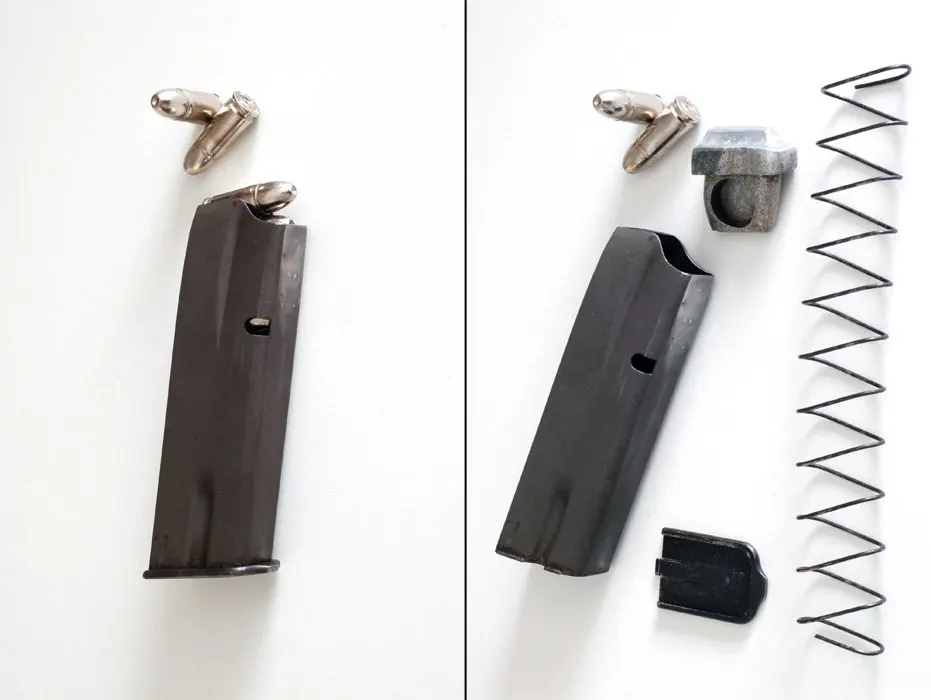
Beside the twenty pistols, workers packed forty magazines into each can, two for every pistol inside. A magazine holds the rounds a pistol fires, so a stored pistol without one would be of little use. Packing them together meant each can was a complete kit, ready to open and use. The magazines were cleaned and checked before they went in, just like the pistols. For a change of pace, read a glamorous mirror selfie.
Airtight Steel Guarding the Canned M1911 Pistols
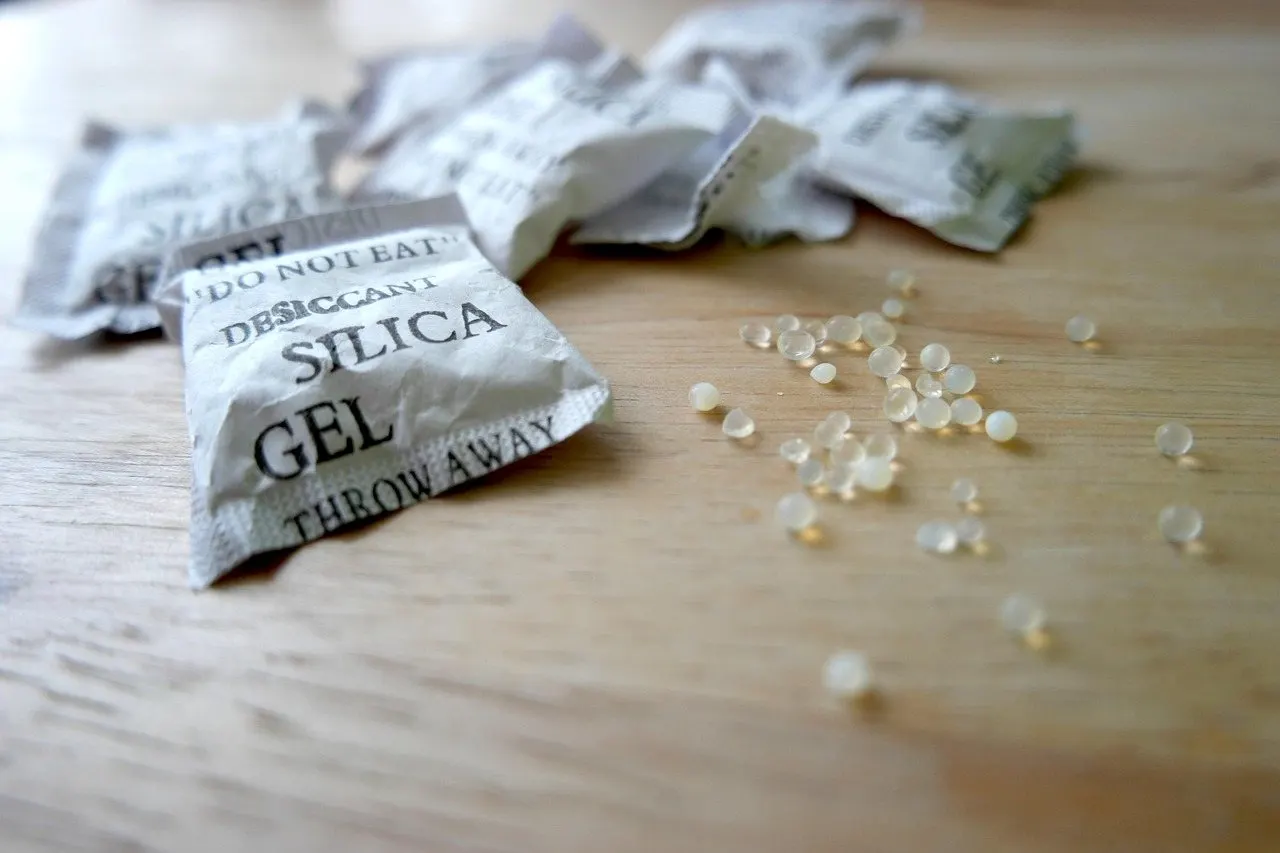
Bags of desiccant went into every can along with the pistols and magazines. Desiccant is a drying material that soaks up moisture from the air trapped inside a sealed space. Even a tiny bit of damp air can cause rust over many years, so the bags gave the pistols extra safety. It was a simple step, yet it made the whole plan work far better than a bare can would. You may also like why some young people want cash again.
Canned M1911 Pistols Weighed Ninety Pounds
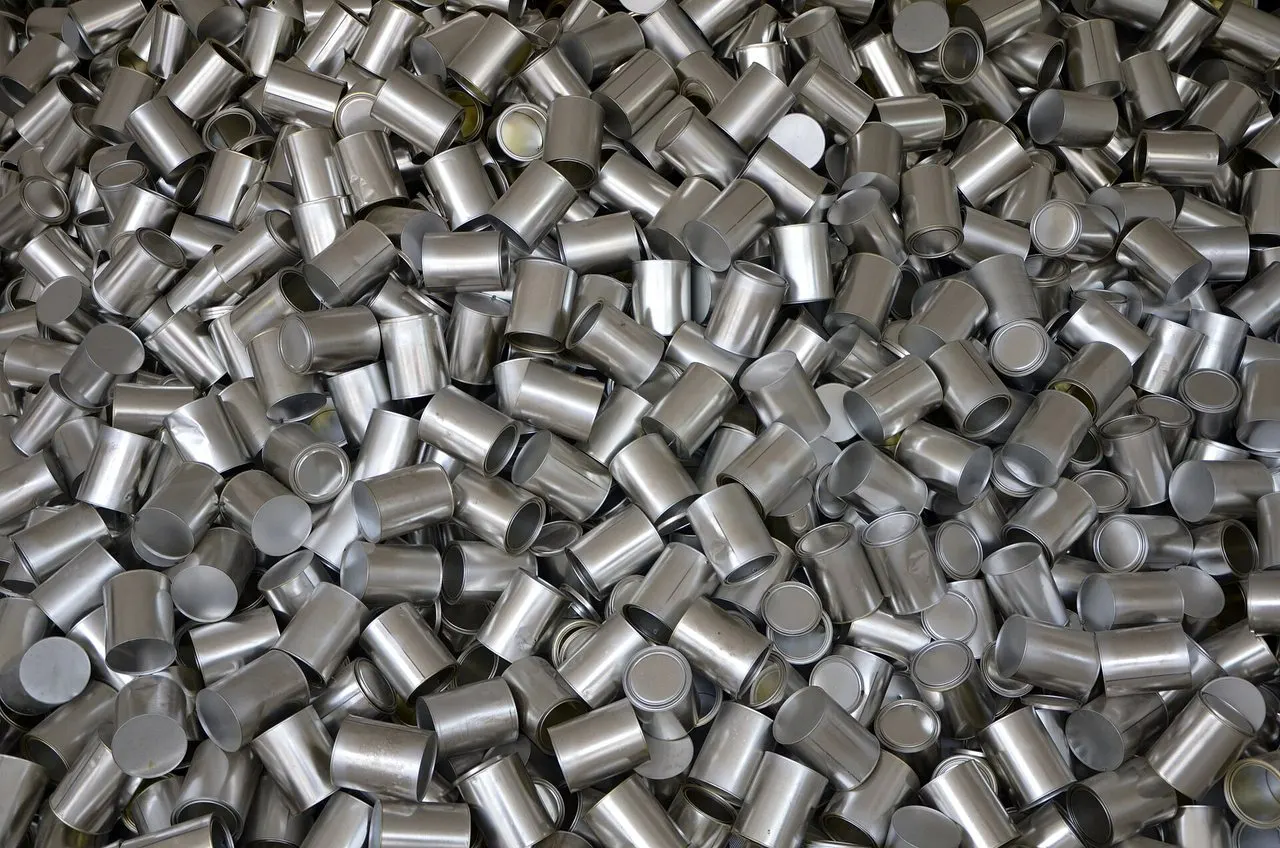
The steel cans were sealed airtight, so no fresh air or water could get in once the lid was closed. Workers used a method much like the one used for food, pressing the seal tight and checking it held. An airtight can keeps the inside dry and still, which is just what a stored pistol needs. The seal was the heart of the whole idea, and it had to be perfect. Read more in a valedictorian home with her mom.
The Cost Was Only $1.57 Each
A full can weighed about ninety pounds, which is heavy for one person to lift and carry far. The weight came from twenty steel pistols, forty magazines and the thick steel can itself. Workers and soldiers had to plan how to move and stack so many heavy cans in a storehouse. The weight also showed how solid the packing was, with no wasted space inside. For another story, see a phone order that took 16 years.
Canned M1911 Pistols: Nearly 60,000 Packed Away
Canning each pistol cost about $1.57, a small price for keeping a fine weapon safe for years. That low cost covered the can, the desiccant and the work of packing and sealing. At that price the Armory could afford to can tens of thousands of pistols without spending a fortune. It was a plain, practical answer to a very large storage problem. Our site also covers a viral post with a twist.
Dropped to Prove the Cans Would Last
In all, the Armory canned nearly 60,000 pistols, a number that shows how large the surplus was after the war. Each pistol was cleaned, packed and sealed by hand, so the job took many workers and many hours. Sixty thousand pistols filled three thousand cans, and each can waited in storage for a future that might never come. The scale of the work still surprises people today. Take a break with a bill to seal the border.
Dunked in Hot Water for Testing
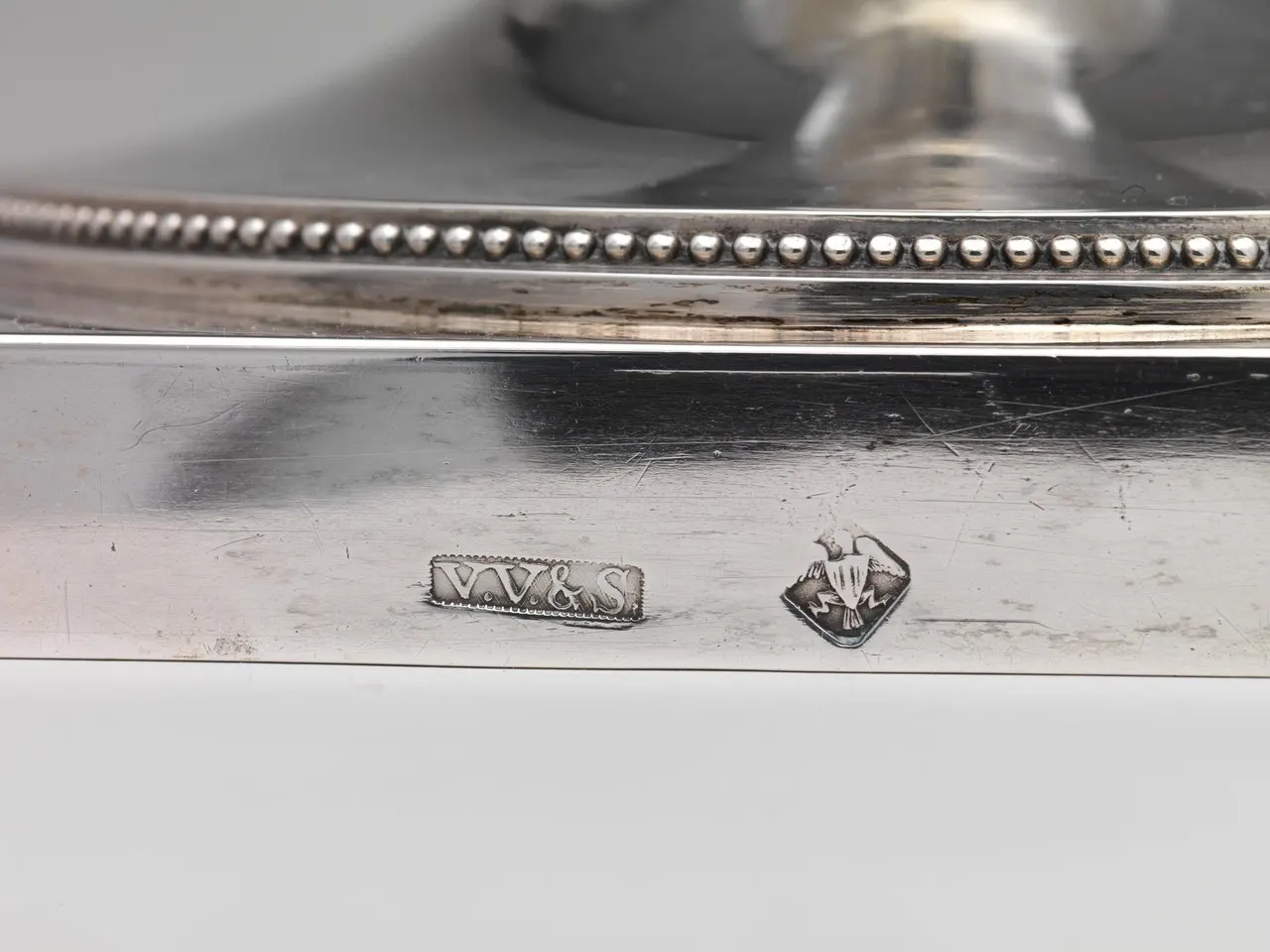
To prove the cans would last, workers dropped them hard and checked the seals after each fall. A can that broke open or let in air would be useless, so the test had to be tough. The cans held up well, which gave the Armory faith that the pistols inside would stay safe. A storage plan is only good if it survives rough handling, and these cans did. For a change of pace, read hearty Kentucky dishes.
Humidity Checks Inside the Sealed Cans

The cans were also dunked in hot water to test the seals, a simple check that would show any leak at once. If water got in, the pistols would rust, so the test mattered a great deal. The cans passed, and the hot water proved the seals were tight. It was an odd sight, steel cans full of pistols taking a bath, yet it was a smart way to test them. You may also like old Southern Thanksgiving pies.
Canned M1911 Pistols Were Built for Storage, Not Airdrops

Workers checked the humidity inside the cans as well, because damp air is the quiet enemy of stored steel. A small test could show whether the desiccant was doing its job and whether the seal was holding. The checks gave the Armory numbers it could trust, not just hope. Keeping the inside dry was the whole point, and the tests proved it worked. Read more in a report on falling vaccination rates.
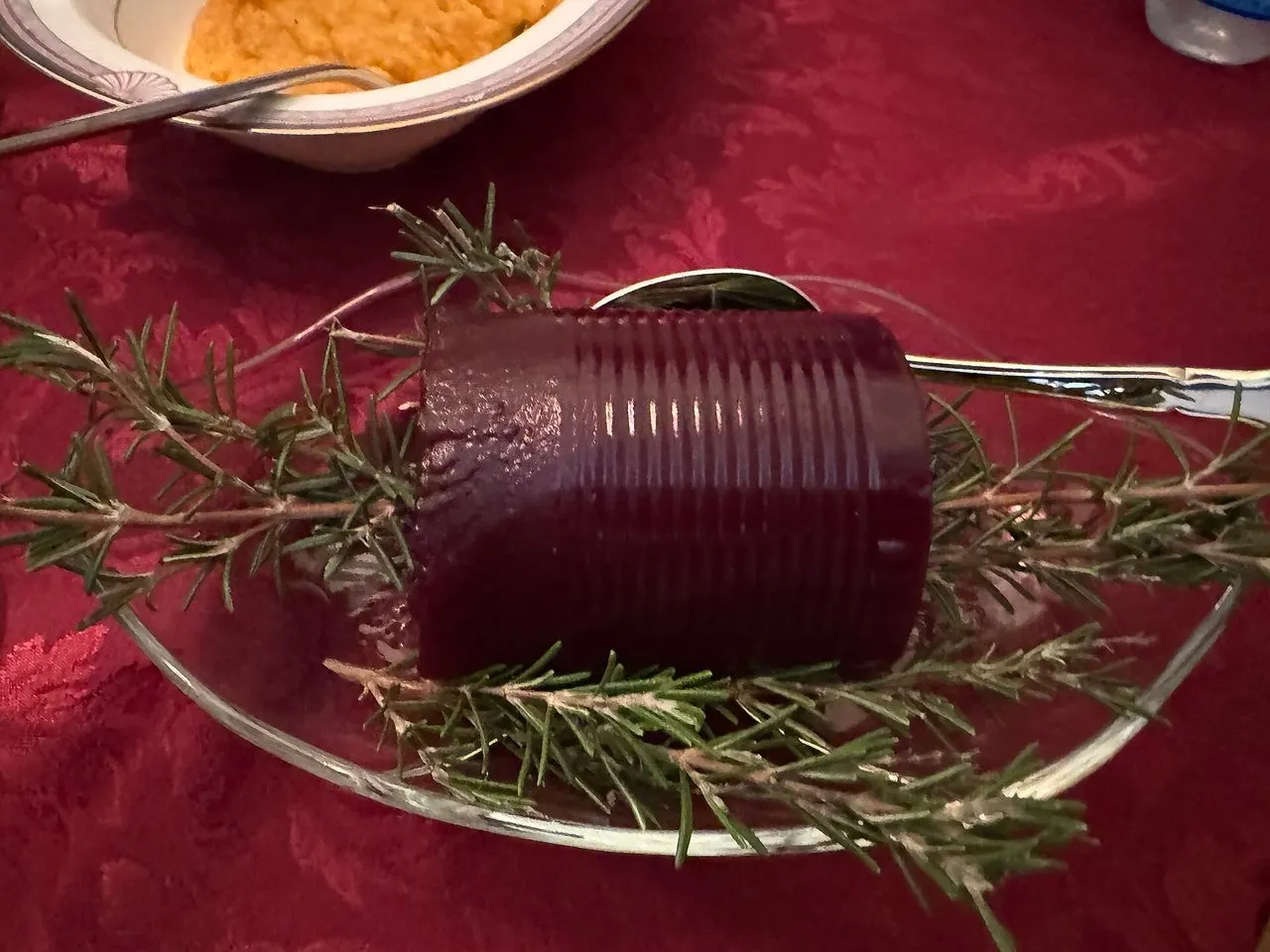
The Cranberry Sauce Can for Scale
Some people have claimed the cans were made to be dropped from planes, but that is not true. The cans were built for long term storage on shelves in a storehouse, not for falling from the sky. The drop tests were only to prove the cans could take a knock, not to prepare them for an airdrop. Knowing the real purpose keeps the story honest and clear. For another story, see a historic trip to China.
One Can Now on Display
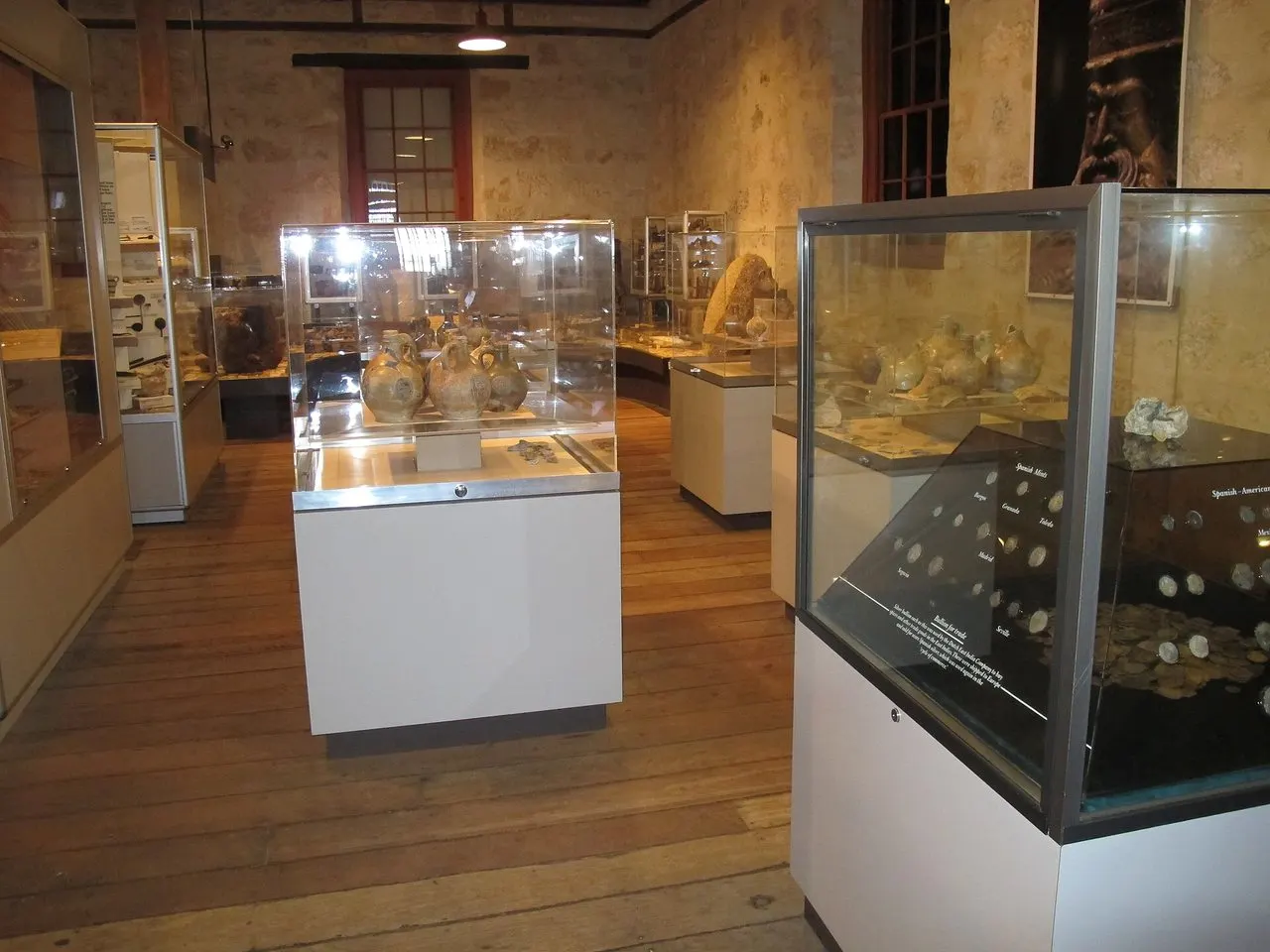
One of the cans is now on display at the Springfield Armory National Historic Site, placed next to a can of cranberry sauce for scale. The food can shows visitors just how big the pistol can really is, and the pairing makes people smile. A can of sauce is a familiar thing, and next to it the pistol can looks huge and heavy. It is a clever way to show size. Our site also covers two teens found safe after a plea.
Springfield Armory National Historic Site

The Springfield Armory National Historic Site keeps the story of American arms making alive for visitors today. The site holds old machines, weapons and records from the days when the Armory built guns for the nation. Seeing the pistol can there puts the whole story in one place, with the real object in front of you. A museum visit makes history feel close and real. Take a break with a CEO asked to return.
Canned M1911 Pistols: What Is an M1911A1
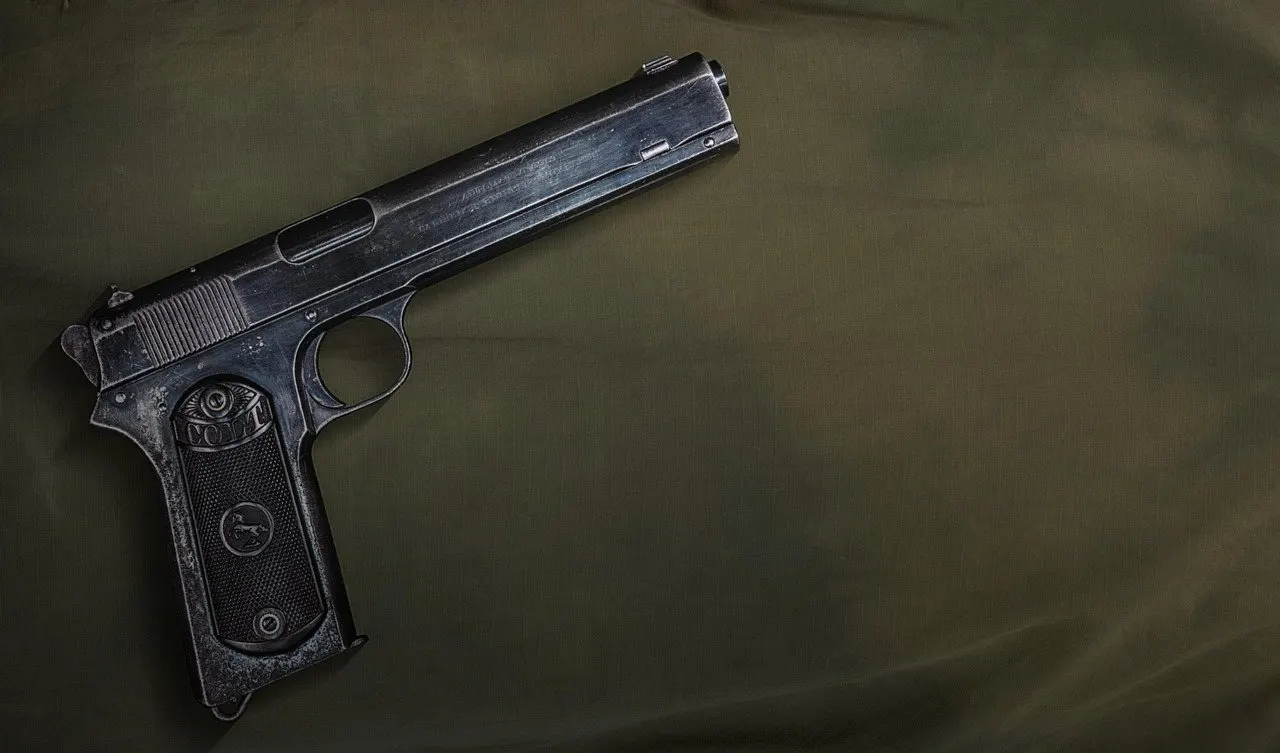
The M1911A1 is a large, solid pistol that served the United States military for many decades. It fires a big round, feels heavy in the hand and is known for being tough and simple to use. Soldiers trusted it because it worked when it mattered, and it became one of the most famous handguns in the world. Its plain design is part of its lasting fame. For a change of pace, read a handshake that drew questions.
The Pistol That Served Two World Wars
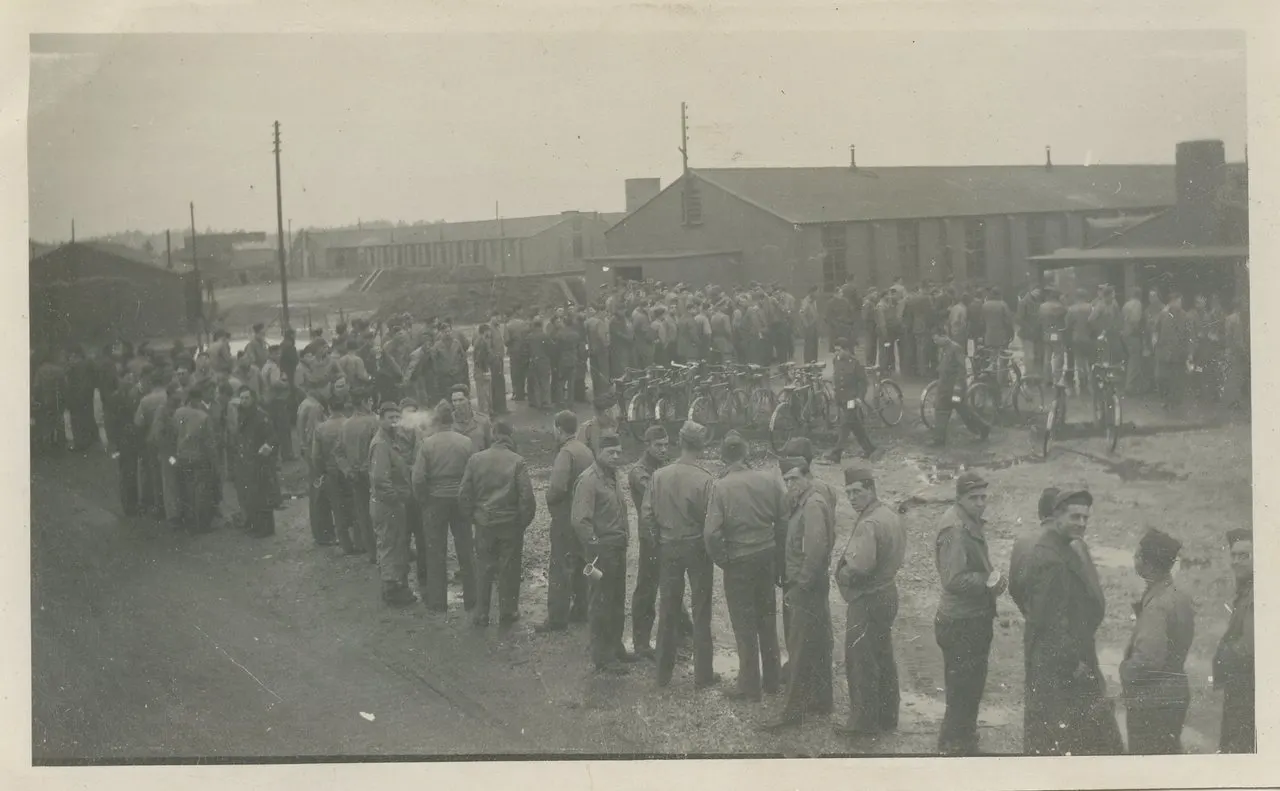
The M1911 pistol served through two world wars and many smaller conflicts, carried by officers and soldiers who needed a sidearm they could count on. It was first adopted in 1911, and the improved A1 version came later with small changes that made it easier to hold and shoot. Few weapons stay in service so long, and that long life says much about the design. You may also like a long awaited return to Vice City.
Why the Army Kept Pistols for Later
After a great war ends, armies often keep weapons in case a new threat appears, and the United States did the same with its pistols. Storing them well costs far less than building new ones later, and a ready stock means a country can act fast. The canning plan was a way to buy time and save money at once. It was planning for peace by keeping tools ready. Read more in a Christmas wish list.
How Desiccant Soaks Up Moisture
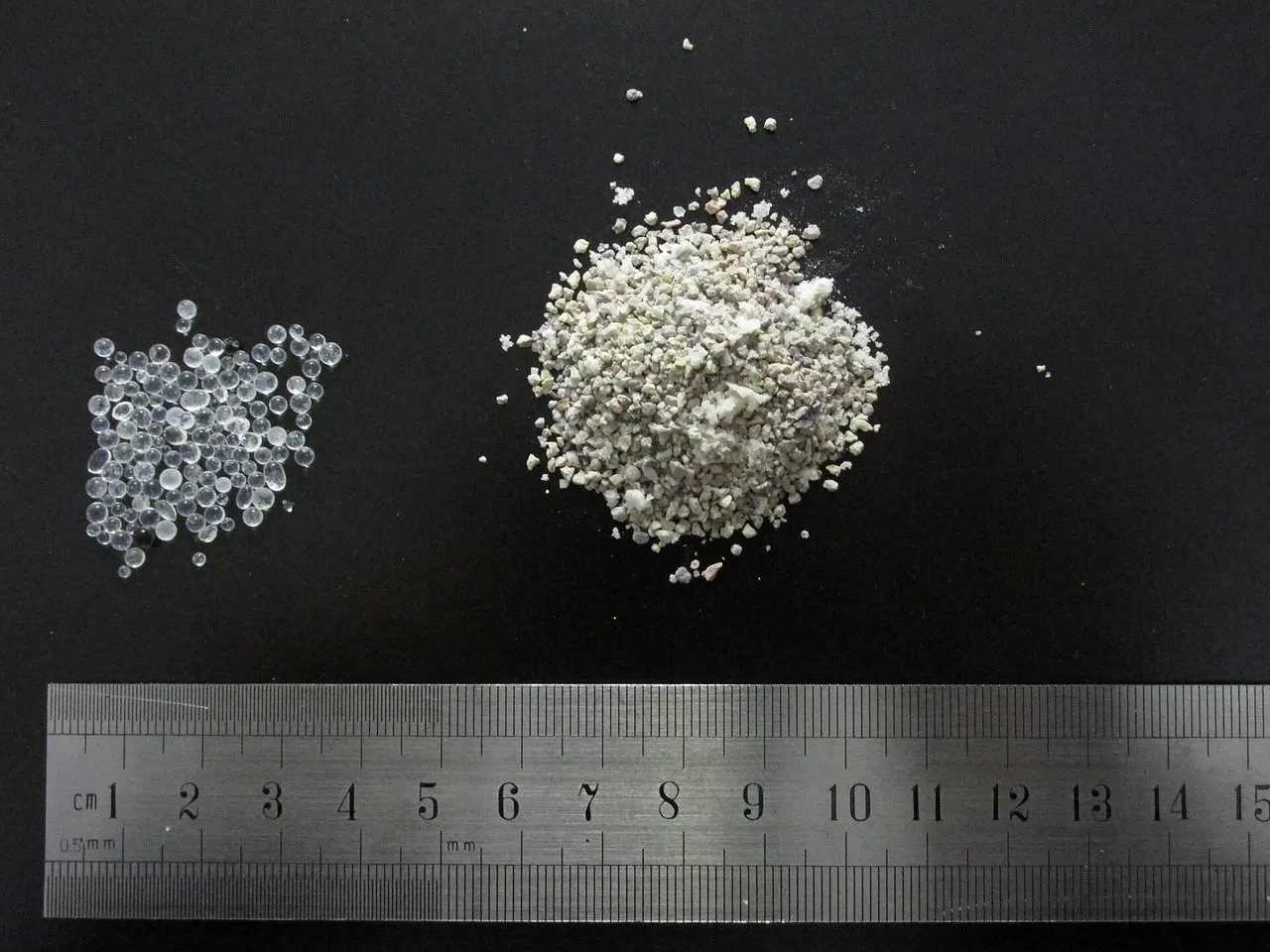
Desiccant is a quiet hero of storage, a material that pulls water out of the air around it. You may have seen small paper packs of it in a new shoe box or a camera case, doing the same job on a small scale. In the pistol cans the bags kept the trapped air dry for years, so rust had no chance to start. Simple chemistry protected fine steel. For another story, see a glamorous mirror selfie.
Canned M1911 Pistols and the Food They Copied
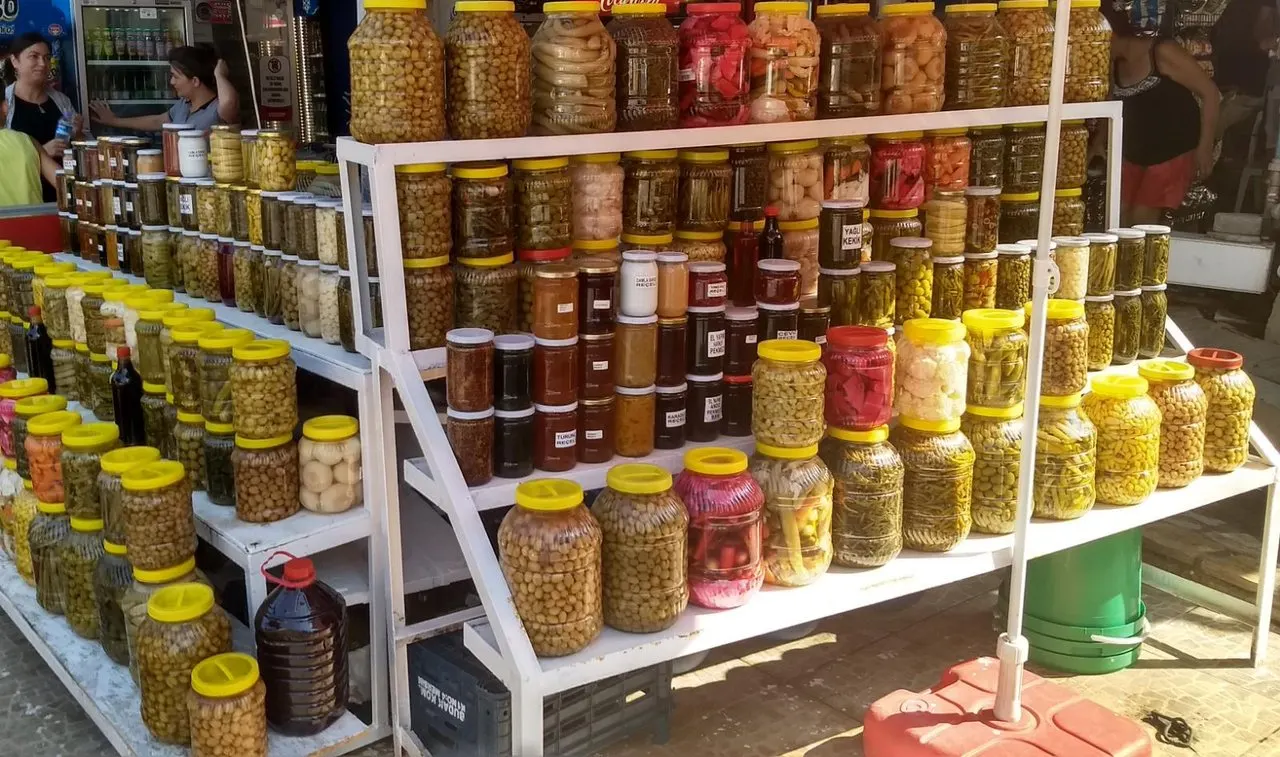
Canning food is a familiar idea, and the Armory borrowed it for pistols. Home cooks seal fruit and soup in jars to keep them safe for months, and factories do the same with tin cans. The pistol cans used the same idea on a bigger scale, with steel thick enough to hold twenty guns. Food and firearms rarely share a method, yet here they did. Our site also covers why some young people want cash again.
Soup Cans and Pistol Cans Side by Side

Soup cans and pistol cans look alike from the outside, and that is part of why the story charms people. A can of soup sits on a pantry shelf, plain and quiet, and the pistol cans sat on storehouse shelves in much the same way. The joke writes itself, yet the work behind it was serious and careful. The likeness is what makes the tale stick in the mind. Take a break with a valedictorian home with her mom.
The Workers Behind the Canning Line
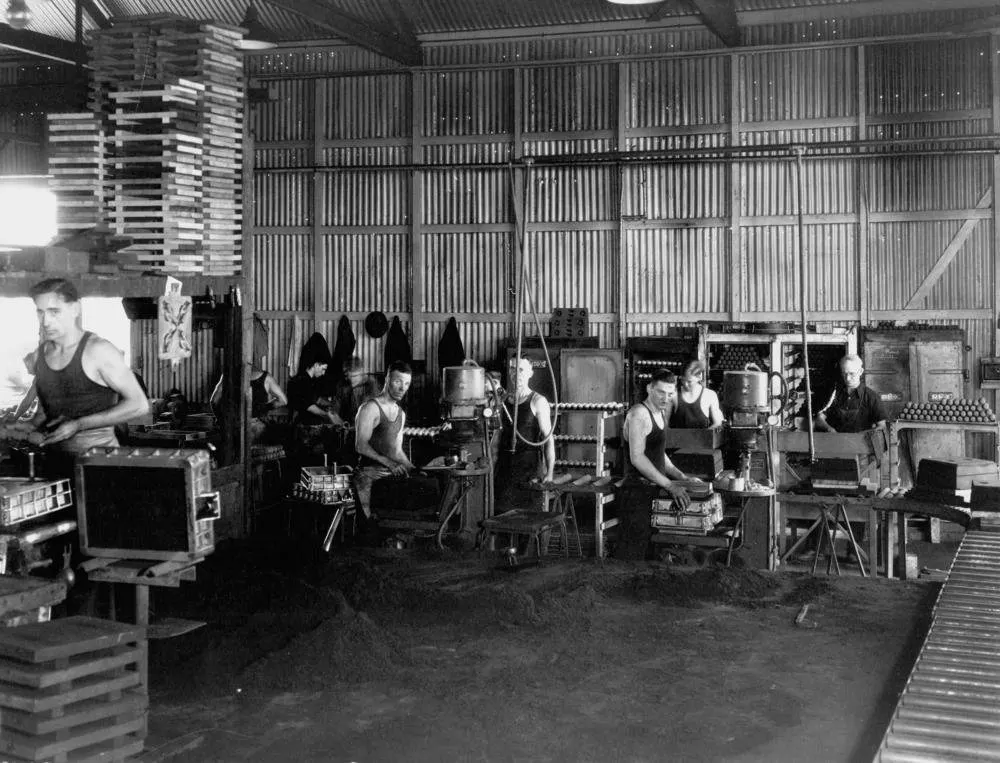
Behind every can stood workers who cleaned, packed and sealed the pistols by hand. Their work was steady and exact, because one bad seal could spoil twenty fine guns. We do not know most of their names, yet their care is the reason the plan worked. History often forgets the hands that do the work, but this story is theirs as much as anyone else. For a change of pace, read a phone order that took 16 years.
Canned M1911 Pistols and Where They Went Next
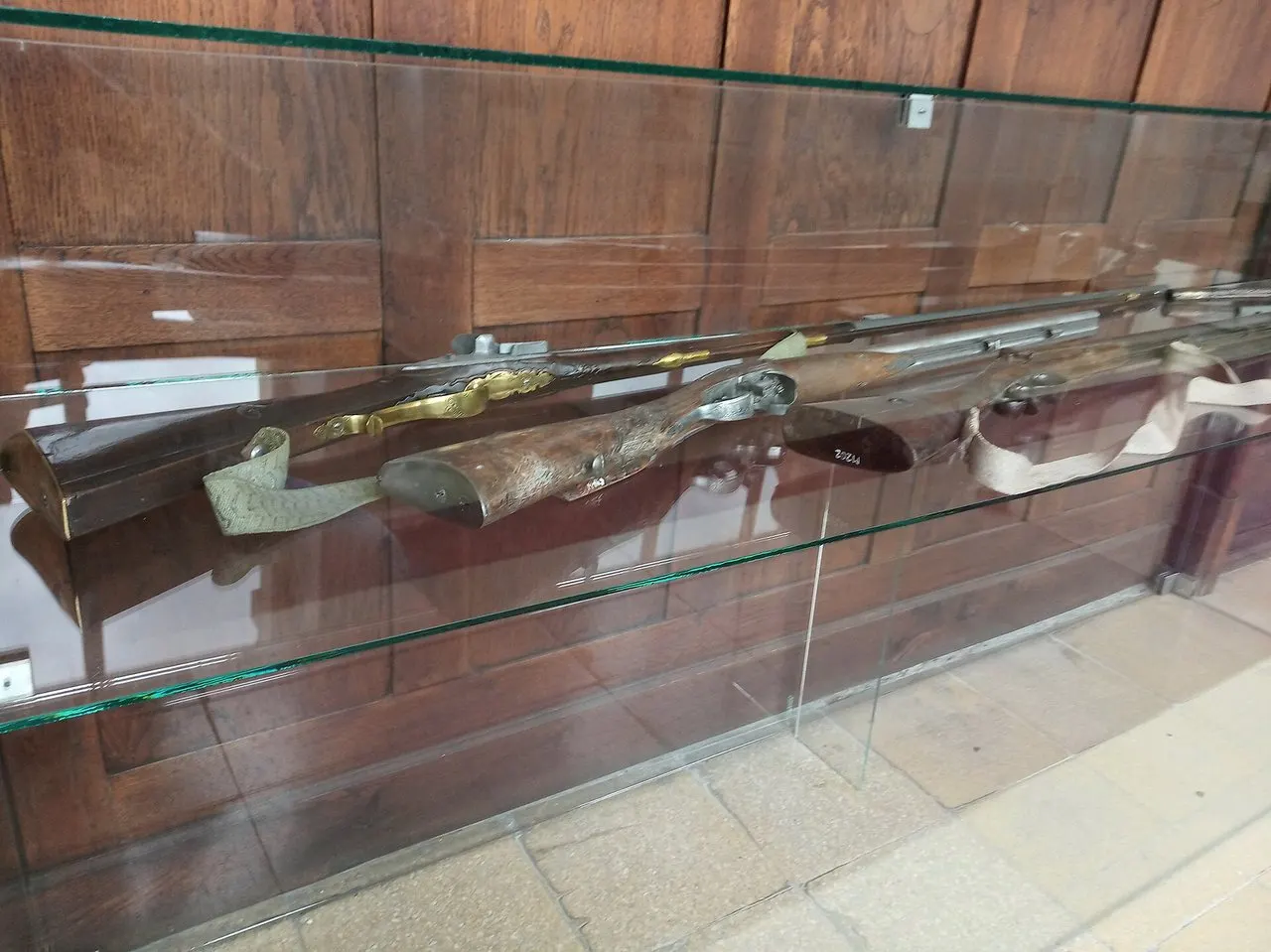
Many of the canned pistols later found new homes, and some reached civilians through the Civilian Marksmanship Program, which sells surplus military firearms to qualified buyers. The program checks buyers with care and keeps records, and the old pistols are prized by collectors and shooters. A pistol that once waited in a steel can may now sit in a safe or a display case. You may also like a viral post with a twist.
The CMP and Surplus M1911s Today
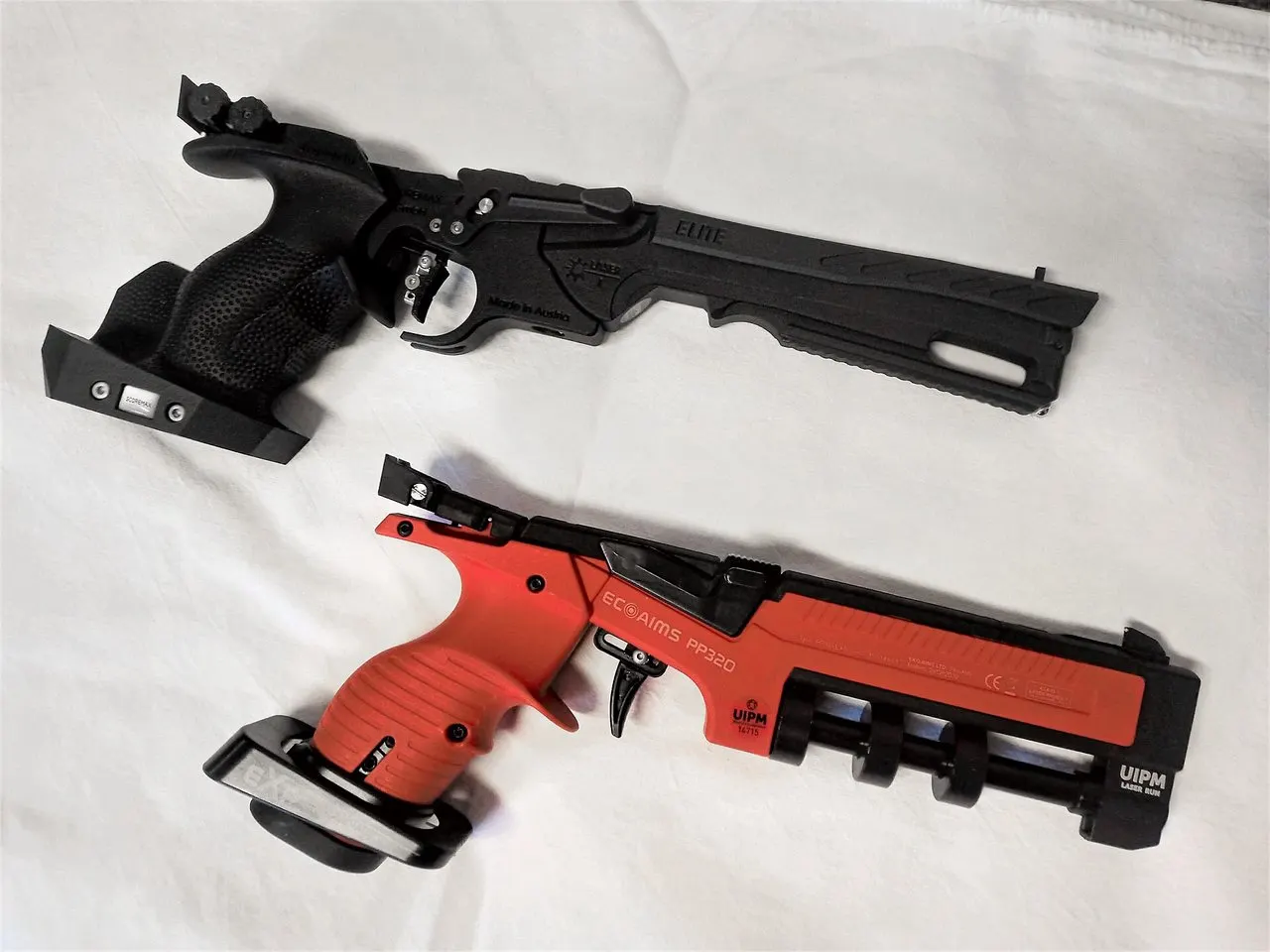
The Civilian Marksmanship Program has a long history of moving surplus military rifles and pistols into civilian hands in a lawful and careful way. Its sales of M1911 pistols drew huge interest, because each gun carries a piece of history. Buyers like the link to the past, and the program likes the funds for youth shooting sports. The old cans helped make that story possible. Read more in a bill to seal the border.
Why This Story Still Surprises People
People still smile when they hear that the Army canned pistols like soup, because the image is so odd and so clear. It sounds like a joke from a tall tale, yet the cans were real, the tests were real and one can is still on display. Strange true stories travel far, and this one has all the right parts, a big idea, a plain fix and a happy ending. For another story, see hearty Kentucky dishes.
What Would You Ask About the Canned M1911 Pistols?
What would you ask if you could stand in front of the display can at Springfield Armory and look at it up close? Would you want to know how the seal was made, or what the pistols looked like when a can was opened years later? Share your questions in the comments below, and tell us which part of this strange true story surprised you most. Our site also covers old Southern Thanksgiving pies.