The Ceuta Migrant Crossing Claims That Started a Debate
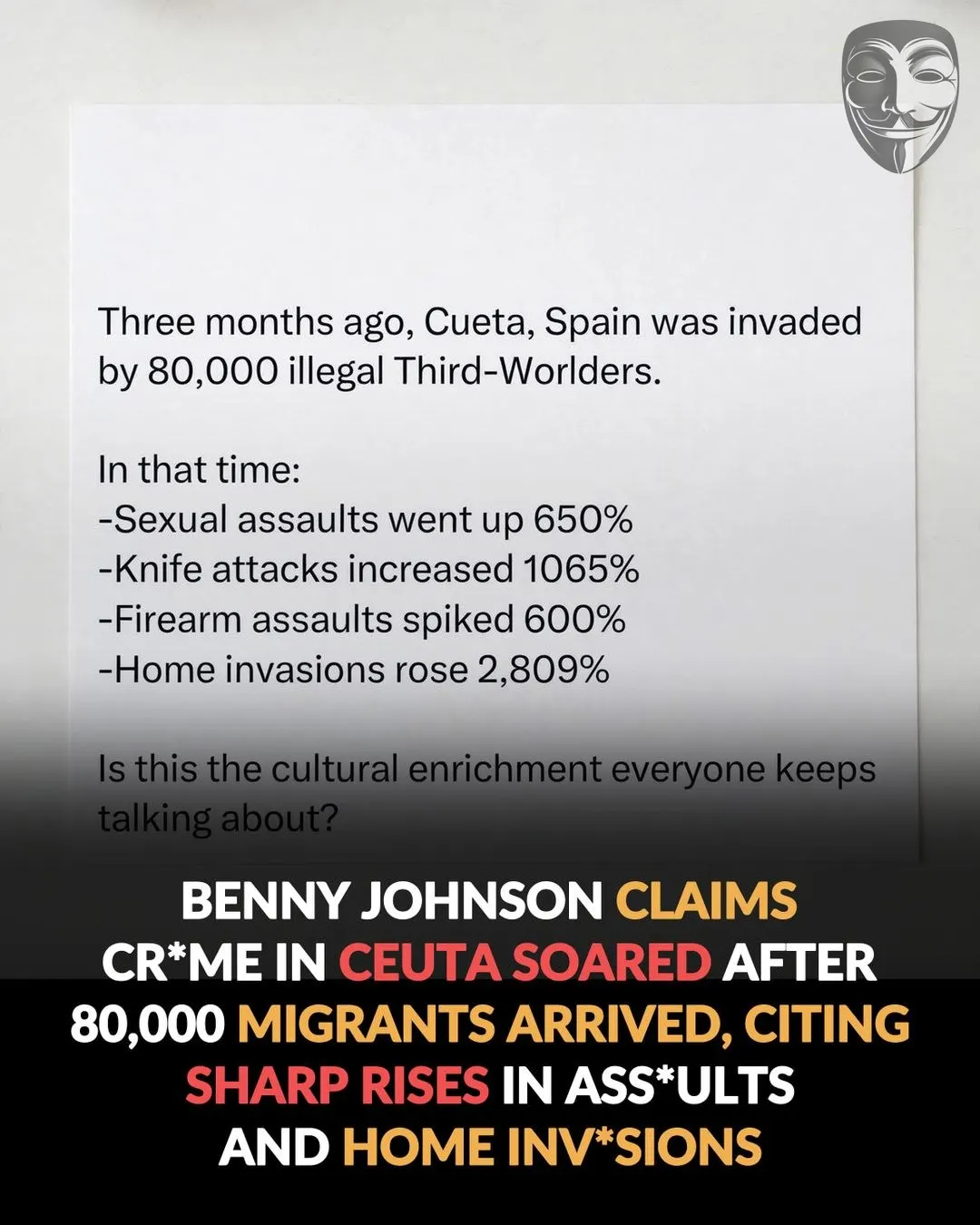
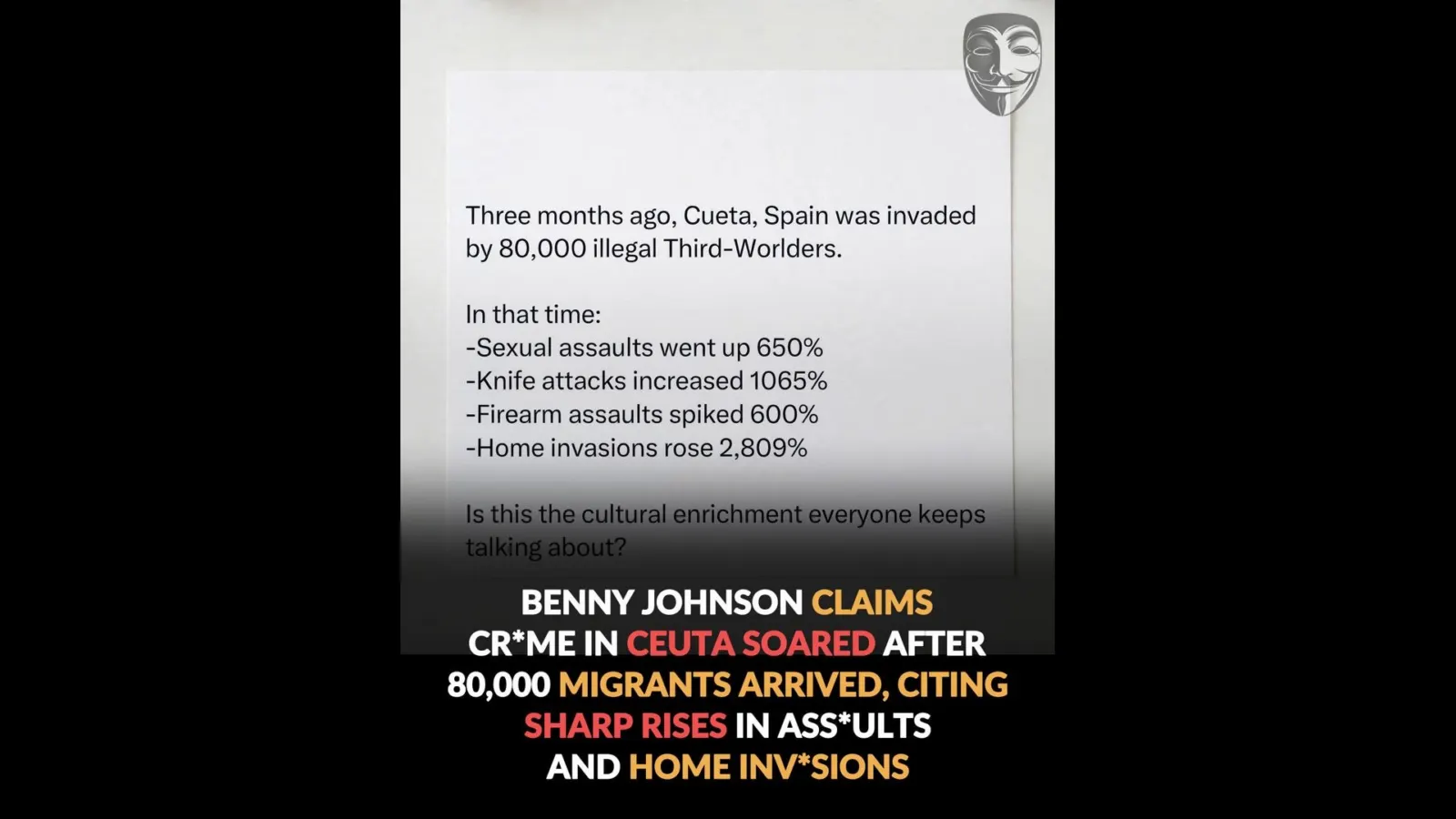
The Ceuta migrant crossing is at the centre of a heated online debate after Benny Johnson shared a post claiming that crime in the city soared following the arrival of about 80,000 migrants. The post says that three months after the crossing, reported sexual assaults rose by 650 percent, knife attacks by 1,065 percent, firearm assaults by 600 percent and home invasions by 2,809 percent. The figures come from the post itself, and the post ends by asking whether this is the cultural enrichment everyone keeps talking about.
Real reporting confirms that the crossing itself was huge. On July 30, 2026, tens of thousands of people crossed from Morocco into Ceuta, overwhelming reception centres, and Spanish authorities said most later returned to Morocco while troops were sent to restore order. The city is still working through the backlog of people who stayed, and readers are now asking whether the figures in the viral post match the official record. We look next at the claim and the checks, including a viral post with an unexpected twist.
References:
Associated Press: At least 18 d*e after breach of border between Morocco and Spanish territory of Ceuta
TMJ4: Spain deploys military to Ceuta after thousands of migrants cross from Morocco
BBC: Spain deploys troops as thousands cross into Ceuta from Morocco
Reuters: Spain’s rush to clear Ceuta migrant backlog raises rights concerns
What the Ceuta Migrant Crossing Post Actually Claims
Benny Johnson shared a post claiming that three months after about 80,000 people crossed into Ceuta, reported crime figures in the city had jumped sharply. The post lists sexual assaults up 650 percent, knife attacks up 1,065 percent, firearm assaults up 600 percent and home invasions up 2,809 percent. Those numbers come from the post itself, and no official source is quoted inside it. The claim spread because the numbers are startling and the question at the end invites a strong reaction, like two very different maps.
Four Startling Numbers From One Viral Post
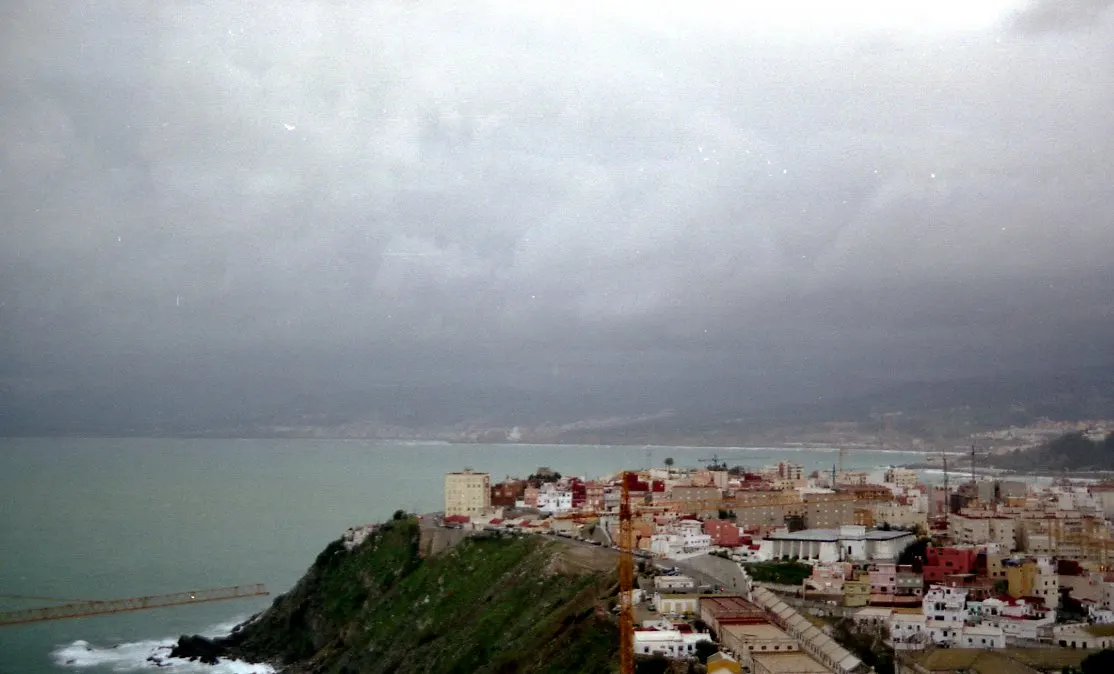
The four numbers are the heart of the claim. Sexual assaults up 650 percent, knife attacks up 1,065 percent, firearm assaults up 600 percent and home invasions up 2,809 percent all sound enormous. Yet a percentage on its own tells only half the story. A rise from a very small starting number can produce a huge percentage. Without the starting figures, readers cannot tell how many cases sit behind each percentage, which is why a petition that gathered signatures fast remind us to ask for the full picture.
Who Is Benny Johnson
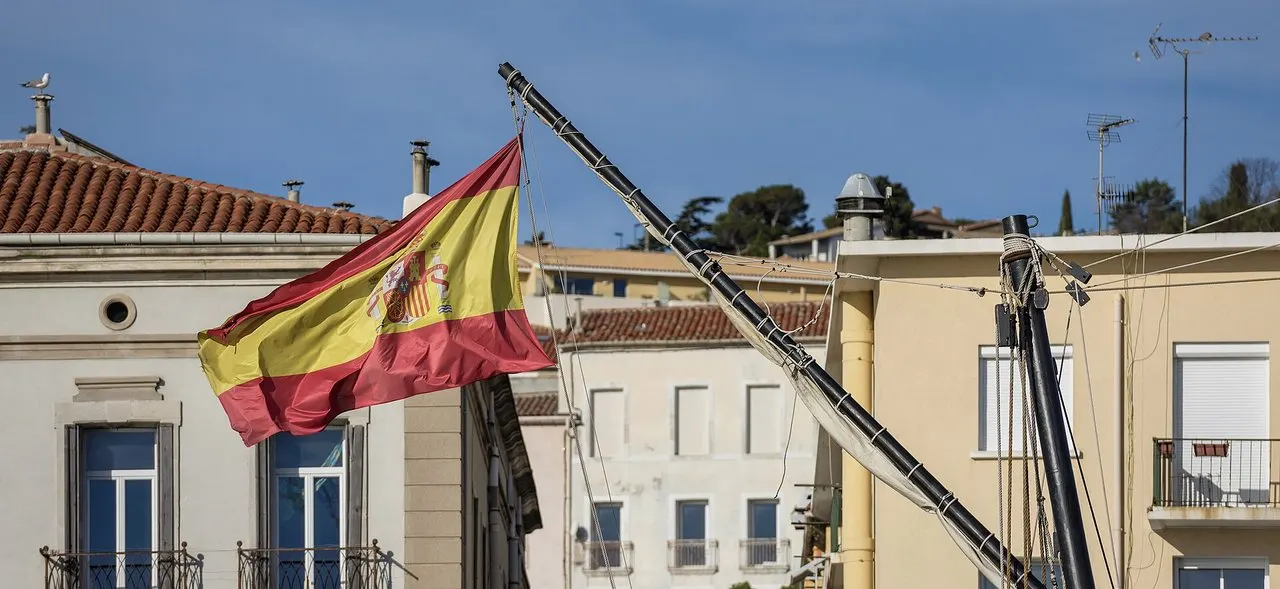
Benny Johnson is an American political commentator who shares news and opinion with a large online audience. His posts often mix a striking claim with a sharp question, and they are built to be shared. When a post from a commentator with a big following goes viral, the numbers inside it can reach millions of people before anyone has checked them. That reach is part of the story here, because the Ceuta figures spread as a social media claim first and a checked fact second, much like a strange story from Spain.
Where Is Ceuta and Why It Matters
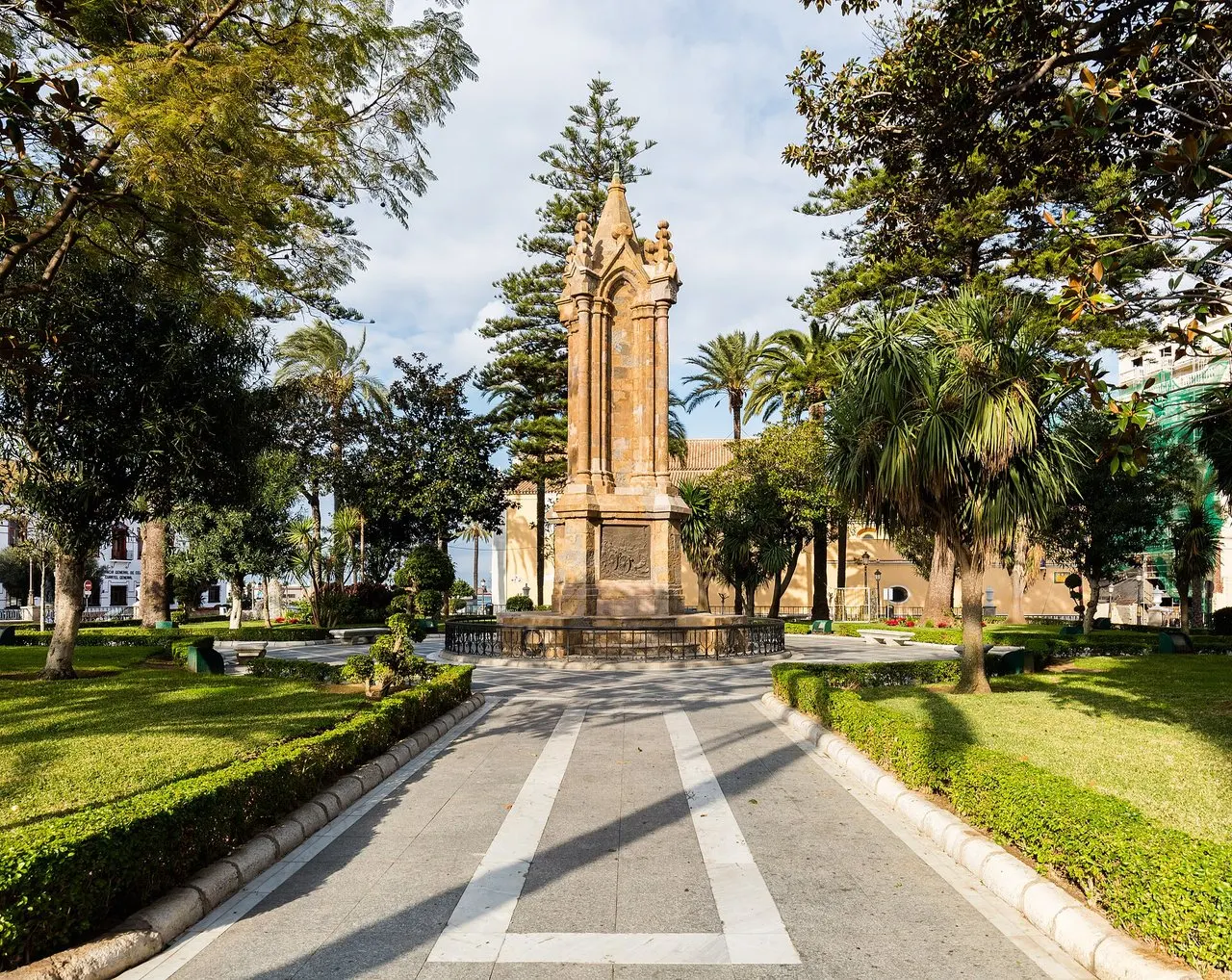
Ceuta is a Spanish autonomous city on the northern coast of Africa, just across the Strait of Gibraltar from mainland Spain. It shares a land border with Morocco, one of the few places where the European Union meets Africa on land. The small city holds outsized importance in debates about migration, borders and security. Together with Melilla, further east along the coast, Ceuta has long been a focal point whenever large numbers of people try to reach Spanish soil, as shown by promises made and kept in New York.
The Ceuta Migrant Crossing of July 30, 2026
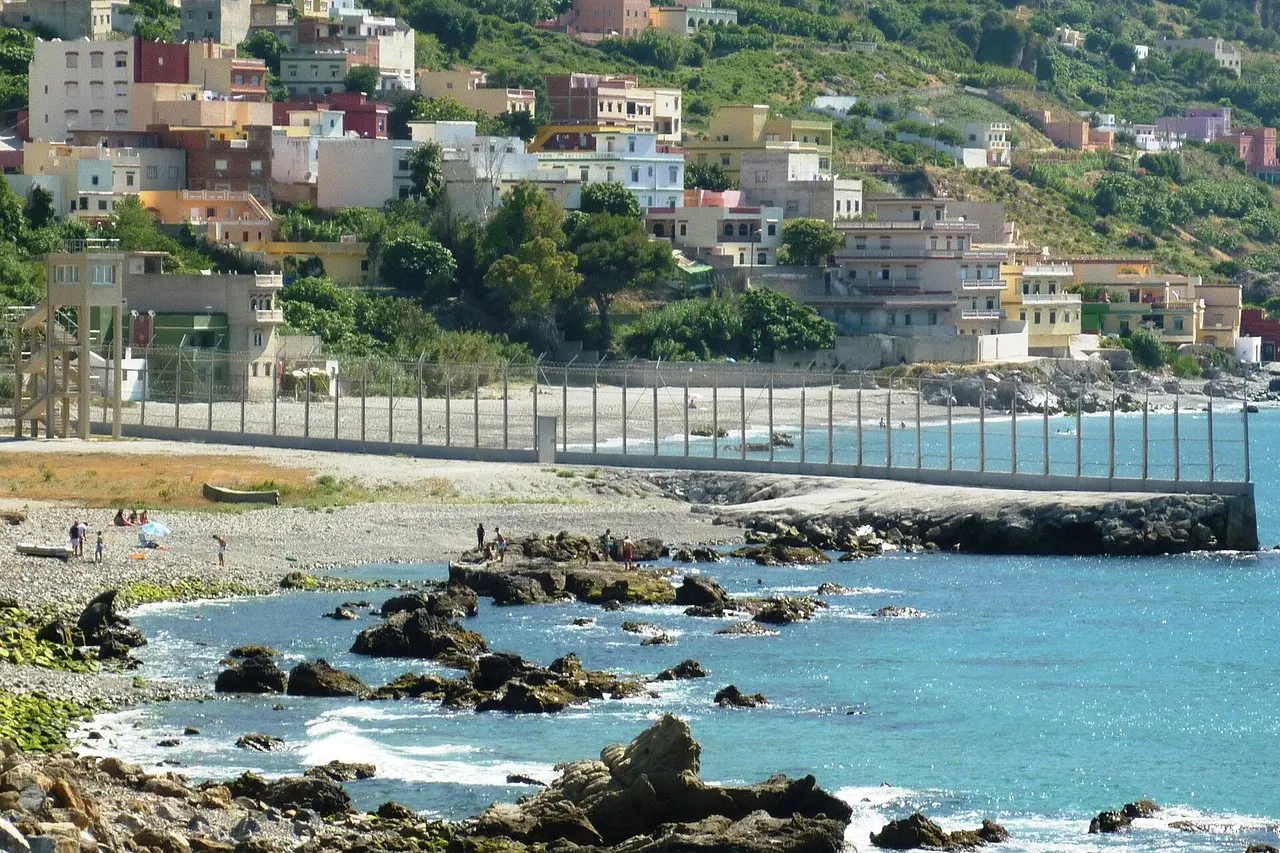
On July 30, 2026, tens of thousands of people crossed from Morocco into Ceuta in a single huge movement. Reception centres built for far smaller numbers were overwhelmed within hours, and Spanish authorities moved quickly to manage the crowds. Troops were sent to help restore order, and officials later said most of the people who crossed returned to Morocco. The scale of that one day is not in dispute, because it was covered by major news outlets at the time, including the reports behind a town hall packed with residents.
Reception Centres Overwhelmed in a Single Day
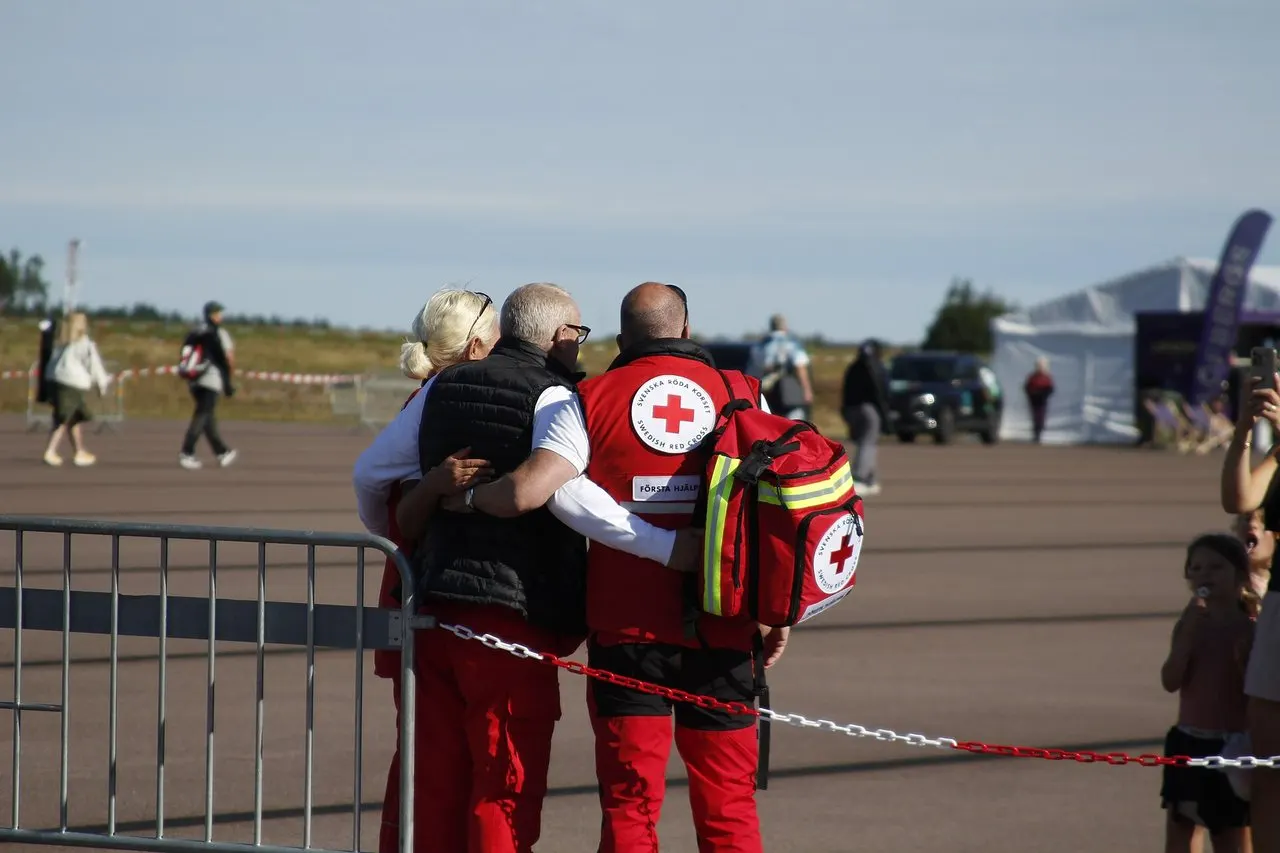
When tens of thousands arrive at once, even a well run city struggles to cope. Reception centres in Ceuta filled up fast on July 30, 2026, and workers had to find beds, food and medical help for far more people than the buildings were made to hold. Volunteers stepped in, and the Red Cross played a familiar role. The pressure of that day explains why the city is still dealing with the aftermath, a strain familiar from a deputy who waited months for a kidney.
Troops Sent to Restore Order
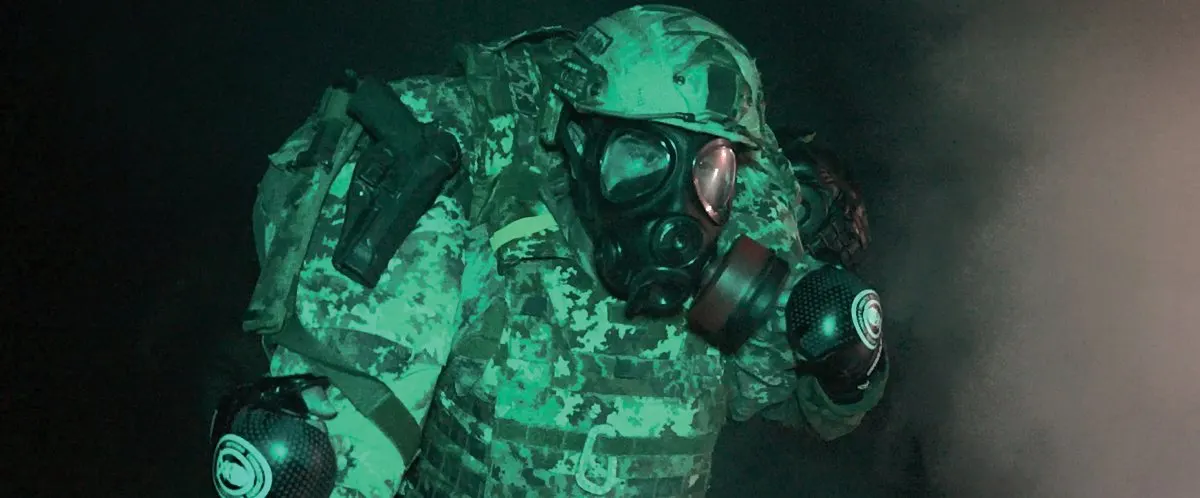
Spain deployed troops to Ceuta after thousands of people crossed from Morocco, as reported by both the BBC and TMJ4. Soldiers helped secure the border area, support the police and bring calm back to streets overwhelmed by the crowds. Deploying the military to a border city is a serious step, and it showed how far the situation had gone beyond routine. Order was restored, but the deployment itself became part of the story, much as an old rule from the sea show how one dramatic day can define a place.
Most People Later Returned to Morocco
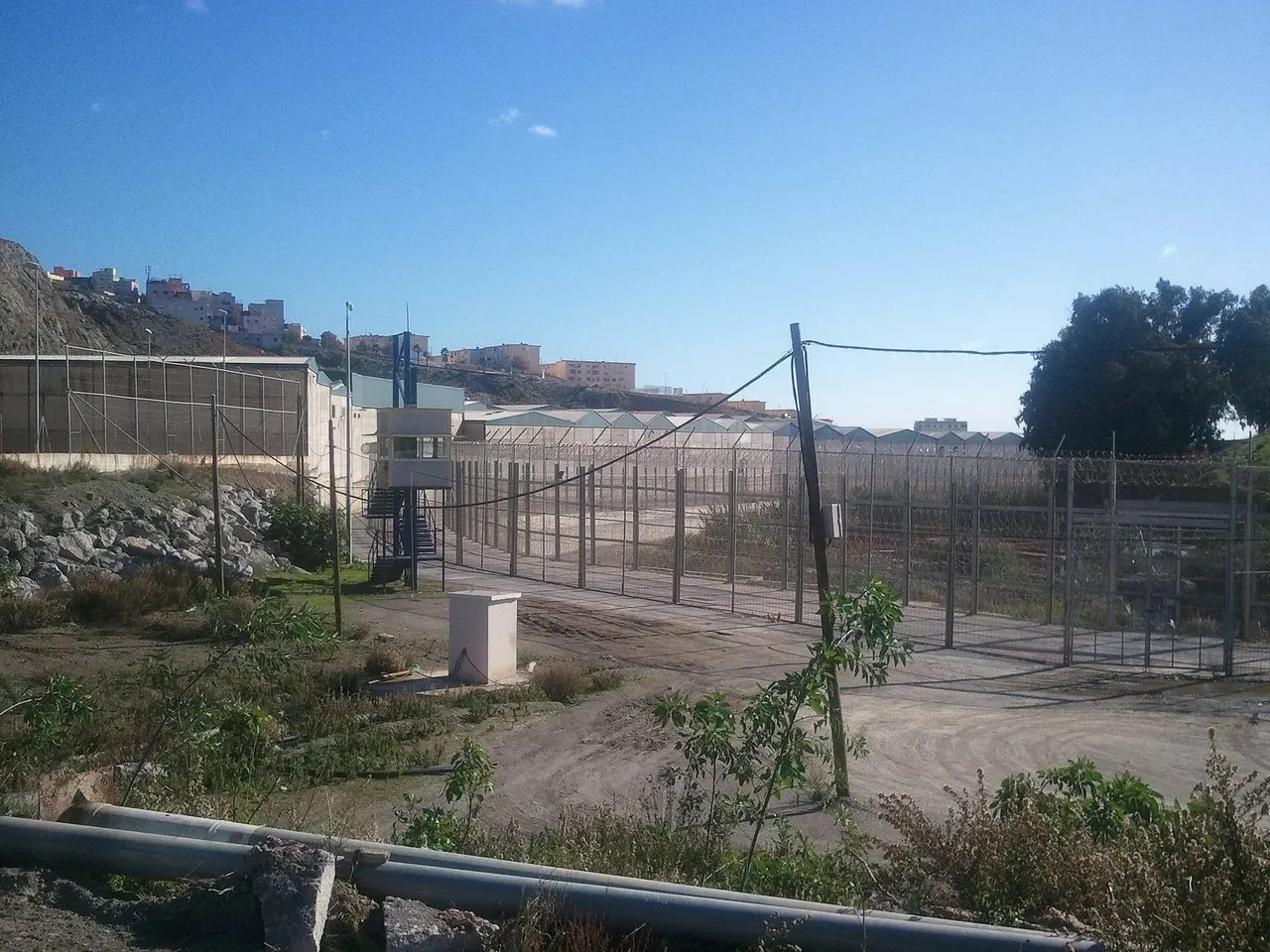
Spanish authorities said most of the people who crossed into Ceuta on July 30, 2026, later returned to Morocco. That matters, because the viral post talks about 80,000 arrivals as if all stayed in the city. In reality, the number who crossed and the number who remained are two different figures. The people who stayed behind are the ones the city is still processing today, which brings us to the backlog and the questions around it, a pattern also seen in a rare warning from the forest.
The Ceuta Migrant Crossing Backlog That Remained
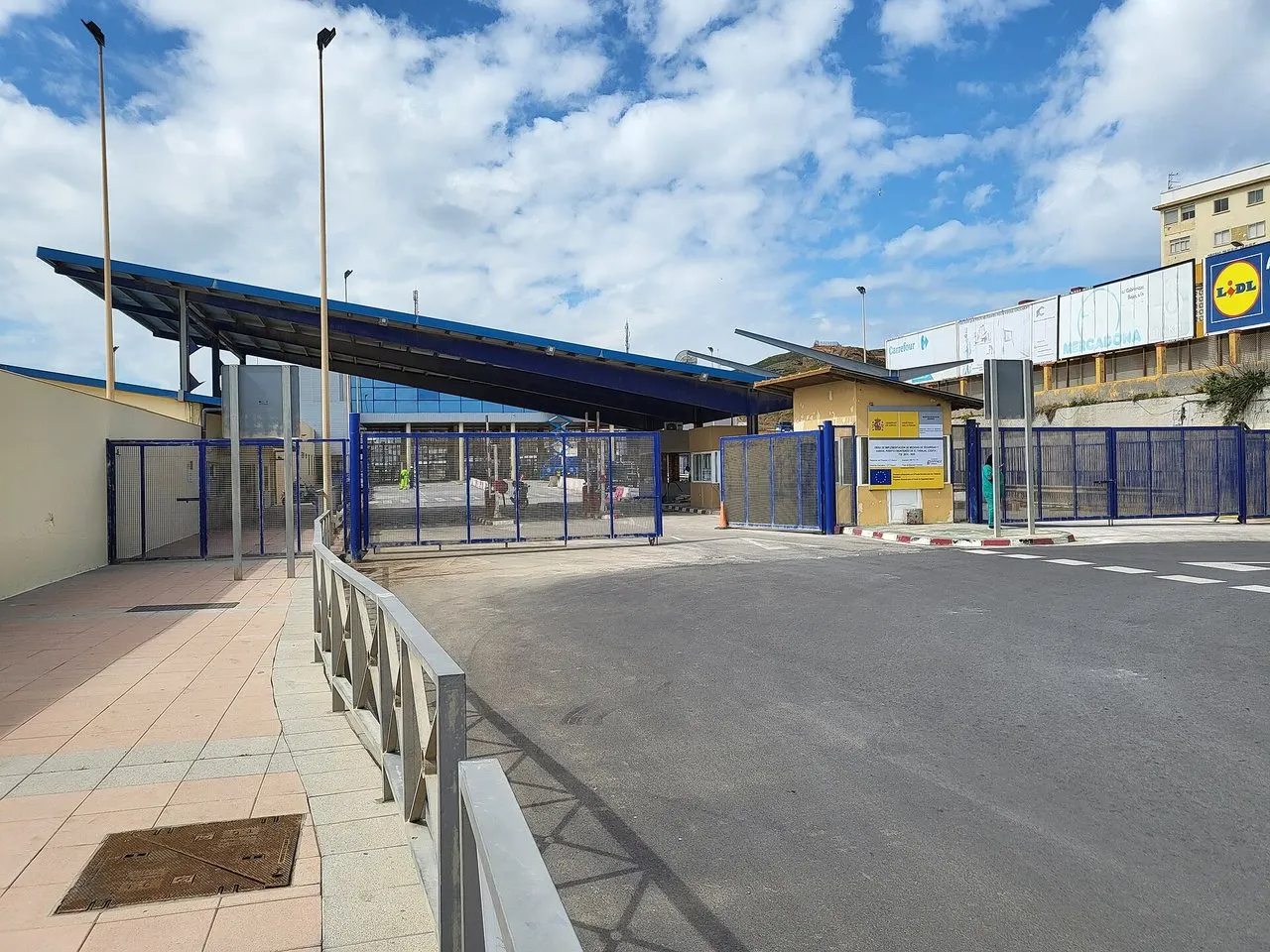
After most people returned to Morocco, Ceuta was left with a backlog of people who stayed. Sorting out who they are and what happens next takes time, paperwork and shelter, and the city has been working through that list. Reuters reported on the rush to clear the backlog, and the headline tells readers that speed has become part of the problem. A backlog is not just a number. It is made of real people waiting for answers, a human detail also at the heart of a race decided by 330 votes.
Rights Concerns Over the Rush to Clear the Backlog
Reuters reported that the rush to clear the Ceuta backlog raises rights concerns, and that warning deserves attention. When officials move quickly to process large numbers, individual cases may not get the careful look they need. Rights groups watch closely, because a fast decision can have lasting effects on a persons life. The question is not whether the backlog should be cleared, but whether it is cleared fairly, with each case heard properly, a standard that matters in a medical breakthrough built from living cells.
What the Ceuta Migrant Crossing References Confirm
The four references confirm the crossing, the troop deployment and the backlog, but not the crime figures in the viral post. The Associated Press reported that at least 18 people died after the breach of the border between Morocco and the Spanish territory of Ceuta. The BBC and TMJ4 reported the troop deployment, and Reuters covered the backlog rush. None gives the percentages in the post, so readers should treat those numbers as a claim, not a confirmed fact, a distinction worth noting in a survivor who fought back.
How Official Crime Figures Are Counted
Official crime figures in Spain come from police reports gathered and published by the authorities. Each case is counted, grouped by type and compared with earlier periods, which is how a percentage rise is worked out. That takes time, and results are published on a schedule, not the moment a post goes viral. A careful reader asks: who counted them, what period they cover, and what the starting numbers were. Without those answers, a percentage is only a headline, a lesson for a health debate with high stakes.
Why Viral Numbers Deserve a Second Look
A viral post can strip away the context that makes numbers meaningful. The source disappears, the date is lost and the base figures are left out, leaving only the most shocking percentages. That is how a claim travels the world before the official record catches up. The wise response is not to believe or dismiss the numbers, but to wait for the published figures. Healthy doubt is not bias. It is how readers protect themselves from being misled, as a long awaited return both show in their own ways.
The Ceuta Migrant Crossing and the Strait of Gibraltar
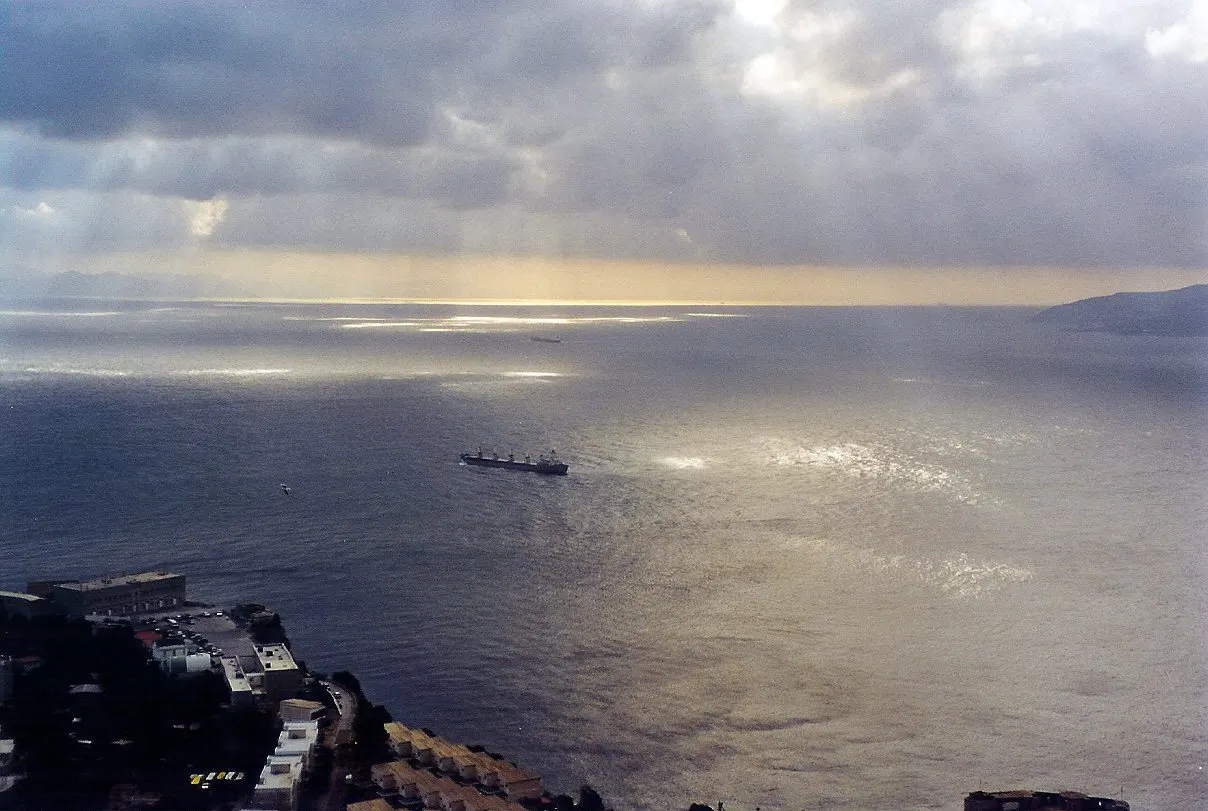
Ceuta sits on the Strait of Gibraltar, the narrow stretch of water that separates Spain from Morocco and links the Atlantic Ocean to the Mediterranean Sea. At its narrowest point the strait is only about 13 kilometres wide, so Africa and Europe feel close enough to touch. Ferries cross between Ceuta and the Spanish mainland every day, and huge ships pass through on their way between oceans. That geography is why Ceuta has always mattered far beyond its size, a truth that also shapes a look that says it all.
The Fence Between Two Worlds

A tall border fence runs around Ceuta, marking the line where Spain meets Morocco on land. The fence has been raised and strengthened over the years, and it is watched around the clock. Yet people still try to cross it, sometimes in large groups and sometimes alone at night. The fence is a symbol of a wider debate about borders in Europe, and every surge at Ceuta renews the argument about whether walls and patrols can control movement, a question that echoes through a viral post with an unexpected twist.
The Guardia Civil on the Border
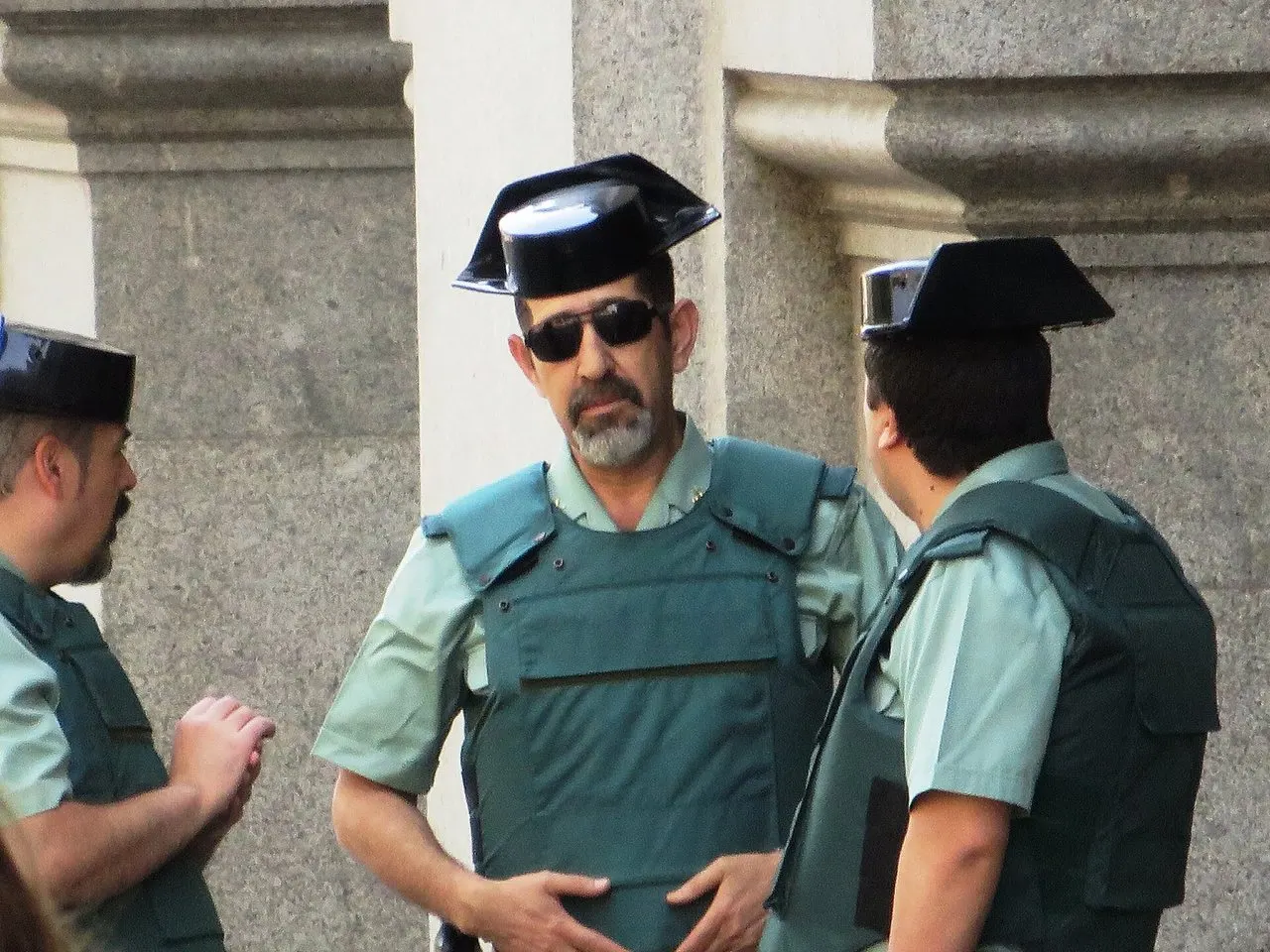
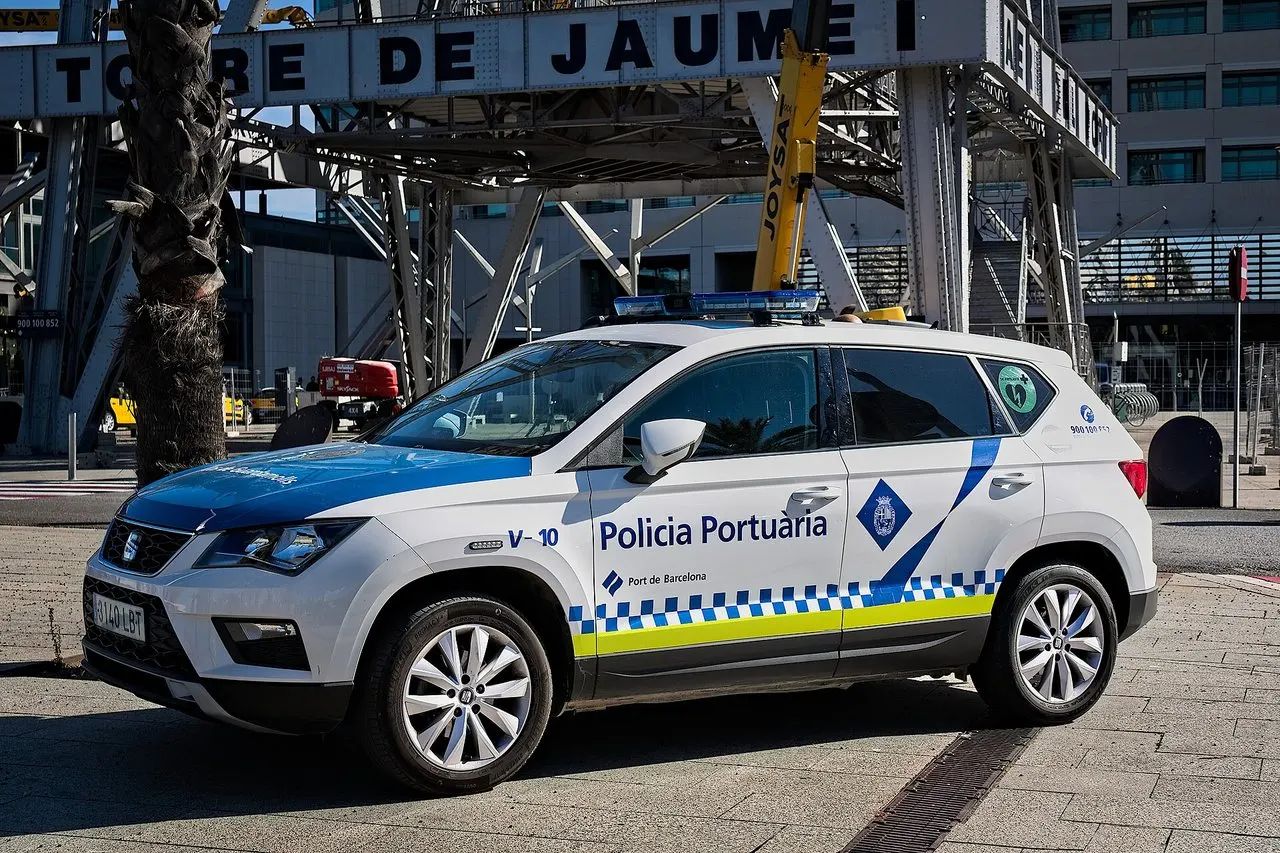
The Guardia Civil is Spains national gendarmerie, and its officers play a central role in guarding the border at Ceuta. They patrol the fence, staff the crossing points and work alongside Moroccan forces. Their job mixes policing with rescue work, because people who try to cross by sea or over the fence are often in danger. When a surge happens, they are among the first on the scene and the last to leave, a steady presence, much like the people behind a petition that gathered signatures fast.
Crossing by Sea and by Land
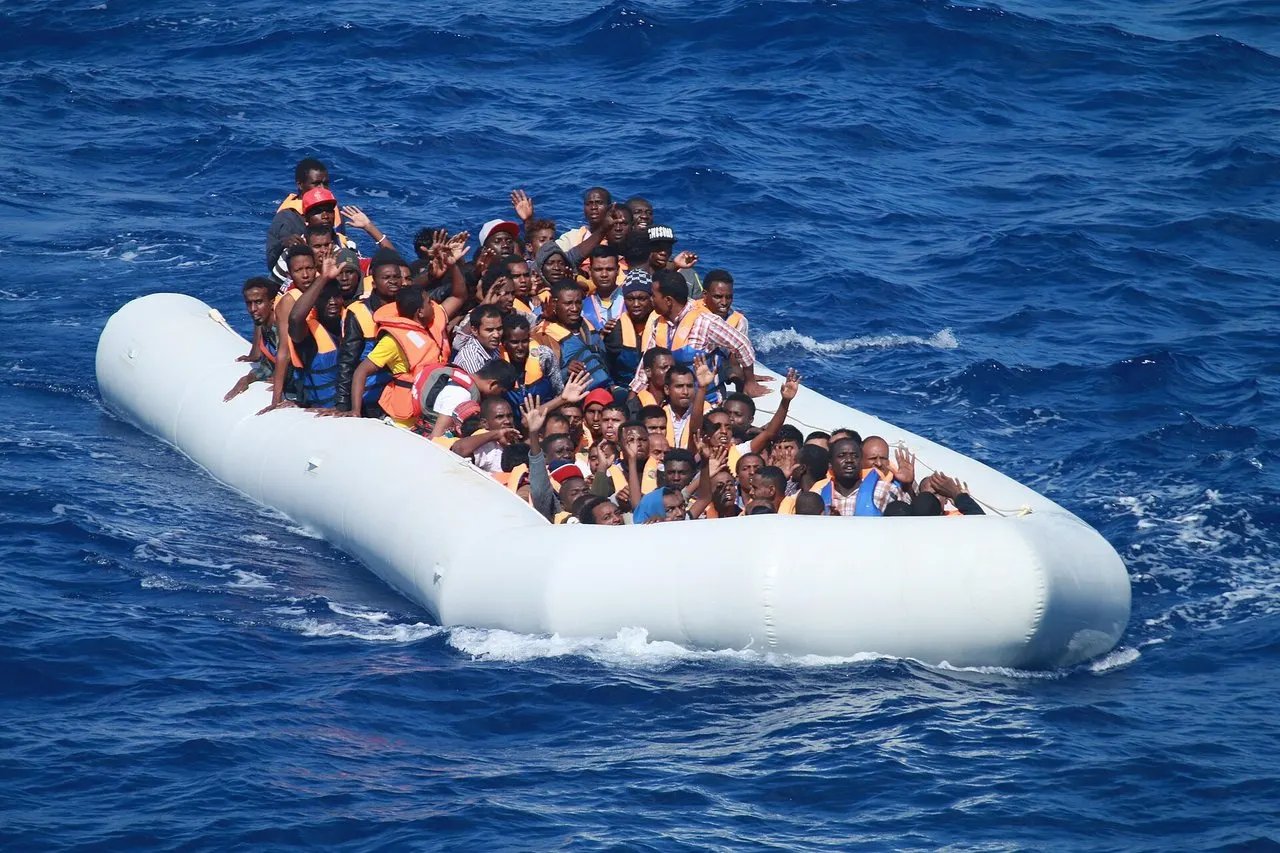
People have reached Ceuta by land across the border and by sea around the breakwaters, and both routes carry real danger. Swimming around the harbour walls or crossing in small boats can end badly, especially at night or in rough water. The land route brings its own risks at the fence. Rescue teams often pull people from the water or treat injuries at the fence. The danger of the journey is one reason the story draws attention, a human cost also visible in a strange story from Spain.
Tangier and the Ceuta Migrant Crossing Route
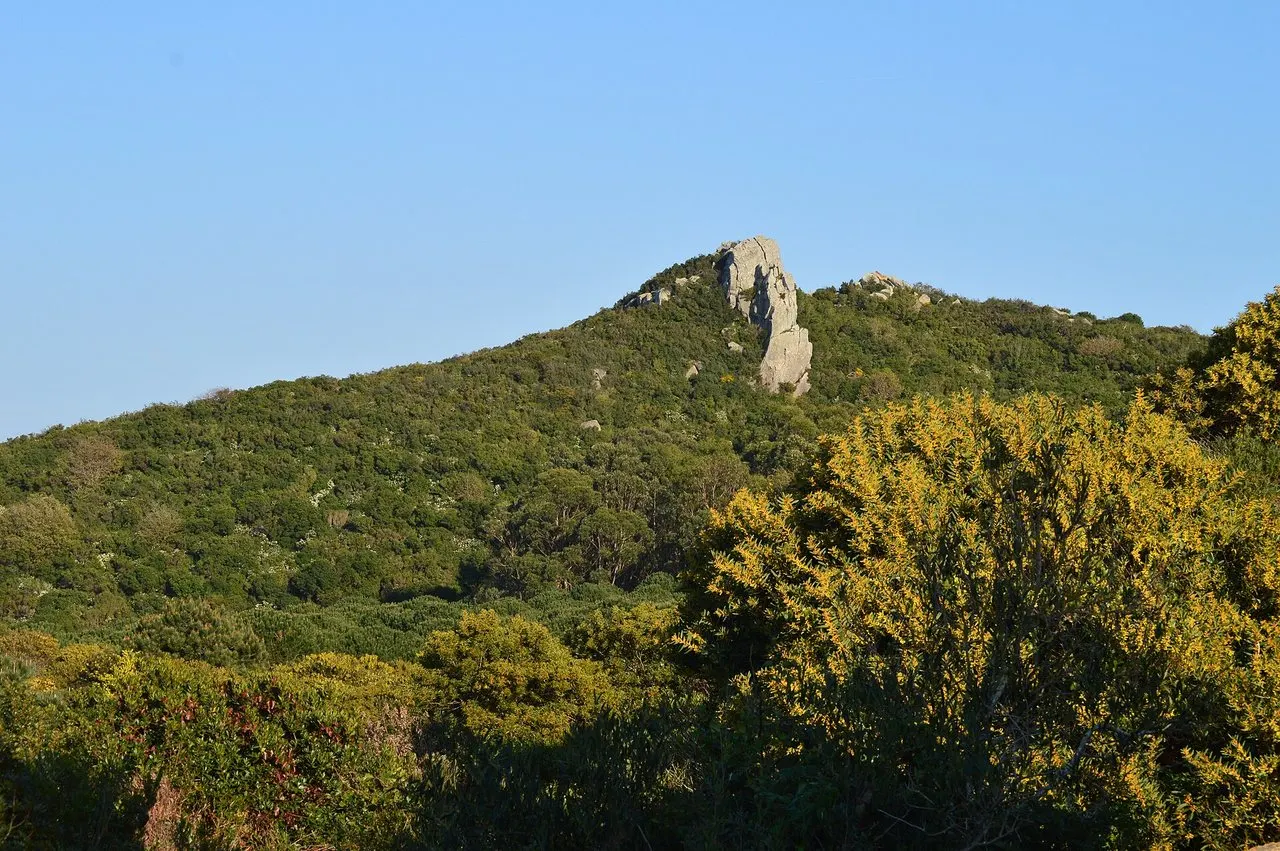
Tangier, the great port city of northern Morocco, lies not far from Ceuta along the coast. Many journeys toward the Spanish enclave pass through the north of Morocco, where Tangier is the main hub for travel, trade and transport. The city has long looked across the strait toward Spain, and its port links Morocco to Europe by ferry. Understanding Tangier helps readers see the crossing as part of a wider regional picture, not a single isolated event, a broader view also found in promises made and kept in New York.
Ceuta Harbour and the Port That Keeps the City Moving
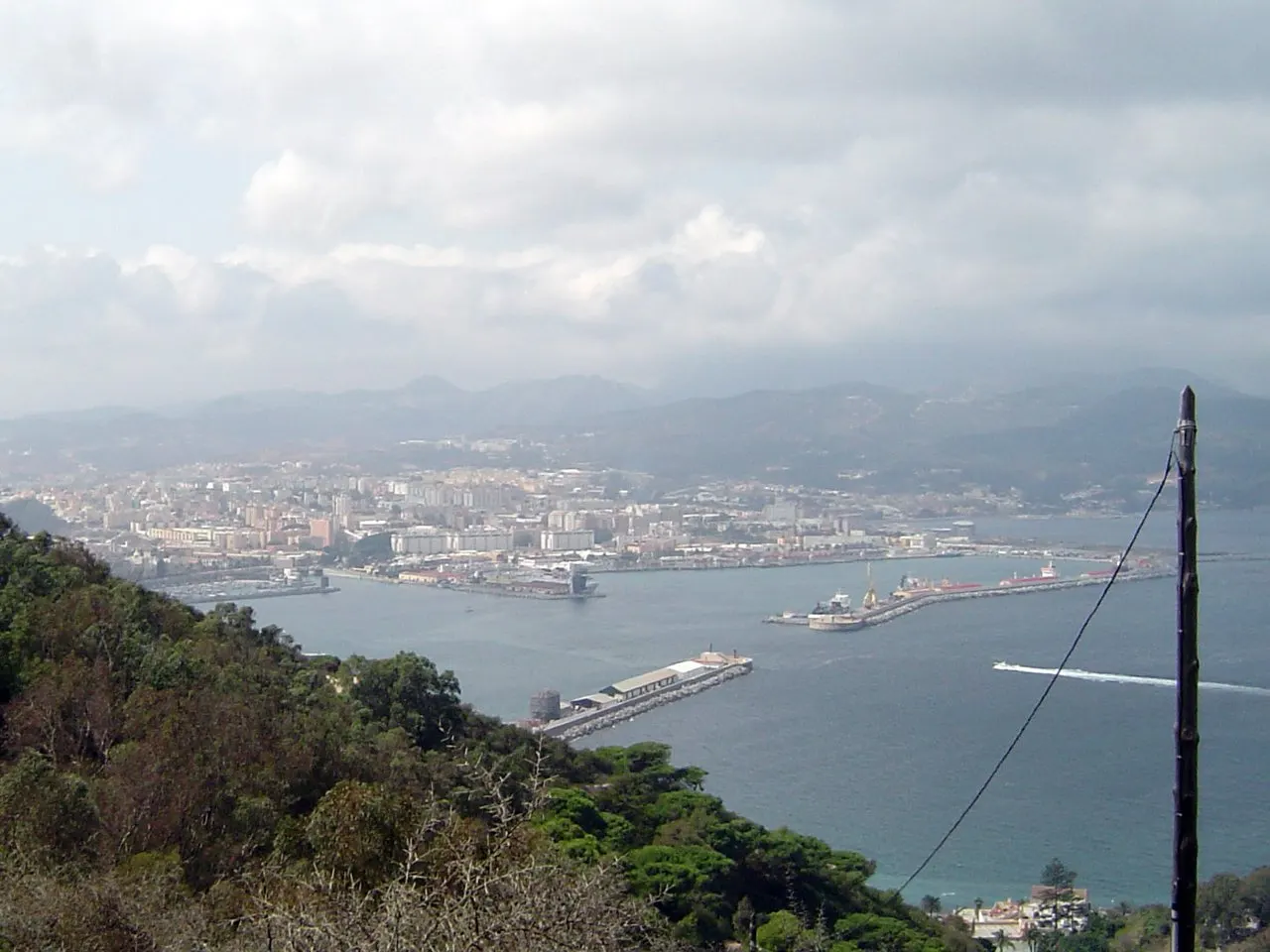
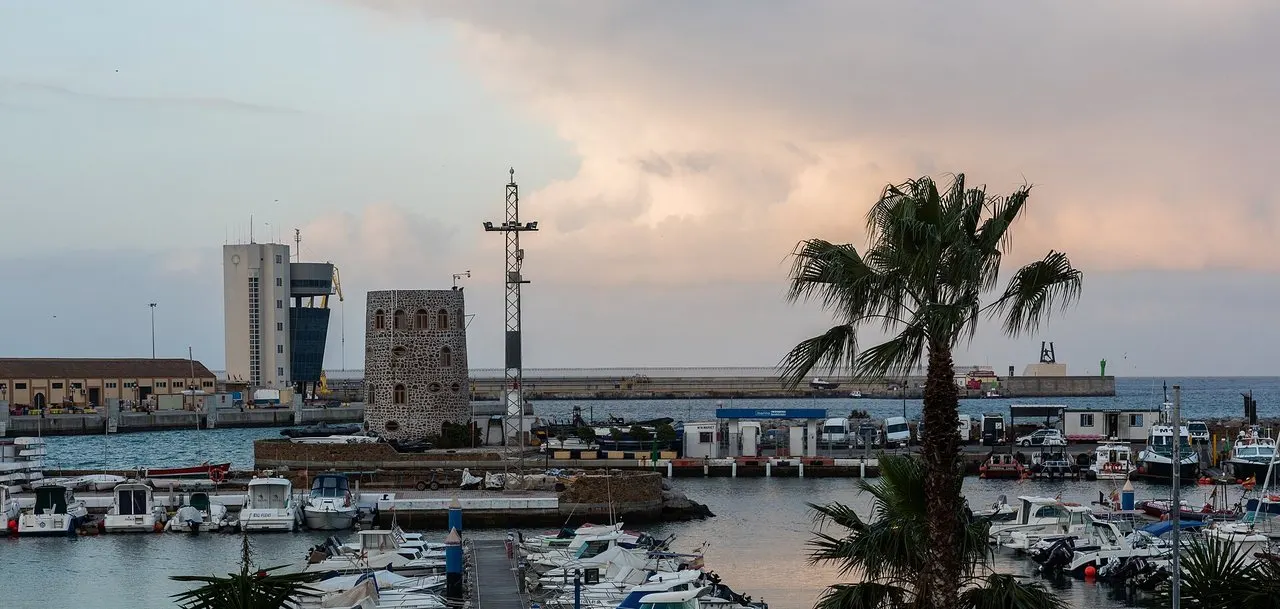
Ceuta harbour is the citys lifeline to mainland Spain. Ferries run across the strait to Algeciras, carrying passengers and goods every day, and the port handles supplies a small enclave cannot produce for itself. The harbour is also home to patrol boats and rescue vessels, so it plays a part in border work as well as trade. On a calm day the port looks peaceful, but it sits at the centre of one of Europes busiest crossings, like the settings in a town hall packed with residents.
El Tarajal Beach and the Border Crossing Point
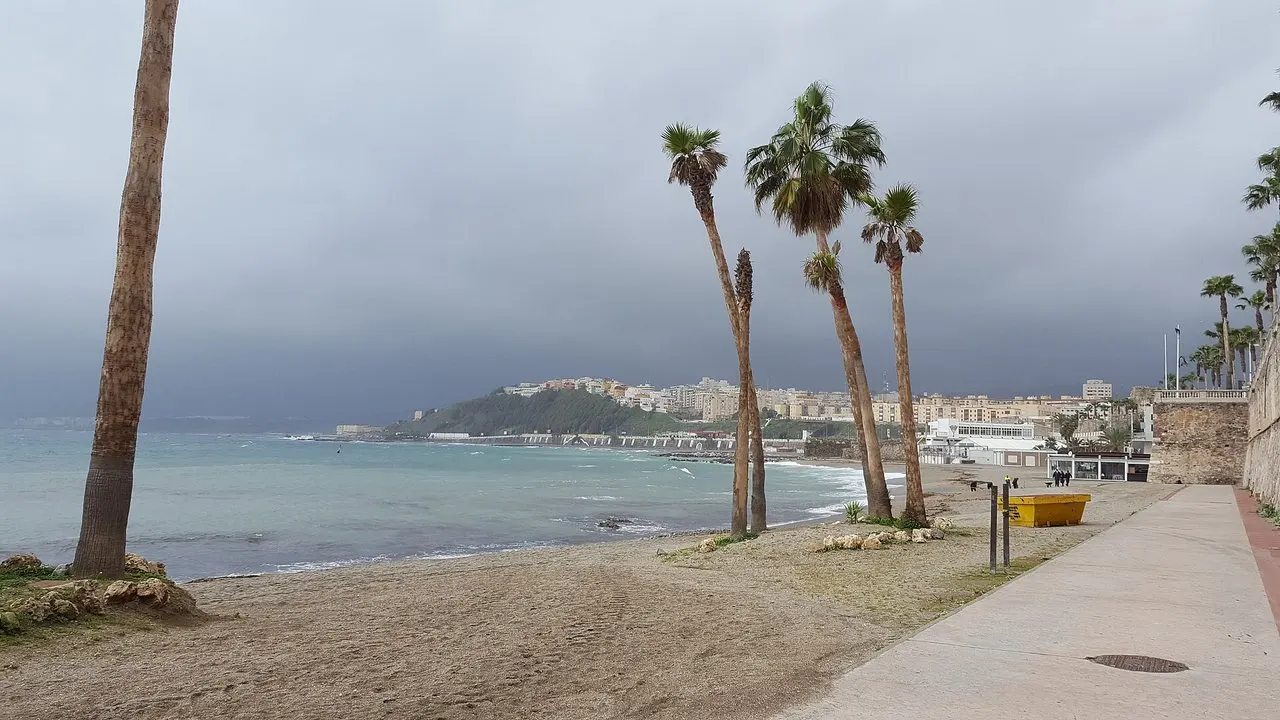
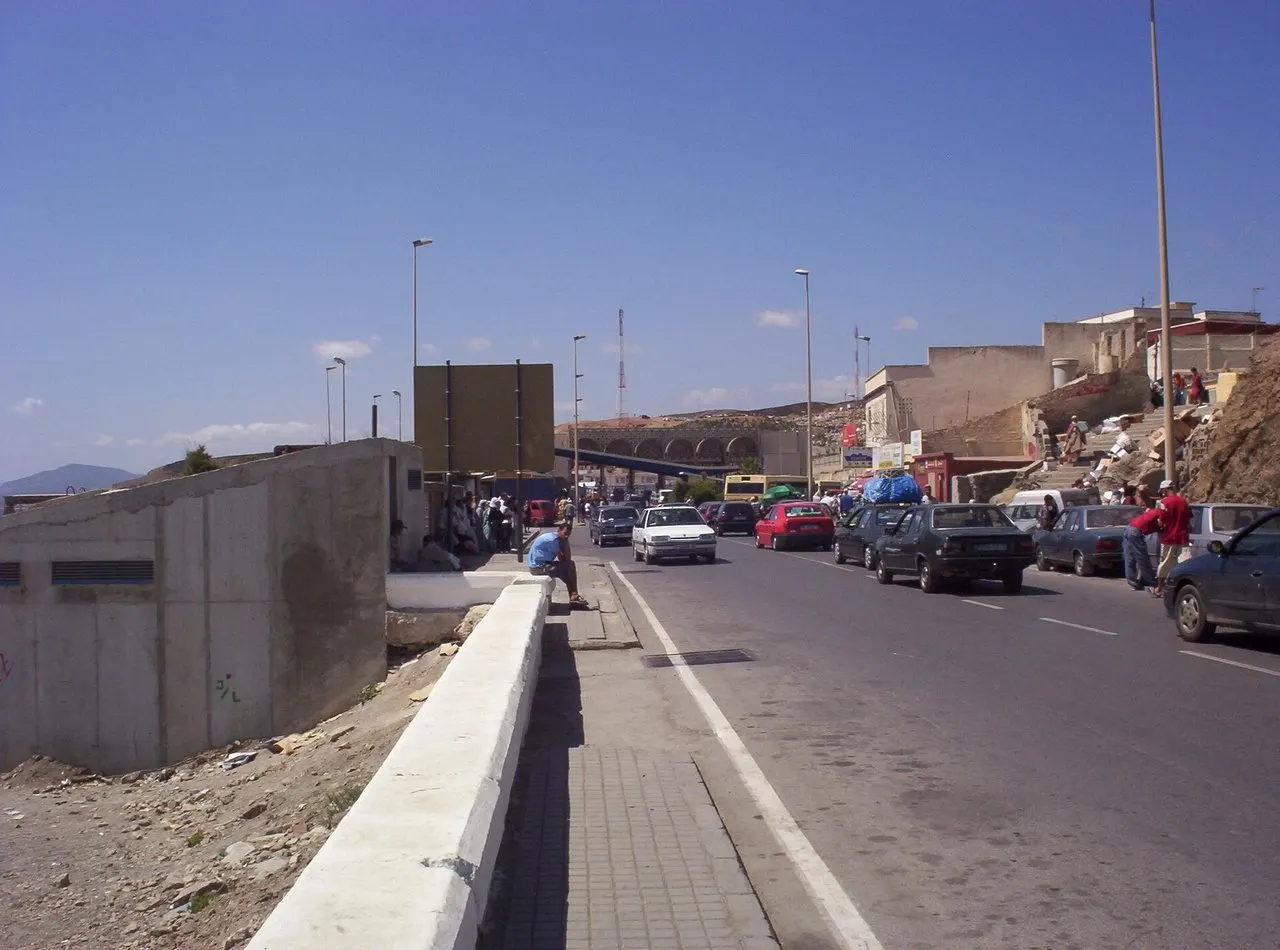
El Tarajal is both a beach and the main border crossing between Ceuta and Morocco. The customs post there, the Aduana, is where people and vehicles pass between the two sides daily. In quiet times the beach is for swimming and walking, but during a surge it becomes a focal point. The contrast between an ordinary beach and a tense border post captures something essential about Ceuta, where daily life and border politics share the streets, a mix also felt in a deputy who waited months for a kidney.
Daily Life in a City on the Edge of Two Continents
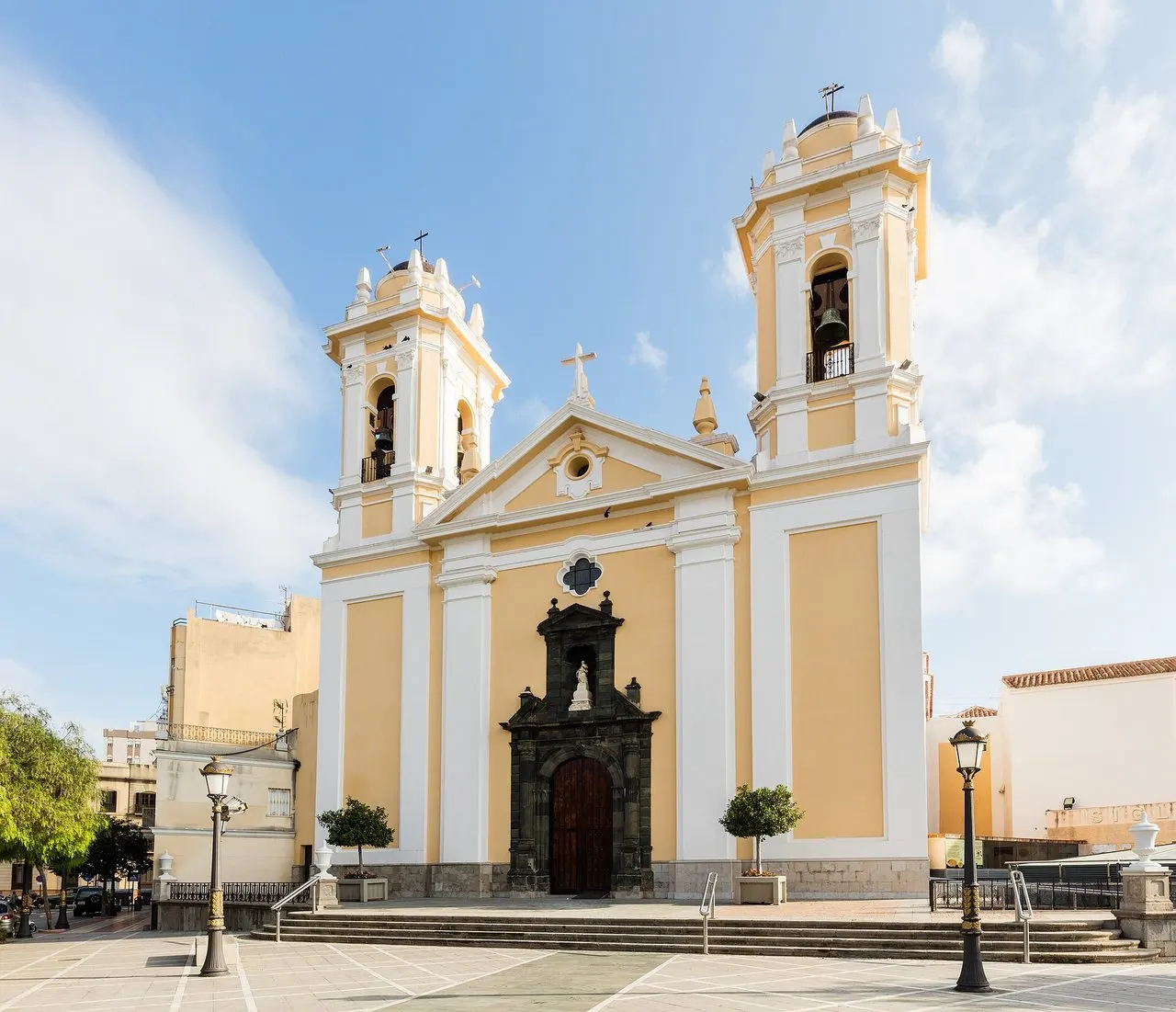
For people living in Ceuta, the city is home first and a border story second. Markets, schools, churches and mosques share the streets, and Spanish and Moroccan influences mix in the food, the language and the daily rhythm. The cathedral and the Plaza de Africa sit at the heart of the old town, and families have lived here for generations. That ordinary life goes on while the city makes world news, a reminder that headlines are only part of the picture, as an old rule from the sea also show.
The Ceuta Migrant Crossing in the Wider Mediterranean Story

Ceuta is only one point on a much larger Mediterranean map. People also cross toward Italy, Greece and Spain, and the routes shift from year to year as patrols, weather and politics change. Each route has its own dangers and debates, but the questions are the same everywhere. How should borders work, who may stay, and how can the numbers be reported honestly. Ceuta shows those questions in miniature, which is why its story travels so far, a reach also seen in a rare warning from the forest.
The Northern Coast of Morocco
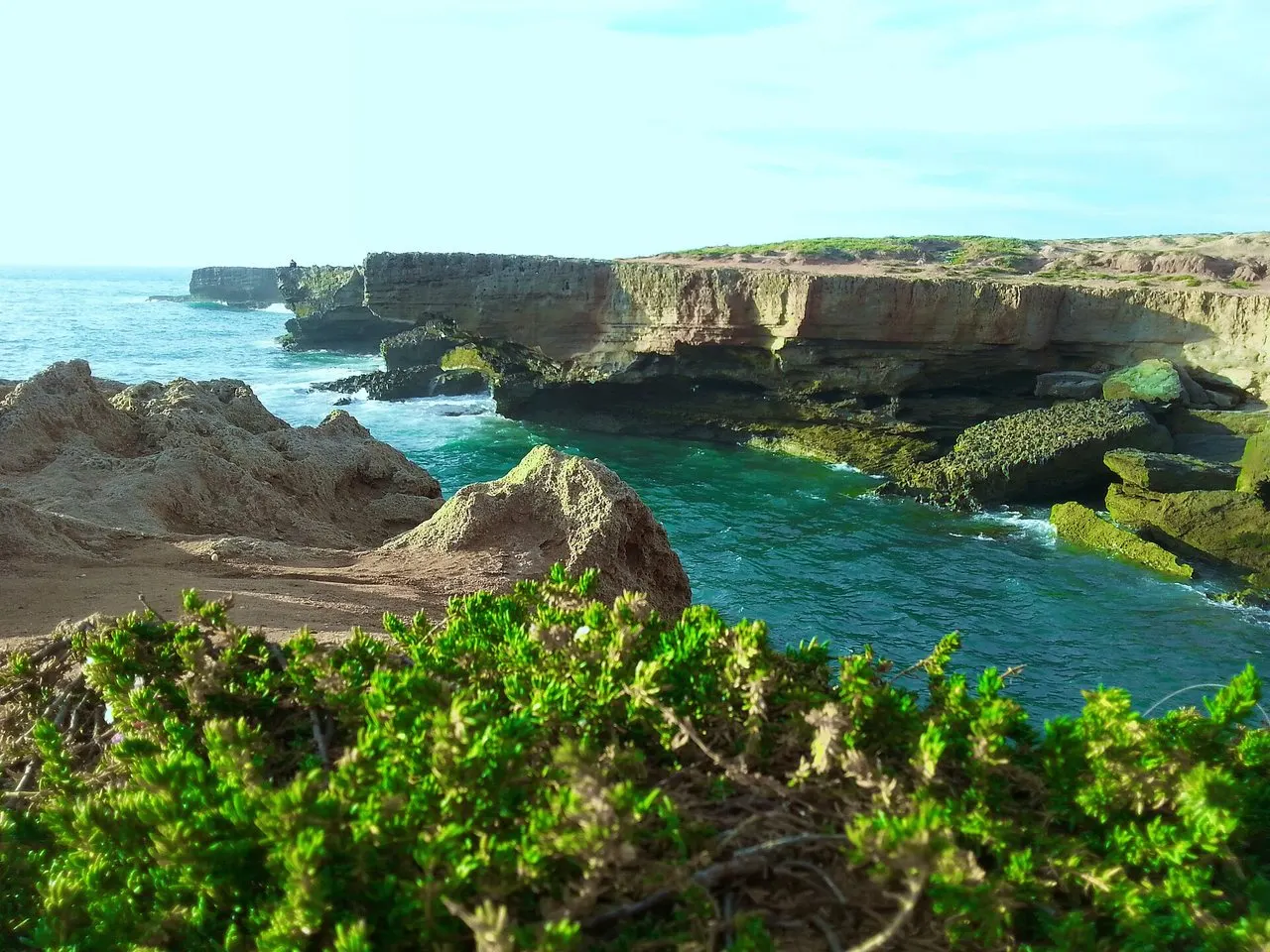
Moroccos northern coast faces Spain across the strait, and its towns have traded with Europe for centuries. Fishing boats work the waters that ferries cross, and markets in Tangier and Tetouan sell goods from both sides of the sea. The coast is also where many journeys toward Ceuta begin, which is why it appears in many border stories. The Moroccan side gives a fuller view of a crossing that involves two countries, two shores and many lives, a fuller view also offered by a historic trip with big deals.
What Do You Think the Official Record Will Show
The figures in the viral post are striking, but they come from the post itself, and the official record has yet to confirm them. The crossing of July 30, 2026, was real, the troop deployment was real, and the backlog is real. The crime percentages are still a claim waiting for its check. That is where you come in. Do you think the official figures will match the post, or tell a different story. Share your thoughts in the comments and keep reading a medical breakthrough built from living cells.