Islam and the Largest Belief Group by 2035
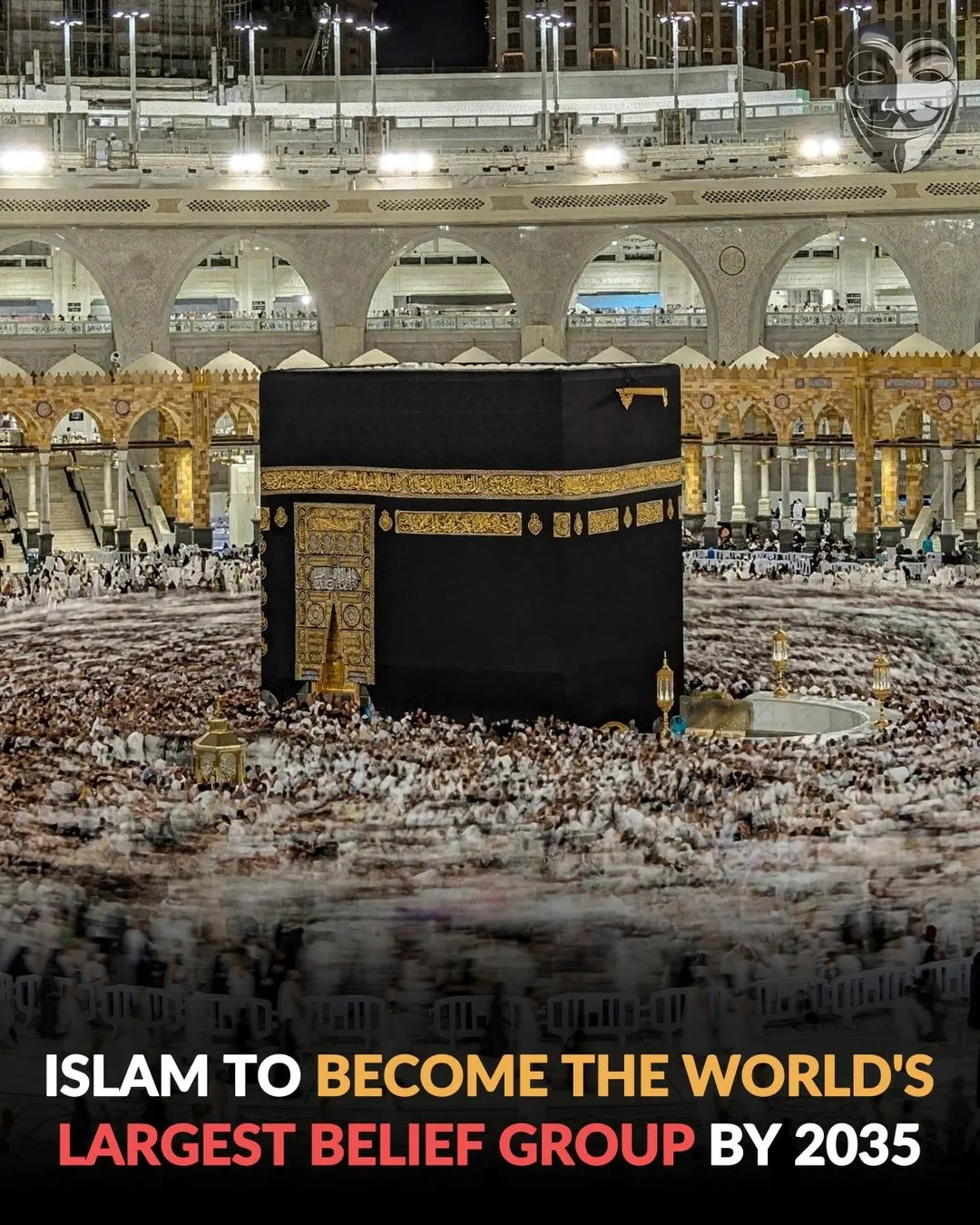
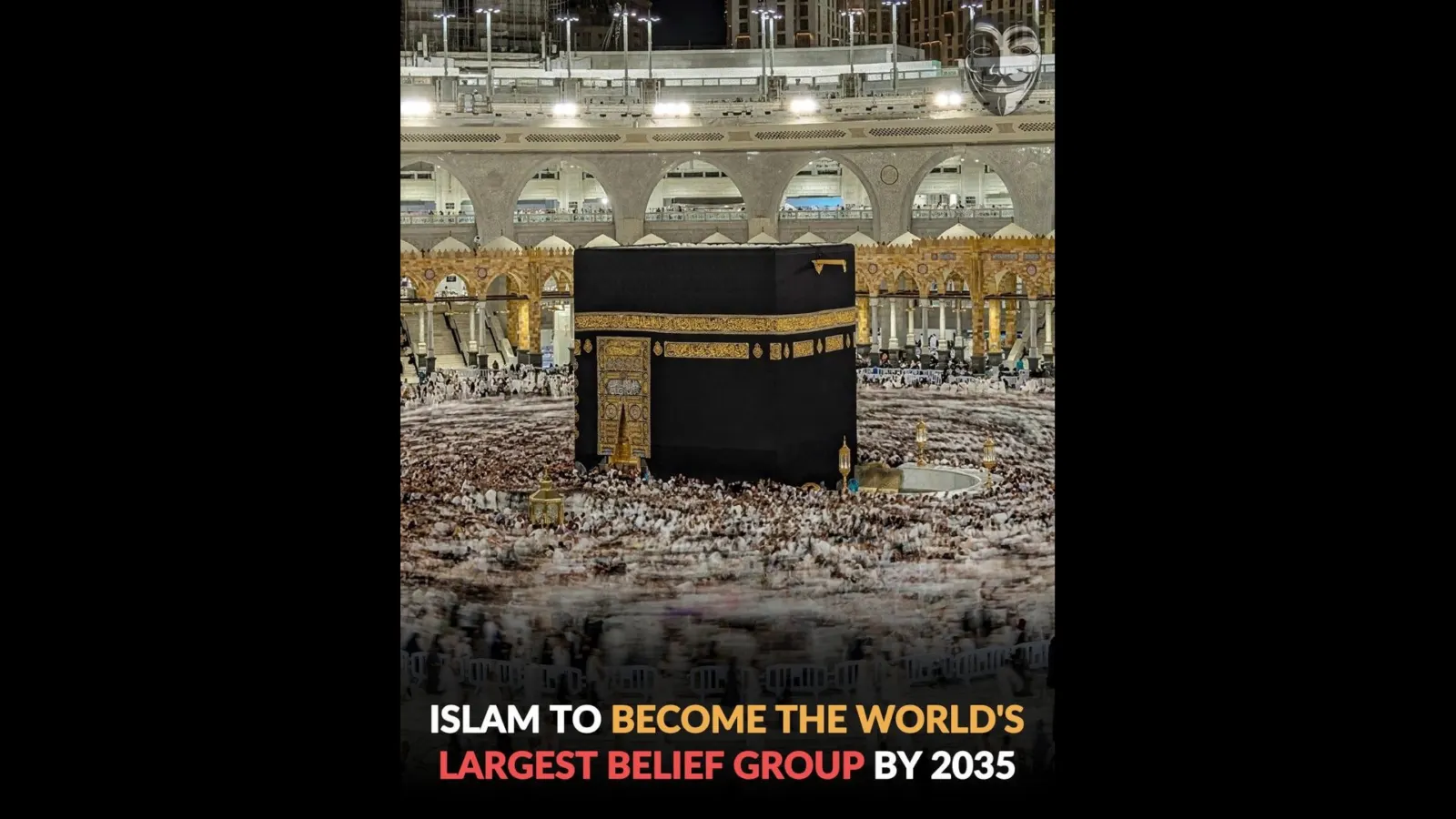
The largest belief group in the world is set to change by 2035, according to new projections from the Pew Research Center. The study says Muslims will outnumber Christians by 2035, with 2.57 billion Muslims compared with 2.52 billion Christians around the world. In 2020, there were 2.02 billion Muslims and 2.27 billion Christians, so the gap is closing fast. Higher birth rates among Muslim women are driving the change, and the shift is already under way. Read the coming change in world faith numbers for the full picture.
By 2070, if recent trends continue, Pew expects more than 3.6 billion Muslims and just under 3 billion Christians worldwide, with Muslims making up 36 percent of the global population. Pew stresses that both faiths are still growing, so the shift comes from fertility and a younger Muslim population, not from Christians leaving their faith. The numbers tell a story of families, births and age, not of conversion. In the slides ahead we look at the figures, the regions and the reports behind them, starting with the projection through 2070.
References:
Associated Press: Islam is expected to surpass Christianity as the world’s largest belief group by 2035
Washington Times: Islam to surpass Christianity as world’s top faith by 2035
Angelus News: Pew study: Islam on track to be largest belief group by 2035
Korea JoongAng Daily: Islam projected to surpass Christianity as world’s largest belief group by 2035, Pew says
The Largest Belief Group by 2035 in Numbers
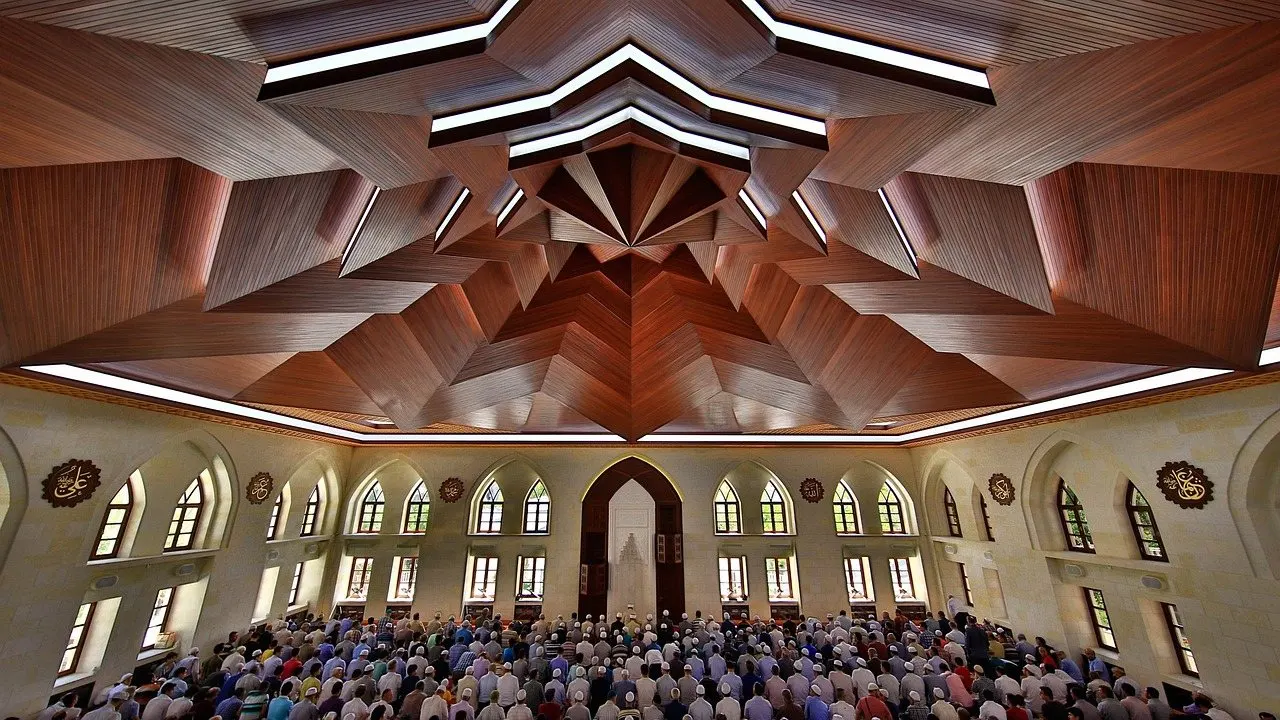
The headline numbers are simple and striking. Pew puts the Muslim population at 2.57 billion in 2035 and the Christian population at 2.52 billion, a gap of about 50 million people. That is a small margin on a world scale, but it marks a historic turning point, because Christians have long been the larger group. The change does not happen in one year. It builds slowly as births and age patterns add up over time. Read how the shift was first reported to see how the forecast is built.
Muslims and Christians in 2020

The starting point for the forecast is 2020, when Christians were still clearly ahead. Pew counted 2.27 billion Christians and 2.02 billion Muslims that year, a gap of about 250 million people. Churches and mosques could both point to large and growing congregations, and neither faith was shrinking. The story of the next fifteen years is not about decline on one side. It is about faster growth on the other, driven by births. See the global picture in 2035 for the figures side by side.
Why Birth Rates Shape the Largest Belief Group
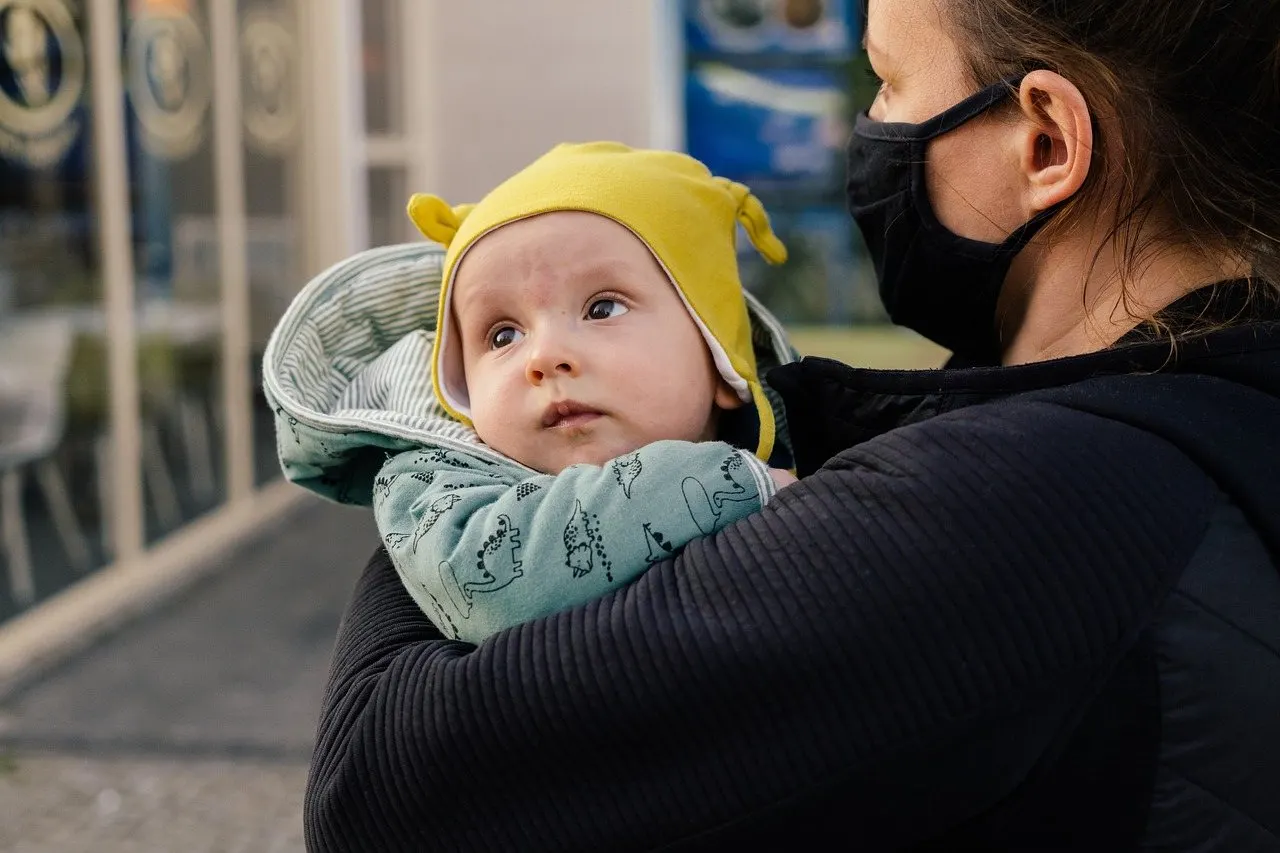
Birth rates sit at the heart of this story. Pew says higher birth rates among Muslim women are closing the gap fast, because more births each year add up to millions of extra people over a decade. A faith with more young families grows faster even when nothing else changes. This is simple arithmetic, not a sudden event. The same pattern shapes population counts in every country, from small towns to large nations. Learn the Hindu share and the wider picture to understand the forces at work.
A Younger Muslim Population
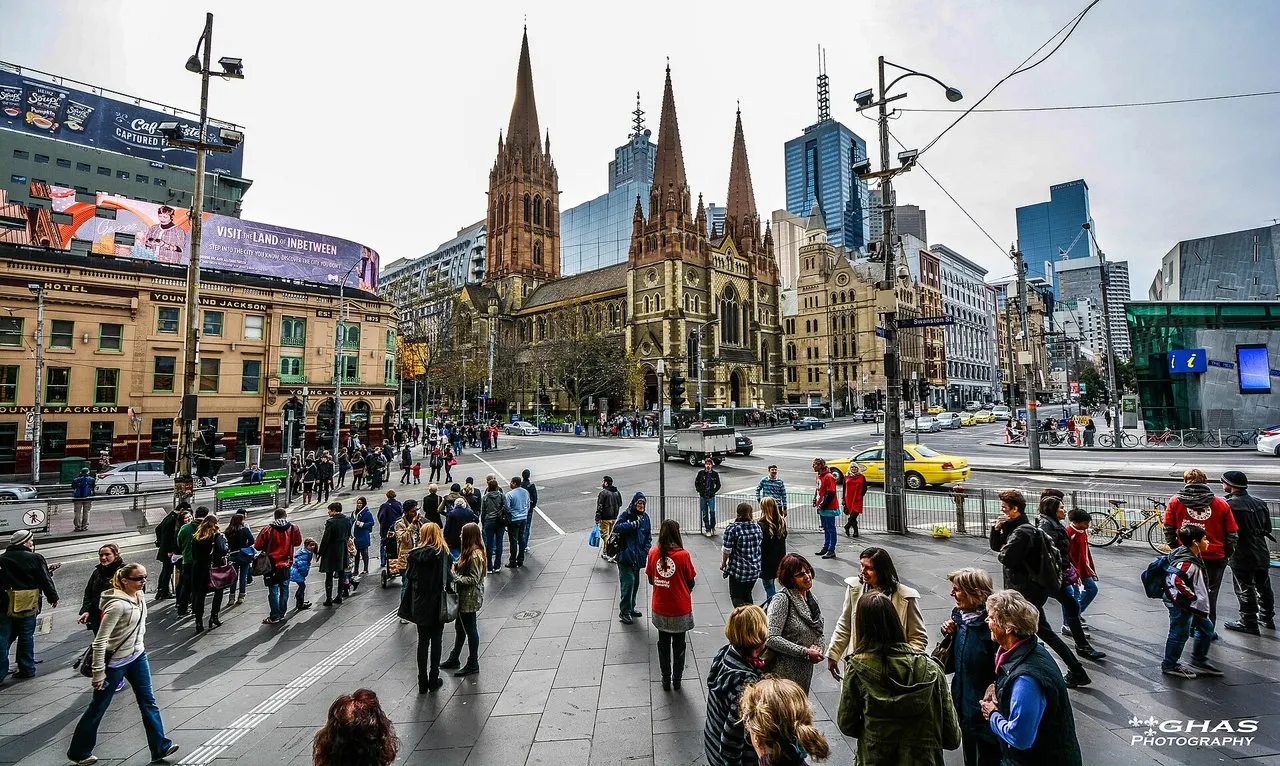
Age matters just as much as birth rates. Pew points to a younger Muslim population, which means more people in the years when families are started and children are born. A young population keeps growing for a long time, because each new generation is larger than the one before it. Older populations grow more slowly, even when families are healthy and strong. This age gap is one reason the change keeps moving in the same direction. Read the long view to 2070 to see how age shapes the forecast.
The Largest Belief Group in 2070
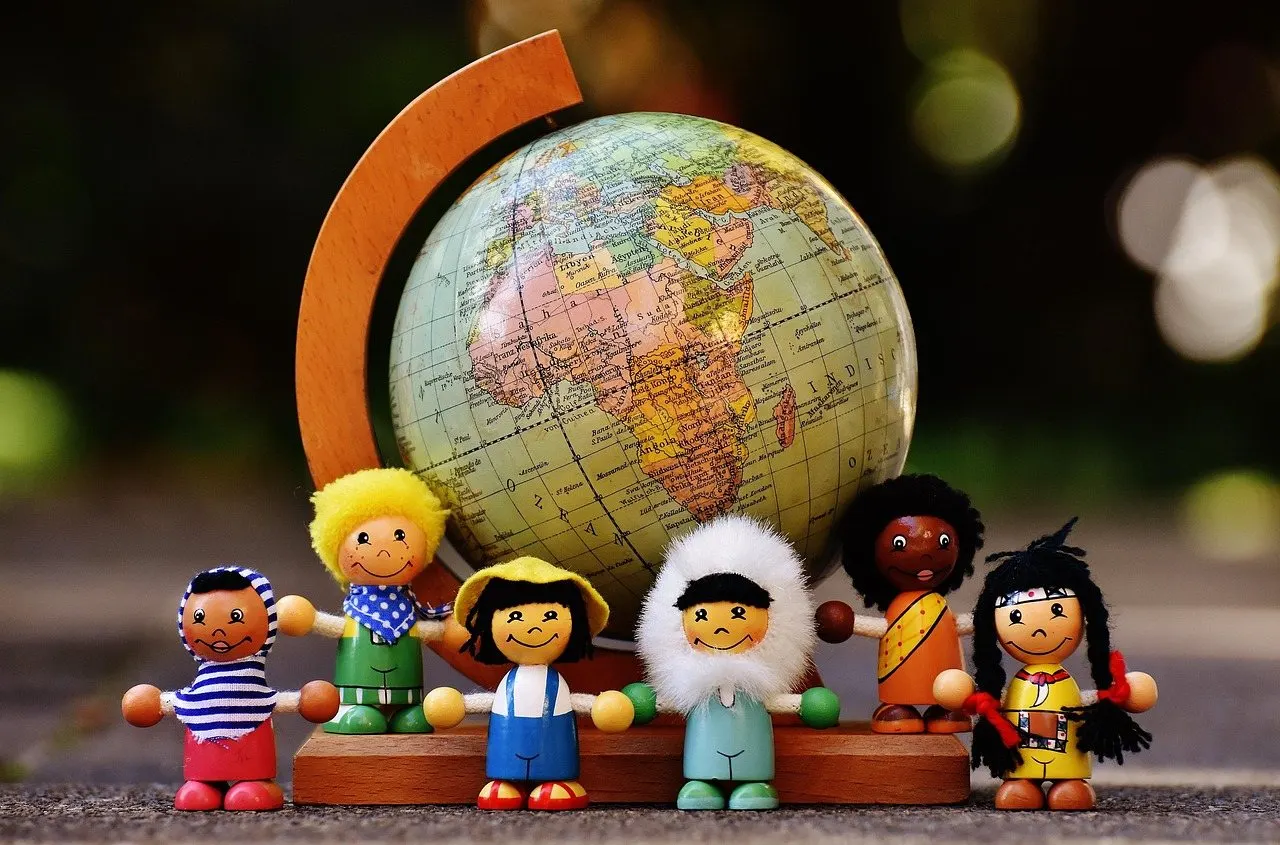
Look further ahead and the gap grows wider. By 2070, if recent trends continue, Pew expects more than 3.6 billion Muslims and just under 3 billion Christians worldwide. Muslims would then make up 36 percent of the global population, more than one person in three. That is a very different world from 2020, when Christians were still the larger group by a wide margin. The long view shows a slow and steady change. See the worldwide count by 2035 for the road from 2035 to 2070.
Muslims as 36 Percent of the World

Thirty six percent is a striking share of humanity. By 2070, Pew says Muslims will make up 36 percent of the global population, which means more than one in three people on Earth will be Muslim. That share reflects decades of higher birth rates and a younger age profile, not a single event or a sudden change. It also means Muslim communities will be present in almost every country in larger numbers. Read the study behind the forecast to place the figure in context.
Both Faiths Keep Growing
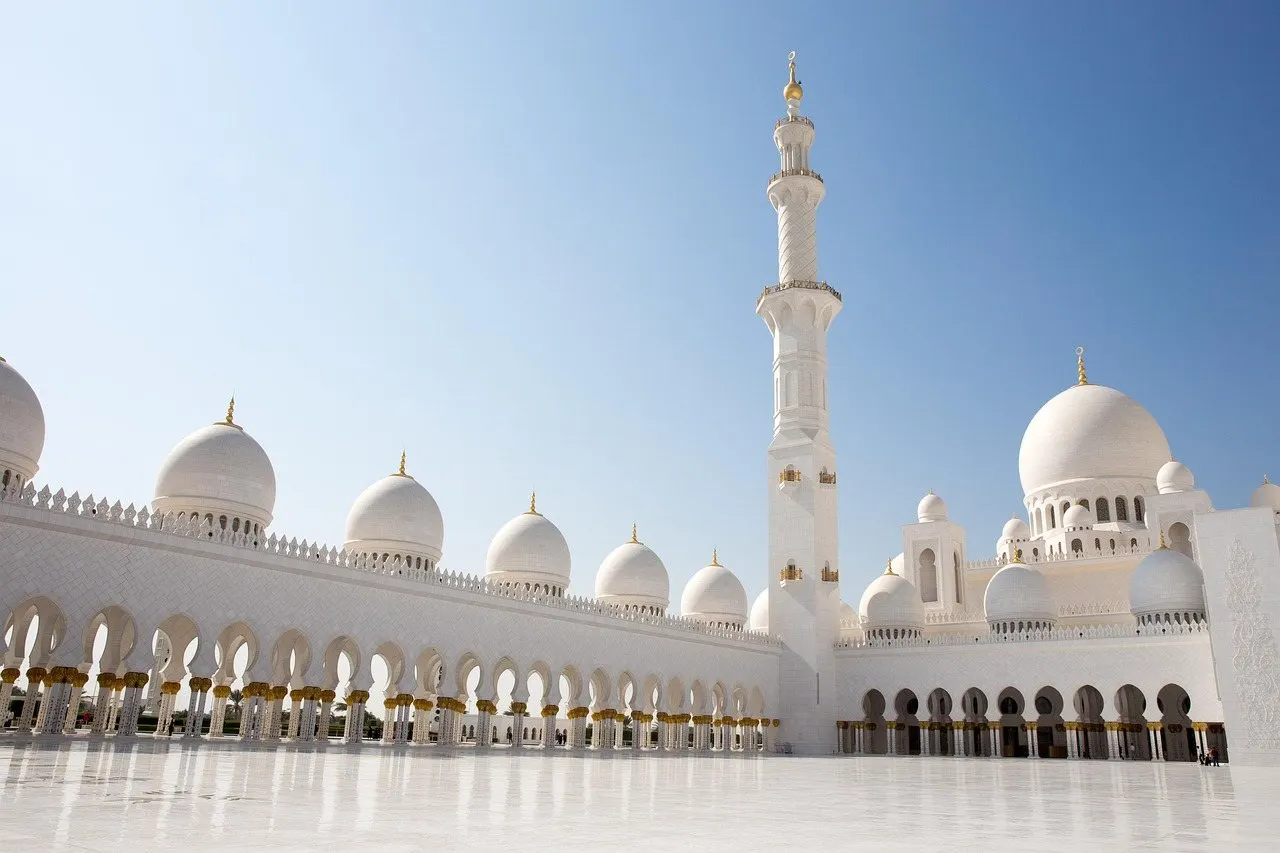
One point Pew stresses again and again is that both faiths are still growing. Christians are not shrinking in number, and Muslims are not growing because Christians are leaving their faith. Both groups add millions of people each year through births, and both remain large and active around the world. The change is about speed, not about loss. That matters, because it keeps the story about families and the future. See the 2035 projection in detail for a local view of a growing faith.
How Pew Studies the Largest Belief Group

Pew Research Center is known for careful work on religion and population. Its projections start with census data, birth records and surveys, then follow age groups forward year by year. The method counts births, deaths and migration, and it tests what happens if trends stay the same. No forecast can promise the future, and Pew says so plainly. The value is in showing where today’s patterns lead. For a wider look at world news, read a historic trip to China and its trade deals alongside the long view to 2070.
Islam Around the World Today

Islam is already a global faith with deep roots on every continent. Its largest populations live in Asia and Africa, from Indonesia and Pakistan to Nigeria and Egypt, and Muslim communities thrive in Europe and the Americas too. Mosques anchor neighborhoods in big cities and small towns alike, and daily prayer shapes the rhythm of life for millions of families. The faith is diverse, with many cultures and languages under one shared belief. See the 2035 milestone in full for a sense of how wide the world is.
Christianity Around the World Today

Christianity is also a global faith with deep roots on every continent. Its largest populations live in the Americas, Europe and Africa, and churches of many kinds serve communities from Brazil to the Philippines. Sunday worship, prayer and charity work shape daily life for billions of people, and Christian traditions vary widely from place to place. The faith remains large and active even as the balance shifts. Read the facts behind the projection for two very different stories of faith in the world.
Where the Largest Belief Group Grows Fastest
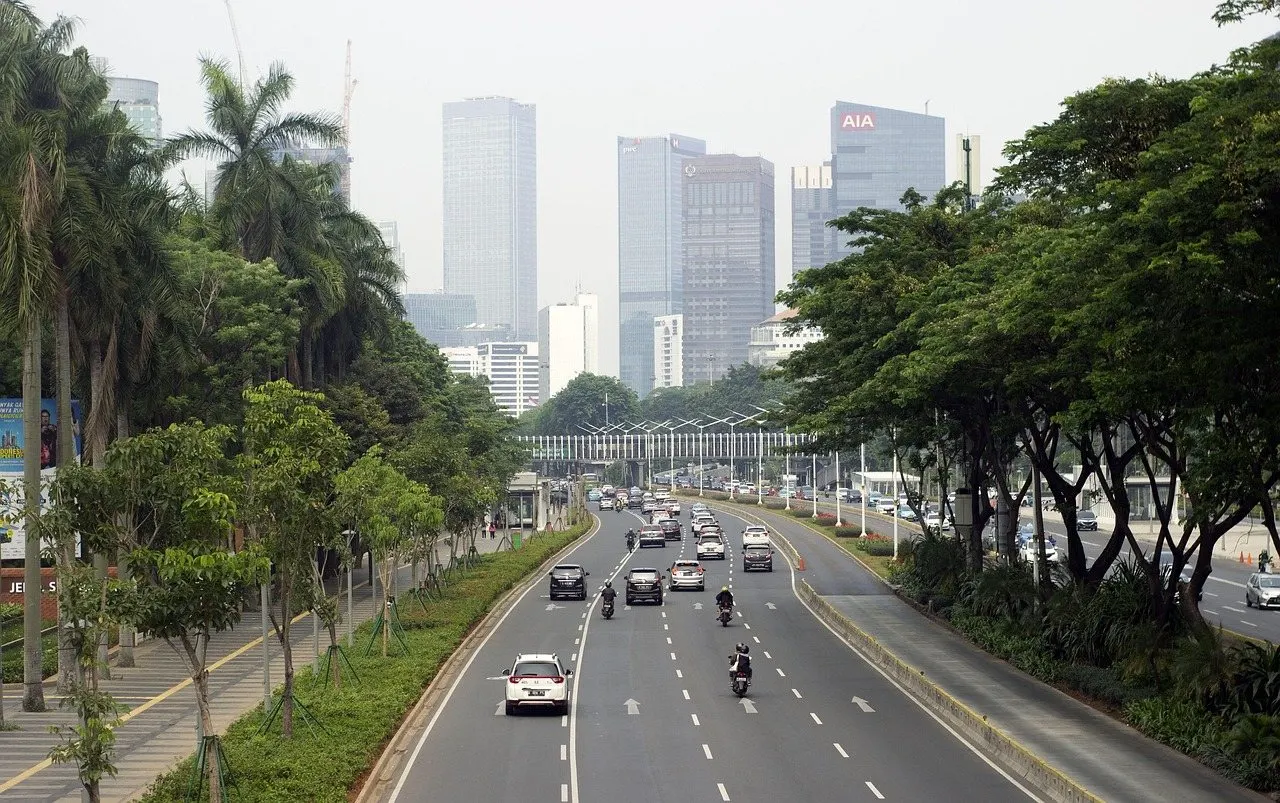
Growth is fastest where birth rates are high and populations are young. Much of the change comes from Africa and Asia, where Muslim families are large and the share of young people is high. Indonesia, Pakistan, India, Nigeria and Bangladesh all play a big part in the global count. These are also places where cities are growing fast and young people are shaping the future. The map of faith follows the map of youth. See the projection in plain numbers for two stories about looking far ahead.
Europe and the Americas
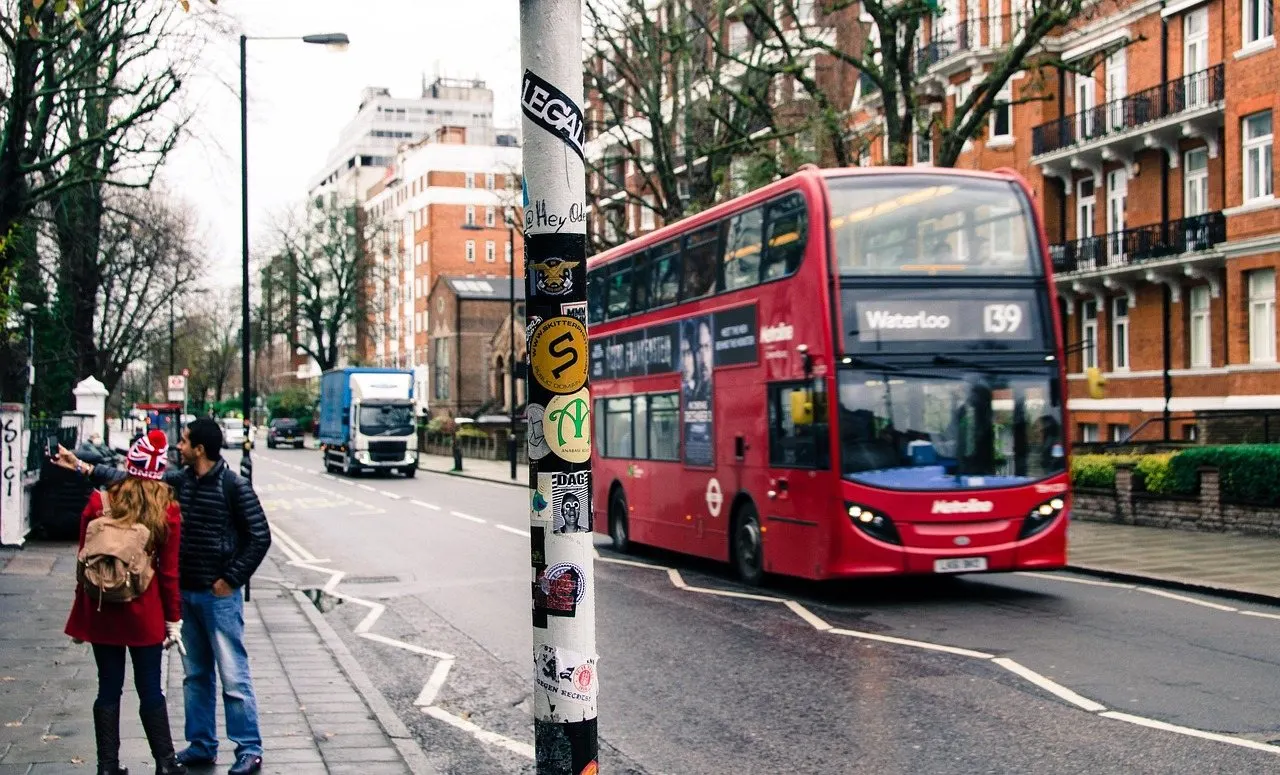
In Europe and the Americas, the picture looks different. Christian populations are large and settled, and Muslim communities are smaller but growing, often through migration and young families. Cities like London, Paris and New York are home to mosques and churches side by side, and daily life brings the faiths together in schools and workplaces. The global shift will be felt here more slowly. Read the research on world faith growth for two snapshots of changing times.
What the Associated Press Reported

The Associated Press put it plainly in its headline: Islam is expected to surpass Christianity as the world’s largest belief group by 2035. The wire service is read by newsrooms around the world, so its wording reached millions of readers in many countries. The report leaned on the Pew projections and the same core numbers, 2.57 billion Muslims and 2.52 billion Christians. Clear headlines help readers grasp a big change fast. See how other faiths fit the picture for more of the news behind the numbers.
What the Washington Times Reported

The Washington Times chose a direct headline: Islam to surpass Christianity as world’s top faith by 2035. Its report carried the same Pew figures and the same message, that the balance of world faith is about to tip. Different newsrooms tell the story in their own words, and readers who compare them get a fuller picture of the change. The facts stay the same from one report to the next. Read how one community debated a mosque plan for more stories from the world of faith and politics.
The Largest Belief Group in Angelus News

Angelus News, a Catholic news outlet, headlined its story with the words Pew study: Islam on track to be largest belief group by 2035. That a Catholic publication covered the projection shows how widely the news traveled across faith lines. Its readers include people who follow church life closely, and the story gave them the same numbers and the same 2035 date. Faith news crosses borders of its own. See the return home from Asia for more world stories that cross borders.
What Korea JoongAng Daily Reported

In South Korea, the Korea JoongAng Daily reported that Islam is projected to surpass Christianity as world’s largest belief group by 2035, Pew says. The story shows how far the news traveled, from Washington research rooms to newsrooms in Seoul. Korean readers got the same figures and the same long view to 2070. A global story needs global coverage, and this one had it. Read the farthest human made object for two more stories about a fast changing world.
The Global Faith Map Is Changing

Put the reports together and the map of world faith looks different from the one our grandparents knew. The change is slow, measured in births and birthdays rather than in sudden events, yet by 2070 it will be plain for all to see. Countries, cities and congregations will all feel it in their own way. Maps of faith are really maps of families, and families are always on the move. See the cost of running American health care for two other ways that numbers shape daily life.
What the Largest Belief Group Means for Communities
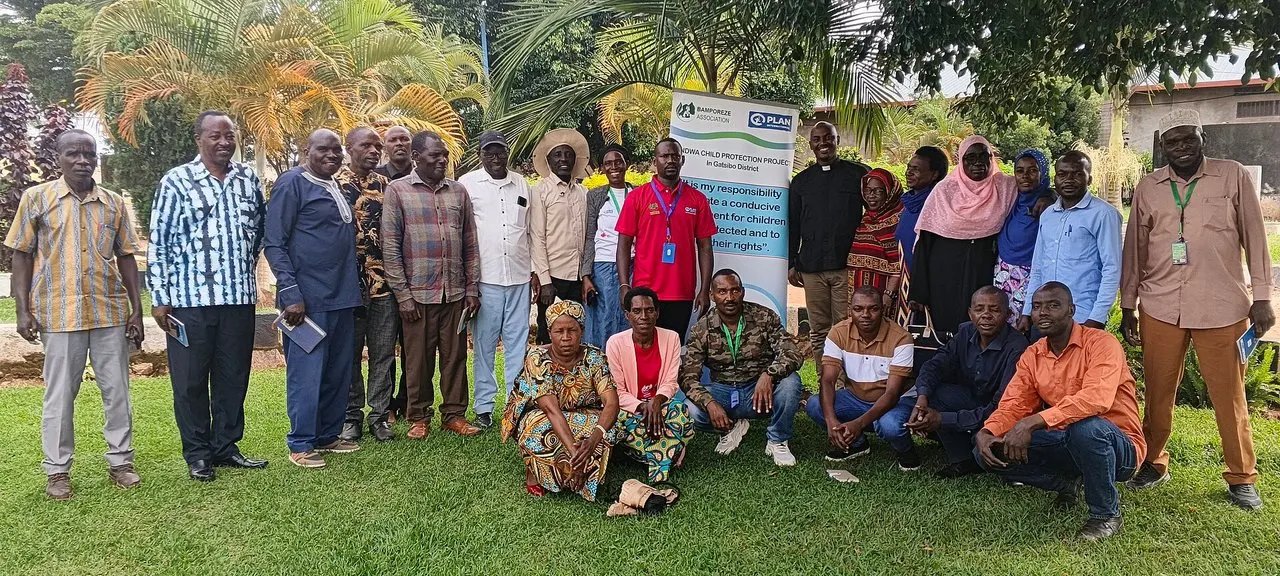
For towns and cities, the shift will show up in small and practical ways. More mosques may open beside churches, more halal food may appear in shops, and schools may welcome more children from Muslim families. Neighbors will keep sharing streets, parks and workplaces, and daily life will go on much as before. Big numbers matter most when they change ordinary days. Read the local debate over an Islamic center for two stories about communities and change.
How Demographers Read the Numbers

Demographers read numbers the way doctors read a chart, looking for patterns over time. They ask whether birth rates are rising or falling, whether young people are many or few, and whether migration is adding or removing people. One year of data means little on its own. Ten or twenty years of data show a direction, and that direction is what Pew reports. The skill is in patience and in checking the work. See the meetings with Xi and Putin for two stories where careful reporting matters.
Why the Largest Belief Group Matters in 2035

The year 2035 matters because it is close enough to touch. It is less than a decade away, and many of the people who will be counted then are already alive today. Children born now will be ten years old, and young parents will be raising the next generation. The projection is not about a far off age. It is about the world our children will inherit, and the choices we make now. Read the Voyager 1 milestone for two more stories about the years ahead.
What Do You Think About the Shift?

Now it is your turn. Do you think the world will feel different when Islam becomes the largest belief group, or will daily life go on much as before? What do you make of the Pew numbers, and what would you like to see covered next? Share your thoughts in the comments below, and tell us whether the 2035 date surprises you. Read the spending behind US health care while you are here, and keep the conversation kind.