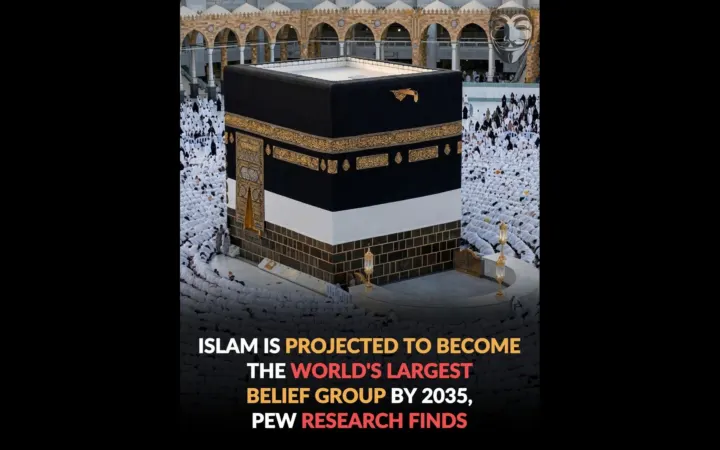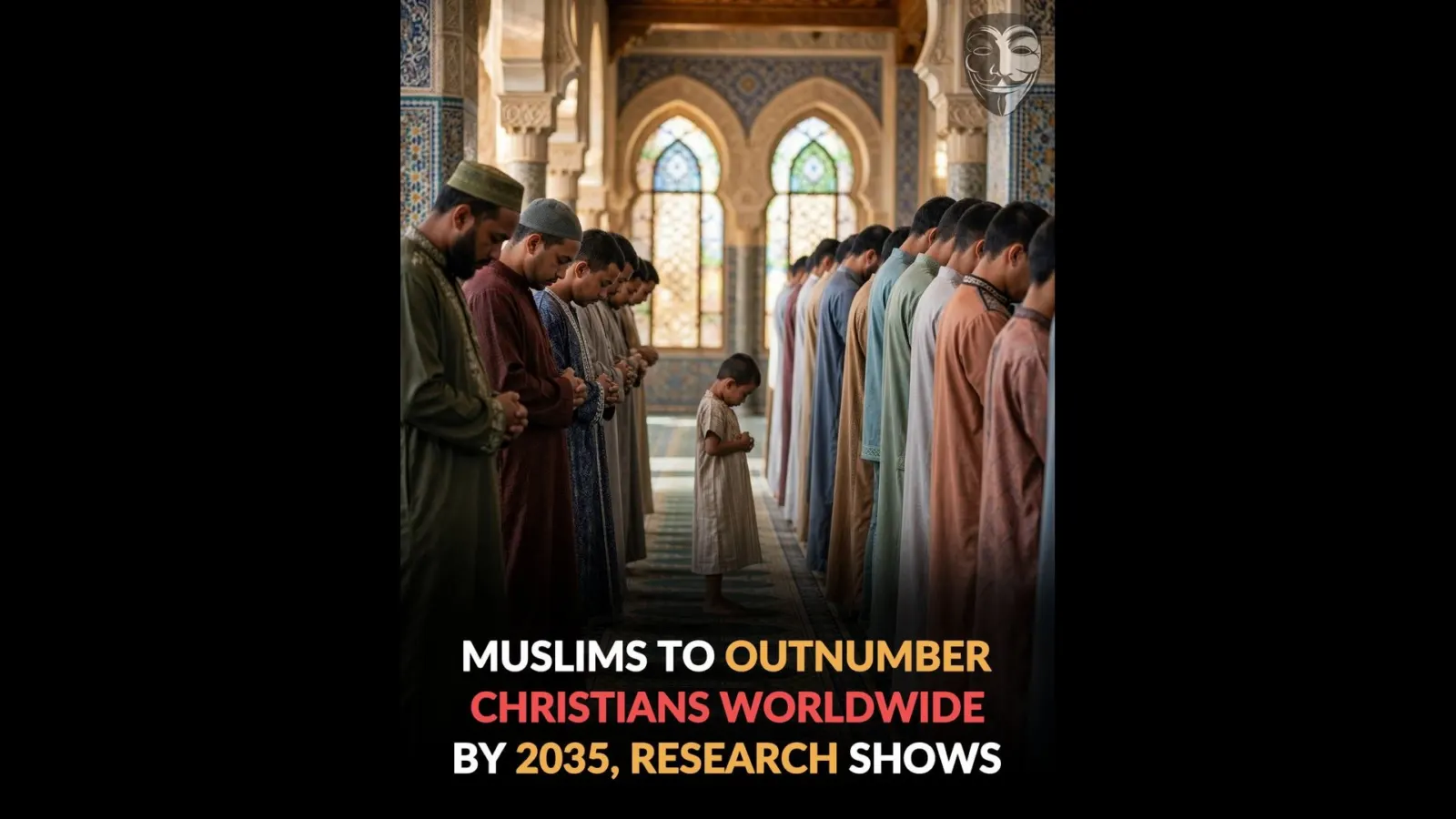
Muslims Outnumber Christians by 2035 in New Pew Findings
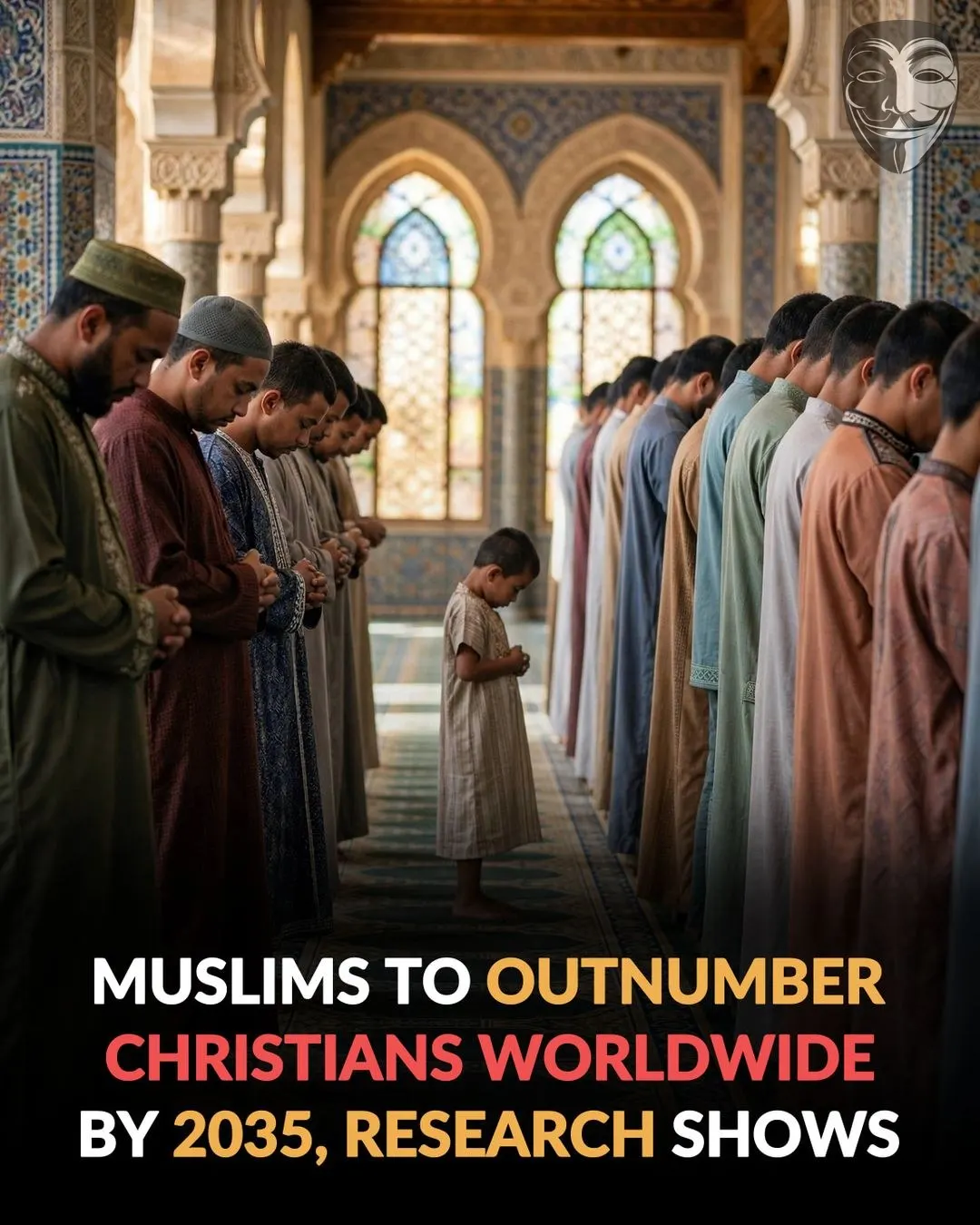
Muslims outnumber Christians by 2035, according to new projections from the Pew Research Center, and the change would mark a turning point watched for years. The report puts the Muslim population at about 2.57 billion in 2035 and the Christian population at about 2.52 billion. The gap is small, but the direction is clear, and it comes from birth rates and age, not from people switching faiths. Readers who follow stories of faith may also enjoy our reflections on prayer and trust and a look back at a long life of service.
Both faiths are still expected to keep growing in the decades ahead, and by 2070 Pew projects more than 3.6 billion Muslims and just under 3 billion Christians. The study covers 201 countries and looks at how the size of the world major faiths could change between 2020 and 2070. In the slides ahead, we walk through the numbers, the reasons behind them, and what they could mean for families and communities around the world.
References:
Pew Research Center: Islam Will Soon Be the Worlds Largest Belief group as Christianity Continues to Grow
Associated Press: Islam Expected to Surpass Christianity as the Worlds Largest Belief group by 2035
Religion News Service: How Pew Projections for Christianity and Islam Worldwide Changed and Why
Christian Post: Muslims to Outnumber Christians Globally by 2035
Muslims Outnumber Christians: What the 2035 Numbers Say
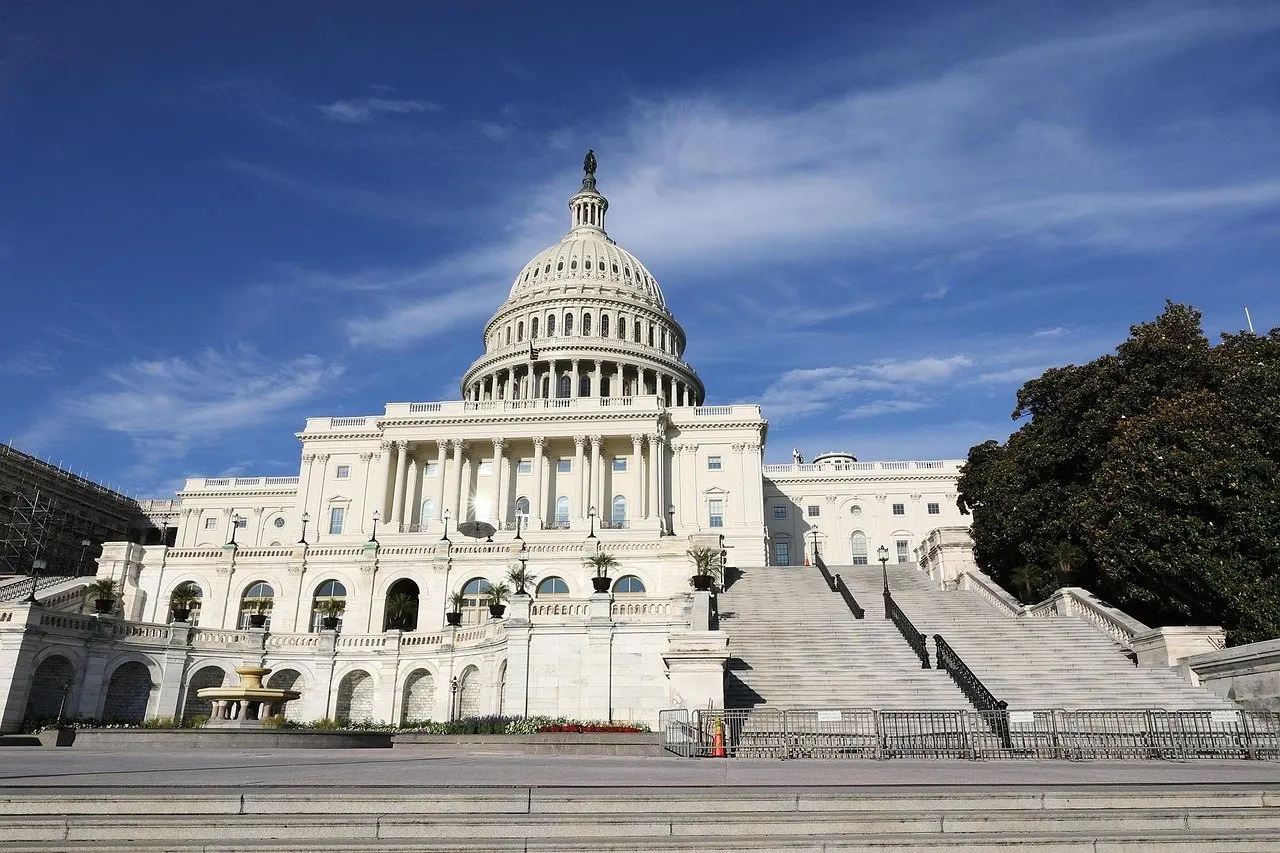
Muslims outnumber Christians in the 2035 projection, with about 2.57 billion Muslims and about 2.52 billion Christians worldwide. That is a gap of only about 50 million people, yet it marks a turning point that researchers have watched for years. The numbers come from the Pew Research Center, a Washington based research group that studies religion and public life. For more on how big stories shape the world, see our report on a major trade deal and our look at a historic vote on Greenland.
Why Birth Rates Matter More Than Anything Else
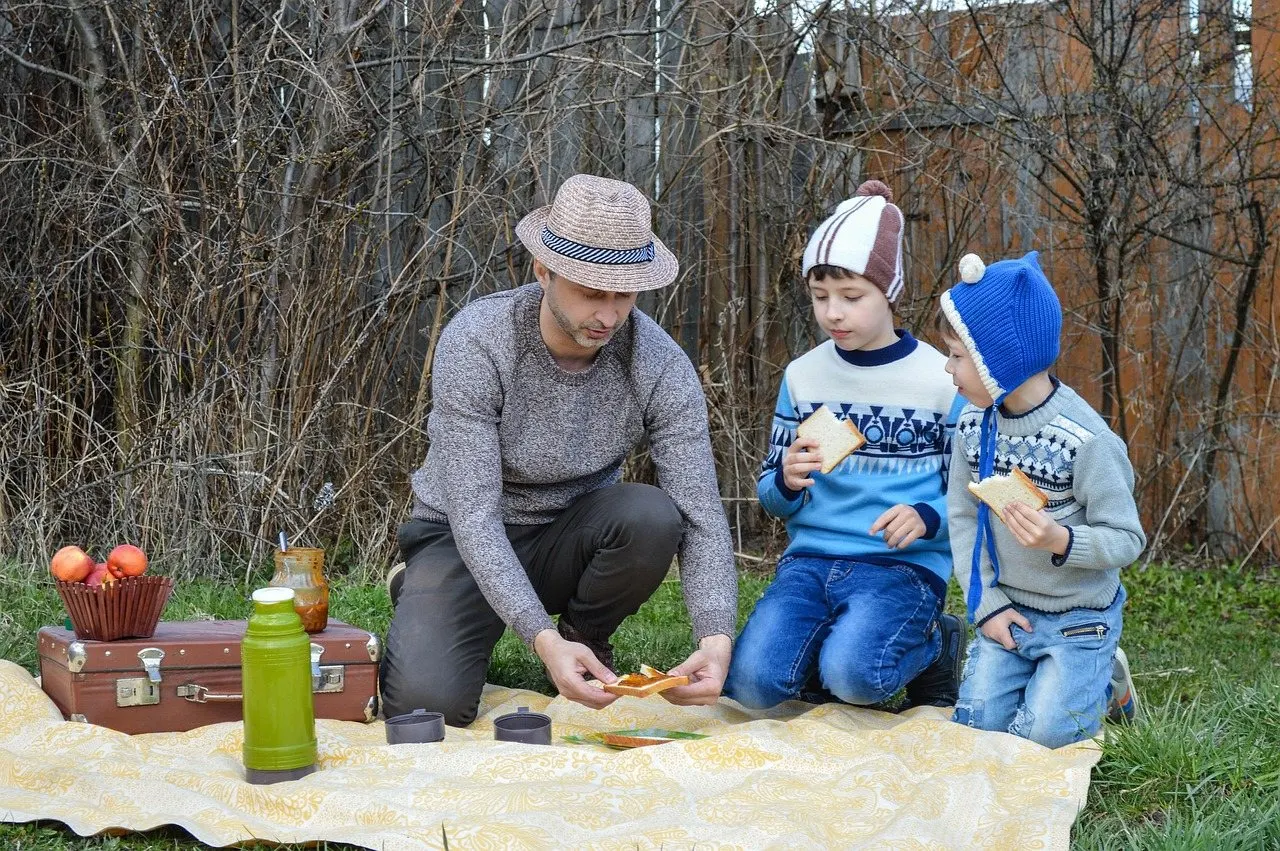
The shift is driven mainly by higher fertility rates, which means Muslim families on average have more children than Christian families. When a group has more births each year, its population grows faster even if nothing else changes. This is a slow and steady force, and it builds over decades rather than in a single year. To see how everyday life shapes big trends, read our story on data centers and the future and a rescue story from the Oregon woods.
Younger Populations Grow Faster

Muslim populations around the world tend to be younger on average, and younger groups have more people in their childbearing years. That age pattern adds to the effect of higher birth rates, so growth keeps building on itself year after year. A young population also means more children in schools and more young adults starting families of their own. For stories about people in the spotlight, see our night at the CMA Awards and a look at new medical research.
This Is Not About People Changing Faiths
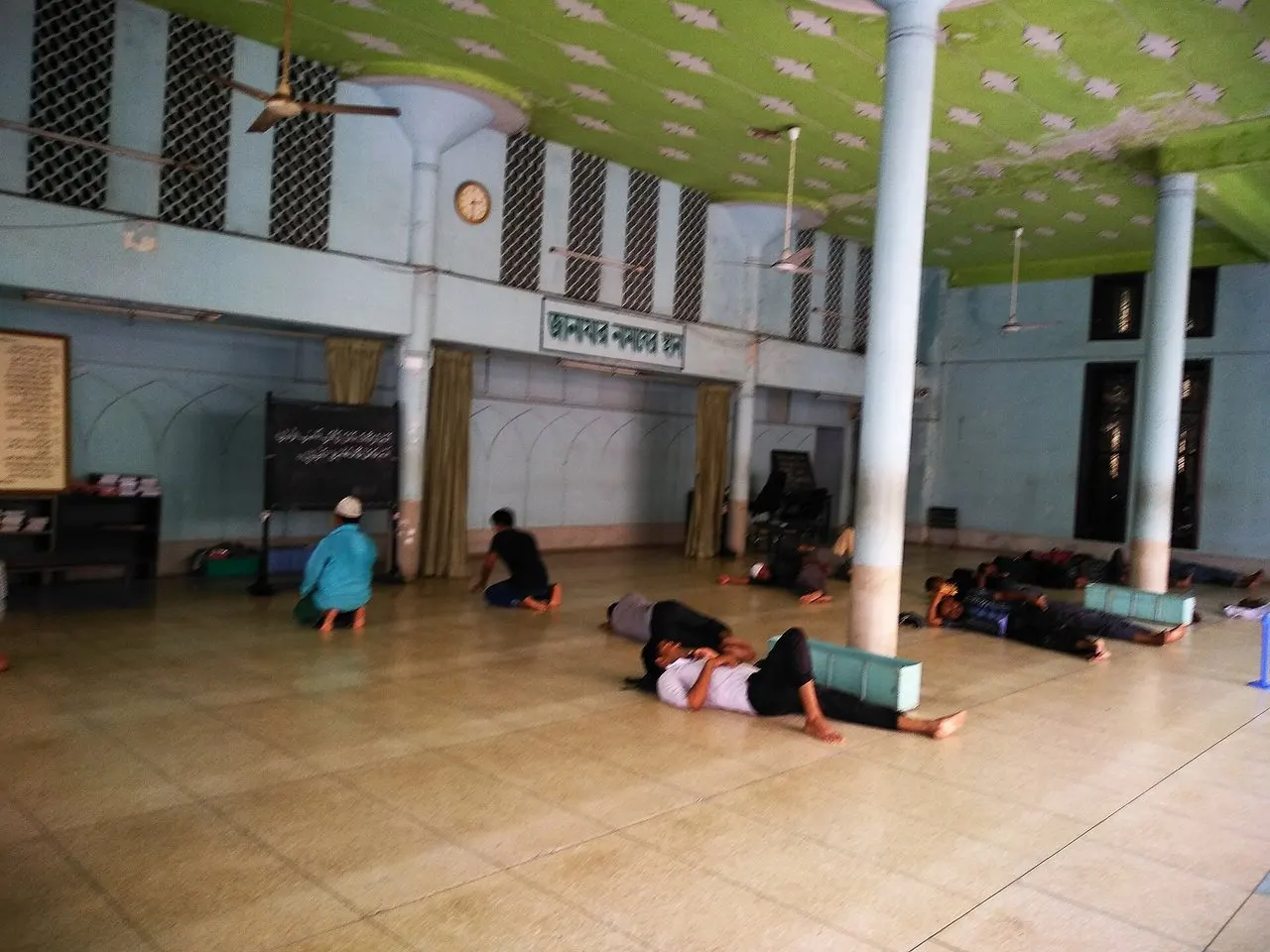
Pew says the coming change is not mainly about people leaving one faith and joining another. Most of the shift comes from births and age, not from conversion, and that matters for how we read the numbers. Faith is deeply personal, and people most often keep the faith they grew up with through their whole lives. For a gentler read on belief, see our reflections on prayer and trust and our report on a bridge to Sicily.
Muslims Outnumber Christians, Yet Christians Keep Growing
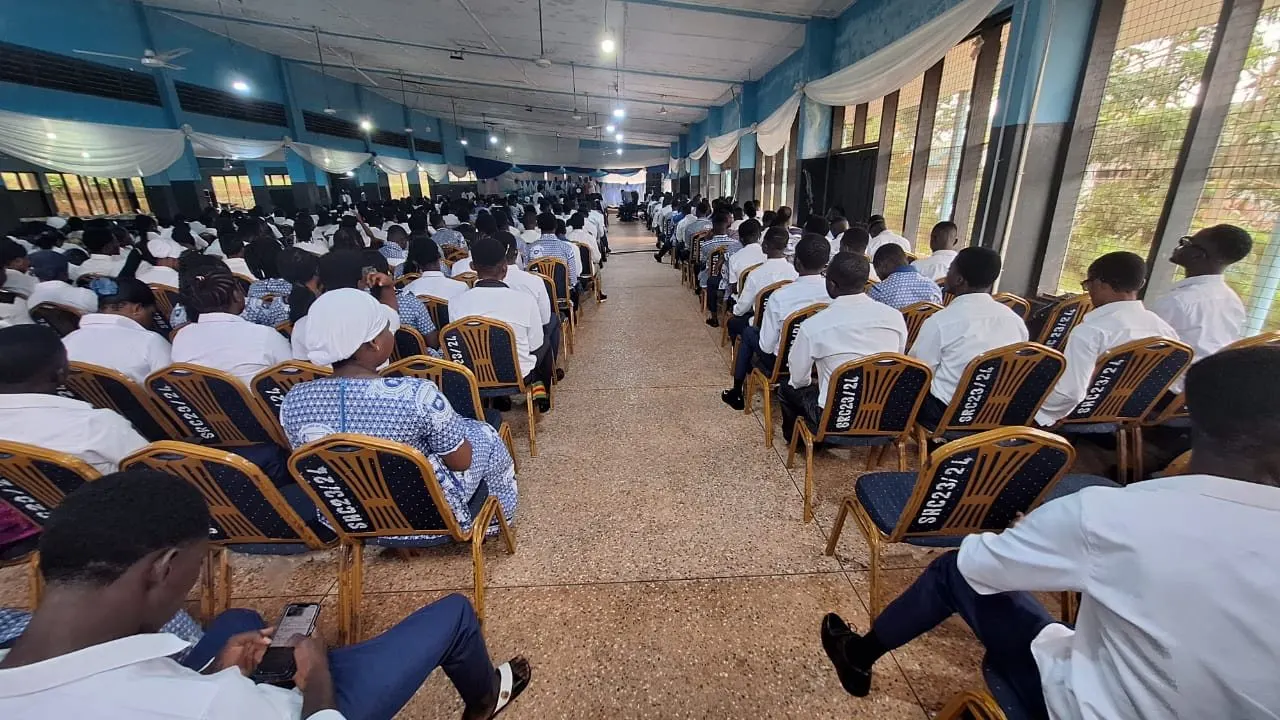
Even as Muslims outnumber Christians in the projection, Christians are still expected to keep growing in number. The Christian population is projected to rise through the decades, just at a slower pace than the Muslim population. Growth on both sides means the world will have more people of faith overall, not fewer. On how people move and study across borders, read our guide for international students and our story on a NASA move to Ohio.
By 2070, Muslims Outnumber Christians by More
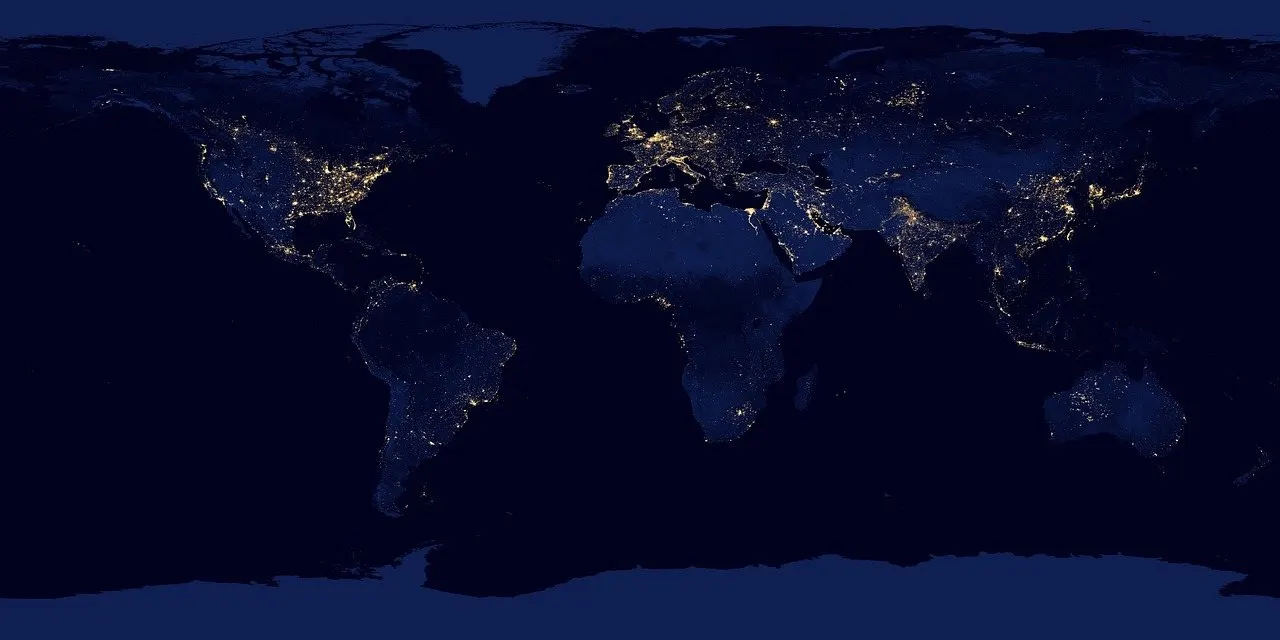
The Muslim total passes the Christian total by a wider margin in the 2070 projection, with more than 3.6 billion Muslims and just under 3 billion Christians. That is a gap of more than 600 million people, and it shows how small yearly differences add up over fifty years. The long view helps readers see that this is a slow change, not a sudden event. For more on animals rescued in hard times, read our flood rescue story and a look back at a long life of service.
A Study That Covers 201 Countries
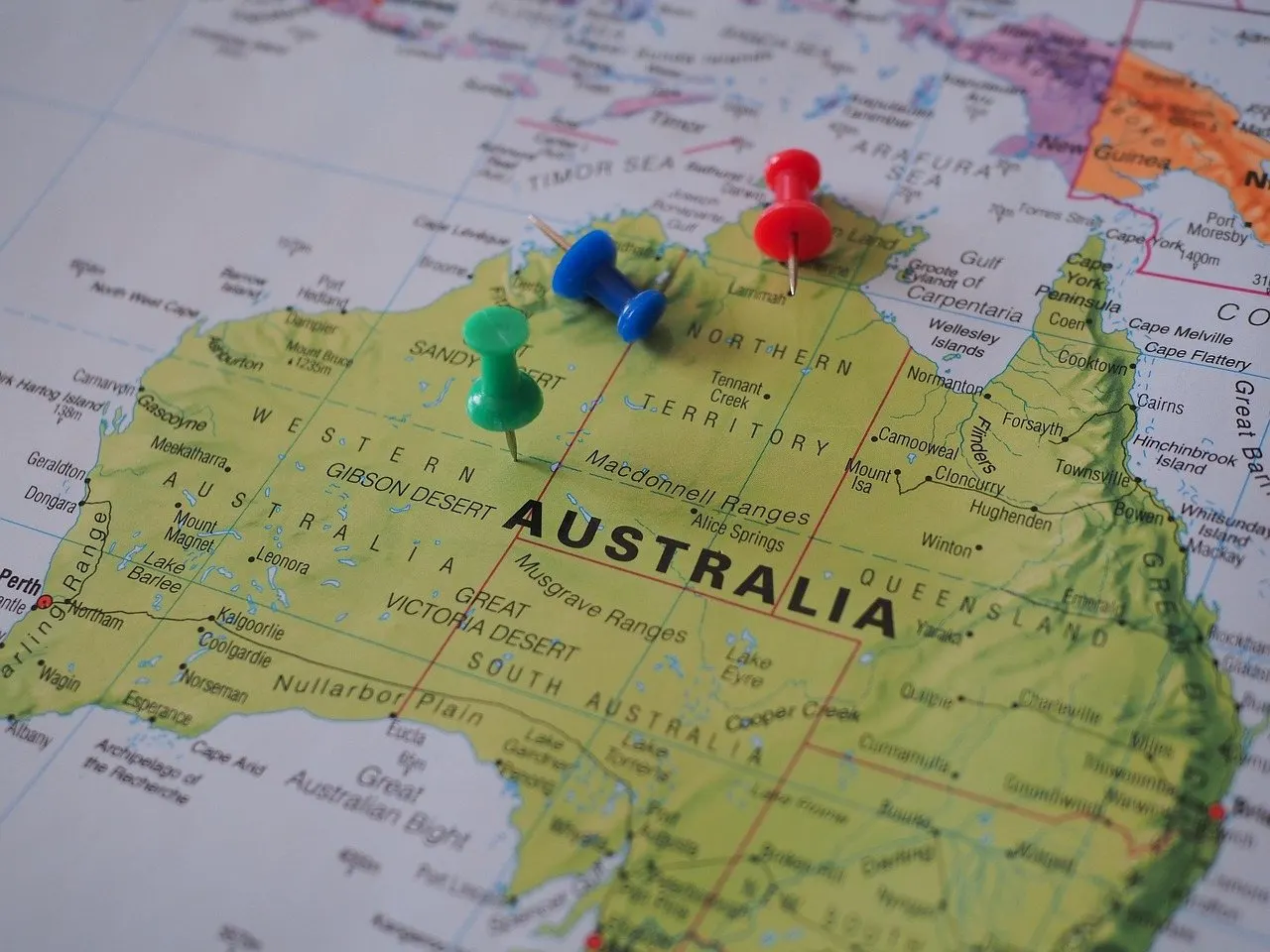
The Pew report covers 201 countries, which means it looks at nearly every place where people live. That wide net matters, because faith looks different from one region to another, and a global total can hide local stories. Researchers gather census data and surveys from each country and then build one picture from many pieces. For more on big deals and votes, see our report on a major trade deal and our story on data centers and the future.
How Researchers Build a Projection

Pew builds its projections from birth rates, death rates, age patterns, and migration, then runs the numbers forward year by year. A projection is not a promise about the future, and it is not a guess pulled from thin air. It is a careful estimate that shows what would happen if current trends keep going in the same direction. For more on how the world changes, read our look at a historic vote on Greenland and a rescue story from the Oregon woods.
Muslims Outnumber Christians: Life in Muslim Communities
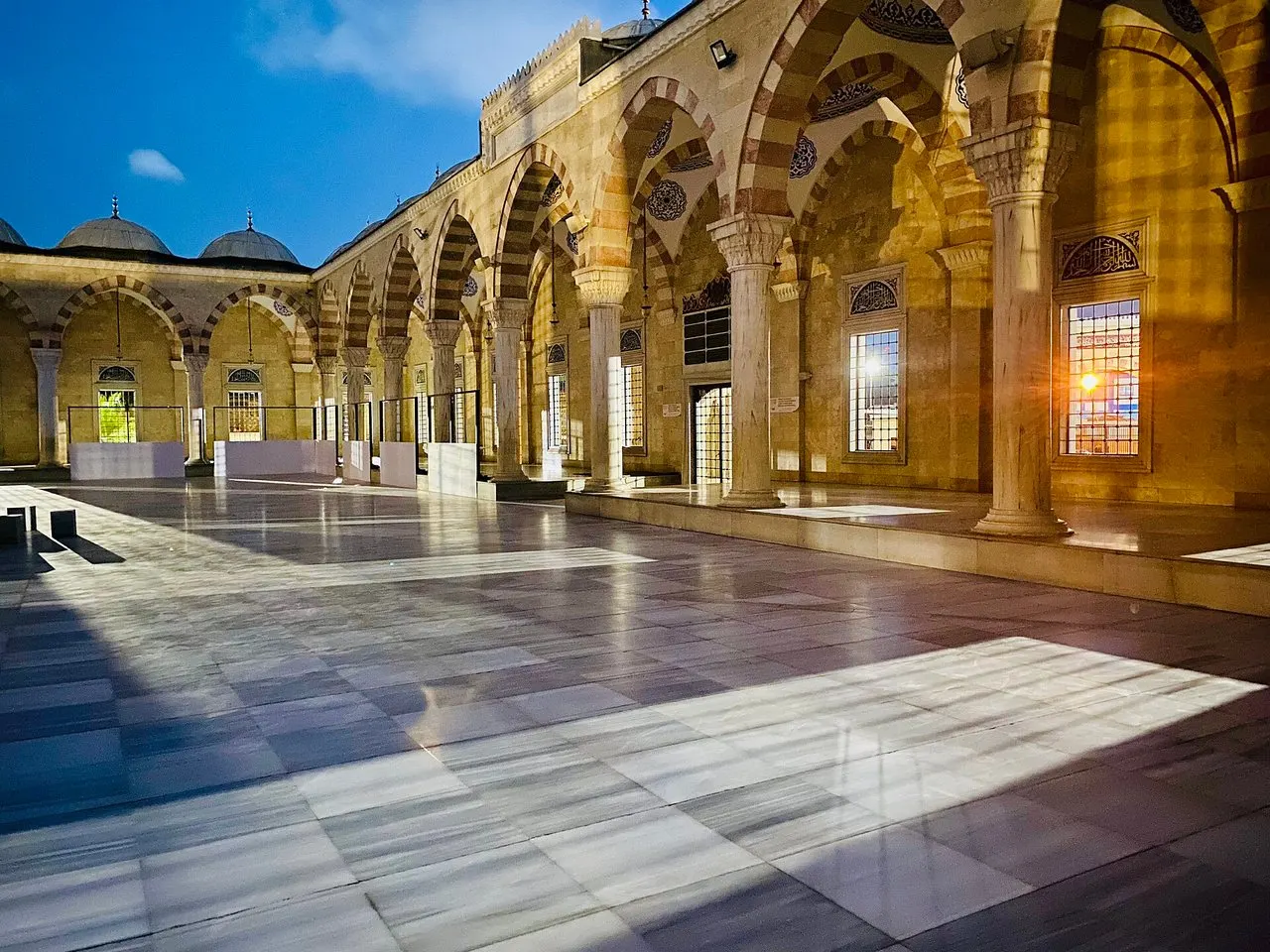
Muslim communities can be found in nearly every country, from large Muslim majority nations to small towns in Europe and North America. Daily life often centers on family, prayer, and shared meals, and mosques serve as gathering places as well as places of worship. The faith has a long history, and its followers come from many cultures and speak many languages. For stories of music and medicine, see our night at the CMA Awards and our reflections on prayer and trust.
Christian Communities Around the World
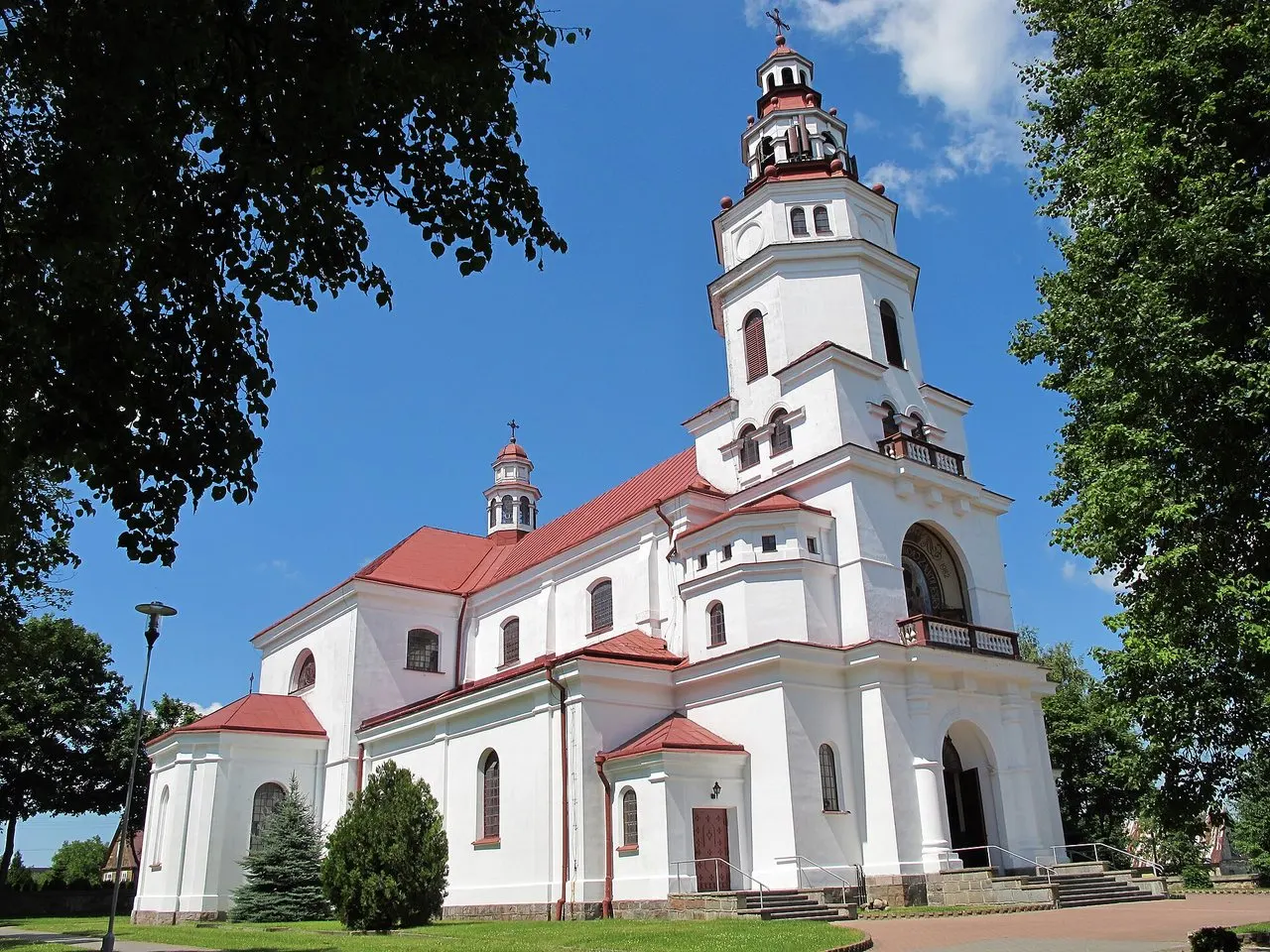
Christian communities are also found in nearly every country, and churches have long served as centers for worship, learning, and help for neighbors. Christians include many traditions, from Catholic and Orthodox churches to Protestant congregations of many kinds. Like Muslims, Christians live in big cities and small villages, and their daily life is shaped by family, work, and faith. For more on science and building, read a look at new medical research and our report on a bridge to Sicily.
What the Numbers Mean for Families

Behind every number in this report are real families, with parents raising children and grandparents sharing stories at the table. When a faith group grows, it often means more children in classrooms, more young people looking for work, and more families building homes. Those changes are felt in neighborhoods long before they show up in a global total. On students and animals, read our guide for international students and our flood rescue story.
Cities and Neighborhoods Will Feel the Change

Big cities are where global change often shows up first, in schools, shops, and streets full of people from many backgrounds. As populations shift, neighborhoods may see new mosques and churches, new shops, and new faces at community events. That mix can bring fresh food, music, and ideas to a place, and it asks neighbors to learn from one another. For more on space and service, see our story on a NASA move to Ohio and a look back at a long life of service.
Faith in Daily Life
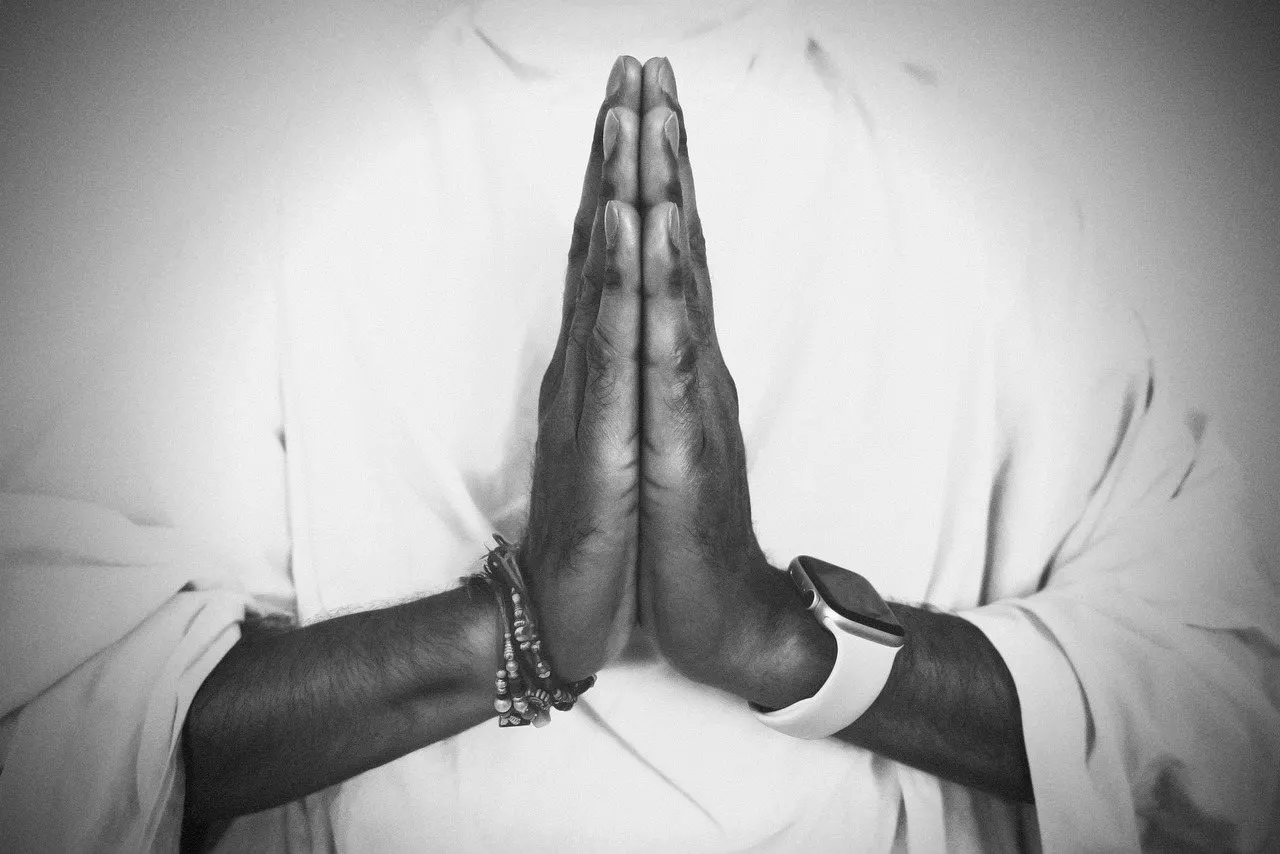
For most believers, faith is less about global numbers and more about daily habits like prayer, kindness, and time with family. Muslims pray five times a day, and Christians often pray daily as well, and both faiths teach care for neighbors and for people in need. Those shared values are easy to miss when the talk turns to charts and totals. For more on trade and votes, see our report on a major trade deal and our look at a historic vote on Greenland.
Muslims Outnumber Christians: What Comes After 2035

After 2035, the gap is expected to keep growing slowly, and the world will keep changing in ways that are hard to predict. Migration, birth rates, and age patterns can all shift over time, so later reports may tell a slightly different story. What seems steady now is that both faiths will remain large and central to the lives of billions. For more on the future, read our story on data centers and the future and our night at the CMA Awards.
How to Read a Projection With Care

A projection is a tool for thinking about the future, not a fixed fact about what must happen. Good readers ask what data went into it, what trends it assumes, and how the picture could change if those trends shift. Pew updates its work as new census data and surveys arrive, so each new report can sharpen the picture. For stories of rescue and research, read a rescue story from the Oregon woods and a look at new medical research.
Why This Story Caught So Much Attention

News about faith and population touches something deep, because it is about identity, family, and the future of whole communities. When a report says the largest faith in the world may change, people want to know what it means for them and for their children. That is why clear numbers and calm context matter more than loud headlines. On building and studying abroad, read our report on a bridge to Sicily and our guide for international students.
Muslims Outnumber Christians: What Do You Think?
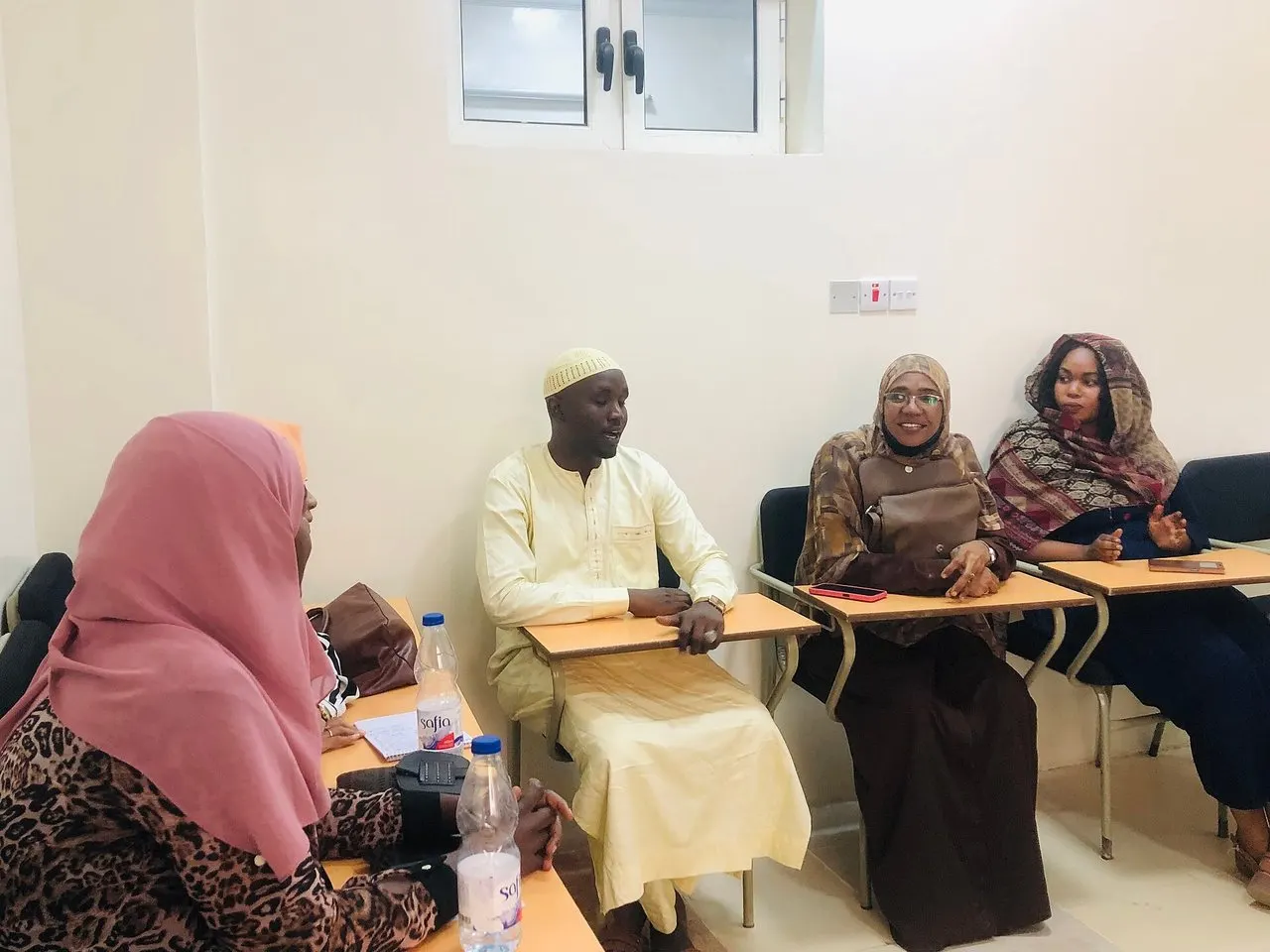
We have walked through the numbers, the reasons, and the long view to 2070, and now we want to hear from you. What surprised you most about this report, and what do you think it means for the world your children will grow up in? Share your thoughts in the comments below, and keep the conversation kind and respectful for everyone. For more to read, see our story on a NASA move to Ohio and our flood rescue story.