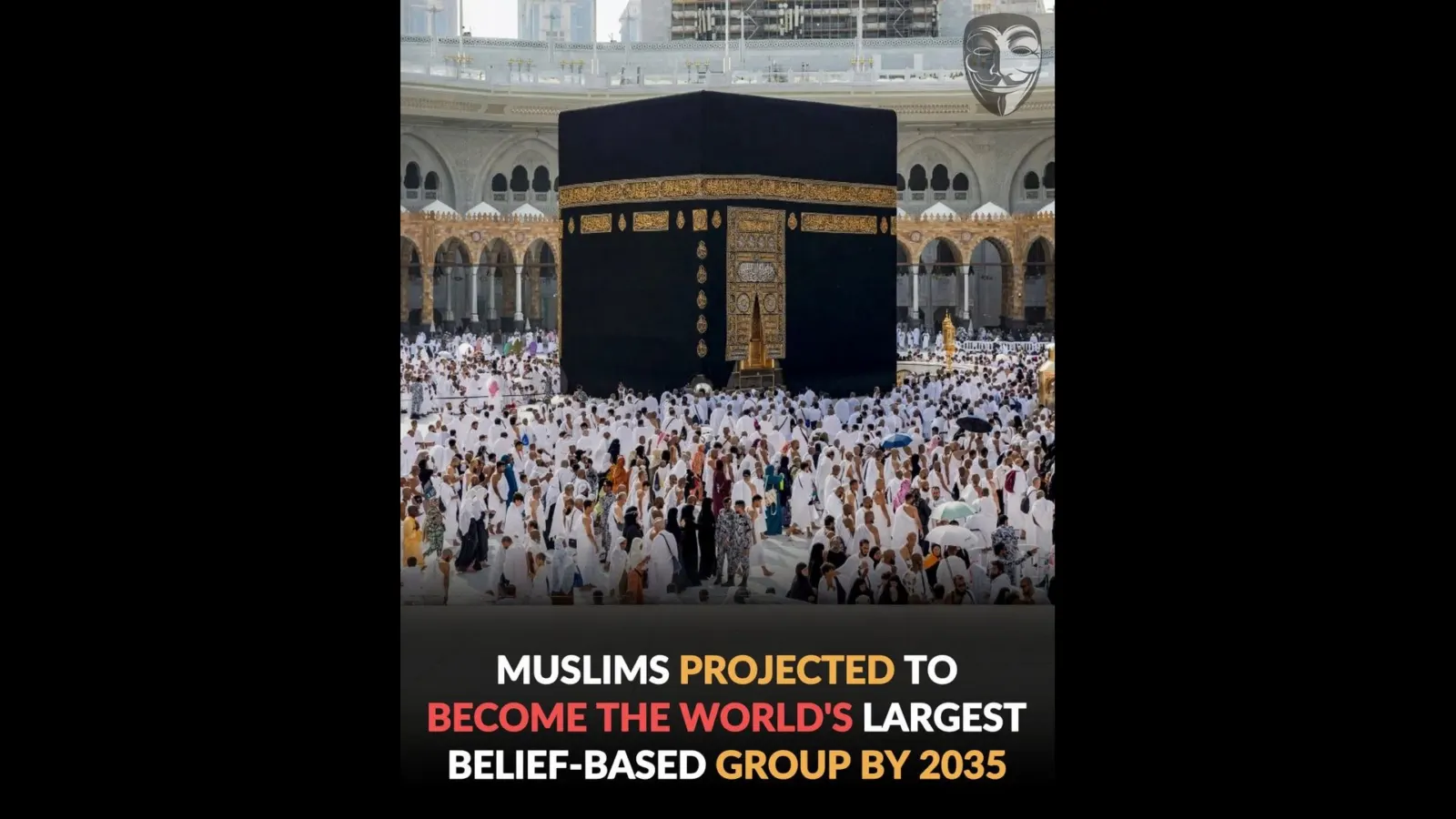
Muslims Set to Become the Largest Faith Group by 2035
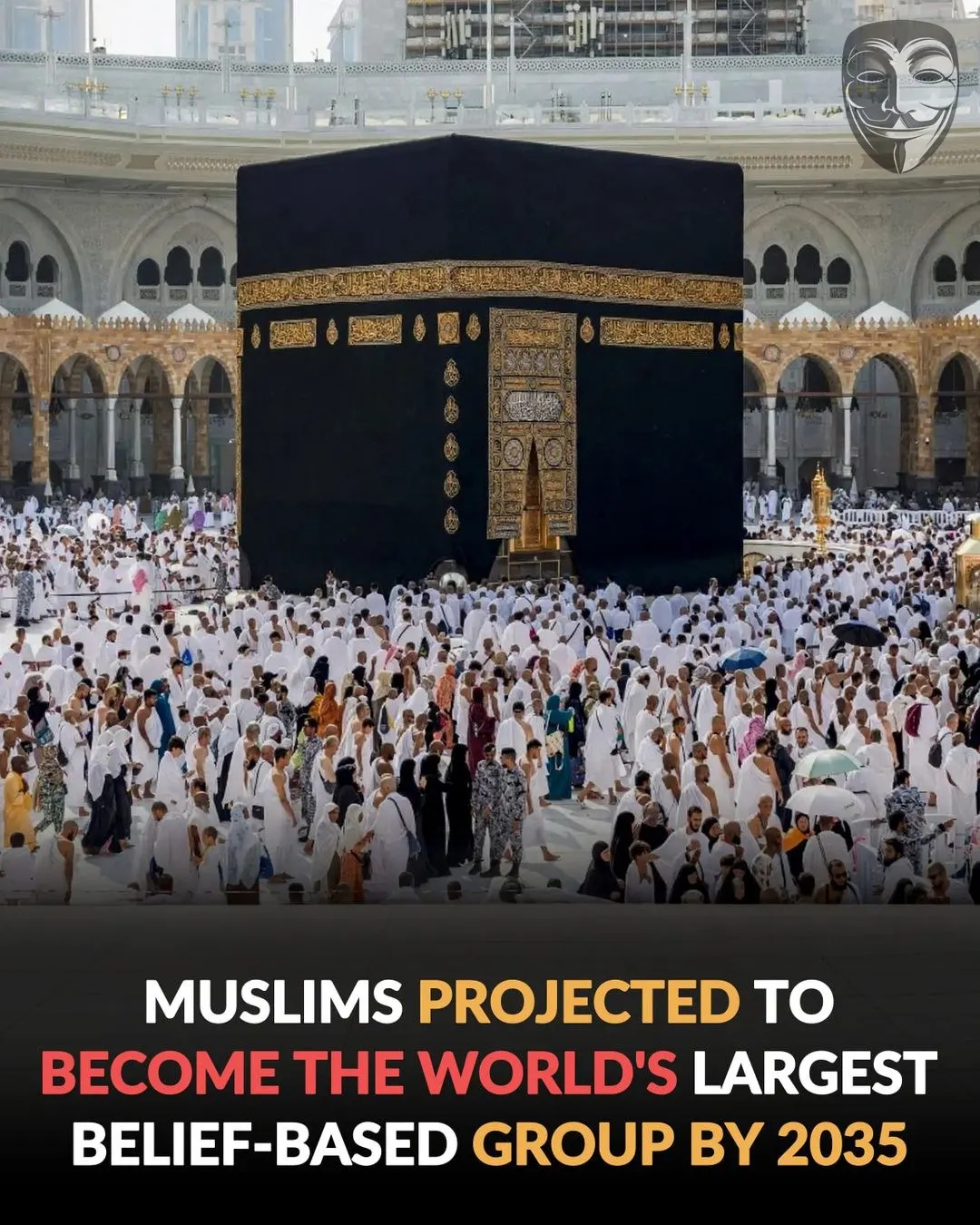
The largest faith group in the world is about to change hands. Pew Research Center released new projections on November 18, 2026, showing Muslims are expected to outnumber Christians by 2035, with about 2.57 billion Muslims and 2.52 billion Christians that year. Both groups are still growing, but Islam is growing faster, mainly because Muslims have more children on average. The change is historic, and it says a lot about how the world is changing.
By 2070, Pew projects more than 3.6 billion Muslims and just under 3 billion Christians worldwide, with Muslims making up about 36 percent of the world population. The shift reflects changing birth rates, age profiles and migration patterns, not a decline in Christianity, which is also expected to keep growing. In the slides ahead we look at what drives the change, where it shows up first, and what it means for the years to come. For more on the same story, read our report on the projected crossover.
References:
Pew Research Center: Islam Will Soon Be the World’s Largest Belief group as Christianity Continues to Grow
Religion News Service: Muslims projected to become world’s largest faith group by 2035, Pew says
Associated Press: Islam expected to surpass Christianity as the world’s largest belief group by 2035
NPR: Muslims will outnumber Christians worldwide by 2035, report says
The Largest Faith Group Gathers in Mosques Like This One
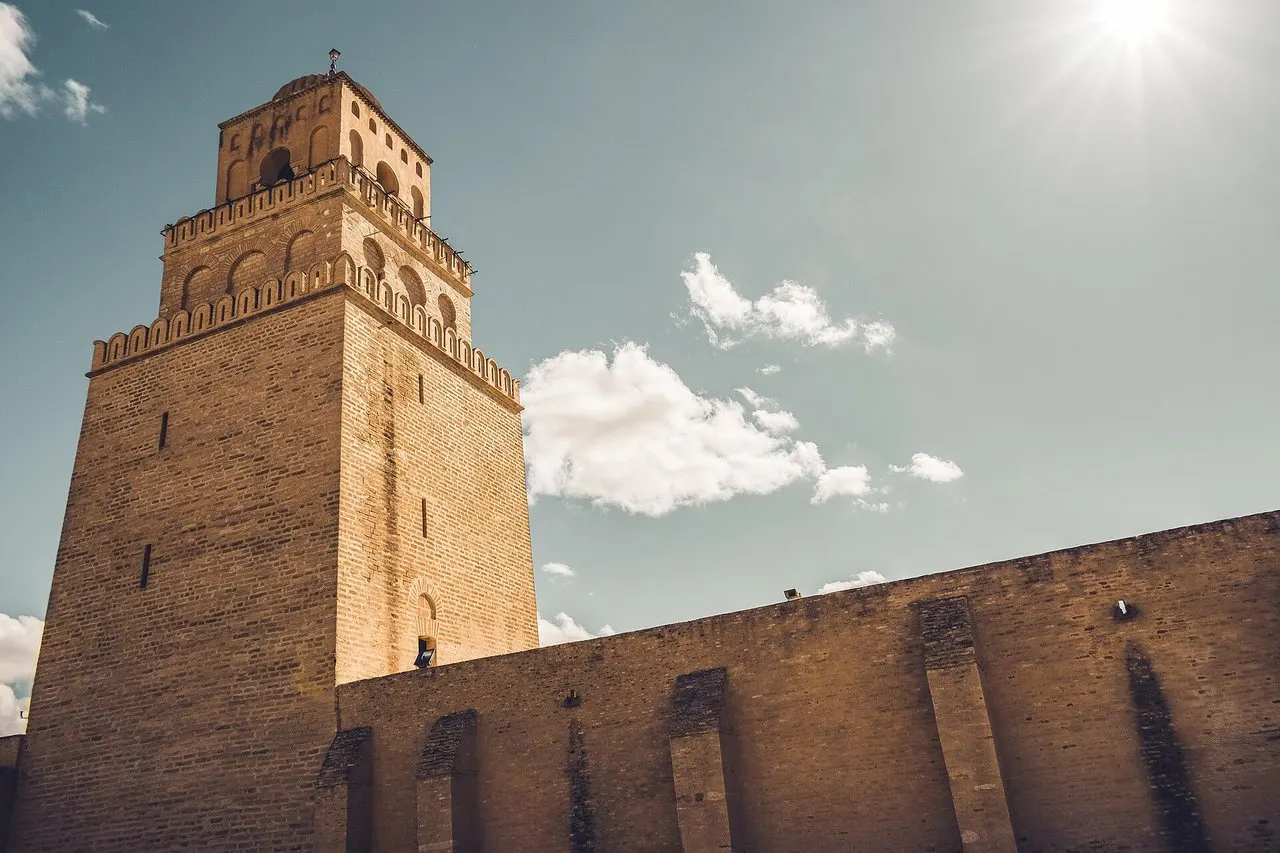
The Great Mosque of Kairouan in Tunisia shows how central the mosque is to Muslim life. Its tall minaret has called people to prayer for more than a thousand years, and the building remains one of the oldest places of worship in North Africa. Mosques are where Muslims gather to pray, to learn and to mark the big moments of life, from weddings to funerals. As the number of Muslims grows around the world, so does the number of mosques in cities large and small. Read about calls for Muslim unity.
Cities Keep Growing, and So Do Their Congregations
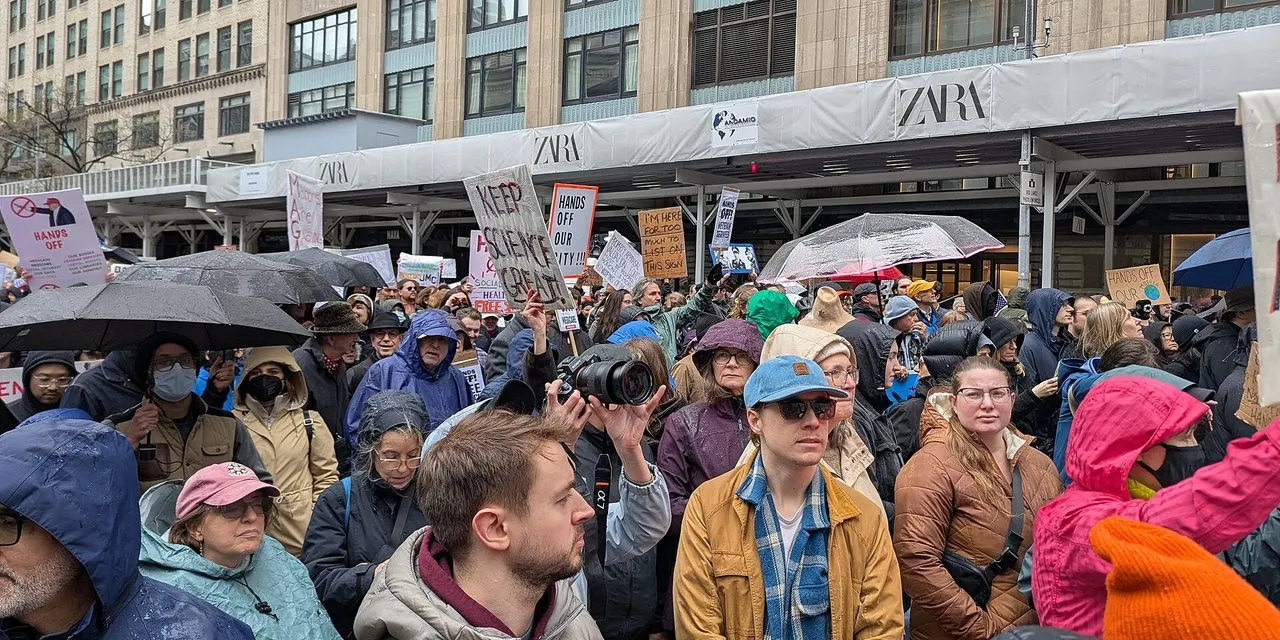
People crowd the streets of New York, and the same scene plays out in cities on every continent. The world keeps adding people to its cities, and faith communities grow right along with them. Pew says the coming change is driven by birth rates and age profiles, which means younger populations grow faster than older ones. A city with many young families will see its mosques and churches fill up sooner than a city where most people are older. See also a Pew study on faith and birth rates.
Higher Birth Rates Drive the Change
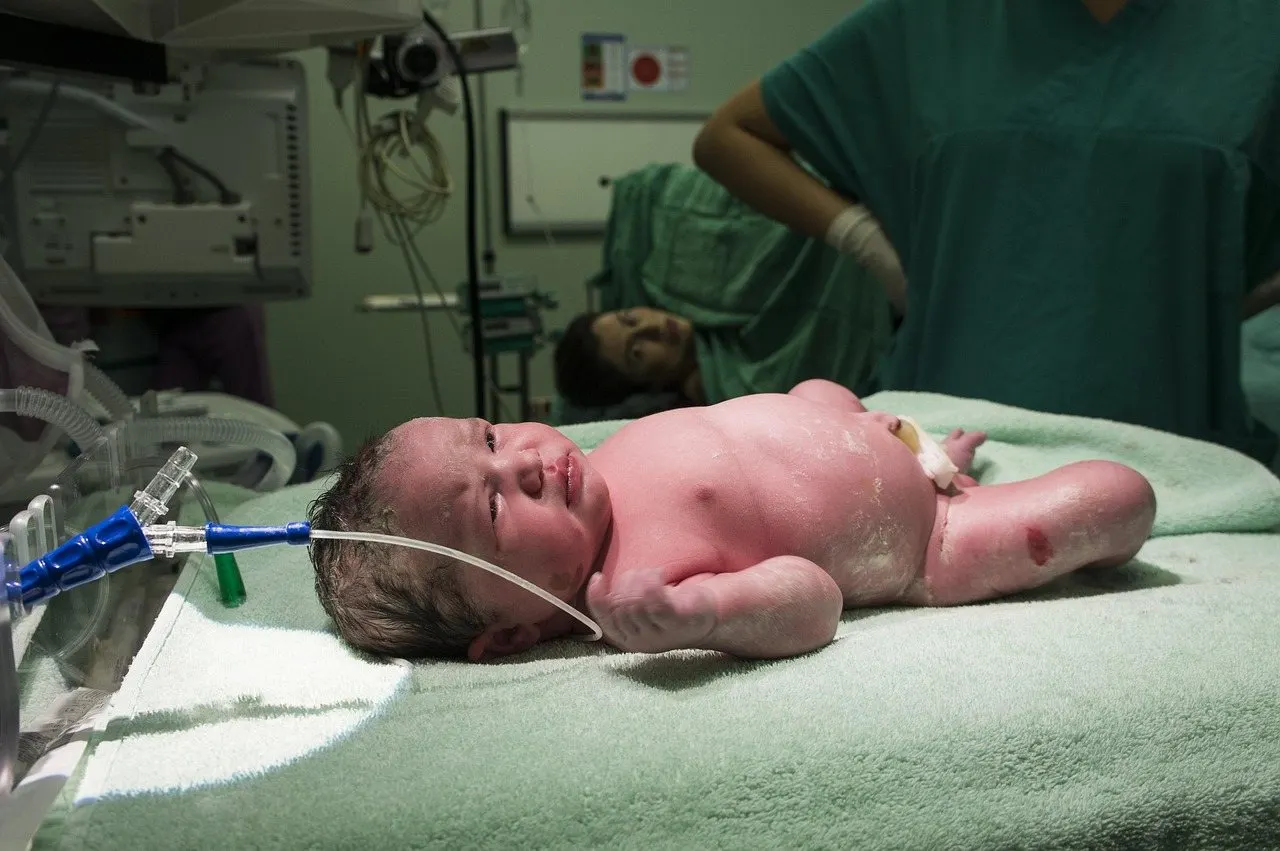
A newborn baby in a hospital bed is the heart of this story. Pew says Islam is growing faster than Christianity mainly because Muslims have more children on average. When one group has more births each year, its numbers rise faster even if nobody changes faith. That is why the 2035 crossover is about family size and age, not about people leaving one faith for another. Young parents and large families shape the future of every faith community. Read about a Pew study on faith and birth rates in our other stories.
A Younger Generation Is on the Way

Children play in a schoolyard, and their numbers tell the next chapter of the story. Pew points to age profiles as a key driver of the shift, and younger populations grow faster because more of their members are in their childbearing years. That means the Muslim population, which skews younger on average, adds new members at a quicker pace. Schools, playgrounds and youth groups in many countries already show this change in everyday life. Learn more in a Pew study on faith and birth rates.
Migration Helps the Largest Faith Group Grow
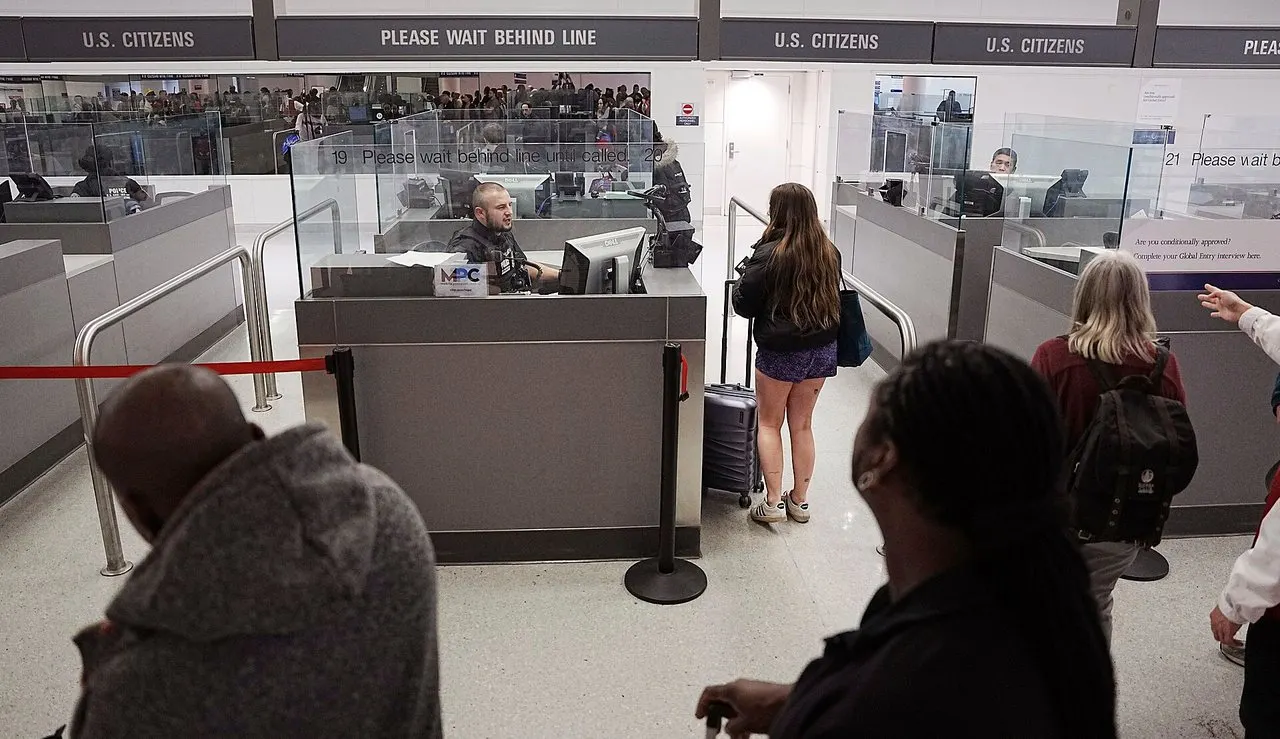
Travelers with luggage walk through an airport, and migration is one of the forces Pew names behind the shift. People move for work, for study and for family, and they carry their faith with them when they go. New communities take root in new cities, and mosques open their doors in places where few stood a generation ago. Migration alone does not explain the crossover, but it adds to the growth from birth rates. Read our report on the projected crossover.
Christianity Is Still Growing Too
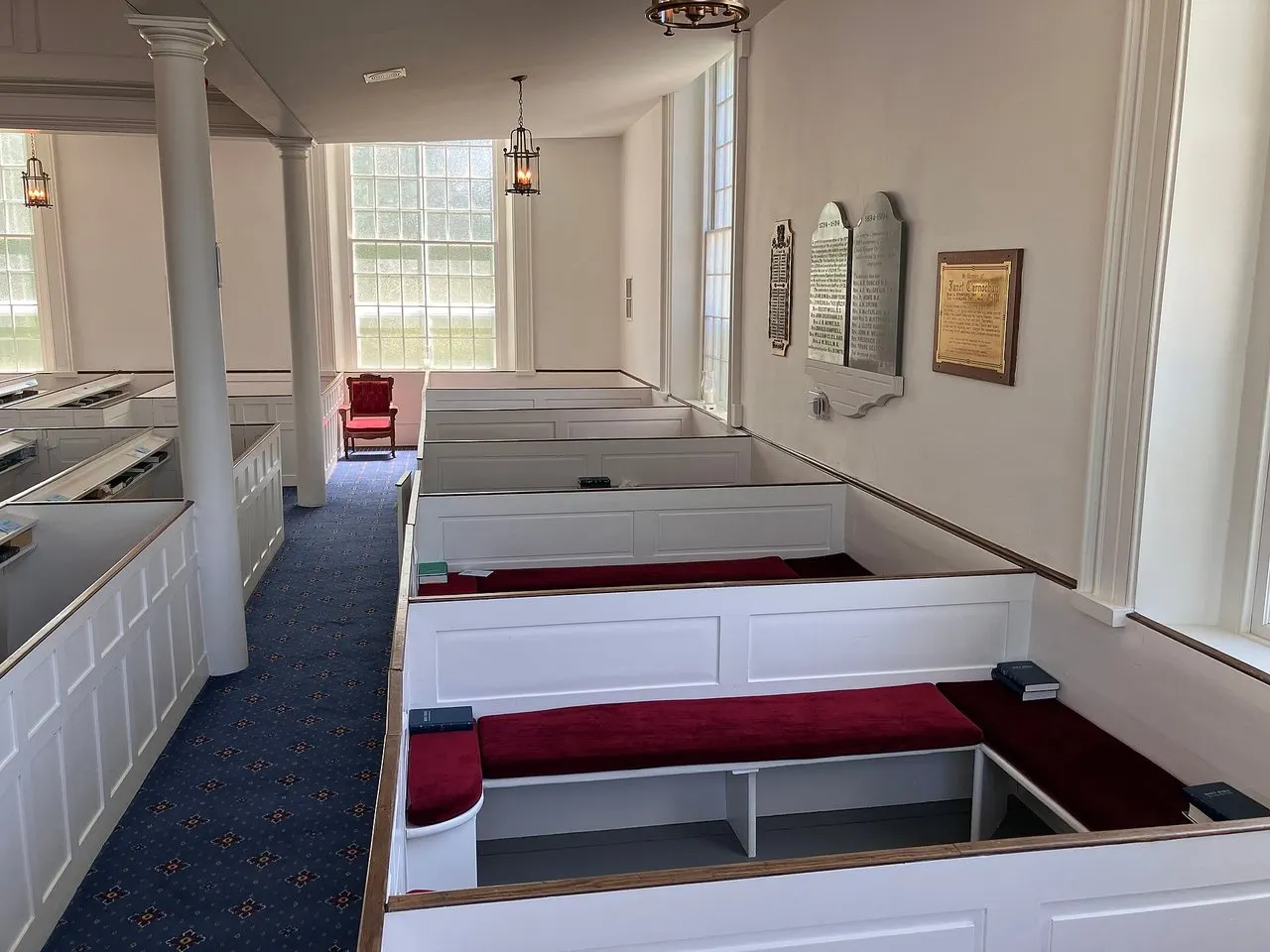
Rows of wooden pews wait for Sunday worshippers in a quiet church. The Pew projections are clear on one point that surprises many readers: Christianity is not shrinking. It is expected to keep growing in numbers, just more slowly than Islam, so the crossover happens because one group grows faster, not because the other falls away. Churches will still be full in 2035, and Christians will still number about 2.52 billion people that year. See how prayer shapes one actor’s life.
Counting the People of the Largest Faith Group
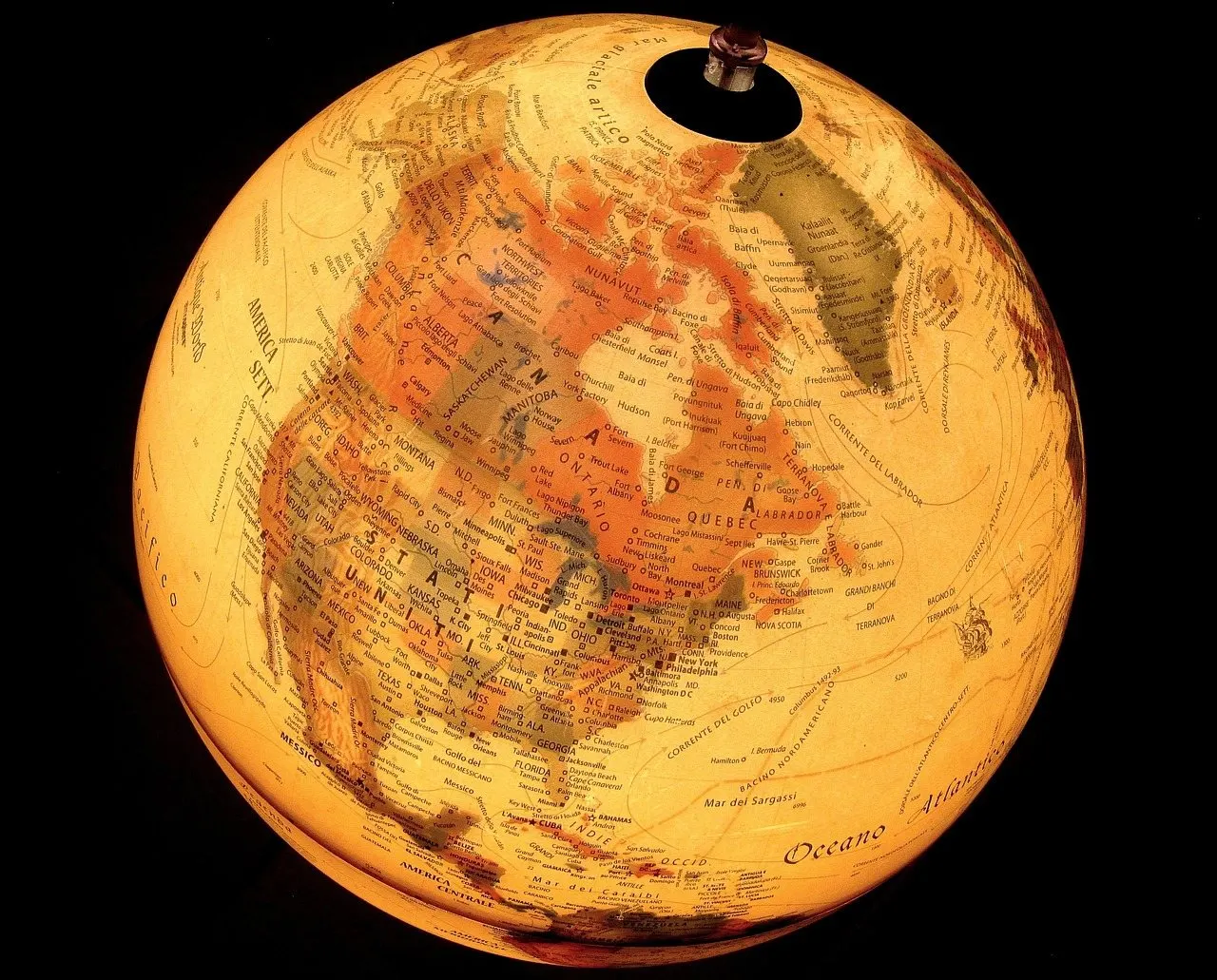
A globe shows the whole planet at a glance, and counting its people is a huge job. Pew Research Center builds its projections from census data, surveys and birth and death records from countries around the world. Researchers then model how each group is likely to grow, year by year, based on fertility, mortality and migration. The result is a picture of the future, not a certainty, but it rests on the best data available today. Read our earlier look at the 2035 shift.
By 2070 the Gap Grows Even Wider

A crowded summer street shows how many people share our cities, and the Pew numbers stretch far past 2035. By 2070, Pew projects more than 3.6 billion Muslims and just under 3 billion Christians worldwide, with Muslims making up about 36 percent of the world population. That is a gap of more than half a billion people, built up slowly over decades of different birth rates. The trend is steady, not sudden, and it shapes the world our grandchildren will know. See a remote tribe’s warning to the world.
The Numbers Behind the Largest Faith Group

A laptop screen full of charts is where projections like this one take shape. The headline numbers are simple to remember: about 2.57 billion Muslims and 2.52 billion Christians in 2035, a gap of only about 50 million people at first. That small gap is what makes the crossover so striking, because the two groups are nearly even on that date. After 2035 the gap widens each decade as the difference in birth rates keeps adding up. Read our report on the projected crossover.
What Makes Islam Grow Faster

The Sixty Dome Mosque in Bangladesh, also called the Shat Gombuj Mosque, has stood for centuries as a place of prayer and learning. Its rows of domes show the care that Muslim communities put into their houses of worship. Pew says the faster growth of Islam comes mainly from higher birth rates and a younger age profile, not from conversion. That means the story is really about families and generations, and about how young the Muslim population is today. Read about calls for Muslim unity.
Prayer Life in the Largest Faith Group
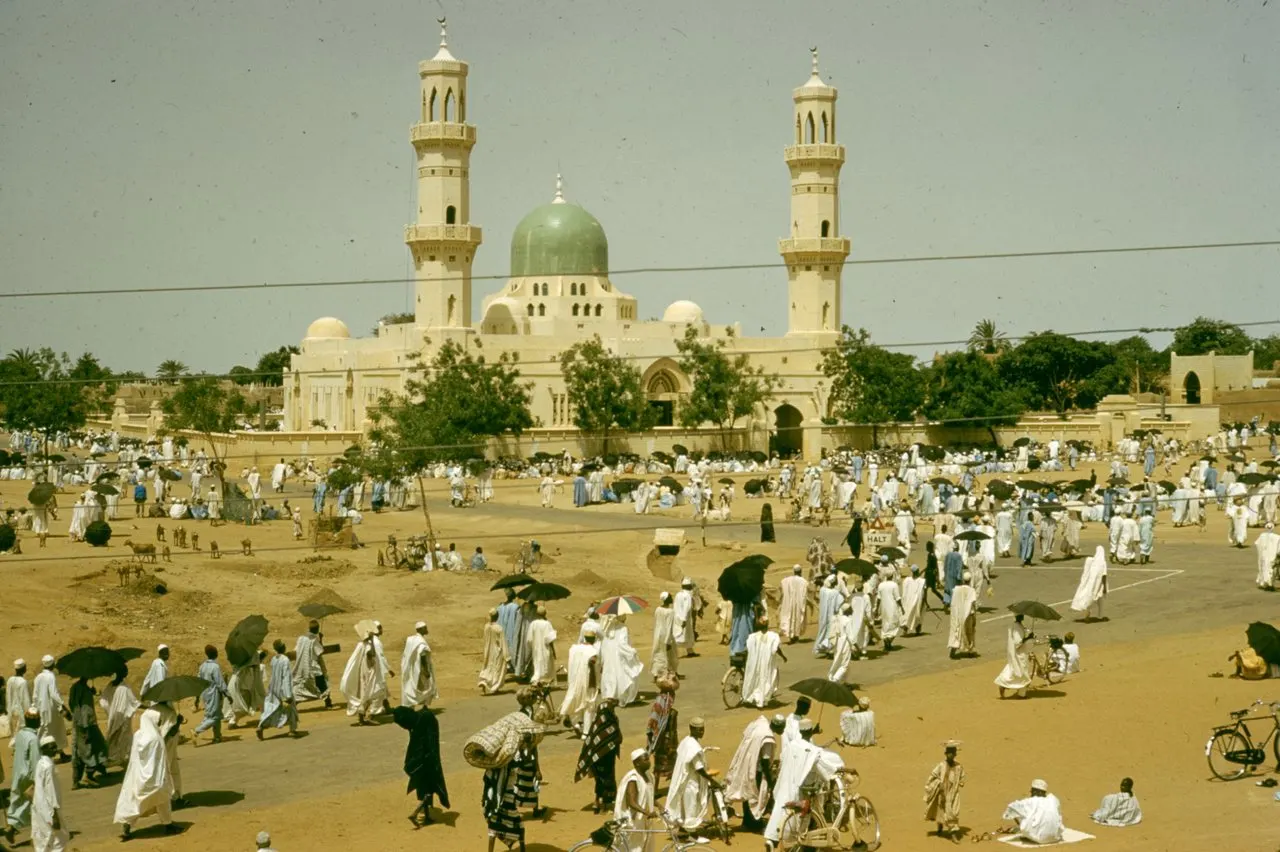
Muslims bow together in prayer at the Central Mosque of Kano in Nigeria, a scene repeated in mosques around the world five times a day. Prayer is the steady rhythm of Muslim life, and it binds communities together across languages and borders. The Pew projections count people, not devotion, but the daily practice of faith is what turns numbers into living communities. As the Muslim population grows, so does the sound of prayer in cities on every continent. Learn about calls for Muslim unity.
Indonesia Shows the Scale of the Shift
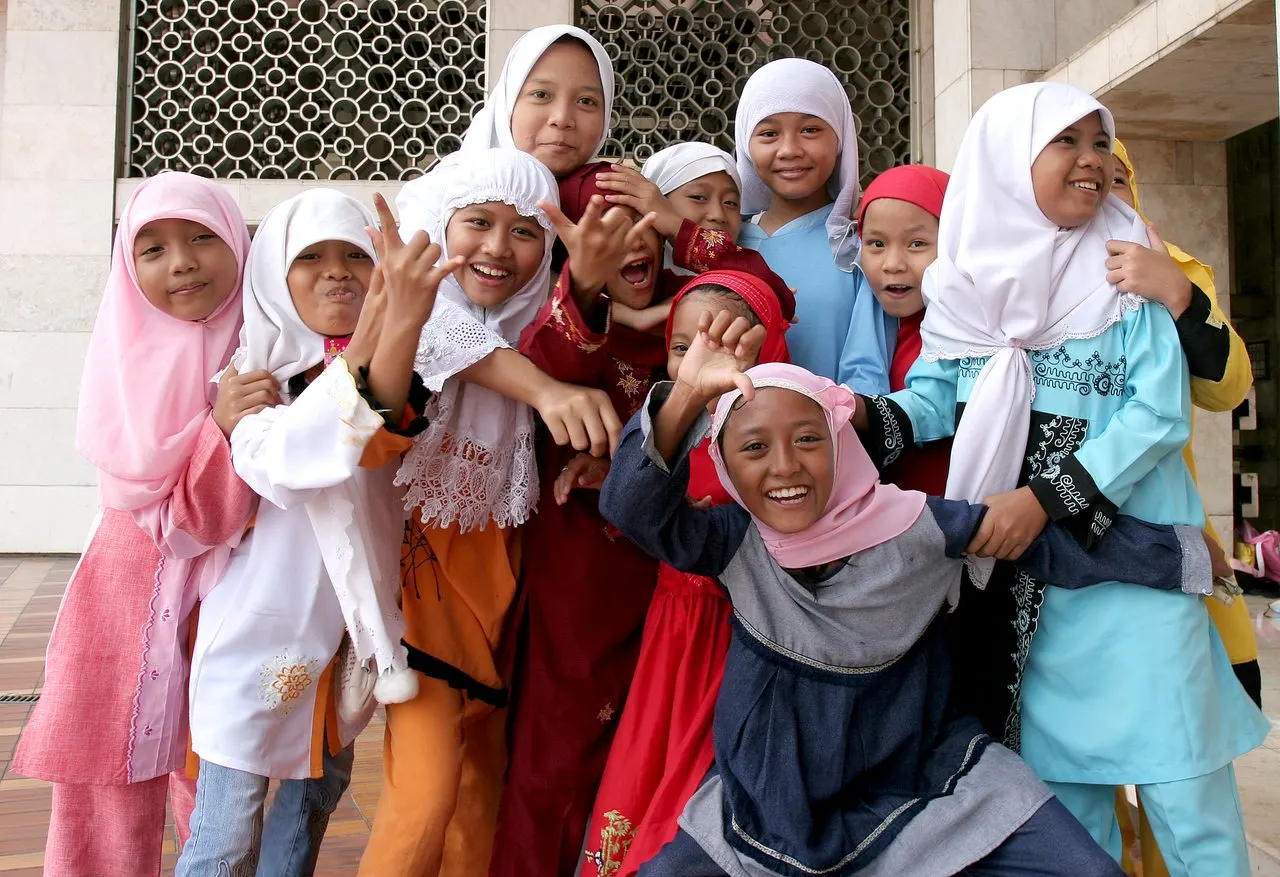
Girls visit the Istiqlal Mosque in Jakarta, the grand mosque of Indonesia, the country with the largest Muslim population in the world. Indonesia alone is home to more than 200 million Muslims, which shows how much of the story sits in Asia. The mosque can hold tens of thousands of worshippers, and it stands near the national monument in the heart of the capital. When Pew counts the Muslims of the world, Indonesia is always near the top of the list. Read the debate over remarks about Islam.
Africa and the Largest Faith Group

The Larabanga Mosque in Ghana is one of the oldest mosques in West Africa, built in a style that has shaped the region for centuries. Africa matters in the Pew story, because the continent has some of the youngest and fastest growing populations in the world. Many African countries have large Muslim communities, and their growth adds millions of people to the global total each decade. The old mud walls of Larabanga stand as a reminder that Islam has deep roots here. See the debate over mosques in America.
Europe’s Muslim Communities Keep Growing
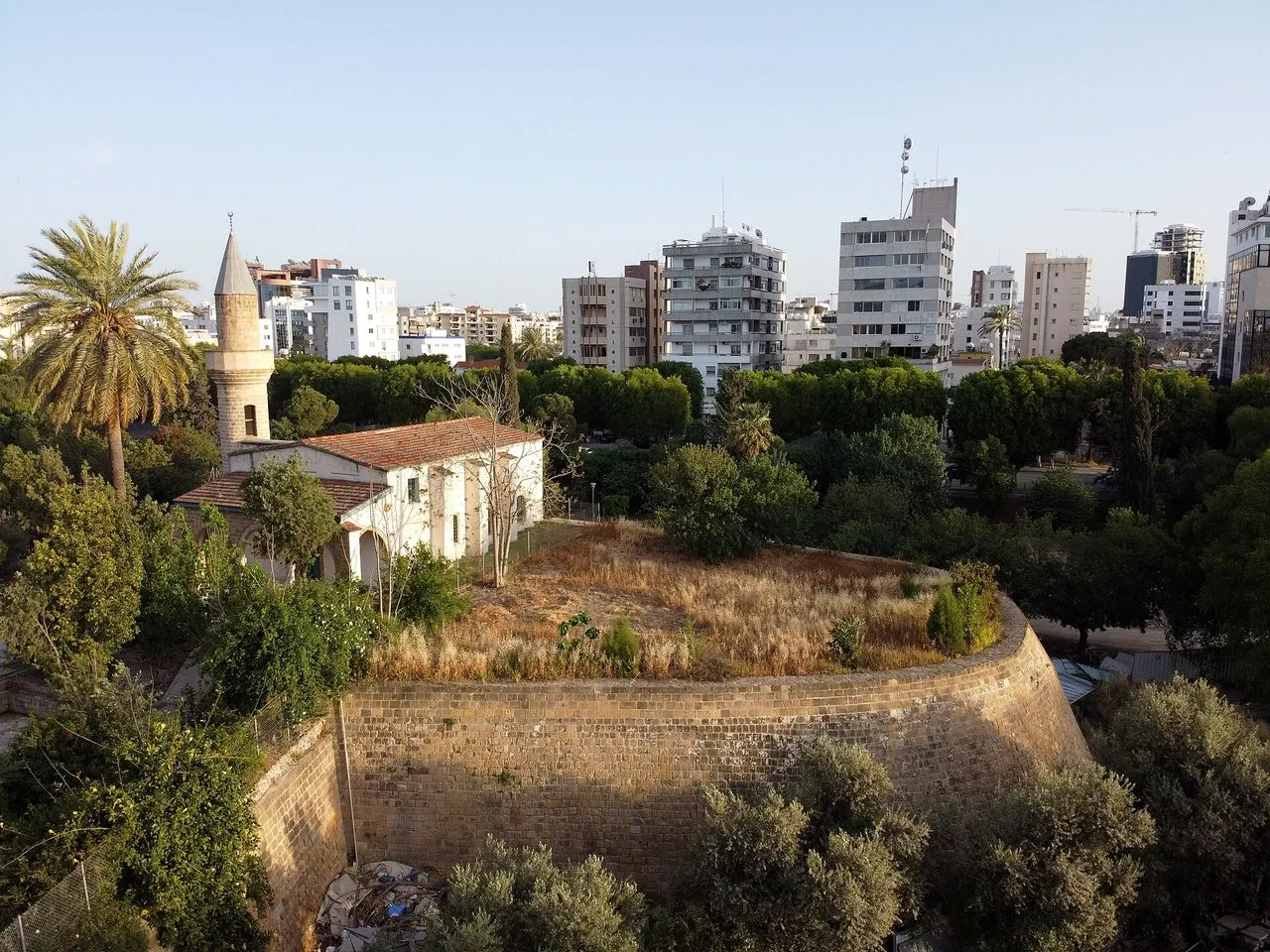
A mosque rises above a European city, where Muslim communities have grown for generations. Families who arrived from Turkey, North Africa and South Asia built new lives in London, Paris, Berlin and many smaller towns. Their children and grandchildren now count as Europeans and as Muslims at the same time, and mosques have become a normal part of the city skyline. Pew counts this European growth as one more piece of the global shift. Read the debate over mosques in America.
The Largest Faith Group in the United States
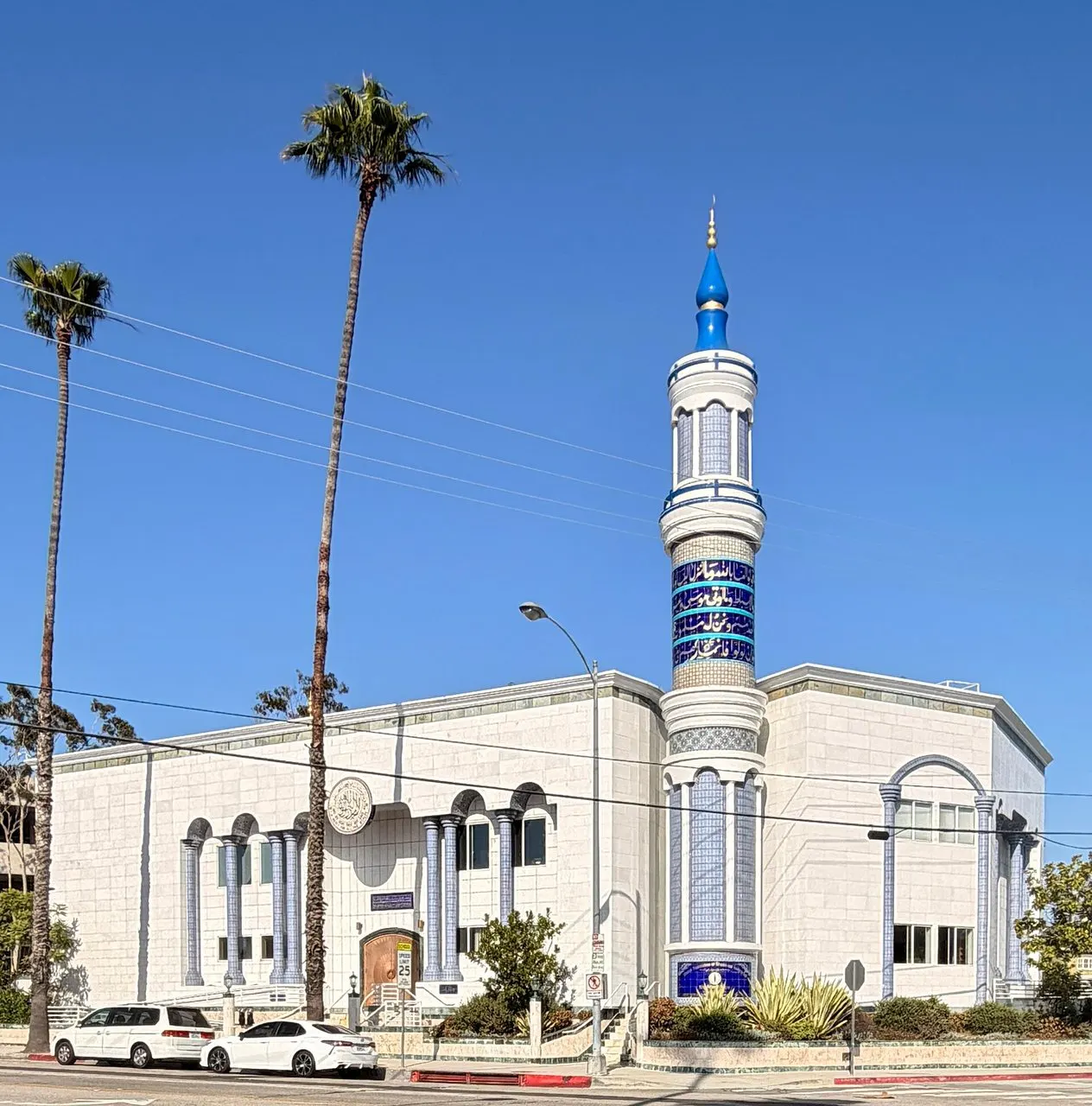
The King Fahad Mosque in Culver City, California, shows how Islam has put down roots in the United States. American Muslims come from many backgrounds, including families who have lived in the country for generations and newer arrivals from around the world. Mosques in American cities serve as prayer halls, schools and community centers all at once. The Pew projections cover the whole world, and the United States is one small part of a much bigger picture. See the debate over remarks about Islam.
Worship Looks Different Across the Two Faiths
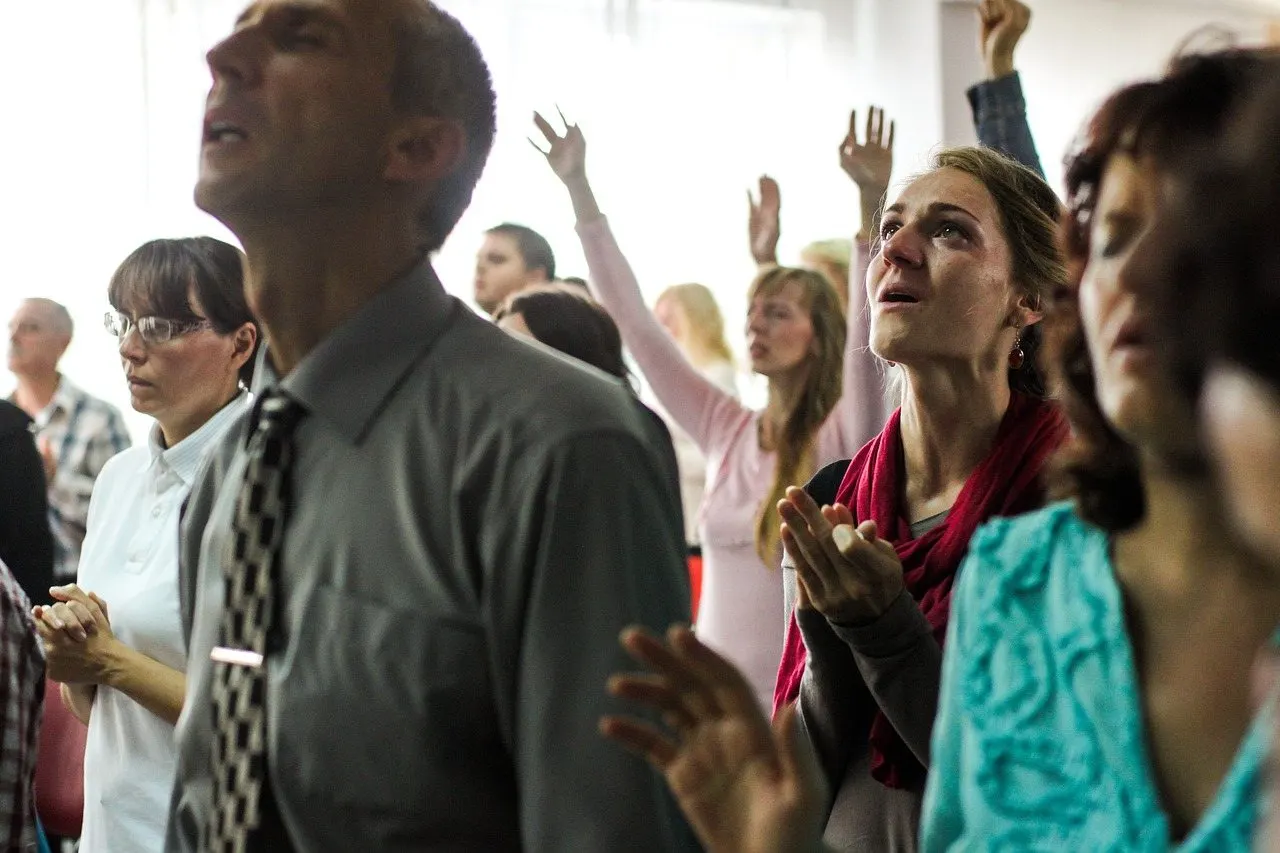
People raise their hands in worship, a gesture found in churches and mosques alike. Christians and Muslims pray in different ways and on different days, but both faiths put shared worship at the center of community life. Pew counts people by the faith they name, and most people stay with the faith they were raised in. That is why birth rates, not conversion, drive the change that Pew projects for 2035. Learn one man’s view on faith and peace.
Charts That Track the Largest Faith Group
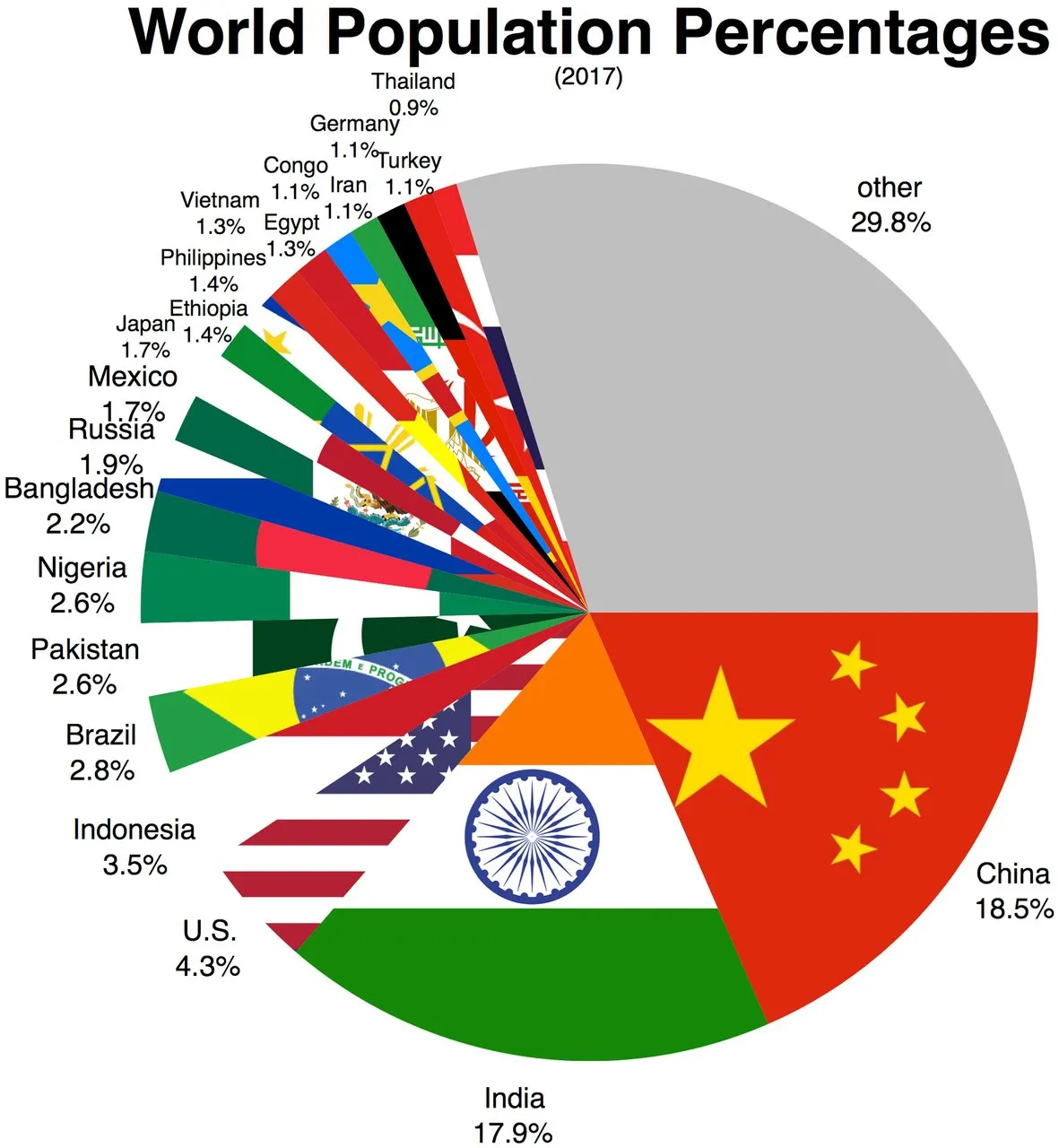
A chart of world population shares turns billions of people into lines that anyone can read. The Pew projections are built on the same kind of data, tracking births, deaths and migration for each faith group year by year. Charts like this one make the 2035 crossover easy to see: two lines that run close together for years, then slowly pull apart. Numbers on a page may look dry, but they describe real families and real lives. Read a look at how a small team can do big work.
More Than 3.6 Billion People by 2070
A crowd of people stands before a globe, a picture of the billions Pew counts in its projections. By 2070, Pew projects more than 3.6 billion Muslims and just under 3 billion Christians worldwide, with Muslims making up about 36 percent of the world population. Those numbers describe a world where more than one in three people is Muslim, and where Christians remain a huge community too. The future is already taking shape in the families being born today. See a remote tribe’s warning to the world.
Families Are at the Center of the Story
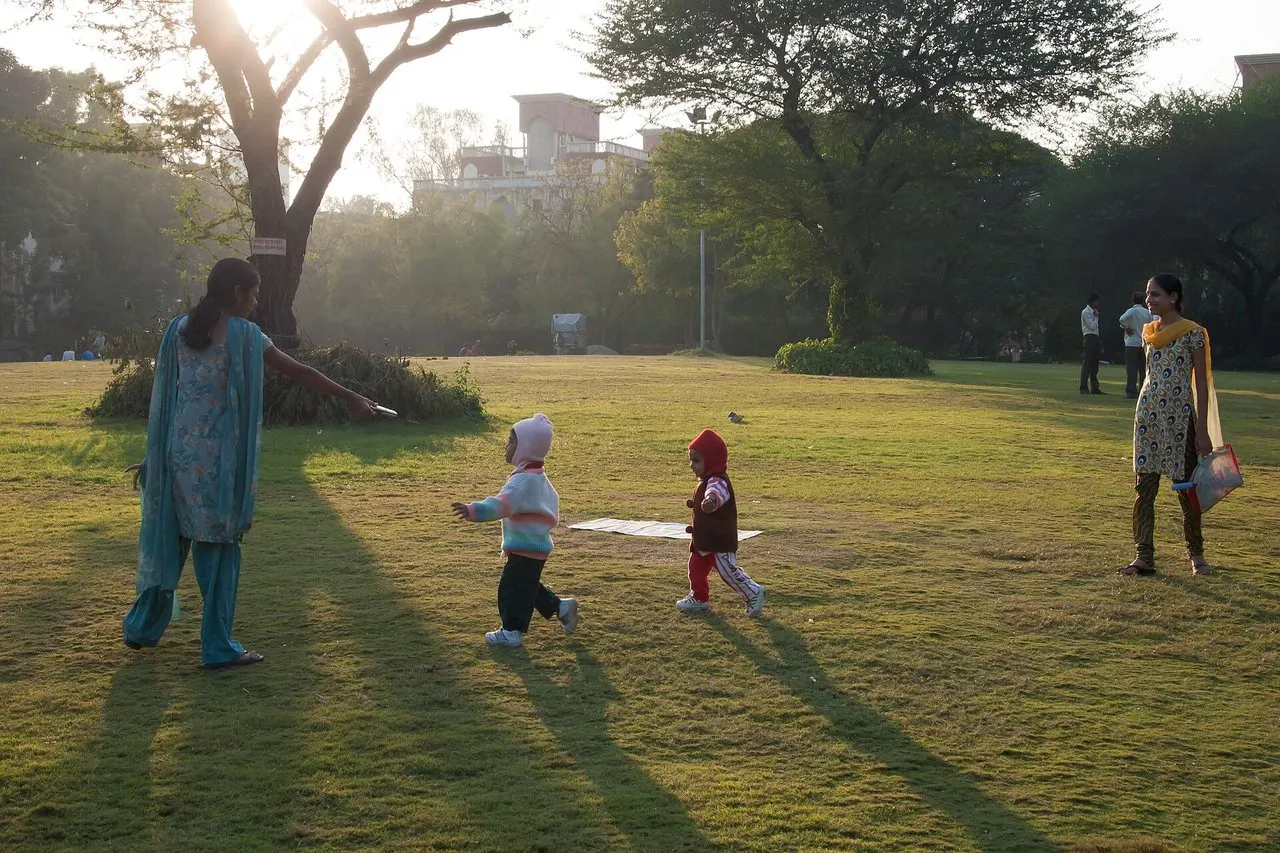
Mothers and children gather outdoors in Pune, India, a reminder that the Pew story is about families first. Birth rates are the engine of the change, and every number in the projections stands for a child born, a family raised and a community that grows. India is home to one of the largest Muslim populations in the world, and its families are part of both the Muslim and the Christian story. The future of faith is written in homes like these. Read about a small faith trend in stores.
City Skylines and the Largest Faith Group
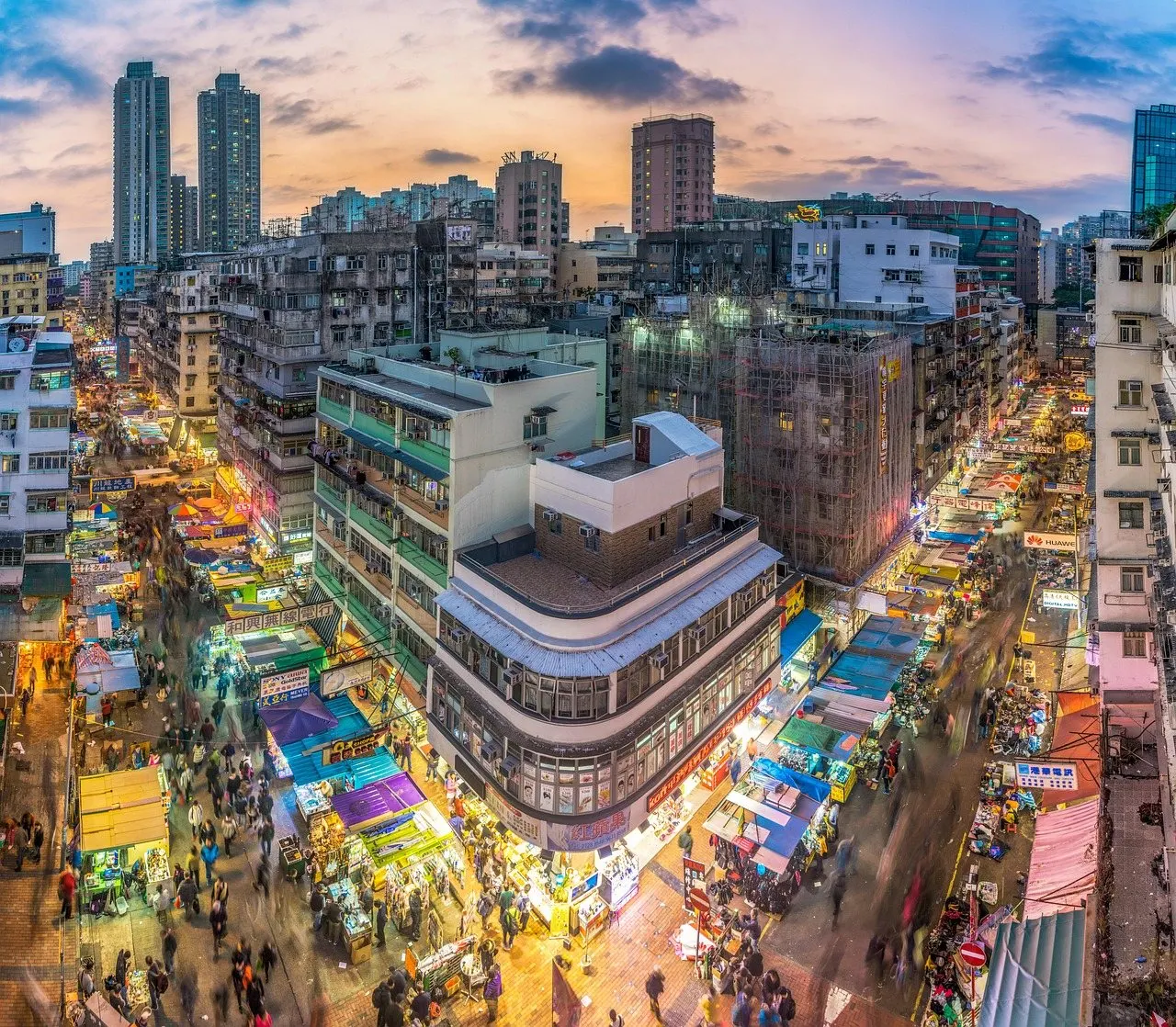
A city skyline glows at dusk, and behind every window there is a family with its own story of faith. Big cities are where the Pew projections come to life, because that is where young families live, work and raise their children. From Jakarta to Lagos to Los Angeles, the same pattern repeats: cities grow, faith communities grow with them, and the map of belief slowly changes shape. The skyline of 2070 will look different from the one we know today. See a close-up photo from a zoo.
Everyday Life in a Changing World
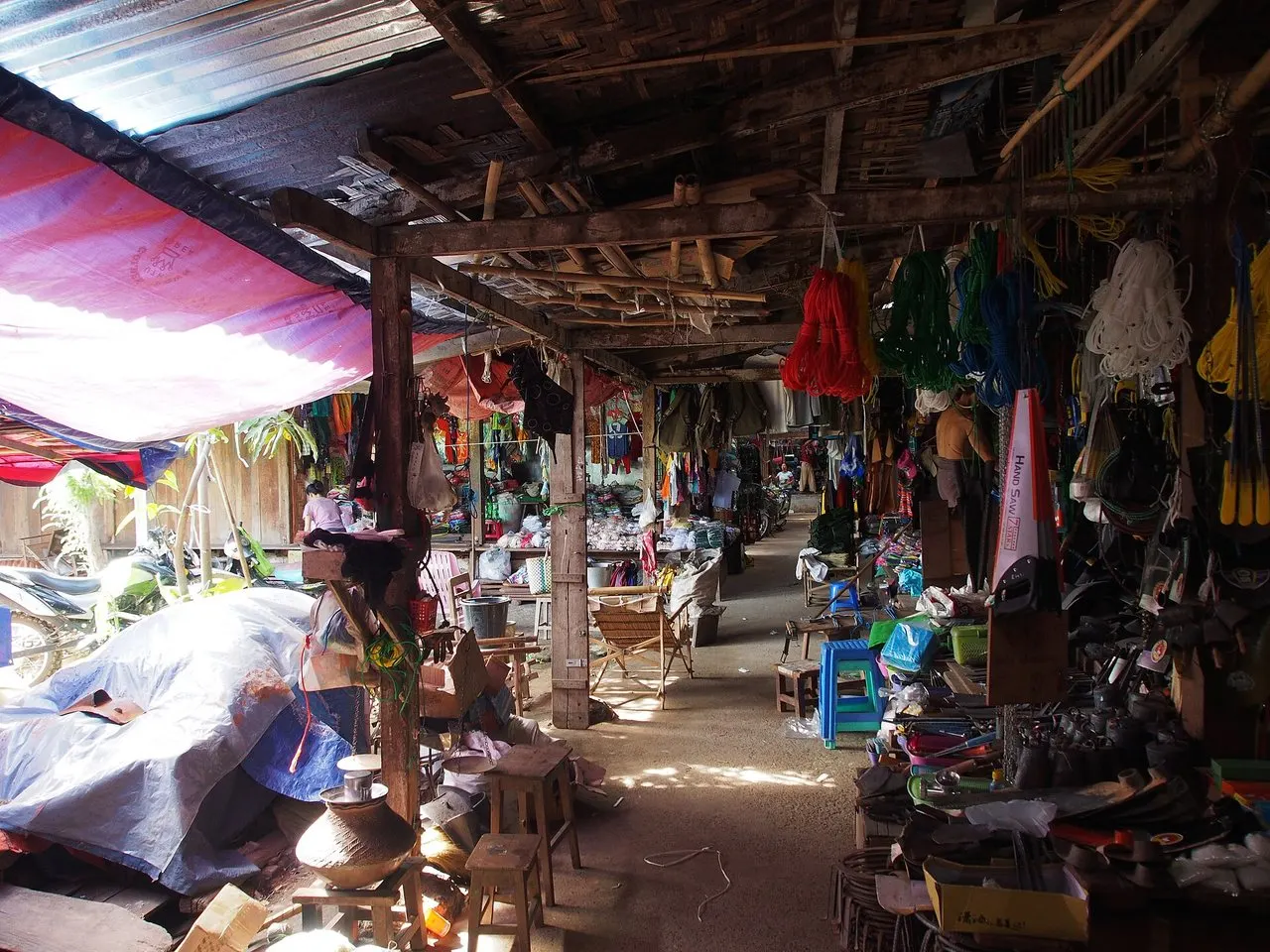
Shoppers move through a busy market in Hsipaw, Myanmar, buying food and catching up with neighbors. Markets like this one are where the big numbers meet everyday life, because faith is lived in small moments as much as in grand mosques and cathedrals. The Pew projections describe a world that is still the same world we shop and work in, just with different shares of people in each faith. Change comes one family and one neighborhood at a time. Read a vow about meeting Putin.
What Does the Largest Faith Group Mean for the Future?

Friends share an umbrella and talk together, the kind of everyday moment where the future gets discussed. The Pew projections say Muslims will pass Christians as the largest faith group by 2035, and that the gap will keep growing toward 2070. What do you think that change will mean for the world your children grow up in? Will it change how neighbors see each other, or will daily life carry on much as before? Share your thoughts in the comments below. Read the fight over a detention center.