Karmelo Anthony Sentence: 35 Years in the Austin Metcalf Case
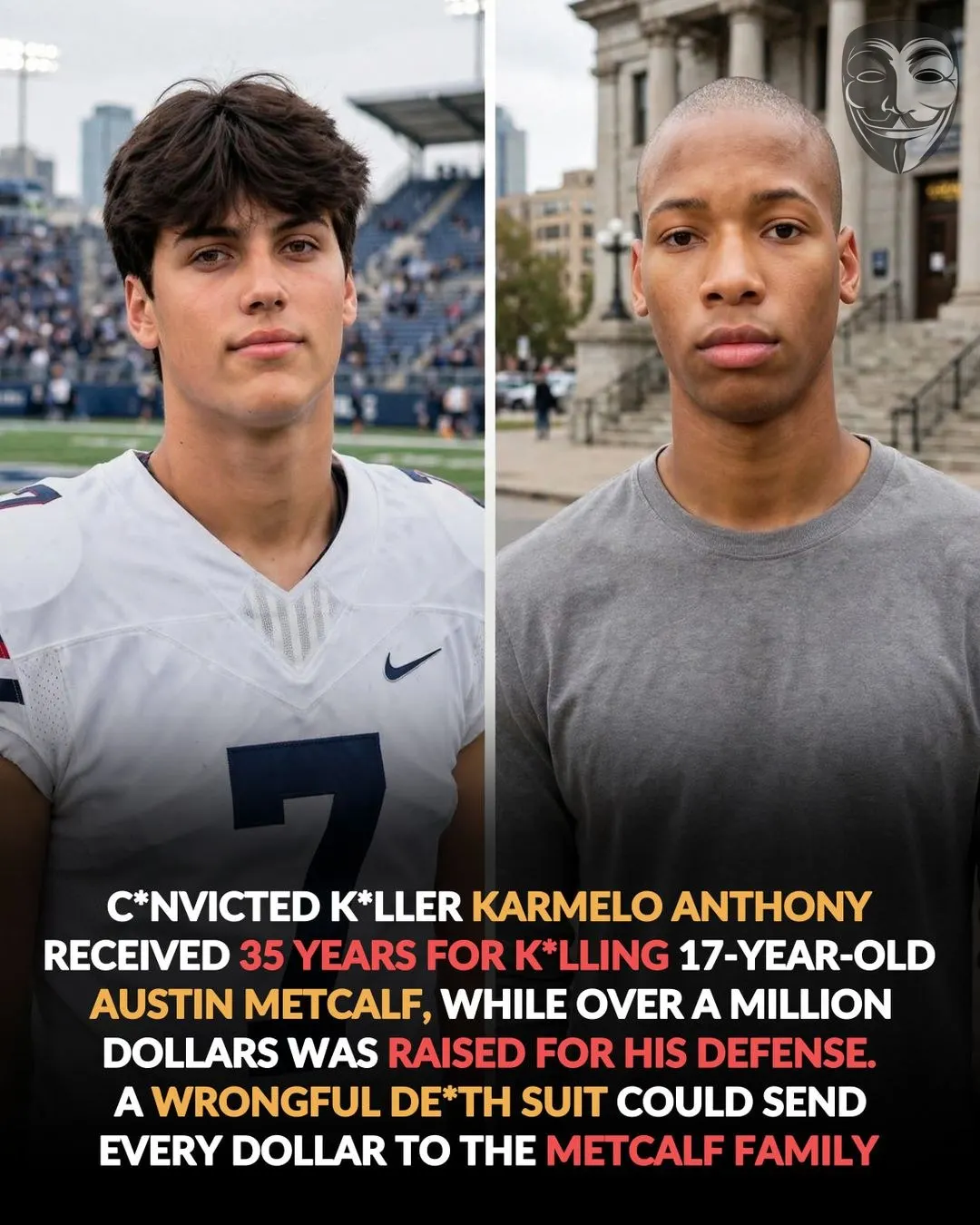
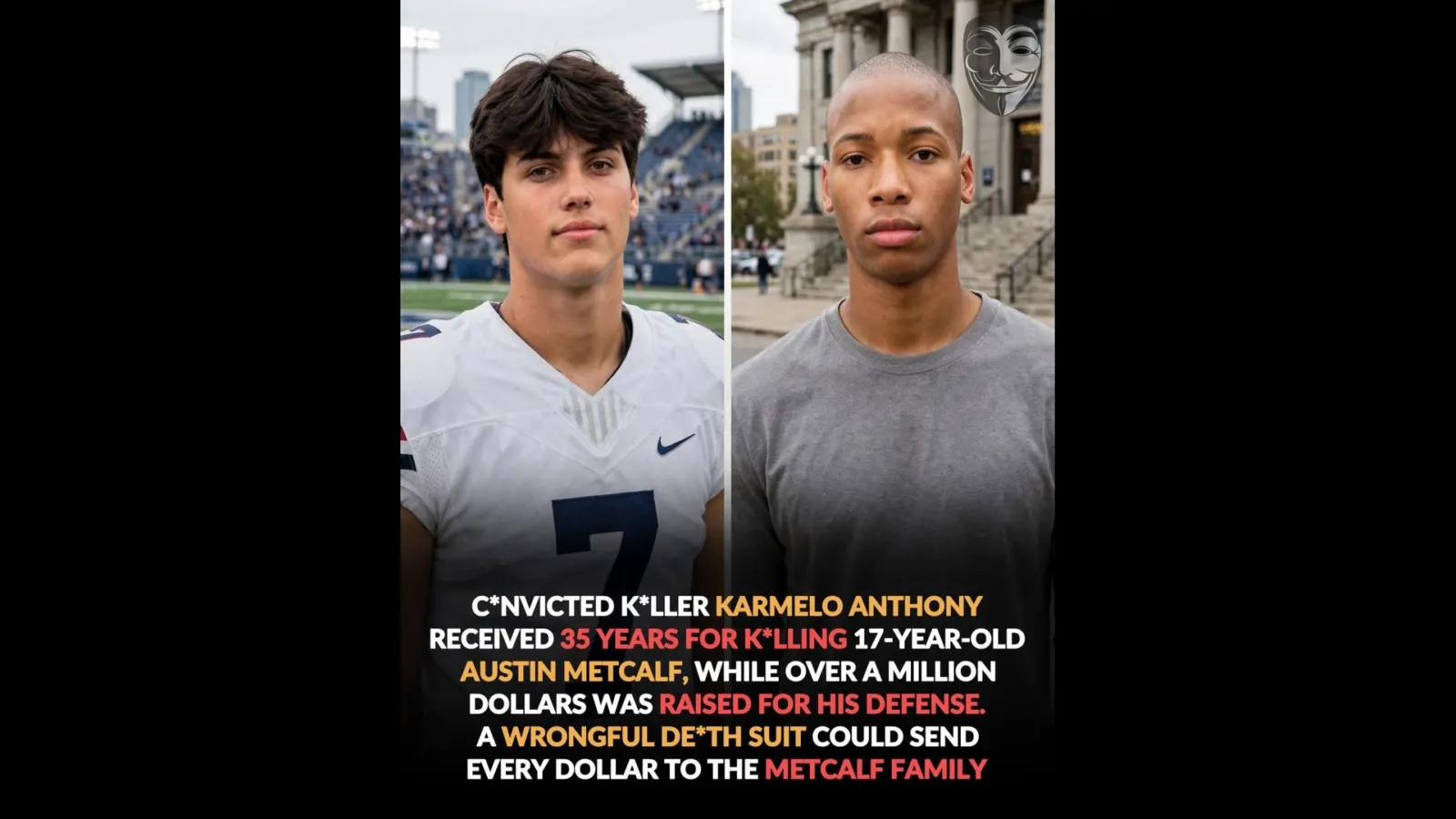
The Karmelo Anthony sentence gave a Texas teenager 35 years in prison for the killing of 17-year-old Austin Metcalf at a Frisco track meet. On June 9, 2026, a Collin County jury found Anthony guilty of murder in the April 2025 stabbing after three hours of deliberation. Anthony was 17 and said he acted in self-defense in a dispute under a team tent, but the jurors did not accept that claim. He must serve half the term before seeking parole, a case that drew wide notice, like the legal fight over fees in a high-profile Georgia case.
While the Metcalf family was burying their son, supporters raised more than a million dollars for Anthony’s legal defense, and the post argues a civil wrongful death suit could now send that money to Austin’s family instead. Precedents show a civil case filed after a criminal conviction can pursue fundraised money for a victim’s family. In August, a judge denied Anthony’s request for a new trial, so an appeal is the next step. Next we cover the verdict, the sentence, and the fundraising, a story that echoes a parole decision that came 32 years after a tragedy.
References:
Pulptastic: Karmelo Anthony Gets 35-Year Prison Sentence in Critical Texas Track Meet Stabbing
Black News: Karmelo Anthony Denied New Trial in Deadly Track Meet Stabbing
Orbital Affairs: Judge denies Karmelo Anthony’s bid for new trial in Metcalf killing
Breakstar: Karmelo Anthony Sentenced in Austin Metcalf Killing, Why Viral Death Penalty Claims Are False
The Day the Karmelo Anthony Sentence Was Read in Court

June 9, 2026, was the day the courtroom in McKinney, Texas, fell quiet as the jury returned with its verdict. After weeks of testimony about one afternoon at a track meet, twelve jurors found Karmelo Anthony guilty of murder. The judge then imposed the 35-year prison term, and the sentence made headlines across Texas. Courtrooms often feel small when a verdict lands, yet this one carried the weight of two families and a whole community. The moment drew attention like an arrest that followed a viral photo.
A Seating Dispute Under the Team Tent

The story began with a seating dispute under a team tent at a Frisco track meet in April 2025. Austin Metcalf, 17, and Karmelo Anthony, also 17, crossed paths at the meet, and words turned into a confrontation ending in a stabbing. Friends nearby watched a school day turn into a tragedy in moments. The tent was meant to shelter athletes between events, not to become a crime scene. The case shows how fast an argument can turn serious, a lesson also seen in a lawsuit filed after a painful loss.
Austin Metcalf Was Only 17

Austin Metcalf was 17, a high school student who loved track and came to compete with his team in Frisco. His life was measured in school days and practices, with plans beyond graduation. His family buried their son as the case moved through court, and their grief stays at the center of the story. Every fact about him comes from the post and the reports that followed. His memory now shapes the debate over the defense fund, much like the grief behind a new city law with a firm deadline.
The Self Defense Claim Jurors Rejected
Anthony told the court he acted in self-defense, saying he felt threatened during the seating dispute under the tent. His lawyers asked the jury to see a frightened teenager protecting himself in a sudden clash. Prosecutors argued the force went far beyond any threat, and the jurors agreed. Self-defense is a claim the law takes seriously, but it has limits, and a jury must decide whether the fear and the response matched. The debate over what counts as defense also runs through a silent reaction that spoke volumes.
Three Hours That Decided the Karmelo Anthony Sentence

The jury took about three hours to reach its decision, a short time for a murder trial that carried so much weight. In those three hours, twelve people weighed the testimony, the self-defense claim, and the facts of that April afternoon. A quick verdict often means the jurors found the evidence clear, though only they know why. When they returned, the courtroom heard the word guilty, and the sentencing phase set the term at 35 years. Short deliberations have shaped other big stories too, including supporters stepping away from a movement.
35 Years in the Karmelo Anthony Sentence

Thirty-five years is a long term for a teenager, and the jury chose it after rejecting the self-defense claim. Anthony must serve at least half the sentence, more than 17 years, before seeking parole. That rule means the earliest hope of freedom is far away, and the full term would keep him in prison into middle age. Long sentences reflect the gravity of a life taken, and this one did. The scale of the punishment fueled debate, just as a joke about Washington spending fueled their own debates.
Over a Million Dollars Raised for the Defense

While the Metcalf family buried their son, supporters of Anthony raised more than a million dollars for his defense. The money poured in online, from donors who believed his self-defense claim or wanted him to have a strong lawyer. A million dollars can buy a serious defense team, expert witnesses, and months of preparation. The fundraising became a story of its own, because few teenage defendants see that kind of support. The power of public giving also shows up in a first lady praised for a lean office.
A Wrongful Death Suit After the Karmelo Anthony Sentence

The post argues a civil wrongful death suit could now send the fundraised money to the Metcalfs. A wrongful death suit is a civil case, separate from the criminal trial, where a victim’s family seeks money. Precedents show a civil case filed after a criminal conviction can pursue fundraised money for a victim’s family. If the Metcalfs file such a suit and win, the defense fund could change hands. The idea of shifting money through the courts also appears in a race decided by just 330 votes.
What the Law Says After a Karmelo Anthony Sentence

A criminal conviction does not end the legal story, because civil courts can still hear claims about the same events. In a civil case, the standard of proof is lower than in a criminal trial, so a family can win money even after the criminal case ends. That is why the post points to precedents where civil suits pursued money raised for a defendant. The law treats them as separate tracks with separate rules. The way courts handle follow-on cases also matters in a Georgia case where legal fees became the story.
A Judge Said No to a New Trial

In August, Anthony sought a new trial, saying something had gone wrong. The judge denied the request, leaving the conviction and the 35-year sentence in place. Denied motions for a new trial are common, because judges grant them only when a real error affected the outcome. For Anthony, the ruling closed one door and left the appeal as the next step. The decision was reported widely and confirmed the case would move to a higher court, much like the rulings in a case built around a single image.
The Appeal After the Karmelo Anthony Sentence

An appeal is now the next step for Anthony, and it will ask a higher court to review the trial for legal errors. Appeals do not retry the facts or hear new witnesses. Instead, judges read the trial record and decide whether the law was applied correctly. If the higher court finds a serious error, it can order a new trial or change the sentence. If it finds none, the conviction stands. The long road of appeals is familiar to readers of a mother who sued after an investigation into her loss.
Frisco, Texas, and the Track Meet That Changed Two Families

Frisco is a fast-growing city north of Dallas, known for its schools, its sports fields, and its Friday night crowds. The track meet in April 2025 was an ordinary school event, the kind that fills stadiums across Texas every spring. What happened under the team tent turned that ordinary day into a case the whole country would follow. Frisco now sits at the center of a story about youth and the law. The way a town carries a hard story also shows in a mayoral plan that set a date for change.
How One Report Covered the Karmelo Anthony Sentence
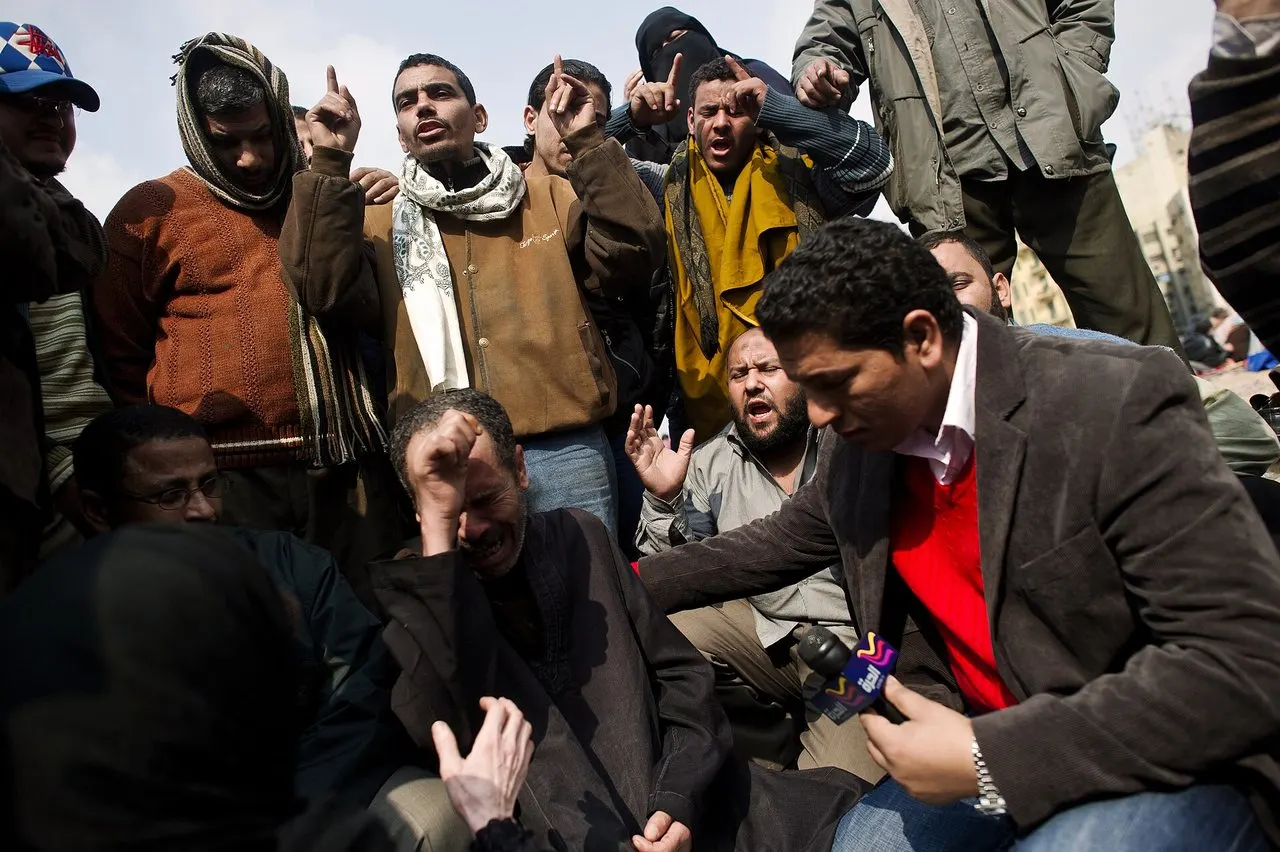
Pulptastic reported the verdict under a headline about Anthony receiving a 35-year prison sentence in the Texas track meet stabbing. The report laid out the conviction, the sentence, and the seating dispute, giving readers the core facts in plain terms. Reports like this shape how the public first learns about a verdict, and they become the record people share. The story was picked up widely because the sentence was so long for a teenager. Reporting that frames a verdict also drives a leader who said nothing and still made news.
The Denied New Trial Made Headlines

Black News reported that Anthony was denied a new trial in the deadly track meet stabbing, focused on the August ruling. A denied motion for a new trial is a quiet legal step, but it clears the way for an appeal. Readers who follow a case in the news often learn these steps one headline at a time. The report added to a growing file of coverage that now spans the verdict, the sentence, and the appeal. The rhythm of case news also shapes a denial that split a political base.
A Judge Stood by the Karmelo Anthony Sentence

Orbital Affairs reported that a judge denied Anthony’s bid for a new trial in the Metcalf killing, a ruling that left the conviction untouched. When a judge turns down a new trial, the message is that the trial was fair. That decision matters to both families, because it keeps the 35-year sentence in force while the appeal moves forward. The report was one of several tracking the case past the verdict. Court rulings that hold firm also anchor a senator who turned a game launch into a punchline.
False Claims About the Death Penalty Spread Online

Breakstar reported on the sentencing while knocking down viral claims that Anthony faced the death penalty, claims that were false. In Texas, a defendant who was 17 at the time of the crime cannot receive the death penalty, a rule set by the Supreme Court years ago. False claims still spread fast on social media, where a shocking headline travels further than a correction. The report reminded readers to check the law before sharing a post. The spread of viral claims also drives a comparison of two first ladies and their staffs.
How Texas Courts Handle a Karmelo Anthony Sentence

Texas courts handle murder cases in county courthouses, with juries drawn from the local community and judges who guide the trial. In this case, the Collin County jury heard the evidence, weighed the self-defense claim, and set the punishment. Texas law also sets parole rules, so Anthony must serve at least half of his 35-year term before asking for release. The system is built to be slow and careful, with appeals as a check on mistakes. How state courts work also shapes a recount that flipped a seat.
Wrongful Death Suits Explained in Plain Words

A wrongful death suit lets a family seek money in civil court after a loved one is killed by another person’s actions. The family must show the defendant’s conduct caused the death, and the jury can award money. The goal is payment, not prison, and the money can come from the defendant’s assets or funds raised in their name. That is why the post says the fund could end up with the Metcalfs. Civil claims after tragedy sit at the heart of another court fight over who pays the lawyers.
Why People Give Money for Legal Defense
People give money for legal defense for many reasons, from belief in the accused to a wish that everyone gets a fair trial. Online fundraising lets thousands of strangers chip in small amounts that add up fast. Here the total passed a million dollars, a sum that shapes the whole defense. Donors rarely ask where the money goes if the case takes a new turn, yet that question hangs over the fund. The motives behind public giving also appear in an arrest that made headlines across the country.
A Family Left to Grieve a Son
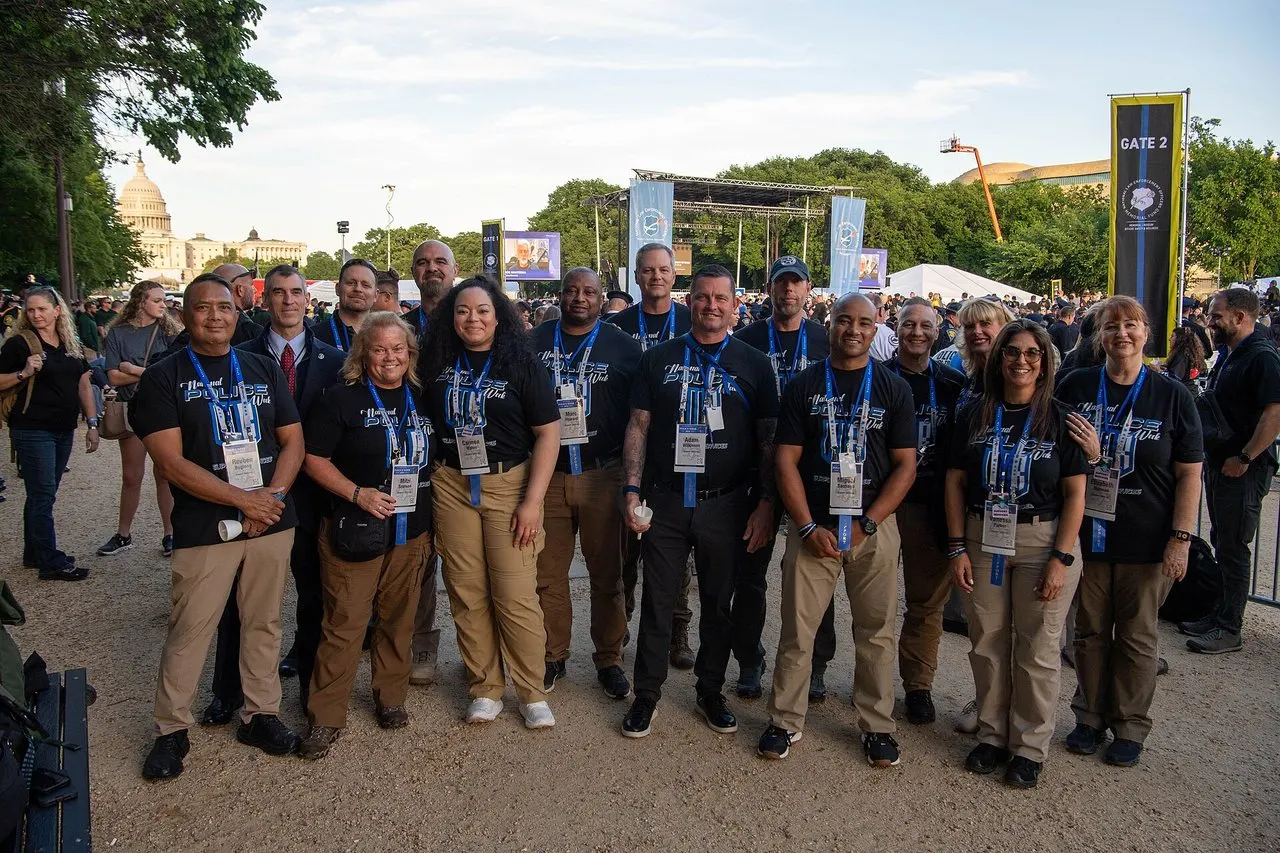
The Metcalf family buried their 17-year-old son as the case moved through the courts, and their grief stays at the center of the story. A family that loses a child to violence faces court dates, headlines, and anniversaries that reopen the wound. The post argues the money raised for the defense should go to them, since a family should not watch a fund grow while they grieve. Their loss is why the case matters so deeply, a truth also felt in a legal claim born from grief.
Inside the Collin County Courthouse

The Collin County Courthouse in McKinney is where the trial unfolded, with its courtrooms, jury box, and long hallways full of waiting families. Texas courthouses are built to feel solid and formal, and this one hosted a trial that drew cameras and crowds. Inside, the jury listened to weeks of testimony before taking three hours to decide. The building itself is a quiet witness to every case it holds. Courthouses as the stage for big decisions also feature in a law that gave workers years to prepare.
Track Meets Bring Texas Schools Together

Track meets are a proud Texas tradition, where schools gather on spring afternoons and teenagers race in front of friends, family, and coaches. Athletes wait under team tents between events, sharing shade, water, and nerves before their turn on the track. The meet in Frisco was one of hundreds that take place every year, and nothing about it seemed unusual until the dispute under the tent. Sport is meant to build character, not to end a life, and the setting still matters in a quiet moment between world leaders.
What an Appeal Can Change After the Karmelo Anthony Sentence

An appeal can change a case in a few ways, from ordering a new trial to reducing a sentence, but it cannot reweigh the evidence as a jury did. The higher court looks for legal errors, such as wrong jury instructions or evidence that should have stayed out. If the judges find a serious mistake, Anthony could get another trial. If they find none, the 35-year term stands, and the case moves toward its end. The limits of an appeal also frame backers who walked away from their own slogans.
The Money Question After the Karmelo Anthony Sentence

More than a million dollars sits at the center of the next chapter, and nobody knows where it will end up. If the Metcalf family files a wrongful death suit and wins, the court could order the fundraised money to go to them. If no suit is filed, the money stays with the defense. Precedents suggest a civil case can reach such funds, but each case turns on its own facts. The money question stays open while the appeal moves forward, a suspense found in a quip about billions spent every day.
How the Story Reached Millions of Readers
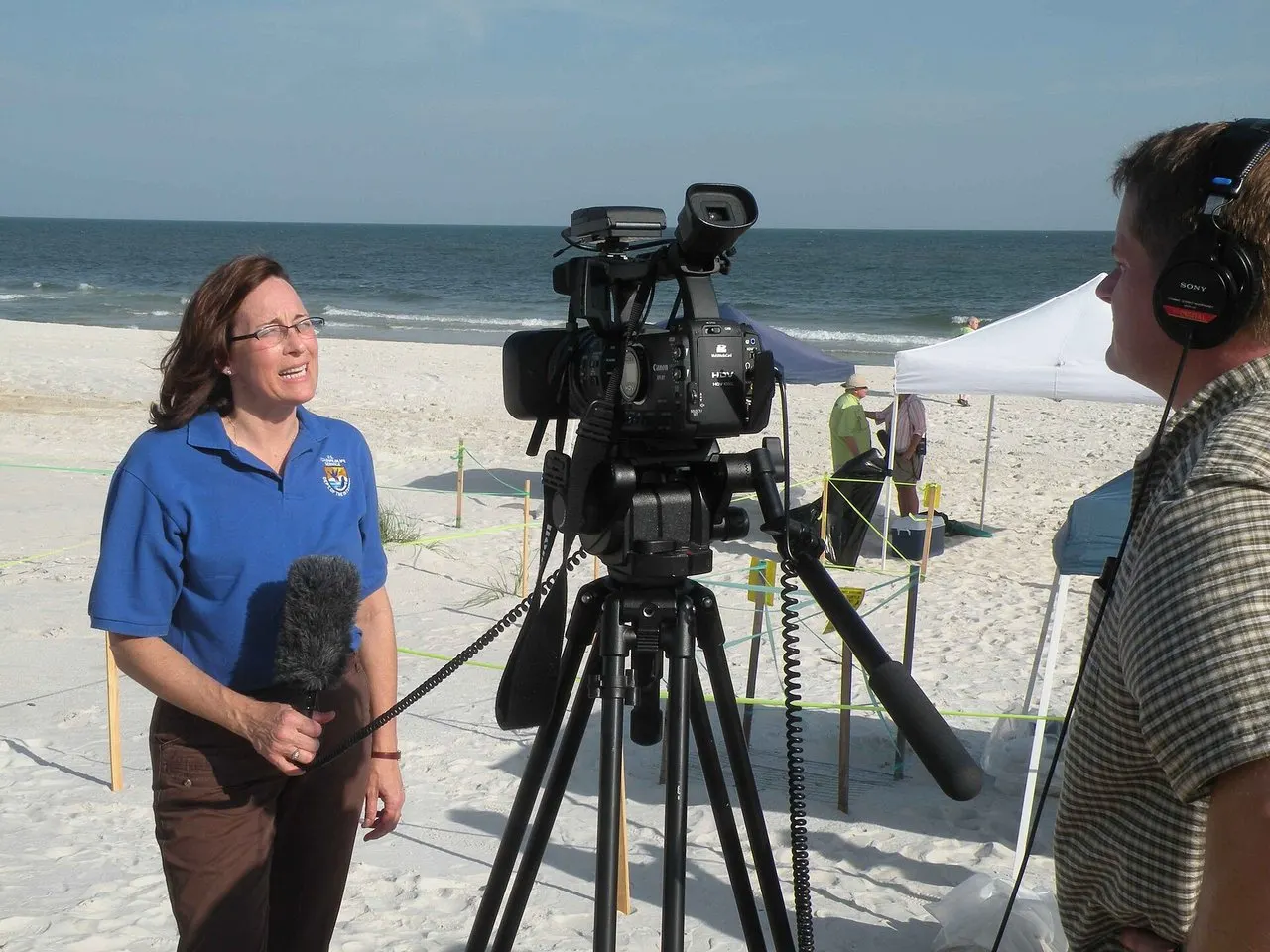
The story reached millions through news sites, television crews, and social media posts that carried the verdict across the country. Each outlet added its own angle, from the sentence to the fundraising to the false death penalty claims. Readers followed the case in headlines, and the coverage kept growing as new rulings arrived. The four references in this article show how the story was told step by step. The way news travels and shapes opinion also drives a first lady credited with helping pass key laws.
What Do You Think Should Happen Next?

The verdict is in, the sentence is set at 35 years, and the appeal is next, yet the biggest question is still open. Should the million dollars raised for the defense go to the Metcalf family through a wrongful death suit, or should it stay where the donors put it? There is no easy answer, and the law has the final word. What do you think should happen next? Share your view in the comments below, and keep reading our coverage of an election won by a whisper.