Fiona Hippo Hat: A Loss That Shook the Zoo World
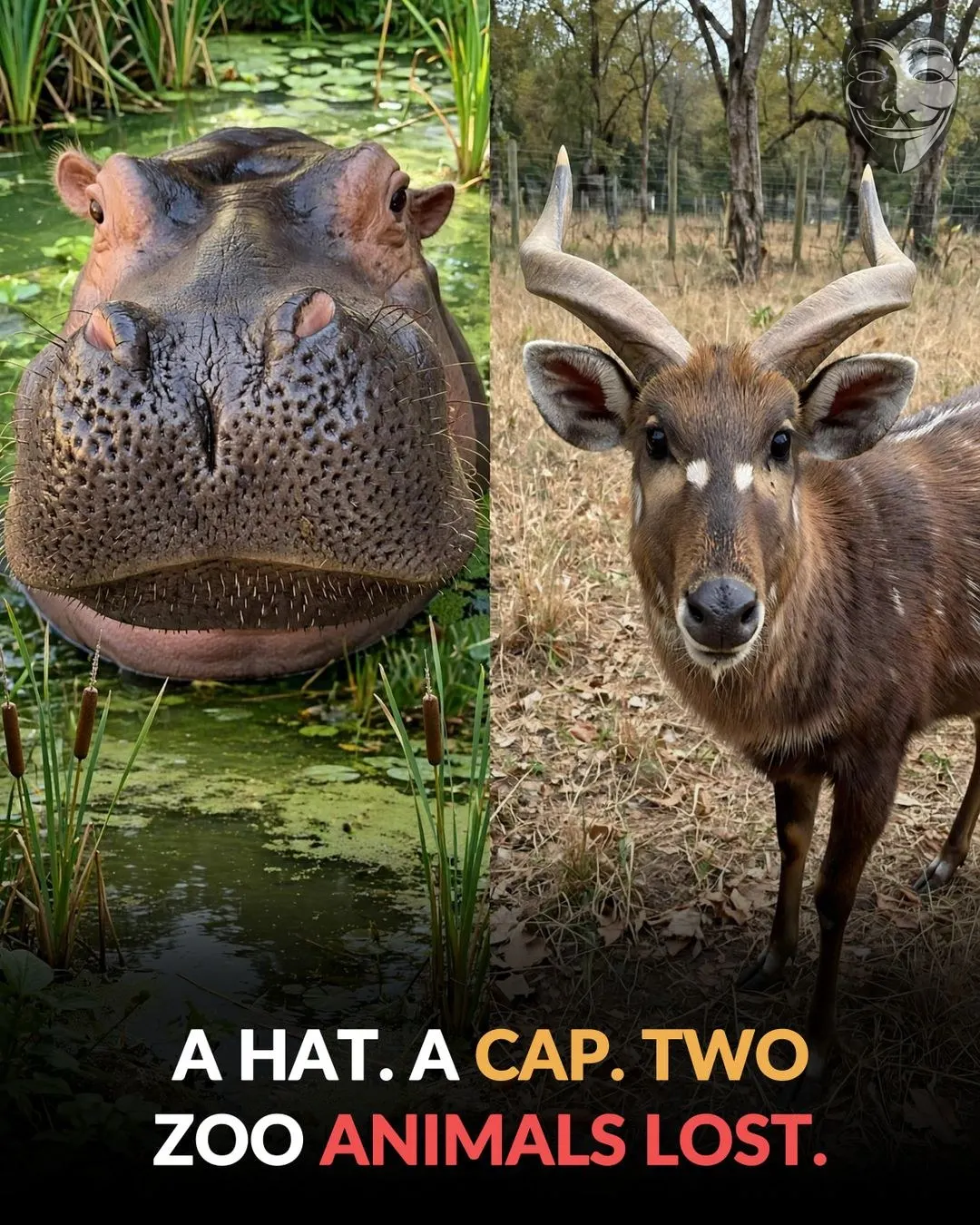
Fiona hippo hat tragedy began on November 8, 2026, when a child tossed a knit hat into the air at the Cincinnati Zoo and a ceiling fan caught it and sent it flying through a small opening above the viewing windows. Fiona, the nine-year-old hippo who had won hearts around the world after being born six weeks early at just 29 pounds, swallowed part of the hat. Vets tried for days to help her pass it with fluids, medicine and a long scope, but the hat would not move. She died on November 19, 2026, at the age of nine.
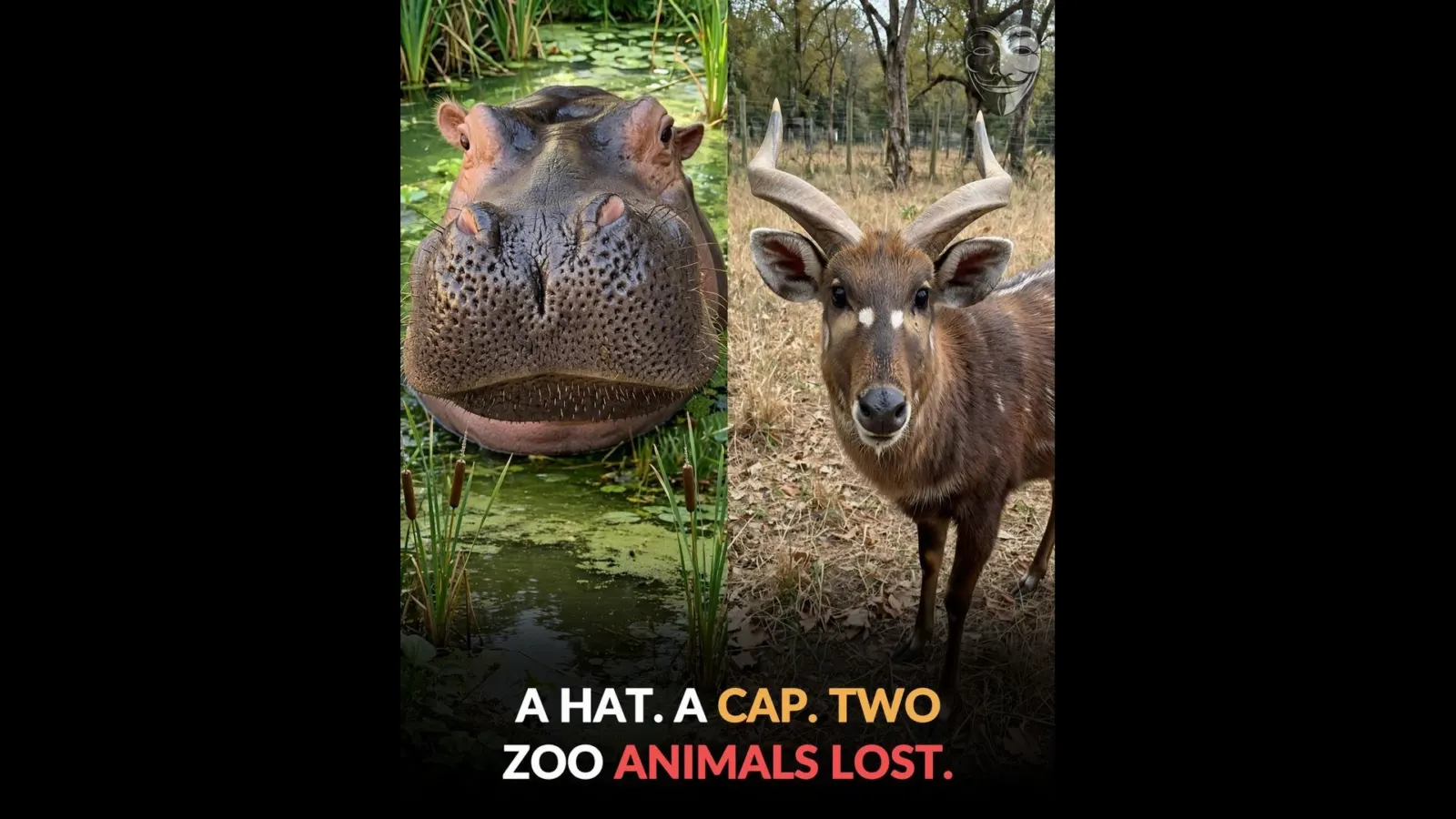
Her story has a heartbreaking parallel. In June 2024, Lief, a seven-year-old sitatunga antelope at Brights Zoo in Tennessee, choked on a plastic cap from a squeezable food pouch that had ended up in his enclosure, and keepers could not save him in time. Two small everyday objects took two beloved animals, and their stories remind every zoo visitor to keep hats, caps and loose items safely away from the animals. Read about Fiona and the days before her tenth birthday.
References:
Smithsonian Magazine: Beloved Hippo Fiona D*es After Swallowing a Child’s Hat Accidentally Tossed Into Her Zoo Enclosure
CNN: Globally adored hippo Fiona d*es after eating a visitor’s hat at Cincinnati Zoo
USA Today: Fiona the hippo d*es after swallowing hat, Cincinnati Zoo announces
People: Fiona the Hippo Isn’t the Only Zoo Animal to D*e from Eating Foreign Objects in Her Enclosure
The Fiona Hippo Hat Story Began With a Miracle Birth
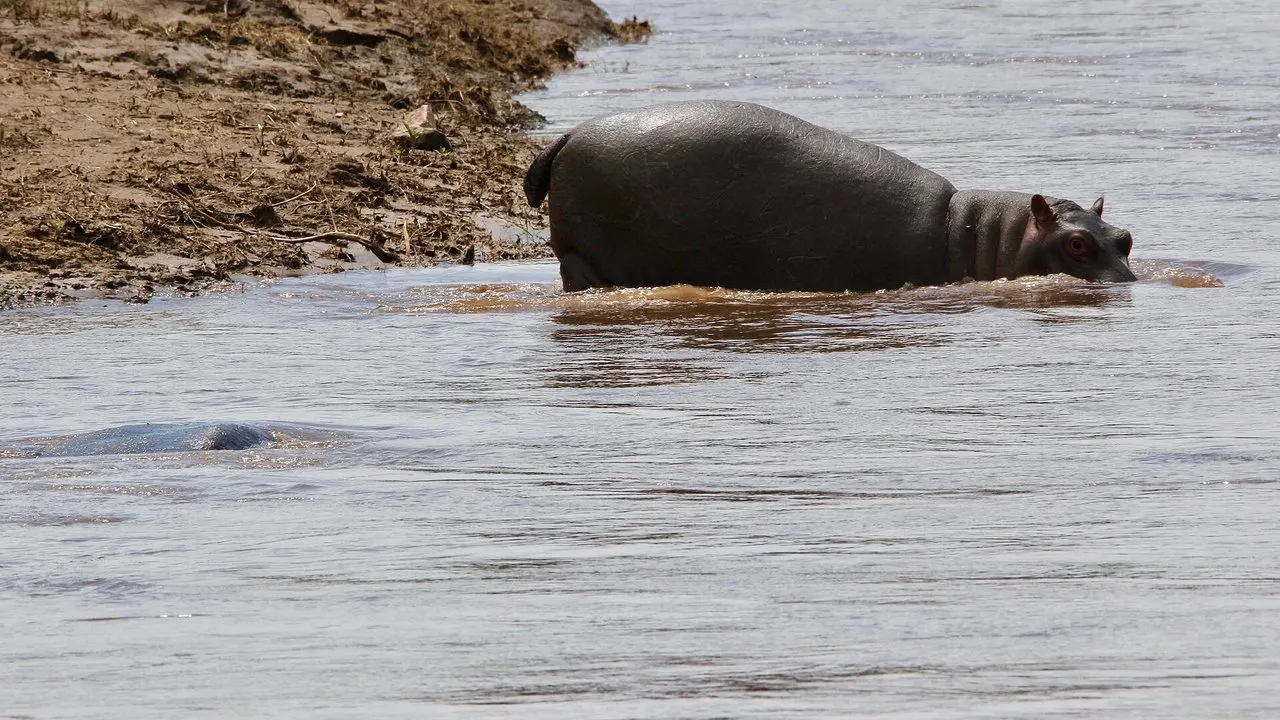
Fiona was born six weeks early at the Cincinnati Zoo, weighing only 29 pounds. Her early arrival worried the keepers, who knew the tiny calf would need round the clock care to survive. They fed her by hand, kept her warm and watched her every hour as she slowly gained strength. Against the odds, the tiny calf pulled through, and her fight became the first chapter of a story the world would follow for nine years. Read about another animal whose early days touched millions.
A Tiny Hippo Who Won Hearts Around the World
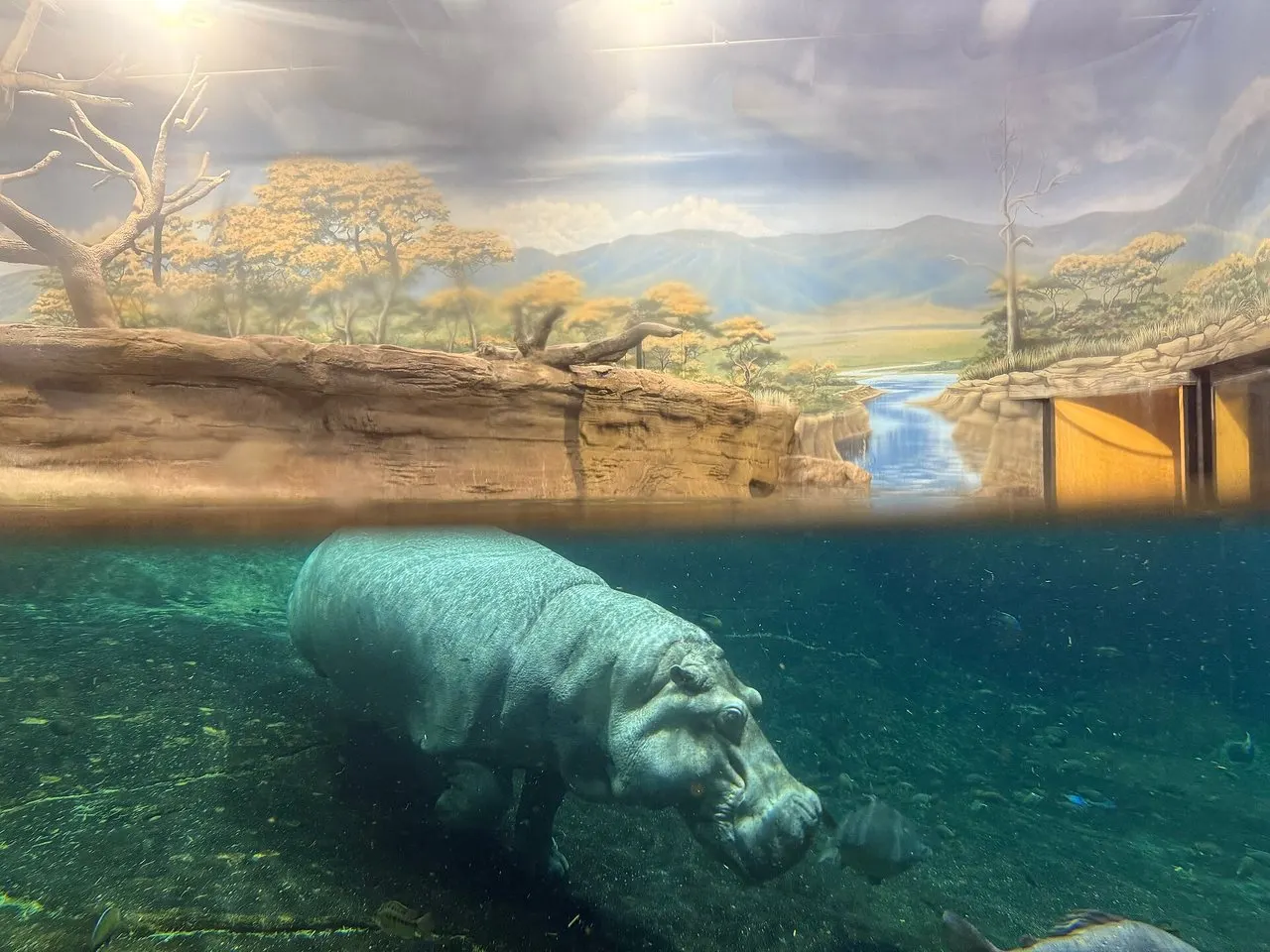
As Fiona grew, she became one of the most loved animals in America. Photos and videos of the young hippo swimming, yawning and playing spread far beyond Cincinnati, and fans checked in on her progress like she was part of their own family. Zoo staff shared updates as she grew from a fragile calf into a healthy young hippo, and each milestone felt like a small victory. Her story showed how a zoo can turn a scary start into hope. See how a father held on to faith through hard times and why your worst days do not define you.
A Knit Hat Tossed Into the Air on November 8
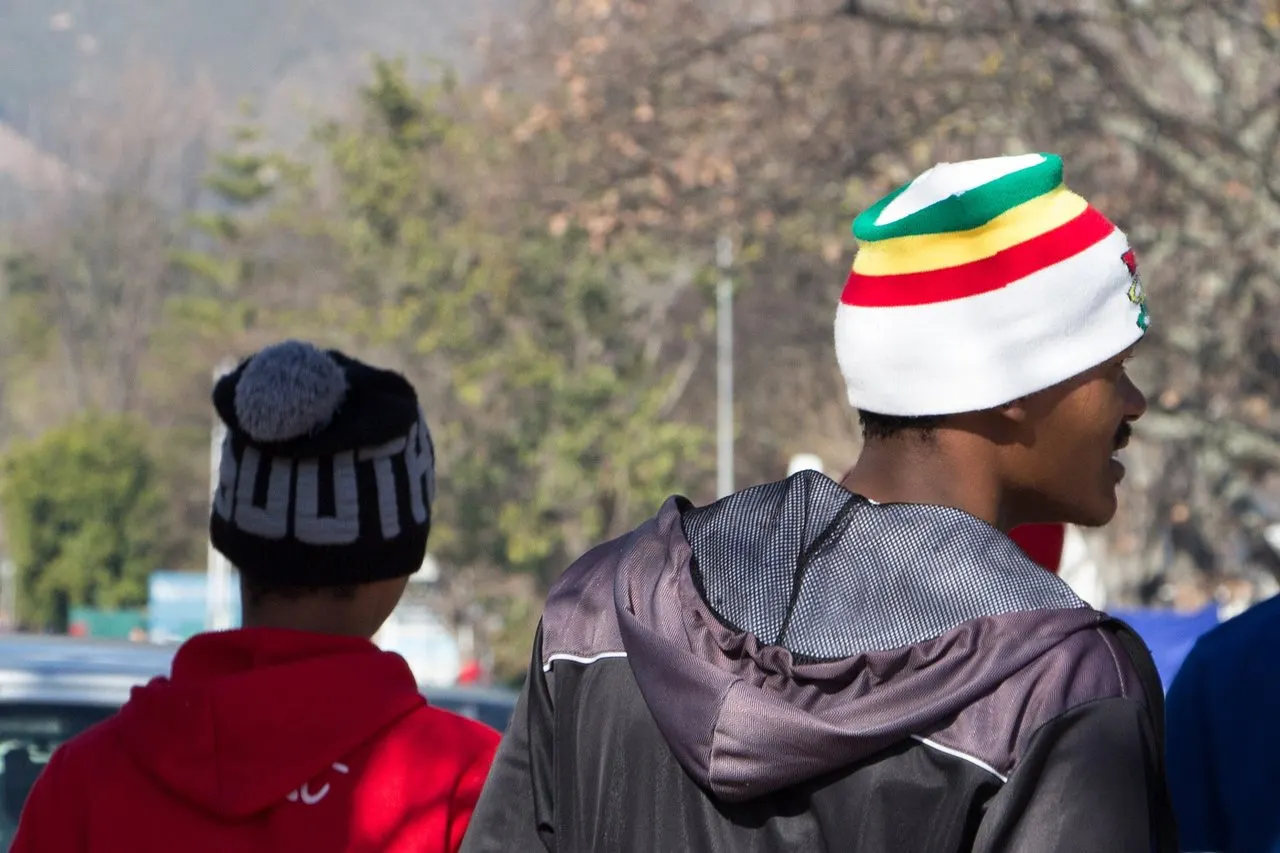
On November 8, 2026, a zoo visit turned terrible. A child tossed a knit hat into the air by the hippo habitat, and a ceiling fan caught it and sent it through a small opening above the viewing windows. The hat landed where Fiona could reach it, and she swallowed part of it. Nobody meant it to happen, which makes the loss so hard to accept. A toss, a gust of air and a small gap lined up badly. Learn about a truck that looked like it drove through a wall.
Vets Fought for Days After the Fiona Hippo Hat Accident
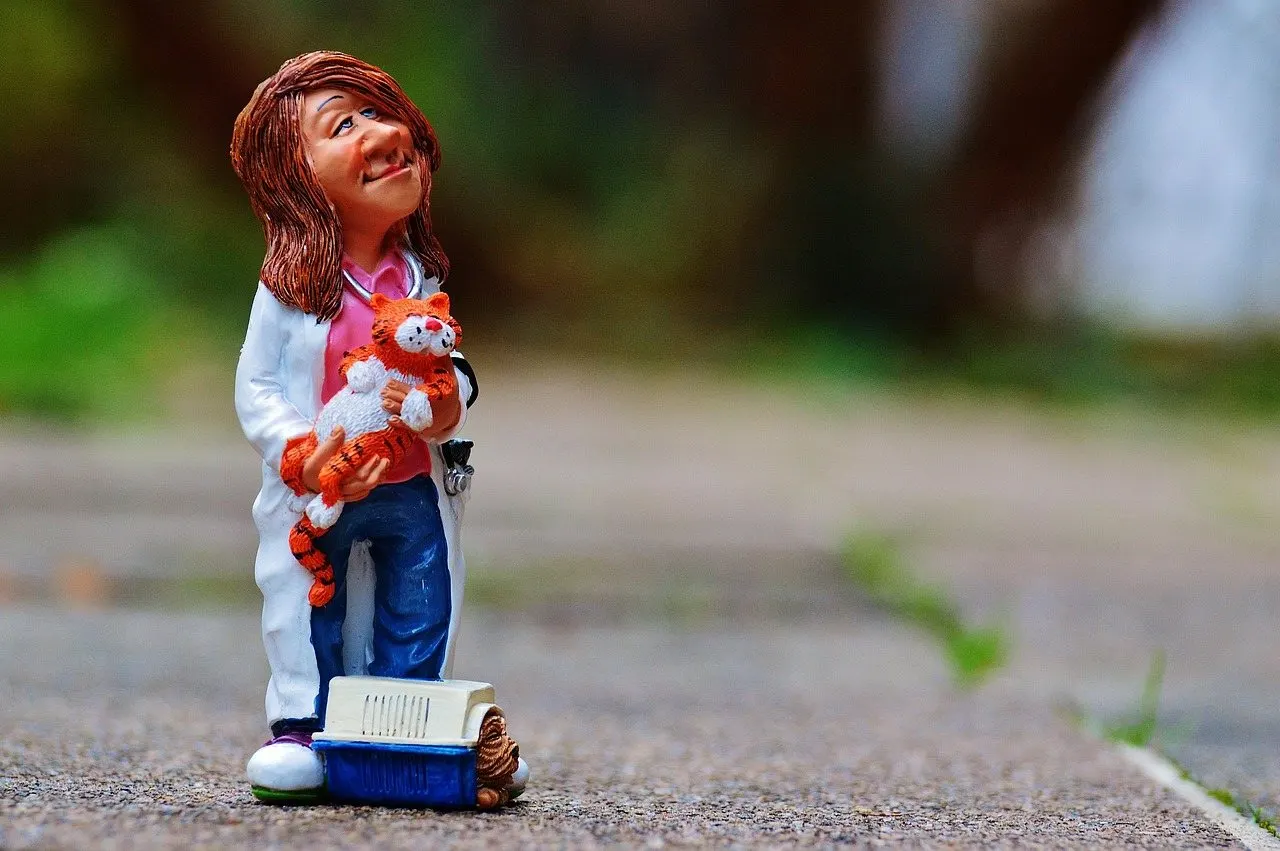
Once the keepers knew, the zoo vets moved fast to help Fiona pass the hat. They gave her fluids and medicine and used a long scope to look inside and reach the blockage. Day after day, the team watched her closely, hoping the hat would move and her body would clear it. The work was careful and patient, because a hippo is huge and powerful, and every step had to be safe for her and the staff. Read how vets and keepers care for animals every day.
Why Surgery Was Not an Option for a Grown Hippo
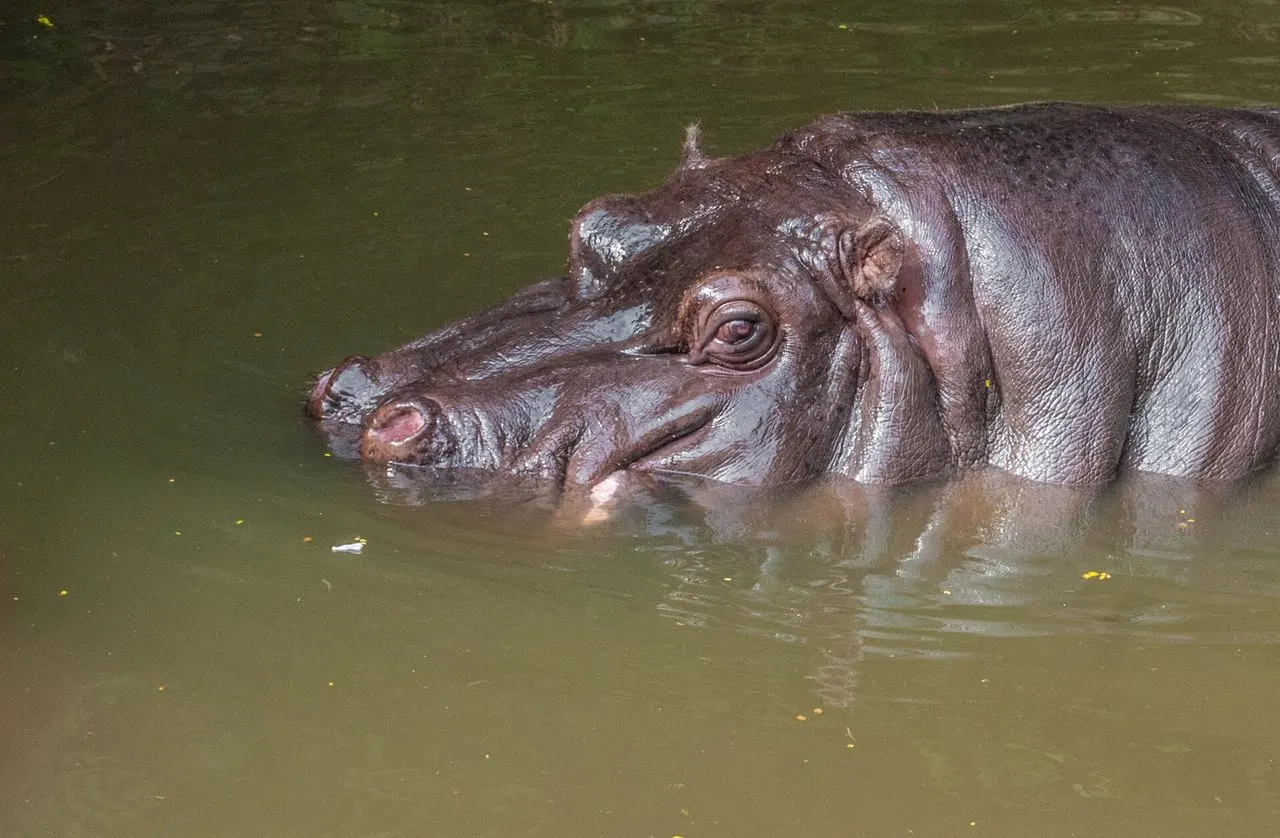
Surgery sounds obvious, but for a grown hippo it was not an option. A full grown hippo weighs thousands of pounds, and putting such a huge animal under anesthesia carries enormous risk. Reaching deep inside her body would have been dangerous too, and the vets knew the operation itself could have taken her life. So they stayed with fluids, medicine and the scope, hoping her body would do the work. When the hat would not move, the team ran out of safe choices. See the moments from her life at the zoo.
November 19: A Sad Day at the Cincinnati Zoo
On November 19, 2026, the Cincinnati Zoo shared that Fiona had died at nine, eleven days after she swallowed part of the hat. The announcement hit fans hard, because many of them had followed her since the day she was born early and small. Messages poured in from around the world, and the zoo thanked everyone who had loved her. For the keepers who had raised her from a fragile calf, the loss was personal, and the habitat felt quiet without her. Read about Fiona and the days before her tenth birthday.
The Fiona Hippo Hat Loss the Zoo Announced With Grief

The zoo said Fiona died after swallowing a hat that accidentally reached her habitat, and the words spread quickly through the news. Smithsonian Magazine, CNN, USA Today and People all told the story, and each one noted the same painful detail, that a small everyday object had caused the loss. The coverage showed how far Fiona’s fame had reached, from her home in Ohio to readers in every corner of the country. Her story was no longer just a zoo story, it was a national one. See the 27 facts about her life.
Meet Lief, the Sitatunga Antelope From Tennessee
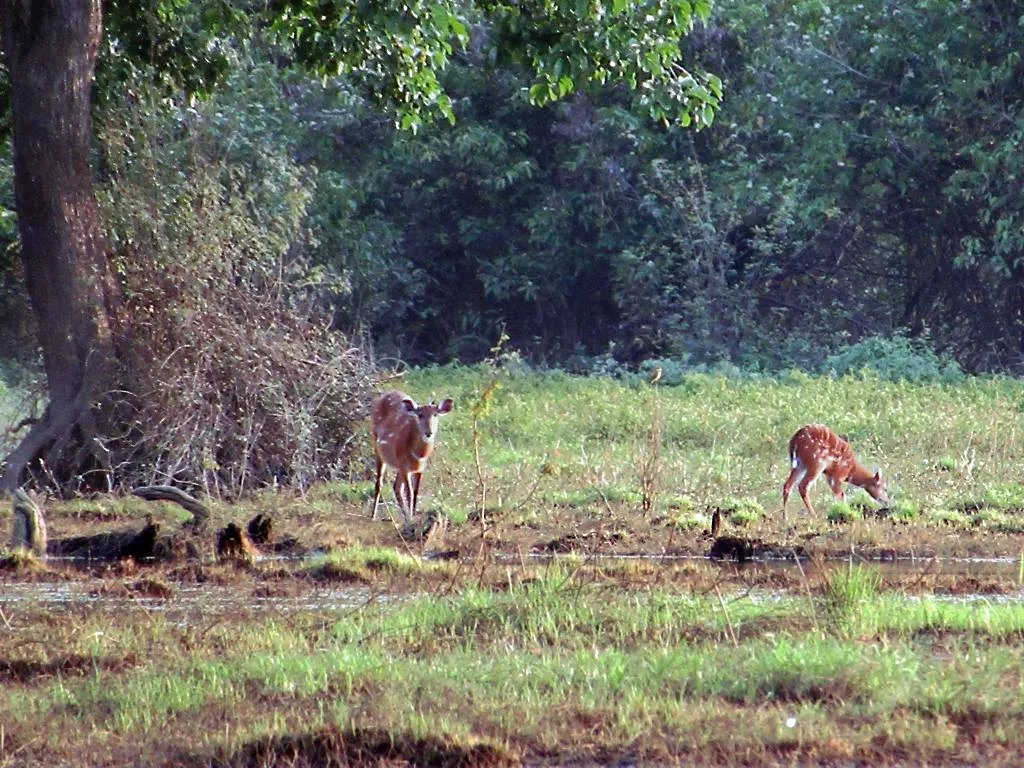
Lief was a seven-year-old sitatunga antelope who lived at Brights Zoo in Tennessee, and visitors loved him for his gentle nature. Sitatungas are African antelopes that live near water and marshes, and they are known for their shaggy coats and long spreading hooves. Lief was part of a small herd, and keepers knew him well. Like Fiona, he was a familiar face at his zoo, and his story shows that danger from everyday objects can reach any animal, large or small. Learn about other beloved animals whose passing moved the world.
A Plastic Cap From a Food Pouch in June 2024
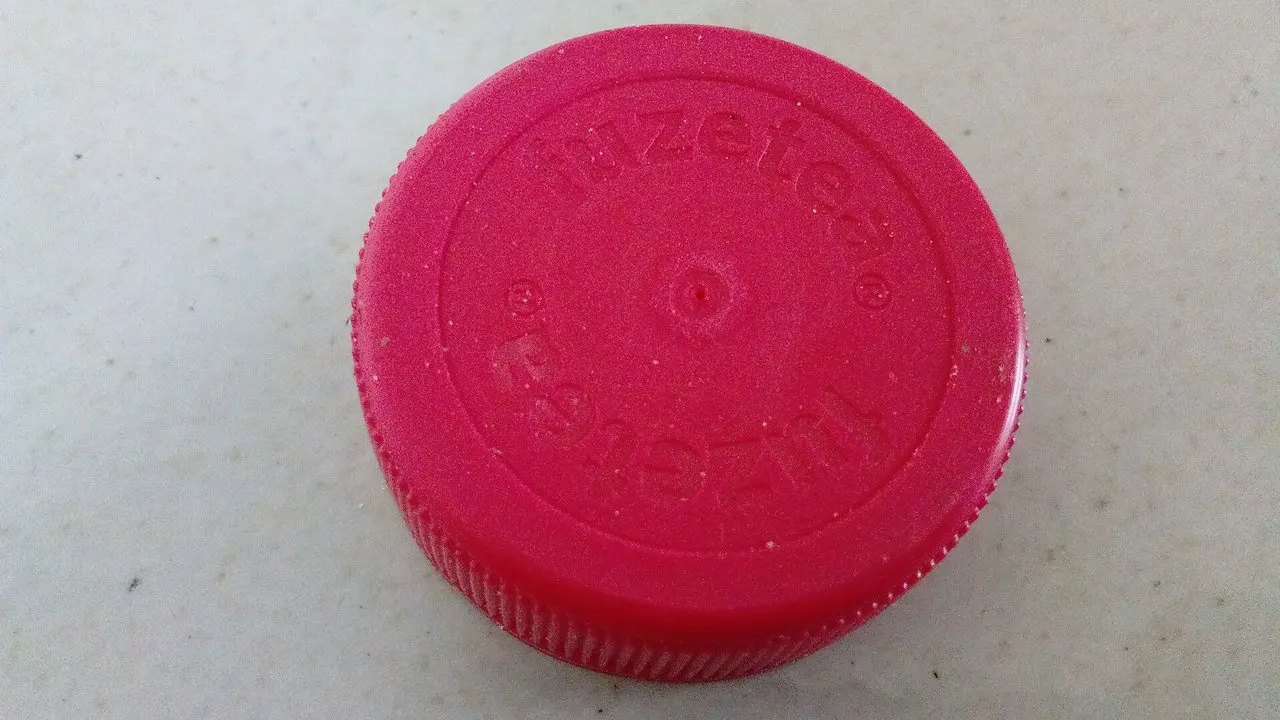
In June 2024, a cap from a squeezable food pouch ended up in Lief’s enclosure at Brights Zoo. It may have been dropped by a visitor or blown in, and nobody knows how it got there. Lief picked it up and choked, and keepers could not save him in time. The cap was the kind of thing people carry daily without a second thought, which is why the story still shocks people. A tiny piece of plastic took a healthy seven-year-old. Read the facts about Fiona’s life.
The Fiona Hippo Hat Parallel: Lief’s Keepers Ran Out of Time
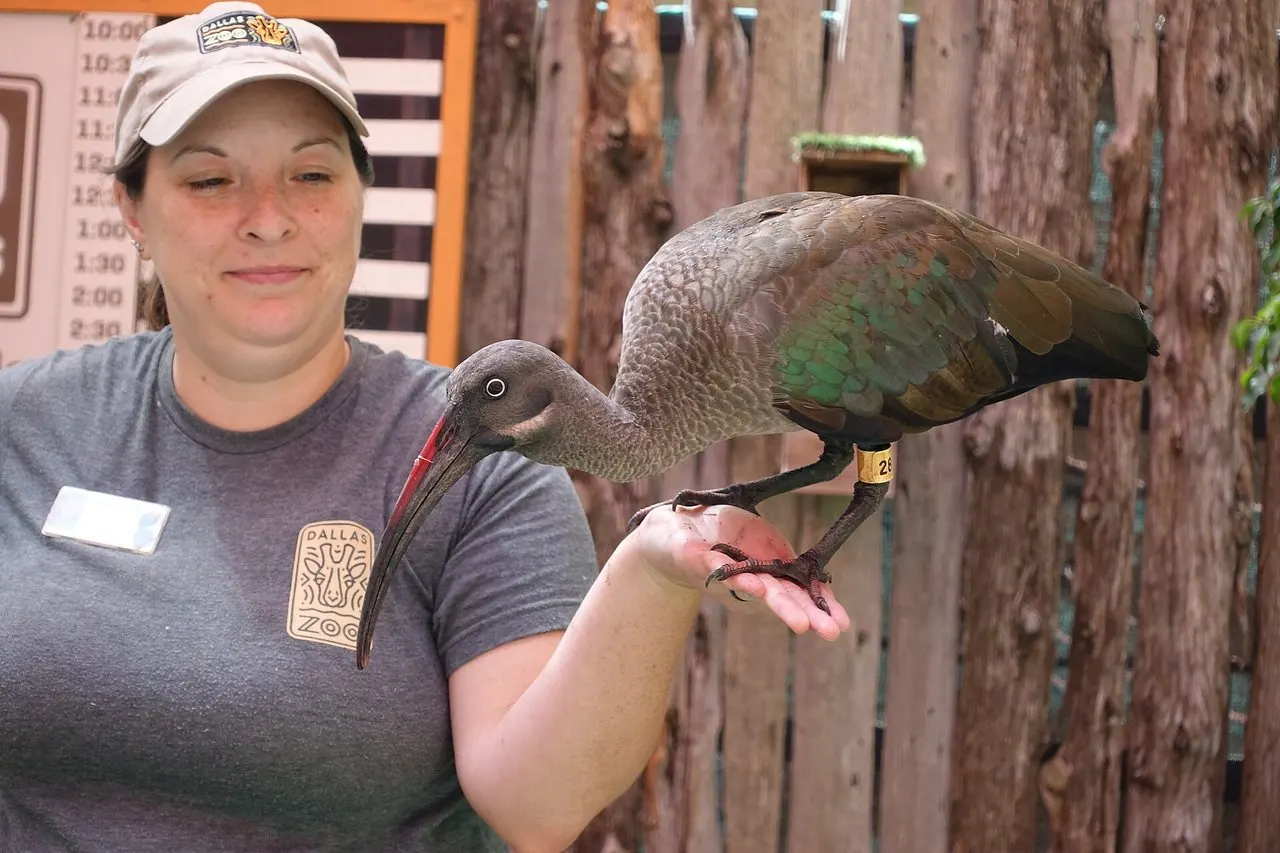
When Lief choked, his keepers acted at once, but choking can close an airway in minutes, and there was no time to save him. The team at Brights Zoo was heartbroken, and the zoo later shared his story so that other visitors would understand the risk. Fiona’s vets had days to try fluids, medicine and a scope, while Lief’s keepers had only moments. Both teams did everything they could, and both lost animals they loved. The difference was time, not effort. See Fiona’s 28 facts.
Two Small Objects, Two Beloved Animals Gone
A knit hat and a plastic cap are things we touch daily without thinking. Yet together they took two healthy animals in two zoos, two years apart. Fiona was nine and Lief was seven, both in the prime of their lives. Their stories sit side by side, carrying the same warning, that what looks harmless in a pocket or a bag can be deadly in an enclosure. Small objects and wild animals do not mix, and both zoos learned that in grief. Read about a wish for peace around the world.
What Is a Sitatunga Antelope?
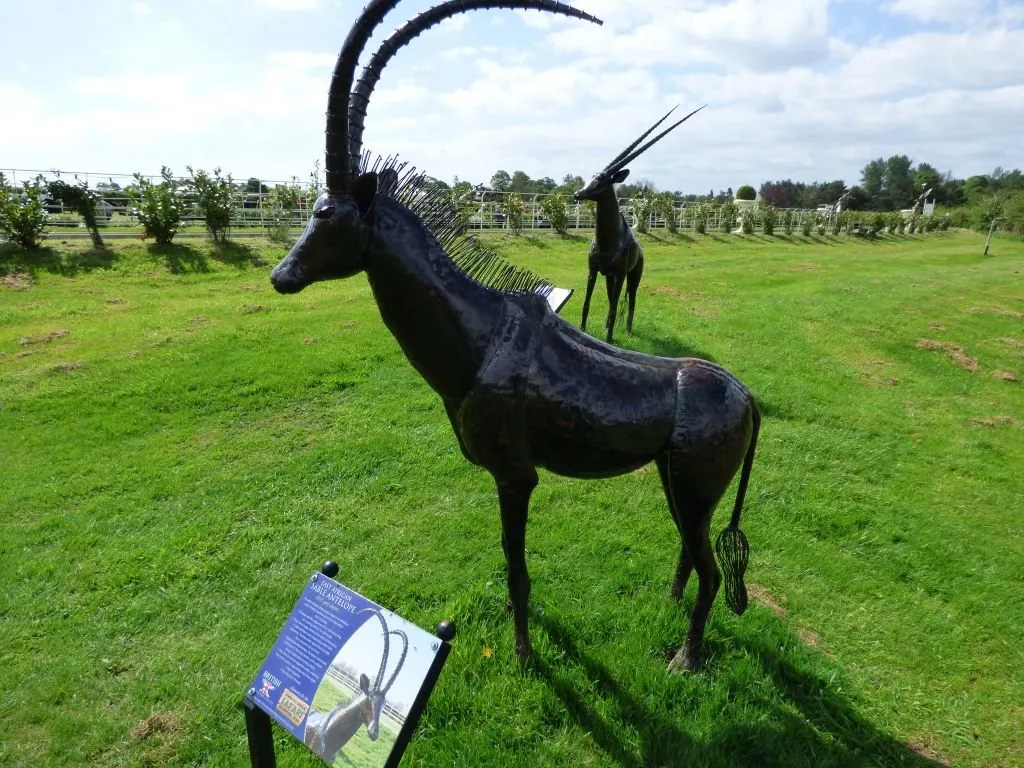
The sitatunga is a swamp loving antelope from central Africa, and it lives in marshes and papyrus beds. Its long hooves work like snowshoes on soft mud, and its shaggy coat sheds water as it wades. Males grow spiral horns, females stay smaller and hornless. They are strong swimmers and can hide underwater with only their nose showing. Lief was one of these animals, and his species reminds us that zoos protect creatures most visitors have never heard of. See a look at the orca who carried her calf for 17 days.
How the Fiona Hippo Hat Case Changed Zoo Safety Talk
After Fiona died, zoos and visitors started talking again about safety around animal habitats. The hat reached Fiona through a small opening above the viewing windows, a gap nobody had seen as a risk until a ceiling fan sent the hat flying. Now that gap matters, and zoos are looking at fans, vents and openings near habitats with fresh eyes. The lesson is simple, that animal homes need to be sealed against the small things visitors carry, because animals explore with their mouths. Read the facts about Fiona’s nine years.
Why Small Loose Items Are So Dangerous Near Animals
Animals are curious and explore new things with their mouths. A hat, a cap, a phone case or a wrapper can look like food or a toy to a hippo or an antelope. Once swallowed, a soft object can block the gut, while a hard one can choke an animal fast. Vets can sometimes help, but as Fiona and Lief showed, help does not always come. That is why keepers ask visitors to treat pockets and bags as safety rules. Learn about a bill to end child marriage in Ohio.
The Small Opening Above the Viewing Windows
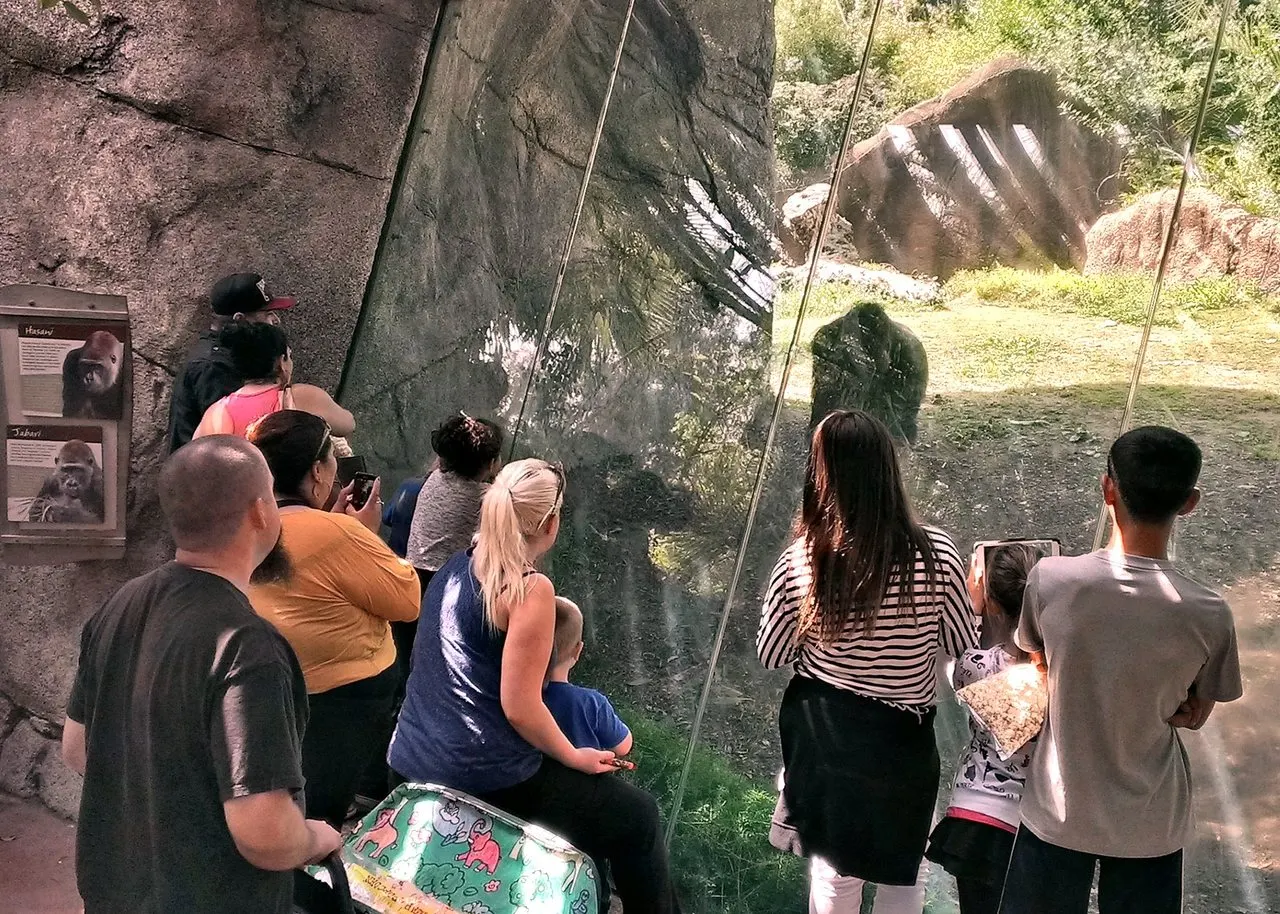
The viewing windows at the hippo habitat let visitors watch Fiona swim and rest, and above them sat a small opening. On November 8, that opening became the path a hat took into her home after a ceiling fan caught it mid air. Zoo buildings have many gaps, for air, for light, for cables, and each one is a small door for anything light enough to fly. The zoo is now looking at covering such openings without blocking the view. See a young man who chose his path.
A Ceiling Fan Turned a Toss Into a Tragedy
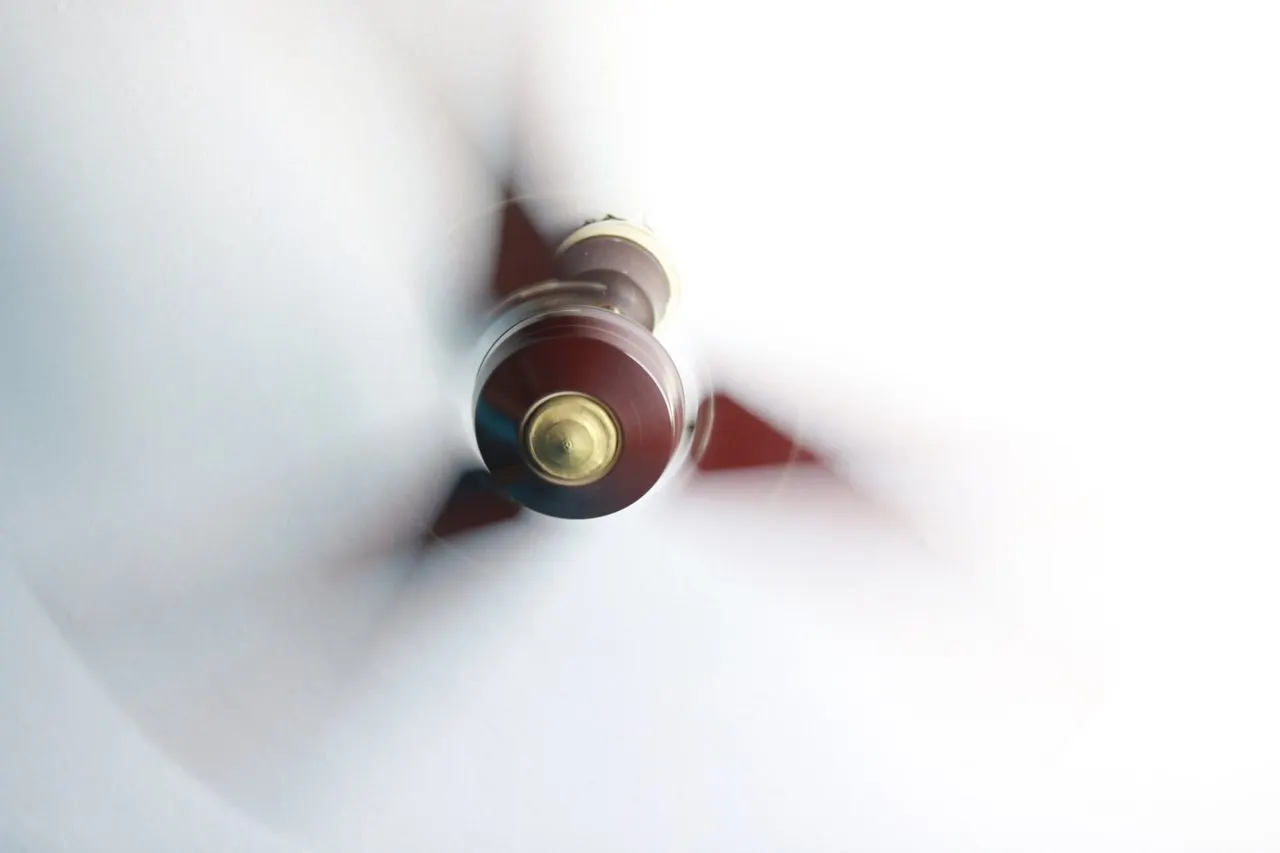
Ceiling fans are so common nobody notices them, yet on November 8 one changed everything. A child tossed a knit hat up, and the blades caught it and flung it toward the opening above the windows. Without the fan, the hat would have fallen to the floor and the day would have stayed ordinary. With it, a playful toss became events no one could stop. It is a reminder that accidents are rarely one mistake, but small ones lining up. Read about a helicopter photo of a giant snake.
The Fiona Hippo Hat Grief Felt by Keepers and Fans

Keepers spend years with the animals in their care, learning their habits, their moods and their favorite foods. For Fiona’s keepers, nine years of early mornings and careful feeding ended in a week of worry and then grief. Fans felt it too, because many had watched her grow from a tiny premature calf into a healthy hippo. Social media filled with photos and memories, and the zoo thanked everyone who shared them. Grief like that shows how much one animal can mean to so many people. See the moments from Fiona’s life.
Harambe and Fiona: Two Losses at the Same Zoo
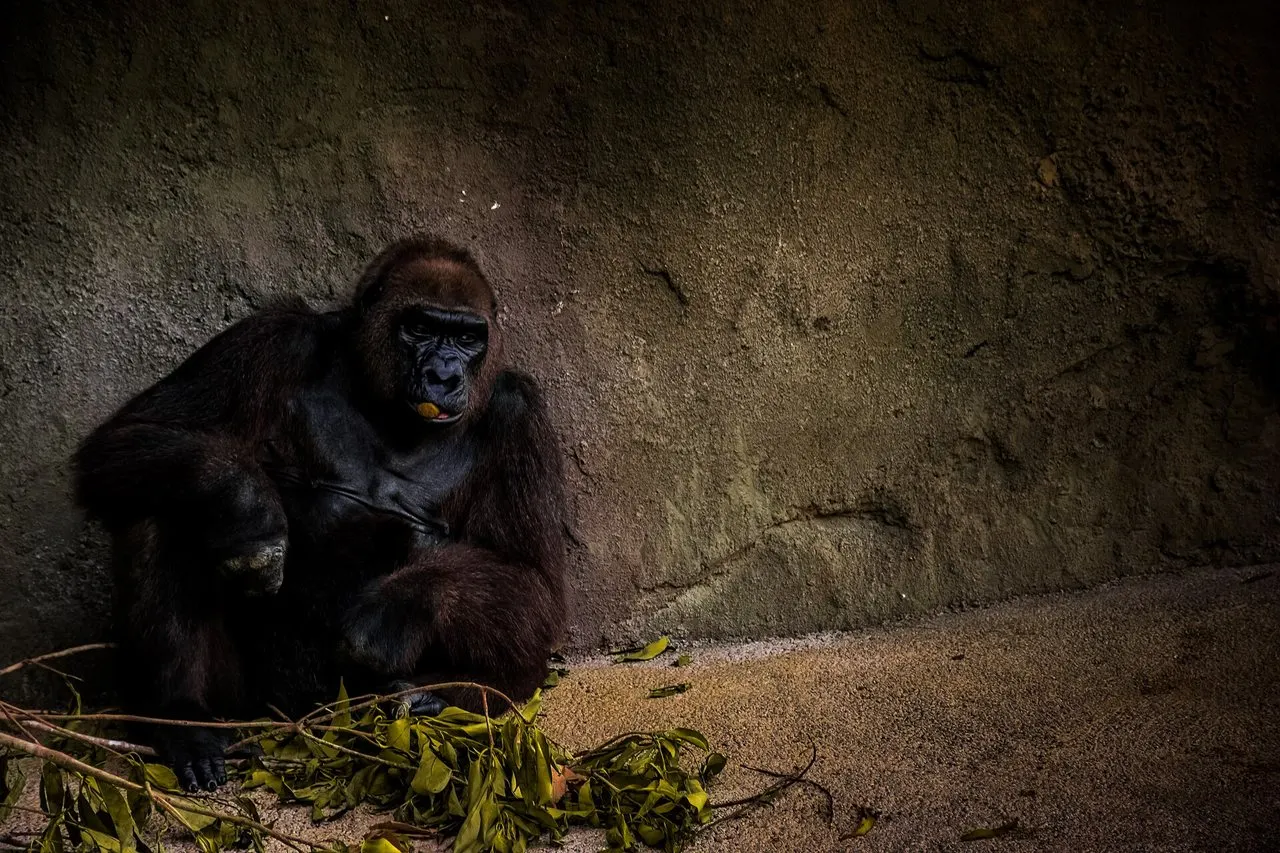
Fiona was not the first animal whose loss shook the Cincinnati Zoo. In 2016, Harambe, a western lowland gorilla, died at the same zoo after a child climbed into his enclosure, and the story spread around the world. The two losses were very different, but both started with a visitor and a barrier that was crossed. Together they show how hard it is to keep wild animals and curious crowds safe in the same space, and why zoos keep changing their designs. Read about Harambe and the decade since that day.
What Visitors Can Do to Keep Zoo Animals Safe
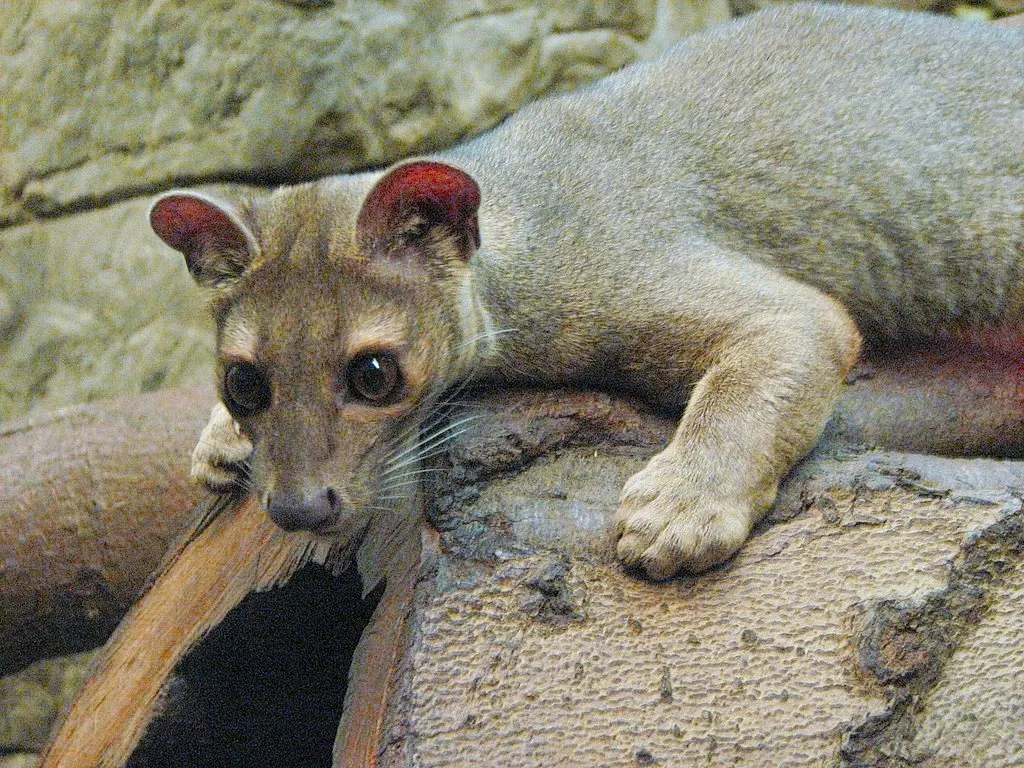
Every zoo visitor can keep animals safe with a few simple habits. Hold on to hats, caps and sunglasses, and keep phones and food in a zipped bag. Never toss anything into the air, and never drop food or objects over a barrier. If something falls in, tell a keeper right away instead of trying to get it back. These small steps cost nothing, and after Fiona and Lief, everyone knows they can save a life. Learn about a stand for women and girls that won fans.
How Zoos Work to Protect Animals Every Day
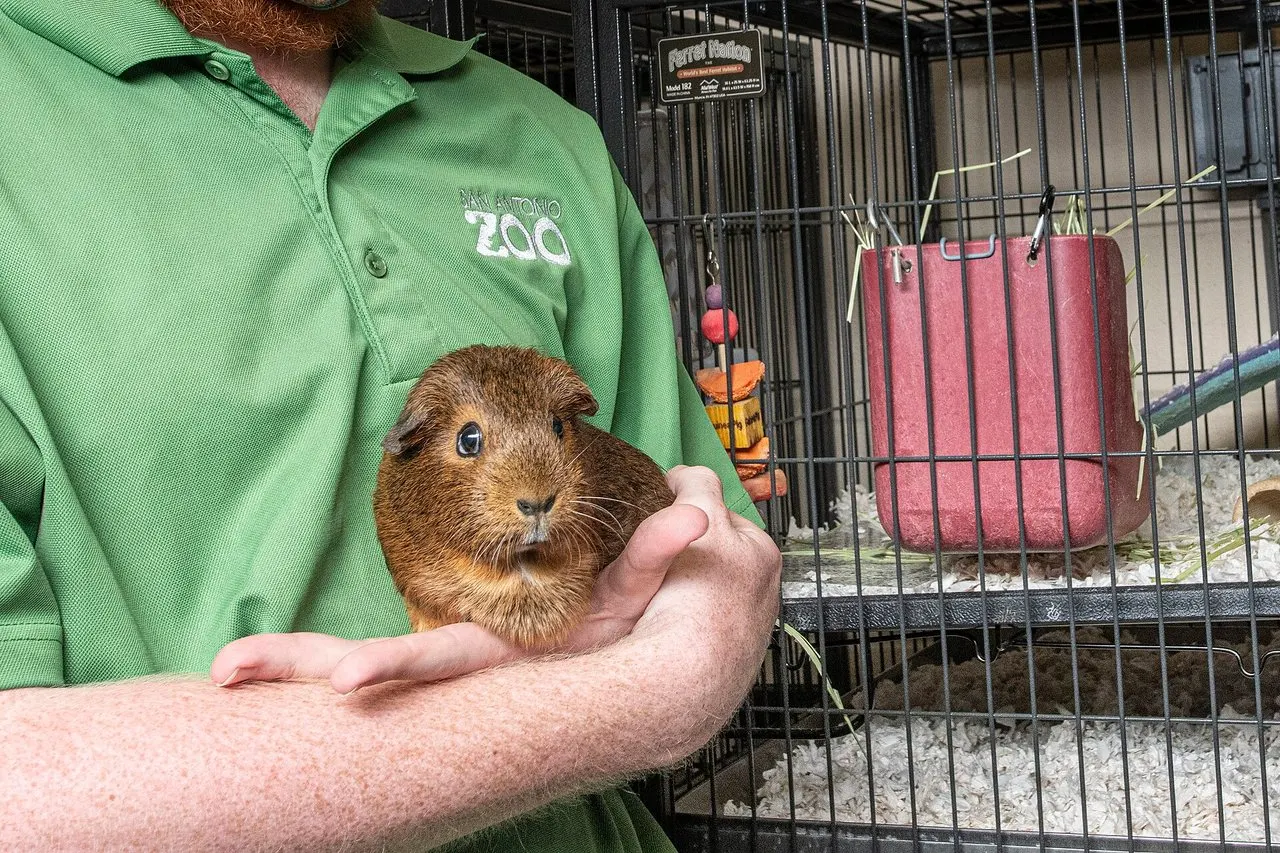
Behind the scenes, zoos work hard to keep their animals safe. Keepers check enclosures each morning, vets watch for illness, and staff train animals to accept checkups without stress. Diets are planned to the last vitamin, and habitats are built to feel like home. Still, no system can catch every risk, and the stories of Fiona and Lief show why zoos keep learning. Each loss leads to new checks, new barriers and new rules, so the next animal has a safer home. See how vaccination rates shape a health story.
What Would You Tell a Child Visiting the Zoo?

Fiona and Lief remind us a zoo visit is a privilege, not just a fun day out. The animals behind the glass depend on us to keep their homes safe, and even a small hat can change everything. So next time you visit a zoo, hold your hat tight, keep your pockets zipped and enjoy the animals from behind the barrier. What would you tell a child before a first zoo visit, and what do you remember most about Fiona? Share your thoughts below. Read a love story told in happy photos.