The Abydos Helicopter Carving That Looks Too Modern to Be Ancient
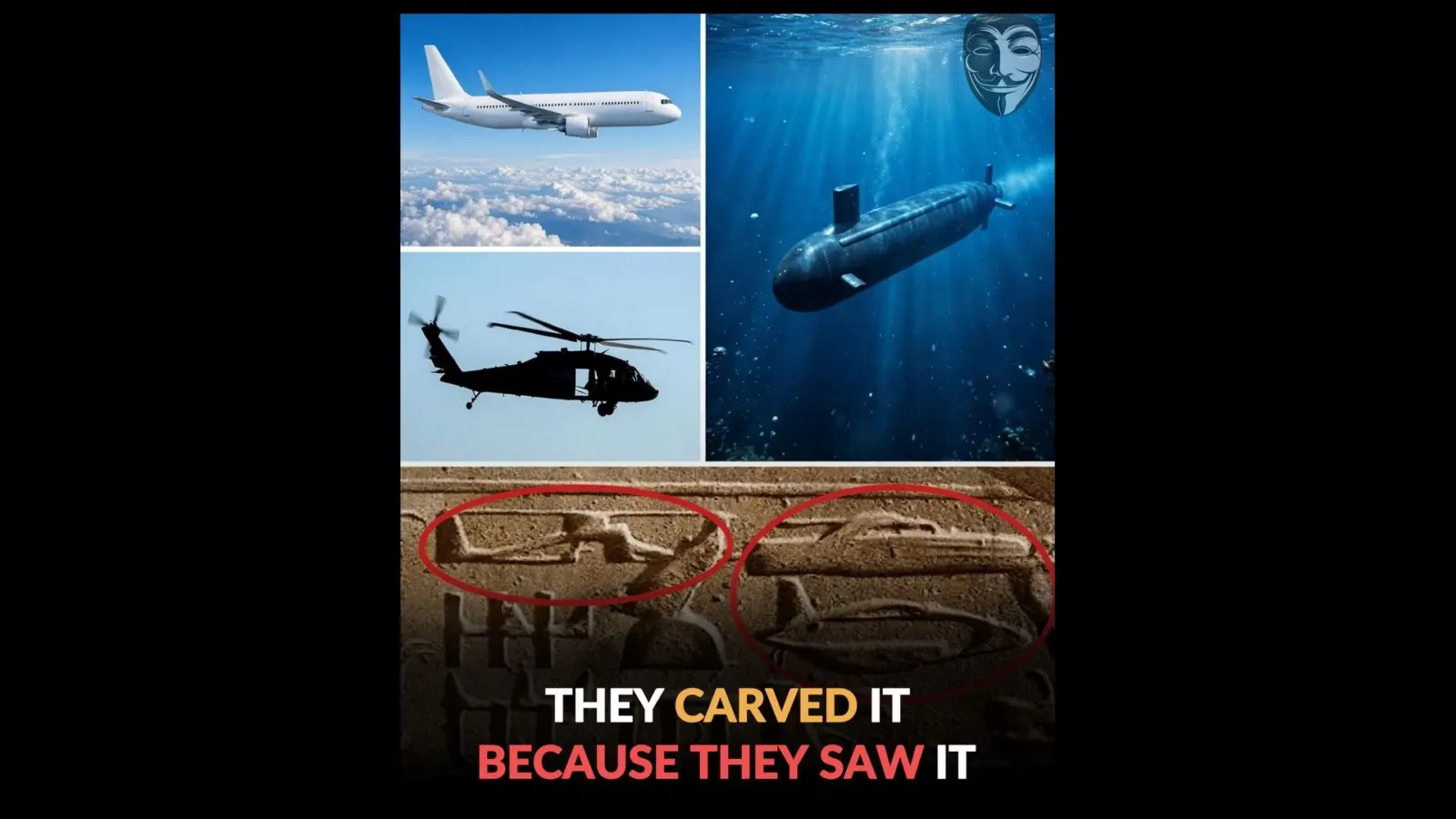
The Abydos helicopter carving sits high on a stone beam in the Temple of Seti I at Abydos, and it looks so much like a modern helicopter that visitors stop and stare. Beside it sit shapes that look like an airplane and a submarine, all cut into stone that is roughly 3,300 years old. Tourists photograph the carving every day, and many leave convinced that the ancient Egyptians recorded machines they could never have seen. The image has travelled around the world, and it keeps drawing new eyes to a quiet temple town in Egypt.
Egyptologists say the truth is written in layers. The carving began as the royal titles of Seti I, then Ramesses II filled the old signs with plaster and carved his own titles over them. When the plaster wore away, the two inscriptions overlapped into shapes that only look modern. In the slides ahead we look at the temple, the two kings, the plaster trick and the debate that still divides visitors. For another mystery that came from a photo, read about a 1959 helicopter photo from Congo.
References:
Ancient Origins: Is There a Helicopter Carved at Abydos?
Atlas Obscura: ‘Helicopter’ Hieroglyphs in Markaz Al Belina
Egypt Museum: Helicopter Hieroglyphs
The Old World Atlas: The Abydos ‘helicopter’
A Temple in the Town of Abydos
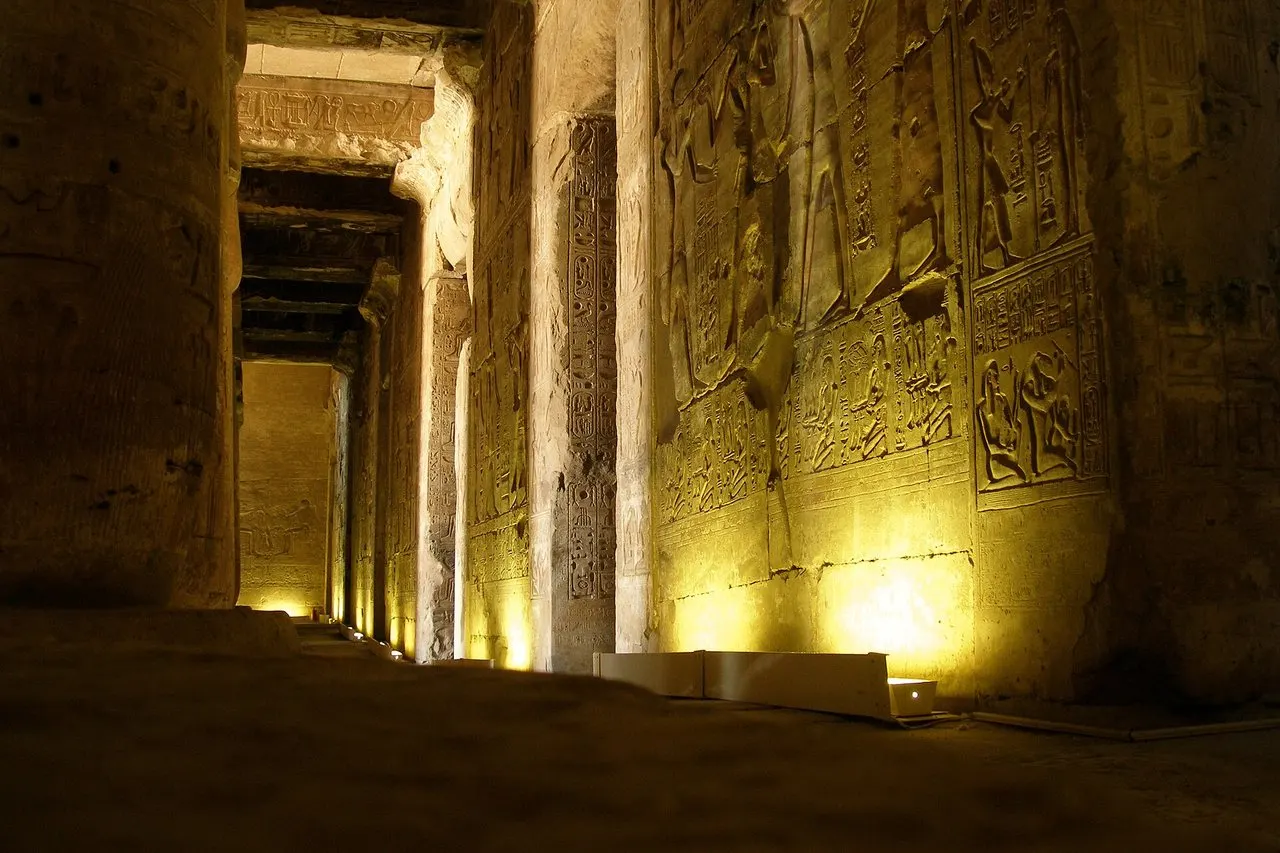
Abydos sits in southern Egypt, not far from the Nile, and it was one of the most sacred places in the ancient world. Egyptians believed the god Osiris was buried there, so kings built temples and tombs across the town for centuries. The Temple of Seti I is the finest building that survives there, and its painted reliefs are famous for their color and detail. Visitors come from around the world to walk its halls and see the carvings up close. You can also read about a rare golden tiger named Ava.
Three Machines in Stone
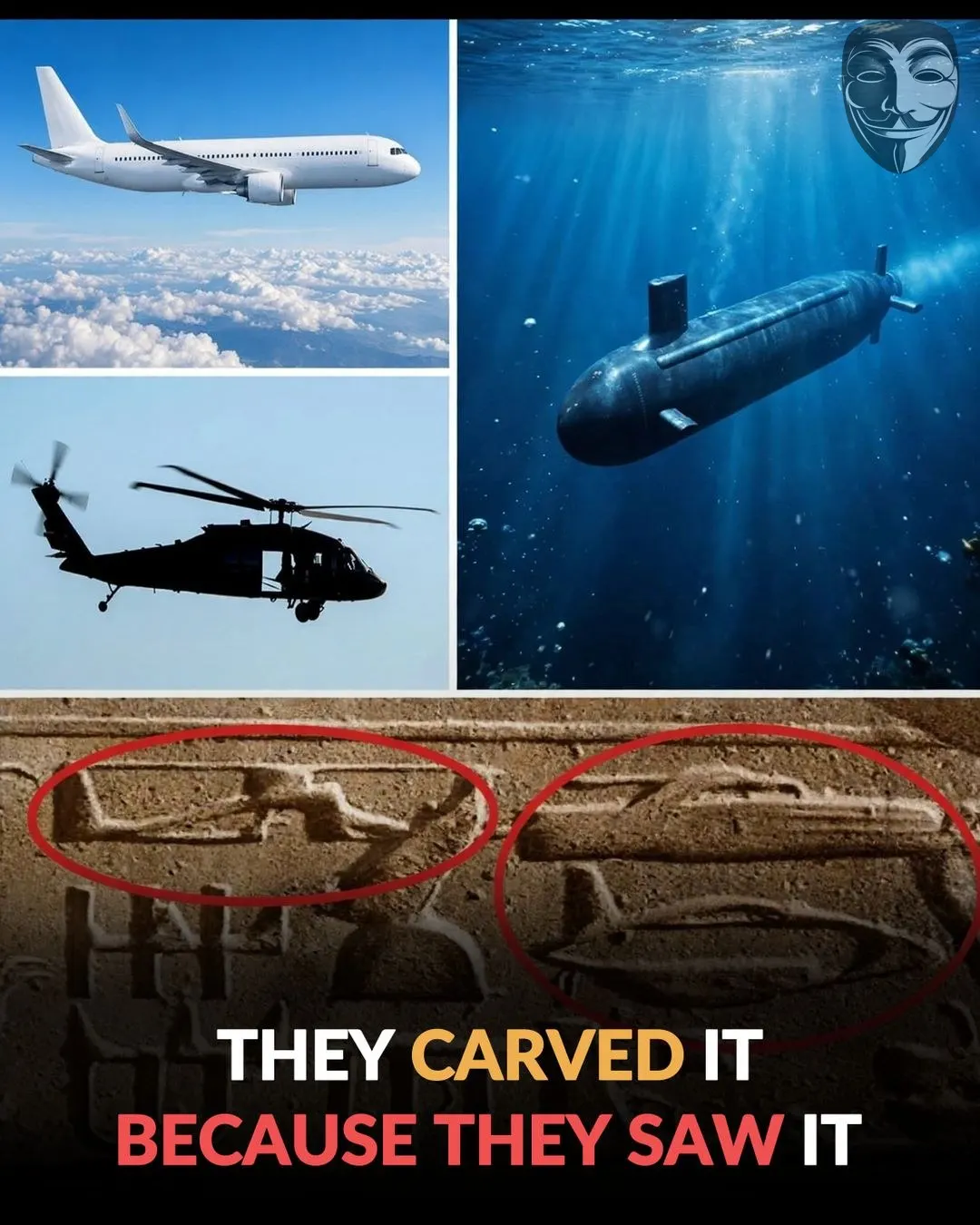
Look closely and three shapes jump out. One has a long body, a tail and a rotor on top, just like a helicopter. Next to it sits a winged shape, like an airplane or a jet. A third shape looks like a submarine, long and smooth. Together they feel impossible for a carving made around 1279 BC, and that is why the photo spreads so fast online. See how another strange photo fooled viewers in our story on a 1959 helicopter photo from Congo and read why a truck that looked like it drove through a wall.
The Shape That Looks Like a Helicopter

The helicopter shape is the star of the carving. It has a clear body, a tail that stretches behind it and a long rotor blade across the top. Modern eyes read it in a second, because helicopters are part of daily life. Yet the people who carved it had never seen a rotor, an engine or a spinning blade. Egyptologists say the shape is really two old signs laid on top of each other, and the overlap does the rest. Learn about China’s first crewed electric plane flight while you think about it.
An Airplane Beside It
Beside the helicopter sits a shape that looks like an airplane. It has a slim body and swept wings, and some visitors even call it a jet. Ancient Egypt had no airplanes, no runways and no idea of powered flight, yet the shape sits there in plain stone. Supporters of the mystery say that is the point. Skeptics say the wing is really part of a hieroglyph for a bird or a reed. The debate turns on a few lines of stone. Read about Trump’s 15-hour flight from China for more flying stories.
A Submarine Below the Surface

The third shape looks like a submarine, a long rounded vessel with a small tower on top. In the water, a real submarine moves in silence, and the stone shape seems to glide in the same way. Some visitors say it could also be a boat, and boats were everywhere in ancient Egypt. The Nile carried people, stone and grain, so a boat shape would make sense. But a submarine is what modern eyes see first. Read about Sanders replying to Musk for a change of pace.
Seti I, the Pharaoh Who Started It
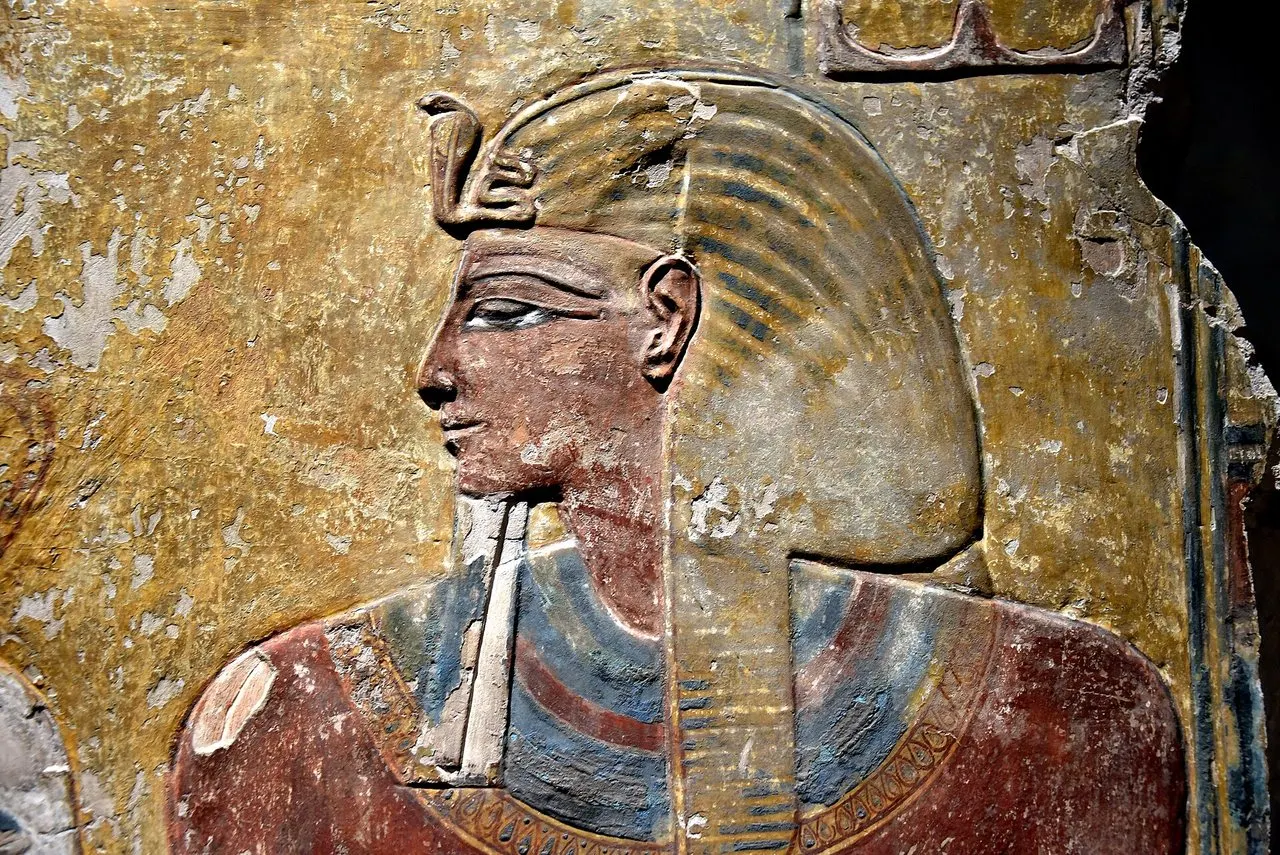
Seti I ruled Egypt from about 1294 to 1279 BC, and he built the temple at Abydos as a place to honor the gods and his own name. He was a warrior king who restored temples across Egypt after a time of trouble. His artists carved his royal titles in neat rows along the beams of the great hall. He died before the temple was finished, and his son took over the work. That unfinished business is where the story begins. Read what Michelle Obama said about her husband.
Ramesses II and the Abydos Helicopter Layers
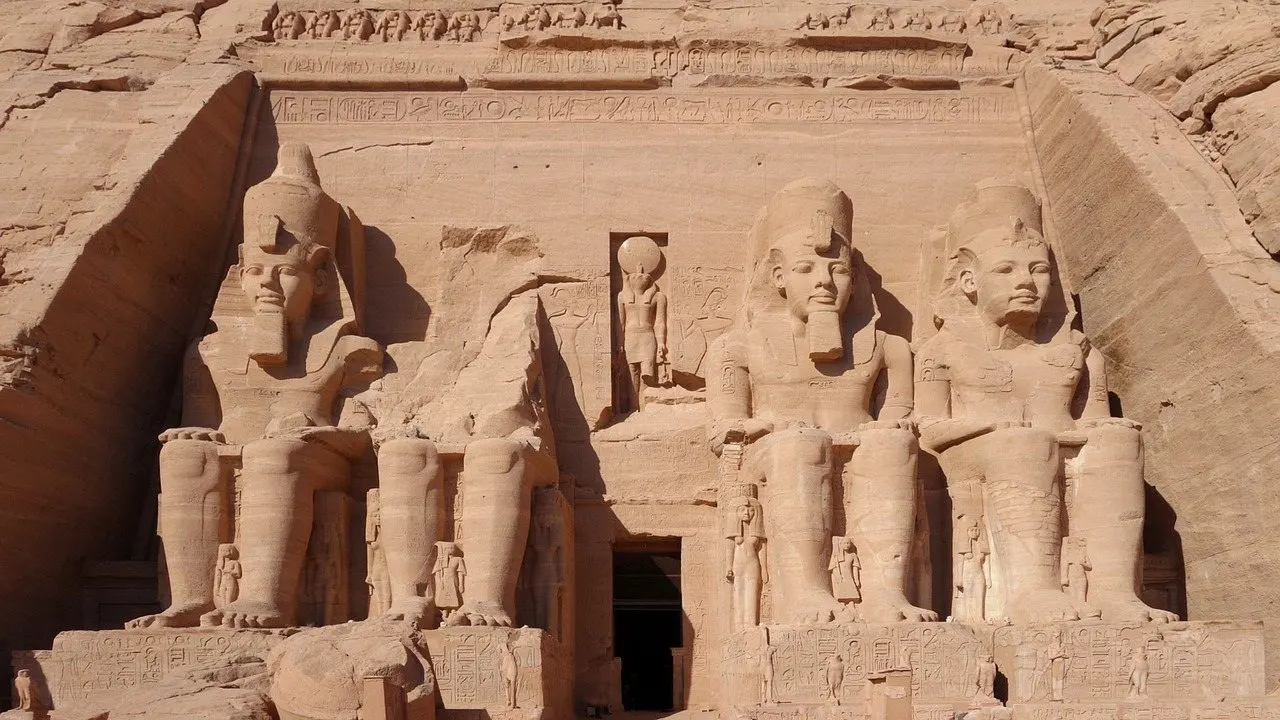
Ramesses II followed his father and ruled for more than sixty years, one of the longest reigns in Egyptian history. He loved to put his name on monuments, and he often carved over the work of earlier kings. At Abydos he ordered the old titles filled with plaster and cut his own titles into the smooth surface. For centuries visitors saw only his name. Then the plaster fell away, and both layers showed at once. See a race decided by 330 votes for other stories of big names.
How Royal Titles Were Written in Stone
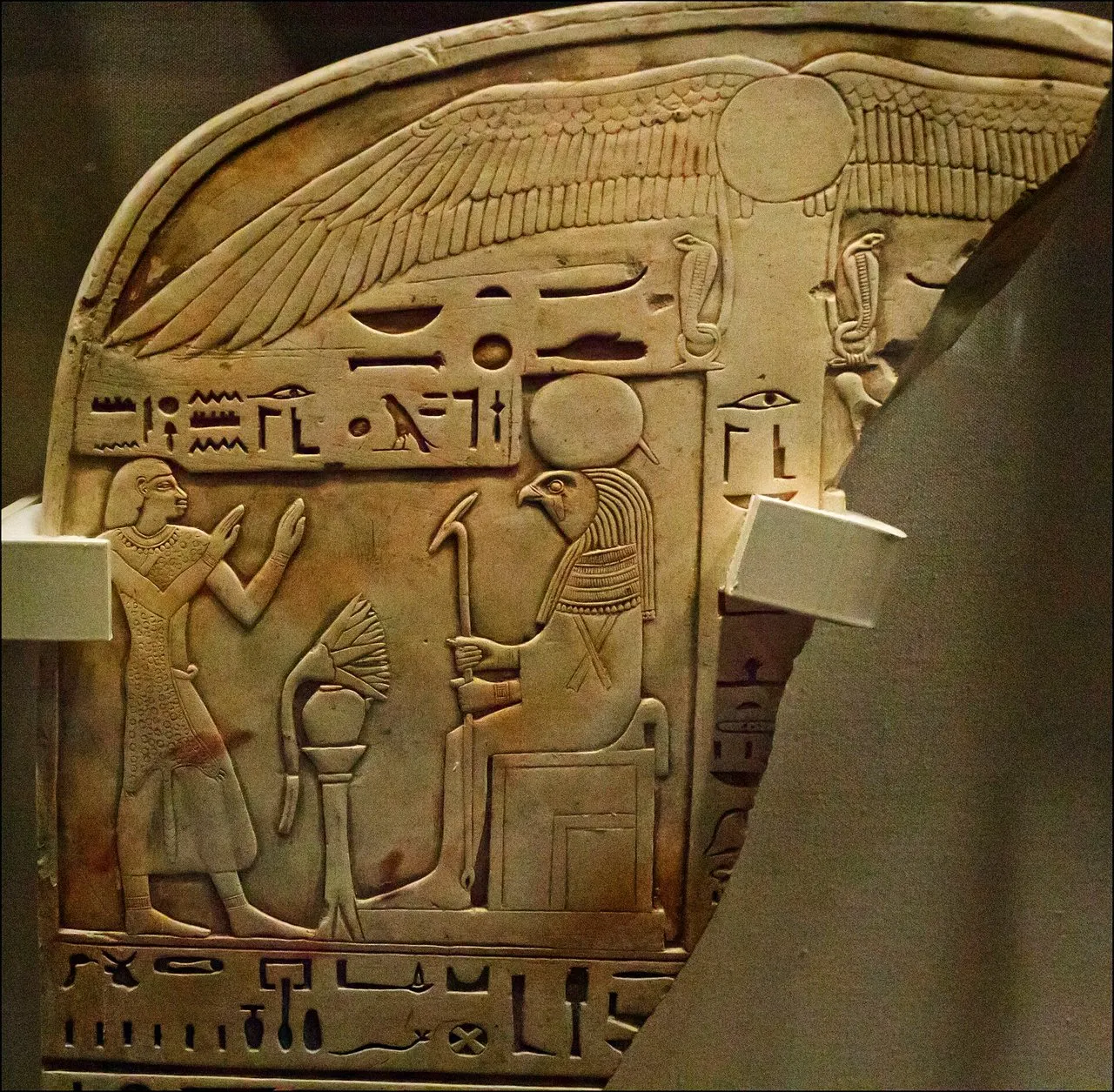
Every Egyptian king had five formal names, and long temple beams often carried the full list. One of those names, the Two Ladies name, followed the signs of a vulture and a cobra. The odd shapes at Abydos fall in exactly that part of the line. The old titles praised Seti I as the king who repulsed the Nine Bows, the traditional enemies of Egypt. The new titles praised Ramesses II as the protector of Egypt. The two lists shared the same stone. Learn about International Men’s Day.
Plaster, Then a Second Carving
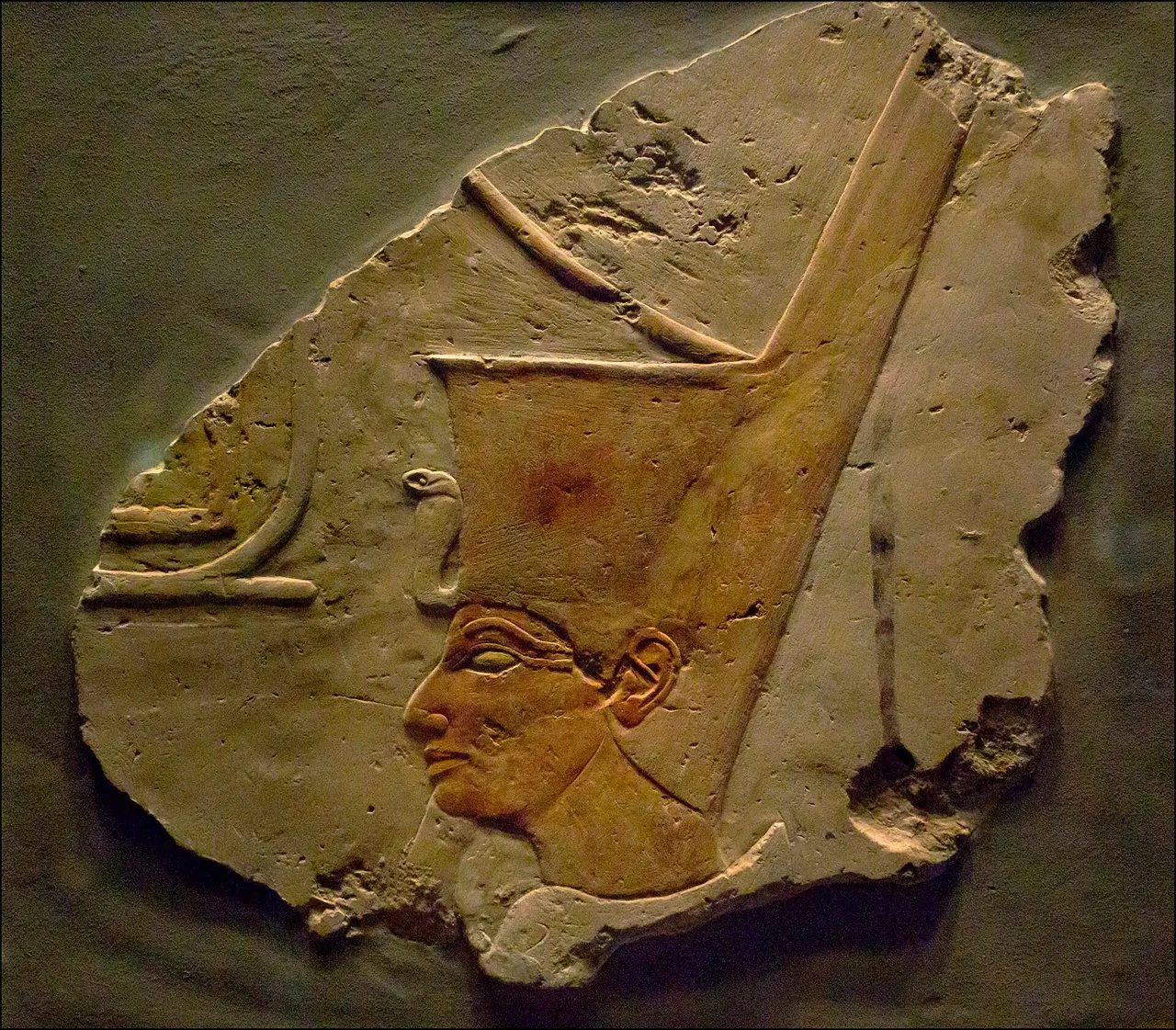
The trick was simple and common. Workers filled the sunken signs of the old text with a kind of plaster. Once it set, they carved the new signs into the smooth surface. For hundreds of years, nobody could see the old words at all. Then time did its slow work. Rain, wind and heat wore the plaster away, and the two sets of signs began to show together. The overlap created shapes that neither king ever intended. Read about Jensen Huang returning as CEO.
Why the Abydos Helicopter Looks So Real
The human brain is built to find familiar shapes. When we see a curve and a line, we match them to things we already know, like a helicopter or a plane. Experts call this pareidolia, and it explains why people see faces in clouds and animals in rocks. At Abydos, the overlapping signs give the eye just enough to complete the picture. Once someone points out the helicopter, it is hard to unsee it. See a truck that looked like it drove through a wall.
The Nine Bows and the Foreign Lands
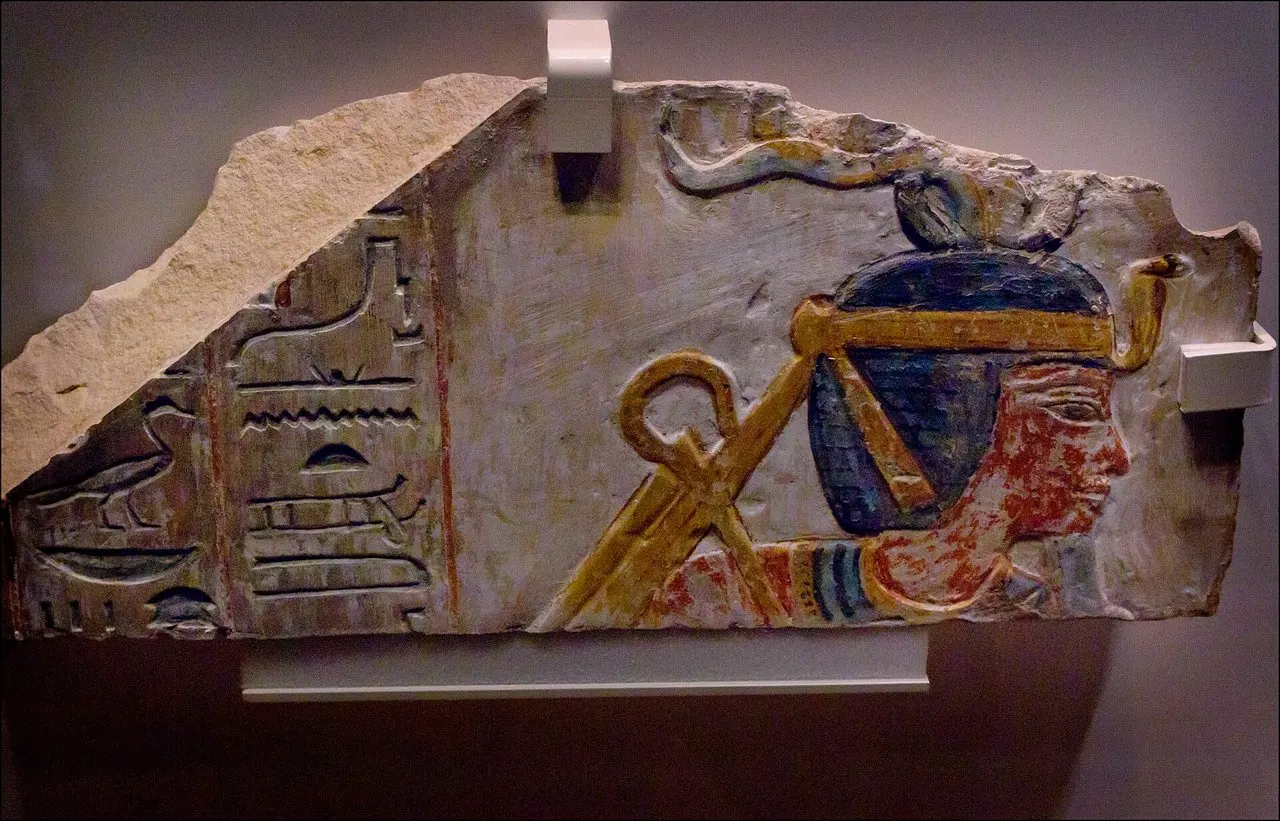
The helicopter shape is made from pieces of two phrases. One piece comes from the old words about the Nine Bows, the enemies of Egypt. The other comes from the new words about foreign lands. Put together, a bow sign and two arm signs form the body, the tail and the rotor of the supposed helicopter. Read sign by sign, there is no machine at all, only royal praise written twice. The mystery is a trick of overlap. Read Schumer and Jeffries under fire.
A Beam High Above the Temple Floor
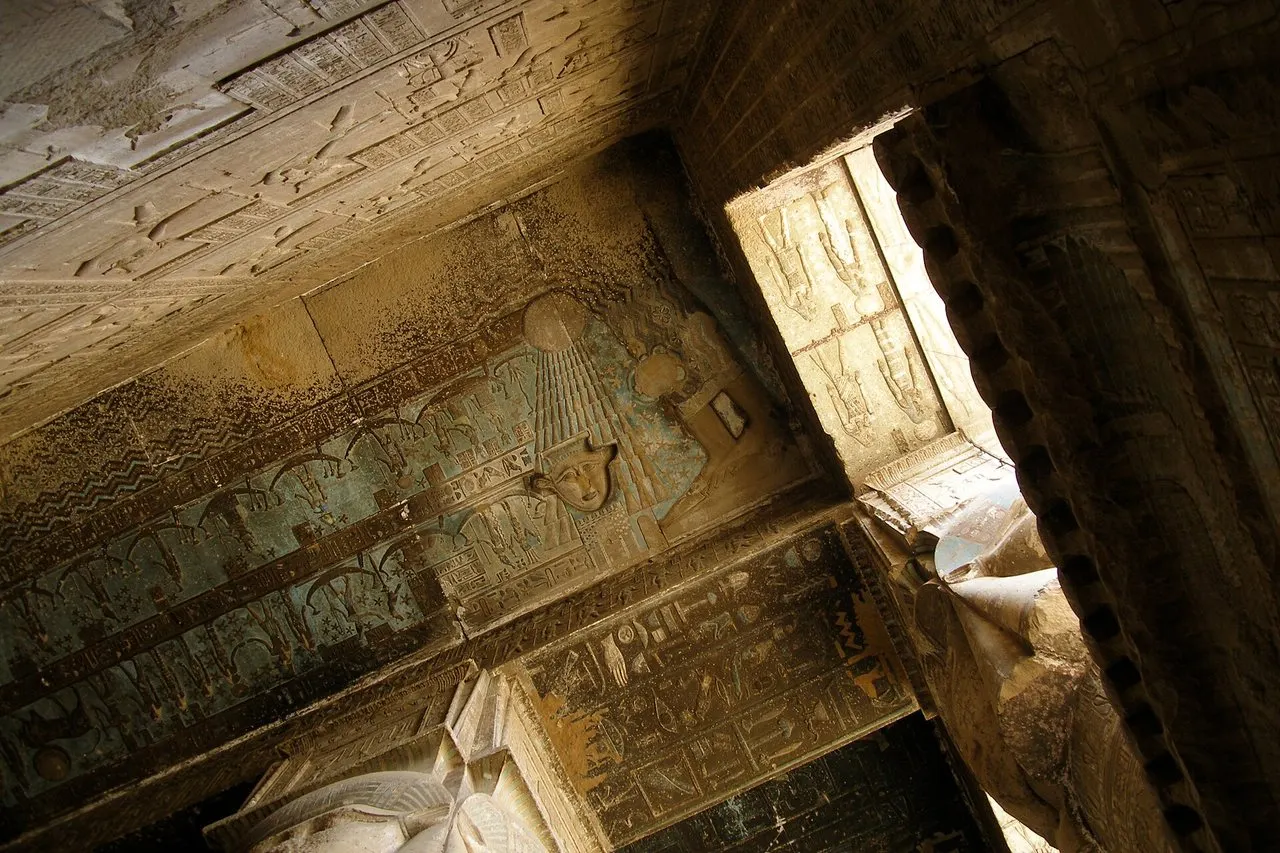
The carving sits on an architrave, a heavy stone beam that rests on the columns of the first great hall. It hangs high above the floor, near the ceiling of the room. The original post calls that ceiling the sky of the room, and says the placement shows the carving was meant to sit in the sky. Egyptologists note that royal titles were placed on beams all over Egypt. The height only makes the photo harder to take. Look at Kelly Clarkson’s Christmas room ideas.
Tourists Photograph the Abydos Helicopter Every Day
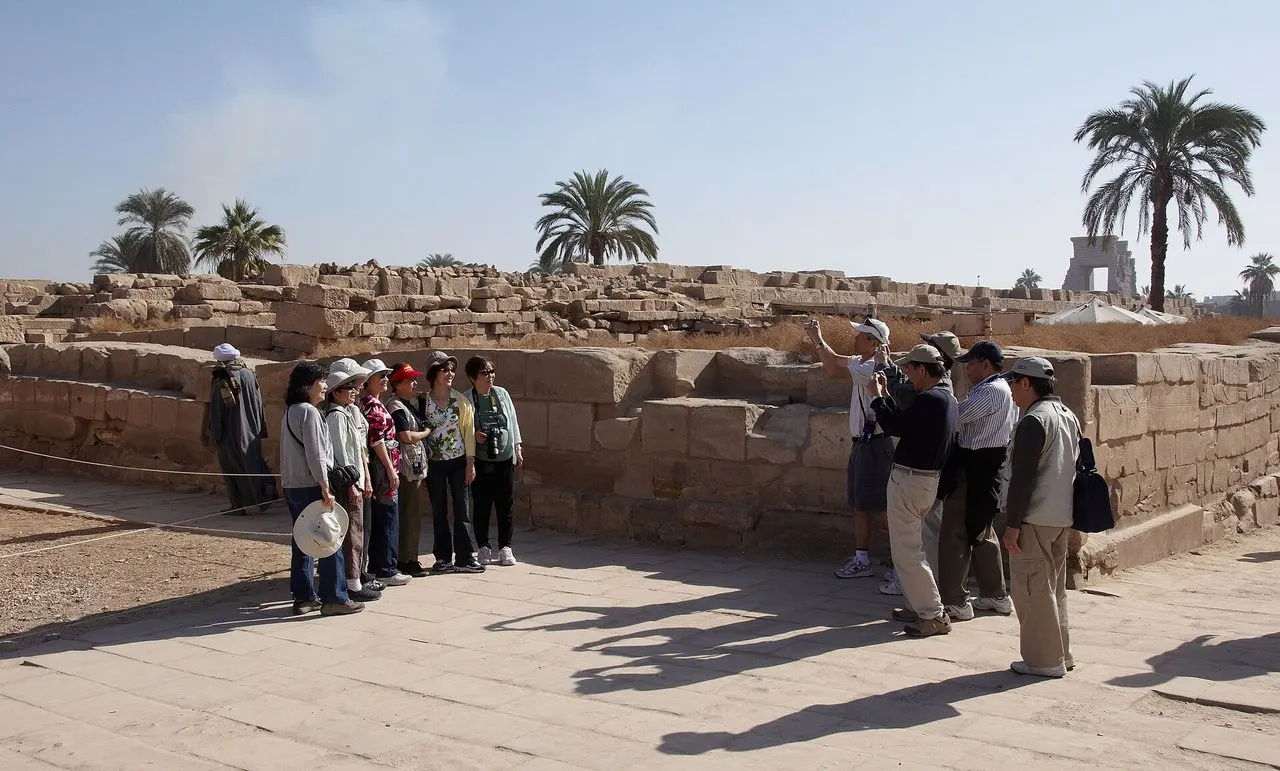
Every day, visitors to Abydos raise their cameras toward the beam. Guides point out the helicopter, and tourists laugh, gasp and take photo after photo. Some arrive already convinced, having seen the image online. Others arrive as skeptics and leave unsure. The carving has become one of the most photographed spots in the temple, and its fame keeps growing. Read about Trump arriving in the Philippines.
The Abydos King List in the Same Temple
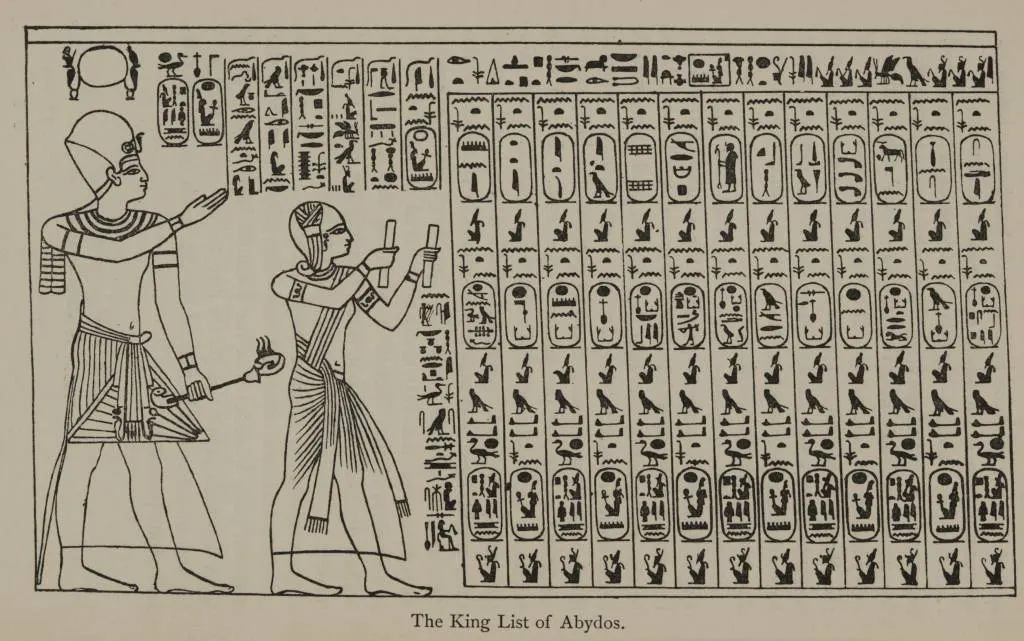
The same temple holds another famous carving, the Abydos King List. It shows the cartouches of most pharaohs from the first kings down to Seti I himself. Historians use it to check the order of the kings, and it is one of the most valuable records from ancient Egypt. It sits in a quiet corridor, and many visitors walk past it on their way to the helicopter beam. The temple rewards those who slow down. See a rare golden tiger named Ava.
The Osireion, a Mystery Next Door
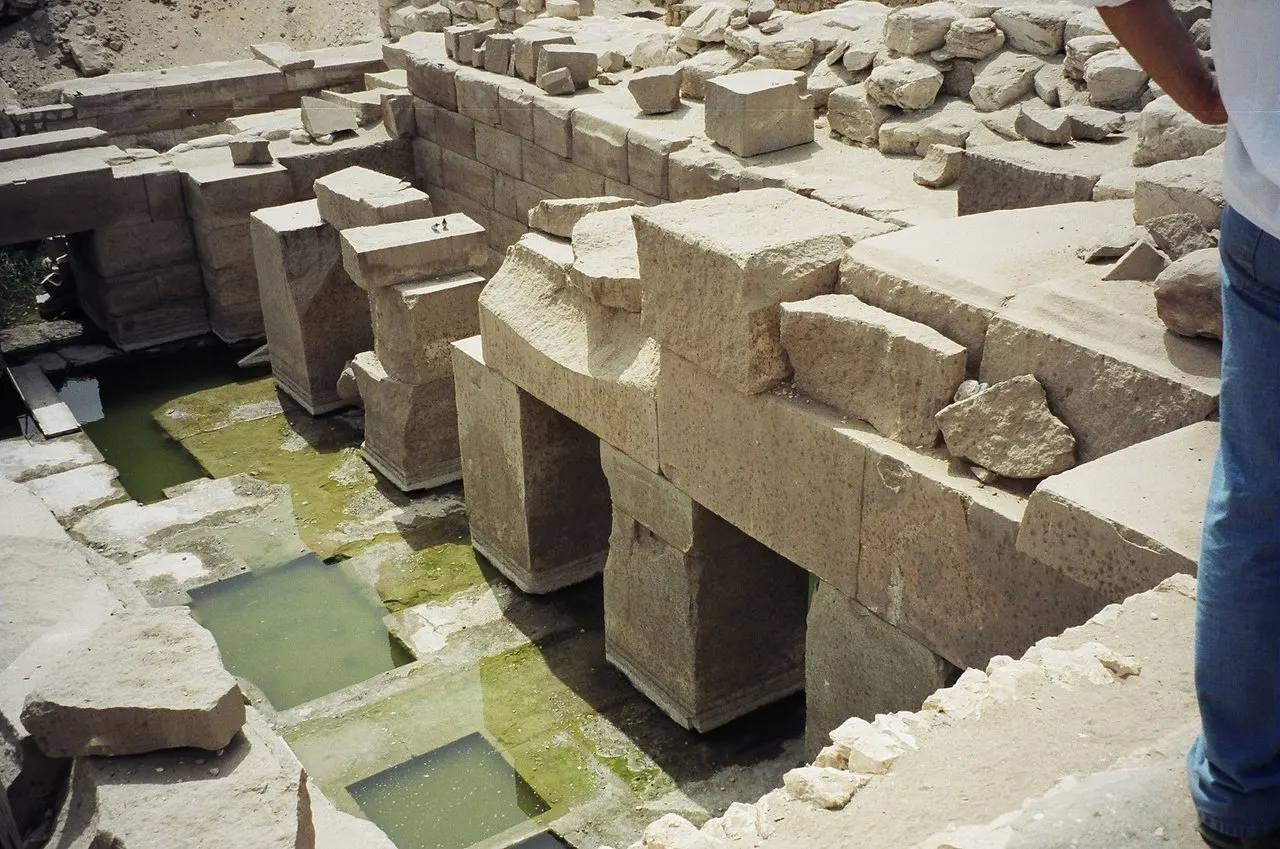
Just behind the temple lies the Osireion, a strange underground building linked to the god Osiris. Its huge stone blocks and sunken halls feel older than the temple itself, and nobody is fully sure when it was built. Some call it a tomb, others call it a place of rebirth for the god. It adds to the sense that Abydos is a town full of secrets. The helicopter carving is only one of them. Read Trump greeting Putin in China.
What Egyptologists Say About the Abydos Helicopter
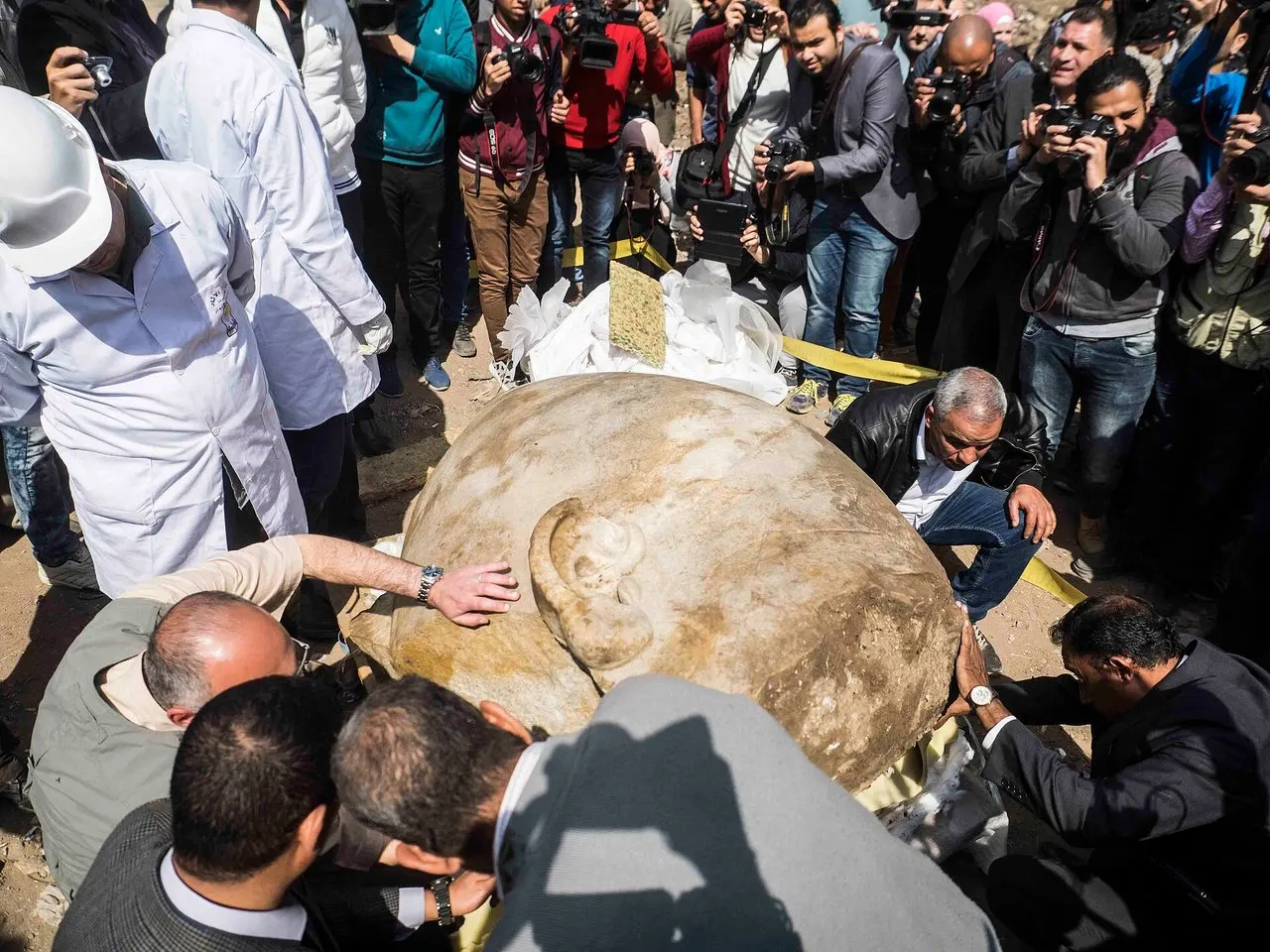
Egyptologists are clear that the carving shows no ancient machines. Katherine Griffis-Greenberg set out the reading years ago, and Aidan Dodson of the University of Bristol summed it up in a few words. He wrote that the plaster has now fallen out, leaving images that look rather like modern items. Eugene Cruz-Uribe explained which signs merge to make the helicopter shape. Their reading rests on the same stone everyone can see. Learn about a young man who chose assisted dying on his birthday.
The Human Eye Loves a Familiar Shape
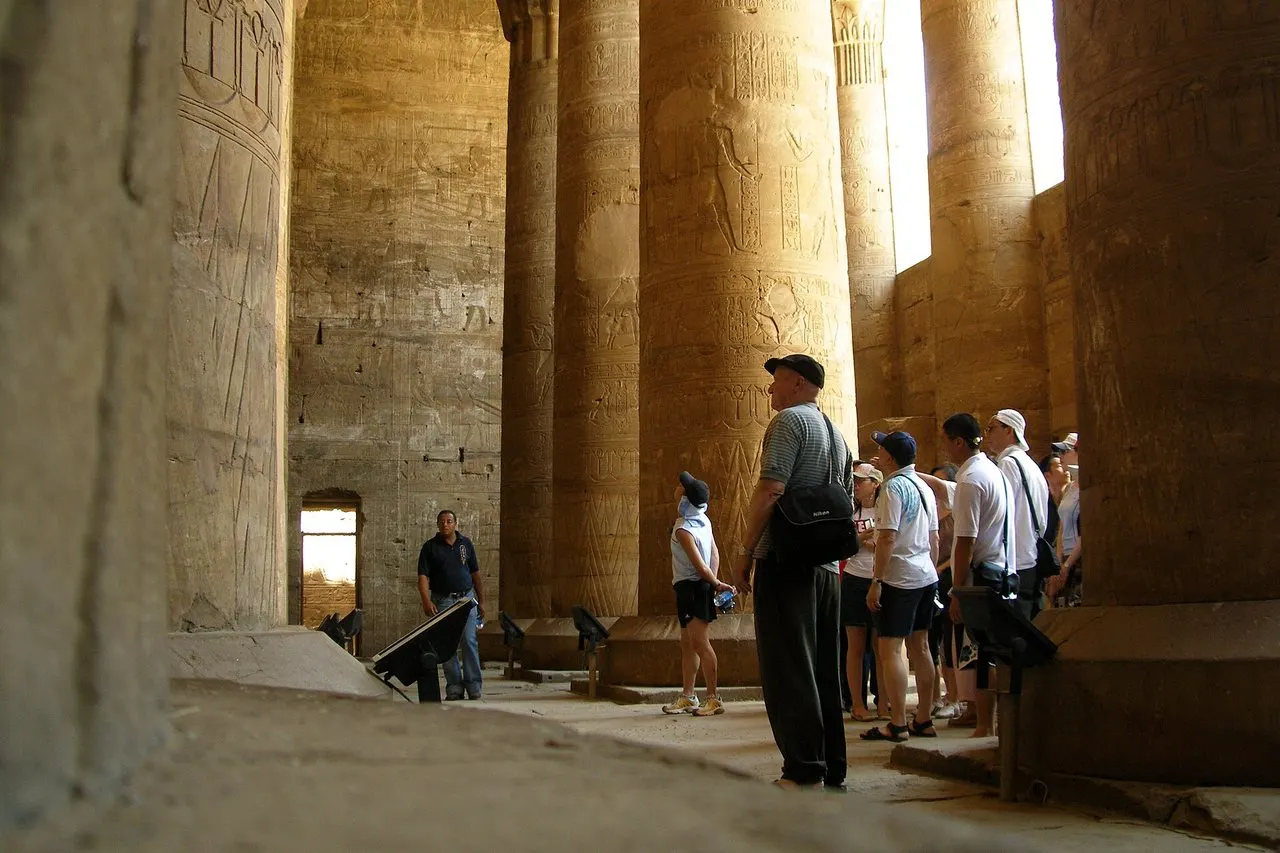
Our eyes do not work like cameras. They guess, fill gaps and match patterns to memory. That is why a stain on a wall can look like a face and a cloud can look like a dog. At Abydos the guess is strong because the shapes line up so well with modern machines. The eye completes the rotor, the wings and the hull before the mind can check the facts. Knowing this does not spoil the wonder. It explains it. Read Matt Rife’s promise to his mom.
Ancient Astronauts and the Abydos Helicopter
Some writers link the carving to ancient astronauts, the idea that visitors from another world helped Egypt build its wonders. Books and shows have repeated the claim for decades, and the helicopter photo is often their best image. Yet no tool, text or tomb from Egypt mentions flying machines. The only evidence is the shape itself, and the shape has a plain explanation in the plaster and the two layers of titles. Read about China’s first crewed electric plane flight once more.
Writing That Lasted Three Thousand Years
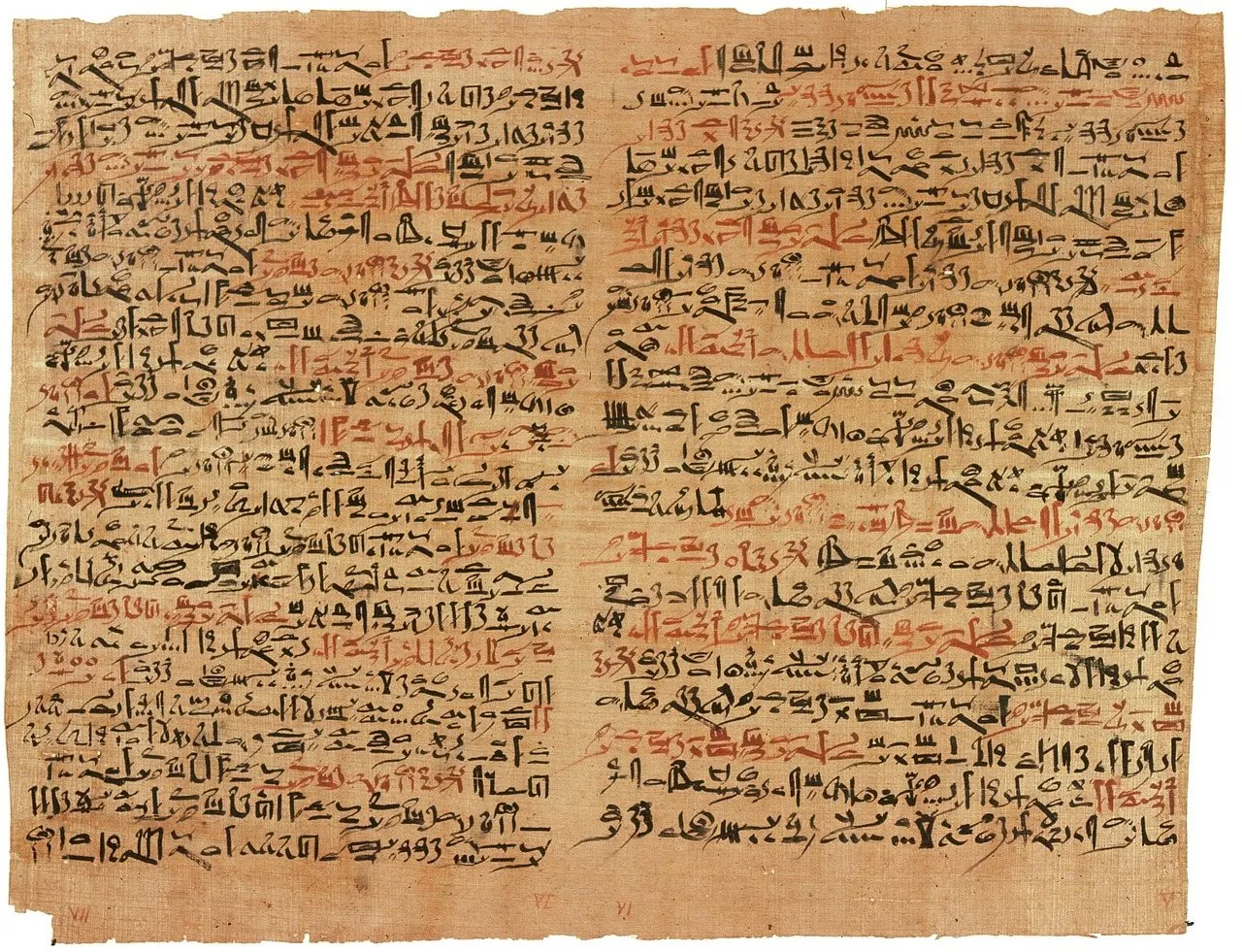
Egyptian hieroglyphs were carved to last forever. Priests and scribes cut them deep into stone, painted them in bright color and placed them where the gods could read them. The signs at Abydos survived floods, wars and the fall of the kings who ordered them. Even damaged, they still speak. That is why a small group of signs on one beam can still start an argument after 3,300 years. The stone remembers what people forget. Read about homemade Christmas presents.
The Abydos Helicopter in the Age of the Internet
The carving was famous long before the internet, but the web made it world famous. One photo, shared again and again, turned a temple beam into a global mystery. Forums, videos and social posts added new claims each year. Some posts show the photo with no context at all. The lesson is simple. A striking image travels faster than the patient work that explains it. Read Elon Musk on MAGA.
Karnak and the Great Halls of Stone
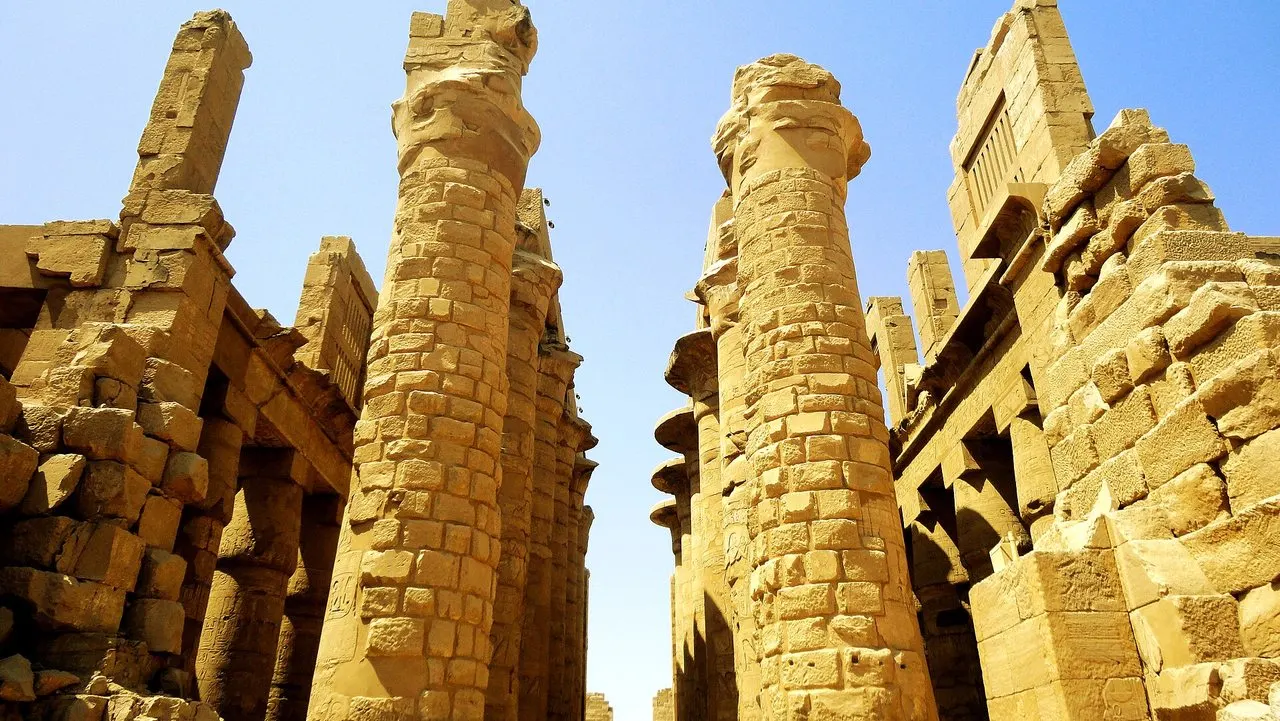
Abydos is not the only temple with great halls. At Karnak, near Luxor, columns rise like a forest of stone, and every surface carries carved text. Ramesses II left his name there too, on a scale even larger than at Abydos. Walking through Karnak helps visitors see that Abydos was part of a whole world of temples. The same kings, the same artists and the same habit of carving over old work. Read Trump greeting Putin in China.
The Nile Gave Abydos Its Life

Abydos stands near the Nile, and the river made everything possible. Boats carried stone from quarries, grain from fields and pilgrims to the temples. The town grew rich on trade and on the crowds who came to honor Osiris. Without the Nile, there would be no temple and no carving. The river still flows past the fields today, much as it did when Seti I ruled. Read about a workplace where leave is approved without questions.
The Desert Around the Abydos Helicopter
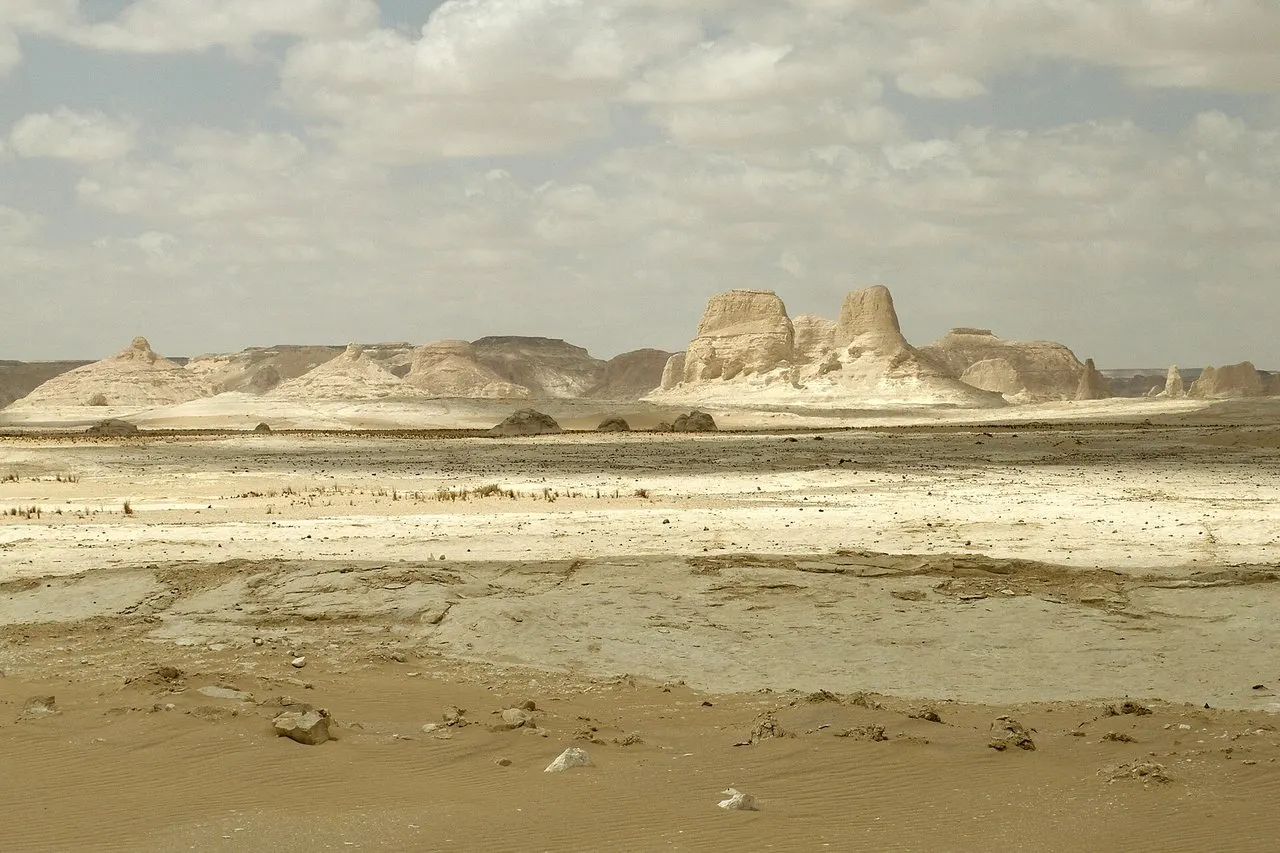
Beyond the green fields of the Nile lies the desert, vast and silent. Ancient Egyptians saw the desert as the land of the dead, while the river valley was the land of the living. Abydos sits close to that edge, between life and the afterlife. The desert preserved the temple by burying parts of it in sand for centuries. When diggers cleared it, the carvings came back into the light. Read about a race decided by 330 votes.
The Abydos Helicopter and the Temples of Upper Egypt
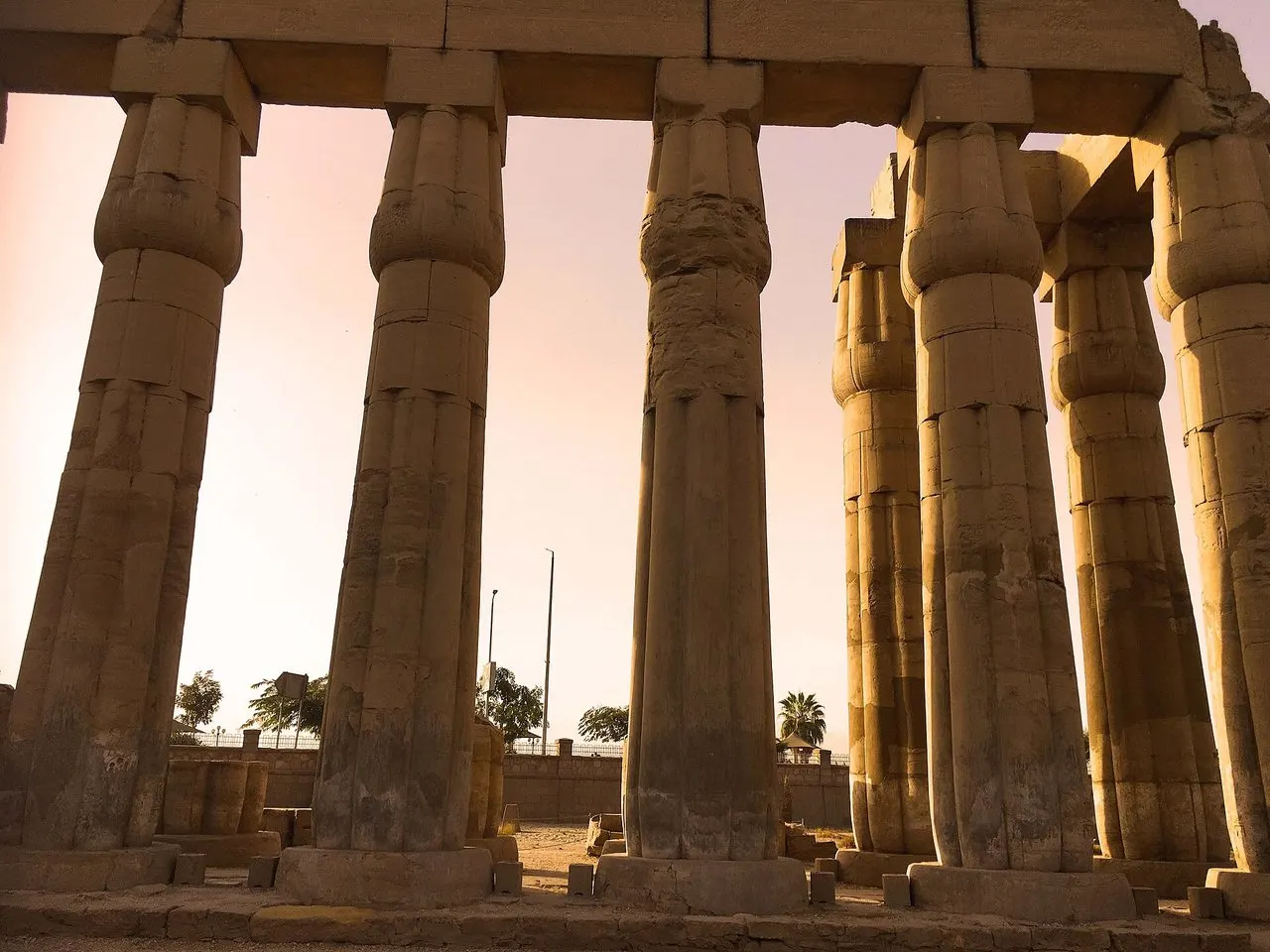
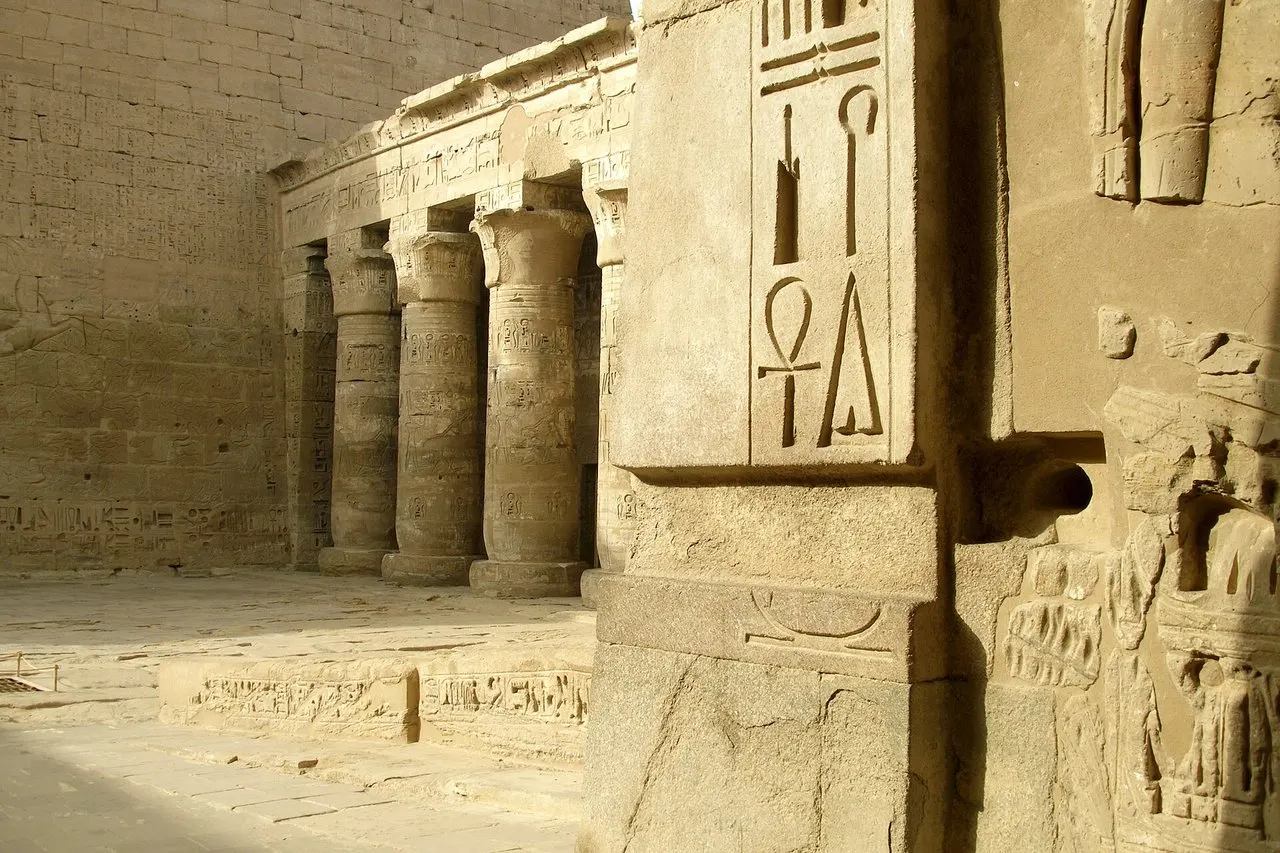
Upper Egypt, the southern part of the country, holds temple after temple. Luxor, Dendera, Edfu and Abydos each tell part of the same story. Their walls record kings, gods, festivals and wars in stone. A visitor who sees them together starts to read the pattern. The helicopter carving stops looking like a lone mystery and starts looking like one small accident in a very large book. Read about Trump’s 15-hour flight from China.
Books, Museums and the Story Today
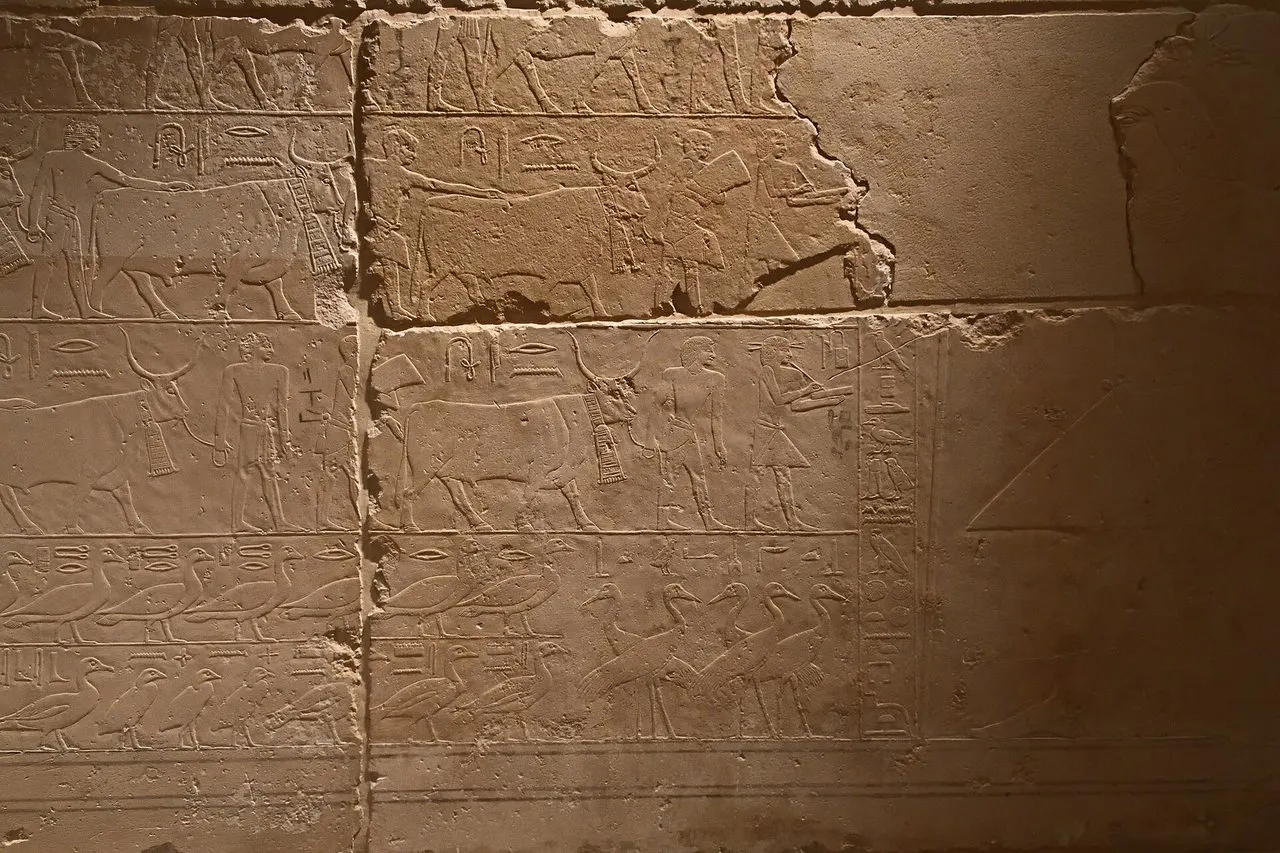
Today the story lives in books, museums and websites. The Ancient Origins article asks plainly whether there is a helicopter carved at Abydos, and the Egypt Museum walks readers through the palimpsest step by step. Atlas Obscura lists the carving among the strange sights of the region. Each source reaches the same end. The carving is real, the machines are not, and the wonder is in how the mistake happened. Read John Travolta’s dream of playing a Bond villain.
Why the Abydos Helicopter Still Matters
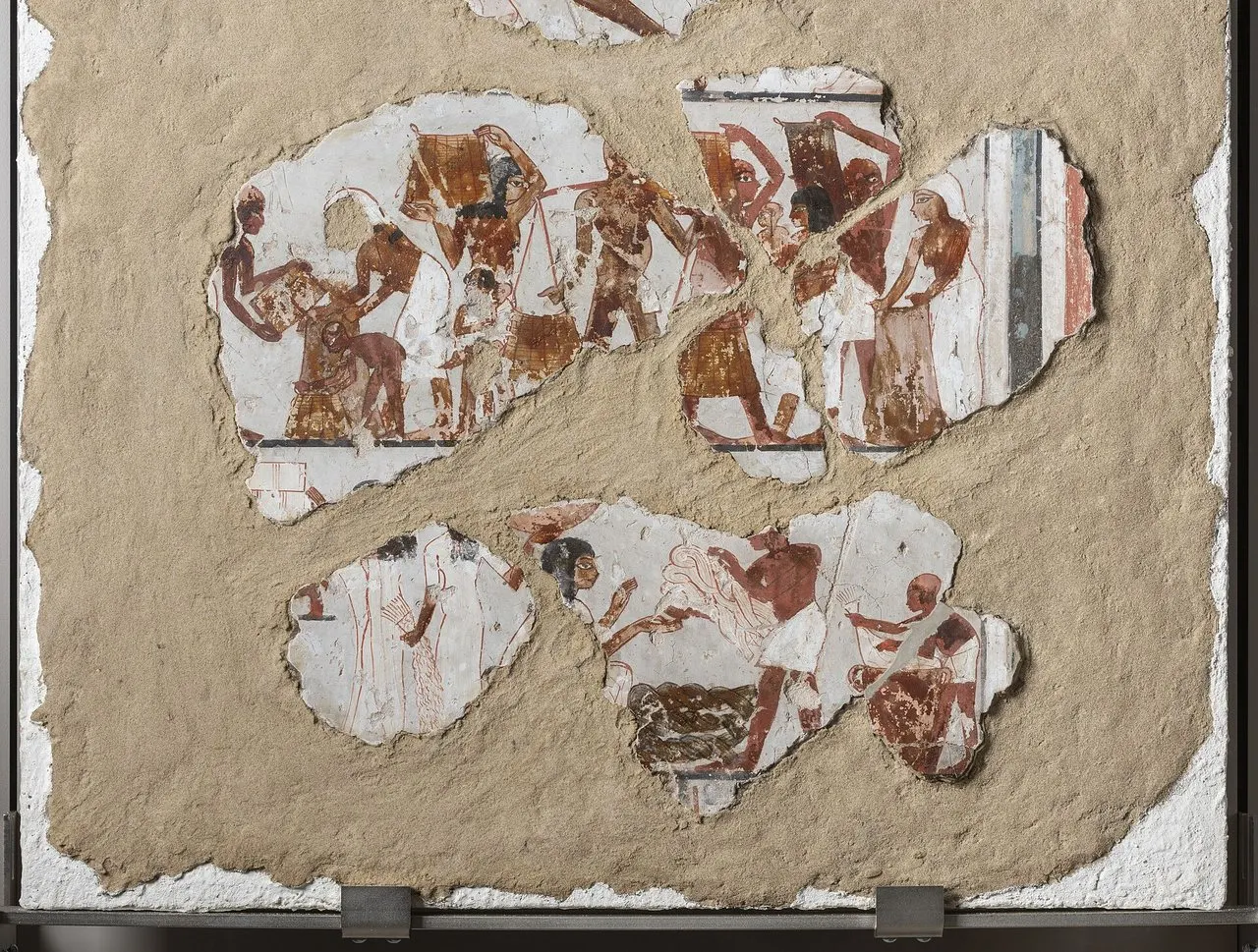
The carving matters because it shows how we see the past. We bring our own world with us, and we find helicopters in stone because helicopters fill our skies. The Egyptians brought their own world too, and they carved kings and gods. Both views are human. The beam at Abydos holds them together in one small patch of stone, and that is why people keep coming back to look. Read about a young man who chose assisted dying on his birthday.
What Do You Think the Abydos Helicopter Really Is?
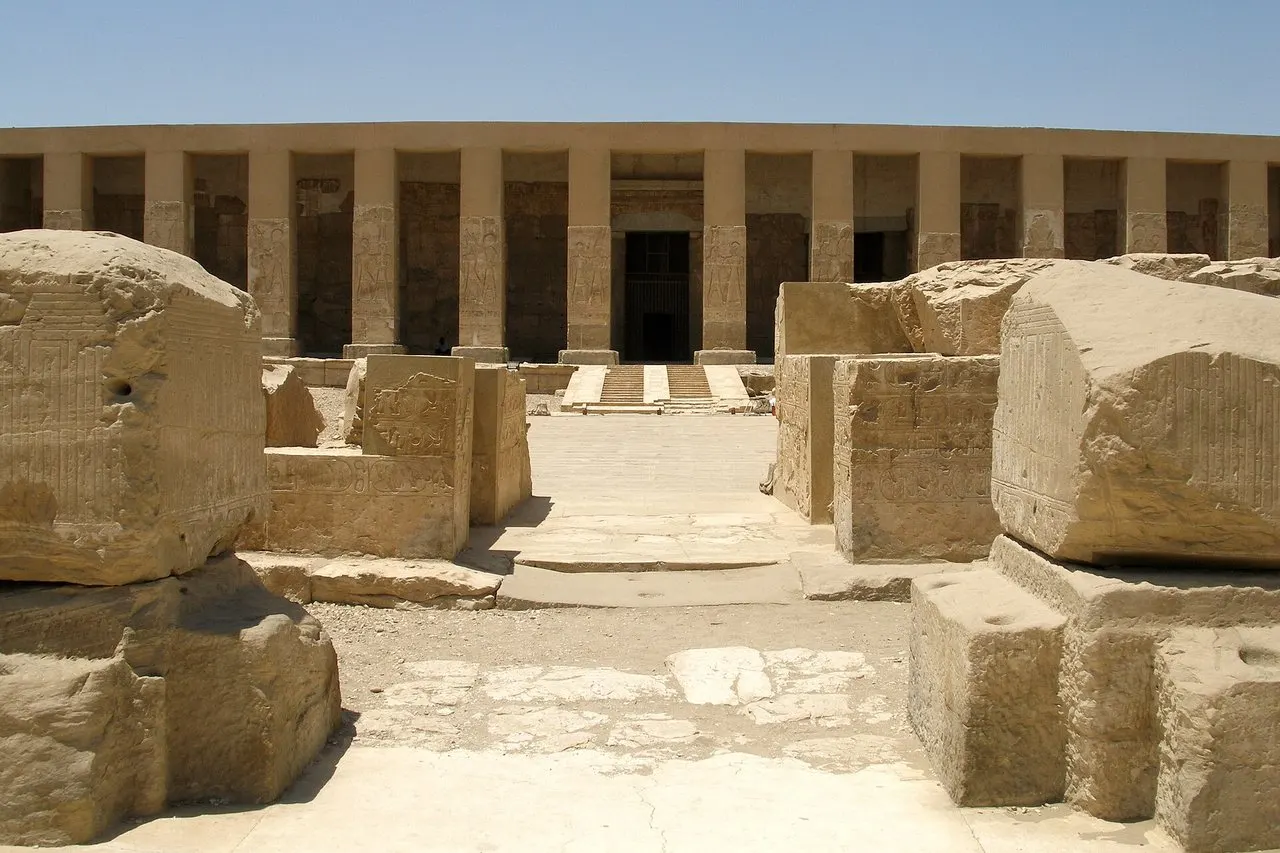
So what do you think? Did the Egyptians see machines in the sky and carve what they saw, or did two layers of royal titles simply fall together into a shape our eyes love? The stone will not answer, but the debate is part of the fun. Tell us in the comments what you see when you look at the carving, and share the article with someone who loves a good mystery. Read Zelensky’s silent shrug in Berlin before you decide.