
Proxy Voting Ruled Unconstitutional in a 9 to 8 Decision

Proxy voting from the Covid era broke the Constitution, the Fifth Circuit Court of Appeals ruled on Friday in a close 9 to 8 vote. The court said the system Nancy Pelosi put in place during the pandemic violated the Quorum Clause, the part of the Constitution that says a majority of the House must be present to do business. The ruling focused on the December 2022 vote on the 1.7 trillion dollar spending package, when 226 members recorded their presence and their vote by proxy. Judge Cory Wilson wrote for the majority that proxy presence does not count.
The House held its first proxy vote since 1789 on May 27, 2020, and 71 Democrats voted by proxy in that first vote. The decision also blocks enforcement of the Pregnant Workers Fairness Act in Texas, a law that protects pregnant workers on the job. The post also noted that one Maryland Democrat voted seven times on legislation in districts he did not even represent. In the slides ahead we look at the ruling. For more on Washington, read the House vote that made Hakeem Jeffries speaker.
References:
New York Post: Nancy Pelosi’s proxy voting scheme backfires in court ruling against pregnant workers
Capitalism Institute: Court Rules 1.7T Biden Funding Bill Unconstitutional
Capitalism Institute: Fifth Circuit Strikes Down Pelosi Proxy Voting as Unconstitutional
Daily Conservative: Fifth Circuit blocks pregnant workers law over Pelosi-era proxy votes
Proxy Voting Falls in a 9 to 8 Fifth Circuit Vote

The Fifth Circuit Court of Appeals voted 9 to 8 on Friday that the system Nancy Pelosi put in place during Covid violated the Quorum Clause of the Constitution. Eight judges disagreed, which shows how close the question was. The court sits in New Orleans and hears federal cases from Texas, Louisiana, and Mississippi. Its ruling now shapes how the House can meet and vote in a crisis. You can also read the second judge who blocked the triumphal arch plan.
Proxy Voting and the Quorum Clause
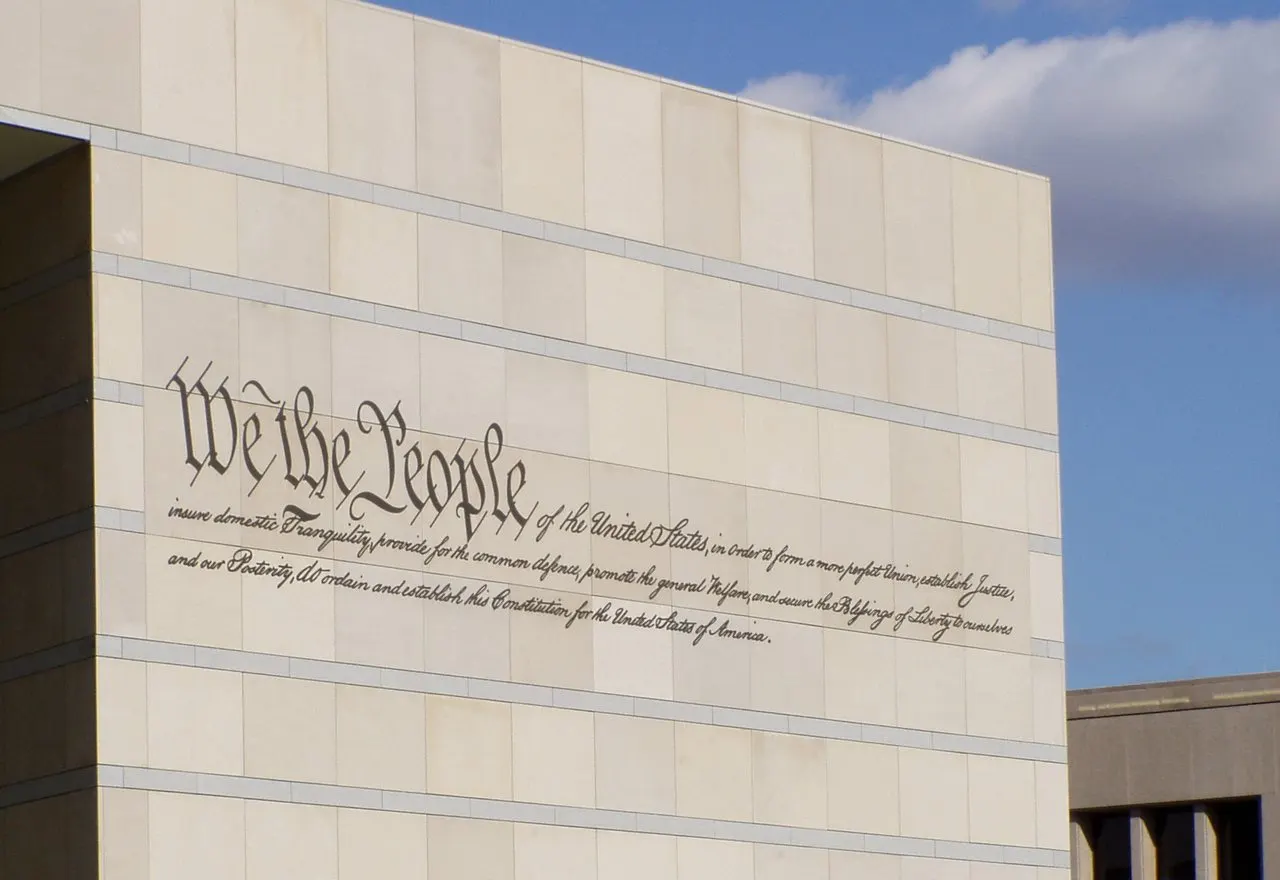
The Quorum Clause sits in Article One, Section Five of the Constitution. It says a majority of each house shall constitute a quorum to do business. In plain words, the House needs more than half of its 435 members present before it can pass laws. The Fifth Circuit said presence means being there in person, not on paper or by phone. That reading is now the law for the states the court covers, unless a higher court says otherwise. Related coverage includes the auction of Pacific seabed near American Samoa.
The First Proxy Vote Since 1789
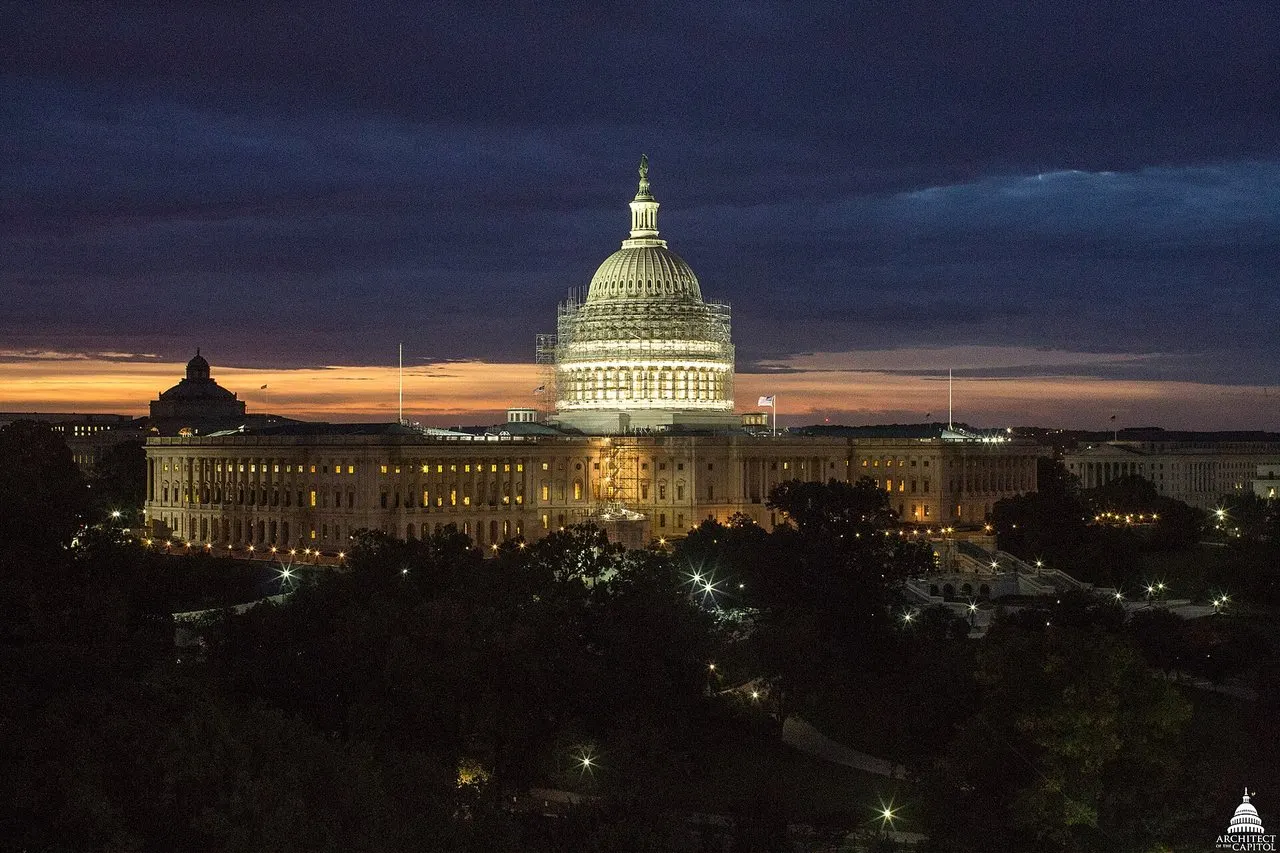
The House held its first proxy vote since 1789 on May 27, 2020, under a new party line rule. In that first vote, 71 Democrats voted by proxy. The House had met in person for more than two centuries. The rule let a member ask a colleague on the floor to cast a vote for them. It was a short term answer to a health crisis, but it stayed for years. See our reports on the Texas governor-elect who vowed to end cooperation with ICE for more.
Nancy Pelosi Built the Proxy Voting System

Nancy Pelosi was Speaker of the House when the pandemic hit, and she backed the rule that let members vote from home. As Speaker, she set the terms for how the House would meet while Covid spread. Her plan let one member on the floor carry the votes of up to ten absent colleagues. Supporters said it kept the House working and kept older members safe. Critics said it broke the plain words of the Constitution. For more on Washington, read the Virginia judge who halted the arch project.
Inside the House Chamber
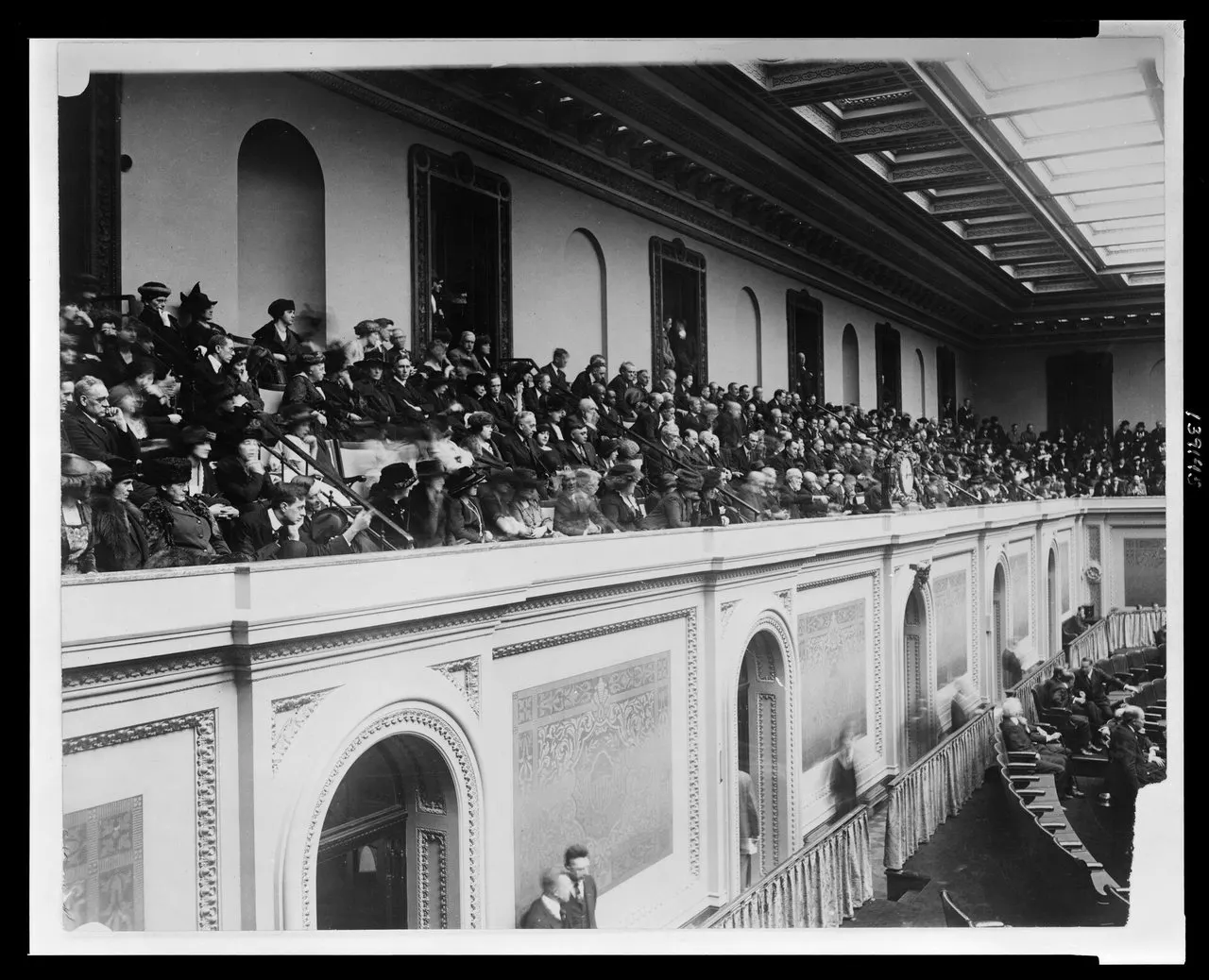
The House chamber is where 435 members gather to debate and vote on laws. Under normal rules, members walk to the floor, state their names, and cast their votes in person. The room has rows of seats, desks, and a podium where the Speaker sits. Visitors watch from the gallery above. During the pandemic, the chamber looked very different, with far fewer members in their seats and many votes cast by colleagues standing in for them. You can also read the Argentine court sentence in the Barracas fire case.
Judge Cory Wilson Says Proxy Voting Does Not Count

Judge Cory Wilson wrote the majority opinion for the Fifth Circuit. He said that proxy presence does not count toward a quorum, and that a member must be physically present for the House to do business. Wilson was named to the court in 2020 and sits in Mississippi. His opinion looked closely at the words of the Constitution and at how the House had met for more than 200 years. The majority agreed with him by a single vote. Related coverage includes the viral moment at the Pentagon 9/11 ceremony.
What the Pregnant Workers Fairness Act Does

The Pregnant Workers Fairness Act is a federal law that requires employers to give reasonable help to pregnant workers. That help can mean extra breaks, a chair, or time off. Congress passed the law with broad support from both parties. It was meant to keep pregnant workers safe and employed. The Fifth Circuit ruling blocks enforcement of the law in Texas, which means workers there cannot rely on it for now. See our reports on the Ohio bill that would have ended child marriage for more.
One Maryland Democrat and Seven Votes

The original post noted that one Maryland Democrat voted seven times on legislation in districts he did not even represent. The post did not name the member, and no name was given in the references. The claim points to a worry critics raised from the start, that a system built on trust could be open to abuse. Seven such votes would break the basic idea that each member speaks only for the people who elected them. For more on Washington, read Sanders’ reply to Musk on midterm spending.
How Proxy Voting Worked in the House
Under the rule, a member who stayed home could sign a letter naming a colleague to vote for them. The colleague on the floor would then cast the absent member’s vote too. One member could carry the votes of up to ten others. The House kept a record of each proxy vote. The system let the House pass bills while many members stayed away, but the chamber was often far from full. You can also read the bill that would stop pay for senators in a shutdown.
May 27, 2020: A First Since 1789
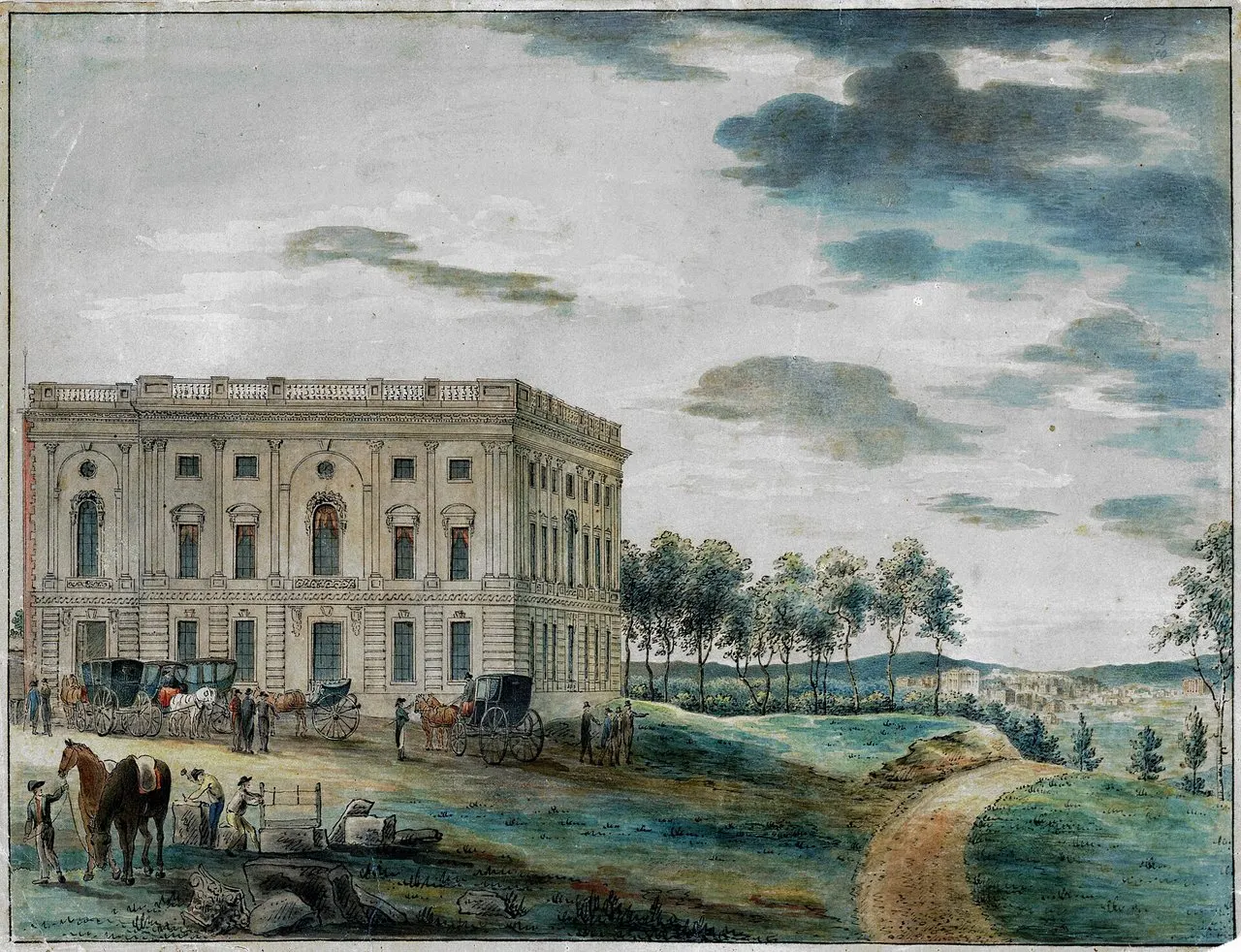
May 27, 2020 was the day the House held its first proxy vote since Congress first met in 1789. That is a span of 231 years in which every House vote was cast in person. The date fell in the first months of the pandemic, when travel was hard and large gatherings were risky. In that first vote, 71 Democrats voted by proxy. The moment marked a break with centuries of practice, and it set up the court fight that followed years later. Related coverage includes how the House picked its first Black speaker.
The 1.7 Trillion Dollar Bill and Proxy Voting

The ruling focused on the December 2022 vote on the 1.7 trillion dollar spending package. The bill funded the federal government and carried money for many programs across the country. When the House voted on it, 226 members recorded their presence and their vote by proxy. That left fewer than a majority physically in the chamber. The court said a spending bill passed that way cannot stand under the Quorum Clause. See our reports on the ruling that called the arch plan a rushed job for more.
New Orleans: Home of the Fifth Circuit

The Fifth Circuit is based in New Orleans, Louisiana, a city known for its music, food, and history on the Mississippi River. The court hears appeals from federal trial courts in Texas, Louisiana, and Mississippi. Its judges sit in panels, and big questions can go before all of the court’s active judges at once. That full court vote is what happened here, with 17 judges taking part and the result turning on a single vote. For more on Washington, read the sale a judge had ruled unlawful.
Texas and the Law That Was Blocked
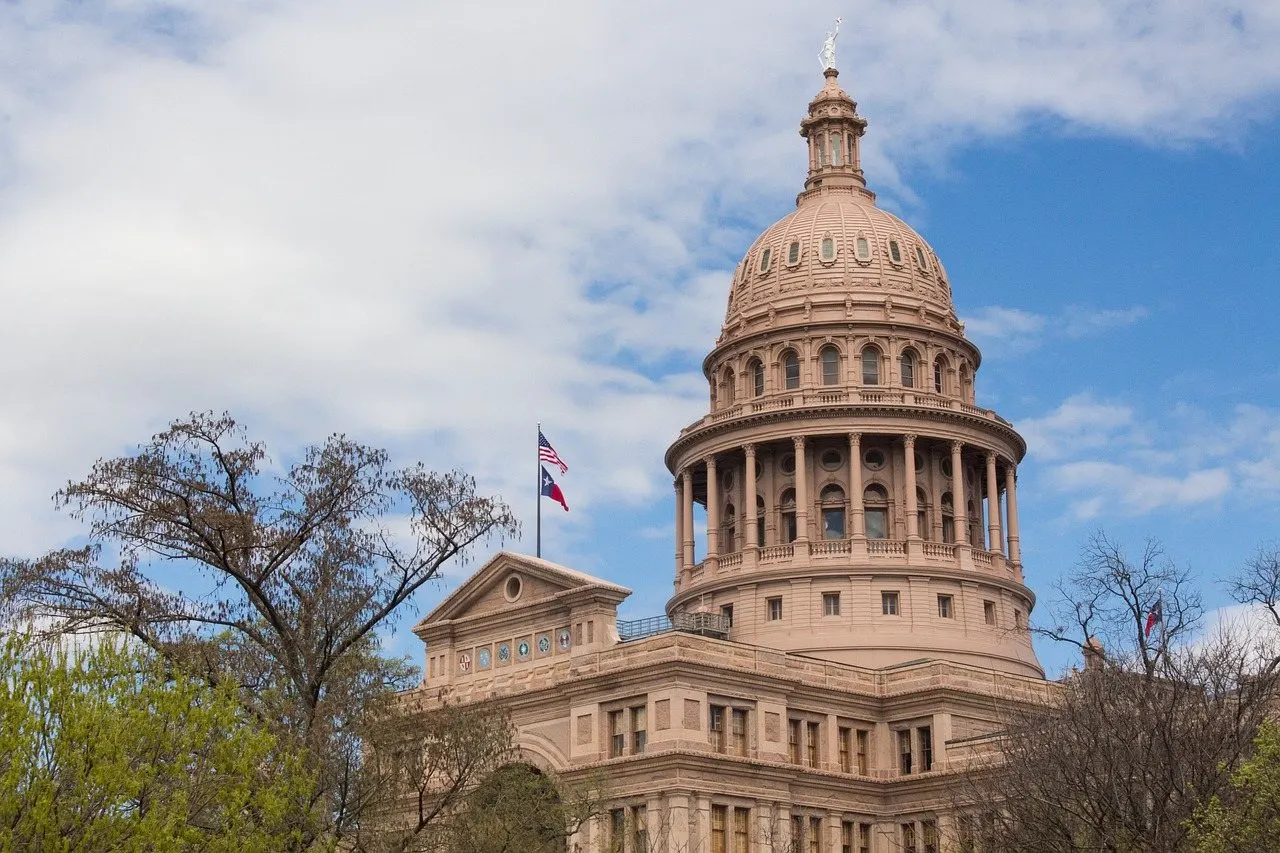
Texas is one of the three states covered by the Fifth Circuit, along with Louisiana and Mississippi. The ruling blocks enforcement of the Pregnant Workers Fairness Act in Texas. That means the law cannot be enforced in the state while the ruling stands. Pregnant workers in Texas must now look to state law and other federal rules for help. The Texas link is why the case landed in the Fifth Circuit in the first place. You can also read the Texas decision on state cooperation with ICE.
226 Members Used Proxy Voting in December 2022
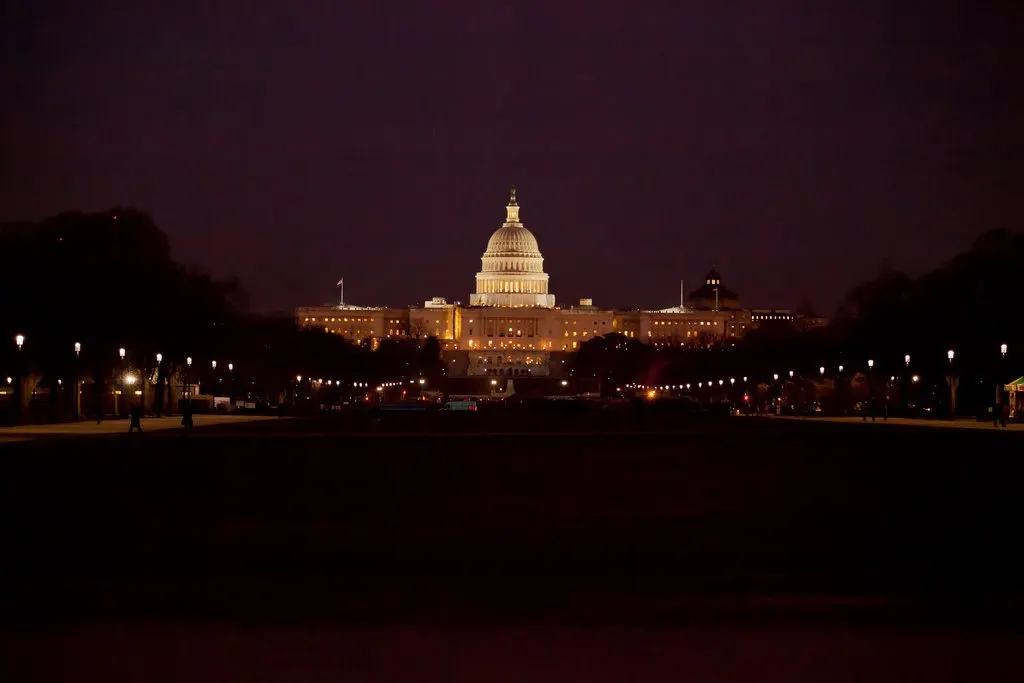
In December 2022, the House voted on the 1.7 trillion dollar spending package. On that day, 226 members recorded their presence and their vote by proxy, which was more than half of the House. Fewer than a majority were physically in the chamber. The House has 435 members, so a quorum needs at least 218 present. The Fifth Circuit said those 226 remote votes could not count toward that number, and the bill’s passage was called into question. Related coverage includes the injunction against the triumphal arch.
Protections for Pregnant Workers

Pregnant workers often need small changes to keep doing their jobs safely. A worker might need more water, a place to sit, or a break to rest. The Pregnant Workers Fairness Act was written to require those kinds of reasonable changes. Before the law, many pregnant workers had to choose between their health and their pay. The Fifth Circuit ruling does not repeal the law, but it stops the law from being enforced in Texas. See our reports on the life sentence for the fire that took three lives for more.
Proxy Voting Left Fewer Than a Majority Present
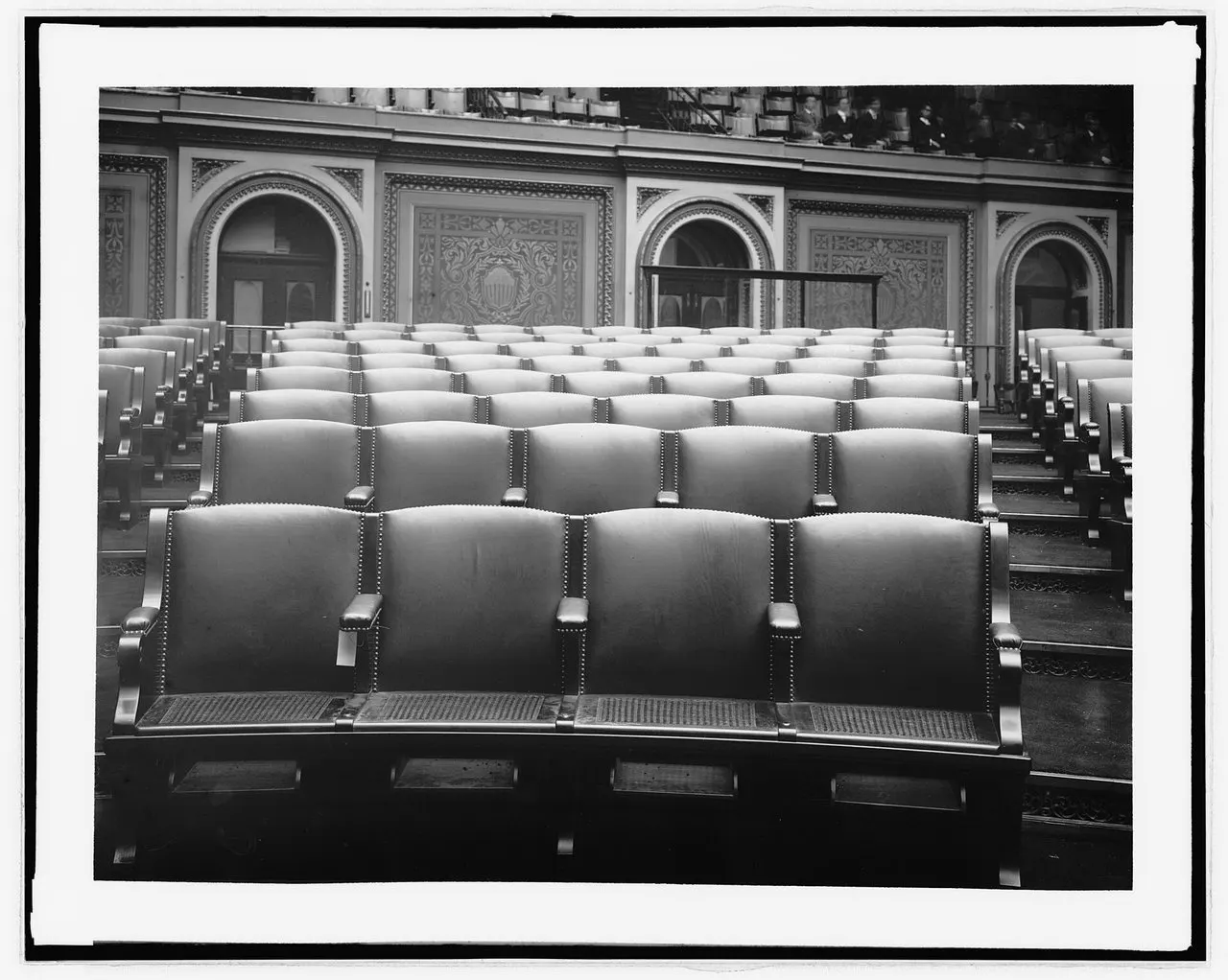
A quorum is the smallest number of members who must be present for the House to act. For the House, that number is 218 out of 435. On the December 2022 vote, fewer than a majority were physically in the chamber, because 226 members voted by proxy. The court said that gap matters. If remote votes do not count, then the House was not truly in session to pass the bill. For more on Washington, read the post that compared a ceremony moment to a nursing home scene.
Pelosi at the Podium
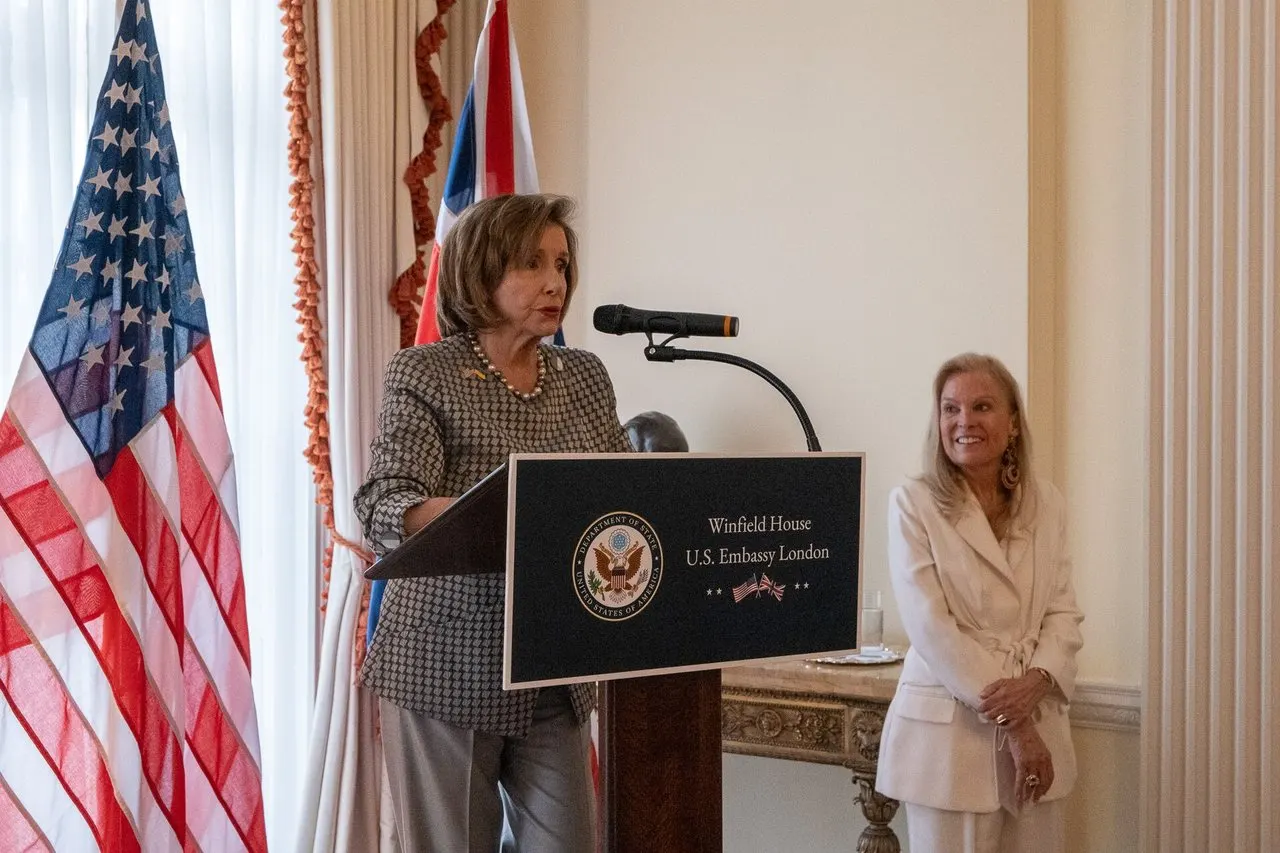
Nancy Pelosi led the House as Speaker during the pandemic years. She spoke often from the podium about the need to keep Congress working while the virus spread. Her party held the majority, and the proxy rule passed on a party line vote. Pelosi said the rule protected members and staff. Her critics said the Speaker was changing the Constitution by rule, and that only an amendment could allow voting from home. You can also read the stalled vote in the Ohio Senate.
The Constitution and the Rules of the House
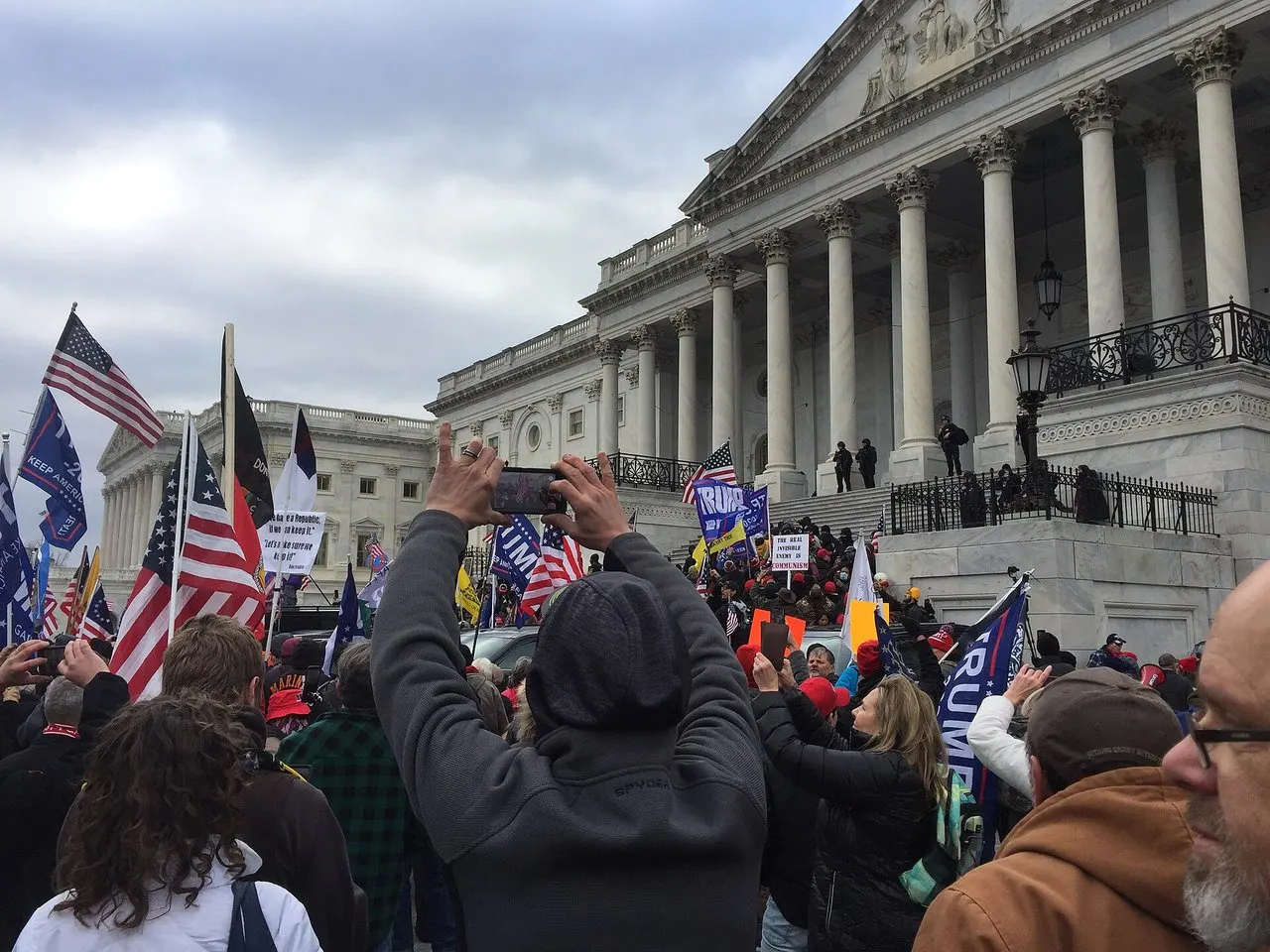
The House writes its own rules for how it meets and votes. Those rules cover debate time, committees, and the order of business. But the court said House rules cannot override the Constitution. The Quorum Clause sets a floor that no rule can lower. That is why the judges looked past the rule itself and asked what the Constitution requires. Their answer was that presence means being in the room, not sending a vote by letter. Related coverage includes the clash over 450 million dollars in midterm spending.
What the Quorum Clause Says About Proxy Voting
The Quorum Clause is short, but its words carry weight. It says a majority of each house shall constitute a quorum to do business. The Fifth Circuit read those words to mean real, physical presence in the chamber. A letter naming another member to vote for you does not put you in the room, the majority said. The eight judges who disagreed read the same words and reached the other view, which is why the case may not be over yet. See our reports on Senator Kennedy’s shutdown pay bill for more.
Counting the Votes on the Big Bill
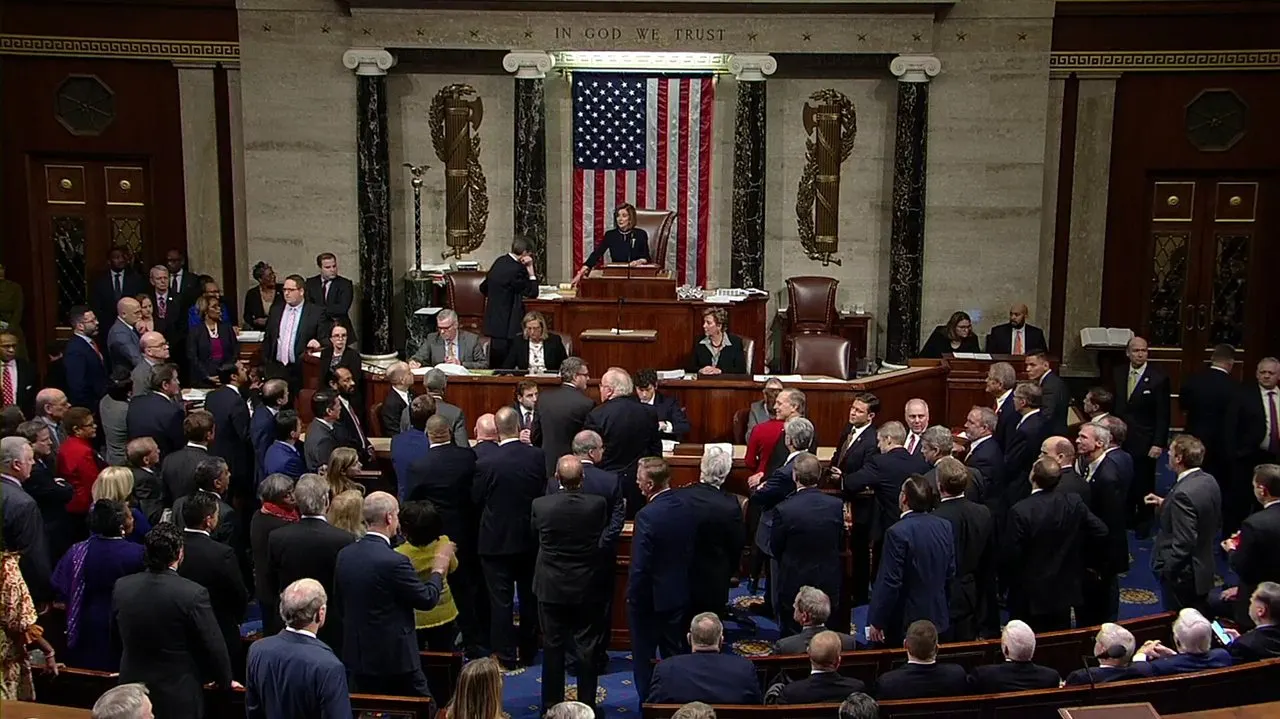
When the House votes, the tally board shows each member’s name and how they voted. On the December 2022 spending bill, the board showed 226 members voting by proxy. That number is more than half the House. The court said those votes could not count toward a quorum, even though members had signed letters asking colleagues to vote for them. The count was not in doubt. What was in doubt was whether those names could count as present. For more on Washington, read the speaker vote that put Trump on notice.
Covid Pushed the House Toward Proxy Voting

Covid changed daily life across America in 2020, and Congress was no exception. Travel was risky, older members faced higher danger, and large indoor gatherings were discouraged. The House needed a way to keep passing laws while members stayed home. The proxy rule was the answer Pelosi and her party chose. It let the House work through the worst months of the pandemic, but it also raised a question that took years to reach a final court ruling. You can also read the second court order against the arch.
The Courts Above the Fifth Circuit
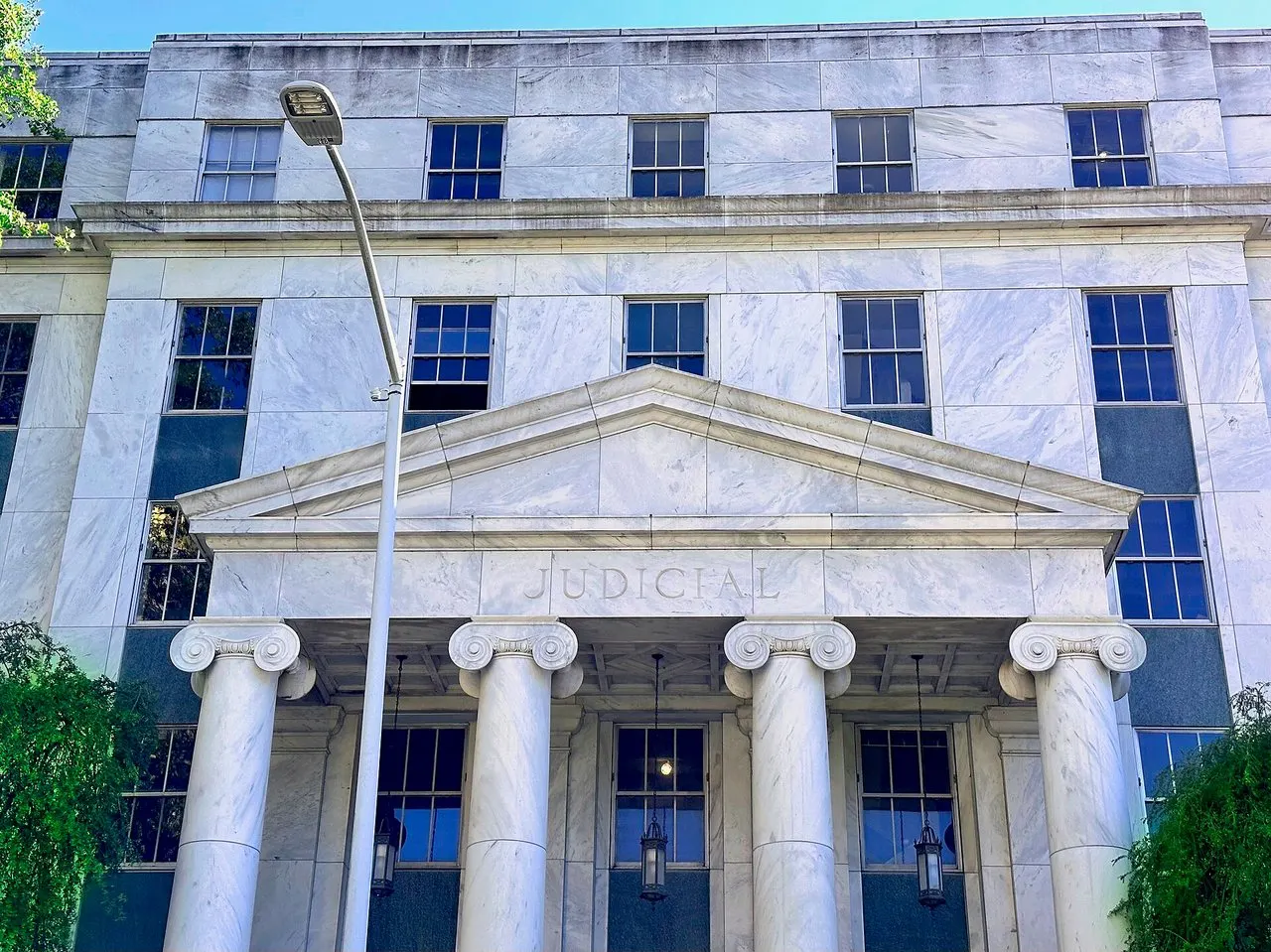
The Fifth Circuit is one of 13 federal appeals courts in the country. Above it sits only the Supreme Court, which can choose to hear the case if one side asks. The 9 to 8 split shows that judges can read the same Constitution in different ways. A Supreme Court review would settle the question for the whole country. Until then, the Fifth Circuit ruling governs Texas, Louisiana, and Mississippi, and other courts may look to it for guidance. Related coverage includes the seabed sale near American Samoa.
What 1.7 Trillion Dollars Covers

A spending package of 1.7 trillion dollars funds nearly the whole federal government. It pays for defense, health programs, roads, schools, and aid to states. Congress passes such a package each year to keep agencies open. The December 2022 bill was one of the largest ever passed. The court ruling raises questions about the bill, but the government kept running while the case moved through the courts. See our reports on Gina Hinojosa’s vow on ICE cooperation for more.
The Scales of Justice and a Close Vote

A 9 to 8 vote is as close as a court decision can get. With 17 judges taking part, a single judge switching sides would have changed the result. Close votes show that the law is not always clear, even to the judges who read it every day. Both sides wrote opinions, and both sides pointed to the same words in the Constitution. The split shows the question was hard, and the debate is likely to continue. For more on Washington, read the first ruling on the arch project.
The House in 1789 and the House Today

When Congress first met in 1789, members traveled for days by horse and carriage to reach the capital. They voted in person because there was no other way. The House kept that practice for more than two centuries, through wars, epidemics, and great change. The proxy rule of 2020 was the first break with that long habit. The Fifth Circuit said the break went too far, and that the old practice was not just custom but a command of the Constitution. You can also read the verdict in the Barracas fire trial.
Pelosi Closes the 117th Congress After the Proxy Voting Fight
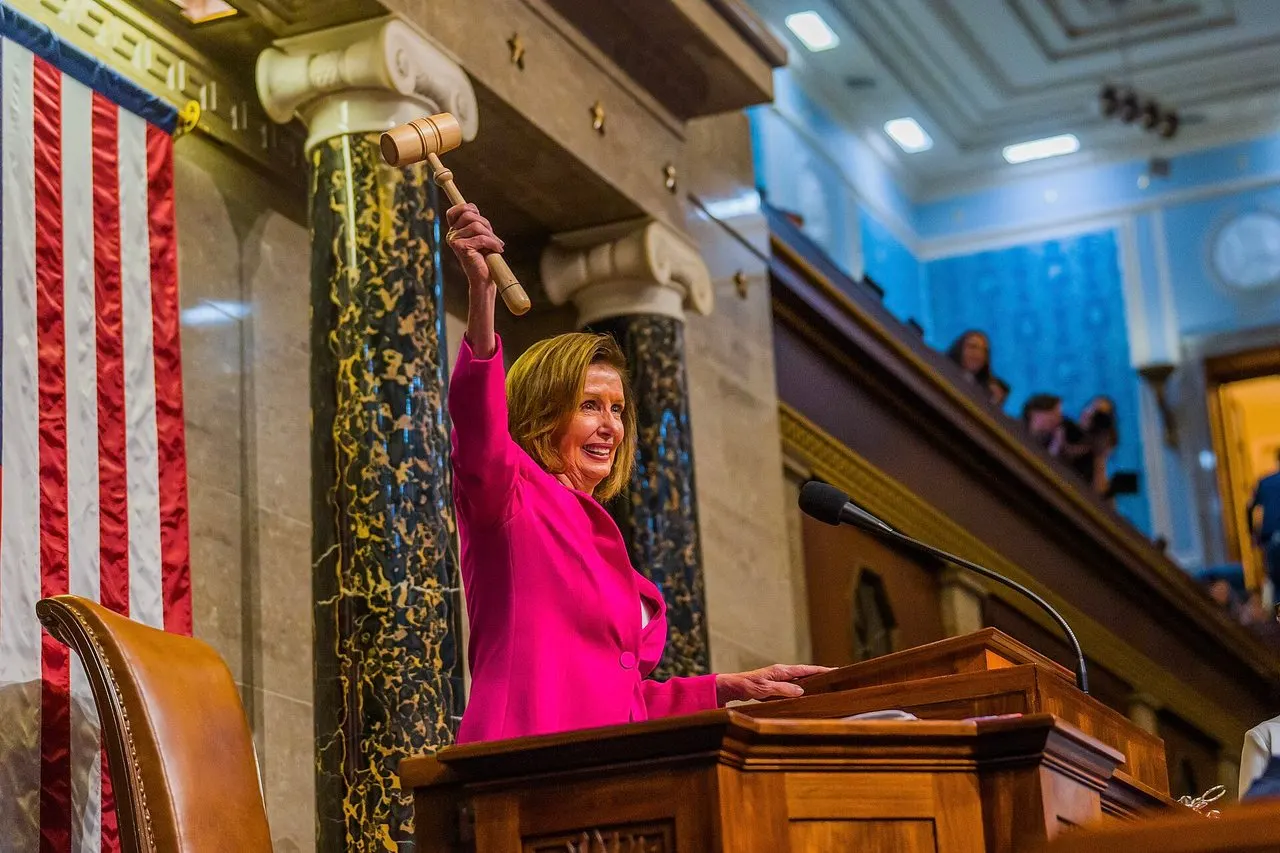
Nancy Pelosi wrapped up the 117th Congress at the end of 2022, closing the session in which the proxy rule had been used most. By then, the House had held hundreds of votes with members voting by proxy. The December spending bill was among the last big votes of that Congress. Pelosi left the Speaker’s chair soon after, but the court case over her rule carried on. The ruling now stands as a verdict on that whole period. Related coverage includes Trump appearing to doze off at the Pentagon.
Texas Workers and the Blocked Law
In Texas, the ruling has a direct effect on pregnant workers. The Pregnant Workers Fairness Act cannot be enforced there while the decision stands. That leaves workers to rely on other laws, such as disability law and Texas state rules. Employers in Texas still face those other duties, but the newest federal protection is on hold. The case shows how a fight over House rules can reach into the daily lives of workers far from Washington. See our reports on the Ohio Republicans who rejected the bill for more.
What Happens Next for the Ruling
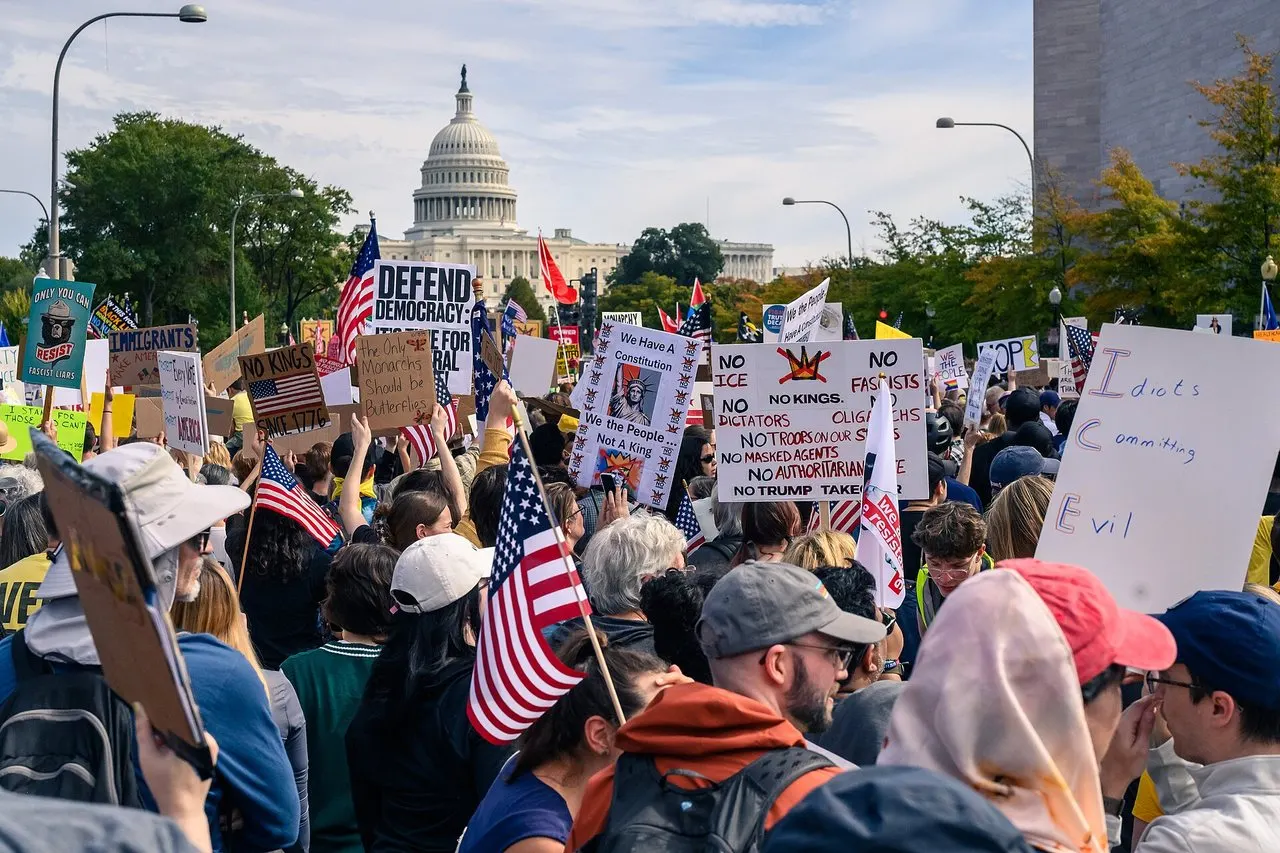
The losing side can ask the Supreme Court to hear the case. The court takes only a small share of the cases it is asked to review, but a split over the Constitution draws its eye. Congress could also change its rules, though the ruling says no rule can allow what the Constitution forbids. For now, the House must meet in person to reach a quorum. The next test may come when a crisis keeps members away from the Capitol. For more on Washington, read the Sanders warning about billionaire spending.
What Do You Think of the Decision?

The Fifth Circuit has spoken, but the debate over remote voting is far from over. Some will say the Constitution is clear and the court got it right. Others will say the House needs room to work in a crisis. What do you think? Should members have to be in the room to vote, or should the House be free to adapt when travel is unsafe? Share your view in the comments. You can also read the rule that passed the Senate on shutdown pay.