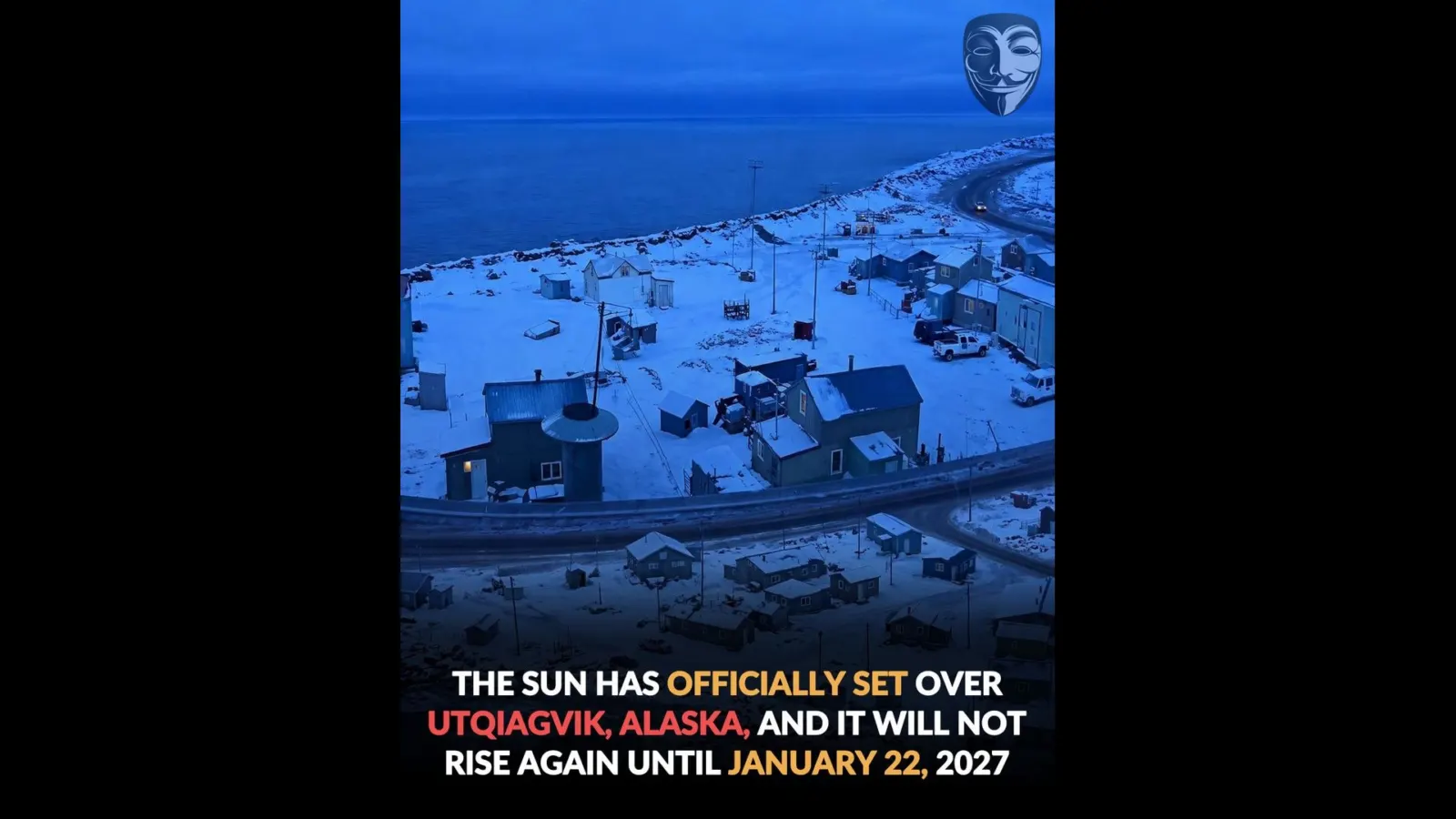
Utqiagvik Polar Night Has Begun
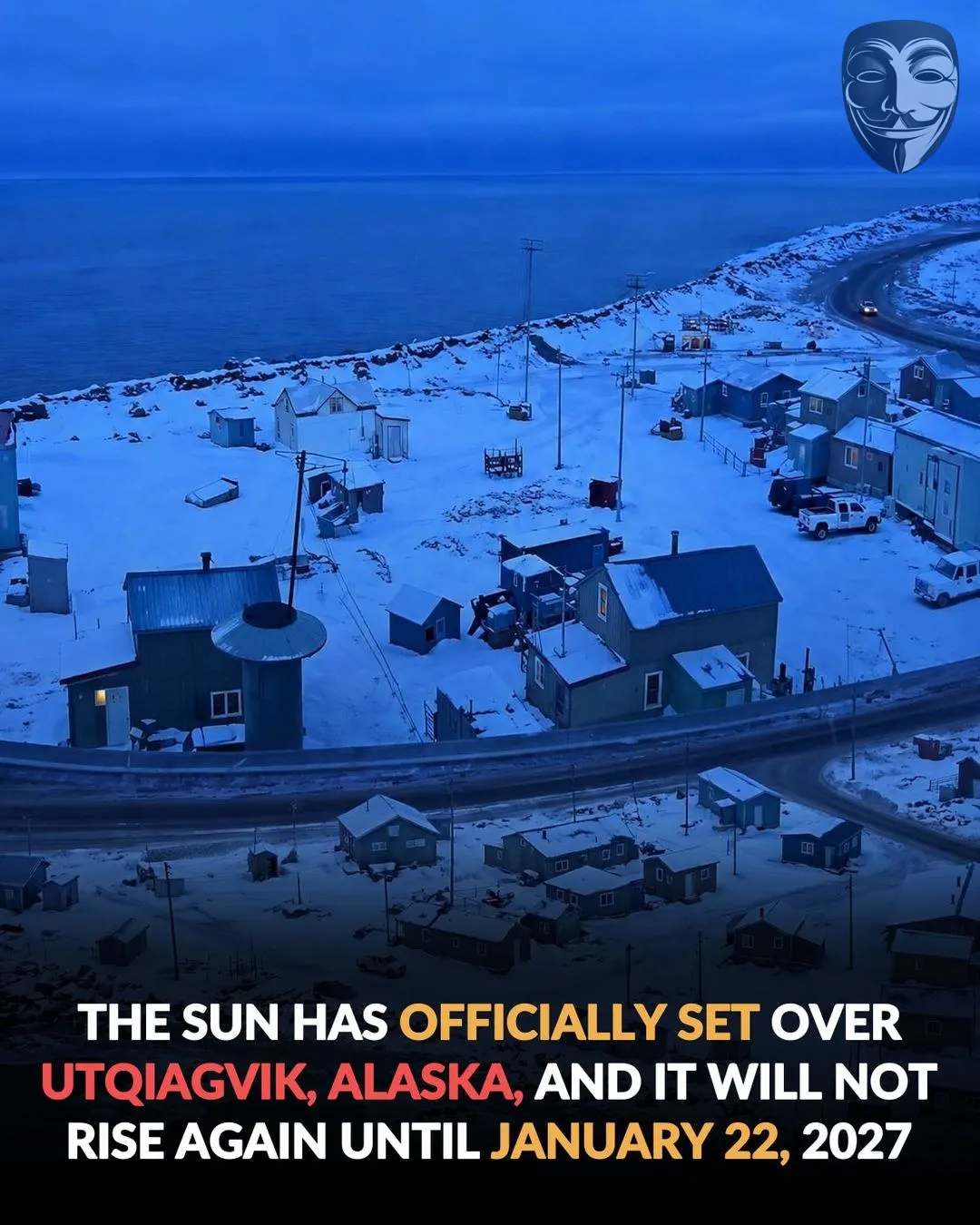
Utqiagvik polar night has begun in the northernmost city in the United States, and the Sun will not rise again until January 22, 2027. The last sunset came on November 18, and now about 65 days stretch ahead for the people of this small Arctic town. Families watched the Sun dip below the horizon and knew they would not see it again for more than two months. The sky will still glow at midday, but the bright Sun itself is gone until late January.
In the slides ahead we look at the last sunset, the Arctic Circle, the tilt of the Earth, the soft twilight that still lights the midday sky, and the midnight sun that returns each summer. The town sits above the Arctic Circle, where the 23.4-degree tilt of the Earth turns the region away from the Sun through the winter months. For more about the night sky, read our report on a golden supermoon over snowy mountains and our story about the longest flight in Air Force One history.
References:
Travel Your Way: The Sun Sets for the Last Time in Utqiagvik, Alaska, Plunging America’s Northernmost Town Into 65 Days of Polar Night Before the Sun Climbs Back Above the Horizon
Frame and Share: A Town Without Sunrise: The Fascinating Winter Phenomenon in Arctic Alaska
Fact Net: Alaska town Utqiagvik begins 65-day polar night after final sunset of 2026
News Pop: 65 Days Without A Sunrise: This Alaskan City Will Remain In Polar Night Until January 22
The Last Sunset on November 18
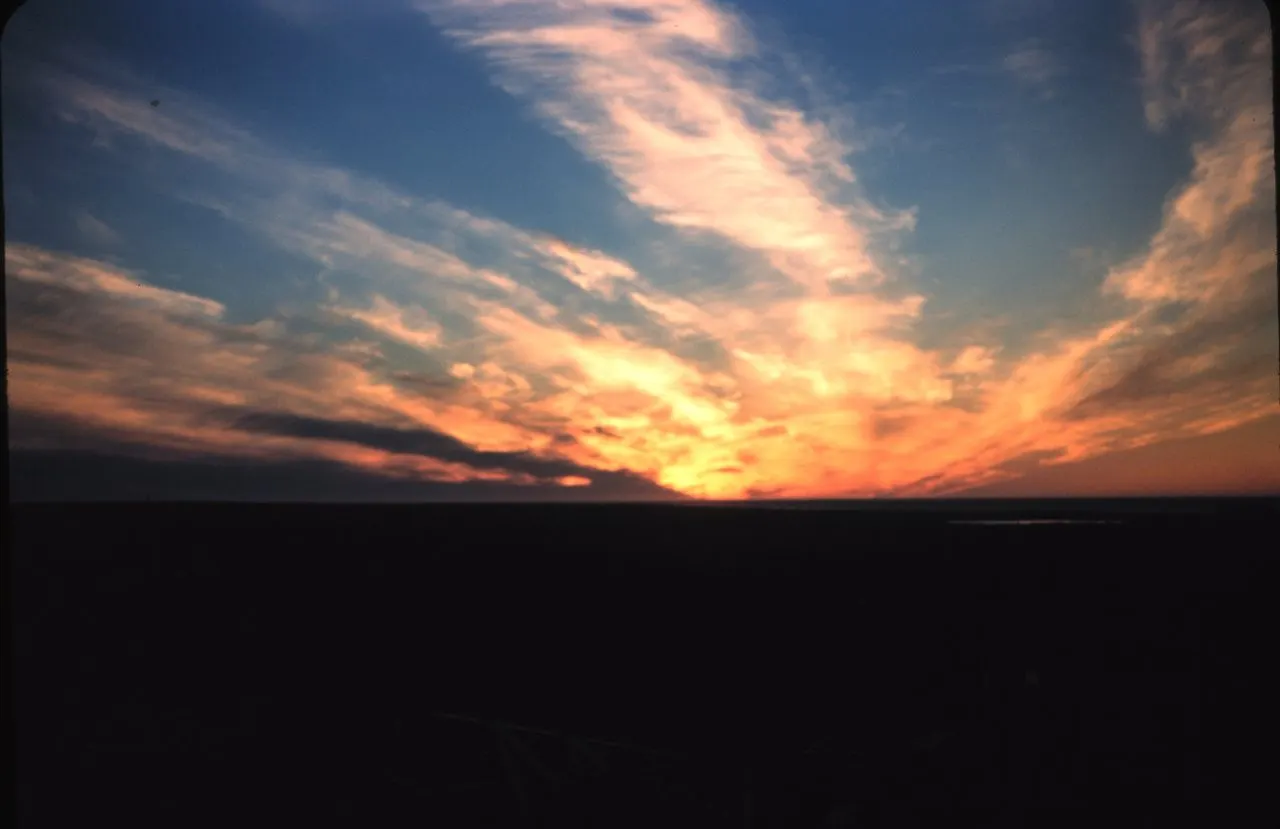
The last sunset of the year came on November 18, when the Sun slipped below the horizon over Utqiagvik and did not come back. People gathered to watch the low golden light fade into shades of pink and orange above the snow and the sea ice. It was a quiet moment, and many residents took photos to remember the final glow. The town will now wait about 65 days for the next sunrise. You can read about another bright night sky in a golden supermoon over snowy mountains and about the longest flight in Air Force One history.
America’s Northernmost Town
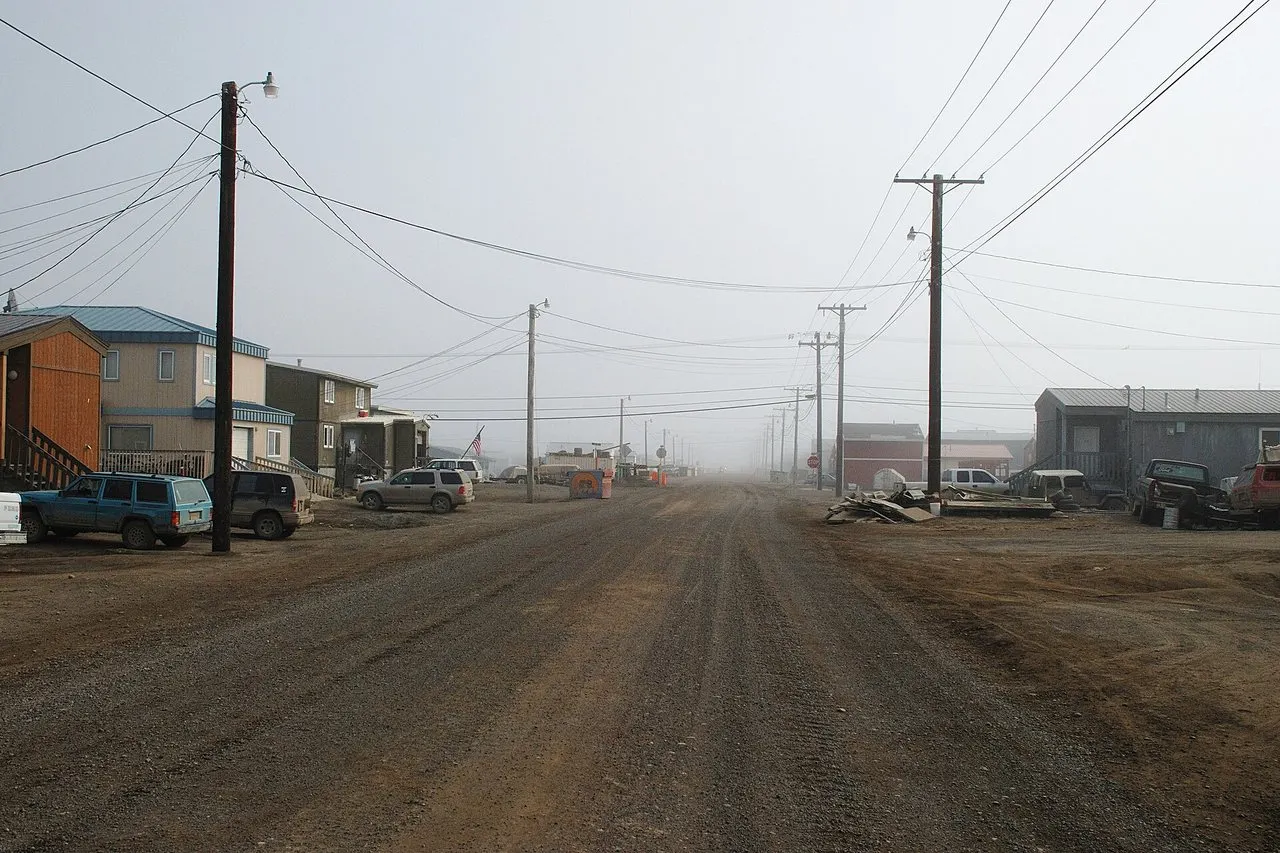
Utqiagvik is the northernmost city in the United States, a small town on the Arctic coast of Alaska. It sits on flat tundra beside the Arctic Ocean, far from the nearest big city, and most supplies arrive by air or by sea in the summer months. The town was long known as Barrow, and many residents still use that name today. Life here follows the seasons of light and dark in a way few other American towns ever know. Read about a robot that may one day wash the dishes.
Life Above the Arctic Circle
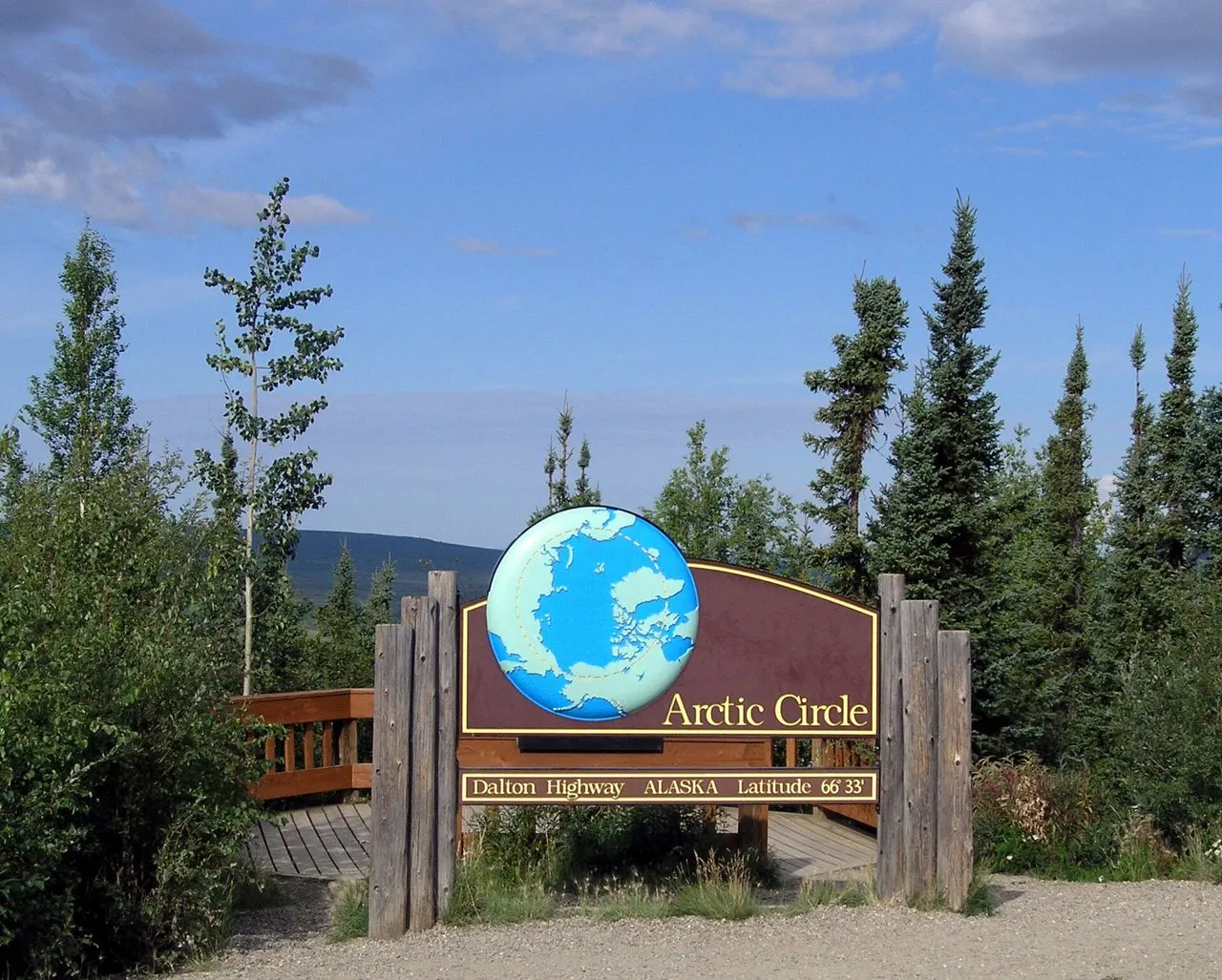
Utqiagvik sits above the Arctic Circle, the line on the map that marks the far north. Places above this line see days when the Sun never rises in winter and days when it never sets in summer. The Arctic Circle runs through Alaska, Canada, and northern Europe, and towns along it share the same long nights and long days. Travelers often stop to take a photo beside the road signs that mark the crossing. For more on faraway places, read an auction of Pacific seabed near American Samoa.
The Tilt That Brings the Utqiagvik Polar Night
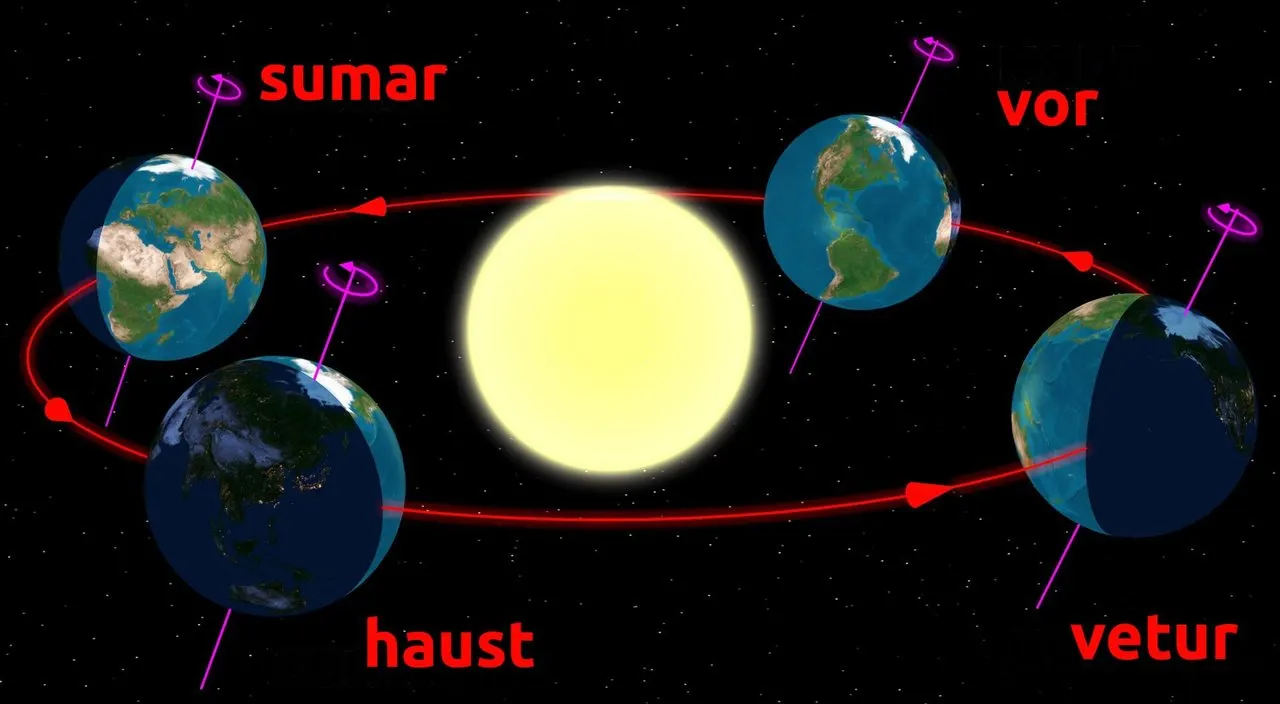
The polar night happens because the Earth leans on its axis by about 23.4 degrees as it travels around the Sun. In winter, that lean turns the far north away from the Sun, so its light cannot reach over the top of the planet. The Sun stays below the horizon even at noon. In summer the same lean turns the north toward the Sun, which brings the long bright days. It is a simple motion with a huge effect on daily life. Read the Thanksgiving turkeys spared by the White House.
Winter Nights in Alaska
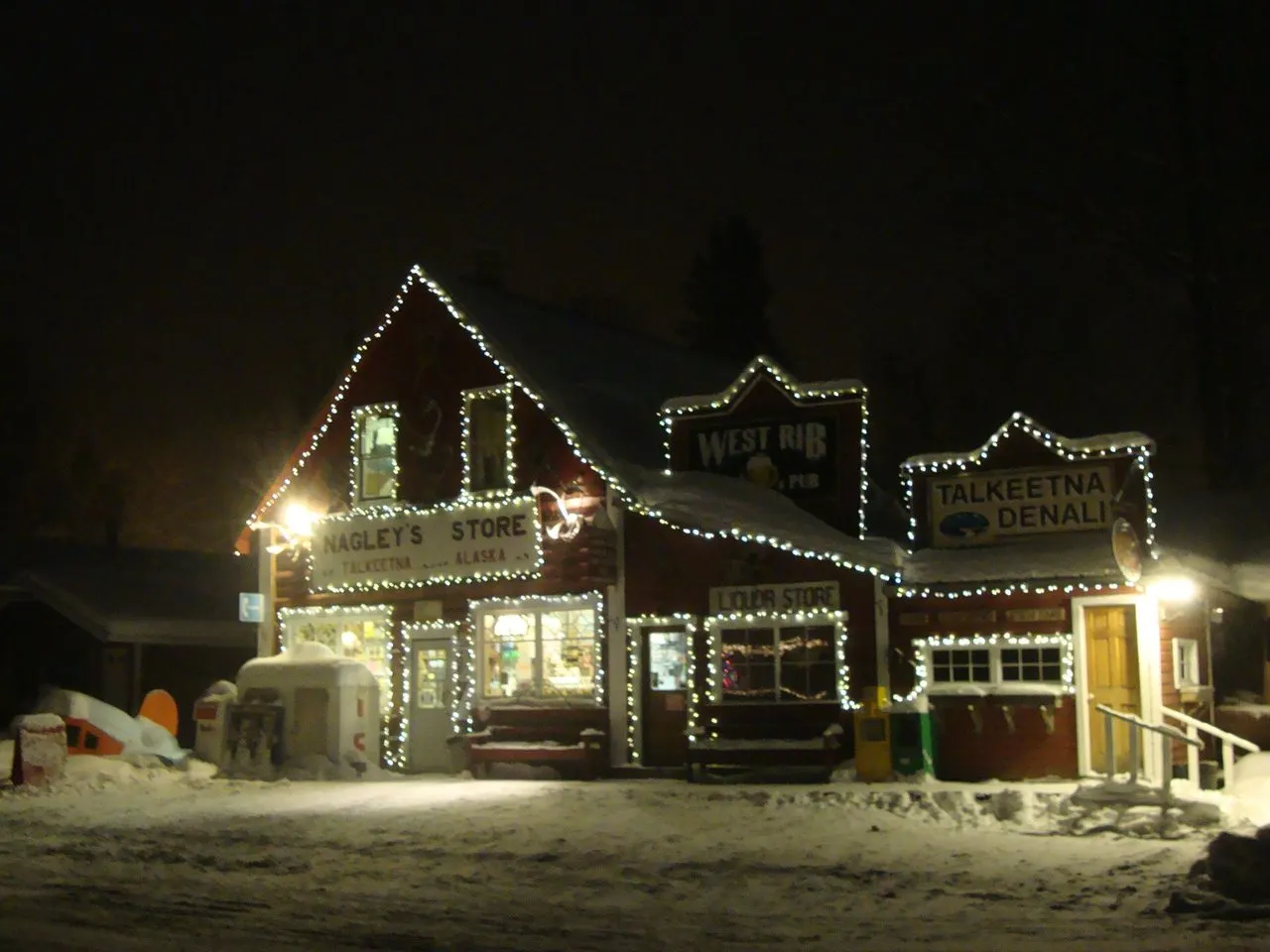
Winter nights in Alaska are long, cold, and very quiet, and the dark comes early in the afternoon. Street lights glow over snowy roads, and warm light spills from the windows of homes and shops. People plan their days around the short hours of light and spend more time indoors with family and friends. The cold air is crisp and still, and on clear nights the stars shine bright above the rooftops. See a warning from Liz Cheney to her colleagues.
Blue and Purple Twilight in the Utqiagvik Polar Night
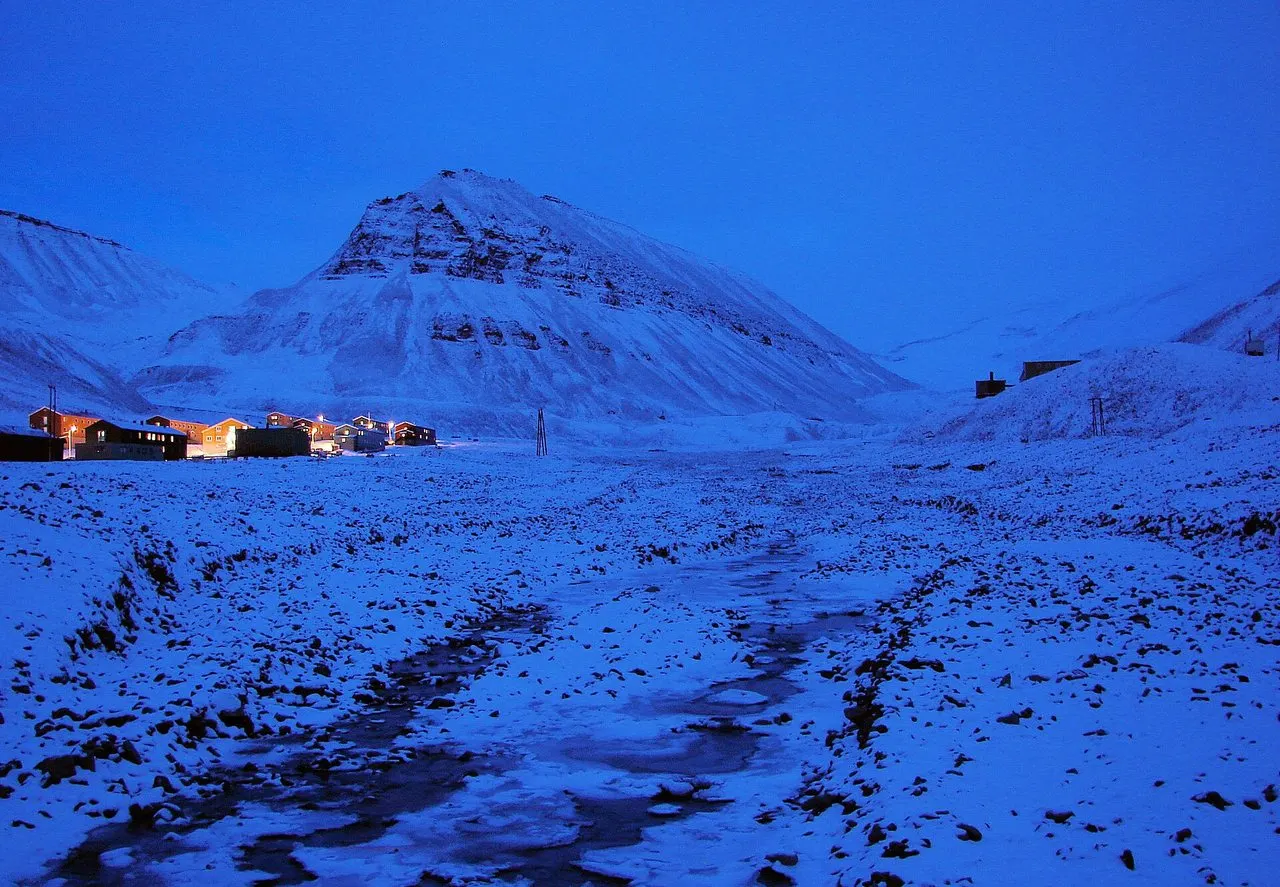
The polar night is not fully dark all day, and that surprises many people who hear about it for the first time. For a few hours around midday, the sky glows with soft blue and purple twilight, even though the Sun never climbs above the horizon. The low light paints the snow in gentle colors and gives the town a calm, dreamlike feel. It is one of the most beautiful parts of the dark season. Read a tribute to PJ Simon.
The Blue Hour Over the Snow
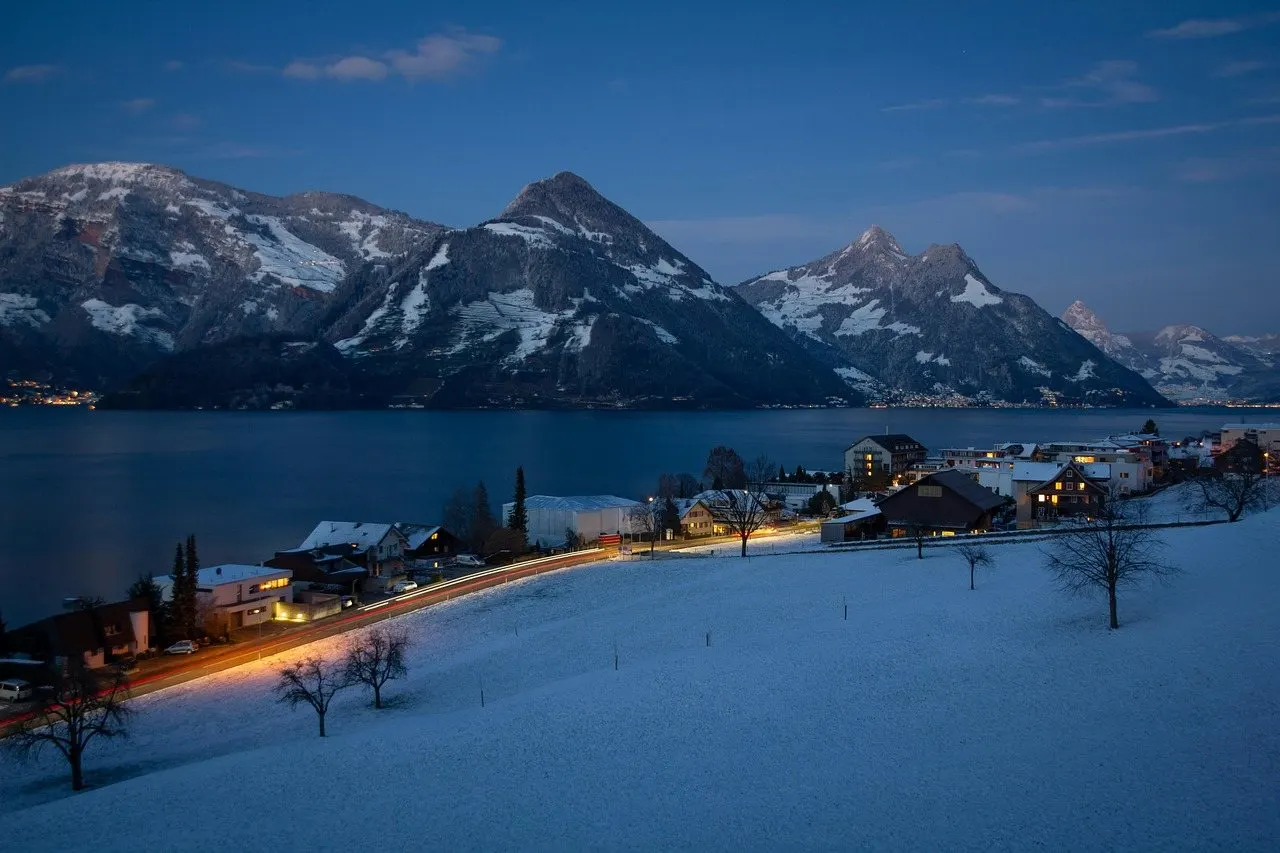
The blue hour is the short time after sunset when the sky turns deep blue and the snow seems to glow. In the far north, this blue light can last much longer than in other places, and it gives the winter landscape a peaceful and almost magical look. Photographers love this time of day because the soft light flatters every hill and frozen lake. It is a quiet hour, best enjoyed with warm clothes and a slow walk. See the life of Peter June Simon.
Stars Fill the Long Night Sky
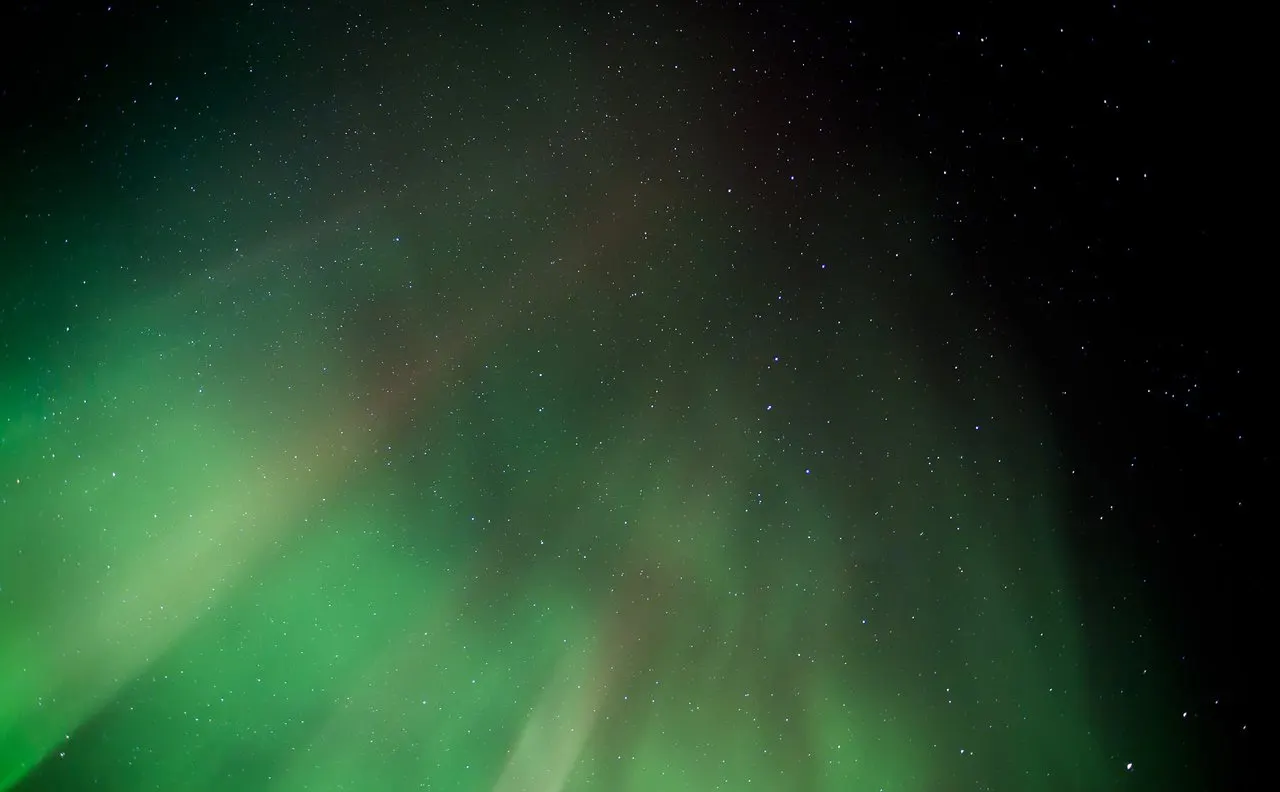
With so many hours of darkness, the night sky over Utqiagvik becomes a show of its own. Stars shine bright and clear in the cold Arctic air, far from the lights of big cities. On clear nights, the Milky Way can stretch across the sky in a pale band of light. Families step outside to look up, and children learn the names of the constellations. It is a sky that rewards anyone who takes the time to watch it. Read the story of Baby T.
Northern Lights During the Utqiagvik Polar Night
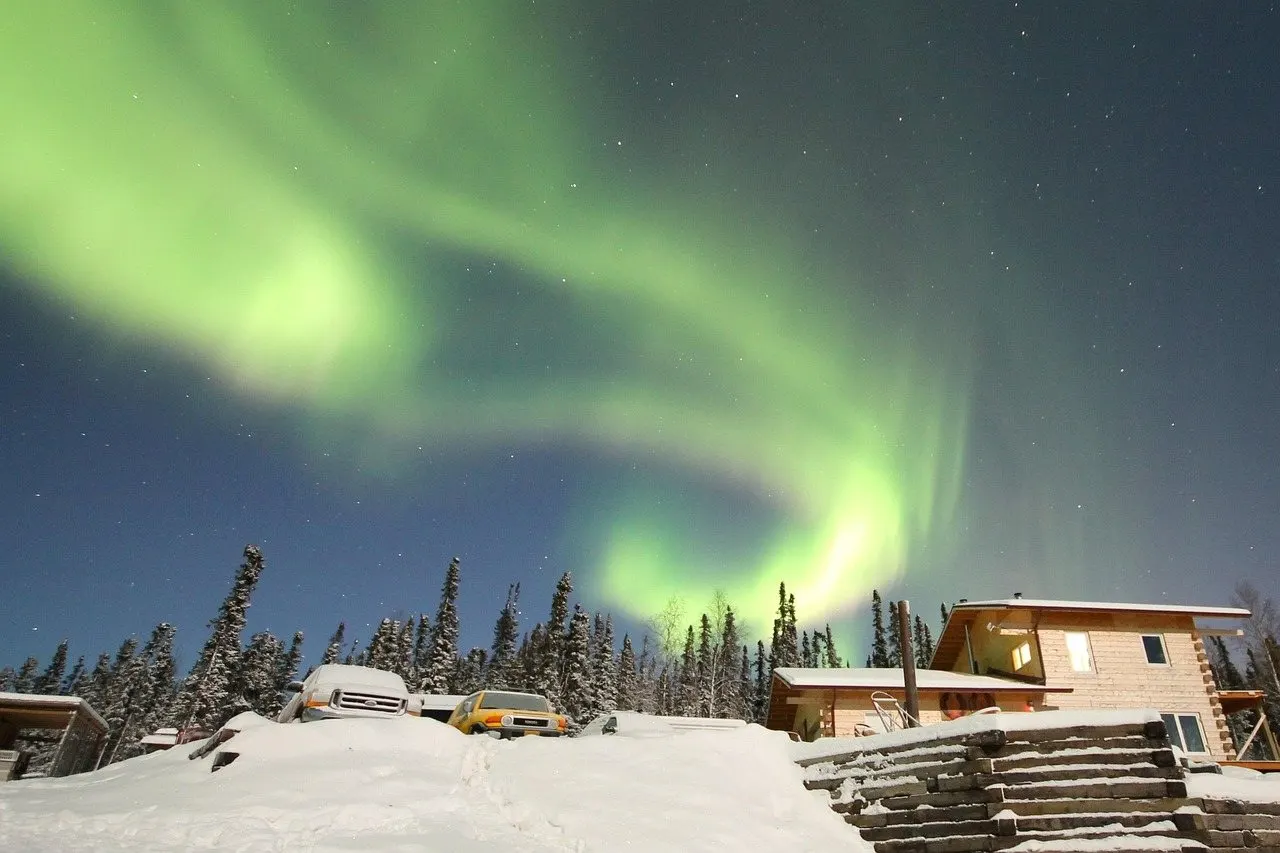
The long nights of winter give the northern lights plenty of time to appear over Utqiagvik. Green ribbons of light can ripple and dance across the sky, sometimes for hours at a time. The lights are caused by charged particles from the Sun striking the air high above the Earth. People watch from their yards and porches, and the sight never gets old, even for those who have seen it many times before. See a launch party in Miami.
Summer Brings the Midnight Sun
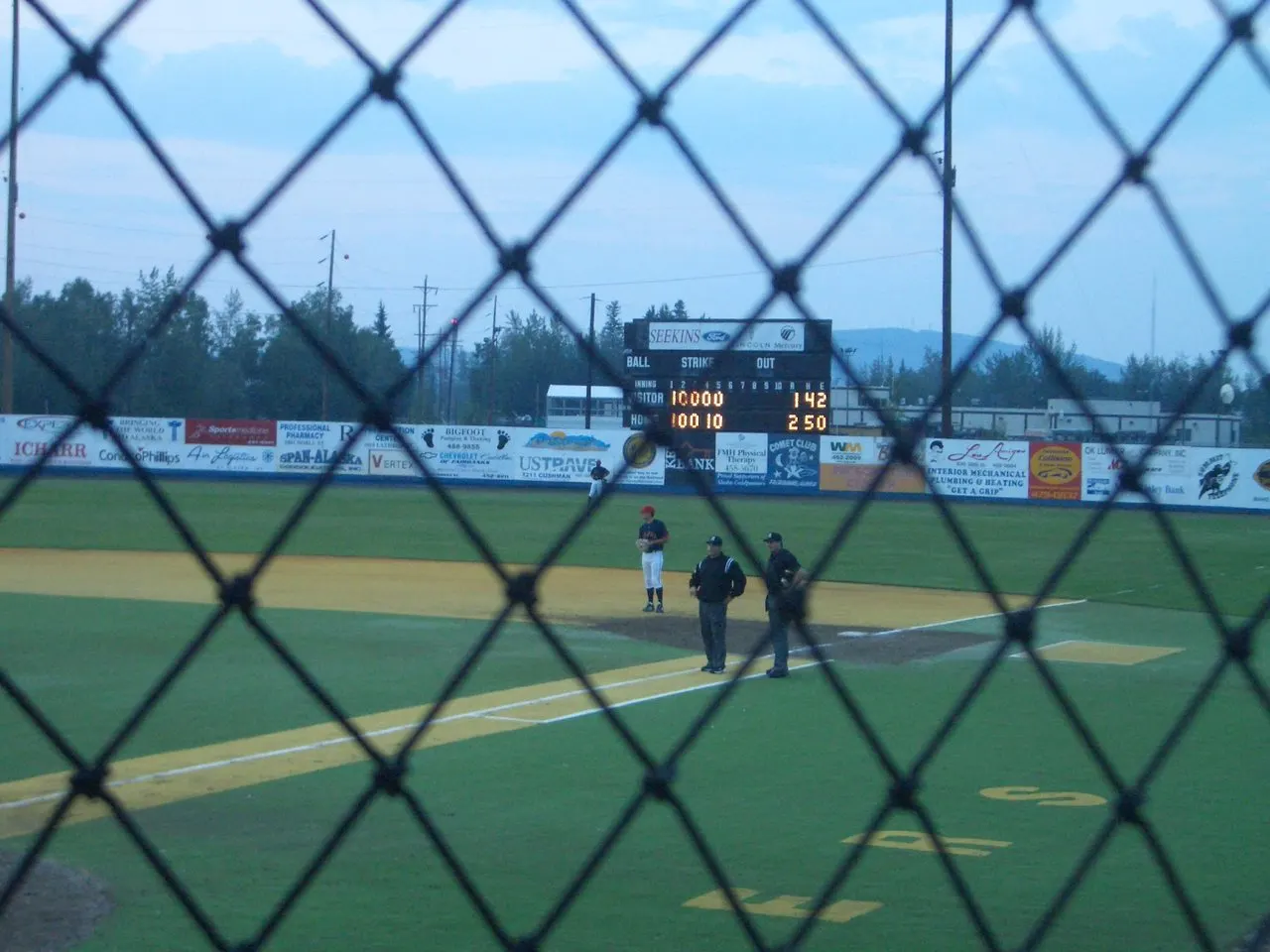
The same tilt that brings the dark winter also brings the midnight sun in summer. From mid-May to early August, the Sun never sets in Utqiagvik, and it circles the sky all through the night. People play baseball at midnight, children ride bikes late in the evening, and the town stays bright around the clock. It is the opposite extreme of the polar night, and residents enjoy every hour of it. Read a pub ban in Britain.
Nearly 24 Hours of Summer Daylight
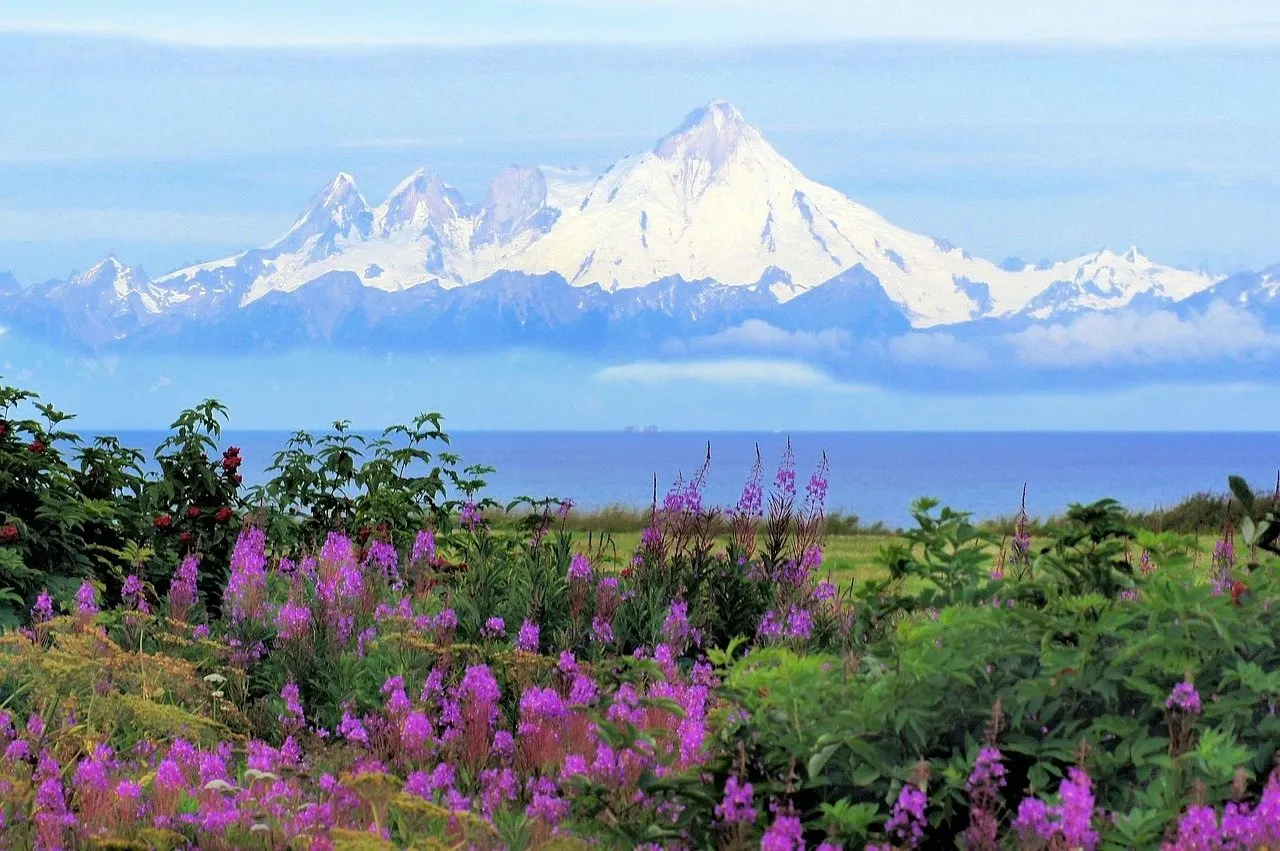
In summer, Utqiagvik enjoys nearly 24 hours of continuous daylight, and the change from winter is hard to believe. Flowers bloom on the tundra, birds return to the coast, and the town feels wide awake at every hour. People work, fish, and visit friends late into the evening without ever needing a lamp. The bright season is short, so everyone makes the most of it while it lasts. See a study about faith in America.
Winter Streets in a Northern Town
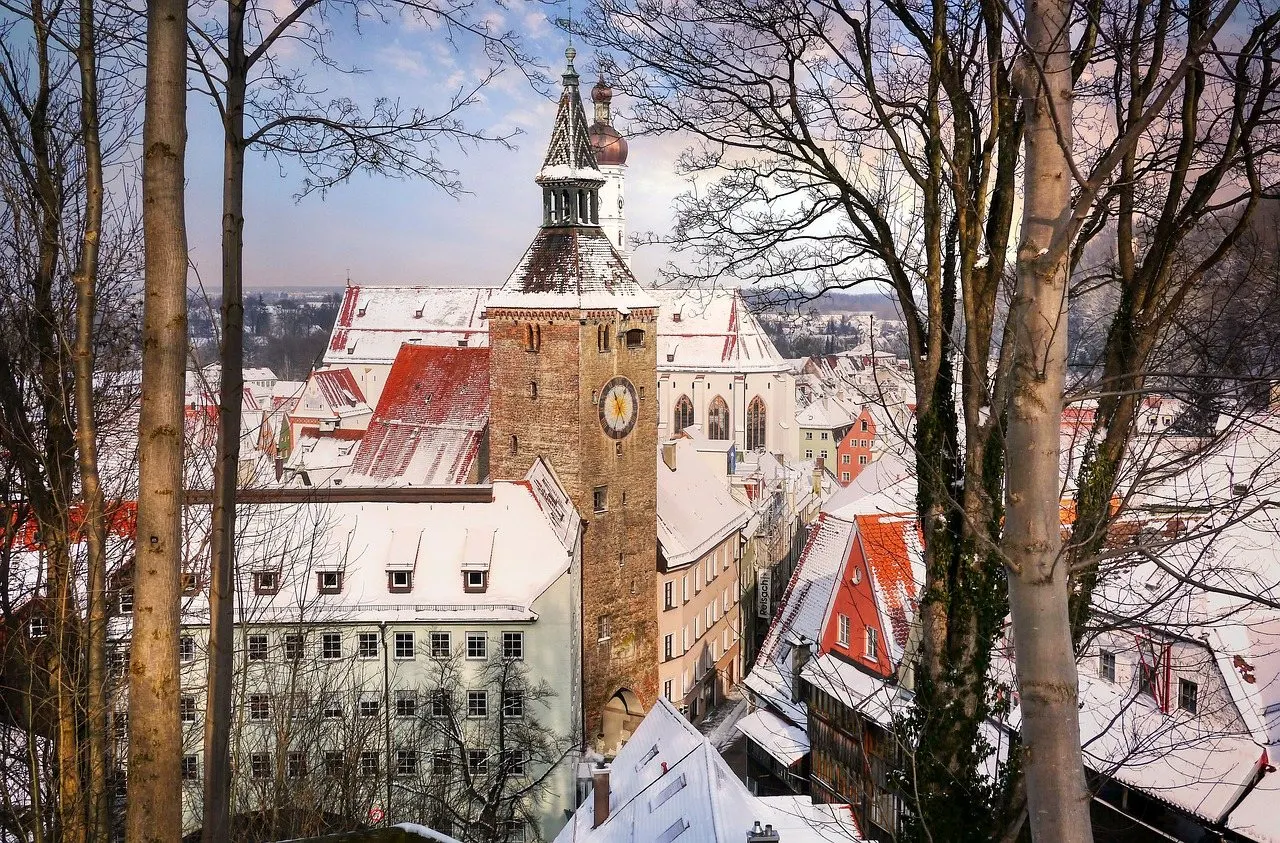
Winter turns the streets of a northern town into quiet lanes of packed snow, and cars move slowly past houses with frosted windows. People walk to school and work in heavy coats, boots, and hats, and their breath clouds in the cold air. Snowplows clear the main roads, and neighbors help each other dig out after a storm. Life slows down a little, but it never stops, even in the darkest weeks. Read a 50-hour gaming speedrun.
Children Play Through the Dark Season
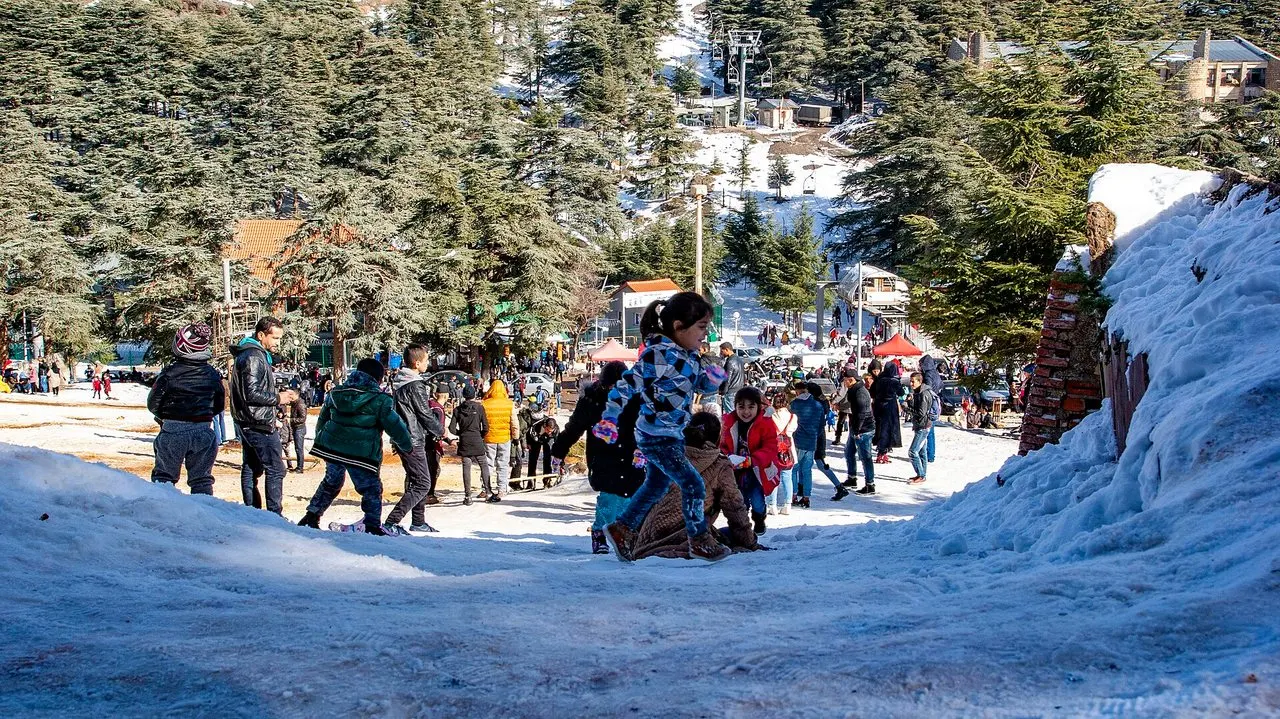
Children in Utqiagvik still play outside during the polar night, bundled up in warm coats, hats, and mittens. They build snow forts, slide down small hills, and chase each other under the street lights. School goes on as usual, and families keep their routines even when the Sun is gone. Play in the snow is a normal part of growing up in the Arctic, and the cold does not keep the children indoors. See a truck that looked like it drove through a wall.
Dressing Warm for the Utqiagvik Polar Night
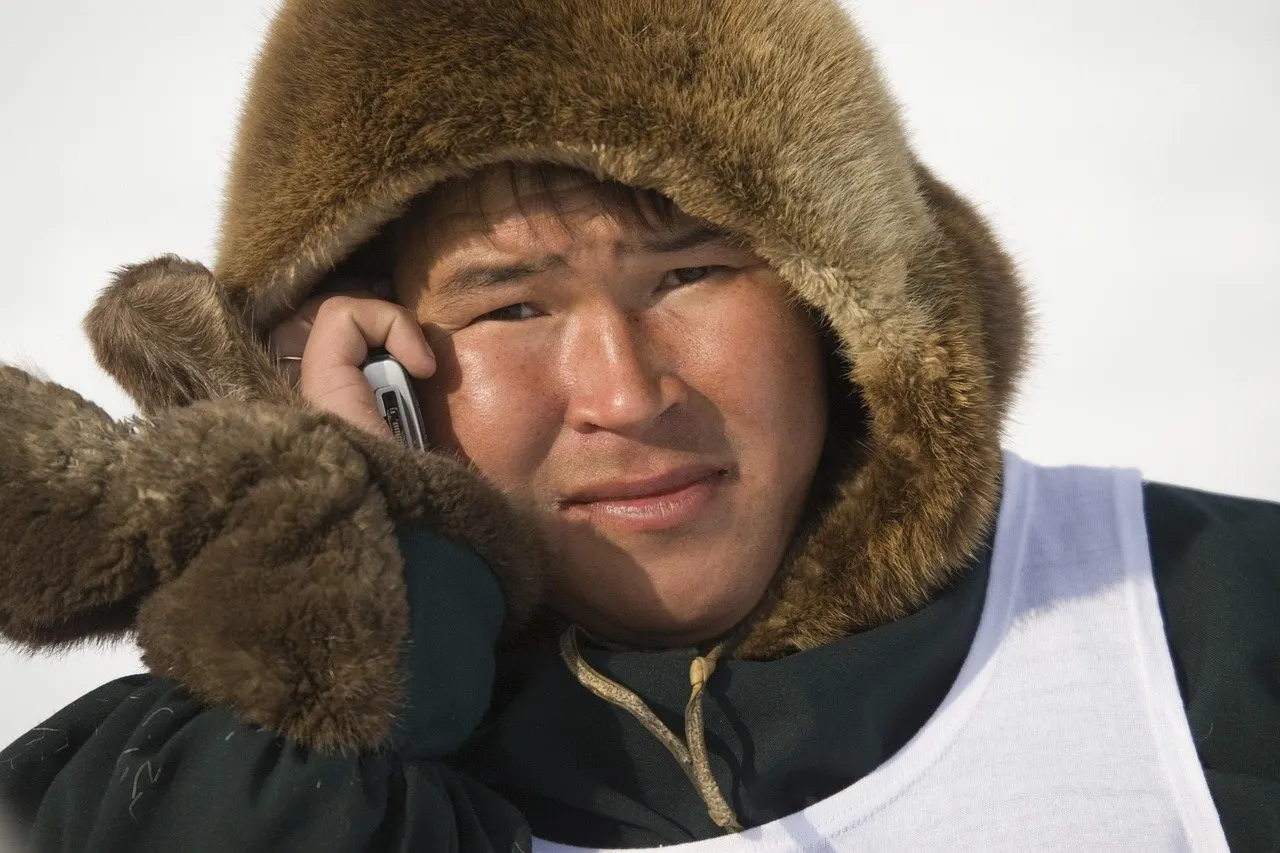
Staying warm during the polar night means dressing in layers, with a warm base layer, a thick middle layer, and a windproof coat on top. Hats, gloves, scarves, and insulated boots keep the cold from bare skin, and many people wear fur-trimmed hoods that block the wind. The right clothes make it possible to walk, work, and play outside even when the air is bitterly cold. Good gear is part of everyday life in the Arctic. Read a summit greeting in Shenzhen.
Arctic Foxes in the Snow
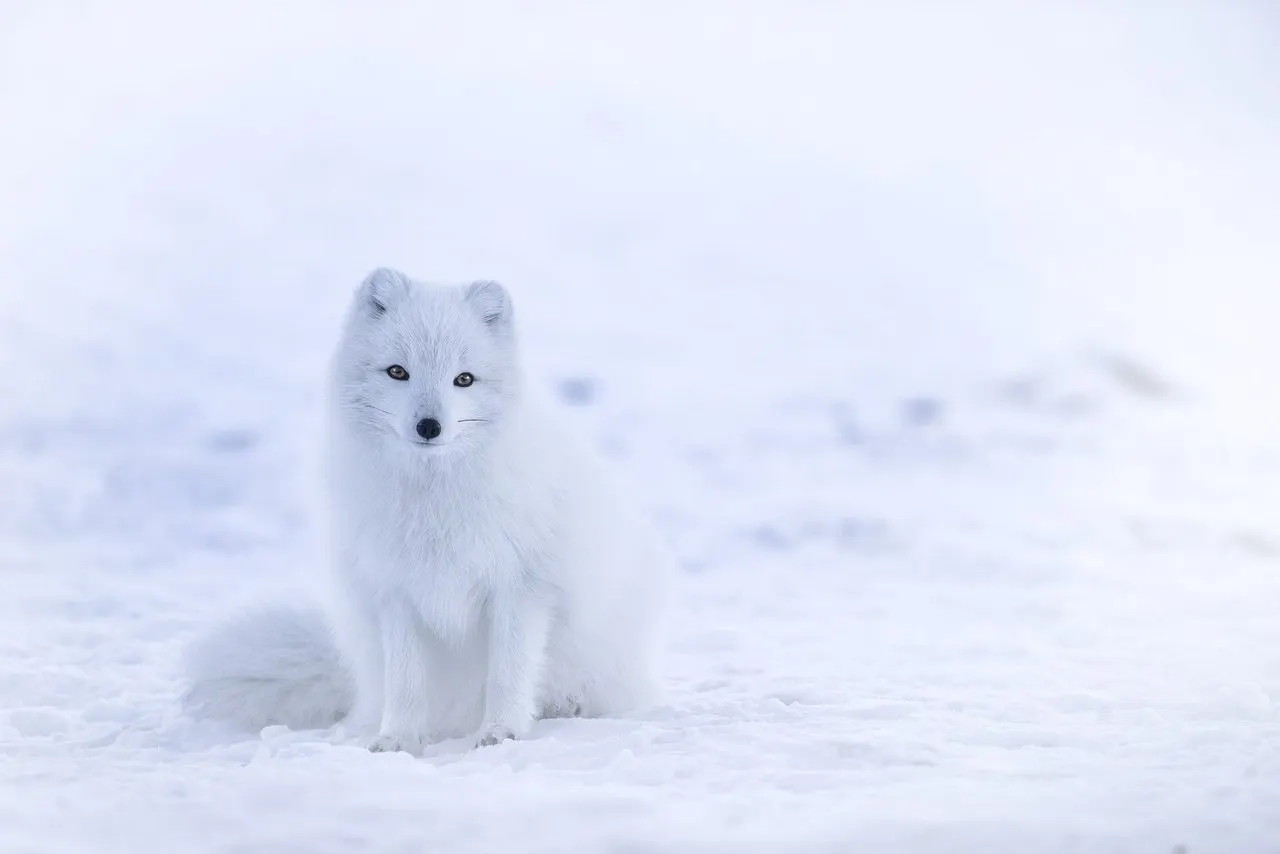
Arctic foxes live through the polar night with thick white coats that blend into the snow. They hunt small animals under the snow, listening with sharp ears and then pouncing to catch their prey. In summer their coats turn brown and grey to match the tundra. These small foxes are tough survivors, built for cold that would send most animals looking for shelter. They are one of the symbols of the far north. See a golden supermoon over snowy mountains.
Sea Ice on the Arctic Ocean
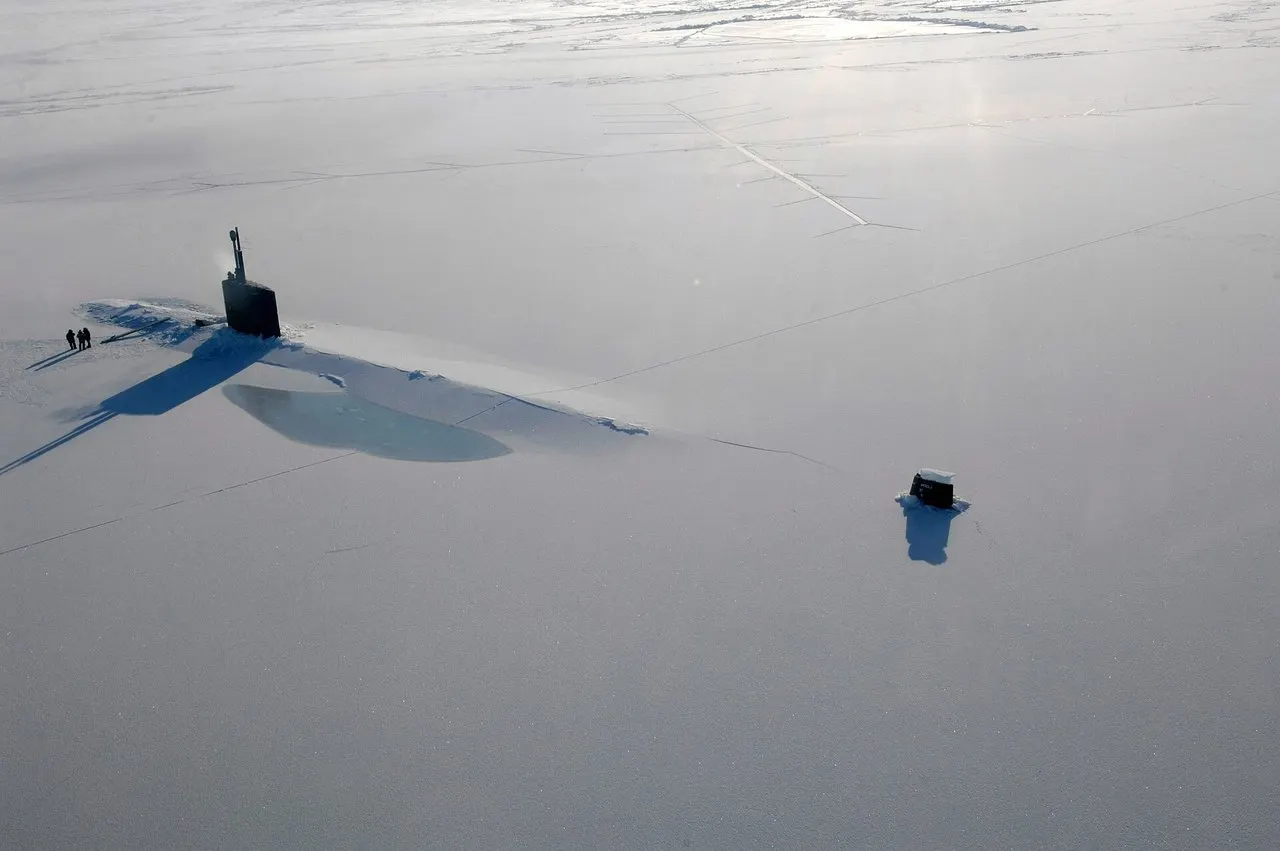
The Arctic Ocean beside Utqiagvik freezes into sea ice during the long winter, and the ice stretches far out from the shore. The frozen sea changes how people travel and hunt, and it shapes the life of the whole coast. Ships that once sailed in open water must wait for summer, and the ice itself becomes a road and a hunting ground. The sea ice is a defining part of the Arctic world. Read a robot that may one day wash the dishes.
The Inupiat People of the North Slope
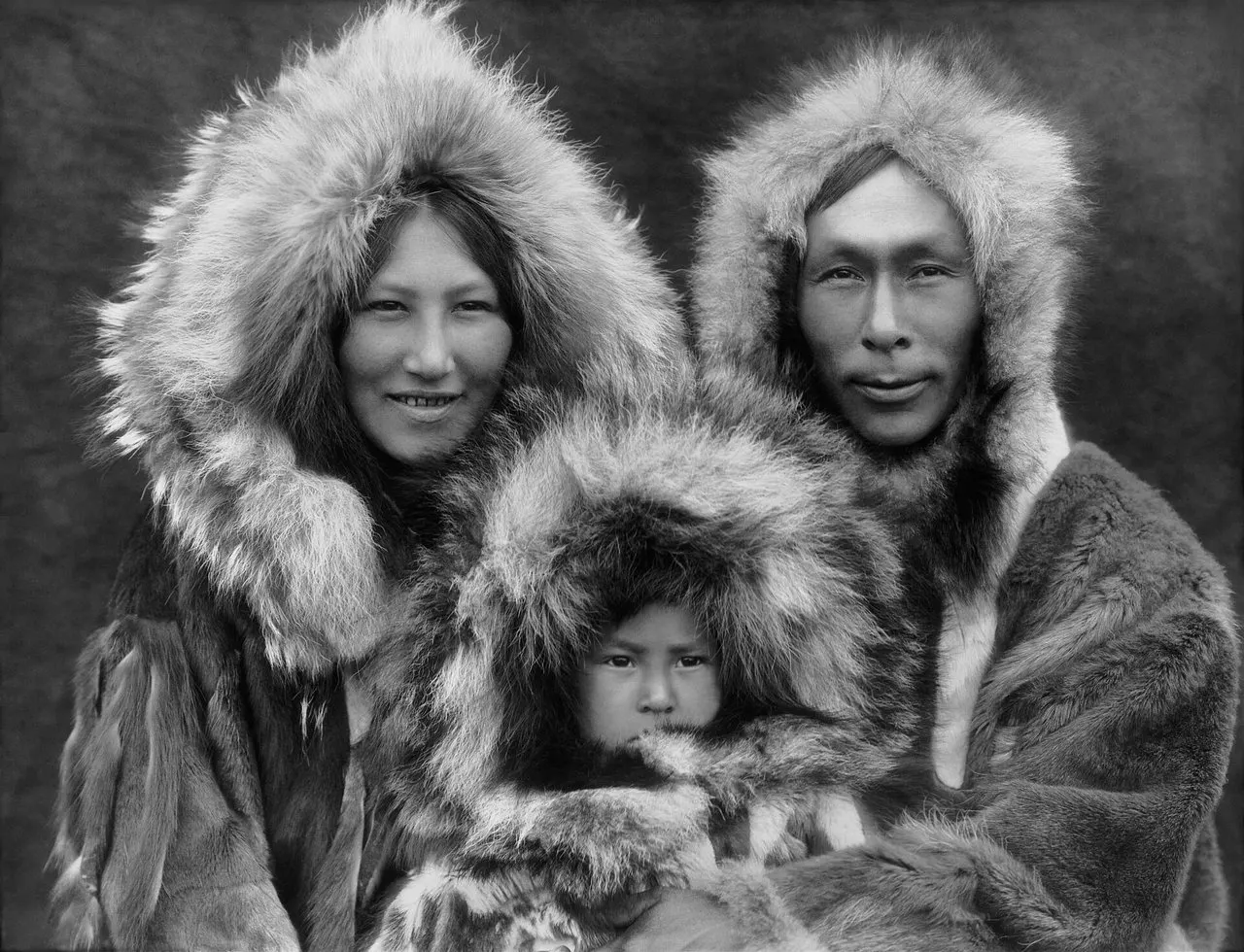
The Inupiat people have lived on the North Slope of Alaska for thousands of years, long before the town had its modern name. Their culture is tied to the sea, the ice, and the seasons of light and dark, and whaling has been a central part of community life for generations. Families share the harvest, celebrate together, and pass down stories and skills to their children. Their deep knowledge of the Arctic guides life in Utqiagvik today. See the plan to close Rikers Island by 2032.
Life in Town During the Utqiagvik Polar Night
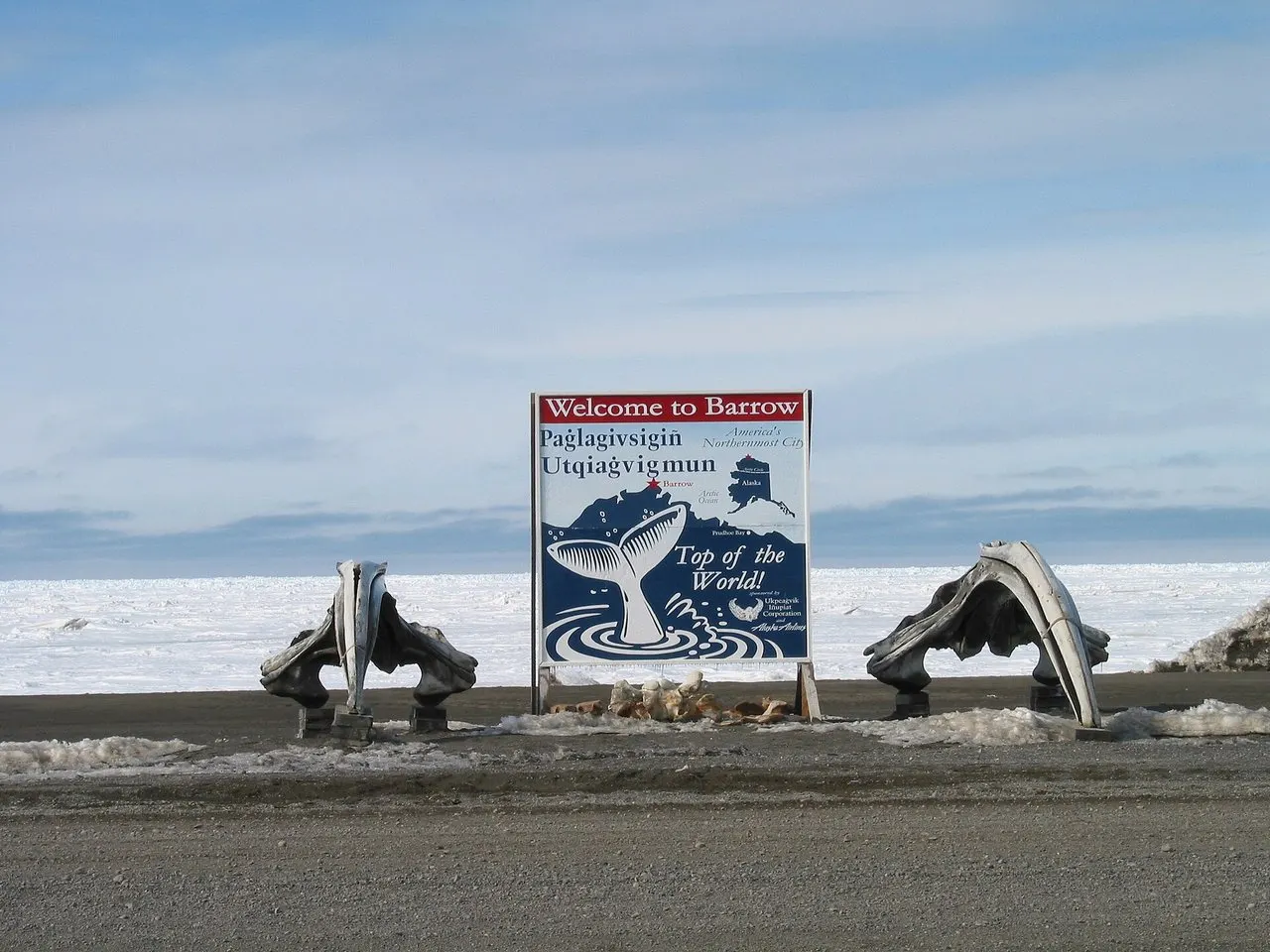
A road sign welcomes visitors to Barrow, the name many people still use for Utqiagvik, and it stands as a marker of how far north the town really is. Visitors take photos beside the sign to prove they reached the top of the United States. The town may be small and far away, but it has schools, shops, a hospital, and a strong community. People here are proud of their home at the edge of the map. Read a silent shrug in Berlin.
Visitors Come to See the Northern Lights
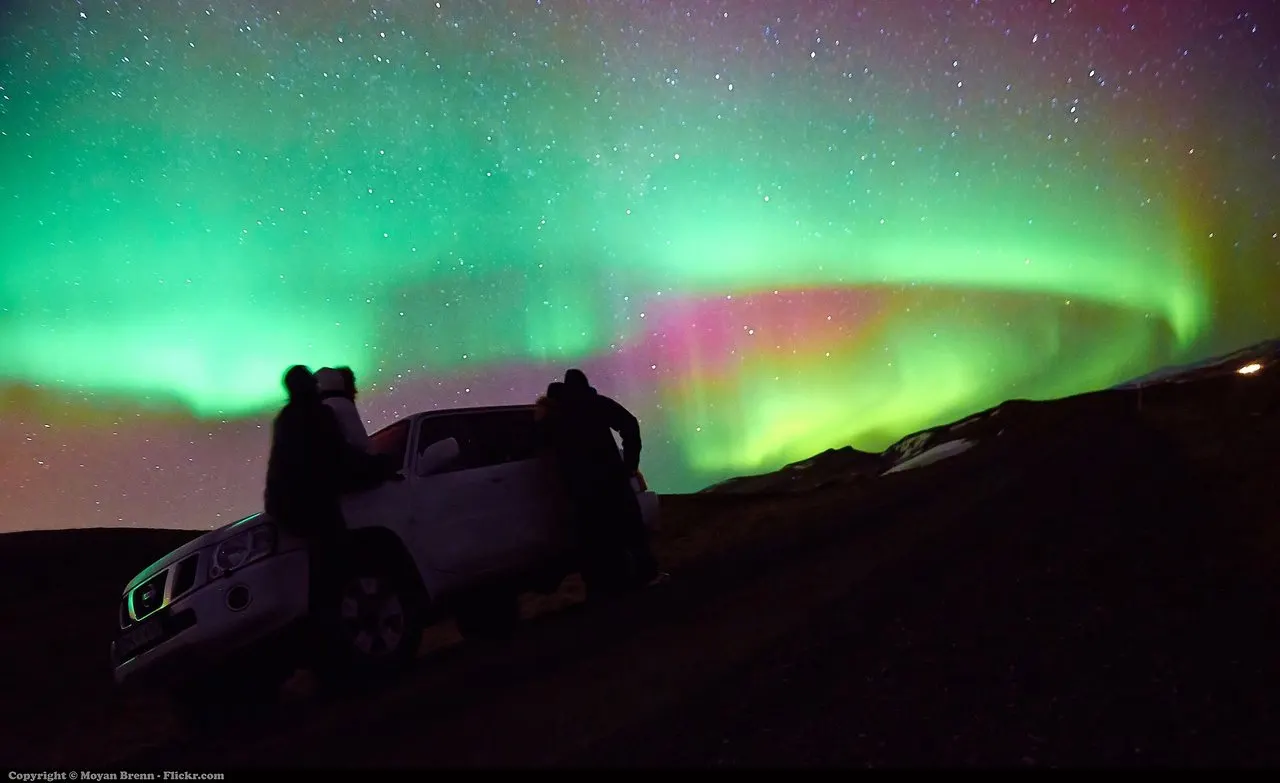
Travelers come from far away to stand under the dark skies of the Arctic and watch the northern lights. They dress warmly, wait patiently in the cold, and look up as green light moves across the stars. Some visitors plan their trips for months, hoping for a clear night and a strong display. For many, seeing the lights in person is a once-in-a-lifetime moment they never forget. See a debate about statues and mosques.
Counting Down to the Sunrise
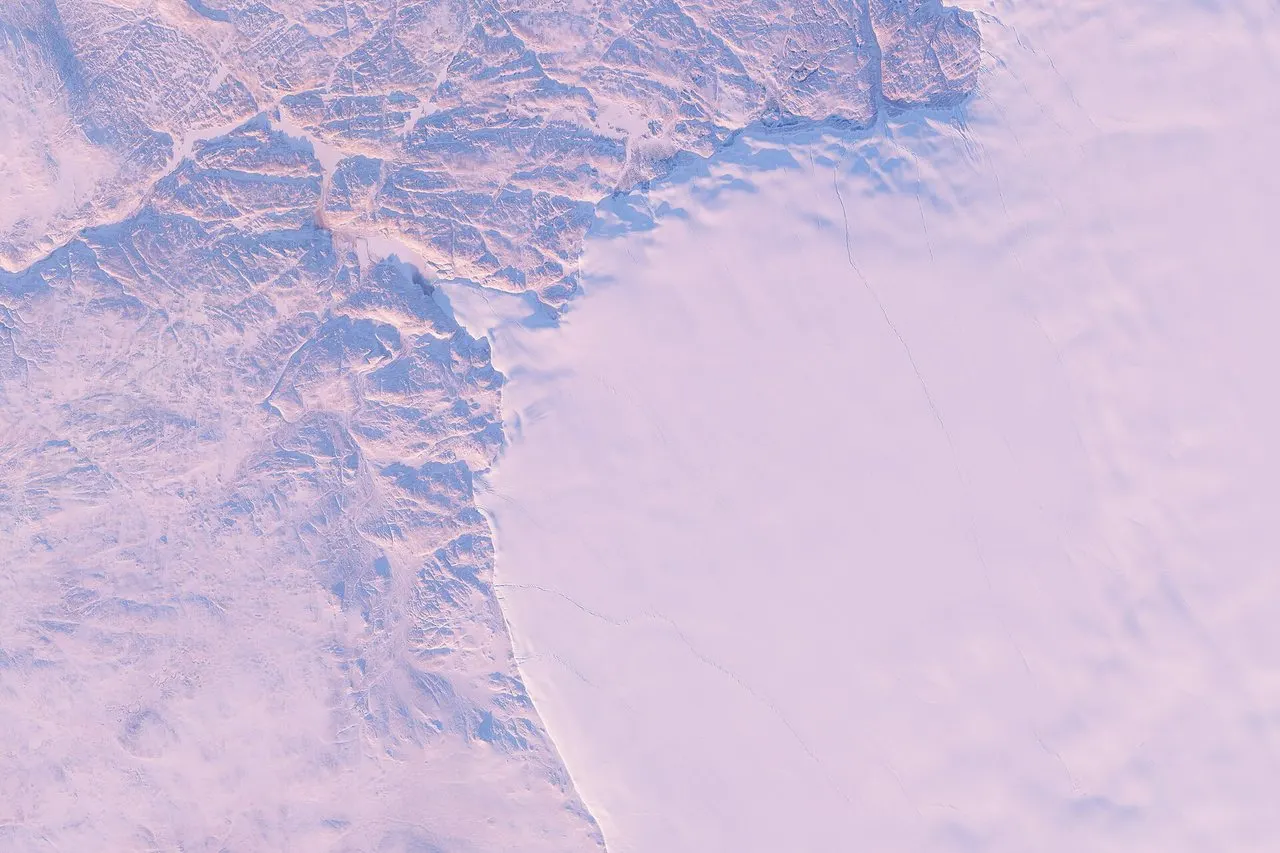
As January goes on, people in Utqiagvik start watching the southern horizon for the first hint of the returning Sun. The twilight grows a little brighter each day, and the sky takes on warmer colors at midday. The wait has lasted about 65 days, and the first sunrise feels like a holiday for the whole town. Children ask when the Sun will come back, and adults mark the days on the calendar. Read a concert in Chile.
The Sun Returns After the Utqiagvik Polar Night
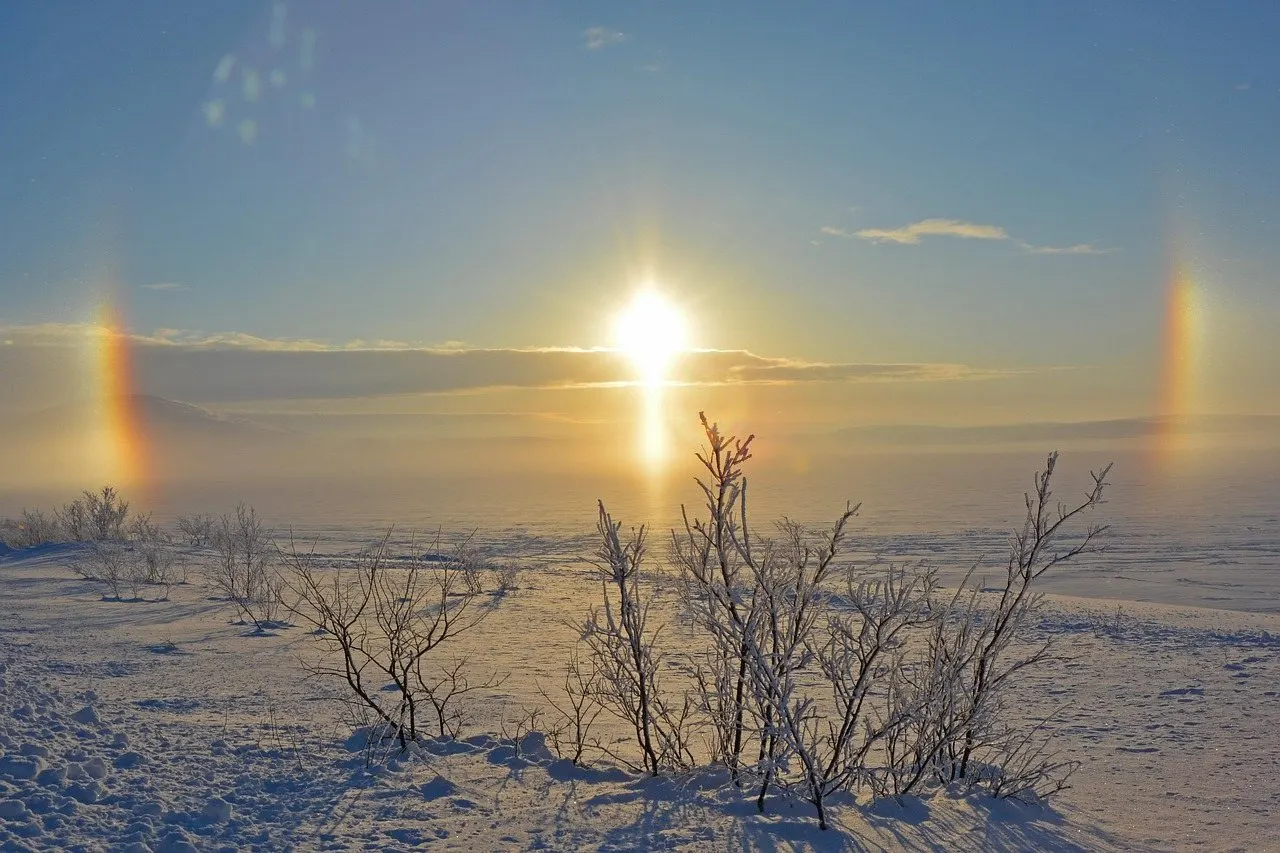
On January 22, 2027, the Sun will rise again over Utqiagvik for the first time in about 65 days. People will gather to watch the bright disc climb above the horizon and feel its warmth on their faces. The sunrise marks the end of the long dark season and the start of days that grow longer week by week. It is a moment the whole town looks forward to all winter long. See a close-up photo of a gorilla’s fingers.
Would You Live Through 65 Days Without a Sunrise
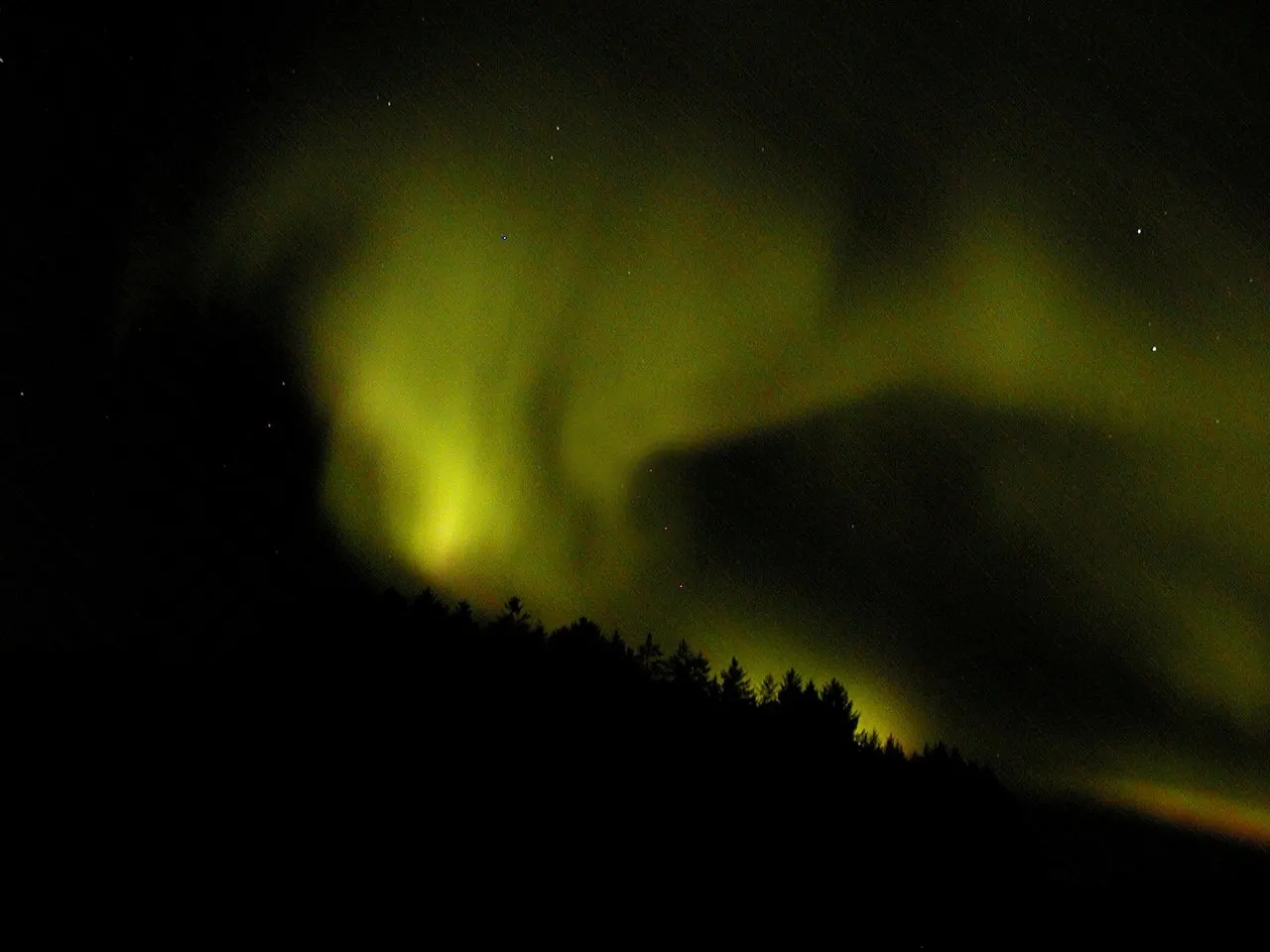
Utqiagvik polar night is a test of patience, warmth, and community spirit, and the people who live through it come out the other side with stories to tell. They trade the Sun for twilight, stars, and northern lights, and they keep their routines going through the dark. Would you try it for one winter, or would the long nights be too much for you? Share your answer in the comments and read a reunion nearly three years after a split.