The Ray Bradbury Warning That Still Fits Today
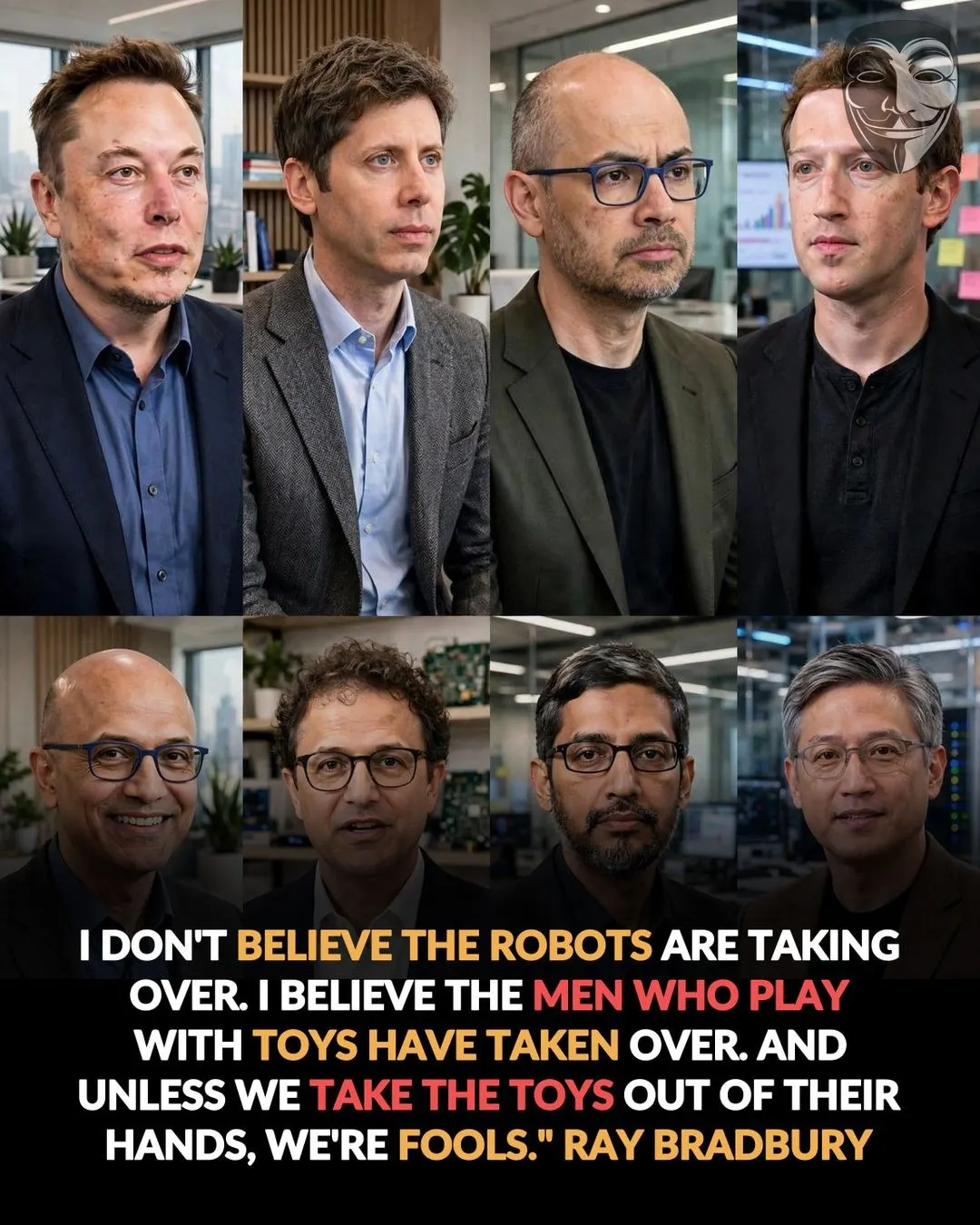
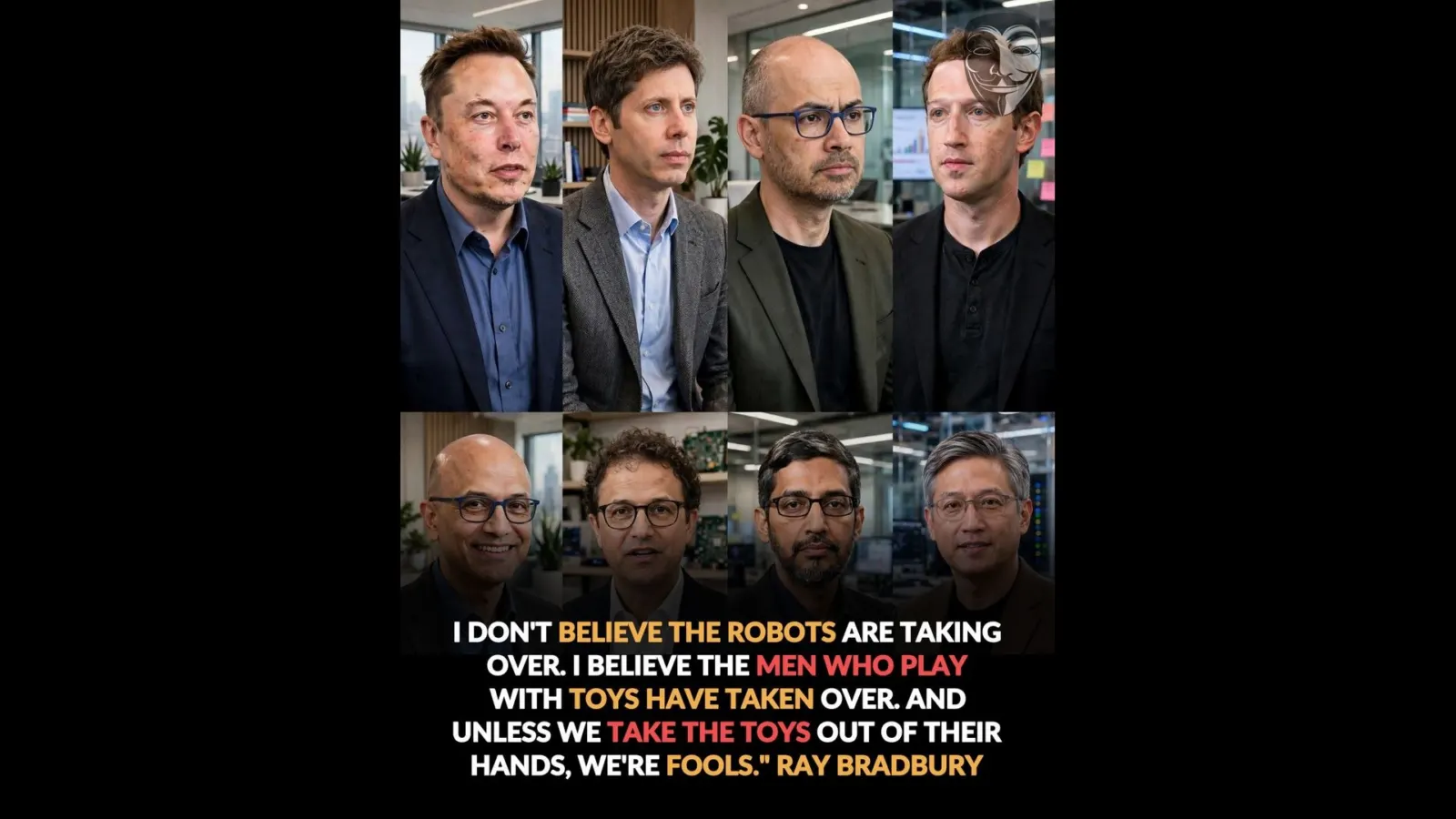
The Ray Bradbury warning is simple and it still stings fifty years later. In a 1976 interview with Writer’s Digest, Bradbury said he did not believe the robots are taking over. He believed the men who play with toys have taken over, and unless we take the toys out of their hands, we are fools. His fear was not machines with minds of their own. His fear was powerful people who treat dangerous technology like a plaything, and a system that keeps lifting such people to the top.
The post that started this article asks whether the problem is the technology itself or the people who hold it. Bradbury’s answer points at the system that rewards enormous egos and ambition, then hands those people tools that can shape how the world communicates, works and learns. Fifty years later his words feel less like science fiction and more like a warning worth hearing. For a closer look at how power and money mix today, read a clash over one billionaire and our democracy.
References:
Writer’s Digest: 21 Ray Bradbury Quotes Your Moment of Friday Writing Zen
Legacy: Ray Bradbury Obituary
TV News Check: Sci Fi Legend Ray Bradbury D*es At 91
Masterworks: Robo Advisors Are They Something To Fear Or Love
A 1976 Interview With Writer’s Digest
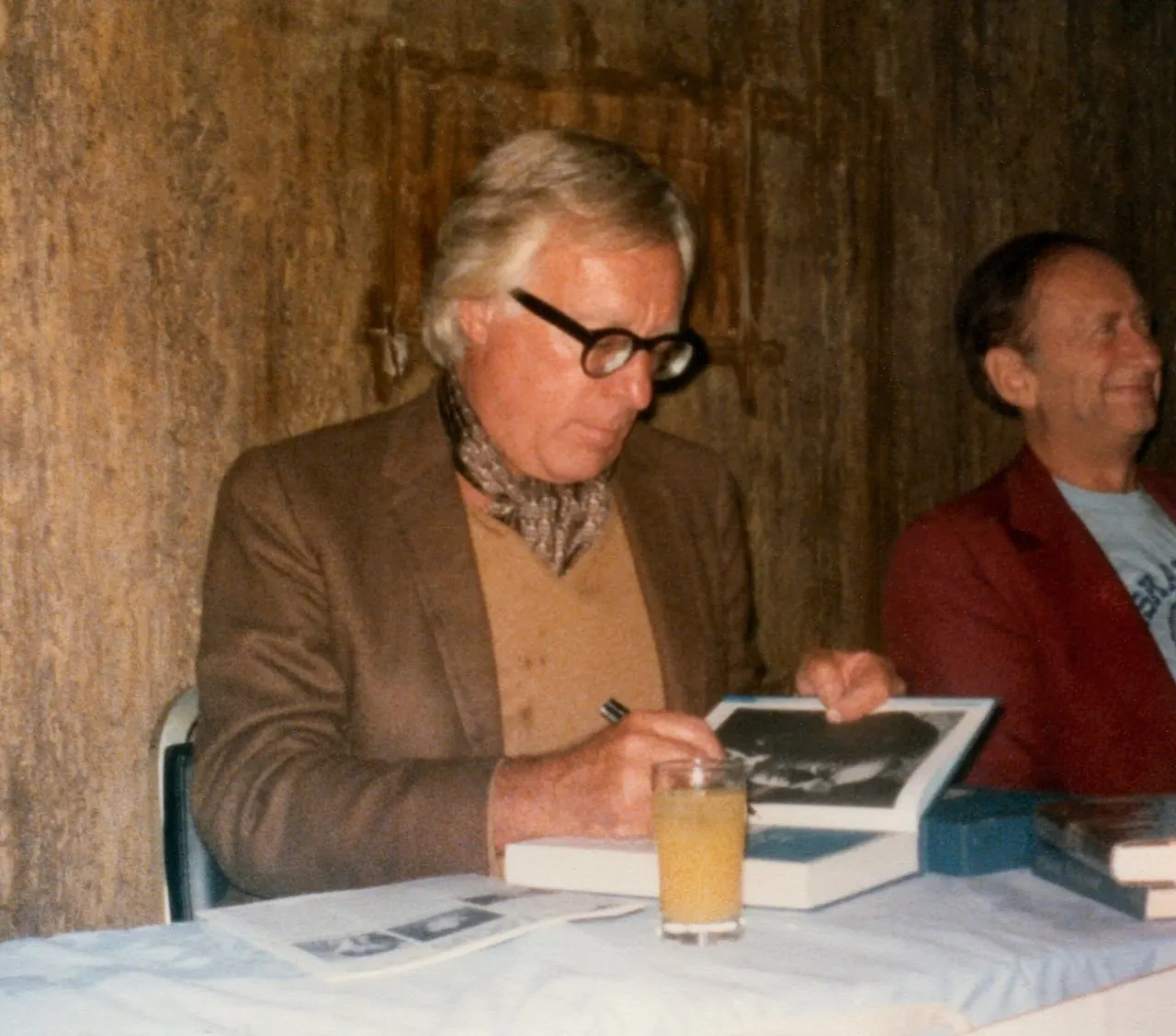
In 1976 Bradbury sat down with Writer’s Digest and gave an interview that is still quoted today. The magazine later gathered his words into a list of 21 quotes for writers, and this warning about robots and toys is one of them. Bradbury was already famous for books that imagined the future, so readers listened when he talked about power. He did not sound afraid of machines. He sounded worried about the people in charge. Read a silent shrug that said more than words.
The Ray Bradbury Warning Starts With Robots
Bradbury begins with the fear most people expect and then turns it aside. He says he does not believe the robots are taking over, and that one line changes the whole argument. The machines are not the villains in his story. They are tools, and tools do what the hands that hold them decide. A robot can build a car or carry a box, and it can also be aimed at people. The danger sits with the person giving the orders. See a handshake that drew questions during a conflict.
Men Who Play With Toys

The heart of the quote is a picture anyone can see. Bradbury talks about men who play with toys, grown men with power who treat serious tools like playthings. A child with a toy robot learns how the world works, then puts it down. A powerful adult with a real system can press a button and change faraway lives. The image is simple on purpose. It asks who holds the dangerous toys and whether they act like adults. Read a billionaire brought down by an affair.
A Ray Bradbury Warning About Powerful Men

Bradbury names no names, and that is the point. He is not warning about one leader or one company. He warns about a type of person who keeps rising to the top. These are people with enormous egos and a taste for control. Give such a person a small toy and little harm follows. Give the same person a powerful system and the harm can spread fast. The post calls it a fair analysis, and the logic is hard to fault. See a fight over party leaders who are not trying.
Egos at the Top

The original caption puts the blame where Bradbury put it, on a system that lifts people with enormous egos to the top. Egos are not new, and ambition is not a crime. Trouble starts when a person who must win at all costs controls tools that affect millions. Such leaders hear only praise, and praise makes bad judgment worse. A wise leader asks what could go wrong. A leader ruled by ego asks only how fast it can be done. Read a senator who asked what is foolish about spending.
A System Built to Lift the Ambitious

Bradbury’s warning is aimed at a system, not just single people. The Ray Bradbury warning asks how leaders are chosen and rewarded. When a system rewards the loudest voice and the biggest ego, that kind of person keeps rising. When it rewards patience and wisdom, different people rise. The post asks whether the problem is the technology or the system that hands out the tools. The answer may be that both matter, but the system comes first. See how much water data centers use each year.
The Ray Bradbury Warning About Dangerous Tools

Tools keep getting stronger, and that is why the warning keeps getting sharper. A hammer can build a house or break a window. A printing press can spread news or spread lies. A modern system can connect the whole world in seconds, and it can also watch people, mislead them or shut them out. The tool itself has no morals. The wisdom has to come from the person holding it, and Bradbury doubted that wisdom was keeping up with power. Read a joke about spying through a newspaper.
A Handful of Leaders Shape How We Talk

Fifty years after the interview, a handful of tech leaders shape how the world communicates, works and learns. That is the post’s own point, and it is easy to see daily. A few companies run the apps where people get their news, talk to friends and find work. Their choices about what to show and hide can move public debate in a day. Bradbury would ask who gave them that power and whether they earned the wisdom to use it. See a warm greeting at a summit.
The Machines Behind the Messages

Behind every post and video sit huge buildings full of computers that never sleep. The Ray Bradbury warning fits these data centers too, the newest toys in powerful hands. They use enormous amounts of water and power, and owners rarely share the true cost. People who live near them pay the price in higher bills and strained water supplies. The machines impress, but the questions about who runs them are the ones Bradbury asked. Read a lesson about one tree and one forest.
The Ray Bradbury Warning Came From a Storyteller

Bradbury was not a scientist or a politician. He was a storyteller who spent his life imagining futures and asking what they would do to ordinary people. He wrote with a typewriter, one page at a time, and schools around the world read his books. That is why his warning carries weight. He understood how stories shape what people fear and what they accept. When a storyteller warns about power, listen, because he spent a lifetime studying human nature. See a rare warning from the most endangered tribe.
Fahrenheit 451 Saw the Screens Coming

Bradbury’s most famous novel, Fahrenheit 451, was published in 1953, long before smartphones and streaming. It tells of a future where books burn and people sit before huge wall screens that talk at them all day. The people are not forced to stop reading. They slowly give it up because screens are easier and faster. Bradbury saw how comfort could become a trap. The book remains his best known warning about letting machines do our thinking. Read a lab study on frankincense oil and skin cells.
The Ray Bradbury Warning Reached for Mars

Bradbury loved Mars before any robot landed there. The Martian Chronicles, from 1950, imagined settlers on the red planet repeating the same mistakes they made on Earth. His Mars was not just a place for rockets. It was a mirror held up to human pride, greed and hope. Even among the stars, his characters carried old habits with them. That is the heart of his warning. New tools and new worlds do not fix old flaws in the people who use them. See pistols sealed like soup after a war.
A Boy From Waukegan, Illinois

Bradbury was born in Waukegan, Illinois, in 1920, a small lakefront town that stayed in his writing for the rest of his life. He grew up on library books and long walks that fed his imagination. He never went to college, and he said he learned to write in libraries instead. The Ray Bradbury warning grew out of that plain, curious boyhood. He watched the world change from silent films to space rockets and kept asking who was steering it. Read a claim about belonging on their own land.
Twenty One Quotes Worth a Second Look
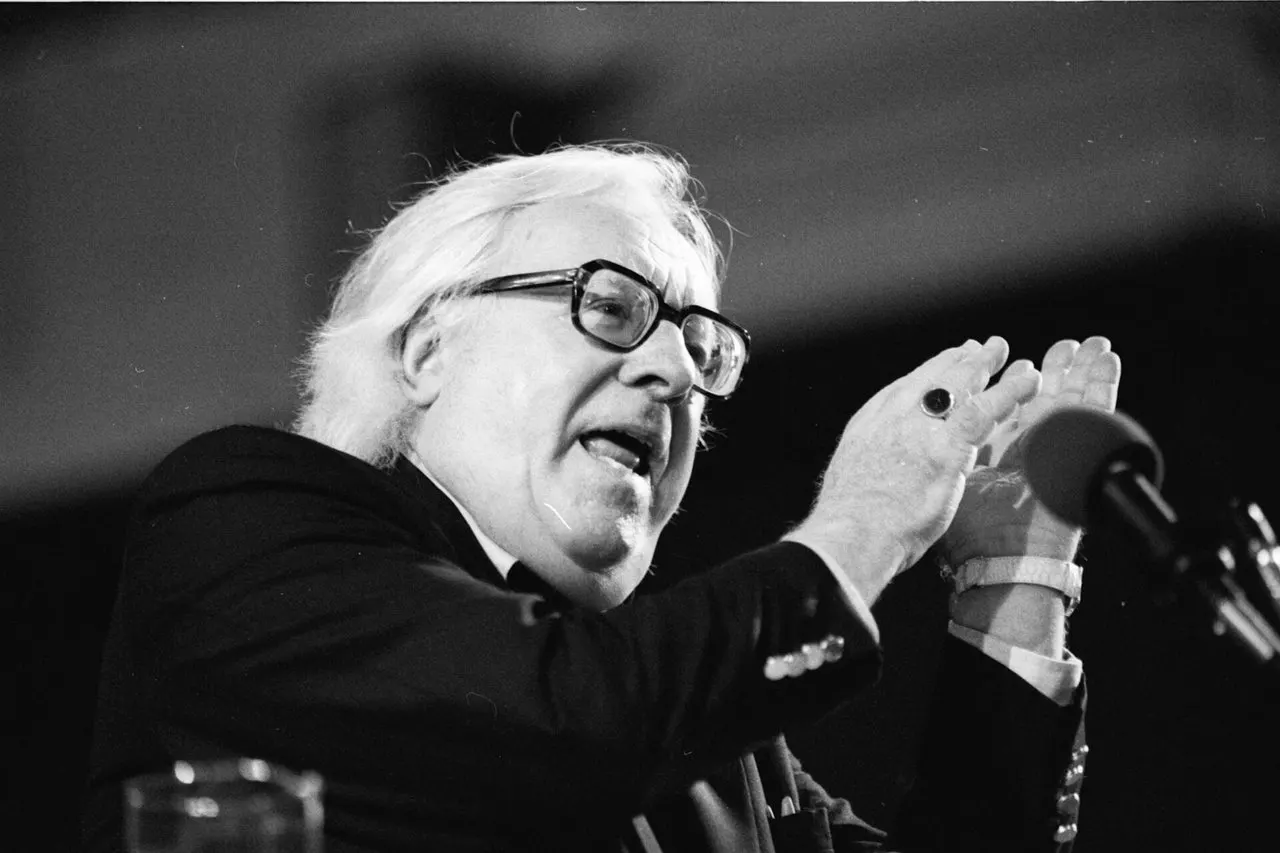
Writer’s Digest gathered 21 of Bradbury’s quotes for writers, and the robot warning sits among advice about craft and courage. The list shows a writer who believed in daily work and trusting your own voice. He told writers to love what they wrote and to keep going when the work felt hard. That plain advice sits next to a dark warning about power, and the mix is pure Bradbury. Warmth and worry lived side by side in everything he wrote. See a study on faith and family size.
The Ray Bradbury Warning Outlived Its Author

Bradbury died in 2012 at 91, and the obituaries remembered a writer who had warned the future for more than sixty years. Legacy marked the passing of a science fiction legend whose books never left print. He lived to see the internet, the smartphone and the first social networks. He watched his imagined futures arrive one by one. That his warning still fits today is both a tribute to his insight and a sad sign that little has changed. Read an update on Bruce Willis and his family.
Robots in Daily Life Today

Robots are no longer science fiction. They vacuum floors, pack boxes, help surgeons and answer phones in banks. Some people welcome the help, and others worry about jobs and privacy. Money managers now ask whether robot advisors are something to fear or love, a question Bradbury would have enjoyed. The machines keep getting smarter and cheaper. The real question is still the one he asked. Who is in charge of them, and do they know what they are doing. See a cut feature that changed how players treat two people.
The Ray Bradbury Warning Fits the Age of AI

Artificial intelligence is the strongest tool most people have ever held. It can write, draw, code and answer questions in seconds. It can also spread false claims at a speed no human can match. The people who build and sell these systems are among the richest and most powerful alive. Bradbury’s warning fits this moment because the gap between power and wisdom has never looked wider. The tools are new, but the pattern is the same one he named in 1976. Read a president who did not get giddy at greetings.
A Phone in Every Hand

The most powerful toy of all may be the phone in your pocket. It holds your photos, money, friends and news, and it knows where you go each day. A handful of companies decide what appears on its screen and what stays hidden. That quiet power shapes elections, markets and friendships. The Ray Bradbury warning asks us to notice who holds that small device’s strings. It is easy to feel free while a few distant hands set the rules of the game. See what a healthy workplace feels like.
Who Holds the Toys Now
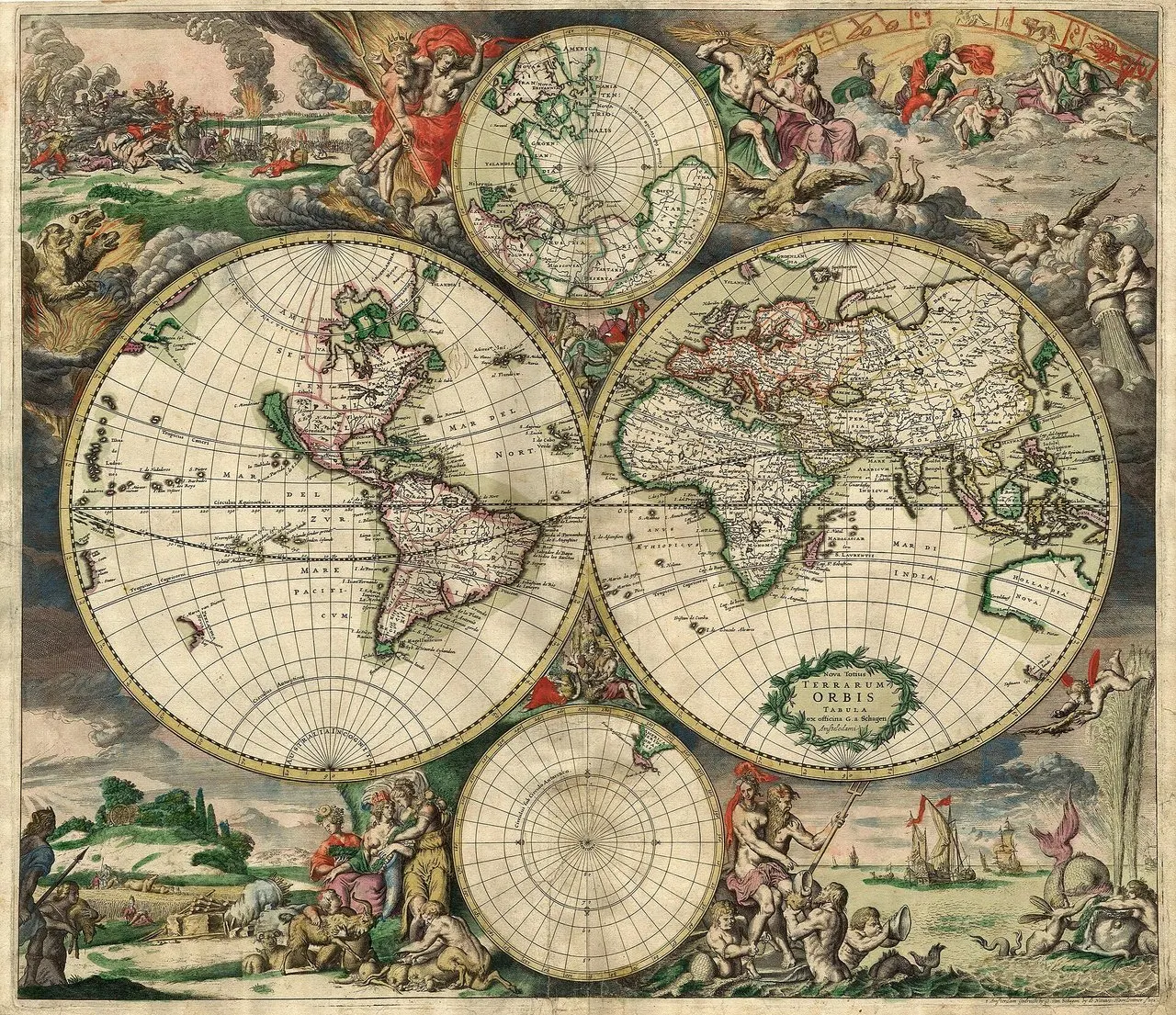
So who holds the toys today? The names are familiar to news readers. A small group of tech founders and executives controls the platforms, clouds and chips that run modern life. Their wealth and reach would have shocked readers in 1976. Some of them say they want to help the world, and some of their gifts are real. Bradbury would still ask the same question. Do they have the wisdom to match the power they hold, or are they just playing. Read a quip that mixed dictators with domestic politics.
The Ray Bradbury Warning About Wisdom and Power

Power and wisdom are not the same thing, and they rarely grow at the same speed. Power can be bought, won or inherited in a few years. Wisdom takes a lifetime of listening, failing and learning. Bradbury feared a world where power moved fast and wisdom moved slow, because that gap is where mistakes turn into disasters. Schools teach facts, but they rarely teach judgment. Families and communities teach it better, one patient lesson at a time. See a hearing where senator judges faced charges.
The Question the Post Asks Readers

The Facebook post ends with a simple question. Is this a fair analysis? It does not tell readers what to think. It asks them to weigh the idea themselves, and that open style helped the post spread. Some readers will say the technology itself is the danger. Others will agree the system and the people at the top are the real problem. Both sides can point to real facts. The debate itself proves the quote still matters. Read a comedian who took on a summit greeting.
A Fair Analysis of the Problem

A fair analysis holds two truths at once. Technology can be dangerous alone, because a powerful tool in careless hands can hurt people by accident. At the same time, a system that rewards ego and ambition keeps handing strong tools to the least careful people. Fixing only the tools will not fix the pattern. Fixing only the leaders will not fix the tools. The honest answer is that both need care, and the work starts with better questions about both. See a reminder about role models for men.
The Ray Bradbury Warning Ends With a Choice

Bradbury ends with a challenge. Unless we take the toys out of their hands, we are fools. He does not say the task is easy or who exactly should do it. The choice belongs to all of us, not just experts or leaders. Taking the toys away need not mean smashing machines. It means rules, honesty and refusing power to people who treat it like a game. The warning is a call to act, not a reason to give up. Read a comedian who measures wealth in school pickups.
Teaching the Next Generation to Think

If the warning is about wisdom, schools and families are where the answer starts. Children who learn to ask questions, check sources and think are harder to fool with a shiny screen or a loud slogan. Bradbury learned to write in a public library and trusted books to teach judgment. A child with a book and a mind is the opposite of a powerful adult with a toy and no wisdom. The future is safer if more children grow up asking who holds the tools. See a stalled vote on protecting children.
The Ray Bradbury Warning Fifty Years Later

Fifty years have passed since that interview, and the quote reads like it was written yesterday. Cities glow at night with screens and towers, and a few companies hold more power than many nations. The robots did not rise up, just as Bradbury said they would not. Instead, the men with the toys rose higher, and the toys grew stronger every year. The warning has not aged because the pattern has not changed. It will keep fitting until the system itself changes. Read a star who still hopes to play a Bond villain.
What Would You Ask Ray Bradbury?
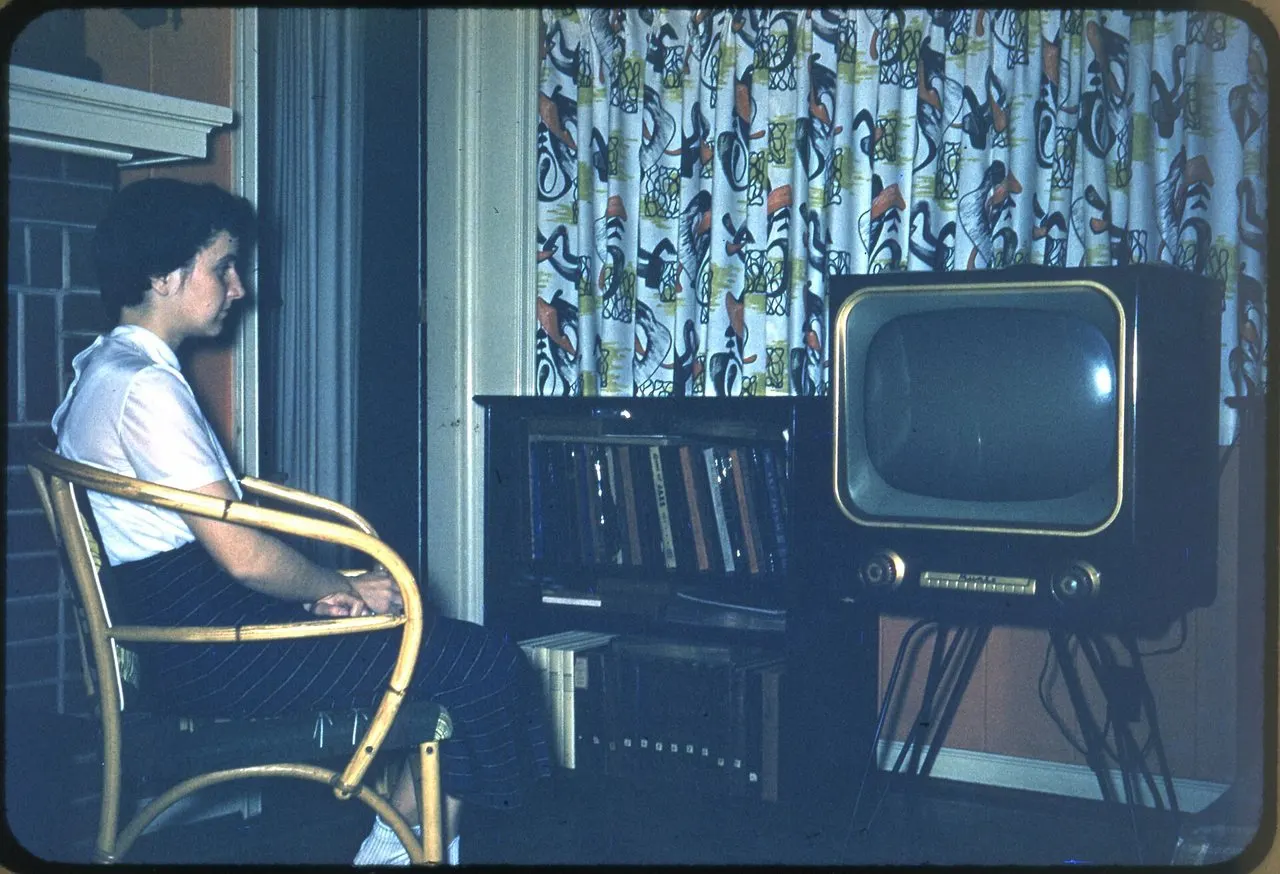
If Bradbury were here today, what would you ask him first? Would you ask what he thinks of the phones in our pockets, or the robots in our warehouses, or the leaders who own them both? Would you ask if he still believes the danger is not the machines but the men with the toys? Share your answer in the comments and tell us if his warning is fair. Your view matters, because the choice he described belongs to all of us. Read a star who talks about prayer and grief.