Bessent Visa Review After the Journal Home Photo
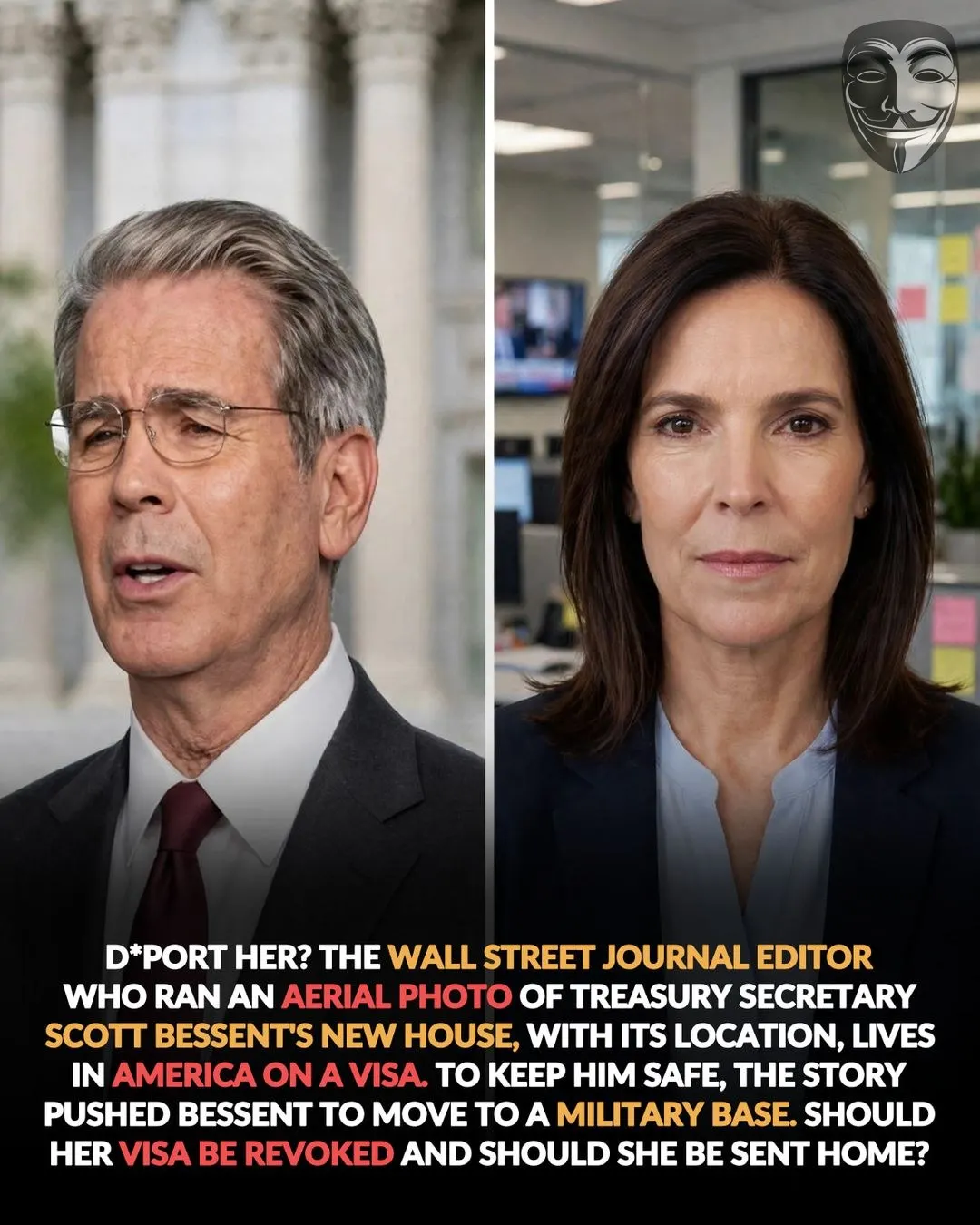
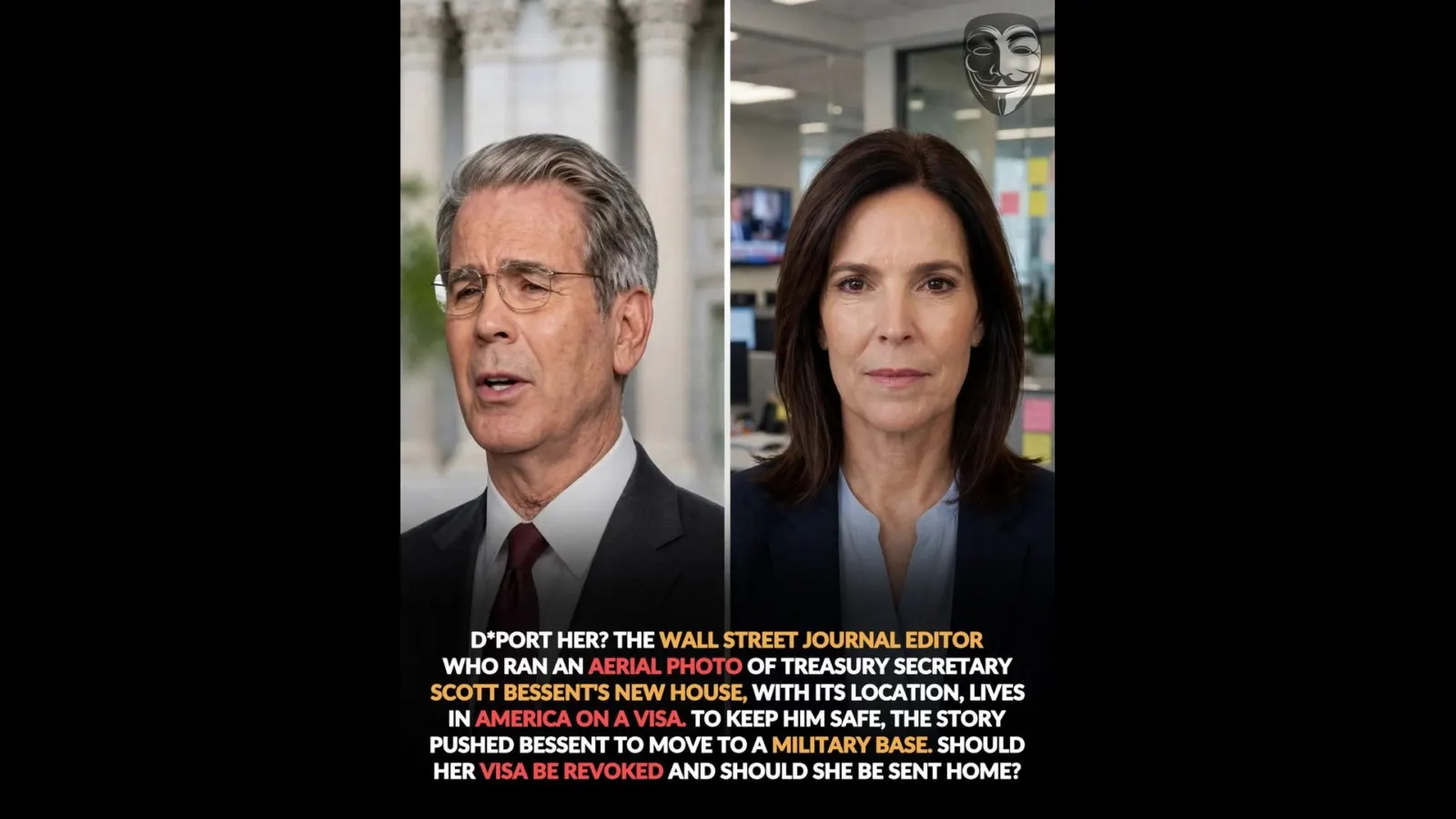
Bessent visa review is the question now facing Emma Tucker, the editor in chief of the Wall Street Journal, after her paper published an aerial photo of Treasury Secretary Scott Bessent’s new home in Georgetown. Bessent says the photo let anyone pinpoint where he lives, and he told CNBC that Iranian death threats had already put his life at risk. The exposure left him no choice but to move his family onto a secure military base. In the slides ahead we look at the photo, the move, the editor and the visa question.
The story was authorized by Tucker, who lives and works in the United States on a visa, and supporters of the Treasury Secretary say a visa is a privilege, not a right. They are asking whether hers should be reviewed after a story they say put a Cabinet official at risk. The Journal paid attention to the home, and its report said Bessent paid 12.5 million dollars for the mansion. For more on leaders and the news around them, read our report on a silent shrug in Berlin and our story about words about who belongs here.
References:
CNN: As Trump remakes Washington, his Cabinet increasingly moves to secure military bases
USA Today: More Trump officials are calling military bases home
MEAWW: Explained: What’s behind Trump officials’ unusual move into military housing
Wall Street Journal: Treasury Secretary Scott Bessent Pays $12.5 Million for D.C. Mansion
The Aerial Photo That Started It All

The Journal published an aerial photo of Bessent’s Georgetown home, and the picture showed the house from above with its location clear enough for readers to find it. An aerial photo can show a roof, a yard, nearby streets and the shape of a whole block in one frame. For a private home that detail is a problem, because anyone can work out the address from the picture. Bessent says that is exactly what happened. Read about a truck that looked like it drove through a wall.
Scott Bessent at the Center of the Bessent Visa Review
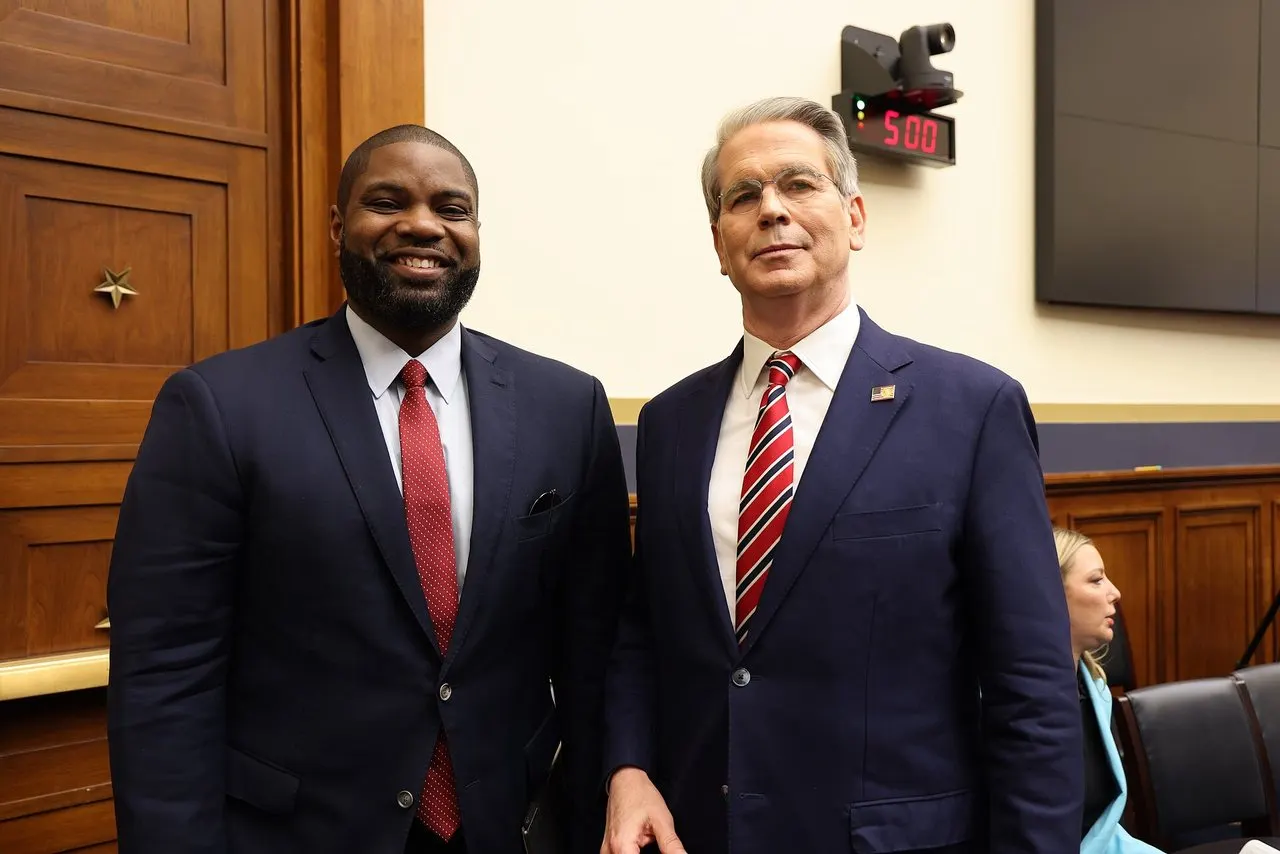
Scott Bessent is the Treasury Secretary, one of the most senior officials in the American government and a member of the Cabinet. The Treasury Department looks after the nation’s money, its taxes and its debts, so its leader is a public figure in the news most weeks. Bessent bought a new home in Georgetown, a historic neighborhood in Washington, and the Journal reported that he paid 12.5 million dollars for it. That price made the house part of the story. Read about a family found after a daughter’s 911 call.
A $12.5 Million Mansion in Washington
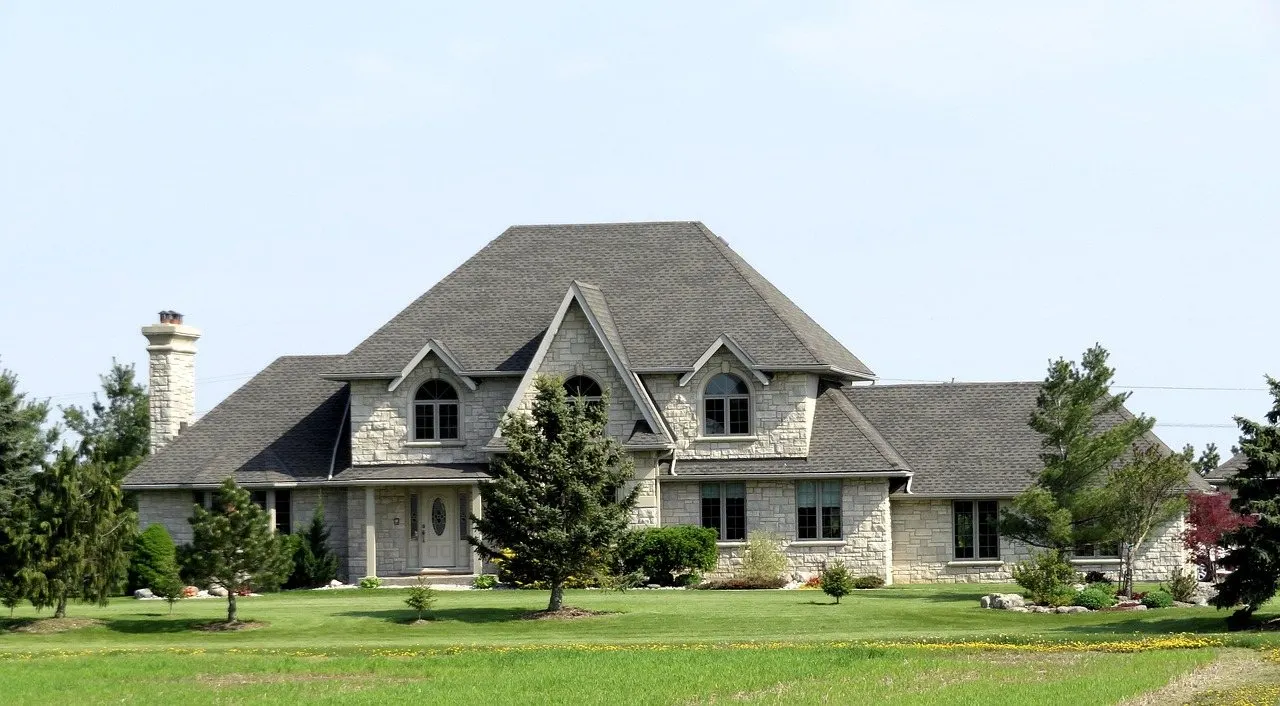
The Journal’s report said Bessent paid 12.5 million dollars for his new home in Washington, and that number says much about the house. A home at that price is large, and it sits in one of the most sought after parts of the capital, where old brick houses and tree lined streets draw rich buyers. The paper paired the price with an aerial photo, and together they gave readers the value and the view. For a Cabinet official facing threats, that combination was too much. See leave approved without a single question.
How One Photo Can Pinpoint a Home
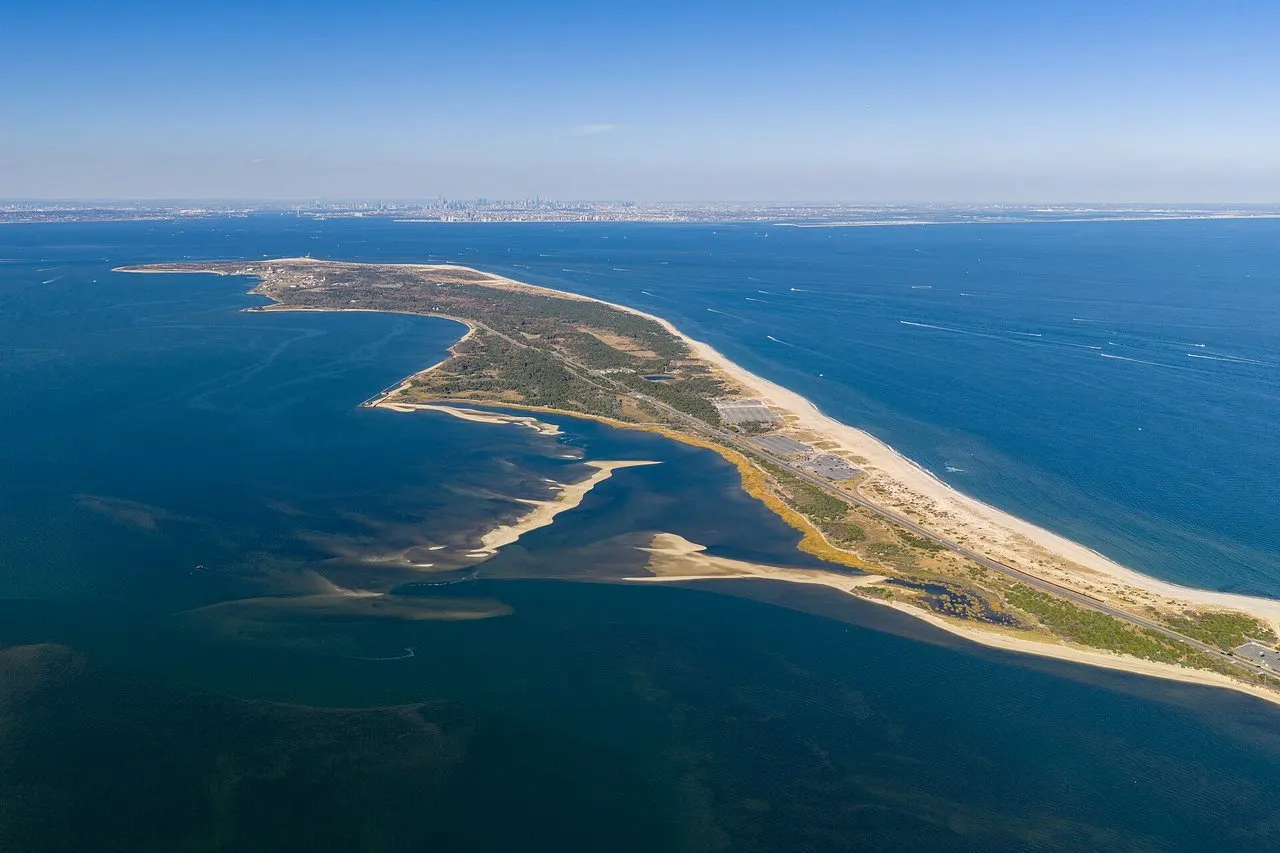
A photo taken from the air can show things a street photo cannot, and that is why this one caused trouble. From above, a camera sees the roof, the garden, the driveway and the roads around the house, and a reader can match those shapes to a map. Bessent says the Journal photo let anyone pinpoint where he lives, and that claim is the heart of this story. A picture that looks harmless can still give away a home. Learn about a four day trip with billions in deals.
Bessent Told CNBC About the Threats
Bessent told CNBC that Iranian death threats had already put his life at risk before the photo appeared, and that detail changes how the story reads. A Cabinet official who faces threats from abroad must think about safety every day, and his family shares that worry. When he spoke to CNBC he made clear that the photo added a new danger, because it showed the world where he sleeps at night. His words turned a story about a house into a story about safety. Read about a calm and happy family life.
The Move to a Military Base
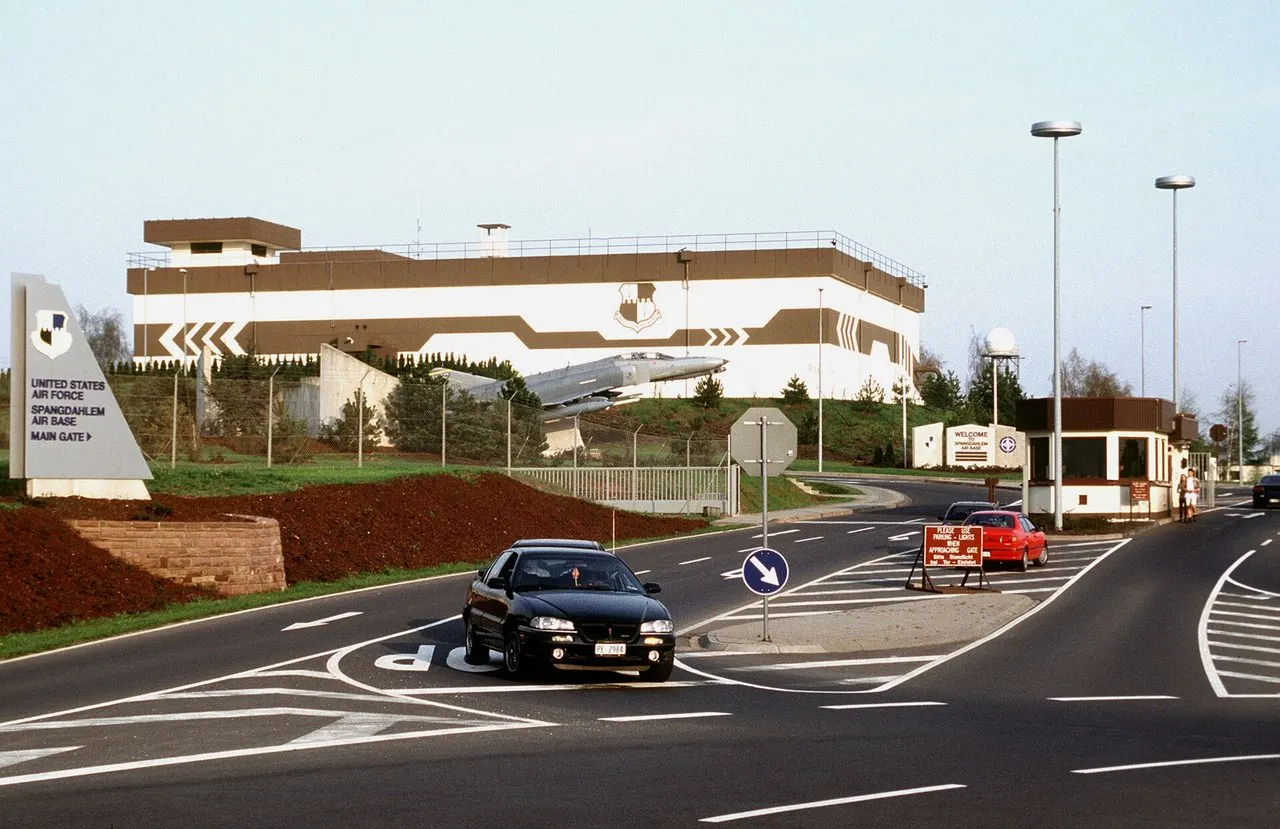
After the photo appeared, Bessent moved his family onto a secure military base, and the move shows how serious the risk had become. A military base has gates, guards and controlled entry, so no stranger can walk up to a front door. For a family that had already been warned about threats, that kind of safety was worth leaving a new home behind. The move was not a choice about comfort, and Bessent says the exposure left him no choice at all. See a call for men to speak up for women.
Life Inside a Secure Military Base

Life on a military base is very different from life in a Georgetown townhouse, and the change is not only about walls and gates. Base housing sits inside a guarded area where visitors are checked and patrols are normal, and families live close to other service families. Children go to base schools, and daily life follows the routines of the base. For the Bessent family the move brought safety, but it also meant giving up the privacy of a normal street. Read about a call for Americans to have more babies.
Emma Tucker and the Bessent Visa Review

Emma Tucker is the editor in chief of the Wall Street Journal, so she runs the newsroom that approved this story. An editor in chief sets the tone for a paper, decides which stories matter and takes the final call on sensitive ones. Bessent says Tucker authorized the story, and that puts her at the center of this row. She directs coverage of an administration whose officials her paper just put at risk, while her own right to stay is now under debate. Learn about a call to remove a health chief.
The Bessent Visa Review Question
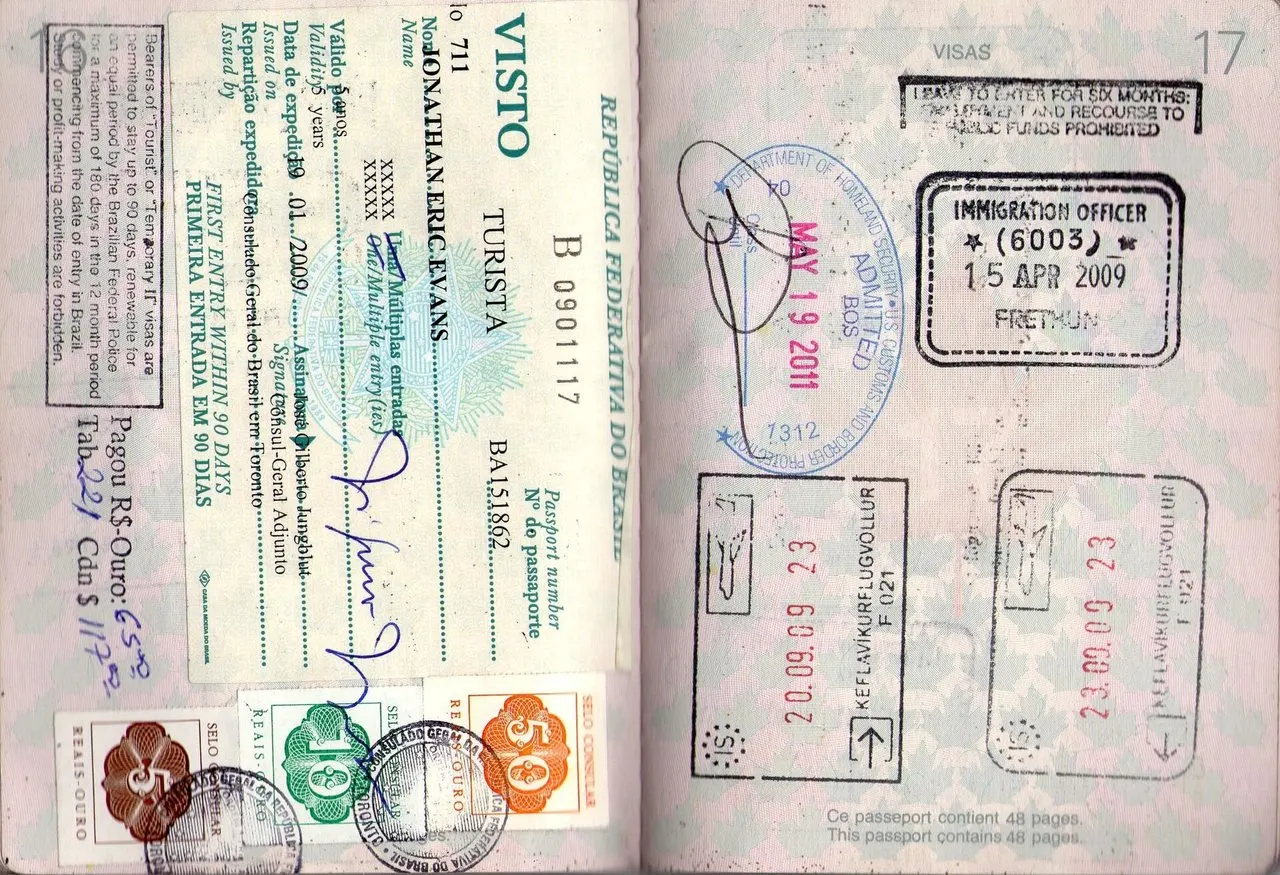
The Bessent visa review is the question the Treasury Secretary’s supporters are now asking, and it turns on one simple idea. A visa is a privilege, not a right, and the country that grants it can review it when it sees a reason. Supporters say the Journal story put a Cabinet official at risk, and they ask whether the editor who approved it should keep living and working in America. The question is sharp, with no easy answer. See how to greet a foreign leader at a summit.
A Visa Is a Privilege, Not a Right
A visa is a privilege, not a right, and that line is the heart of this debate. A visa lets a foreign national live and work in the United States, but the government grants it and can review it or take it away. Bessent’s supporters say that privilege should be weighed against the harm they see in the story, and they argue that a guest should not put the country’s leaders at risk. Critics say the press must stay free to report. Read about a joke about meeting dictators.
What a Visa Lets Someone Do in America
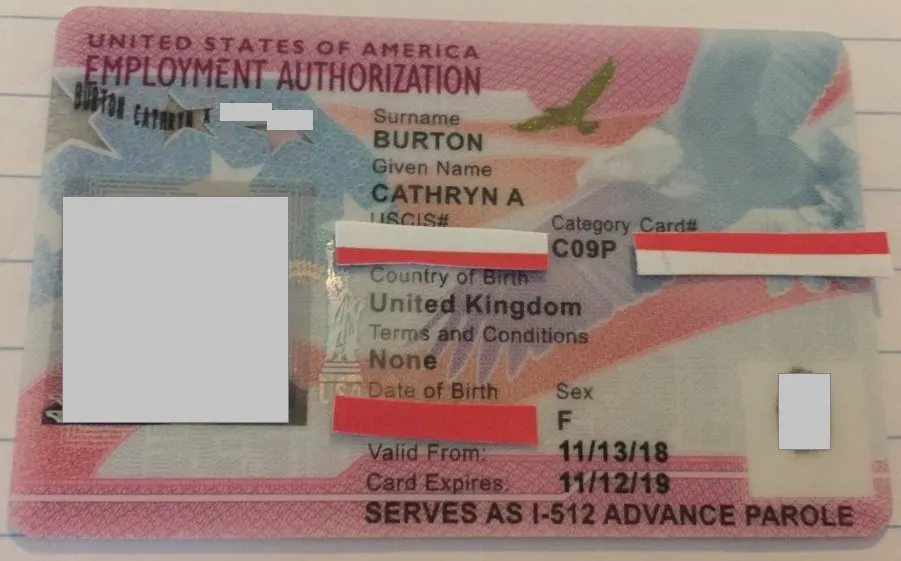
A visa lets a person live and work in another country, but it comes with rules that citizens do not face. The holder must follow the terms of the visa, keep their papers in order and respect the laws of the host country. Governments can check a visa at any time, and they can ask questions when they believe the terms have been broken. That is the power supporters want used here, and it is also the power that makes a visa different from citizenship. Learn about remarks that drew outrage across America.
How a Visa Review Works
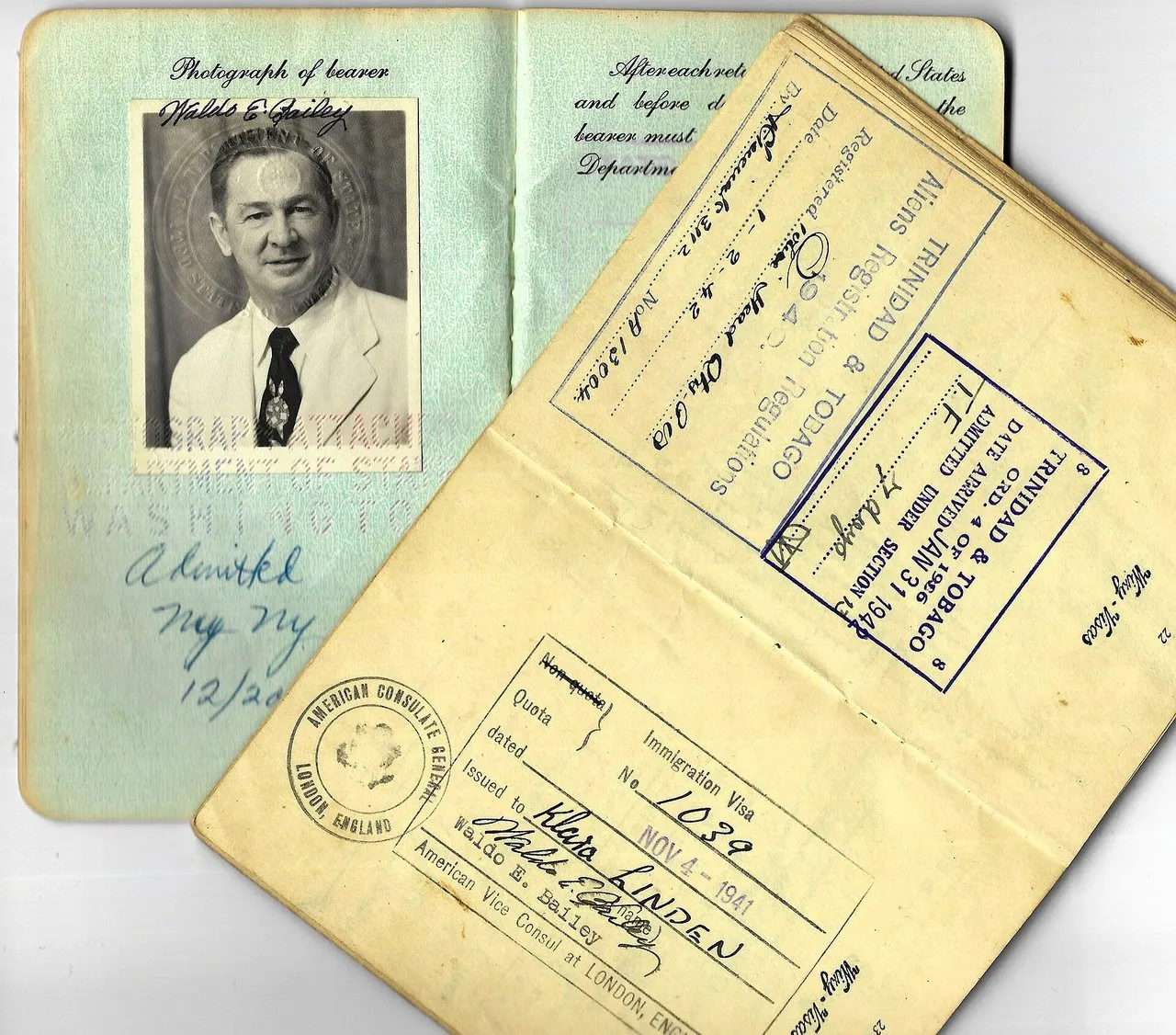
A visa review is a formal look at whether a person should keep the right to stay, and it can start in several ways. Officials can ask for documents, check a record and weigh the reasons for and against. The person at the center usually has a chance to answer, and it can take weeks or months. No review has been announced here, and the talk so far is only a question from supporters, not a government decision. See a warning about a five dollar delivery fee.
Cabinet Officials Are Moving to Bases Too
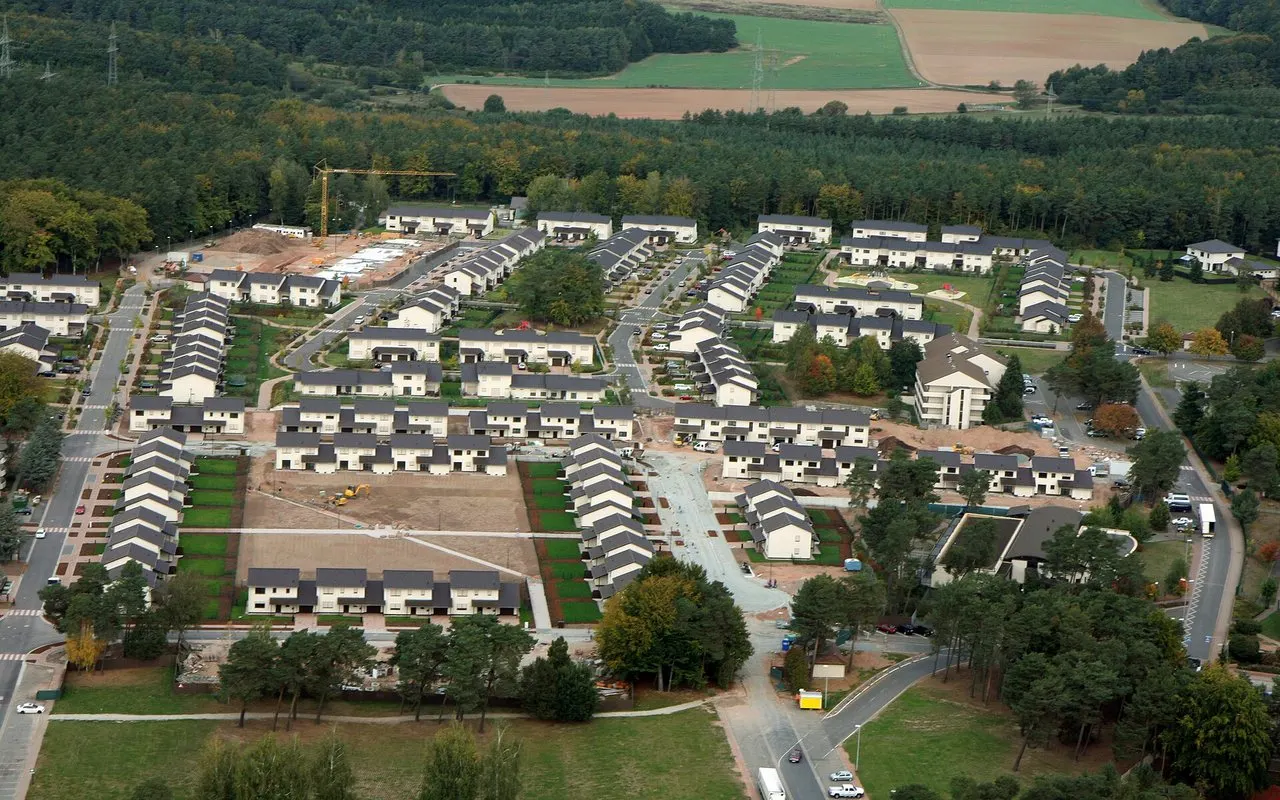
Bessent is not the only Trump official to move onto a military base, and that wider trend is part of the story. CNN reported that as Trump remakes Washington, his Cabinet increasingly moves to secure military bases, and USA Today found that more Trump officials are calling military bases home. The pattern suggests that security worries are shared across the administration, not limited to one man. A home on a base offers guards and gates that a city street cannot match. Read about a holiday room that stays decorated all year.
The Bessent Visa Review and the Cabinet Trend
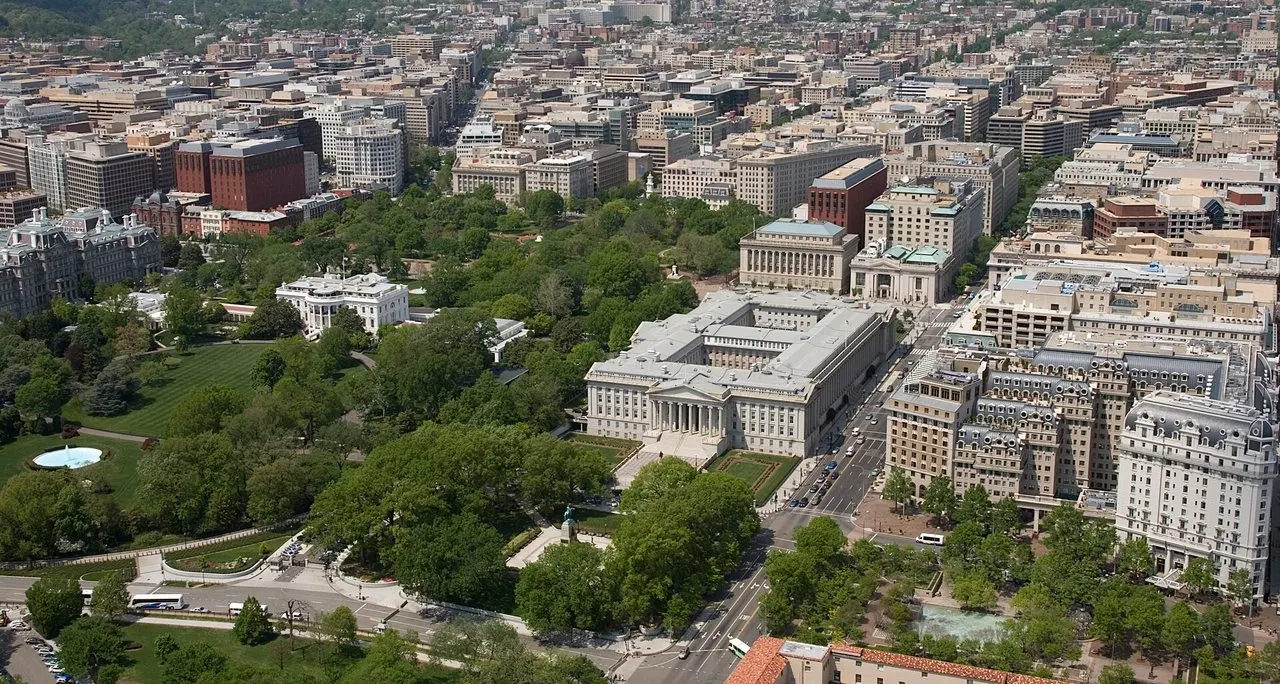
The Bessent visa review sits inside a bigger Washington story, as the whole Cabinet moves behind fences. As Trump remakes the capital, senior officials choose the safety of bases over city homes, and CNN, USA Today and other outlets have covered the trend. Each move tells the same story, and each raises the same question about how safe public life has become. The Treasury Secretary is only the latest name on the list. Learn about a judge who does not like being interrupted.
Why Bases Appeal to Trump Officials

Military bases appeal to officials for reasons that go beyond a fence and a guard post. A base is a closed community with its own police, its own rules and its own sense of order, and entry is limited to people with a reason to be there. MEAWW explained what sits behind the unusual move into military housing, and the answer is a mix of safety, privacy and control. For officials who face threats, that mix is hard to turn down. See a silent shrug in Berlin.
Georgetown, the Historic Neighborhood
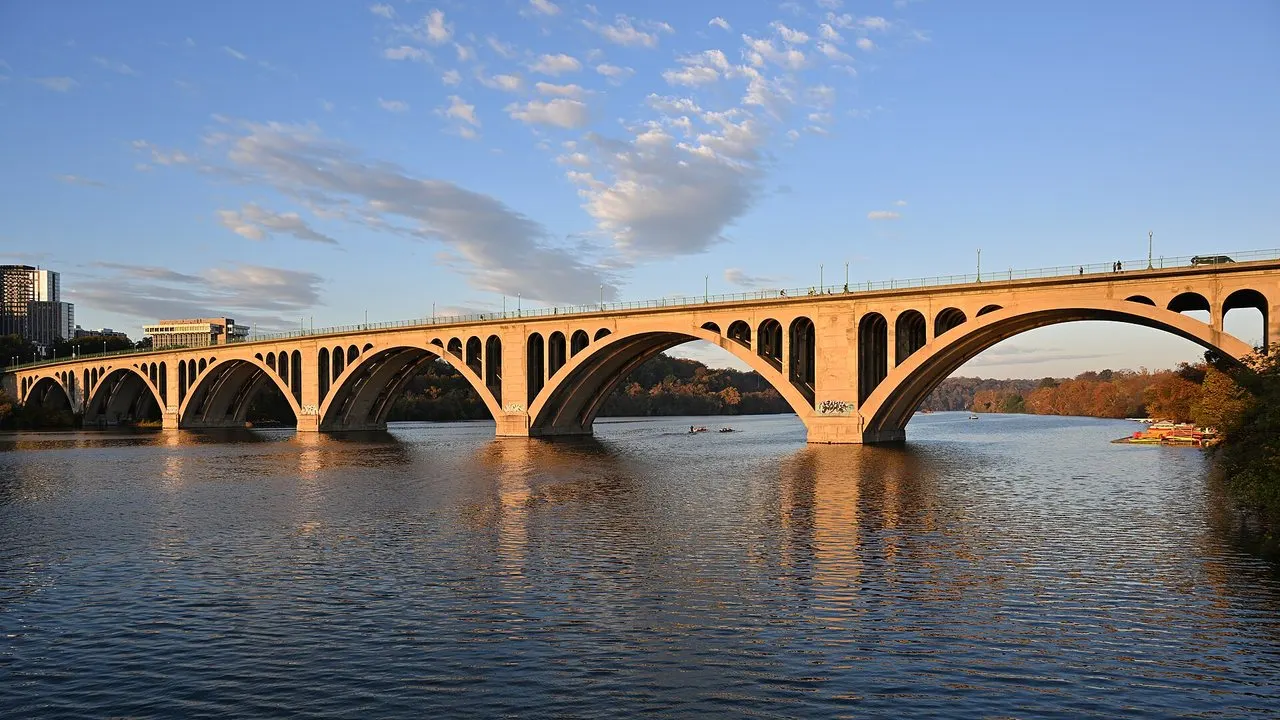
Georgetown is one of the oldest neighborhoods in Washington, and its brick row houses and quiet streets have drawn famous residents for years. The area sits beside the Potomac River, and its shops and historic homes give it a village feel inside a busy capital. A house there costs far more than most Americans will pay, and the address alone says much about the buyer. That is why the photo of a Georgetown home drew attention. Read about a truck that looked like it drove through a wall.
Row Houses and Quiet Streets in Georgetown
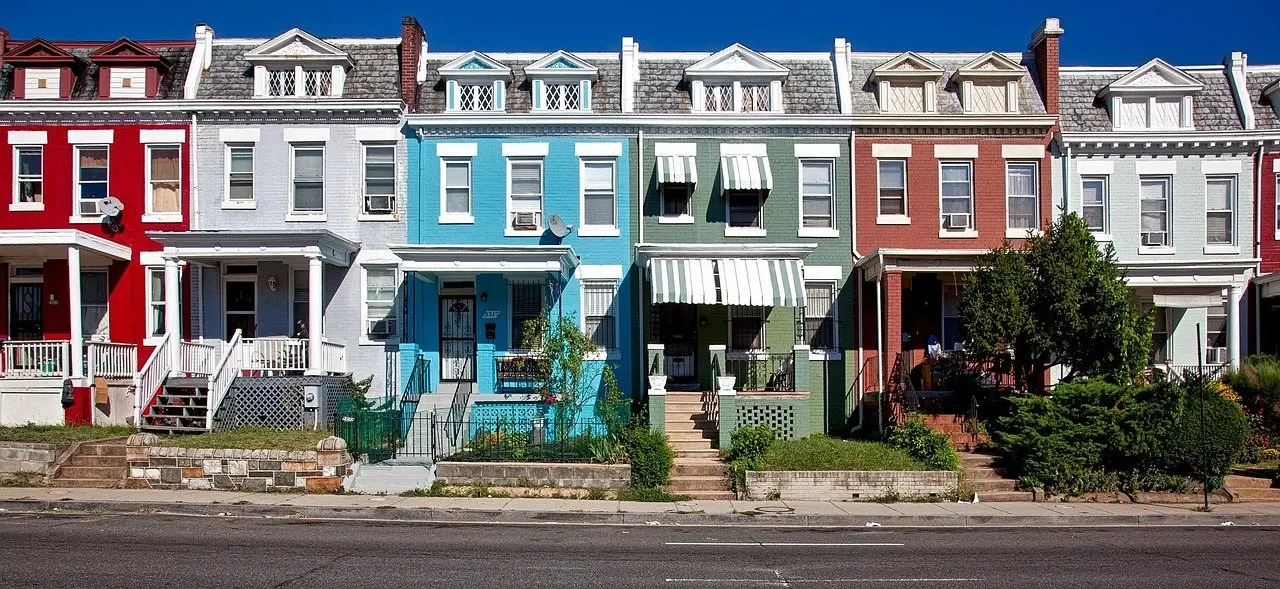
Georgetown’s row houses are part of its charm, and they also show why the neighborhood is so easy to recognize. The houses stand close together in long brick rows, with small gardens at the front and narrow streets between them. From the air, those rows form a clear pattern that anyone who knows the area can read at a glance. A photo of one roof can place a whole street, and a street can place a house. Learn about a family found after a daughter’s 911 call.
The Treasury Secretary and the Bessent Visa Review
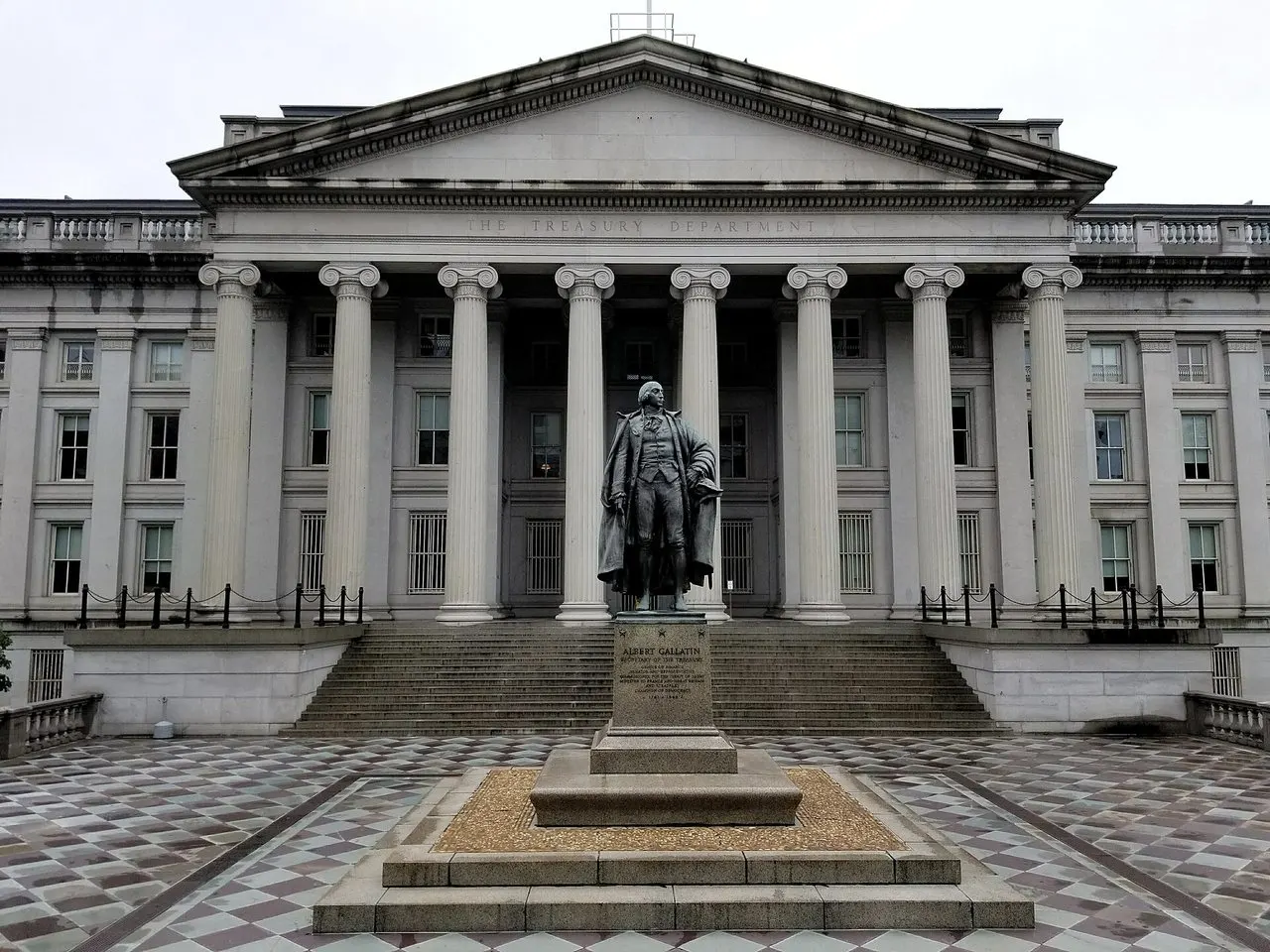
The Treasury Secretary leads the Treasury Department, and the job touches almost every part of American life. The department collects taxes, manages the national debt, prints money and watches over the banks, so its leader works with the president and with Congress every week. The role carries real power, and it also carries real risk, because decisions about money draw strong feelings. That is why the safety of the person in the job matters so much. See leave approved without a single question.
The Wall Street Journal Newsroom
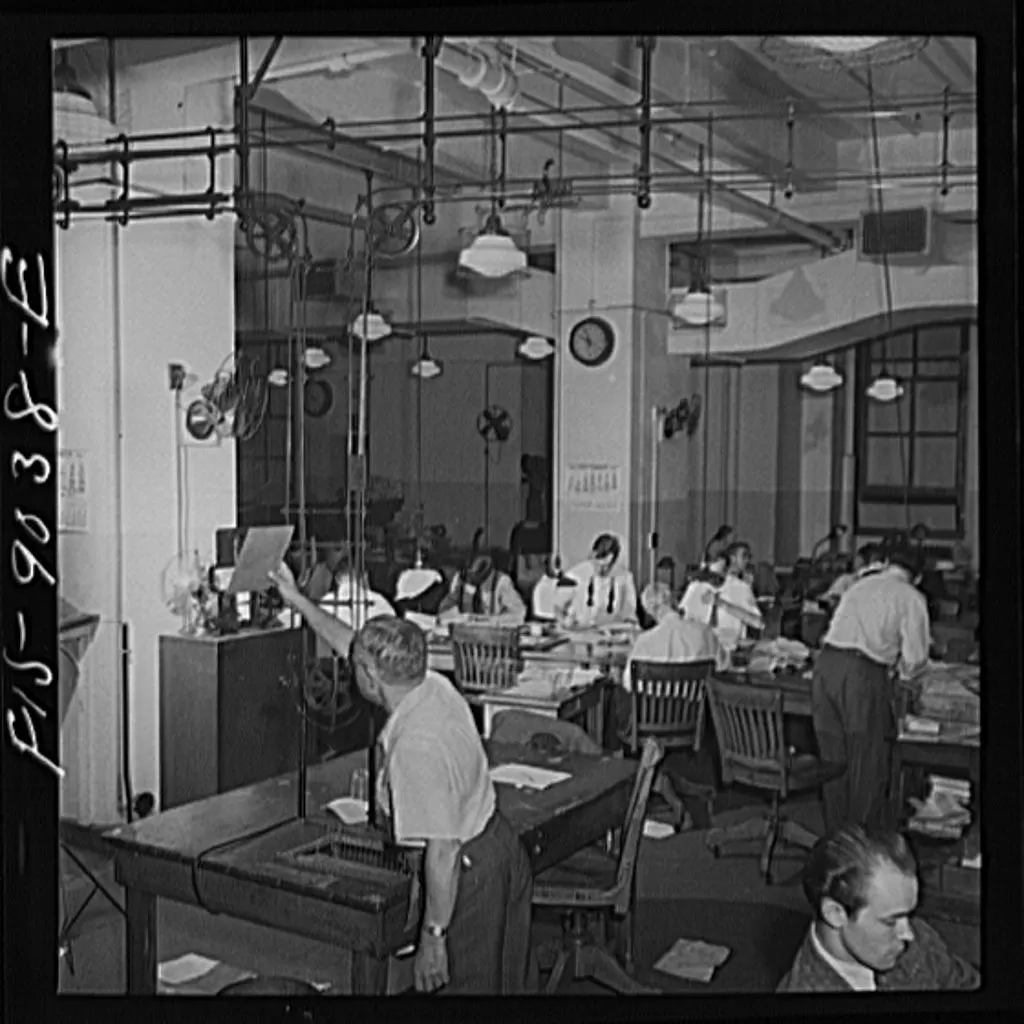
The Wall Street Journal is one of the most read newspapers in America, and its newsroom sets the tone for business and political reporting. Reporters and editors work together on stories that can move markets and shape debates, and the paper’s name carries weight with readers and officials alike. A story in the Journal is not a small thing, and an aerial photo in its pages reaches millions of people. That reach is why the choice of photo matters here. Read about a four day trip with billions in deals.
The Bessent Visa Review Puts Editors in Focus
This case puts editors in focus, because every big story passes through an editor before it reaches the public. Editors check facts, weigh risks and decide what a picture adds to a report, and their choices shape how readers see the news. In this case the editor in chief approved a story with an aerial photo of a Cabinet official’s home, and that choice is now being judged by the public. The newsroom is part of the story now. Learn about a calm and happy family life.
How the Journal Decides What to Publish
A newspaper decides what to publish through a chain of checks that starts with a reporter and ends with an editor. The reporter gathers facts and photos, an editor tests the story for accuracy and fairness, and senior editors take the final call on the most sensitive pieces. That chain is meant to catch problems before they reach print, and it is why the approval of this story matters so much. Someone at the top said yes to the photo. See a call for men to speak up for women.
Security and the Bessent Visa Review
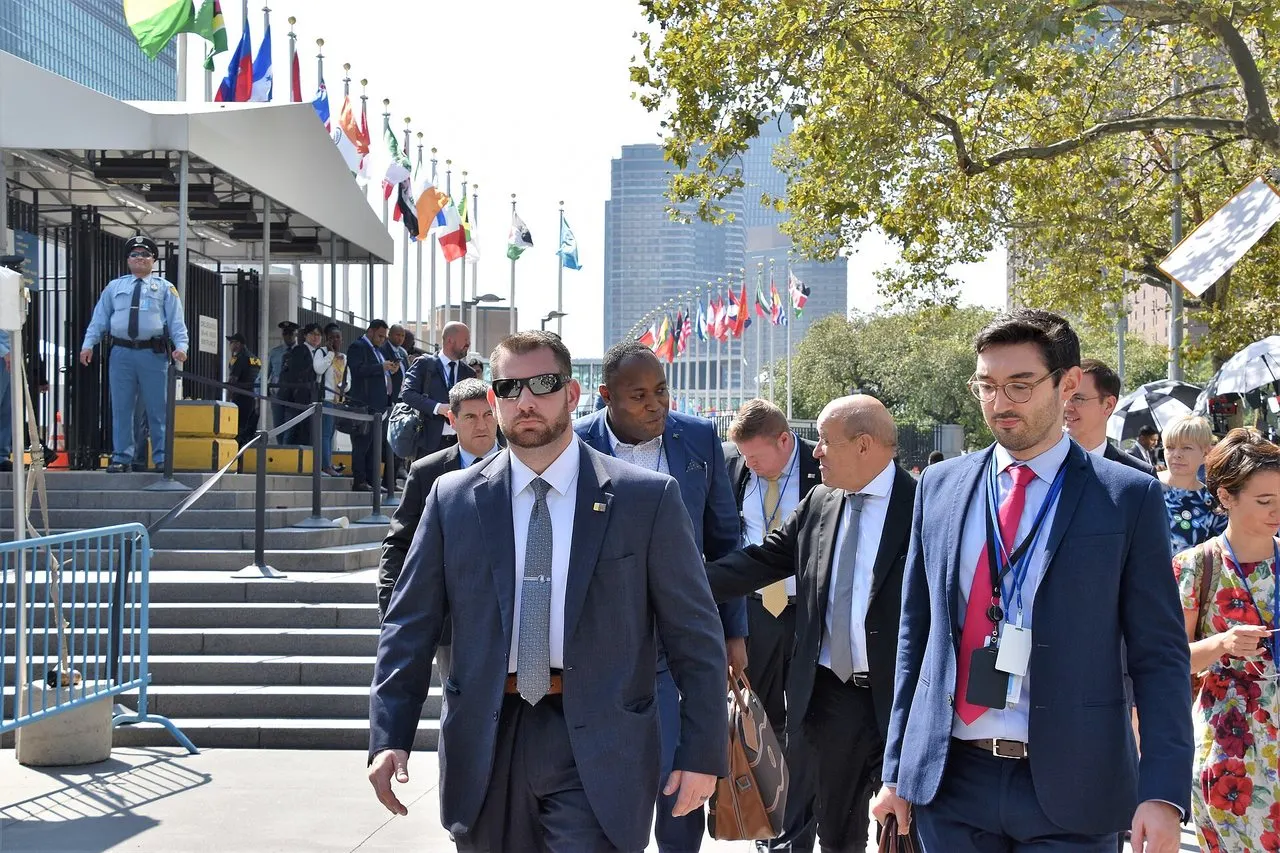
Security for a Cabinet official is a daily job that never really stops, and it covers far more than a locked door. Protection teams watch the home, the office and the road between them, and they plan for threats that most people never think about. When a home address becomes public, that job gets much harder, because the team must guard a place the whole world can now find. A move to a base is one answer to that problem. Read about a call for Americans to have more babies.
Cameras, Fences and Guards
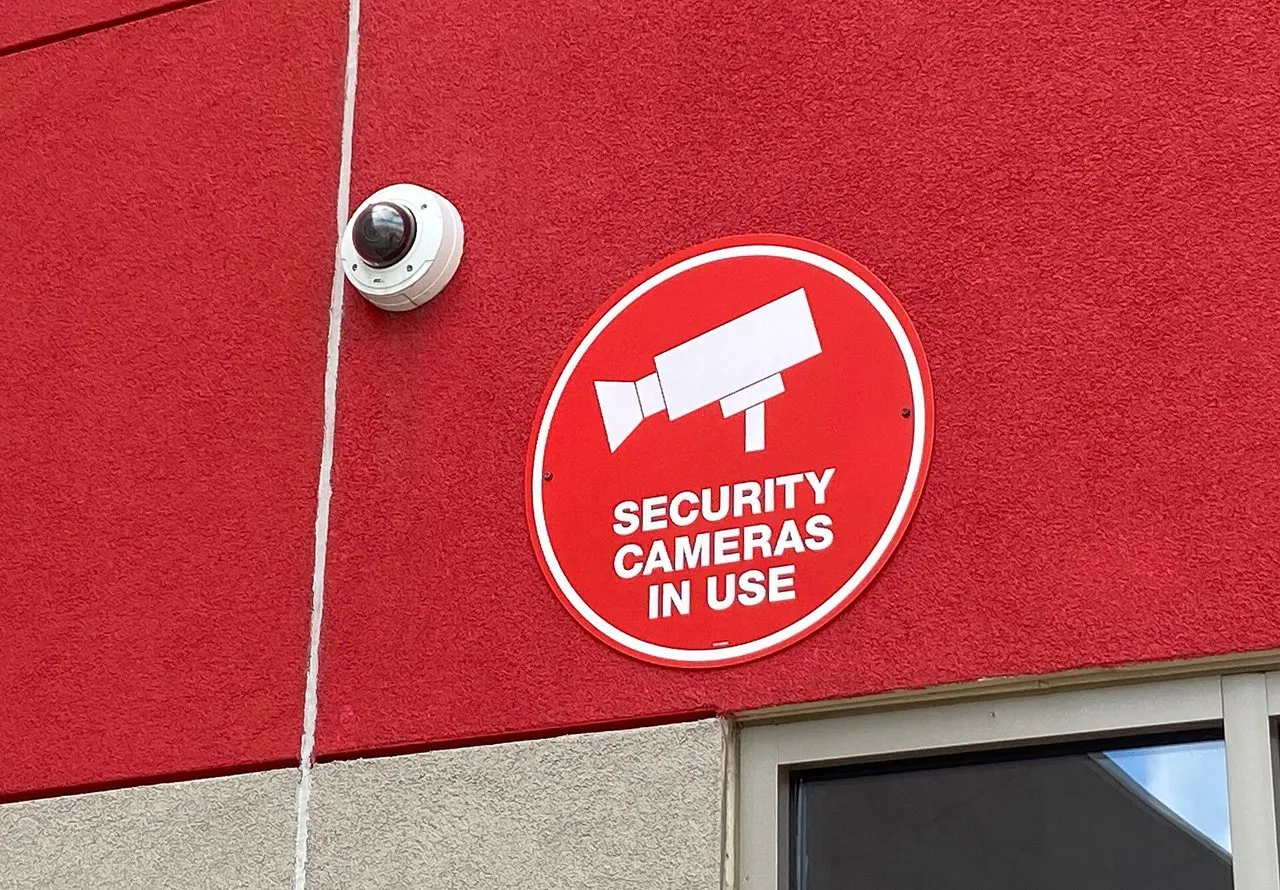
Cameras, fences and guards are the visible signs of security, and they work best with a plan behind them. A camera can watch a gate all day, a fence can slow a stranger down, and a guard can ask questions before anyone gets close. But none of them help much if the address is already public, because a stranger can still find the street. That is why a photo can do more harm than a broken lock. Learn about a call to remove a health chief.
The Bessent Visa Review Debate Online
The Bessent visa review debate is playing out online, where readers argue about the photo, the editor and the visa. Some say the Journal went too far and the editor should face review, while others say the press must be free to publish what it finds. Social media turns a complex question into a short argument, and the loudest voices win the day. The debate shows how fast a news story becomes a public row. See how to greet a foreign leader at a summit.
What the References Report

The references behind this story each add a piece to the picture, and they come from very different newsrooms. CNN wrote about the Cabinet moving to secure bases, USA Today counted more officials calling bases home, MEAWW explained the move into military housing, and the Journal itself reported the 12.5 million dollar price of the mansion. Taken together, they show a pattern that is bigger than one photo or one editor. Read about a joke about meeting dictators.
The $12.5 Million Figure in Context

The 12.5 million dollar figure matters because it shows the scale of the home at the center of this story. A house at that price is not an ordinary home, and it draws the eye of readers who want to see how a Cabinet official lives. The Journal knew the number would interest its readers, and it paired the price with a photo that made the house easy to find. Price and picture together turned a private purchase into public news. Learn about remarks that drew outrage across America.
The Bessent Visa Review and the Power of the Press
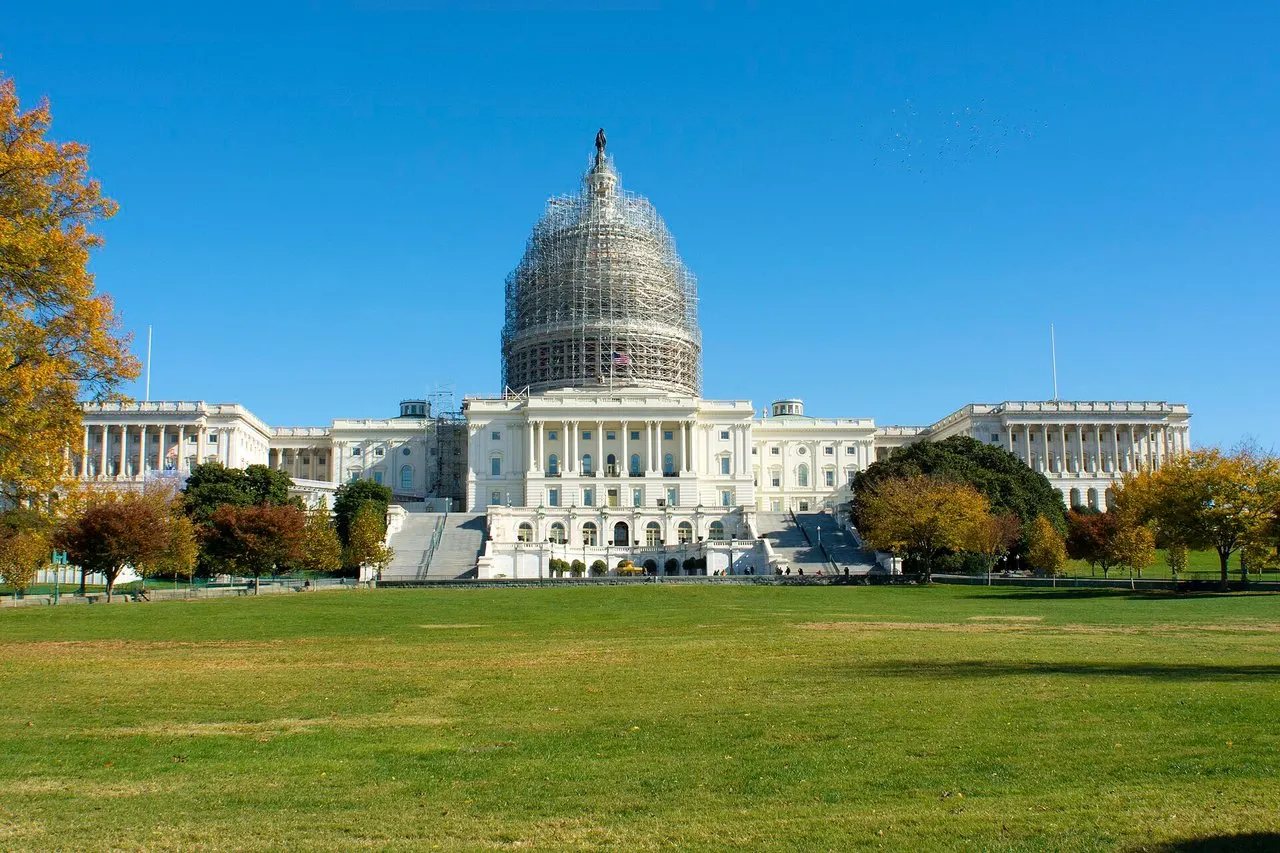
This case touches a bigger question about the power of the press and the safety of the people it covers. Newspapers have a duty to report the news, and the public has a right to know how its leaders live, yet that duty can clash with the safety of a single family. When a photo gives away a home, the line between reporting and risk becomes hard to draw. This story sits right on that line. See a warning about a five dollar delivery fee.
Why This Story Caught So Much Attention
This story caught so much attention because it brings together money, power, safety and the press in a single photo. A 12.5 million dollar mansion, a Cabinet official under threat, a famous newspaper and an editor on a visa are all part of one picture, and each part pulls readers in a different direction. Some readers see a press freedom fight, and others see a safety failure. That split is why the story keeps spreading. Read about a holiday room that stays decorated all year.
Should the Bessent Visa Review Go Ahead?
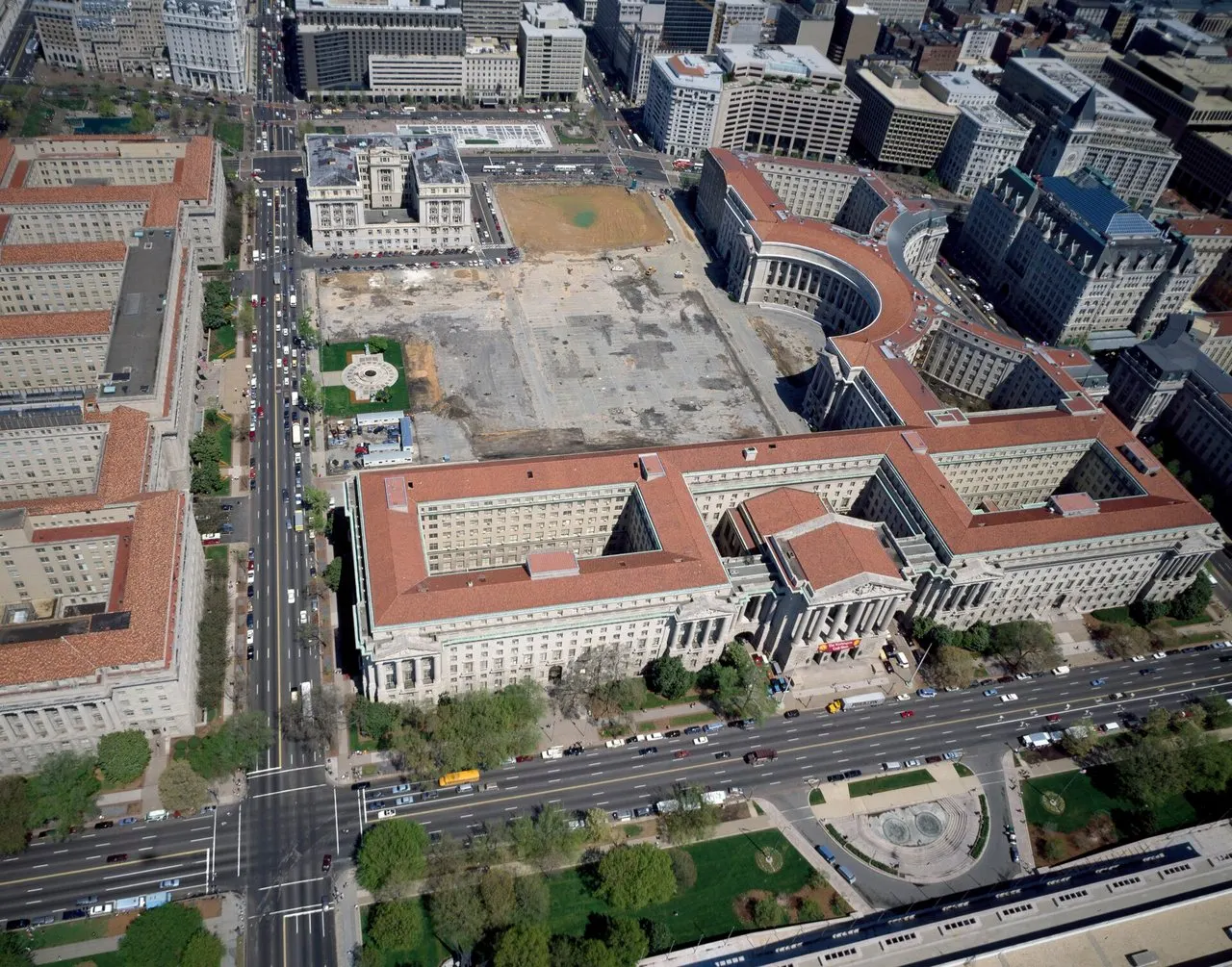
The visa question is now at the heart of this story, and it will not be settled by one article. Should a visa be reviewed when the holder’s paper puts a Cabinet official at risk, or should the press stay free to publish what it finds? There is no simple answer, and the debate will go on. What do you think: should her visa be reviewed, or should the story stand as fair reporting? Share your thoughts in the comments below. Learn about a judge who does not like being interrupted.