Muslim Population Growth Could Reshape the World by 2035
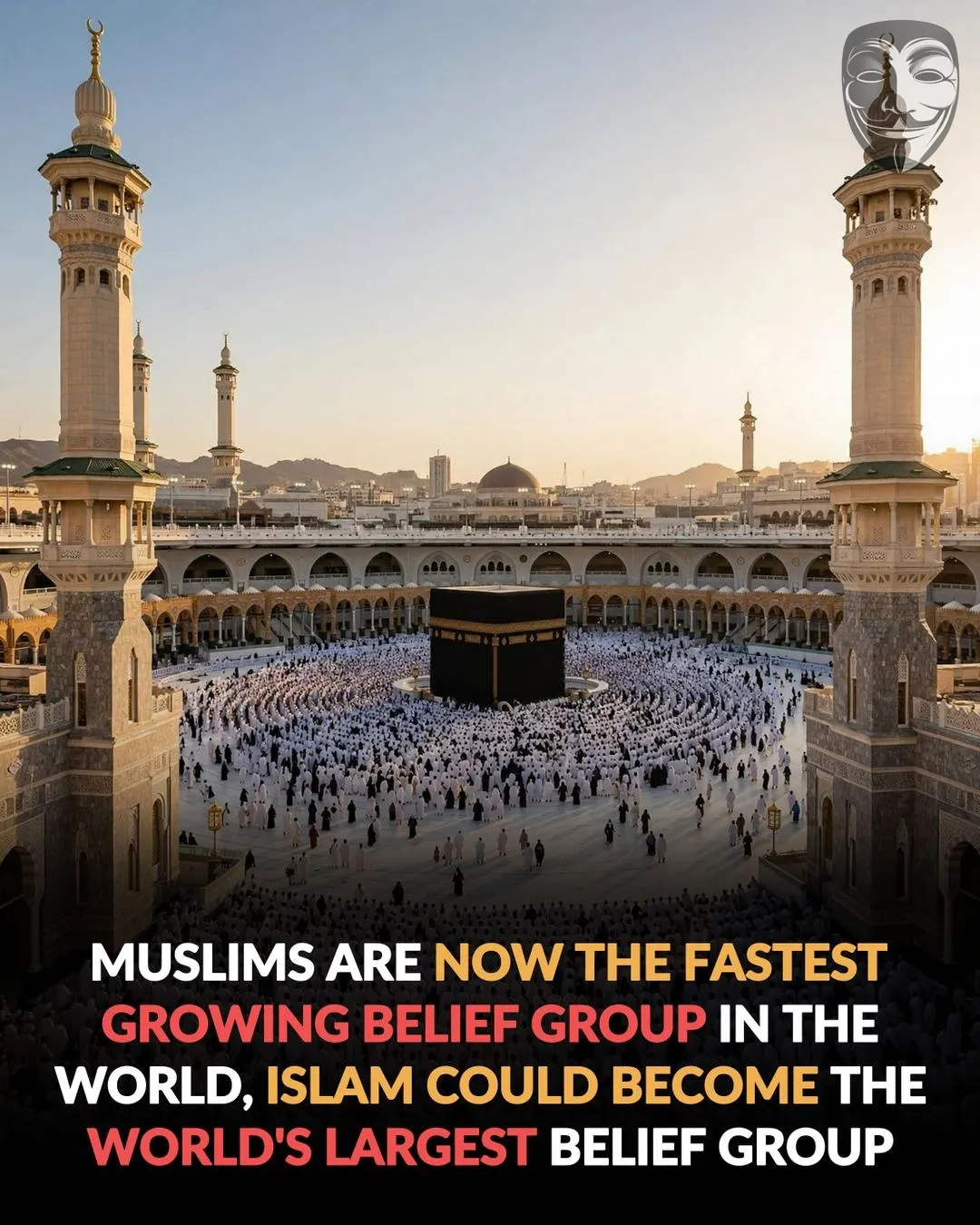
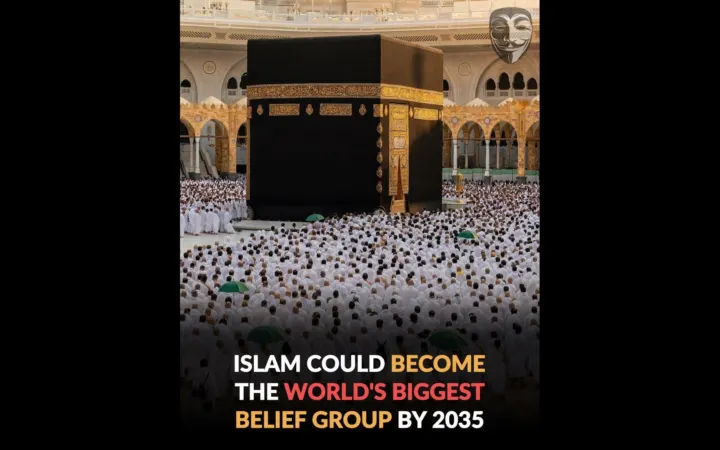
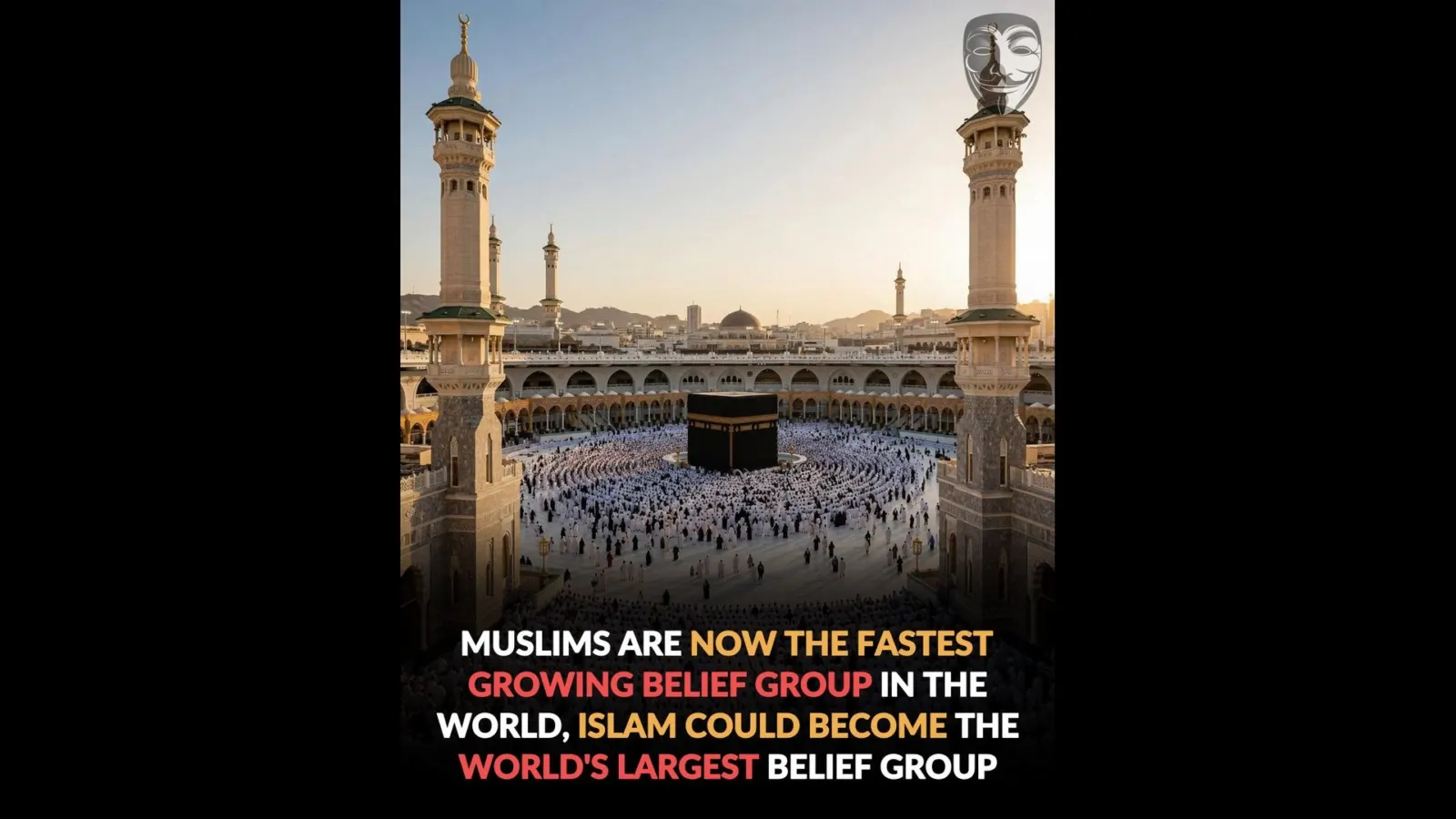
Muslim population growth is set to change the shape of the world’s faiths in the next decade. Pew Research Center released new projections on November 18, 2026, showing that Islam is the world’s fastest growing major belief group. Higher birth rates and a younger population are driving the rise. Muslims are projected to pass Christians in number by 2035 and become the world’s largest belief-based group. The numbers tell a story of families, faith and change across every continent.
Pew projects 2.57 billion Muslims and 2.52 billion Christians by 2035, and by 2070 there could be more than 3.6 billion Muslims worldwide. Both faiths are still growing, but Islam is growing much faster. These figures are demographic projections based on current trends and may change over time. In the slides ahead we look at the numbers, the reasons behind them and the places where the change will be felt most. Like how the shift could reshape the world by 2035, the story is still unfolding, and like children caught in the conflict in Gaza, it touches real lives.
References:
Pew Research Center: Islam Will Soon Be the World’s Largest Belief group as Christianity Continues to Grow
Associated Press: Islam expected to surpass Christianity as the world’s largest belief group by 2035
North Country Public Radio: Muslims will outnumber Christians worldwide by 2035, report says
USA Today: This belief group may soon be bigger than Christianity, new research says
The Pew Study on Muslim Population Growth

The Pew Research Center released its new projections on November 18, 2026, and the findings travelled around the world within hours. Pew is known for careful studies of religion and public life, and its researchers looked at birth rates, age patterns and migration to build the picture. The study found that Islam is the world’s fastest growing major belief group. Like a call for unity among Muslims, the news brought Muslims together in conversation, and like a robot that may outnumber people, it showed how fast the future can arrive.
Muslim Population Growth by the Numbers
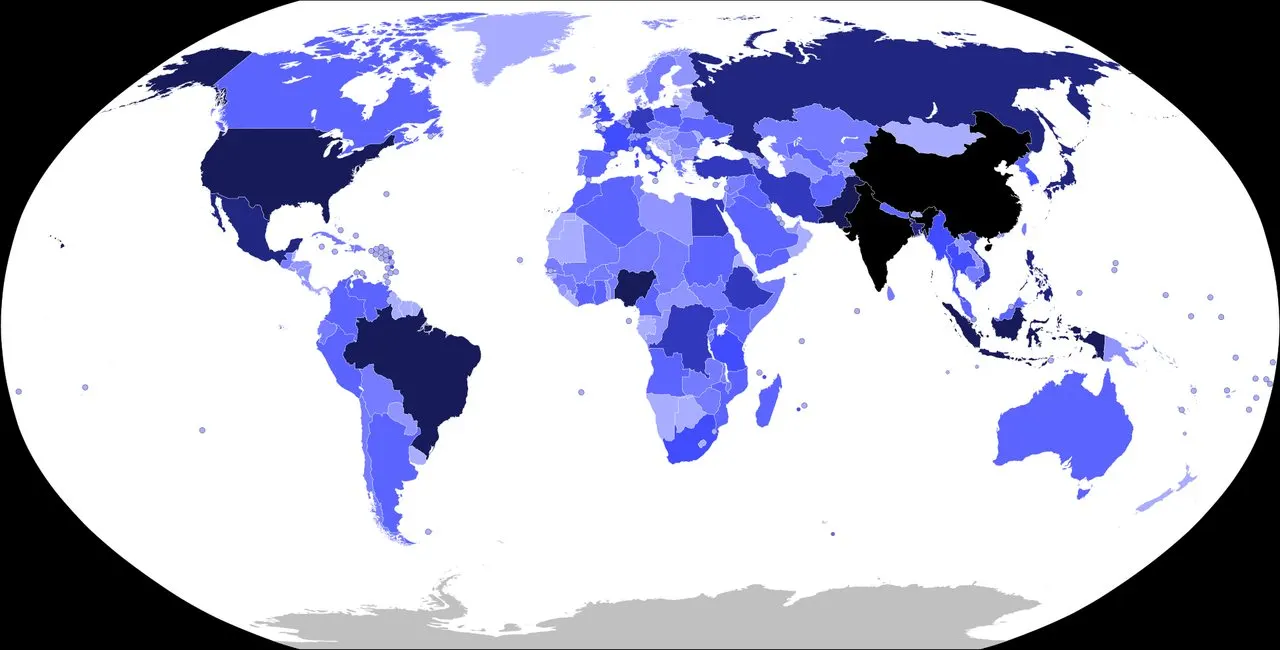
Pew projects 2.57 billion Muslims and 2.52 billion Christians by 2035, a gap of about 50 million people. The two numbers sit close together, yet they mark a turning point in world history. Christians have long been the largest group on earth. Muslim population growth is the force behind the shift, driven by higher birth rates and a younger age profile. Like how Islam could pass Christianity by 2035, the numbers deserve a close look, and like a 96-year-old’s gift of 5.5 billion dollars, they show how one generation can reshape the next.
Why Birth Rates Matter Most

Birth rates sit at the heart of this story. Muslim families, on average, have more children than families in many other faith groups, and that gap adds up over time. Each new generation is larger than the one before it, so the total keeps climbing even when nothing else changes. Demographers call this the power of fertility, and it is the main engine of the change Pew describes. Like 22 facts about the shift, the details reward a closer look, and like a family company that turned down 4 billion dollars, the future is shaped by choices made at home.
Muslim Population Growth and a Younger World

Muslims are, on average, younger than the followers of other major faiths, and a young population grows faster. Young people are more likely to start families, and their children add to the next wave of growth. The pattern shows up in classrooms, in cities and in the Oppana dancers of Kerala, where a traditional Muslim art form is carried by the young. Like how the shift could reshape the world by 2035, youth is the quiet force here, and like a dog that followed a camera crew, the young often lead without trying.
Muslim Population Growth by 2070
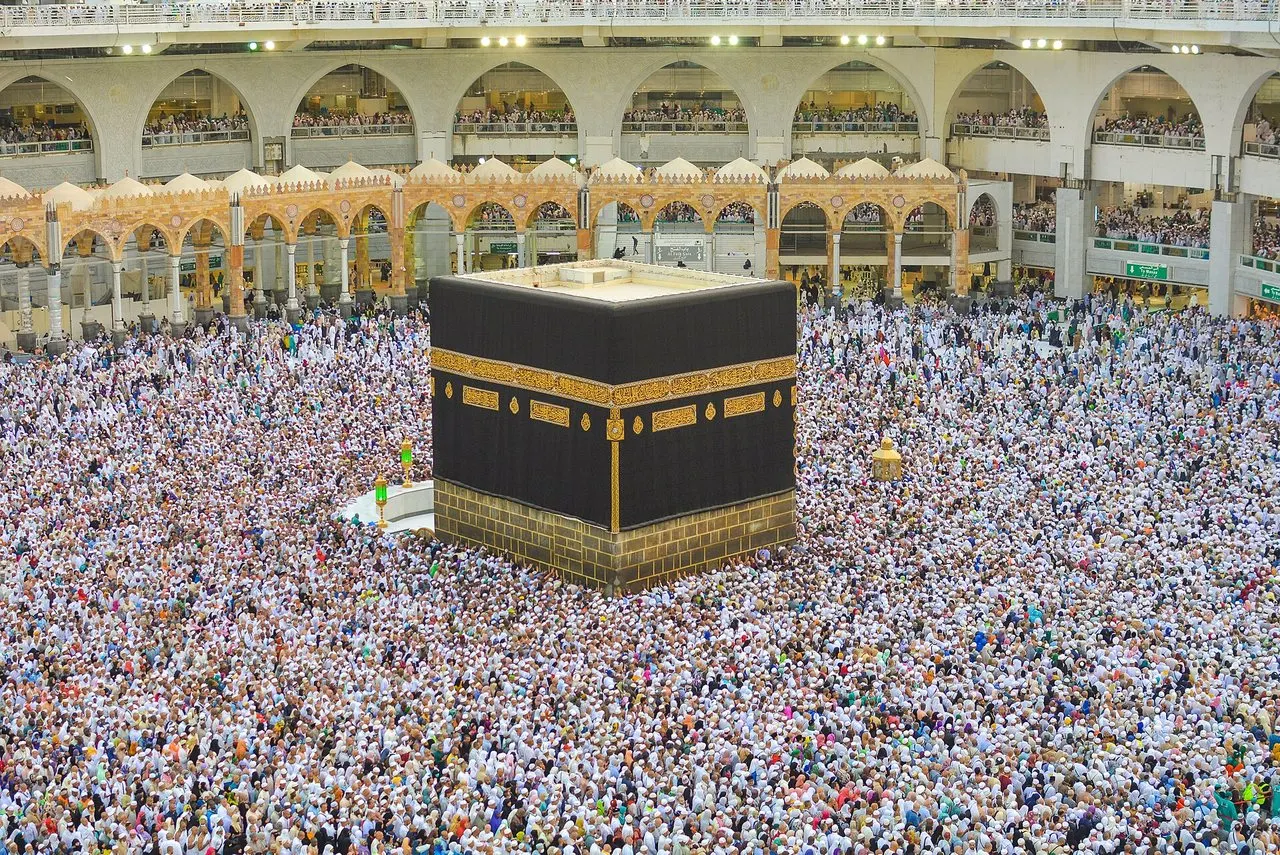
By 2070 there could be more than 3.6 billion Muslims worldwide, a number that is hard to picture. It would mean that more than one person in three on earth follows Islam, if current trends hold. The Hajj already shows what such numbers look like, with millions of pilgrims circling the Kaaba in Mecca in a single season. Muslim population growth on this scale would touch schools, cities and workplaces everywhere. Like one leader’s plea to end division, the future calls for understanding, and like a wrong number text that became a friendship, small connections can bridge great distances.
Muslim Population Growth and a Growing Christianity

Christians are not shrinking. Pew expects the number of Christians to keep growing too, reaching 2.52 billion by 2035. The story is not one faith replacing another, but two great faiths growing side by side at different speeds. Churches and mosques will both welcome more people in the decades ahead, and many towns will see both communities grow. Like the numbers behind the coming shift, the picture is richer than a single headline, and like a beloved hippo and her keeper, every community has a story worth hearing.
How Pew Builds Its Projections
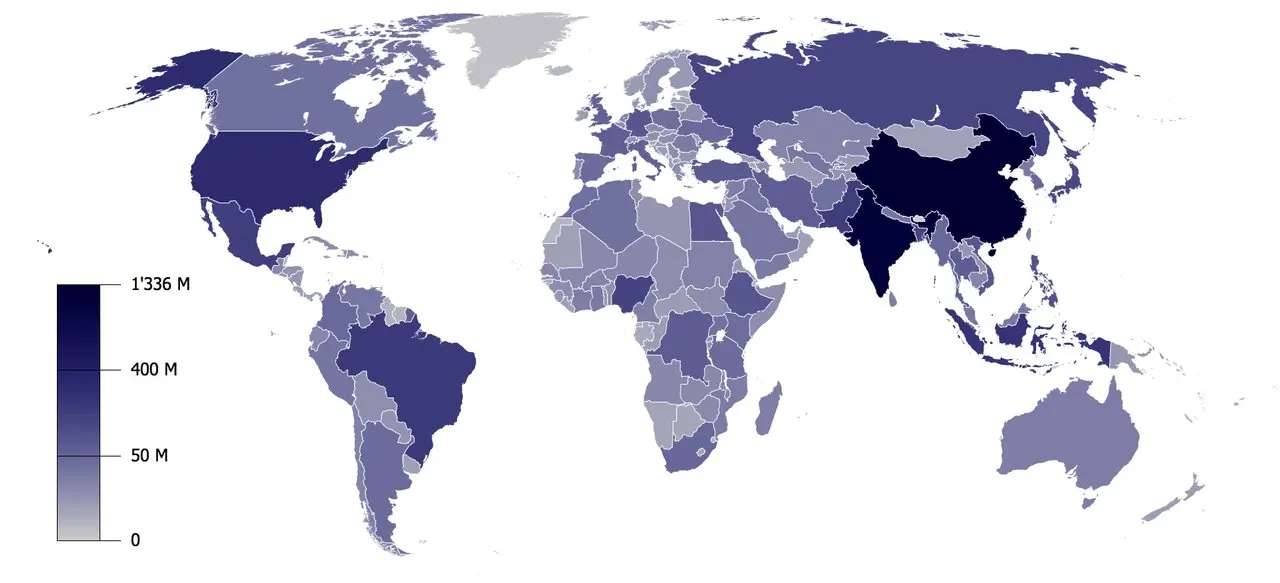
Pew builds its projections from census data, surveys and birth records from countries around the world. Researchers look at how many children women have, how long people live, and how many people move between countries or change faith. They then run the numbers forward, decade by decade, to see where trends point. The method is the same one used to forecast the whole world population. Like the story behind the 2035 milestone, the work is careful and slow, and like a silent shrug in Berlin, the results can surprise even seasoned watchers.
Prayer at the Heart of Daily Life
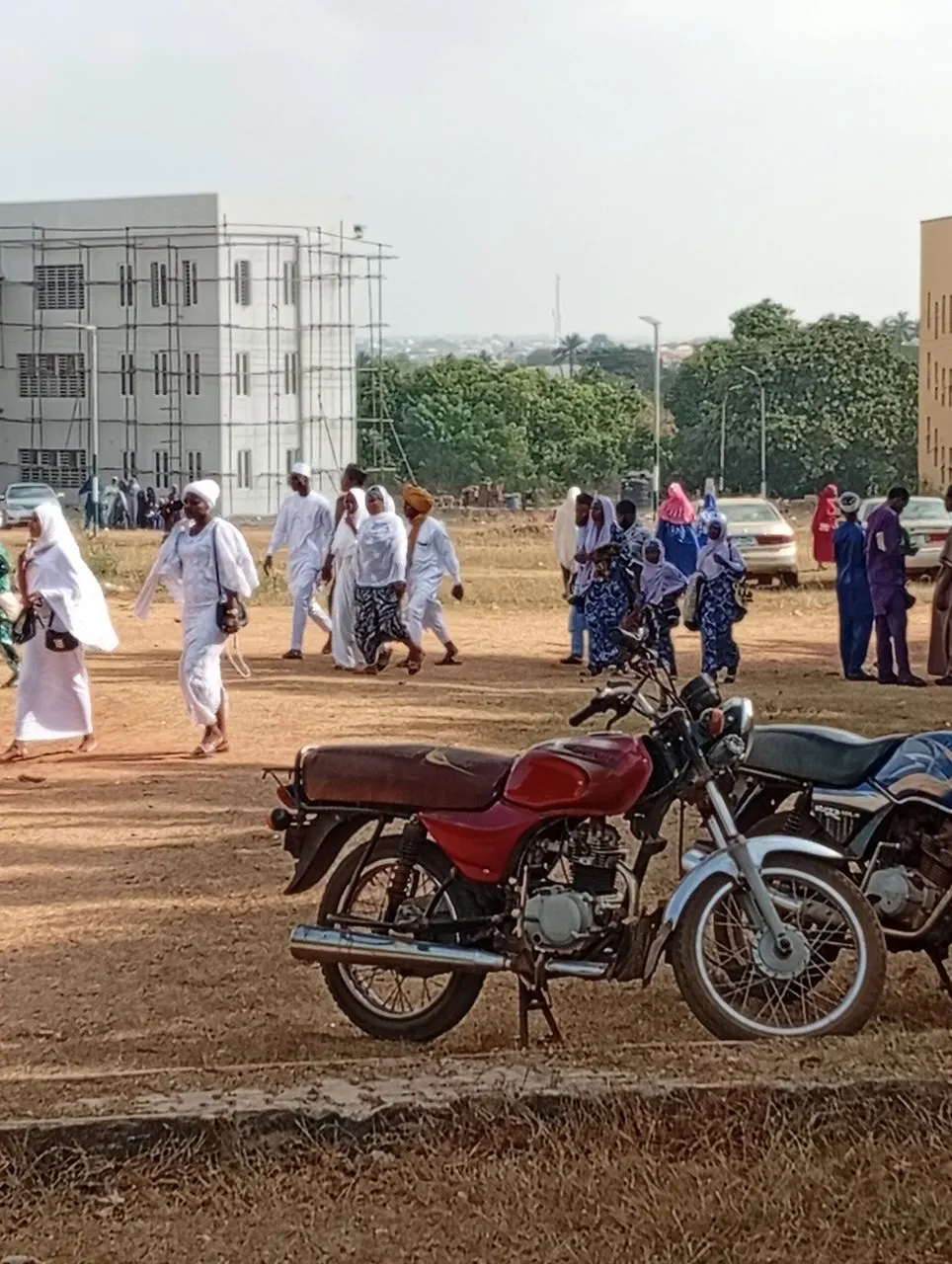
Prayer is the daily rhythm of Muslim life. Muslims pray five times a day, facing Mecca, and gather in mosques on Fridays for the congregational prayer. At Eid, the festivals that follow Ramadan and the Hajj, the gatherings grow even larger, filling prayer grounds in towns like Offa in Nigeria. The photo here shows worshippers at Eid prayer, seated in neat rows in shared devotion. Like young lives in Gaza, prayer brings comfort in hard times, and like a leader who nodded off at a summit table, even solemn moments are part of ordinary life.
Mecca, the Holy City
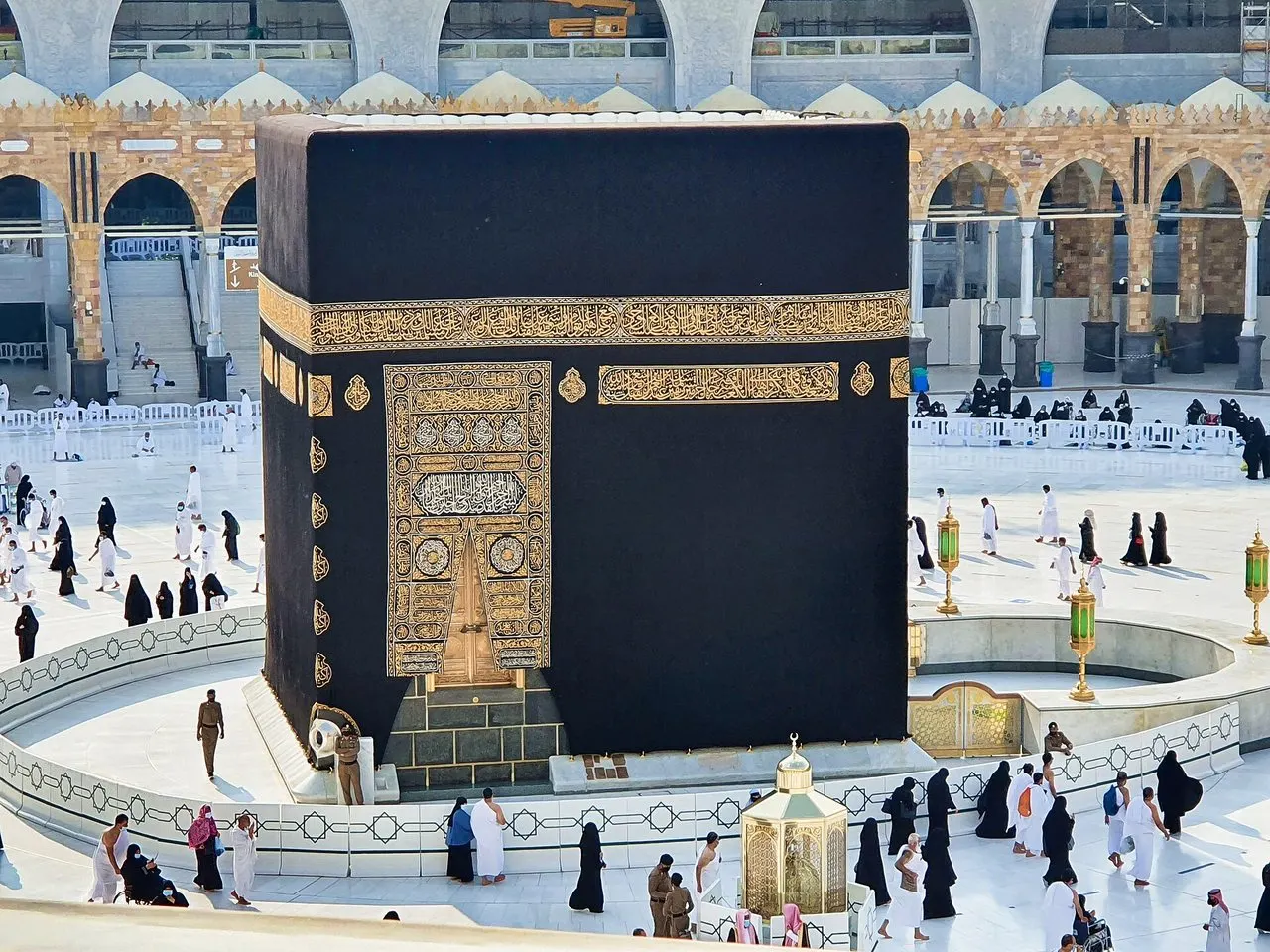
Mecca is the holiest city in Islam, and the Kaaba at its heart draws millions of pilgrims every year. The black draped cube stands inside the Great Mosque, and Muslims around the world turn toward it in prayer. The Hajj pilgrimage to Mecca is one of the five pillars of Islam, and every Muslim who is able is called to make the journey once in a lifetime. Like a pledge that crossed the film world, the pull of Mecca crosses every border, and like a warning about wealth and power, the city reminds the world that faith still moves millions.
The Blue Mosque of Istanbul
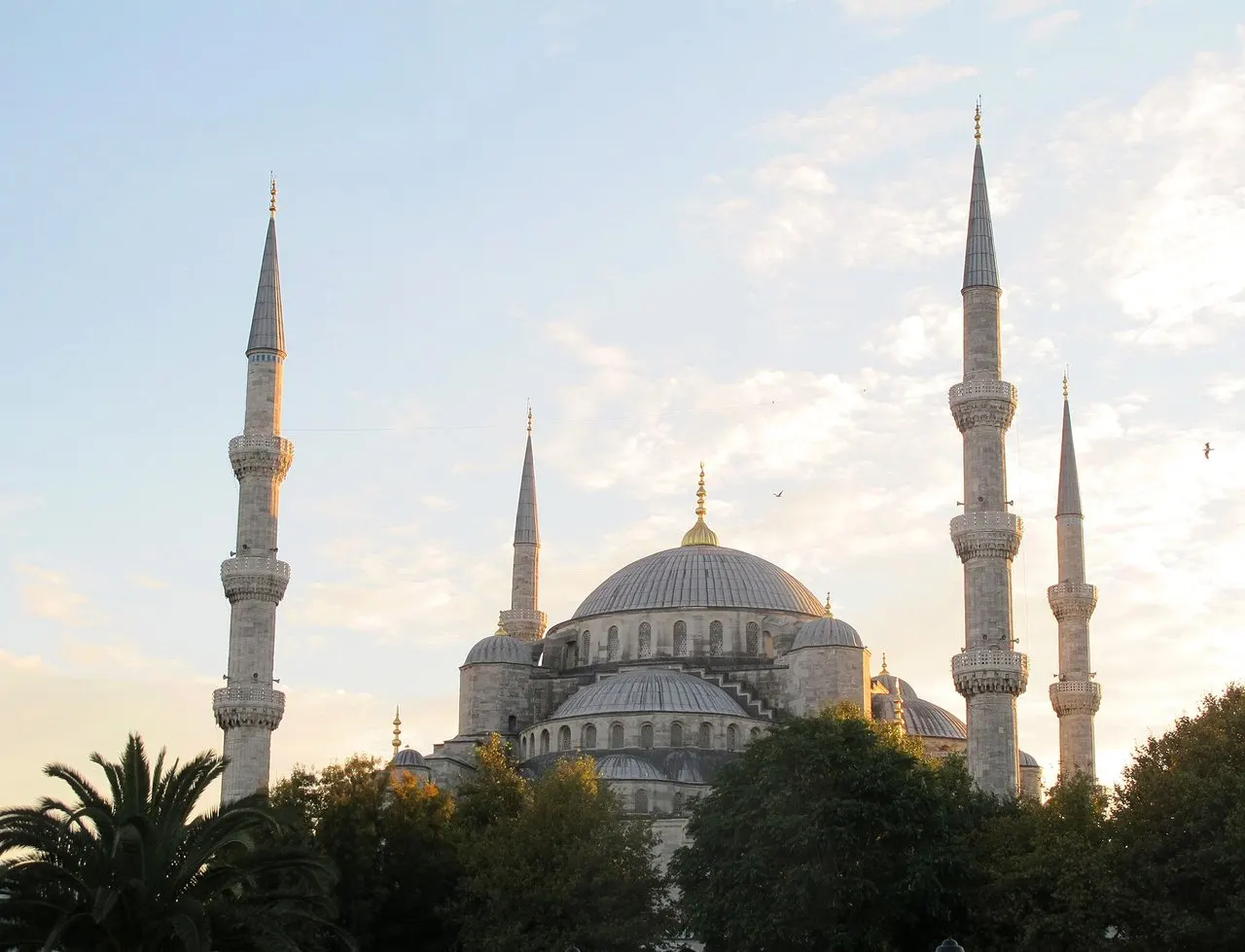
The Blue Mosque in Istanbul, known in Turkish as the Sultan Ahmed Mosque, was built between 1609 and 1616. Its six slender minarets and cascade of domes have made it one of the most photographed buildings on earth. Inside, more than 20,000 blue tiles give the mosque its famous name and its calm blue light. It still serves as a working mosque, welcoming worshippers and visitors alike. Like what the 2035 turning point could mean, the mosque has watched centuries pass, and like a call to ban nuclear weapons, it stands for peace in a troubled world.
Ramadan and the Iftar Table
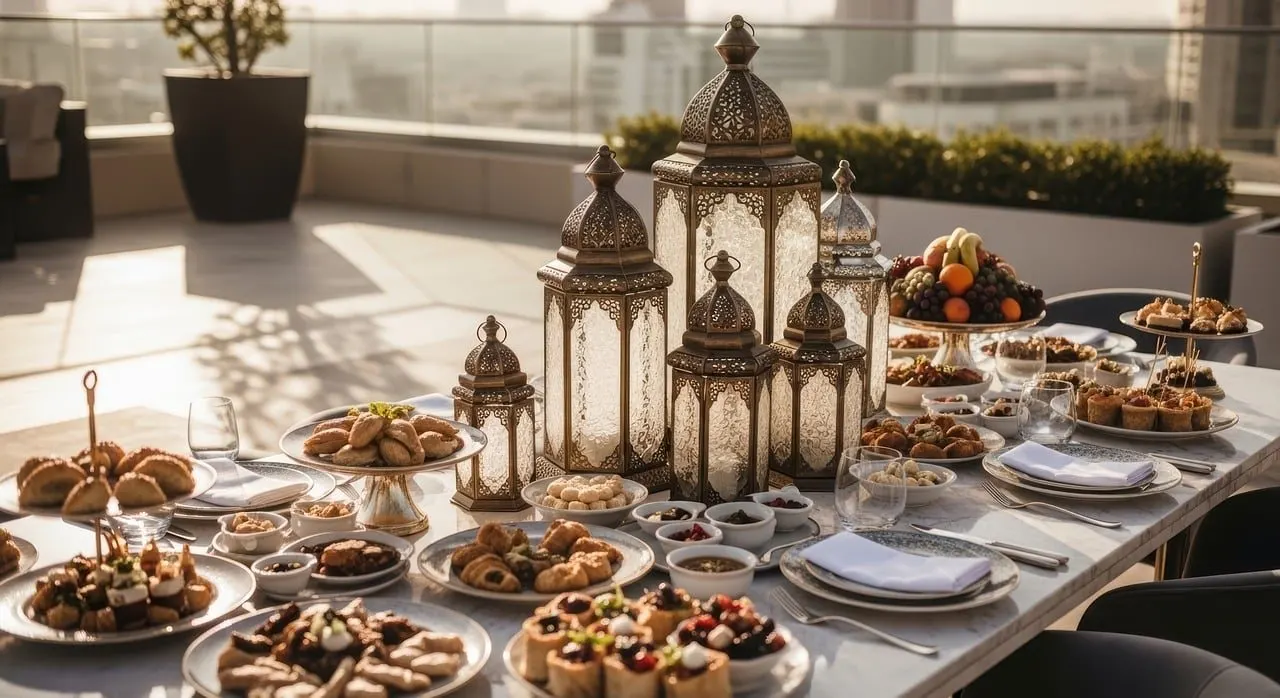
Ramadan is the holy month when Muslims fast from dawn to sunset, and iftar is the meal that breaks the fast each evening. Families and neighbours gather to share dates, soup and sweet drinks, and mosques open their doors to feed anyone who comes. The photo shows a group sharing iftar in Nigeria, a scene repeated in towns and cities across the world. The month builds patience, charity and community. Like why unity matters to Muslims, iftar brings people to one table, and like the rise of humanoid robots, old traditions meet a fast changing world.
Muslim Population Growth Starts With Children
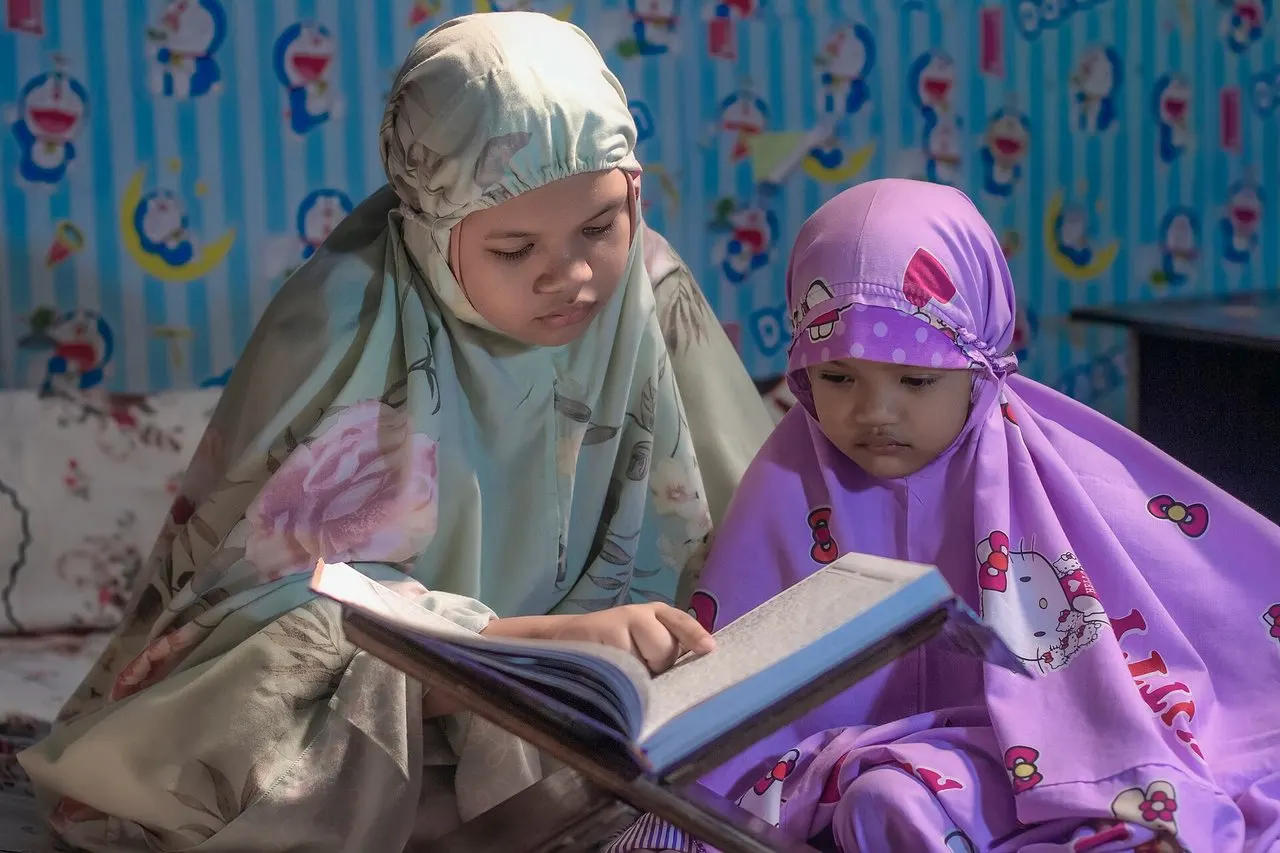
Children sit together to read the Quran, often starting with short chapters they learn by heart. In many Muslim homes, learning the holy book is a family affair, with parents and grandparents listening and guiding. The photo shows young readers sharing the text, a quiet scene of study and care. Muslim population growth starts with children like these, and their classrooms will shape the faith for decades to come. Like a closer look at the 2035 projections, the young deserve our attention, and like Warren Buffett’s huge donation, the best gifts are the ones given to the next generation.
Indonesia, Home to the Most Muslims
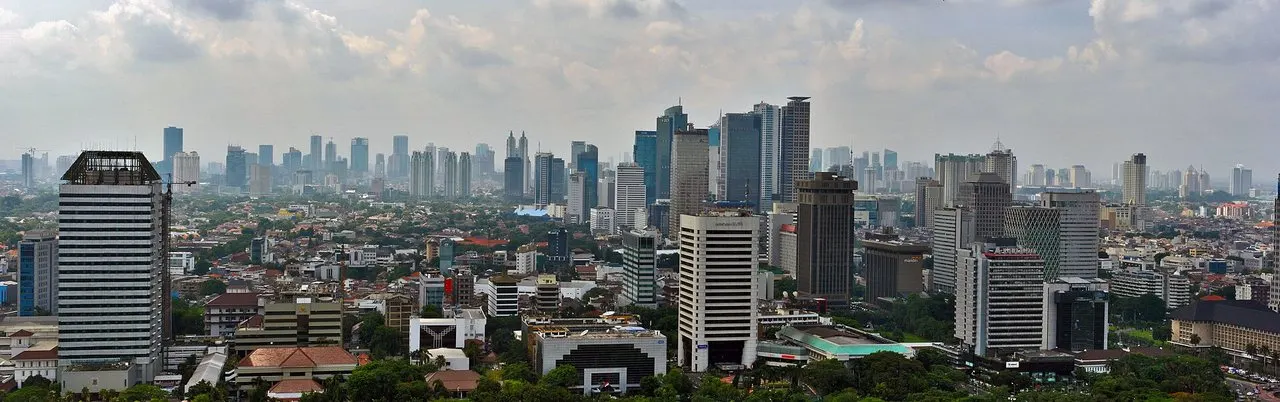
Indonesia is home to the largest Muslim population of any country in the world. More than 200 million Muslims live across its thousands of islands, from Sumatra to Papua. Jakarta, the capital, holds the Istiqlal Mosque, the largest mosque in Southeast Asia, standing beside the National Monument in the heart of the city. The photo shows the skyline from the mosque, where old and new Jakarta meet. Like more on the road to 2035, Indonesia leads the way, and like Goya Foods and its family choice, its people hold fast to what matters most.
Muslim Population Growth Across Africa
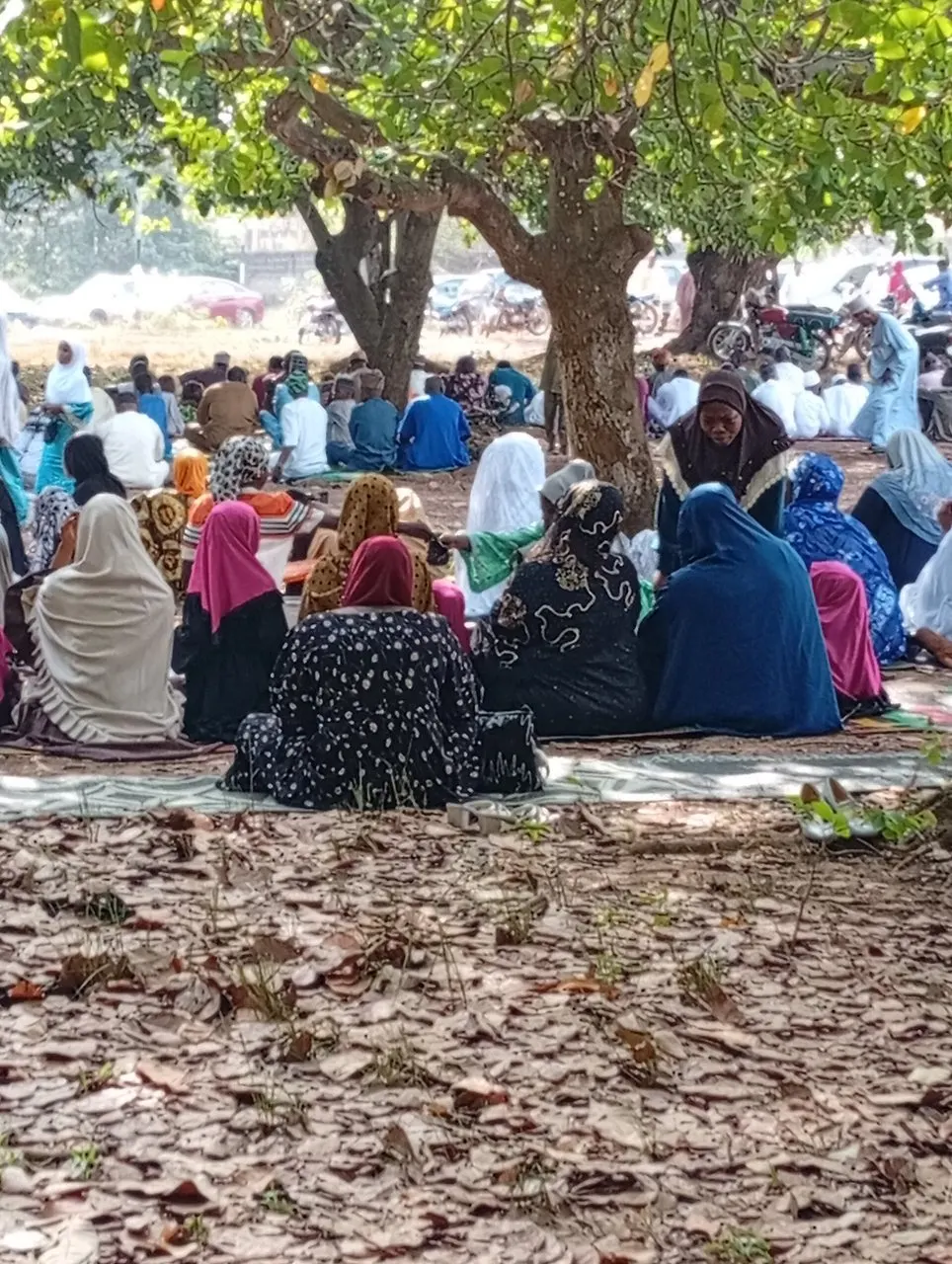
Nigeria is home to one of the largest Muslim populations in Africa, and its mosques fill for Friday prayer and for Eid. The photo shows worshippers gathered for Eid prayer at a university praying ground in Offa. Across the continent, from Senegal to Kenya, Muslim communities are young and growing fast. Muslim population growth in Africa will shape the faith worldwide in the decades ahead. Like the children the world has let down, the young here deserve a future, and like Maru, the golden retriever in a thousand photos, their stories travel far.
Mosques Rising Across Europe
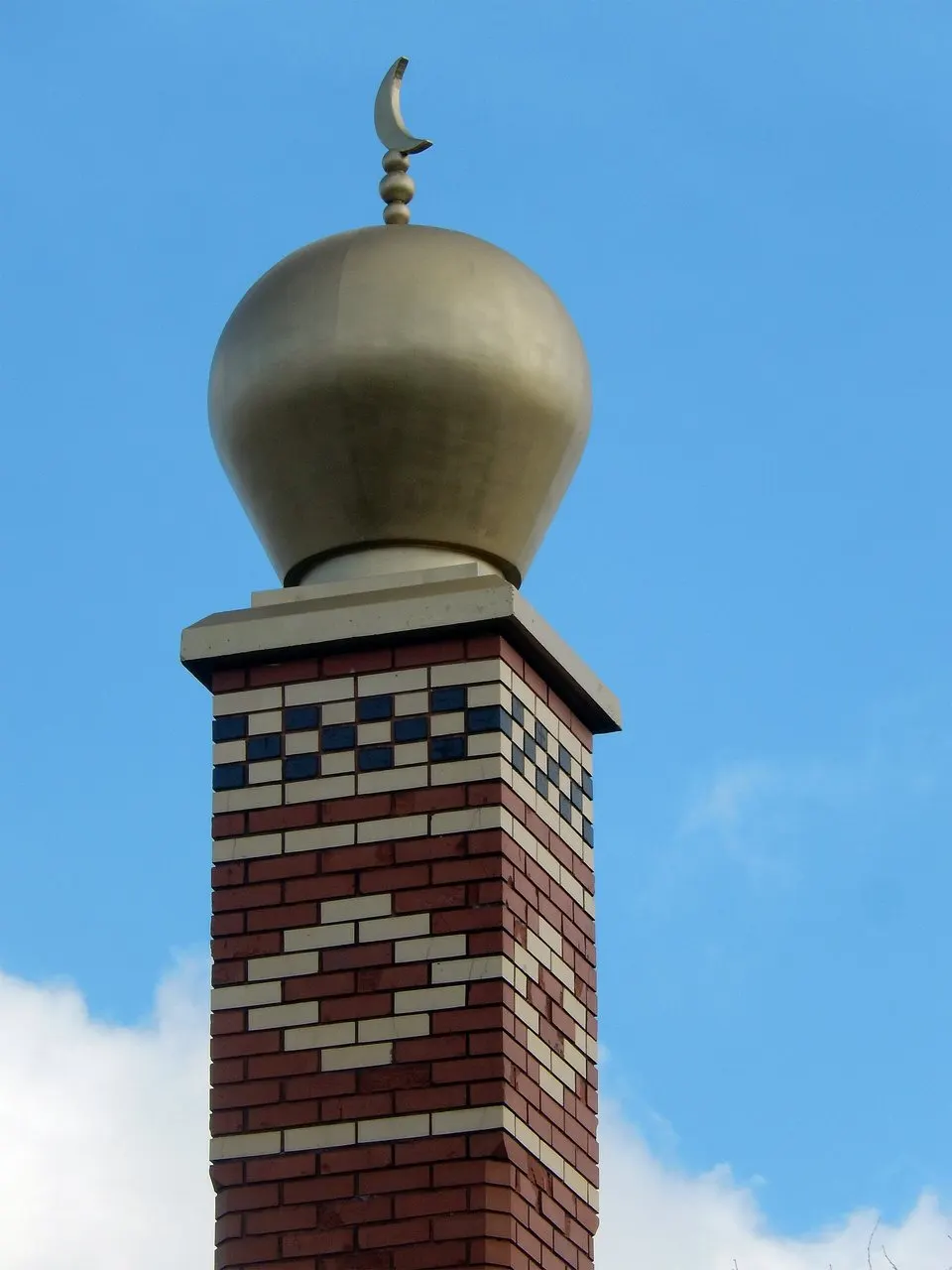
Muslim communities have put down deep roots across Europe, from London to Berlin and Paris. The photo shows the minaret of a mosque in Birmingham, England, a city where mosques have served their neighbours for generations. New mosques rise in towns and cities, and old ones welcome new families every year. Europe’s Muslim population is young and growing, adding to the diversity of the continent. Like more than 1,300 film professionals taking a stand, European Muslims speak up for their beliefs, and like a Thanksgiving invitation that lasted ten years, friendship grows across every divide.
Muslim Population Growth in the United States
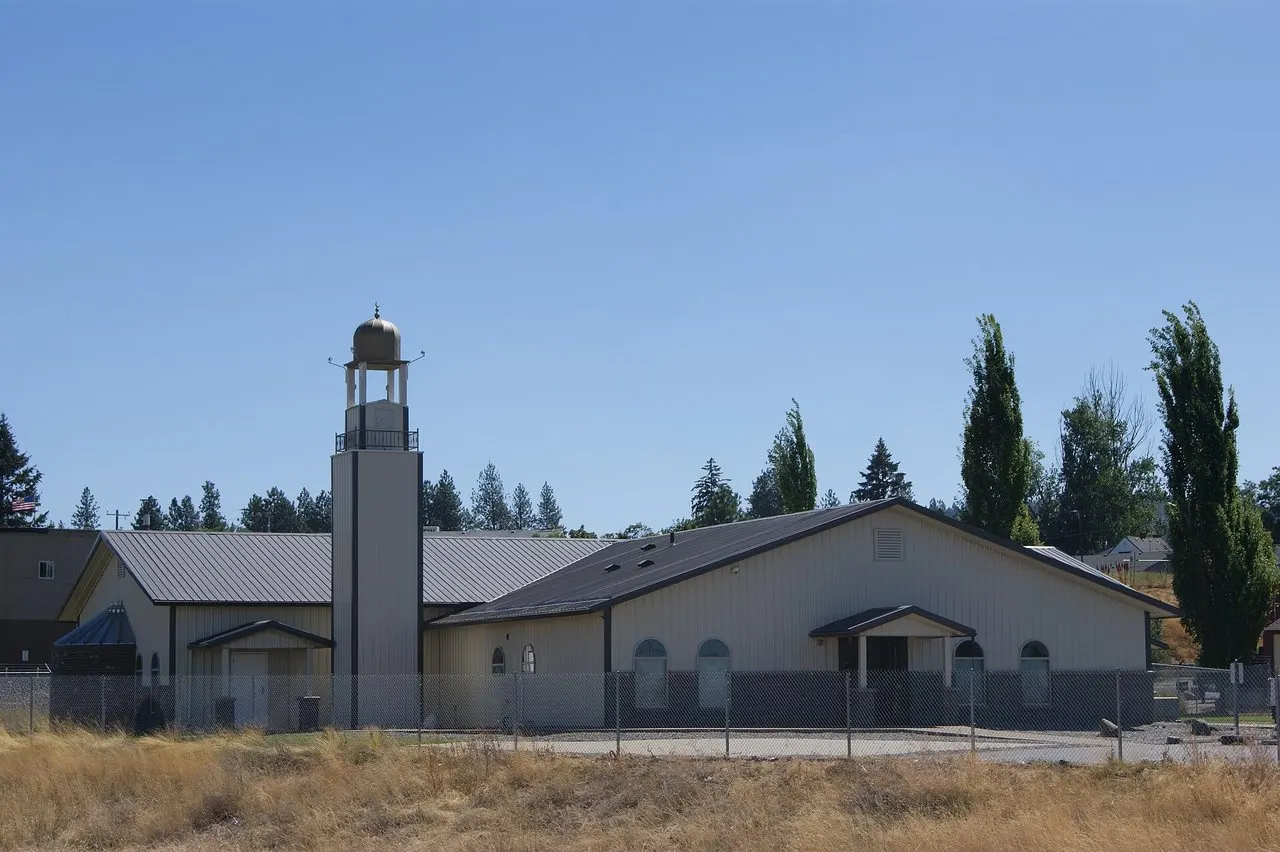
The United States is home to millions of Muslims, and the number of mosques has grown to more than 2,700 across the country. The photo shows the Islamic Center in Spokane Valley, Washington, a mosque serving an American town far from the big cities. Muslim Americans work as doctors, teachers and shopkeepers, and their children grow up as Americans. Muslim population growth in the United States adds a new thread to the national story. Like Tesla’s giant robot bet, the future here is still being built, and like Fiona the hippo’s story, every community has its own local heroes.
Morocco and the Koutoubia Mosque
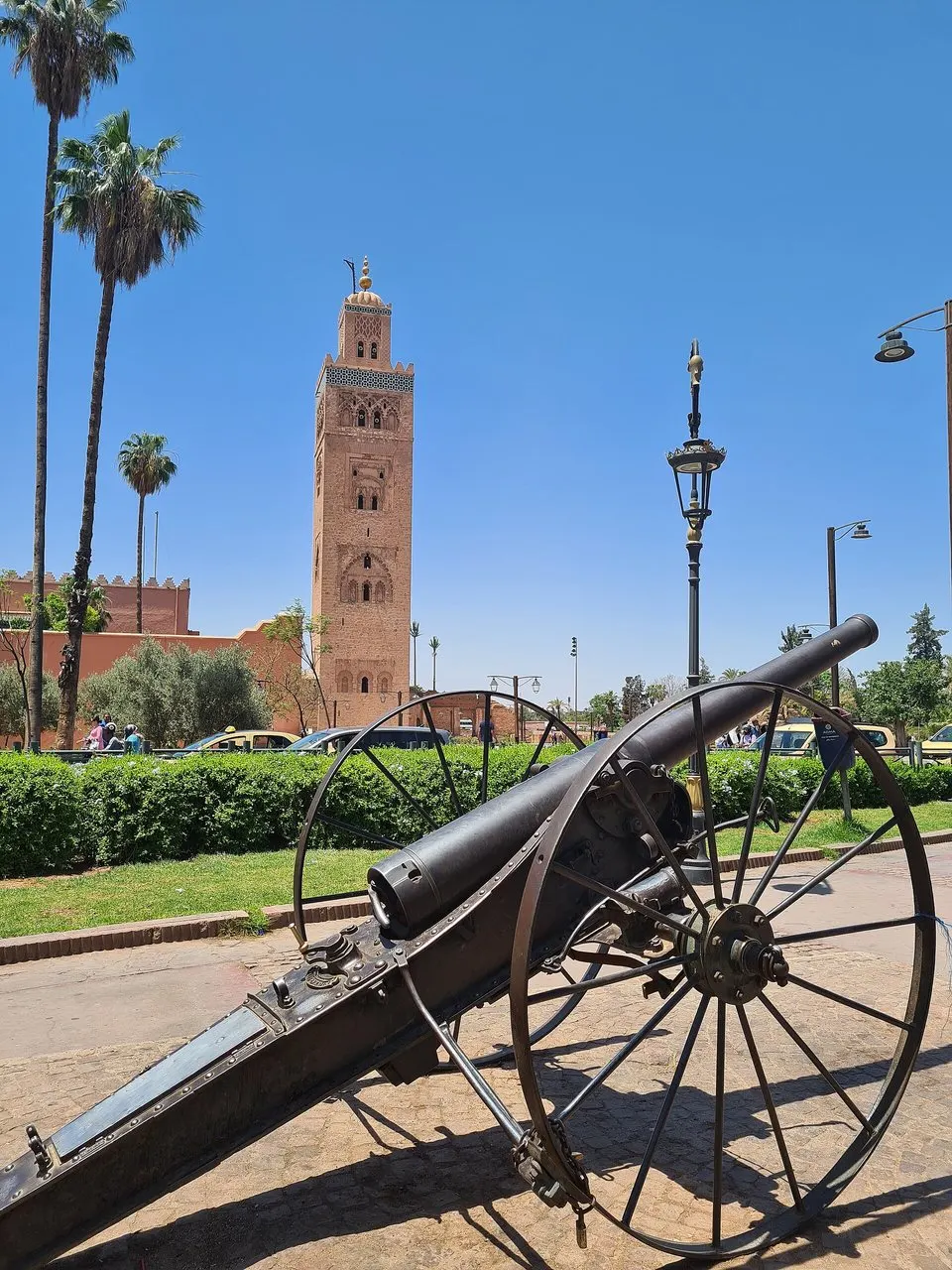
Marrakech in Morocco is home to the Koutoubia Mosque, whose great minaret has watched over the city since the 1100s. The call to prayer still sounds from its tower five times a day, just as it has for centuries. In Morocco, Islam shapes daily life, from the markets to the mountains, and mosques are woven into every town. The photo shows the minaret rising against a clear sky. Like one of the largest gifts ever given, old stones can carry great meaning, and like a moment that said more than words, the tower speaks without a sound.
Neighbours of Many Faiths in Bali

In Kuta, Bali, a mosque, a Catholic church, a Buddhist temple, a Protestant church and a Hindu temple stand together in one place called Puja Mandala. It was built so neighbours of different faiths could worship side by side in peace. It is a living picture of how a growing faith can share space with others. As the world’s faiths grow and change, places like this show a way forward. Like a buyout offer a family refused, the people here chose their own path, and like a sleepy moment at a world summit, even grand ideas begin with ordinary people.
Muslim Population Growth Since 1880
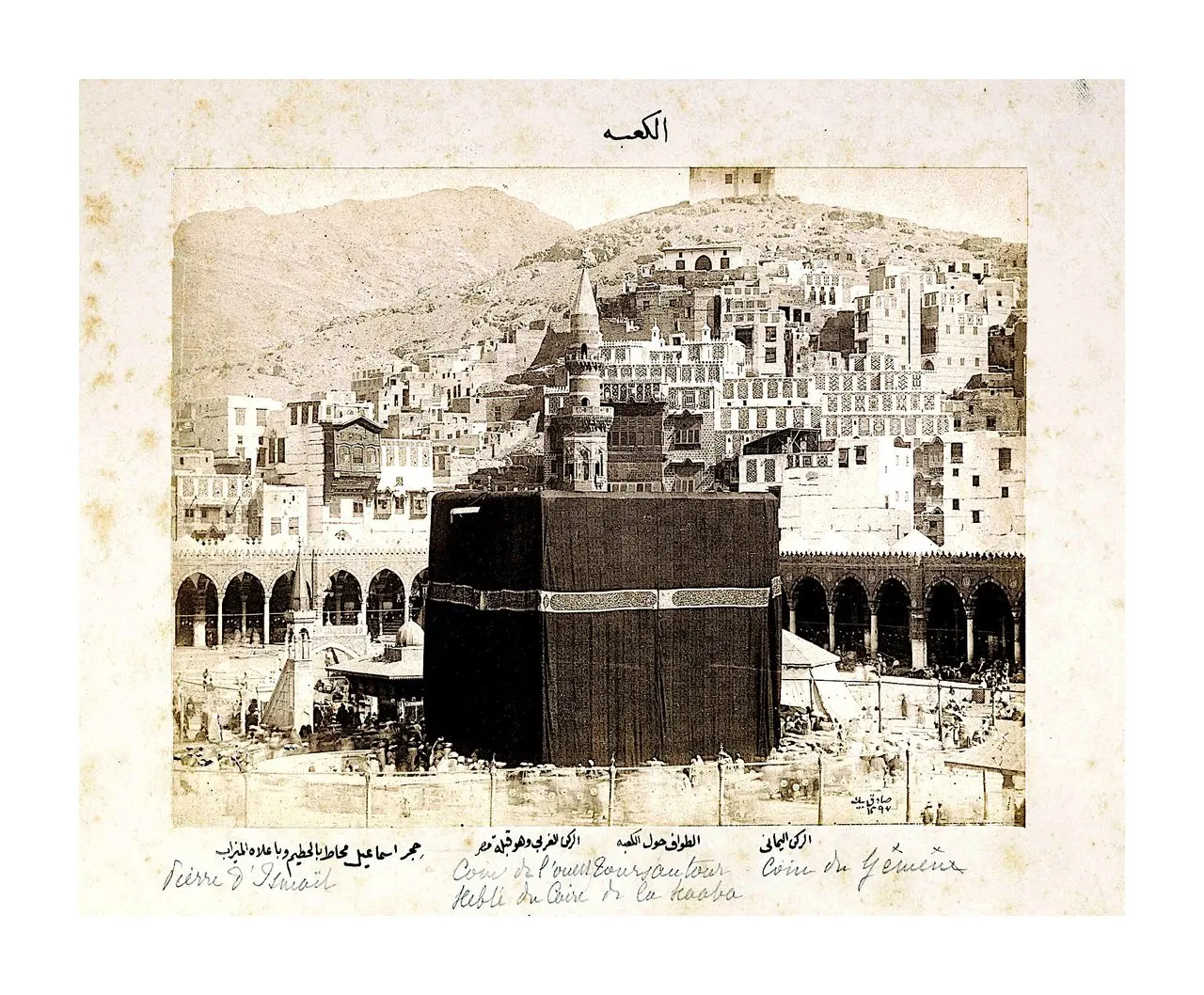
This photograph of the Kaaba was taken in 1880 by Muhammad Sadiq Bey, the first person to photograph Mecca and the Hajj. Cameras were new and rare, and the picture is one of the earliest views of the holy city ever made. In those days the Muslim world was far smaller, and few could have imagined the growth that Pew now projects. Muslim population growth since 1880 has been a story of change beyond measure. Like a golden retriever’s unlikely fame, an old image can travel far, and like Sanders on oligarchy, the past still shapes the debates of today.
Schoolgirls in 1901 and the Power of Learning
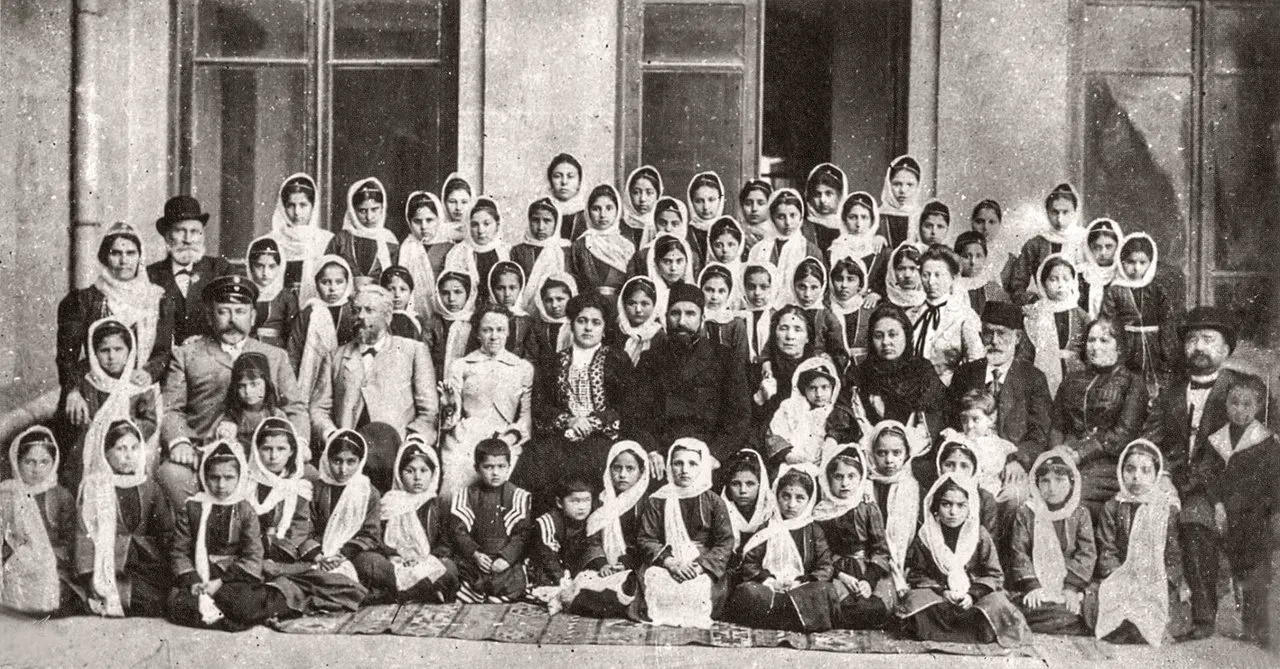
This photograph from 1901 shows Tagiyev with schoolgirls of the first Muslim school for girls. The school opened minds at a time when few girls in the region received a formal education, and its pupils went on to teach and lead in their own towns. Education for girls has been one of the great changes of the last century, and it shapes the families of today. Like Jamal and Wanda’s lasting friendship, a single act of kindness can last for generations, and like the push for a nuclear-free world, learning gives the young a voice in the future.
What Do You Think Comes Next
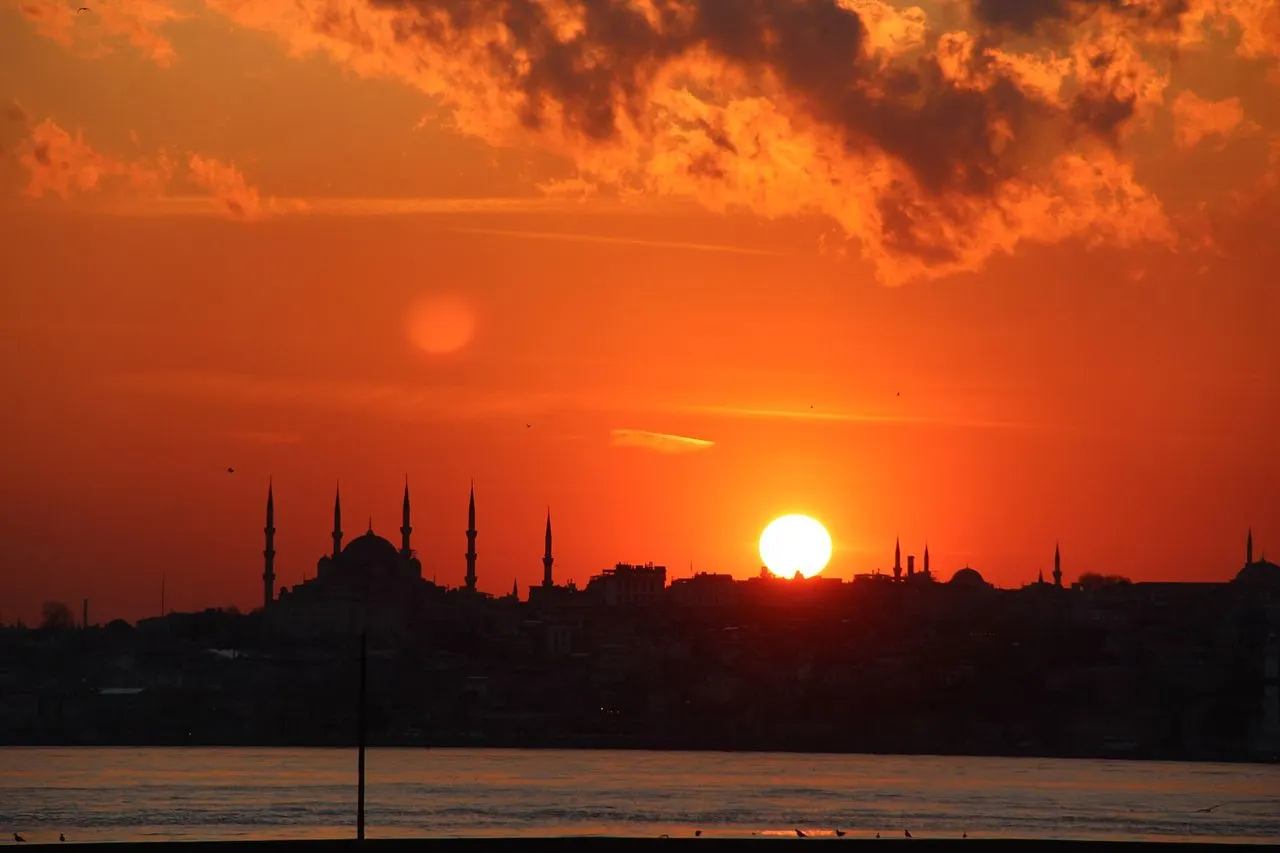
The Blue Mosque glows at sunset over Istanbul, where two continents meet. The projections tell us that the world of faith is changing, and that Islam could soon be the largest belief group. Yet numbers are only part of the story, and the rest belongs to the people who pray, learn and build together. What do you think this change will mean for your town and for the world? Share your thoughts in the comments below. Like a zoo keeper’s disbelief, the future can surprise us all, and like a boycott pledge from the film world, every voice counts.