Bangladesh Onion Production Reaches Full Self-Sufficiency
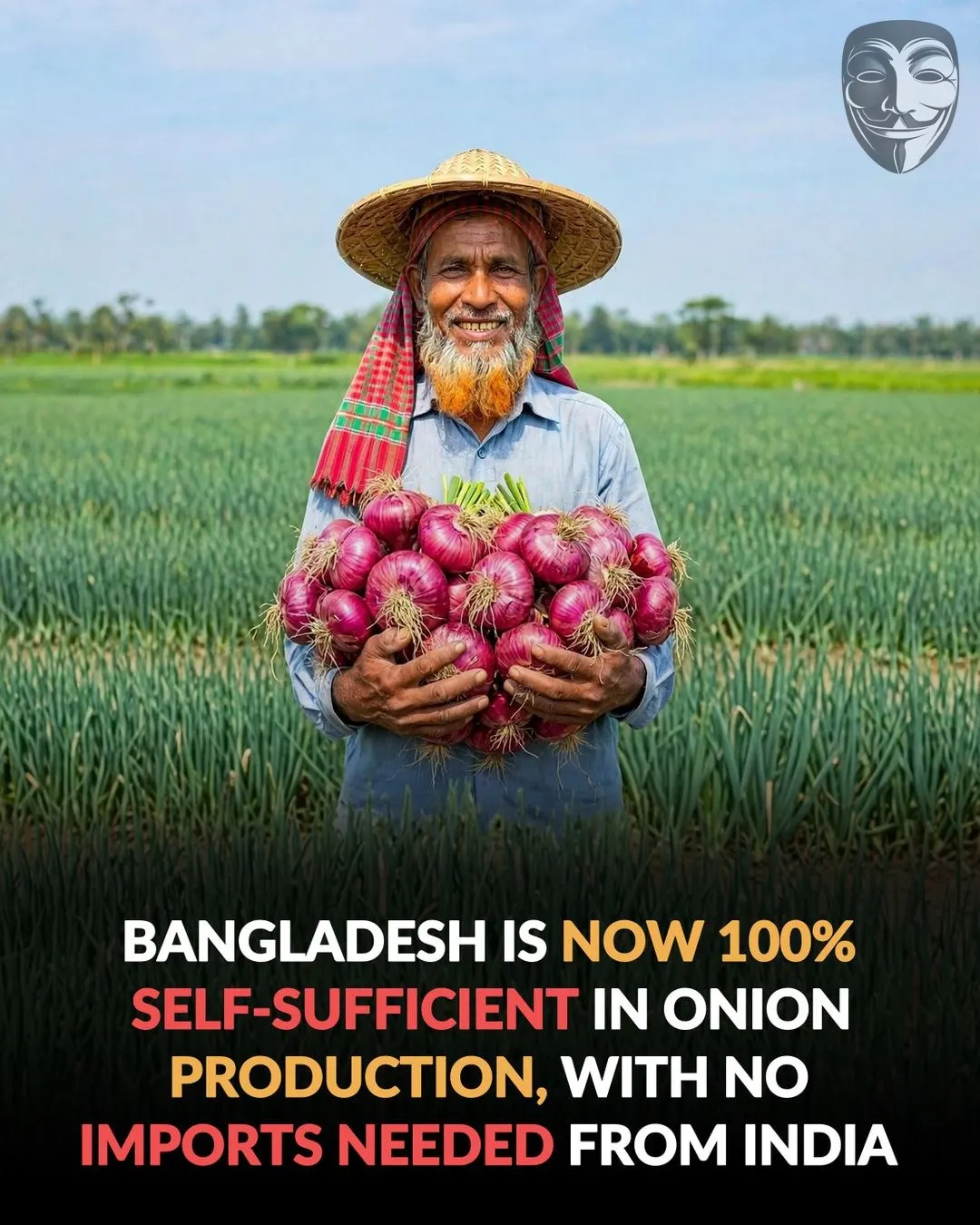
Bangladesh onion production has reached a milestone that farmers across the country will remember for a long time. The country grew a record 50.90 lakh tonnes of onions this year, far above the annual demand of around 36 lakh tonnes, according to the Department of Agricultural Extension. That surplus of more than 41 percent means Bangladesh can now meet its own needs without buying onions from abroad. Readers who enjoy good news may also like a message of hope for better days ahead.
Better storage has played a big part in the change, with modern airflow machines helping farmers keep onions fresh for months and cut waste. With no onion imports for 11 months, the country has saved around 382 million dollars, money that now stays at home instead of going abroad. In the slides ahead we look at the record harvest, the farmers, the new storage and what this means for shoppers. For another story of people finding their way, see being your true self and finding the right people.
References:
New Age: Bangladesh now self-sustainable in onion production, no imports needed
VOB News: Bangladesh declares self-reliance in onion production
The Good Morning: Bangladesh now self-reliant in onion production, no imports needed
Agro News Today: Air flow storage lets Bangladesh go 11 months without onion imports
A Record Harvest for Bangladesh Onion Production
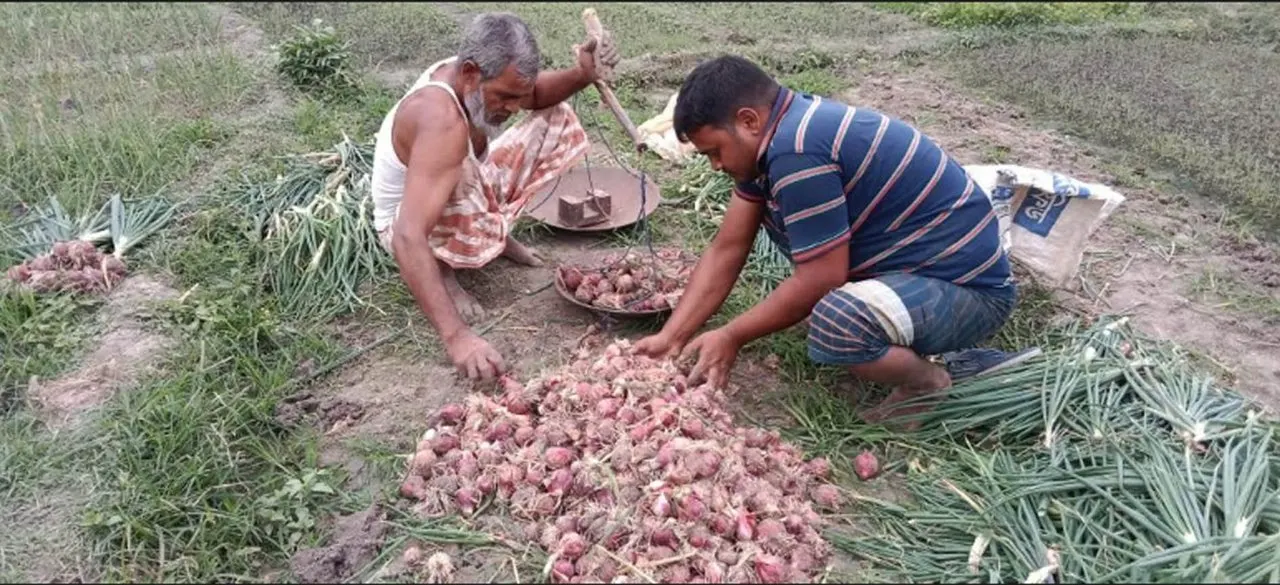
This year the onion fields of Bangladesh gave farmers a harvest they had never seen before. The Department of Agricultural Extension reports a record 50.90 lakh tonnes of onions, a number that stands out in the farming history of the country. Good weather, hard work and better care of the crop all helped the fields produce more than ever. For a story about a record of a different kind, read about the NU Pep Squad and its record 10th title. Fans of animals may enjoy Maru the golden retriever and his island walks.
More Onions Than the Country Can Eat
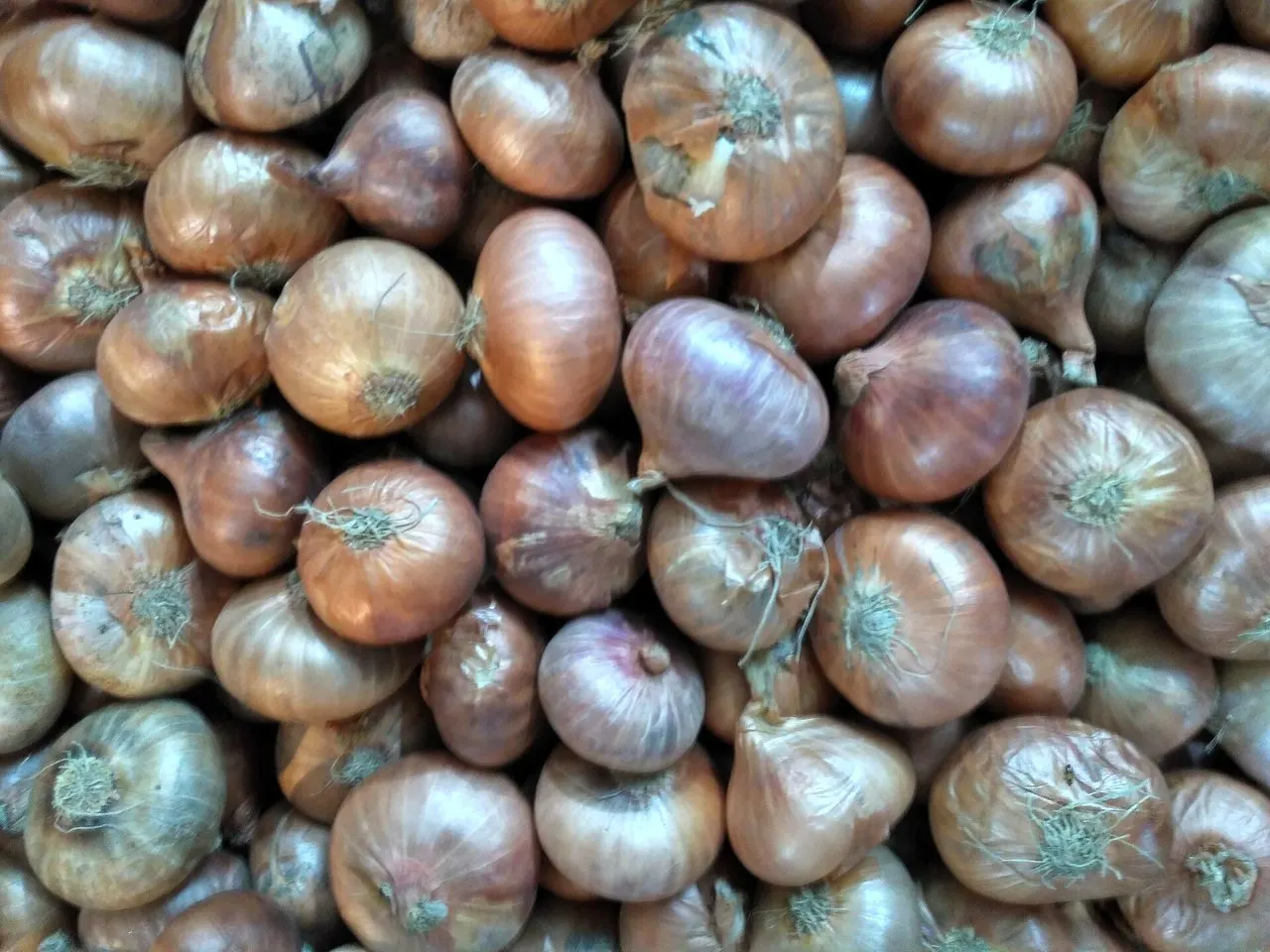
Bangladesh needs around 36 lakh tonnes of onions each year to feed its people, and this year the harvest passed that mark by a wide margin. The extra onions mean that markets stay full, prices stay steadier and families can cook the food they love without worry. A surplus of this size is rare, and it shows how far farming in the country has come. Read about the bill aimed at closing a loophole and about the sentencing in the Athena Strand case for more stories from around the world.
A Surplus of More Than 41 Percent
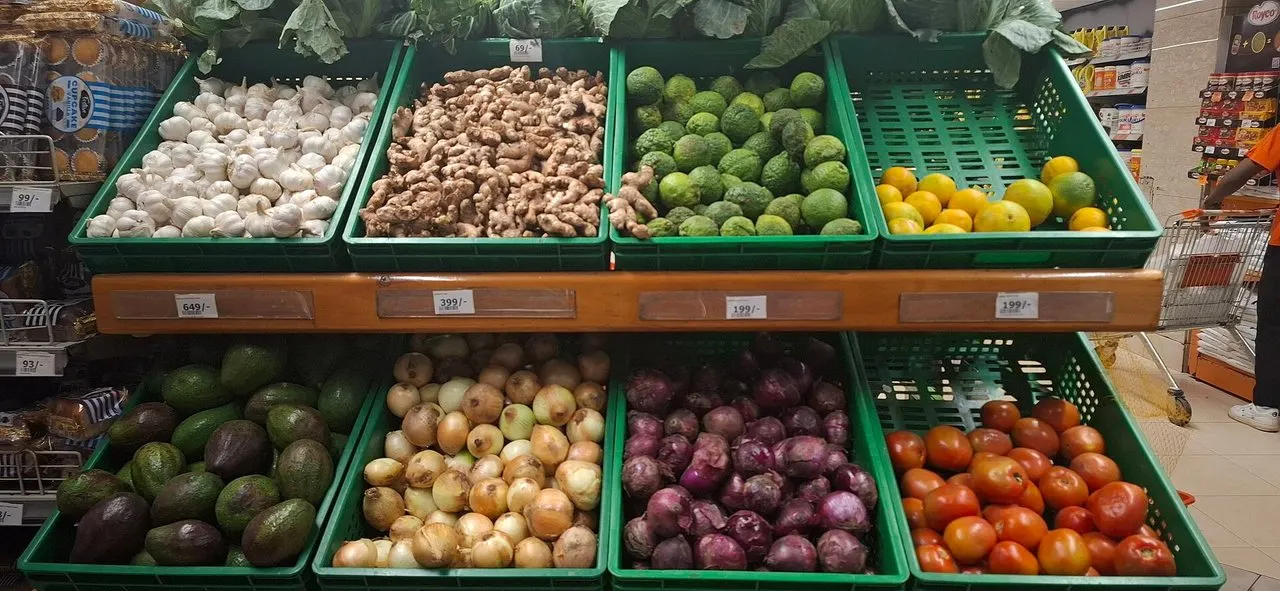
The gap between what Bangladesh grows and what it eats is now more than 41 percent, a cushion that gives the country real comfort. When a harvest beats demand by that much, there is room for bad weather, for storage losses and for the months when no fresh onions are coming in. Farmers can sell with confidence and traders can plan ahead. You can read about the eviction of Cianne from Pinoy Big Brother while you think about how a good year changes lives.
How Bangladesh Onion Production Beat Demand
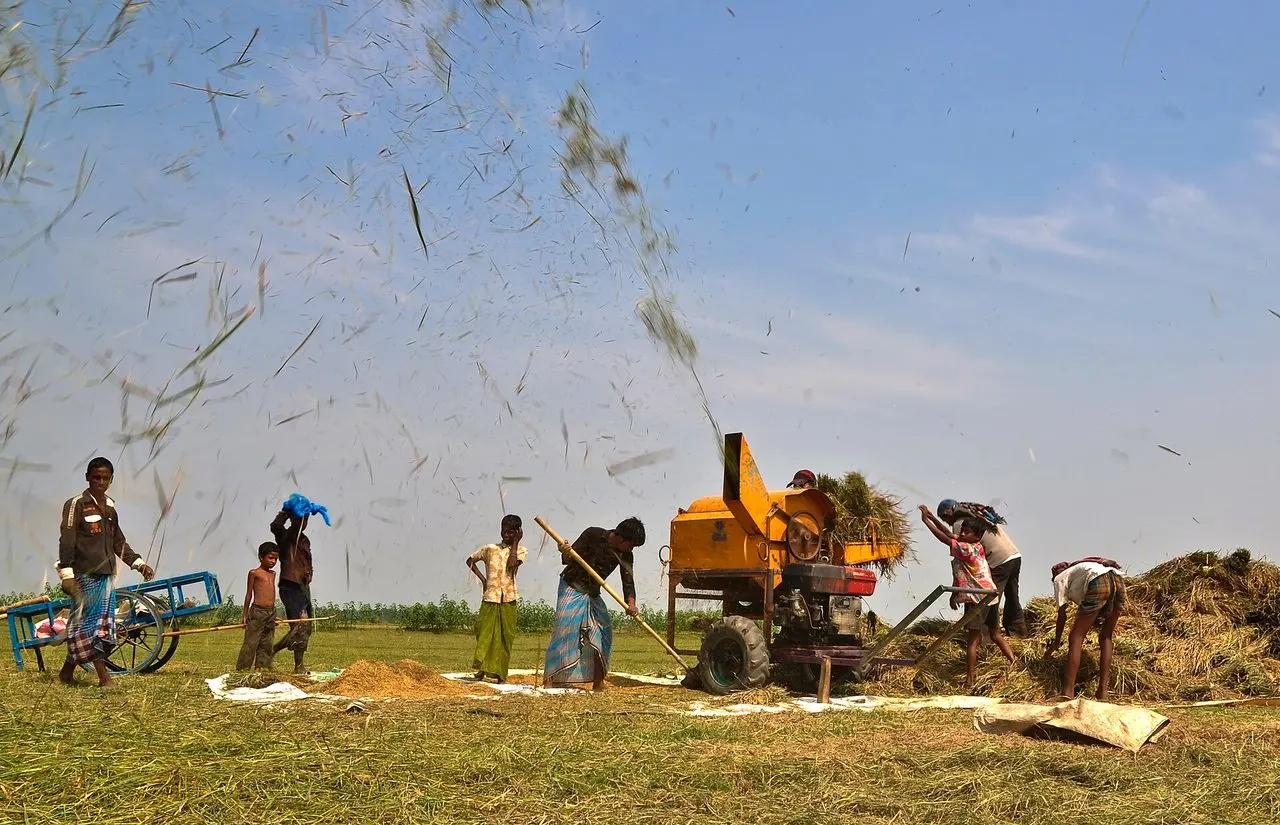
The Department of Agricultural Extension keeps a close eye on every crop in Bangladesh, and its numbers tell the story of this onion year. Officers in the field count the harvest, measure the yield and report back so the country knows where it stands. Their figure of 50.90 lakh tonnes is the highest on record, and it confirms what farmers in the villages already knew. Read Thomas Massie on the Epstein files fight for more news and views.
The Farmers Behind the Harvest
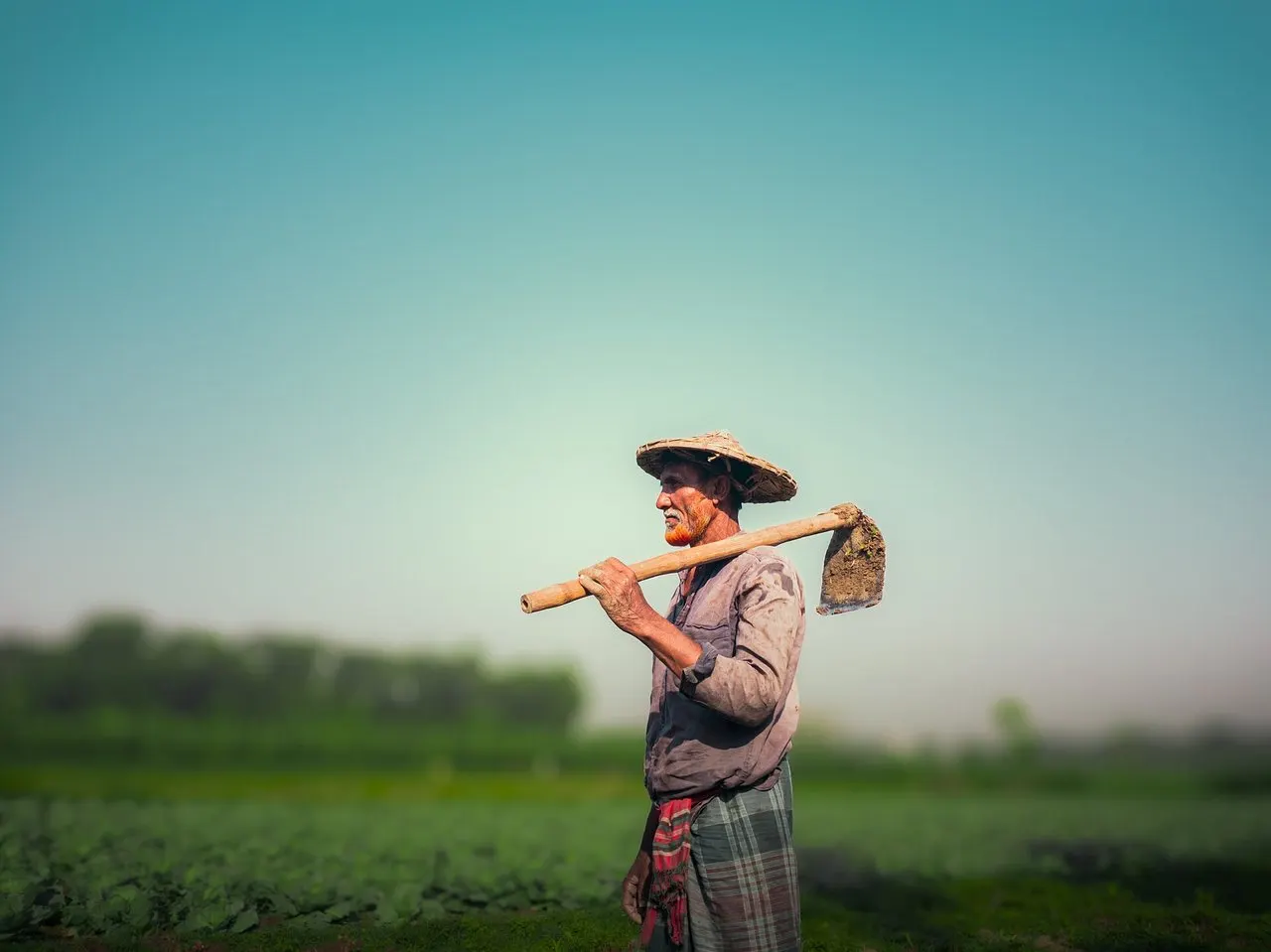
Behind every tonne of onions stands a farmer who planted, watered, weeded and waited. In village after village, families worked the soil through the season, watching the bulbs grow fat under the ground. Their work is hard and the hours are long, but this year the harvest has rewarded them. This is their proud moment, and the whole country shares it. Read about Primo staying safe in the Pinoy Big Brother house for more human stories.
Green Fields Full of Onions
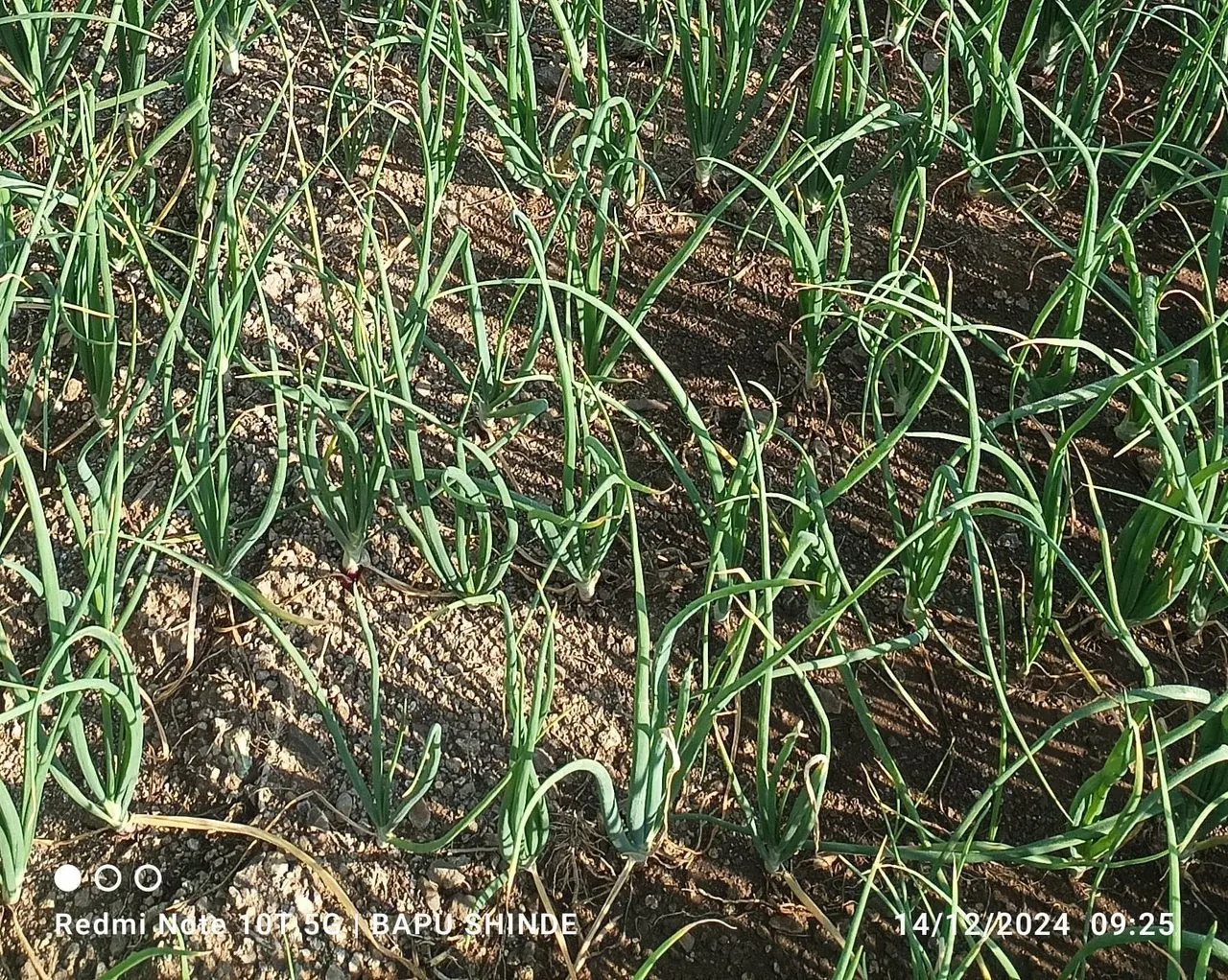
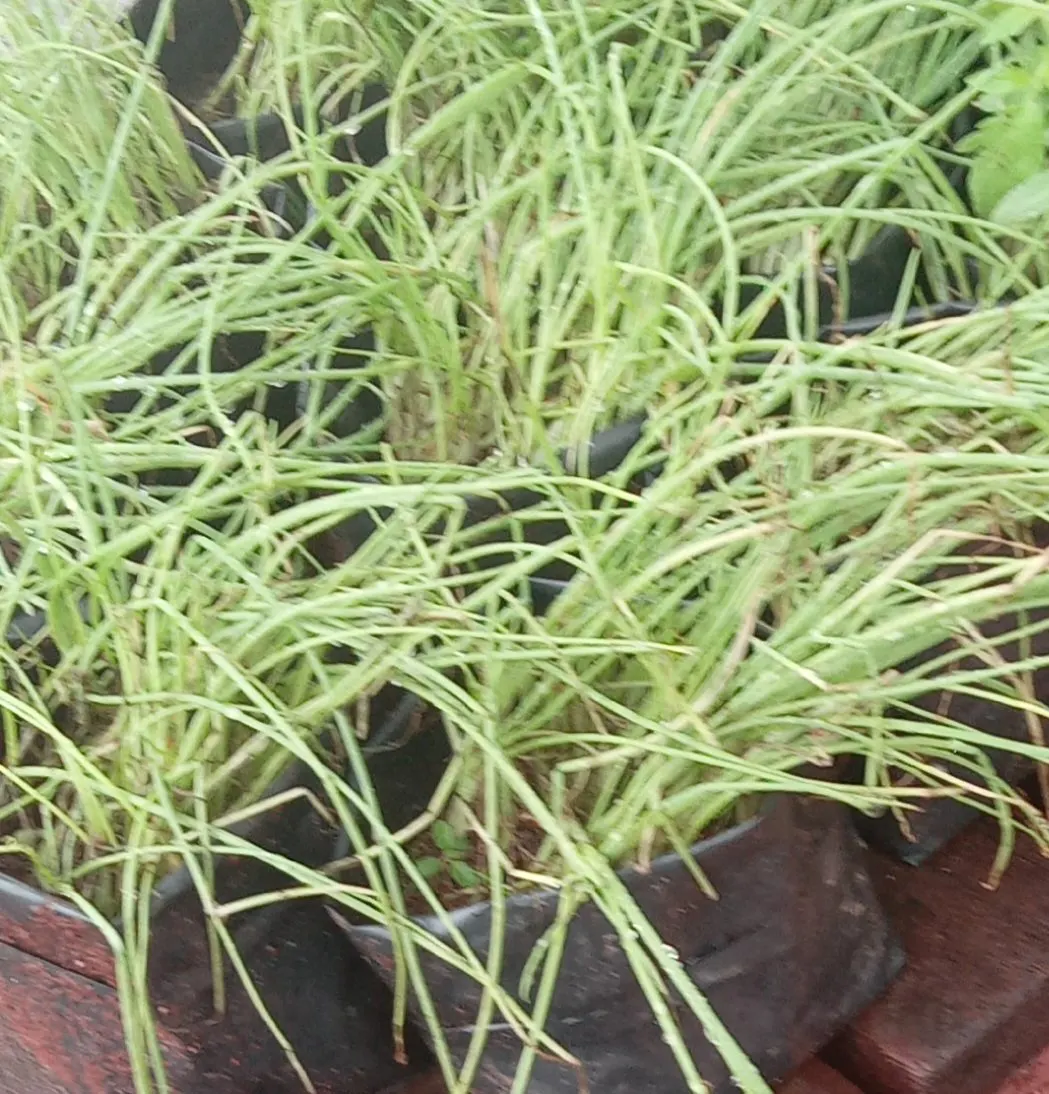
Onion fields stretch across the farming districts of Bangladesh in long green rows. The plants grow close together, their thin leaves rising from the soil while the bulbs swell below. Walking through a field at harvest time, you can smell the sharp scent of fresh onions in the air. It is a sign of a healthy crop and a good year. For a change of scene, read about Trump and his meetings with Putin and Xi.
Harvest Days in the Villages
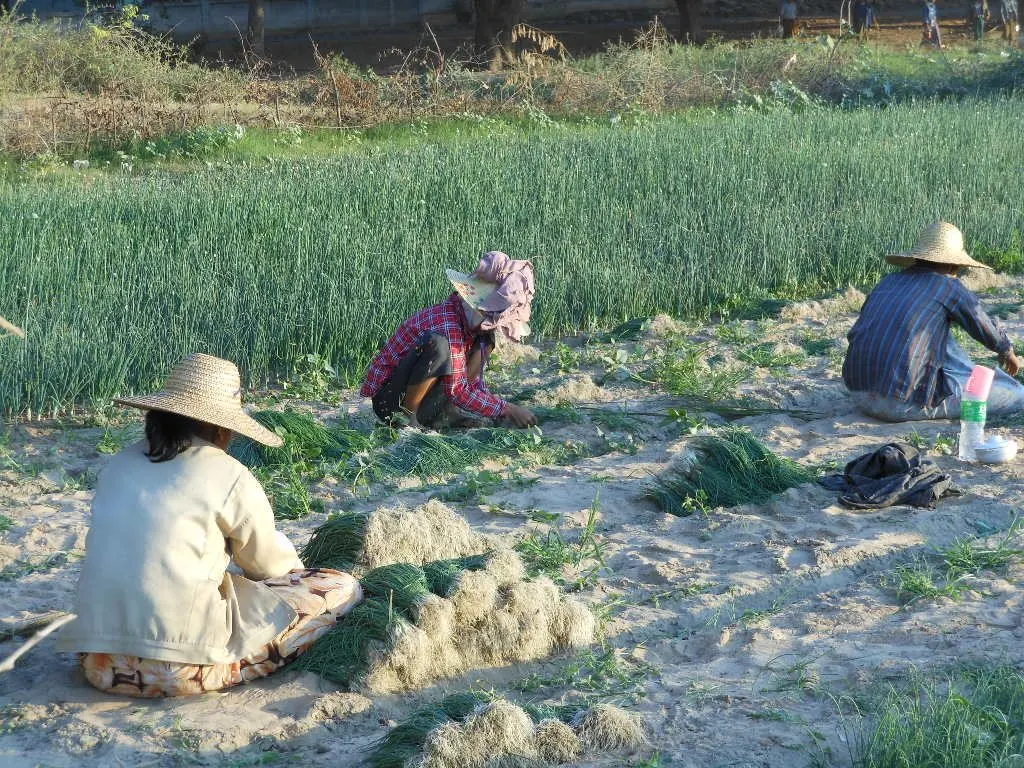
When harvest day comes, whole families go out to the fields together. Workers pull the onions from the soft earth, shake off the soil and lay them in rows to dry in the sun. Children help by gathering the bulbs into baskets, and the work moves fast when many hands join in. It is a busy, happy time in the villages. Read about Prince Harry and his vow to serve again for more stories.
Storage Changed Bangladesh Onion Production
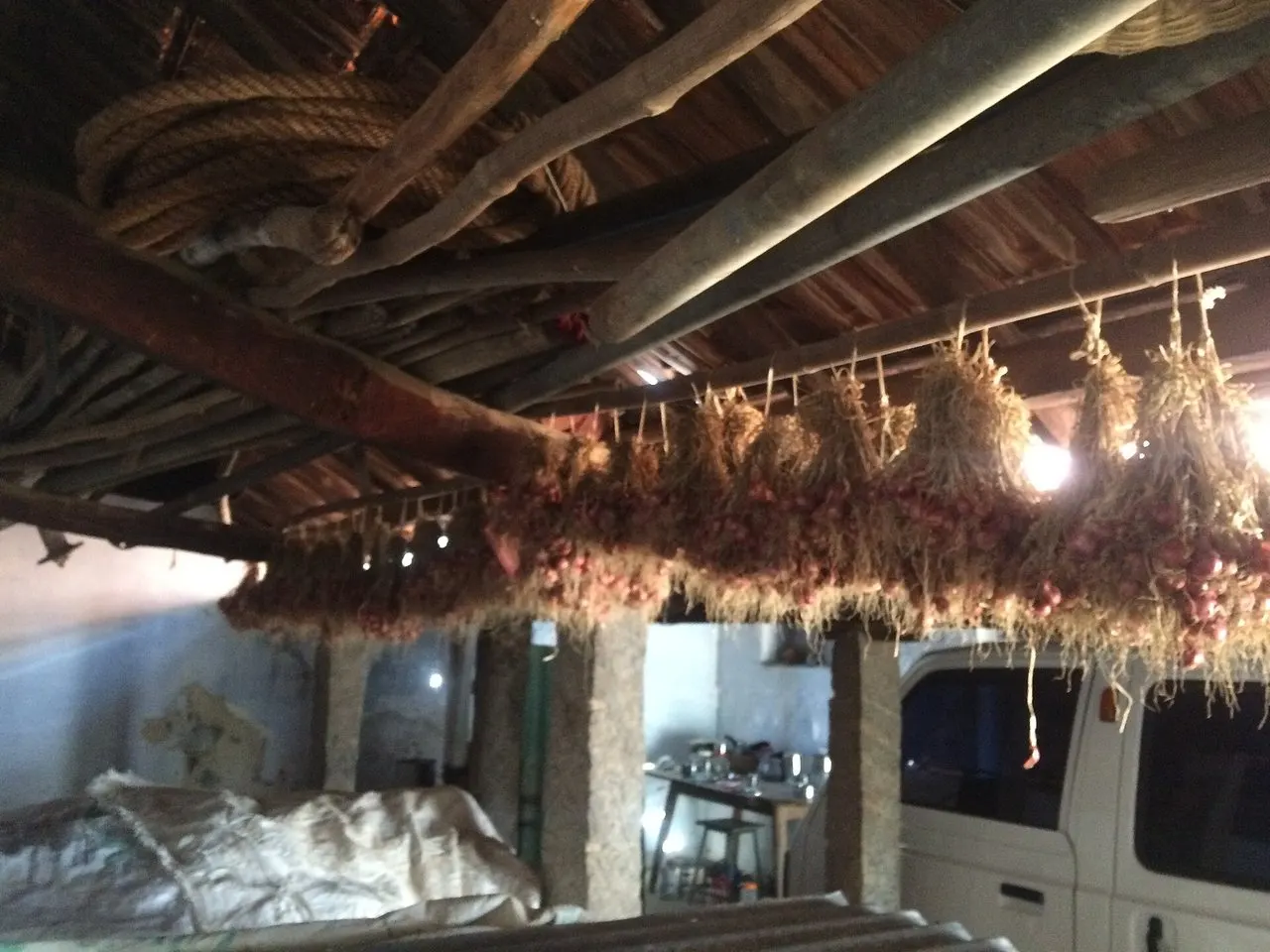
Better storage has played a big part in the change, and the hero is a modern airflow machine. These machines push clean air through the stored onions, keeping them dry and cool for months after harvest. In the past, many onions rotted before they could be sold, and farmers lost money. Now the crop stays fresh far longer. Read the warning about wealth and oligarchy for more news.
Fresh Onions for Months After Harvest
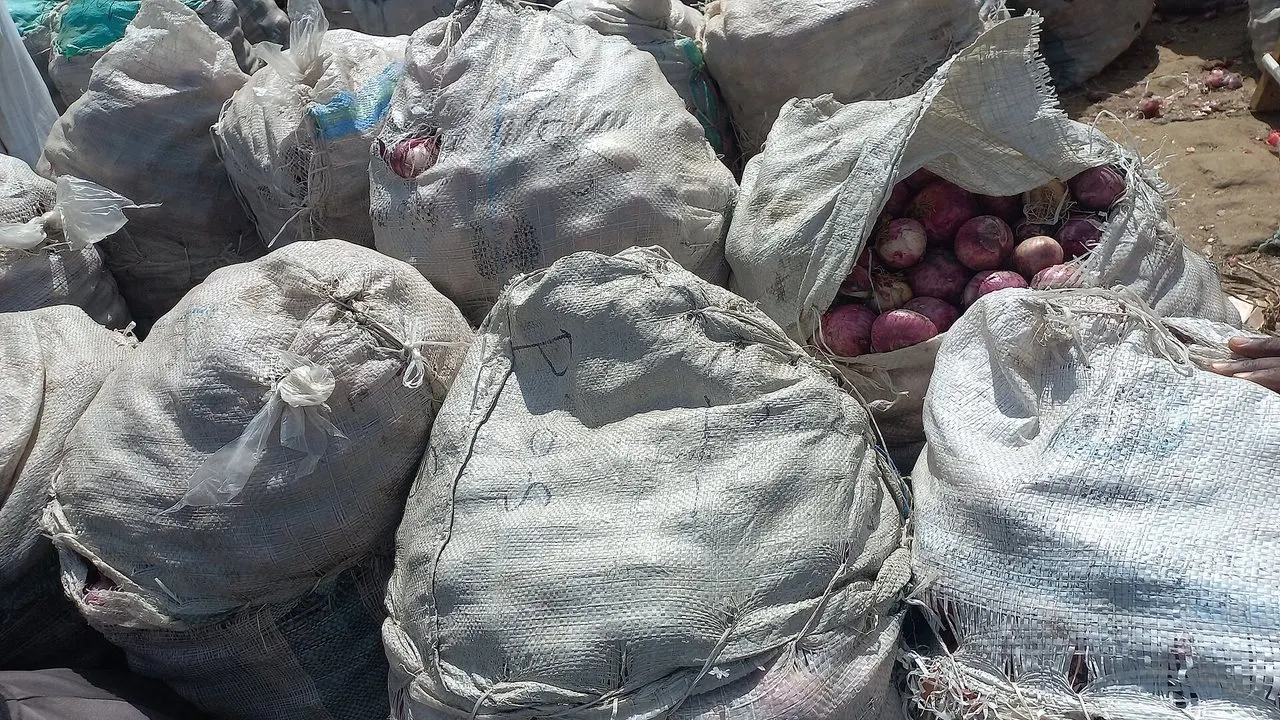
Onions that stay fresh for months change everything for a farming family. Instead of selling the whole crop at once when prices are low, farmers can wait and sell when the market is better. Shops can keep their shelves full through the year, and families can buy onions in every season. Less waste means more food and more income. Read about Zelensky and his silent shrug in Berlin.
Less Waste, More Food on the Table
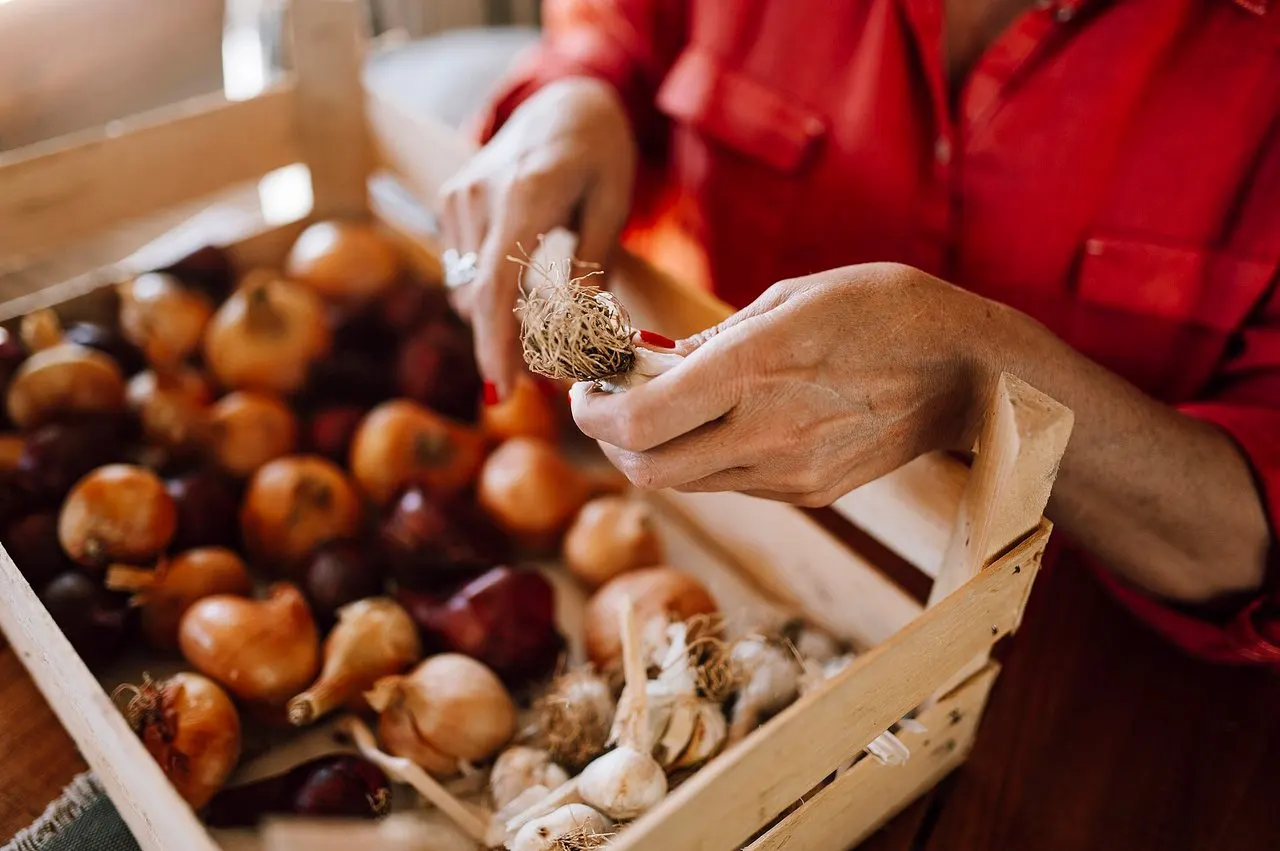
Cutting waste is one of the quiet wins of this onion story. Every onion that rots in storage is food lost and money lost, and in past years the losses were heavy. With airflow machines and better handling, far fewer onions spoil before they reach the market. That means more of the harvest ends up in kitchens, where it belongs. Read the life of Samuel Prinz-Reiterer for more.
Bangladesh Onion Production Ends 11 Months of Imports
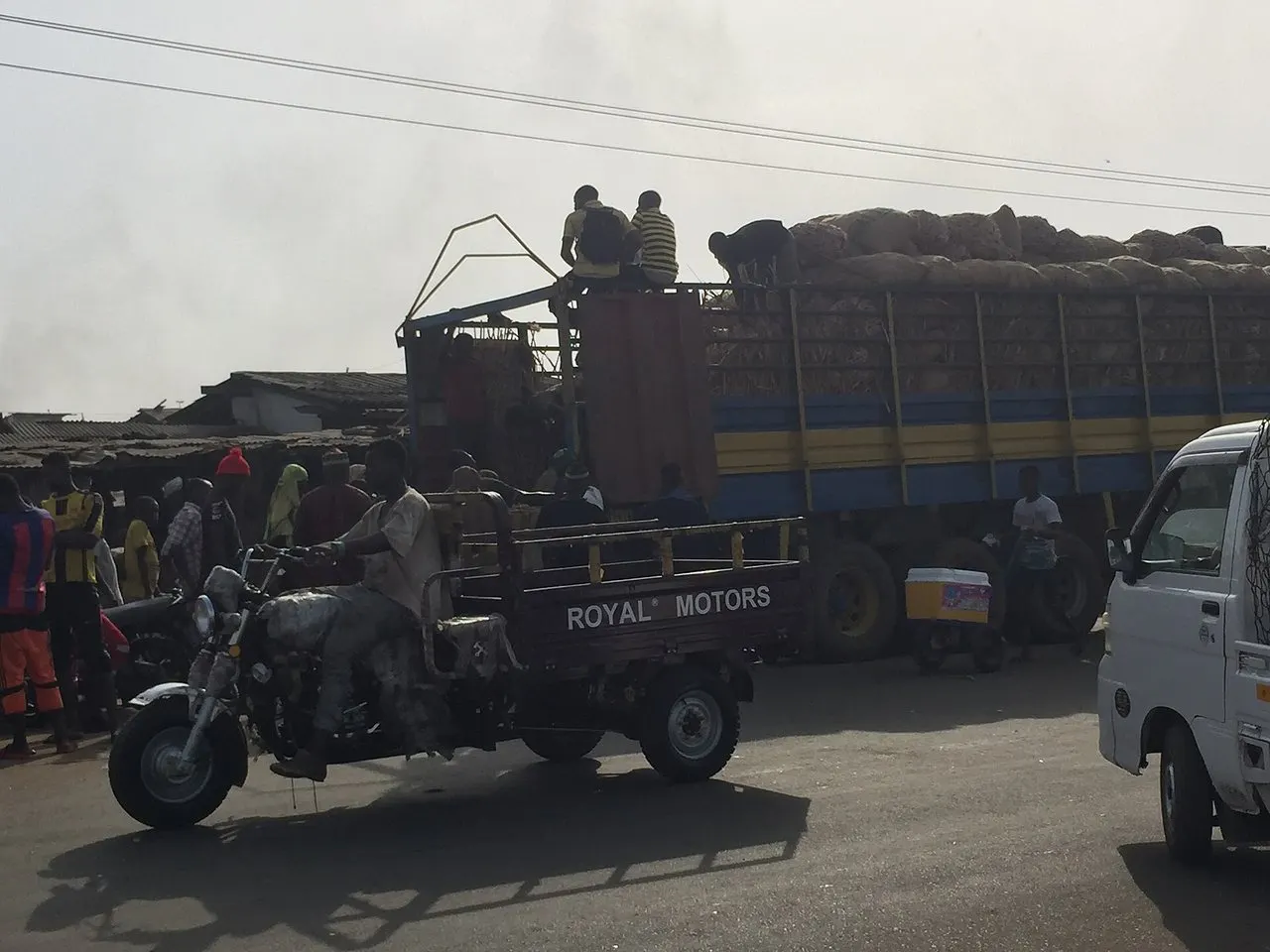
For 11 months now, Bangladesh has bought no onions from abroad, and the fields have covered every need. That is a long stretch without a single import, and it proves the harvest is not a one-off lucky season. The country has stood on its own feet through the whole year, and the savings show in the national accounts. Read about the Florida DMV worker facing 360 felonies for more stories.
Saving Around 382 Million Dollars

Not importing onions for 11 months has saved Bangladesh around 382 million dollars, a very large sum for any country. That money can now go to schools, roads, health care and other needs at home instead of paying foreign sellers. It is a clear, simple benefit of growing enough food at home. Read Mark Carney confronting Putin at APEC for more news from the world.
A Long History With Onions From India
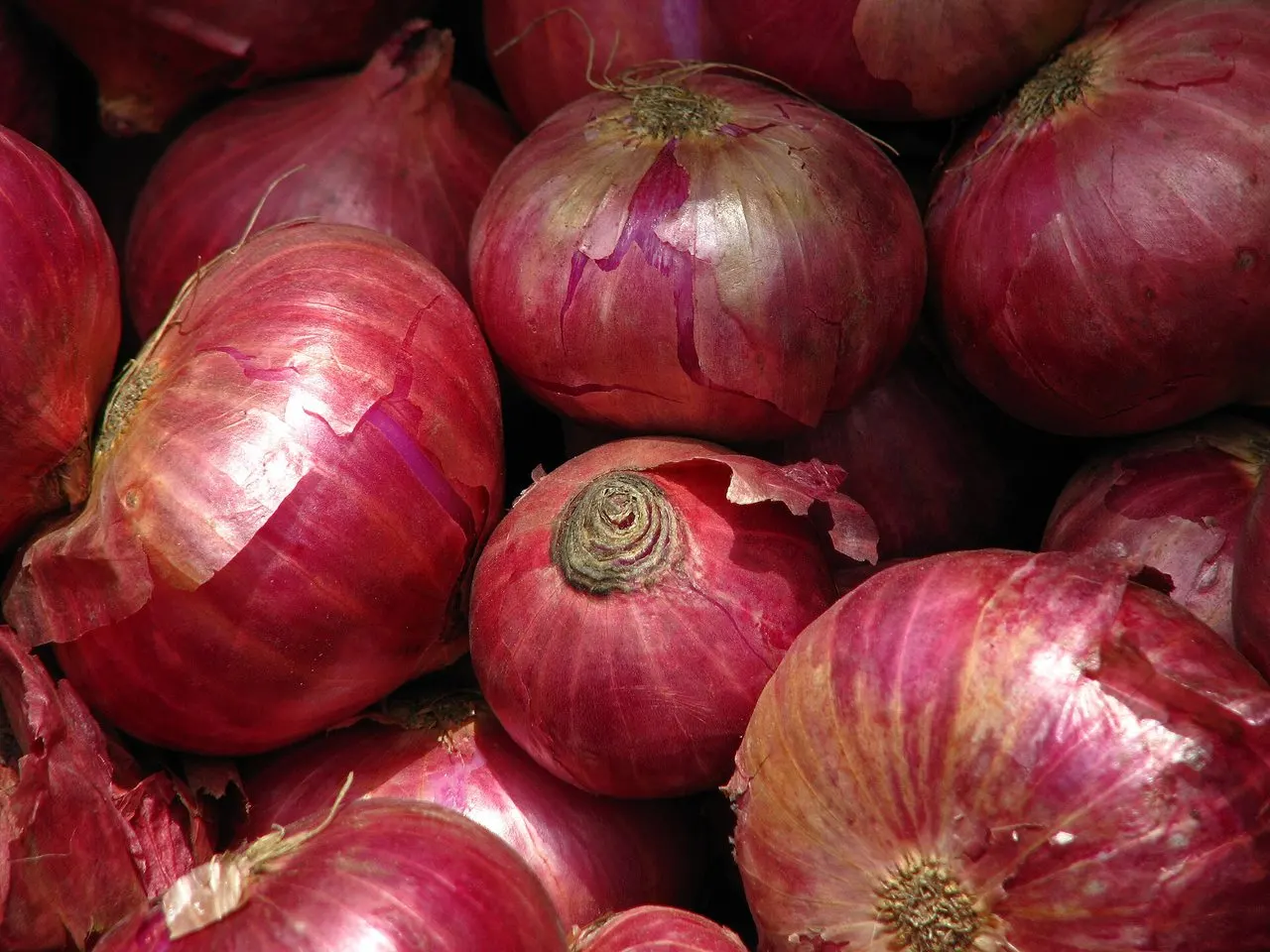
For many years, Bangladesh bought large amounts of onions from India, its big neighbour across the border. When Indian prices rose or exports stopped, onion prices in Bangladeshi markets could jump overnight, and families felt the pinch. That dependence made every kitchen in the country vulnerable to decisions made elsewhere. Read about the plastic container that sounded like fireworks for more stories from around the world today.
Bangladesh Onion Production Fills the Markets
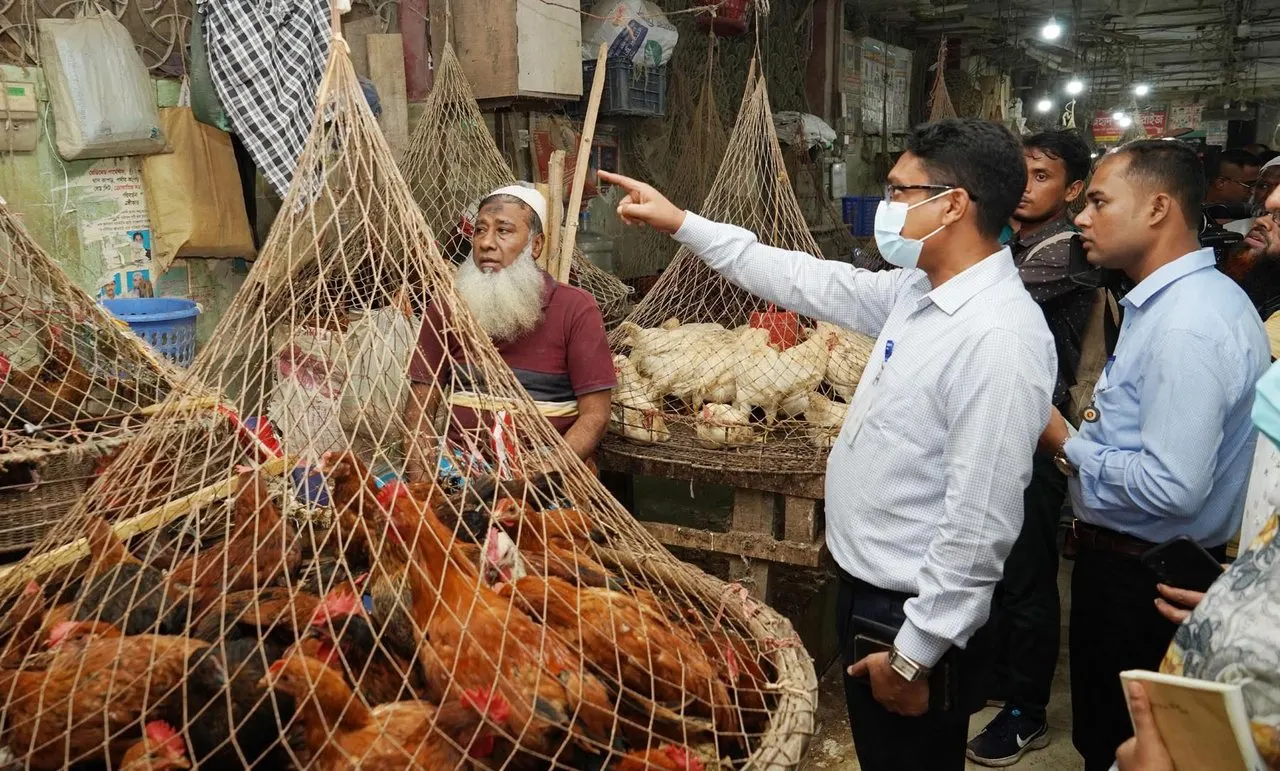
Walk through a market in Dhaka today and you will see onions everywhere, piled high in baskets and sacks. Traders call out their prices, shoppers fill their bags, and the smell of fresh onions hangs in the air. Because the onions are home grown, the supply is steady and the stalls stay full. Read about a message of hope for better days ahead for more good news.
Prices That Families Can Afford
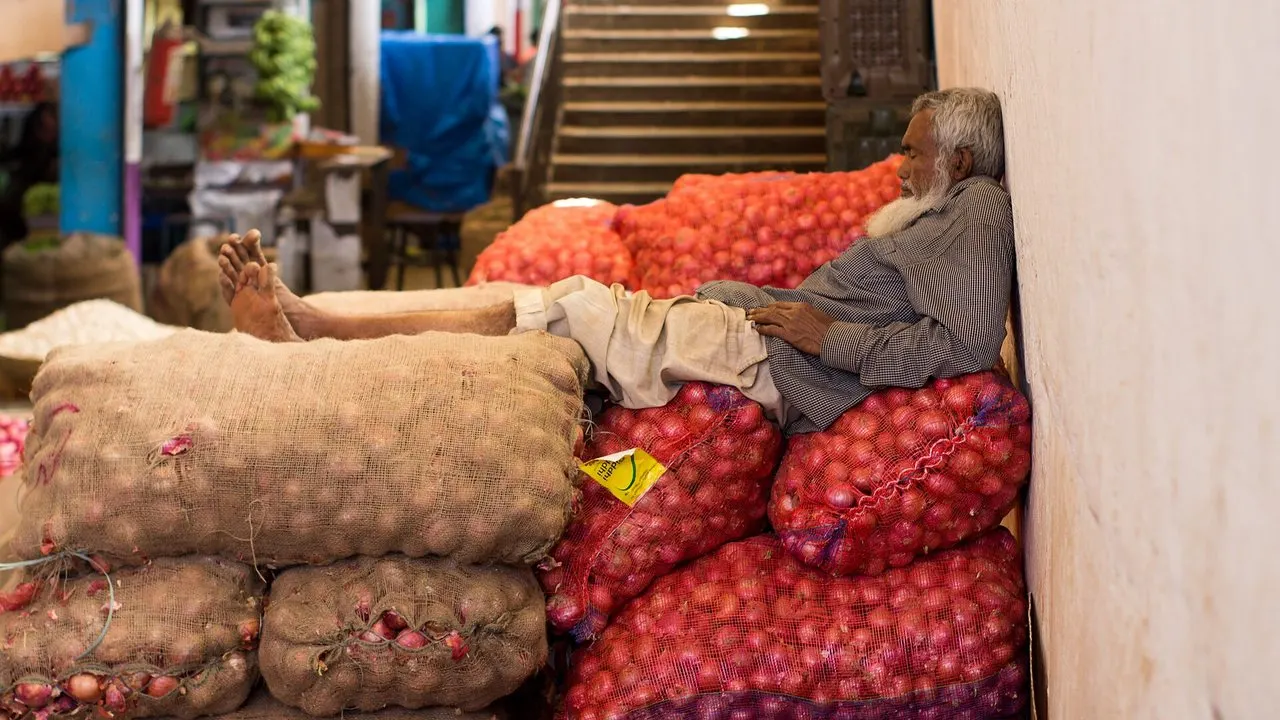
When onions are plentiful, prices stay within reach of ordinary families, and that matters in every home. Onions go into almost every Bangladeshi dish, so a price rise hits the daily food budget hard. A big home harvest keeps the cost of cooking down and lets families spend on other needs. Read the grandma whose Thanksgiving story became a movie for more human stories.
Onions in Every Bangladeshi Kitchen

There is hardly a Bangladeshi kitchen without onions, and hardly a meal that does not start with them. They are fried first in hot oil, filling the house with a rich smell, then joined by spices, lentils, fish or meat. From a simple family lunch to a feast for guests, onions are always there. Read about the eviction of Cianne from Pinoy Big Brother for more stories.
The Taste of Home Cooking
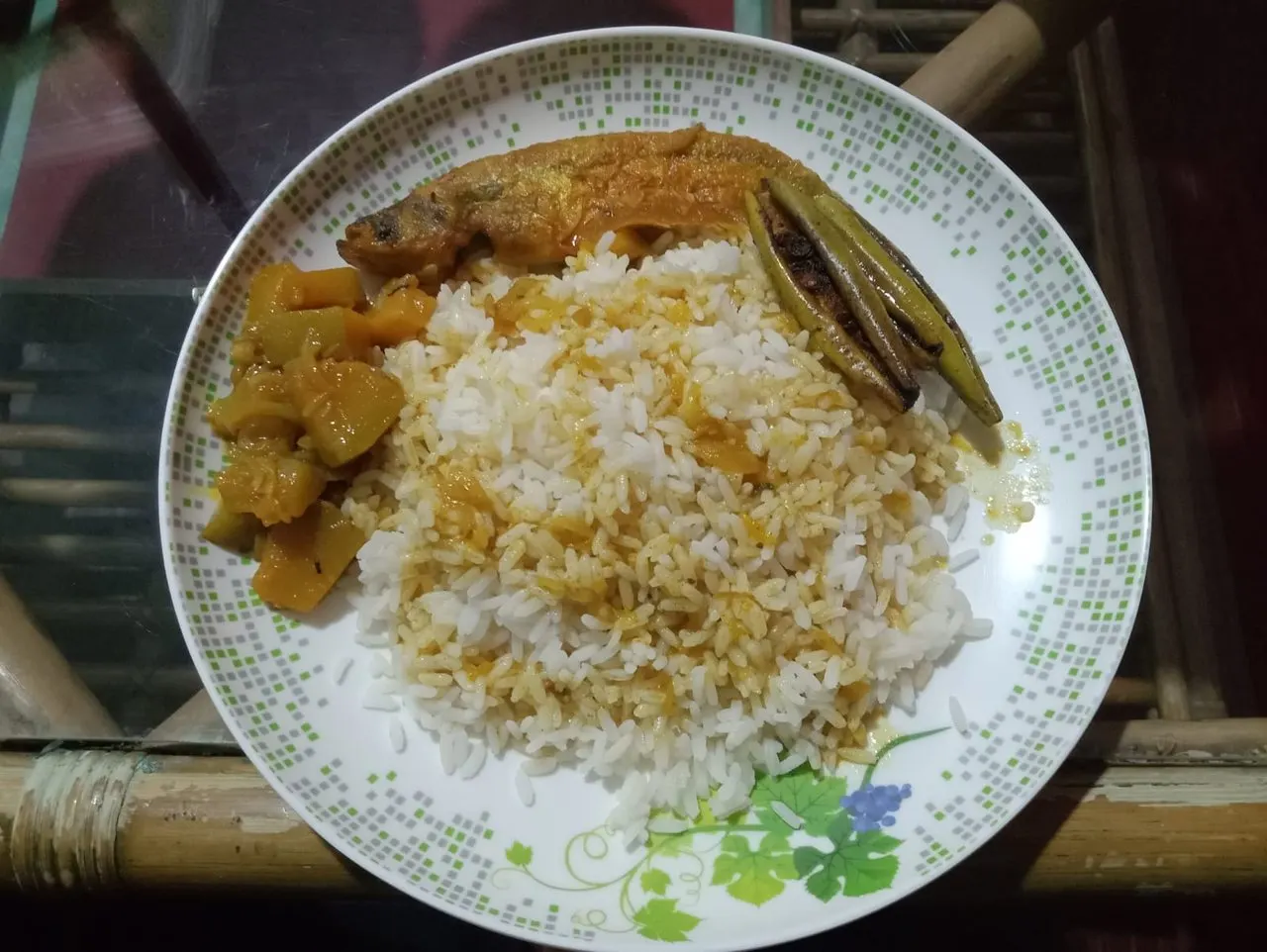
Bangladeshi food is famous for its deep flavours, and onions give many dishes their sweet, rich base. A good curry starts with onions cooked low and slow until they melt into the sauce. Families pass their recipes down through generations, and the onion is at the heart of them all. Read the bill aimed at closing a loophole for more stories from daily life.
The Farmers Behind Bangladesh Onion Production
The real heroes of this story are the farmers who rose before dawn and worked until dusk. They know their soil, their seasons and their crop better than anyone, and this year their skill has paid off. When a farmer holds up a basket of big, healthy onions, it is the result of months of care. Read about the NU Pep Squad and its record 10th title for more inspiring stories.
Life in Rural Bangladesh
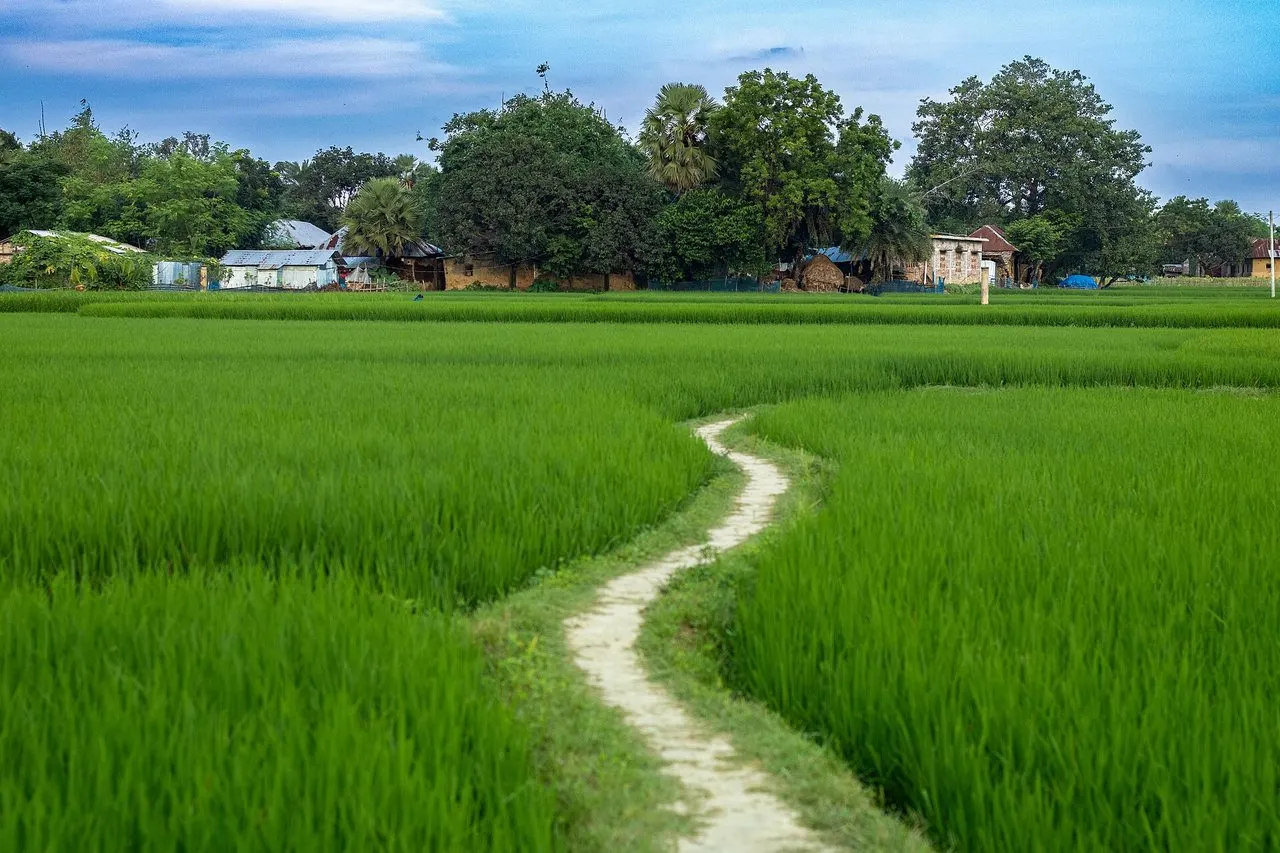
Most of the onions in Bangladesh grow in villages where farming is a way of life. Houses sit among ponds and palm trees, and the fields run right up to the doorsteps. Neighbours help each other at planting and harvest time, and the whole village shares in a good year. This harvest has given every village reason to smile. Read Maru the golden retriever and his island walks for more.
Farming Feeds the Whole Economy
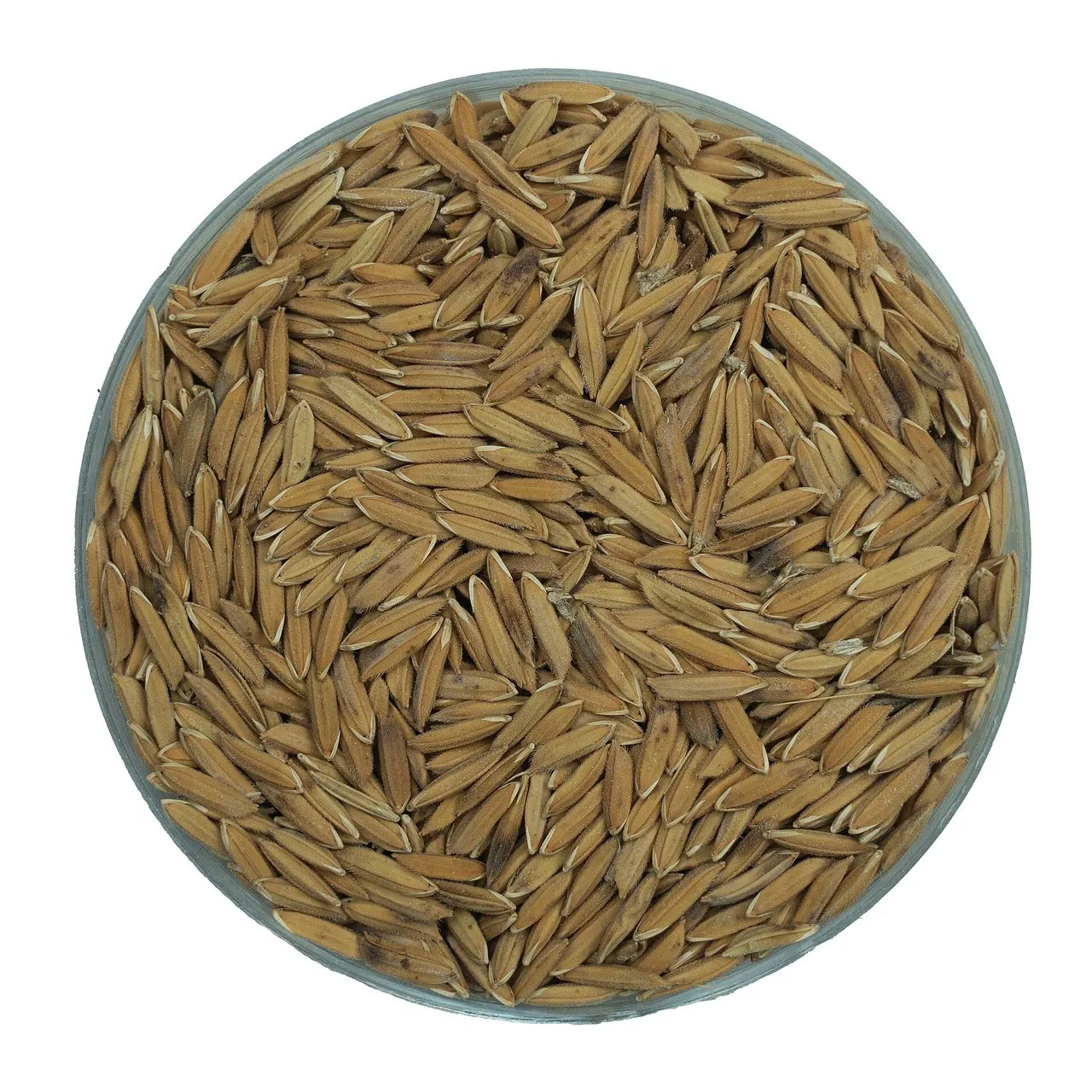
Agriculture is the backbone of Bangladesh, and a strong onion harvest lifts far more than the farmers. Traders, truck drivers, market sellers and shopkeepers all earn from the crop as it moves from field to kitchen. When farming does well, money flows through towns and villages alike. Read about Thomas Massie on the Epstein files fight for more on how people earn a living.
The Machines That Keep Onions Fresh
The airflow machines now used in Bangladesh are simple in idea and powerful in effect. Fans push air through stacks of onions, carrying away damp and heat that would cause rot. The machines run day and night, and they cost far less than the crop they save. It is a smart, practical answer to an old problem. Read Prince Harry and his vow to serve again for more.
What Bangladesh Onion Production Means for the Country
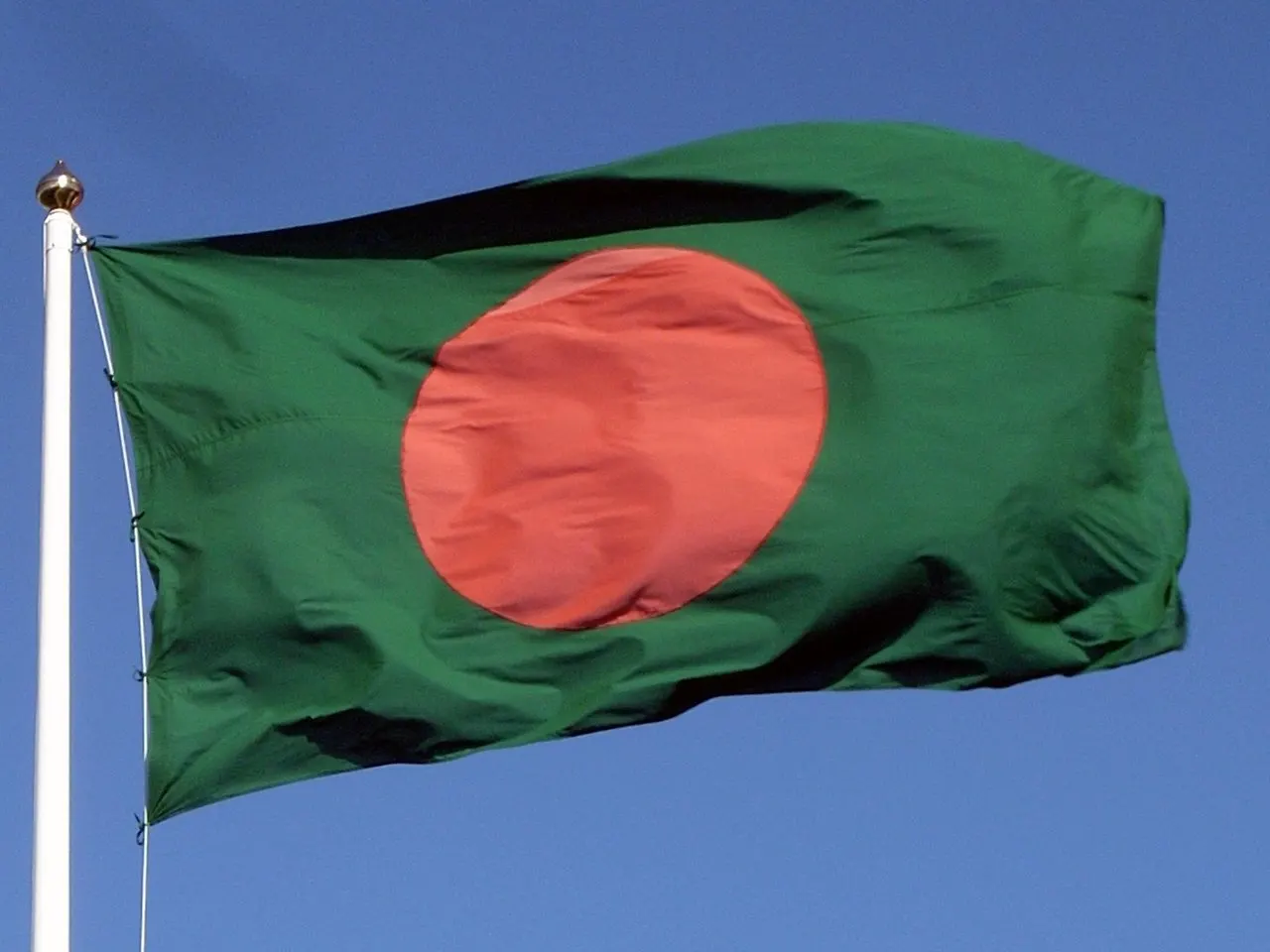
Self-sufficiency means more than full markets, because it means freedom from worry. Bangladesh no longer has to watch foreign prices, beg for supplies or rush to buy when stocks run low. The country can feed itself from its own soil, and that is a source of pride for every citizen. Read about Trump and his meetings with Putin and Xi for more.
Good News for Every Shopper
For shoppers, the change is simple and welcome: onions are there when you need them, at a price you can pay every single day. No more sudden shortages, no more long queues, no more days when the market stall is empty. A steady supply makes planning meals easier and family budgets calmer. Read the warning about wealth and oligarchy for more good news.
Planting the Next Harvest
Even as this harvest is celebrated, farmers across the whole country are already thinking about the next one. Seedlings are raised in nurseries, fields are prepared, and the cycle begins again with the same hope. A good year teaches lessons that make the next year better still, and the knowledge stays in the village. Read Zelensky and his silent shrug in Berlin for more.
Seeds, Soil and Patient Hands
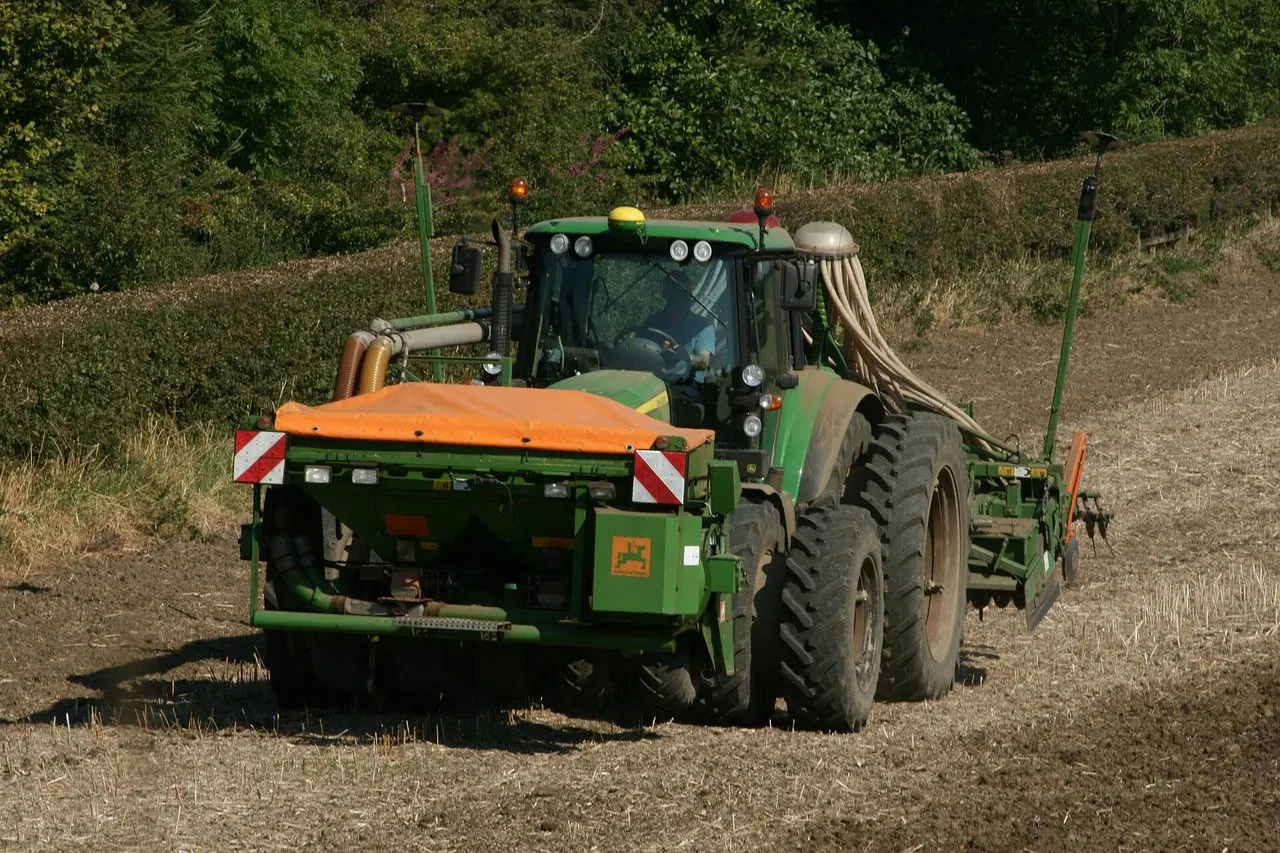
Every onion starts as a tiny seed, sown by hand in soft, rich soil. Farmers tend the young plants with care, watering them, feeding them and keeping weeds away. It takes months of steady work before the bulbs are ready, and there are no shortcuts. The harvest is the reward for that patience. Read the life of Samuel Prinz-Reiterer for more.
Water and Work in Bangladesh Onion Production
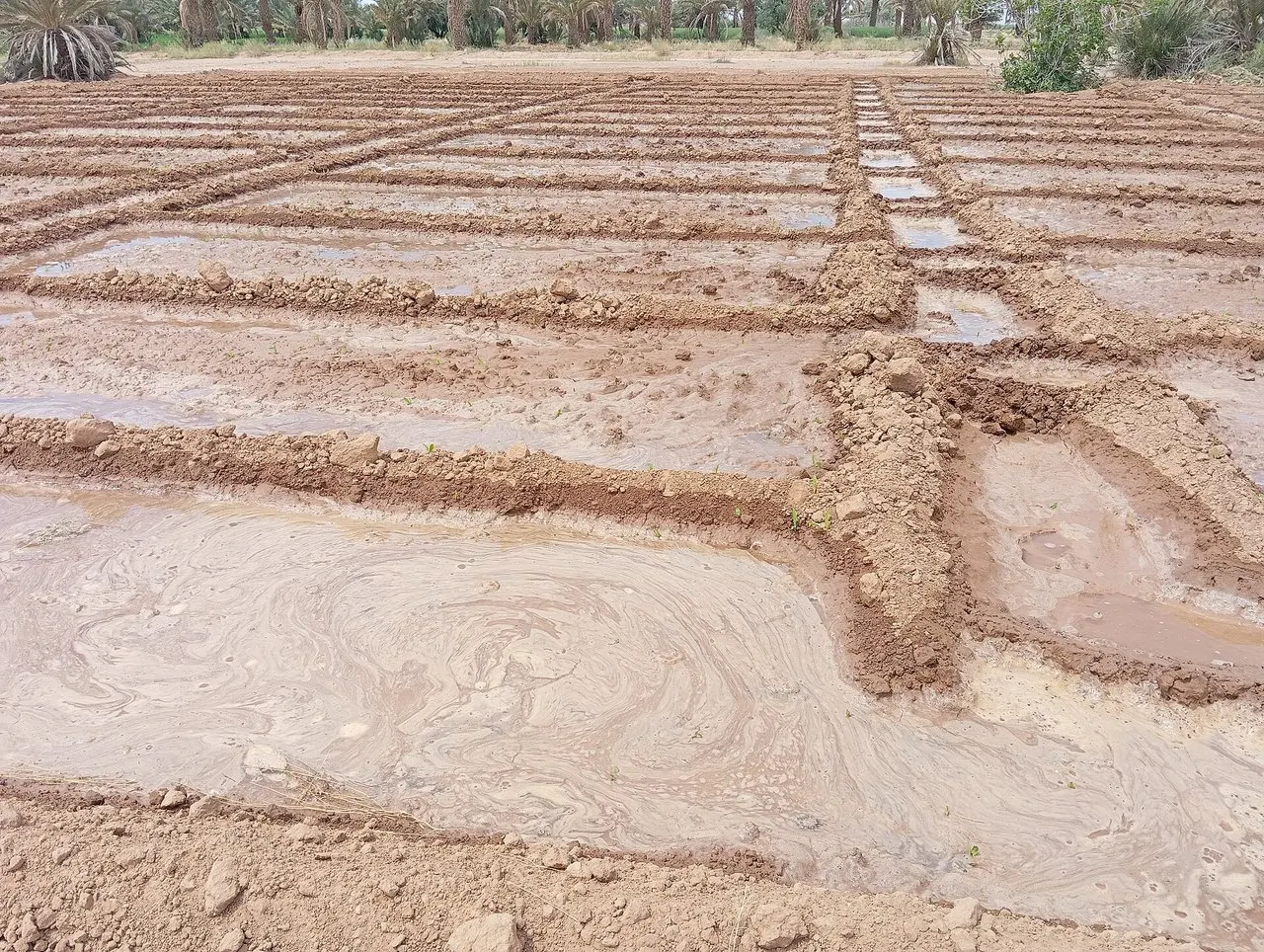
Onions need water at the right time and in the right amount, neither too much nor too little. Farmers in Bangladesh watch the skies and their fields, opening channels to bring water where it is needed. Good irrigation has helped this year, and the healthy crop shows it. Read about the Florida DMV worker facing 360 felonies for more stories of hard work.
From Field to Market by Truck
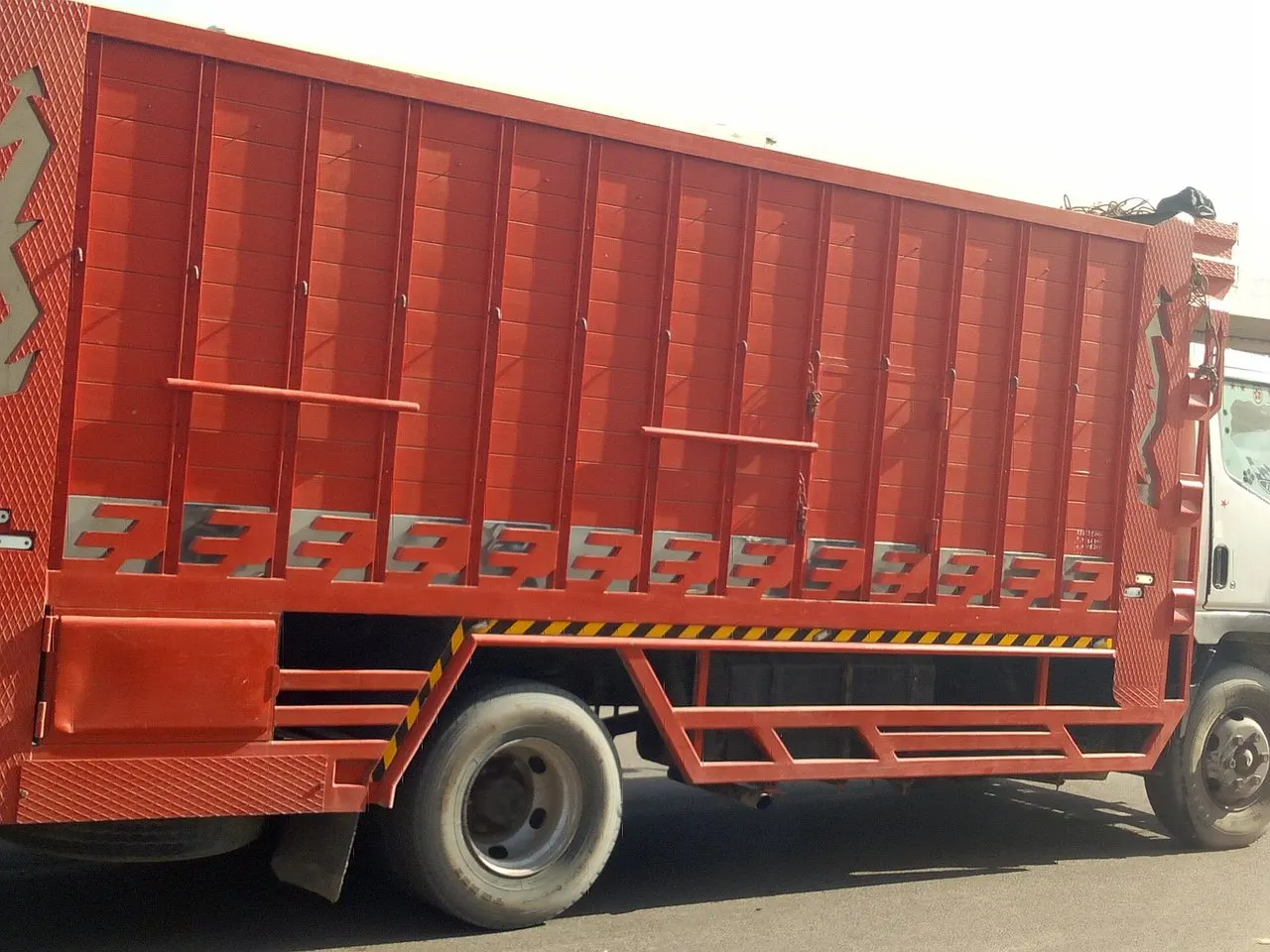
Once the onions are harvested and dried, trucks carry them from the villages to the markets of the towns and cities. Drivers load the sacks early in the morning and travel roads that hum with farm produce at harvest time. By the time the shops open, the onions are already on the shelves, fresh and ready for sale. Read Mark Carney confronting Putin at APEC for more.
A Proud Moment for the Whole Country
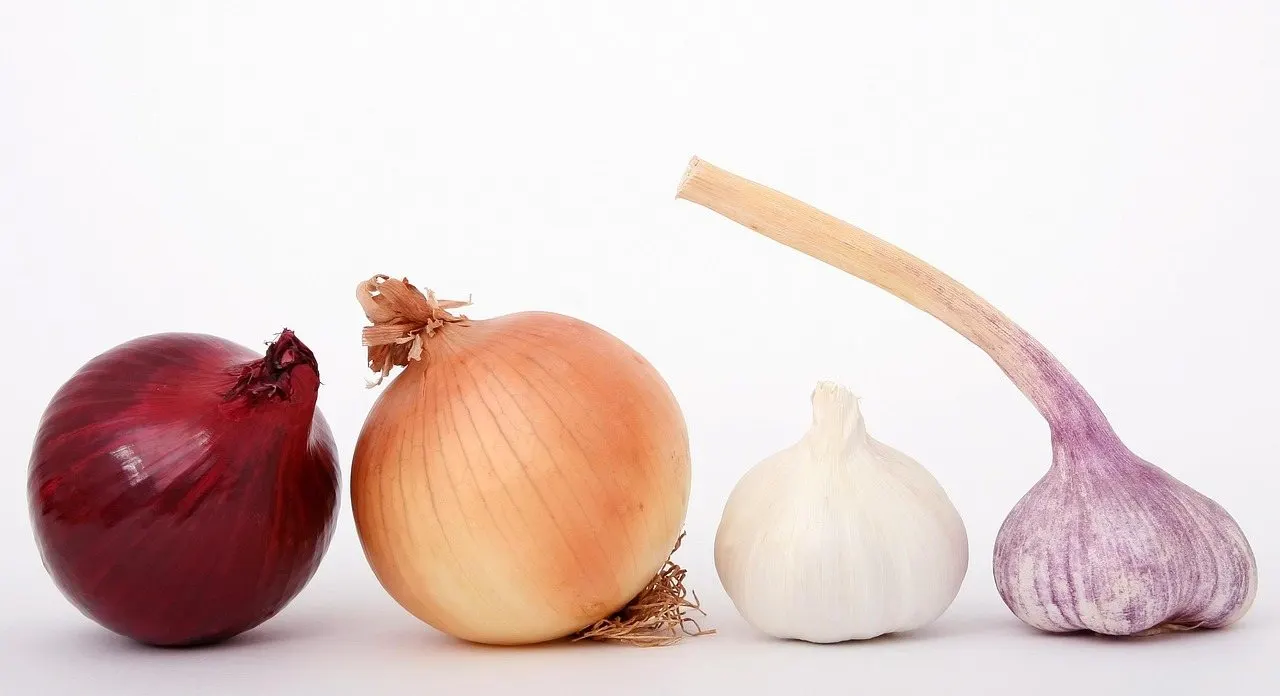
This is a proud moment for Bangladesh, and the pride belongs to everyone who had a part in it. The farmers, the farm officers, the storage workers and the traders all helped to make the country self-sufficient in onions. It is a story of hard work, smart planning and a harvest that beat every record. Read the plastic container that sounded like fireworks for more.
What Do You Think of This Harvest
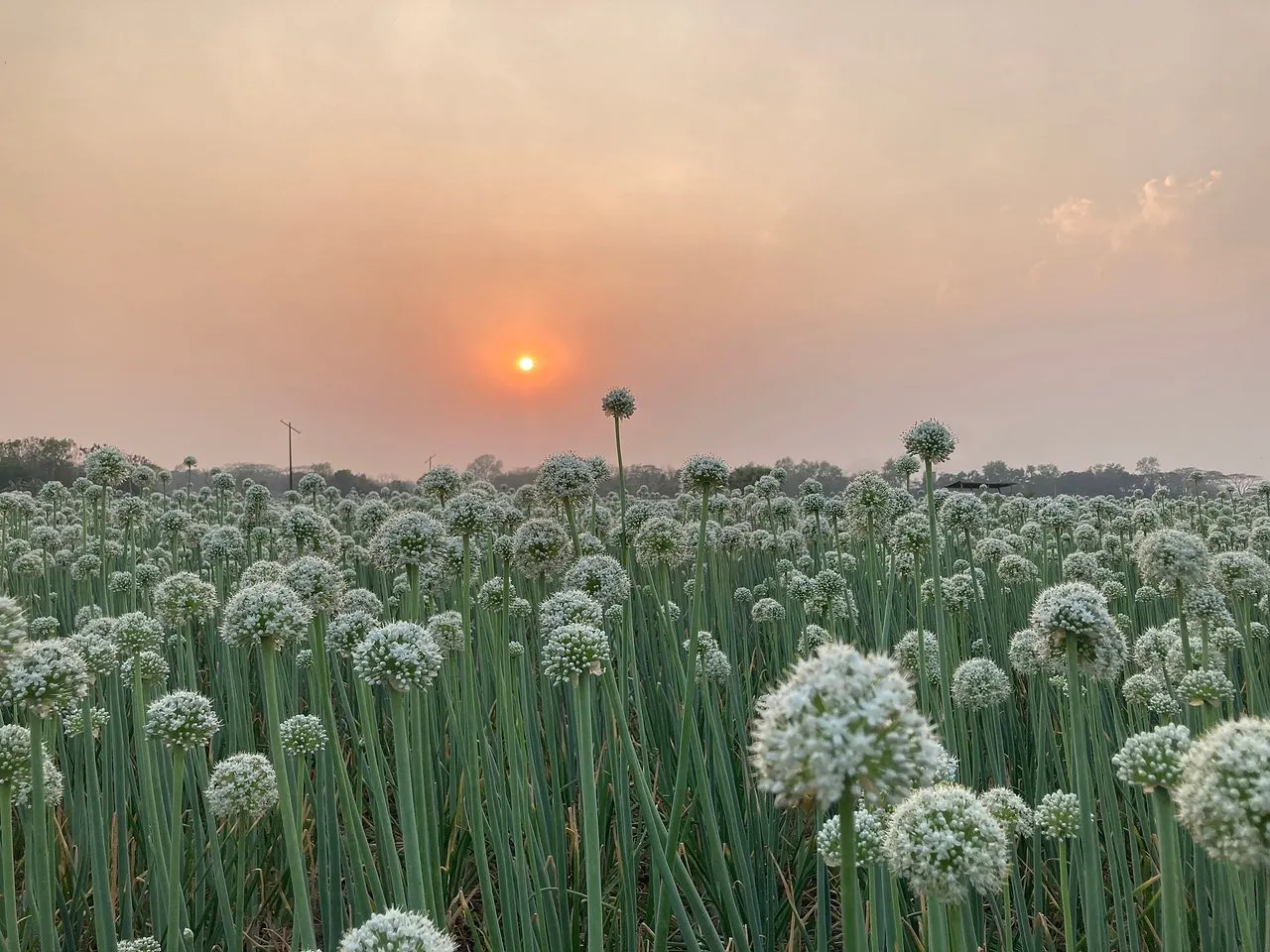
Bangladesh has shown what its farmers can do, growing more onions than the country needs and saving hundreds of millions of dollars. The fields are full, the stores are full and the markets are full, and the future looks bright for the next season too. What do you think of this harvest, and what should farmers grow more of next? Share your thoughts in the comments below and read a message of hope for better days ahead for more good news.