The Amazon Delivery Fee Fight Reaches New York City
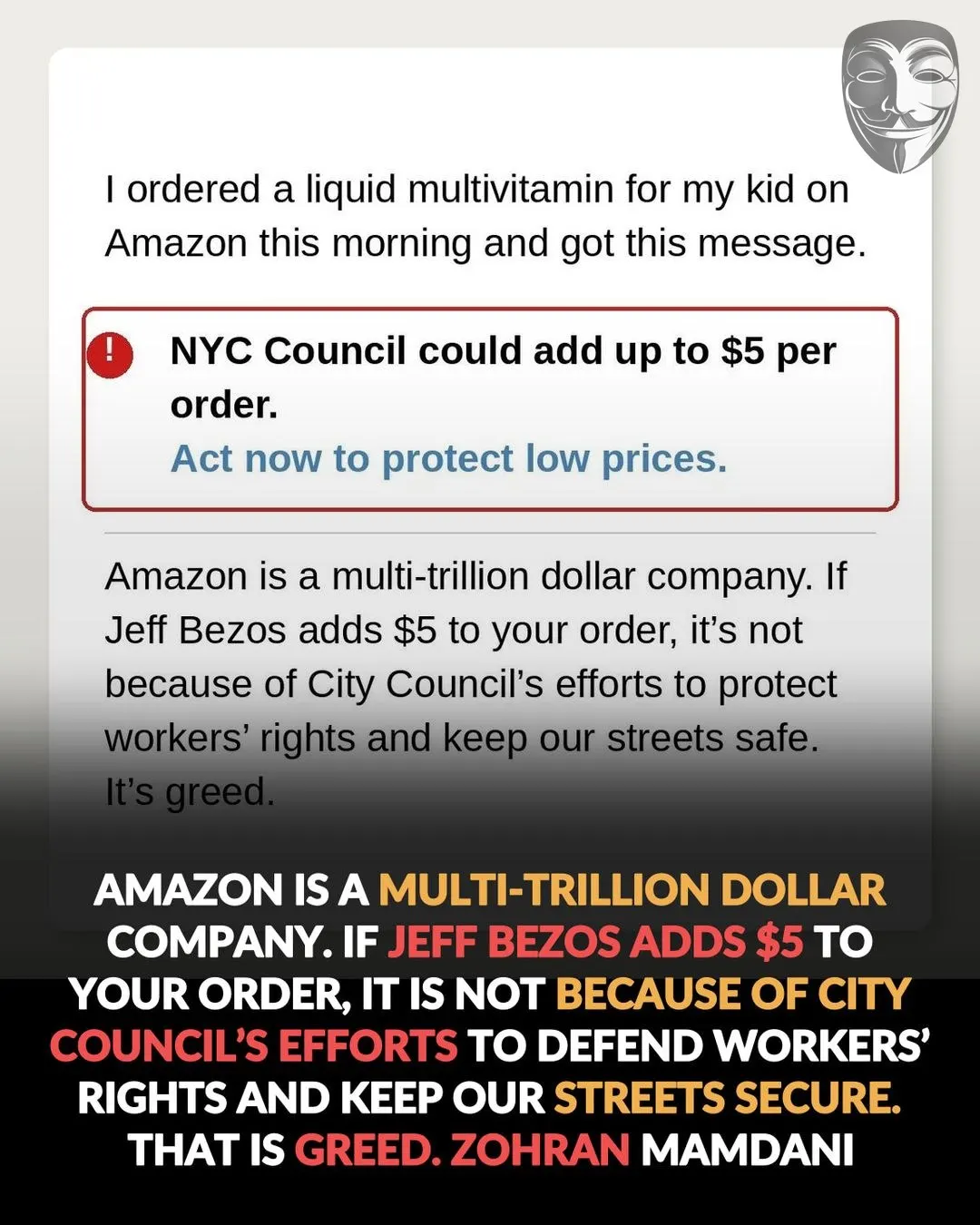
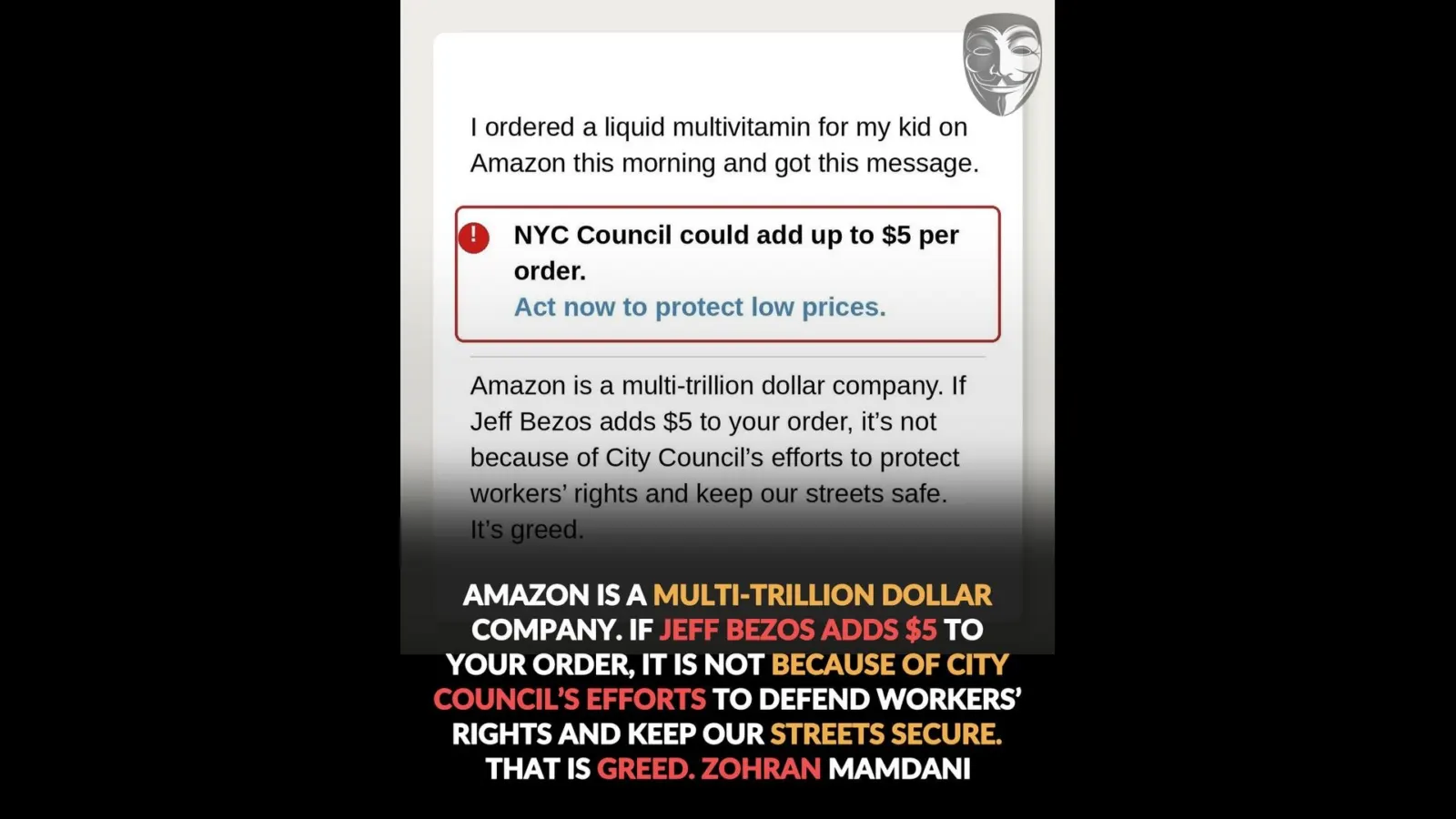
The Amazon delivery fee warning reached New York City shoppers on November 19, when Amazon said a new city bill could add up to $5 to every order. The bill is the Delivery Protection Act, known as Intro 518, and it would change how last mile delivery works across the five boroughs. It was sponsored by Councilmember Tiffany Caban and backed by Mayor Zohran Mamdani, and it would make companies employ their drivers directly instead of using contractors. For more on the bill, read our report on the delivery worker bill.
Mamdani answered on X, saying Amazon is a multi-trillion dollar company and a $5 charge would be greed, not the cost of protecting workers and keeping streets safe. Amazon says the change could cost households $409 to $664 a year and put more than 40 small delivery businesses at risk, while over 150,000 customers have emailed Council members against the bill. On Black Friday, Mamdani called again for the bill to pass now, and the slides ahead explain the fight step by step. See also our story on the halal meals order.
References:
New York Post: Mamdani and Amazon trade barbs on Black Friday over contentious delivery worker bill
Washington Examiner: Mamdani’s ‘affordability’ agenda could add $5 to your Amazon order
Fox Business: Mamdani targets Amazon on Black Friday as 150K customers push back against delivery crackdown
Sourcing Herald: Amazon warns NYC customers about Intro 518 delivery bill and $5 fee
Amazon Warns New York Shoppers About the Amazon delivery fee

Amazon began warning New York City shoppers on November 19 that Intro 518 could add up to $5 to every order. The warning framed the bill as a cost that would land on ordinary households rather than on the company. Shoppers who order groceries, books and everyday goods online would feel the change with each delivery. The company says the fee would follow from the new rules, and critics say that claim is the heart of the row. Read our report on the delivery worker bill for more background.
Intro 518 and the Amazon delivery fee Explained

Intro 518 is the name of the Delivery Protection Act, a bill before the New York City Council. It would require companies to employ their last mile delivery drivers instead of using contractors, and it would license the delivery hubs where parcels are sorted. Supporters say direct employment gives drivers steadier pay and clearer rights, while licensing gives the city a say over busy hubs. The bill is the center of this fight, and its next step is a Council decision. See our report on the delivery worker bill.
Direct Jobs Instead of Contract Drivers

Today many last mile drivers work as contractors, not as direct employees of the company whose parcels they carry. That means the company does not hire them, set their schedules in the same way, or carry the same duties an employer carries. Intro 518 would change that model by making companies employ these drivers directly. Supporters say the shift would give drivers better protection and more stable work, and they argue that a company this large can afford to make the change. Read our report on the FedEx driver case.
Licensed Hubs and Safer Streets

The bill would also license delivery hubs, the busy buildings where vans are loaded and parcels are sorted for the streets. These hubs sit in neighborhoods across the city, and trucks move in and out of them all day and night. Licensing would let the city set rules for how hubs run and how they fit into local streets. Supporters link the rule to safety, saying orderly hubs mean calmer roads for everyone nearby. Learn more in our story on the Rikers Island plan.
Mamdani Calls the Amazon delivery fee Greed
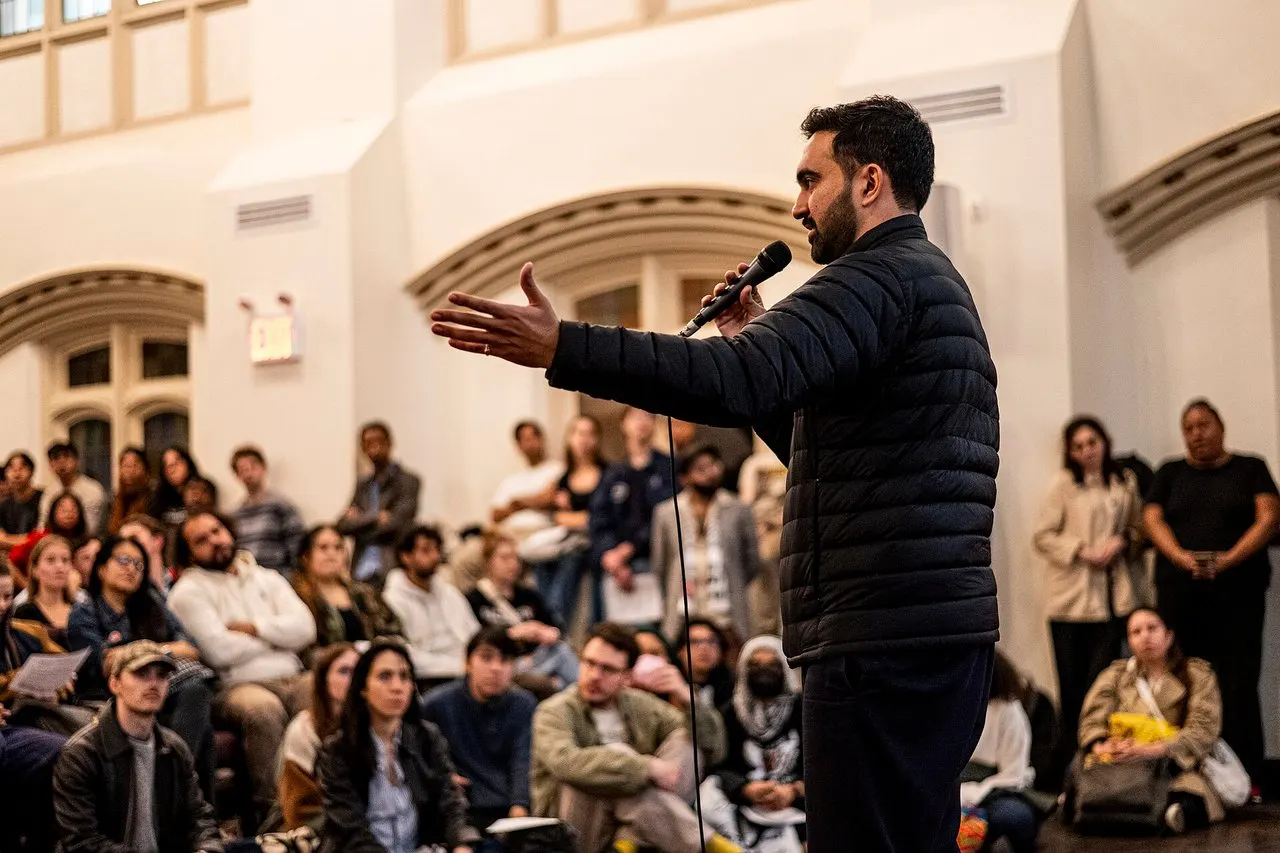
Mamdani answered Amazon on X with a blunt message. He said Amazon is a multi-trillion dollar company, and if Jeff Bezos adds $5 to an order, it is not because of the Council’s efforts to defend workers’ rights and keep streets secure. That is greed, he said, in one word that summed up his whole reply. The post turned a policy row into a clash over fairness, and it spread quickly because it was so direct. See our story on the halal meals order.
What the Amazon delivery fee Could Cost Households

Amazon says the change could cost households $409 to $664 a year, a figure the company has put at the center of its warning. For a family that orders often, small fees add up fast, and the company says the yearly total would be felt in real budgets. Critics of the warning say the estimate assumes shoppers keep ordering at the same pace and pay the full fee every time. The number is disputed, but it has shaped how many people see the bill. Read our story on the warning about oligarchy.
Small Delivery Firms Fear for Their Future
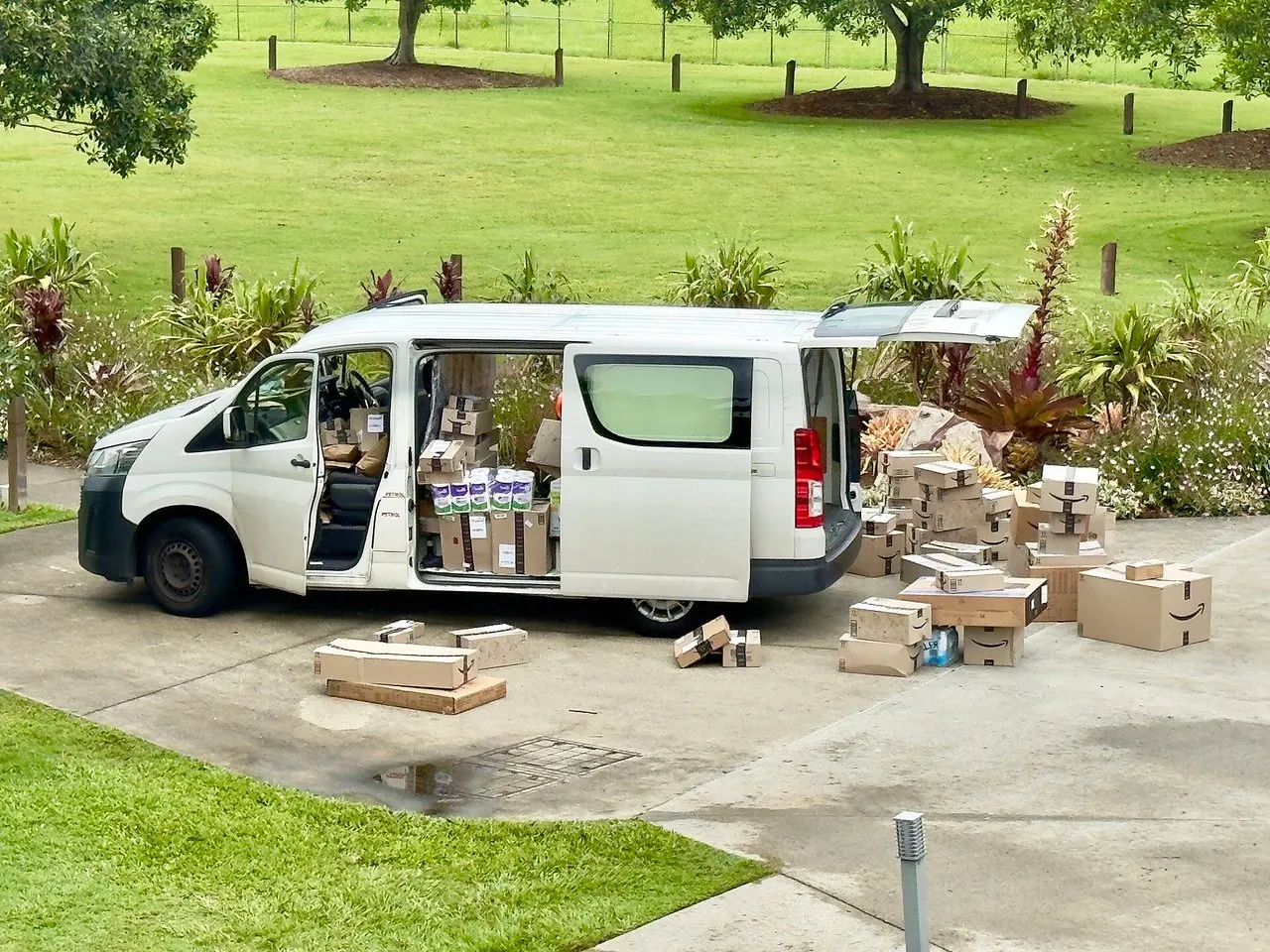
Amazon also says the Amazon delivery fee fight puts more than 40 small delivery businesses at risk. These are the small firms that run vans, hire local drivers and handle routes for the big platforms. If the rules change how they work, some of them fear they could lose contracts or be forced to close. Supporters of the bill say the firms can adapt, and they argue that protecting drivers matters more than protecting the current setup. See our story on the bill to close a loophole.
150,000 Customers Push Back on the Amazon delivery fee

More than 150,000 customers have emailed Council members against the bill, according to Amazon. That is a large wave of messages from shoppers who say they do not want to pay more for deliveries. The emails show that many customers see the fee as a household cost, not as an abstract policy question. For Council members, the flood of mail is hard to ignore, and it has become part of the debate. Read our story on the Epstein files fight.
Black Friday Brings the Fight Into Focus
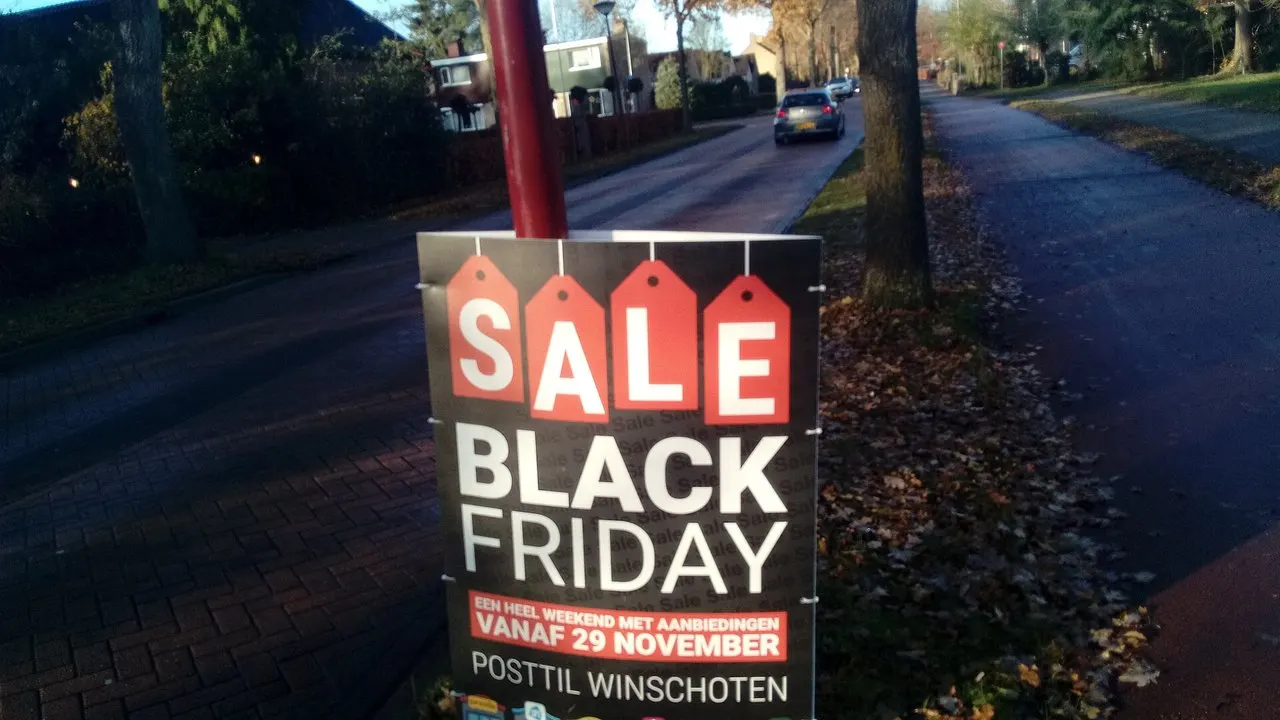
Black Friday is one of the busiest shopping days of the year, and this year the delivery row landed right in the middle of it. Mamdani used the day to call again for the bill to pass now, while Amazon kept warning shoppers about the possible fee. The timing meant millions of people saw the clash while they were hunting for deals. A holiday built for bargains became a stage for a fight about workers and prices. See our report on the NYPD unit change.
The Last Mile Is the Hardest Part of Delivery
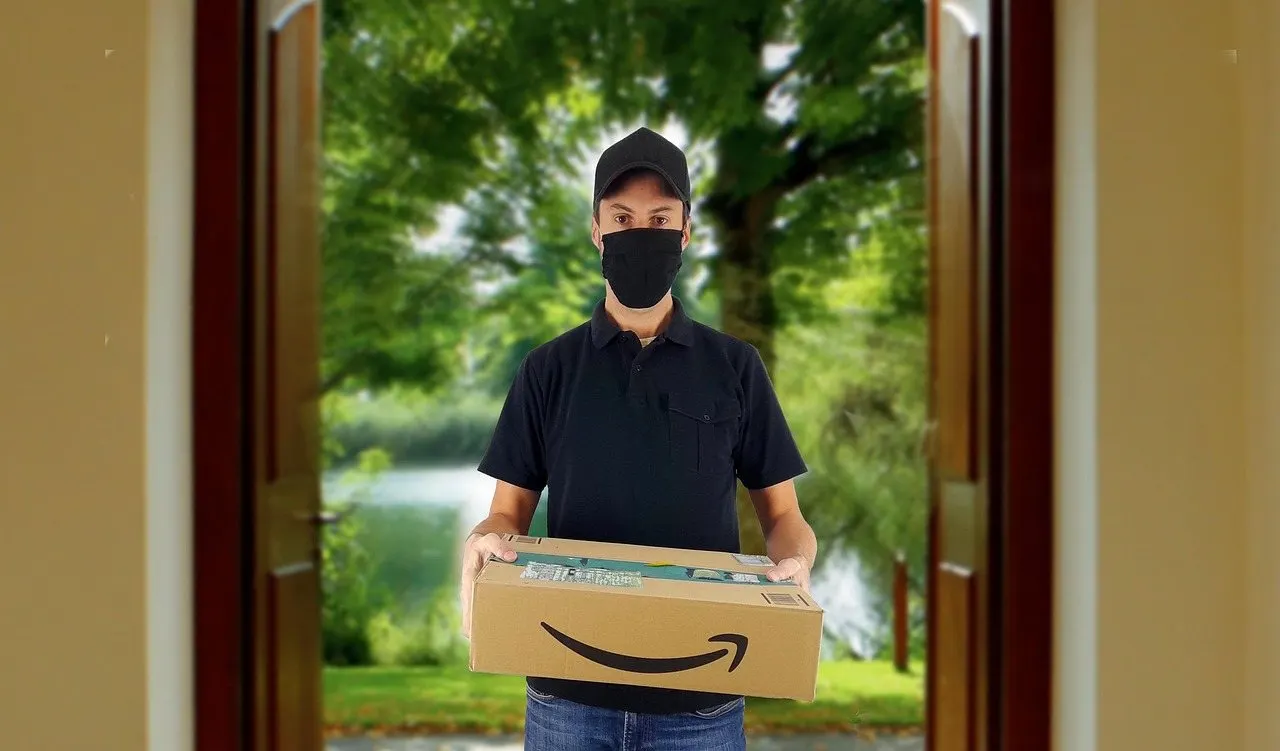
The last mile is the final stretch of a parcel’s trip, from a local hub to a customer’s front door. It is often the most costly part of delivery because it needs a driver, a van and time on crowded streets for each stop. Companies have long tried to make this stretch cheaper, and the contractor model is one way they did it. The bill would change the rules for that final stretch, which is why both sides care so much. Learn more in our report on the FedEx driver case.
Who Sponsored the Bill and Who Backs It
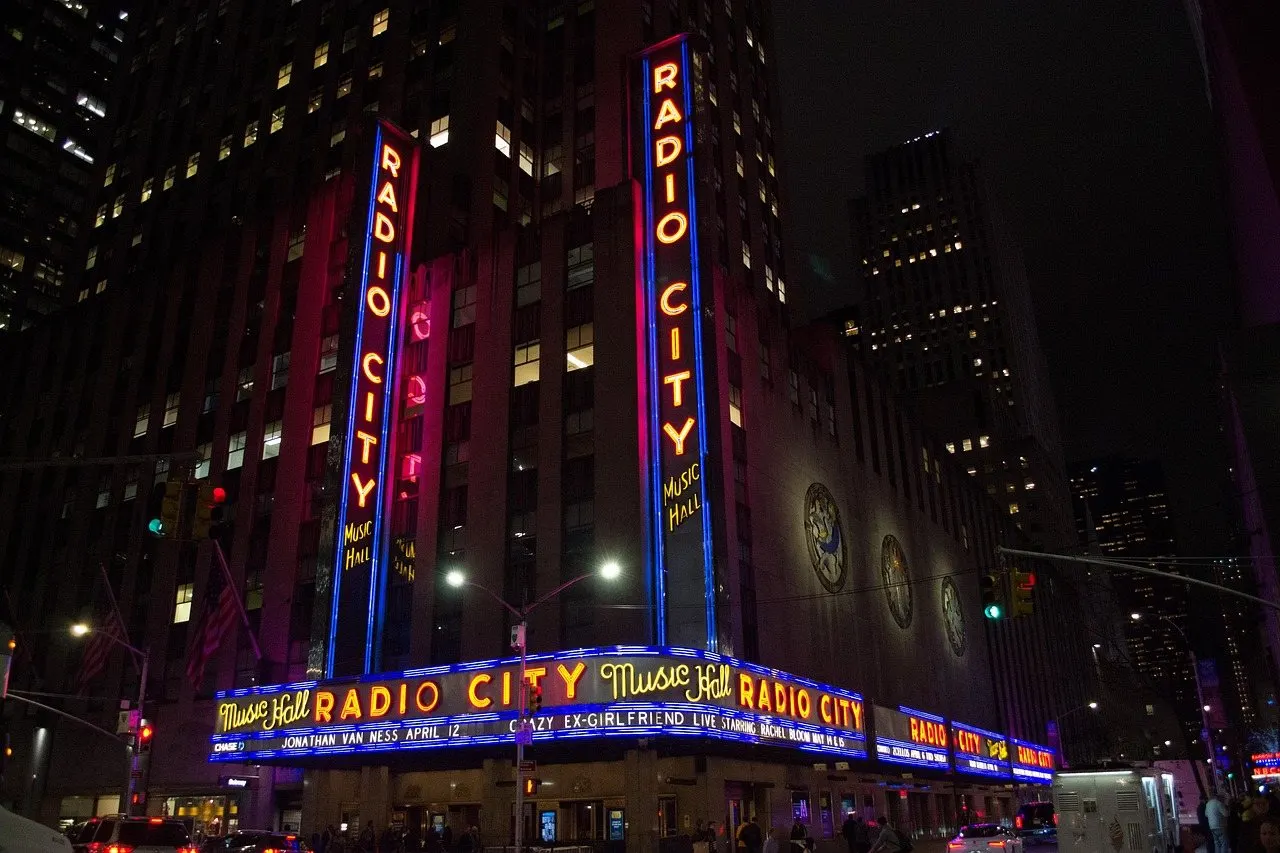
Councilmember Tiffany Caban sponsored Intro 518, and Mayor Zohran Mamdani has backed it in public. The Amazon delivery fee debate now sits with the City Council, where members must weigh the claims from Amazon against the case made by the bill’s supporters. A sponsor puts a name to a bill and argues for it in hearings and in public, while a mayor’s backing gives it weight. The next step belongs to the Council, and shoppers are watching closely. Read our report on the stalled Ohio vote.
Drivers Carry the Weight of Every Order

Delivery drivers spend their days on city streets, carrying parcels up stairs, through rain and past traffic. Their work is physical and often rushed, with many stops packed into a single shift. Supporters of the bill say direct employment would give these workers steadier hours, clearer rights and a safer day on the job. The bill treats their working conditions as a city issue, not just a company matter. See our story on the horse carriage plan.
A Multi-Trillion Dollar Company and the Amazon delivery fee

Amazon is one of the largest companies in the world, with a vast network of warehouses, vans and drivers. Mamdani’s point was simple: a company of this size can absorb the cost of treating drivers as employees. The company says the cost would fall on shoppers instead, and that claim is now at the center of the row. The clash is really about who pays when the rules change. Read our story on the warning about oligarchy.
Jeff Bezos and the Company He Built
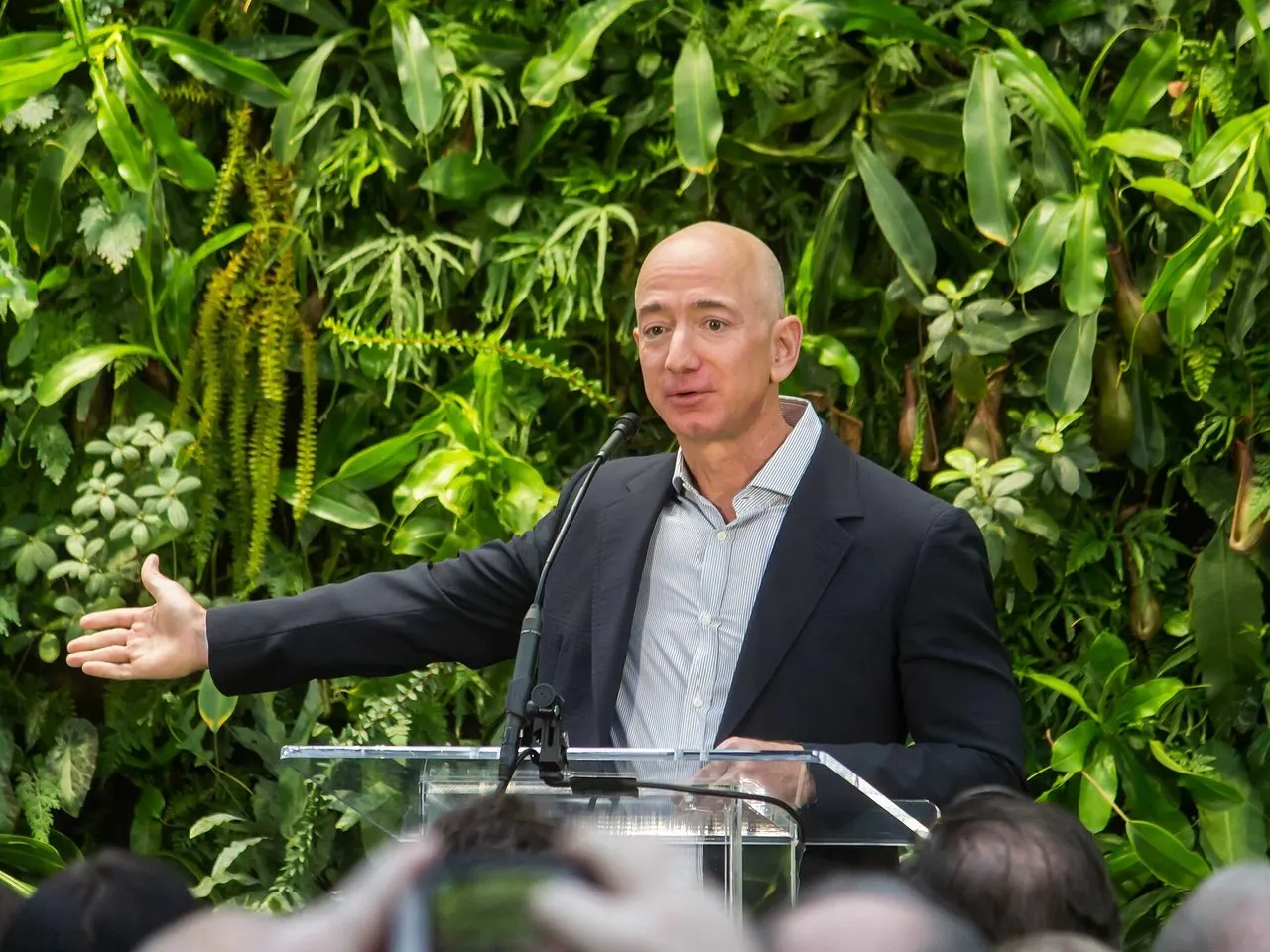
Jeff Bezos founded Amazon and built it from an online bookshop into a global company. He is one of the richest people in the world, and his name is tied to the firm in the public mind. Mamdani named him directly in his reply, saying the decision to add $5 would sit with Bezos, not with the Council. The personal edge in the message is part of why it spread so far. See our report on the staff savings story.
Doing the Math on the Amazon delivery fee

Five dollars sounds small on its own, but it grows with every order a household places. A family that orders once a week would pay the fee more than fifty times in a year, and a family that orders more often would pay it more still. That is why Amazon’s estimate of $409 to $664 a year has caught so much attention. The math is simple, and both sides use it to make their case. Learn more in our story on the insulin implant breakthrough.
The Small Firms Behind the Big Deliveries

Behind the big platforms sit smaller firms that run vans, hire drivers and manage local routes. These companies work on thin margins, and they say new rules could squeeze them hard. More than 40 of them could be at risk, according to Amazon, and their owners worry about contracts and jobs. The bill’s supporters say the firms will adapt, but the firms themselves are not so sure. Read our report on the detention center fight.
How a City Bill Becomes a Law

A city bill starts with a sponsor, moves through hearings and votes, and only becomes law when the Council passes it. Along the way, the public can weigh in, and this bill has drawn a flood of emails from shoppers. Hearings let both sides make their case, and Council members listen before they vote. The process is slow by design, so that big changes get a full debate. See our story on the Texas proposal.
Shopping From the Couch in New York City

For many New Yorkers, ordering online is part of daily life, from groceries to books to gifts. A parcel at the door saves a trip to the store, and that ease is why delivery has grown so fast. A new fee would change the price of that ease, and shoppers would have to decide what it is worth. The row is about more than one bill, since it touches how the city shops. Learn more in our report on the Tesla robot story.
Rain, Stairs and Long Days for Couriers
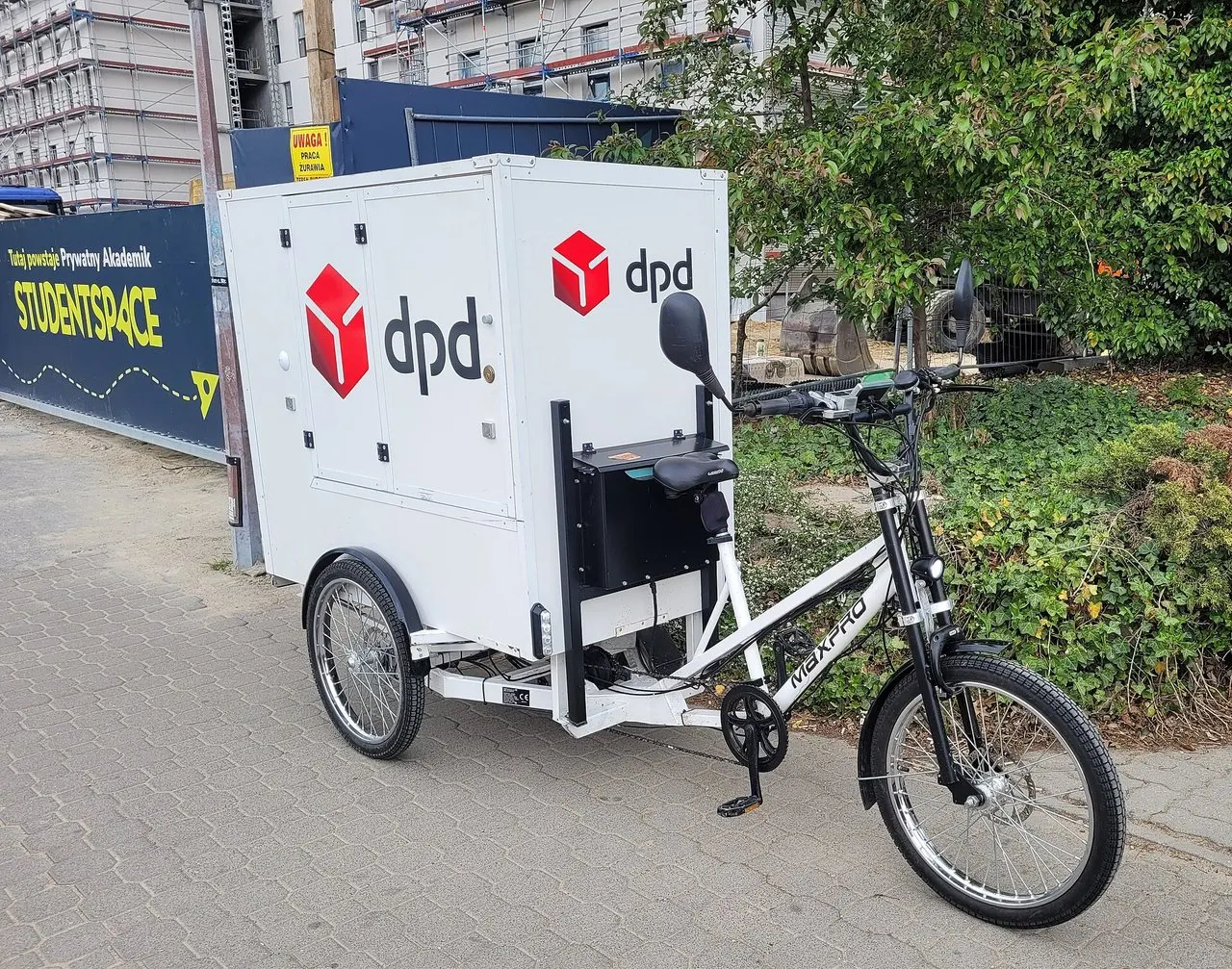
Couriers work in all weather, pushing bikes and vans through rain, heat and cold. They climb stairs, wait at doors and keep to tight schedules set by the route. It is tiring work, and it carries risks on busy roads. The bill’s supporters say those risks are exactly why drivers deserve direct employment and the rights that come with it. Read our report on the Amish school fines.
Inside the Hubs Where Parcels Are Sorted
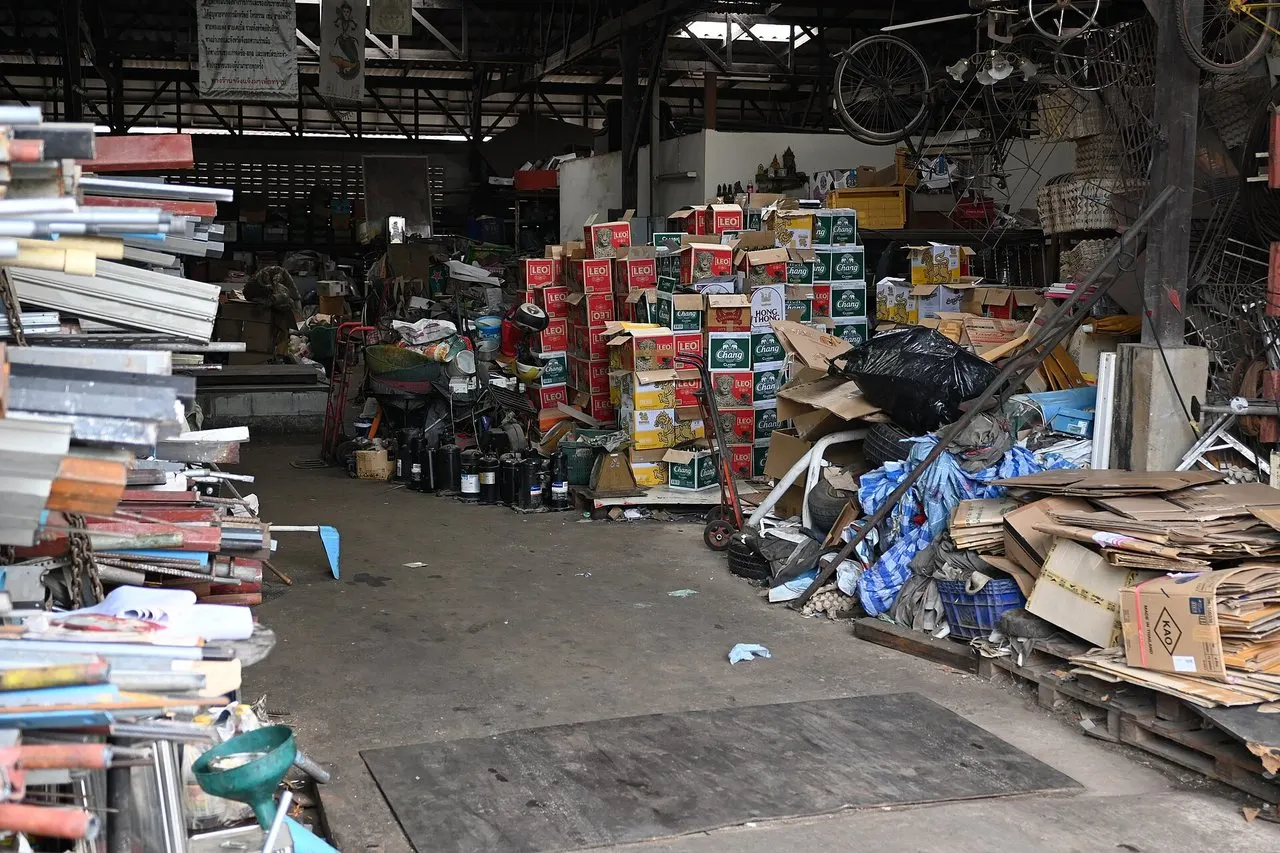
Inside a delivery hub, parcels are sorted onto shelves, scanned and loaded onto vans in a steady stream. Workers move fast to keep the flow going, and a delay at the hub means late parcels at the door. Licensing these hubs would give the city a role in how they run, from safety rules to opening hours. Supporters say that oversight would make hubs better neighbors. See our report on the Rikers Island plan.
Affordability and the Amazon delivery fee Debate
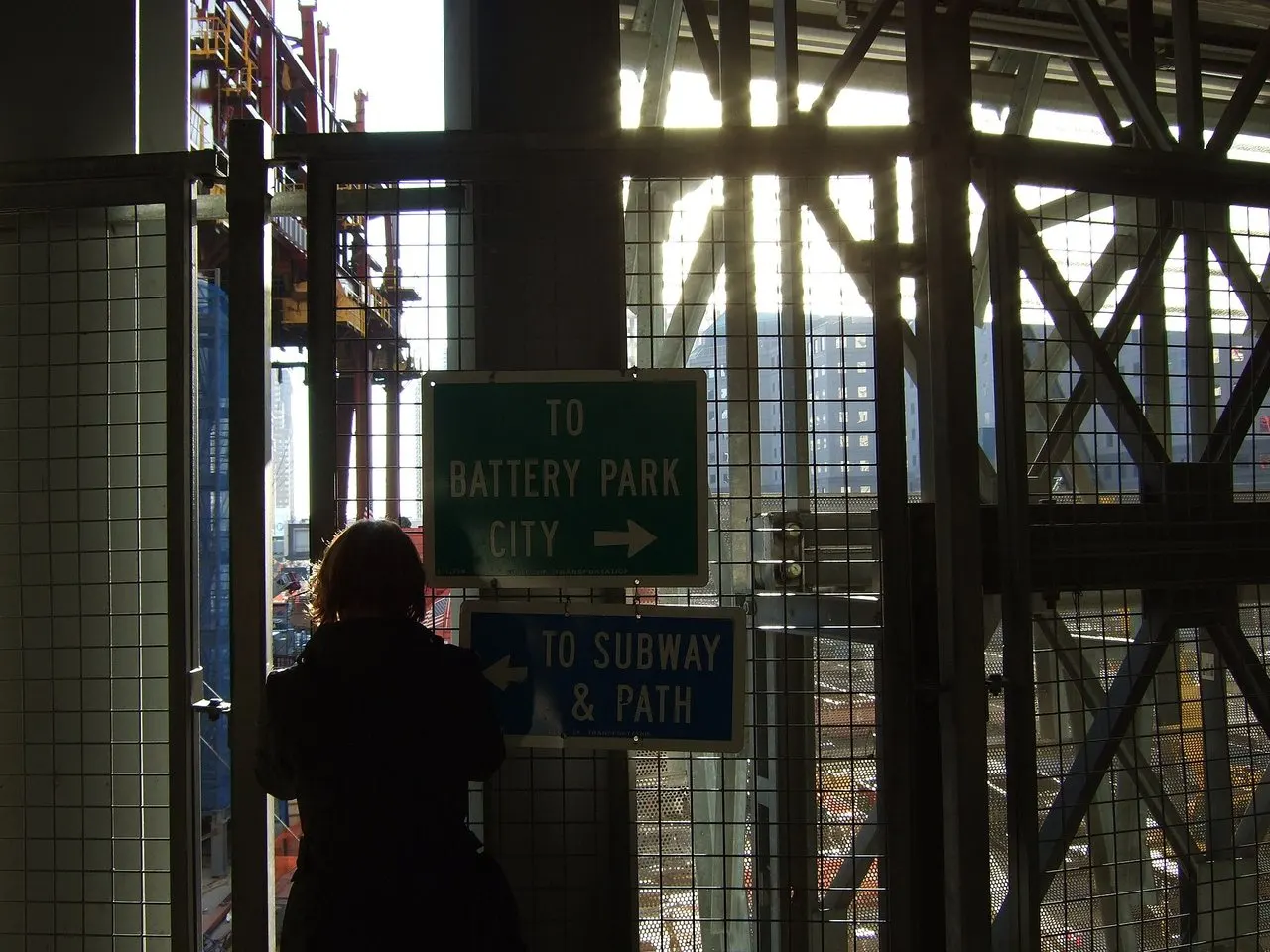
Mamdani won support with a promise to make life more affordable in New York City, and his backers say the bill fits that promise. They argue that fair pay for drivers and safe streets are part of what makes a city affordable to live in. Amazon and its supporters say the fee would do the opposite, raising costs for households that already feel squeezed. Both sides claim the affordability cause, and voters will judge the result. Read our story on the halal meals order.
Black Friday Crowds and Full Shopping Bags

Black Friday crowds fill stores and malls, and shoppers carry bags home with deals they queued for. Online orders spike at the same time, and delivery vans work through the weekend to keep up. This year the shopping rush shared the spotlight with a political row, and the fee warning reached people while they were spending. The season of bargains became a season of debate as well. See our story on the supermoon night.
City Hall Holds the Next Move
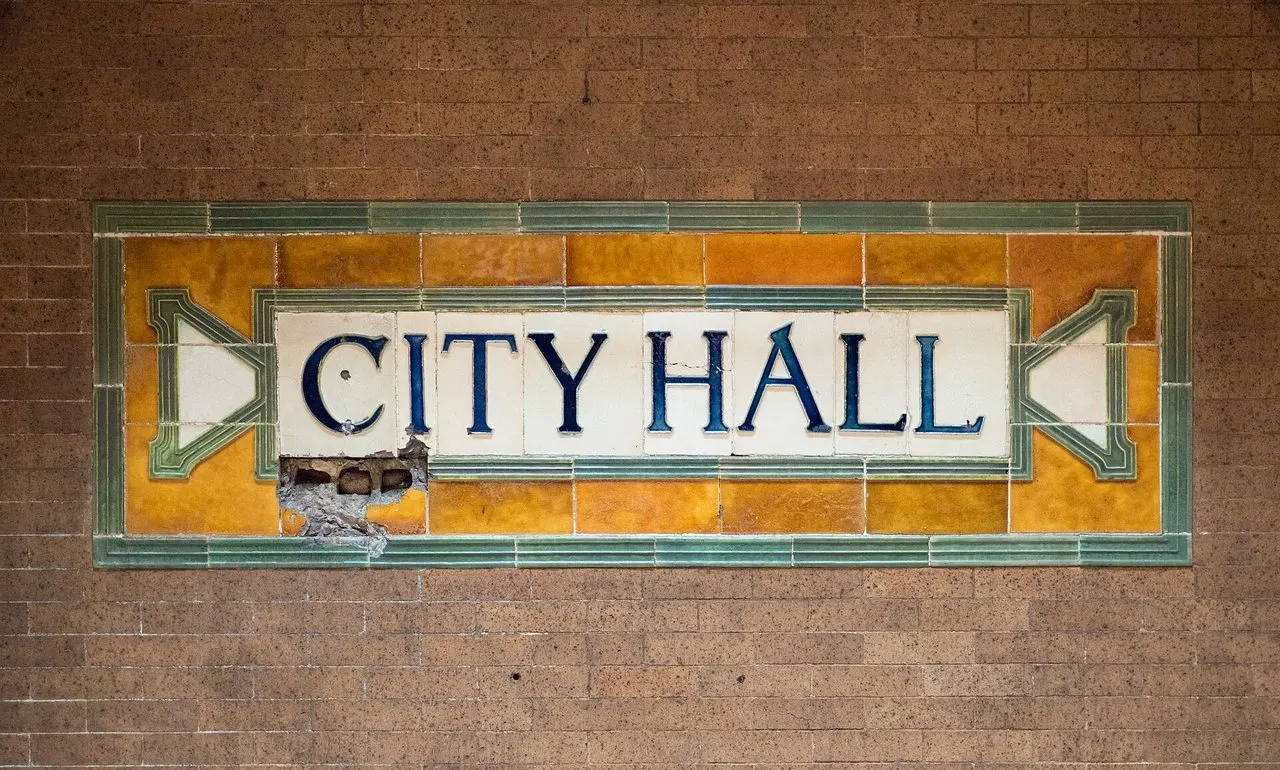
The next move belongs to City Hall and the Council, where members must decide whether Intro 518 passes. Mamdani has called for the bill to pass now, and Amazon has urged shoppers to speak against it. The Council will weigh the cost to households, the fate of small firms and the rights of drivers. Whatever happens next, the decision will shape delivery in the city for years. Learn more in our report on the NYPD unit change.
Customers Make Their Voices Heard
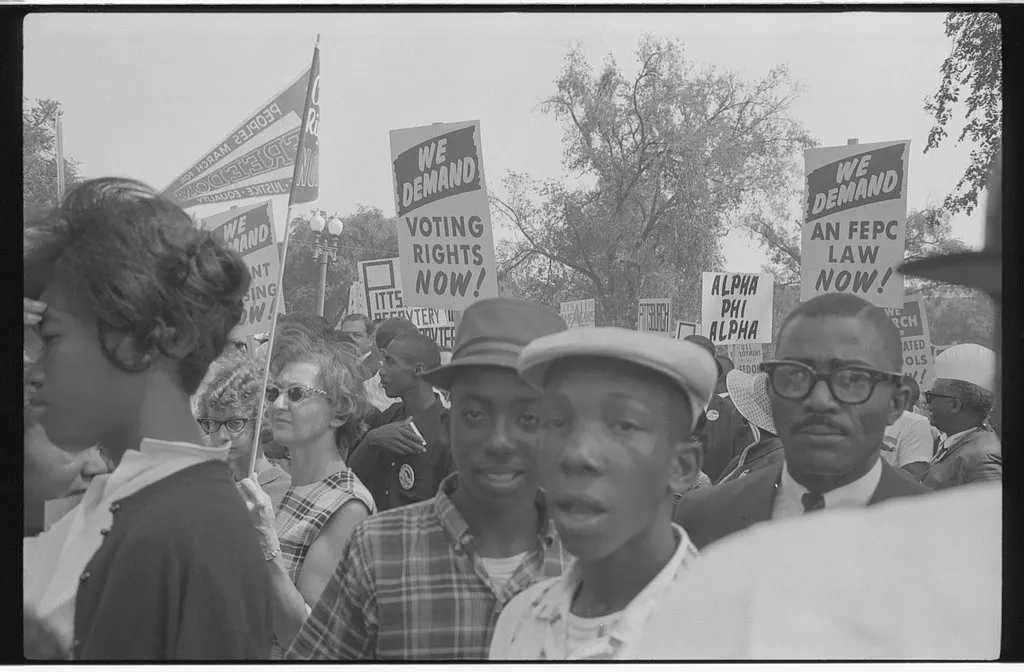
The 150,000 emails sent to Council members show that shoppers are not staying silent. Customers wrote in their own words, saying they did not want a new charge on every order. That kind of public pressure can sway a vote, and both sides are now trying to win over the public. In a city that loves a debate, this one has found a very loud audience. See our tale of Maru the dog.
What Do You Think About the Amazon delivery fee?

So here is the question at the heart of this fight: should a $5 charge fall on shoppers, or should a company as large as Amazon carry the cost of employing its drivers directly? Mamdani says it is greed to pass the cost on, while Amazon says households would pay the price either way. What do you think? Share your view in the comments below, and tell us whether you would pay the fee or expect the company to absorb it. Read our story on the horse carriage plan while you decide.