Utqiagvik Polar Night Begins After the Last Sunset of 2026
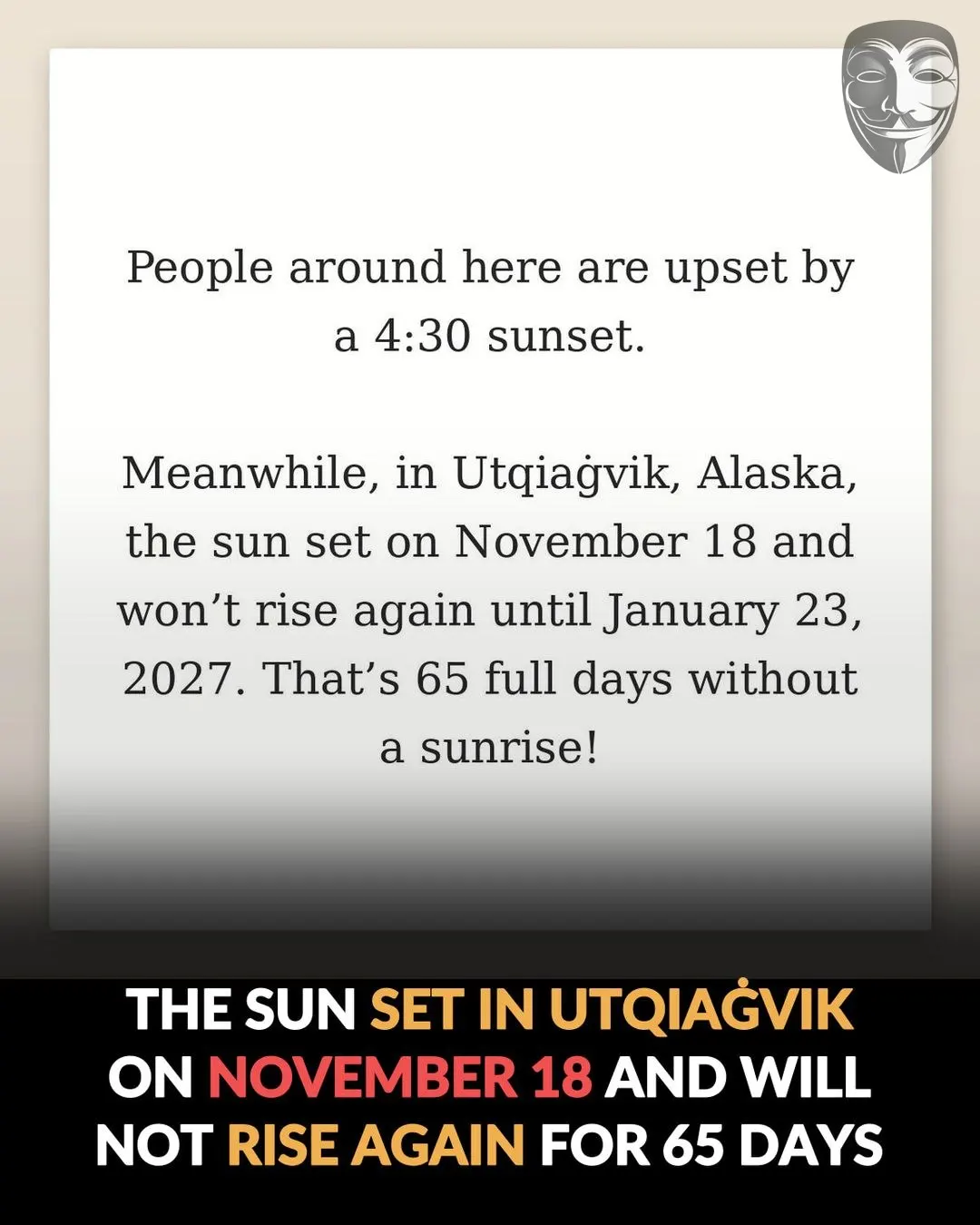
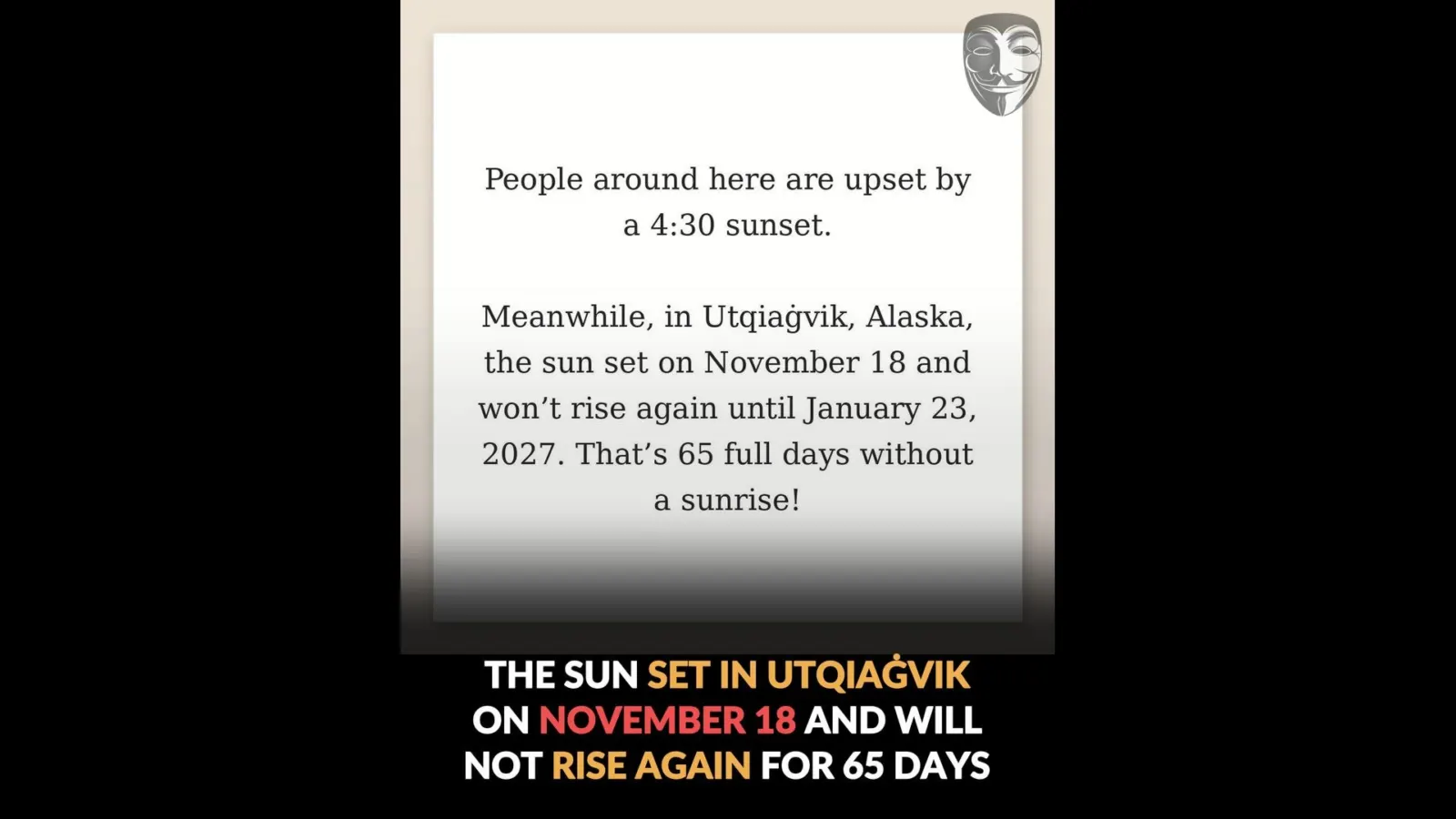
The Utqiagvik polar night began on November 18, when the sun rose over America’s northernmost town at about 12:42 and set just over an hour later, around 1:42. That brief day was the last sunset of 2026 for Utqiagvik, Alaska, a small Arctic coast town where the sun will now stay below the horizon for 65 straight days. From November 19 through January 22, there will be no sunrise at all, though the sky still brightens for a few hours around midday. For the full story, read our report on the polar night in Utqiagvik.
Daily life will go on through the dark months, as it always does in this remote town. Schools open, people go to work, and neighbors gather under warm lights while the Arctic sky glows soft blue at noon. The next sunrise will not come until January 23, 2027, when the sun returns for a little over an hour. In the slides ahead we look at the last sunset, the twilight that replaces daylight, and how the town counts down to the light. See also our story on the recent supermoon over snowy mountains for another look at the night sky.
References:
Source: Fox Weather: The sun is about to disappear for 65 days in this remote Alaska town
Source: Daily Fox News: What it is really like living in darkness for 65 days Alaskans reveal all
Source: Sunrise Sunset: Utqiagvik AK Sunrise and Sunset Times
Source: Arabia Weather: A city is preparing to bid farewell to the sun tomorrow It will not rise again before January 23 2027
One Short Day: Sunrise at 12:42, Sunset at 1:42
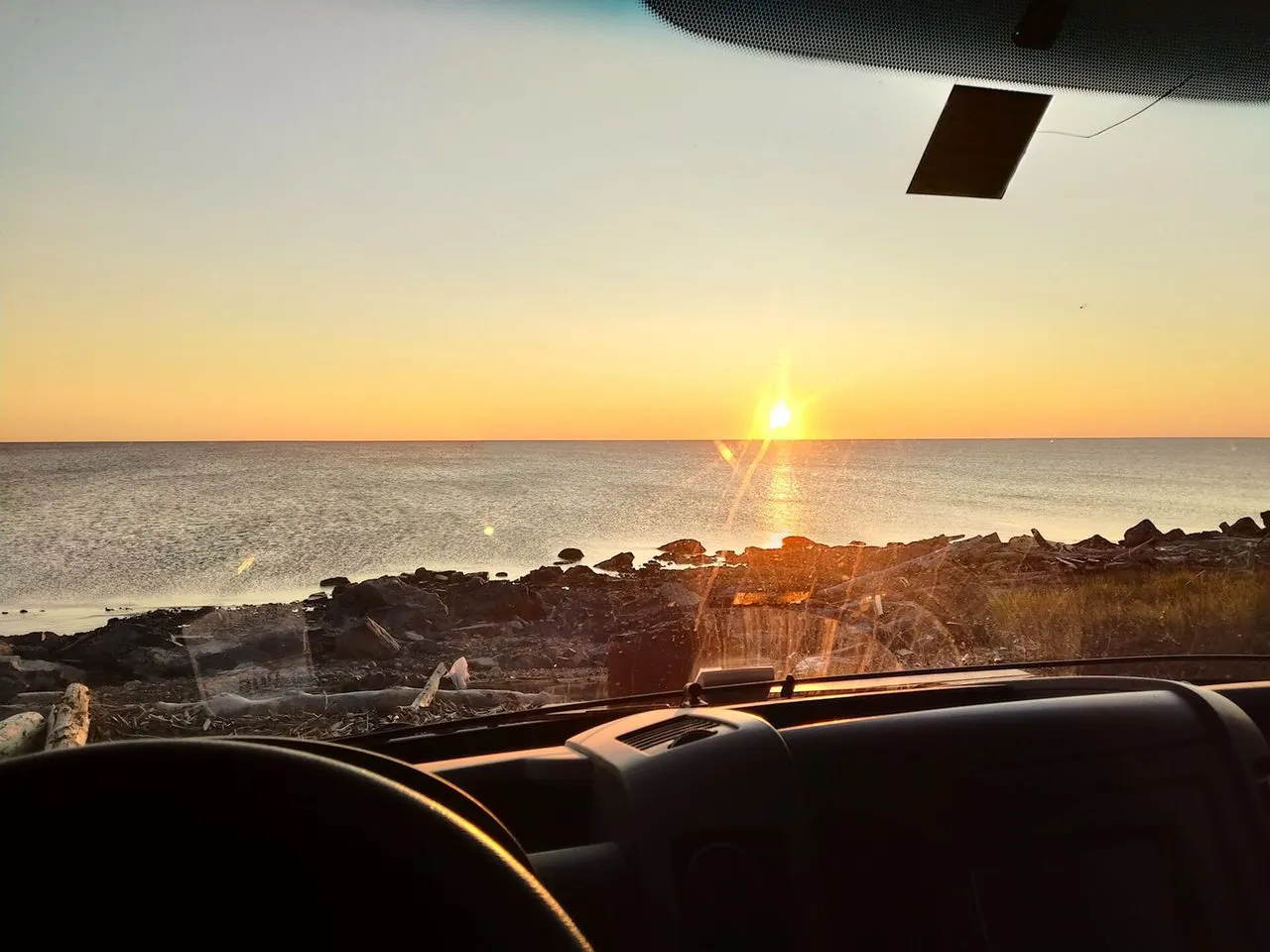
On November 18, the sun climbed above the horizon at about 12:42 in the afternoon and slipped away again around 1:42, giving Utqiagvik barely an hour of daylight. It was the shortest day of the year in America’s northernmost town and the last sunset of 2026. People watched the pale sun hang low over the Arctic Ocean before it disappeared. The next morning there would be no sunrise, only the slow blue light of twilight around midday. Read about the town’s polar night story as the dark season begins.
What the Utqiagvik Polar Night Really Means
The Utqiagvik polar night is the stretch from November 19 through January 22 when the sun stays below the horizon for 65 straight days. It does not mean total darkness around the clock. Each day brings a few hours of blue twilight near midday, when the sky brightens enough to see the town and the snow. The rest of the time the town lives under stars, moonlight and street lamps. For many residents the dark months are simply part of the year. Learn more in our report on the polar night.
The Sun Returns on January 23, 2027
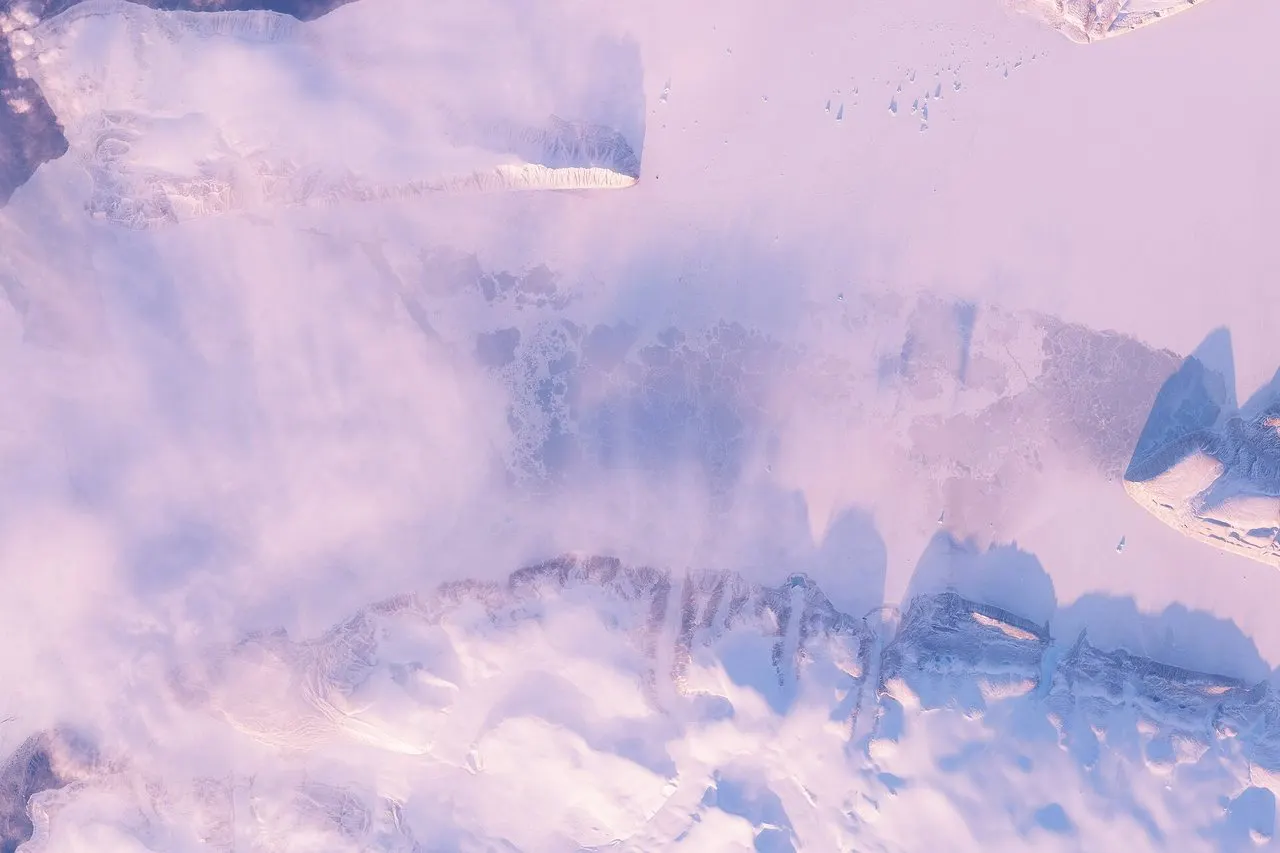
The town will not see a sunrise again until January 23, 2027, when the sun comes back for a little over an hour. That first sunrise is a moment people look forward to all through the dark months. Each day after that the sun stays up a little longer, and by spring the days stretch out fast. The return of the light is a small celebration in Utqiagvik, a town that measures its year by the sun. Read a story about a long-awaited homecoming while the town waits.
Blue Twilight: The Utqiagvik Polar Night Glow
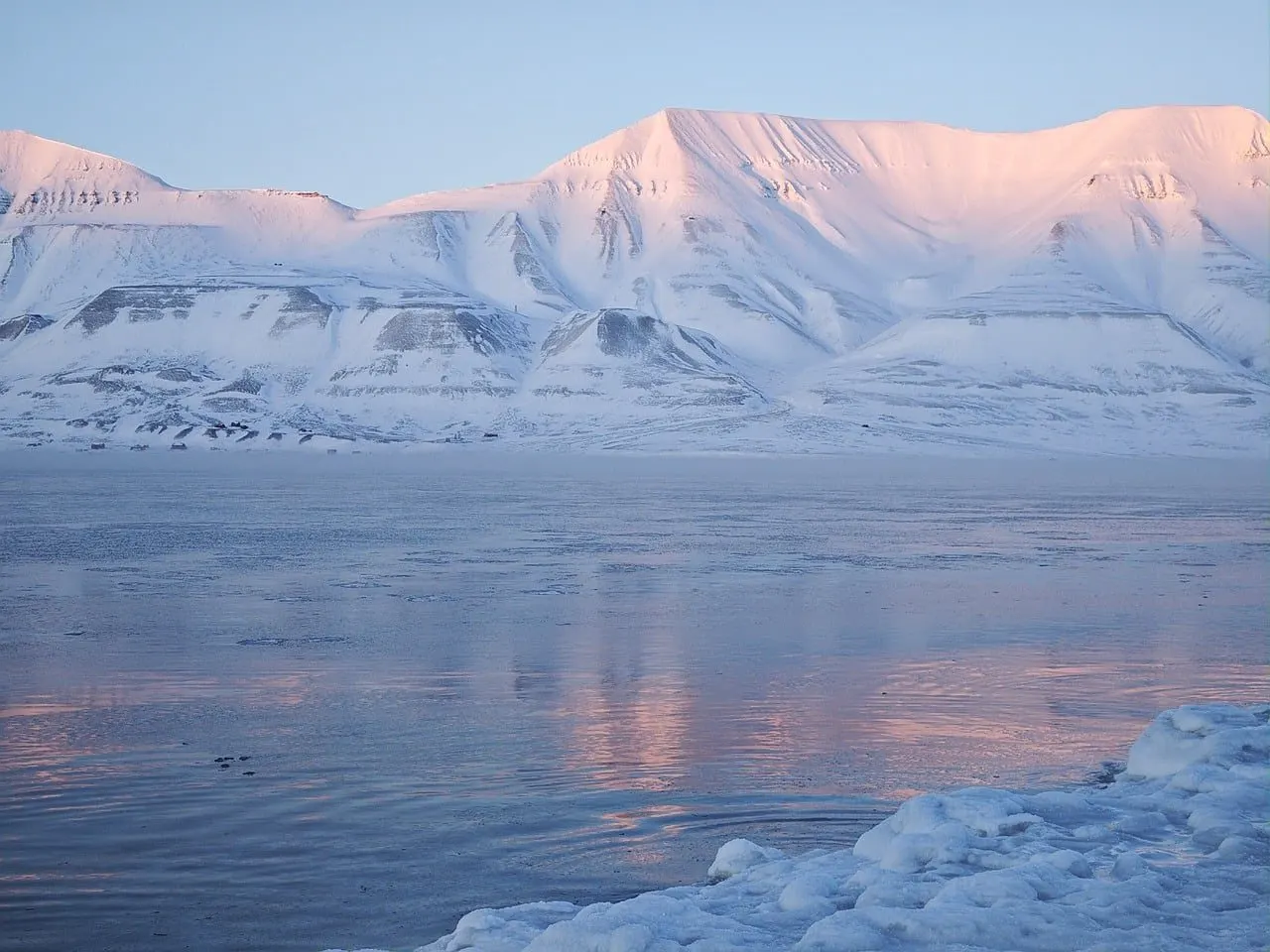
Even in the darkest weeks, the Utqiagvik polar night is not pitch black at midday. For a few hours around noon the sky turns a soft blue, a glow that lets people see the streets, the houses and the snow-covered ground. This civil twilight happens because the sun sits just below the horizon and its light still reaches the upper sky. It is the town’s version of daylight in winter, and it shapes the rhythm of the day. Read about a warning that made headlines while the blue light lasts.
Utqiagvik Polar Night in America’s Northernmost Town
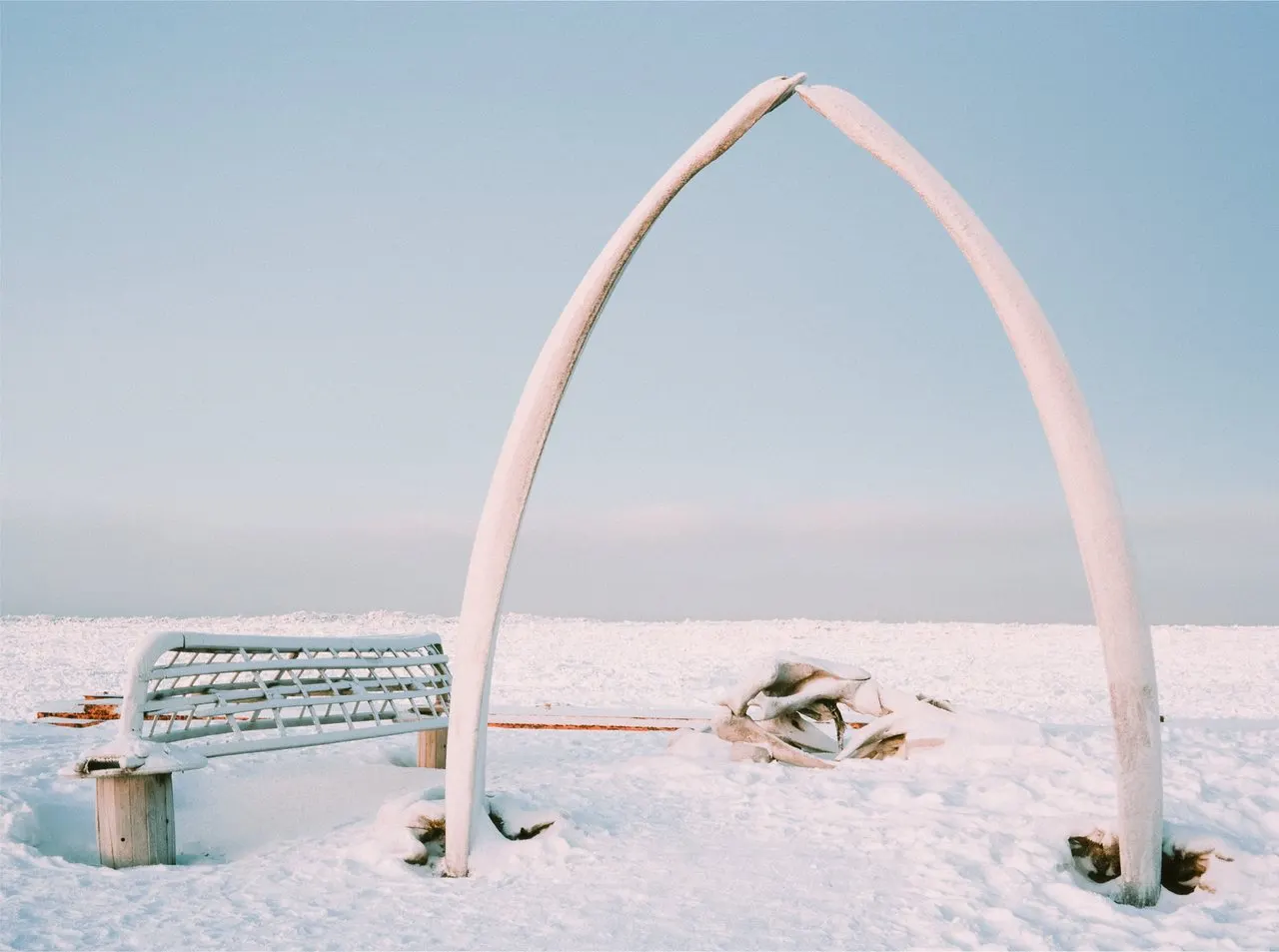
Utqiagvik sits on the Arctic coast of Alaska, the northernmost town in the United States. It lies far above the Arctic Circle, at about 71 degrees north, where the curve of the Earth hides the sun for weeks each winter. The town was once called Barrow, and it is home to a mostly Inupiat community that has lived on this coast for a very long time. Its whalebone arch, a landmark made from the jawbones of bowhead whales, stands as a symbol of the town. Read a story about a community landmark.
Why the Sun Disappears Each Winter
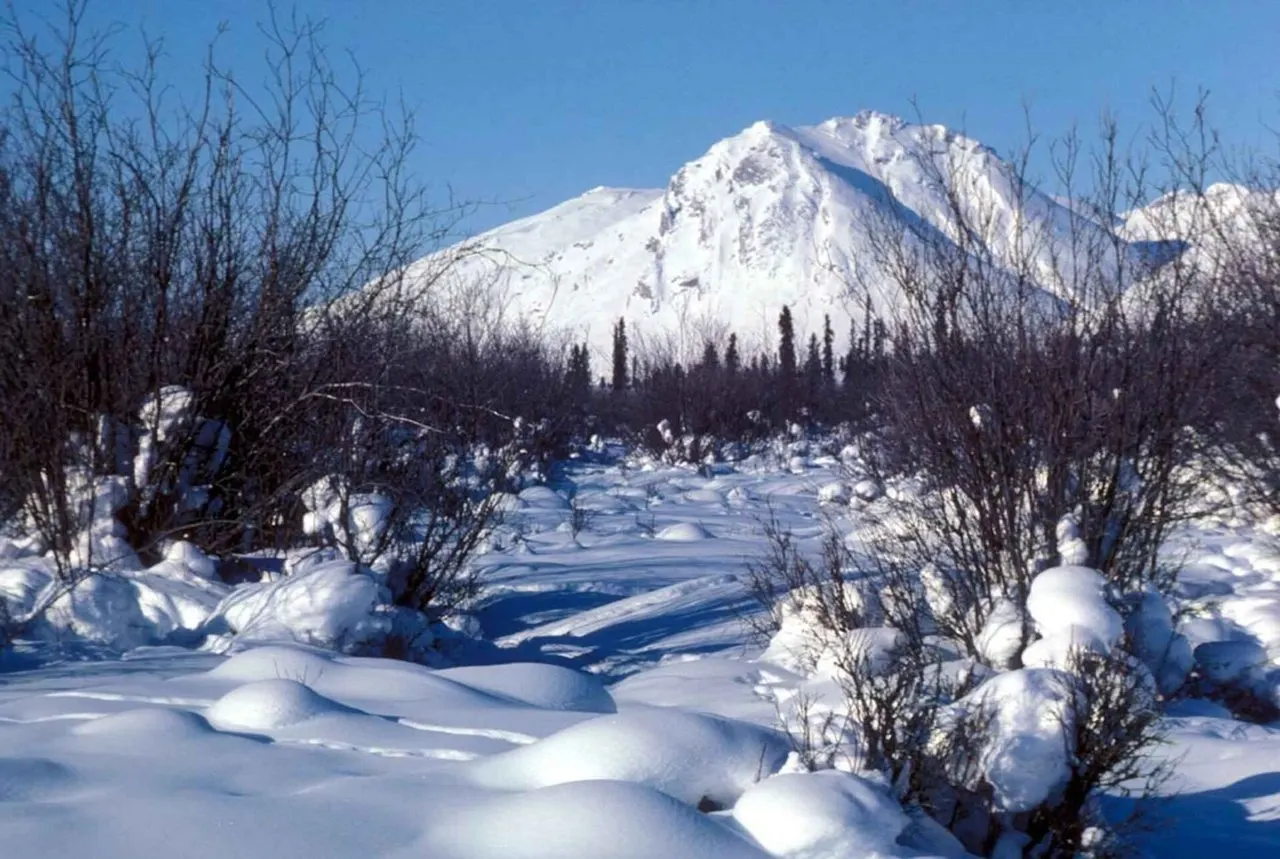
The Utqiagvik polar night happens because the Earth leans on its axis as it travels around the sun. In winter the North Pole tilts away from the sun, and places far above the Arctic Circle slip into shadow. The farther north a town sits, the longer its dark season. Utqiagvik, at about 71 degrees north, gets 65 days without a sunrise, while towns nearer the Circle get fewer. The same tilt brings the opposite season in summer, when the sun never sets. Read a story about a world turned upside down.
The Flip Side: Midnight Sun in Summer

The same tilt that takes the sun away in winter brings it back in summer, when Utqiagvik enjoys weeks of midnight sun. From about the middle of May to the end of July, the sun never sets at all, and the town lives in daylight around the clock. People mow lawns at midnight, children play outside late, and the sky stays bright while the rest of the country sleeps. It is the mirror image of the polar night, and residents say one season needs the other. Read a story about endless daylight.
Daily Life Goes On in the Utqiagvik Polar Night
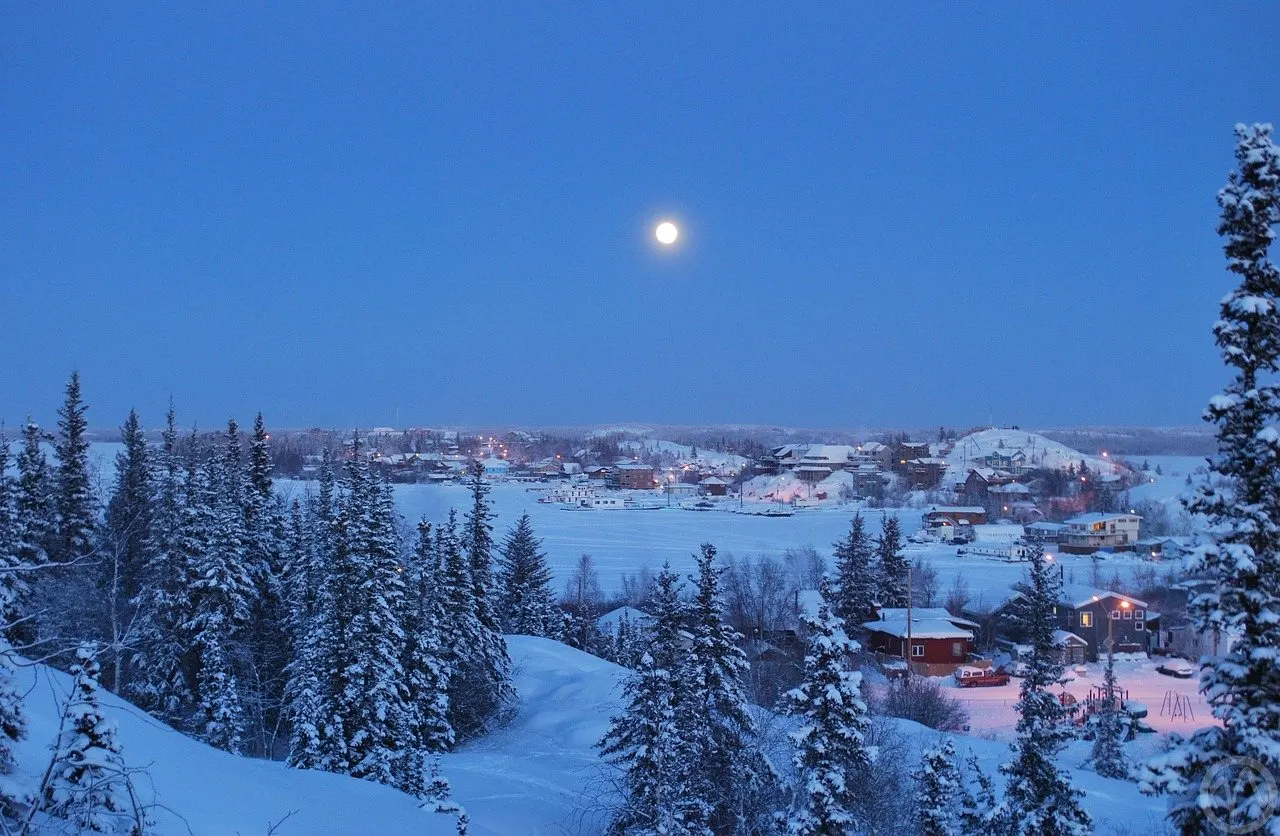
The Utqiagvik polar night does not stop daily life. Schools open on time, the clinic and the stores keep their hours, and people drive to work under street lights and headlights. Children walk to school in the dark and come home in the dark, and families plan their days around the short blue twilight at noon. Neighbors check on one another, and the town stays busy through the coldest weeks. Life in the dark is normal here, not an emergency. Read a story about a town that keeps going.
How the Town Lights the Dark Months
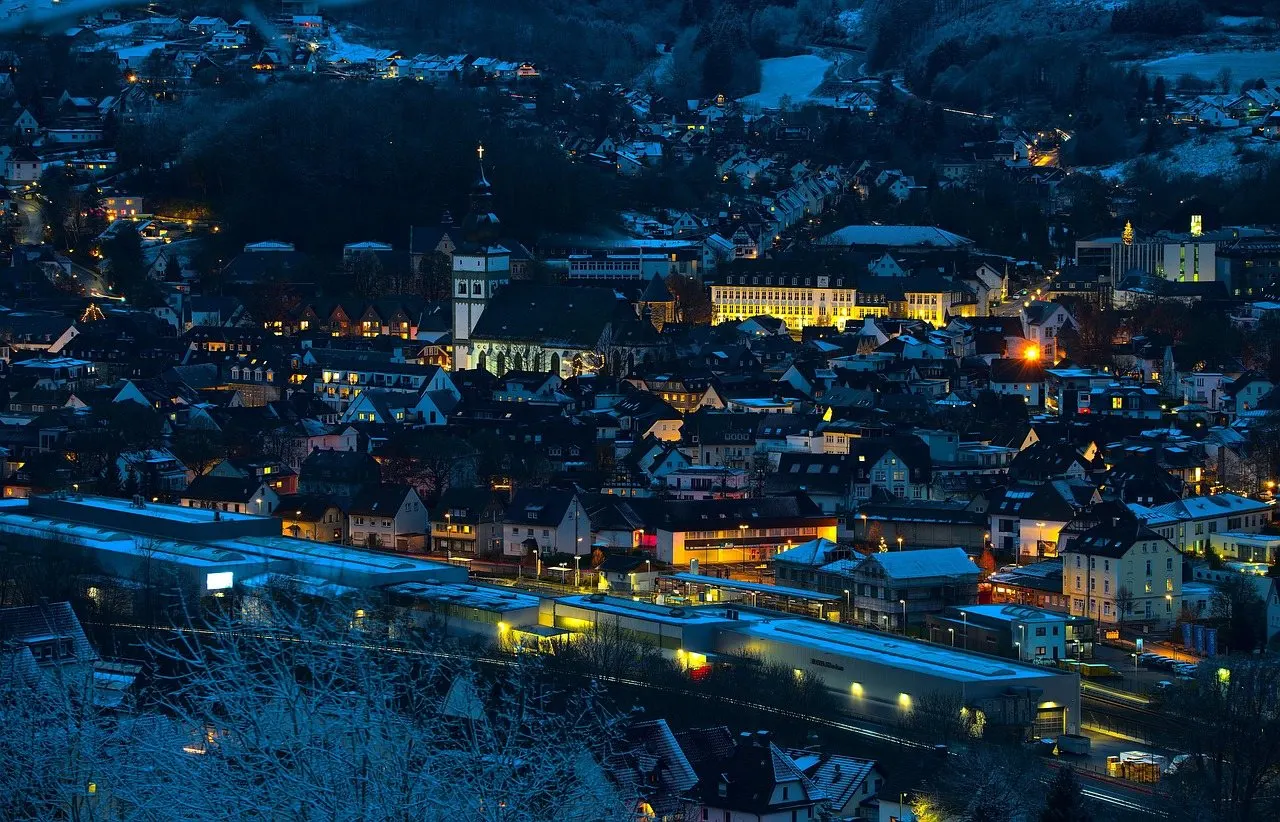
When the sun is gone, light comes from the town itself. Street lamps, porch lights and shop windows glow against the snow, and many homes keep bright lights burning through the long nights. Inside, families gather in warm rooms while the wind moves across the Arctic coast outside. The lights make the dark months feel smaller and closer, turning a season of shadow into a season of home. Visitors often say the town looks its best at night, when every window shines. Read a story about a bright idea.
The Northern Lights Own the Sky
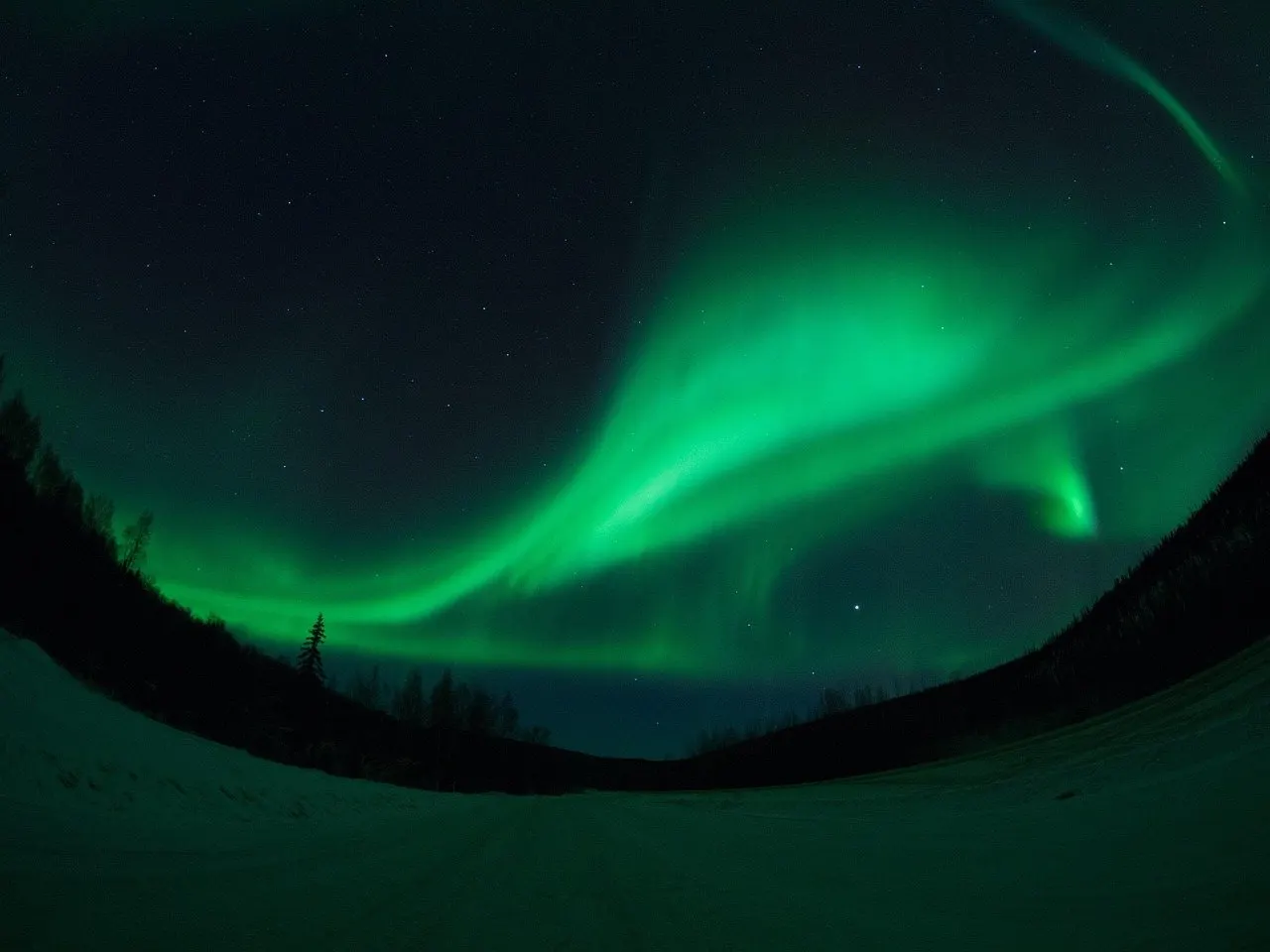
The long dark months give Utqiagvik one of the best views of the northern lights in America. With no sun to wash out the sky, the aurora can ripple green and purple over the town on clear nights, sometimes bright enough to read by. People step outside in heavy coats to watch the colors move, and photographers travel from far away for the show. The lights are a reminder that the dark season has its own beauty, one that daylight never shows. Read a story about a dazzling display.
Wildlife That Stays Through the Dark
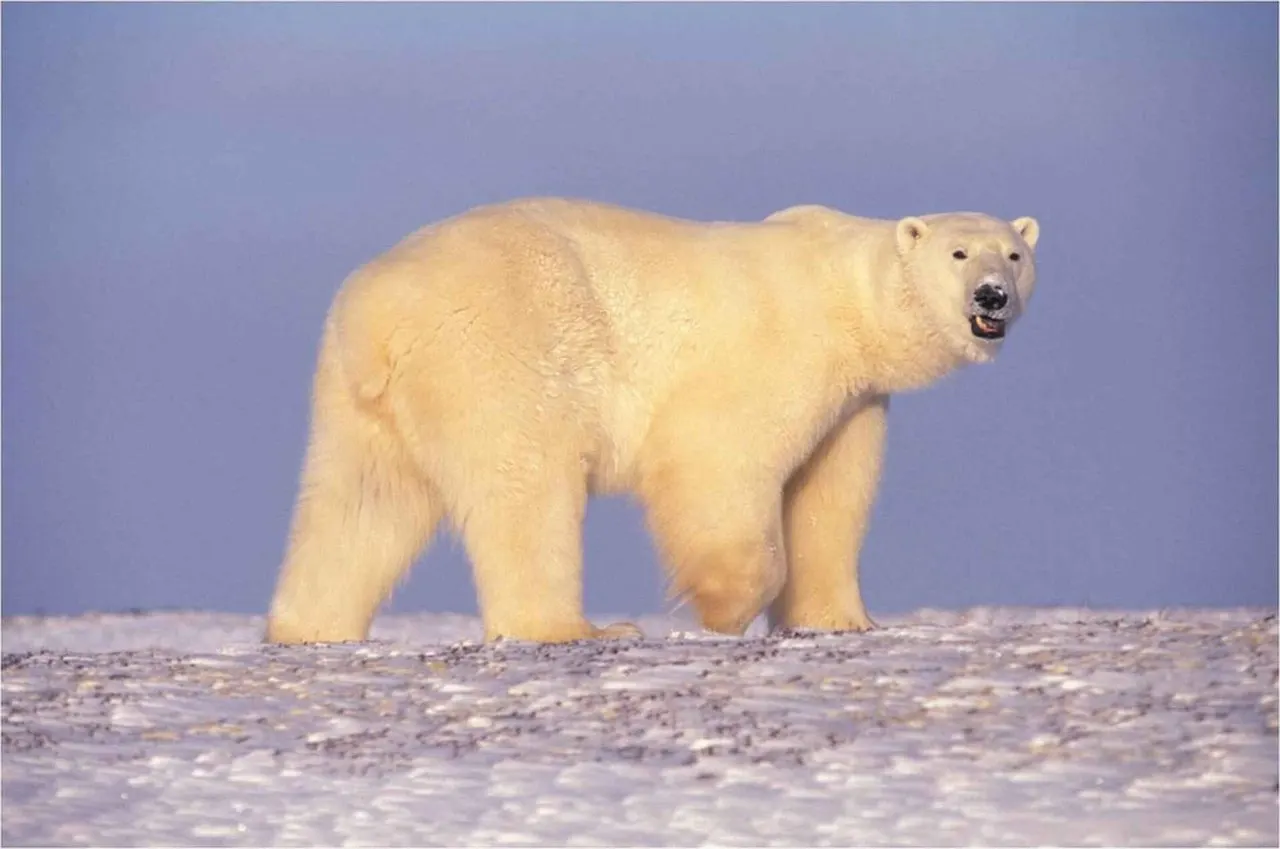
Animals that live around Utqiagvik do not leave when the sun goes away. Polar bears roam the sea ice near town, and Arctic foxes, snowy owls and seals carry on through the coldest weeks. The animals are built for this season, with thick fur, layers of fat and habits shaped by thousands of winters. People in town keep a respectful distance from bears, especially in the dark, and watch for tracks in the snow. The wild Arctic does not pause for the polar night. Read a story about a beloved animal.
Cold, Wind and the Utqiagvik Polar Night
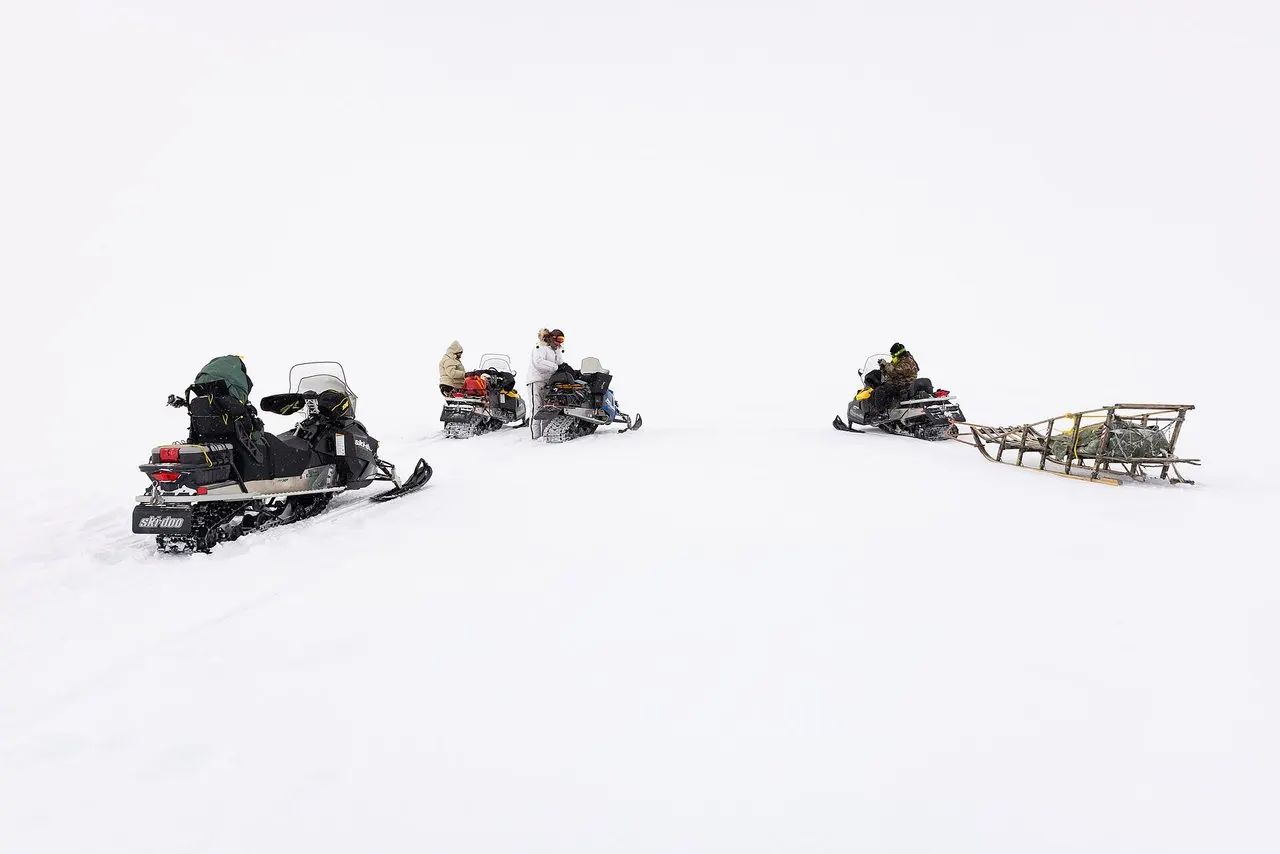
The Utqiagvik polar night brings some of the coldest weather of the year, with temperatures often far below freezing and wind blowing in from the Arctic Ocean. Snow piles against houses, and the sea ice grows thick enough to walk on. People dress in layers, keep their vehicles plugged in, and check the weather before going out. The cold is part of life here, and the town has learned to meet it with warm clothes, warm homes and good sense. Read a story about surviving a storm.
Neighbors, Helpers and the Old Rescue Station
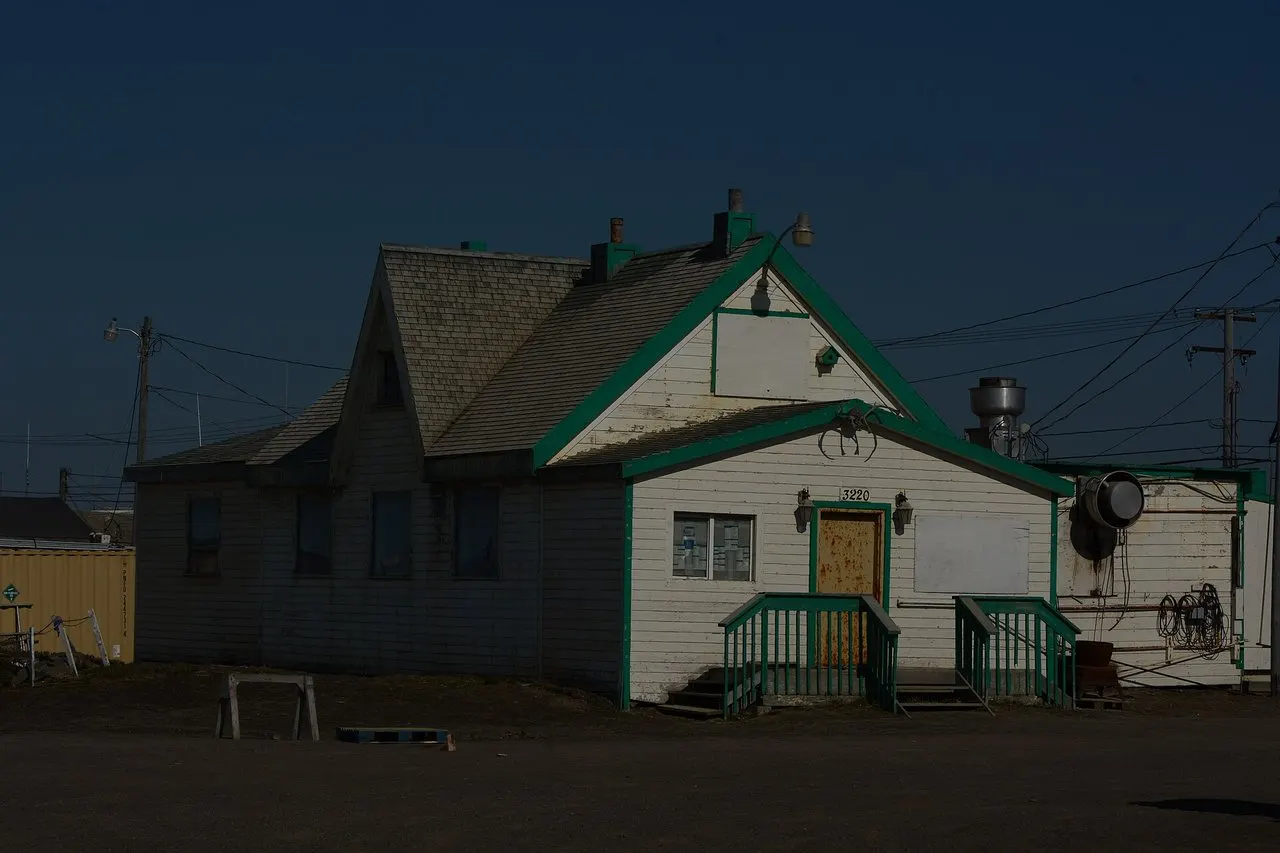
Utqiagvik is a small town, and the dark months bring people closer together. Neighbors check on elders, share food and rides, and look out for one another when the weather turns bad. The old rescue station in Barrow, a landmark from the days when whaling crews needed help on the ice, still reminds the town of that spirit. Search and rescue volunteers stand ready through the winter, because help in the Arctic often comes from the people next door. Read a story about a community that cares.
From Barrow to Utqiagvik: A Name With History
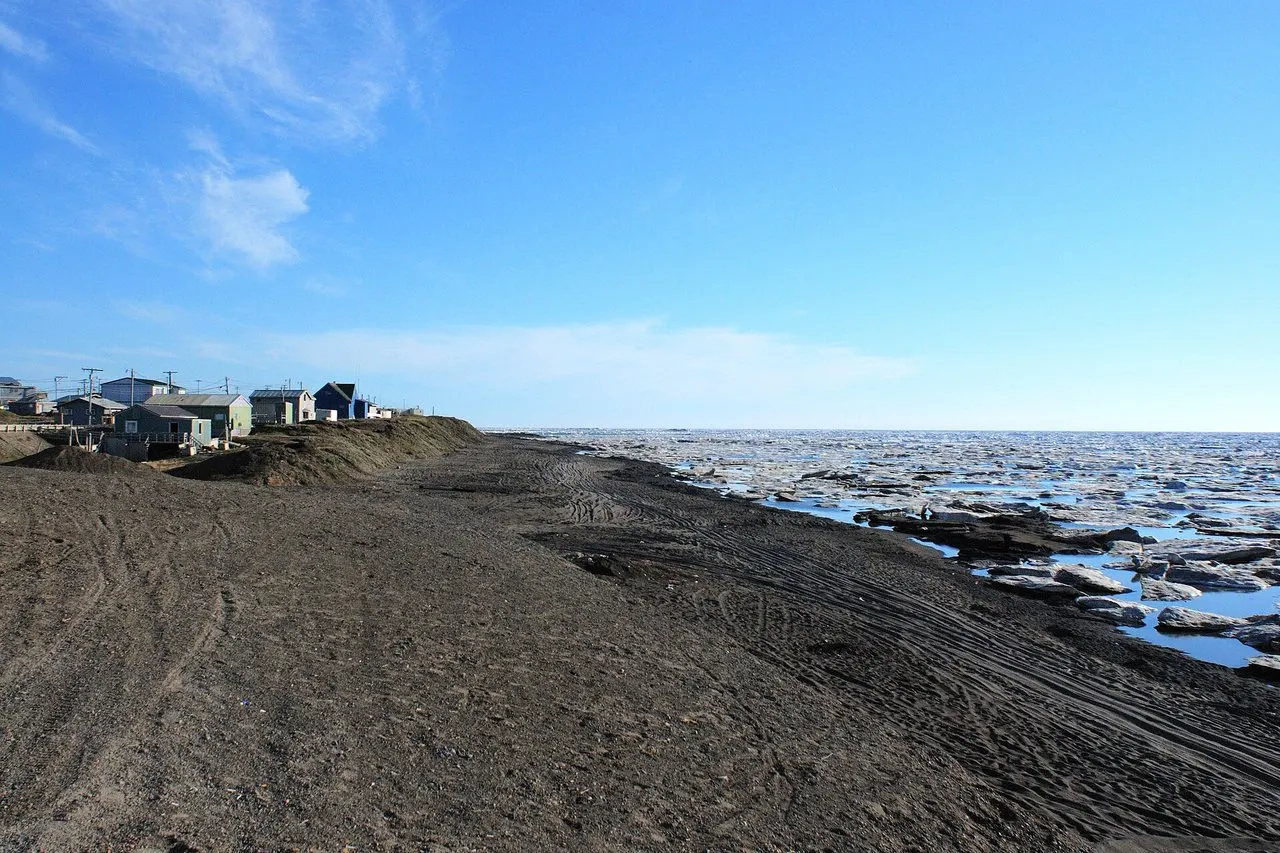
The town was called Barrow for many years, after a British explorer, until residents voted in 2016 to restore its Inupiat name, Utqiagvik, which means a place for gathering wild roots. The change honored the people who have lived on this coast for centuries, long before the town appeared on any map. The old name still shows up in stories and on some signs, but Utqiagvik is the name the town chose for itself. Read a story about a name that matters.
Whaling and the Inupiat Way of Life
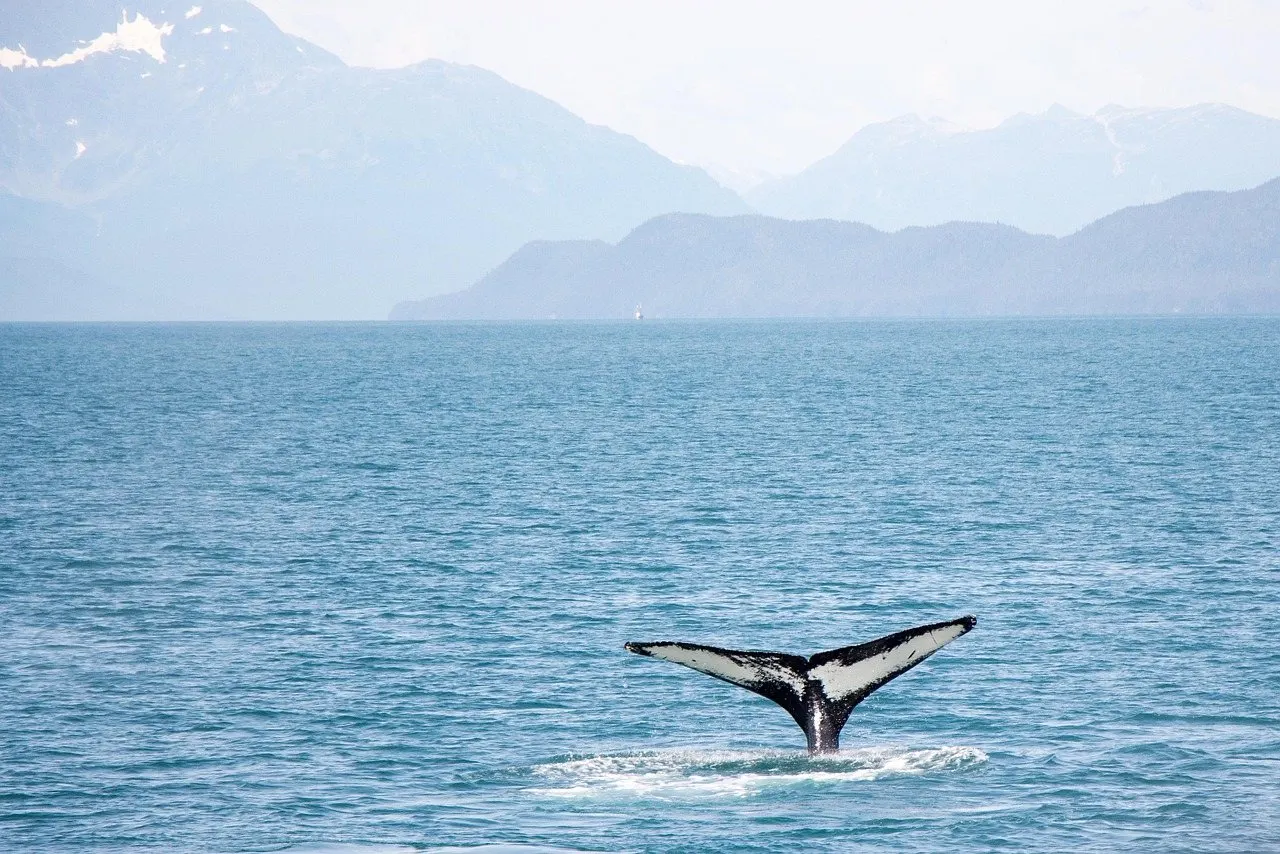
Whaling has shaped life in Utqiagvik for generations, and the bowhead whale remains at the heart of Inupiat culture on the Arctic coast. The spring and fall hunts are community events, with crews working together on the ice and sharing the catch with the whole town. The whalebone arch near the shore, made from the jawbones of bowhead whales, stands as a landmark of that tradition. Respect for the whale and for the sea runs through daily life here. Read a story about a treasured tradition.
What Living in the Utqiagvik Polar Night Is Like
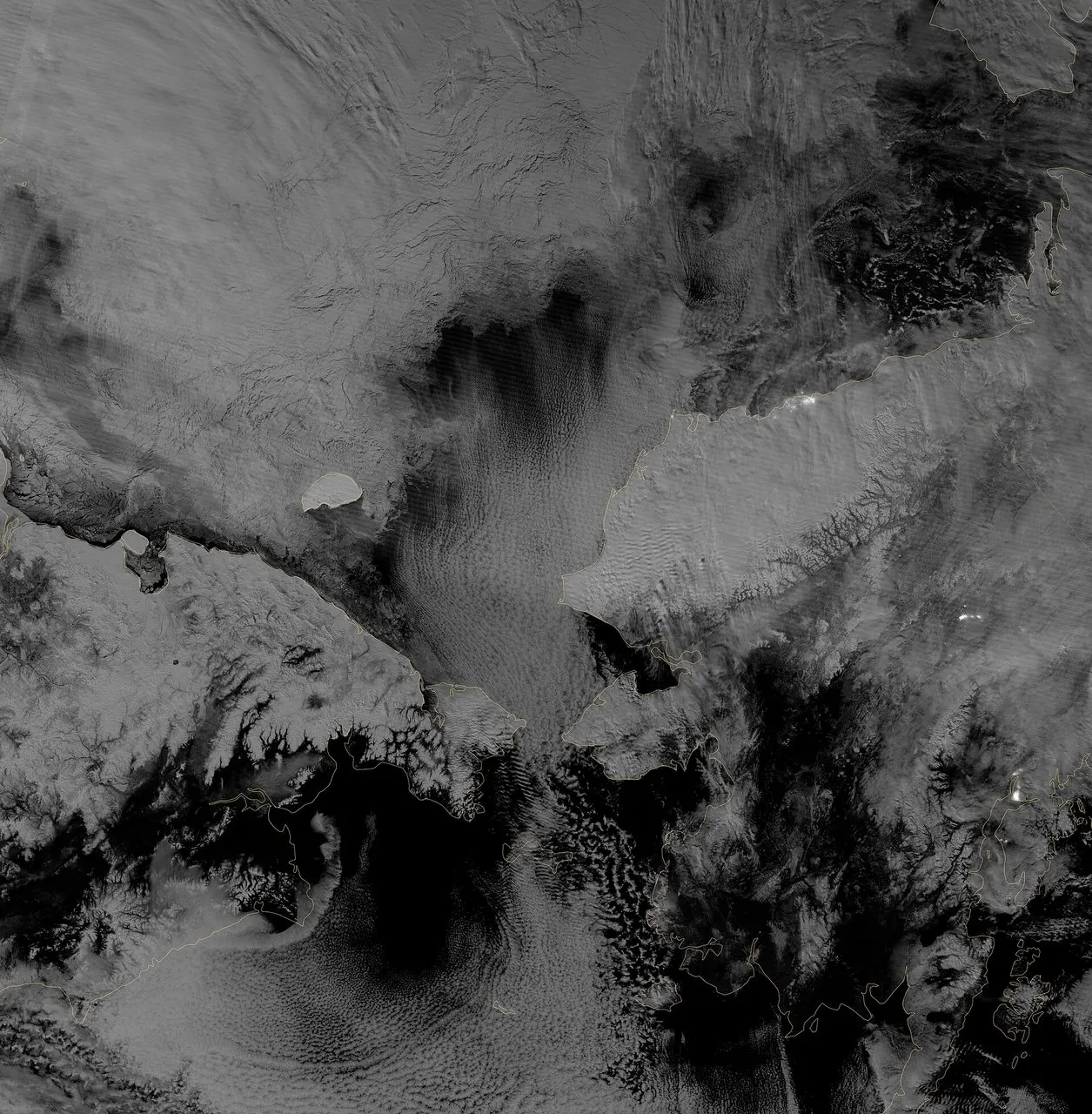
People who have lived through the Utqiagvik polar night say the darkness is less frightening than it sounds, and more tiring than outsiders expect. Days blur together without sunrise to mark them, and many keep strict routines to stay on track. Some say the hardest part is the sameness, while others love the quiet and the stars. A report on living in darkness for 65 days shares what Alaskans say, from tricks to sleep well to the joy of the first sunrise. Read a story about getting through hard days.
Watching the Last Sunset Together
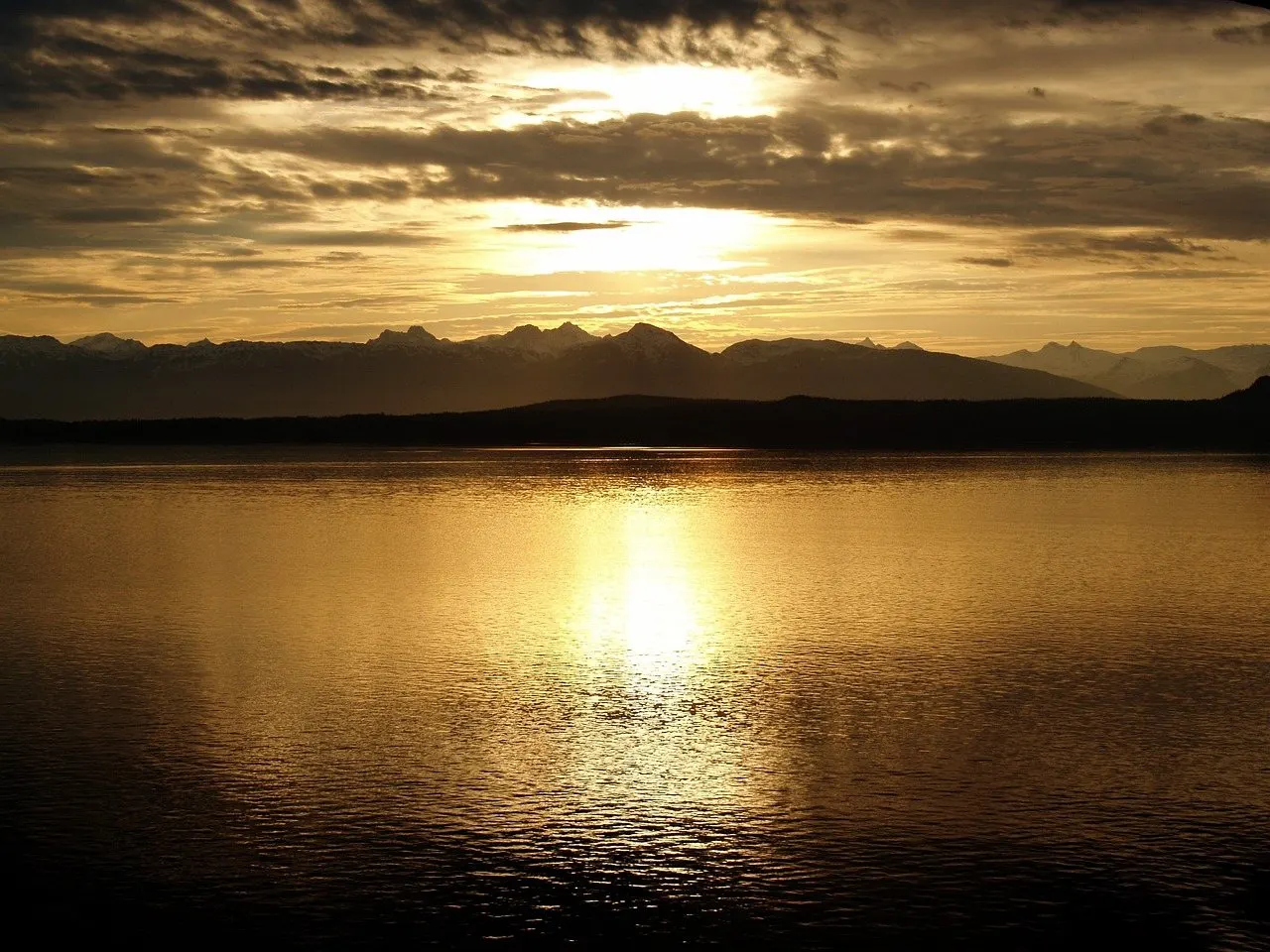
The last sunset of the year is a moment people in Utqiagvik watch together, standing outside in the cold as the pale sun drops toward the sea. Cameras come out, children point at the sky, and the town marks the start of the long night the way other towns mark a holiday. The sun sets over the Arctic Ocean in a wash of orange and pink, then the blue twilight takes over. It is a goodbye that lasts only minutes and a memory that lasts all winter. Read a story about a farewell.
Counting Down to the Utqiagvik Polar Night’s End
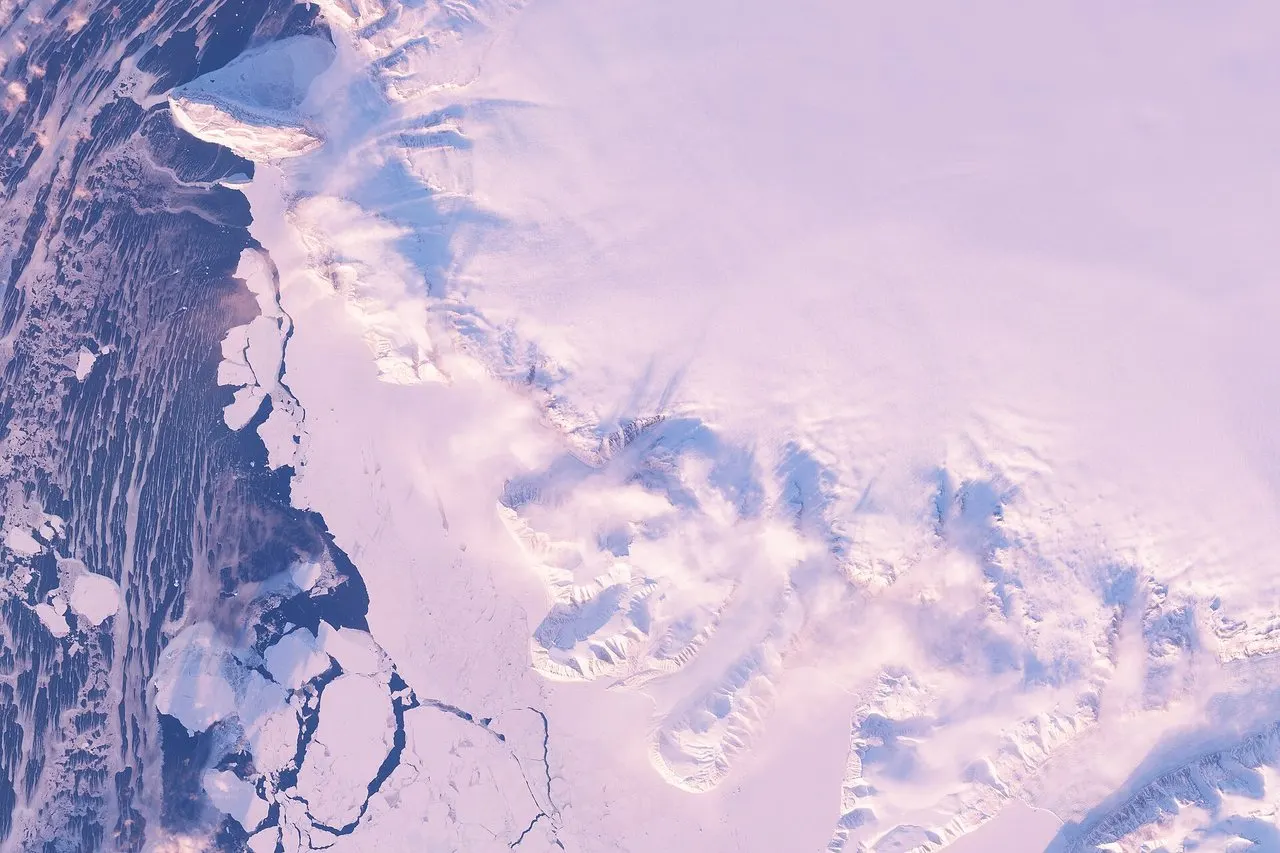
As the weeks pass, people in Utqiagvik start counting down to January 23, when the sun returns for a little over an hour. The countdown gives the dark months a shape, a finish line that grows closer each day. Some mark the days on a calendar, and others plan small gatherings for the first sunrise. The return of the light is a promise the town holds onto through the coldest nights, and it never fails. Read a story about a countdown.
Stars, Moon and Planets in the Dark Sky
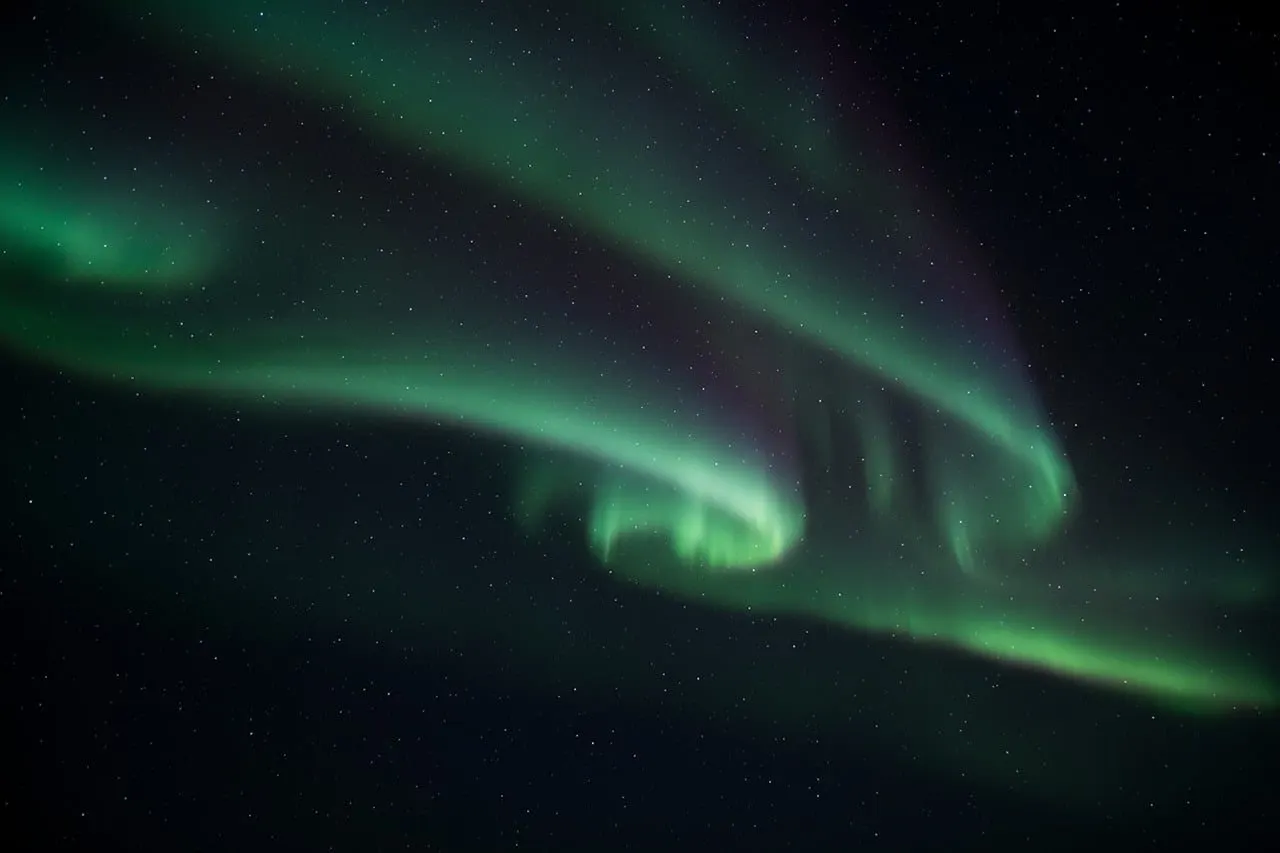
With the sun gone, the night sky over Utqiagvik becomes one of the clearest in the country. Stars shine bright above the snow, the moon lights the ice, and on dark nights the Milky Way stretches across the sky. People who live here say the stars feel closer in winter, as if the whole sky has moved down to meet the town. It is a view that city lights hide from most Americans, and it belongs to the dark season alone. Read a story about a sky full of stars.
Would You Live Through the Utqiagvik Polar Night?
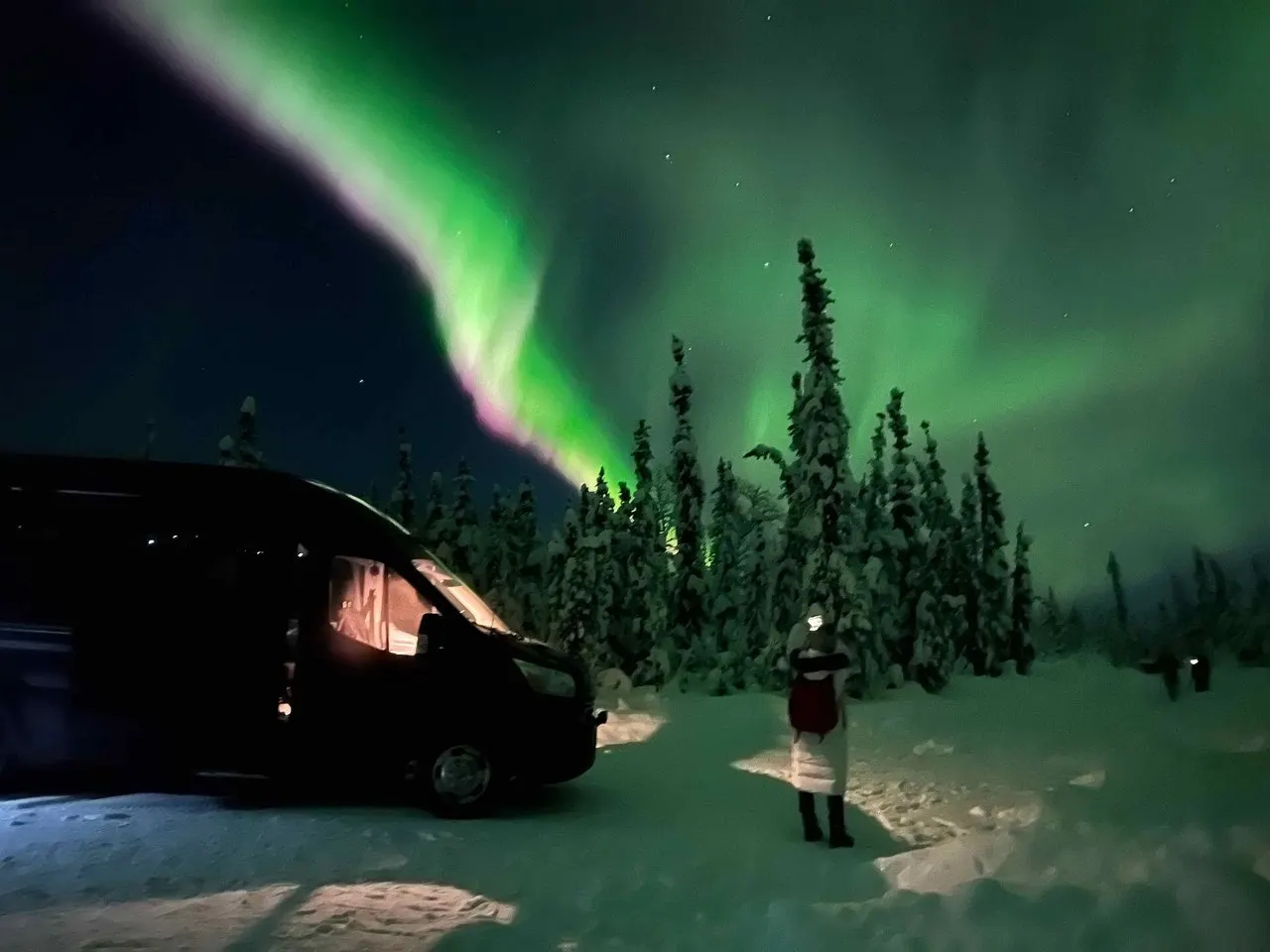
Sixty-five days without a sunrise is a lot to ask, and yet the people of Utqiagvik choose it year after year, because the town is home. They trade the sun for twilight, stars and northern lights, and they get the midnight sun in return. Would you live through a polar night for the beauty of the dark and the joy of the first sunrise? Share your answer in the comments, and tell us what part of this story stayed with you. Read a story about a hard choice.