Rikers Reentry Housing Plan Could Grow to 300 Families
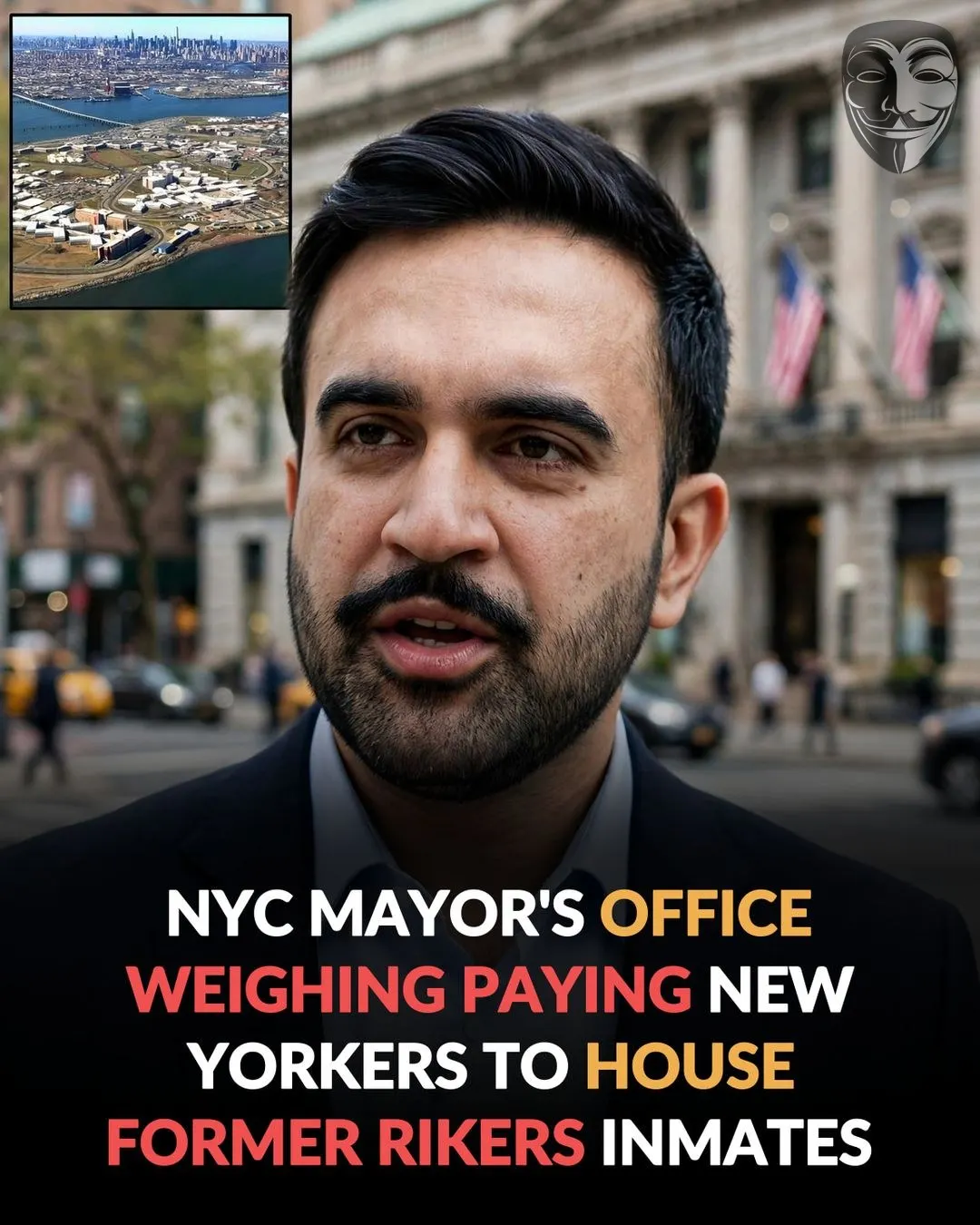
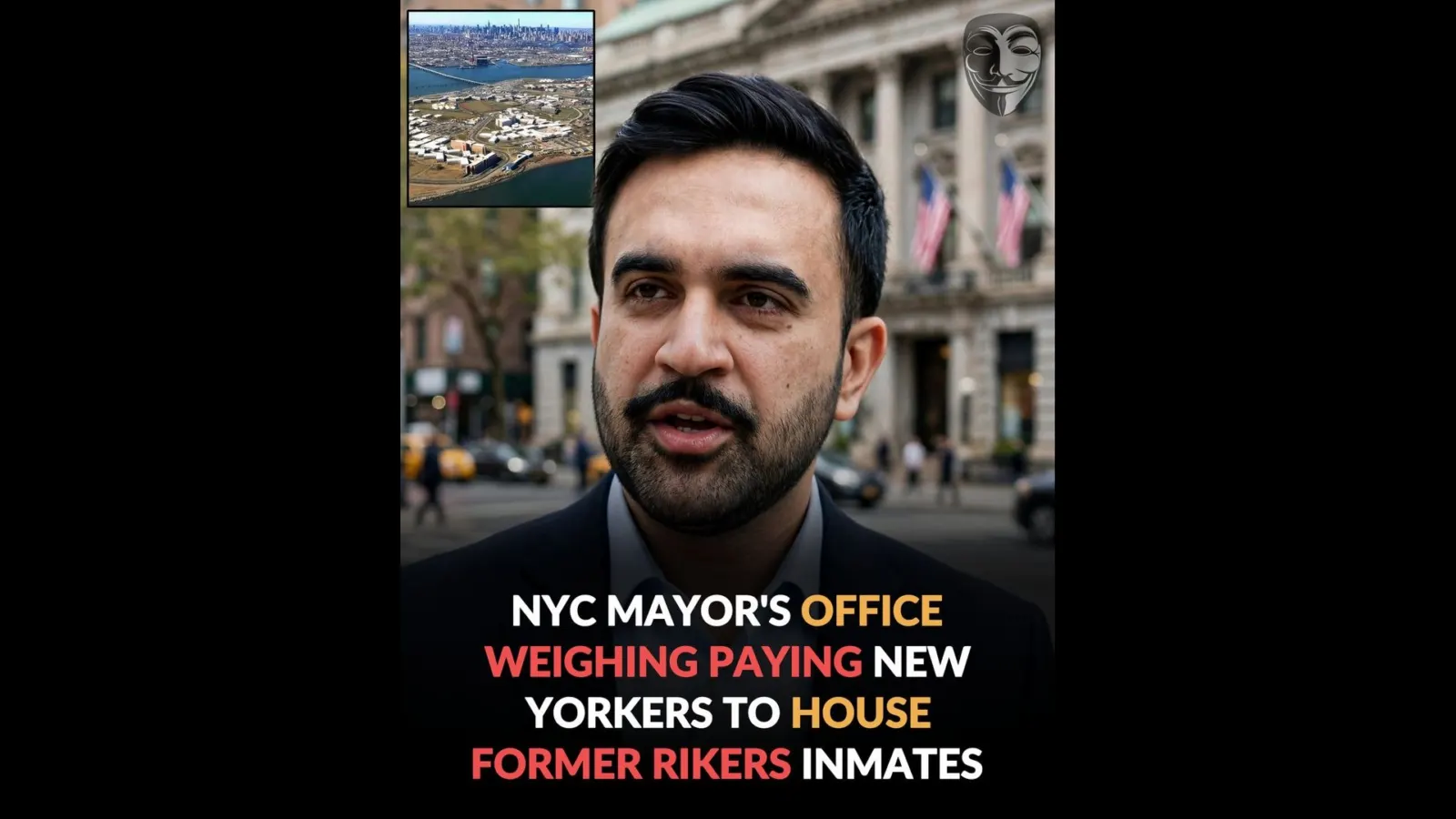
Rikers reentry housing began in 2021 with a simple idea. Families in New York City receive 500 dollars a month for up to 12 months when they house a relative coming home from Rikers Island or state prison. Counseling and support come through the Osborne Association, and the goal is a steady home in the hardest months after release. The mayor’s office now wants to grow the program from 50 families to 300. Read more about the plan to close Rikers Island by 2032.
The proposal would spend 3.55 million dollars this fiscal year and 7.1 million dollars a year after that. Supporters say a family home gives a person a better start than a shelter bed far from loved ones. Critics on the council ask whether taxpayers should pay for the plan and want a closer look at the cost. The debate is part of a wider push to cut the jail population and close Rikers Island. See the proposal to turn the island into homes.
References:
Moneywise: NYC Rikers Reentry Program Grows Under Mamdani
Matzav: Taxpayers Foot The Bill Mamdani Wants Millions More For Program Paying Families To House Former Inmates
Matzav: NYC To Expand J*il Reentry Payments Mamdani Plans 7.1 Million Annual Program For Families Housing Released Rikers Inmates
WABC Radio: NYC Mayors Office Allegedly Considering Paying Residents To House Former Rikers Inmates
How the Program Began in 2021

The Kinship Reentry Housing Program started in 2021, when the city began paying families to house a relative coming home from Rikers Island or state prison. The idea was simple. A person leaving custody needs a safe place to sleep, a door that locks, and people who care. A family home can give all three at once. The program began small, with help for 50 families, and it paired the monthly payment with counseling and support services. Learn about a truck that drove through a wall.
Rikers Reentry Housing Pays 500 Dollars a Month

Each family in the program receives 500 dollars a month. The payment lasts for up to 12 months, which gives a household a full year to help a relative settle back into daily life. Five hundred dollars does not cover every cost of a home in New York City. It is meant to ease the extra cost of food, power, and a bed for one more person. The money goes to the family, not to a landlord. See the plan to turn Rikers Island into affordable homes.
Twelve Months of Help to Settle In
Twelve months can pass quickly, and the program knows it. The payment runs for up to a year, which gives a family time to help a relative find work and build a daily routine. A year is long enough to learn a neighborhood again and short enough to keep the focus on next steps. Support services stay close during that year, so a family is not left alone. The goal is a stable life after the payments end. Read how a trucker helped rescue a missing toddler.
A Home With Family Instead of a Shelter Bed
A family home feels different from a shelter bed. There is a familiar voice in the morning, a shared meal at night, and a room where a person belongs. The program bets on that feeling. When a relative comes home to family, there are people who notice if he is struggling and people who cheer when he finds work. That support is hard to replace. A home can also be crowded, and the payment helps with the strain. See how one couple stayed devoted through a long illness.
Rikers Reentry Housing and the Osborne Association
The Osborne Association provides the counseling and support services in this program. Its staff work with families and with people coming home, helping them talk through problems and plan the weeks ahead. Good support can mean a calm talk after a hard day, help with a form, or a nudge toward a job or a class. The association has worked with people affected by the justice system for many years. The program pairs money with that kind of steady help. Learn about a close-up photo of a gorilla’s fingers.
What Counseling and Support Services Mean
Counseling sounds formal, but in this program it can be simple. A counselor listens, asks how the week went, and helps a family solve small problems before they grow. A missed bus, a lost form, or a tense evening at home can all be talked through. Support services can also point a family toward health care, classes, or work help. No family has to face the first year alone. A steady voice can make a hard month feel possible. Read a story about a woman who survived a terrible crash.
Life After Rikers Island
Rikers Island sits in the East River, and it has held people awaiting trial and people serving sentences for many years. Leaving the island is the first step. A person must find a bed, a routine, and a way to earn a living. Many come home with little more than the clothes they wore. Family housing gives them a place to start again without fear of the street. That first night at home can set the tone for the year ahead. See a warning about Brexit and Russia.
Rikers Reentry Housing Grows From 50 to 300 Families
Rikers reentry housing would grow from 50 families to 300 families under the new proposal. That is six times as many households, and it would reach far more people coming home from Rikers Island. Growth on that scale needs more counselors, more planning, and more money. The mayor’s office says the larger program is part of a wider effort to cut the jail population. Critics want proof that the bigger version will work as well as the small one did. Read a doctor’s call to faith.
The 3.55 Million Dollar Plan for This Year

The proposal sets aside 3.55 million dollars for this fiscal year. That money would pay the support for the families and fund the counseling that goes with it. A fiscal year is the city’s budget year, and the number shows how much the plan would cost right away. Supporters say the cost is small next to the price of keeping people in jail. Critics say every dollar should be watched closely. The budget debate will shape how fast the program grows. See how one senator pushed back on a tech billionaire.
Rikers Reentry Housing at 7.1 Million Dollars a Year

After the first year, the program would cost 7.1 million dollars a year. That yearly figure is the price of keeping 300 families in the program with monthly payments and support services. The mayor’s office sees it as a steady investment in fewer people returning to jail. Council members who question the plan want to know what the city gets for that money. The answer will come from how many families stay housed and how many people build a stable life. Learn about a warning about Brexit and Russia.
What the Mayor’s Office Is Weighing
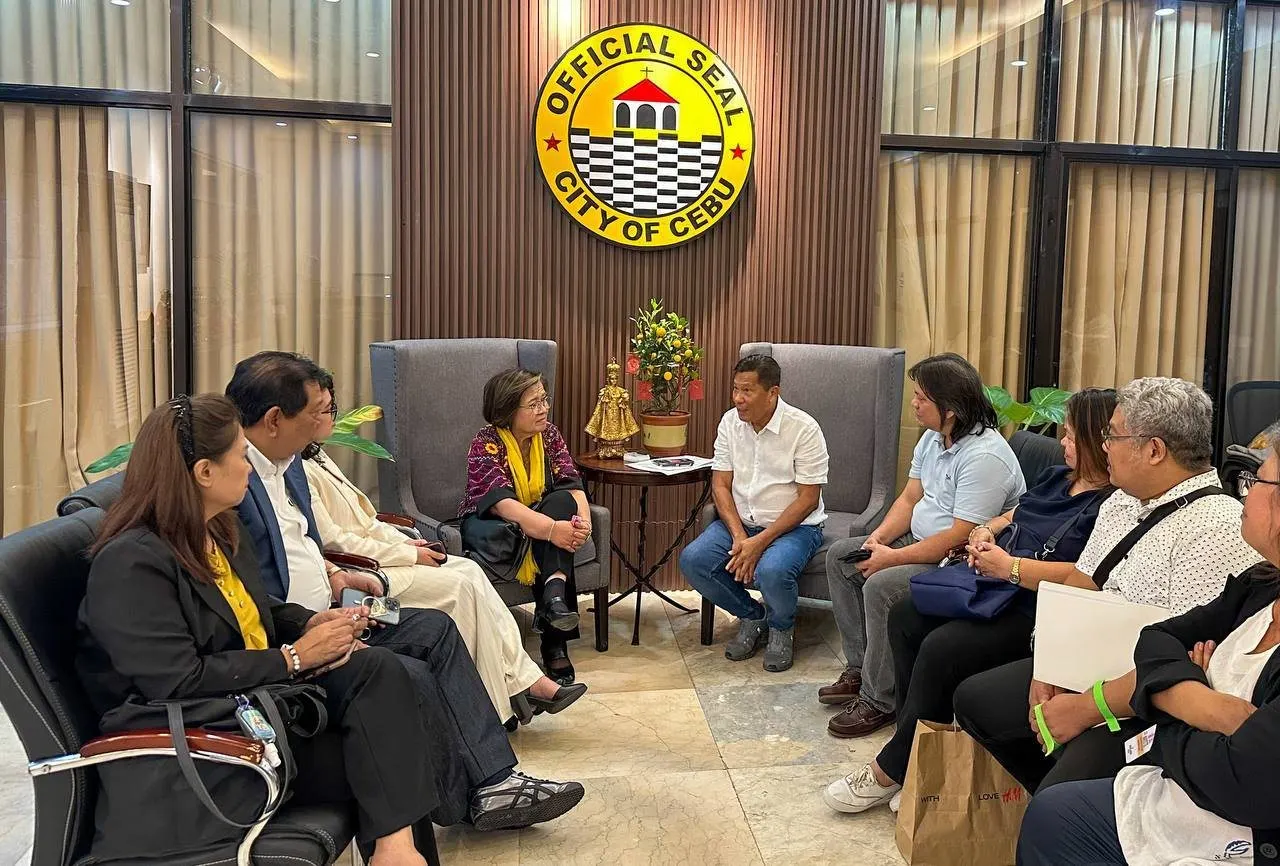
The mayor’s office is weighing the proposal, which means leaders are still talking it over. City Hall sources told reporters the plan is under review, and the WABC Radio report brought the idea into public view. Weighing a plan means asking how much it costs, who it helps, and what could go wrong. A decision has not been announced, and the debate is still open. Council members, families, and New Yorkers are all paying close attention now. Read how a council probe began for a former press secretary.
Cutting the Jail Population
The goal behind the program is to cut the jail population. Fewer people in jail means fewer beds to fill and a smaller system to run. Supporters say housing and support can keep people from returning to custody. When a person has a home and a routine, the pull of old trouble grows weaker. The city has talked about closing Rikers Island for years, and smaller jails in the boroughs are part of that plan. Housing is one piece of a larger puzzle. See a housemate who survived an eviction vote.
Rikers Reentry Housing and the Plan to Close Rikers

Closing Rikers Island has been a goal for New York City leaders for years. The island jail is old, costly, and far from the courts and families of the people held there. The plan calls for four smaller jails in the boroughs to take its place by 2032. Rikers reentry housing fits that plan, because fewer people in jail means less need for a huge island jail. The road to closure is long, and housing is one step along the way. Read the proposal to turn Rikers Island into affordable homes.
New York City Neighborhoods That Could Benefit

New York City is a city of neighborhoods, and each one has its own streets, shops, and families. A person coming home may return to the Bronx, Brooklyn, Queens, Manhattan, or Staten Island. In each place, a family home can be an anchor. The program does not pick a single neighborhood. It follows families where they already live, which means support lands where it is needed most. That local touch is part of the plan’s appeal to supporters. Learn about a law named for a young girl.
Why a Stable Address Matters After Release

A stable address matters more than most people think. A person needs an address to get mail, apply for work, and open a bank account. Without one, every small task gets harder. A family home gives a returning relative that address on day one. It also gives a place to keep papers safe and a phone charged. Those small things add up to a life that can move forward. Housing is not the whole answer, but it is a strong start. See how a boy’s honest act was rewarded.
Rikers Reentry Housing Keeps Families Together
Kinship is the heart of this program. The word means family ties, and the program pays families because family ties are strong. A mother, a sister, or a cousin may open a door that no agency could open. Meals together, shared chores, and evening talks rebuild bonds that time apart had worn thin. The monthly payment honors that work instead of treating it as free. A family that stays together has a better chance to stay steady. Read how a devoted husband cared for his wife for years.
The First Weeks Back Home

The first weeks back home are often the hardest. A person must relearn small things, like the bus route, the shop hours, and the rhythm of a household. Family can help with those steps, one day at a time. A shared meal, a walk around the block, and a quiet evening can rebuild a sense of normal life. Counseling helps too, when feelings run high or old habits call. The first year is built for this slow and steady return. See how a town honored a young man who passed away.
Finding Work and Routine Again

Work and routine give a day its shape. A person coming home needs a reason to get up and a place to be. Jobs can be hard to find after time in custody, and a family home buys time to search. Support services can help with applications and interviews. A routine keeps a person close to family and far from old trouble. The first job may be small, but it can be the start of a life. Learn about how a delivery driver faced a sentence in court.
Rikers Reentry Housing in a City of Apartments

New York City is a city of apartments, and most families live in buildings with many neighbors. A spare room or a shared bedroom can be the home a returning relative needs. The program works in that real world, where space is tight and rents are high. Five hundred dollars a month helps a family make room for one more person. The payment does not buy a new home. It helps a family share the home they already have. Read a housemate evicted with few votes.
What Council Members Are Questioning

Some council members have raised questions about the plan. They ask whether the city should spend millions to pay families for housing relatives. Their worry is about taxpayer money and whether the program proves its worth. That kind of scrutiny is normal for a new idea, and it can make a program stronger. Supporters welcome the questions and point to the small program that has run since 2021. The council debate will help decide how the plan moves ahead. See how a former press secretary faced a bar probe.
Rikers Reentry Housing and the Taxpayer Question

Taxpayers foot the bill for every city program, and this one is no different. The Matzav report put it plainly, saying taxpayers would pay millions more for the program. That framing matters, because voters want to know where their money goes. Supporters answer that housing costs less than jail and that a stable home saves money over time. The debate is really about what kind of city New York wants to be. Learn about how a billionaire’s spending drew a senator’s reply.
A Fresh Start at Sunrise

A fresh start begins with a single morning. A person wakes up in a family home, eats breakfast, and plans the day. That simple routine can feel new after months or years away. The program cannot promise an easy road, and no one in the story claims it can. It can promise a door, a bed, and people who care. For many families, that is enough to begin again with hope. The next slides look at what comes next for the plan. Read a story about a woman who survived a crash.
How Families Can Learn More

Families who want to know more can watch for news from City Hall and the mayor’s office. The proposal is still being weighed, and details may change as the council looks it over. The Osborne Association remains the name to know for support services, and the program’s 2021 start shows it is not a brand new idea. Readers can follow the WABC Radio report and the Moneywise and Matzav stories for updates. A program this size deserves close attention from the public. See how one family’s generosity spread at Christmas.
What Do You Think of Rikers Reentry Housing

Rikers reentry housing could grow from a small program into one of the city’s big bets on family and second chances. It would pay 300 families, cost millions each year, and test whether a home can do what a cell cannot. Some readers will cheer the plan, and others will question the price. Both views deserve a fair hearing as the mayor’s office weighs its choice. What do you think? Should New York pay families to house relatives coming home? Share your thoughts in the comments. Read a doctor’s call to faith.