
Texas Medical Cannabis Could Soon Cover Period Pain

Texas medical cannabis is at the center of a new proposal that could change who qualifies for the state’s Compassionate Use Program. State Representative Mihaela Plesa has filed House Bill 330 for the 2027 legislative session, and the bill would add conditions that cause menstrual cramps to the list of qualifying conditions. Those conditions include premenstrual dysphoric disorder and dysmenorrhea, two diagnoses that bring severe monthly pain to many patients. Supporters say the change would give doctors a legal path to consider low-THC cannabis for people whose cramps disrupt work, school and daily life.
A diagnosis alone would not guarantee a prescription under the bill, because a registered physician would still need to decide that the potential benefit reasonably outweighs the risk. Filing a bill also does not change the law, and the measure would still need to move through the legislative process before taking effect on September 1, 2027. For more on how Texas handles medical cannabis, read our guide to the state’s Compassionate Use Program. The slides ahead explain the bill, the conditions it covers and what happens next.
References:
CannaWize: Texas 2027 C*nnabis Bills Filed: Legalization, HB 330 and More
IamRealB: Texas Lawmaker Wants Period Pain Added to the Medical M*rijuana List
Marijuana Moment: M*rijuana Would Be Legalized Statewide In Texas Under New Bills Filed For 2027 Session
Hamilton Brief: Two Bills Would License and Tax M*rijuana Sales in Texas. Six C*nnabis Measures Are on File.
Texas Medical Cannabis: house Bill 330 Was Filed in Austin for the 2027 Session

The Texas State Capitol in Austin is where House Bill 330 now waits for its first steps in the 2027 legislative session. State Representative Mihaela Plesa filed the bill to add conditions that cause menstrual cramps to the state’s Compassionate Use Program. Lawmakers will decide whether the proposal moves forward when the session begins on January 12, 2027. Until then, the bill is only a proposal, and nothing about eligibility has changed yet. Read more in our guide to the state’s Compassionate Use Program.
Texas Medical Cannabis: what Happens After a Bill Is Filed in Texas

Filing a bill is only the first step in a long legislative process in Texas. House Bill 330 must move through committees, win votes and survive debate before it can become law. Many filed bills never reach a final vote, and the proposal about menstrual cramps is no exception. The session that begins on January 12, 2027 will decide its fate, and supporters will be watching each committee hearing closely. Learn the bills filed for the 2027 session before the session opens.
Menstrual Cramps Can Be Severe Enough to Disrupt Daily Life

Menstrual cramps are often described as mild discomfort, but for many people the pain is severe enough to disrupt work, school and sleep. The bill focuses on conditions that cause these cramps, including dysmenorrhea and premenstrual dysphoric disorder. Both diagnoses can bring pain that lasts for days each month and resists ordinary pain relief. Supporters argue that people living with this pain deserve more treatment options. Read about what low-THC cannabis means in Texas.
Texas Medical Cannabis: dysmenorrhea Is One of the Conditions Named in the Bill

Dysmenorrhea is the medical term for painful menstrual cramps, and it is one of the conditions House Bill 330 would add to the qualifying list. The condition can cause cramping in the lower abdomen, back pain and nausea that return with each cycle. For some patients, the pain is strong enough to keep them home from work or school. The bill would not promise relief, but it would let doctors consider low-THC cannabis as one option. See what low-THC cannabis means in Texas.
Texas Medical Cannabis: low-THC Cannabis Is What the Program Allows
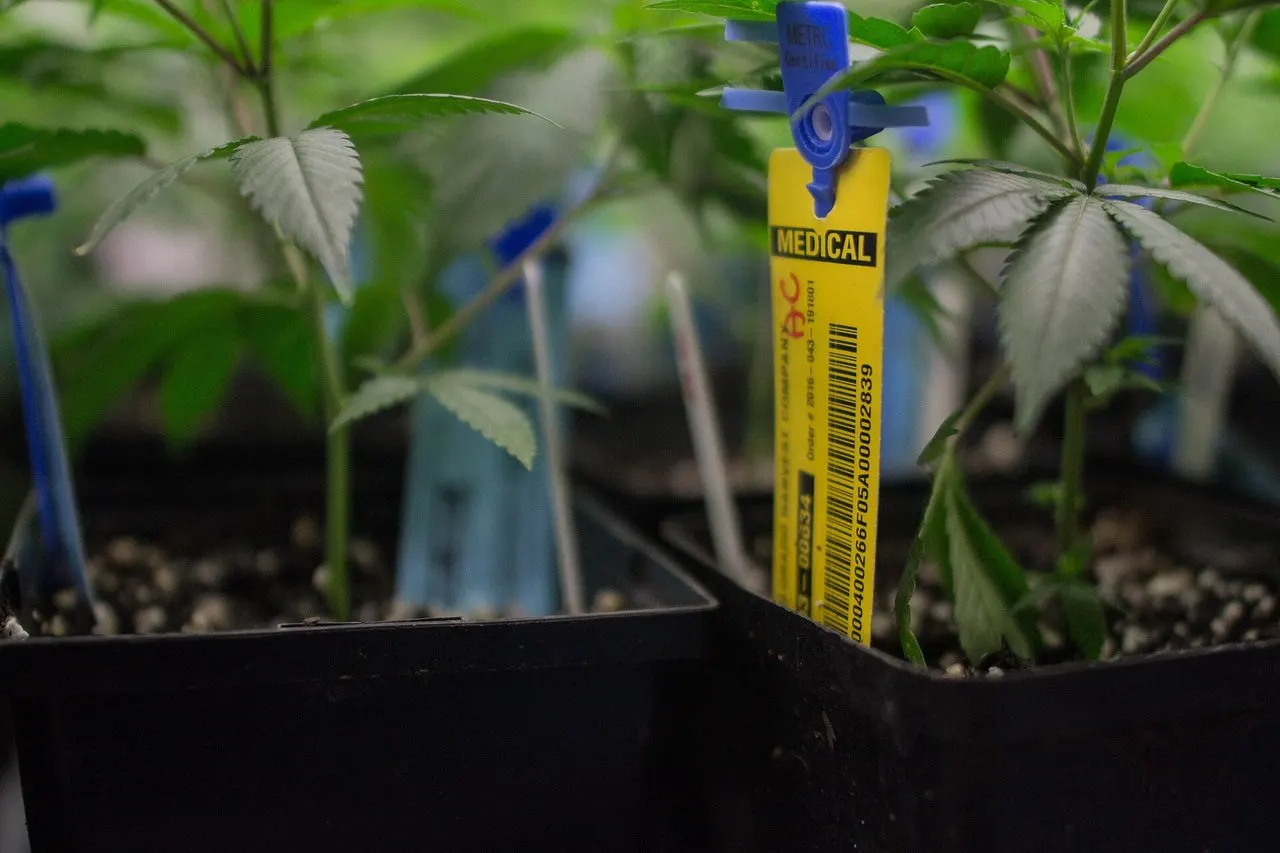
Texas does not run a broad medical marijuana program. Its Compassionate Use Program allows only low-THC cannabis, a form with limited amounts of the compound that causes a high. Doctors who join the program can prescribe it for a short list of qualifying conditions, and menstrual cramps are not on that list today. House Bill 330 would change that by adding conditions that cause cramps. The product itself would stay tightly regulated. Learn the 2027 Texas legislative session and read the 2027 Texas legislative session.
A Doctor Would Still Have the Final Say

Even if House Bill 330 becomes law, a diagnosis alone would not guarantee a prescription. A registered physician would still need to decide that the potential benefit of low-THC cannabis reasonably outweighs the risk for that patient. The doctor would also need to follow the program’s other requirements, which protect patients and set clear rules for prescribing. Supporters say this gatekeeping keeps the change careful and medical, not automatic. Read about period pain and the push for new treatments.
Texas Medical Cannabis: how a Prescription Would Work Under the Program

Under the Compassionate Use Program, a patient with a qualifying condition sees a registered physician, who reviews the diagnosis and the patient’s history. If the doctor agrees that low-THC cannabis may help and that the benefit outweighs the risk, the doctor can enter a prescription into the state’s system. The patient then fills it through a licensed dispensing organization. House Bill 330 would only open this same path to people whose cramps come from the newly listed conditions. Learn period pain and the push for new treatments.
Texas Lawmakers Face Another Health Care Question

Texas lawmakers return to Austin in January 2027 with a long list of health care questions, and House Bill 330 is one of them. The proposal sits alongside other cannabis measures filed for the same session, including bills about legalization and licensed sales. Together, they show how much attention cannabis policy now gets in Texas. Whether the menstrual cramp proposal advances will depend on committee leaders and the priorities of the session. Follow doctors and medical cannabis decisions.
Texas Medical Cannabis: if It Passes, the Change Would Start on September 1, 2027

House Bill 330 proposes an effective date of September 1, 2027, which falls after the legislative session that begins on January 12, 2027. That gap matters, because the bill must clear every step of the process before the date arrives. If it stalls in committee or fails a vote, the date means nothing and eligibility stays as it is. Patients waiting for a decision should watch the session calendar closely. Read House Bill 330 and menstrual cramps.
The Capitol Dome Has Seen Many Health Bills Come and Go

The dome of the Texas Capitol has watched over many health care debates, and most filed bills never become law. House Bill 330 faces the same odds, because thousands of bills are filed in each session and only a share reach the governor’s desk. Supporters will need to make the case in committee hearings and build support among lawmakers. The dome is a reminder that filing is the start, not the finish. Learn more in House Bill 330 and menstrual cramps.
Texas Medical Cannabis: the Plant Behind the Proposal

Cannabis is a plant with a long and contested history, and the Texas program uses only its low-THC form. The compound THC is what causes a high, so keeping it low is central to how the program is designed. Patients in the program do not receive the stronger products sold in states with broader laws. House Bill 330 would not change the product, only who may be considered for it. Read Rep. Mihaela Plesa’s proposal.
Living With Cramps That Disrupt a Whole Week

For people with severe menstrual cramps, the pain is not a single bad day. It can arrive every month, last for days and make ordinary plans impossible. Work shifts get missed, classes get skipped and rest becomes the only option. That monthly pattern is what the bill’s supporters point to when they argue for more options. They say a regulated treatment path would help people whose pain is not managed by current choices. See qualifying conditions under the program.
Texas Medical Cannabis: the National Debate Over Medical Cannabis Continues

Texas is not alone in debating medical cannabis, and the national conversation keeps shifting as more states change their rules. Federal law still treats cannabis strictly, which leaves states to write their own programs with their own limits. Texas chose a narrow path with low-THC products and a short list of conditions. House Bill 330 would widen that list slightly, without changing the federal picture. Read qualifying conditions under the program.
What Supporters Hope the Bill Will Deliver

Supporters of House Bill 330 hope it will give people with severe menstrual cramps one more regulated option to discuss with a doctor. They are careful to say the bill is about access, not a finding that cannabis works for every person with period pain. The change would matter most to patients whose cramps resist ordinary treatment and disrupt their lives. For them, even the chance to ask a doctor is a step forward. Learn about dysmenorrhea and PMDD symptoms.
Premenstrual Dysphoric Disorder Is Also Named

Premenstrual dysphoric disorder, often called PMDD, is the second condition the bill names alongside dysmenorrhea. PMDD brings severe mood and physical symptoms in the days before a period, and it can be far more intense than ordinary premenstrual symptoms. People with PMDD often struggle with work, relationships and daily tasks during those days. Adding it to the qualifying list would let doctors consider low-THC cannabis for these patients too. Read how doctors decide on medical cannabis.
Texas Medical Cannabis: committees Will Decide Whether the Bill Moves Forward

In the Texas Legislature, most bills live or die in committee, and House Bill 330 will be no different. A committee chair decides whether to schedule a hearing, and members hear from supporters, doctors and opponents before voting. If the bill clears committee, it still faces floor debate and a vote in each chamber. Each step is a chance for the proposal to advance or stall. Follow how doctors decide on medical cannabis.
Austin Prepares for Another Busy Session

Austin prepares for another busy legislative session in January 2027, with lawmakers, advocates and lobbyists filling the Capitol. House Bill 330 will compete for attention with hundreds of other proposals, from budgets to health care. Supporters of the bill will need to keep it visible through hearings and public debate. The city becomes the center of Texas politics for months at a time. Read about cannabis legalization bills in Texas.
Hemp, Marijuana and the Plant Family Tree

Cannabis plants come in many forms, and Texas law treats them differently. Hemp is a low-THC crop grown for fiber and other products, while the marijuana used in the Compassionate Use Program is grown under strict medical rules. House Bill 330 concerns only the medical program and its low-THC products, not hemp farming or recreational use. Keeping those lines clear matters to lawmakers and regulators alike. Learn the Texas medical marijuana program.
Texas Medical Cannabis: the Doctor Visit Is Where Eligibility Is Decided

The doctor’s office is where the bill’s promise would meet real patients. A woman with severe cramps would describe her symptoms, her diagnosis and what she has already tried. The physician would weigh the evidence, the risks and the rules of the program before deciding. That conversation, not the bill itself, is what would finally open or close the door to low-THC cannabis. Read about the Texas medical marijuana program.
What Happens Next for Texas Patients

For now, nothing has changed for Texas patients with menstrual cramps, because House Bill 330 is only a filed proposal. The next step is the session that begins on January 12, 2027, when committees take up the bill and the debate begins. Patients, doctors and advocates will watch to see whether it moves forward or stalls. If it passes, the change would take effect on September 1, 2027. Follow health care bills in the 2027 session.
How to Follow House Bill 330 as the Session Unfolds

Anyone can follow House Bill 330 online as the 2027 session unfolds, by checking the Texas Legislature’s website for hearings, votes and the bill’s current status. News coverage and patient groups will also track the proposal as it moves through committees. The story is a reminder that a filed bill is a question, not an answer, and the answer comes from the legislative process. For now, Texas lawmakers have another health care question waiting for their next session. Learn low-THC products and dispensaries and read low-THC products and dispensaries.