Burkina Faso Hospitals: Four New Centres for a Country Ready to Heal
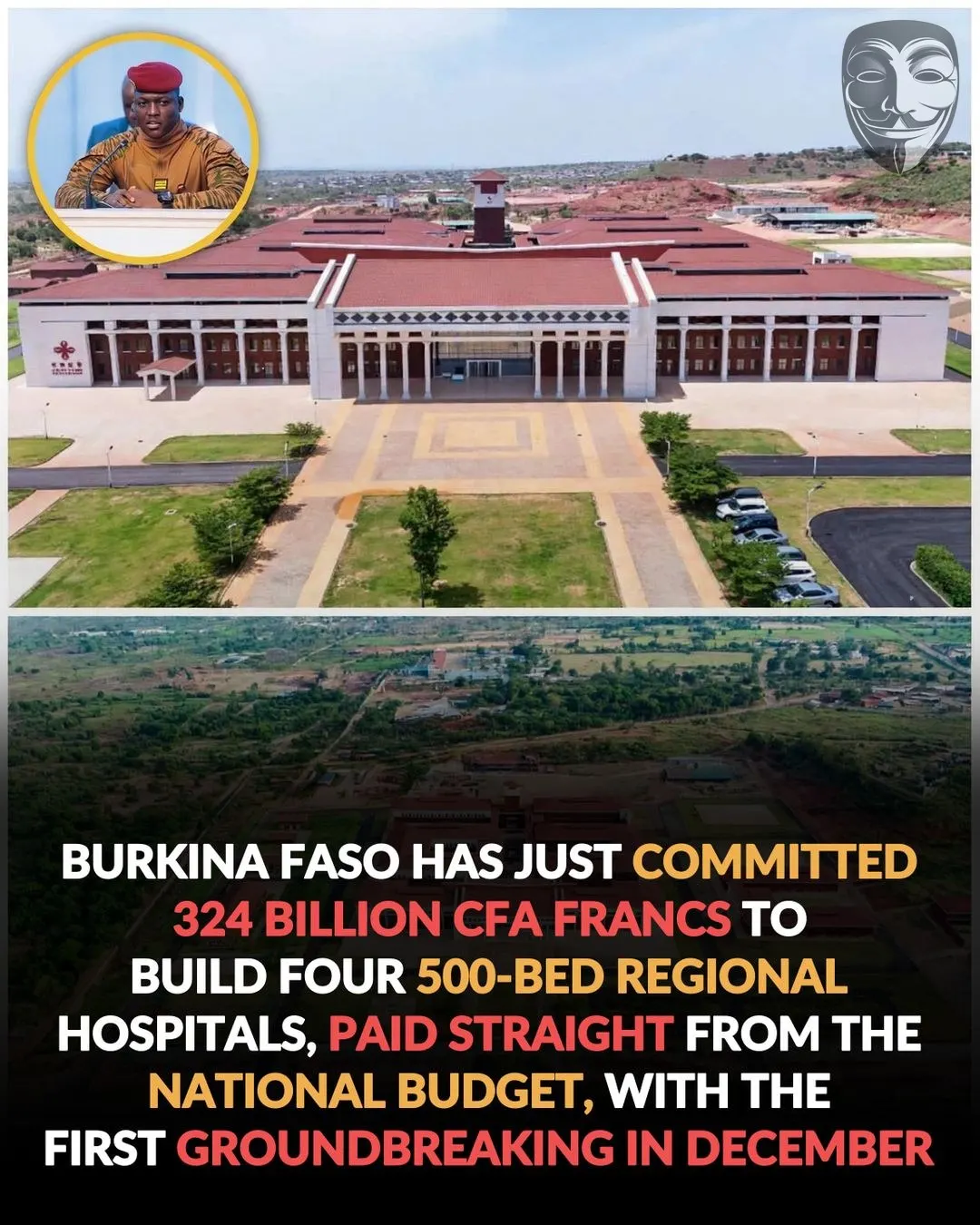
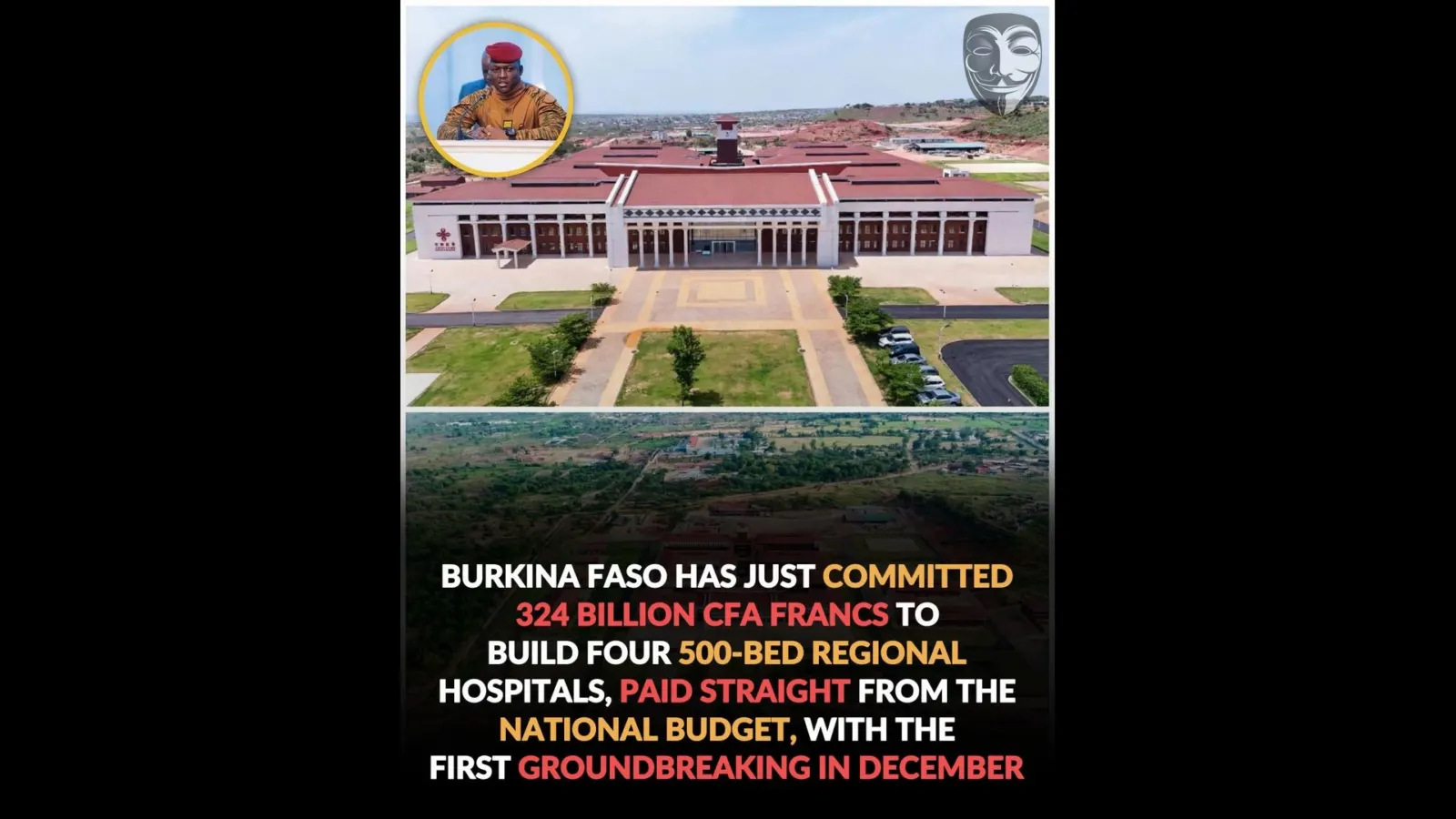
Burkina Faso hospitals are about to grow in a big way, after the Council of Ministers approved four new regional university hospital centres on Thursday, November 19, 2026. Each centre will hold 500 beds, and the four will rise in Fada N’Gourma in the east, Banfora in the west, Kaya in the centre-north, and Koudougou in the centre-west. The cost is 324 billion CFA francs for building and equipment, plus 2.4 billion for design and supervision, and Health Minister Robert Lucien Jean-Claude Kargougou confirmed the figures.
The money comes straight from the national budget, not from a loan or a donor grant, and the first groundbreaking is set for Fada N’Gourma in December 2026, with the other three to follow in 2027. These four are the first phase of a nine-hospital programme promised by Captain Ibrahim Traore, running from 2026 to 2030, which will add 4,500 beds across the country. For more on new medical care, read our report on a cancer treatment that uses sound waves.
References:
Benin Web TV: Burkina Faso 324 billion FCFA for four 500-bed university hospitals
FSX Business: Burkina Faso Approves CFA524bn
The Library: Burkina Faso Dissolves Pharmacists Union Announces 324 Billion FCFA for Four University Hospitals
EIN News: Burkina Faso 324 billion FCFA for four 500-bed university hospitals
Fada N’Gourma Breaks Ground First in December

Fada N’Gourma sits in the east of Burkina Faso, and it will be the first city to see work begin. The groundbreaking is planned for December 2026, only weeks after the cabinet decision. For people in the east, that date matters, because a large hospital close to home means shorter trips and faster care. The new centre will hold 500 beds and serve as a regional university hospital, so it will treat patients and train health workers at the same time. Read more in a speech about Africa rising.
Banfora Joins the Burkina Faso Hospitals Plan
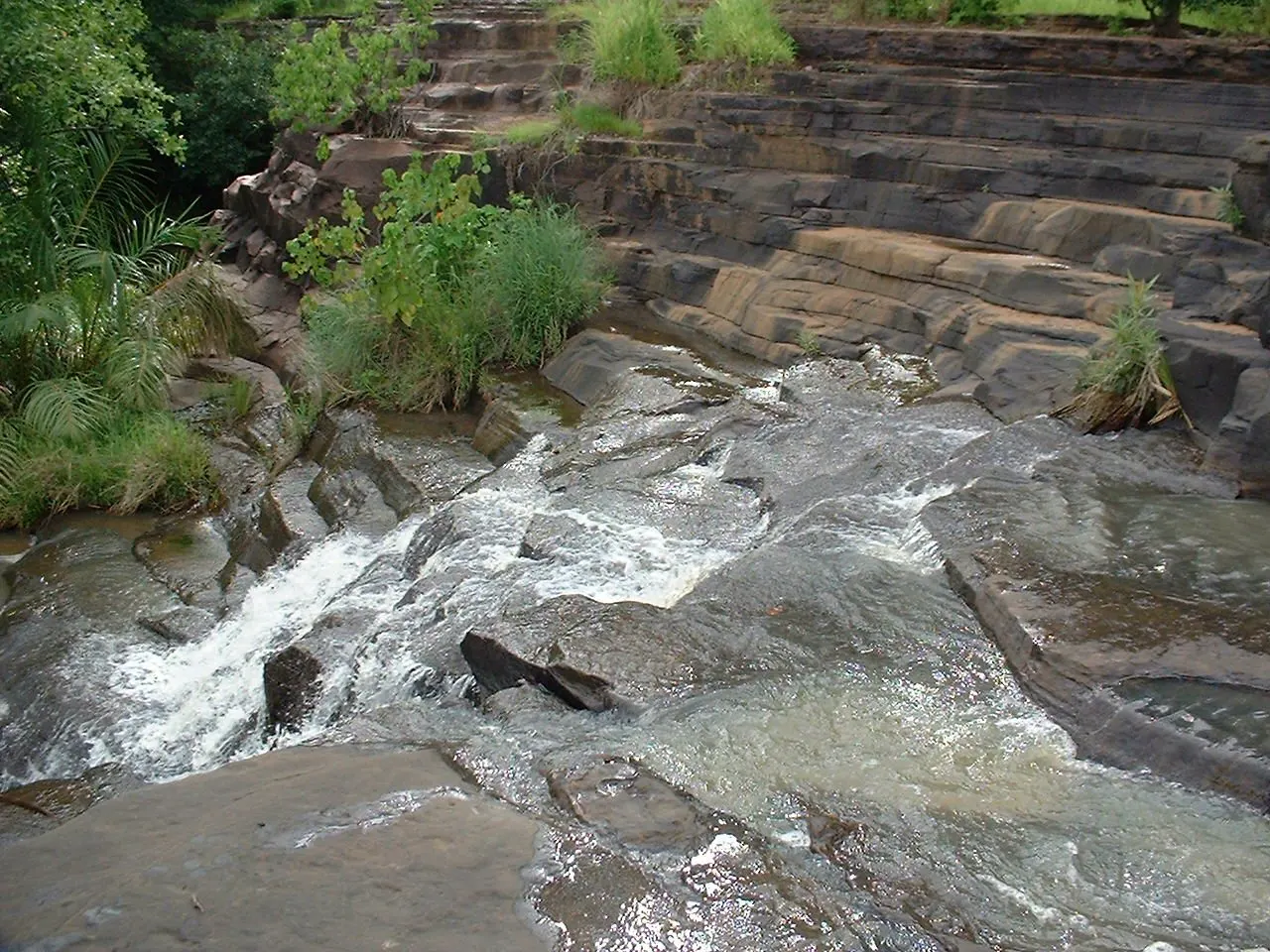
Banfora lies in the west of the country, near the border and the green hills that draw visitors to its waterfalls. A 500-bed hospital there will change daily life for families who now travel long distances for serious care. The centre will bring surgery, maternity care and emergency treatment closer to home. It will also create jobs for nurses, doctors, cleaners and drivers, and it will give young people in the west a reason to train and stay. Read more in a look at security promises in Ukraine.
Kaya Will Serve the Centre-North
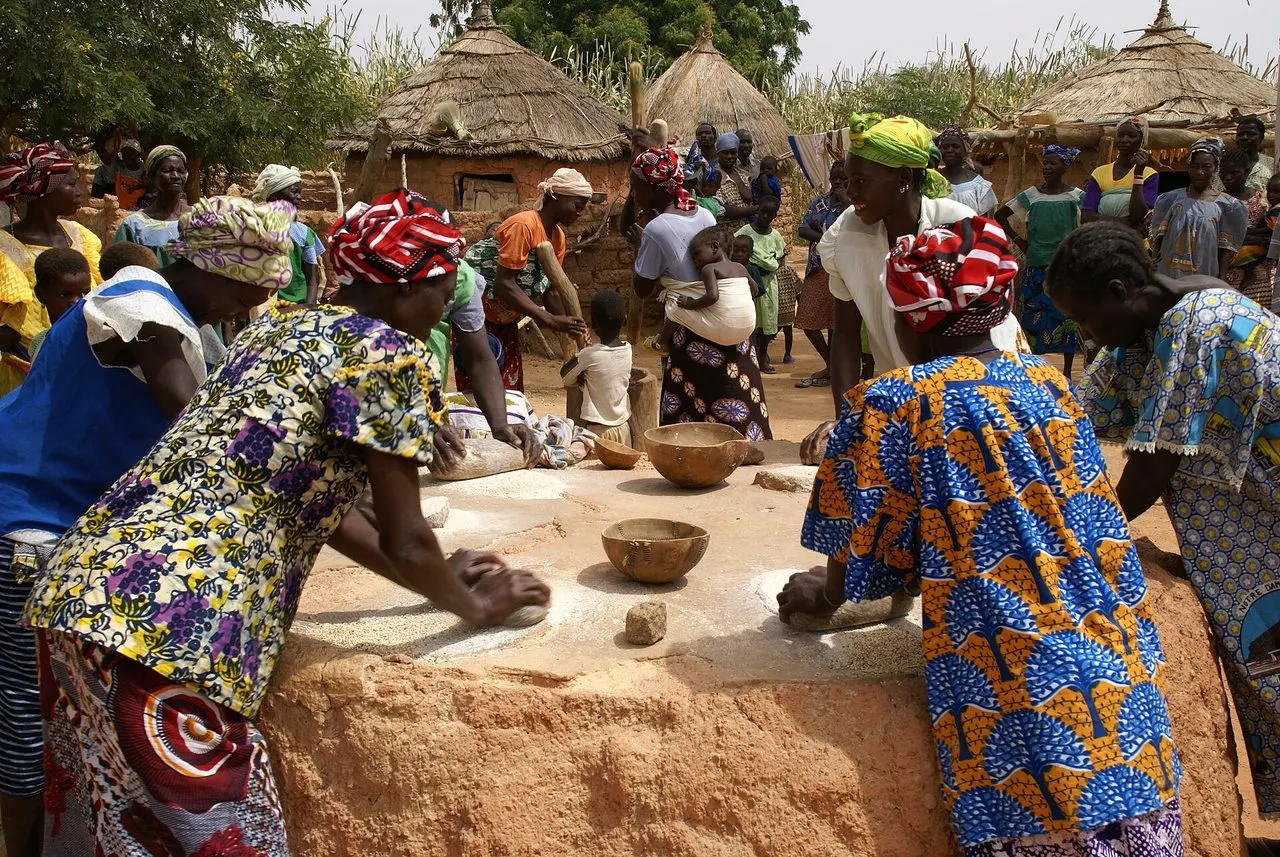
Kaya serves the centre-north, a region where many families live far from a large hospital. The new centre will give them 500 beds and specialist care without a long journey to the capital. Mothers, children and older people will feel the difference first, because routine care and urgent care will both sit closer to home. Kaya was picked for its place on the map, and the hospital will anchor health care for the whole centre-north. Read more in a story about humanoid robots.
Burkina Faso Hospitals Reach Koudougou in the Centre-West
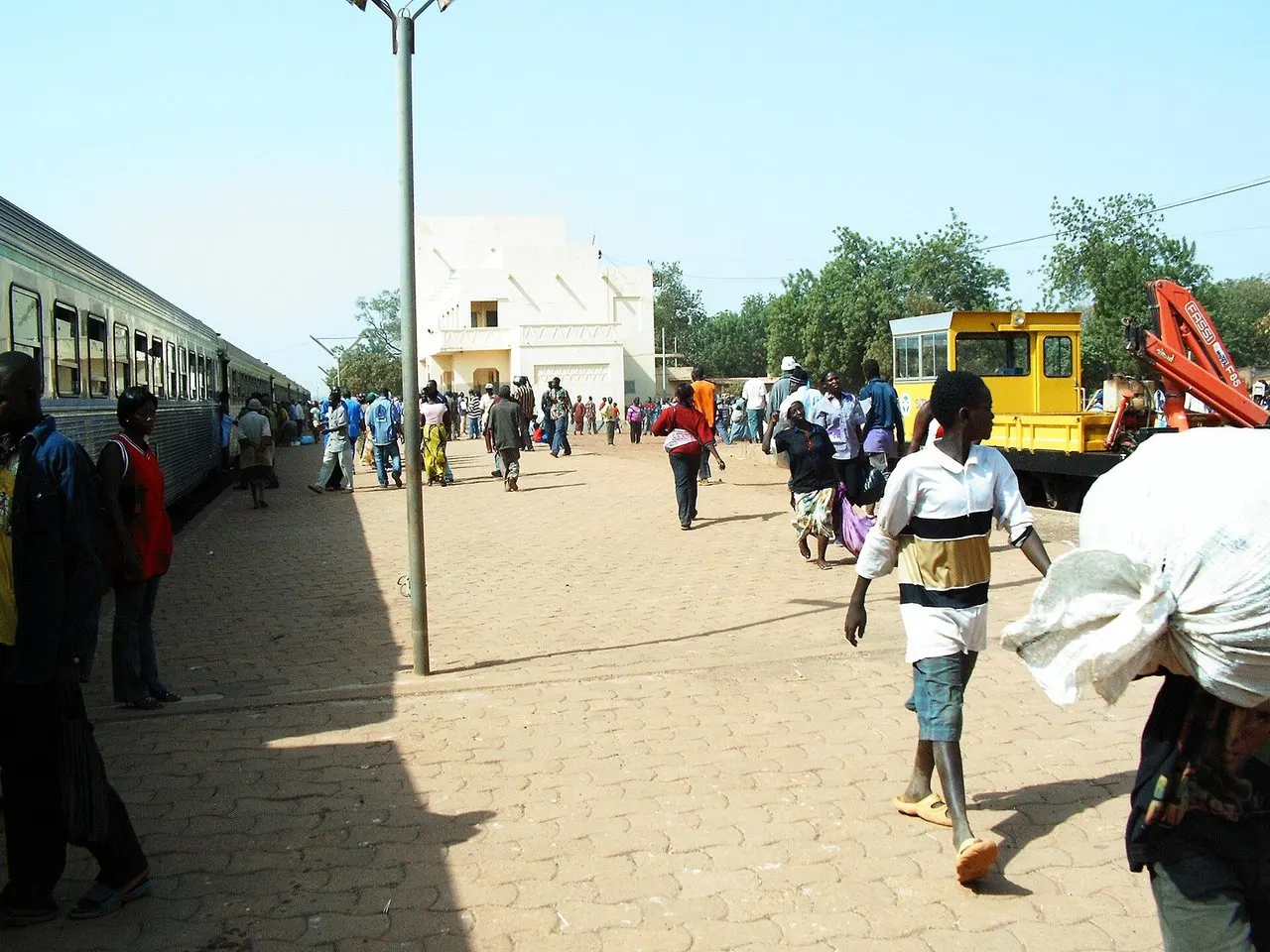
Koudougou is a large city in the centre-west, and its new hospital will serve a wide area around it. The 500-bed centre will ease pressure on hospitals in the capital, because patients from the west will no longer need to travel so far. Students will benefit too, since a university hospital trains doctors and nurses on the job. Koudougou has waited long for a facility of this size, and the decision puts the city on the map for health care. Read more in a mystery in ancient rock art.
A Thursday Cabinet Meeting Changed the Plan
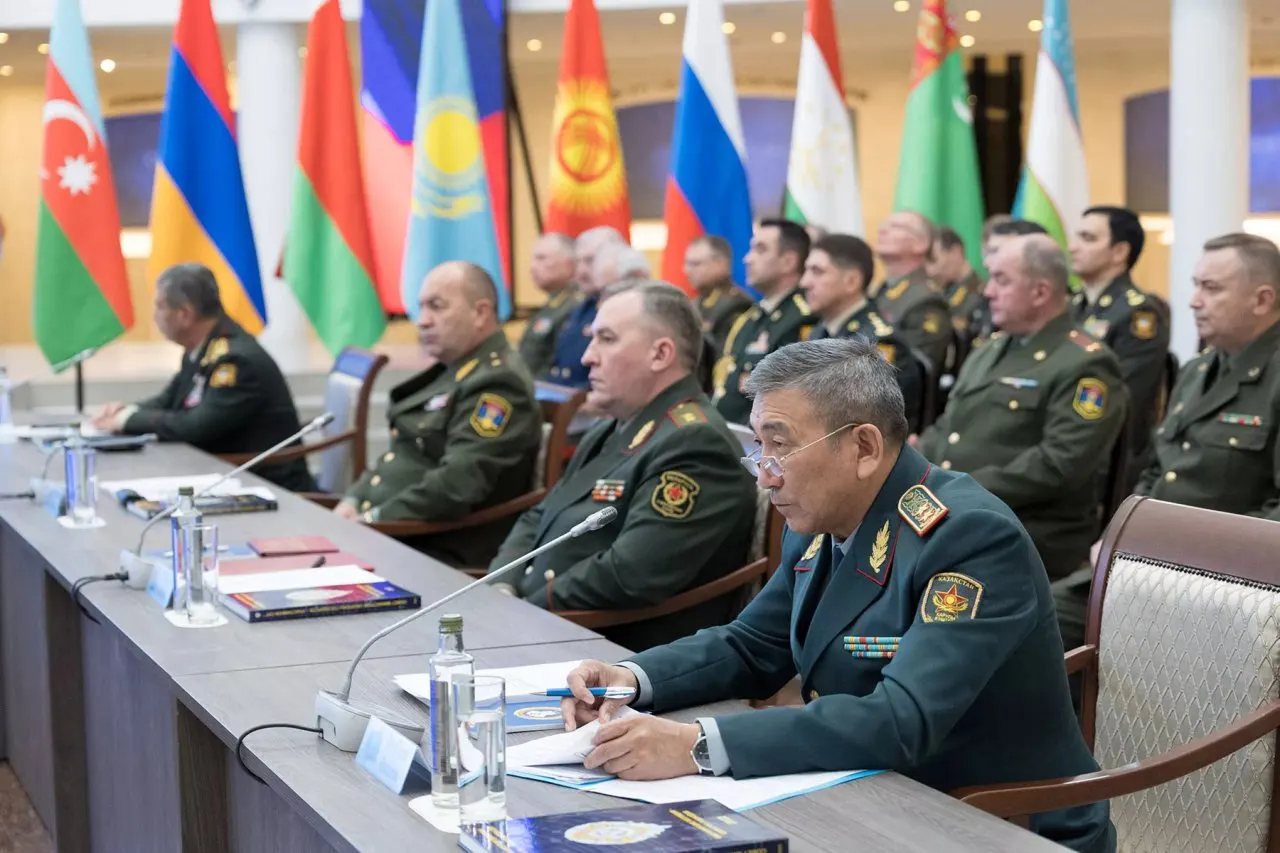
The Council of Ministers met on Thursday, November 19, 2026, and the hospital decision was one of the biggest items on the table. Ministers approved the recruitment of contractors to build all four centres, so work can move from paper to construction. Cabinet approval matters because it locks in the money and the timetable. The meeting also dealt with the hospital in Dedougou, showing the government is looking at the whole health system. Read more in a vow about meeting Putin.
The Minister Who Confirmed the Figures
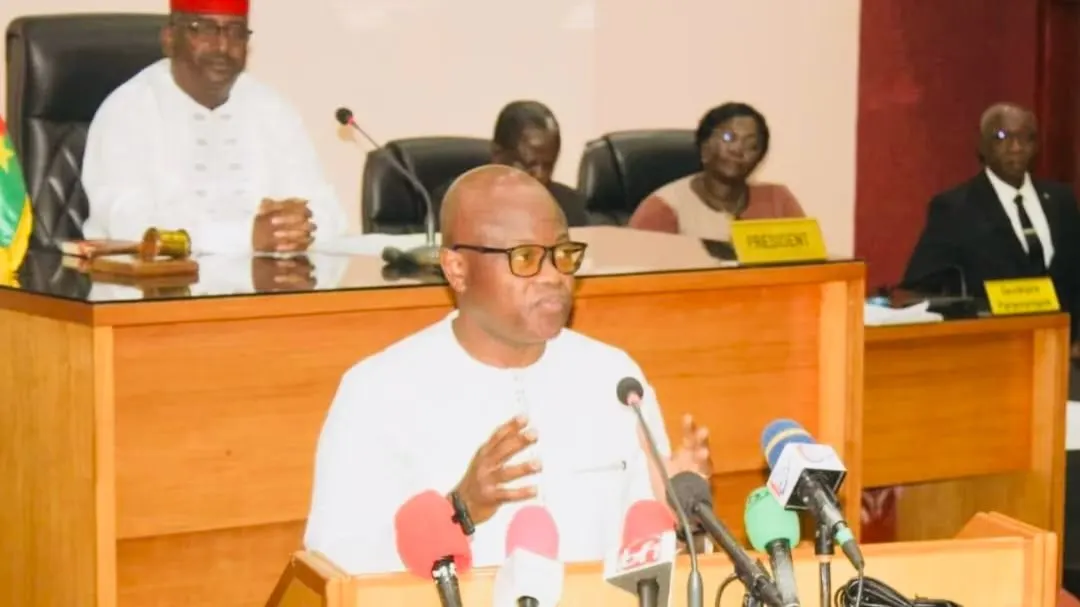
Health Minister Robert Lucien Jean-Claude Kargougou confirmed the figures after the meeting, and his word carries weight because his ministry will run the programme. He put the building and equipment cost at 324 billion CFA francs, with 2.4 billion more for design and supervision. A minister who states the numbers in public gives the public a way to hold the project to account. His confirmation turned a cabinet decision into a promise that people can now watch and measure. Read more in a greeting between two leaders in China.
What 324 Billion CFA Francs Buys for Burkina Faso Hospitals
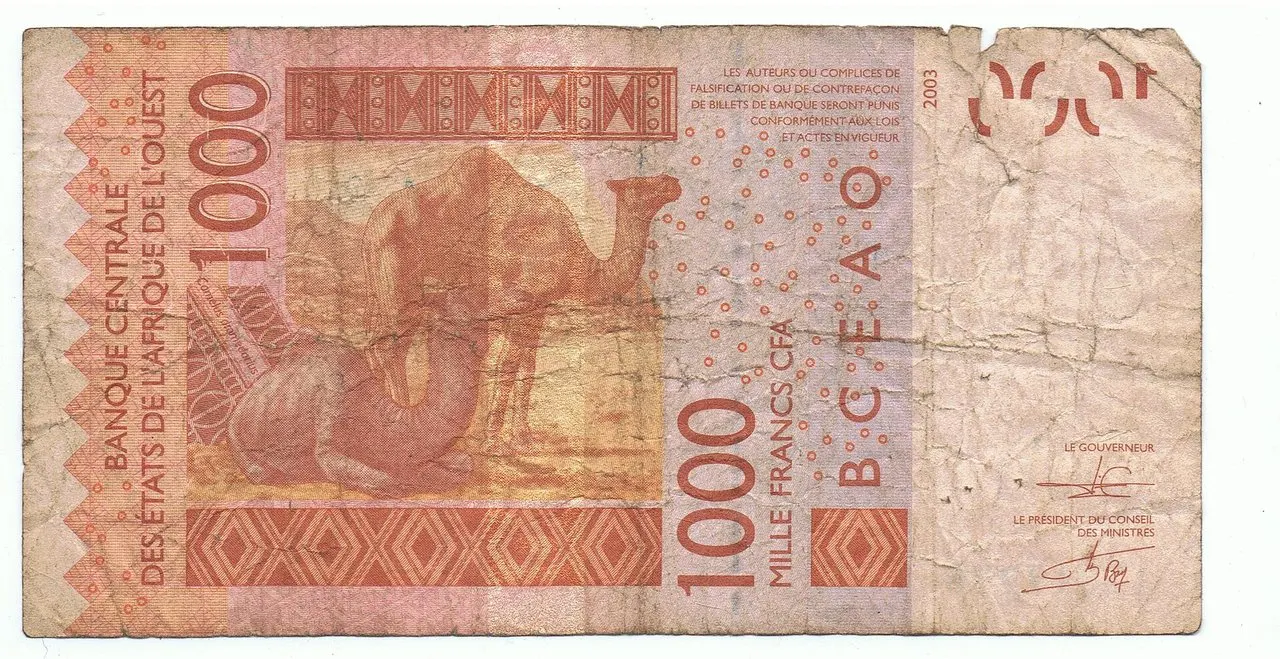
The figure of 324 billion CFA francs covers construction and equipment for all four hospitals, excluding taxes. On top of that, 2.4 billion CFA francs will pay for architectural oversight and works supervision, the experts who check the buildings are safe and well made. Big numbers can feel abstract, but they mean concrete, steel, beds, scanners and wards. The money covers four complete hospitals, not just shells, so each one should open ready to treat patients. Read more in a truck that looked like it drove through a wall.
Paid From the National Budget, Not a Loan
Paying from the national budget is the detail that has drawn the most attention. There is no World Bank loan, no IMF facility and no donor grant with conditions attached. That means Burkina Faso is funding its own hospitals with its own money, and it will owe no interest to outside lenders for this project. The choice sends a message. It also means the money must be managed with care, because it comes from the same pot that funds schools, roads and salaries. Read more in a warning about messages that erase themselves.
What 500 Beds Mean for One Region
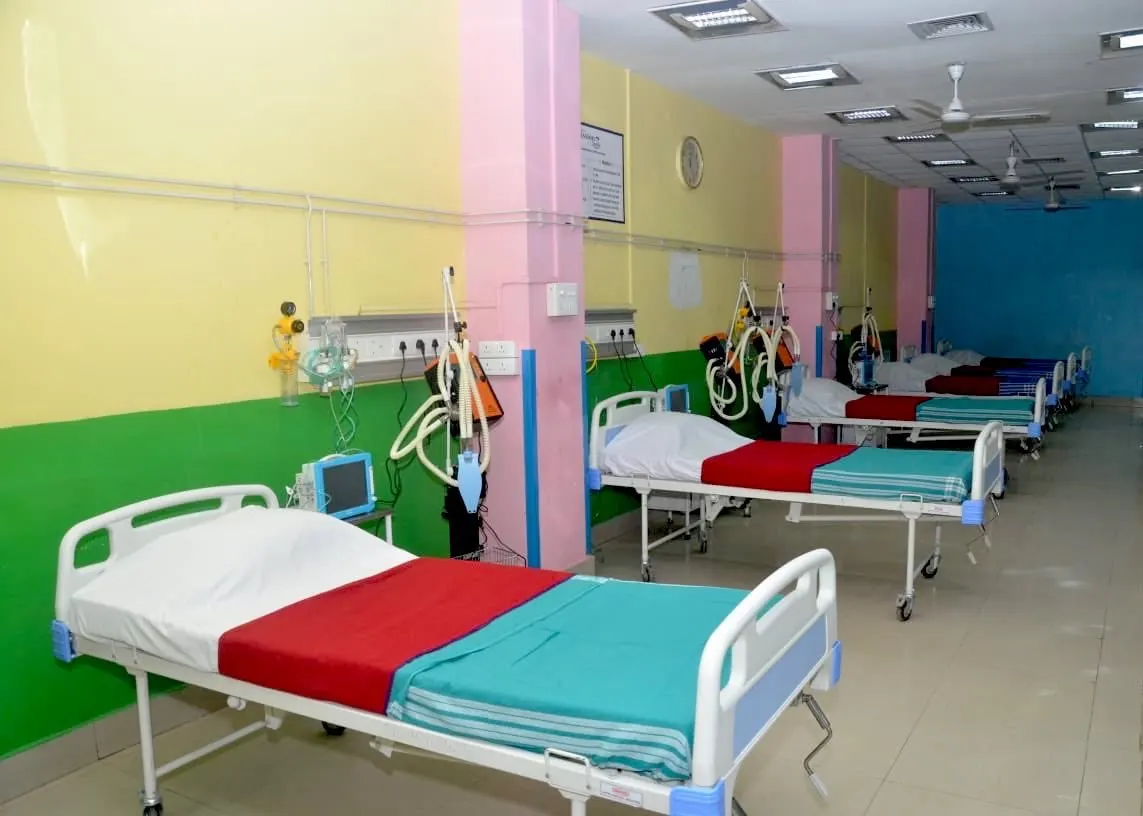
Each hospital will hold 500 beds, and that number is what turns a clinic into a regional centre. Five hundred beds mean wards for surgery, maternity, children and medicine, plus room for emergencies. A region with 500 beds close by can treat more people and keep them near their families. For patients, a bed is not just furniture. It is a place to recover, a nurse nearby, and a doctor who can visit each day until it is time to go home. Read more in a bill meant to close a loophole.
Burkina Faso Hospitals Will Train the Next Doctors
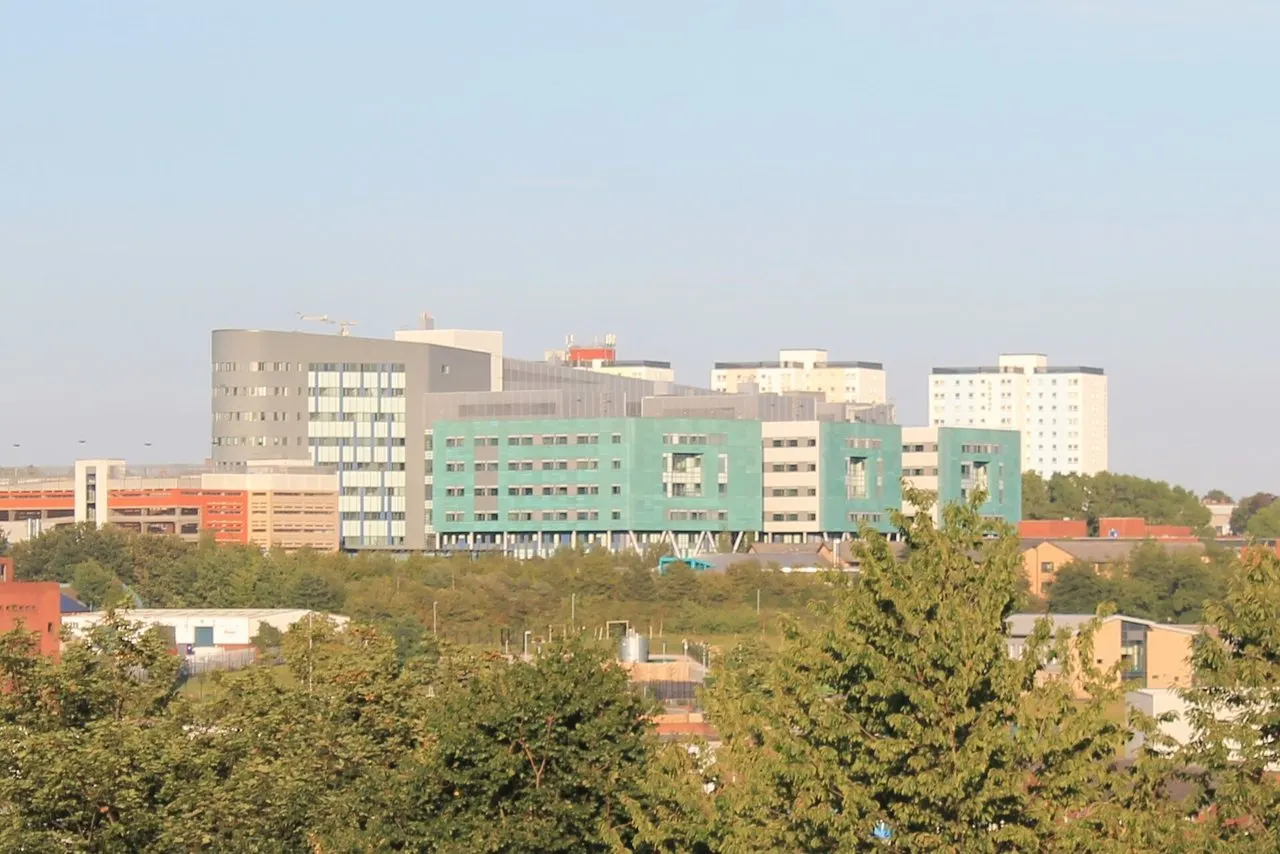
These are regional university hospital centres, which means they will do two jobs at once. They will treat patients, and they will train the next generation of doctors, nurses and midwives. Students learn best beside real patients, and a teaching hospital keeps skilled staff in the region instead of losing them to the capital. Over time, each centre should grow its own teams. That is how a building becomes a lasting part of the health system. Read more in a teacher with a new look each year.
December Groundbreaking in Fada N’Gourma
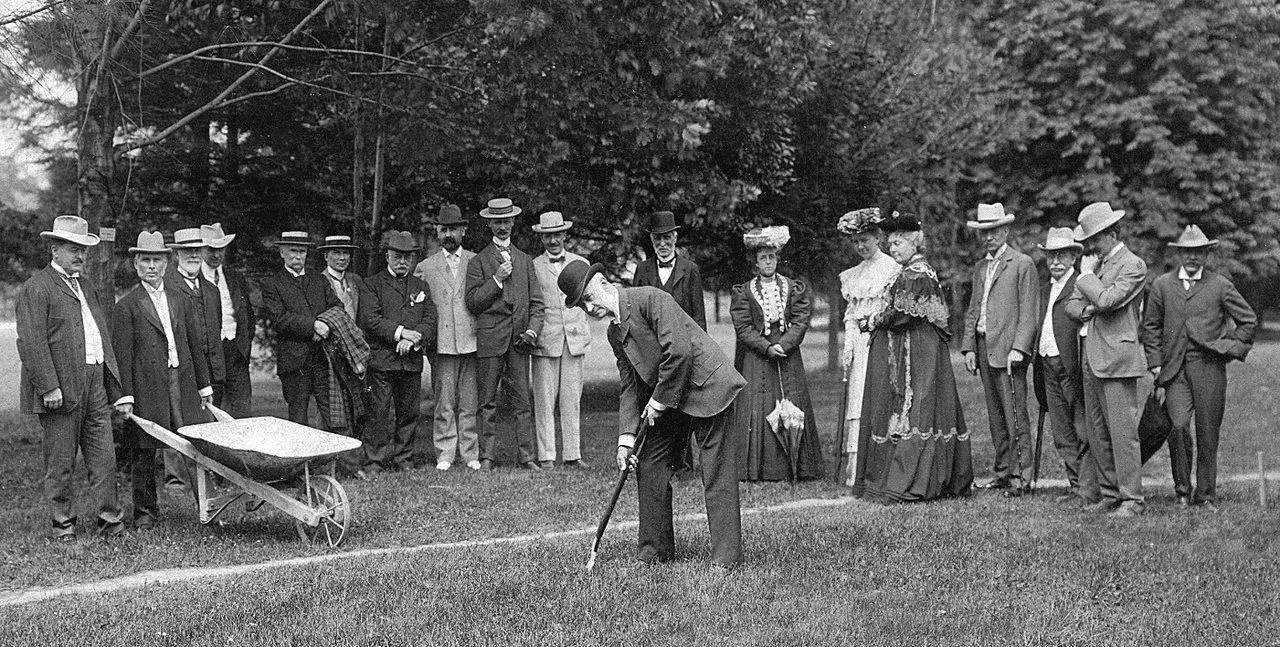
Fada N’Gourma breaks ground in December 2026, and that ceremony will mark the real start of the programme. A groundbreaking is a promise made visible, with machines, workers and fences where empty land stood before. People in the east will be able to watch their hospital rise month by month. The other three cities follow in 2027, so the whole country will see building work within a year of the cabinet decision. Read more in a Christmas gift campaign.
Burkina Faso Hospitals: Four Now, Nine by 2030
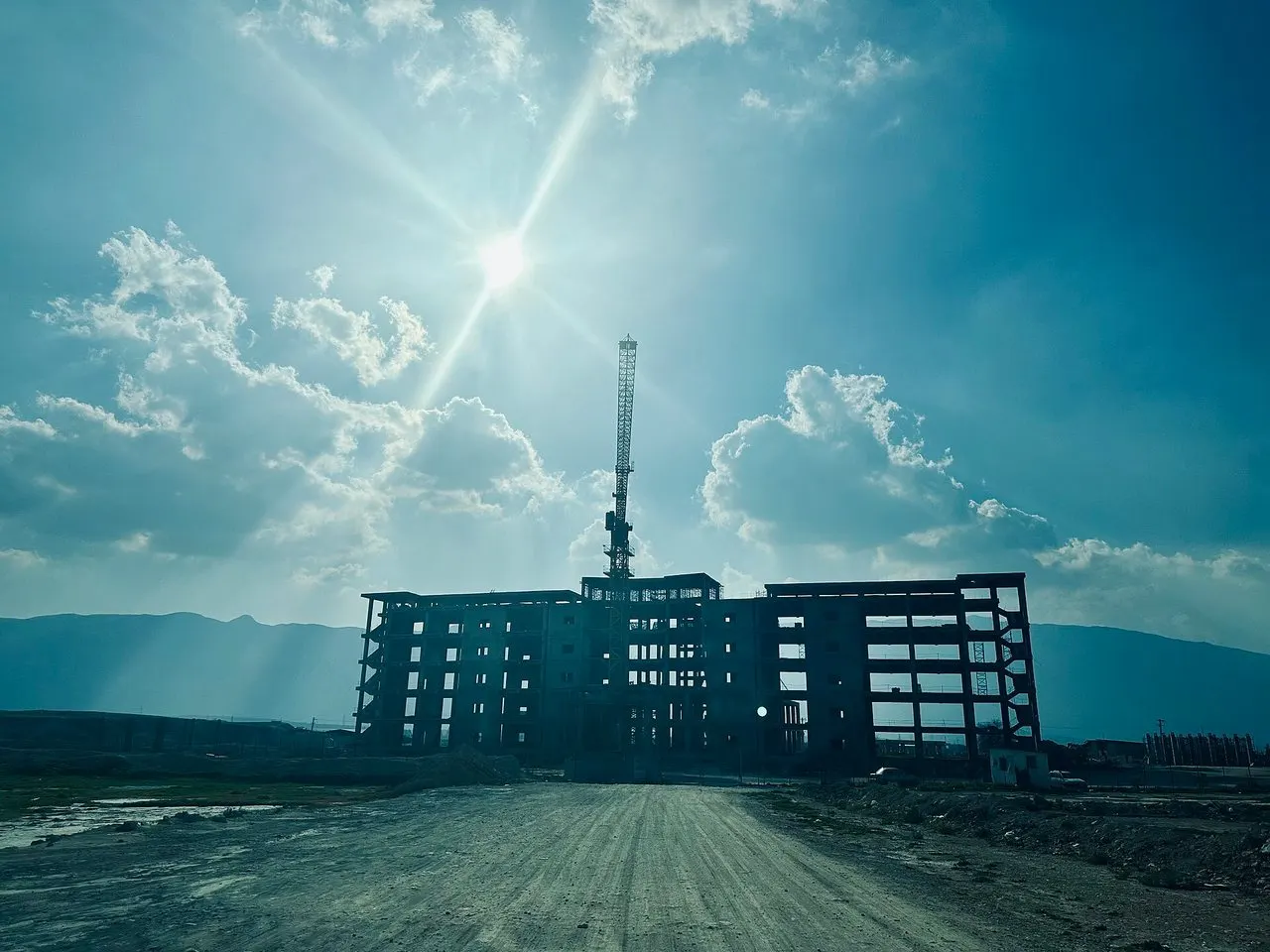
The four hospitals are only the first phase of a bigger plan. Captain Ibrahim Traore has promised nine hospitals in total, running from 2026 to 2030, each with 500 beds. When the programme is complete, it will add 4,500 new hospital beds across the country. That scale is rare for a single health programme, and it shows the ambition behind the decision. The first four will test the model, and the next five will follow if the first phase goes well. Read more in a call to faith.
4,500 New Beds Across the Country by 2030
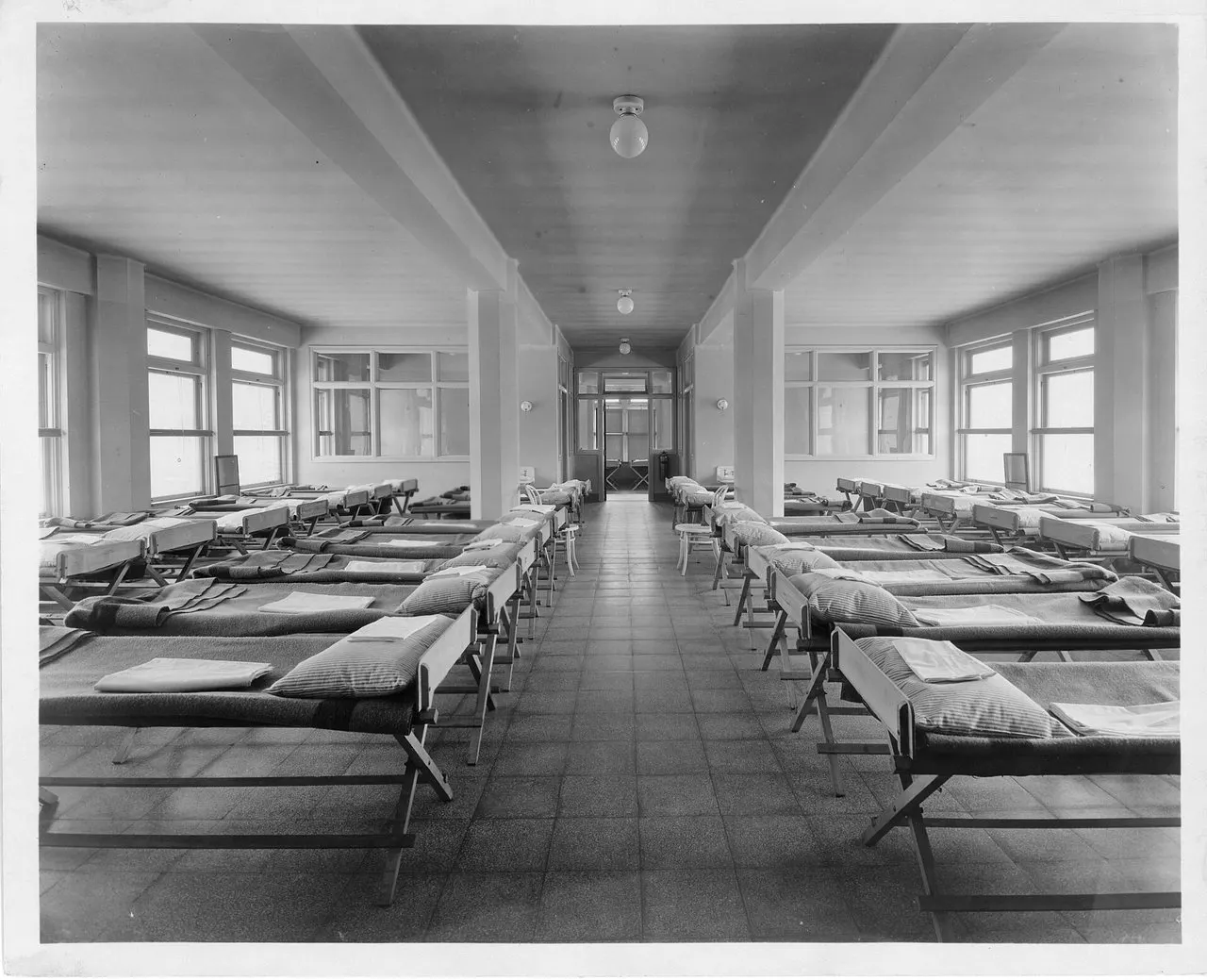
Four thousand five hundred new beds is a number that is hard to picture, but it means thousands of patients treated closer to home every year. Each bed can serve many people over time, as patients arrive, recover and leave. Across nine hospitals, the total changes what the health system can do, from planned surgery to emergency care. For a country that has sent its sickest patients abroad, 4,500 beds at home is a turning point worth counting. Read more in a gorilla with unusual fingers.
Burkina Faso Hospitals Grow in Dedougou Too
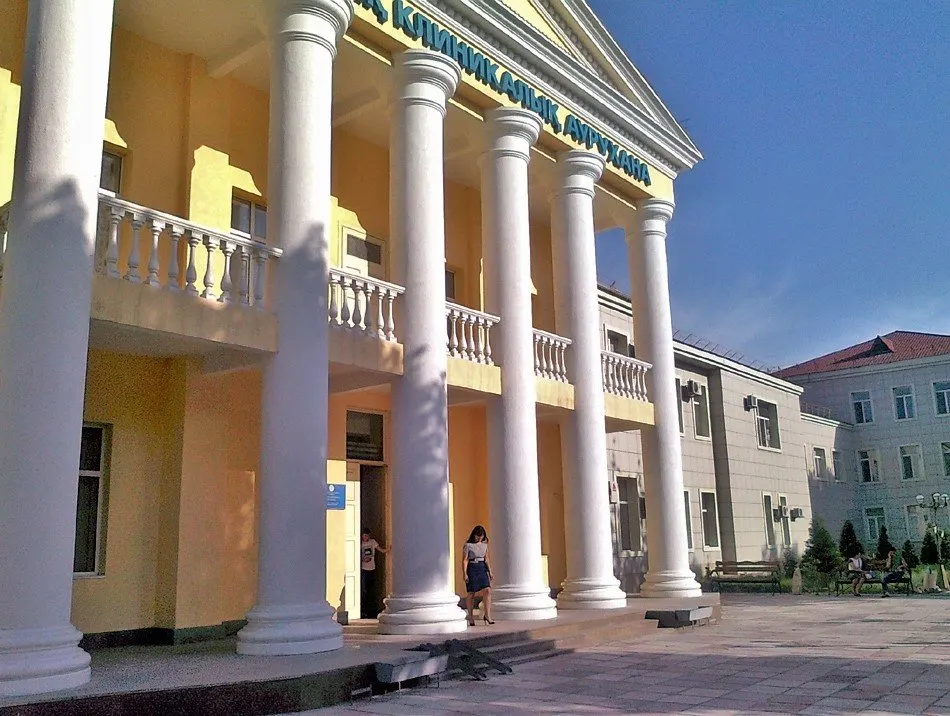
The same cabinet meeting ordered the regional hospital in Dedougou to be redesigned. It is already under construction, but the new plan will let it hold more patients and add a modern radiotherapy centre. That change matters for the whole western region, because cancer patients there will no longer have to travel abroad for treatment. Redesigning a building midway is not easy, yet the government decided the extra capacity was worth it. Read more in a dog that visited a bank.
A Modern Radiotherapy Centre for the West
Radiotherapy uses focused beams to treat cancer, and a modern centre brings that care within reach. Until now, many patients in the west had to leave the country for this treatment, which costs money and time that sick people do not have. A radiotherapy unit in Dedougou means treatment close to home, with family nearby. It also means doctors in the region can plan full courses of care instead of sending patients away at the hardest moment. Read more in a cancer treatment that uses sound waves.
Burkina Faso Hospitals Bring Cancer Care Home
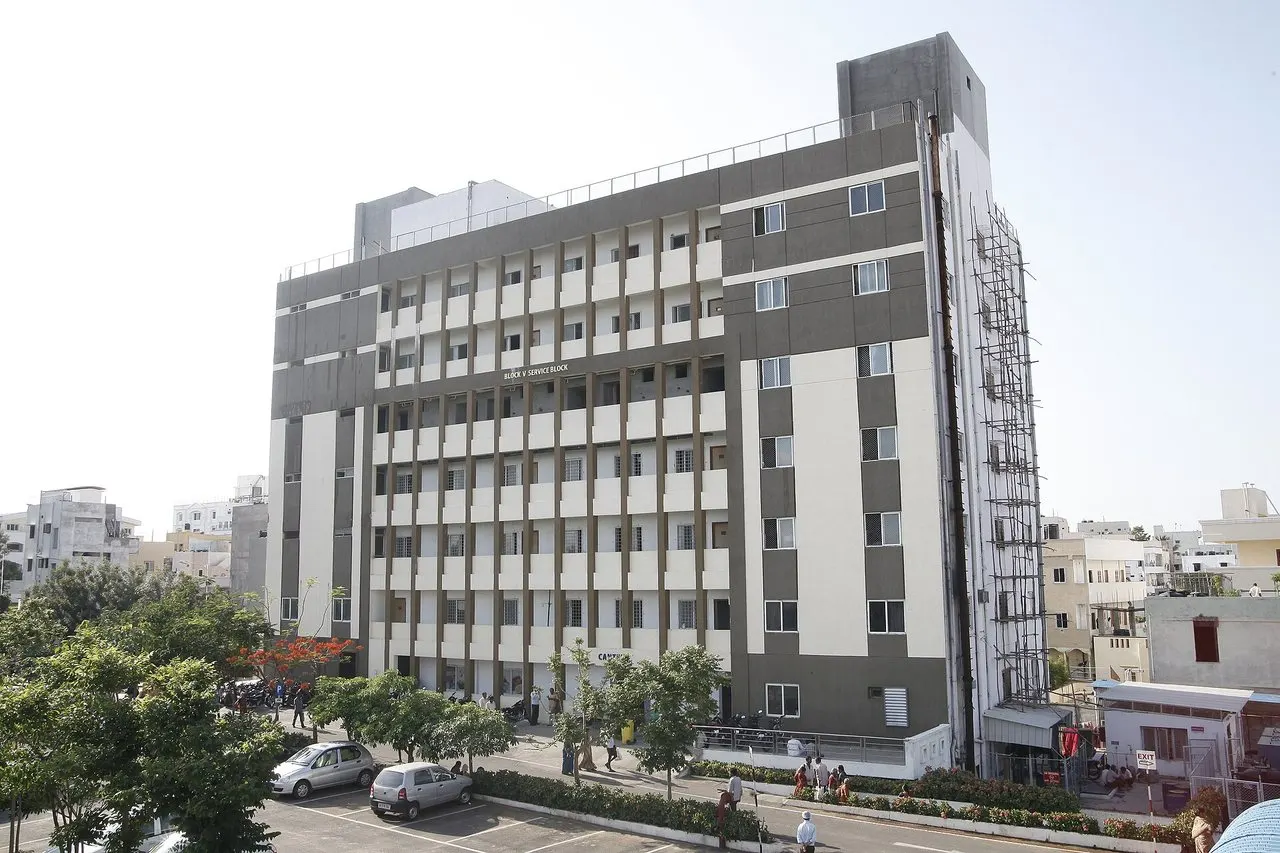
Cancer care in Burkina Faso has long meant evacuation to Europe or Morocco, a journey few families could afford. The new hospitals, and the radiotherapy centre in Dedougou, aim to change that story. Treatment at home is cheaper, kinder and faster to start, and it keeps patients near the people who love them. The four new centres will not cure every cancer, but they will give far more patients a real chance of care without leaving the country. Read more in a drone rescue that saved a wounded soldier.
An End to Long Trips for Treatment
For years, the sickest patients faced a hard choice: stay home without the care they needed, or travel abroad at great cost. Flights, hotels and foreign hospital bills put treatment out of reach for most families. The new hospitals are meant to end that choice for many people. When care exists at home, a patient can focus on getting better instead of finding money for a journey, and that is a quiet kind of freedom. Read more in a meeting between two presidents.
Captain Ibrahim Traore and the Burkina Faso Hospitals Promise
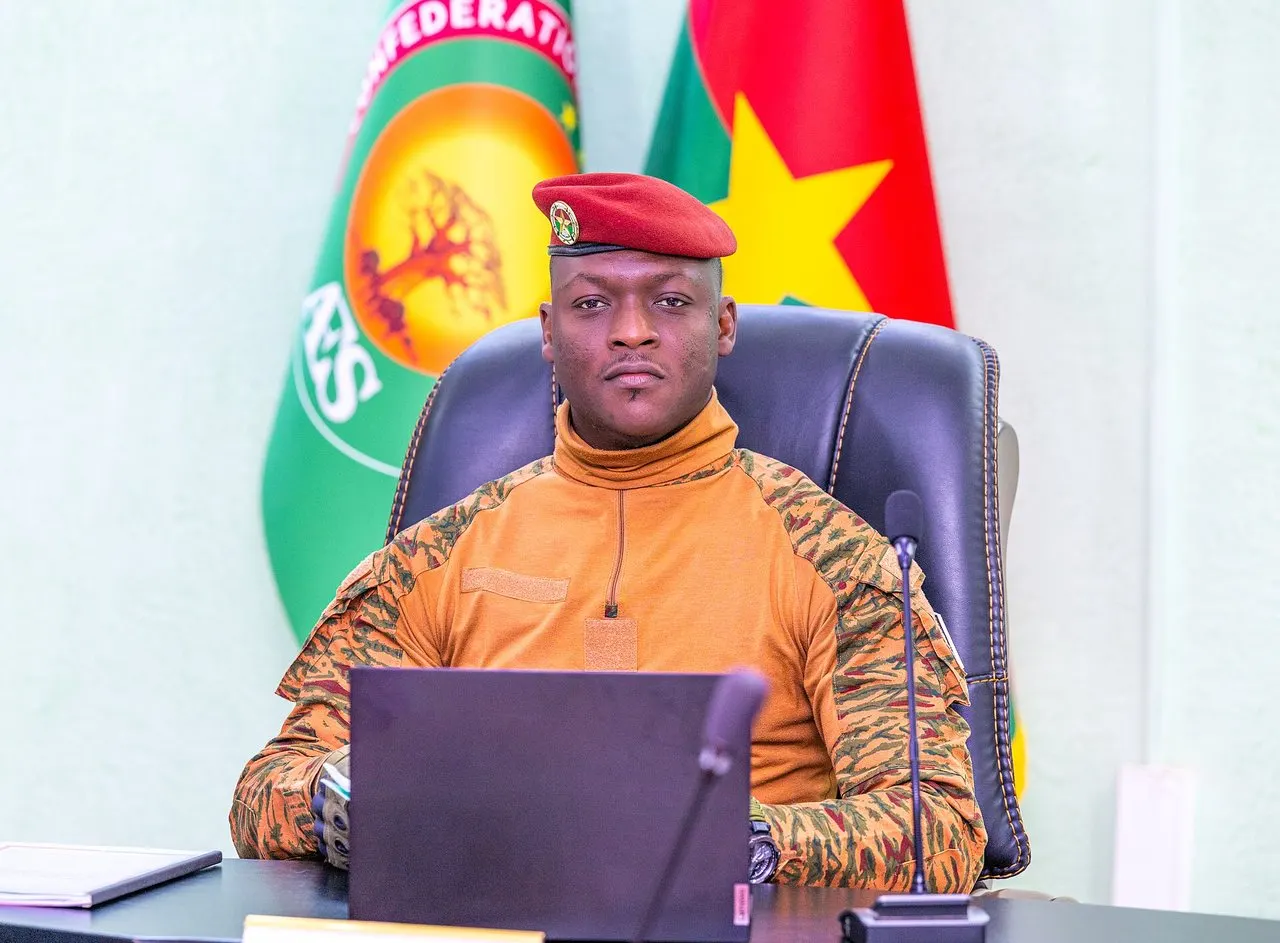
Captain Ibrahim Traore promised the nine-hospital programme, and the cabinet decision turns that promise into contracts and construction. Leaders are judged by what gets built, and hospitals are among the most visible promises a government can keep. The programme runs from 2026 to 2030, which gives it a clear timetable. People in the four cities will now watch for the groundbreaking, the walls going up, and the day the doors open. Read more in a warning about Europe and Russia.
Care Beyond the Capital
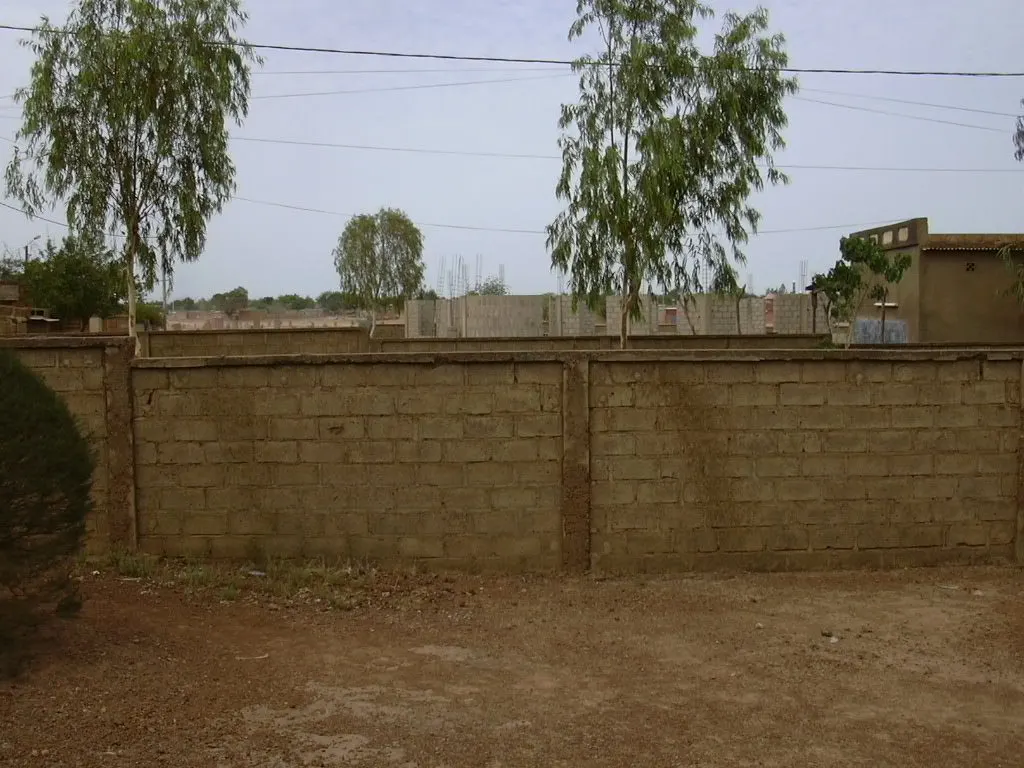
Much of the best care in Burkina Faso sits in Ouagadougou, the capital, and that forces patients from far away to travel. The four new hospitals spread care across the map instead, so the east, west, centre-north and centre-west each gain a major centre. Spreading hospitals out is fairer, and it also takes pressure off the capital. A health system works best when good care is near, not only in one city. Read more in a mystery in ancient rock art.
Four Corners of One Country
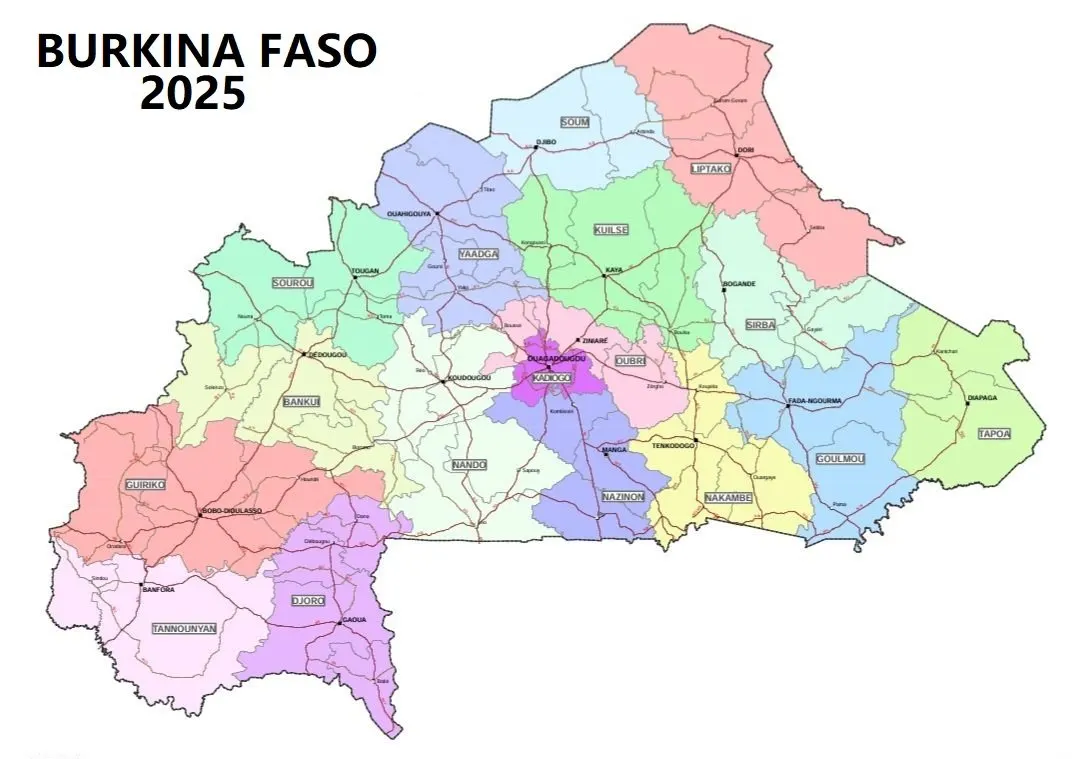
Look at a map of Burkina Faso and the plan makes sense at once. Fada N’Gourma covers the east, Banfora the west, Kaya the centre-north and Koudougou the centre-west. Each hospital sits where people already live and travel, so no region is left out. Good planning puts buildings where the need is greatest, not only where it is easiest. The four points on the map add up to a national network, not four separate projects. Read more in a vow about meeting Putin.
Burkina Faso Hospitals Need Nurses and Doctors
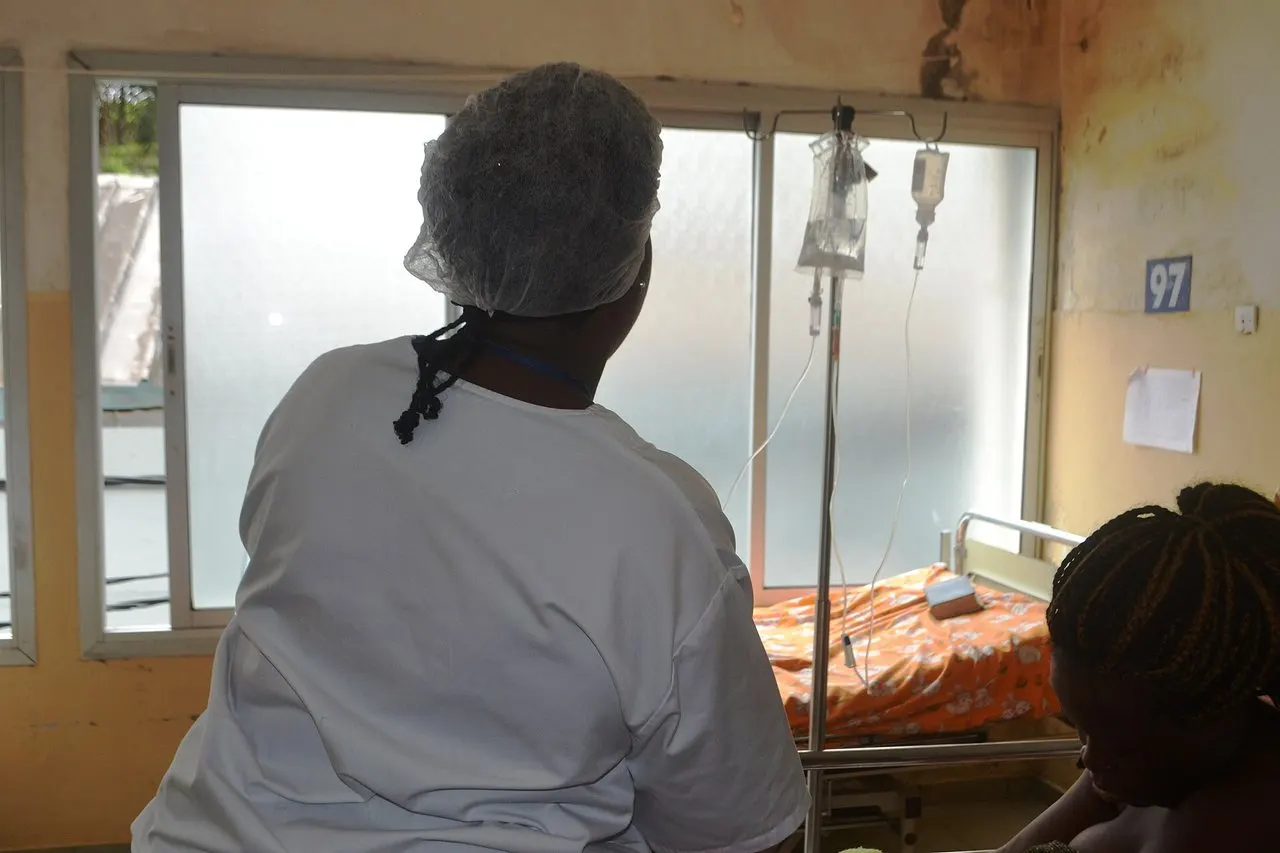
A hospital is only as good as its people, and the new centres will need doctors, nurses, midwives, pharmacists and technicians. University hospitals train their own staff, which helps keep skilled workers in the regions they serve. Young people in Fada N’Gourma, Banfora, Kaya and Koudougou will be able to study medicine close to home. Over the years, each centre should build teams who know their communities and stay to serve them. Read more in a greeting between two leaders in China.
Modern Equipment From Day One
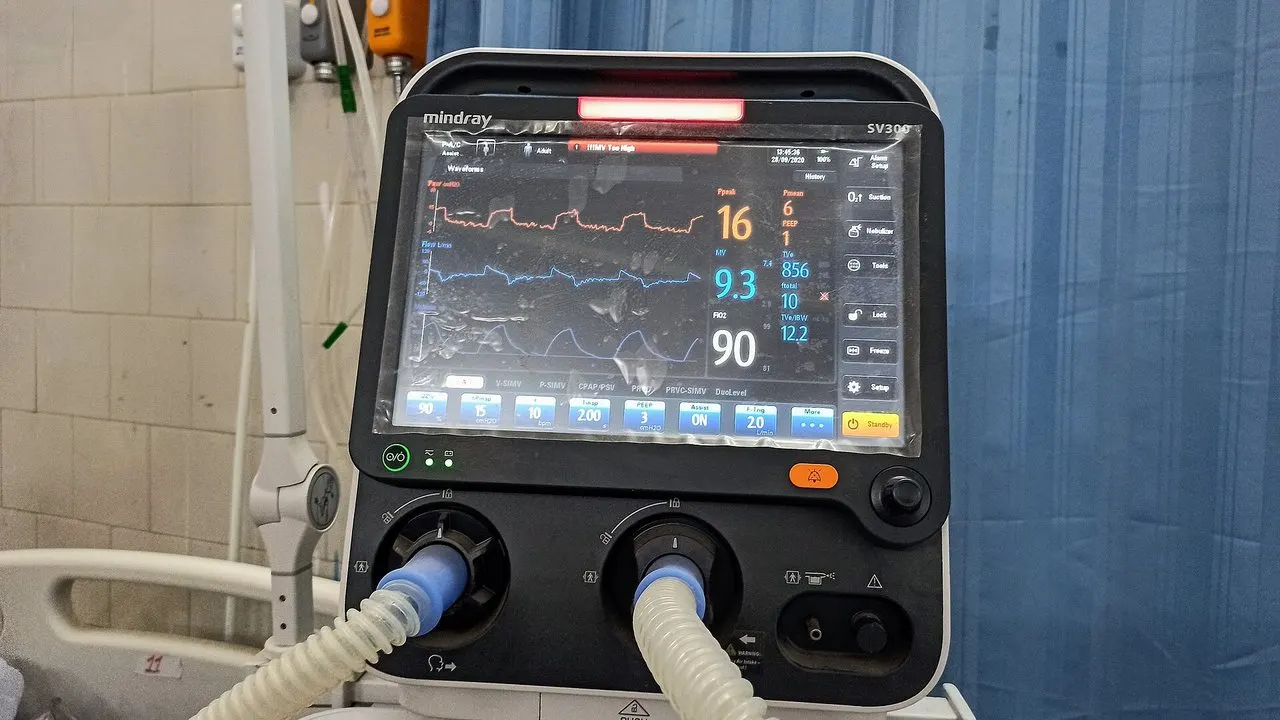
The budget covers equipment as well as buildings, and that detail matters. A hospital without scanners, beds, operating tables and laboratory tools cannot treat patients properly. Modern equipment lets doctors diagnose faster and treat more safely, from simple tests to complex surgery. The 324 billion CFA francs must stretch across all four sites, so buying well and maintaining the machines will matter as much as building the walls. Read more in a truck that looked like it drove through a wall.
Reaching Patients Far From the Cities
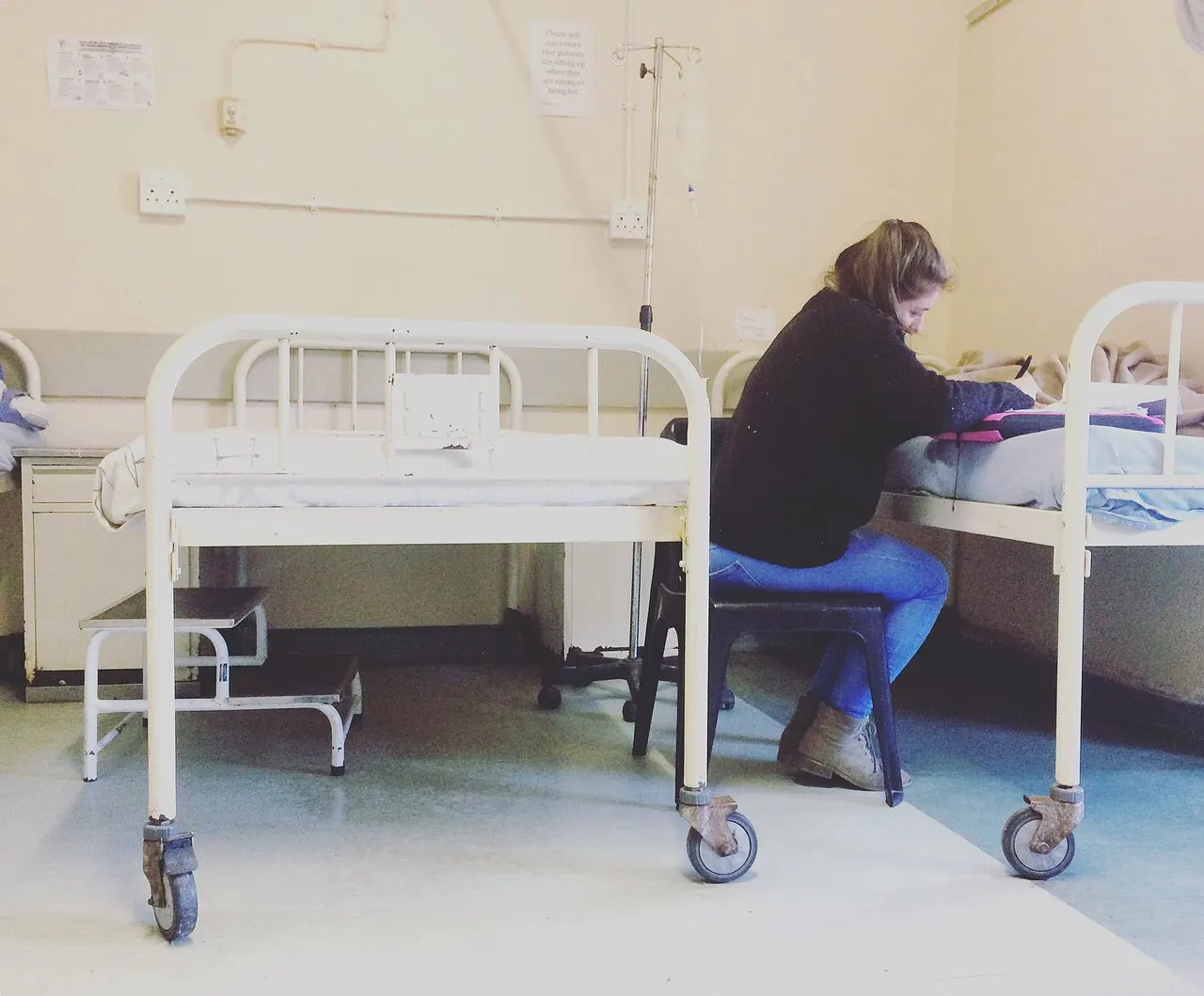
Many people in Burkina Faso live in villages far from any large town, and distance is often the biggest barrier to care. A regional hospital does not solve every journey, but it shortens the trip for thousands of families. Patients who once faced a full day of travel may now reach help in a few hours. That change saves lives in emergencies, and it also makes routine care, like check-ups and vaccinations, far easier to reach. Read more in a warning about messages that erase themselves.
2.4 Billion Francs for Design and Oversight
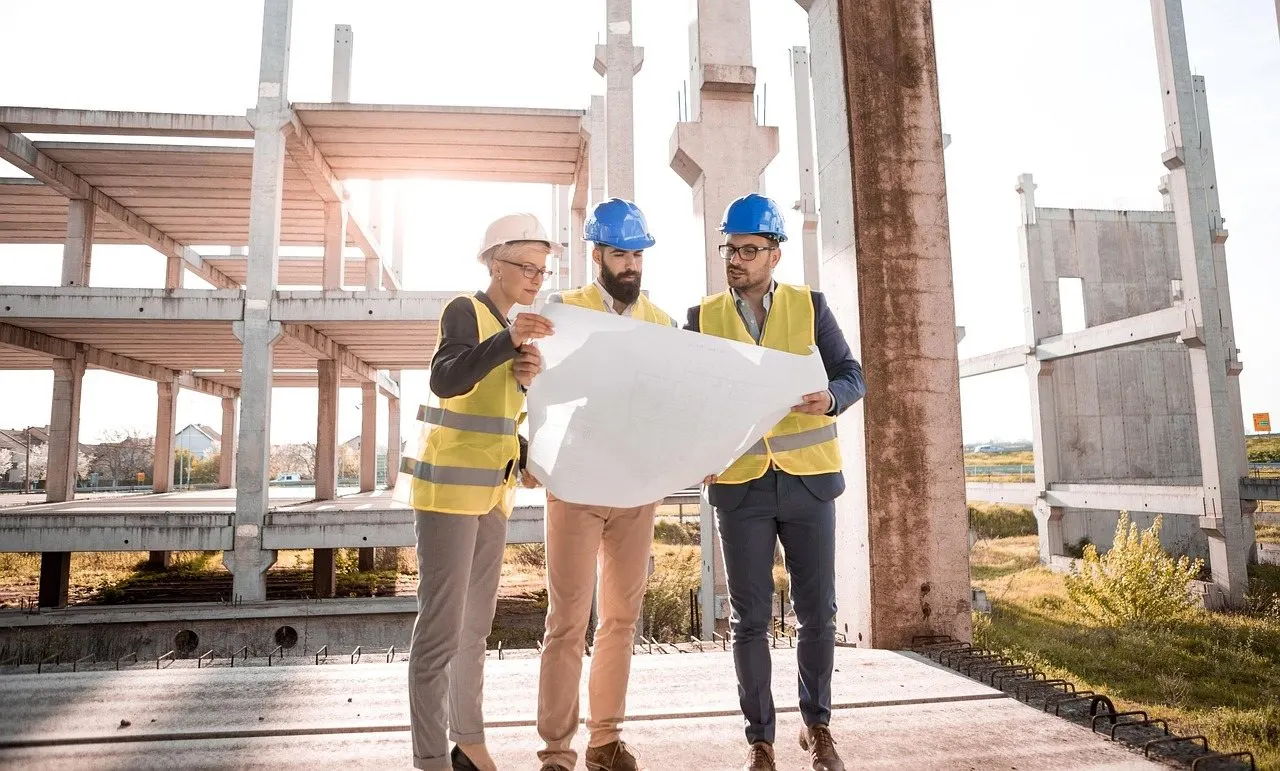
The extra 2.4 billion CFA francs pays for architectural oversight and works supervision, the specialists who watch over design and construction. Their job is to make sure the hospitals are safe, practical and built to last in a hot climate. Good supervision catches mistakes early, before they become costly repairs. It is a small share of the total cost, yet it protects the whole investment, because a well-built hospital serves for decades. Read more in a bill meant to close a loophole.
What a New Ward Will Look Like
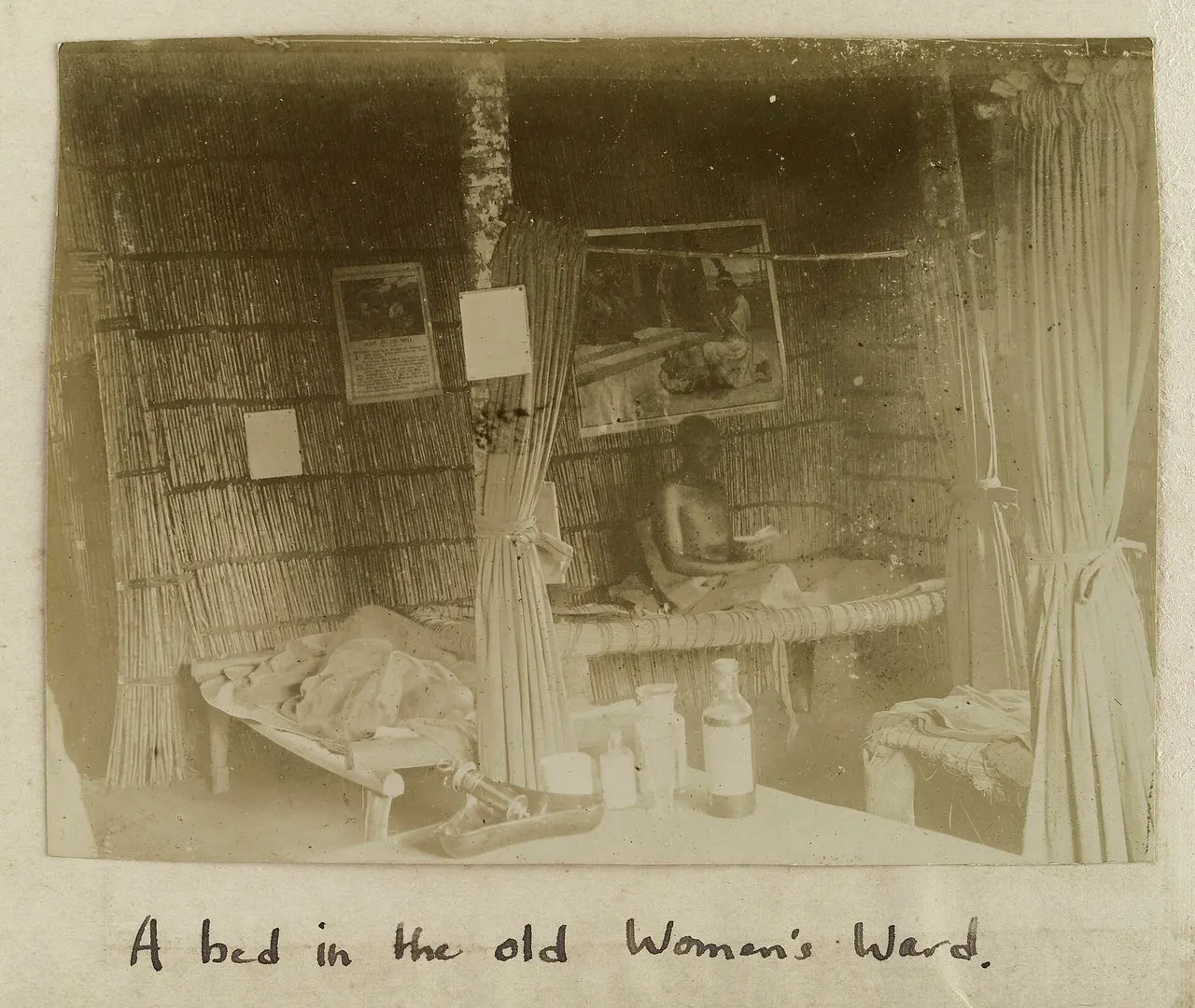
Inside, each hospital will hold wards where patients can rest and recover with nurses close by. A modern ward is clean, bright and calm, with beds spaced for care and for family visits. For a patient far from home, the ward becomes a temporary home, and small comforts matter. The new centres are designed as places of healing, not just buildings full of beds, and that spirit should show in every corridor and room. Read more in a teacher with a new look each year.
From 2026 to 2030: The Road Ahead
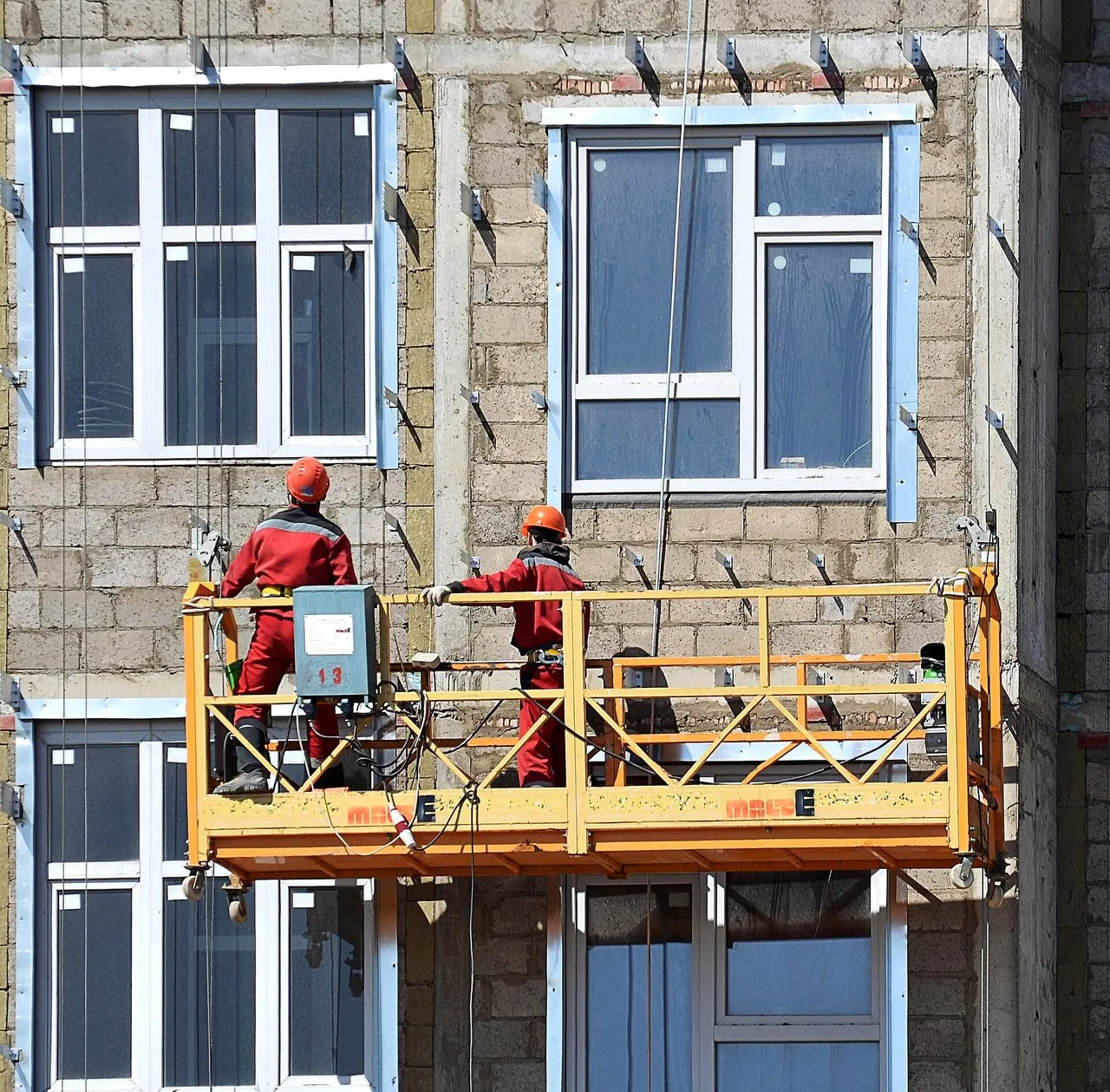
The timetable runs from the cabinet decision in November 2026 to the end of the programme in 2030. Fada N’Gourma starts in December 2026, the other three follow in 2027, and the remaining five hospitals come later in the programme. A clear timetable helps everyone, from builders ordering materials to families waiting for care. If the first four open on time, trust in the whole programme will grow, and the next five will be easier to deliver. Read more in a Christmas gift campaign.
What This Means for Families
For families, the news is simple: care is coming closer. A mother in labour, a child with a fever, or a grandfather who needs surgery will not have to travel so far. Shorter journeys mean less money spent on transport and more time together at the bedside. Hospitals are about buildings and budgets, but in the end they are about people. These four centres will touch thousands of families, and each one will have its own story of a journey made shorter. Read more in a call to faith.
What Do You Think of the Burkina Faso Hospitals Plan?
The plan is bold, the money is set aside, and the first spade hits the ground in December. Now the work begins, and the country will watch each hospital rise. Do you think four 500-bed hospitals from the national budget is the right priority, or should the money have gone elsewhere? Share your thoughts in the comments, and tell us which of the four cities you think will benefit most from its new hospital. For a lighter read, try a gorilla with unusual fingers.