The Philippines Energy Deal That Started With One Bold Claim
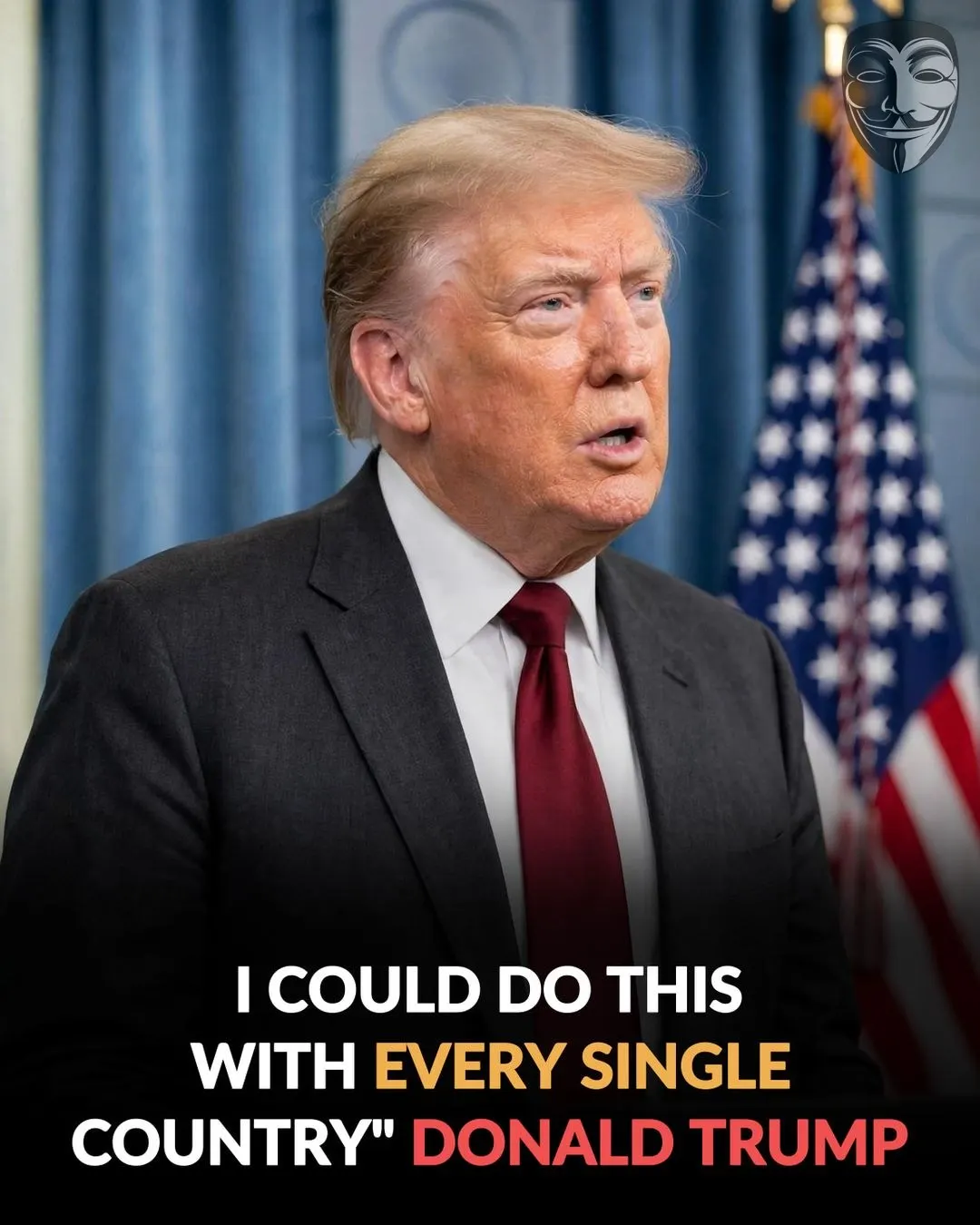
The Philippines energy deal began with a claim from President Donald Trump at a White House briefing on November 20. Trump said the Philippines will source 100 percent of its energy from the United States instead of the Middle East, and he said he raised the demand with President Ferdinand Marcos Jr. during his state visit to Manila. Trump added that he could do the same with every country. The claim spread around the world because it would reshape how a nation buys its fuel. For more, read a historic peace deal signed at the White House.
Marcos gave a more measured account of the talks, saying the details have to be worked out and describing the plan as a way to widen the fuel supply lines of the Philippines. Malacanang said it is open to the proposal if it benefits Filipinos, while officials stressed that no final deal has been signed. The White House fact sheet mentioned only increased purchases, with no 100 percent figure and no start date. Ahead we look at the claim, the response and what may happen next. You may also like a long briefing at the White House.
References:
Malaya Business Insight: Trump claims 100 percent US farm energy deal as Marcos hedges
BusinessMirror: Palace open to Trumps 100 percent US energy agri import condition if beneficial to Filipinos
BusinessWorld: Philippines seriously considering US fuel import offer
GMA News: Trump says PH to buy 100 percent of agri energy from US
Trump Announces the Philippines Energy Deal at the White House
President Donald Trump made the claim at a White House briefing on November 20, just days after his state visit to the Philippines. He told reporters that he had asked President Ferdinand Marcos Jr. to stop buying energy from the Middle East and to buy it all from American suppliers instead. Trump said the Philippines would source 100 percent of its energy from the United States. His words were direct and left little room for doubt. You can also read a briefing after a long flight from China for more White House stories.
What Trump Said He Told Marcos in Manila
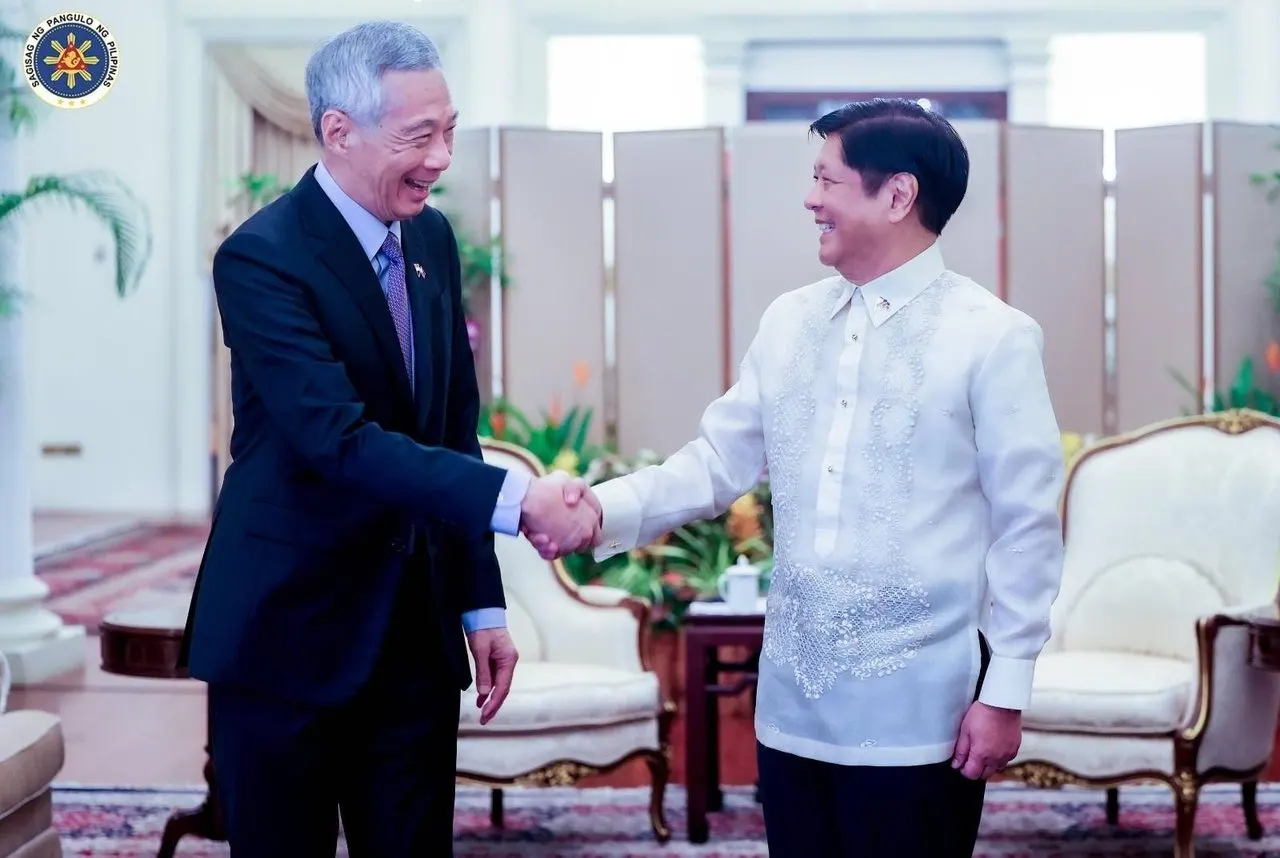
Trump said he raised the demand face to face with Marcos during his state visit to Manila. He told the briefing that he asked the Philippine leader where the country buys its energy, and Marcos answered that it comes from the Middle East. Trump said he told him that must stop. The story of that exchange became the center of the proposal, and it was quoted in news reports around the world. Read more in a warning at the National Press Club and in a warning to Republican colleagues.
Marcos Gives a More Measured Answer
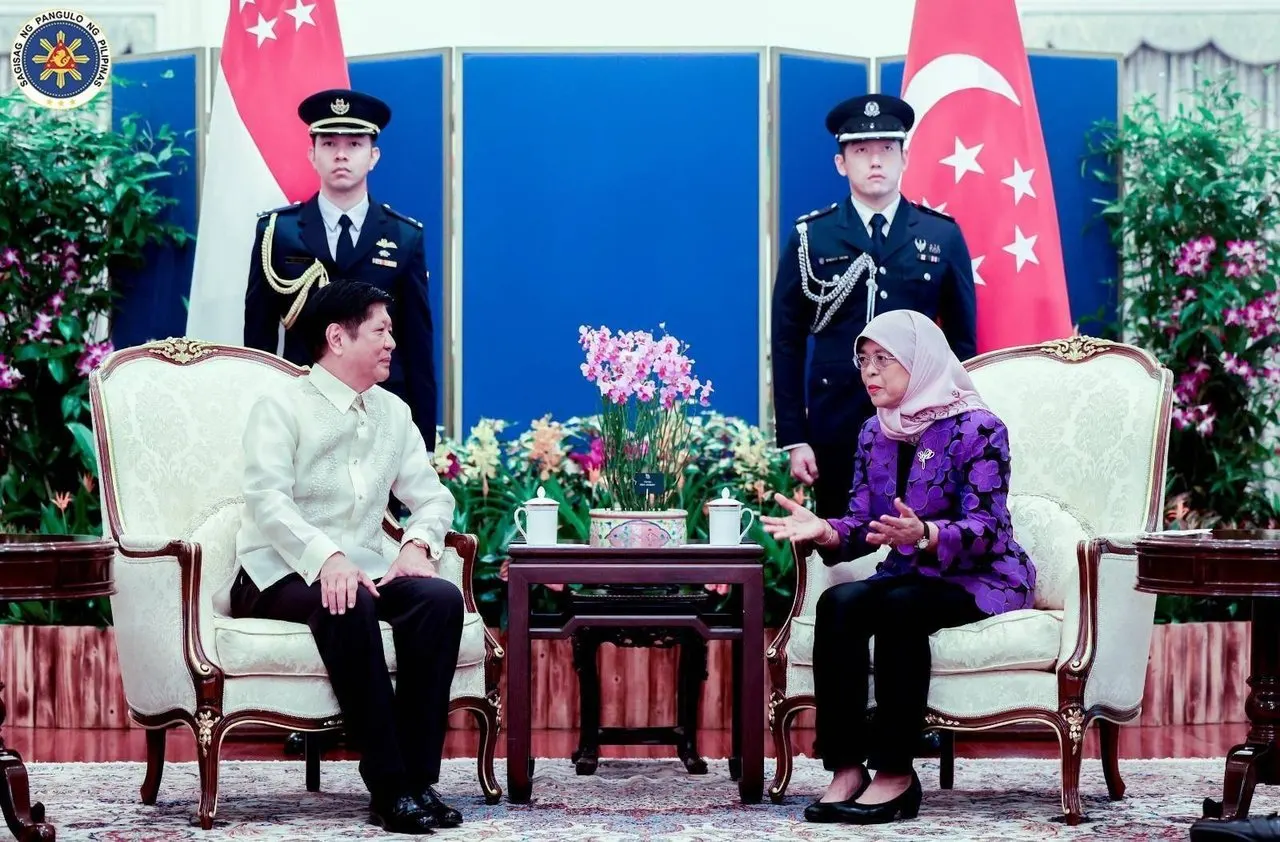
President Ferdinand Marcos Jr. gave a calmer version of events after Trump spoke. He said the details of any new arrangement still have to be worked out, and he described the talks as a way to widen the food and fuel supply lines of the Philippines. His words suggested a negotiation still in progress rather than a finished agreement. The contrast between the two accounts shaped the news in the days that followed. For related reading, see the vote to name the Thanksgiving turkeys.
Malacanang Stays Open to the Philippines Energy Deal
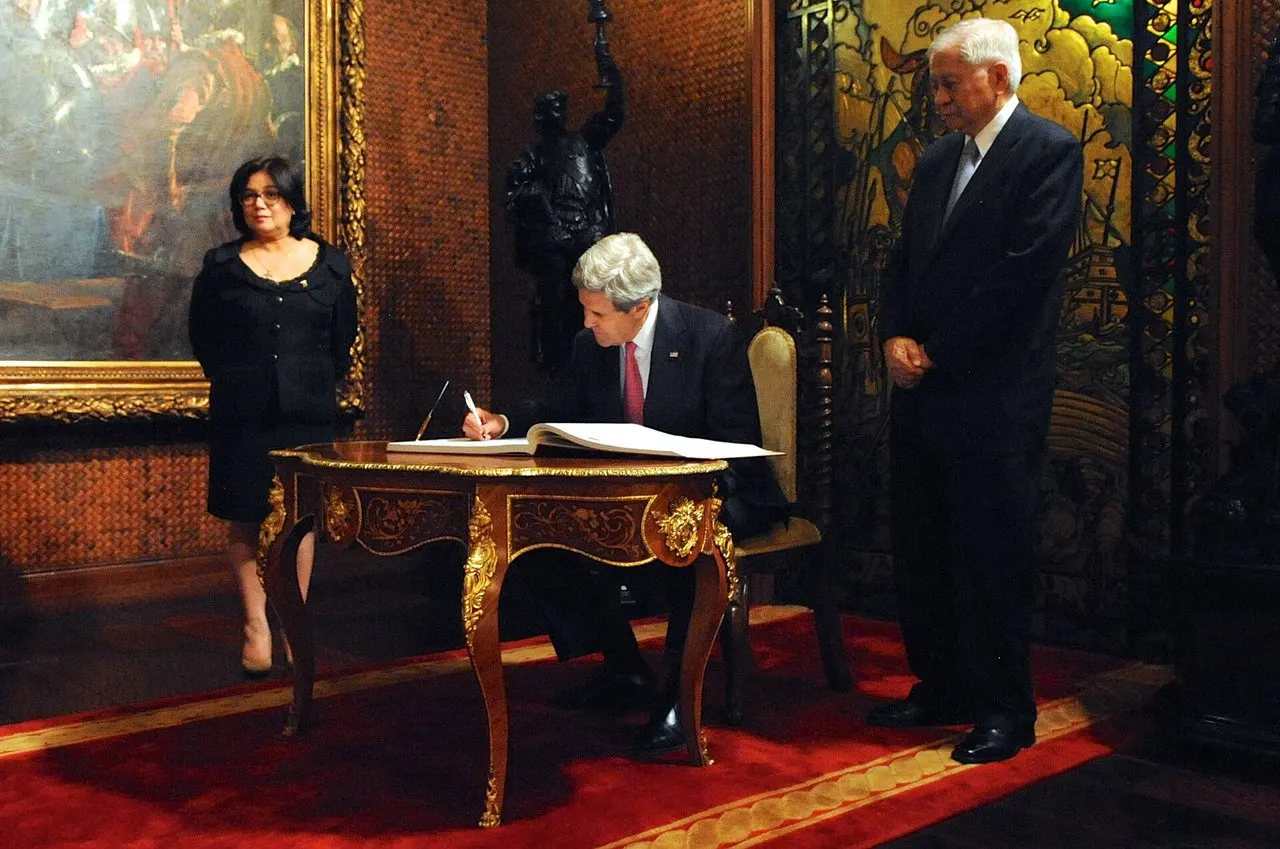
Malacanang said the government is open to accepting the condition if it will benefit Filipinos. Palace Press Officer Claire Castro made the statement in a briefing as business groups called on the administration to disclose the terms of the arrangement. Her words left the door open while making clear that the benefit to ordinary people comes first. The palace position gave the proposal a softer tone than the claim from Washington. Our coverage continues in a plan for American schools.
No Final Deal Has Been Signed Yet

Officials in Manila have stressed that no final deal has been signed. The White House fact sheet mentioned only increased purchases of American farm goods and energy, with no 100 percent figure and no start date. That gap between the claim and the written record is at the heart of the story. Until a signed agreement appears, the plan remains a proposal under discussion. For more on White House moments, read an auction of the Pacific seabed.
January 1 Is the Date in the Philippines Energy Deal

Trump said the new arrangement would take effect on January 1, 2027. That date gave the claim a sense of urgency, because it left only weeks for Manila and Washington to settle terms. A start date also matters to markets, farmers and fuel buyers who plan months ahead. The plan now has a clock attached to it, even though officials say talks are still open. You can also read a vow about meeting Putin for more White House stories.
Where the Philippines Buys Its Fuel Today
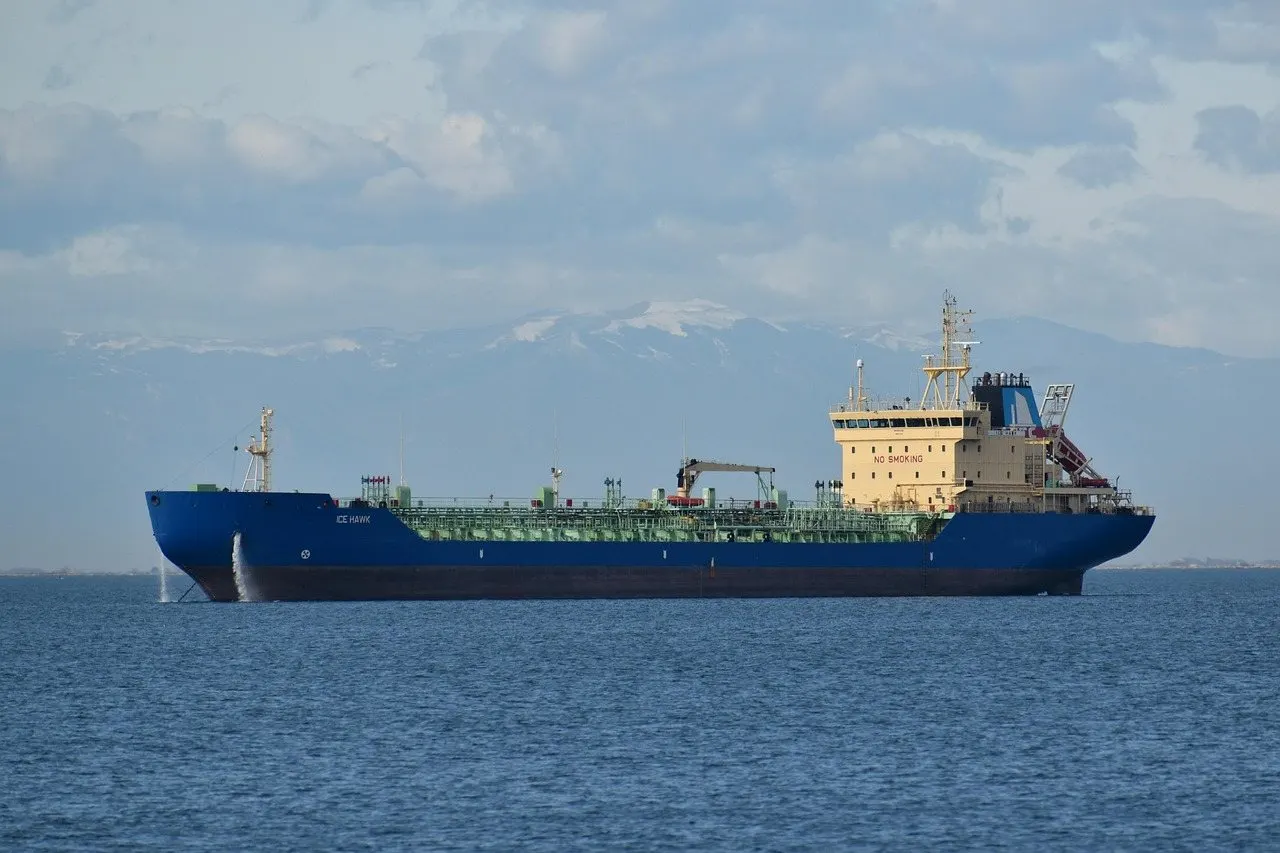
Today the Philippines buys most of its fuel from the Middle East, while Trump said about 20 percent of its energy already comes from the United States. Shifting the rest to American suppliers would mean new shipping routes, new contracts and new prices. Such a plan would change a trade pattern that has lasted for decades. A shift like that cannot happen overnight, even if both sides agree. Read more in an interview about a mature president and in a story about posts and a reunion.
Why the Middle East Matters to Manila
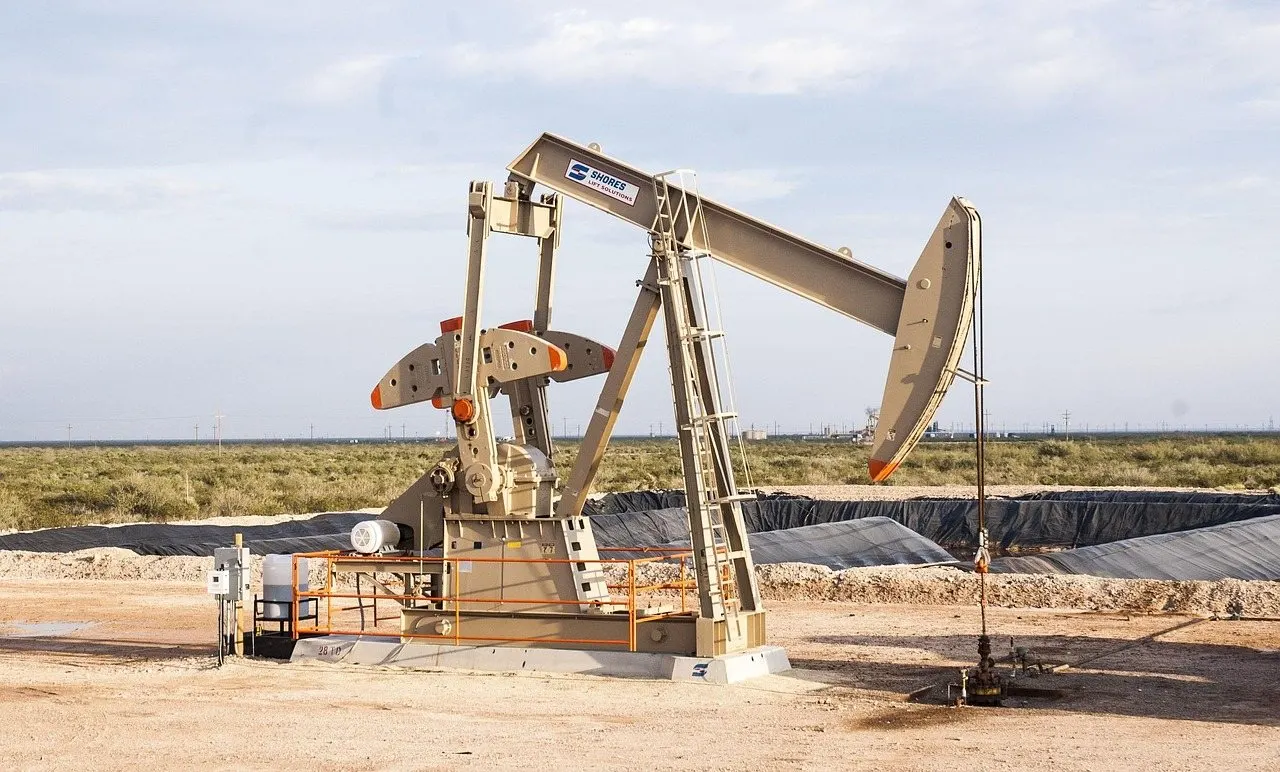
The Middle East has long supplied the fuel that keeps Philippine lights on and vehicles moving. Oil from the region arrives by tanker across long sea routes, and its price shapes what Filipinos pay at the pump. Cutting that supply line would mean finding steady new sources in a hurry. Energy experts often warn that a country should never depend on one supplier alone. For related reading, see a meeting behind the headlines.
American Farmers Stand to Gain From the Philippines Energy Deal
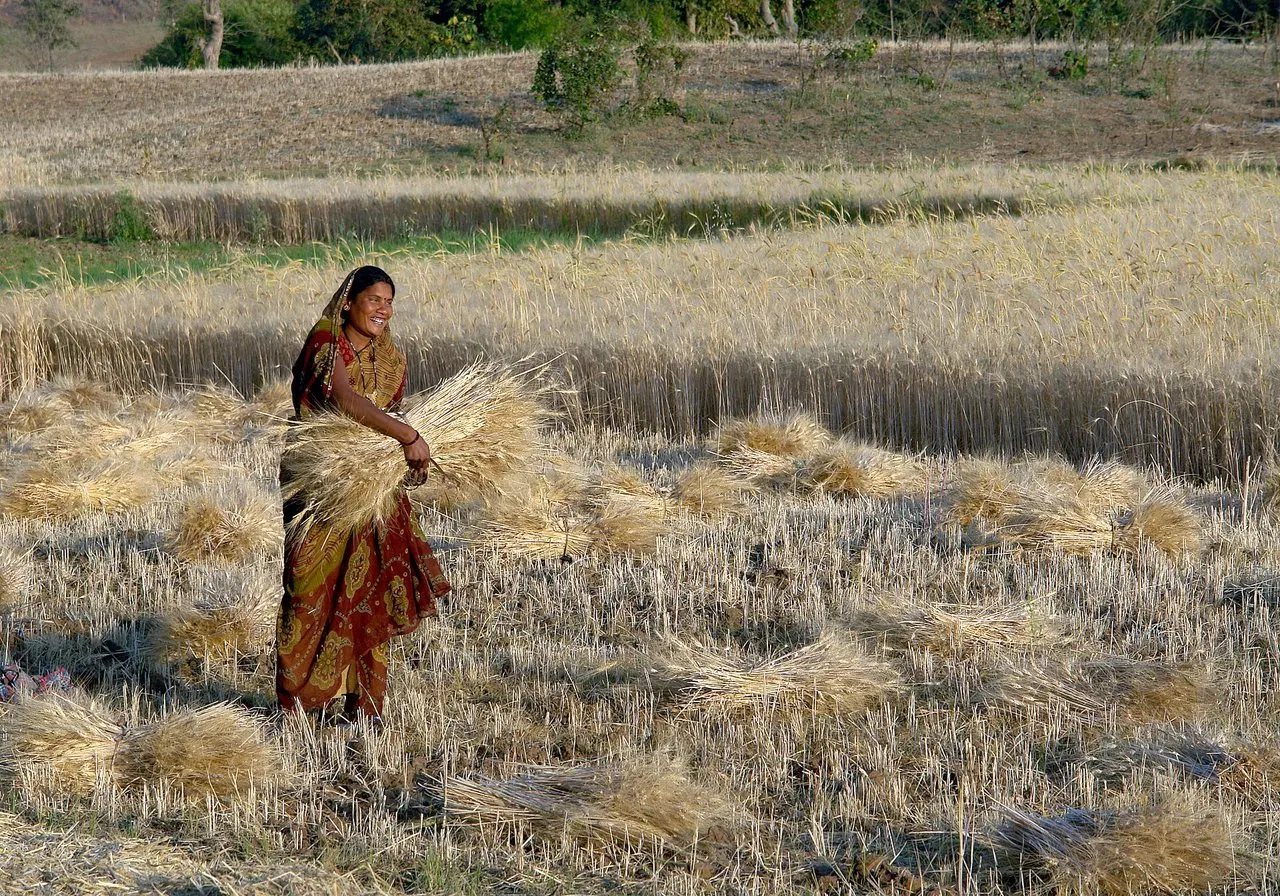
American farmers would gain a large new market if the Philippines buys all its farm goods from the United States. Wheat and soybeans top the list, since the Philippines imports much of its grain. Trump said the country would buy 100 percent of its agriculture from American farmers starting in January. The proposal could therefore help farm states as much as energy firms. Our coverage continues in a deal over free legal work.
Soybeans and Wheat on the Shopping List
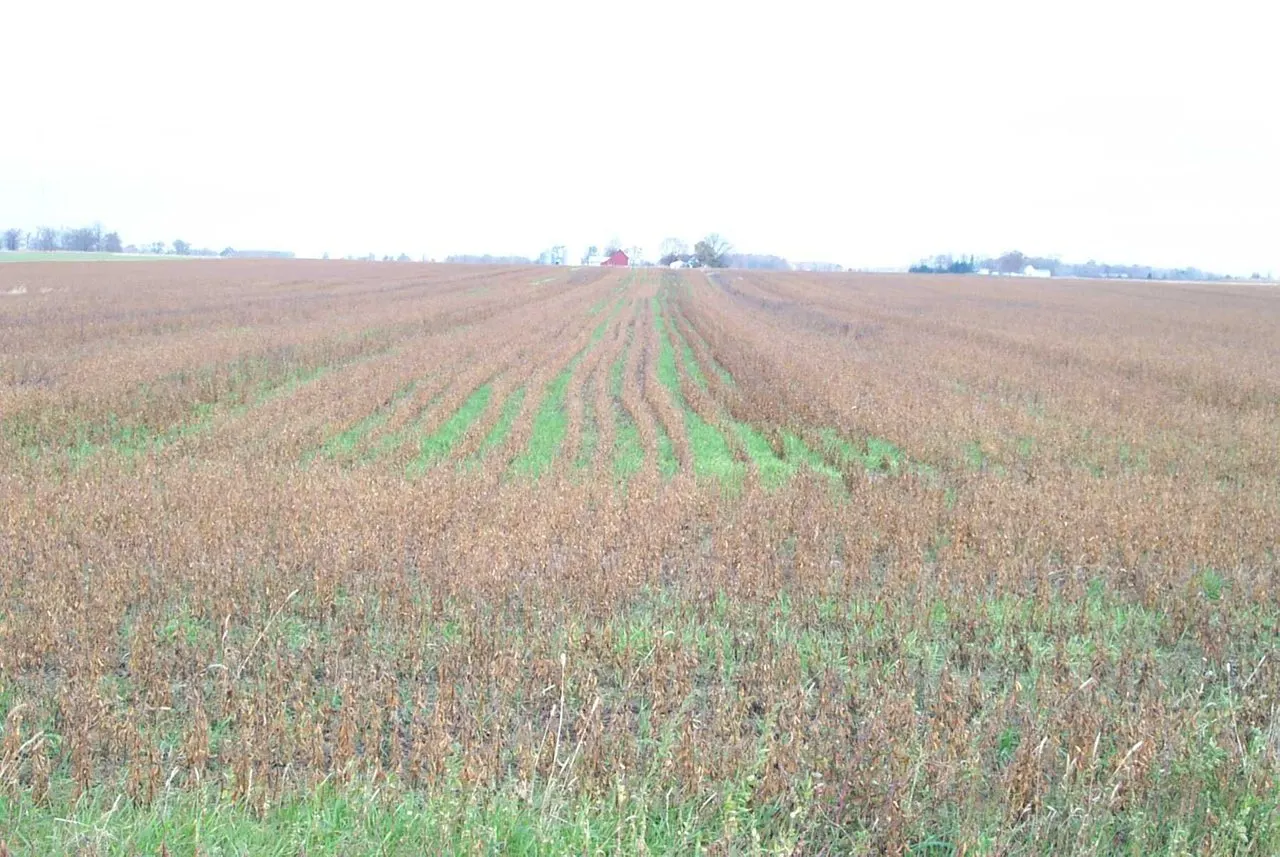
Soybeans and wheat sit at the center of the farm side of the talks. Marcos said the discussions included possible purchases of soybeans, wheat and energy products to help with supply problems linked to the war between Russia and Ukraine. The Philippines grows rice, yet it still imports large amounts of grain for food and feed. American farms could fill that gap if prices stay fair. For more on White House moments, read a historic peace deal signed at the White House.
The Trade Deficit Behind the Demand
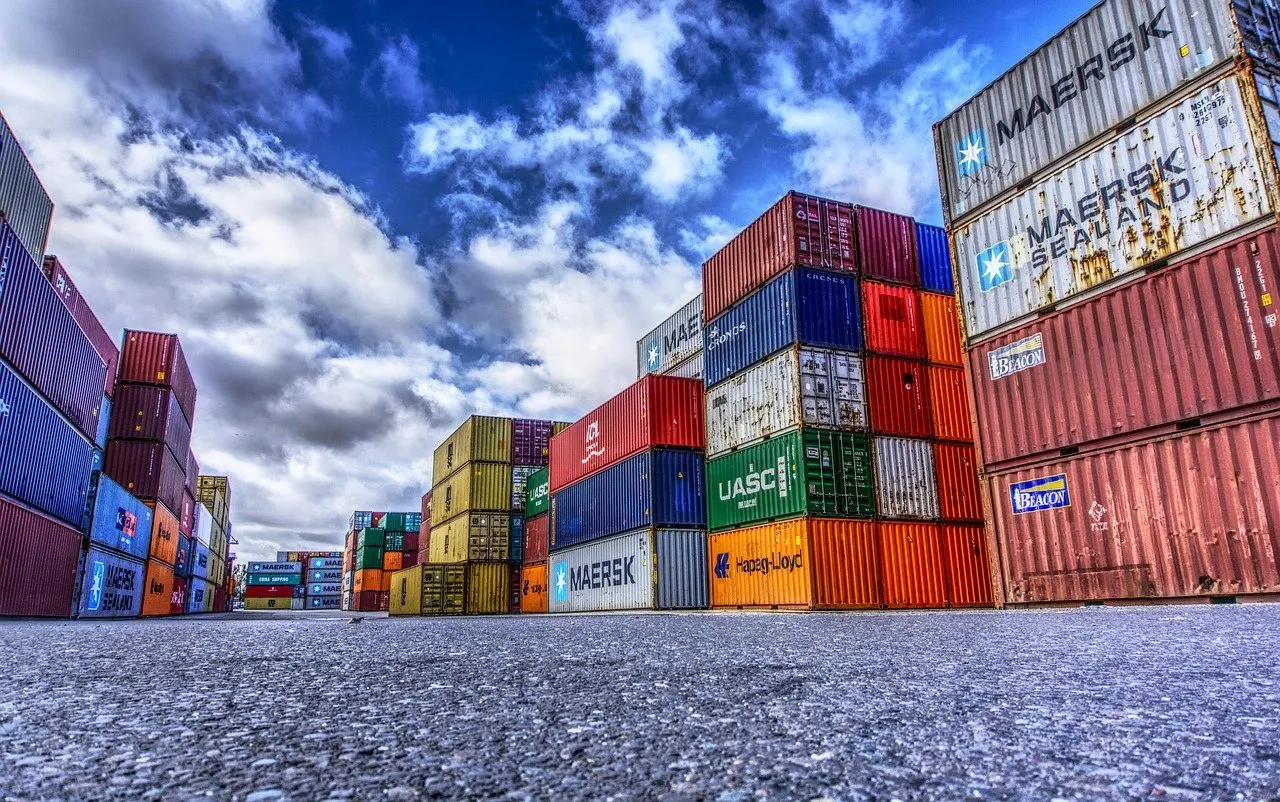
The White House presented the Manila visit as a major economic win, saying the two countries had committed to wiping out the American trade deficit with the Philippines through increased imports. A trade deficit means one country buys far more than it sells, and Washington wants that gap closed. Farm goods and energy are the fastest way to move the numbers. The deal is therefore about trade as much as fuel. You can also read a briefing after a long flight from China for more White House stories.
Diversifying Supply Is Central to the Philippines Energy Deal
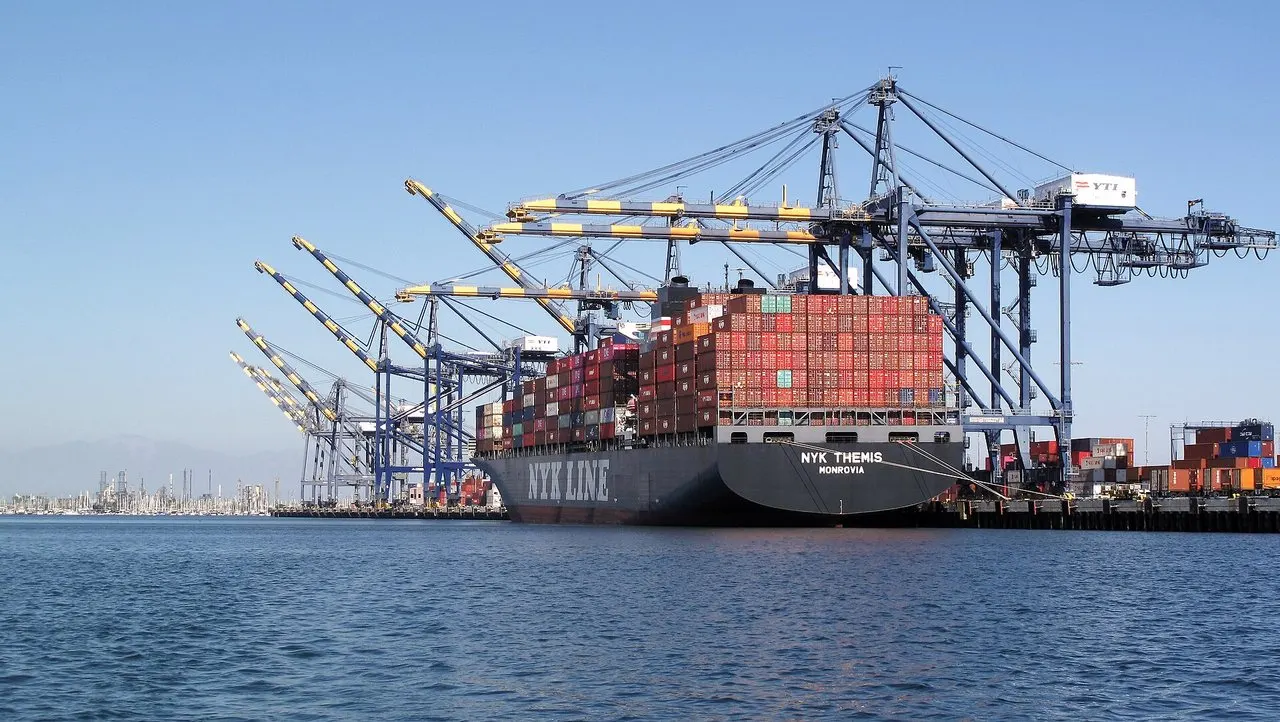
Philippine officials say the real goal is to widen the sources of food and fuel, not to depend on one country alone. Economic planning chief Arsenio Balisacan said the country must diversify its sources of fuel and food. That word, diversify, points in a different direction from a 100 percent promise. The plan may end up as one more supply line among many. Read more in a warning at the National Press Club and in a warning to Republican colleagues.
Senators Ask for the Terms in Writing

Senators in Manila have raised questions about the proposal and its effect on national security. Senator Erwin Tulfo said the trade department and the agriculture department are studying the arrangement, while the foreign affairs department waits for clarity from Washington. Senator Imee Marcos warned of a thinly veiled threat in the demand, and Senator Juan Miguel Zubiri called the 100 percent idea impractical. The Philippines energy deal now faces a hard look at home. For related reading, see the vote to name the Thanksgiving turkeys.
Energy Secretary Sharon Garin Explains the Talks
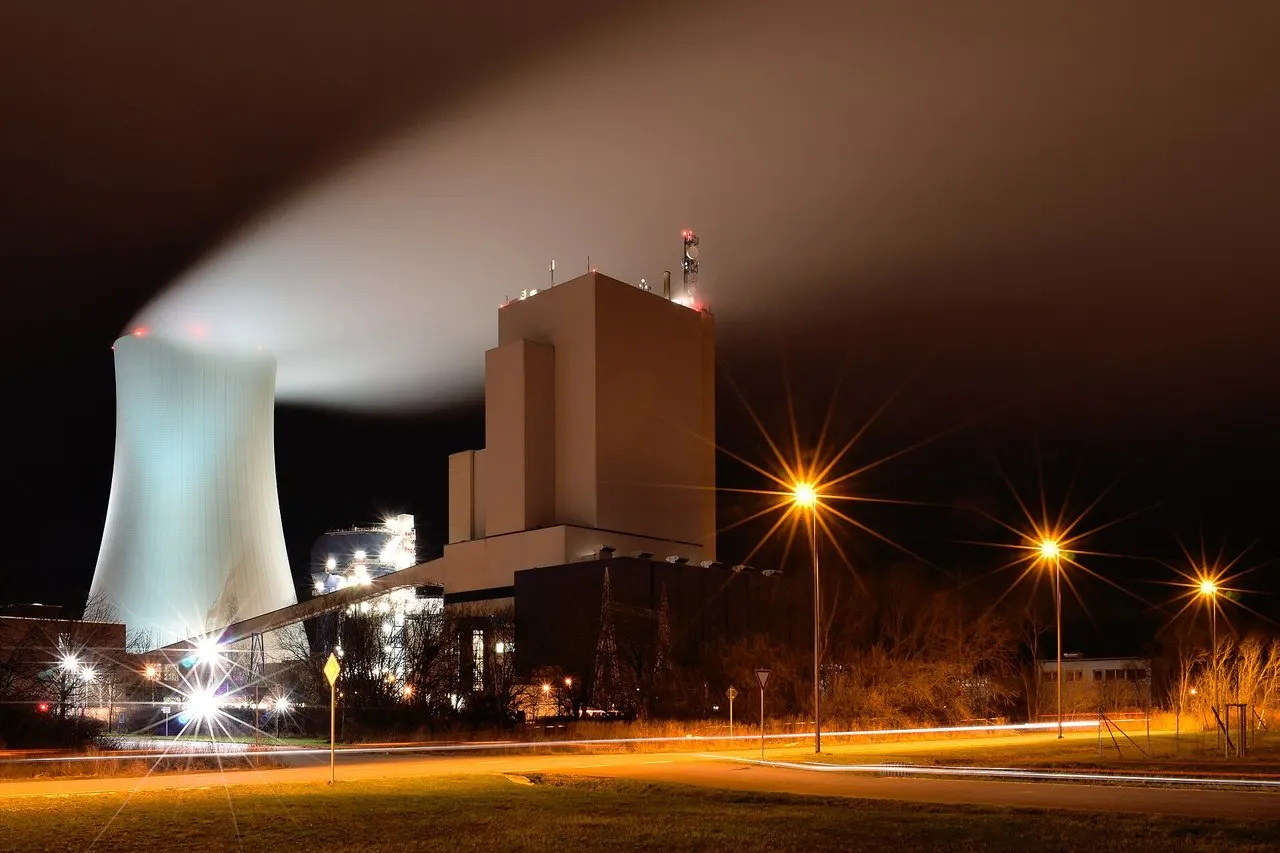
Energy Secretary Sharon Garin said negotiations with Washington remain ongoing and no final agreement has been reached. She explained that the proposed arrangement covers fuel such as crude oil, refined products and natural gas, rather than electricity. The United States has said it is willing to export those products to the Philippines. Her careful words show how much work remains before any deal is real. Our coverage continues in a plan for American schools.
Clarity Is Still Missing in the Philippines Energy Deal
The Department of Foreign Affairs said it is still awaiting clarification from Washington about the claim. Officials admitted they were caught off guard by the announcement, and they continue to coordinate with American counterparts. The plan cannot move forward until both sides agree on what was actually promised. A bilateral meeting is scheduled for March 2027, where the issue may come up again. For more on White House moments, read an auction of the Pacific seabed.
Business Groups Want the Details Disclosed
Business groups in the Philippines have called on the Marcos administration to disclose the terms of the arrangement announced by Trump. They want to know what was agreed, what it will cost and who will benefit. Clear terms matter to importers, fuel firms and farmers who must plan their buying. Without them, companies are left guessing about prices and supply. You can also read a vow about meeting Putin for more White House stories.
What the White House Fact Sheet Actually Says
The White House fact sheet from the visit mentioned only increased purchases of American agricultural and energy products. It carried no 100 percent figure, no start date and no promise of exclusive supply. That written record matters because it is the official account of what was agreed. The gap between the fact sheet and the claim is why Manila keeps saying talks continue. Read more in an interview about a mature president and in a story about posts and a reunion.
The State Visit Behind the Philippines Energy Deal
The state visit to Manila on November 18 set the stage for everything that followed. Trump attended a luncheon at Malacanang, the presidential palace, with President Marcos Jr. The two leaders spoke about trade, food and fuel in a warm setting. Days later, Trump told the story of that visit at the White House, and the story became world news. For related reading, see a meeting behind the headlines.
Manila and Washington: A Long Alliance
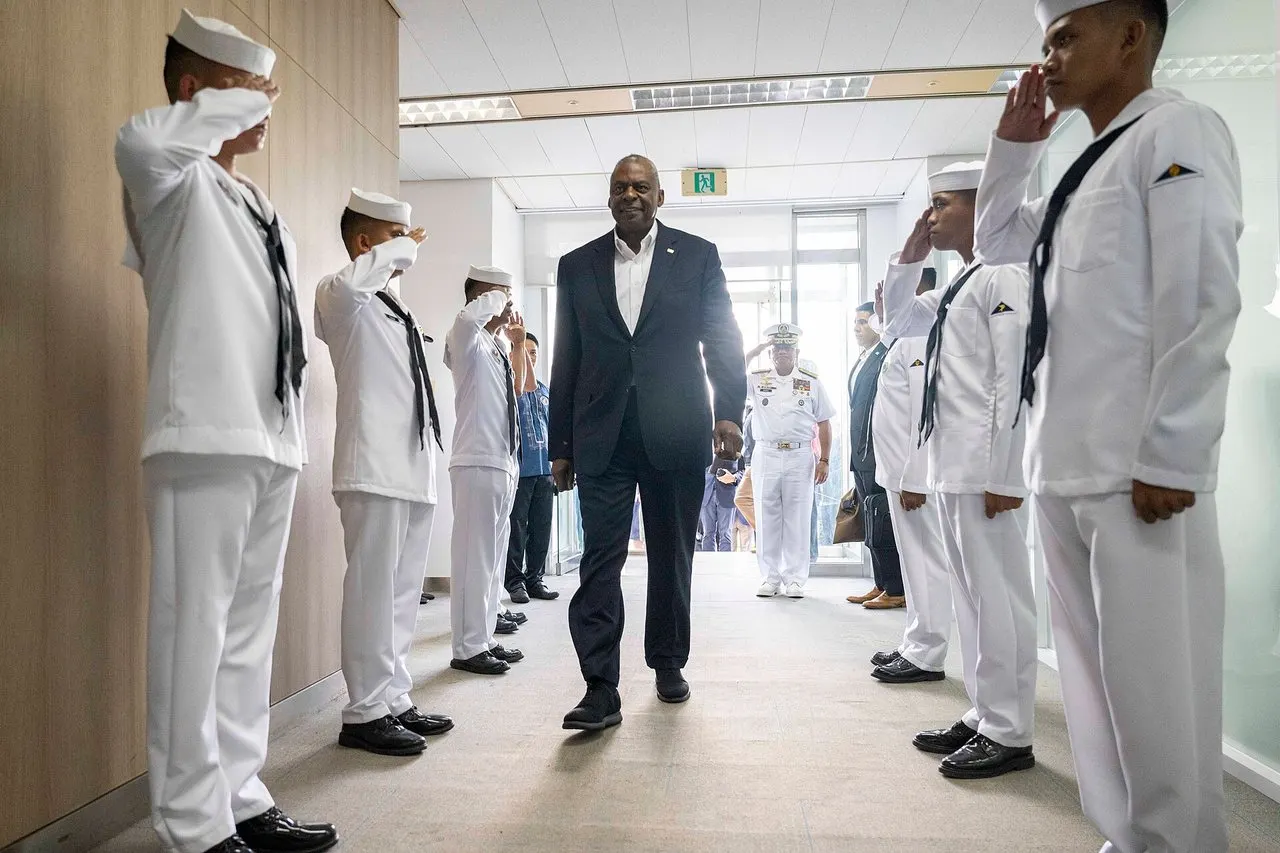
The United States and the Philippines have been close allies for many decades, bound by a mutual defense treaty and deep family ties. Millions of Filipinos live and work in America, and American forces have long trained with Philippine troops. That long friendship is the background to the new energy talks. Allies can disagree on trade terms and still stay close. Our coverage continues in a deal over free legal work.
How Oil Travels From America to Asia
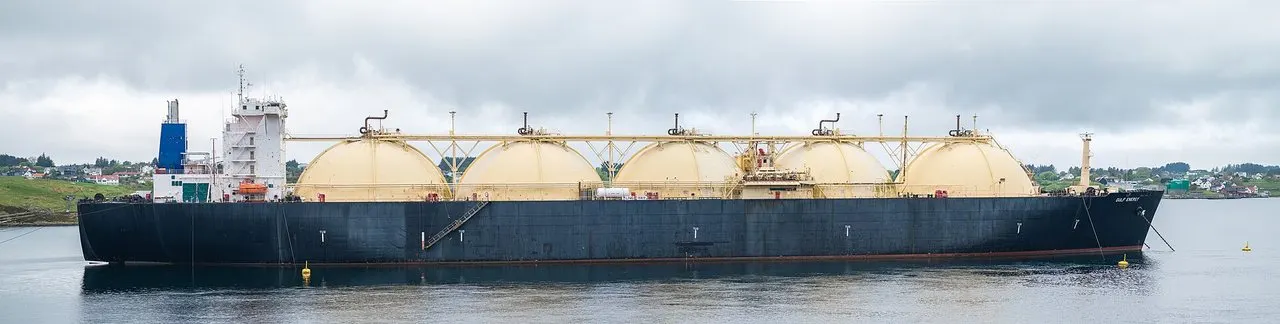
Oil and gas from the United States would travel to the Philippines by tanker across the Pacific Ocean. Liquefied natural gas ships carry fuel that is cooled until it becomes a liquid, while crude oil moves in large tankers built for long voyages. New routes take time to arrange, and ports must be ready to receive the cargo. Shipping is a quiet part of every energy deal. For more on White House moments, read a historic peace deal signed at the White House.
What the Philippines Energy Deal Means for Ordinary Filipinos
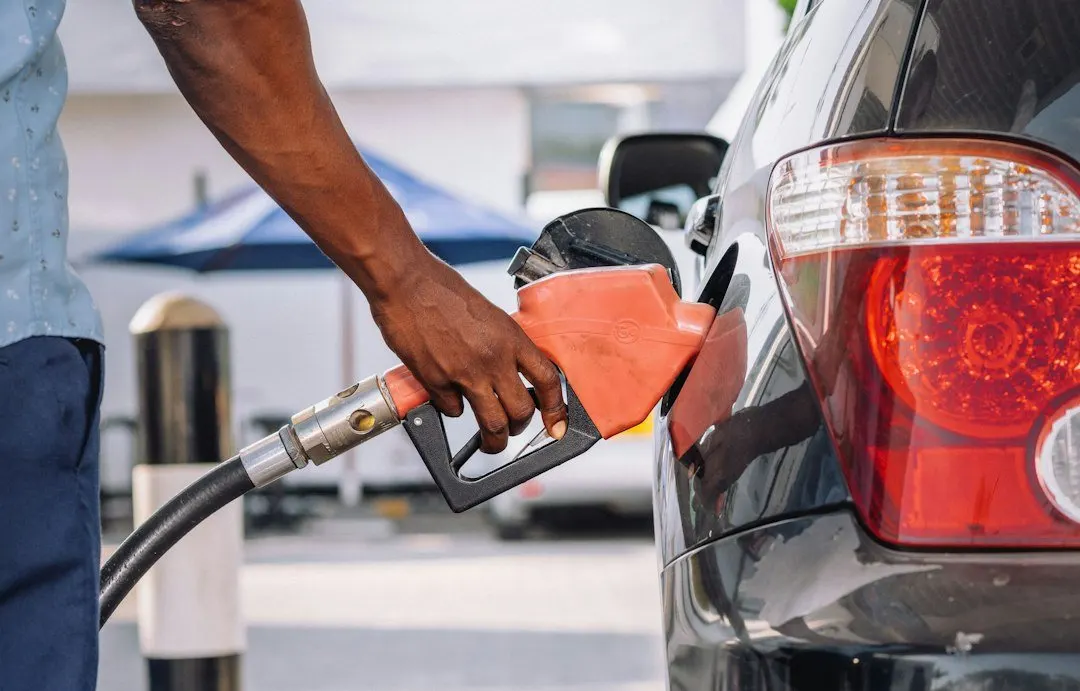
Energy security means light in homes, fuel for jeepneys and power for factories across the islands. If fuel prices rise, food prices often follow, because trucks, boats and farms all run on fuel. The proposal could lower prices if American fuel is cheaper, yet it could also raise them if shipping costs grow. Ordinary families feel these changes first. You can also read a briefing after a long flight from China for more White House stories.
The Role of the Department of Agriculture
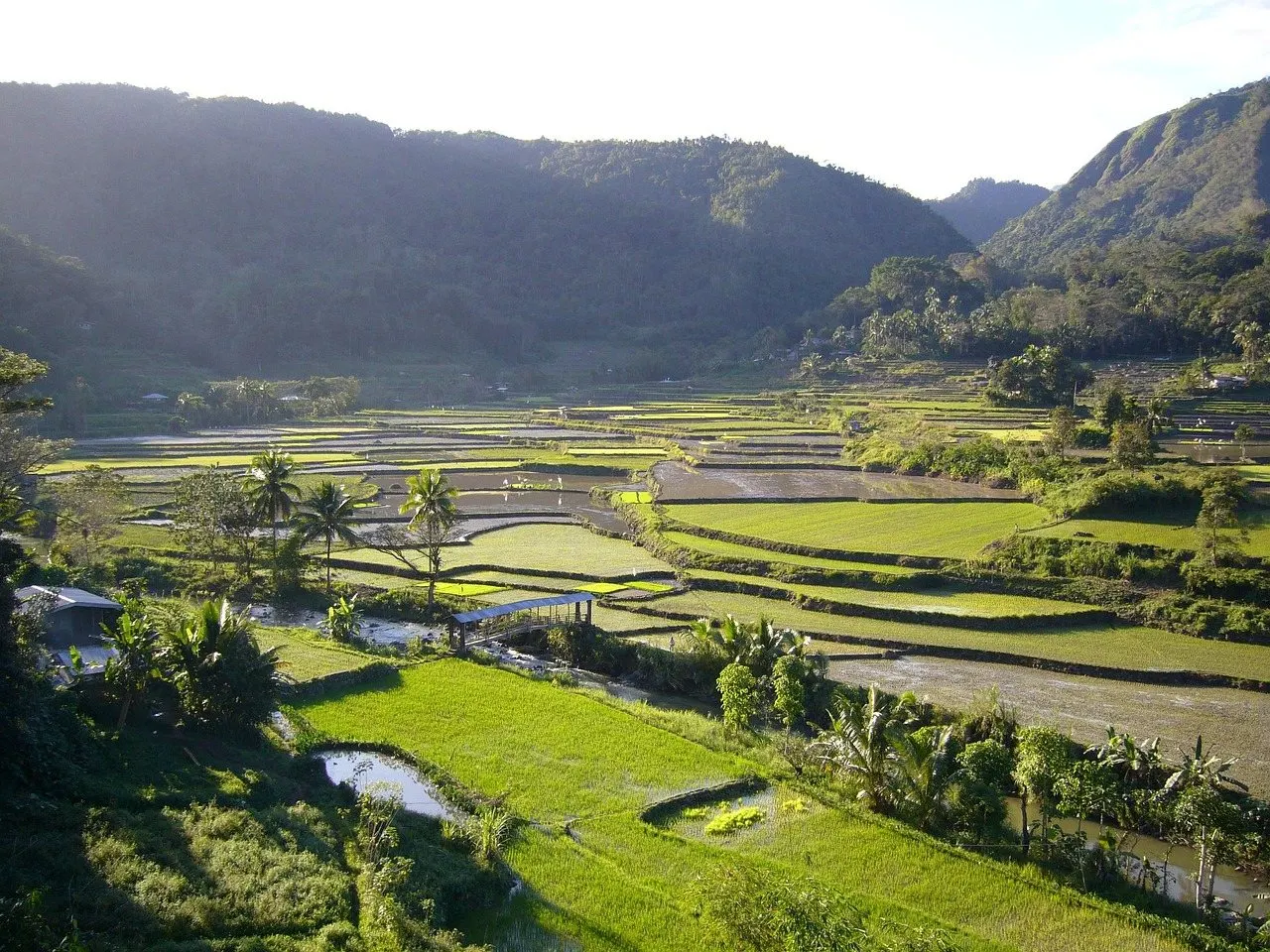
The Department of Agriculture said it is open to importing more farm goods from the United States if prices fall for Filipino shoppers. Agriculture Secretary Francisco Tiu Laurel Jr. said that as a businessman he would buy everything from the cheapest seller. His words show that price matters more than politics to the people who buy food. The farm side of the talks may move faster than the fuel side. Read more in a warning at the National Press Club and in a warning to Republican colleagues.
Why January Matters to Markets

January is a month when markets watch for new trade rules, and a January 1 start date would put the plan into force at the start of the year. Grain traders, fuel buyers and shipping firms all set their plans by the calendar. A firm date can move prices even before any fuel changes hands. That is one reason the date Trump named drew so much attention. For related reading, see the vote to name the Thanksgiving turkeys.
What Happens Next in the Philippines Energy Deal
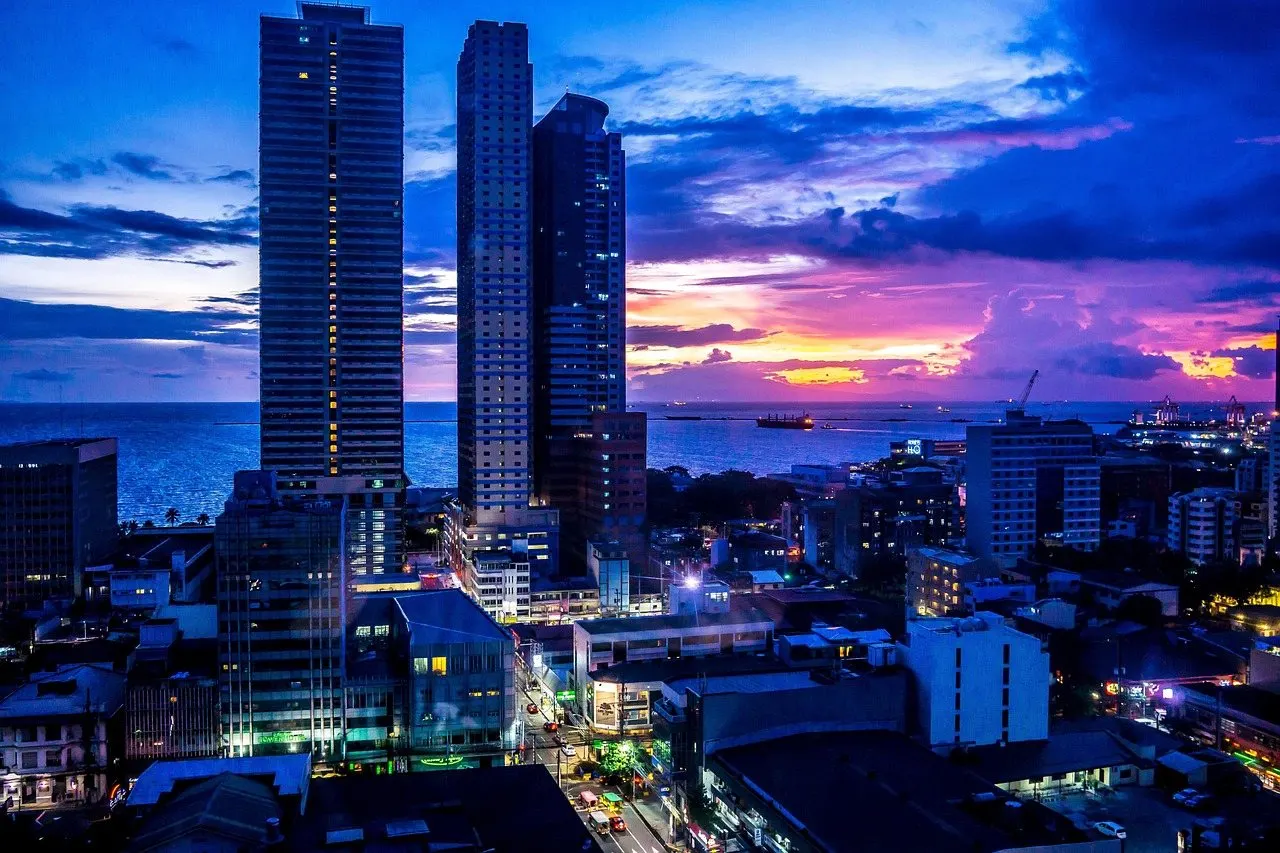
The talks are not over, and both sides have more meetings ahead. The foreign affairs department said another bilateral meeting is planned for March 2027, with security among the issues on the table. Until then, officials in Manila will study prices, supply and terms. The plan may change shape before it is signed, or it may fade away. Our coverage continues in a plan for American schools.
How Other Countries Watch the Deal
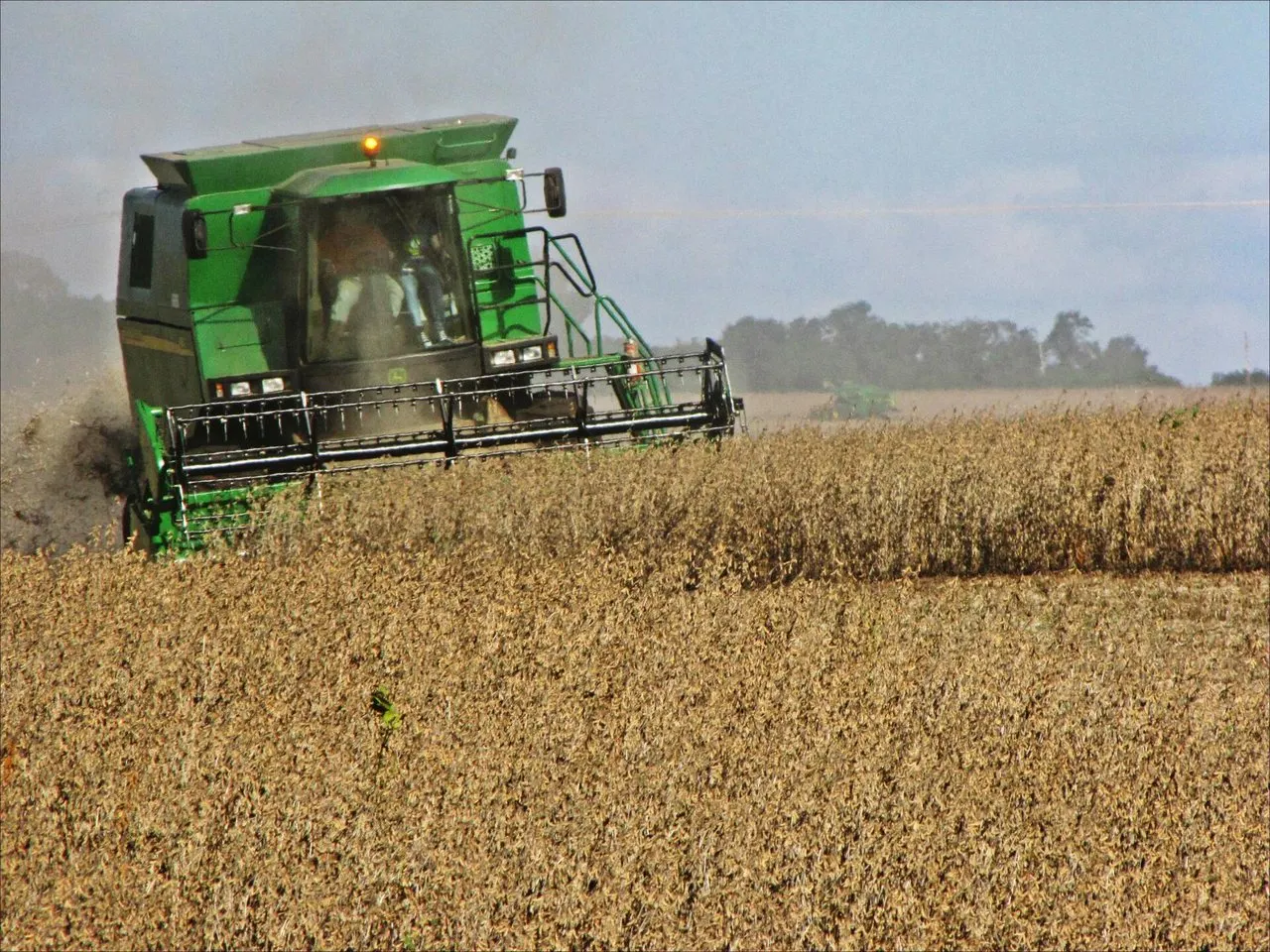
Other countries are watching the plan closely. Trump said the Philippines should stop buying farm goods from Brazil and energy from the Middle East, which puts those suppliers on notice. Thailand has also pushed back against similar trade claims from Washington. The Philippines energy deal could set a pattern that other nations are asked to follow. For more on White House moments, read an auction of the Pacific seabed.
The Quote That Made Headlines Around the World
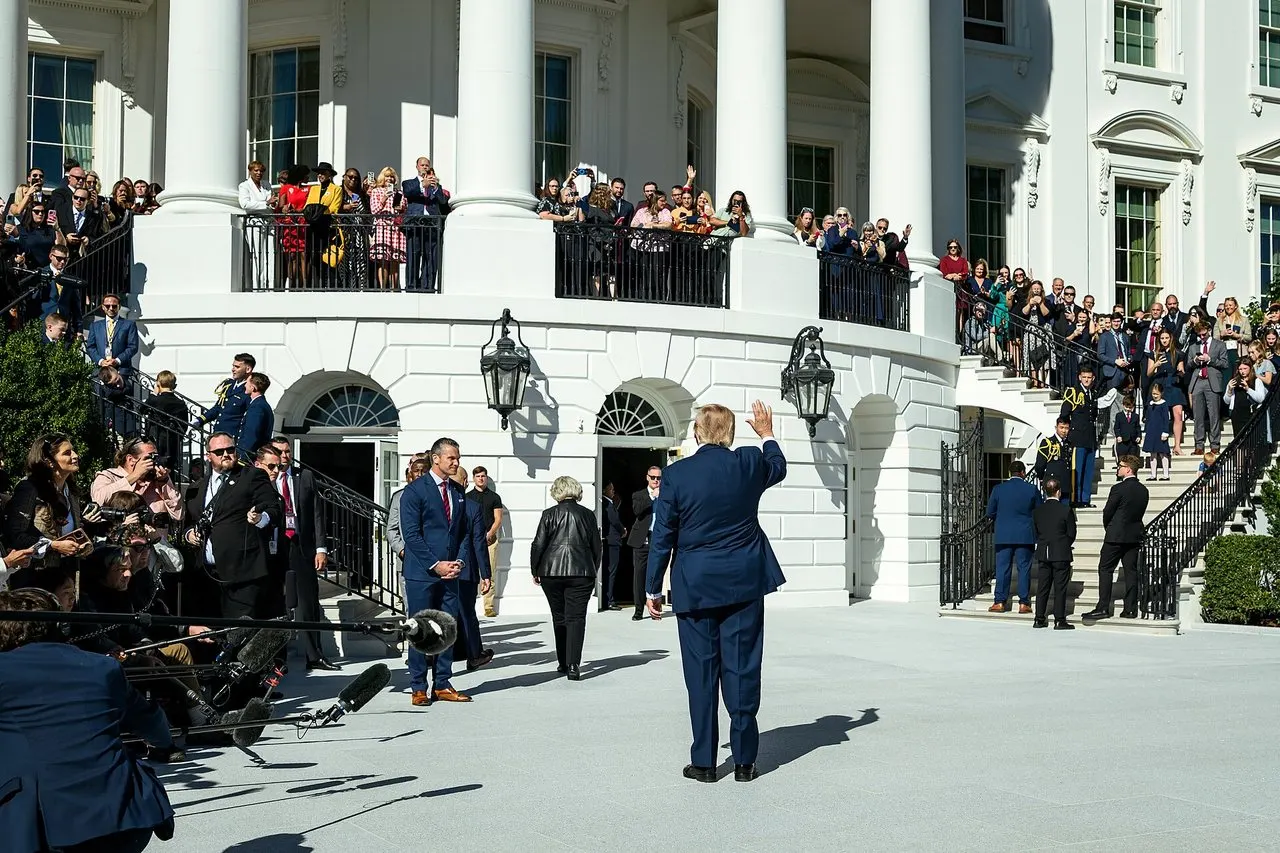
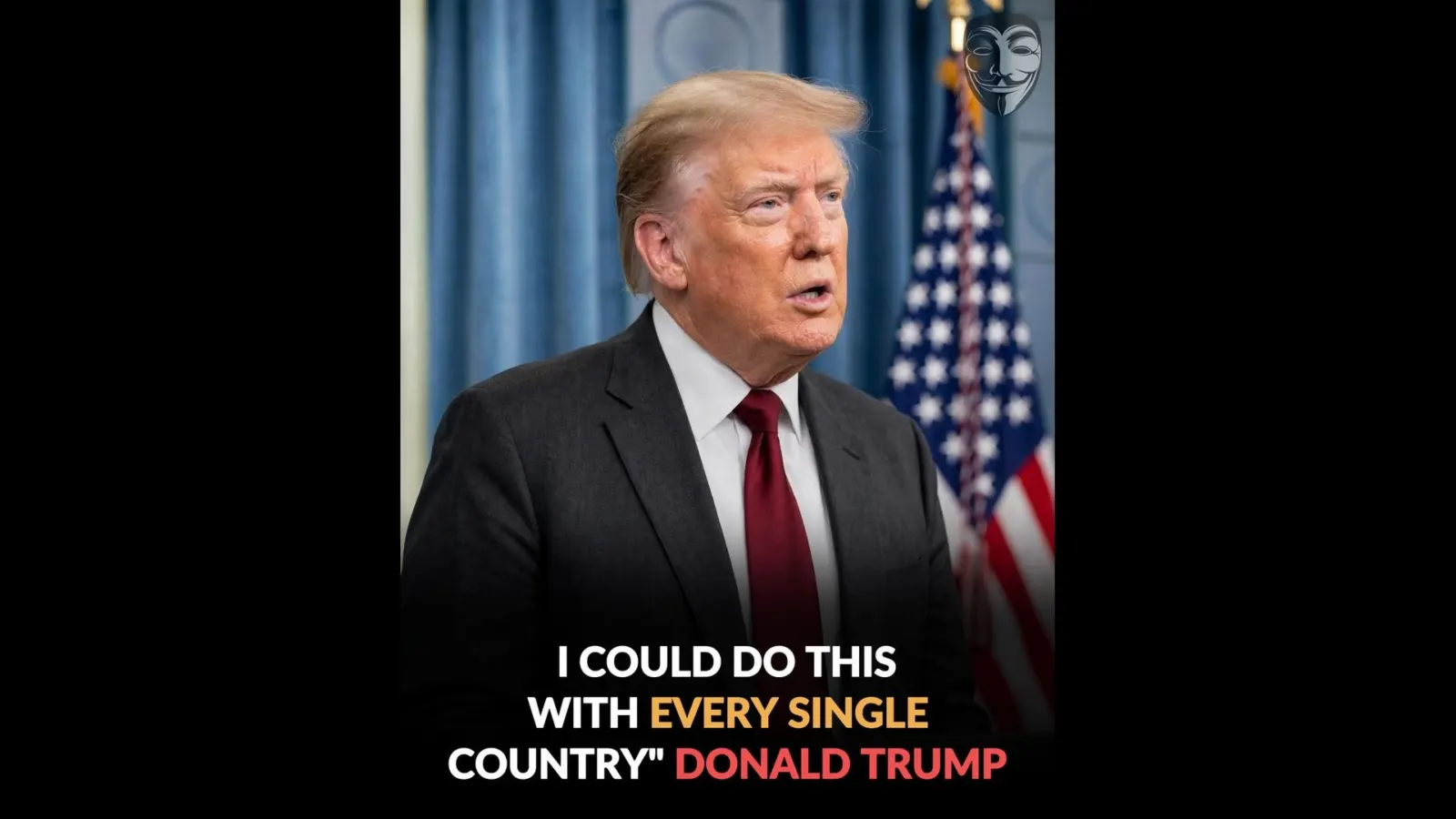
The line that traveled furthest was short and bold. Trump said, I could do this with every country, and the words became the headline on the post that started this story. A single sentence can shape how the world reads a whole negotiation. It suggested that the Philippines was only the first stop in a much larger plan. You can also read a vow about meeting Putin for more White House stories.
Why 100 Percent Is Hard in the Philippines Energy Deal
Senator Juan Miguel Zubiri said he doubts the country could source all its farm goods and energy from the United States, calling the idea impractical. The Philippines buys grain, oil and gas from many places, and no single supplier can cover everything at a fair price. The idea runs into hard limits of ships, ports and harvests. Numbers on paper are easier than fuel in tanks. Read more in an interview about a mature president and in a story about posts and a reunion.
The Bigger Picture: Trade and Trust
Trade and trust sit at the center of this story. A deal works when both sides keep their word and when the terms are clear to everyone. The United States wants a smaller trade gap, while the Philippines wants fair prices and steady supply. If those aims line up, a deal can last. If they do not, the talks will drift. For related reading, see a meeting behind the headlines.
What Do You Think of the Philippines Energy Deal?
Now we want to hear from you. Do you think the Philippines should buy all its energy from the United States, or should it keep buying from many countries? What would you ask President Trump or President Marcos if you had the chance? The plan is still taking shape, and your view matters. Share your thoughts in the comments below and keep reading. Our coverage continues in a deal over free legal work.