The Trump Putin Friend Remark That Stunned the Briefing Room
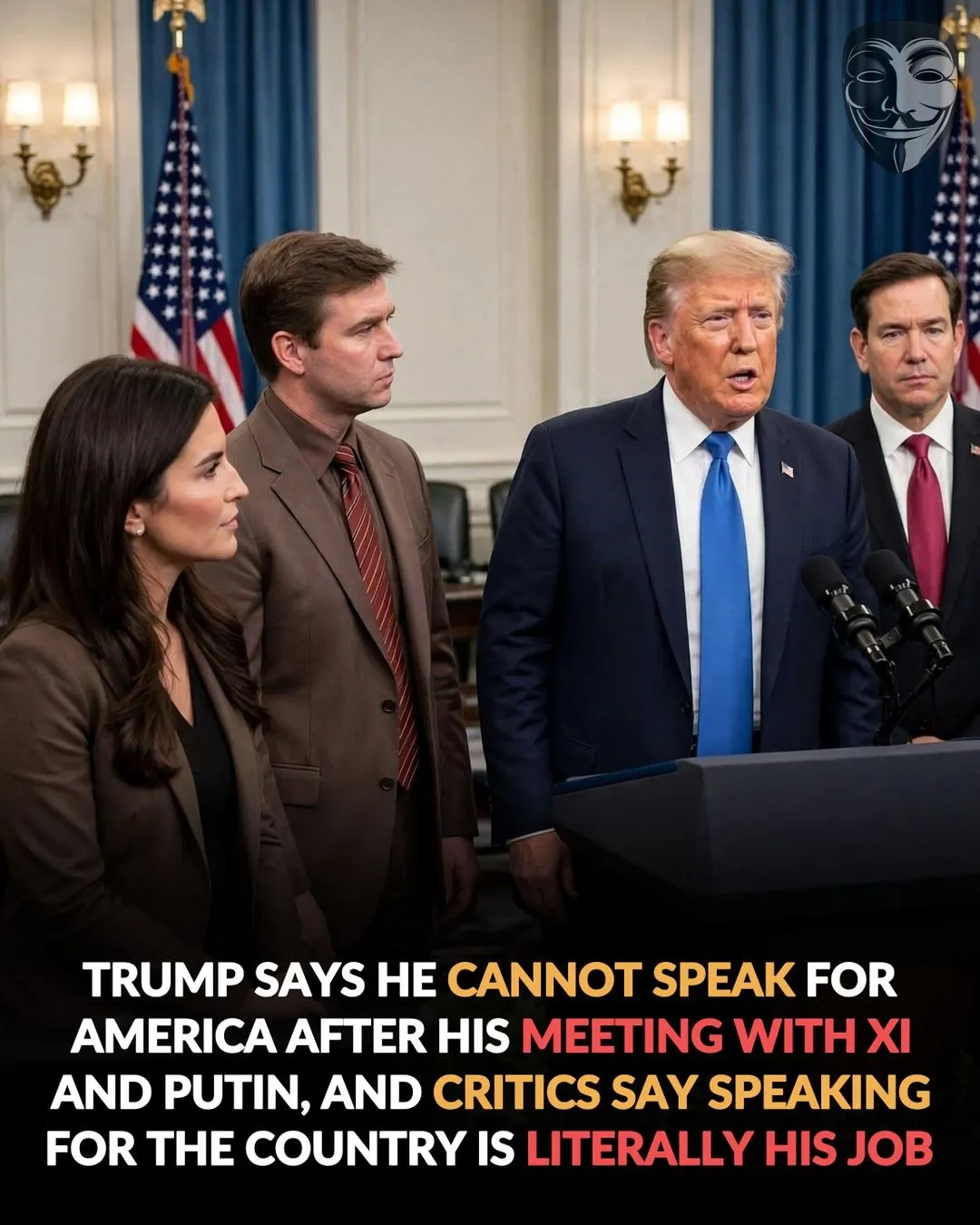
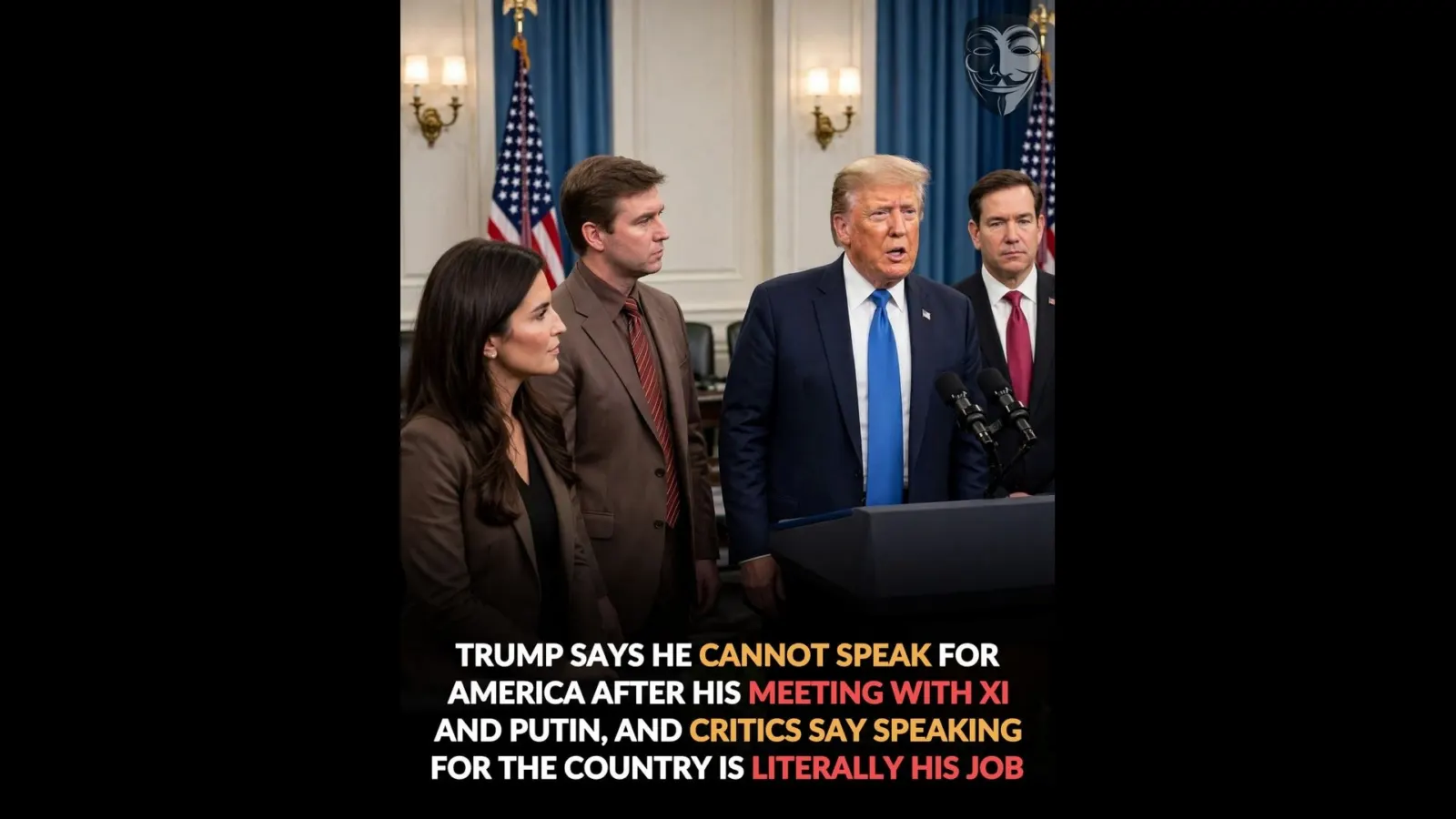
Trump Putin friend was the phrase on every tongue after the White House news conference on Friday, November 20, 2026, when President Donald Trump returned from a trilateral meeting in China with Xi Jinping and Vladimir Putin. CNN chief White House correspondent Kaitlan Collins asked whether he believed Putin was a friend to America, noting that Russia is Iran’s biggest ally. Trump answered that he could not speak for America, and he said he had dealt with Putin during what he called the fake Russia hoax.
The exchange drew a swift reaction, with critics saying the president’s job is to speak for America and defend its interests, while Director of National Intelligence Jay Clayton said it was entirely appropriate for Trump to call Putin his friend. The moment has reignited debate over Trump’s warm words for the Russian leader and what they mean for American foreign policy. In the slides ahead we look at the question, the trip, and the reaction that followed, and you can read more in our report on the briefing room flight.
References:
The Atlantic: Trump vs America
Gadsden Times: Why Trump finds Putin amazing as a leader
Z Network: From America First to Me First
WFTV: Entirely appropriate for Trump to call Putin a friend, US intel head says
Kaitlan Collins Asked One Direct Question
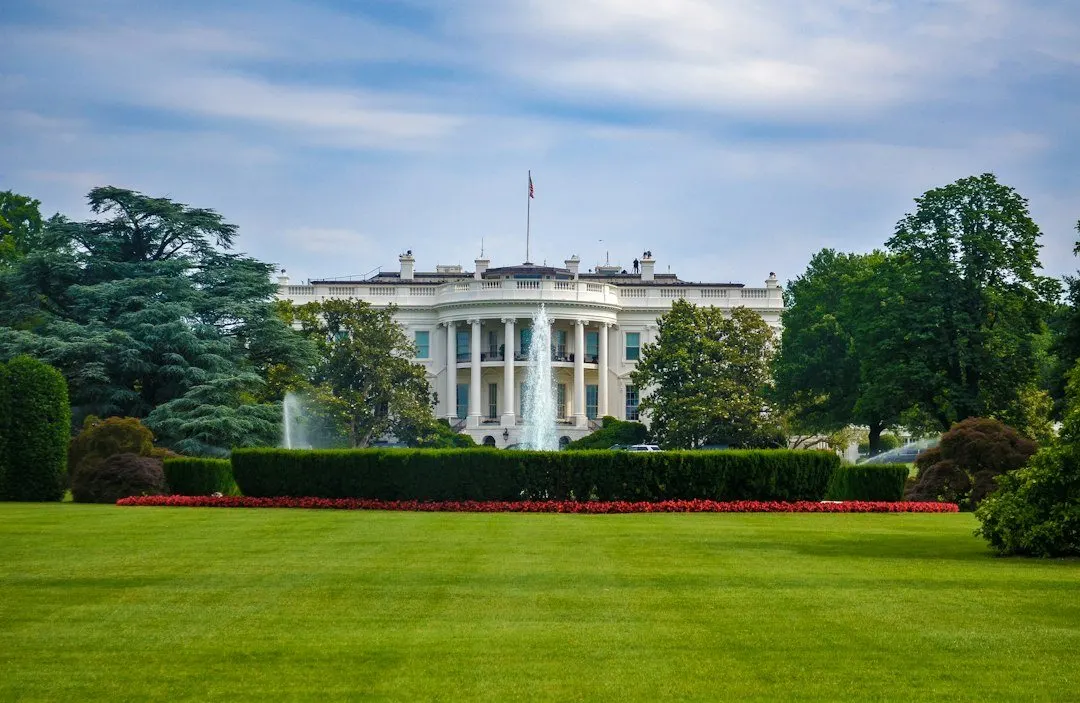
At the White House news conference, Kaitlan Collins put the question plainly, asking Trump whether he believed Putin was a friend to America. She noted that Russia is Iran’s biggest ally, a fact that gave the question its edge. Collins is CNN’s chief White House correspondent, and her questions often set the tone for the day. Trump did not answer yes or no. Instead he said he could not speak for America, a line that landed hard in the room. Read our full account of the Collins exchange for more.
The Trump Putin Friend Meeting in China

Trump had just returned from a trilateral meeting in China with Xi Jinping and Vladimir Putin, a rare gathering of three leaders in one place. The trip put trade, security and the war in Ukraine on the same table, and the images from the meeting traveled around the world. Trump flew home to Washington and went straight to the briefing room to report on what happened. The long journey and the big meeting set the stage for the question that followed. See our story on the Shenzhen summit.
Fifteen Hours in the Air on the Way Home
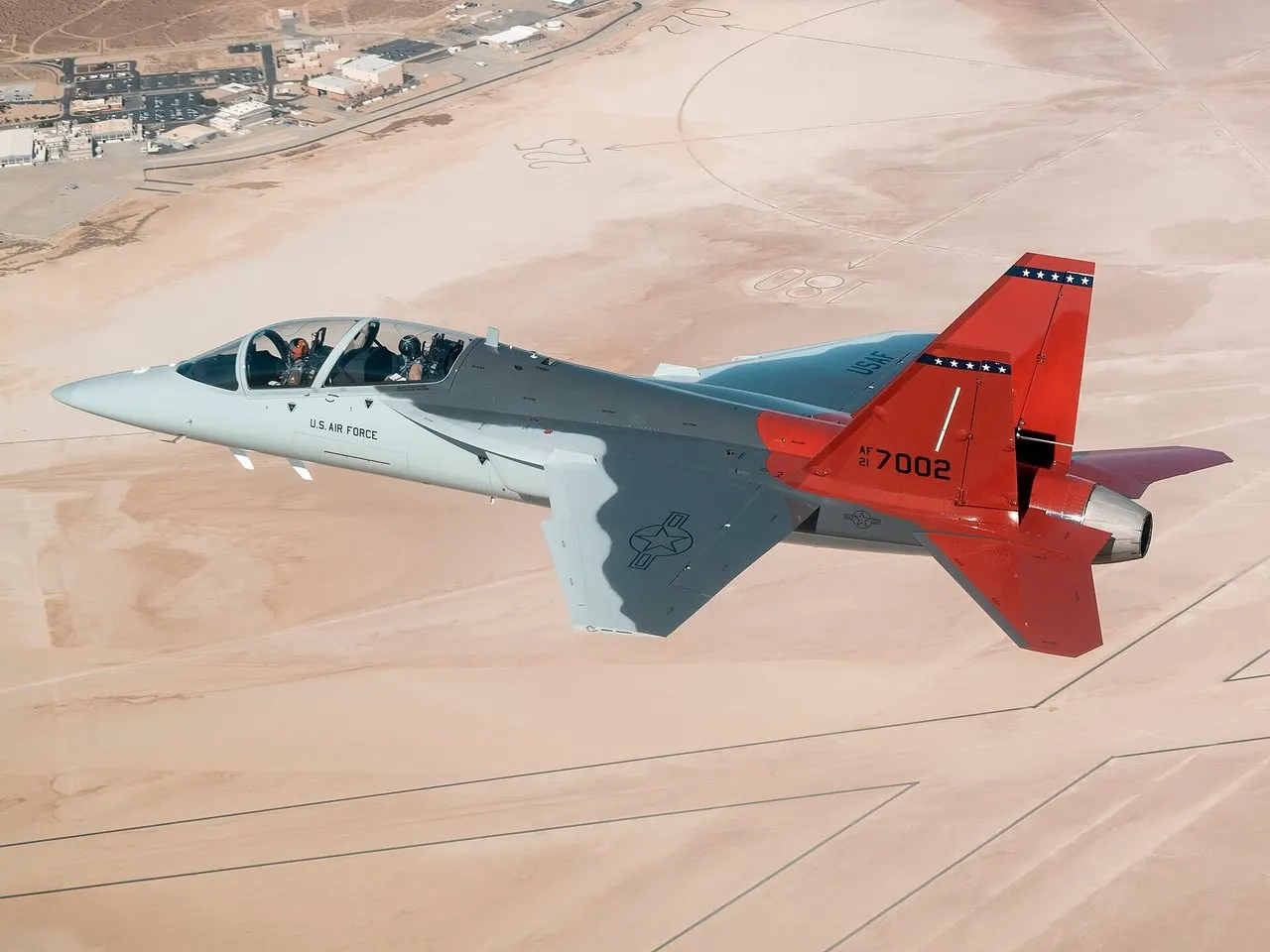
The flight from China to Washington took about fifteen hours, one of the longest journeys a president can make in a single day. Trump landed, rested briefly, and then walked into the briefing room to face reporters. Long flights leave anyone tired, and the room was watching to see how sharp he would be after the trip. The first questions were about China and Russia, and the mood turned serious fast. Read our report on the record flight.
The Trump Putin Friend Defense From the Intel Chief
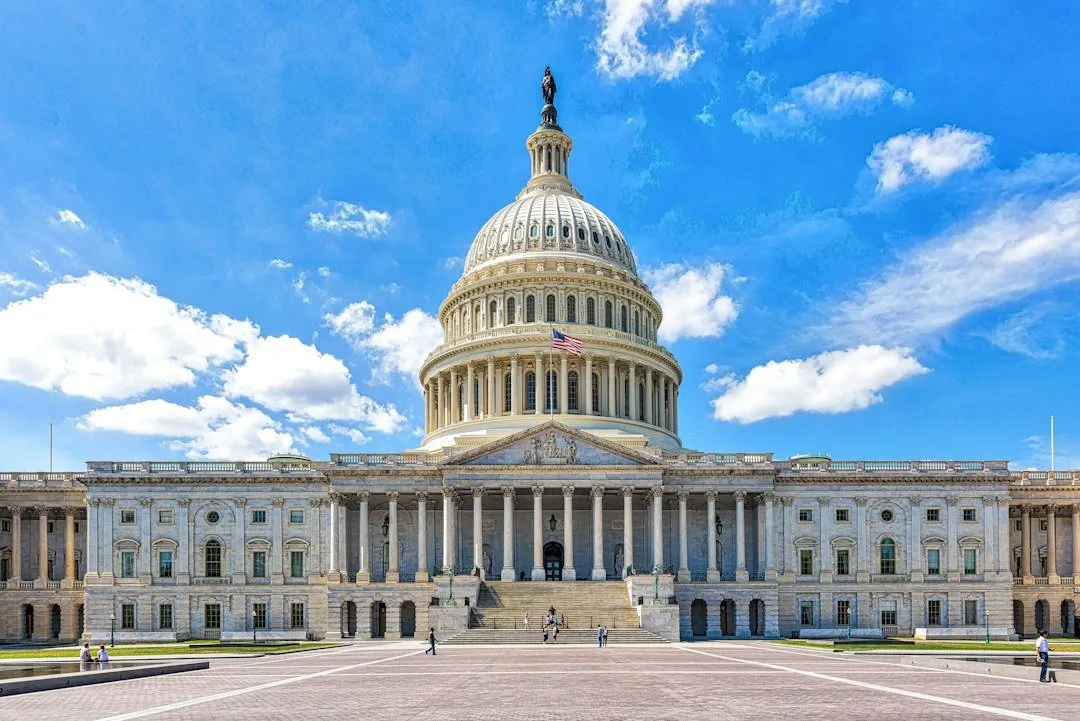
Director of National Intelligence Jay Clayton stepped in to defend the president, saying it was entirely appropriate for Trump to call Putin his friend. His words gave the White House a clear line to hold, and supporters repeated it through the day. Clayton leads the intelligence community, so his view carries weight inside the government. Critics were not persuaded, and the argument over the remark kept growing. Read our report on Putin and Iran.
Critics Say Speaking for America Is the Job

Critics answered fast, saying the president’s job is to speak for America and defend its interests. They said a president cannot step back from that duty when the question is hard, and they called the remark a failure of leadership. The criticism came from Democrats and from some Republicans too, and it spread across television and social media within hours. Supporters said the words were being twisted. Read our report on the Schumer reaction.
The Trump Putin Friend Line and the Russia Hoax
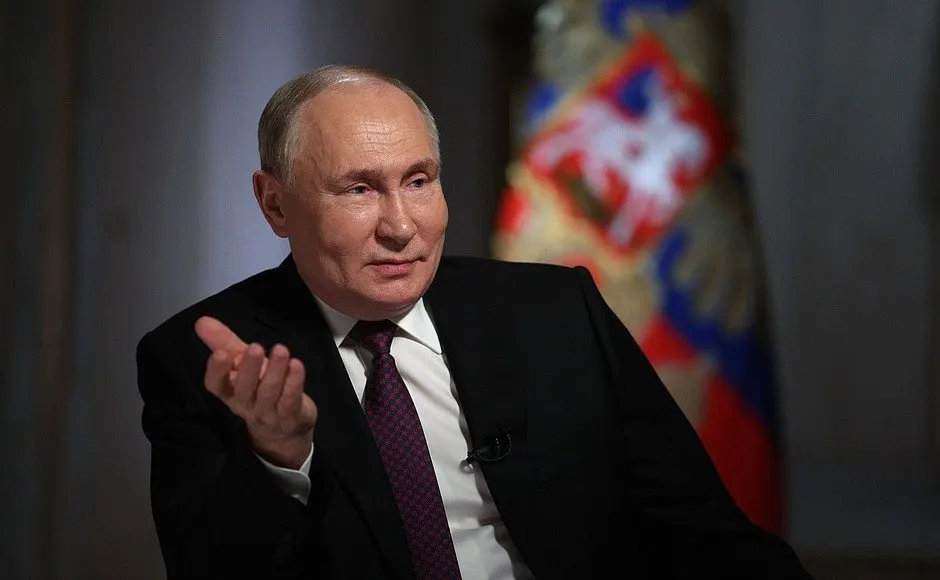
Trump tied his answer to the past, saying he had dealt with Putin during what he called the fake Russia hoax. The phrase refers to the long investigation into Russian interference in the 2016 election, which Trump has always called a hoax. He said Putin had been very nice about it, a remark that raised eyebrows in the room. The comment showed how much the old fight still shapes his view of Moscow. Read our story on the Clinton claim.
Russia Stands as Iran’s Biggest Ally
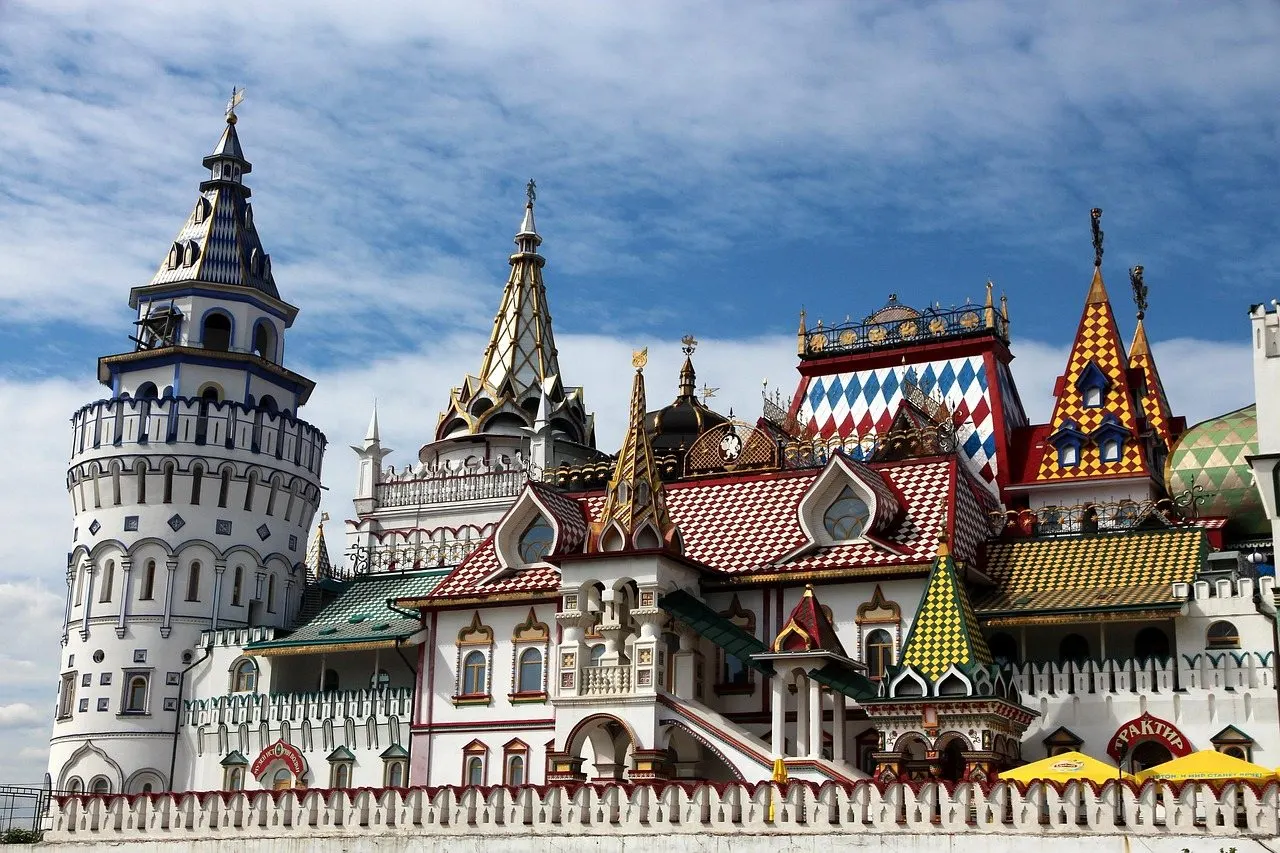
Collins raised the point that Russia is Iran’s biggest ally, and that fact sat at the center of her question. Iran and Russia have grown closer in recent years, sharing weapons, intelligence and political support. American officials say that partnership has been used against American troops and allies in the region. That is why the question of friendship carried real weight. Read our report on Putin and Iran.
Trump vs America, the Atlantic View
The Atlantic framed the moment with a short, sharp headline, Trump vs America, and the piece asked what it means when a president will not speak for his own country. The magazine has long covered Trump with a critical eye, and this exchange gave it a fresh example. The headline traveled fast online, and readers shared it as a summary of the whole day. The debate it sparked is still going. Read our story on the peace declaration.
Why the Trump Putin Friend Bond Amazes Critics

The Gadsden Times asked why Trump finds Putin amazing as a leader, a question that has followed the president for years. Trump has often praised Putin’s strength and control, and he has said he gets along well with the Russian leader. His critics say that praise is strange for an American president, given Moscow’s record. His supporters say it is smart diplomacy to keep talking. Read our story on the Kimmel roast.
From America First to Me First
Z Network summed up the criticism with the headline From America First to Me First, arguing that Trump put himself ahead of the country in that moment. America First was the slogan of his campaigns, a promise to put American workers and interests first. Critics say the briefing room answer turned that promise upside down. The phrase caught on with his opponents right away. Read our report on the White House peace deal.
The Trump Putin Friend Label Called Entirely Appropriate
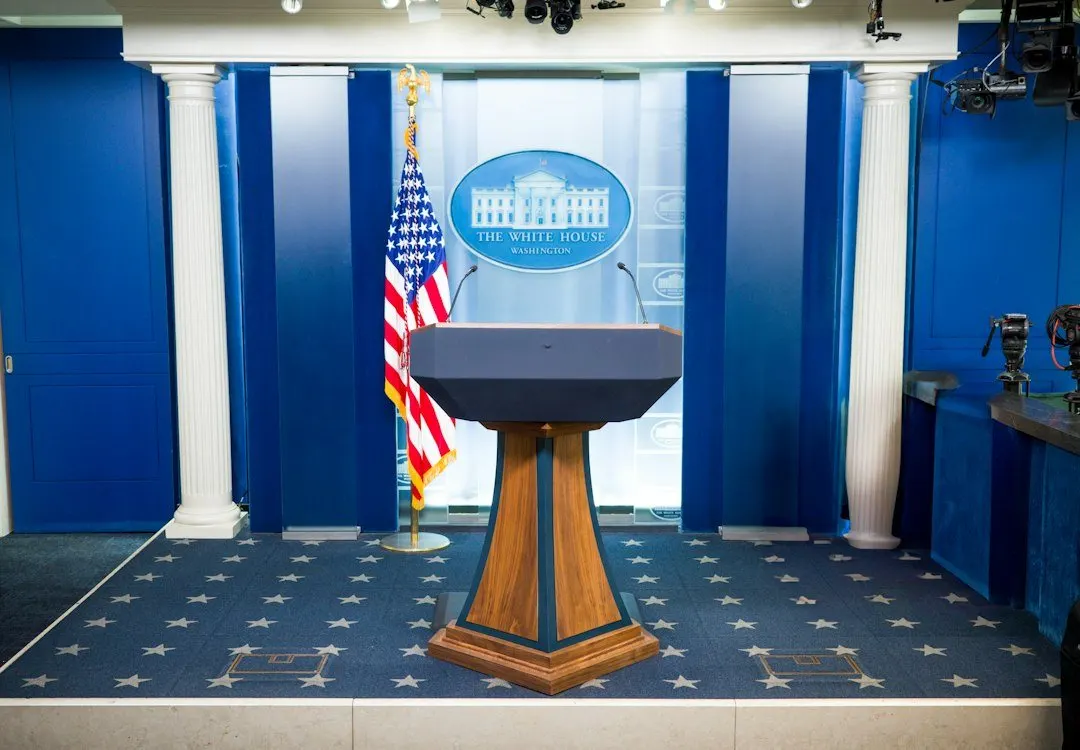
WFTV reported that the head of American intelligence called it entirely appropriate for Trump to call Putin a friend. The report quoted Jay Clayton directly, and the line became the White House defense for the day. Supporters said a president should be free to describe his own relationships. Critics said friendship with Putin sends the wrong message to allies. Read our report on Putin and Iran.
Two Men Stood Behind Trump and Said Nothing
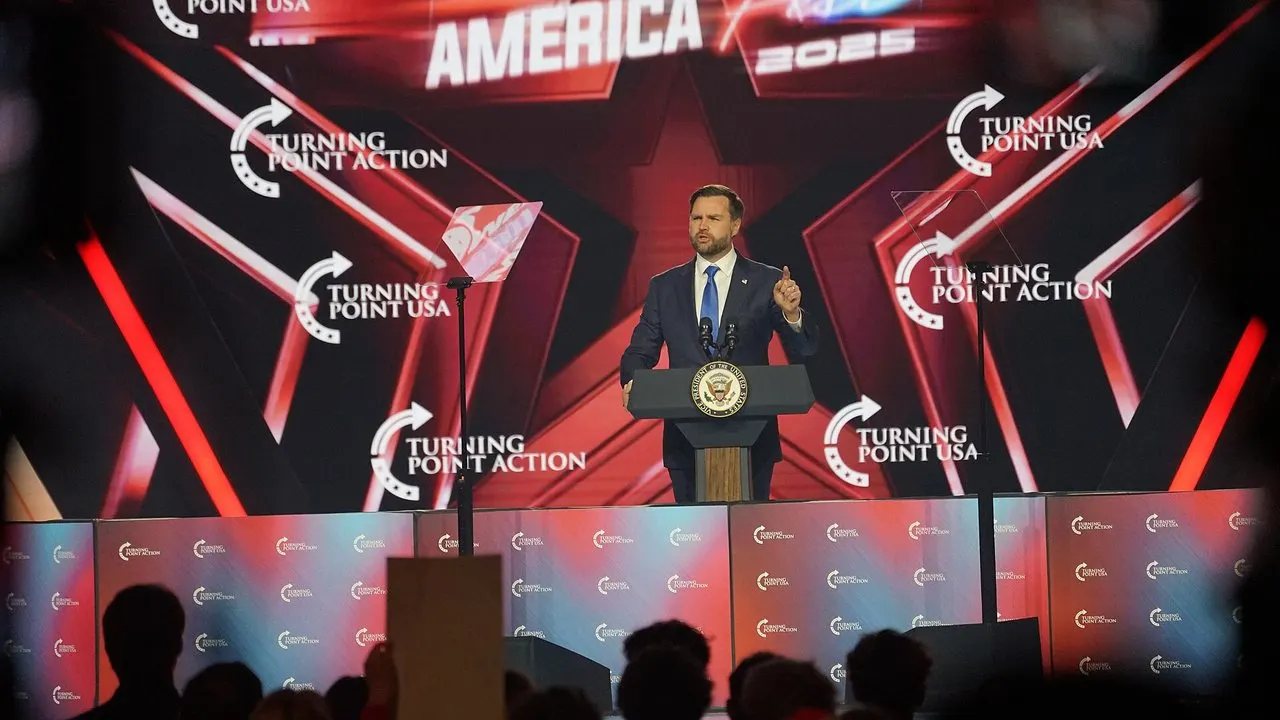
Vice President JD Vance and Secretary of State Marco Rubio stood behind Trump during the long briefing, and cameras caught them looking uncomfortable as he spoke for ninety minutes. Both men have defended the president in the past, but neither stepped in during the exchange with Collins. Their silence became part of the story, and clips of their faces spread online. Read our story on the ninety minute briefing.
Schumer Calls the Meeting a Historic Embarrassment
Senator Chuck Schumer called the first meeting with Xi and Putin in Shenzhen a historic embarrassment and a betrayal of America. The Senate Democratic leader has been one of Trump’s fiercest critics, and he said the summit weakened the country’s standing. His words added to a wave of Democratic attacks that followed the briefing. Republicans in Congress mostly stayed quiet. Read our report on the Patel hearing absence.
The Trump Putin Friend Moment Met With Silence in Berlin
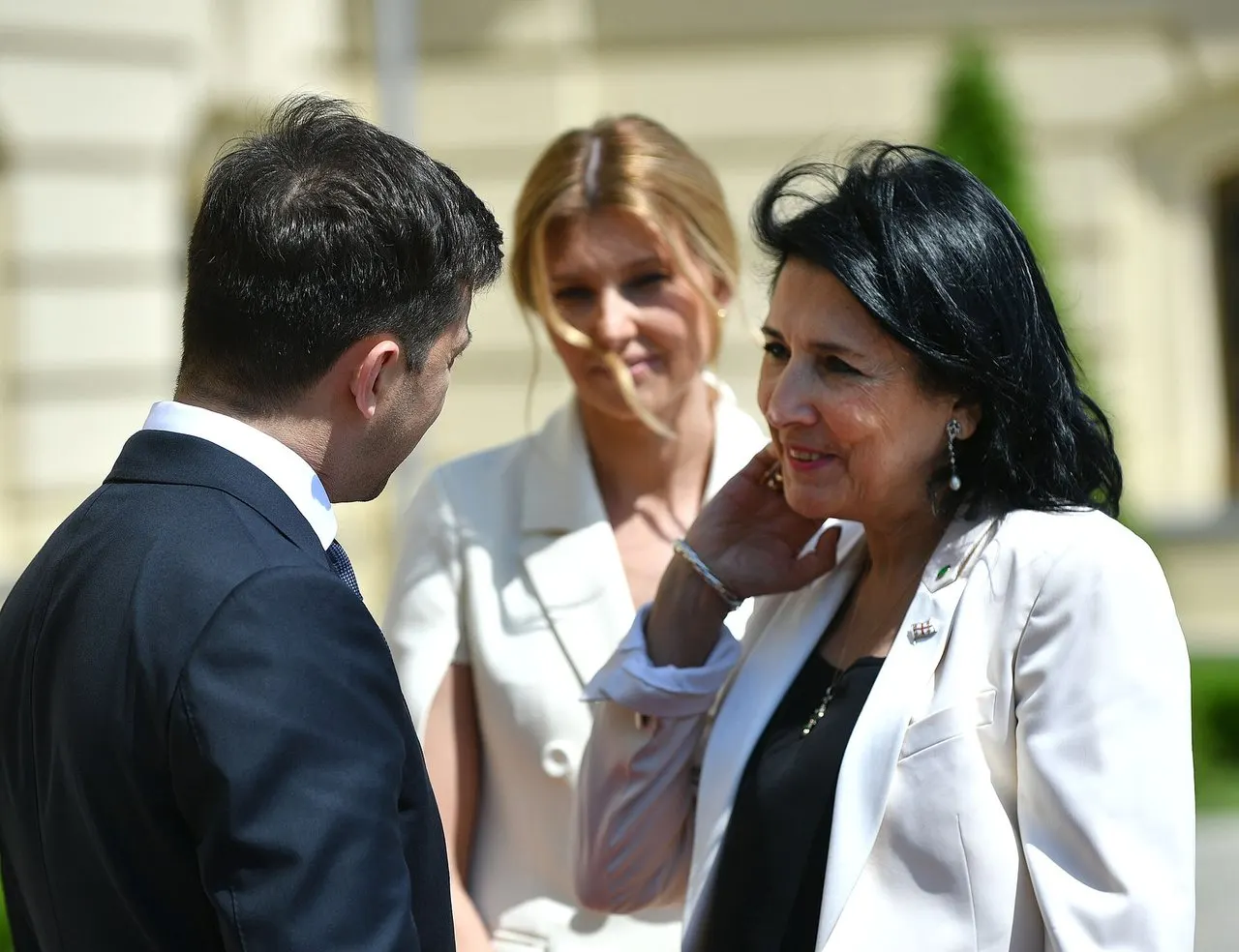
In Berlin, President Volodymyr Zelensky said nothing after Trump called Putin his friend, and that silent shrug said more than words ever could. Ukraine has depended on American support since Russia invaded, and Zelensky has walked a careful line with Washington. His silence was read as pain, patience and warning all at once. The moment traveled widely in Europe. Read our story on the silent shrug.
Kimmel Turns the Summit Into a Late Night Roast

Jimmy Kimmel took on Trump for calling Putin his friend at the summit in China, then showed an old photo with Epstein and said Trump has the worst taste in friends. The late night host has mocked the president for years, and the segment drew a big audience. Comedy often moves faster than news, and the joke landed the same night as the briefing. Read our story on the Kimmel roast.
Shapiro Takes Trump Apart in Philadelphia
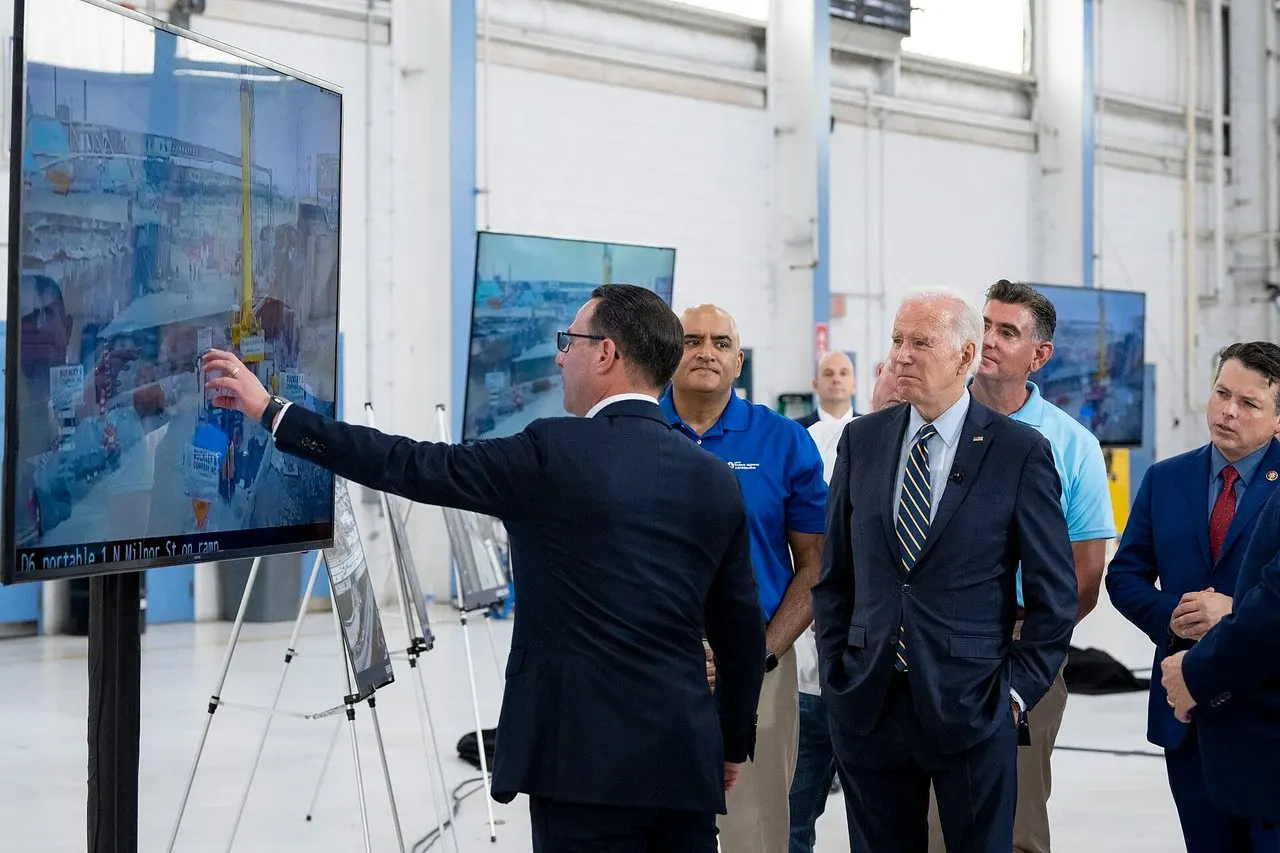
Governor Josh Shapiro took Donald Trump apart in Philadelphia for bowing to Vladimir Putin and betraying Ukraine. The Pennsylvania governor spoke with anger and clarity, and his speech was shared widely by Democrats. Shapiro is seen as a rising voice in his party, and his words added weight to the criticism. The speech came just as the debate was heating up. Read our story on the Shapiro speech.
Clinton Says Putin Has Something on Trump
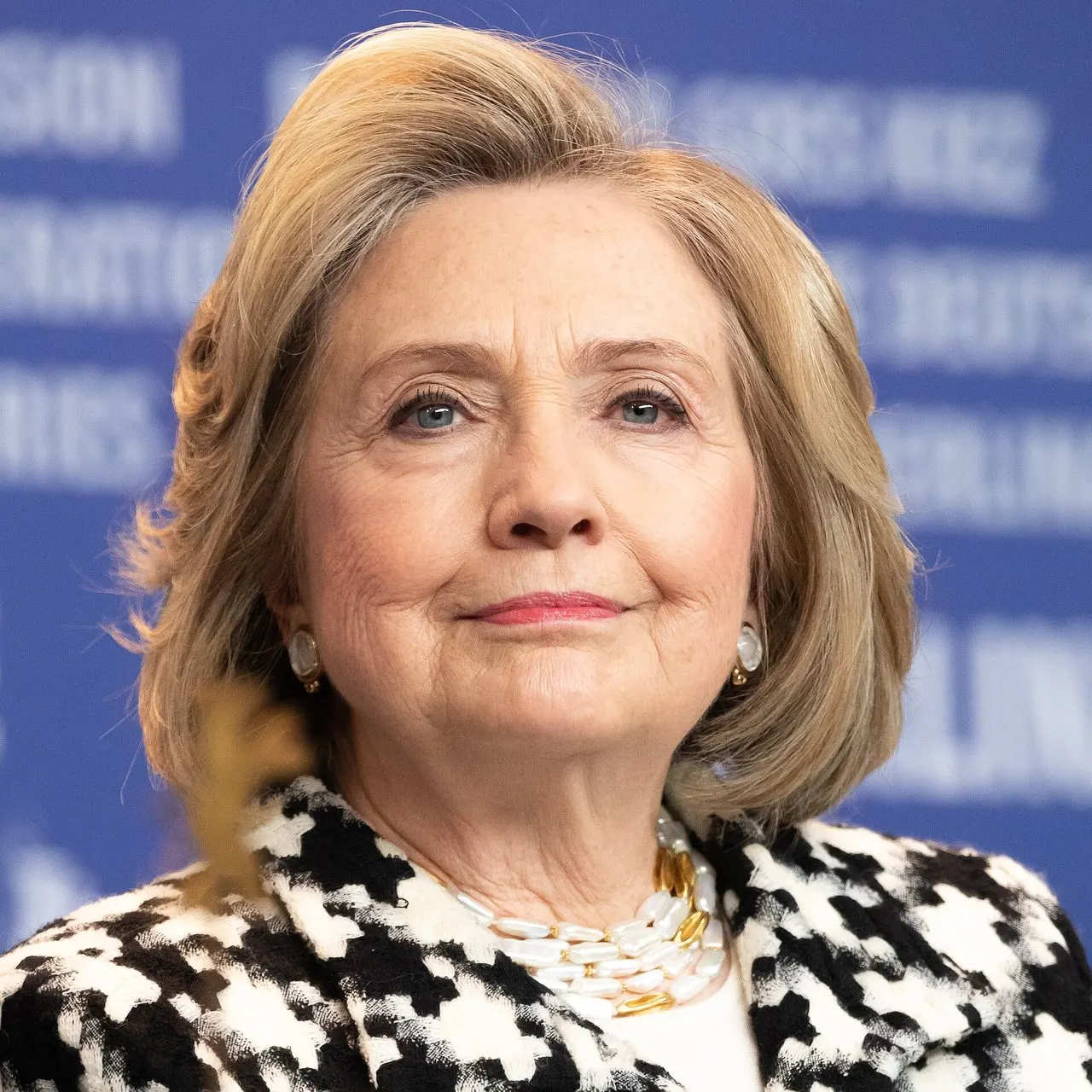
Hillary Clinton said she continues to believe that Putin has something on Trump, adding that he has photos and videos. The former secretary of state has made the claim before, and she repeated it as the friendship debate grew. Trump has always denied it, and no proof has ever been shown in public. Still, the claim keeps returning whenever Trump praises Putin. Read our story on the Clinton claim.
The Trump Putin Friend Declaration on Nuclear War
Trump, Putin and Xi agreed that a nuclear conflict cannot be won and must never be fought, a rare moment of unity at the summit. The declaration was one of the few clear outcomes of the meeting, and leaders around the world welcomed it. Nuclear weapons remain the gravest danger in the world, and any promise to avoid their use matters. The words were strong, but the test is what follows. Read our story on the peace declaration.
Seven Calls to Europe After the Meeting
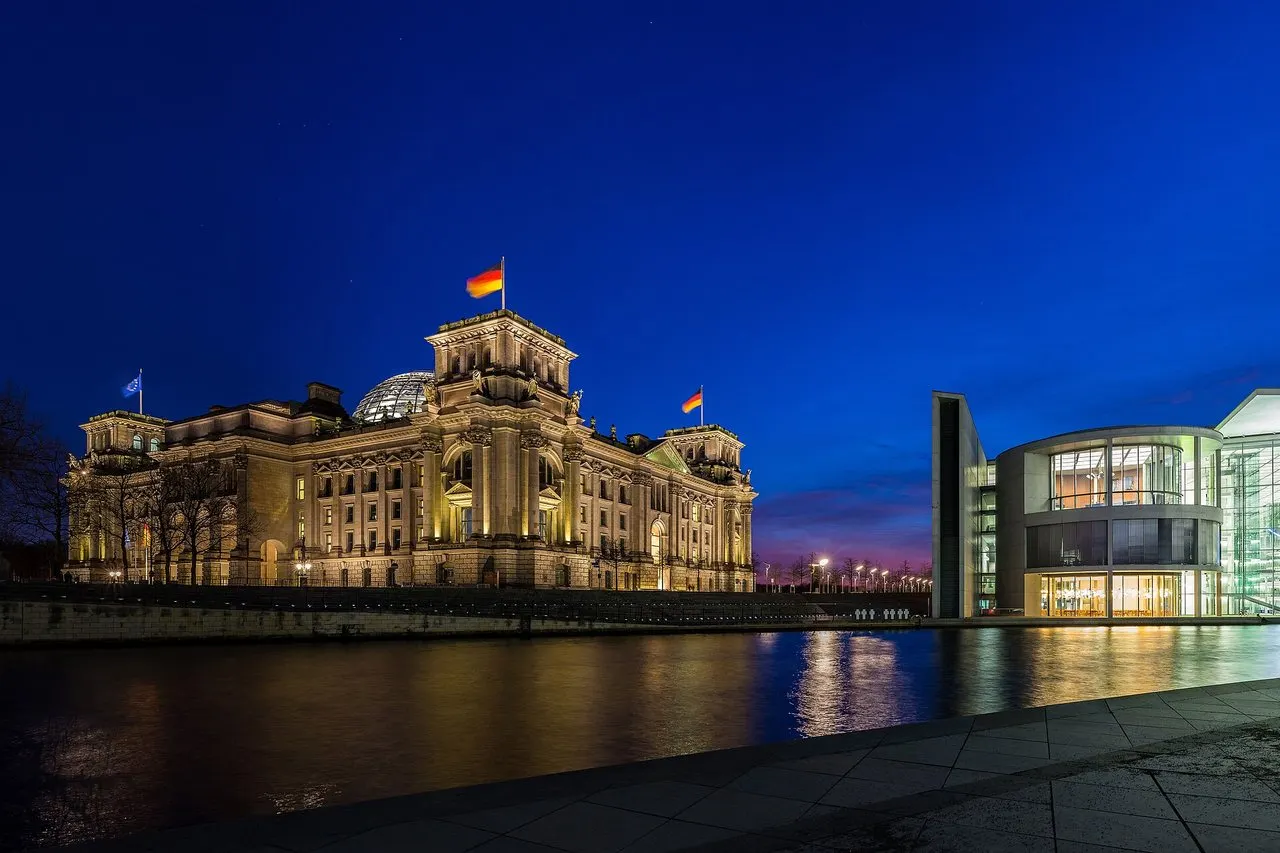
After meeting Putin and Xi, Trump called seven European leaders and urged them to stop backing Ukraine’s defense, according to Politico. The report shocked allies in Europe, who have stood by Kyiv since the invasion began. European leaders said they would keep supporting Ukraine no matter what Washington does. The calls showed how far the split has grown. Read our report on the Ukraine call.
A Republican Voice Warns of a Lower Bar
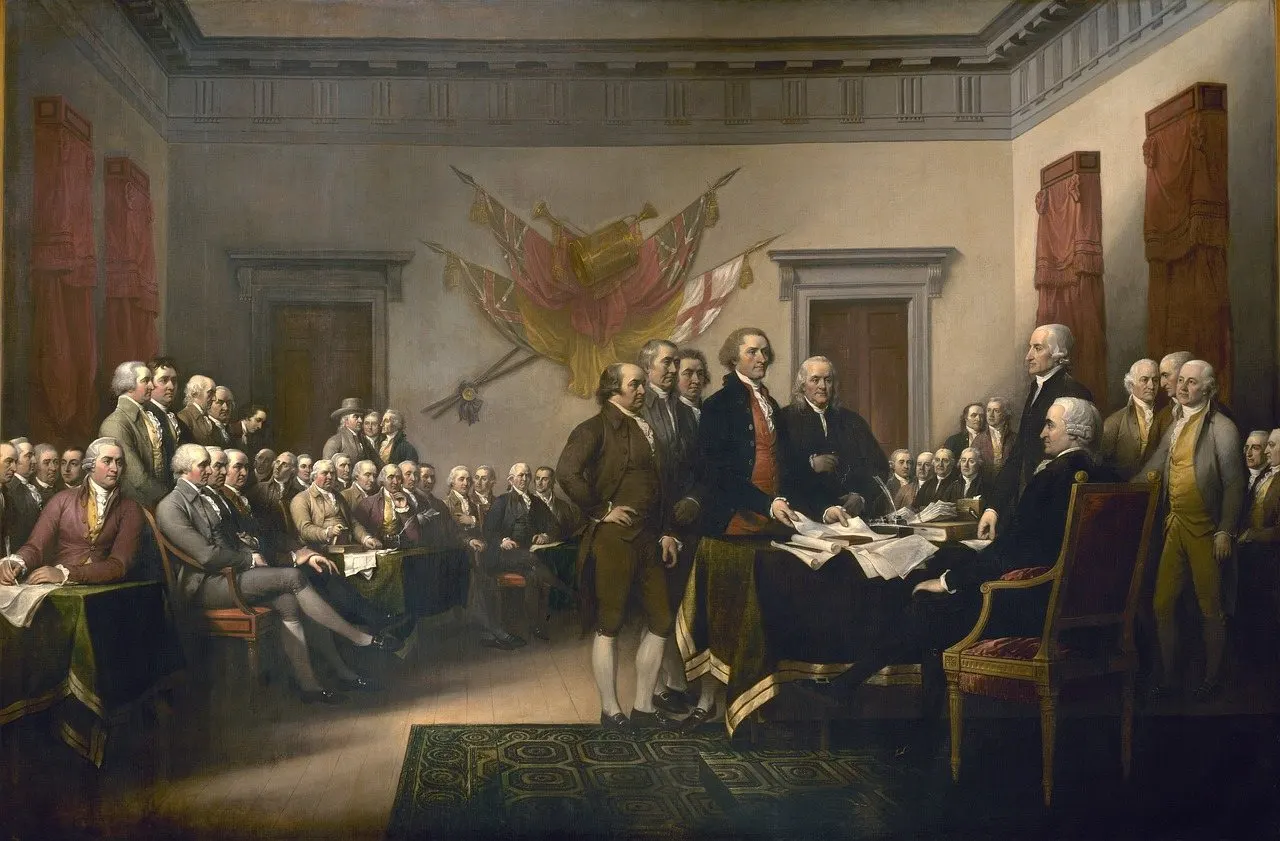
Republican Don Bacon accused Trump of corruption at the National Press Club, saying the country needs a president with a higher bar. Bacon is a congressman from Nebraska, and his criticism carried weight because it came from inside Trump’s own party. Few Republicans have spoken out so plainly, and his words were quoted widely. The warning added to a difficult week. Read our report on the Don Bacon warning.
Standing Apart From Allies, Then a Handshake
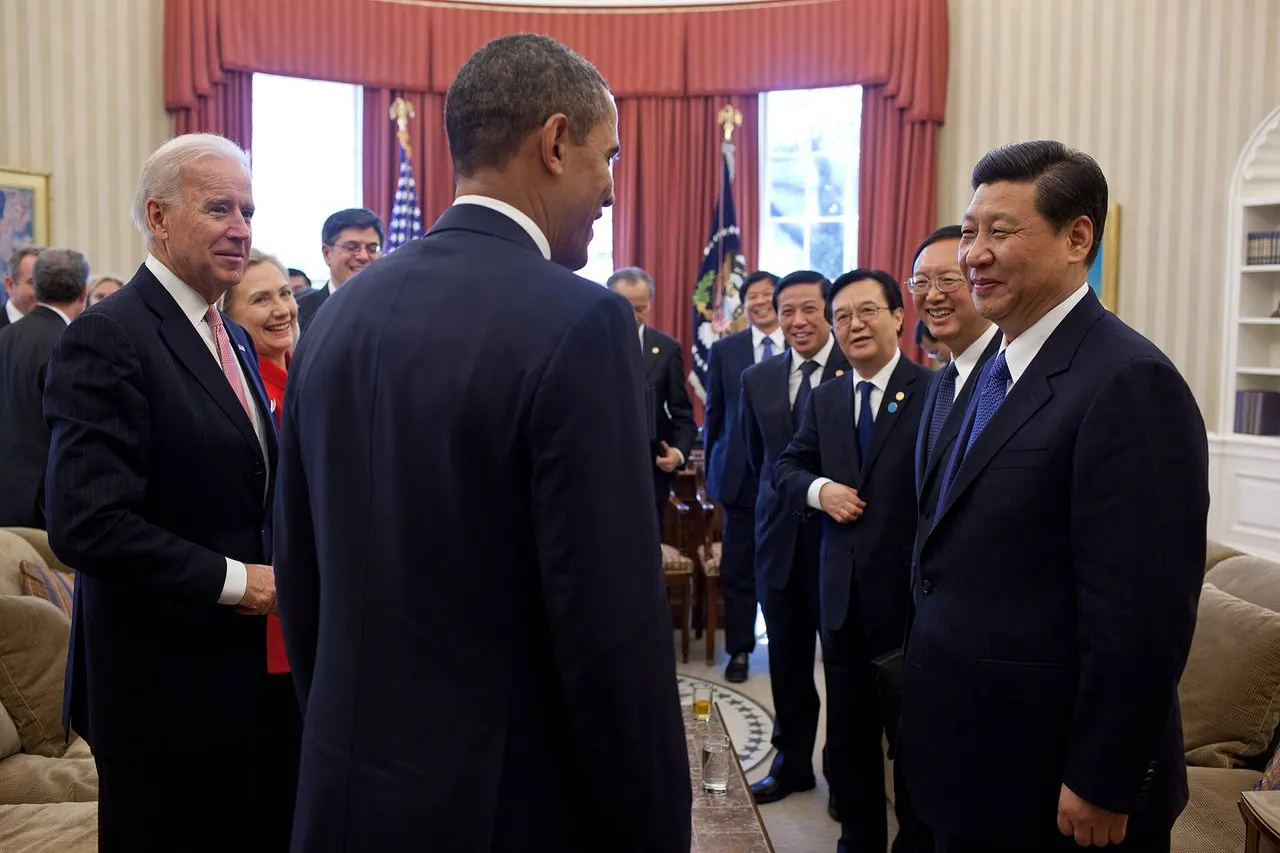
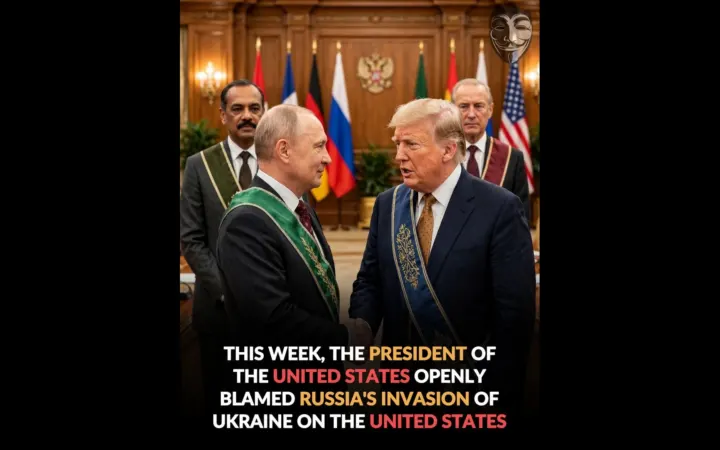
Trump stood apart from America’s allies, then shook hands with Putin and Xi, a picture that told the story of the whole trip. Allies in Europe and Asia watched the summit with worry, unsure where Washington stands. The handshake photos spread fast, and critics said they showed the shift in American foreign policy. Supporters said talking is better than silence. Read our report on the allies handshake.
Ninety Minutes at the Podium
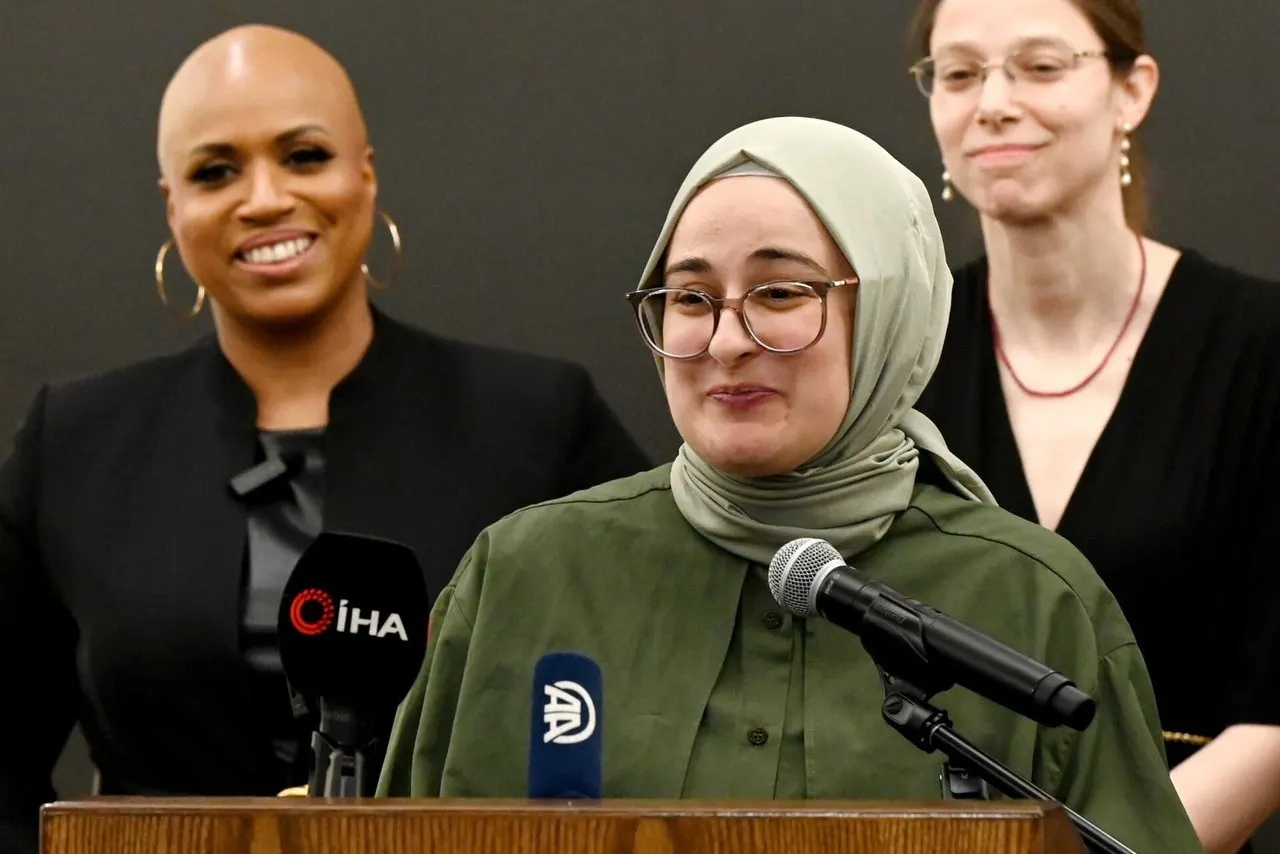
Trump spoke for ninety minutes at the White House, a long briefing that covered China, Russia, trade and Ukraine. Vance and Rubio stood behind him looking uncomfortable as the questions grew sharper. Long briefings can wear down even the best speakers, and this one produced the line of the day. The room stayed packed until the end. Read our story on the ninety minute briefing.
The Trump Putin Friend Lesson From Obama
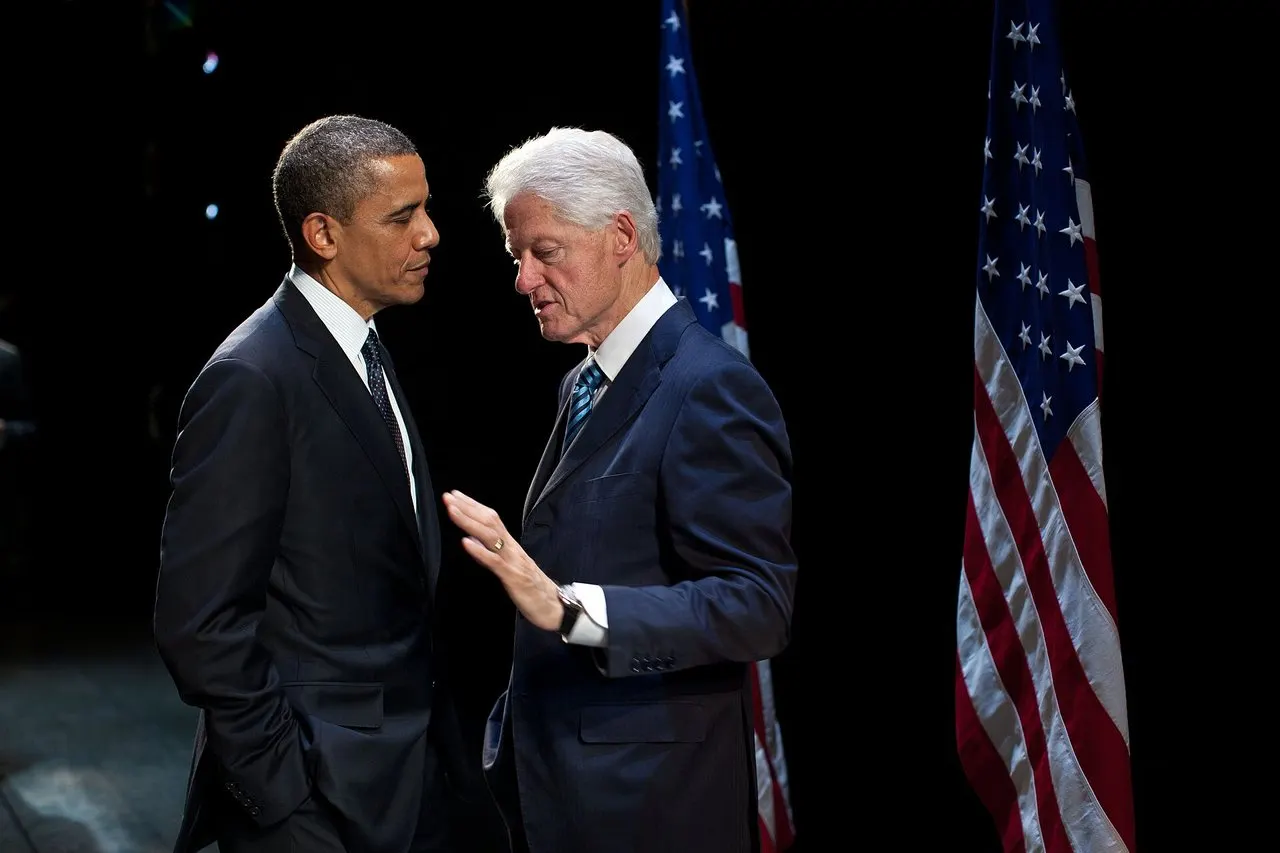
Barack Obama once said he likes presidents who do not get giddy when they sit down with dictators, a line that came back as the debate grew. The former president met Putin at the G20 in Hangzhou, and his cool tone stood in sharp contrast to Trump’s warmth. His supporters shared the old clip as a lesson in how to handle Moscow. The comparison spread fast online. Read our report on the Obama lesson.
Presidents and Moscow, a Long Uneasy History
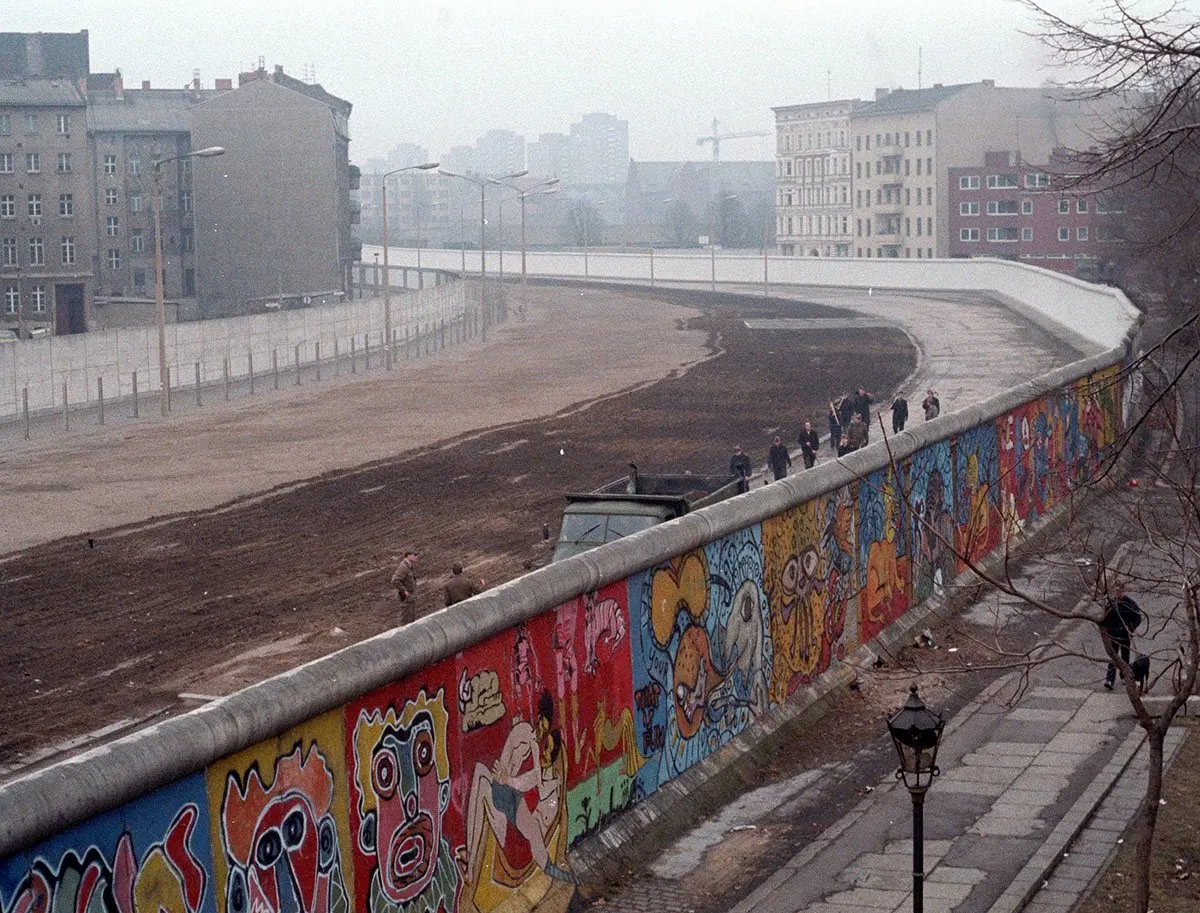
American presidents have dealt with Moscow for more than a century, from the Cold War standoffs to summits that tried to lower the tension. Ronald Reagan called the Soviet Union an evil empire, then sat down with Gorbachev and signed arms deals. Every president since has had to balance firmness with talk. The history shows that warmth alone has never settled the rivalry. Read our report on the Obama lesson.
What It Means to Speak for a Country
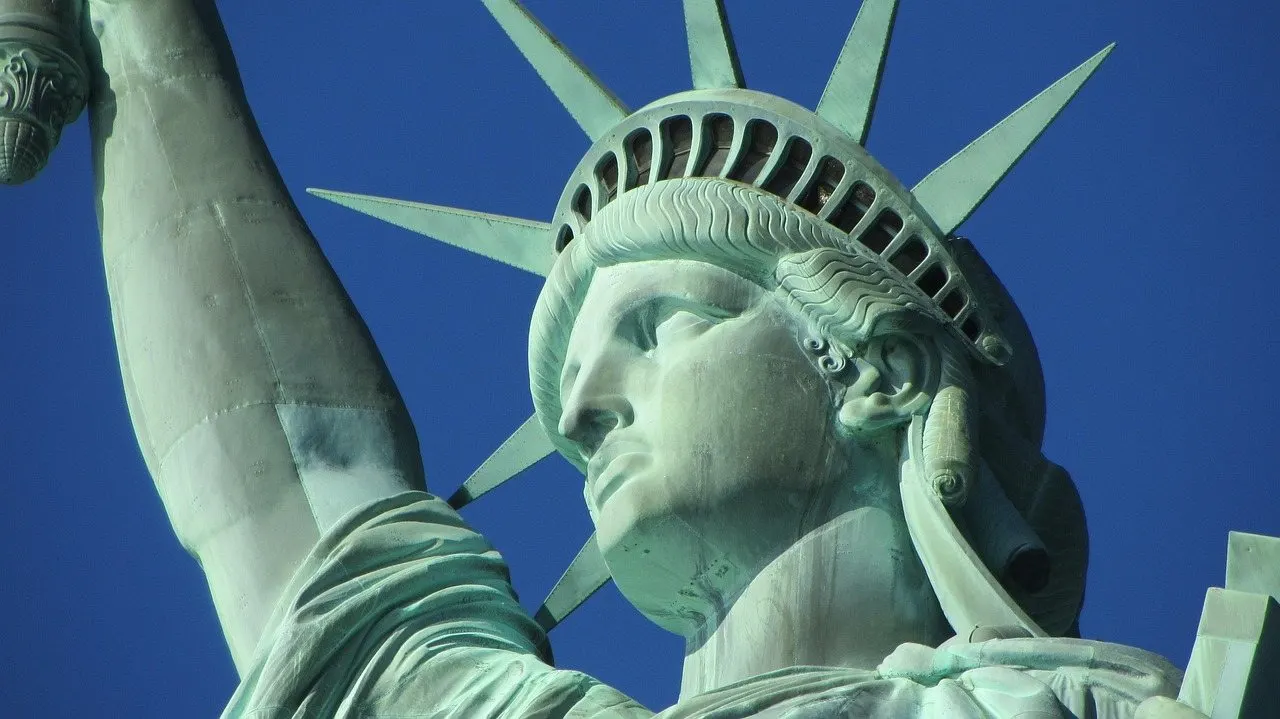
Speaking for America means carrying the voice of more than three hundred million people into rooms where the stakes are high. A president speaks for soldiers, workers, families and allies when he meets a foreign leader. That is why the words at a news conference matter so much, and why a shrug can feel like a failure. The job is to stand up for the country, even when the questions are hard. Read our story on the White House peace deal.
What Comes Next for American Foreign Policy
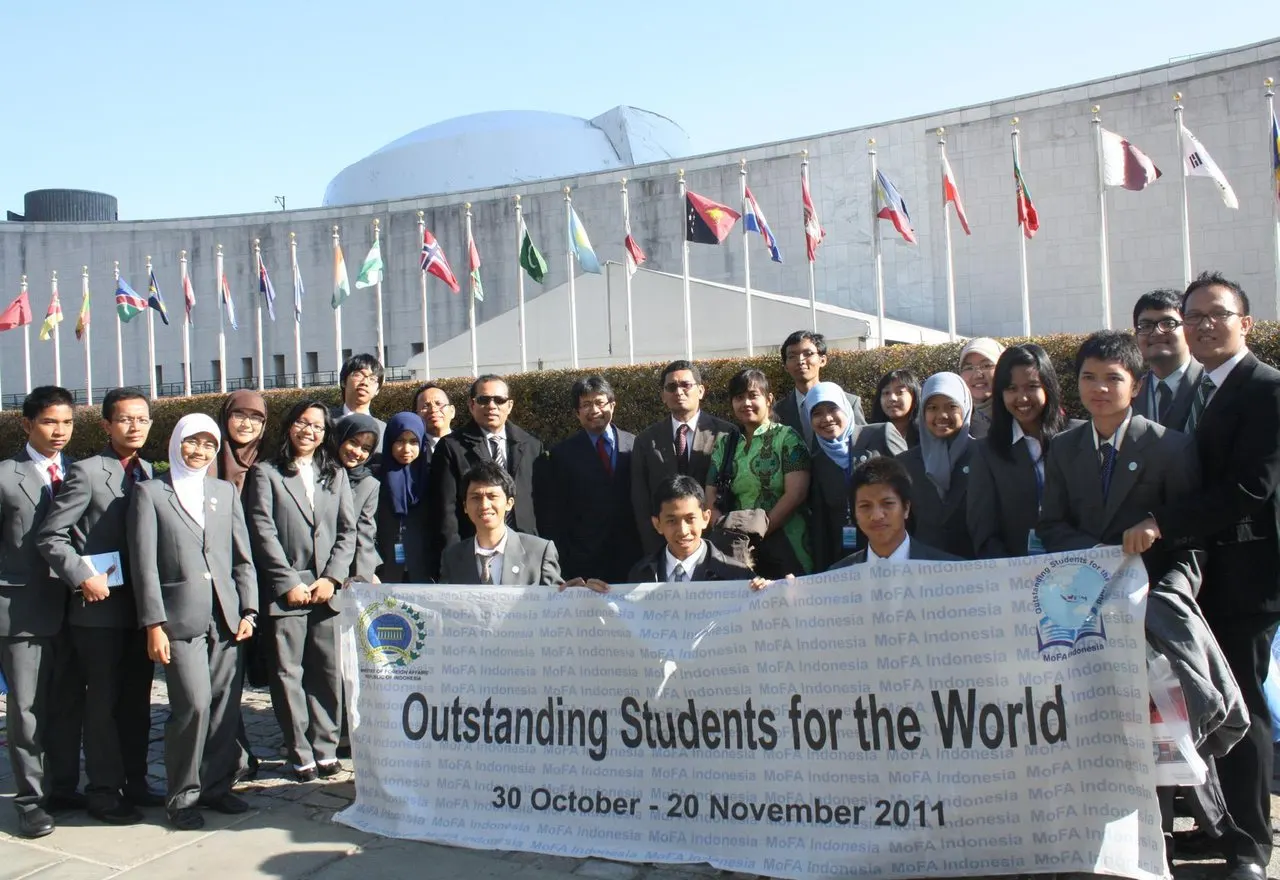
The debate over the remark will shape the weeks ahead, as allies wait to see whether Washington still stands with them. Ukraine, Europe and Asia are all watching the same signals, and every word from the White House is weighed. Congress may press the administration for answers, and the next summit will be watched closely. The story is far from over. Read our report on the Schumer reaction.
What Would You Say to the President?
If you had the chance to sit across from the president, what would you ask him about that day in the briefing room? Would you ask why he could not speak for America, or what he really thinks of Putin? Every reader sees this moment a little differently, and your view matters. Share your thoughts in the comments below and keep reading our story on the Collins exchange.