Shenzhen Peace Declaration Brings Trump, Xi and Putin Together
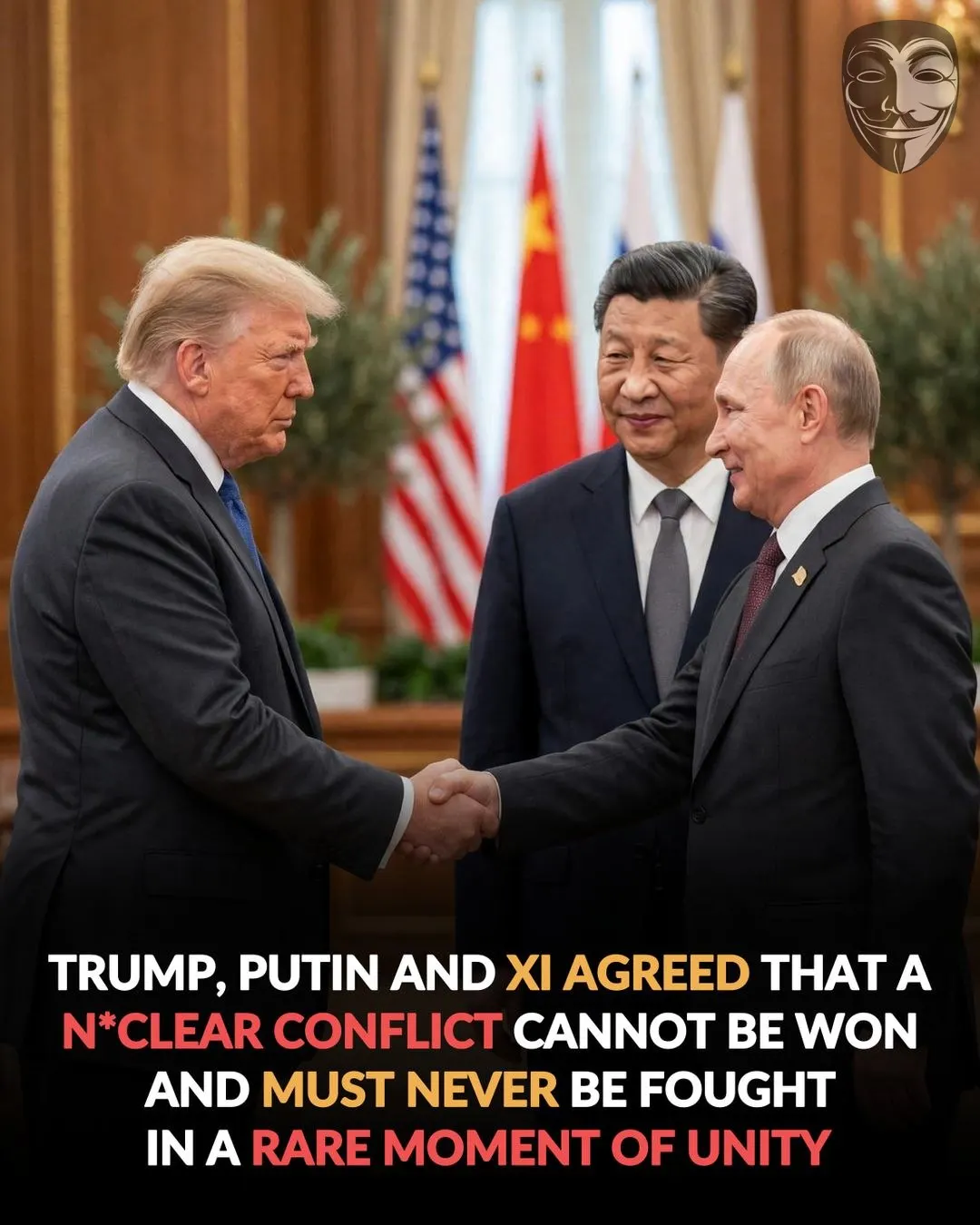
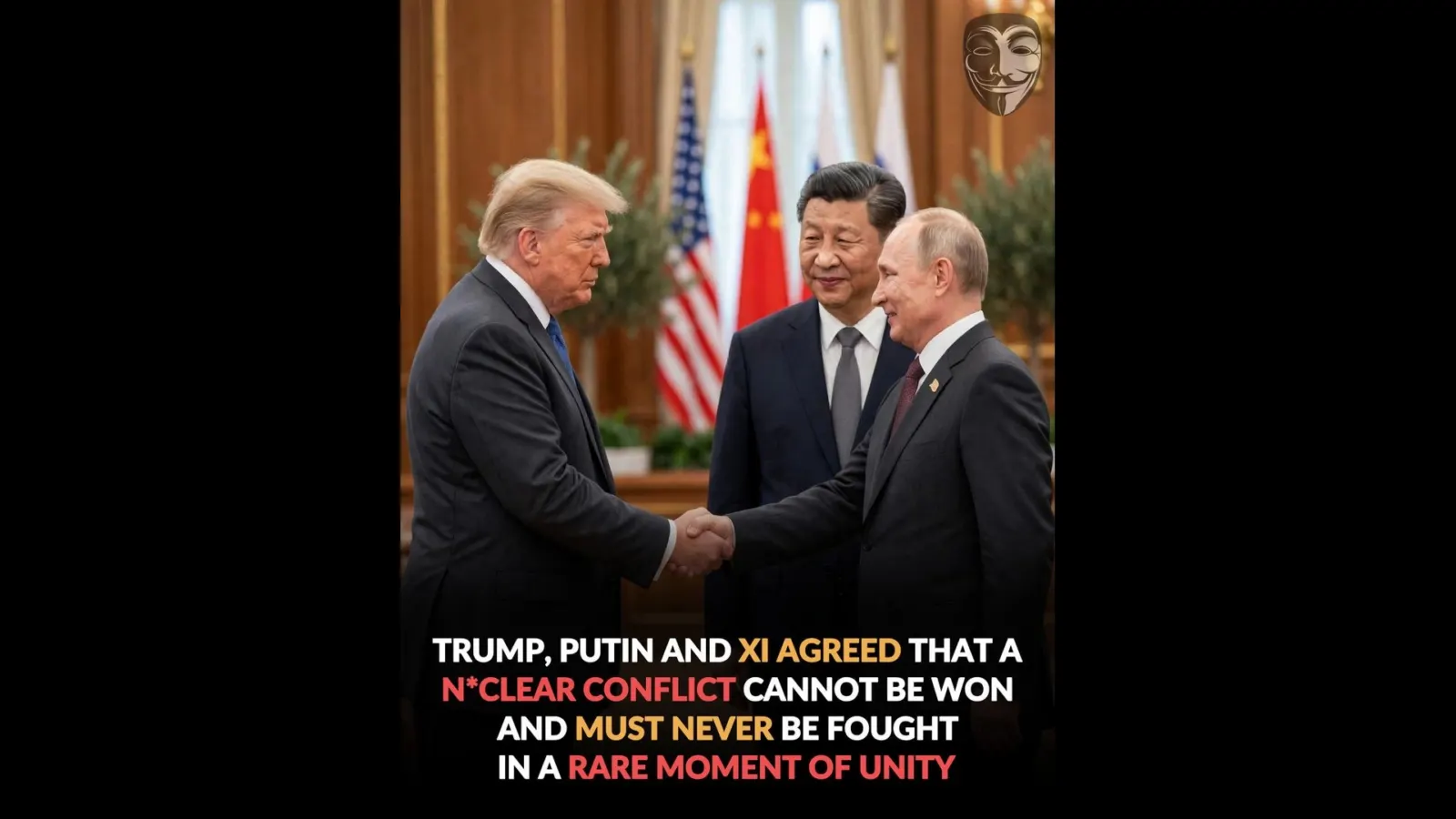
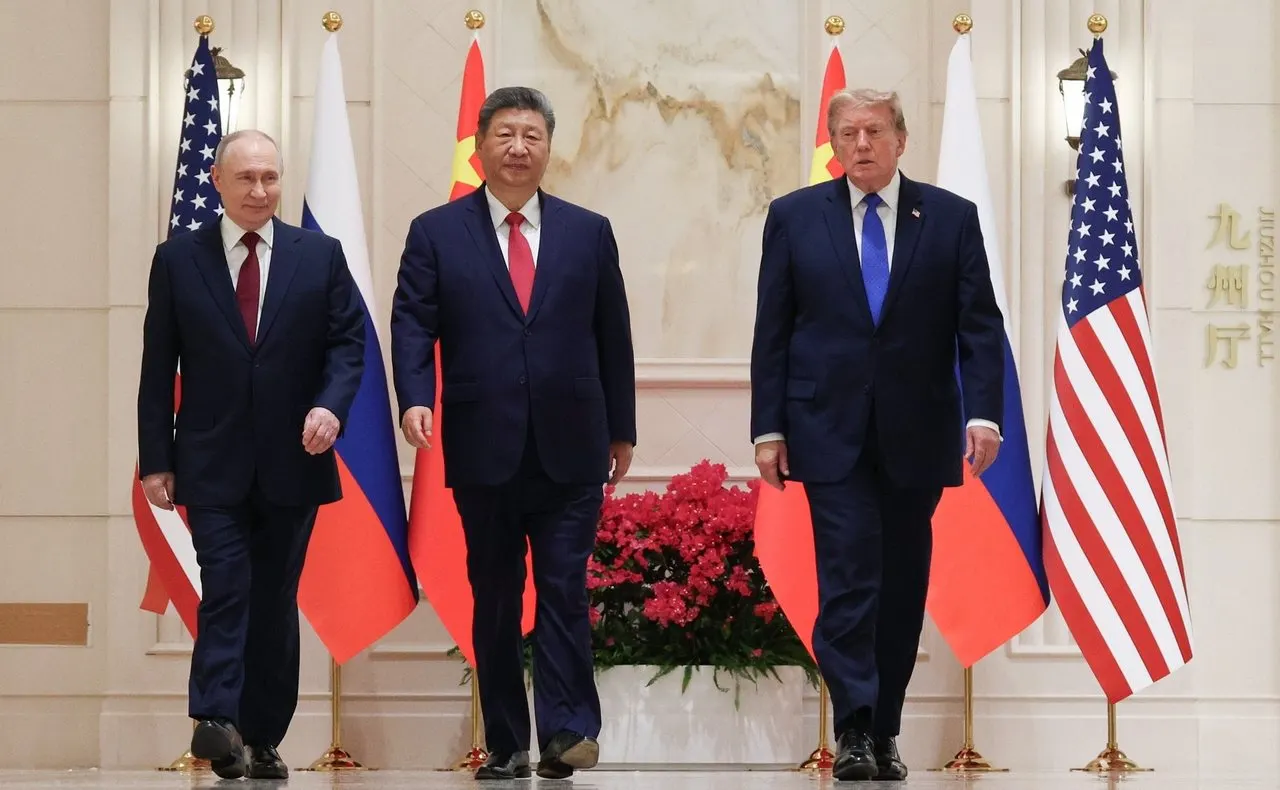
The Shenzhen peace declaration brought Donald Trump, Xi Jinping and Vladimir Putin together in Shenzhen on November 19, 2026, for the first meeting of the leaders of the United States, China and Russia. The three leaders met on the sidelines of the APEC summit and issued a joint Declaration toward Peace, reaffirming that a nuclear war cannot be won and must never be fought. They also agreed to hold talks on reducing nuclear risks and stopping nuclear tools from spreading. Here is what they promised, what they left out, and why the world is watching.
The meeting lasted about 90 minutes, and while the three leaders shook hands for the cameras, fighting continued in Ukraine, a reminder of how far words still have to travel before they become peace. The declaration also covered reform of the United Nations, stable supplies of refined petroleum products and the immunity of state officials. Yet it set no binding cuts to nuclear arsenals, no inspections and no timetable. For more on the day, read our report on the joint peace declaration and our story on the first trilateral meeting.
References:
Reuters: Trump Putin and Xi make history with meeting in China
European Council on Foreign Relations: From declaration to feasibility America China Russia and the future of N*clear talks
European Leadership Network: Spinning straw into gold Can Europe turn the Shenzhen declaration into meaningful N*clear diplomacy
NRB: After talks set Trump Xi and Putin pledge no N*clear conflict
The First Meeting of Three Leaders
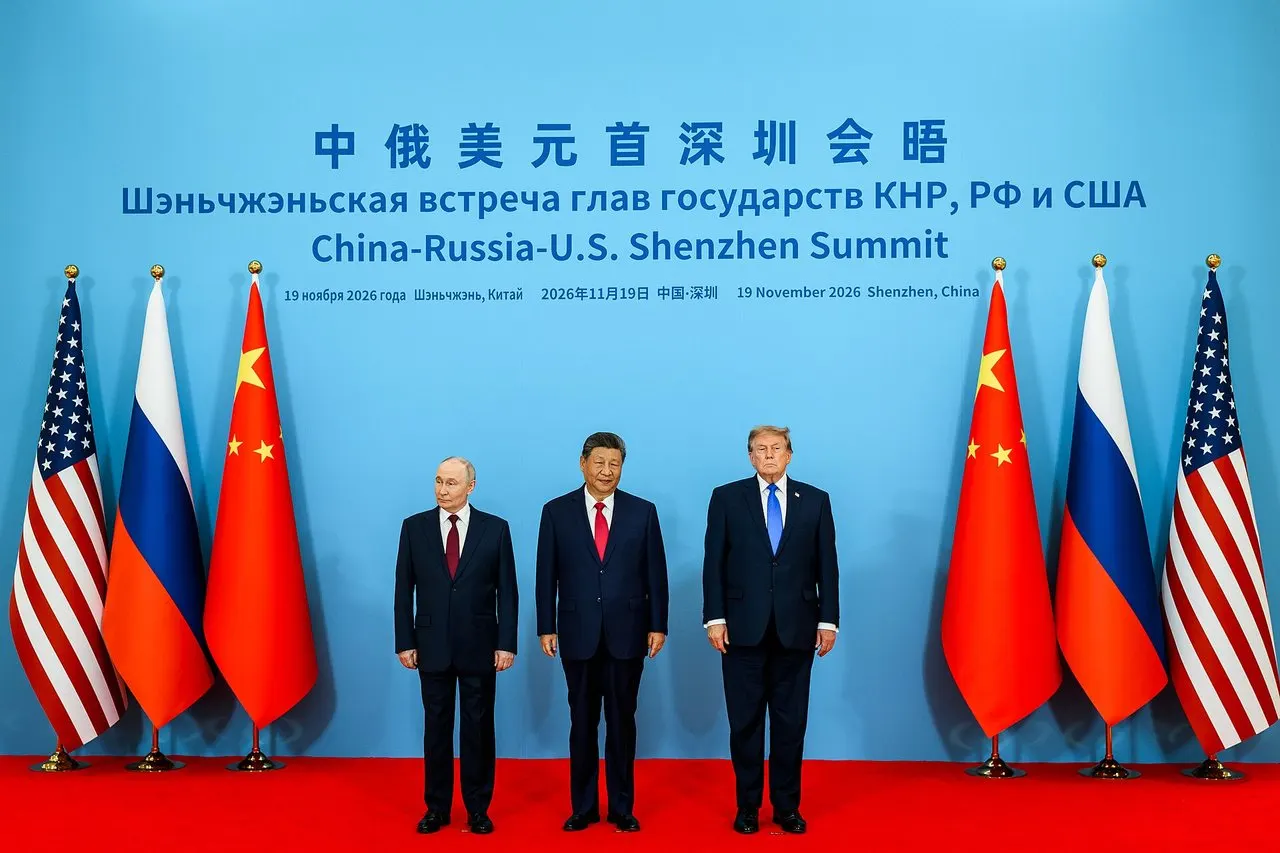
November 19, 2026, marked the first time the leaders of the United States, China and Russia sat down together in one room. Donald Trump, Xi Jinping and Vladimir Putin met in Shenzhen on the sidelines of the APEC summit, a gathering that brings Pacific nations together each year. No earlier meeting had joined all three leaders at once, which is why the day drew cameras from around the world. Read about the first trilateral meeting in our earlier coverage.
Shenzhen Hosts a Historic Summit

Shenzhen is a fast growing city in southern China, just across the border from Hong Kong, and it is known for technology, trade and tall towers. Hosting the APEC summit put the city at the center of world attention for a few days, with leaders, reporters and security teams filling its hotels and meeting halls. The choice of Shenzhen also mattered because the city stands for modern China. See the tarmac greeting in Shenzhen for more from the visit.
The Shenzhen Peace Declaration Says Conflict Must Never Be Fought

The heart of the joint declaration is a single promise that the three leaders put in writing. They reaffirmed that a nuclear war cannot be won and must never be fought, words that carry weight because they come from the leaders of the three largest nuclear powers. The line echoes a famous statement from the Cold War, and it sets the tone for everything else in the document. Read the joint peace declaration for the full picture.
Talks on Reducing Nuclear Risks
Beyond the promise itself, the leaders agreed to hold talks on reducing nuclear risks, a step that could matter more than the words on the page. Such talks usually cover how to avoid accidents, how to keep channels open in a crisis, and how to lower the chance of a mistake turning into a disaster. Experts say that even small steps, like hotlines and clear rules, can save lives. Read more in our story on the historic summit in Shenzhen.
Stopping Dangerous Tools From Spreading
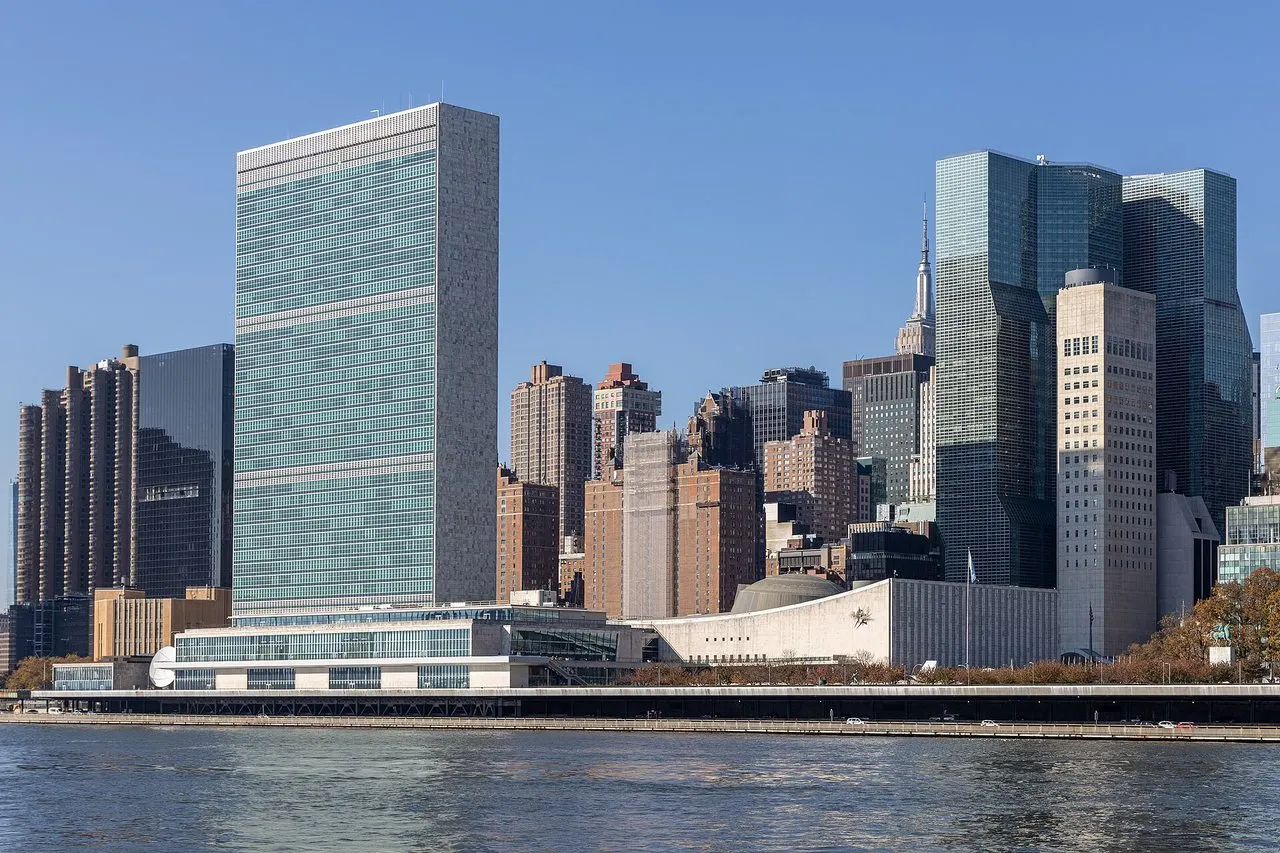
The declaration also promised talks on stopping nuclear tools from spreading to more countries, a goal that has worried world leaders for decades. When more nations hold such weapons, the risk of use, theft or accident grows, and the world becomes harder to keep safe. Past agreements have slowed the spread, but the work is never finished. Read the call Trump made to European leaders for related reporting.
Reforming the United Nations
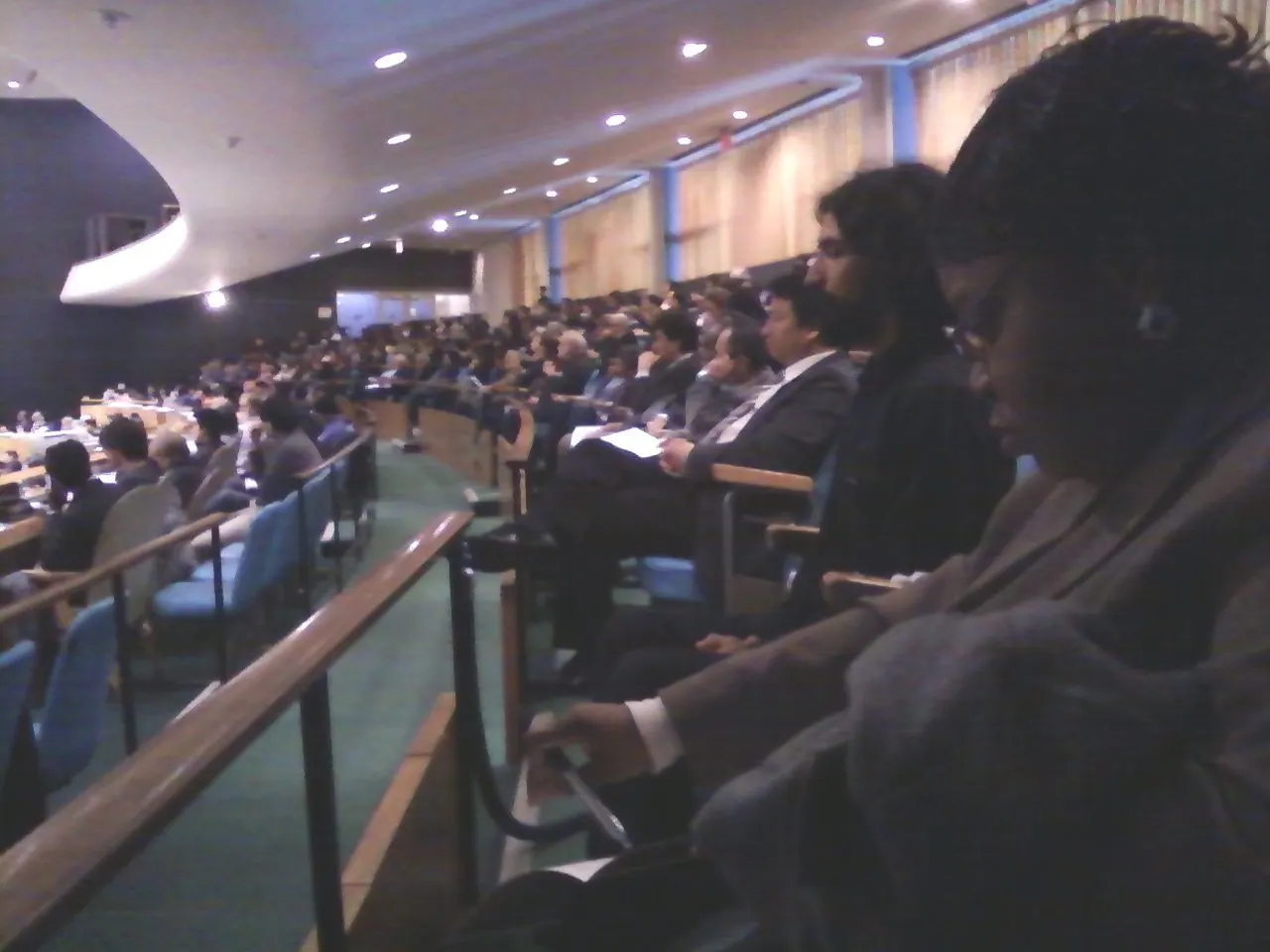
The three leaders also talked about reform of the United Nations, the body founded after World War II to keep the peace between nations. Reform has been discussed for years, with many countries saying the Security Council no longer reflects the world as it is today. Big changes need agreement among the most powerful members, which is hard to reach. See the APEC group photo in Shenzhen for more on world diplomacy.
Keeping Fuel Supplies Stable
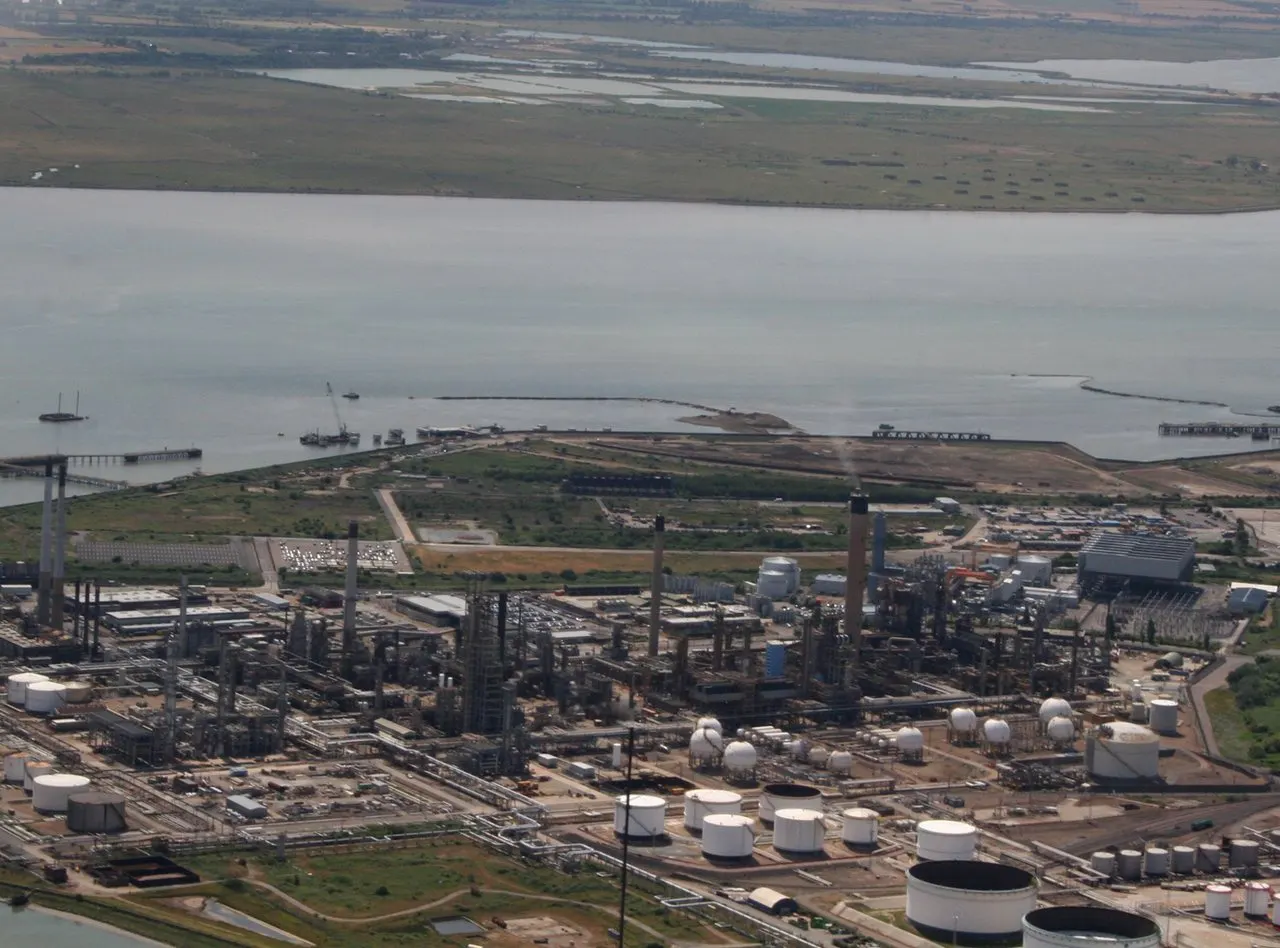
Stable supplies of refined petroleum products may sound dull, but fuel keeps hospitals, farms, trucks and homes running in every country. When supplies swing wildly, prices jump and ordinary people feel it at the pump and in the shops. The leaders agreed that steady supply matters for peace as well as for trade. Read the trip that brought 17 billion dollars in deals for more on the economic side.
Immunity for State Officials
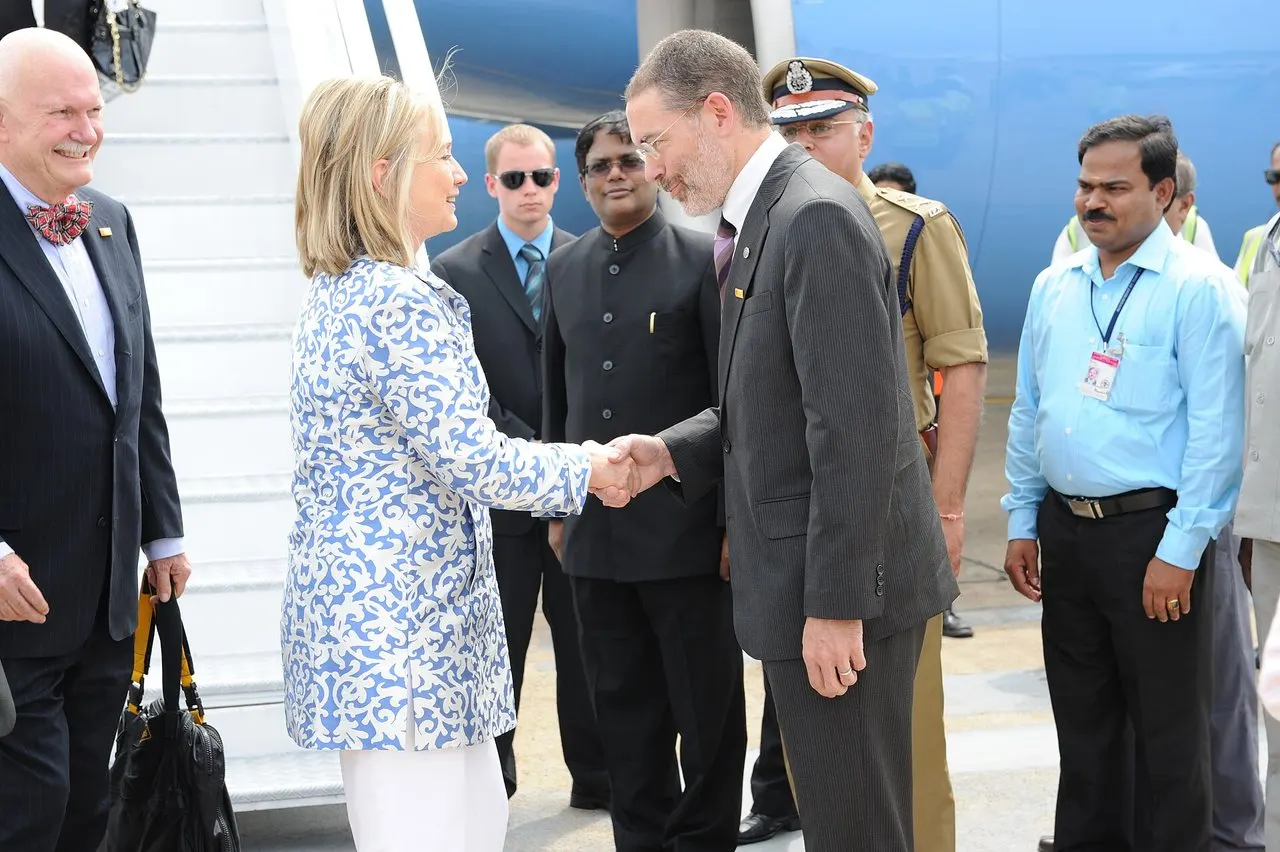
The declaration also touched on the immunity of state officials, a rule that protects leaders and diplomats from arrest when they travel abroad on official business. Supporters say immunity lets leaders meet face to face without fear, while critics say it can shield wrongdoing. The debate is old, and it is unlikely to end soon. Learn how to greet Vladimir Putin in our earlier summit stories.
What the Declaration Left Out
For all its warm words, the declaration set no binding cuts to nuclear arsenals, which means no country promised to reduce its stockpile by a set amount. It also set no inspections and no timetable, so there is no fixed date by which anything must happen. That leaves the hard work for later, and it is why many experts are cautious. Read the speech that took Trump apart on Ukraine for the other side of the debate.
The Shenzhen Peace Declaration Set No Binding Cuts

A promise without numbers is easy to sign and hard to measure, and that is the main weakness critics point to in this declaration. Binding cuts would force each side to destroy weapons on a schedule, with checks to prove it happened. Without them, arsenals stay as they are, and trust must carry the weight instead. Read the hour Trump spent telling Putin how great he is for more context.
Ninety Minutes in the Room
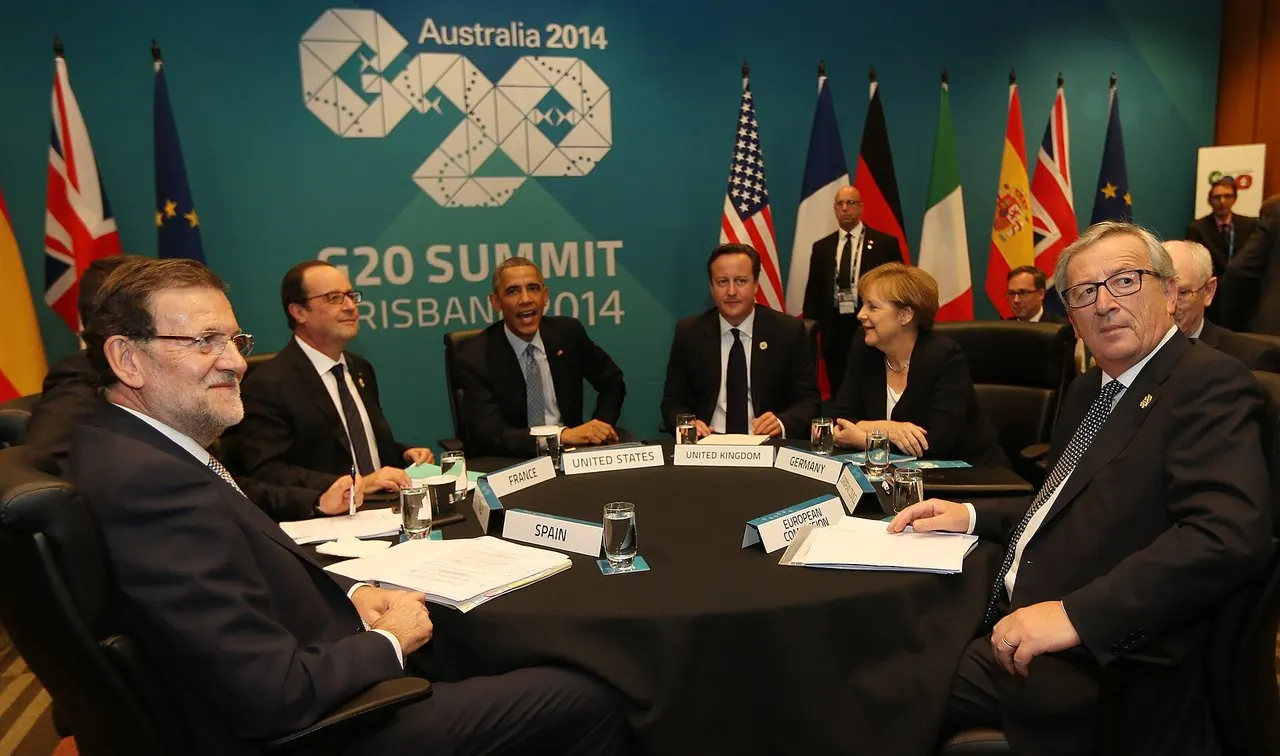
The meeting lasted about 90 minutes, a short time for three leaders with so much to discuss. In that span they covered nuclear risks, the United Nations, fuel supplies and the immunity of officials, then posed for the cameras. Short meetings can still matter when they open a door to longer talks. Read Trump’s walk into the briefing room after the long flight for what happened around the meeting.
Handshakes for the Cameras
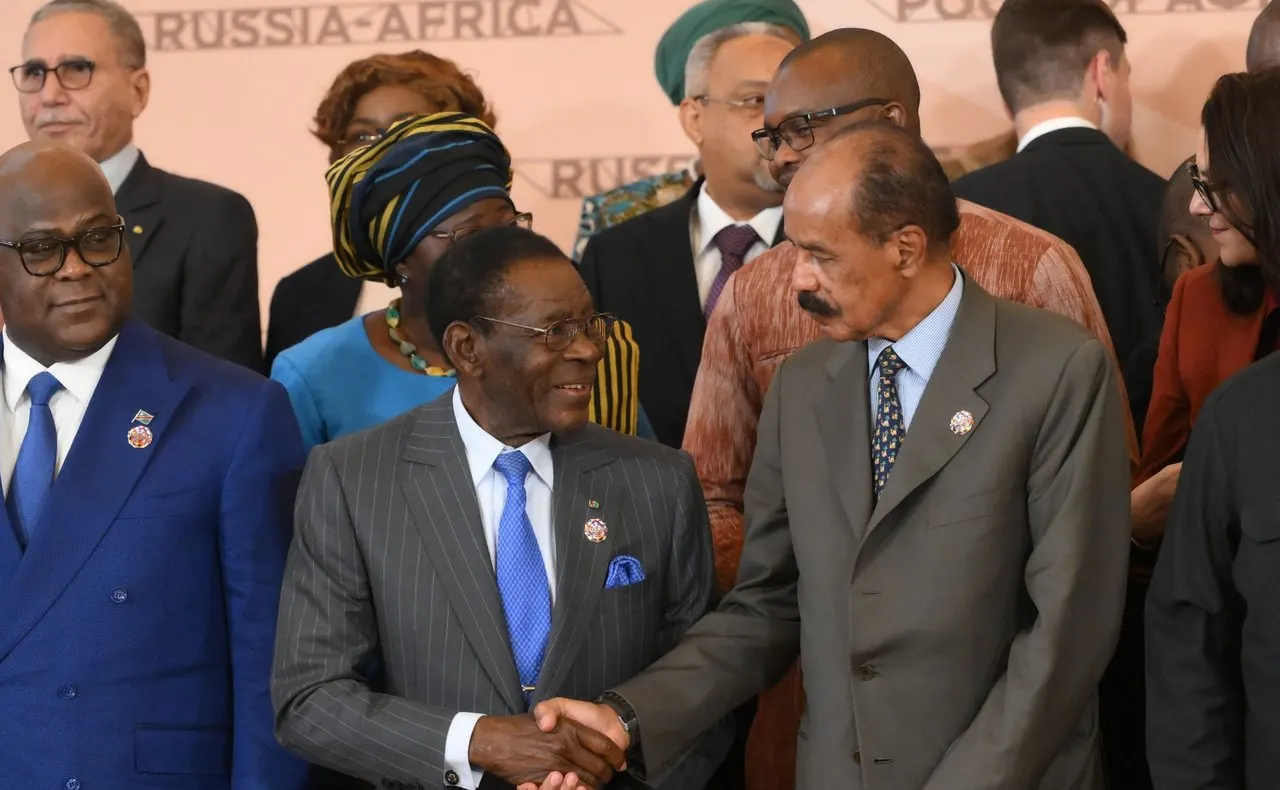
The cameras caught the three leaders shaking hands and smiling, images that traveled around the world within minutes. A handshake can look simple, but at a summit it sends a message that the leaders are willing to talk. Critics were quick to ask what the smiles cost, and whether warmth in public means softness in private. See the handshake that drew criticism during the Ukraine conflict for more on the optics.
Fighting Continued in Ukraine
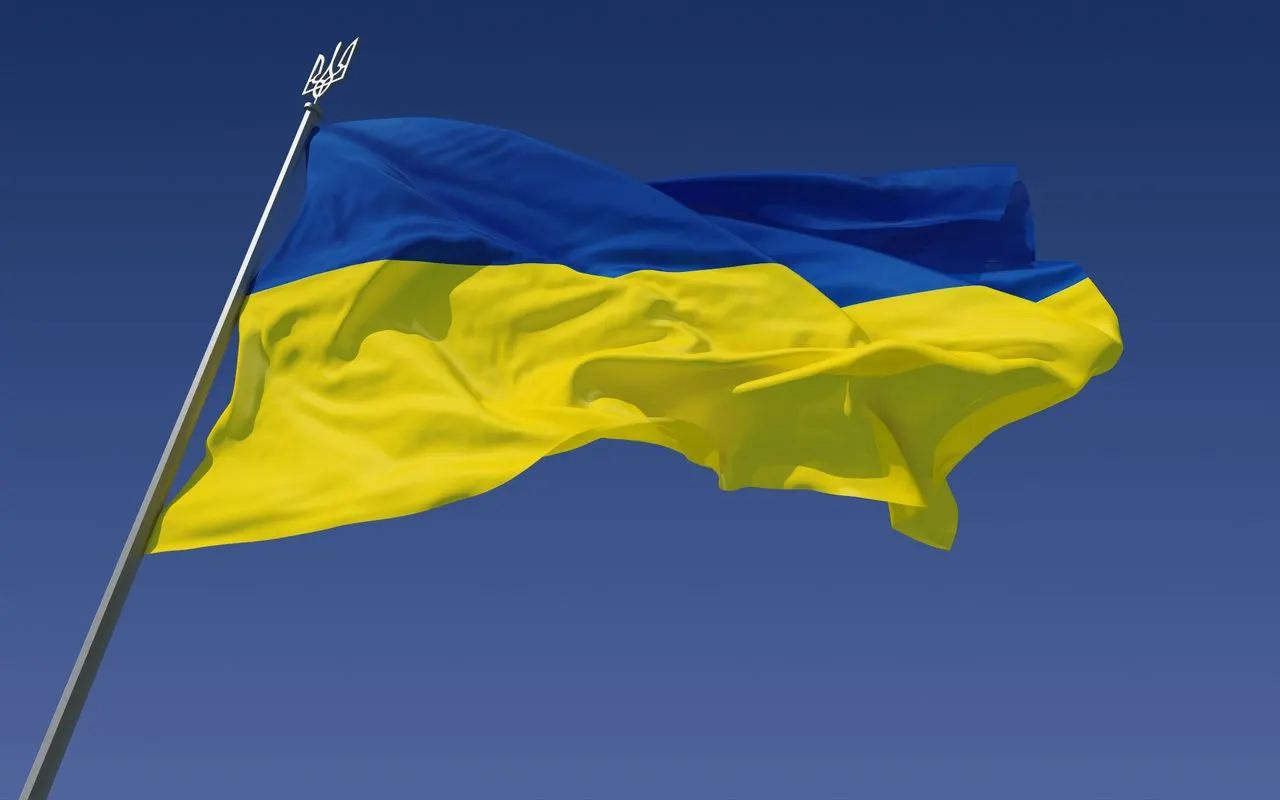
While the leaders talked peace in Shenzhen, fighting continued in Ukraine, where the war has dragged on for years. That contrast is the hardest fact in this story, because a declaration signed far from the front lines does not stop shells from falling. Ukrainians watching the handshake will judge the meeting by what changes on the ground. Read the first drone medical evacuation in Ukraine for more from the region.
The Shenzhen Peace Declaration Was a Rare Moment of Unity
It is rare for the leaders of the United States, China and Russia to agree on anything in public, which is why this day stood out. The three countries disagree on trade, on Ukraine and on much else, yet they found shared words on nuclear danger. Moments like this are easy to praise and hard to repeat. Read the first trilateral meeting for more on a day of rare agreement.
Words With a Long History
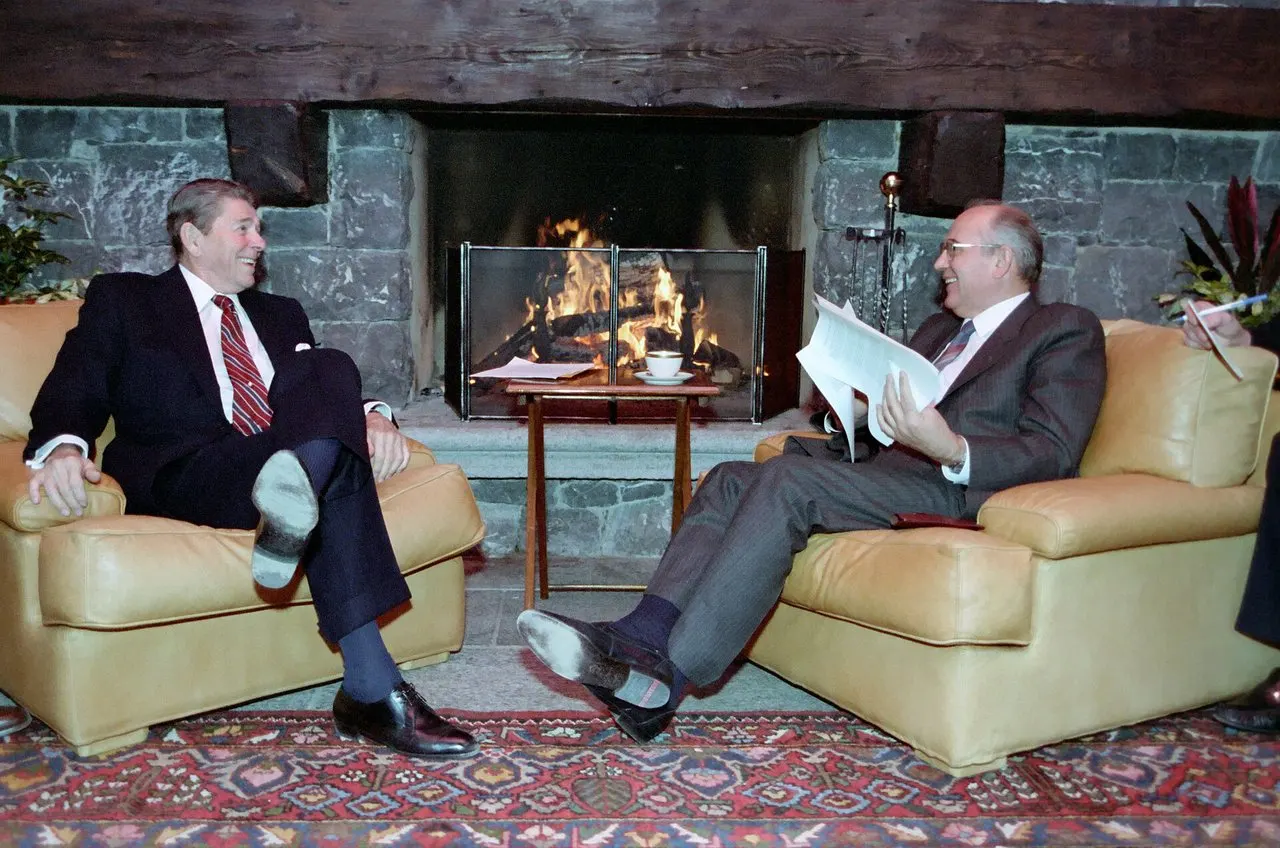
The line about nuclear war has a history that goes back to the Cold War, when Ronald Reagan and Mikhail Gorbachev said in Geneva in 1985 that a nuclear war cannot be won and must never be fought. Those words were repeated by later leaders because they capture a simple truth about weapons that can destroy whole cities. History gives the Shenzhen words a deeper echo. Read how Obama once greeted Putin for more on American politics and power.
How the Meeting Came Together
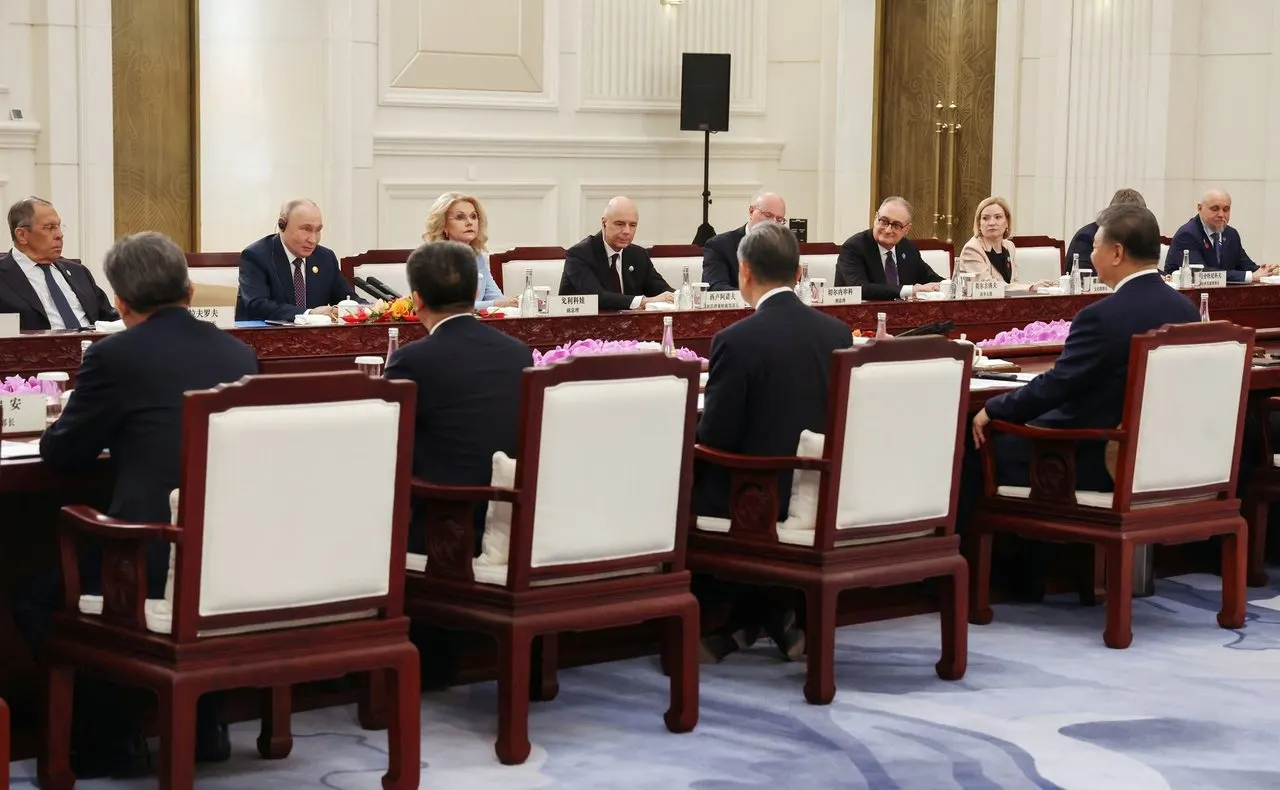
The meeting happened on the sidelines of the APEC summit, the yearly gathering of Pacific Rim economies that draws leaders from across Asia and the Americas. Side meetings are common at such summits, but a first meeting of three great powers is not. Months of quiet talks behind the scenes made the 90 minutes possible. See the long economy flight to the APEC summit for more from Shenzhen.
Trump Arrives in China
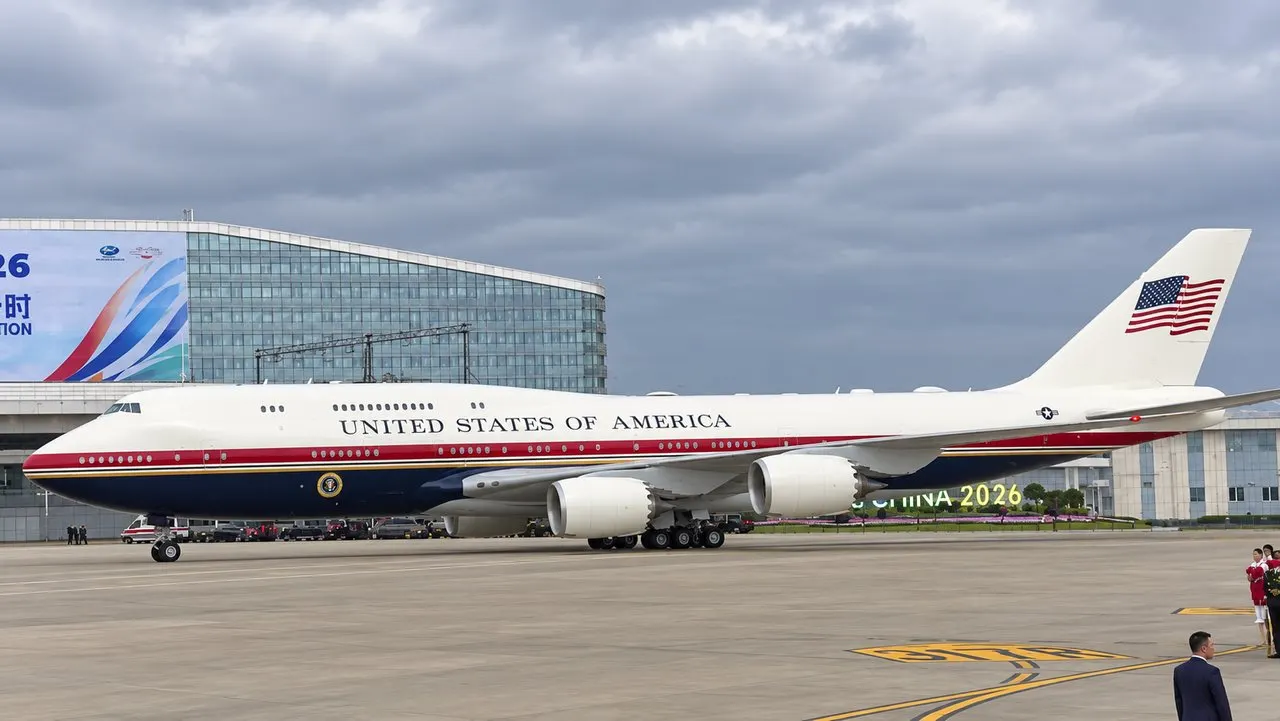
Donald Trump flew to China for the APEC summit and a packed schedule of meetings with Xi Jinping and Vladimir Putin. The trip came after a long flight across the Pacific, and the president walked into a briefing room to report on his talks once he was back. Long trips like this test any leader, and the pictures from the arrival set the tone. Read Trump’s briefing room report after the flight for the full journey.
Xi Welcomes His Guests
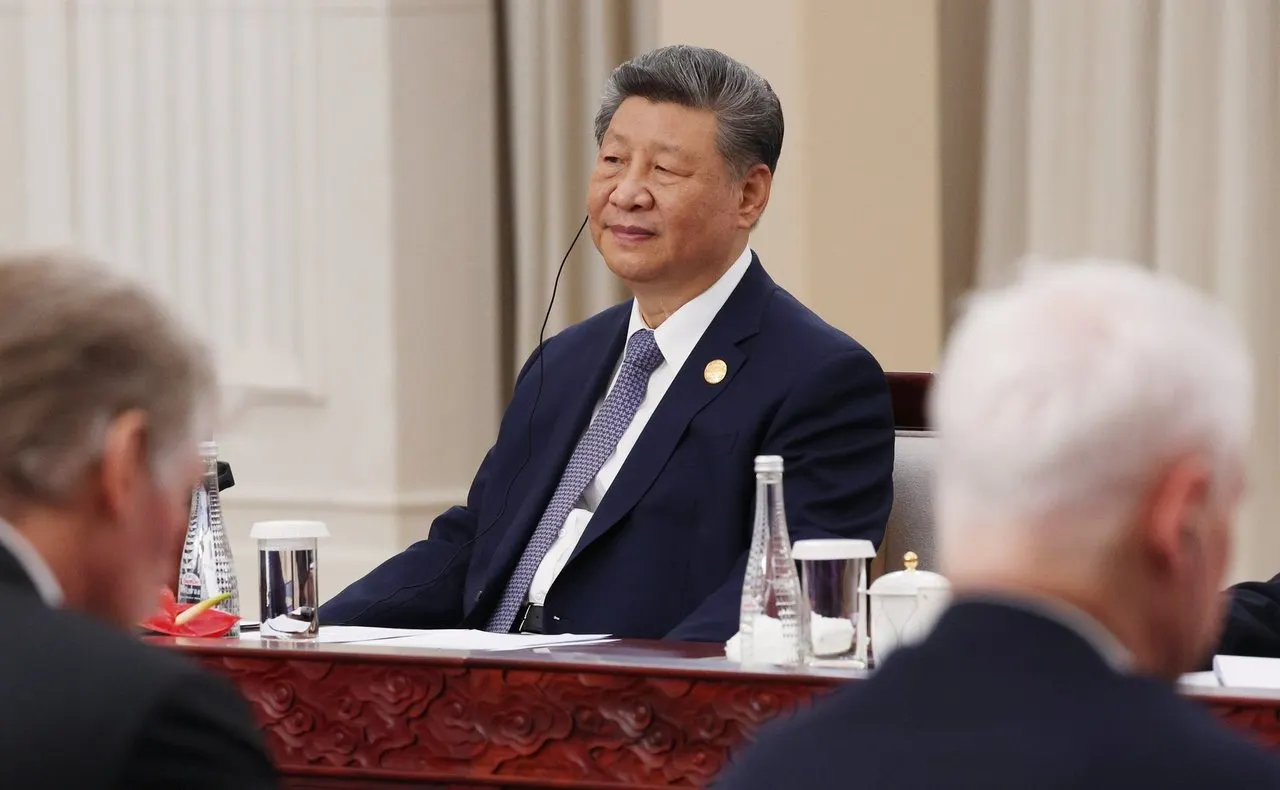
As host, Xi Jinping welcomed Donald Trump and Vladimir Putin to Shenzhen, a role that put China at the center of the day. Xi greeted Trump on the tarmac when he landed, a warm welcome that set a friendly tone before the serious talks began. Hosting a first meeting of three powers is a mark of standing on the world stage. See the tarmac greeting in Shenzhen for more moments from the host city.
Putin Takes His Seat
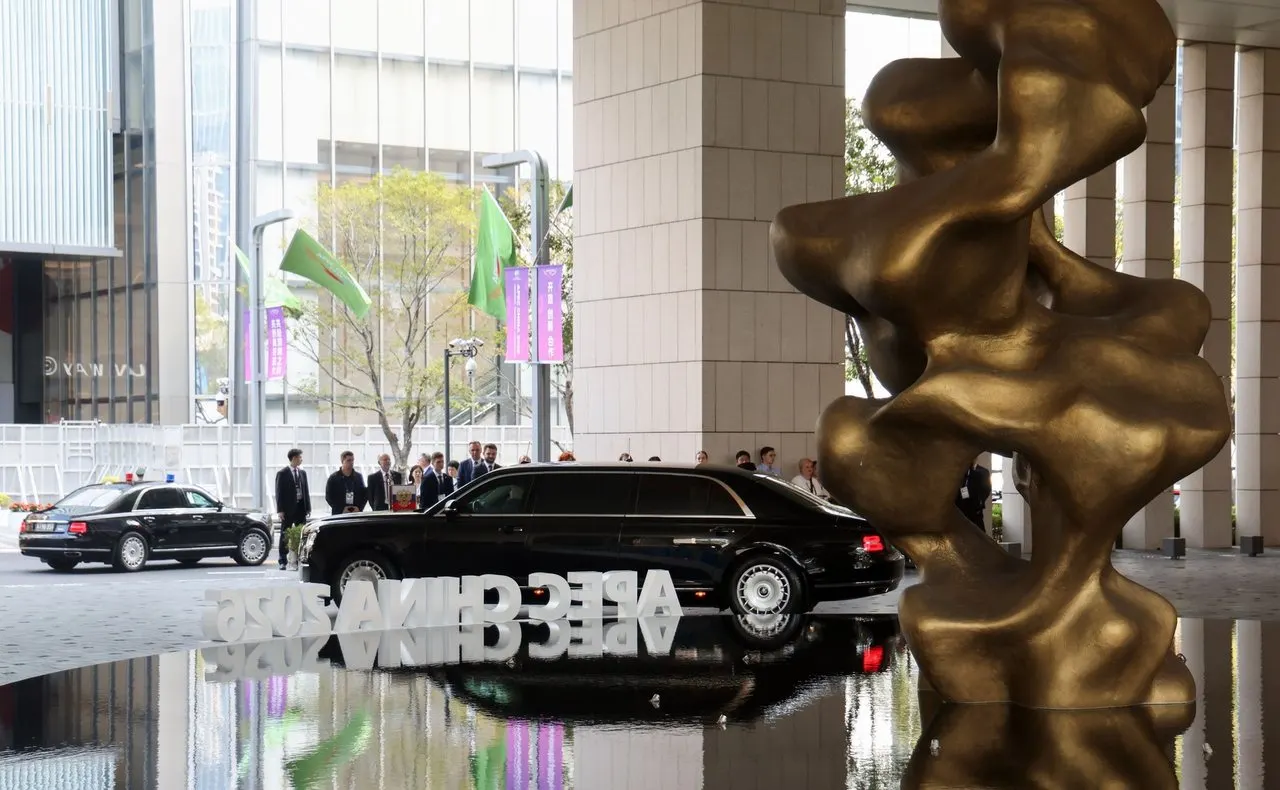
Vladimir Putin arrived in Shenzhen for the APEC summit and took his seat beside the leaders of the United States and China. Putin has met both men before, but never with all three together at one table. His presence was the part of the day that drew the most questions from critics at home and abroad. Read what Trump knows about Putin and Iran for the sharper side of the story.
What Happens After the Shenzhen Peace Declaration
The real test starts now, because talks on reducing nuclear risks have to be arranged, staffed and carried through. Diplomats will need to agree on who meets, when they meet and what counts as progress, and each side will watch the others for signs of good faith. Declarations are easy to sign, and follow through is where peace is won or lost. Read the historic peace summit in Shenzhen for what comes next.
Europe Watches Closely

European leaders watched the Shenzhen meeting with care, because their security depends on what the United States, China and Russia decide. Trump later called seven European leaders and urged them to stop backing the defense of Ukraine, a report that worried many in Europe. The continent wants peace, but it also wants a peace that lasts. Read Trump’s call to European leaders for the European view.
Can the Shenzhen Peace Declaration Become Real Action
Experts who study nuclear talks say a declaration is only the first step, and the hard part is turning words into checks, limits and trust. The analysts in Europe have asked whether the Shenzhen text can become meaningful diplomacy, or whether it will fade like other fine statements. The answer will come from the talks that follow, not from the signing ceremony. Read the warning Liz Cheney gave Republicans while we wait for the next step.
From the Shenzhen Peace Declaration to Real Diplomacy
Turning a declaration into diplomacy means long meetings, careful wording and patience, the slow work that rarely makes the news. The European Leadership Network has asked whether Europe can turn the Shenzhen text into meaningful nuclear diplomacy, a question with no easy answer. Small steps, like regular talks and open channels, are where it starts. Read the call for a winter truce for more on the road ahead.
The APEC Summit Backdrop
APEC brings together leaders from around the Pacific each year to talk about trade and shared problems, and Shenzhen gave the 2026 meeting a modern Chinese setting. Leaders from many countries attended, including Mexico’s president, who flew 21 hours in economy class to reach the summit. The big story, though, was the three men in one room. See the long economy flight to the summit for more from the gathering.
What the Shenzhen Peace Declaration Still Needs

For the declaration to matter, it still needs binding cuts, inspections and a timetable, the three things it does not have. It also needs the fighting in Ukraine to stop, because peace on paper means little while shells still fall. Leaders have signed hopeful words before, and the world has learned to ask what comes next. Read the Armenia and Azerbaijan peace deal for more on deals and change.
What Do You Think the Shenzhen Peace Declaration Will Bring

The leaders have spoken, the cameras have gone, and now the waiting begins. Will the talks on nuclear risks happen, will the fighting in Ukraine stop, and will these words become something real? Or will this rare moment of unity fade like so many summits before it? Tell us what you think in the comments. Read Trump’s return from Asia and keep following the story with us.