The Skilled Veterans Corps Offered to Take Fukushima’s Risk
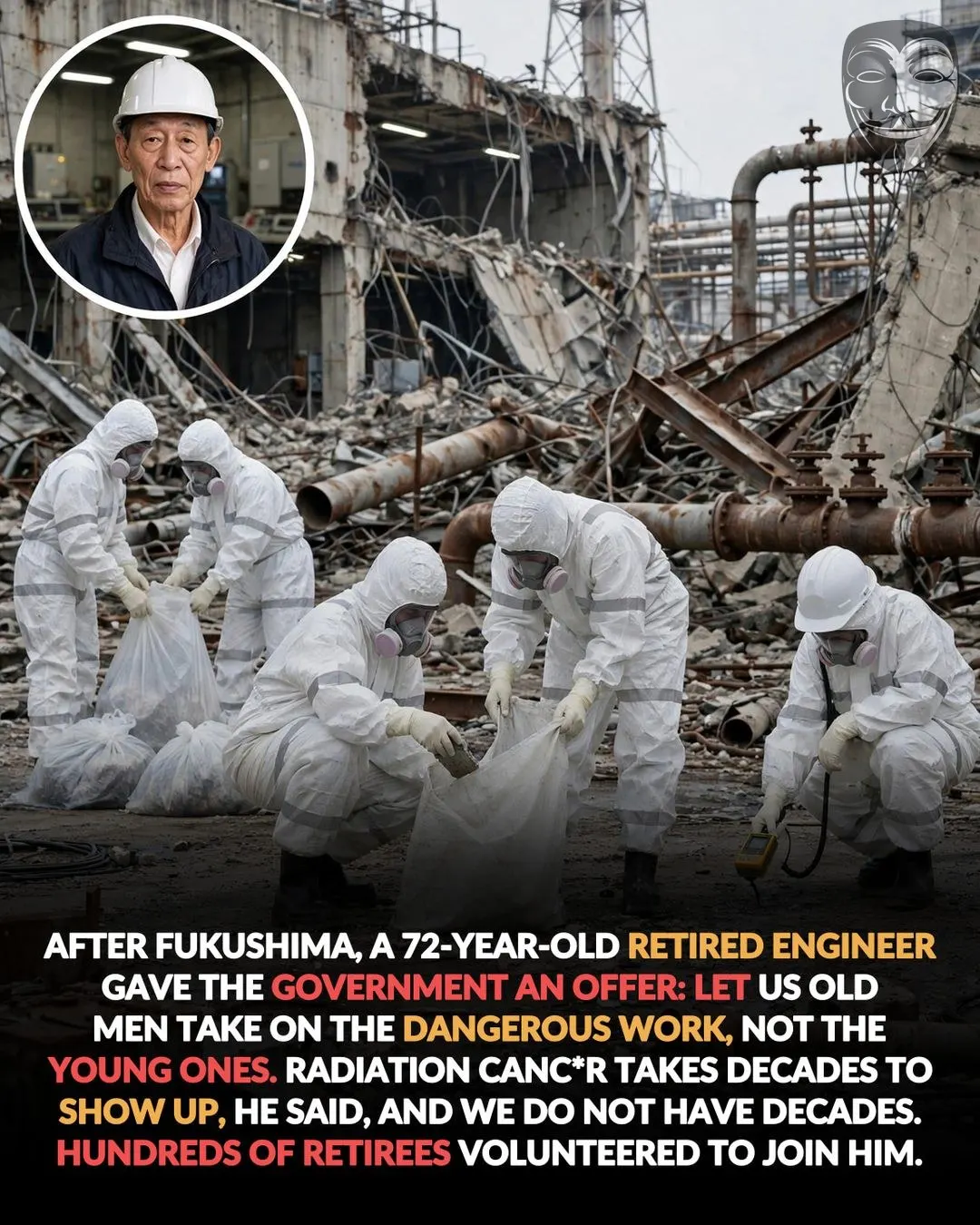
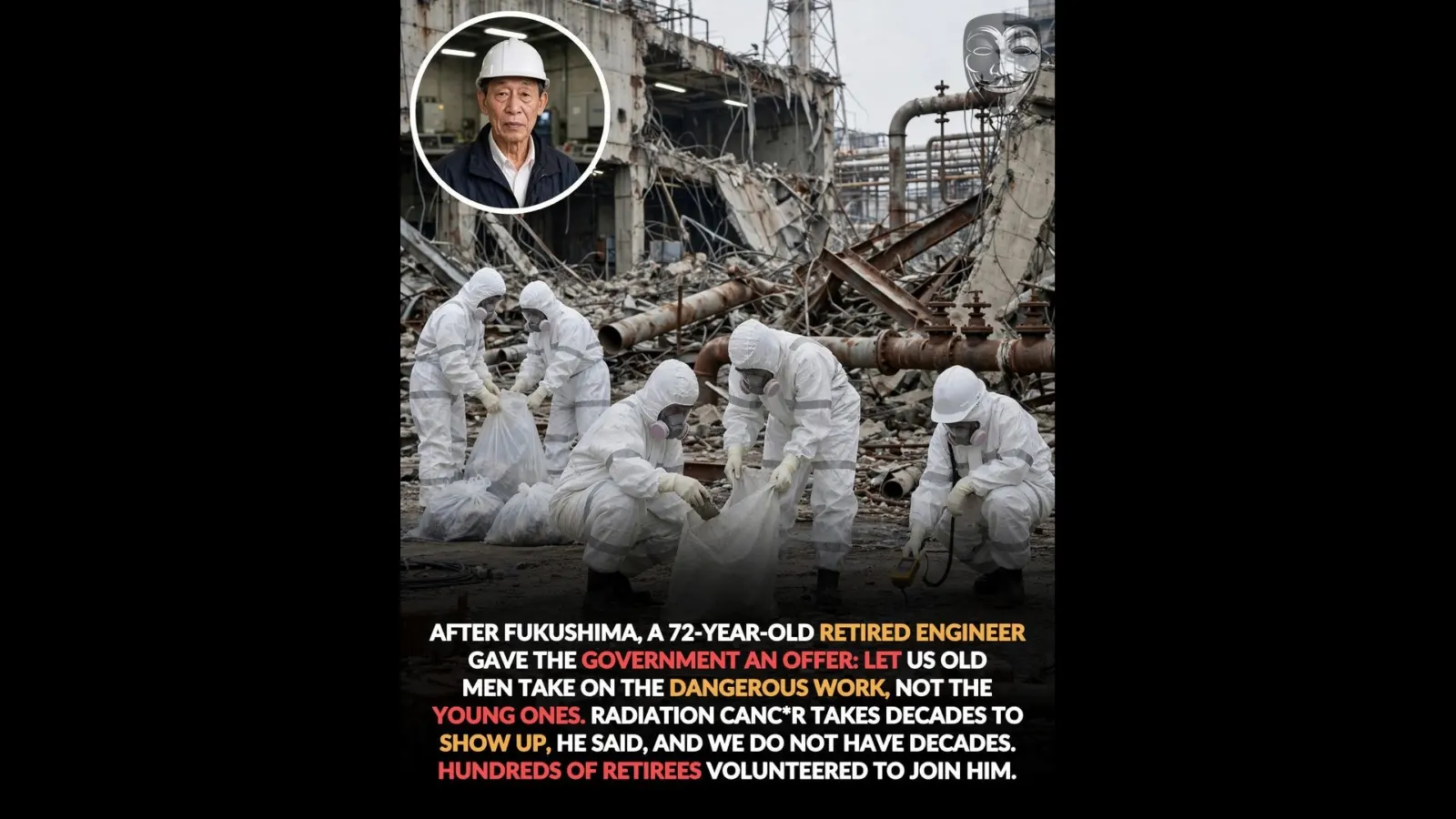
The Skilled Veterans Corps began with one retired engineer who could not stand by while young workers walked into danger. Yasuteru Yamada was 72 when the March 2011 earthquake and tsunami crippled the Fukushima Daiichi nuclear plant, and he watched younger men enter contaminated buildings to try to bring it under control. He believed his generation should carry that risk instead, because radiation illness can take decades to appear and older people had fewer decades left. His idea grew into a group of skilled retirees ready to help.
In the slides ahead we look at how Yamada built his corps, how the volunteer count grew from 247 to more than 500, and why the government and the plant operator never accepted the offer. We also look at the quiet life of the man behind the idea and the lesson his offer still holds for younger people today. For more stories about people who spoke up when it mattered, read about a silent shrug that said more than words.
References:
NPR: Japanese Seniors Send Us To Damaged N*clear Plant
Physics Today: Elders Offer Help at Japan’s Crippled Reactor
BBC News: Japan Pensioners Volunteer to Tackle N*clear Crisis
ABC News: Japanese Retirees Offer to Help at Fukushima Plant
The Morning the Sea Came Ashore
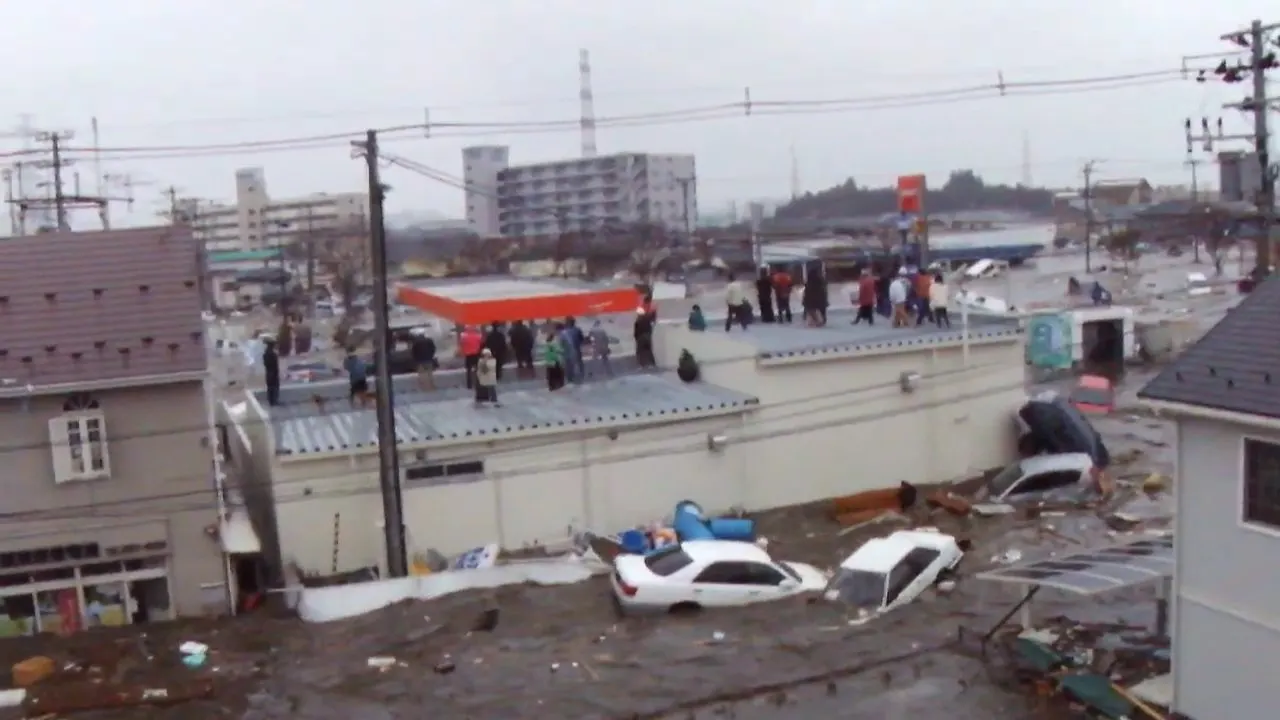
On March 11, 2011, an earthquake struck off the coast of Japan and sent a tsunami crashing into the shoreline. The wave flooded towns, swept away homes and knocked out power at the Fukushima Daiichi nuclear plant. Without cooling, the reactors began to overheat, and workers faced a crisis that would last for months. The disaster changed Japan and the world, and it set the stage for one retired engineer to make an offer nobody expected. Read about an actor who praised the gentlest of dogs.
The Skilled Veterans Corps Started With One Man’s Anger
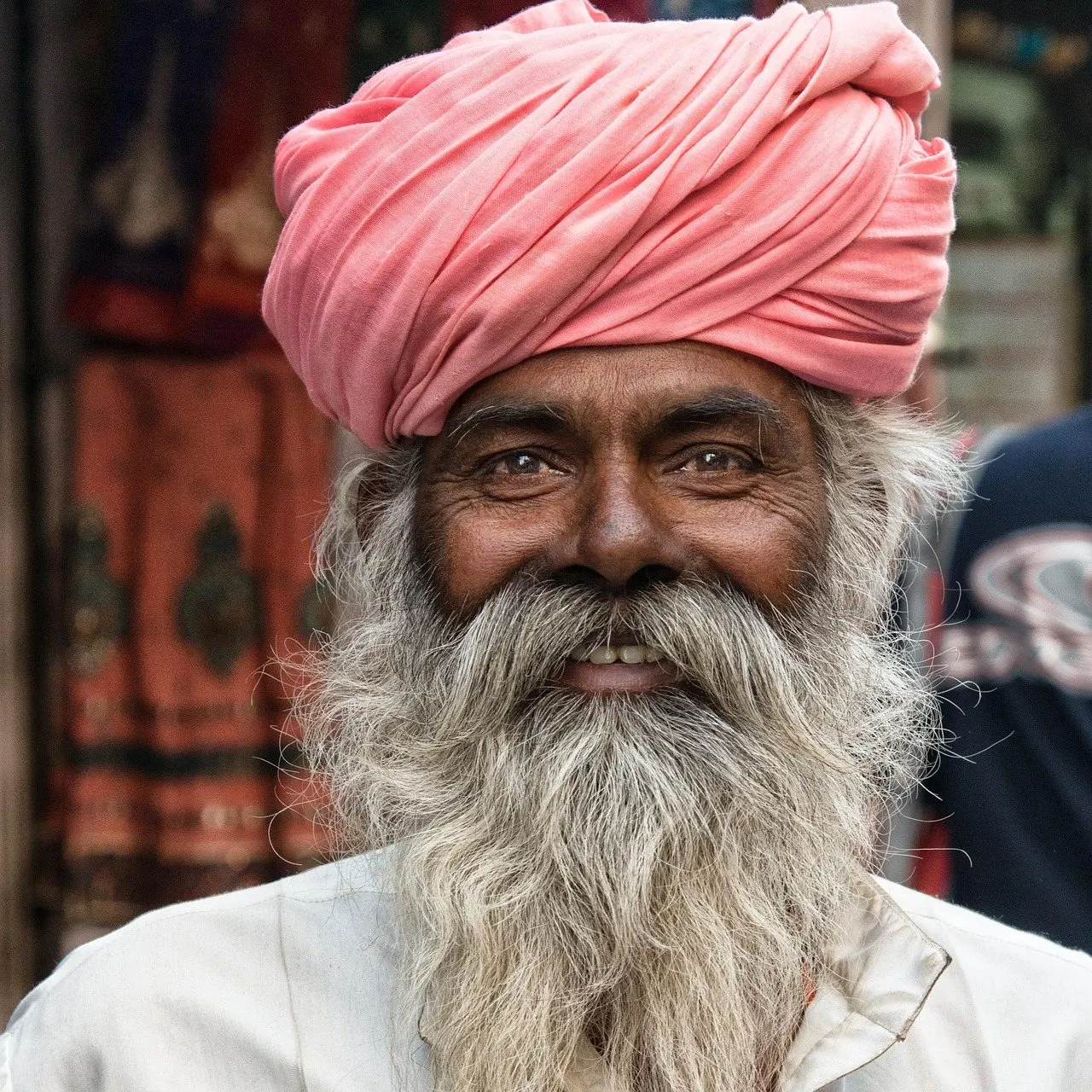
Yasuteru Yamada was a retired engineer of 72 when the plant failed, and he had spent his life around machines and power stations. He watched young workers in protective suits walk into buildings where radiation levels were high, and he felt it was wrong. Those young men had families and decades of life ahead, while he and his friends were old. He decided that older people with the right skills should take the dangerous jobs instead. Read about a debate over how much water data centers use.
Old Men, Not Young Ones
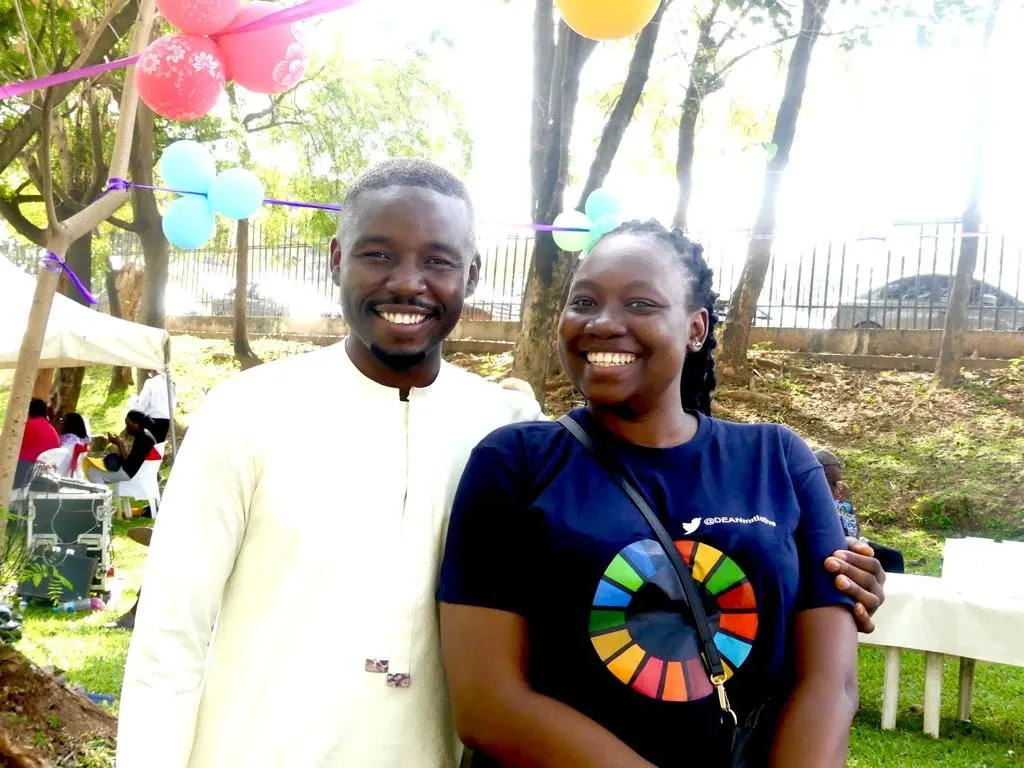
Yamada’s idea was simple. He said older people should take on the dangerous work at Fukushima so younger workers would not have to carry so much risk. Radiation illness can take decades to show up, and a man of 72 does not have decades left, while a man of 25 does. His friends agreed, and soon hundreds of retirees were ready to volunteer. They were not reckless. They simply believed their generation should protect the young. For more, read about an actor whose remarks started a fierce debate.
What the Skilled Veterans Corps Offered to Do
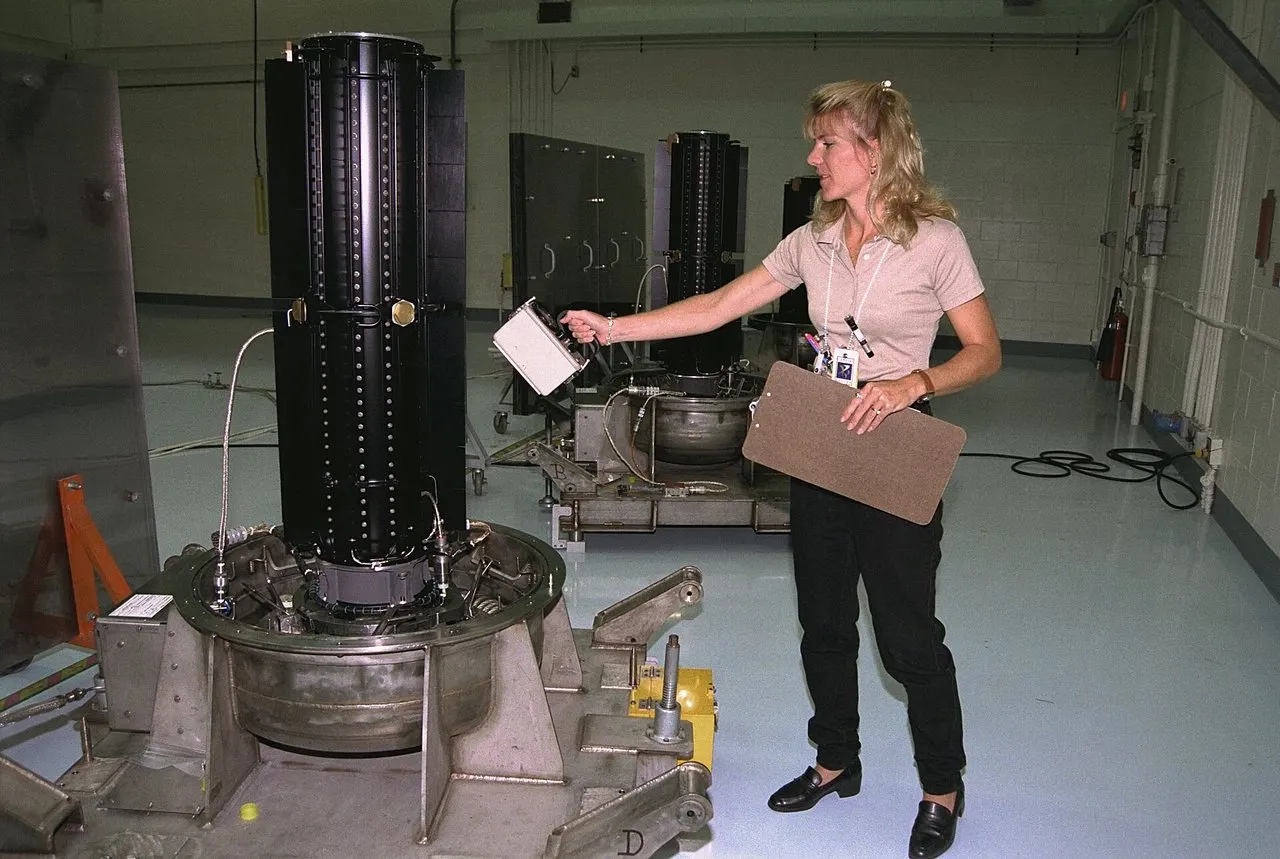
The Skilled Veterans Corps did not ask to do every job at the plant. They proposed assignments such as radiation monitoring, where their skills could help without putting young workers in harm’s way. Many volunteers were retired engineers, technicians and plant workers who already knew how nuclear sites worked. They were ready to go inside, take readings and help the recovery move forward. Their plan was careful, and it came from people who knew the risks. You may also like a robot that may one day outnumber people.
247 Volunteers Joined the Skilled Veterans Corps by June 2011
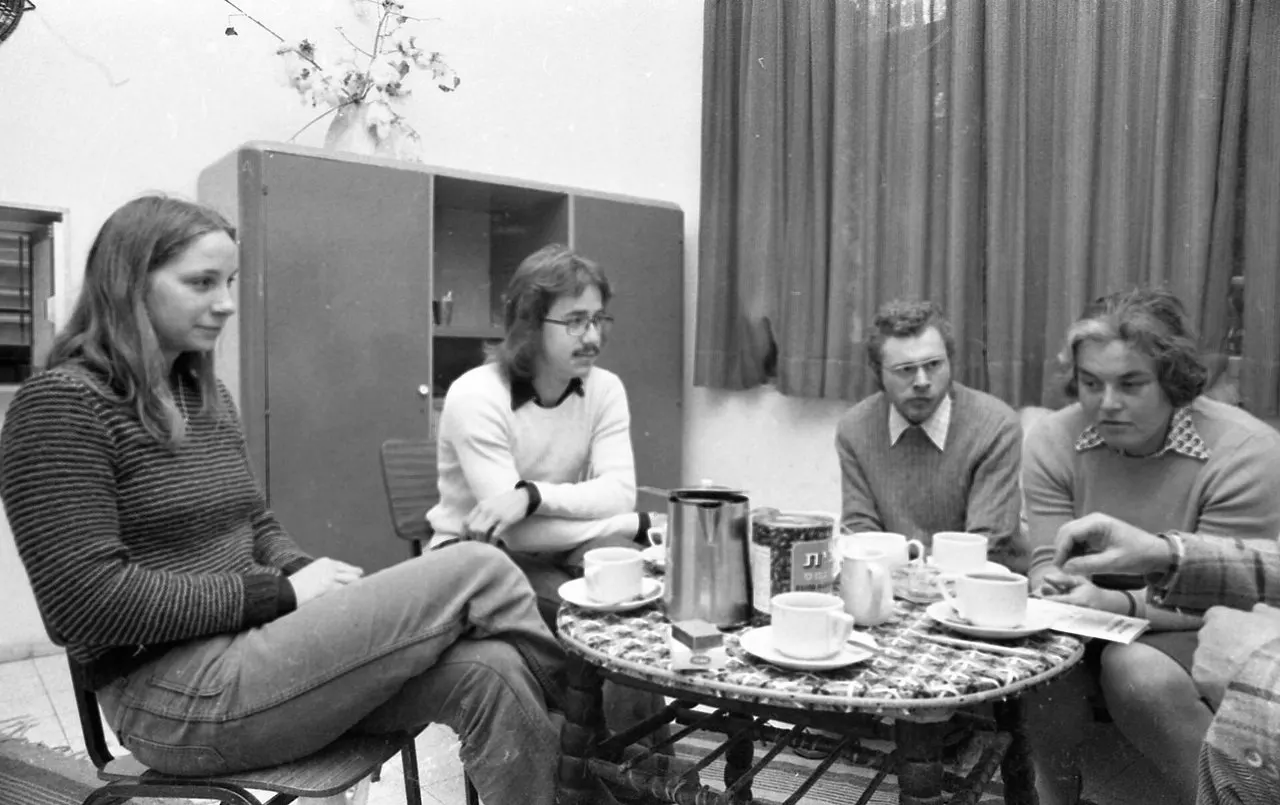
By June 2011, three months after the disaster, ABC News reported that 247 volunteers had signed up, all of them over 60. Many people were surprised, because the group had started with one man and a simple idea. Word spread, and older people across Japan said they wanted to join. Each volunteer brought years of work, and each one understood the danger. They were not paid, and they were not forced. They chose to step forward. Learn more about a father who says time with his kids is real wealth.
The Skilled Veterans Corps Passed 500 by September
By September 2011, NPR reported that the Skilled Veterans Corps had grown to more than 500 volunteers, including both men and women. The group grew as more retirees heard about Yamada and his offer, and the story reached people beyond Japan. People from many walks of life signed up, from engineers to nurses to teachers. They shared one belief, that their age was a reason to help, not a reason to stay home. The volunteers were ready. For more, read about leaders shaking hands after difficult talks.
Men and Women Over 60
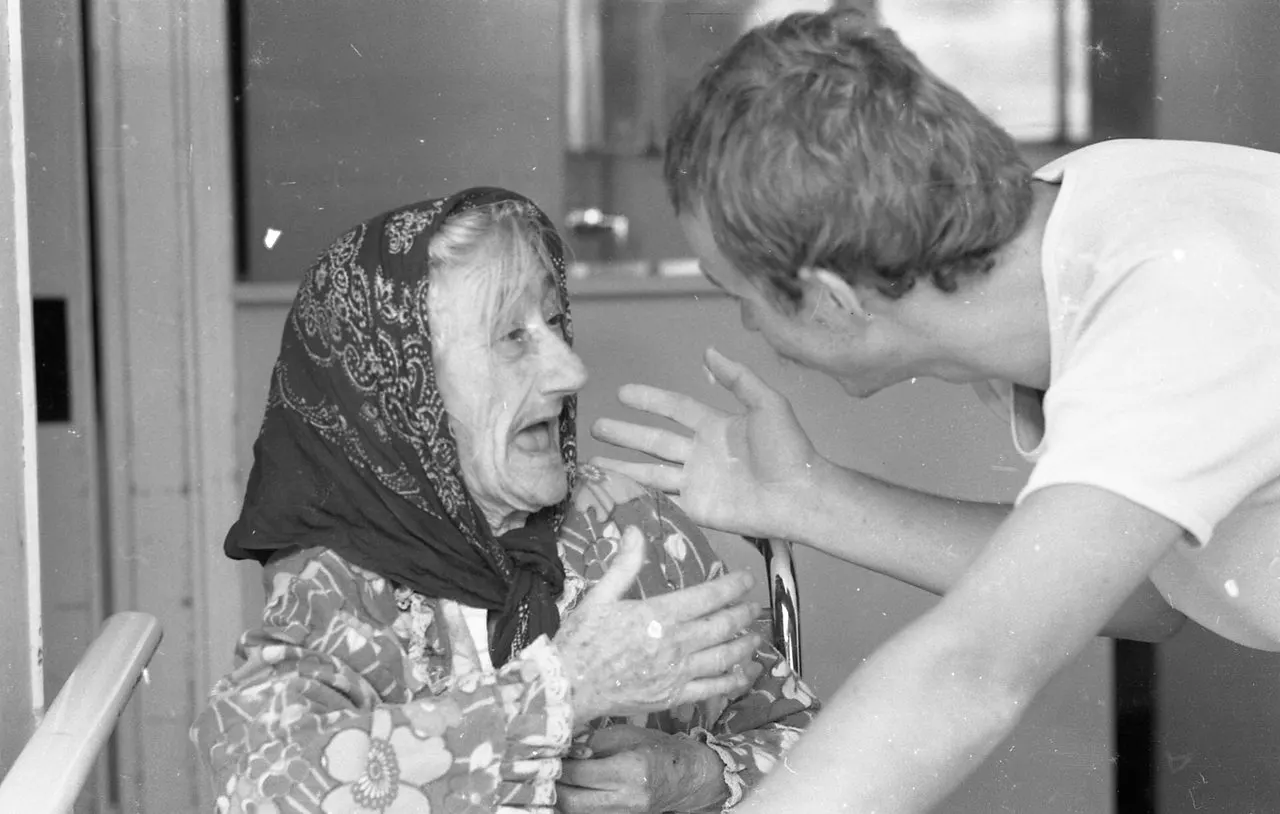
The volunteers were not only men. By September, the group included both men and women, all over 60, and each one brought different skills. Some had worked in power plants, while others had spent careers in hospitals, schools and offices. What they shared was a long life of work and a wish to use it for others. Age had given them experience, and experience had given them calm. They believed that calm was what a damaged plant needed. Read about a vote that drew strong words from women.
Why Radiation Takes Decades to Show
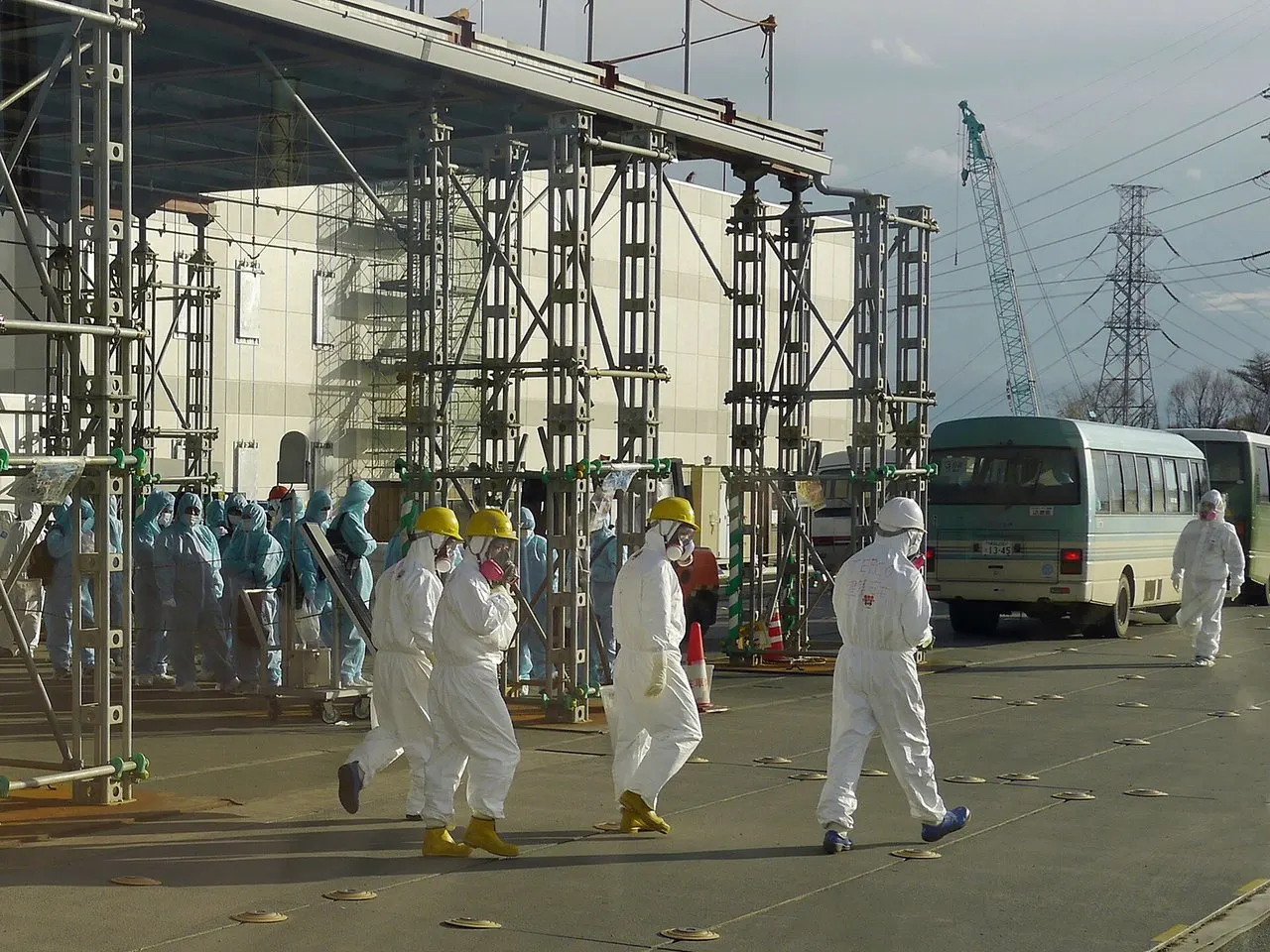
Yamada’s reasoning was simple and based on time. Radiation illness can take decades to appear, and a young worker of 25 has many decades ahead, while a volunteer of 72 does not. The older volunteers accepted that risk, because they had lived most of their lives. They saw it as a fair trade, their remaining years for the future of the young. Doctors have long studied how radiation affects the body, and the danger grows over a long time. Read about a warning that the world is sliding into oligarchy.
The Skilled Veterans Corps Waited for an Answer
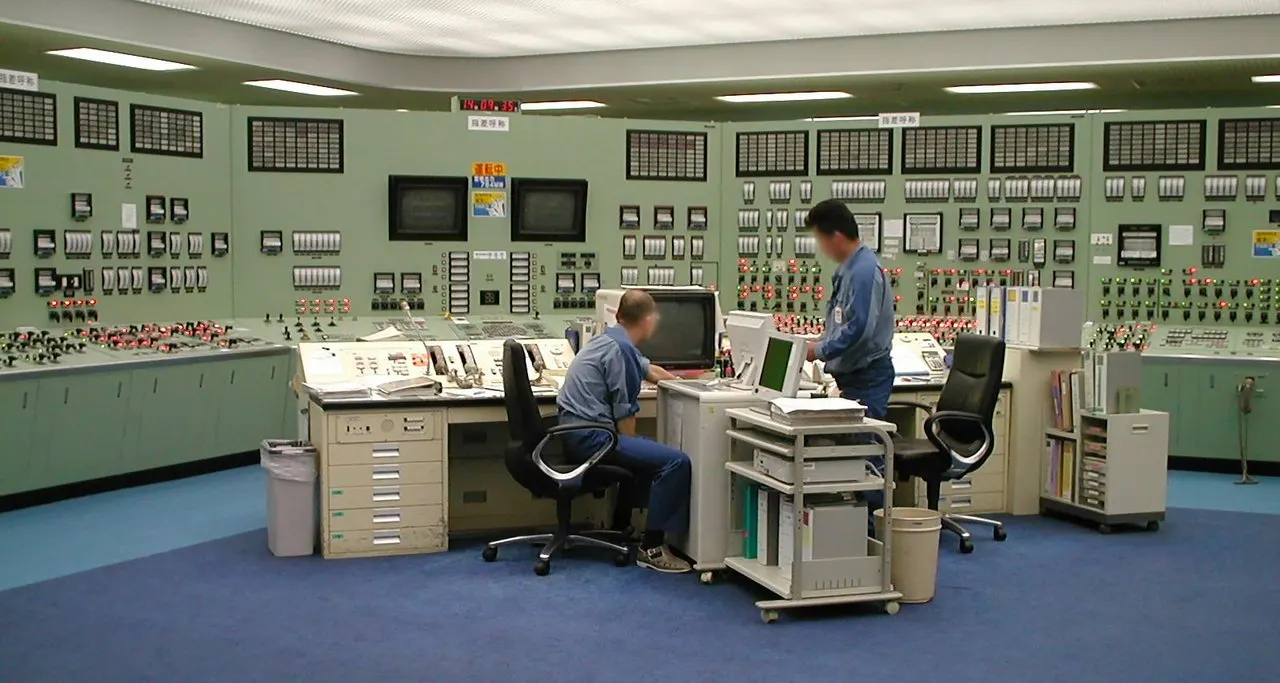
The government and the plant operator were still considering the offer while the volunteers waited. Officials had to think about safety rules, insurance and who would be responsible if an older volunteer fell ill. The plant was still in crisis, and every decision carried weight. The volunteers stayed patient, and they kept their names on the list. They believed their offer was right, and they hoped the answer would come soon. Months passed, and the waiting went on. For more, read about a birthday marked after decades of public service.
The Offer Was Never Accepted
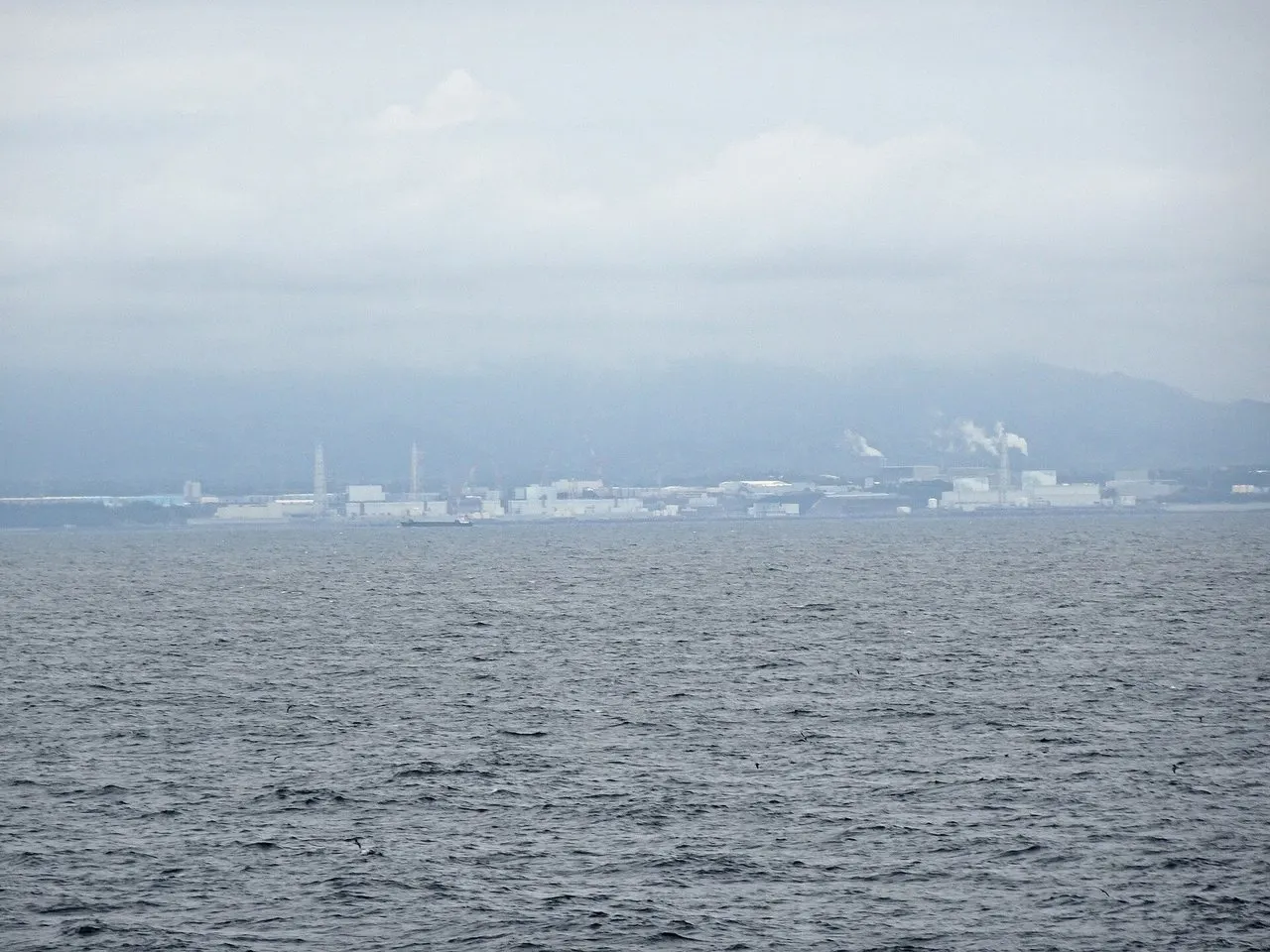
The government and the plant operator never accepted the offer from the Skilled Veterans Corps. The older volunteers were never allowed inside the Fukushima plant, and the dangerous work went on without them. Yamada kept hoping the answer would change, but it never did. The refusal did not come from doubt about their courage or their skills. It came from rules and caution that could not be moved. Their willingness was real, even if the door stayed shut. Read about a promise to serve again if Britain ever needs him.
I Want to Make the Most of the Time I Have Left
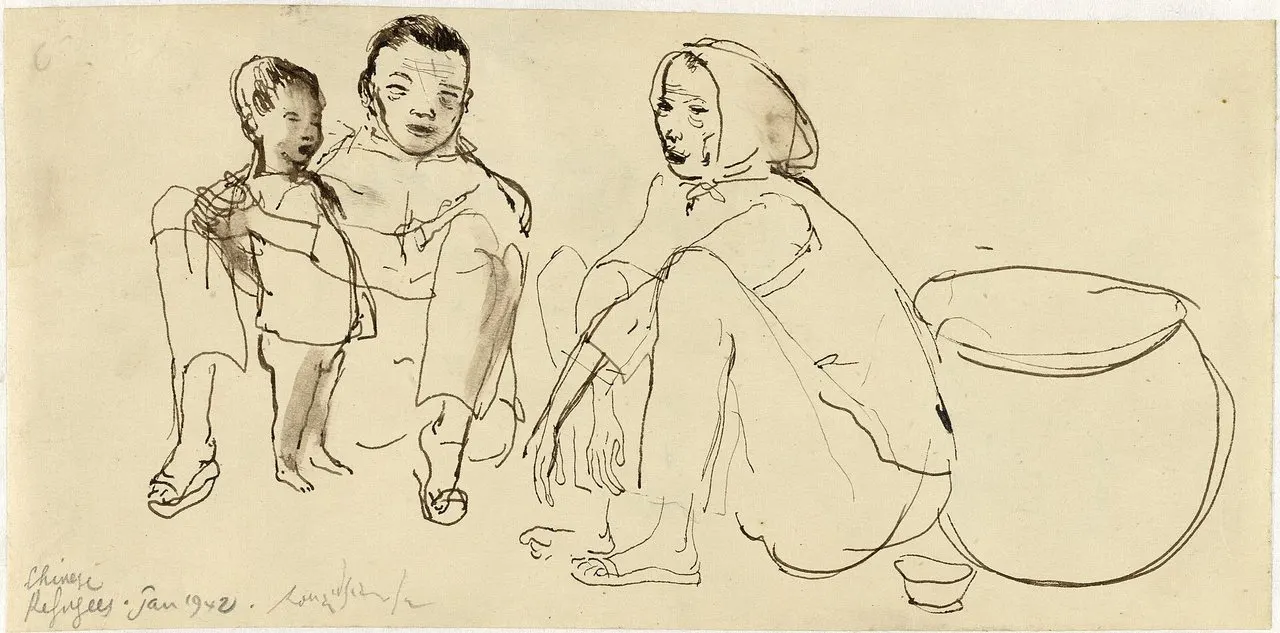
Yamada said, I want to make the most of the time I have left, and those words summed up his idea. Age was not a limit, and retirement was no time to sit still. He saw the years he had left as something to spend on others, where they mattered most. His friends felt the same way, and that feeling held the group together. It was not about fame or money. It was about using a life lived. Learn more about a senator who refused to vote for a shutdown.
Why the Skilled Veterans Corps Felt They Owed a Debt
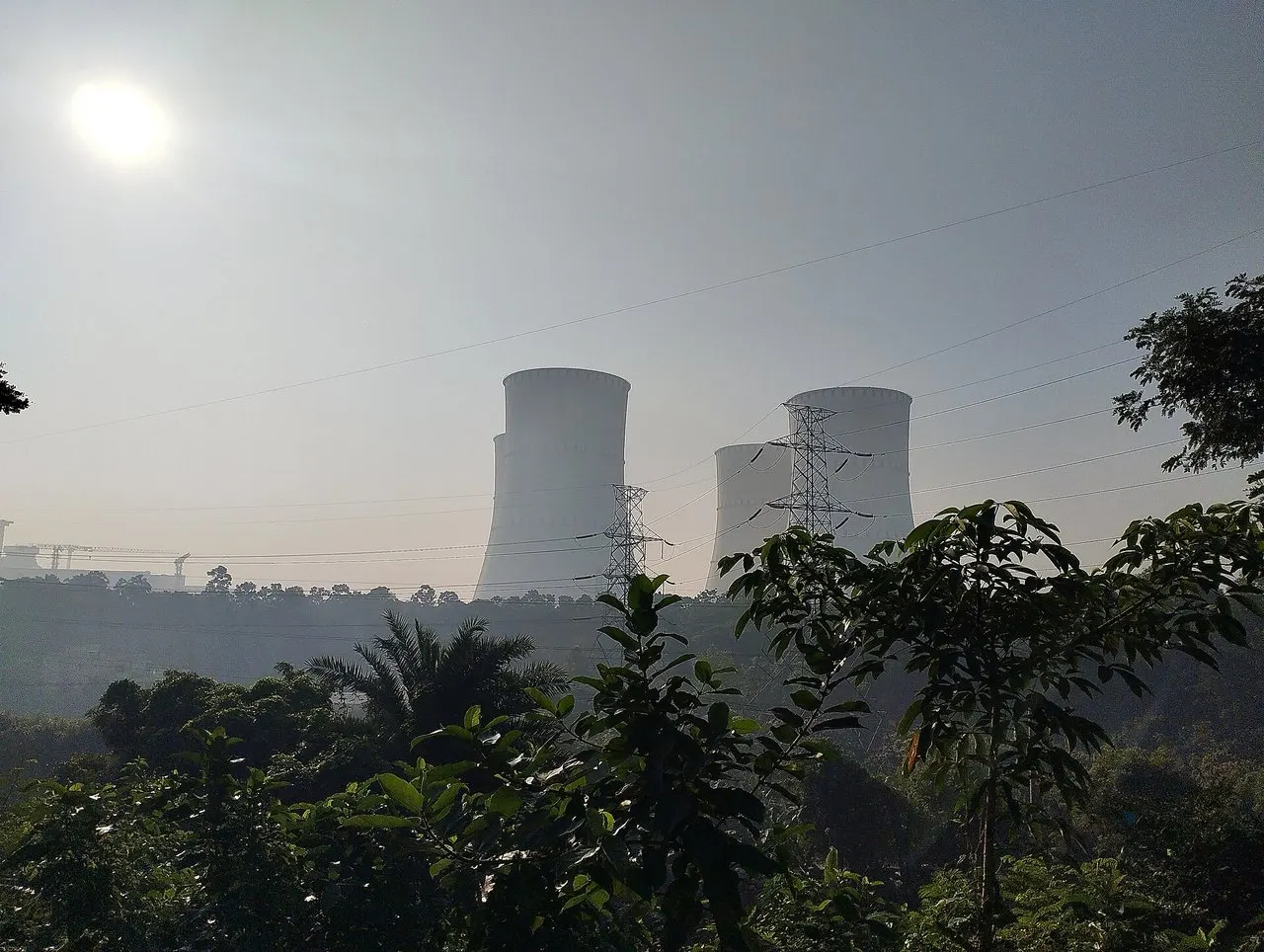
Yamada believed his generation should help, because it had benefited from the electricity nuclear power had provided. The lights in homes, the trains and the factories had all run on power that came with risks. When the plant failed, he felt the people who had enjoyed the power should also share the cleanup burden. It was a matter of fairness and thanks. His generation had taken a great deal, and now it wanted to give back. For more, read about a president reporting back after a long flight.
The Engineer Behind the Idea
Yasuteru Yamada lived the life of a working engineer, a man who solved problems with plans, tools and careful thought. Engineers learn to look at a broken system and find the part that can be fixed, and that habit shaped his answer to the disaster. He did not shout or protest, and he did not look for blame. He drew up a plan and asked permission to carry it out. His quiet way won respect, and it brought hundreds of people to his side. Read about an ICU nurse remembered on his birthday.
The Skilled Veterans Corps Had the Right Skills
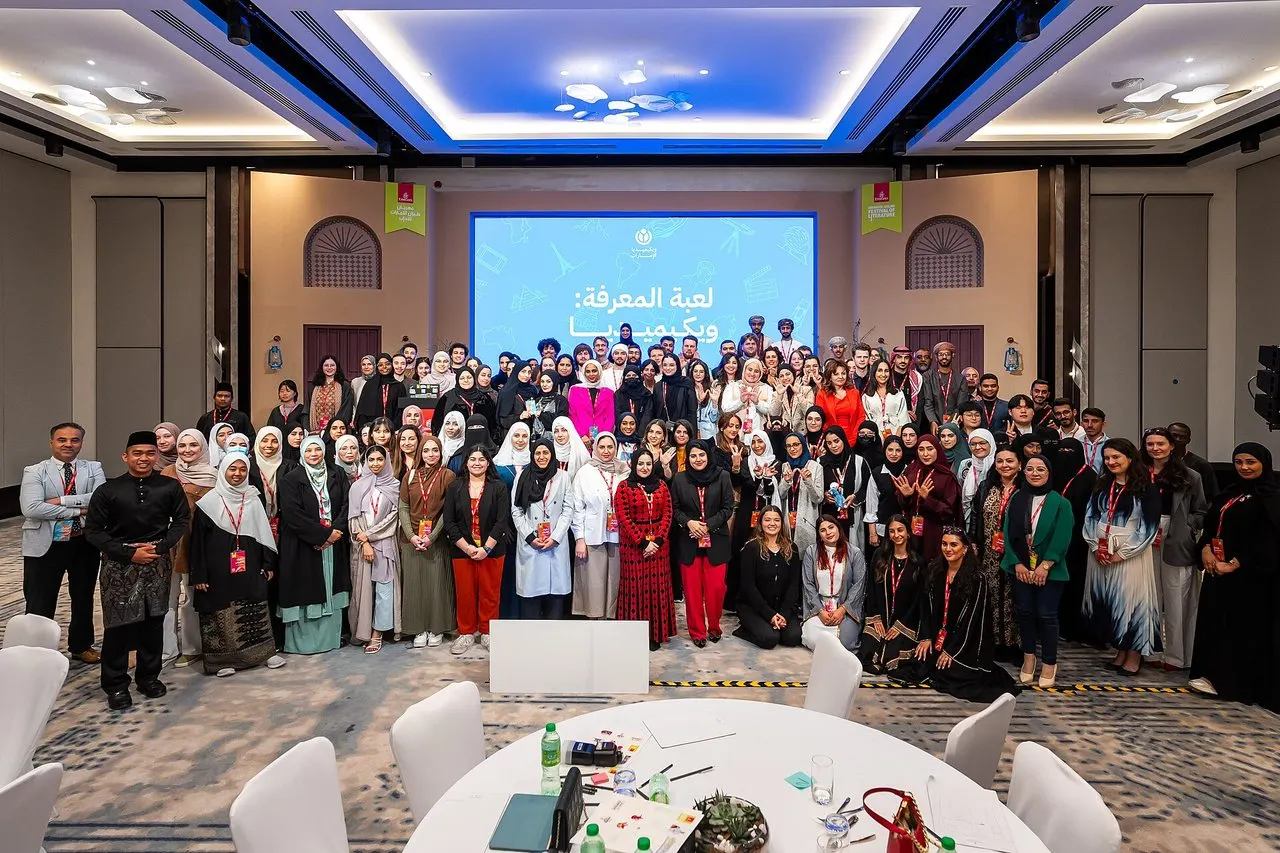
The volunteers were not strangers to hard work. Many had spent their careers in factories, power stations and workshops, and they knew how machines behaved under pressure. Skilled hands matter in a damaged plant, where a wrong move can make things worse. The older workers brought patience, and they were used to long shifts and careful routines. Youth has energy, but age has steadiness, and the corps offered both skill and calm. Their experience was their gift to the young. Read about a silent shrug that said more than words.
Japan Is a Country of Older People
Japan has one of the oldest populations in the world, and millions of its people are over 65. Many stay active after retirement, working in gardens, shops and community groups. Yamada’s idea spoke to that spirit, because it treated older people as useful and strong, not as a burden. In Japan, respect for elders runs deep, and the sight of retirees offering to take on danger moved hearts. The corps showed that old age can mean courage. For more, read about an actor who praised the gentlest of dogs.
Radiation Monitoring Is Careful Work
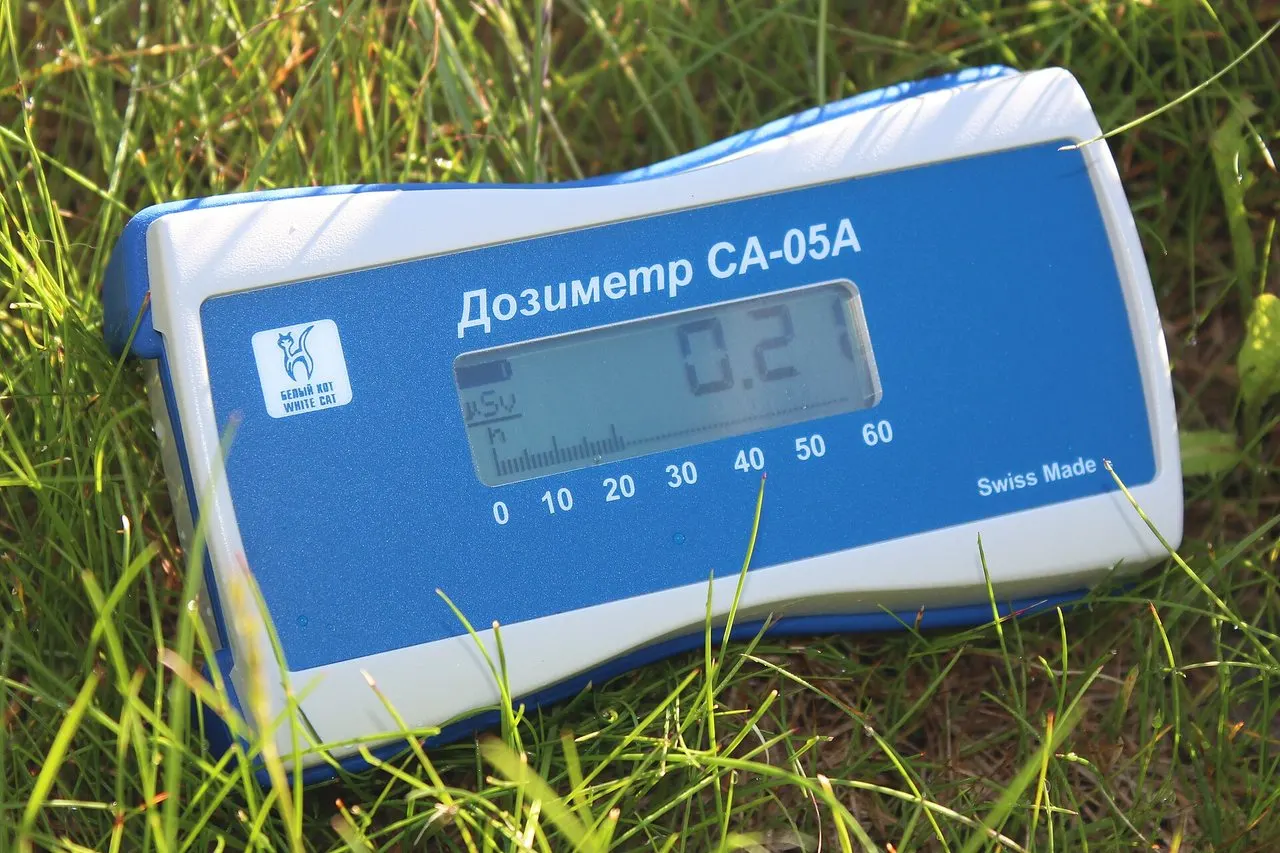
One job the volunteers proposed was radiation monitoring, which means measuring radiation levels so workers know where it is safe to go. Monitors use handheld meters to check walls, floors and soil, and they record every reading with care. The work is slow and steady, and it needs people who can focus for hours. The older volunteers were ready for that kind of work, because patience was something they had. Their readings would have helped younger crews stay safer. Read about a debate over how much water data centers use.
The Town of Fukushima After the Disaster
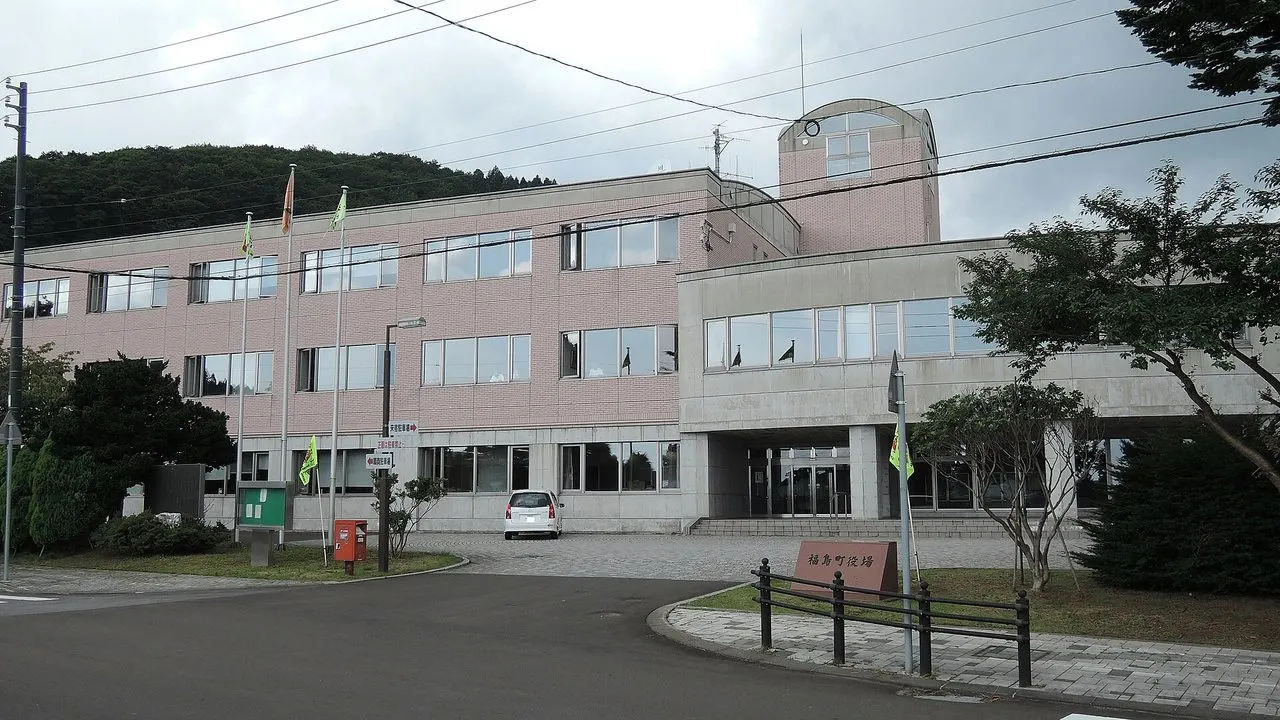
The disaster changed the towns around the plant, and families had to leave their homes. Streets that were once busy fell quiet, and shops closed as people moved to safer places. The land carried the mark of wave and plant, and recovery would take years. For the people who lived there, the loss was not only about buildings, but about a way of life. Yamada’s offer was for them, the neighbors who had lost so much. Learn more about an actor whose remarks started a fierce debate.
The Skilled Veterans Corps Founder Died in June 2014
Yasuteru Yamada died in June 2014, at 75, without being allowed inside the Fukushima plant. He waited three years for an answer that never came, and he carried his hope to the end. His death closed the life of a man who asked for nothing, and who had offered all he had. The corps he built outlived him, and his idea did not die with him. People remember the engineer who wanted to protect the young. For more, read about a robot that may one day outnumber people.
The Skilled Veterans Corps Offer Still Stands as an Example

The Skilled Veterans Corps never got the chance it asked for, but its offer stands as an act of love for a younger generation. It showed that courage does not belong only to the young, and that old hands can lift a load. Yamada’s story is told, and each time, people learn what one retired engineer tried to do. His offer asks a question, about what we would give for the young. It has not been forgotten. Read about a father who says time with his kids is real wealth.
What Would You Do in His Place?
Yasuteru Yamada lived through one of the hardest moments in Japan’s modern history, and then he offered his remaining years to protect people younger than himself. If you had been in his place, at 72, with skills the world needed and a danger only you could face, what would you have done? Would you have stepped forward, or would you have stayed home? Share your thoughts in the comments and keep reading about leaders shaking hands after difficult talks.