Pregnant ICE Detainee Freed After Court Order in Arizona
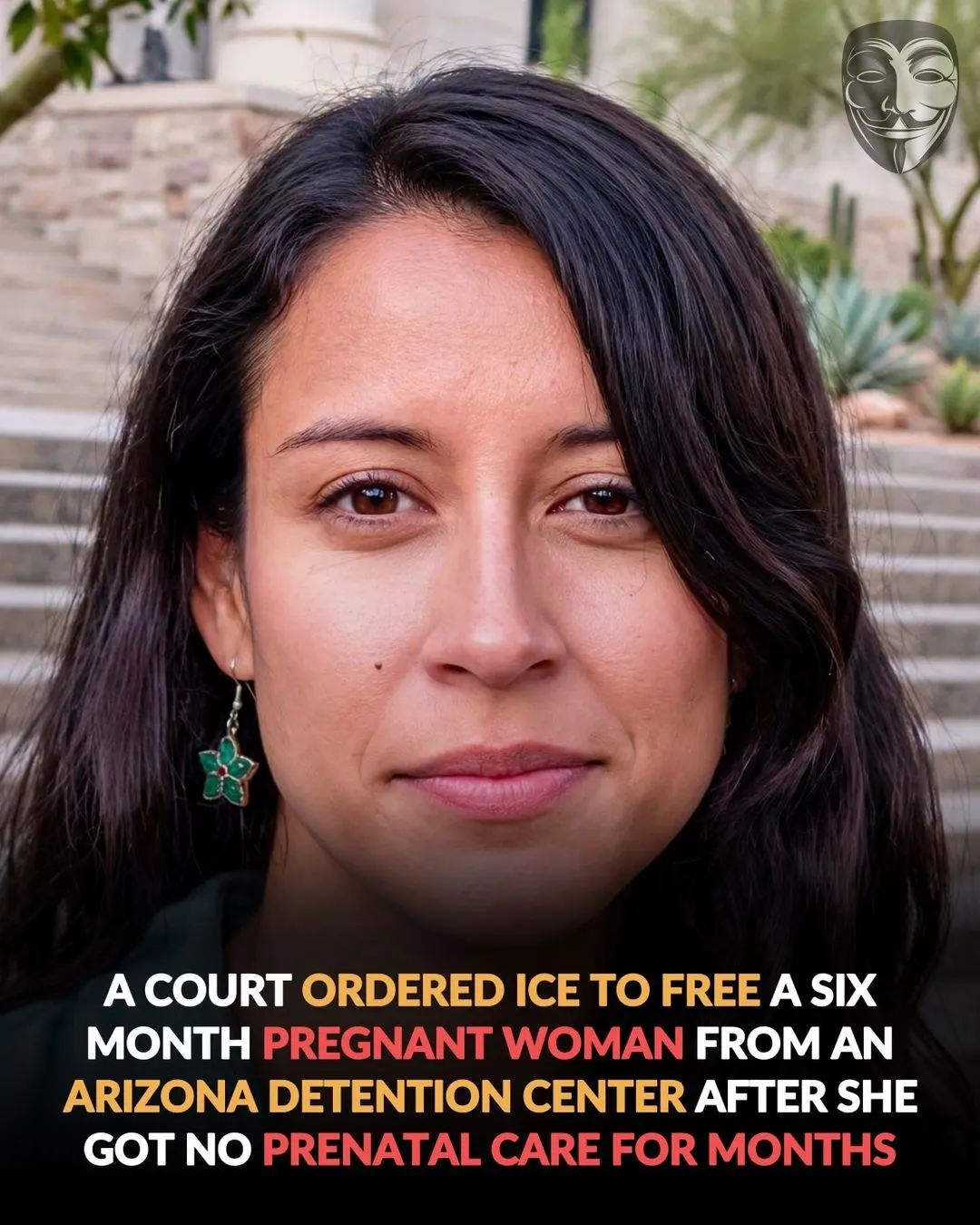
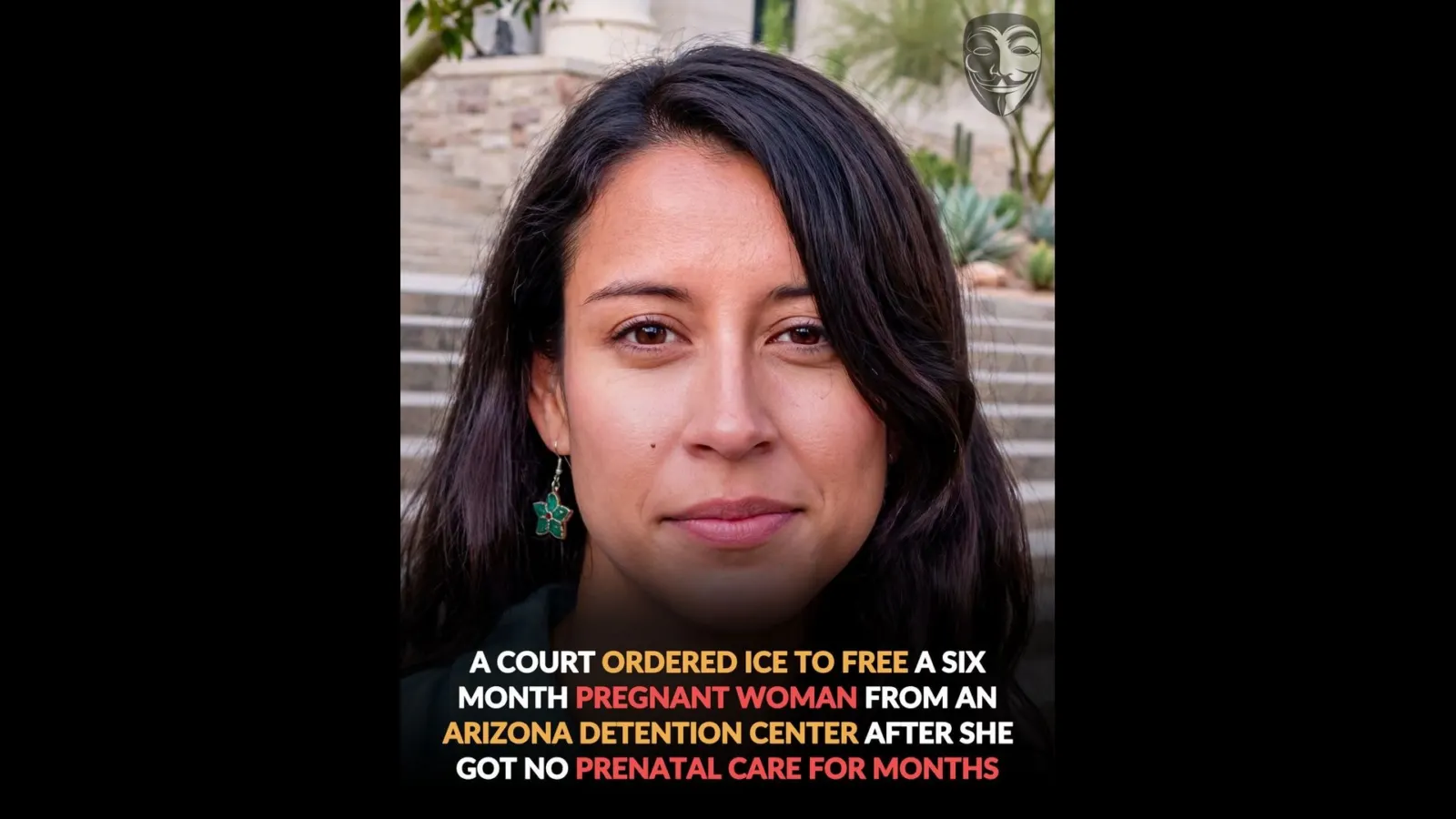
Pregnant ICE detainee Maria Alejandra Valero Brinez walked out of the Eloy Detention Center in Arizona on Thursday after a judge granted her lawyers’ habeas petition. She is 24 years old and six months pregnant with a high risk condition, and she says she received no prenatal care since ICE took her into custody in August. Three years ago she lost a baby at eight months, and doctors found the same low-lying placenta condition in this pregnancy.
When ICE picked her up, she was living in Mesa with work authorization through 2029, a pending asylum case, no criminal convictions and a six year old son. On October 21, three Democratic members of Congress visited Eloy, and she told them about abnormal bleeding, emergency room trips and dirty drinking water. In the slides ahead we look at her story, her pregnancy and the court order that set her free. For more on detention and the courts, read our report on the largest ICE detention center.
References:
Arizona Daily Star: Pregnant ICE detainee in Arizona released on judge’s order
AZ Free News: Migrant Woman Detained On Incident Charges Released From ICE Detention In Arizona Due To Pregnancy
NJ Today: Pregnant woman freed from Arizona ICE detention after congressional visit, group says
Blog for Arizona: Ansari and Grijalva Celebrate Release of Pregnant Woman Held in ICE Detention
The Pregnant ICE Detainee Walked Out of Eloy on Thursday

On Thursday, Maria Alejandra Valero Brinez walked out of the Eloy Detention Center a free woman. A judge had granted the habeas petition her lawyers filed, and the court order forced ICE to release her. She is six months pregnant with a high risk condition, and her lawyers argued that months without prenatal care put her and her baby in danger. Her release followed weeks of attention from lawmakers and advocates. For more on judges ordering releases, read our report on the largest ICE detention center.
Maria Alejandra Valero Brinez, 24, of Mesa, Arizona

Valero Brinez is 24 years old and was living in Mesa, Arizona, when ICE took her into custody in August. She had work authorization through 2029, a pending asylum case and no criminal convictions. She is the mother of a six year old son, who waited at home during her months in detention. Her Mesa life was quiet and ordinary, built around work and family. For more on parents who put family first, read the father who chose to raise his baby son with Down syndrome.
The Pregnant ICE Detainee Is Six Months Into a High Risk Pregnancy

She is six months pregnant, and doctors have found a low-lying placenta, a condition where the placenta sits low and can cause heavy bleeding. The same condition caused her to lose a baby at eight months three years ago. A high risk pregnancy like hers needs close care and quick help if problems appear. Her lawyers say the months in detention without that care put two lives at risk. For more on mothers and babies, read Karoline Leavitt telling Americans to have more babies.
A Baby Lost at Eight Months, Three Years Ago
Three years ago, Valero Brinez lost a baby at eight months of pregnancy. The cause was a low-lying placenta, the same condition doctors have found in this pregnancy. Losing a child so late in pregnancy is a grief that stays with a mother for years, and it shapes how she faces every pregnancy after it. She carried that loss with her into detention, and into a pregnancy that doctors already call high risk. For more on loss and hope, read the trucker who helped rescue a kidnapped 2-year-old.
The Pregnant ICE Detainee Says She Got No Prenatal Care Since August
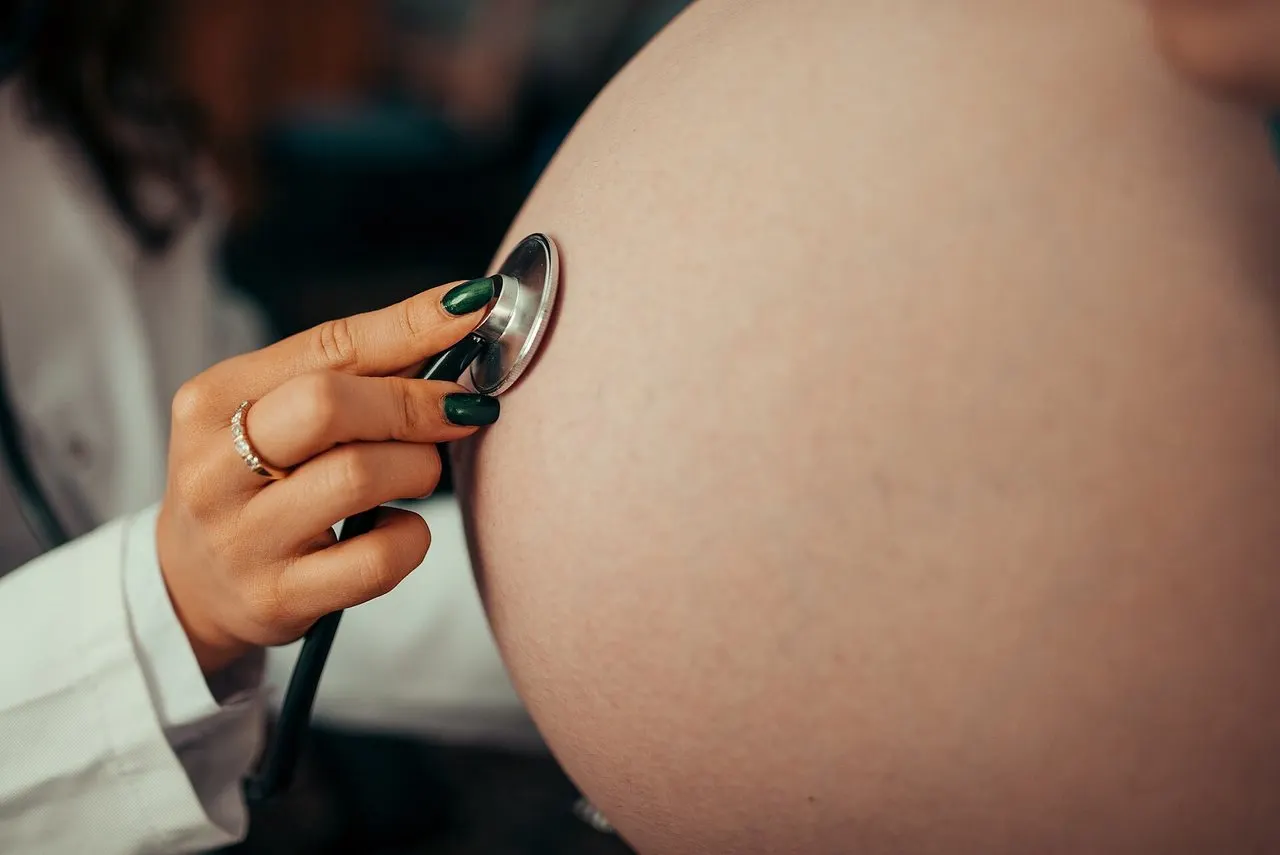
Valero Brinez says she received no prenatal care since ICE took her into custody in August. Prenatal care means regular checkups, blood tests, ultrasounds and a doctor who follows the pregnancy from month to month. For a high risk pregnancy, that care matters even more, because problems can appear fast. She told lawmakers she only saw a doctor during emergencies, and she was never told the results of her ultrasounds. For more on mothers and care, read Karoline Leavitt telling Americans to have more babies.
A Habeas Petition and a Judge’s Order

Her lawyers filed a habeas petition, a legal request that asks a court to decide whether a person is being held lawfully. A judge granted the petition, ordering ICE to free her. Habeas corpus is one of the oldest protections in American law, and it lets a judge overrule detention when the government cannot justify it. The order ended months of detention with a single ruling. For more on court orders and the law, read the Maine teen whose arrest a judge ruled unlawful.
The Venezuelan Flag and Where Her Story Began
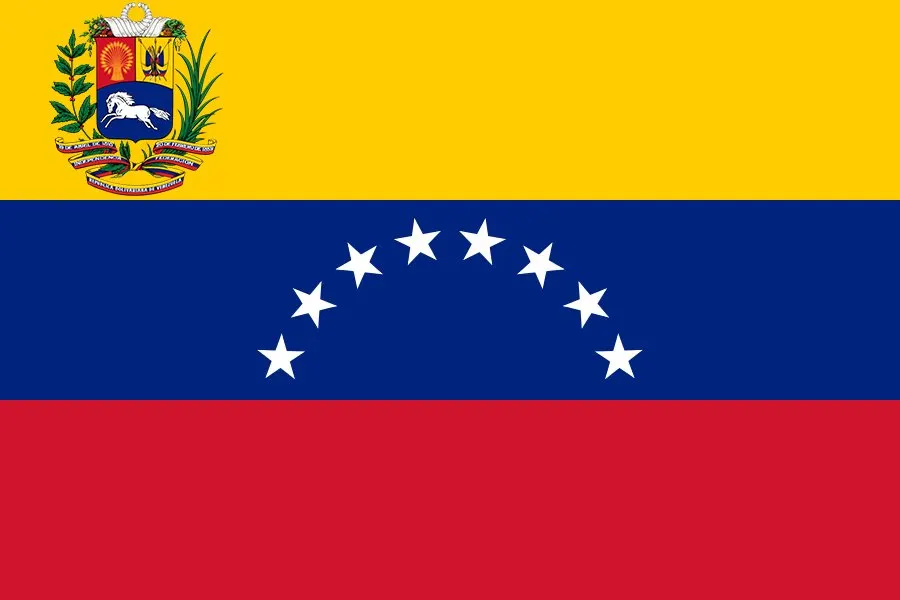
Valero Brinez is from Venezuela, and she once held temporary protected status, a program that lets people from troubled countries live and work in the United States. The Trump administration ended that protection for Venezuelans last year, and her status ended with it. The flag of Venezuela stands for a country in crisis, and for the millions who have left it in search of safety. For more on politics and the people caught in it, read the Kentucky man who posts about Trump.
Three Members of Congress Visited the Pregnant ICE Detainee
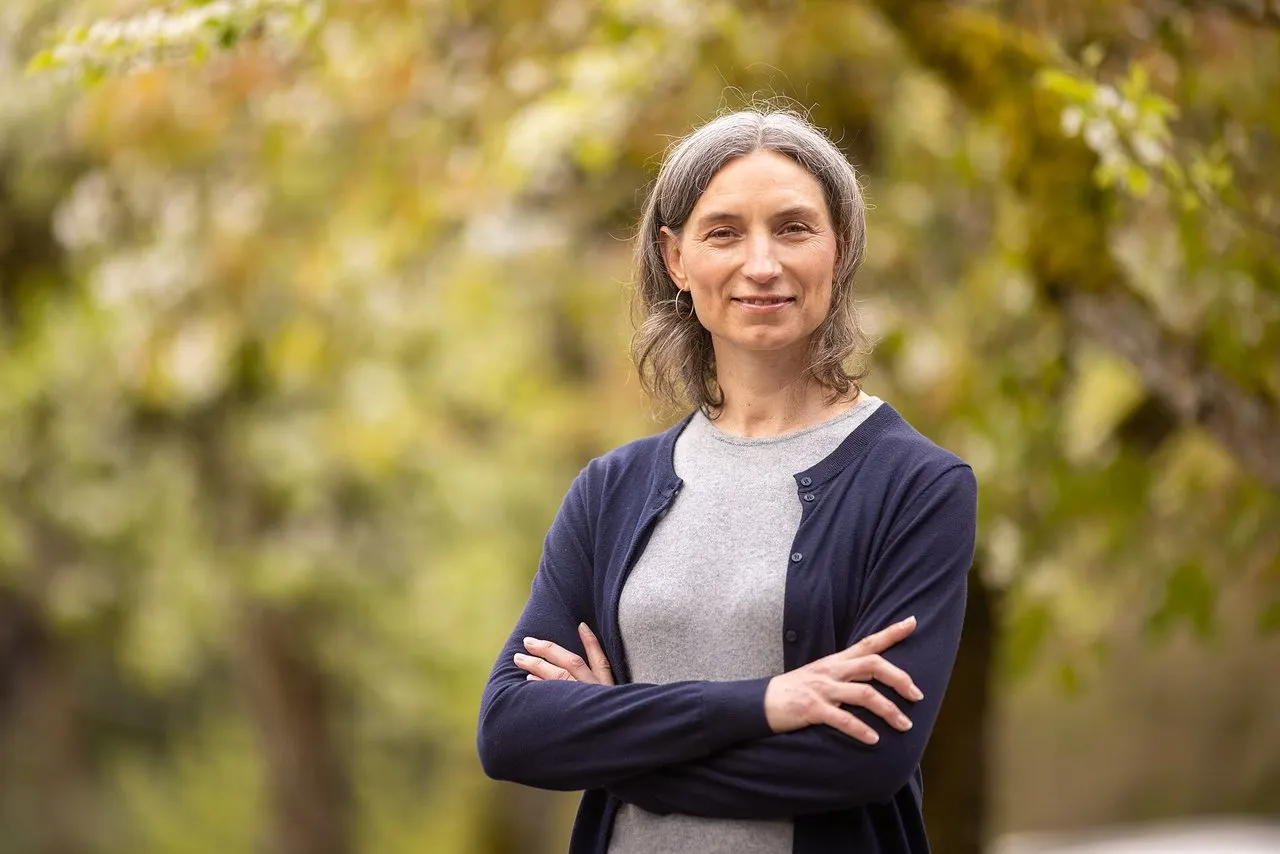
On October 21, three Democratic members of Congress visited Eloy and met Valero Brinez inside the detention center. Rep. Maxine Dexter of Oregon, who is a physician, said Valero Brinez told them about abnormal bleeding and repeated trips to the emergency room. Dexter said the only time she saw a doctor was during an emergency, adding that she has to throw herself on the ground to get any sort of care. For more on lawmakers speaking out, read Liz Cheney’s warning to her Republican colleagues.
The Pregnant ICE Detainee Reported Bleeding and Emergency Room Trips

Valero Brinez told the lawmakers she had abnormal bleeding and had gone to the emergency room multiple times. Bleeding in pregnancy can be a warning sign, and doctors treat it as urgent, above all with a low placenta. She said the only time she saw a doctor was during an emergency, and she was given ultrasounds but never told what they showed. Waiting for answers with a high risk pregnancy adds fear to every day. You may also like whether data centers should share how much water they use.
Ultrasounds Given, but Results Never Shared
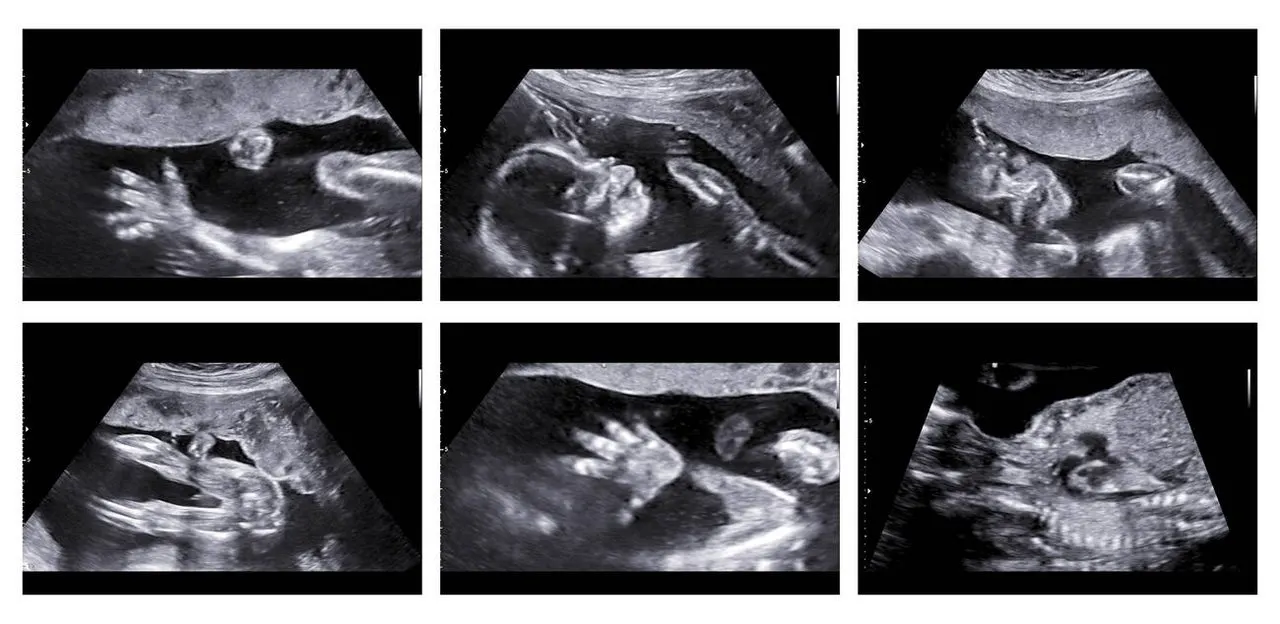
The lawmakers said Valero Brinez was given ultrasounds but was never told the results. An ultrasound uses sound waves to make a picture of the baby in the womb, and doctors use it to check growth, the heartbeat and the position of the placenta. For a mother with a low-lying placenta, those results matter, because they show whether the condition is getting better or worse. Being tested without answers left her in the dark. For more on care and patience, read Patricia Heaton on moving forward with gratitude.
The Pregnant ICE Detainee and the Double Meal Portions
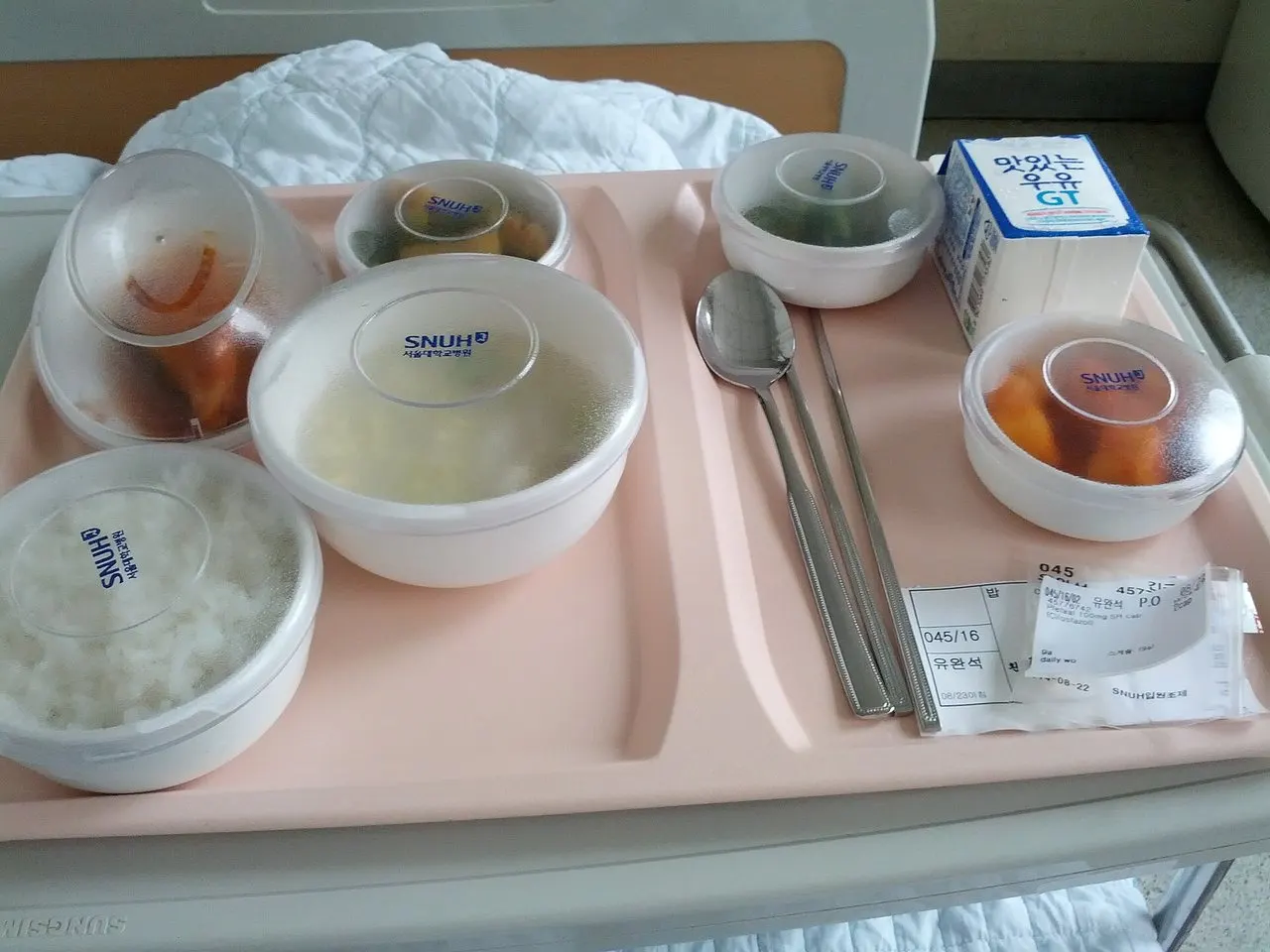
Valero Brinez had a medical note ordering double meal portions, a common order for a pregnant woman who needs extra food. She said one officer refuses to give them to her when he is on shift, leaving her hungry on those days. Food matters in pregnancy, and a high risk pregnancy needs steady meals even more. A note from a doctor should settle the matter, yet inside detention it became a daily struggle. You may also like whether data centers should share how much water they use.
Drinking Water From Igloo Coolers That Had to Melt

Drinking water at Eloy came from Igloo coolers filled with ice, and detainees waited for it to melt. She said the water often had bugs or hair in it, and she paid for clean water when she could. Clean water is a basic need, and it matters more in pregnancy, when the body needs more fluid every day. Dirty water in detention is a health risk for every person held there. For more on water and what people should know, read Melania Trump on her wish for peace.
What DHS Says About the Pregnant ICE Detainee’s Care
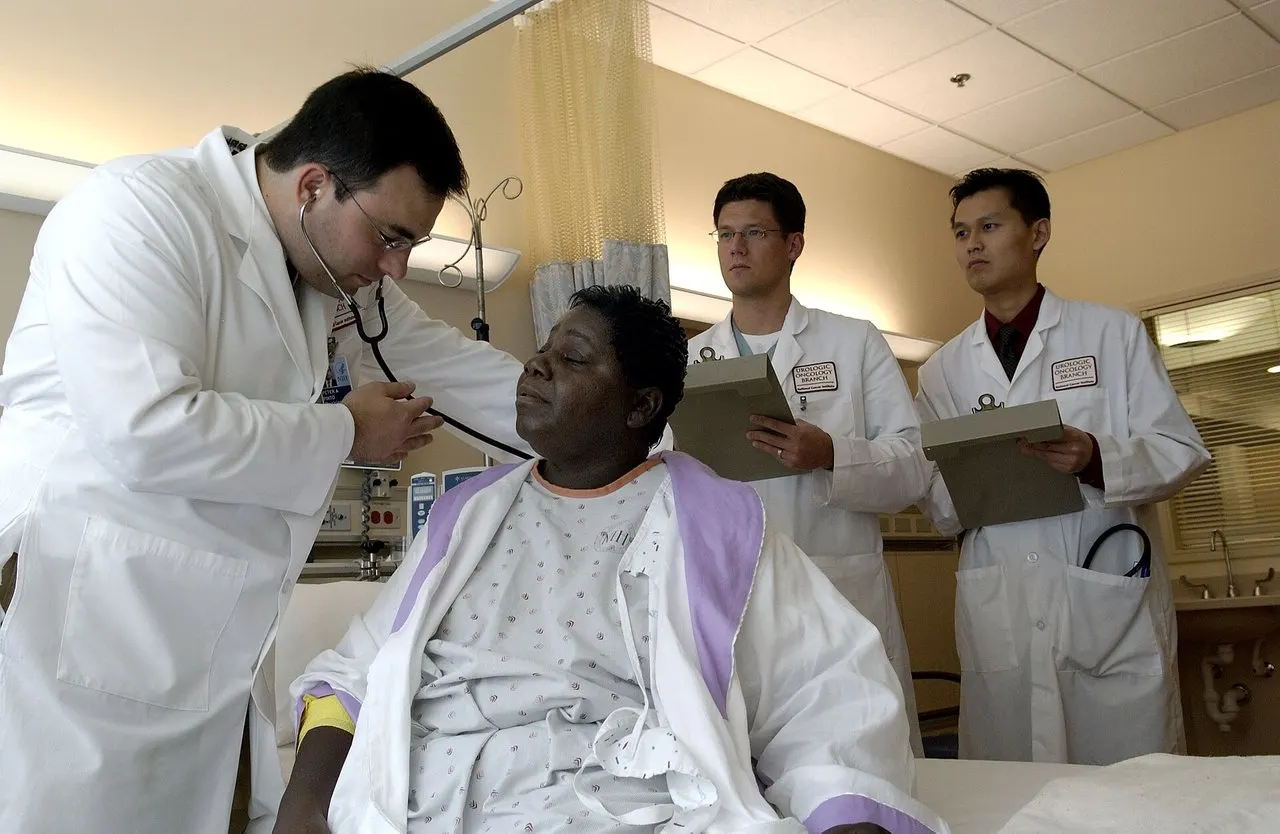
The Department of Homeland Security says an OB-GYN saw Valero Brinez and her lab work showed no abnormalities. That account differs sharply from what Valero Brinez told lawmakers, and the two sides describe very different care. DHS runs the detention centers and defends their medical care, while advocates and lawmakers say the records tell another story. A court has now sided with her lawyers and ordered her release. For more on disputed claims, read Wallace Shawn’s remarks on Gaza.
The Eloy Detention Center in the Arizona Desert

The Eloy Detention Center sits in the desert of Pinal County, Arizona, between Phoenix and Tucson. It is an immigration detention center run for the federal government, and it holds people while their cases are heard. The desert around it is hot, dry and far from the cities where most detainees lived. For a pregnant woman, months in a remote center meant distance from family, doctors and help. For more on detention centers, read our report on the largest ICE detention center.
Home in Mesa With Her Six Year Old Son

Before her arrest, Valero Brinez lived in Mesa, a Phoenix area city with desert homes and wide streets. She shared her life there with her six year old son, with work authorization through 2029. Mesa is a place of schools, jobs and neighborhoods, where her days were built around work and her child. Detention took her far from that life and from the boy who waited for her. For more on family life, read the father who chose to raise his baby son with Down syndrome.
What Habeas Corpus Means
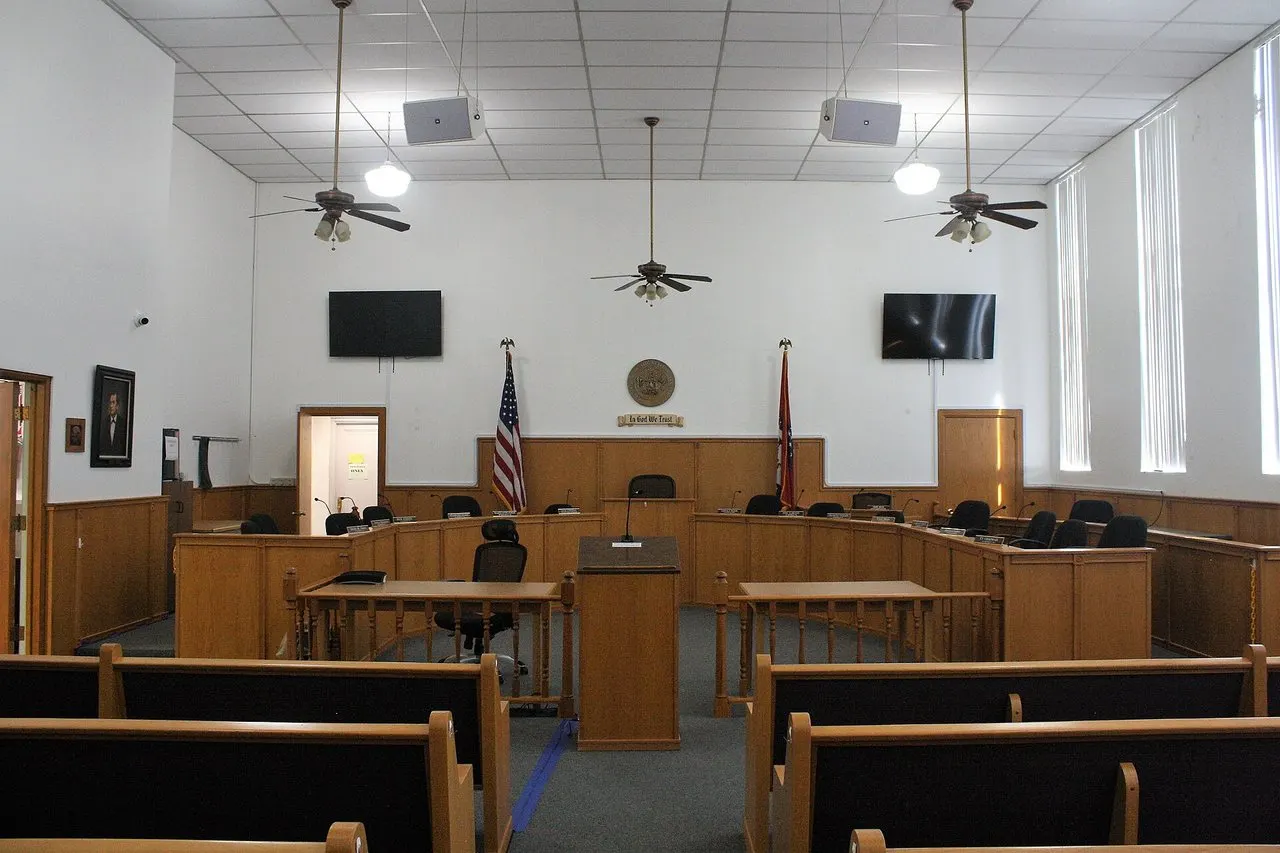
Habeas corpus is a Latin phrase that means you shall have the body, and it is a right that goes back centuries. It lets a person held by the government ask a judge to review the detention and order release if the holding is unlawful. Lawyers file the petition, the government must answer, and a judge decides. For Valero Brinez, that old protection worked, and a judge ordered her free. For more on court cases, read the Maine teen whose arrest a judge ruled unlawful.
What Prenatal Care Normally Includes

Prenatal care is the regular medical care a woman receives during pregnancy, and it usually starts early and continues until birth. Doctors check blood pressure, test blood and urine, measure growth and listen for the heartbeat. They also give ultrasounds and watch for conditions like a low-lying placenta. Good prenatal care catches problems early, and it gives mothers clear answers about their babies. For more on mothers and babies, read Karoline Leavitt telling Americans to have more babies.
Why Members of Congress Visit Detention Centers
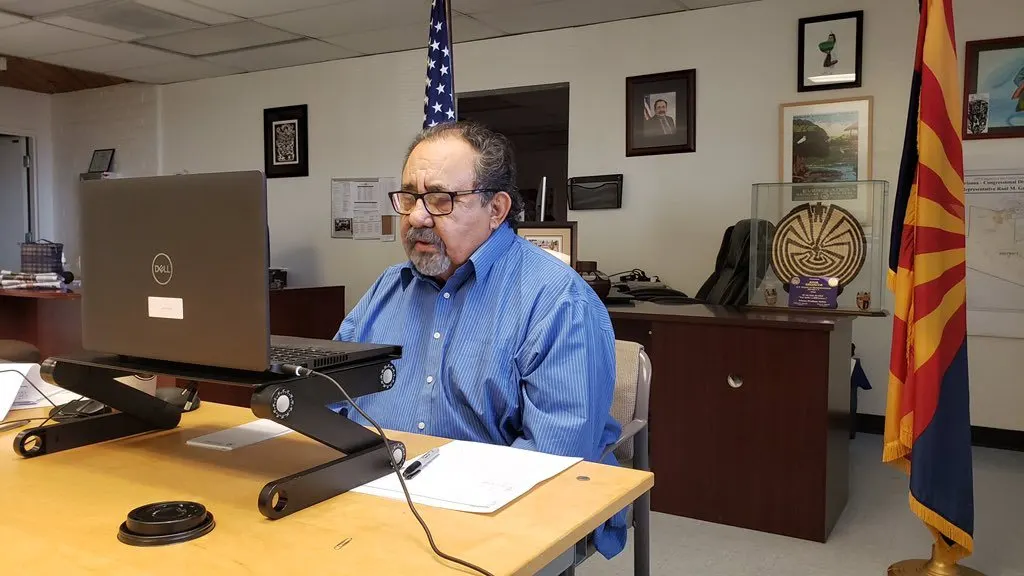
Members of Congress can visit detention centers to see conditions for themselves and to speak with the people held there. Those visits matter because detainees cannot easily tell the public what happens inside. After their October visit, Reps. Ansari and Grijalva celebrated the release of Valero Brinez, and Rep. Dexter described what she had heard. Oversight visits give a voice to people in custody. For more on lawmakers and visits, read Liz Cheney’s warning to her Republican colleagues.
Her Asylum Case Is Still Pending
Valero Brinez has a pending asylum case, which means she has asked the United States for protection and is waiting for a decision. Asylum seekers say they fear harm if they return home, and their cases can take months or years to resolve. While a case is pending, a person can often live and work in the country, but the wait is long and uncertain. Her case was still open when ICE took her into custody. For more on laws and leaders, read Rubio’s vow on how he would treat Vladimir Putin.
Work Authorization Through 2029

Valero Brinez had work authorization through 2029, a permit that lets a person work legally in the United States while their case is pending. Work authorization means a job, a paycheck and a way to support a family, and it is tied to the immigration case behind it. She was living and working in Mesa under that permit when ICE detained her in August. Losing that freedom put her job and her family life on hold. For more on work and daily life, read Obama’s meeting with Putin in Hangzhou.
Temporary Protected Status and the Pregnant ICE Detainee

Temporary protected status is a program that lets people from countries in crisis live and work in the United States for a set period. Venezuela was covered because of the crisis there, and Valero Brinez held that status until the Trump administration ended it for Venezuelans last year. When the protection ended, her legal footing grew weaker, even though her asylum case was still pending. For more on big decisions, read the Pacific seabed sale a federal judge ruled unlawful.
What Happens Next for Her and Her Son
Now that she is free, Valero Brinez can get the prenatal care her pregnancy needs and be with her six year old son again. Her asylum case is still pending, and her lawyers will keep working on it while she rebuilds her life in Mesa. Her release does not end her story, but it gives her a chance to care for herself and her baby in safety. For more on second chances, read the trucker who helped rescue a kidnapped 2-year-old.
What Does Her Release Mean to You?

Valero Brinez walked out of detention after a court ordered her free, and her story raises hard questions about care for pregnant women in custody. Should a high risk pregnancy change how detention works, and should lawmakers keep visiting the centers. Tell us in the comments what you think her release means, and what should happen next for her and her son. For more on hope and new chapters, read Dr. Stella Immanuel on what awaits us.