The Obama Putin Meeting at the G20 in China
The Obama Putin meeting at the G20 summit in Hangzhou, China, brought two of the most powerful leaders in the world face to face on September 5, 2016. President Barack Obama and President Vladimir Putin sat down for about 90 minutes to talk about Syria, Ukraine and cybersecurity, three issues that had strained relations between their countries for years. Cameras caught the two men leaning in close, and the photo soon traveled far beyond the summit hall. The meeting ended without a deal on a ceasefire in Syria, and Obama said afterward that gaps of trust remained.
In the slides ahead we look at what happened inside that room, why Syria and Ukraine were so hard to settle, and how the same photo took on new meaning when Donald Trump met Putin in Helsinki in 2018. At that later summit Trump said he saw no reason why Russia would have interfered in the 2016 election, a remark that drew criticism from both parties, including Senator John McCain. The contrast between the two meetings is the reason this image still gets shared today. Read about how Trump greeted Putin in China below.
References:
Military Times: Obama Putin Agree To Continue Seeking Deal On Syria
WAMC: Obama Talks With Russia Over Syria Strategy Suffer From Gaps Of Trust
Ya Libnan: Obama Putin In Tense G20 Standoff As They Fail To Reach A Deal On Syria
WCBE: Trumps Refusal To Back US Intel Over Russia At Putin Summit Sparks Bipartisan Ire
A Photo That Said More Than Words
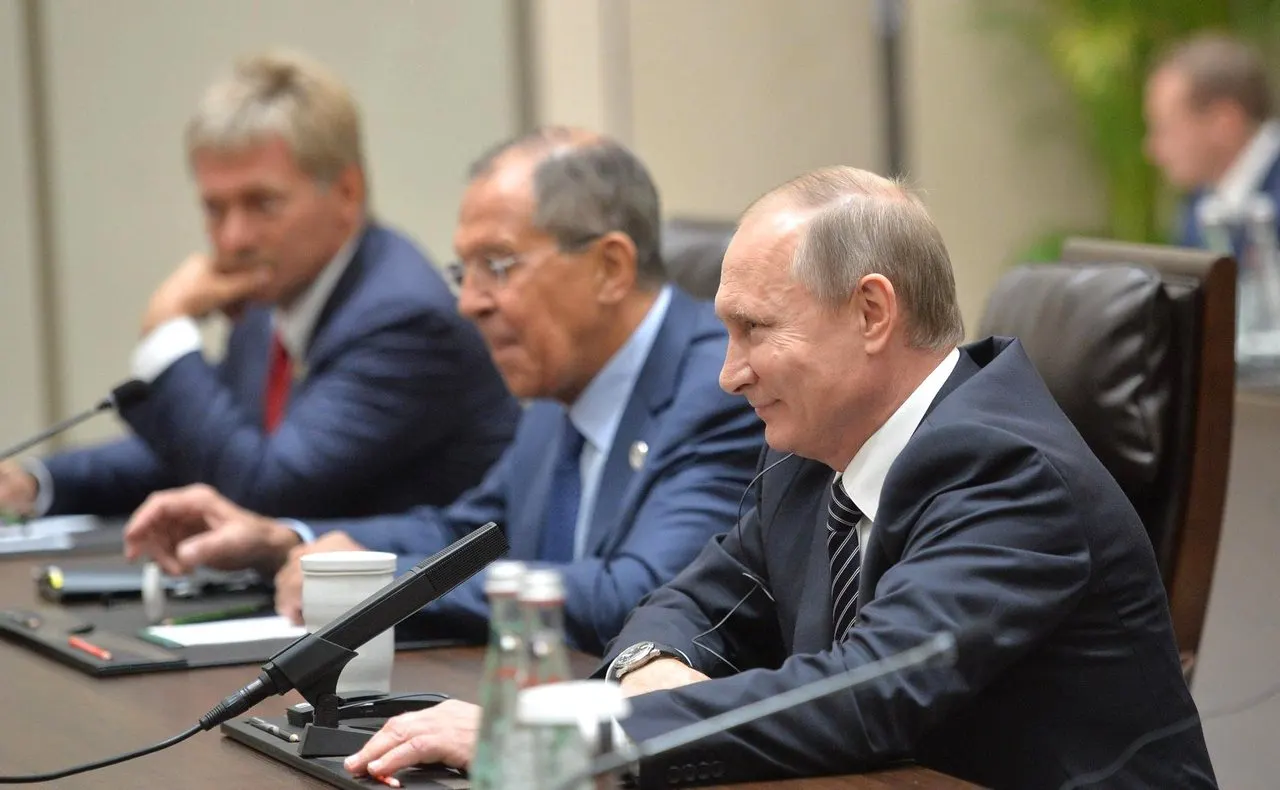
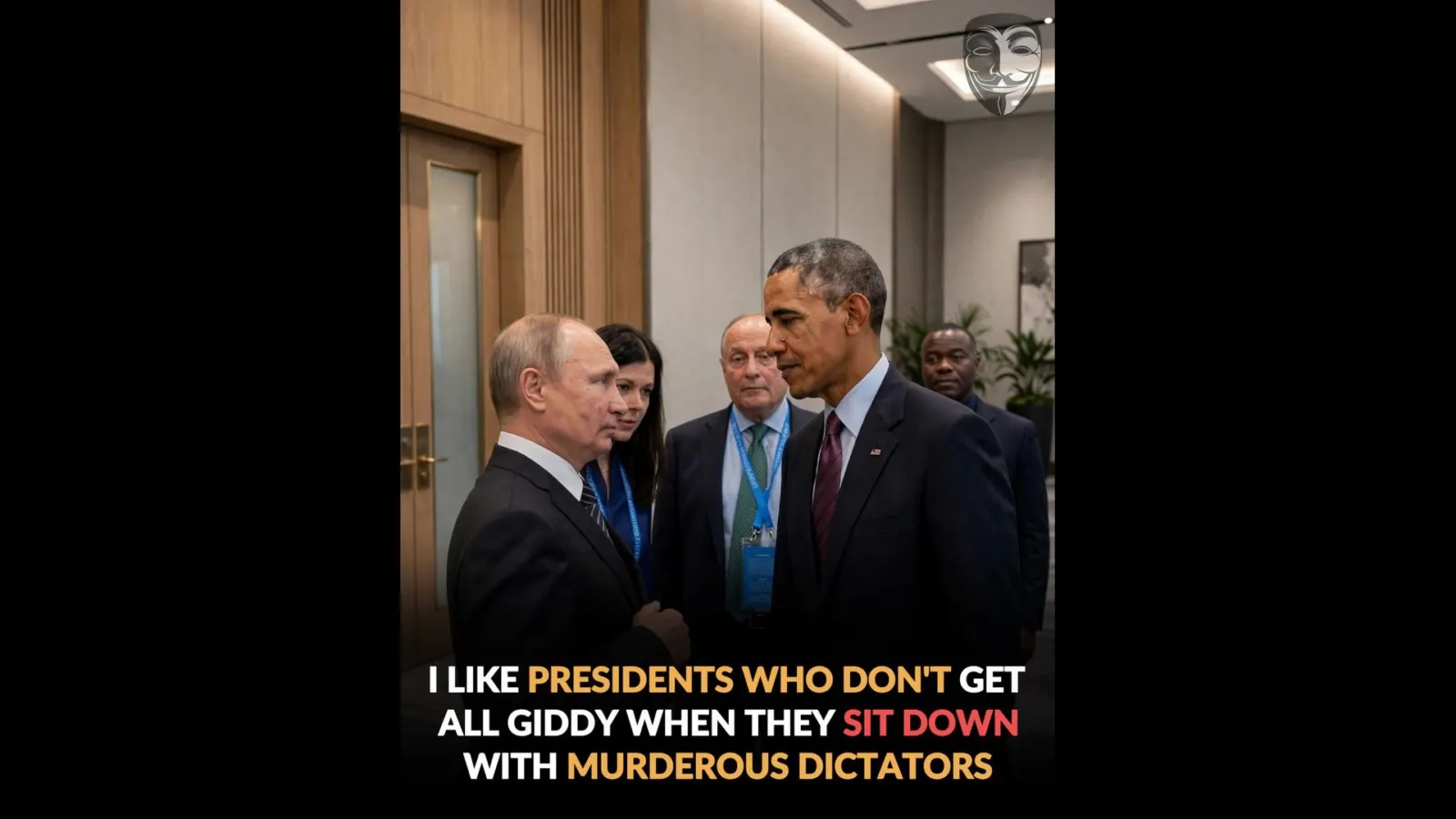
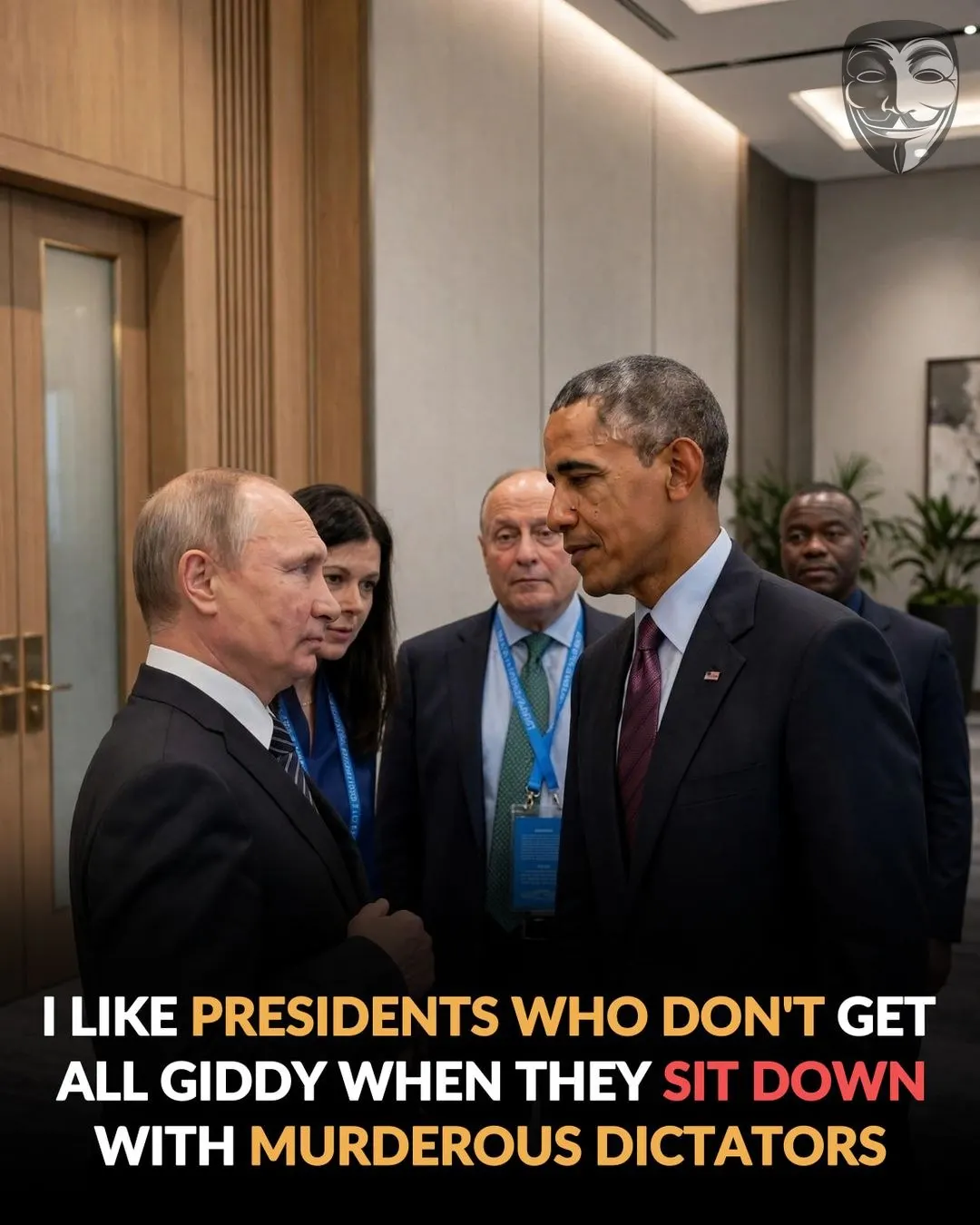
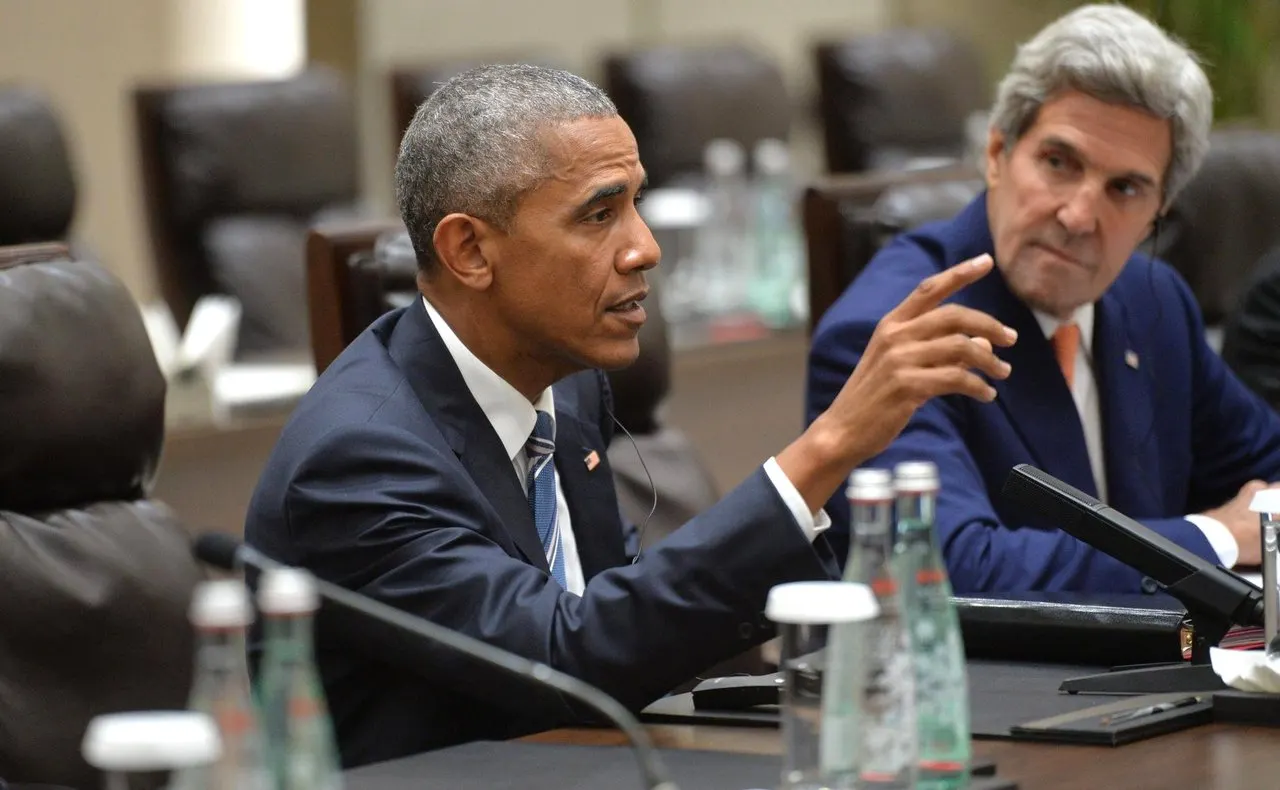
The photo from Hangzhou shows Obama and Putin deep in conversation, leaning toward each other while aides and cameras look on. Neither man is smiling, and the mood in the frame looks serious and focused. People who saw this picture read resolve in Obama’s posture and patience in Putin’s listening face. That is why the image keeps coming back online, years after the day it was taken, whenever leaders meet a strong rival. See the greeting guide.
Ninety Minutes Inside the Obama Putin Meeting
The Obama Putin meeting lasted about 90 minutes, a long time for two leaders to sit together at a busy summit. A meeting of that length means the talks went beyond polite greetings and into real detail on Syria, Ukraine and cybersecurity. Neither side expected a quick breakthrough, and both teams knew the gaps between them were wide. The clock alone told reporters that this was no routine handshake. Read the long flight report.
Syria Topped the Agenda
Syria was the hardest topic on the table in Hangzhou, and it had been for years. The civil conflict there had drawn in many outside powers, and the United States and Russia backed different sides while both said they wanted the fighting to stop. Obama and Putin talked through those points for most of their session, yet they left the room with no deal signed. The search for common ground went on after the summit ended. Learn more in the winter truce call.
Ukraine Was Also on the Obama Putin Meeting Agenda
Ukraine was the second big issue in the room, and it carried just as much weight as Syria. The conflict in eastern Ukraine had already cost many lives and strained ties between Russia and the West, with sanctions and sharp words flowing in both directions. Obama pressed for steps that would ease the fighting and give diplomacy a chance, while Putin held firm on Russia’s position. Like Syria, Ukraine showed how far apart the two leaders stood, even when they agreed to keep talking. Read the Shapiro speech.
Cybersecurity Joined the Talks

Cybersecurity was the third topic on the list, and it was newer than the other two but no less tense. Both countries had accused each other of hacking and online meddling, and the 2016 election year made those charges feel urgent in Washington. Obama raised the issue directly with Putin, and the two sides talked about rules for behavior in cyberspace. Nothing was settled that day, but the fact that it made the agenda showed how much the digital world had become part of diplomacy. See the Iran intelligence report.
Gaps of Trust Remained After the Obama Putin Meeting

After the Obama Putin meeting ended, Obama told reporters that gaps of trust remained between the two sides. That short phrase summed up the whole problem, because deals on Syria or Ukraine need both sides to believe the other will keep its word. Obama was careful with his words, as presidents often are after hard talks, but the message was plain. That honest note set the tone for the rest of the summit. Read the Schumer rebuke.
No Ceasefire Deal Came Out of the Talks
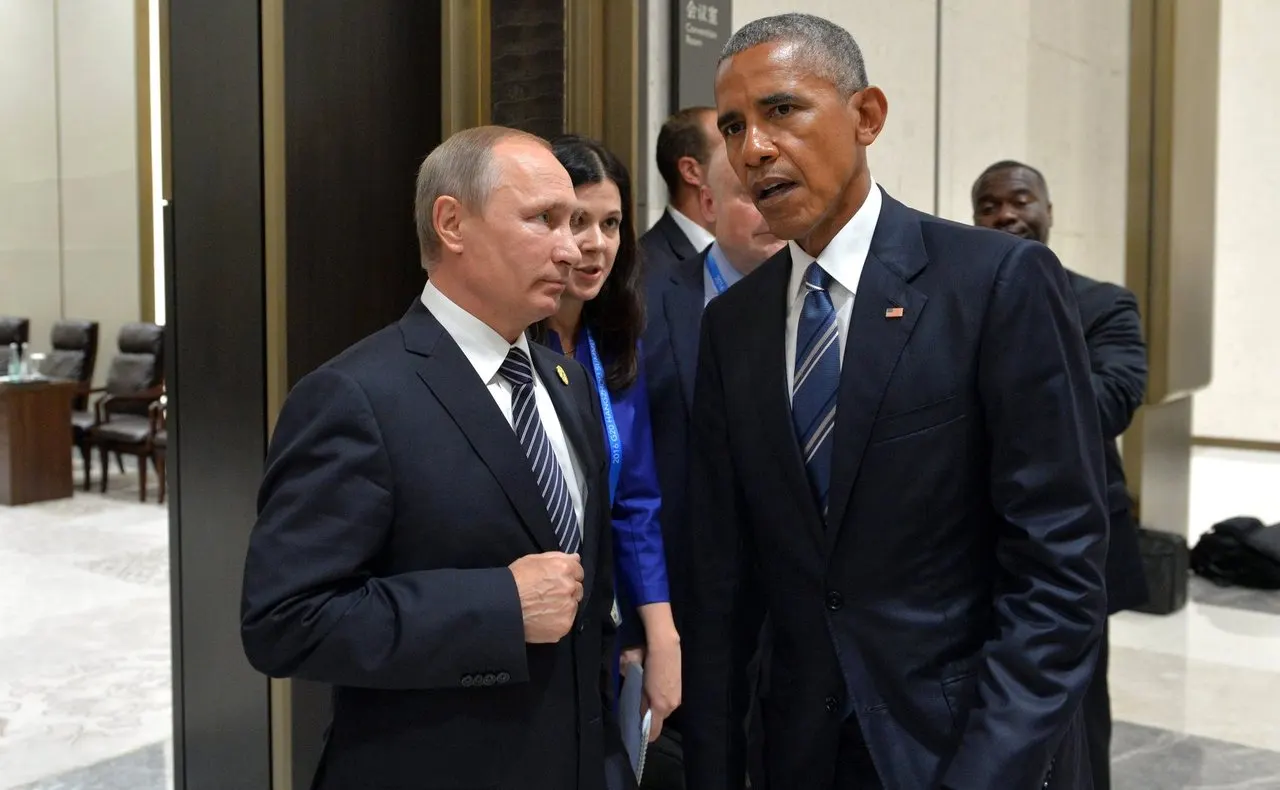
The biggest hope going into Hangzhou was a deal on a ceasefire in Syria, and it did not happen. Negotiators had worked for weeks on terms that could pause the fighting and let aid reach people trapped in war zones. But the two presidents could not close the remaining gaps, and they agreed only to keep seeking a deal. For people living through the conflict, the news was a disappointment, and the fighting went on. Both sides left saying talks would continue. See the China trip deals.
Reading the Obama Putin Meeting in Body Language
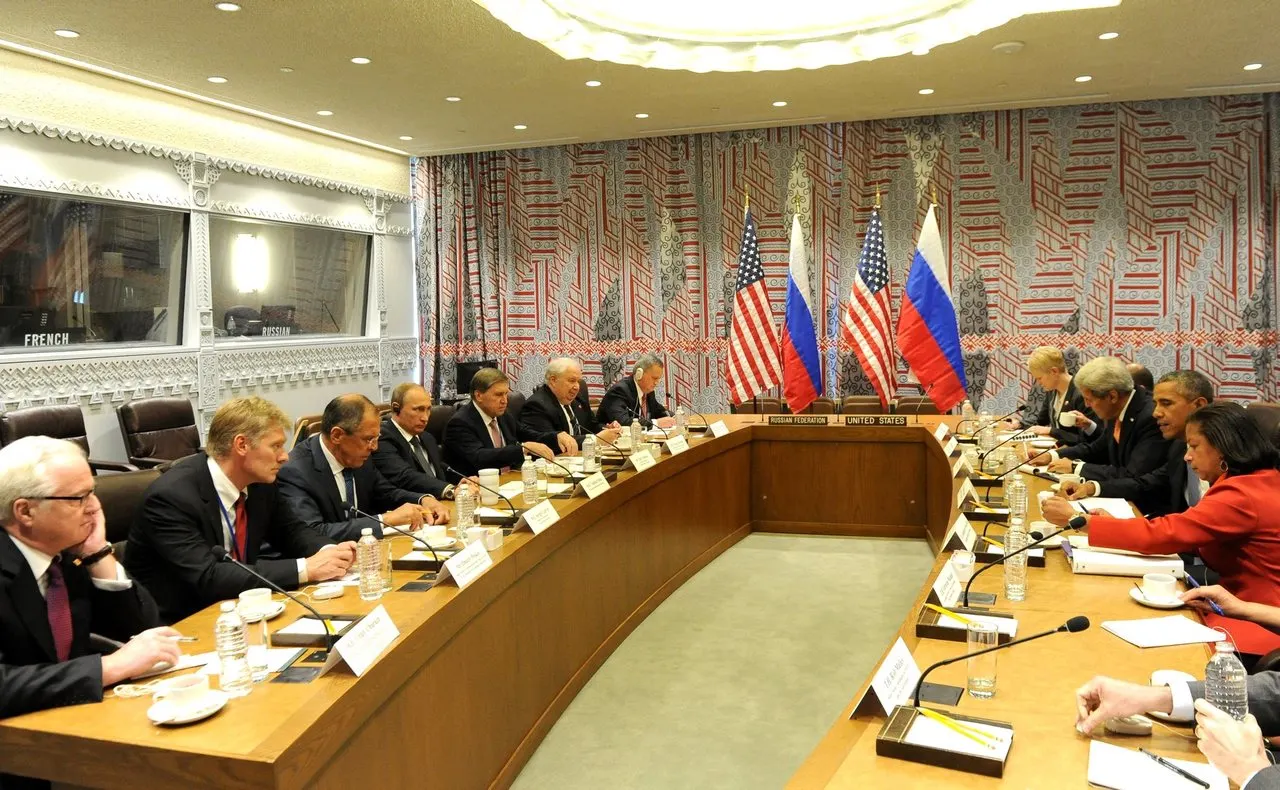
Photos from the Obama Putin meeting invite close reading, because the two men gave little away with their words. Obama leaned in and spoke directly, a style he often used when he wanted to be clear without raising his voice. Putin listened with a still face while aides took notes. What matters is that neither leader looked relaxed, and neither looked eager to please the other. The image matched the words that followed, serious talks with no easy ending. Learn the greeting guide.
Hangzhou Hosted the World That Week
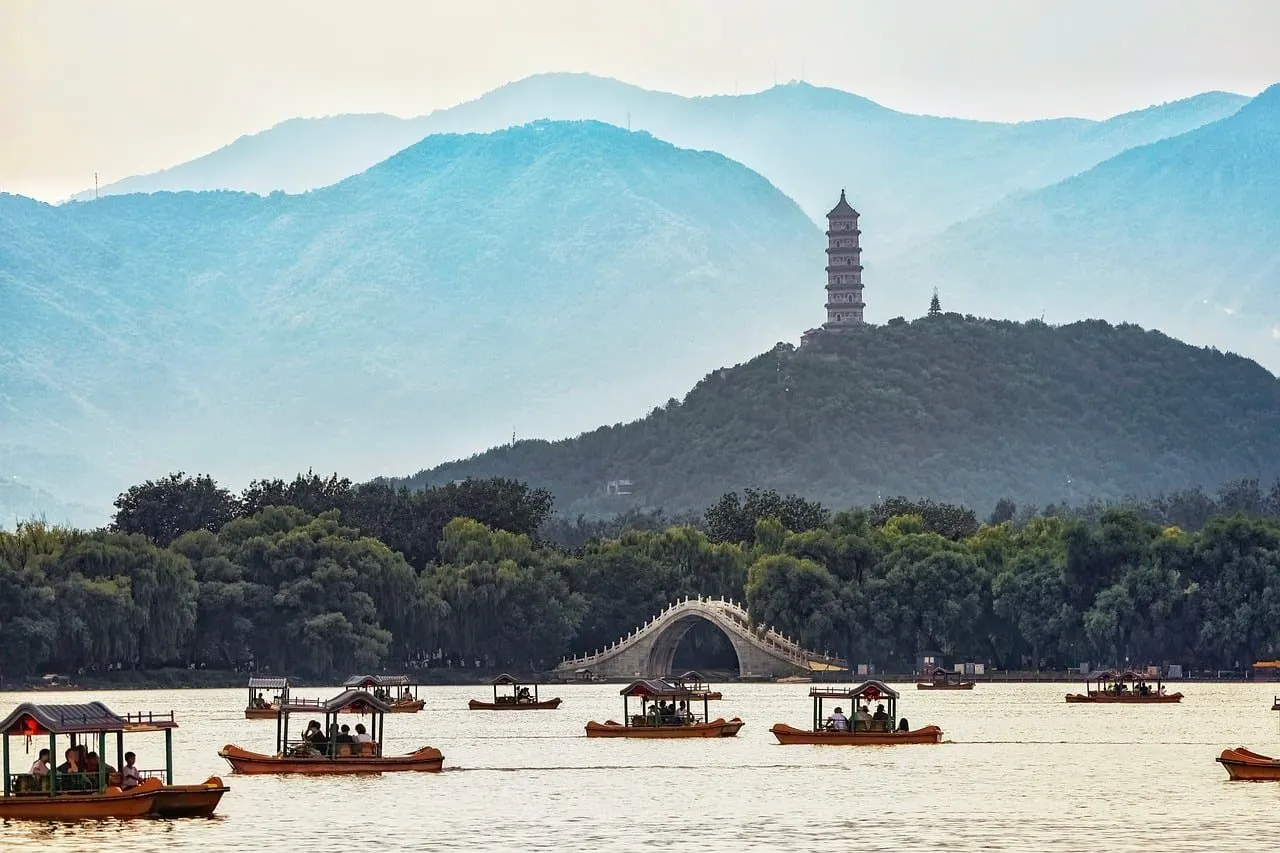
Hangzhou is a historic city in eastern China, known for its West Lake, its tea fields and its old canals. In September 2016 it hosted the G20 summit, and for a few days the city was the center of world news. Security was tight, streets were cleared for motorcades, and hotels filled with leaders, aides and reporters from every member country. The Obama and Putin meeting was only one of many held there, but it became one of the most remembered. Read the trip home.
Helsinki Came Two Years Later
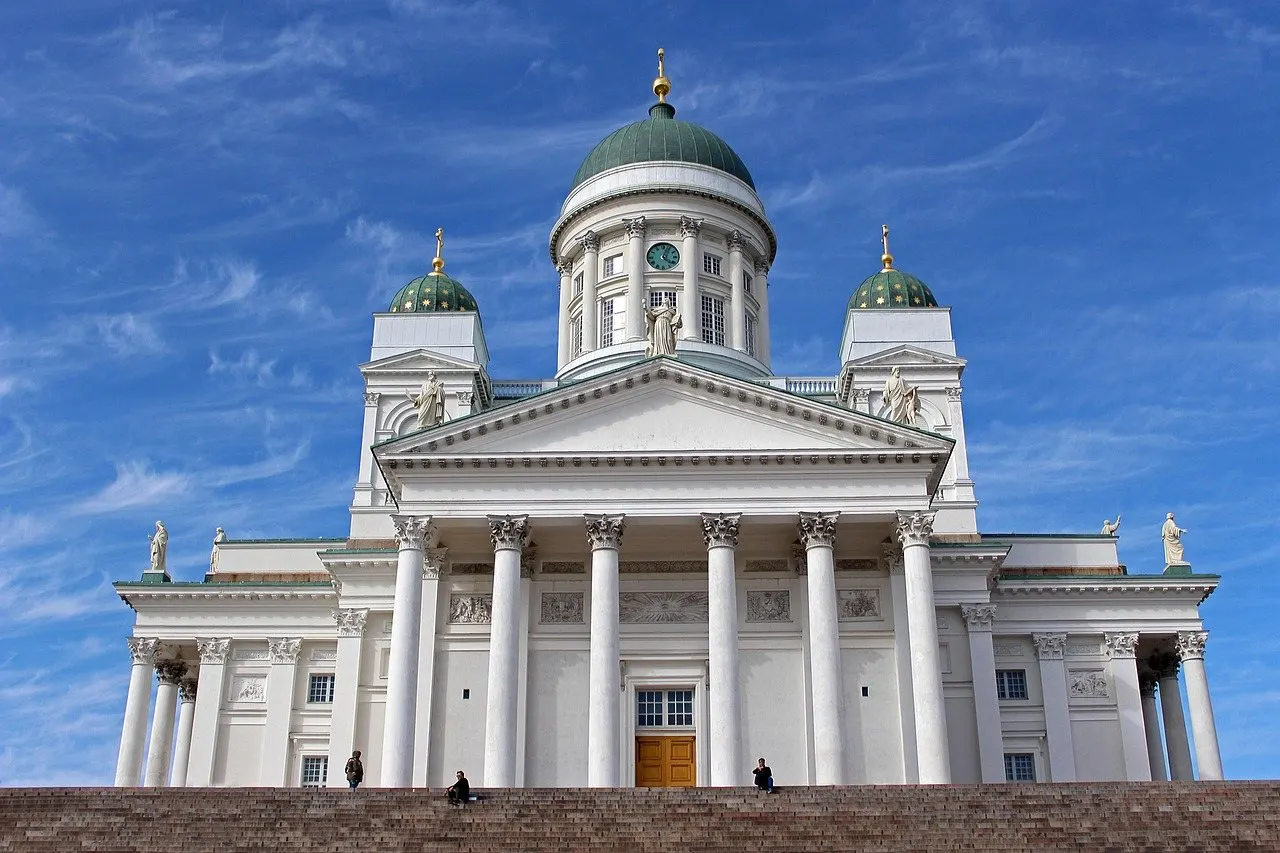
Two years after Hangzhou, Donald Trump met Vladimir Putin in Helsinki, Finland, in July 2018. This was a one on one summit between the two leaders, not a large meeting of many nations. Reporters watched closely to see how Trump would handle Putin in person. The two men held a joint press conference after their talks, and what Trump said there became the story of the day. Read our story on the late night roast that mocked Trump for calling Putin a friend.
A Press Conference That Shocked Washington
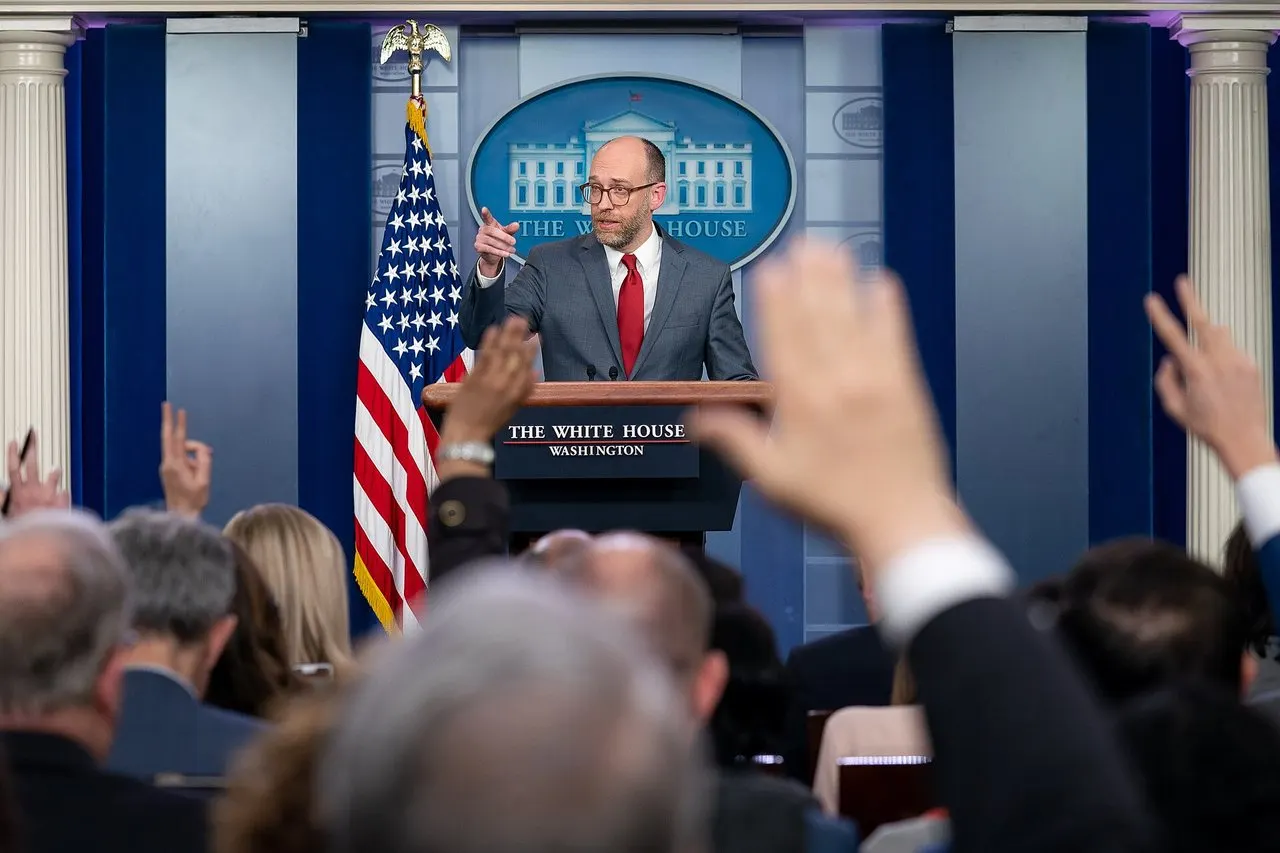
At the Helsinki press conference, Trump said he saw no reason why Russia would have interfered in the 2016 election. The words stunned many Americans, because his own intelligence agencies had said the opposite. Reporters in the room pressed him on the point, and his answer did not change. Leaders from both parties spoke out within hours, and the criticism kept growing through the week. The moment became one of the most talked about parts of his presidency. See the handshake in China that drew critics.
McCain Spoke Out at Once
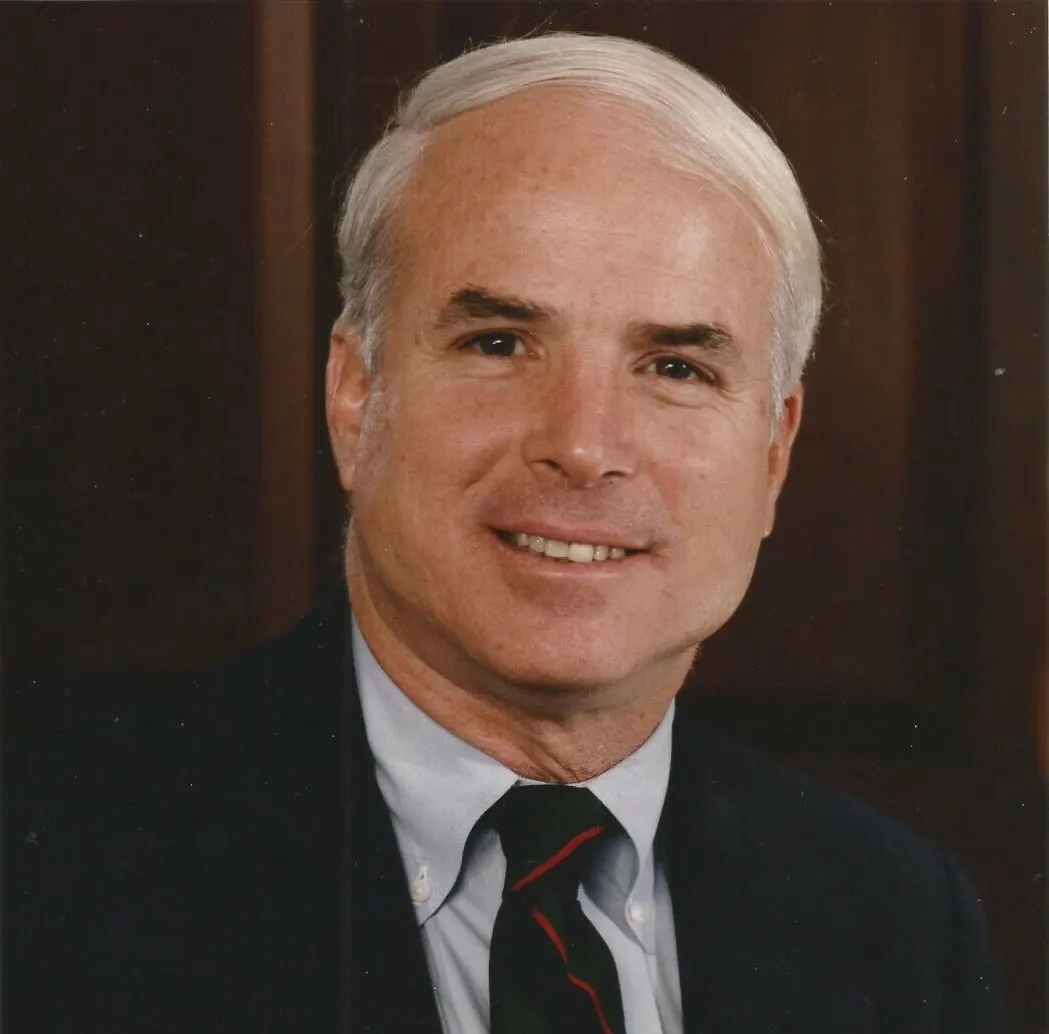
Senator John McCain was among the first to condemn what Trump said in Helsinki. He called the press conference one of the most disgraceful performances by an American president in memory. His words carried weight because he had served his country for decades and had often criticized Putin. Other Republicans joined him, and Democrats agreed, in a rare show of unity. The backlash showed that some lines still mattered to both parties. Read the roast that followed Trump calling Putin a friend.
The Photo Traveled Fast Online
The Hangzhou photo did not stay in the summit hall. It moved across social media within hours, shared by people who saw in it a lesson about leadership. The line about presidents who stay composed with dictators gave the picture a message that was easy to pass on. That is how a quiet moment in China became a post that millions would see. See how Schumer called a meeting with Xi and Putin an embarrassment.
The G20 Brings the World Together
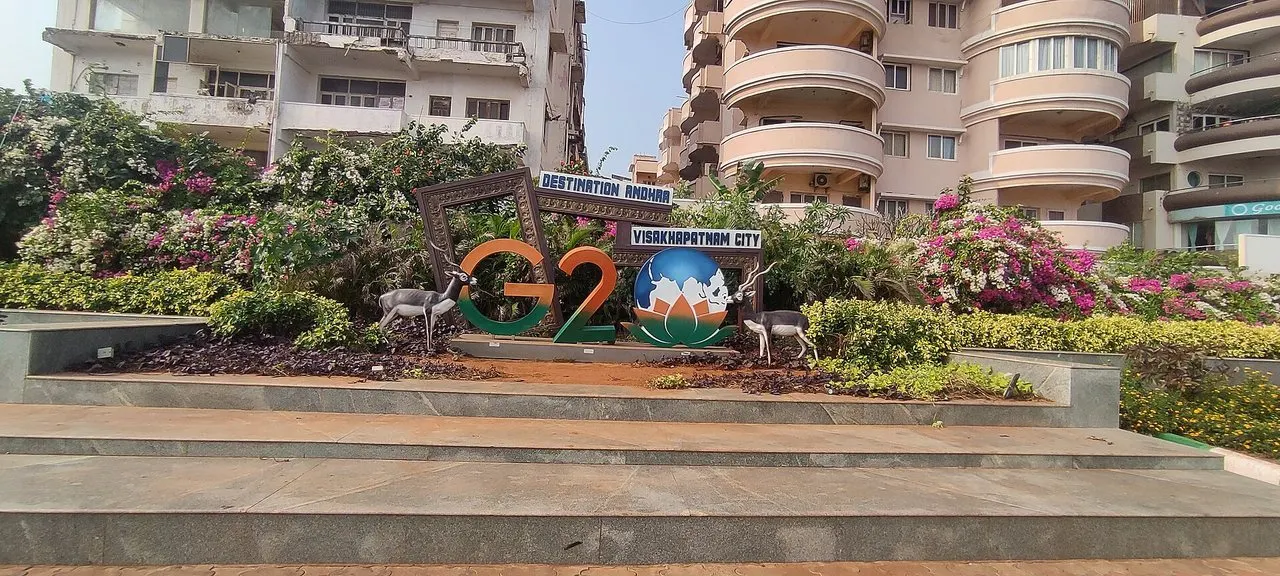
The G20 gathers the leaders of the largest economies in the world once a year. They meet to talk about trade, growth, climate and security, and the host city becomes the center of global news for a few days. Hangzhou was proud to host in 2016, and the city prepared for months. The Obama and Putin talk was one of them. Read what Trump said to Putin for a full hour at a summit in China.
Obama the President in the Room
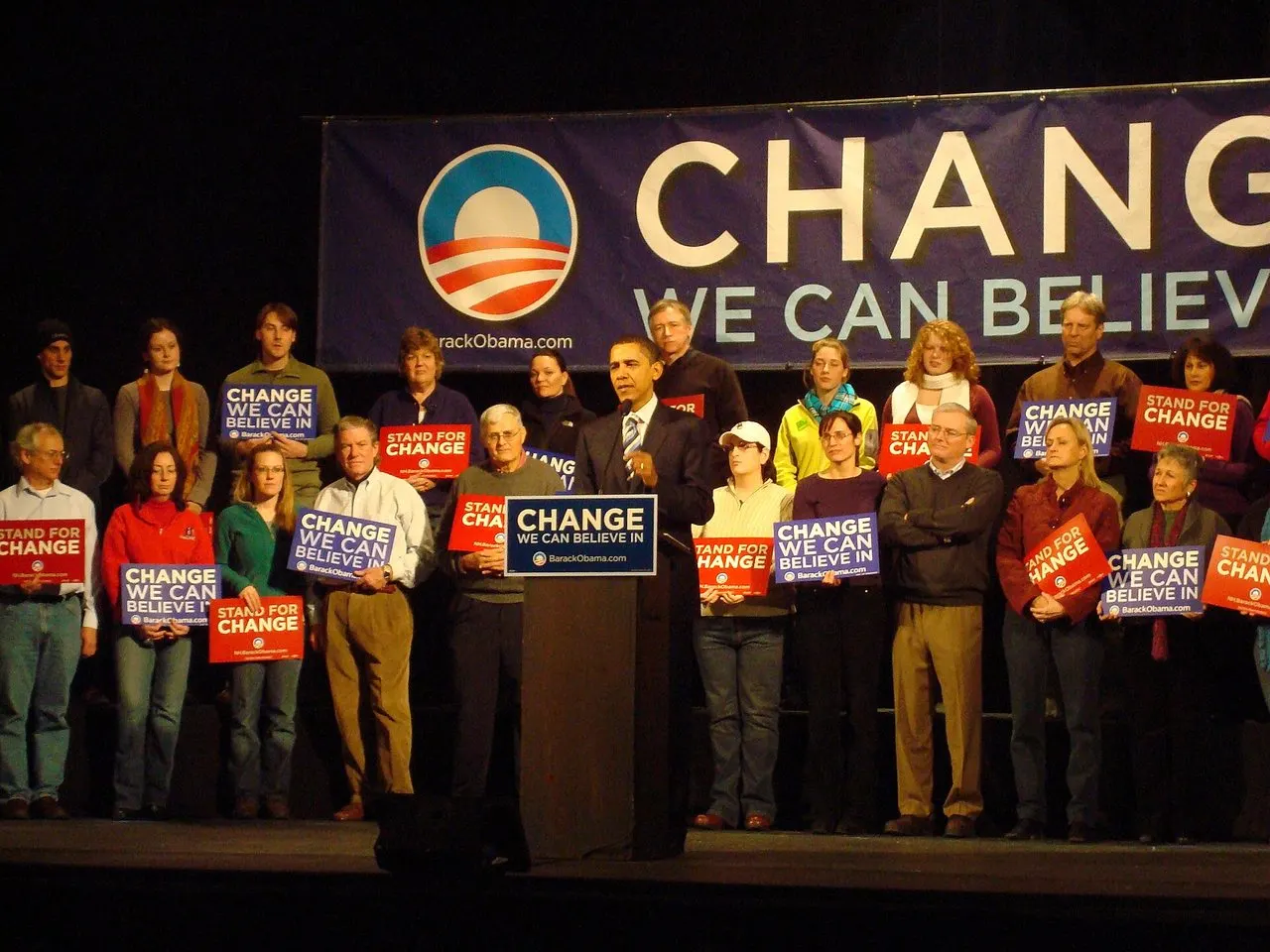
Barack Obama came to Hangzhou as a president near the end of his time in office. He had spent eight years dealing with Putin, and he knew the Russian leader well. Obama often spoke in a calm and measured way, even when the talks were tense. That style showed in the photo from the meeting, where he leans in and speaks directly. See the intelligence Putin shared with Iran that was used against American troops.
Putin the Leader Across the Table
Vladimir Putin came to Hangzhou as the leader of Russia, a country with its own view of the world. He had led Russia for many years and was known for a cool and patient style in talks. Putin often listened without showing much feeling, which made him hard to read across a table. In the photo he sits still while Obama speaks, a picture that fits his public image. Read the call for a winter truce in the energy sector.
The White House View of the Obama Putin Meeting
Back in Washington, the White House watched the Hangzhou talks closely. Aides briefed reporters on what Obama had raised and what remained unsolved. The White House line was honest, the talks were serious and the gaps were real. No one in the administration claimed a breakthrough that had not happened. That candor helped the public understand why Syria and Ukraine stayed so hard to settle. The presidency itself was on display in that honesty. See about Trump’s long flight from China before his briefing room report.
What the Obama Putin Meeting Taught Diplomats
Diplomats who study the Hangzhou talks often point to one lesson, that talking matters even when it fails. Obama and Putin spent 90 minutes together and left without a deal, yet both sides kept the door open. Diplomacy is slow work, and a single meeting rarely ends a conflict. That knowledge helps the next round of talks begin from a clearer place. Read how America, Russia and China came together at a summit for the first time.
Leaders Meet, Cameras Watch
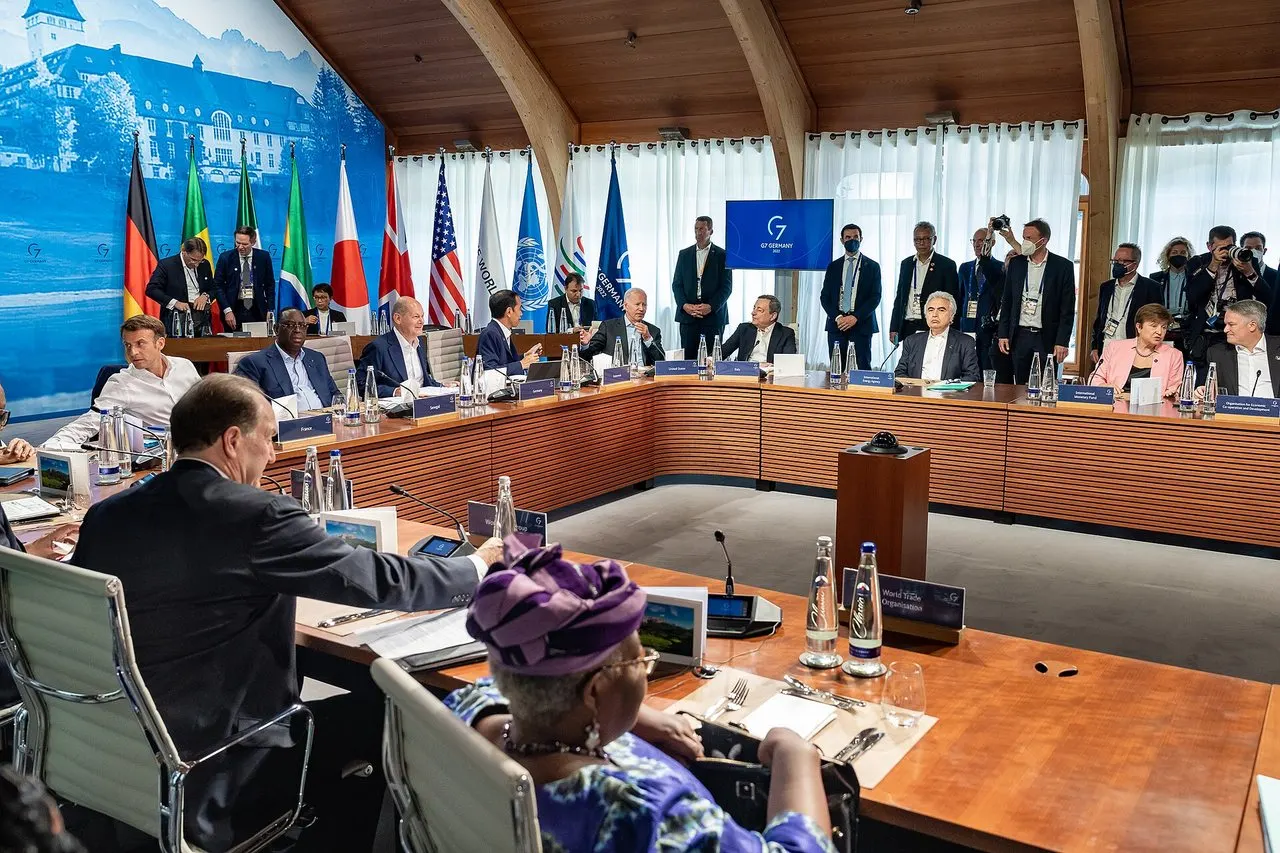
Every summit brings a crowd of cameras, and every handshake is photographed from many angles. Leaders know that the pictures will travel, so they think about how they look as well as what they say. The Hangzhou photo worked this way, because it showed two leaders in a serious talk. The image told a story before a single word was read. See the peace deal Trump brought Armenia and Azerbaijan to sign.
Reporters Asked About the Obama Putin Meeting
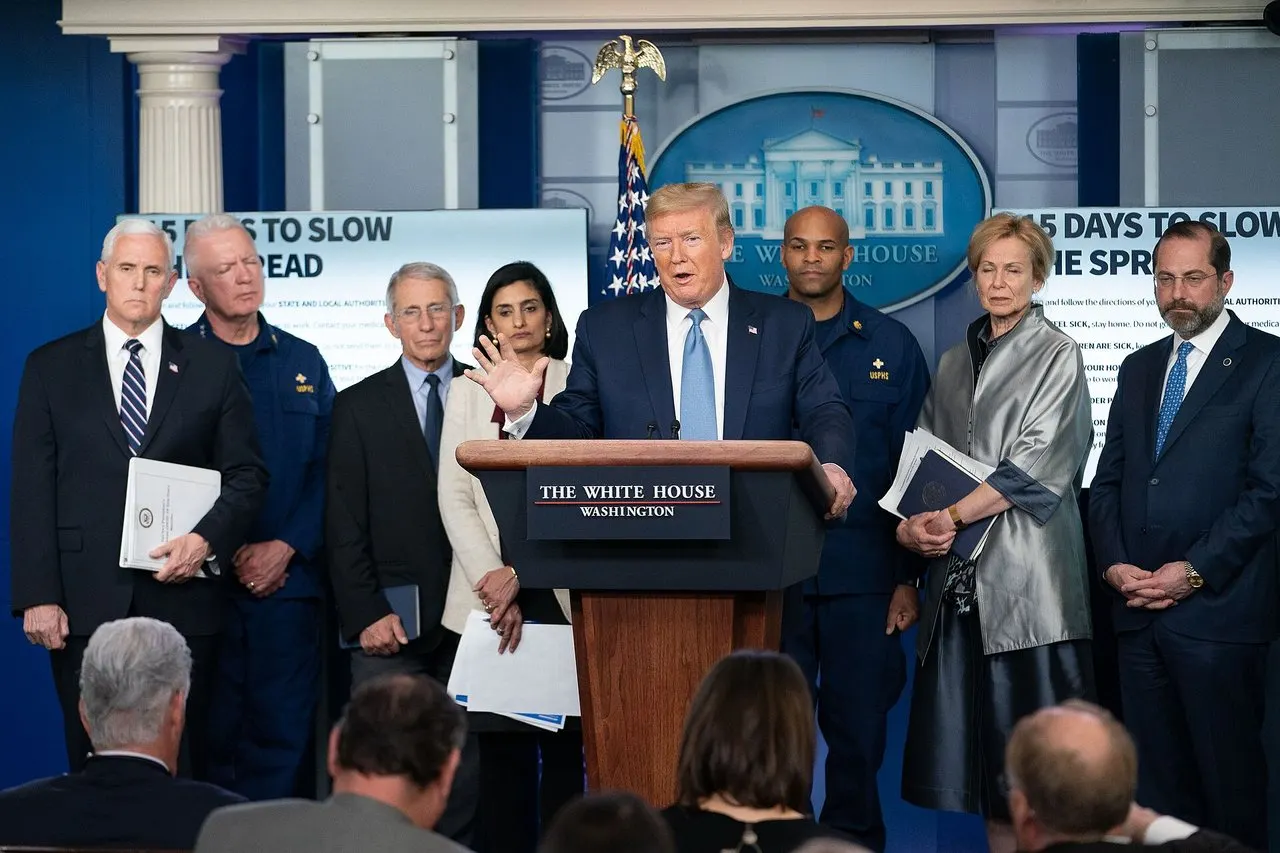
After the Hangzhou talks ended, reporters asked Obama what had been decided and what had not. He answered plainly, saying gaps of trust remained and no Syria ceasefire deal had been reached. Press briefings like this one help the public see past the photo and into the substance. A good briefing does not hide bad news, and Obama did not try to dress up the result. The questions kept coming until the facts were clear. Read the historic Shenzhen summit of China, Russia and U.S. leaders.
Cameras Caught Every Second of the Obama Putin Meeting
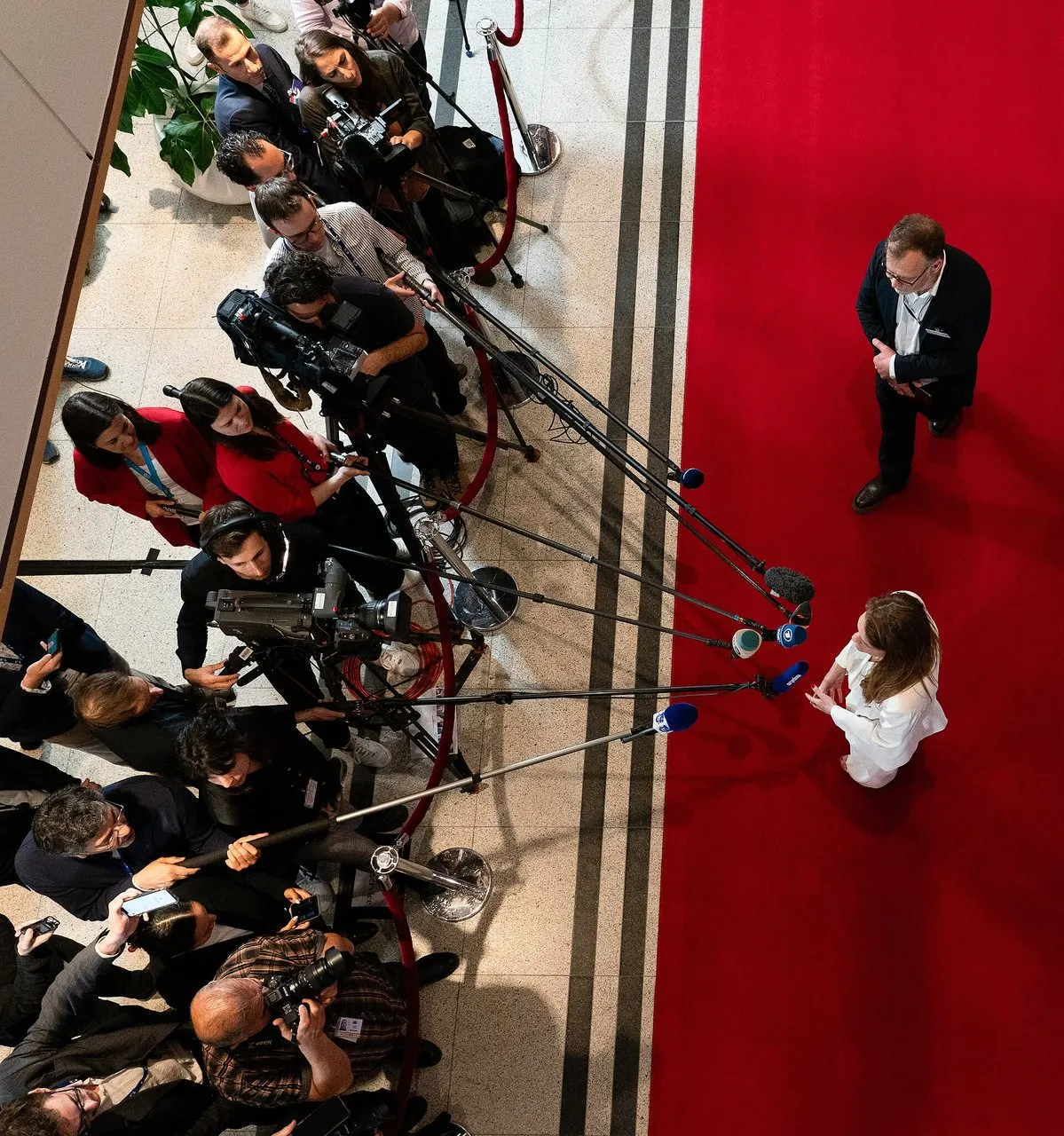
The cameras in Hangzhou caught every second of the long talk, from the first handshake to the final nod. Photographers worked quietly at the edge of the room, looking for the frame that would sum up the day. The best photo showed Obama leaning in and Putin listening, a picture of two men who disagreed but kept talking. A single frame can hold a whole meeting. See the historic four day trip to China with billions in deals.
Syria Waited for an Answer
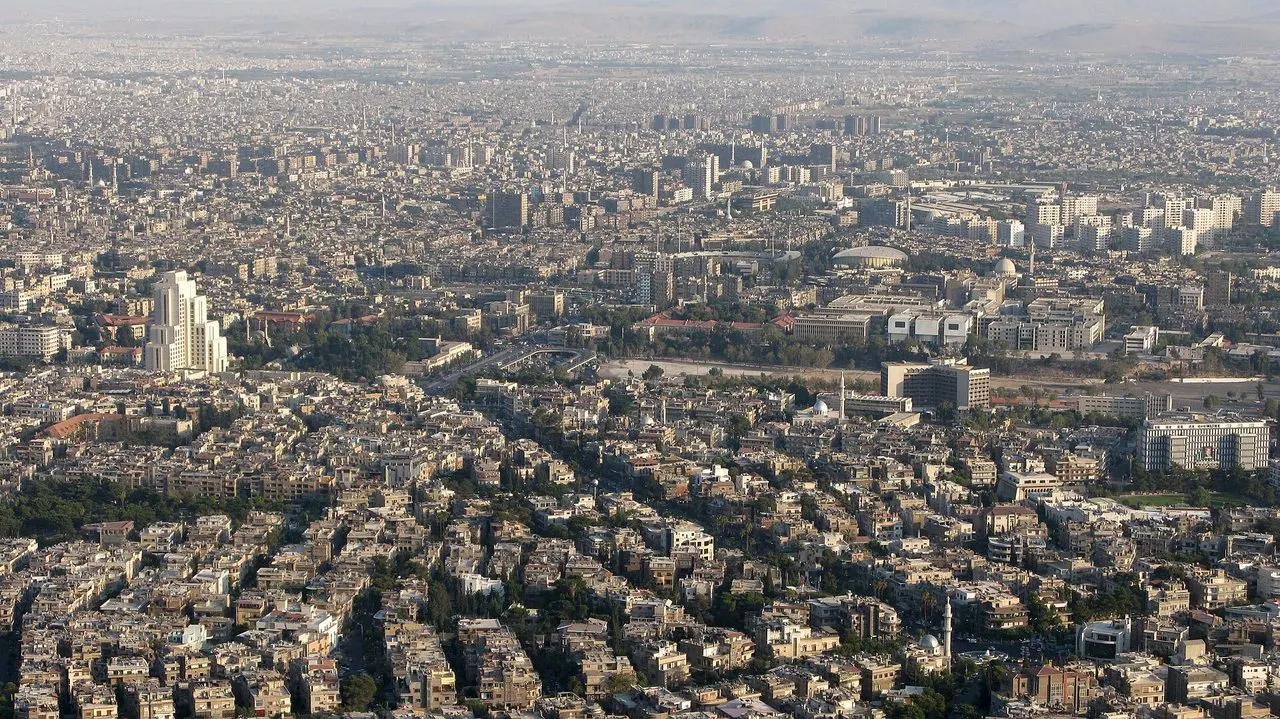
While the leaders talked in Hangzhou, people in Syria waited for news of a ceasefire. The conflict there had already lasted years, and families lived with daily danger. A deal would have meant a pause in the fighting and a chance for aid to reach those in need. When the talks ended without one, the disappointment was real. The war went on, and the search for peace moved to other rooms and other days. Read how Trump urged European leaders to stop backing Ukraine’s defense.
Obama Spoke Calmly After the Obama Putin Meeting
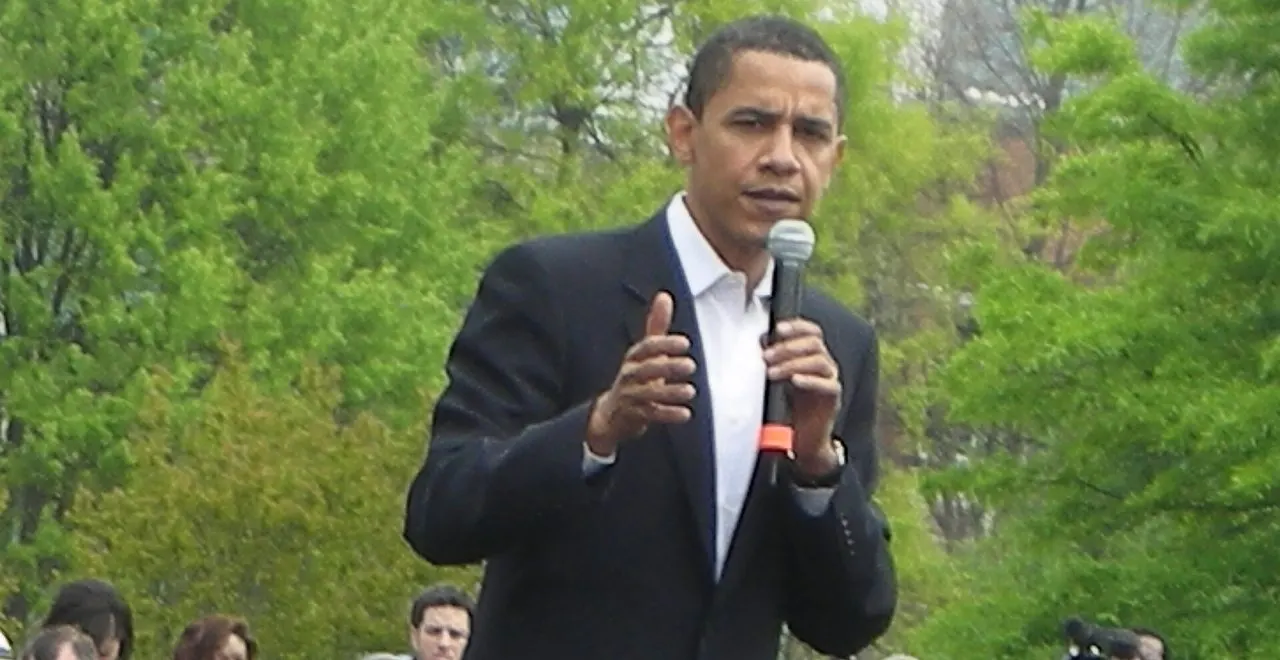
Obama spoke to reporters after the talks with his usual calm. He did not raise his voice or blame the other side in public. Instead he laid out the facts, the meeting had lasted 90 minutes, the gaps remained, and the work would go on. Calm words after hard talks can carry more weight than anger. See how Xi Jinping personally greeted Trump on the tarmac in Shenzhen.
The Flag Behind the Talks
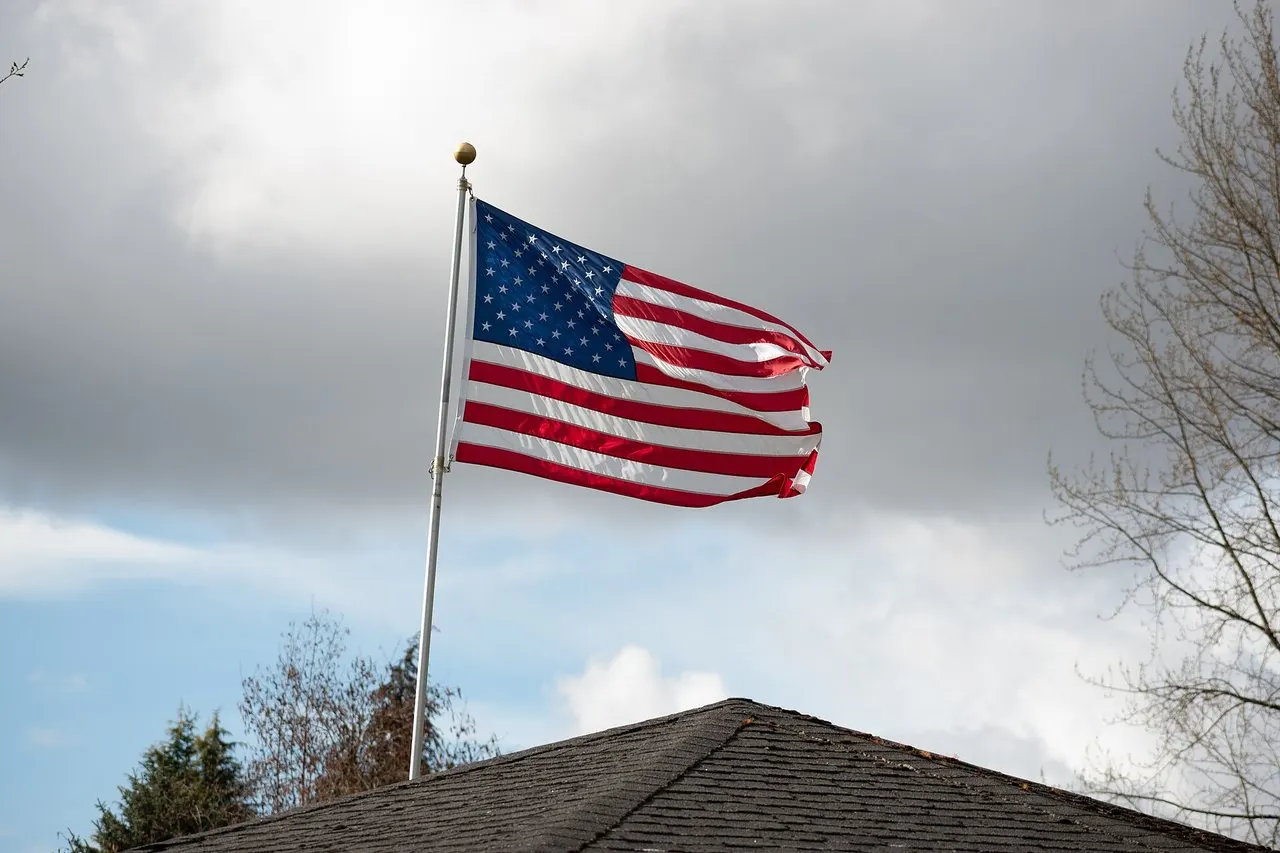
The American flag flew in Hangzhou that week, along with the flags of every G20 nation. A flag at a summit is a reminder of who each leader answers to back home. Obama carried the hopes of Americans who wanted peace in Syria and stability in Ukraine. Putin carried the aims of Russia. The flags in the hall made the talks feel larger than two men, because whole nations stood behind them. Read Trump returning home from Asia after historic meetings with Xi and Putin.
A Handshake Is Only a Start
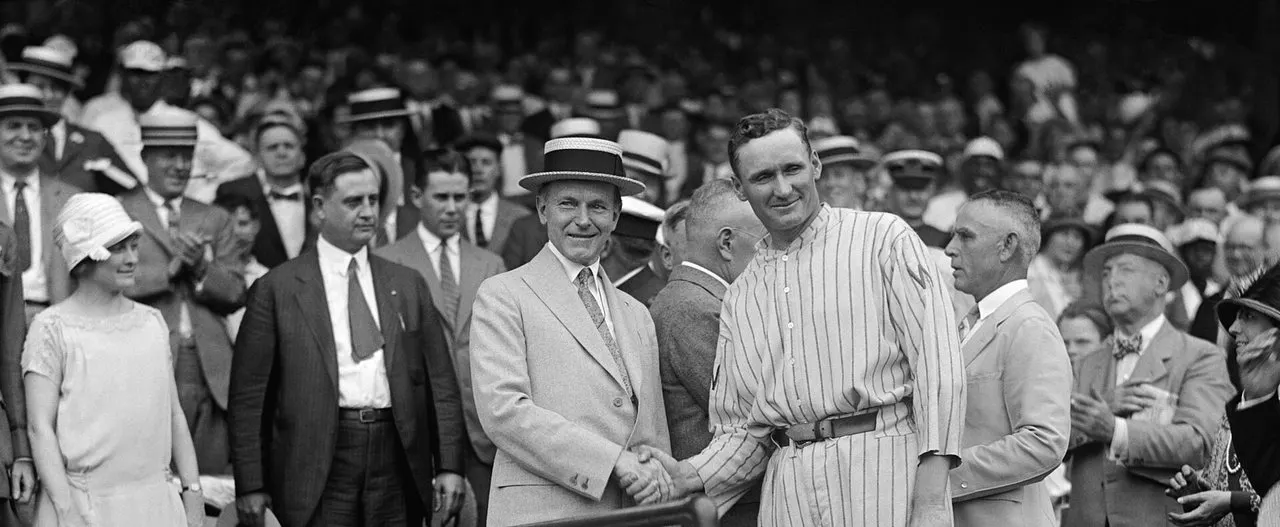
A handshake at a summit looks simple, but it opens a door. It lets two leaders sit down and speak face to face, which is often the only way to move a hard issue. Obama and Putin shook hands many times over the years, and each handshake began a new round of talks. Yet a handshake alone settles nothing, and the work starts after the cameras leave. What matters is what the leaders say once the doors close. See how Trump headed back to Washington after a great China trip.
Two Meetings, Two Styles: the Obama Putin Meeting and Helsinki
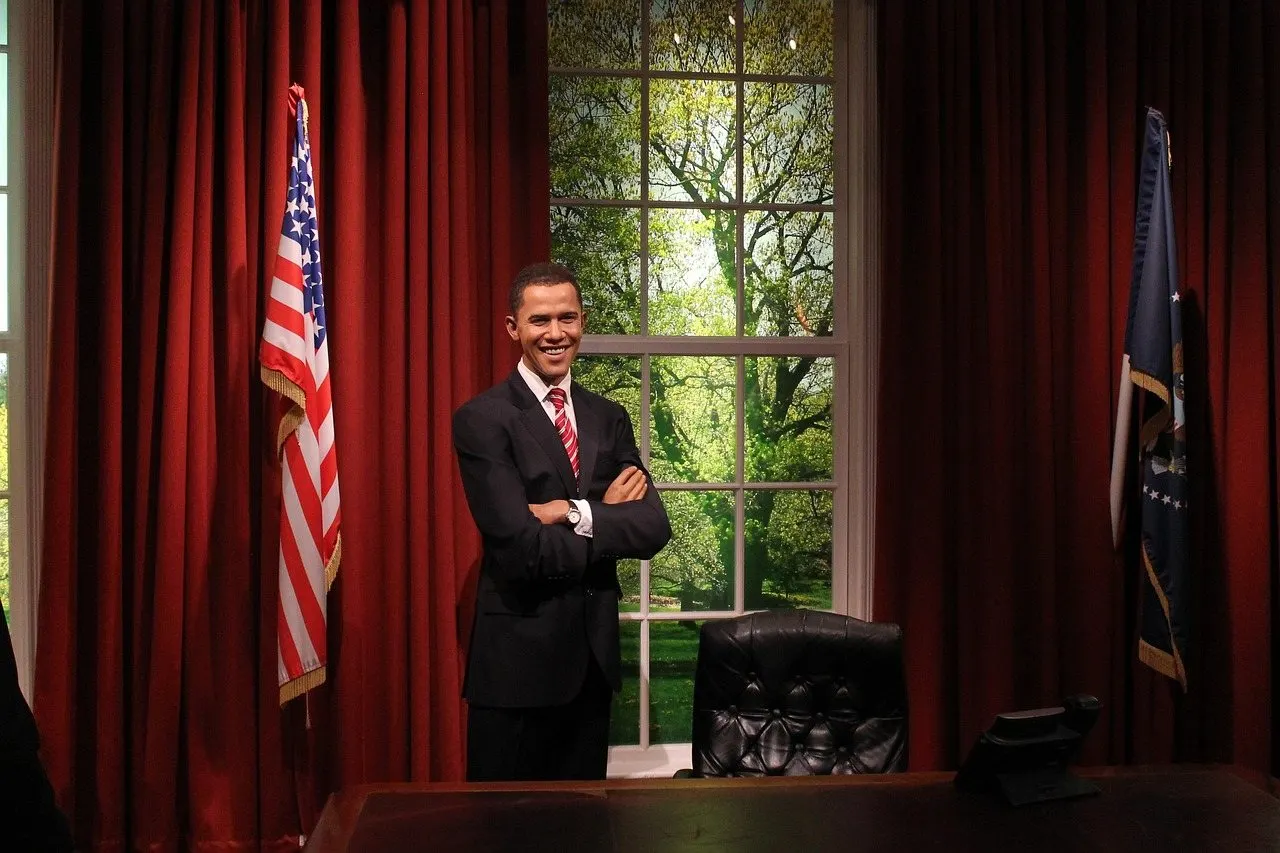
Put the two meetings side by side and the contrast is clear. In Hangzhou, Obama stayed composed, pressed his points and admitted the gaps that remained. In Helsinki, Trump praised Putin in public and doubted his own agencies. One style kept a cool distance, while the other showed warmth toward a rival. Voters and historians still debate which approach served America better. The photos from both days tell the story at a glance. Read how Trump greeted Putin in China.
Why the Obama Putin Meeting Still Matters
The Hangzhou talks still matter because they show how leaders should meet a rival. Obama did not flatter Putin or pretend the gaps were gone. He sat down, spoke plainly and told the truth about the result. That example is why the photo keeps coming back, years later, whenever a president meets a dictator. The lesson has not aged. See what Trump said to Putin for a full hour at a summit in China.
What Do You Think Makes a Strong President?
The Hangzhou photo asks a simple question, what makes a strong president when facing a rival. Is it a firm voice, a calm face, or the courage to admit when talks fail. Now we want to hear from you. Which style do you trust more, and why. Share your thoughts in the comments below and tell us what you look for in a leader. Read the intelligence Putin shared with Iran that was used against American troops.