
Her Season of Calm Began With Prayer and Letting Go
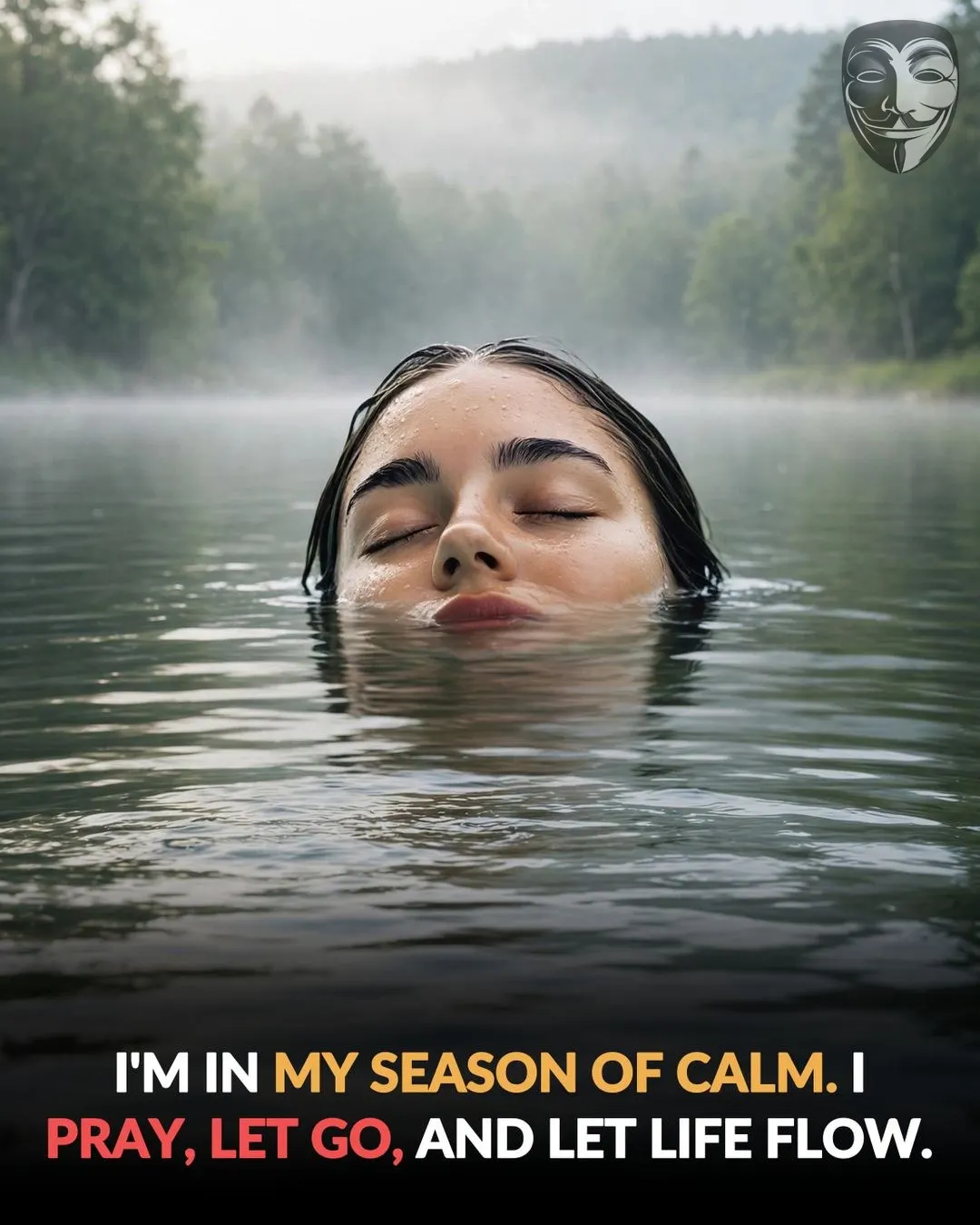
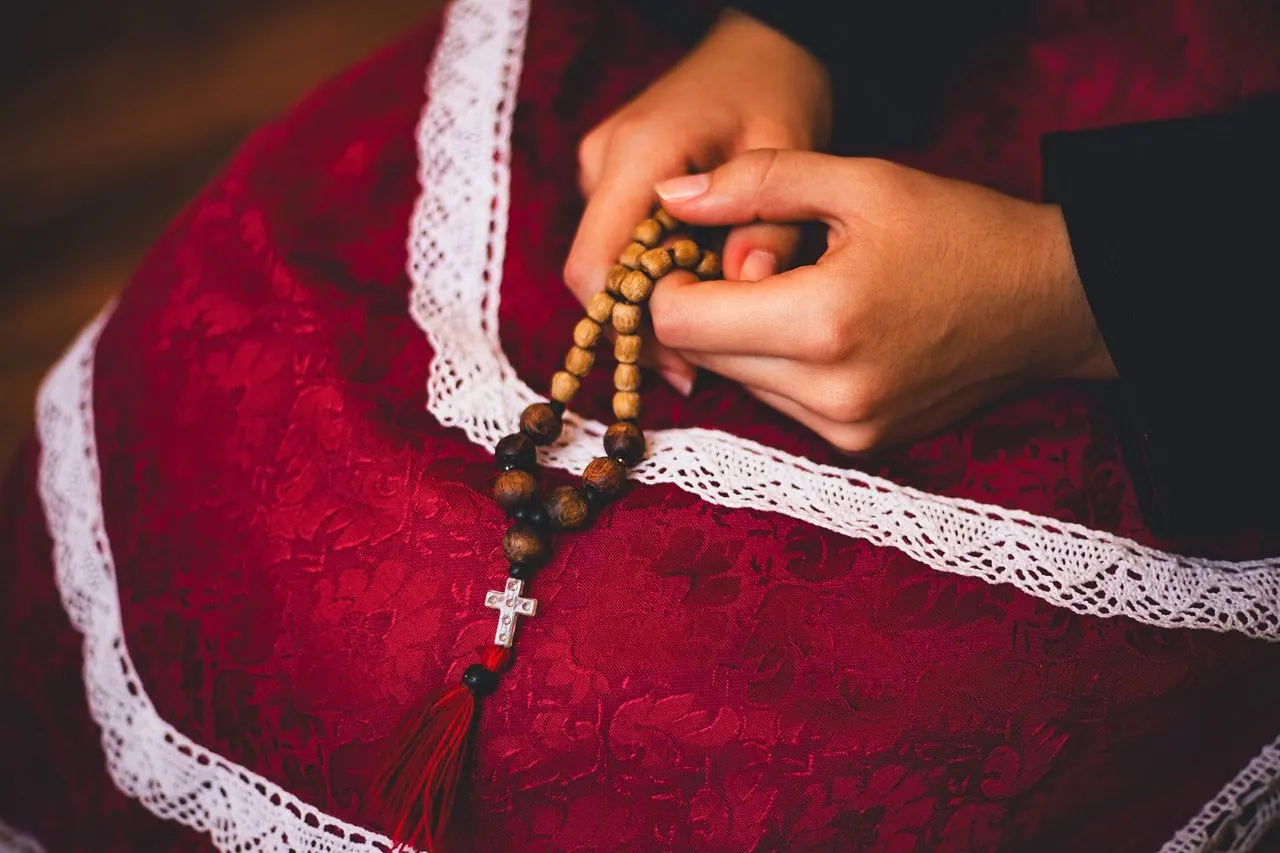
Her season of calm began the day she stopped forcing life to move on her schedule. She had spent years chasing answers, fixing problems that were not hers to fix, and pushing through days that left her tired. Prayer gave her a quiet place to set those worries down. Each morning she sat still, breathed slowly, and spoke the simple words she had carried since childhood. Nothing changed at once, yet something inside her began to soften. The rush faded a little, and the noise grew a little less loud.
Letting go did not mean giving up. It meant trusting that life could flow without her holding every piece in place, and that peace was worth more than control. Prayer changed the way she faced each day, even when it did not change the day itself. She learned to release what she could not hold, and the weight she carried grew lighter. If you need hope on a hard day, read our story about better days ahead.
References:
Medindia: Can Prayer Improve Mental Health What Science Says
ResearchGate: Mindfulness in Salah Prayer and its Association with Mental Health
ResearchGate: Prayers and Mindfulness in Relation to Mental Health among First Generation Immigrant and Refugee Muslim Women in the USA
American Psychological Association: A randomized trial of the effect of prayer on emotional stress and anxiety
When Chasing and Forcing Stopped Working
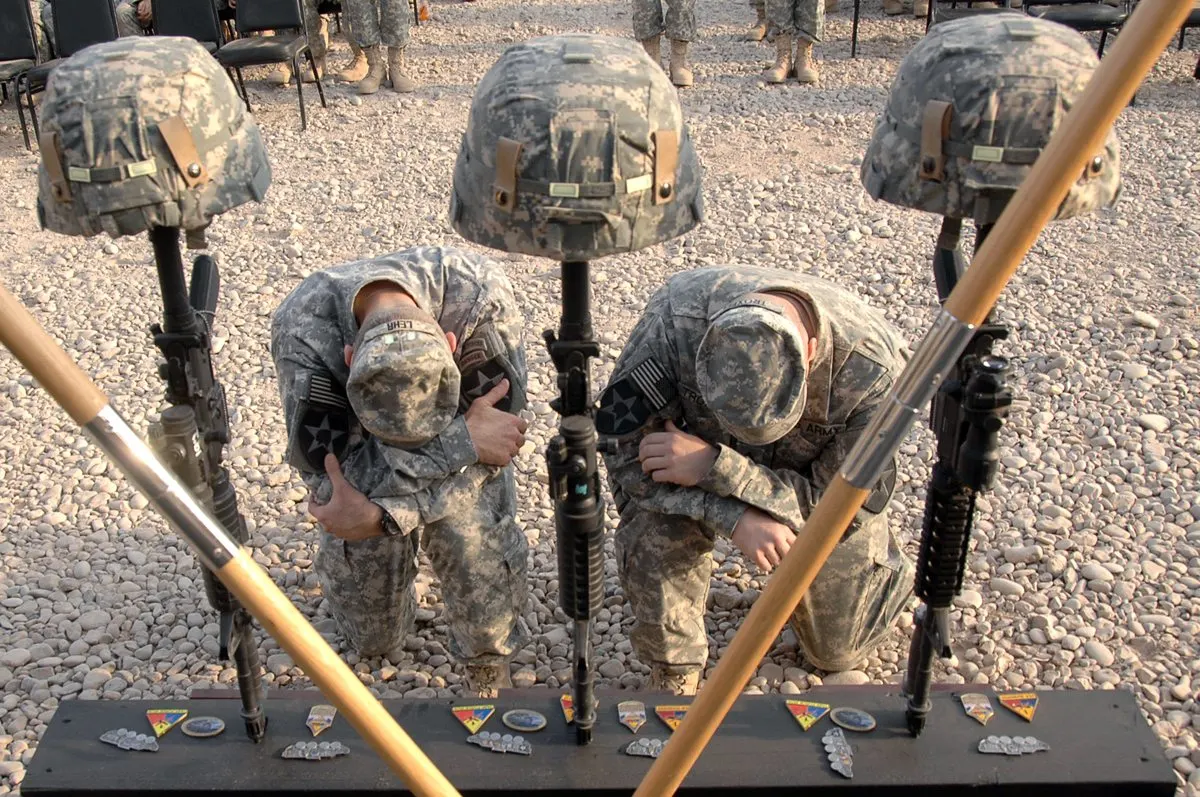
There comes a point when effort alone stops helping. She had chased answers, fixed problems, and forced plans into place, yet life still felt heavy and slow. The harder she pushed, the more tired she grew, and rest began to feel like quitting. So she kept going until her body and her heart asked her to stop. That pause was not failure. It was the first honest moment in a long time, and it opened space for prayer. Read our story about answered prayer and daily gratitude for more.
Prayer as a Daily Anchor in a Season of Calm
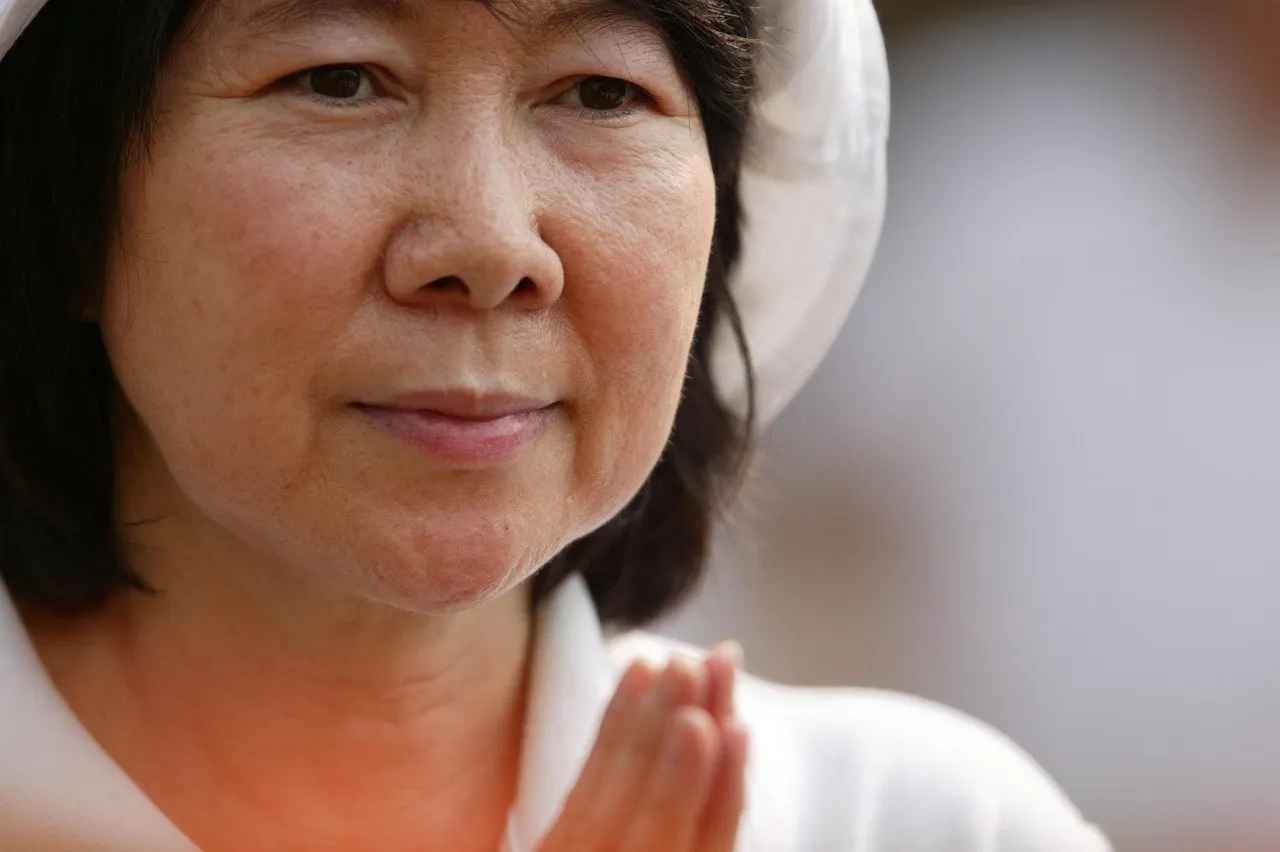
Prayer became the anchor of her day, a fixed point she could return to each morning. She did not need long words or a perfect setting. A quiet corner, a few slow breaths, and an honest heart were enough. The habit gave shape to her mornings and steadied her before the day began. Over time, the short prayer grew into a rhythm that carried her through busy hours. It reminded her that she was held by something larger than her worries. See our story about better days ahead.
Letting Go of What You Cannot Control
Letting go is the hardest part of finding peace, because control feels safe even when it hurts. She learned to name the things she could not change, then set them down one by one. A late reply, a closed door, a plan that fell apart. None of them needed her to hold them tight. When she released them, her shoulders dropped and her breath grew slower. Life did not become easy, but it became lighter. Read our story about finding a safe place after hard years.
Morning Light and the Start of a Season of Calm

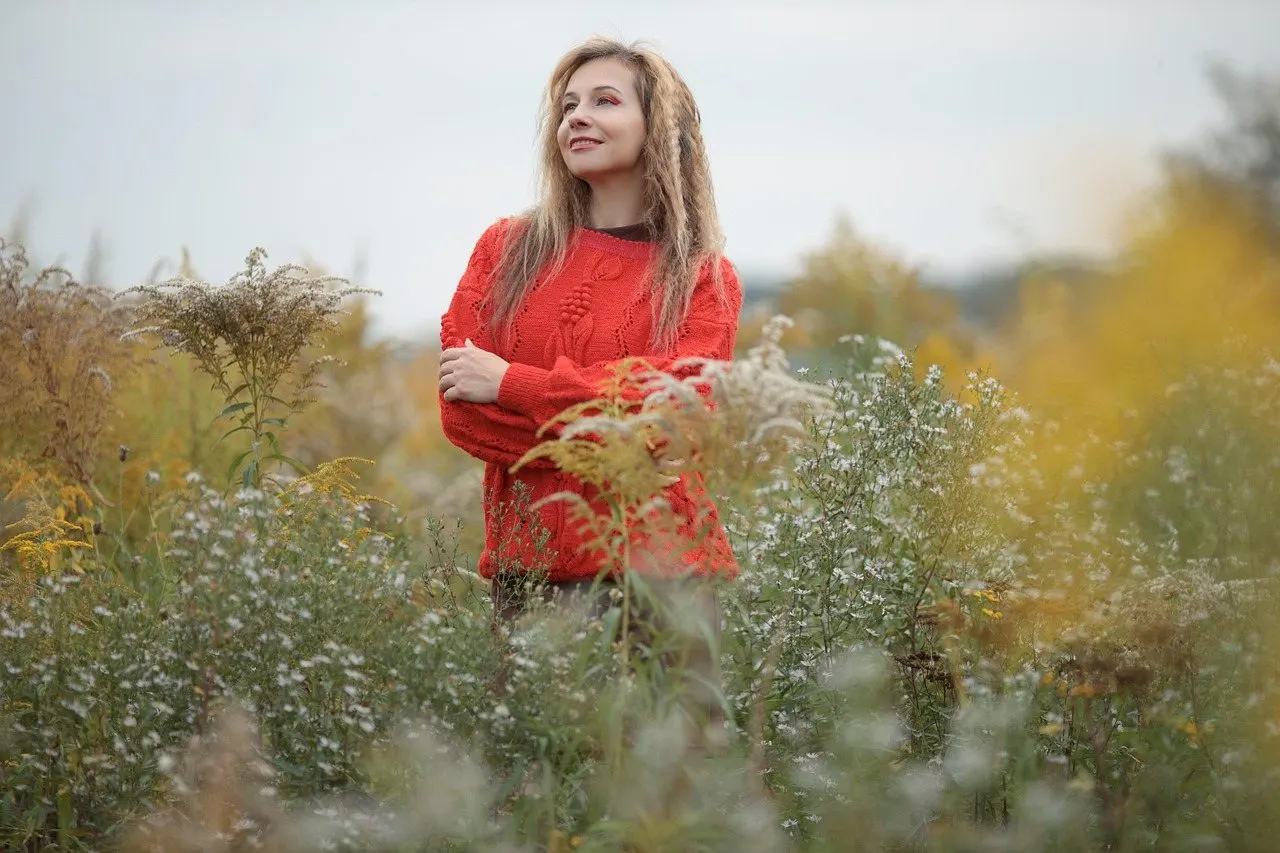
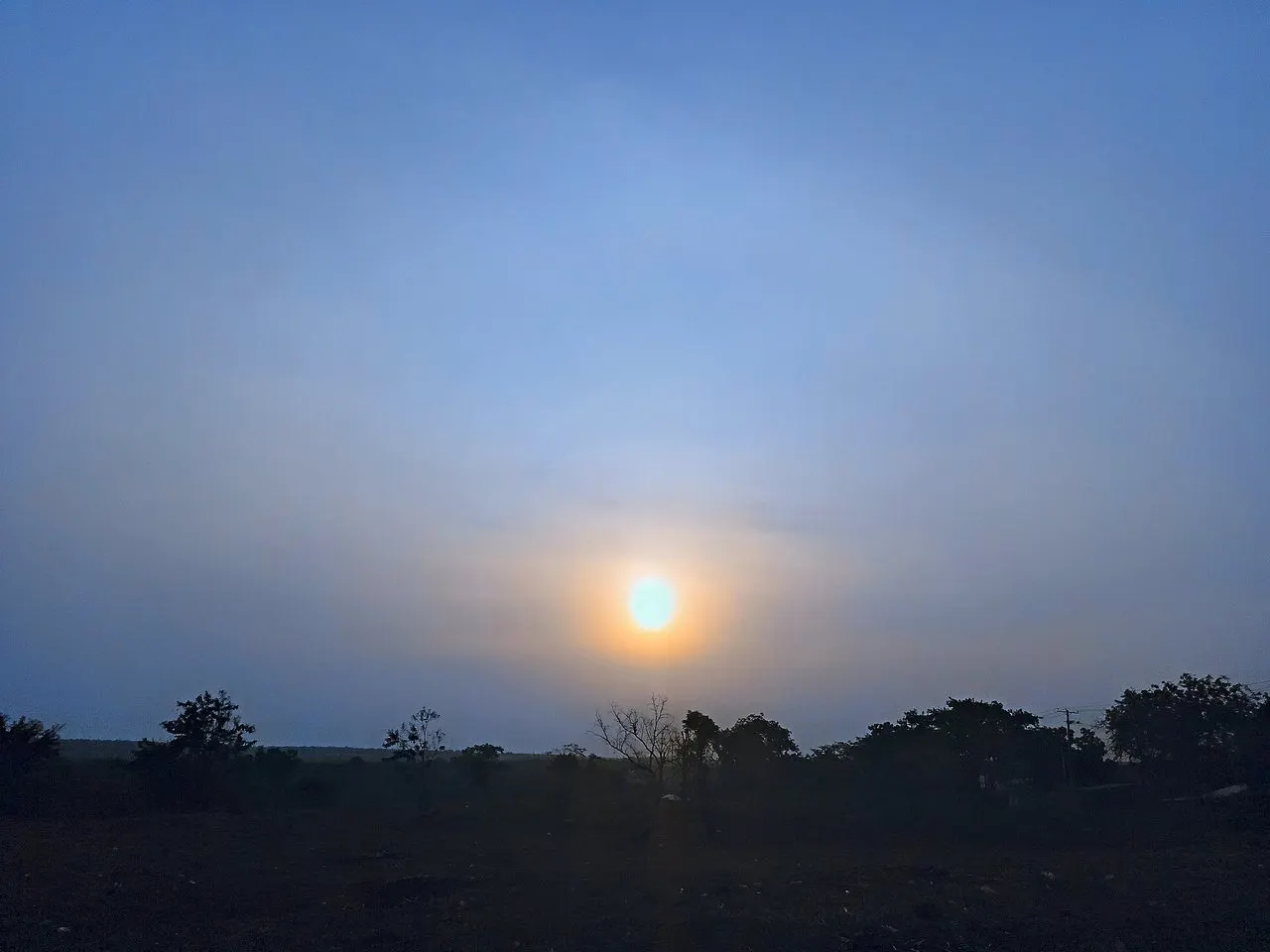
Mornings set the tone for the whole day, and hers began to change. Instead of reaching for her phone, she opened the curtains and let the light in. She sat by the window with a warm drink and a few quiet minutes. The lake outside was still, and the sunrise painted the water gold. Those small moments taught her that calm is not found in a rush. It grows in the still places of the day. See our story about answered prayer and daily gratitude.
Breathing Room for a Tired Heart

A tired heart needs room to breathe, and she learned to give it some. She would close her eyes, draw in a slow breath, and let it out even slower. The simple act calmed her body and quieted the rush of thoughts. Doctors often say that slow breathing helps the body relax, and she felt it work in her own life. A few minutes of breathing before prayer made the prayer feel deeper and more real. Read our story about relief after months of waiting.
What Science Says About Prayer and Mental Health
Science has started to look closely at prayer and mental health, and the early signs are hopeful. A Medindia report asks whether prayer can improve mental health and looks at what studies have found. Prayer often brings routine, hope, and a sense of connection, and those things support the mind. It is not a cure for every problem, yet many people say it helps them feel steadier. Her own story fits that picture well. See our guide to easy and affordable breakfasts.
Mindfulness in Salah Prayer and Inner Peace

A ResearchGate study looks at mindfulness in Salah prayer and its link with mental health. Salah is the daily prayer of Muslims, performed five times a day with set movements and words. The study found that mindful prayer can support calm and focus. The slow bowing and the quiet words give the mind a place to rest. Her own prayer had the same shape, a daily pause that brought her back to peace. Read our report on questions people ask about big projects.
A Season of Calm for Immigrant Women Who Pray
Another ResearchGate study looks at prayers and mindfulness among first generation immigrant and refugee Muslim women in the United States. These women face new places, new rules, and long days far from home. Prayer gave many of them a steady thread through the change. It linked them to family, to faith, and to a calm they could carry anywhere. Her story shares that same truth, that prayer travels with you. See our report on the clash over gas prices.
A Trial on Prayer, Stress and Anxiety
The American Psychological Association reports a randomized trial on the effect of prayer on emotional stress and anxiety. In a trial, people are placed in groups by chance, so the results are more trusted. The study tested whether prayer could ease stress and worry. The findings add weight to what many people of faith have long felt, that prayer can calm a troubled heart. Her mornings of prayer gave her the same kind of relief. Read our story about a farewell at 86.
The Difference Between Peace and Pressure in a Season of Calm
Peace and pressure feel very different in the body. Pressure tightens the chest, speeds the breath, and fills the mind with noise. Peace loosens the shoulders, slows the breath, and leaves room to think. She learned to tell them apart and to choose peace when she could. The choice was not always easy, yet it grew easier with practice. Each calm morning made the next one more likely. See our story about a young life remembered.
A Walk in Nature to Clear the Mind

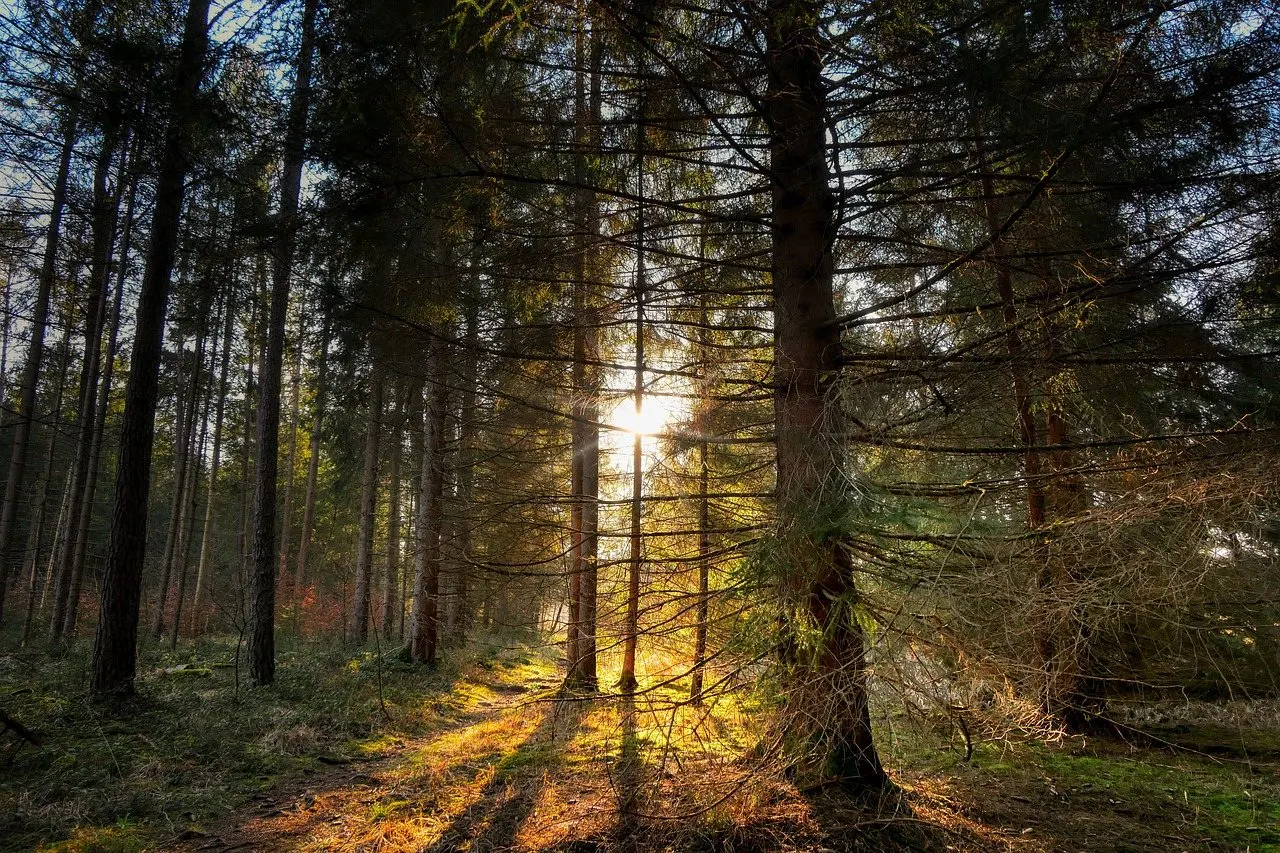
A walk among trees can clear a crowded mind. She began to take slow walks on a forest path near her home, with no phone and no plan. The sound of leaves and the smell of rain gave her senses something gentle to hold. Walking is one of the oldest forms of prayer, a way to move the body while the heart grows quiet. By the time she turned for home, her thoughts felt lighter. Read our report on a claim about an old law.
Journaling the Worries Away

Writing down her worries helped her set them aside. Each evening she opened a journal and wrote a few honest lines about the day. The page did not judge her, and it did not rush her. Once a worry was on paper, it felt smaller and easier to carry. She often ended with three things she was thankful for, and the list grew longer over time. The journal became a friend. See our story about better days ahead.
Tea, Stillness and Slow Mornings in a Season of Calm
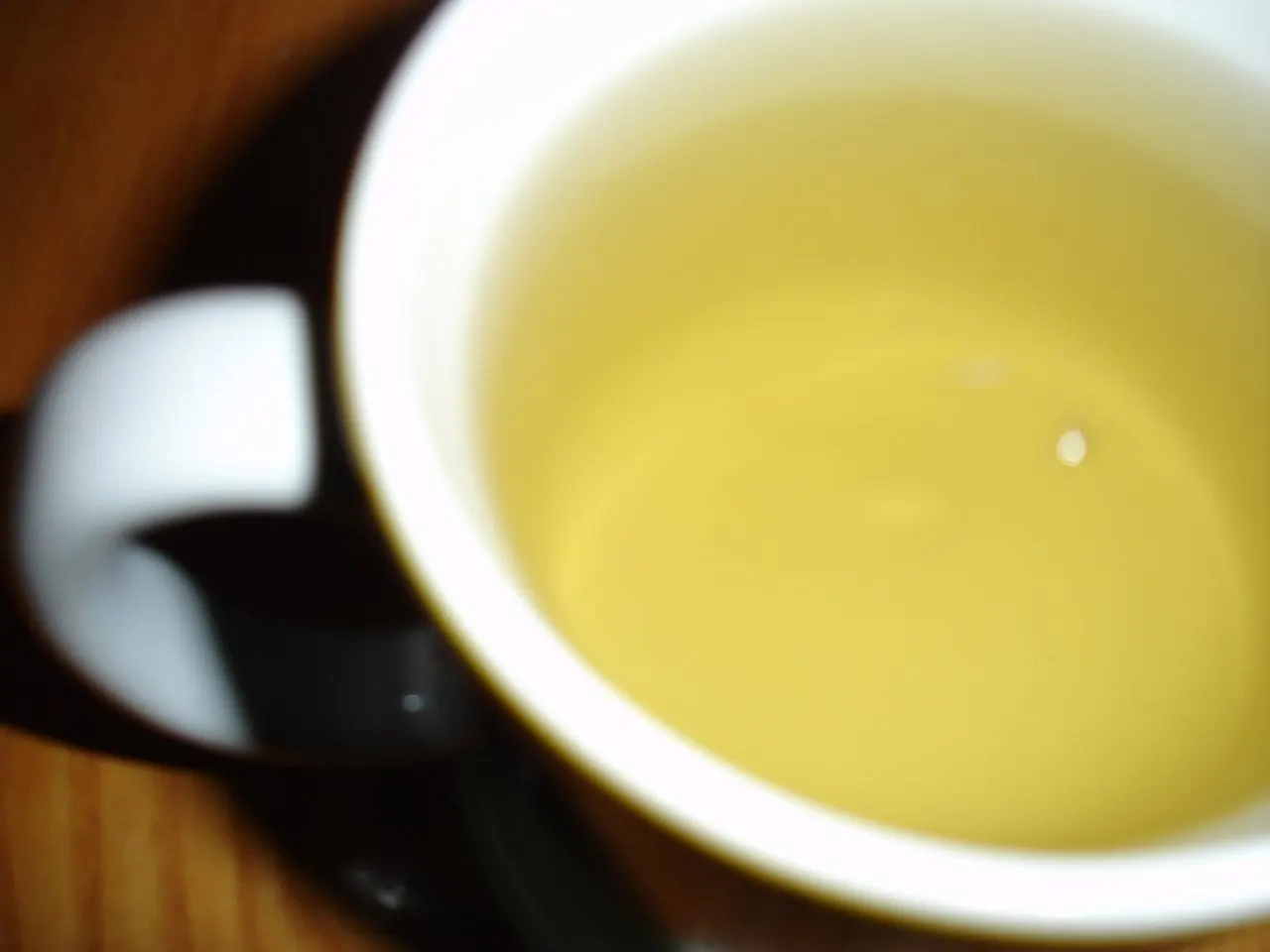
Slow mornings became her favorite part of the day. She made a cup of tea, sat by the window, and let the steam rise while the house stayed quiet. There was no rush to answer messages or start the chores. The tea warmed her hands and the stillness warmed her heart. Small rituals like this one protect calm the way walls protect a garden. They mark a space that belongs to peace. Read our story about answered prayer and daily gratitude.
When Heavy Days Feel Lighter
Prayer does not always change the situation right away, but it changes the heart that faces it. She found this true on the hardest days. The problem was still there in the morning, yet it felt less heavy after prayer. Her breath was slower, her mind was clearer, and she could take the next step. Hope does not always arrive with a loud sign. Sometimes it comes as a lighter step. See our story about relief after months of waiting.
Hope Finds Its Way Back In
Hope has a quiet way of returning when you stop chasing it. She stopped asking for a perfect life and started looking for small good things. A kind word, a warm meal, a sunrise through the window. Each one was a sign that life still held good gifts. Over weeks, those small signs added up to a real change in how she felt. The dark days did not vanish, but they lost their grip. Read our guide to calm and simple home decor.
The Quiet Strength of Surrender in a Season of Calm

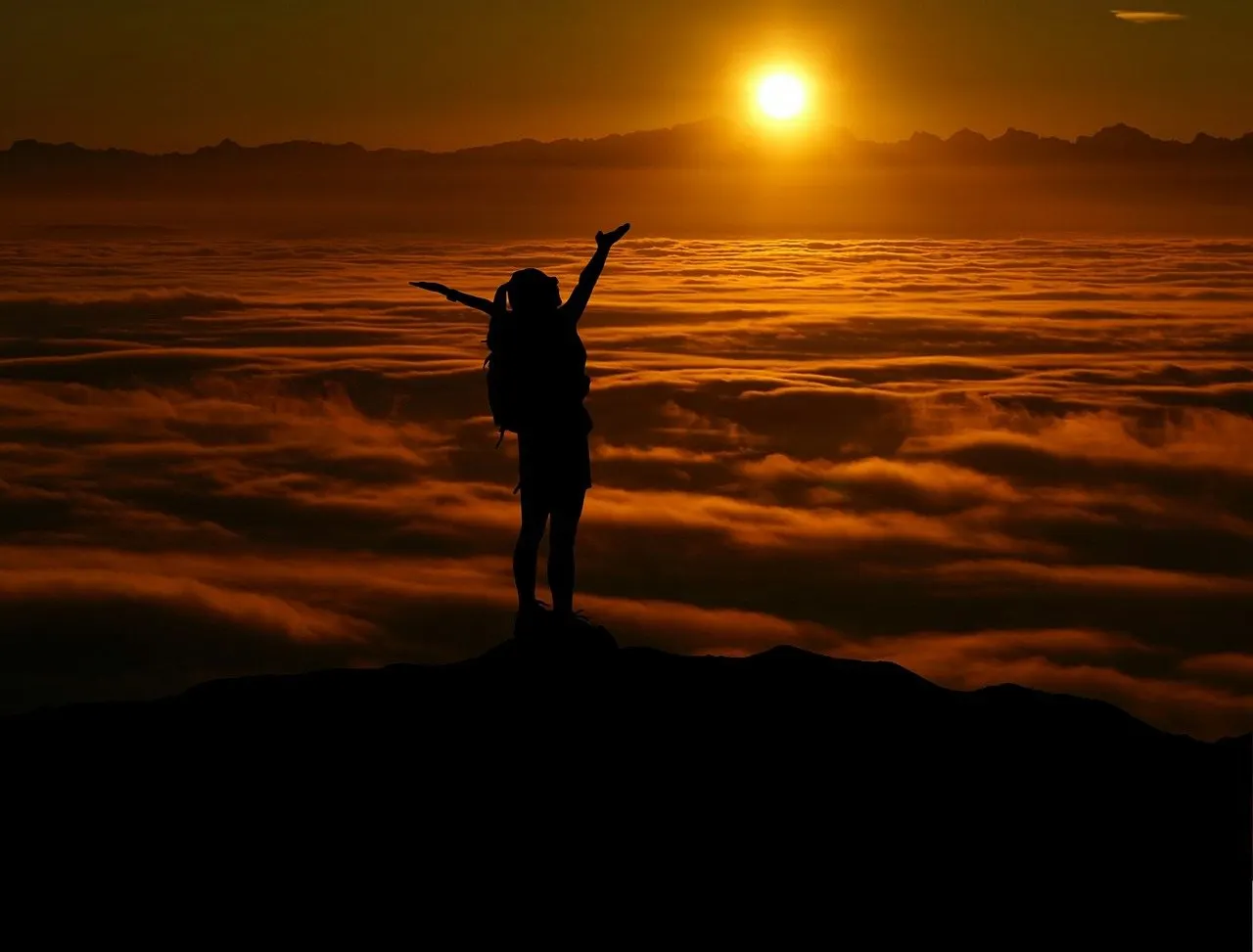
Surrender sounds weak, yet it takes great strength. She learned that letting life flow is not the same as giving up. It means doing your best, then trusting the rest to a care that is larger than your own. Her open hands became a picture of that trust. She stopped gripping every outcome and started to receive each day as it came. That shift changed everything. See our story about a childhood dream of travel.
Small Daily Habits That Protect Calm
Calm is protected by small habits, not by big events. She kept a short list of things that helped, and she returned to them each day. A morning prayer, a slow walk, a cup of tea, a page in her journal. None of them took long, yet together they held her steady. Habits work because they do not need a strong mood. They carry you on the days when willpower runs low. Read our story about a week of failures and storms.
Sleep and Rest After Letting Go

Letting go helped her sleep again. For years, worries had followed her to bed and kept her mind racing through the night. Prayer gave those worries a place to rest before she did. She began to sleep deeper and wake with more energy. Rest is not a reward for a finished day. It is the fuel that makes a good day possible, and calm nights make calm mornings. See our tribute to an actor remembered by many.
Kind Words and Gentle Routines in a Season of Calm
Kind words became part of her daily routine. She spoke gently to herself in the morning, and she spoke gently to the people around her. A soft word can change the tone of a whole day, and she felt it work both ways. Her family noticed the change first, in her voice and in her smile. Calm spreads the way light spreads through a house, room by room. Read our report on a warning to colleagues.
A Garden Grows Slowly, Like Peace
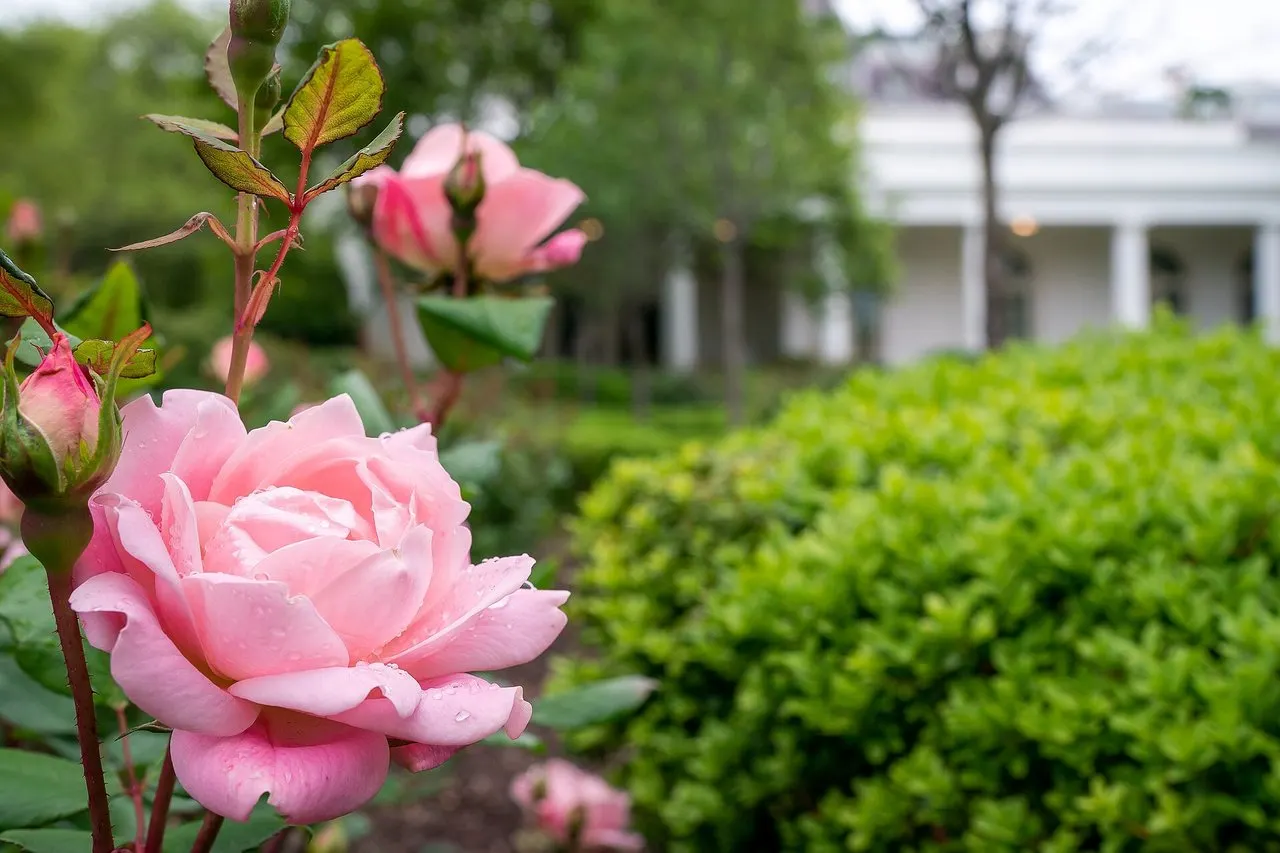
A garden taught her patience. Seeds do not sprout in a day, and flowers do not bloom because you watch them. She planted a few herbs by her window and watered them each morning. Watching them grow reminded her that good things take time. Peace grows the same way, a little each day, in quiet soil. She learned to trust the slow work of growing. See our story about a beloved hippo.
The People Who Hold Space for You

No one finds calm alone. Her friends and family held space for her without fixing her or rushing her. They listened when she needed to talk, and they sat with her when words ran out. That kind of presence is a gift, and it made her prayer feel less lonely. If you know someone who is struggling, your quiet company may help more than advice. Read our tribute to a basketball star.
Forgiveness as a Form of Release in a Season of Calm

Forgiveness is another form of letting go. She carried old hurts for years, and they weighed on her heart like stones in a pocket. Prayer helped her set them down one by one. Forgiving did not mean the hurt never happened. It meant she would not let it steer her life anymore. The release brought a lightness she had not felt in years. See our report on rest after a long season.
Gratitude at the End of the Day

Each night she closed the day with thanks. She named three good things, even on the hardest days, and wrote them in her journal. Some nights the list was short, a warm meal, a kind call, a quiet hour. Yet the habit trained her eyes to look for good. Gratitude does not deny the hard parts of life. It keeps them from taking up the whole picture. Read our story about a calm and happy home.
When the Flow of Life Carries You

Life flows like a river, and she learned to move with it instead of against it. Some days the water ran fast, and some days it ran slow. She could not control the current, but she could choose how she floated. Prayer kept her afloat, and trust kept her from panic. When she stopped fighting the river, she found it could carry her to good places. See our story about a beloved hippo.
Calm Is a Practice, Not a Destination in a Season of Calm

Calm is not a place you arrive at once and stay forever. It is a practice you return to each morning, like prayer or a walk. Some days the practice feels easy, and some days it feels hard. She learned not to judge the hard days. She simply began again the next morning. That steady return is what makes a practice strong. It is also what makes peace last. Read our tribute to a life remembered with love.
How to Begin Your Own Season of Calm
You can begin your own season of calm with one small step. Choose a quiet time, even five minutes, and sit with your thoughts. Say a short prayer, take slow breaths, and let the day wait. You do not need a perfect plan or a special place. A chair by the window will do. The first step is small, yet it opens a door that grows wider each day. See our story about a childhood dream of travel.
What to Do on the Hard Days

Hard days will still come, even in a season of calm. On those days, keep the habits small and simple. Say one short prayer, take one slow walk, and call one kind friend. Do not try to fix everything at once. Rest is allowed, and asking for help is a sign of strength. The calm you built in good days will help you through the hard ones. Read our report on questions people ask about big projects.
What Helps You Find Calm in Your Season of Calm?
Her season of calm began with a simple choice, to pray, let go, and let life flow. The change did not come in a single day. It came in small mornings, quiet prayers, and gentle habits that added up over time. Now we want to hear from you. What helps you find calm when life feels heavy? Do you pray, walk, write, or sit in quiet? Share your answer in the comments below and tell us what your season of calm looks like. See our tribute to an actor remembered by many.