A Cow Statue in China Left an Indian Tourist Heartbroken
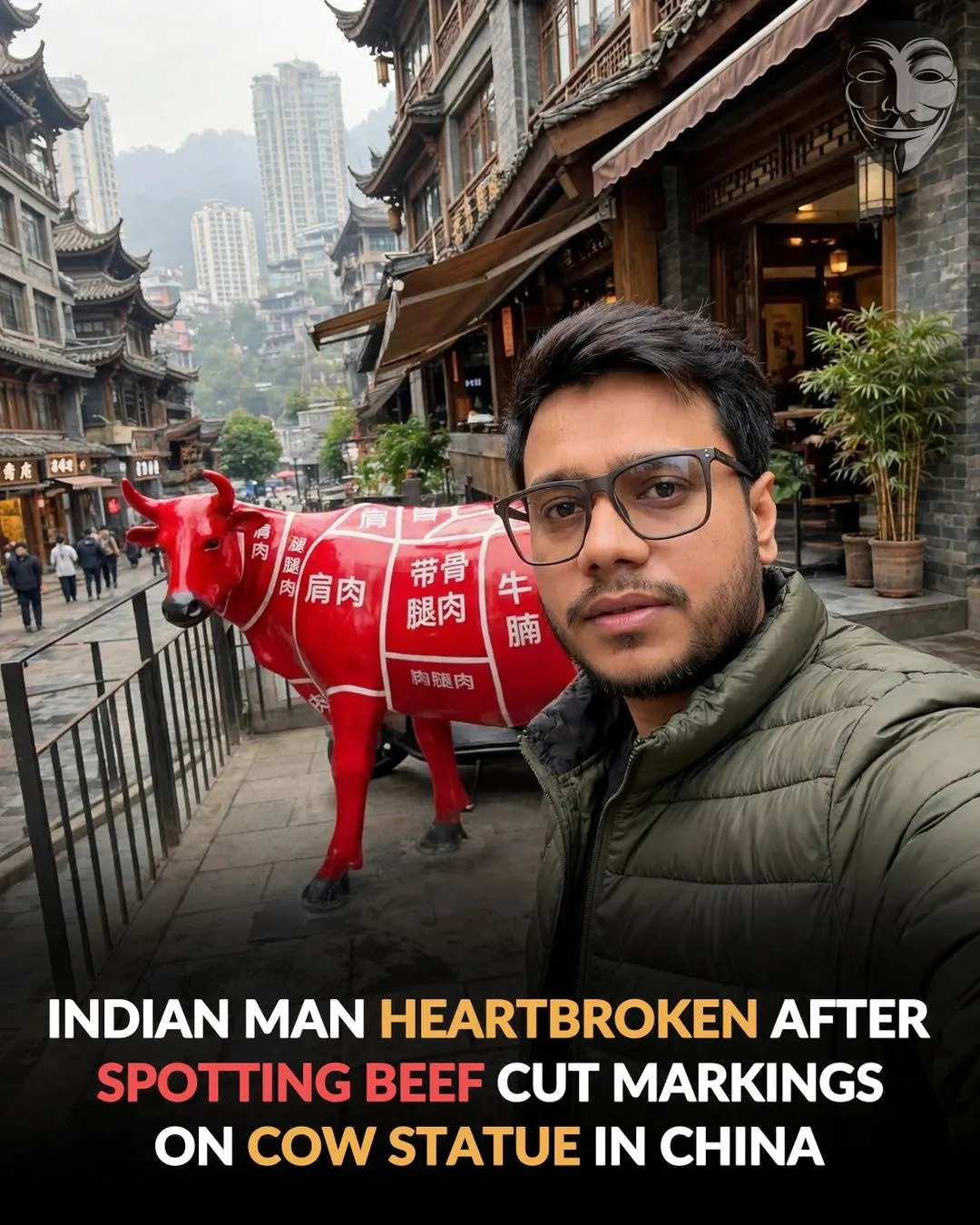
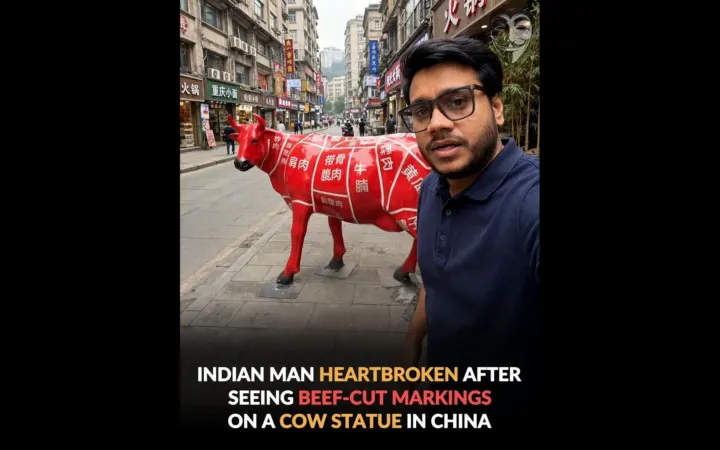
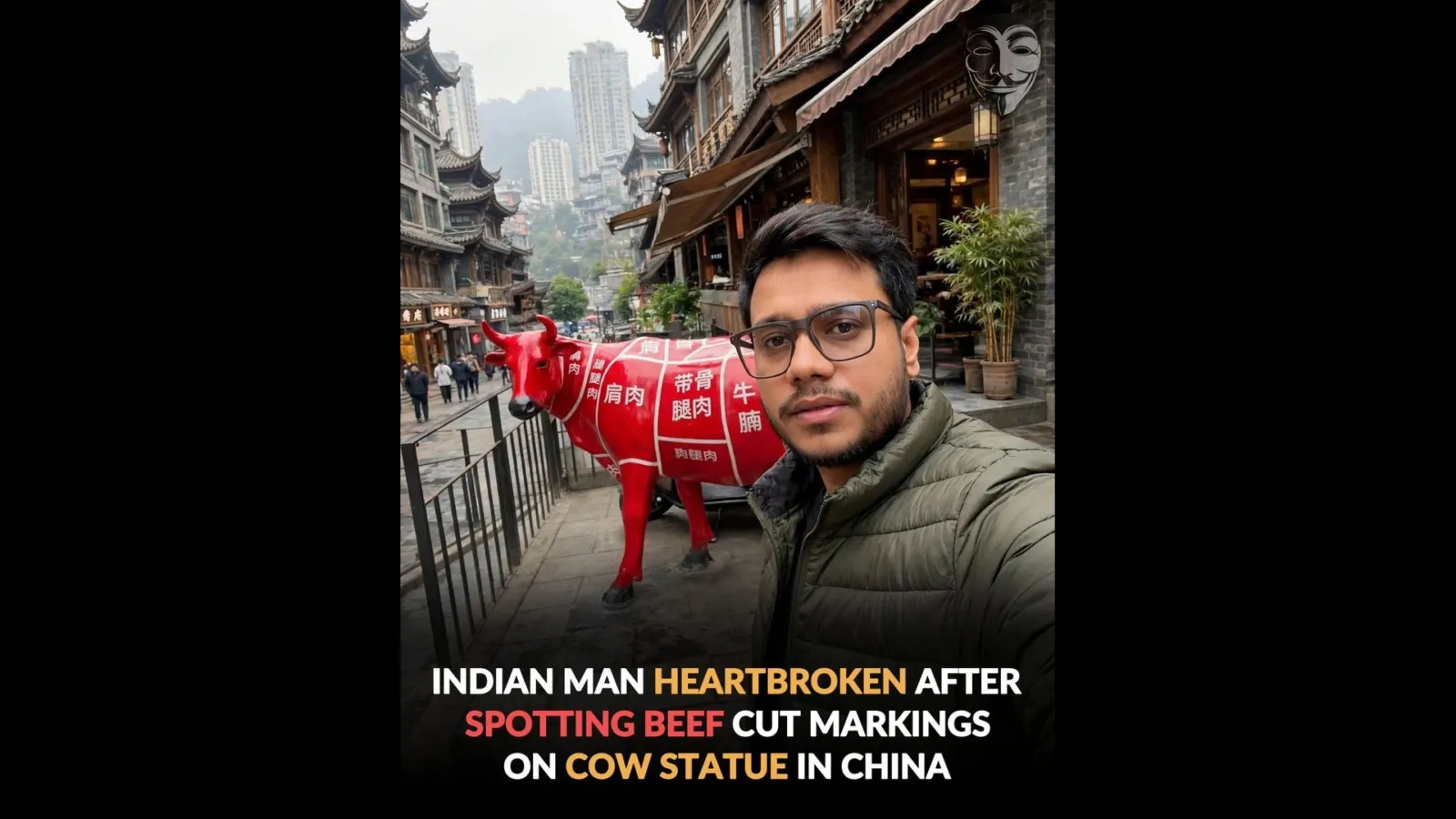
A cow statue in China has left an Indian tourist heartbroken, and his short video of the moment has now travelled far beyond Chongqing. He filmed himself beside a bright red statue outside a restaurant, and the markings on it stopped him in his tracks. The statue showed the different cuts of beef on the animal, with Chinese labels and protein information for each part, something he had never expected to see on a trip abroad.
In the video, he says that in India many people worship the cow, while in China the same animal is marked up to show which part gives which meat and how much protein it has. He says he was heartbroken by the sight, and the clip has drawn mixed reactions online, with some people sympathising with him and others saying travellers should respect local food customs in another country. In the slides ahead we look at the statue, the city, the food culture and the debate it started. Read more in our story on a long flight from China and our report on a claim about photos and videos.
References:
Tezzfeed: Indian tourist left heartbroken in China after seeing cow statue displaying beef cuts and protein information
The CSR Journal: Cultural Disappointment Over Cow Statue in China
Prime Time 24: Indian tourist’s video of cow model outside Chongqing restaurant goes viral
Curated News: Indian Man Heartbroken by Beef Cut Chart on Cow Statue in China
A Bright Red Cow Statue Outside a Chongqing Restaurant
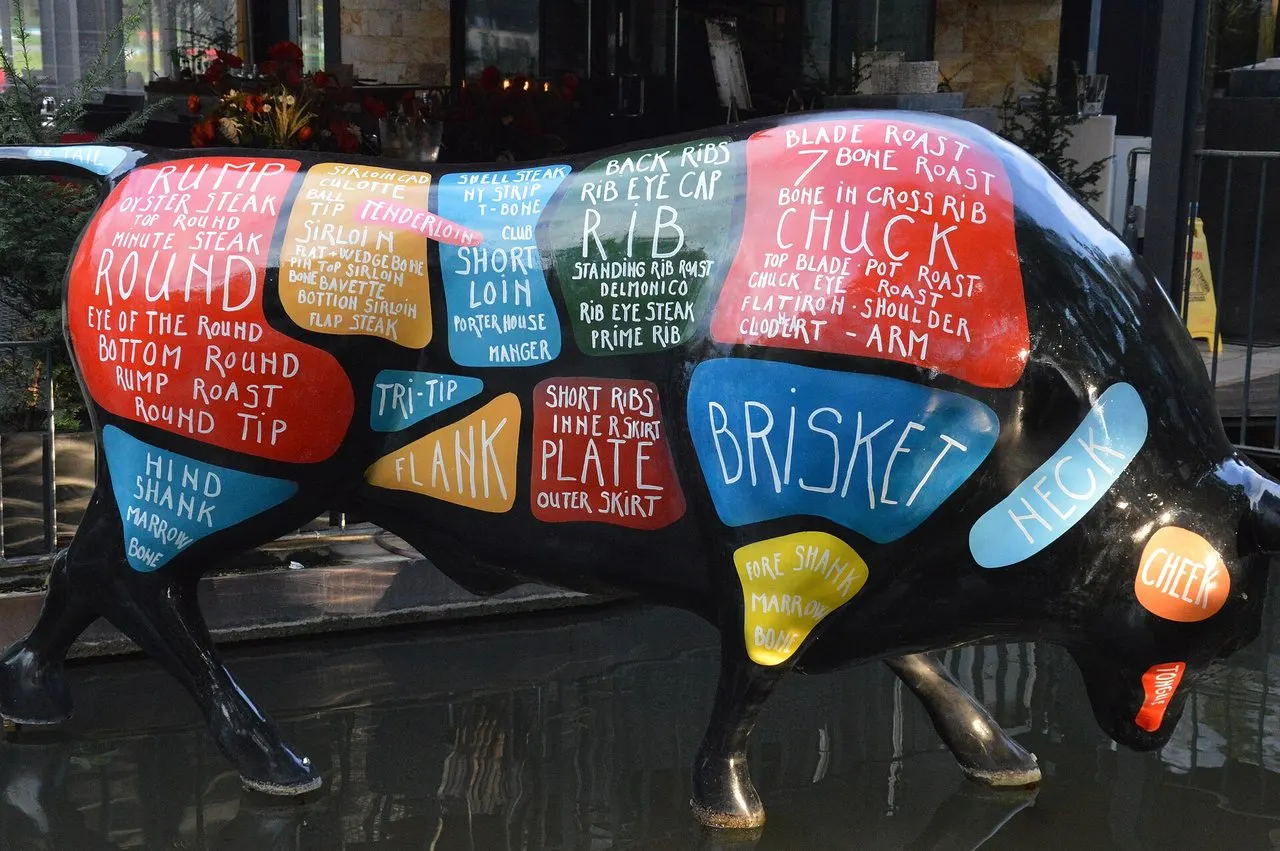
The statue stood outside a restaurant in Chongqing, painted a bright red that was hard to miss from the street. It was not a small decoration tucked by the door, but a full animal figure placed where every passerby could see it. For the restaurant, the statue worked as a sign, telling people at a glance that beef was on the menu inside. For the Indian tourist who stopped to look, it became something else entirely, a sight that stayed with him long after he walked away. You can also read about a warning about robots and toys.
What the Markings on the Cow Statue Showed
The markings on the statue mapped the animal the way a butcher chart maps a side of beef. Lines divided the body into sections, and each section carried a Chinese label naming the cut of meat. Beside the labels sat protein information, with protein figures for each part. It was a practical display, the kind a food business uses to show customers what it sells, but to a visitor who holds the cow sacred, the picture told a very different story. For more, see our piece on posts about a high school reunion and our story on the end of horse-drawn carriages.
Protein Numbers Written on the Animal
Protein numbers may look dull on a menu, but on the side of a statue they change the whole feeling of the object. Each marked section of the animal carried a figure, turning a familiar farm animal into a list of food values. Shoppers in China are used to seeing nutrition facts on packaging, so the idea itself is ordinary there. What shocked the tourist was seeing those numbers written on the body of an animal that, back home in India, many people treat with deep respect. See also our report on a call for Muslim unity and our story about a billion dollars in election spending.
He Filmed the Cow Statue on His Phone

The tourist did what so many travellers do when something surprises them, and he took out his phone and filmed it. In the video he stands beside the statue and talks through what he is seeing, pointing out the beef cut markings and the protein labels. He says plainly that he was heartbroken and had not expected such a display in China. The clip is short, but that honesty helped it spread quickly once it reached the internet. Read more in our story on cheaper fuel for motorists and our report on moving forward with gratitude.
Why the Cow Matters So Much in India
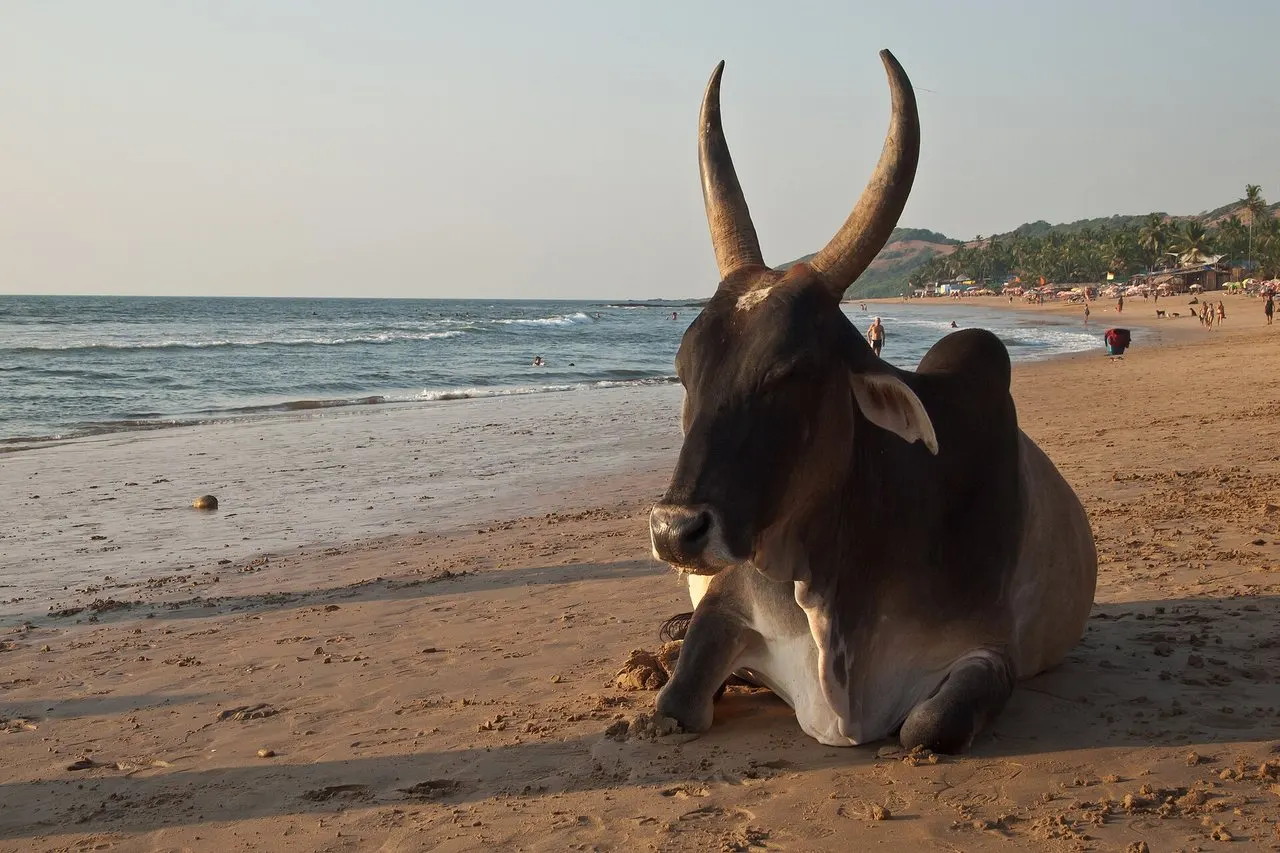
In India, the cow holds a special place in the lives of many people, and for Hindus it is treated as sacred. Cows wander city streets, rest near temples and are fed by passersby as an act of kindness. The respect is not only about religion, since the animal has long given milk and helped on farms. When the tourist saw the animal marked up for meat, he was not only seeing a statue, he was seeing a symbol of home turned into something he could not accept. You can also read about a keeper still in disbelief.
Cows on the Streets of India
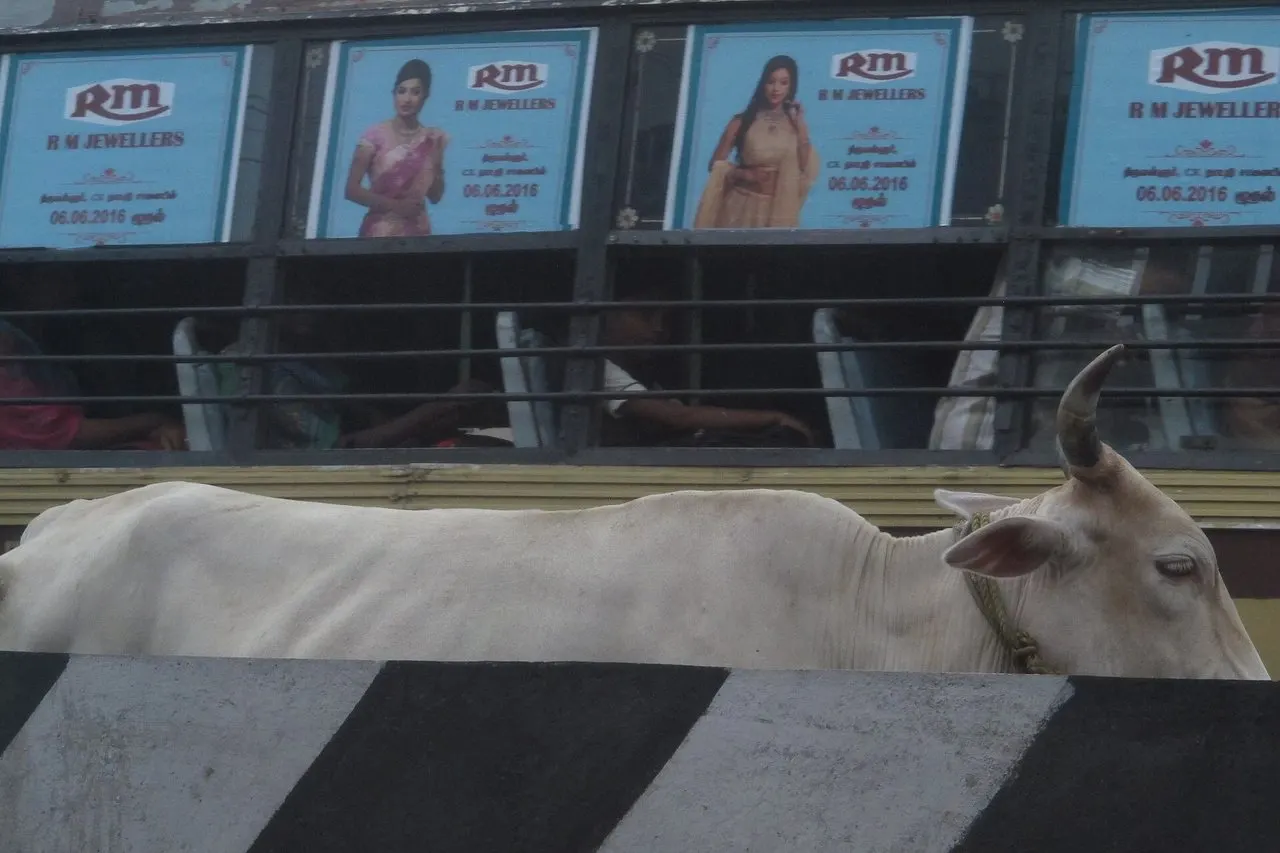
Visitors to India often notice cows moving calmly through busy streets, sharing the road with cars, buses and crowds. Drivers slow down for them, shopkeepers step around them, and nobody seems surprised to find one dozing outside a shop. The animals are part of the rhythm of the place, and their freedom to roam is something many Indians are proud of. That everyday sight makes the contrast with the Chongqing statue even sharper, because the same animal is honoured in one country and eaten in the other. For more, see our piece on speaking up for the rights of women and our story on a late night roast at a summit.
A Sacred Animal at an Indian Temple
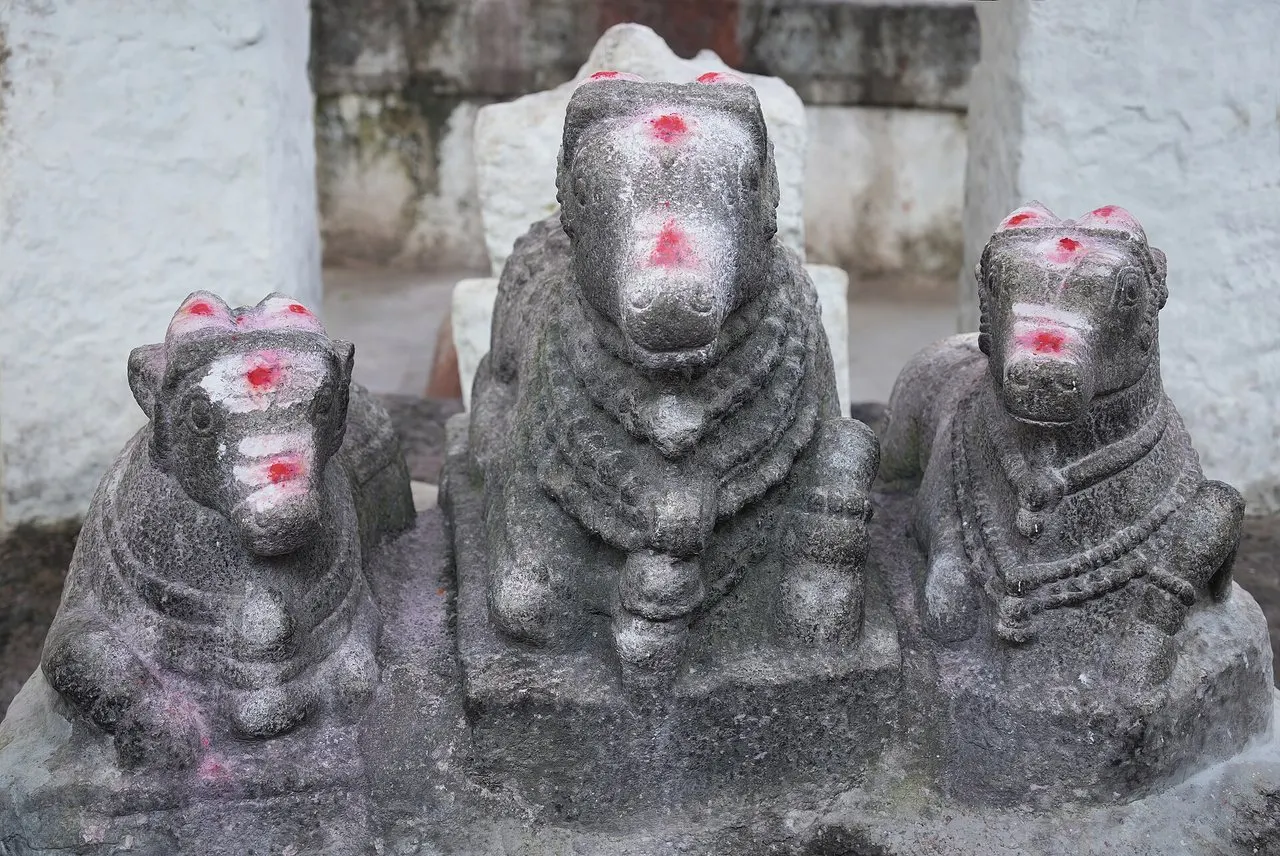
Temples in India often have cows nearby, and visitors feed and care for them as part of worship. At Hampi and other old temple towns, cows rest in shaded courtyards while pilgrims pass by with flowers and offerings. For many families, looking after a cow is a duty that brings blessing, and harming one is unthinkable. This deep bond is why the tourist felt the statue so keenly, because for him the cow is not livestock first, it is a living symbol of faith and kindness. See also our report on faith that helped him hold on and our story about a much loved hippo.
In China the Same Animal Means Dinner
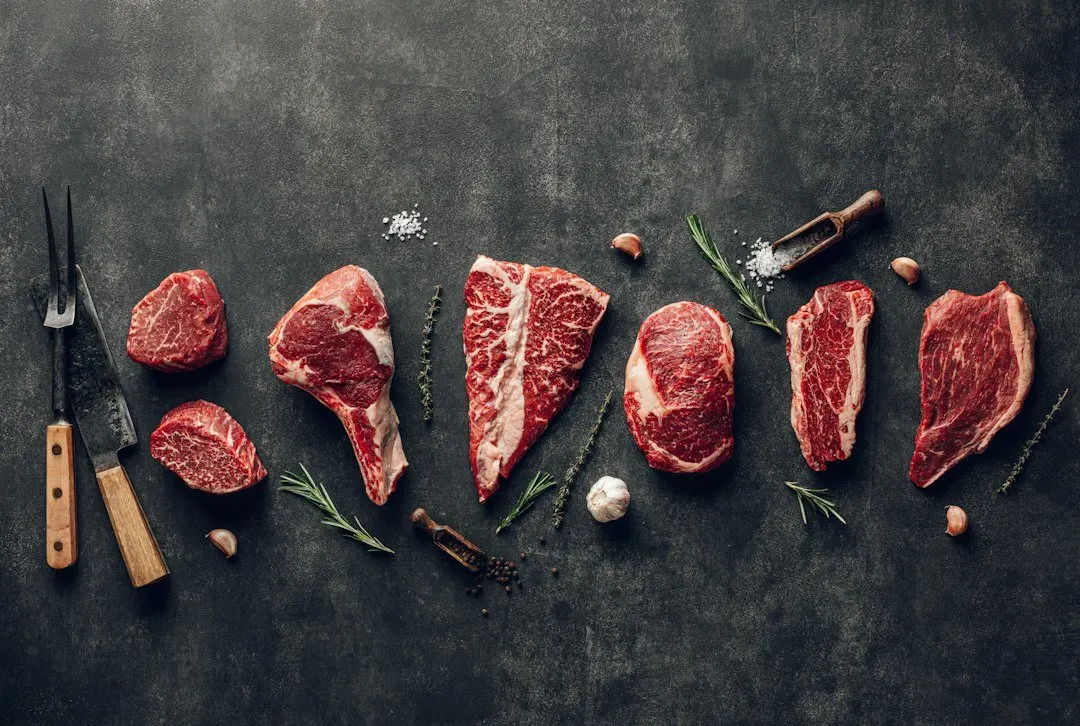
China has a long history of eating beef, and the meat appears in hot pots, noodle soups and stir fries. Butchers sell many cuts, each suited to a different dish, and shoppers often want to know exactly which part they are buying. A chart that shows the cuts helps them choose, and restaurants use the same idea to advertise beef dishes. To the tourist, that practical view felt cold, but in China it is simply how food is bought, cooked and shared. Read more in our story on the Chinese name for an owl and our report on the next oil price rollback.
How Beef Cuts Are Named and Sold
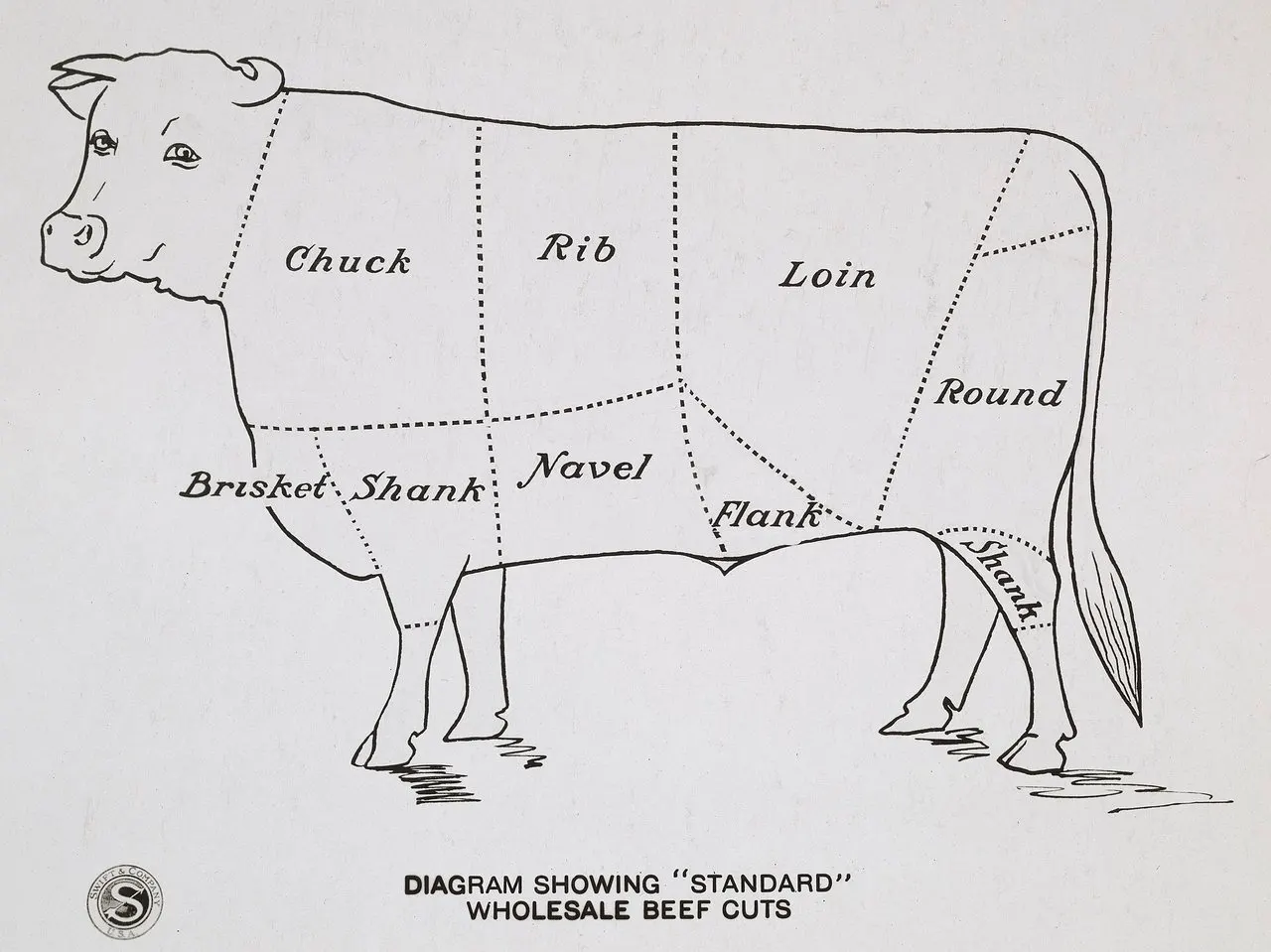
Every part of a cow gives a different kind of meat, and cooks prize each cut for its texture and flavour. Some cuts are best grilled fast, while tougher parts need slow cooking until they turn tender. Charts that label the animal help buyers and sellers agree on what they are talking about, and they have been used in meat markets for generations. The statue in Chongqing borrowed that same chart and put it on display, which is why it looked so strange to the tourist. You can also read about a stressful time coming to an end.
Chongqing, a City That Loves Bold Food

Chongqing sits in southwest China, where the Yangtze and Jialing rivers meet, and it is famous for its fiery food. The city is built on steep hills, and its nights are bright with lights along the river. Millions of people live there, and visitors come for the hot pot, the mountain views and the busy streets. It was in this loud food city that the tourist met the statue, and the setting helps explain why the display felt normal there. For more, see our piece on a clash over billionaire spending and our story on warm keepsake ideas.
Hot Pot and the Food Culture of Chongqing
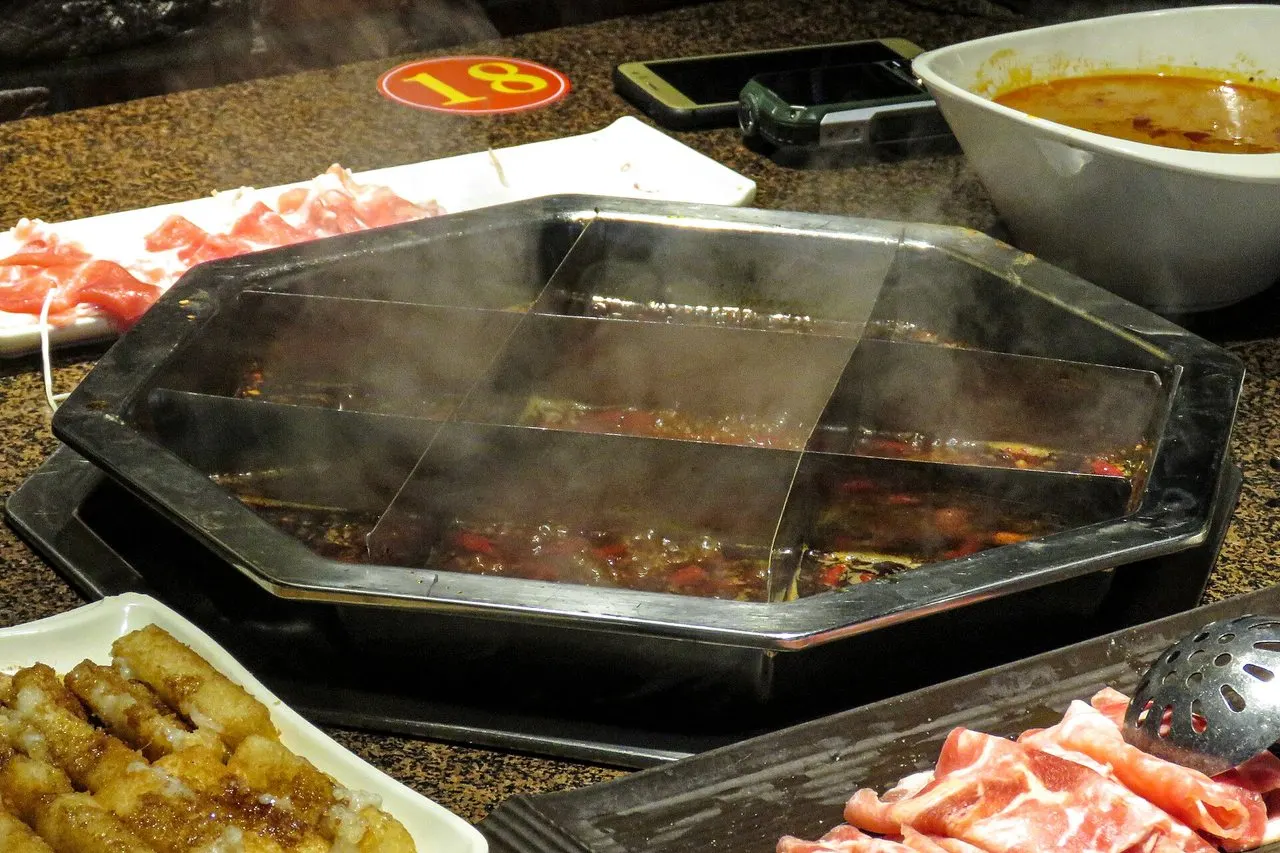
Hot pot is the heart of eating in Chongqing, and friends gather around a bubbling pot to cook thin slices of meat and vegetables. Beef is a favourite, and diners pick their cuts with care, because each one cooks in seconds and tastes different. The meal is social, and the pot sits in the middle while everyone reaches in with chopsticks. A restaurant that sells this food has every reason to show off its beef, and a statue that maps the cuts fits that proud food culture. See also our report on a viral photo in a police uniform and our story about the longest flight in its history.
Restaurants Use a Cow Statue to Catch the Eye
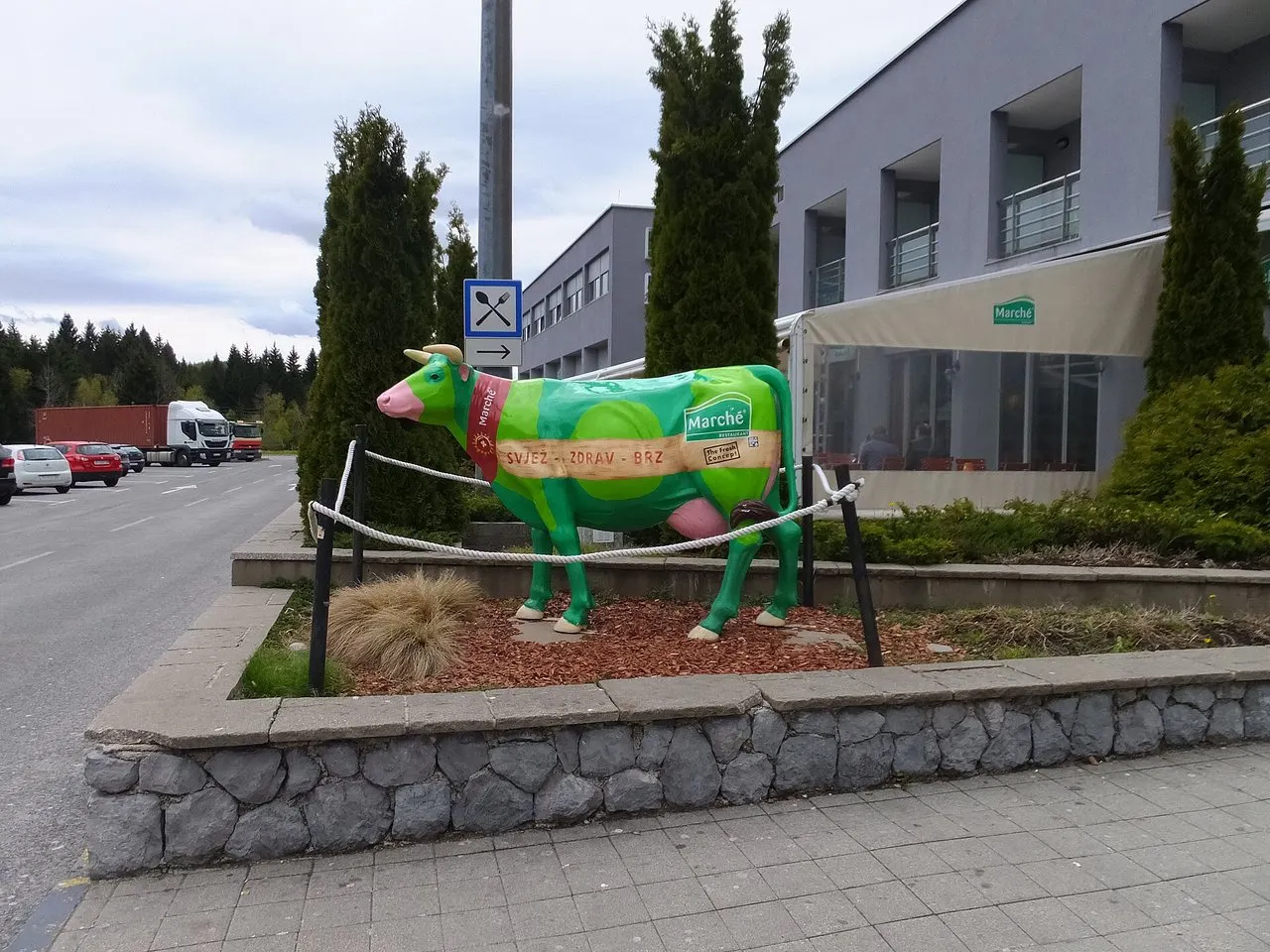
Restaurants use big figures outside their doors to pull in hungry customers, from giant burgers to smiling chefs. In China, a cow outside a beef restaurant tells people at a glance what is served inside, with no need to read a menu. The bright red paint makes it even harder to miss, and a photo of it is easy to remember and share. What the owner saw as clever advertising, the tourist saw as painful, and that gap is what made the video matter. Read more in our story on a classic song Filipinos love and our report on nine airports to be privatized.
The Cow Statue Video Spread Fast Online
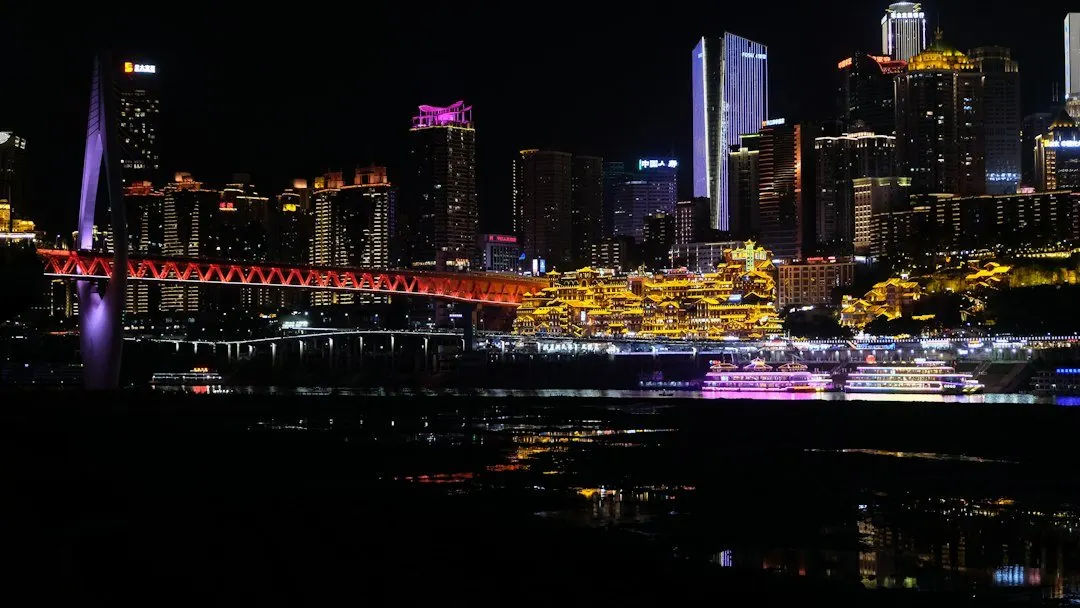
Once posted, the clip moved quickly from one feed to another, carried by people who felt the same shock the tourist had felt. News pages picked it up, and soon viewers in India and China and far beyond were watching the same statue and arguing about it. Short videos travel fast because they need no translation, and a clear image plus an honest reaction is often enough. Within days, a quiet moment on a Chongqing street had become a talking point for people who had never visited. You can also read about a debate about statues and history.
Sympathy for the Tourist Who Saw the Cow Statue
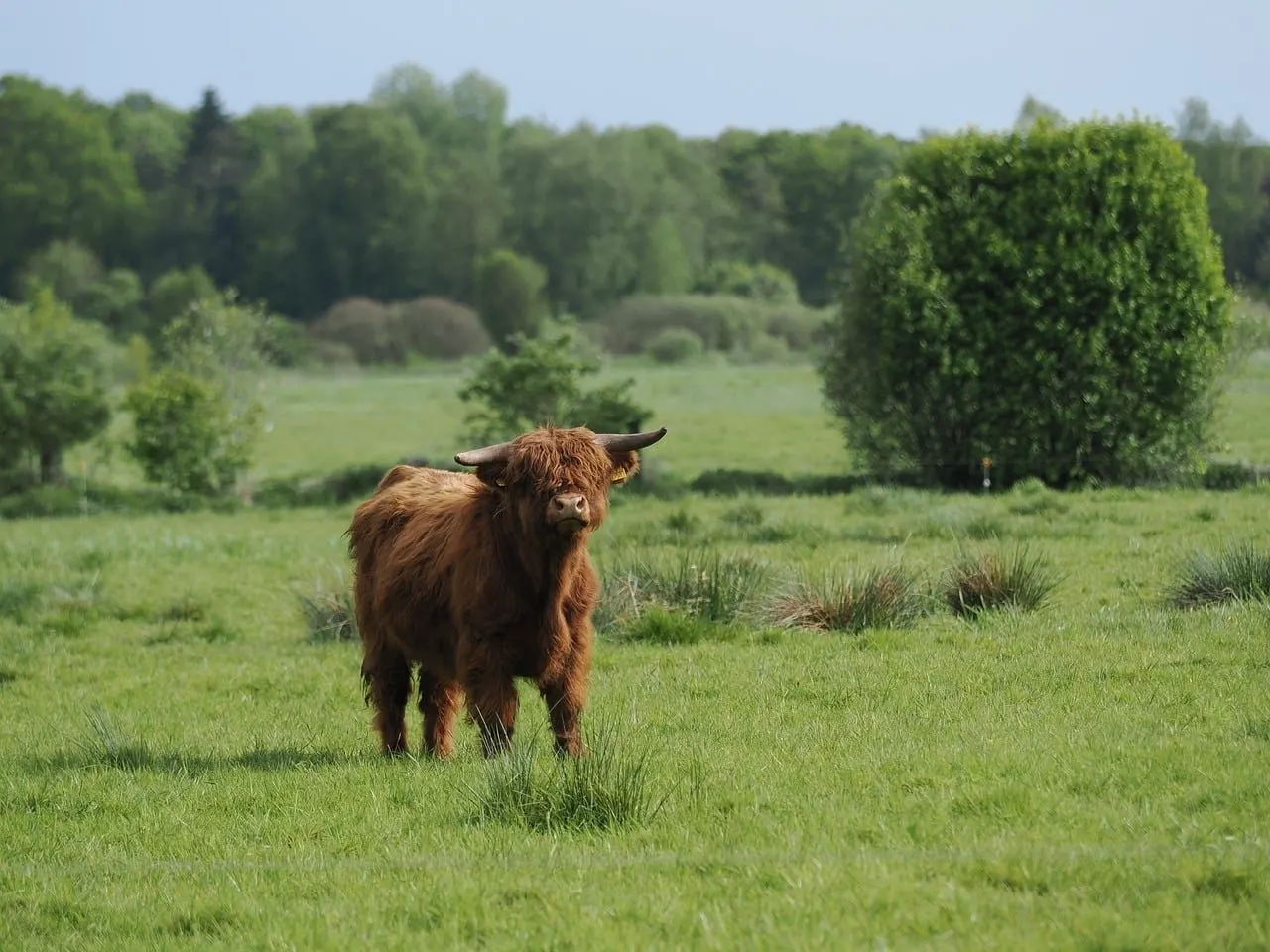
Many viewers wrote that they understood the tourist completely, because they too would feel hurt to see an animal they revere treated as meat. For Indians living abroad, the clip touched a familiar ache, the feeling of being far from home and meeting values that clash with their own. Some said the video showed why respect for faith matters, even in a place where the rules are different. Their comments were warm and protective, and they thanked the man for speaking up about something that mattered to him. For more, see our piece on a father who refused to give up his son and our story on a warning at the National Press Club.
People Who Said Respect Local Customs
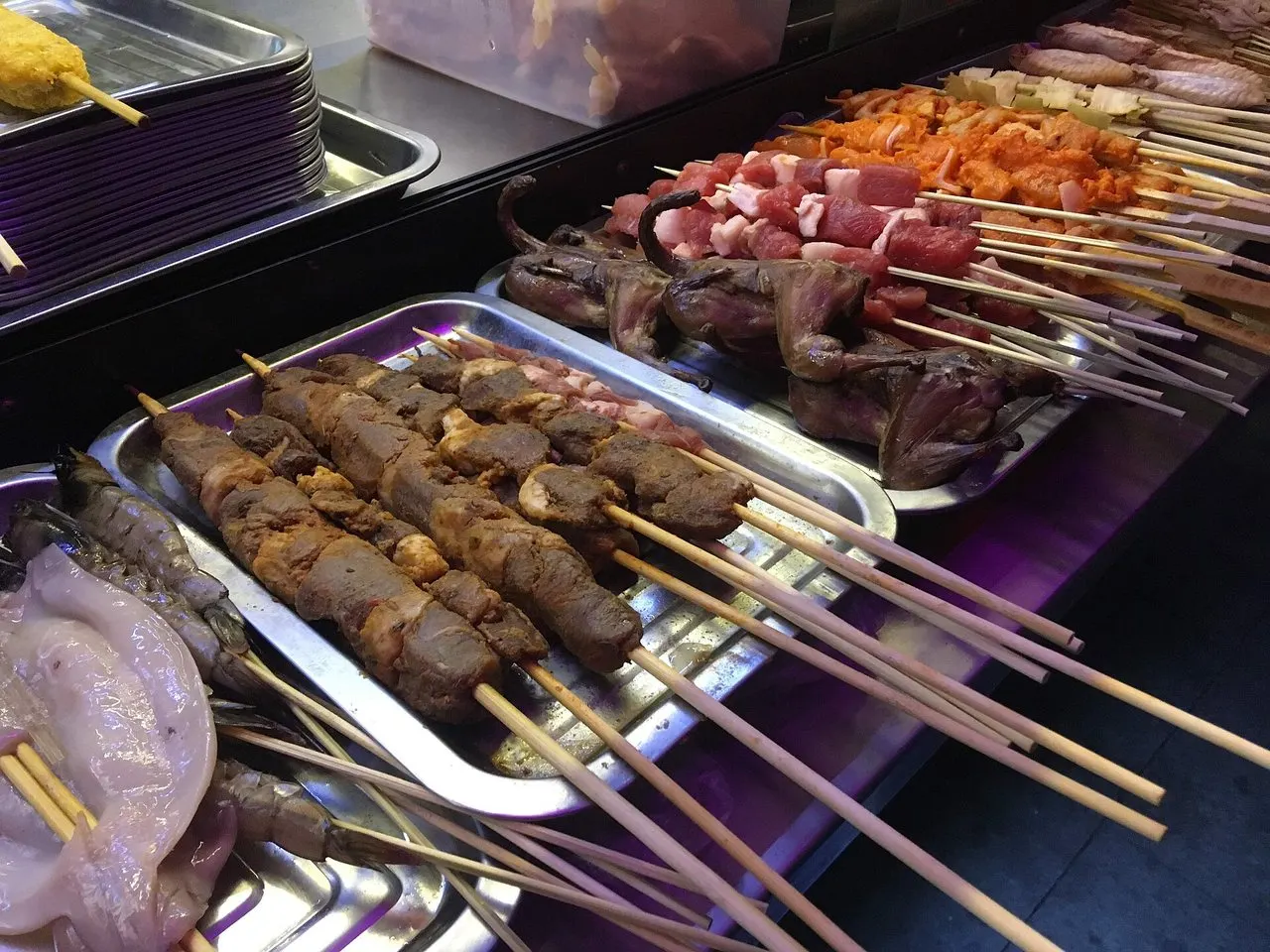
Other viewers took the opposite view, and they said a traveller should respect the food customs of the country he is visiting. They pointed out that beef is a normal food in China, and that nobody forced the tourist to eat it or to agree with it. Some added that India also has many food habits that surprise visitors, and that respect should work in both directions. Their replies were firm but not unkind, and they asked the tourist to accept that different places have different ways of life. See also our report on a long flight from China and our story about a claim about photos and videos.
Culture Shock Is Part of Travel
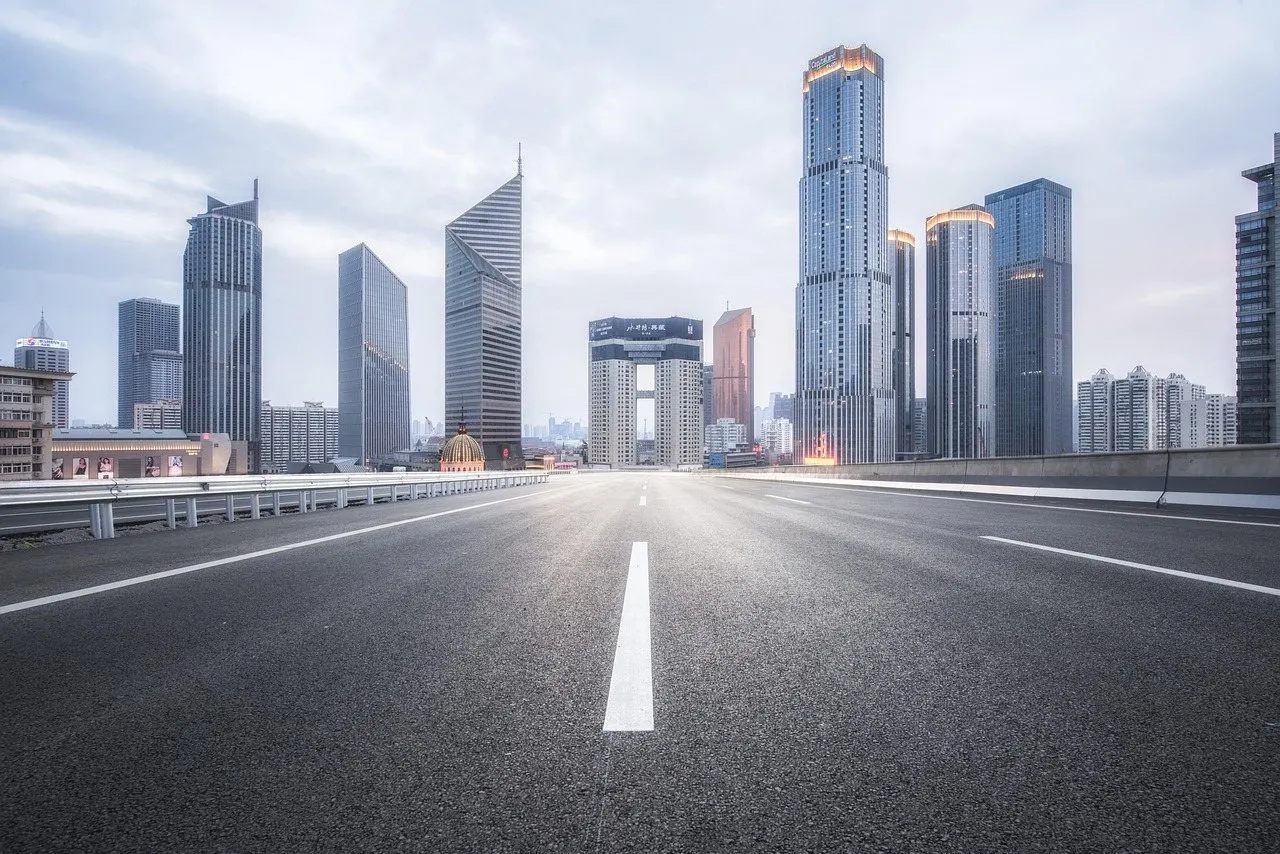
Culture shock is the jolt travellers feel when life in a new place breaks the rules they grew up with. It can come from food, crowds, language, or a small sight that suddenly feels very wrong. Most travellers meet it at some point, and the usual advice is to pause, learn a little, and remember that different does not mean bad. The tourist in Chongqing felt that jolt in front of a statue, and his video shows how fast a surprise can turn into a strong emotion. Read more in our story on a warning about robots and toys and our report on how much water data centers use.
Food Labels Tell a Story in China
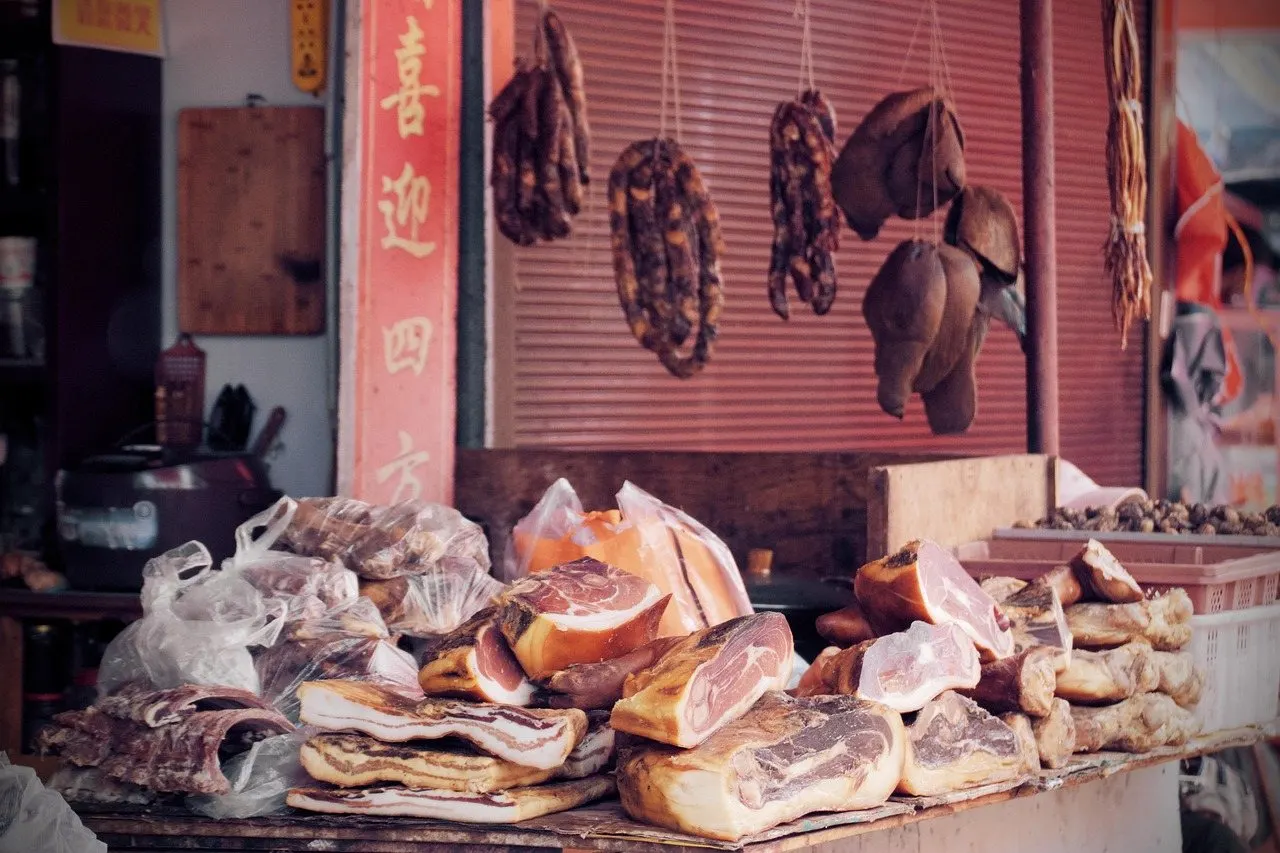
Food shopping in China often comes with clear labels, and markets show where meat comes from and how it should be cooked. Stalls display fresh cuts in the open, and buyers ask questions about each piece before they choose. The habit comes from a food culture that values freshness and honesty about what is on sale. To a visitor, the openness can feel blunt, but to a local shopper it is simply useful, and the statue outside the restaurant followed that same open style. You can also read about posts about a high school reunion.
The Cow Statue Worked Like a Butcher Chart
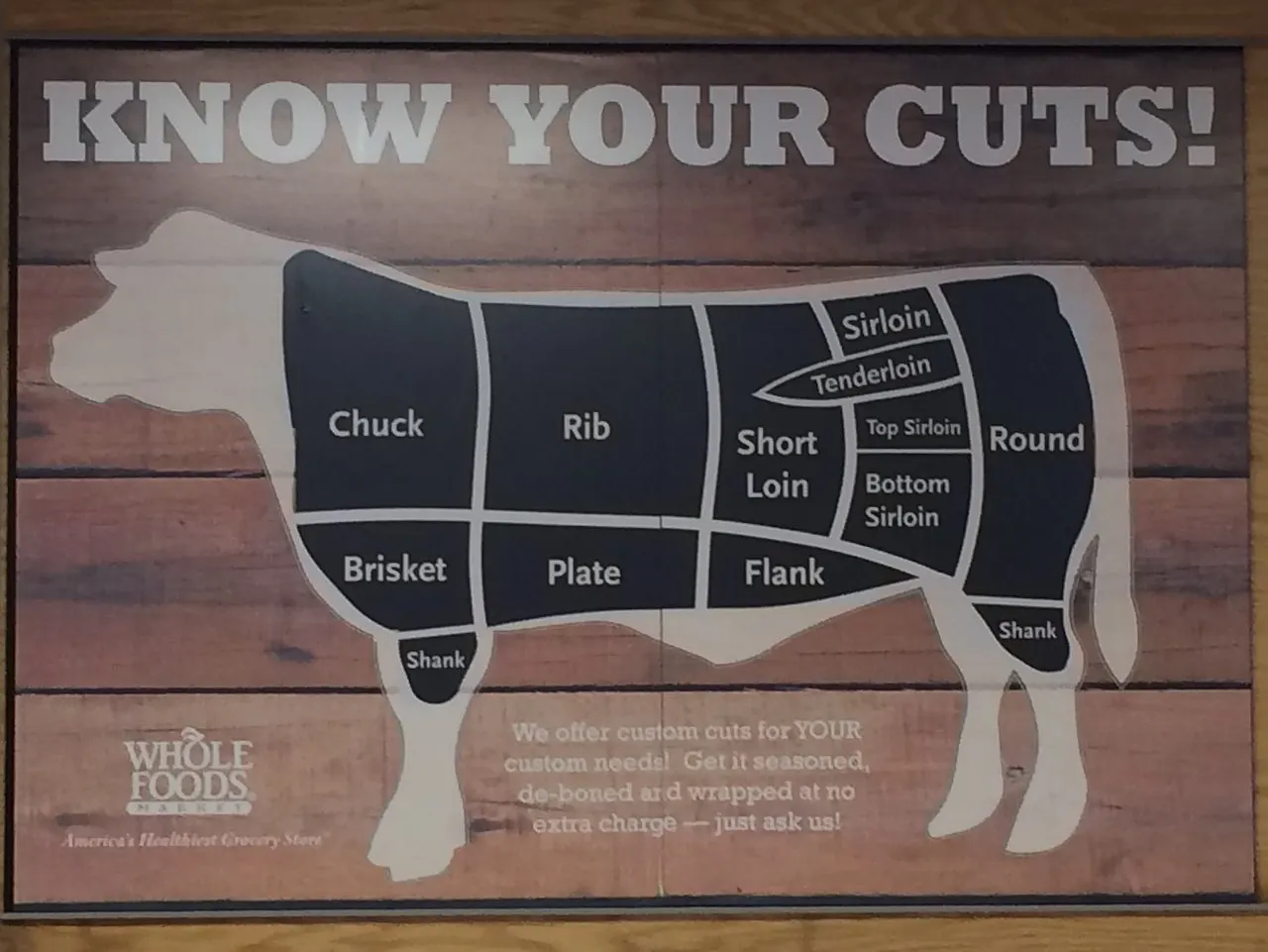
A butcher chart is a simple tool, a drawing of an animal with lines that show where each cut comes from. Butchers have used such charts for years to teach apprentices and to help customers order with confidence. The Chongqing statue took that flat chart and turned it into a solid object, with the same lines and labels wrapped around a three dimensional cow. Once you see it that way, the statue makes sense as advertising, even though it still felt painful to the man who filmed it. For more, see our piece on a call for Muslim unity and our story on a billion dollars in election spending.
The Big Cow Statues of the World
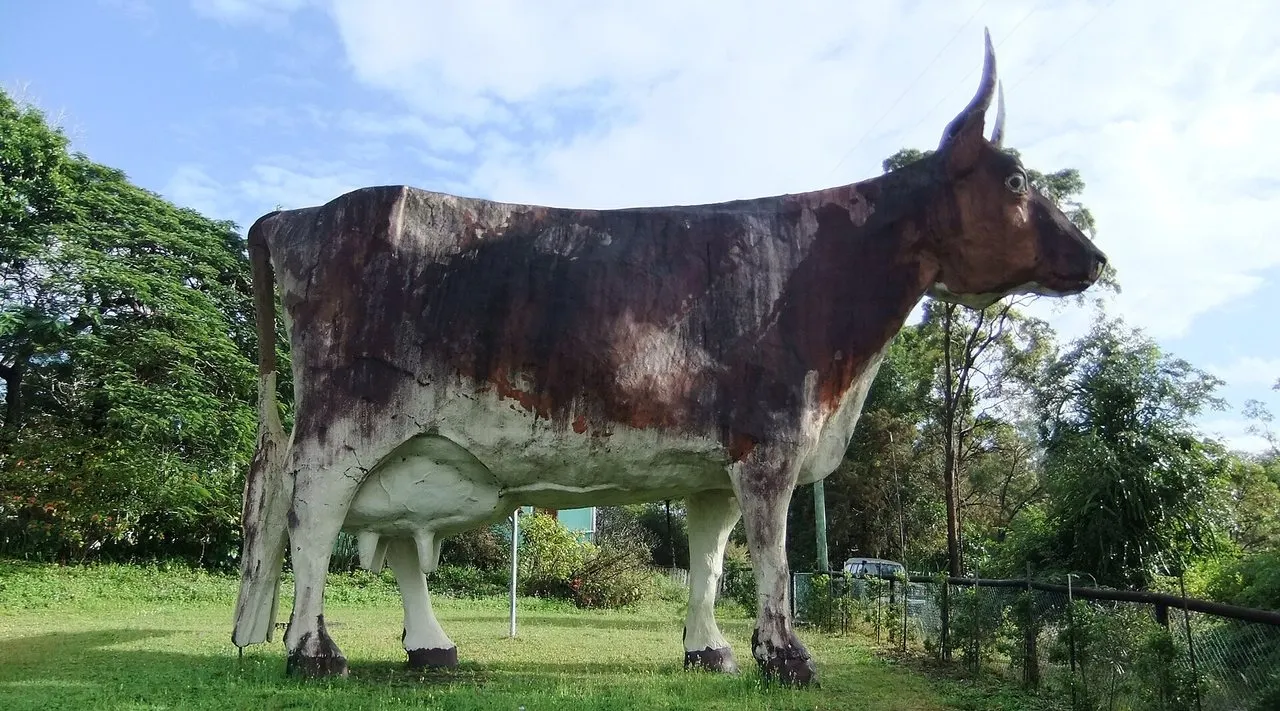
The Chongqing statue is not the only giant cow in the world, and towns in several countries have built big bovines as landmarks. Australia has its famous Big Cow, a huge figure that draws drivers off the road for a photo and a laugh. These statues are usually built to celebrate farming and to give a town something visitors will remember. The Chongqing cow is smaller and has a different job, since it sells beef rather than celebrating dairy, but it belongs to the same family of roadside giants. See also our report on cheaper fuel for motorists and our story about moving forward with gratitude.
A Cow Statue That Teaches About Food
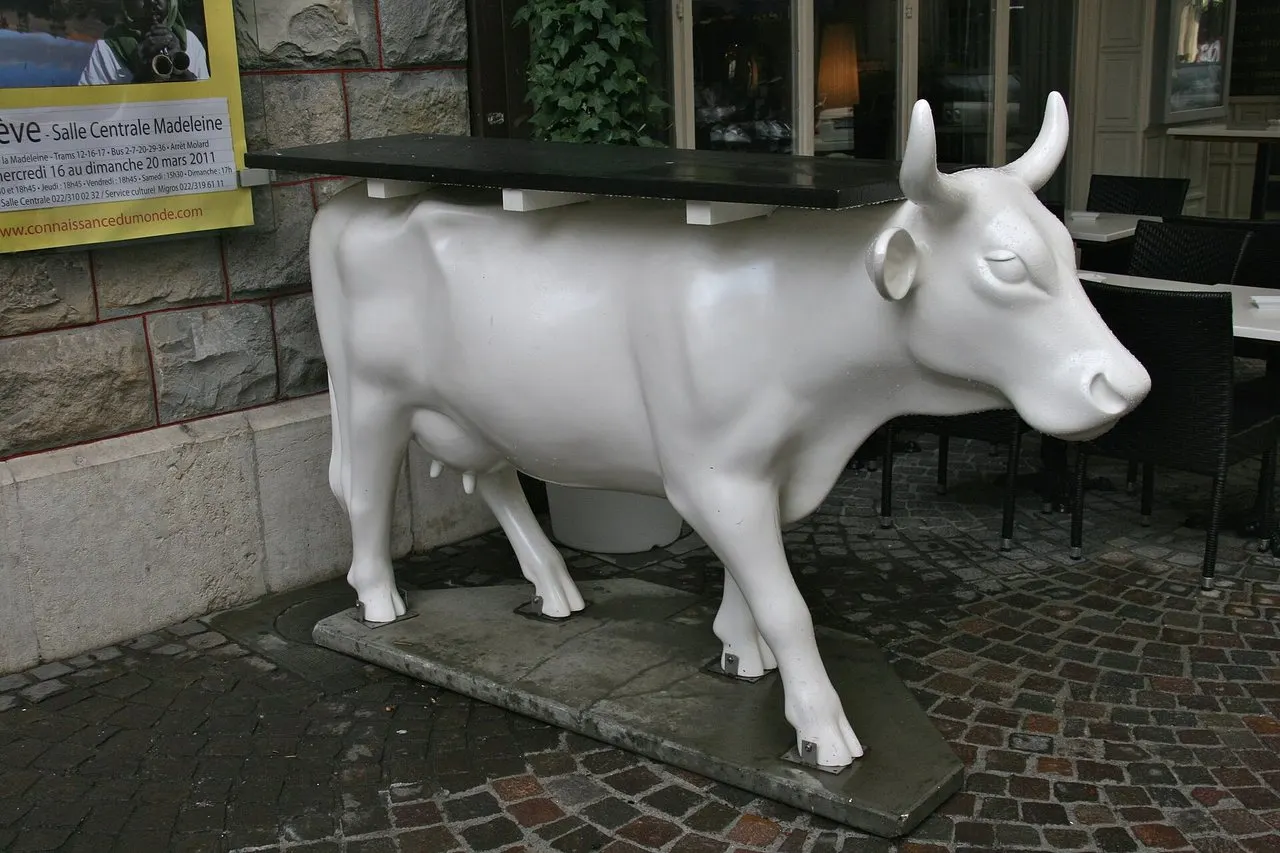
Statues can teach as well as decorate, and towns use them to tell visitors about local crafts and food. A cow figure outside a restaurant is a lesson in itself, since it shows which part of the animal becomes which dish. In that sense, the Chongqing statue is like a museum label you can walk around, with the facts written on the object itself. For a curious traveller, that could be interesting, but for this tourist the lesson came with a sadness that no label could soften. Read more in our story on a keeper still in disbelief and our report on aid for about 200 workers.
What Protein Labels Mean for Shoppers
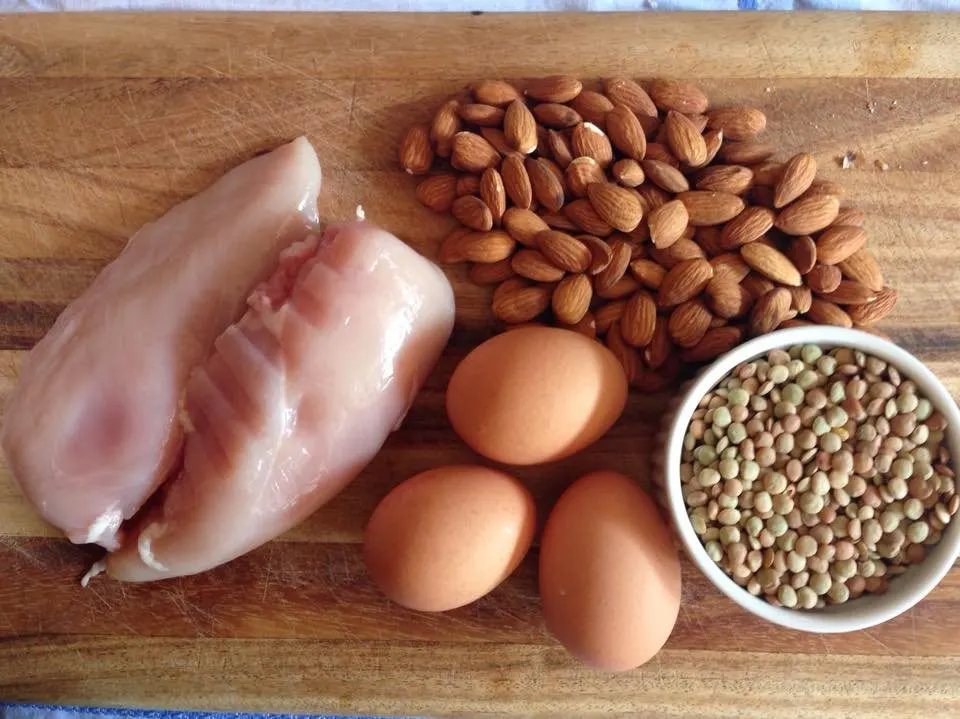
Protein helps build and repair the body, and many shoppers now check how much of it a meal provides. Labels list protein in grams, so people can compare a piece of beef with an egg or a bowl of beans. In China, where hot pot diners choose thin slices of meat, knowing the protein in each cut can guide what they order. The statue used the same idea, turning nutrition facts into decoration, which is why its labels felt so strange to a man who saw a sacred animal, not a menu. You can also read about speaking up for the rights of women.
India and China See One Animal Two Ways
India and China are neighbours with old cultures, and both respect animals deeply, but they show it in different ways. In India, the cow is protected by faith and by habit, and many people would never eat beef. In China, the cow is valued as a source of food, and beef is enjoyed in dishes that families have cooked for centuries. Neither view is new, and neither is likely to change, which is why one statue could please one crowd and upset another. For more, see our piece on faith that helped him hold on and our story on a much loved hippo.
A Cow Statue Surprise That Stings on Holiday

Holidays are meant to be fun, but a surprise can turn a good day sour in a moment. A traveller may love the food, the streets and the people, and then meet one sight that clashes with what he believes. The feeling is not anger so much as a sudden sadness, the sense that home feels very far away. That is what the tourist described when he said he was heartbroken, and it is a feeling many travellers know, even if the sight that caused it was different. See also our report on the Chinese name for an owl and our story about the next oil price rollback.
The Clip Sparked a Debate About Respect
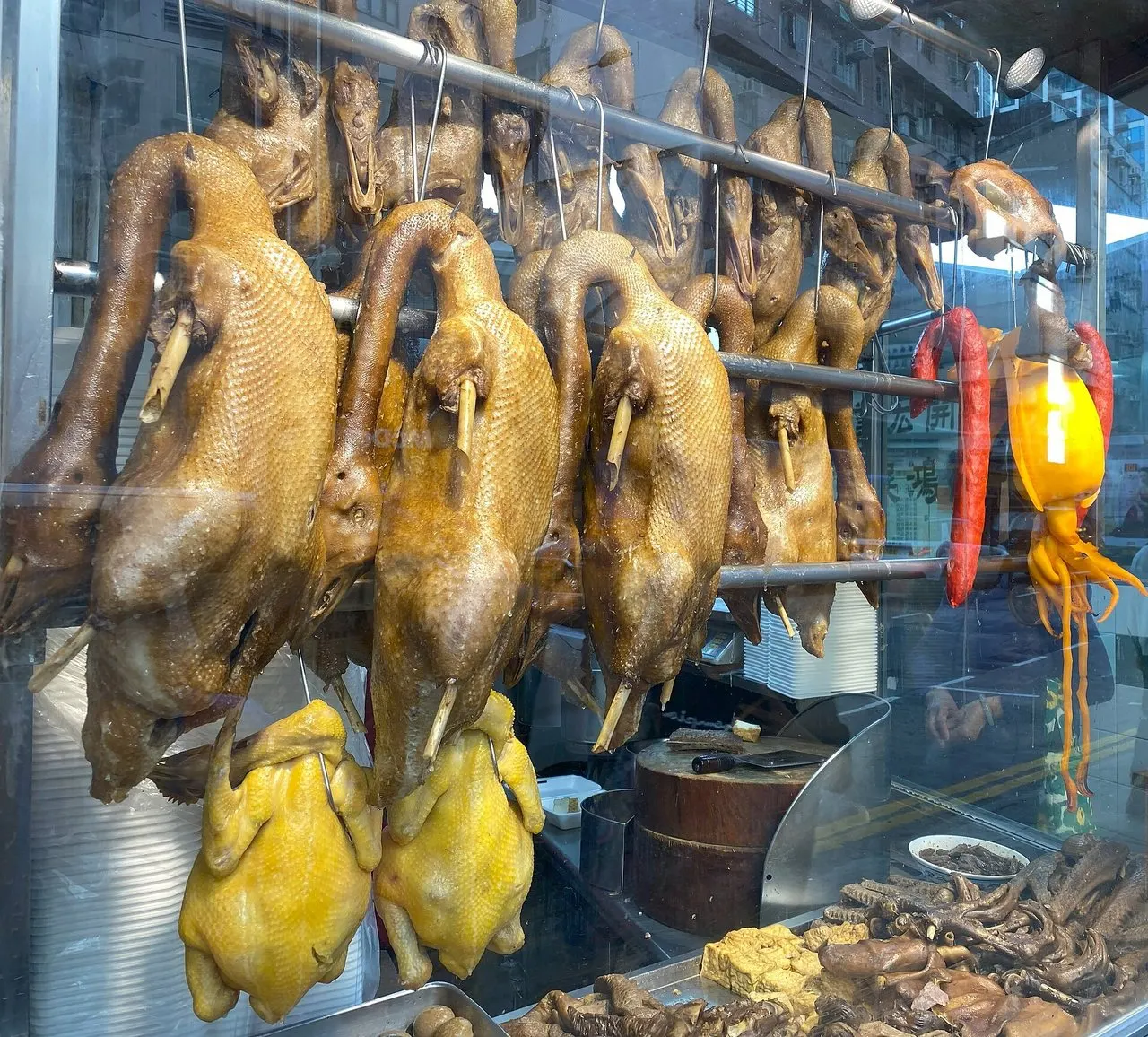
The video did more than show a statue, because it asked a question that people answer in different ways. Should a traveller accept every custom he meets, or is it fair to say when something hurts his faith? Should a host country soften its displays for visitors, or should guests learn to look away? There is no single answer, and the comments under the clip show people thinking it through, which may be the most useful thing the video did. Read more in our story on a stressful time coming to an end and our report on backers stepping away.
Travel Means Meeting Different Food Rules
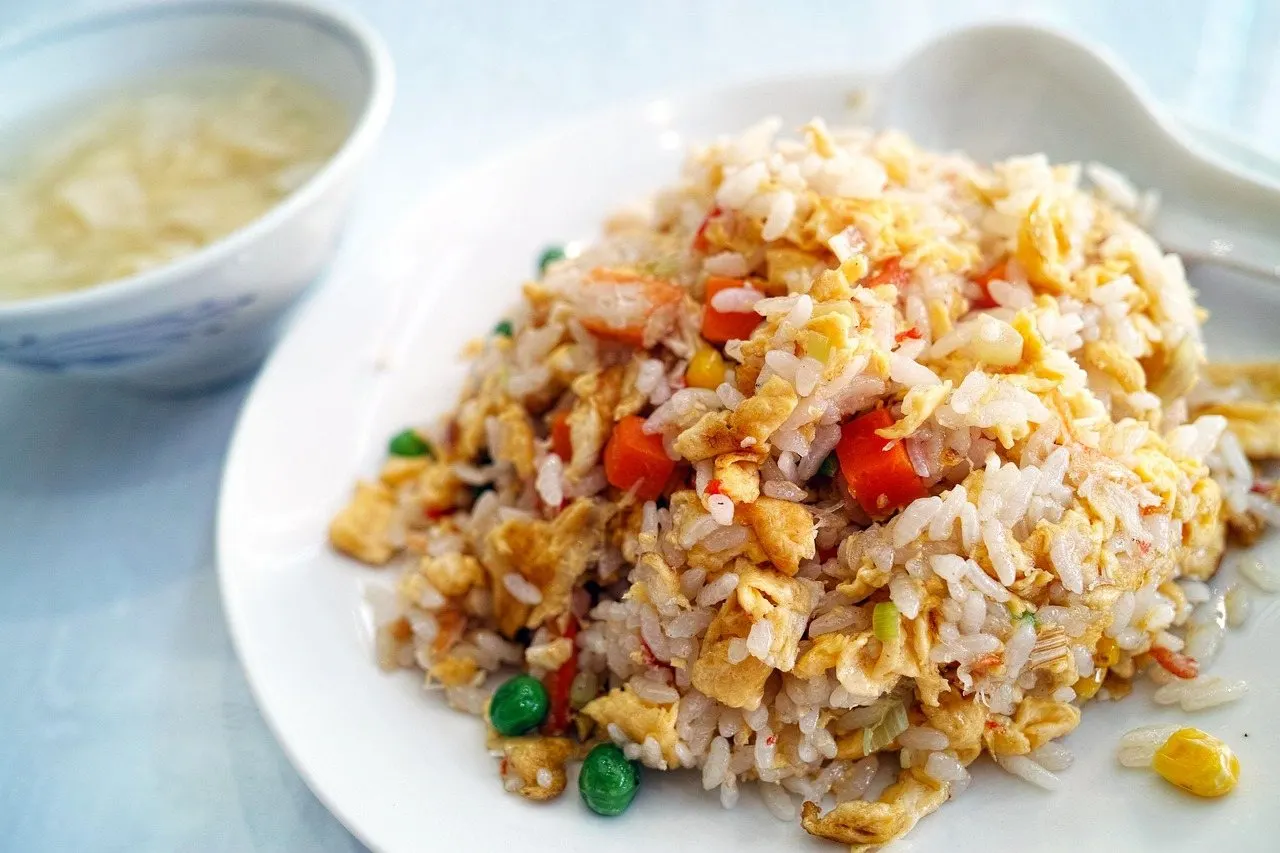
Every country has food rules that feel normal at home and strange abroad, from what meat is eaten to how it is cooked. Travellers who try local dishes often find new favourites, and those who cannot eat something usually find other choices on the menu. The kindest approach is to learn before you go, so a surprise does not turn into a shock. The tourist in Chongqing did not expect a lesson in beef cuts on his walk, but his video has now taught thousands of viewers about food rules in China. You can also read about a clash over billionaire spending.
Why the Cow Statue Moment Felt So Personal
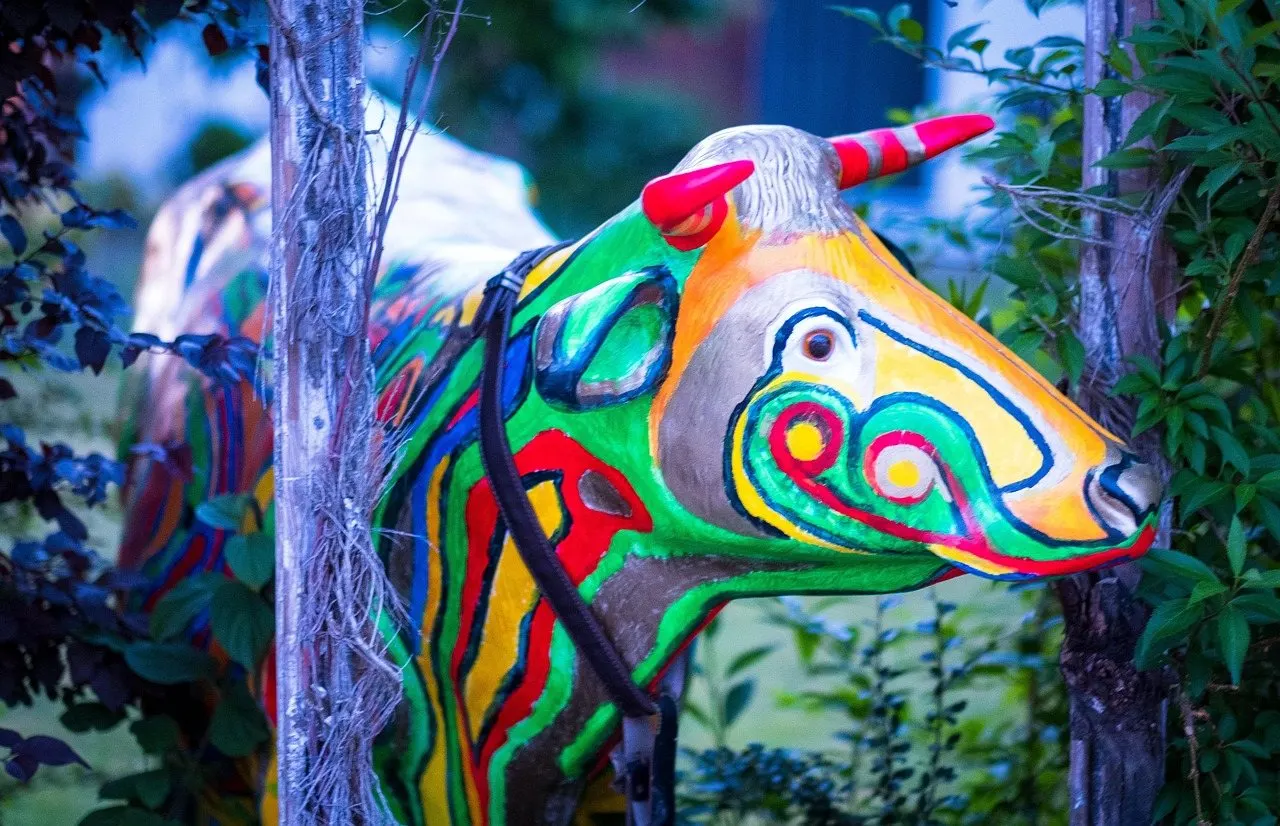
The statue was not in a museum or a butcher shop, but on a normal street where the tourist was enjoying his day. That is why it hit so hard, because the surprise came without warning and touched a belief from childhood. A painted cow figure can look playful, yet the labels on its body turned play into a message he could not ignore. His reaction was personal, not political, and that is why many viewers felt it with him, even if they did not share his faith. For more, see our piece on a viral photo in a police uniform and our story on the longest flight in its history.
How Short Videos Travel Around the World

A short video can cross the world in hours, because it needs no translation and fits easily on a phone screen. People share clips that surprise them, move them or make them laugh, and each share carries the story to a new group of friends. News pages then pick up the clips that are already popular, and the story grows again. The Chongqing clip followed that path, starting as one tourist with a phone and ending as a story that people in many countries were talking about. See also our report on a classic song Filipinos love and our story about nine airports to be privatized.
Cow Statue Lessons for Visitors to China

Visitors to China can enjoy the trip more if they learn a little about local food before they arrive. Beef, pork and many other meats are common, and menus often show the animal or the cut in pictures. Knowing that in advance helps a traveller choose restaurants with confidence and avoid sights that might upset them. The tourist in Chongqing learned this the hard way, but his video now helps other visitors, since they can arrive prepared and still enjoy the city. Read more in our story on a debate about statues and history and our report on a new treatment called the closest thing to a cure.
What Would You Have Felt Beside the Cow Statue?
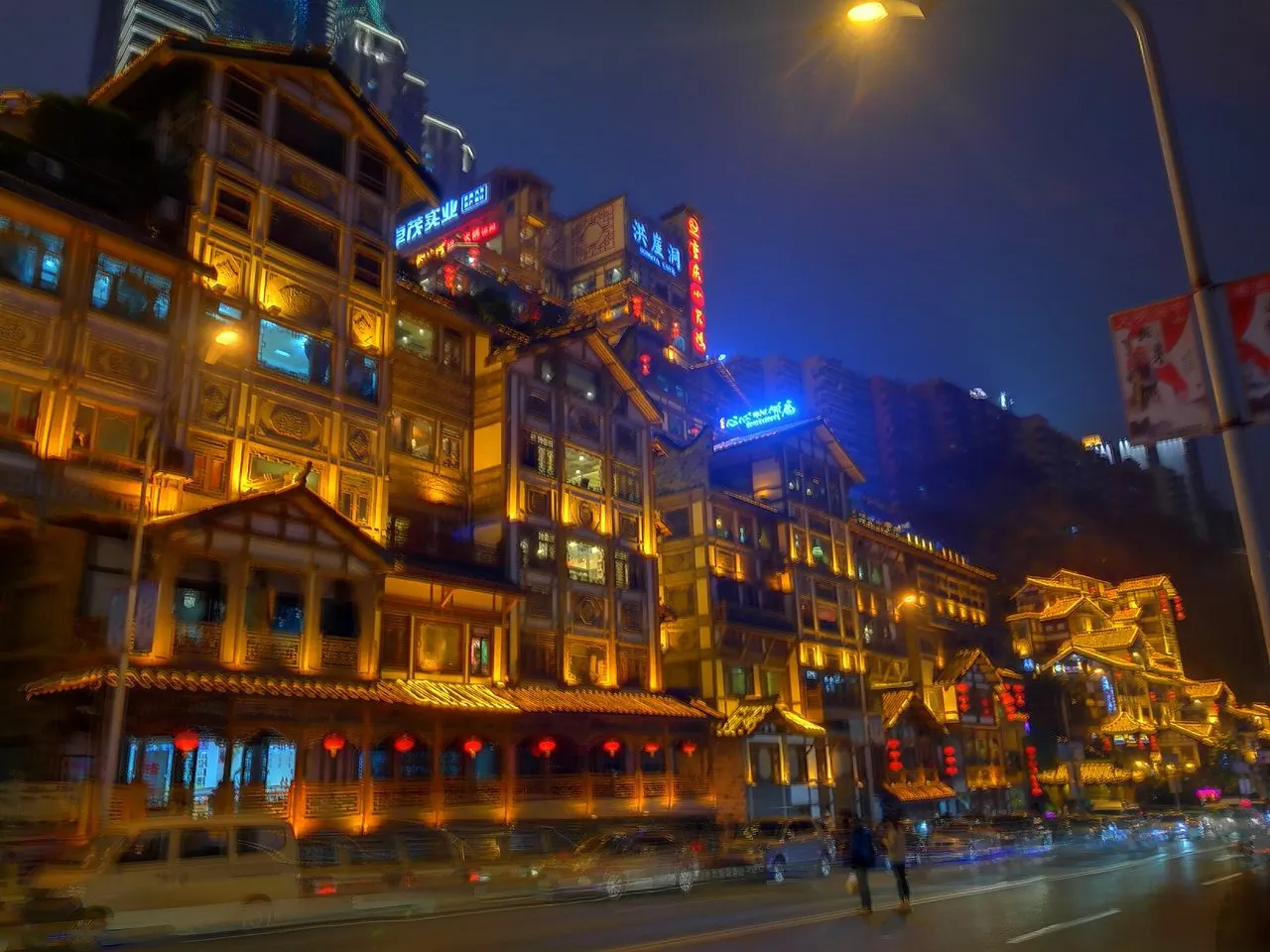
Imagine walking down a street in Chongqing on holiday, feeling happy and curious, and then meeting a red statue covered in beef cut labels. Would you feel shocked, sad, or simply interested in how different food culture can be? Would you film it, walk past it, or stop and ask someone about it? Share your thoughts in the comments below, and tell us what you would have done if you had been standing beside the statue that day. You can also read about a father who refused to give up his son.