The Emma Tucker Visa Demand After the Bessent Home Photo
Emma Tucker visa calls are growing across the country after the Wall Street Journal published an aerial photo of Treasury Secretary Scott Bessent’s Georgetown home. The paper ran the image in January 2025, only days after Bessent paid 12.5 million dollars for the house following his Senate confirmation. His team had asked the paper not to publish the photo because it showed the exact location of his home. Bessent later said the exposure forced his family to move to a military base for safety.
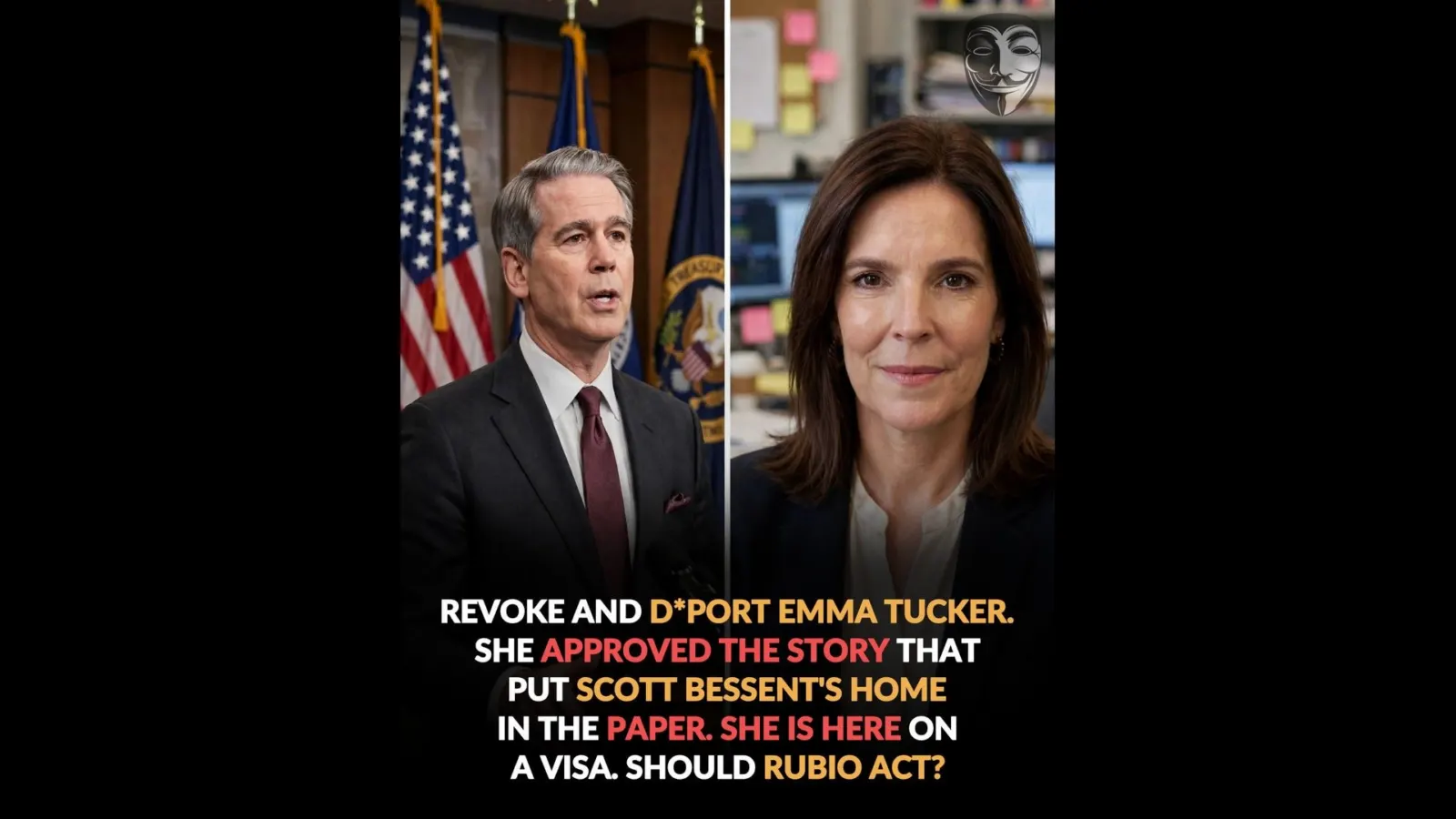
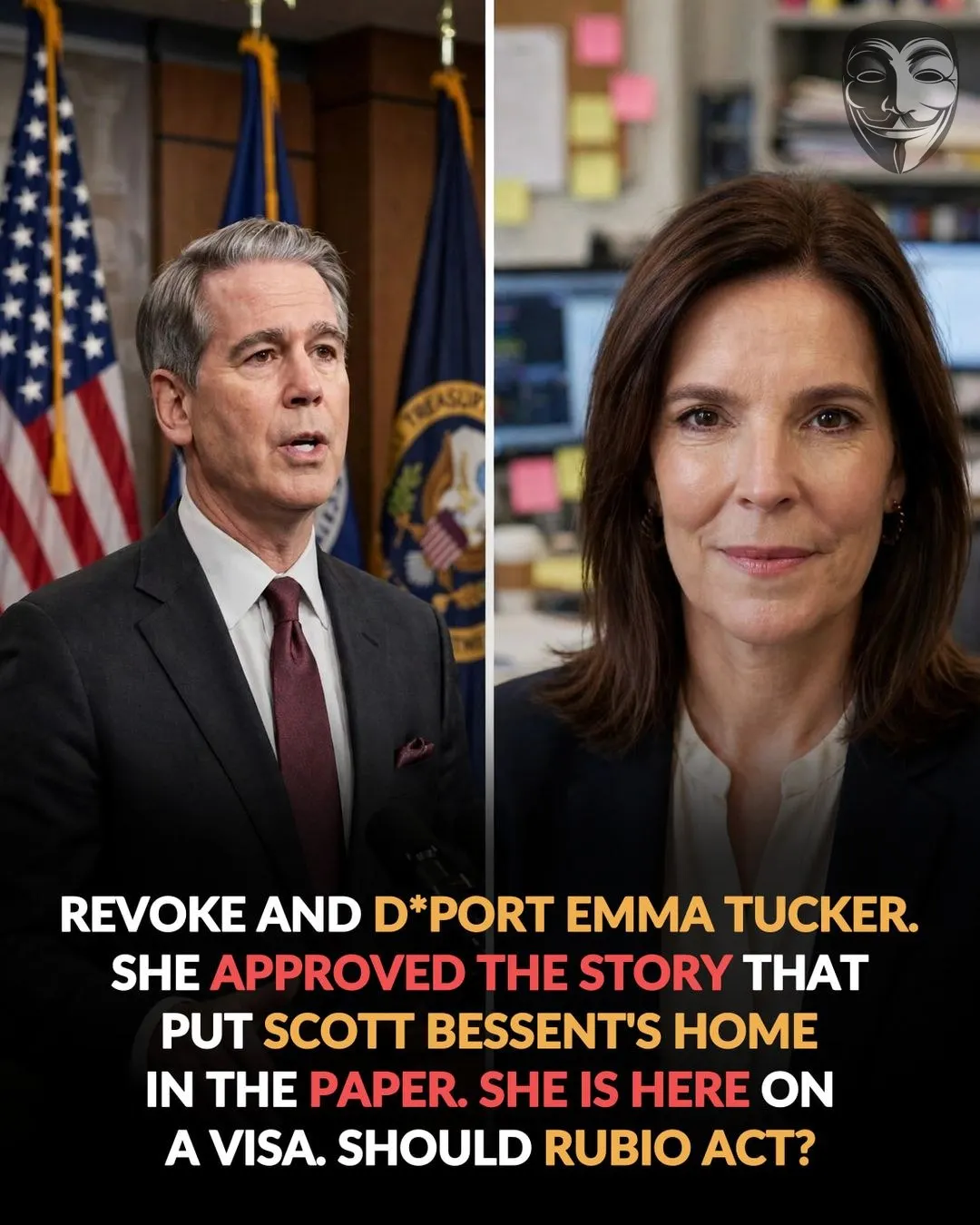
The demand is direct. Many Americans want Secretary of State Marco Rubio to revoke Tucker’s visa and send her home, and the decision now sits with him and the State Department. Tucker runs the newsroom that approved the story, and she works in America on a visa. In the slides ahead we look at the photo, the move to a base, and the choice facing Rubio. For more on the move, read the report on Bessent’s move to a military base.
References:
Wall Street Journal: Treasury Secretary Scott Bessent Pays $12.5 Million for D.C. Mansion
USA Today: Iran’s threats push Bessent, other Trump officials onto military bases
TheWrap: Scott Bessent Blames Military Base Relocation on WSJ Photo
New York Post: Scott Bessent lets loose on Iran after he was moved to military base: ‘F the Iranian leadership’
How the Emma Tucker Visa Story Reached the Treasury Secretary

Scott Bessent serves as Treasury Secretary in the Trump administration, and his home became national news in January 2025. The Wall Street Journal published an aerial photo of the Georgetown mansion only days after he paid 12.5 million dollars for it. Bessent had just won Senate confirmation, and the purchase marked a fresh start in Washington. Instead the story turned his new address into a public fact. Read about how the move to a base unfolded.
The Emma Tucker Visa Debate Began With a Journal Photo
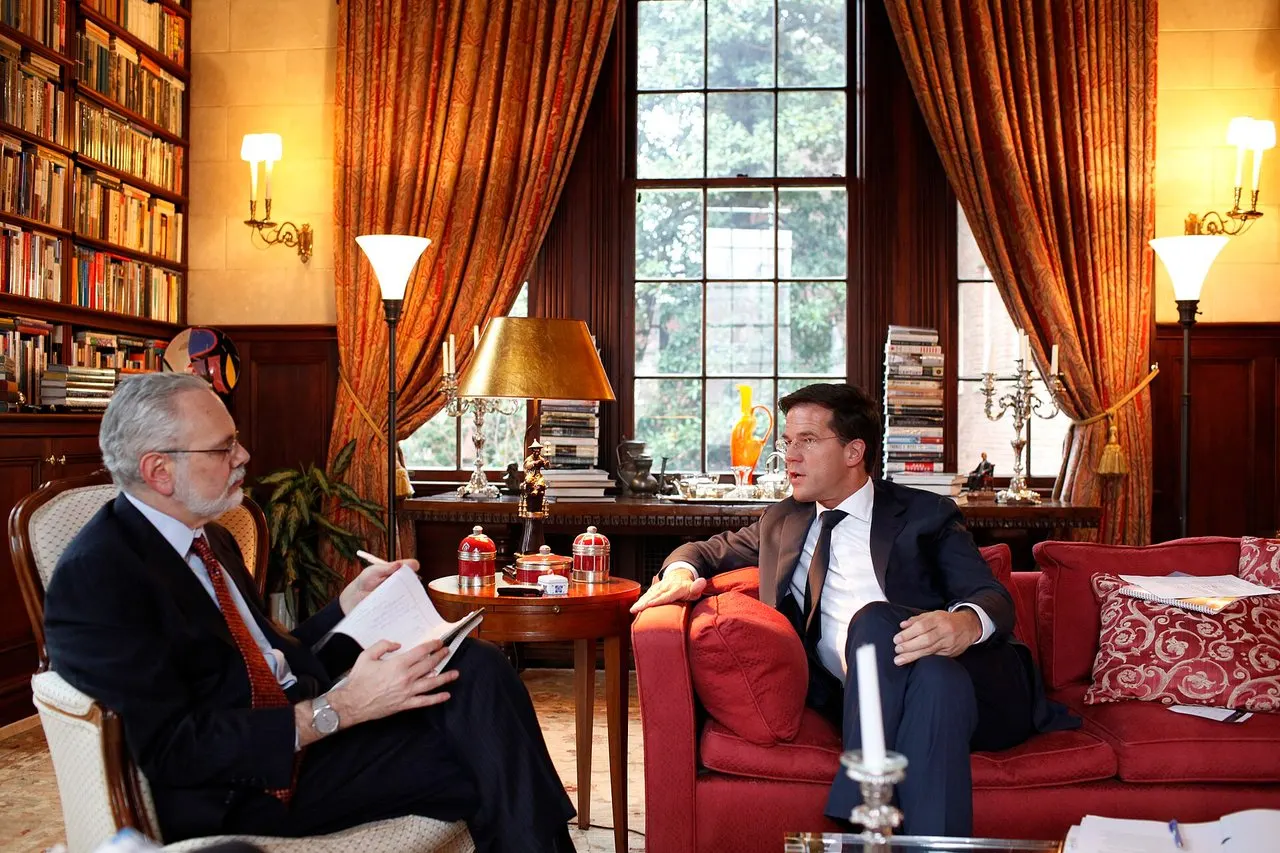
The Wall Street Journal is one of the most widely read newspapers in America, and its newsroom is led by editor Emma Tucker. The paper chose to run an aerial photo of Bessent’s new home even after his team asked it not to. The image showed the house from above and made its exact location clear to readers. That choice sits at the heart of the row, and it is why the call to act has focused on the editor who approved it. See the demand to send her home.
A Georgetown Mansion Bought for 12.5 Million Dollars
Bessent paid 12.5 million dollars for the Georgetown mansion, a price that reflects the value of homes in one of Washington’s oldest neighborhoods. Georgetown is known for its brick row houses, tree lined streets and historic charm. A grand house there offers privacy and space, two things a Cabinet secretary might prize. The purchase came right after his Senate confirmation. Read Rubio’s earlier vow about Putin.
Bessent Paid 12.5 Million Dollars Days After Confirmation
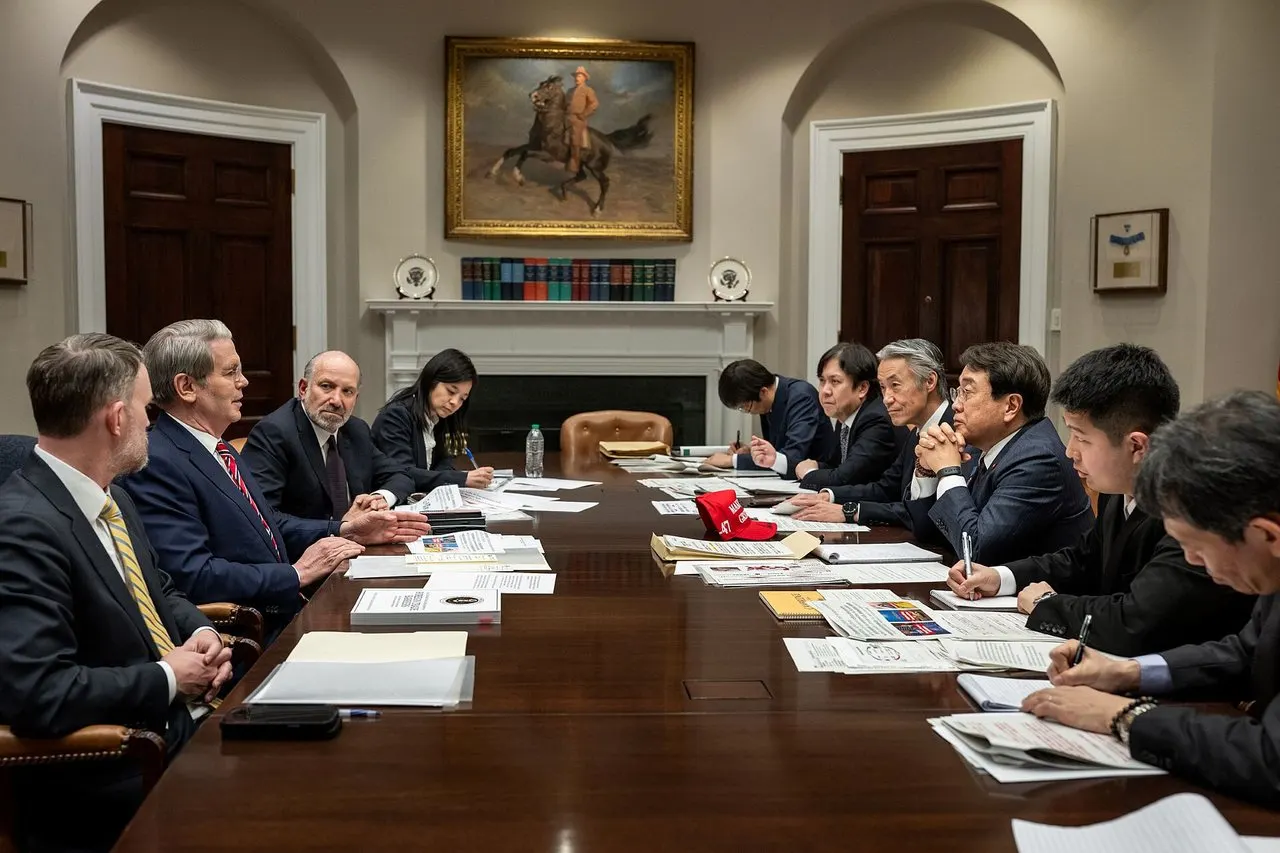
Bessent won Senate confirmation before he bought the house, and the timing matters to this story. Confirmation made him Treasury Secretary, one of the most senior jobs in the government. The Journal published its aerial photo only days after the purchase, when the move was still fresh. A new Cabinet secretary would expect a short calm period to settle in. Instead the photo put his address in front of millions of readers. See the report on his move to a base.
The Emma Tucker Visa Calls Grew After the Aerial Photo
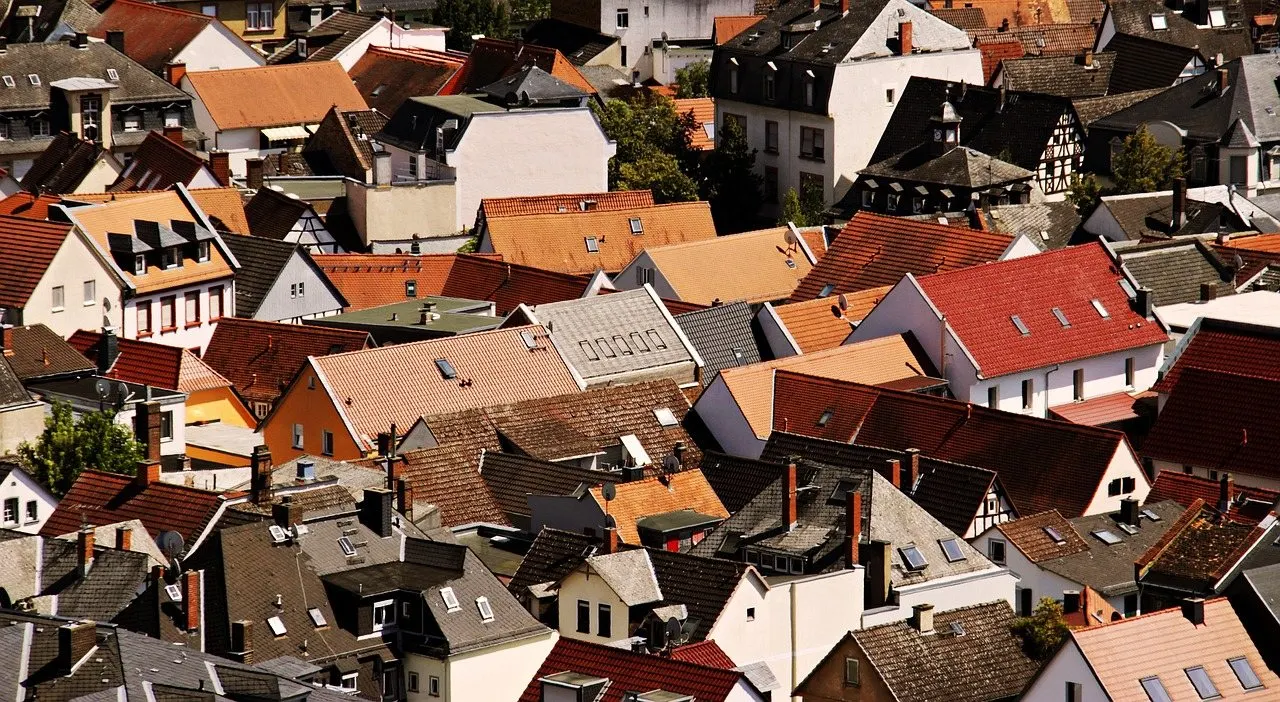
An aerial photo shows a home from above, and that angle can reveal far more than a street view. Roofs, gardens, driveways and nearby streets all become clear in one image. In this case the photo showed the exact location of Bessent’s house, which is why his team had asked the paper to hold it back. The demand grew from that single editorial choice. Learn the facts behind the visa review.
His Team Asked the Paper Not to Publish
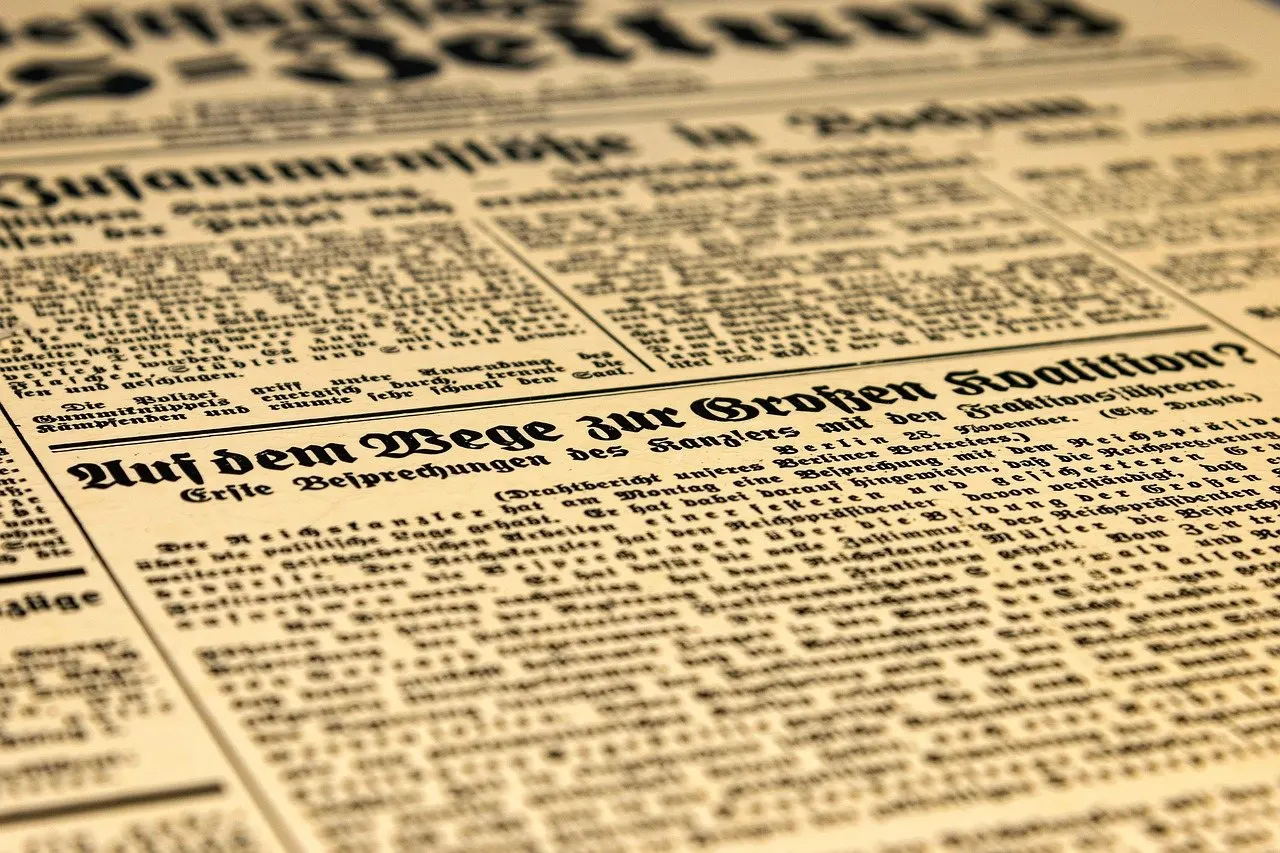
Before the photo ran, Bessent’s team asked the Wall Street Journal not to publish it. They knew the image would show the exact location of his home, and they feared what that could mean for his family. Newsrooms weigh such requests against the public interest in a story. In this case the paper went ahead and printed the aerial view. That decision is what Bessent later called very unfortunate and irresponsible. Read Rubio’s vow on Putin from 2015.
The Emma Tucker Visa Demand Followed Threats and a Move

Bessent told CNBC that he had faced death threats linked to Iran, and that his family moved to a military base on Secret Service advice. The threats changed a story about a photo into a story about safety. A Cabinet secretary should be able to live at home without fear, and the move showed how serious the risk had become. The Emma Tucker visa calls followed soon after. See Rubio’s remarks that drew outrage.
A Family Moved to a Military Base
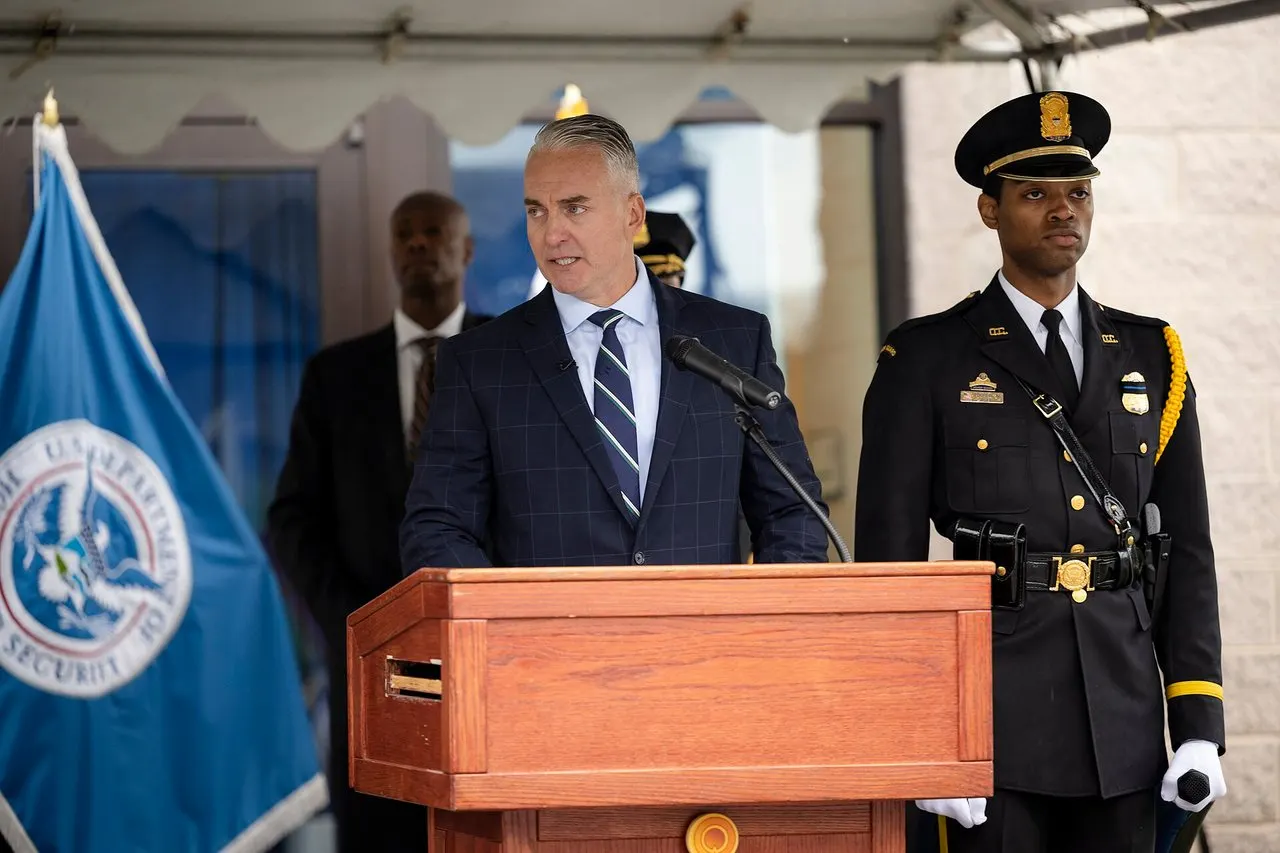
A military base offers guards, gates and controlled access, and that is why families move there when safety is at stake. Bessent said his family moved to a base after the threats, and the Secret Service advised the move. Life on a base is far from normal for a family used to a home of its own. Yet safety came first, and the move showed the price of the photo. Read Rubio’s 2015 vow in full.
Secret Service Advice Guided the Move
The Secret Service protects senior officials and their families, and its advice carries great weight. When it suggested a move to a military base, Bessent followed that guidance without delay. The service weighs threats, travel and daily routines before it makes such a call. Its role is quiet and practical, and it rarely explains its choices in public. That silence leaves the public to judge the photo by its result. See more on Rubio’s remarks.
Bessent Spoke Out on CNBC on November 13
Bessent spoke to CNBC on November 13, and that interview brought the story into the open. He explained that his family had moved to a military base and linked the move to the Journal photo. He called the editor’s decision very unfortunate and irresponsible, words that carried the weight of a Cabinet secretary. The interview turned a quiet move into a national debate. Read Zelensky’s Berlin moment.
The Emma Tucker Visa Question Points to the Newsroom Chief
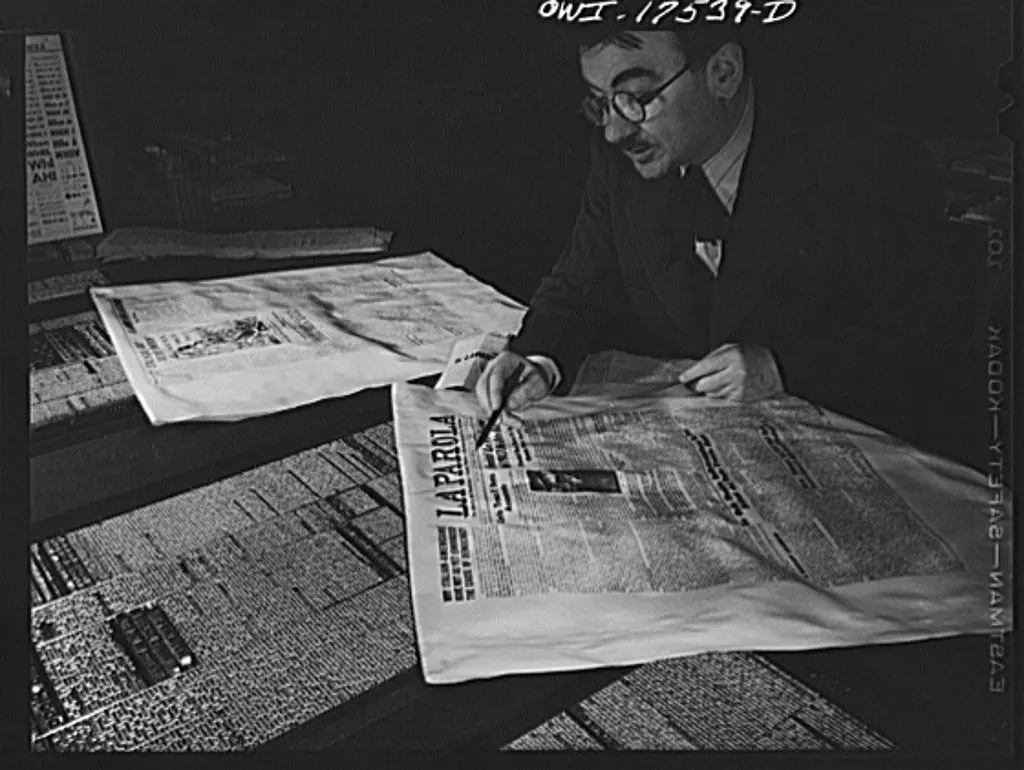
Emma Tucker runs the Wall Street Journal newsroom, and the editor in chief sets the tone for what the paper prints. Big calls about sensitive photos land with the editor, and this aerial photo was one of them. The Emma Tucker visa demand points at that role, not at a junior reporter. Supporters of the demand say the person who approved the story should answer for it. See the questions Kaitlan Collins asked Trump.
The Emma Tucker Visa Is a Privilege, Not a Right
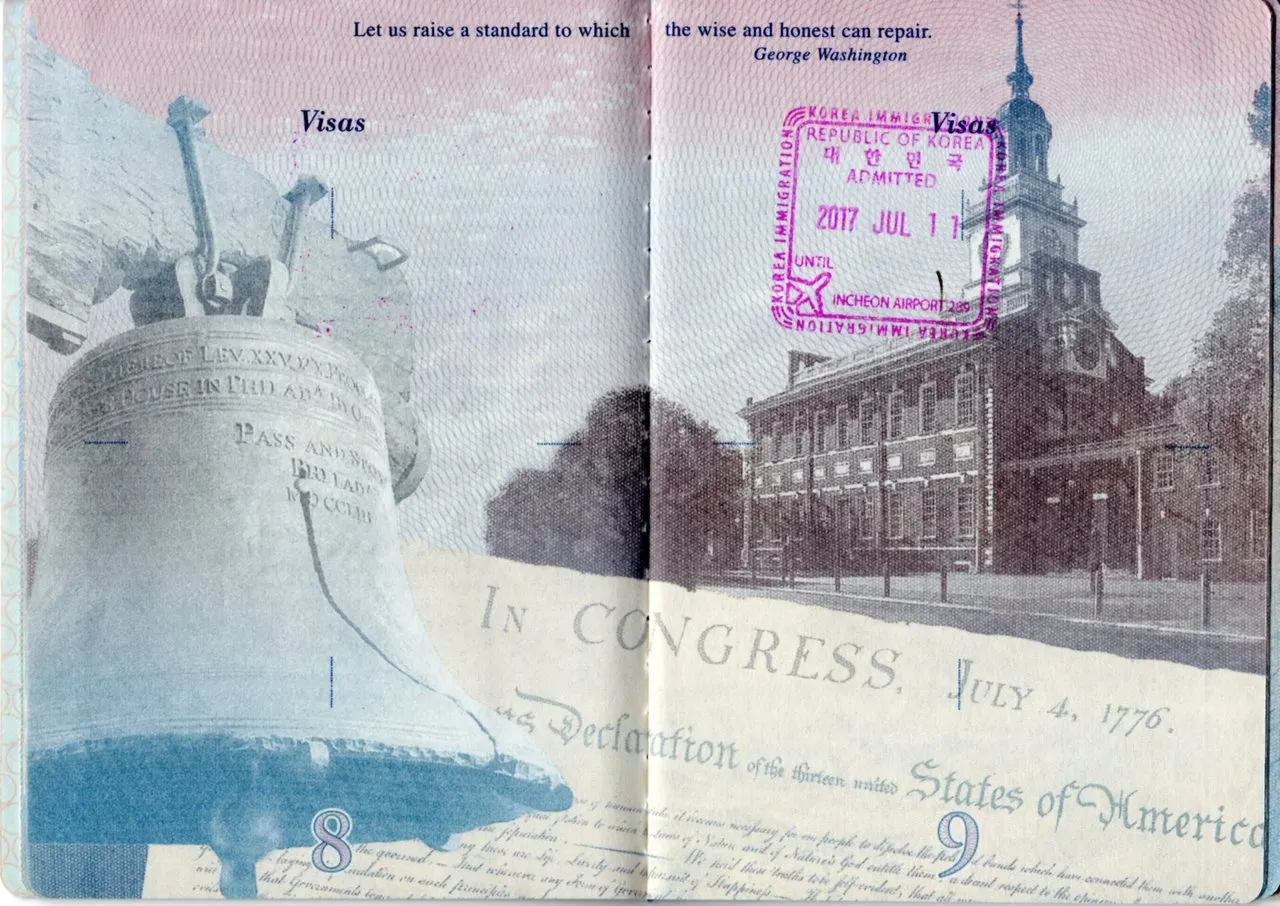
A visa is a privilege granted by this country, not a right. It lets a visitor live and work in America, and it can be taken away when the government decides the stay no longer serves the public good. The Emma Tucker visa debate rests on that simple point. Tucker works in America on a visa, and critics say the photo crossed a line that should cost her that privilege. Learn how Texas ended ICE cooperation.
Americans Are Asking for Action
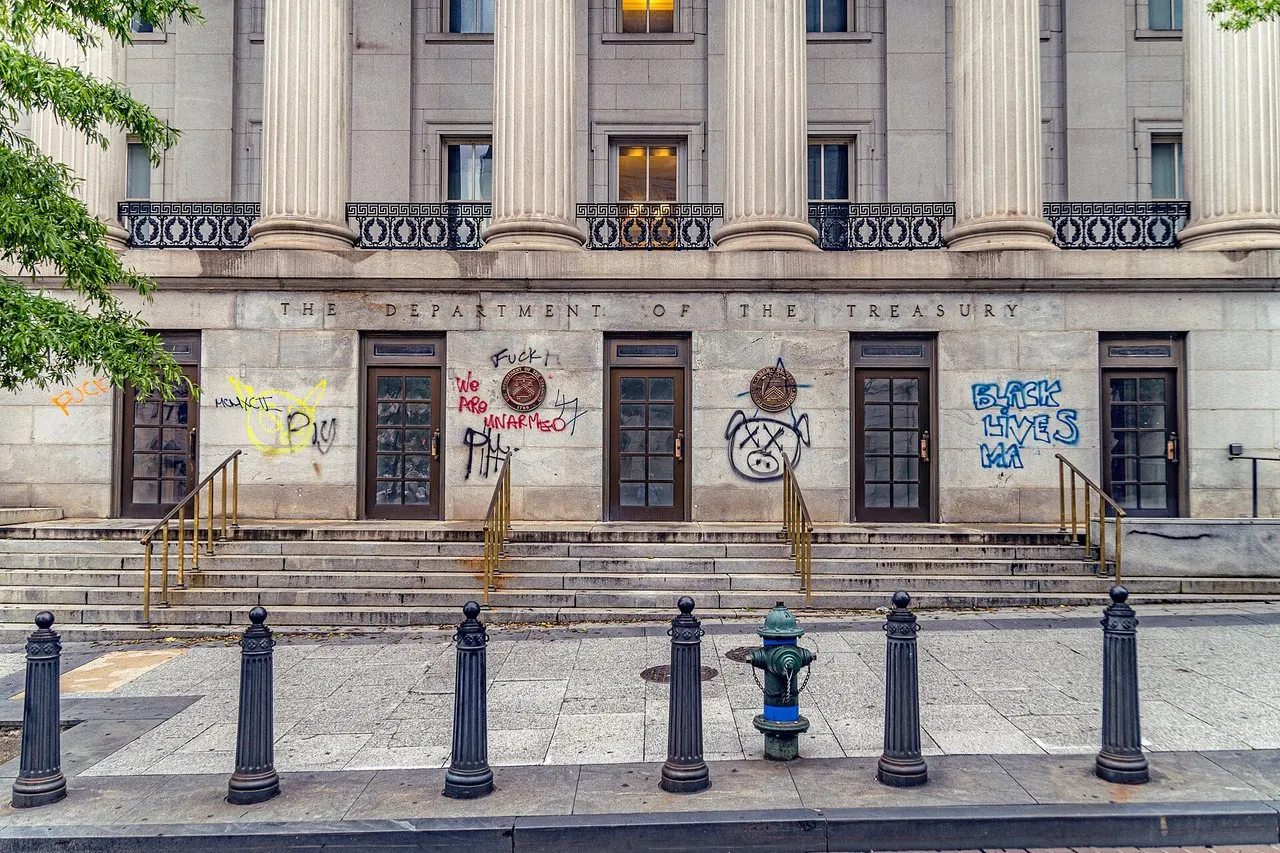
Public demand is now direct. Many Americans are asking Rubio to revoke the visa and send Tucker home, and their voices have grown louder since the CNBC interview. Social media posts, comments and calls all point the same way. The public sees a Cabinet secretary driven from his home and wants an answer. That pressure is what makes this more than a media story. Read more on the Texas ICE decision.
The Emma Tucker Visa Decision Sits With Marco Rubio
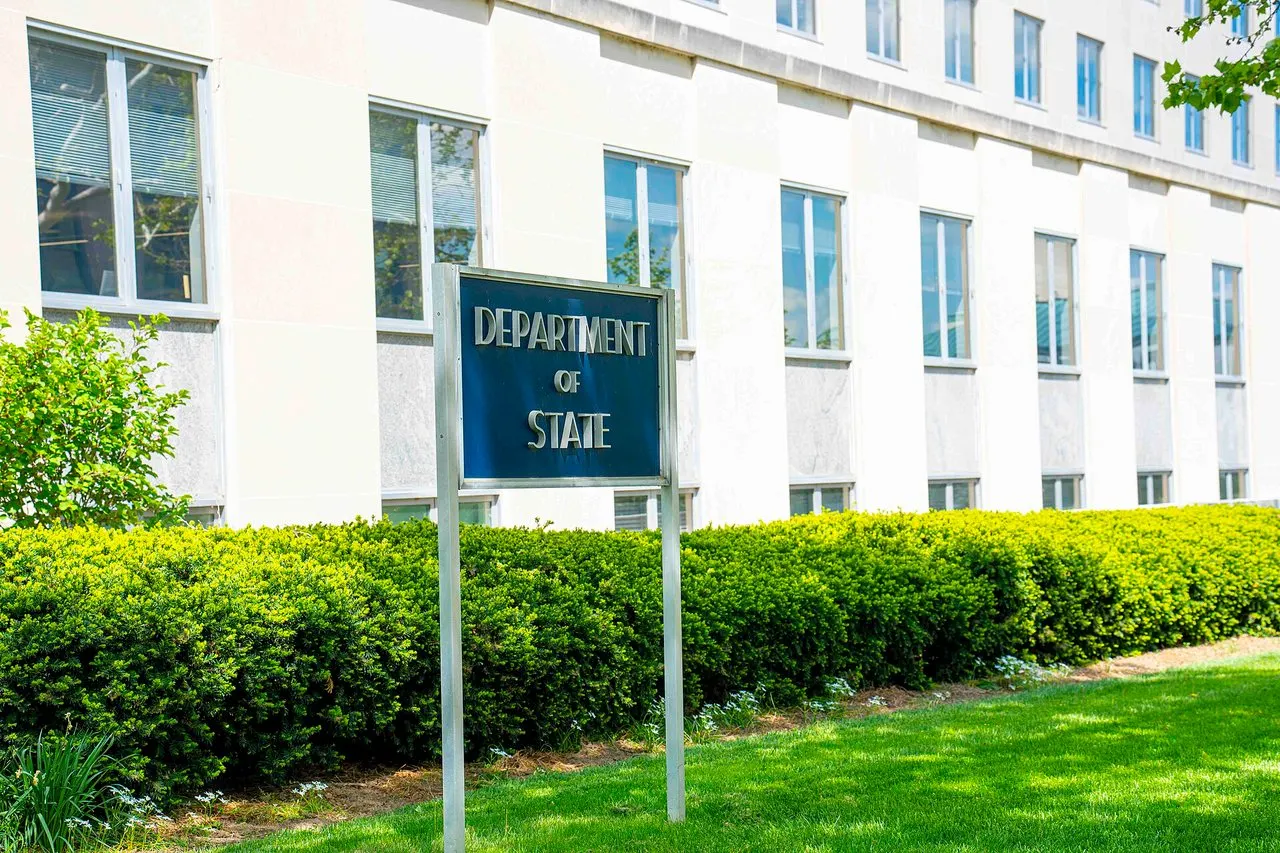
Marco Rubio serves as Secretary of State, and the decision sits with him. His department handles visas, and it can revoke one when it finds good cause. The Emma Tucker visa choice is now his to make, and both sides are watching closely. Supporters of the demand want swift action, while others wait to see how he weighs the case. Read Rubio’s earlier remarks in context.
The Emma Tucker Visa Could Be Revoked by the State Department
Revoking a visa ends the right to stay and work in America, and the State Department can act when it finds cause. The process is serious, and it is not used lightly. The Emma Tucker visa case would test how the department treats a newsroom leader whose paper exposed a Cabinet secretary’s home. The outcome would set a marker for future cases. Learn more about the Texas ICE move.
Inside a Big Newspaper Newsroom

A big newspaper newsroom is a busy place, with reporters, editors and photo staff working side by side. Stories pass through many hands before they reach print, and sensitive images get extra review. The aerial photo of Bessent’s home went through that process and still ran. That is why critics in this case focus on the editor at the top. See the Kaitlan Collins exchange.
Georgetown, a Quiet Corner of Washington
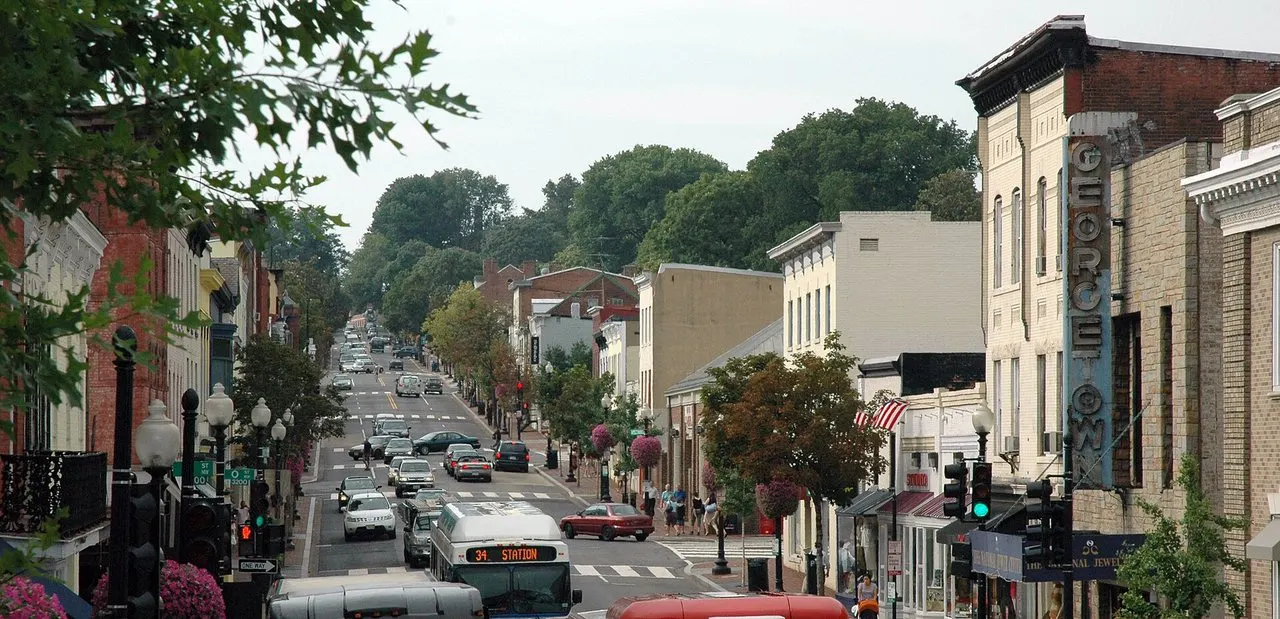
Georgetown is one of the oldest neighborhoods in Washington, with brick sidewalks, old churches and homes that date back centuries. Its quiet streets feel far from the noise of Capitol Hill, and that calm is part of its appeal. Bessent chose the area for his family home, and the photo broke that calm. A place known for privacy became a national talking point. Read the debate over mosques and statues.
The Emma Tucker Visa Row Reaches the Treasury
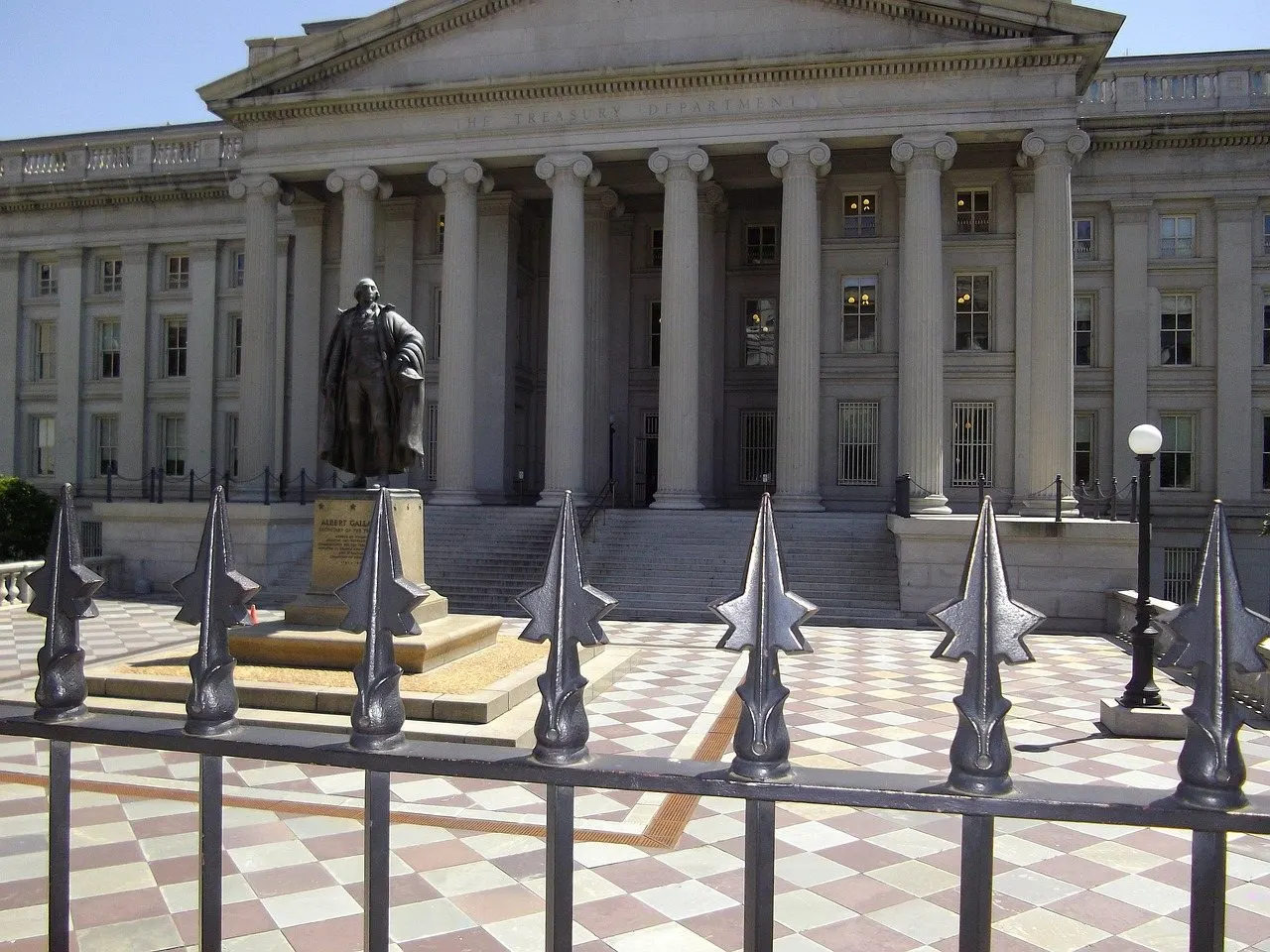
The Treasury Secretary runs one of the largest departments in the government, and the job comes with a public profile. Bessent’s work touches taxes, banks and the nation’s money, and his name is in the news most weeks. The row has now tied his name to a long debate about press freedom and visas. His home became part of that debate. See Liz Cheney’s warning.
How Papers Cover the Homes of Public Figures
Newspapers often cover where famous people live, and readers are curious about grand homes. But editors draw a line when a photo shows an exact address and puts a family at risk. Aerial views make that line harder to see, because they show so much in one frame. The Bessent case asks where that line should sit for a Cabinet secretary. Read Michelle Obama’s interview.
What 12.5 Million Dollars Buys in Georgetown
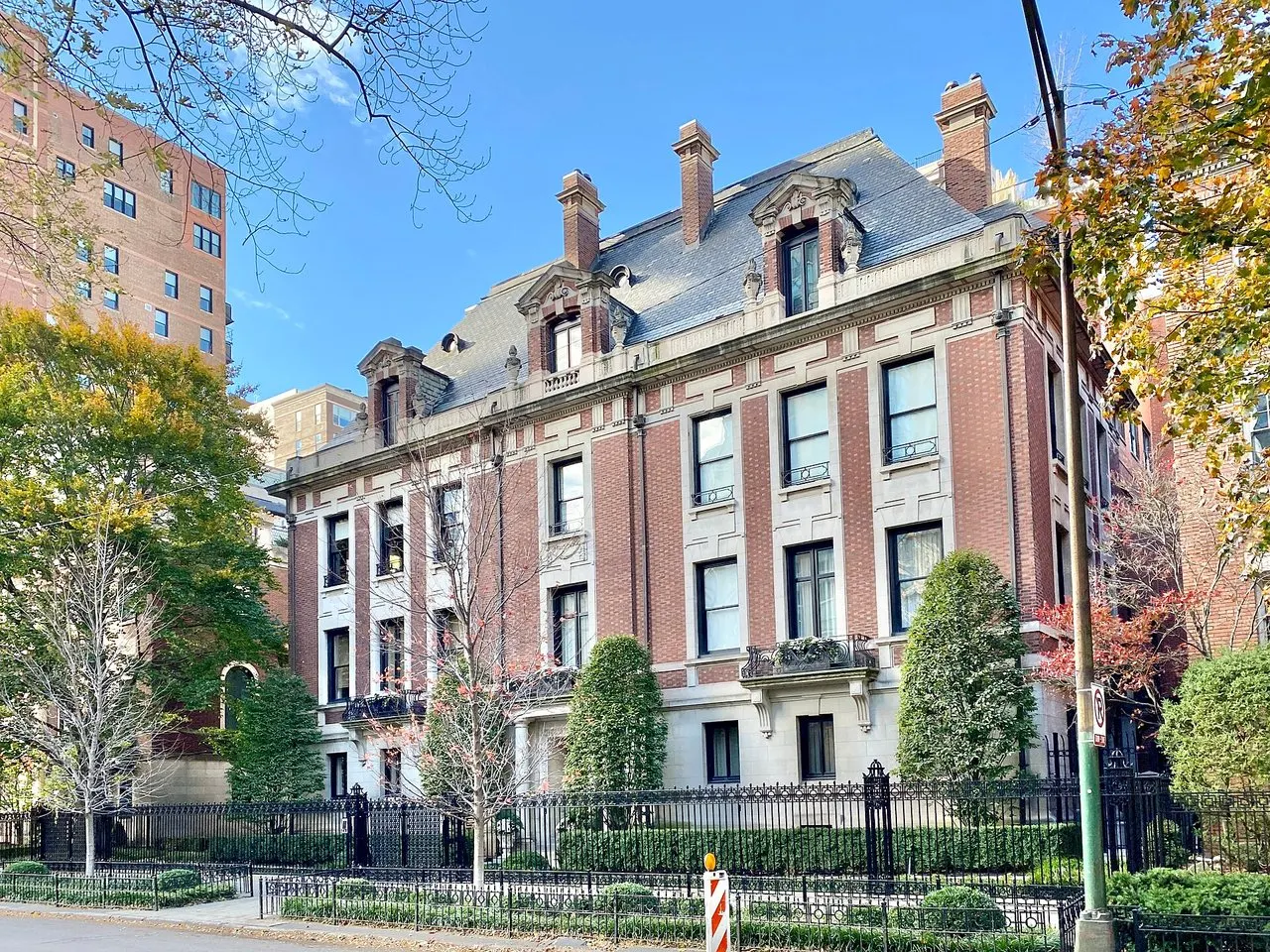
Twelve and a half million dollars buys a grand home in Georgetown, with space, history and privacy. Such houses rarely change hands, and when they do the sale draws notice. Bessent’s purchase was reported in the Wall Street Journal in January 2025, and the paper then ran the aerial photo. The price made the story bigger, and the photo made it personal. See the Purdue professor case.
Iran Threats Have Touched Other Trump Officials
The USA Today report noted that threats linked to Iran have pushed Bessent and other Trump officials onto military bases. The danger is not limited to one man or one home. Officials who face such threats must change how they live, travel and work. A photo that shows where they sleep only adds to the risk. The threats are a reminder that safety shapes daily life for senior officials. Read Dr. Stella Immanuel’s message.
The Emma Tucker Visa Decision Is Now Watched Closely
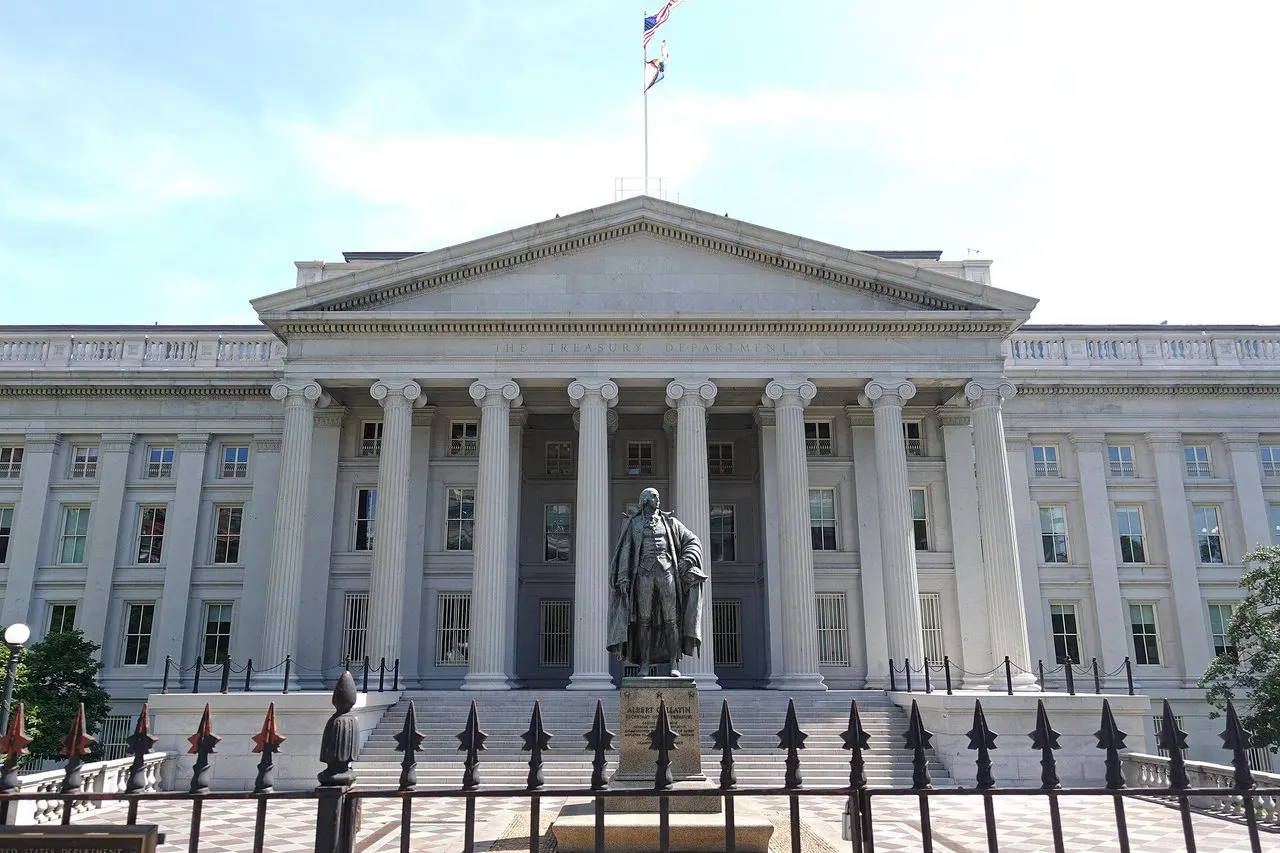
All eyes are now on the State Department, where the Emma Tucker visa decision waits. Rubio has not yet said what he will do, and the public waits for a sign. The choice will show how Washington weighs press freedom against the safety of its own officials. Whatever he decides, the story will not fade soon. The case has become a test of whether a visa can be pulled over a newsroom decision. See the Redskins logo story.
Should Rubio Act? Tell Us What You Think

Should Rubio act? That is the question at the heart of this story, and readers are split. Some say a visa is a privilege and the editor should lose it. Others say the press must stay free to print what it finds. The decision sits with the Secretary of State, and the country is watching. Tell us what you think in the comments below. Read Zelensky’s silent moment.