Rainbow Flag Ban Hits Two School Districts
The rainbow flag ban in two school districts has become one of the most talked about school stories in the country. In North Carolina, the Johnston County school board voted 4 to 2 to limit classroom displays to flags for the United States, North Carolina, the county, the school and approved lessons. In Minnesota, the Detroit Lakes school board adopted a similar rule that ordered rainbow stickers, posters, flags and buttons out of classrooms. Both votes raised the same hard question about what belongs on a classroom wall.
Two students have since sued the Detroit Lakes district over the rainbow flag ban, saying it violates their rights to free speech and equal protection. One student said classmates tore down rainbow stickers and harassed them over rainbow clothing after the ban. Teachers there had displayed small rainbow stickers for more than two years as a sign that their rooms were safe places. In the slides ahead we look at both votes, the lawsuit, and what each side says next. Read about another school case that drew wide attention.
References:
Minnesota Lawyer: Detroit Lakes schools face suit over LGBTQ+ rainbow ban
MPR News: Minnesota ACLU Sues Detroit Lakes Public Schools Over Rainbow Ban
Reason: School Board Can Order High School Teacher to Remove "Hate Has No Home Here" Rainbow Poster
Tennessee Firefly: Opponents of a bill that could ban pride flags in classrooms question whether it would allow Nazi flags
The Question at the Heart of the Rainbow Flag Ban
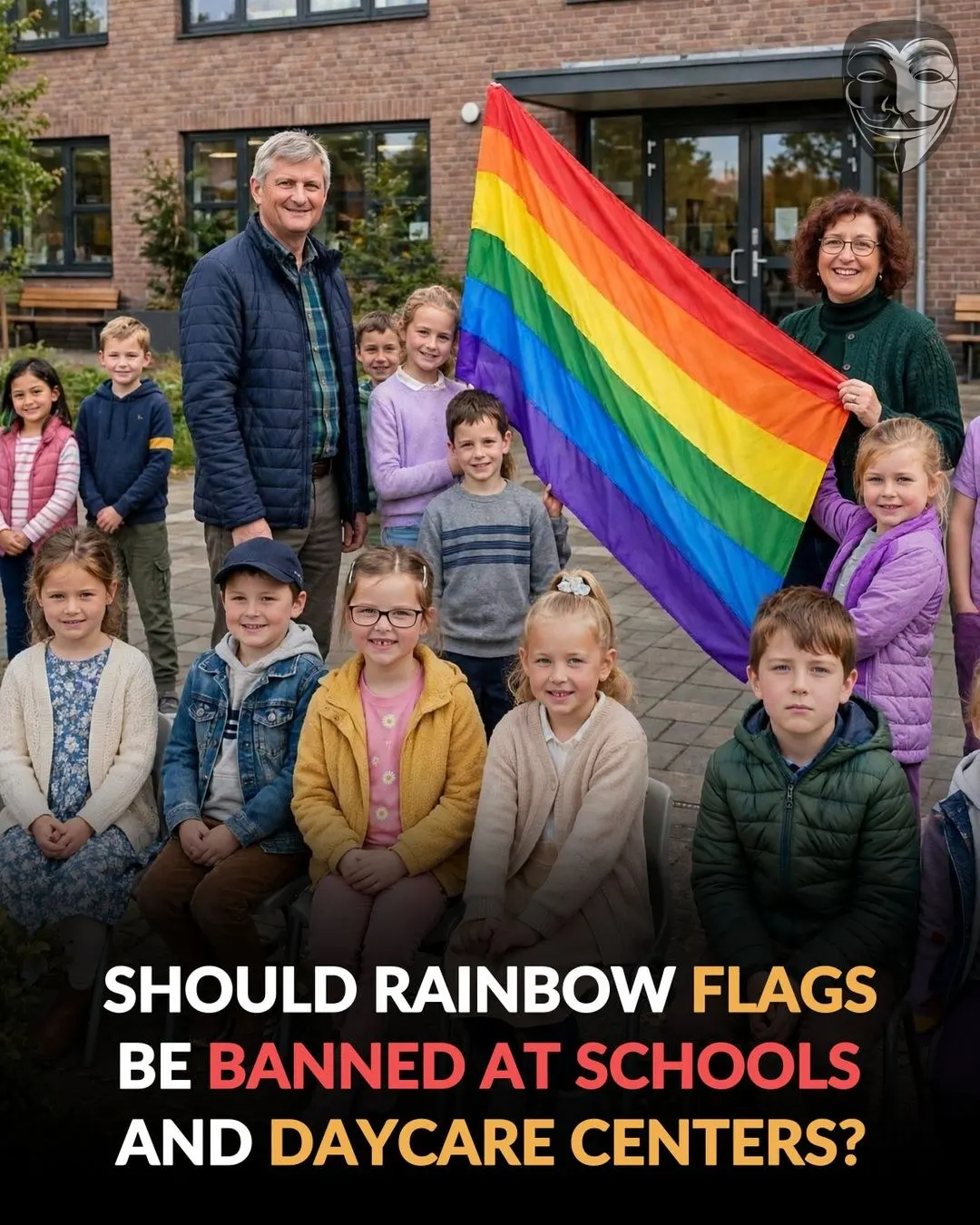
The question is simple to ask and hard to answer. Should a rainbow flag hang in a classroom or a daycare center? Two school boards said no, and their votes set off a debate that now reaches courts. Some see the flag as a warm welcome for every child. Others see it as a political symbol that does not belong in a classroom. In this gallery we walk through the two votes, the lawsuit that followed, and the wider fight over school flags. Read about another school debate in New York.
Johnston County Votes 4 to 2 in North Carolina
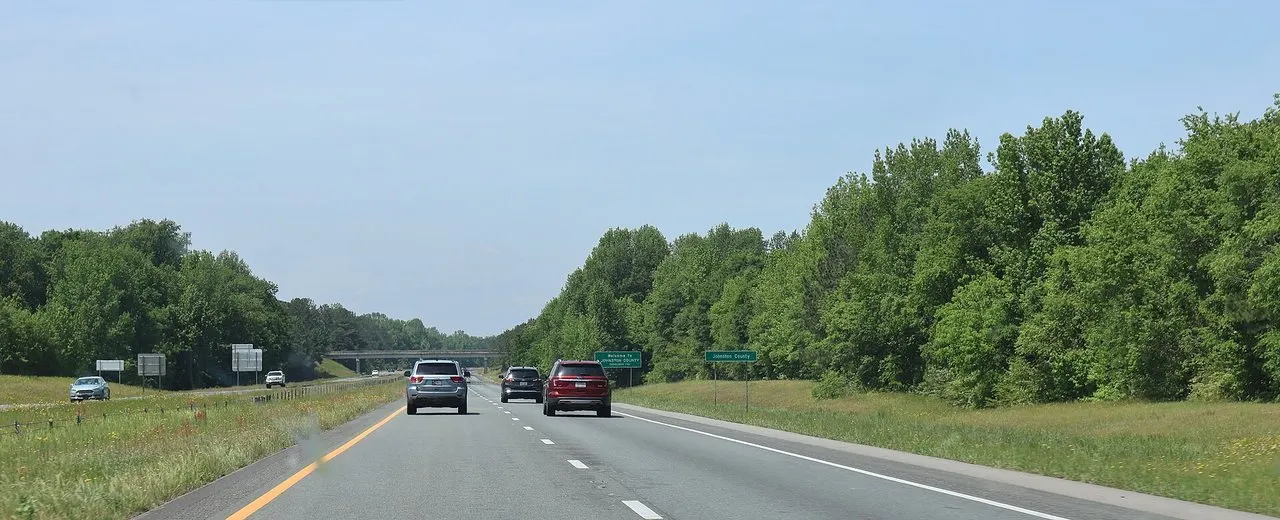
In Johnston County, North Carolina, the school board voted 4 to 2 to limit what can hang in classrooms. The vote was close, and it showed how split the community felt about the issue. Board members who backed the rule said classrooms should stay focused on lessons rather than symbols. Those who voted against it worried about students who already feel different at school. The decision touched every classroom in the county, and it drew attention far beyond North Carolina. Read about a study of armed schools.
Which Flags Stay on the Classroom Wall
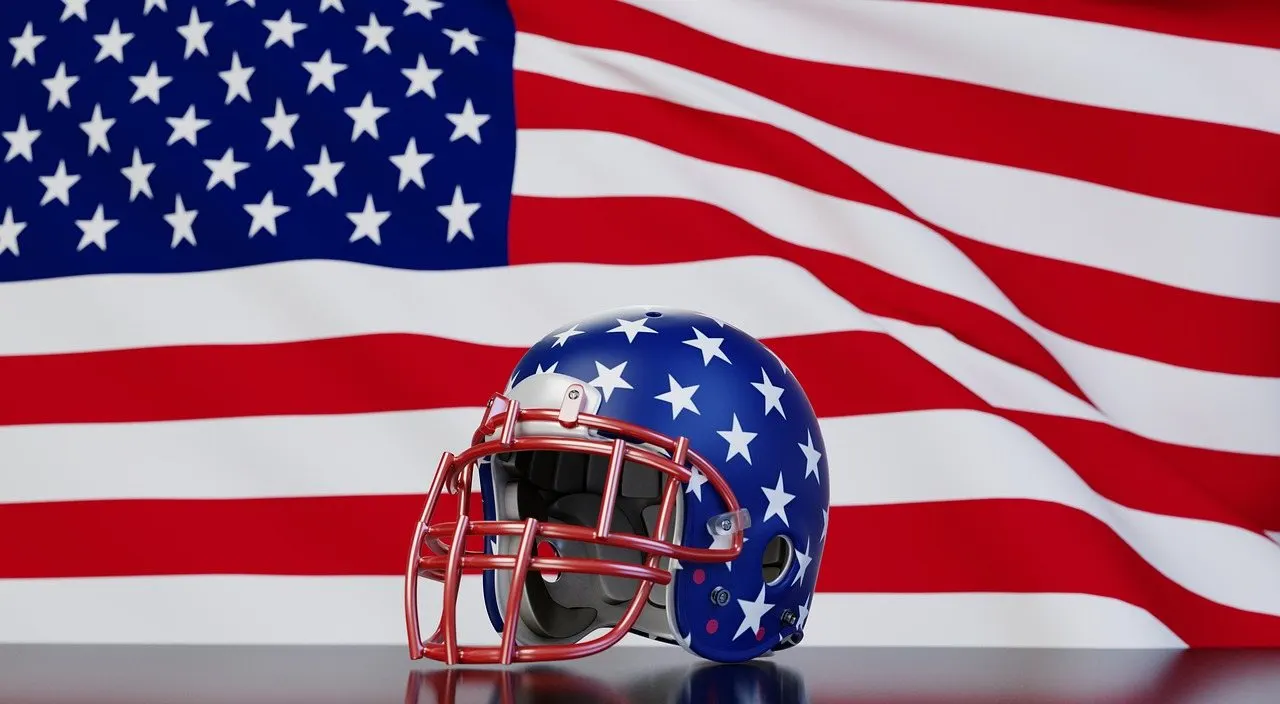
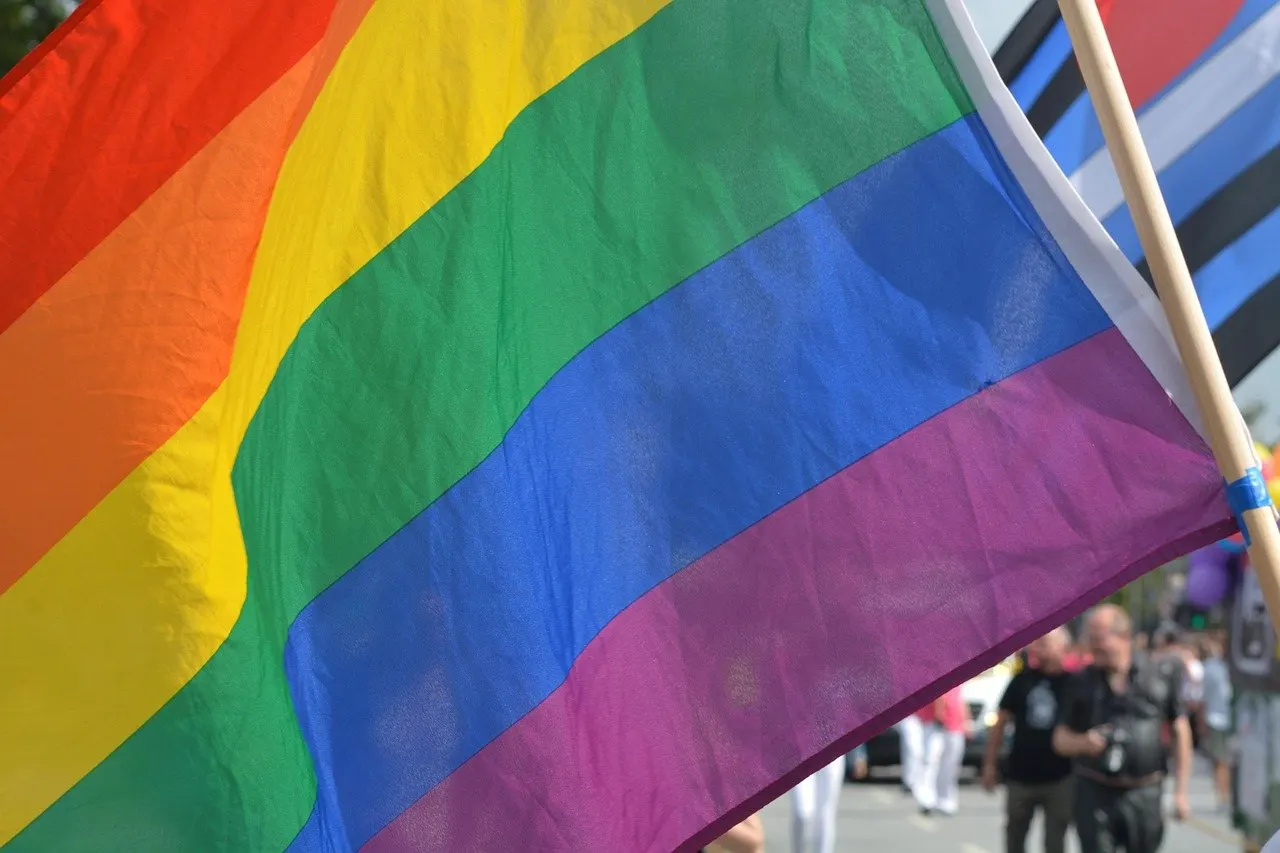
Under the Johnston County rule, only a short list of flags may hang in a classroom. The list covers the flag of the United States, the flag of North Carolina, the county flag, the school flag and flags tied to approved lessons. Everything else must come down, and that includes the rainbow Pride flag. Supporters say a short list keeps things clear and fair for every teacher. Critics say the list was written to leave out one flag in particular. Read about another school safety debate.
Detroit Lakes Adopts Its Own Rainbow Flag Ban
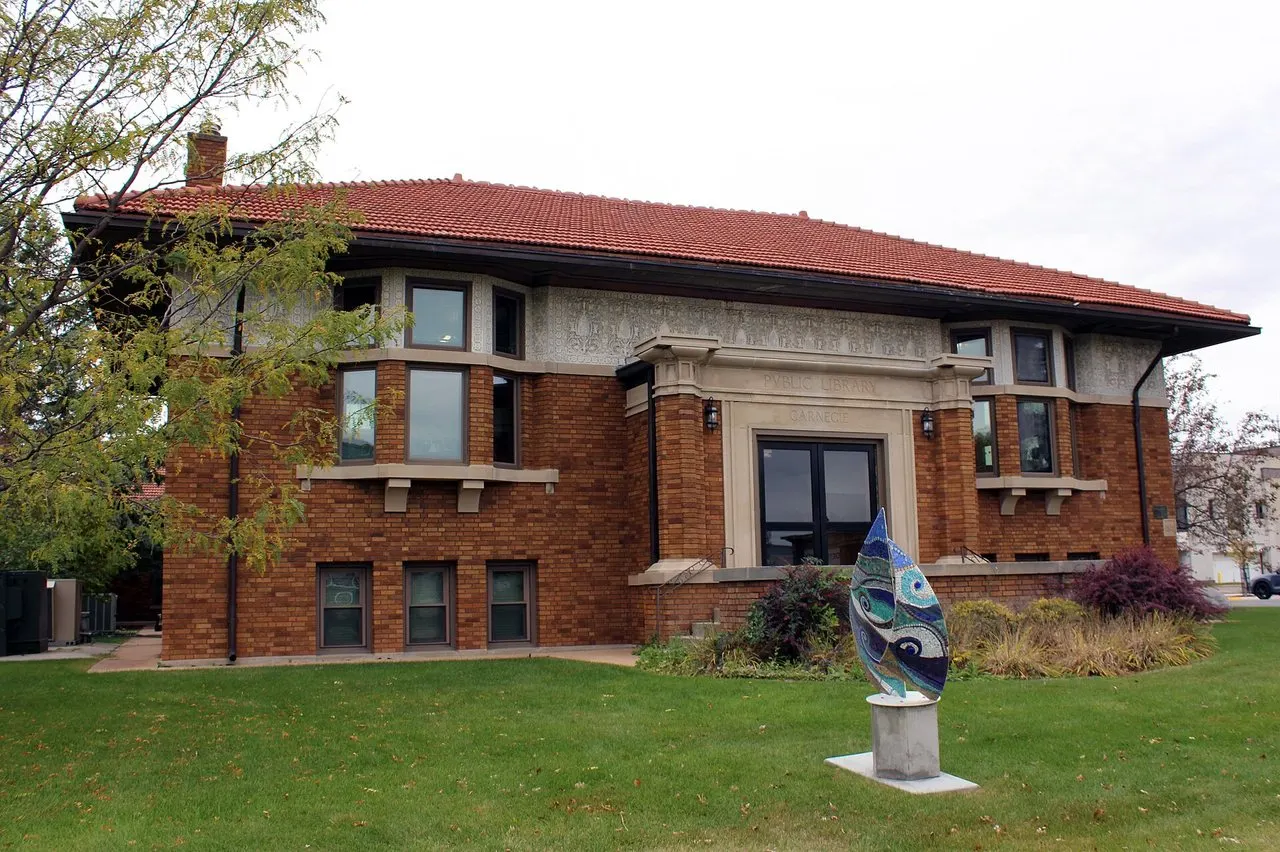
Hundreds of miles away in Minnesota, the Detroit Lakes school board reached a similar decision. Its policy ordered the removal of rainbow stickers, posters, flags and buttons from classrooms and school spaces. The board said the rule applied to non-school materials in general, not to one group alone. But the policy named rainbow items in plain words, and that detail became the center of the fight. Students and teachers who had lived with the stickers for years suddenly had to take them down. Read about two teens found safe after a scare.
Small Stickers That Marked Safe Spaces
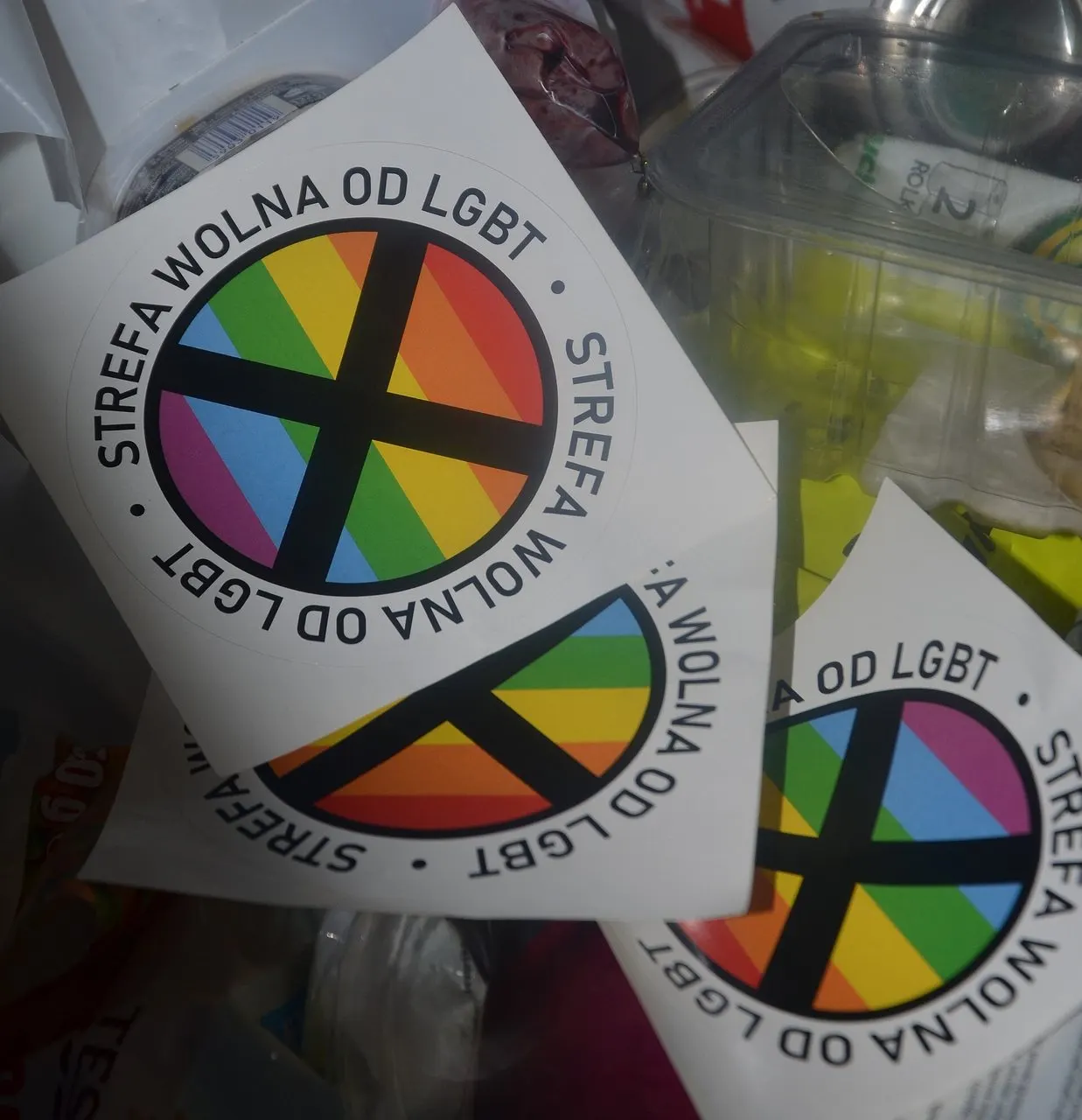
For more than two years, teachers in Detroit Lakes had placed small rainbow stickers in their classrooms. The stickers were a quiet sign that the room was a safe place for every student, including gay and lesbian students. They cost almost nothing and took up almost no space, yet they meant a great deal to the students who noticed them. When the new policy ordered them removed, students said it felt like the welcome itself had been taken down. Read about a father who puts family first.
Two Students Sue Over the Rainbow Flag Ban

Two students have sued the Detroit Lakes district, and their case is now the heart of the story. They argue that the policy violates their rights to free speech and equal protection under the law. The Minnesota ACLU is backing the case, and news outlets across the country have followed it. The students say the rule targets them for who they are, while the district says it is only keeping classrooms neutral. A court will now have to sort out which side is right. Read about another free speech debate.
The Rainbow Flag Ban and the First Amendment
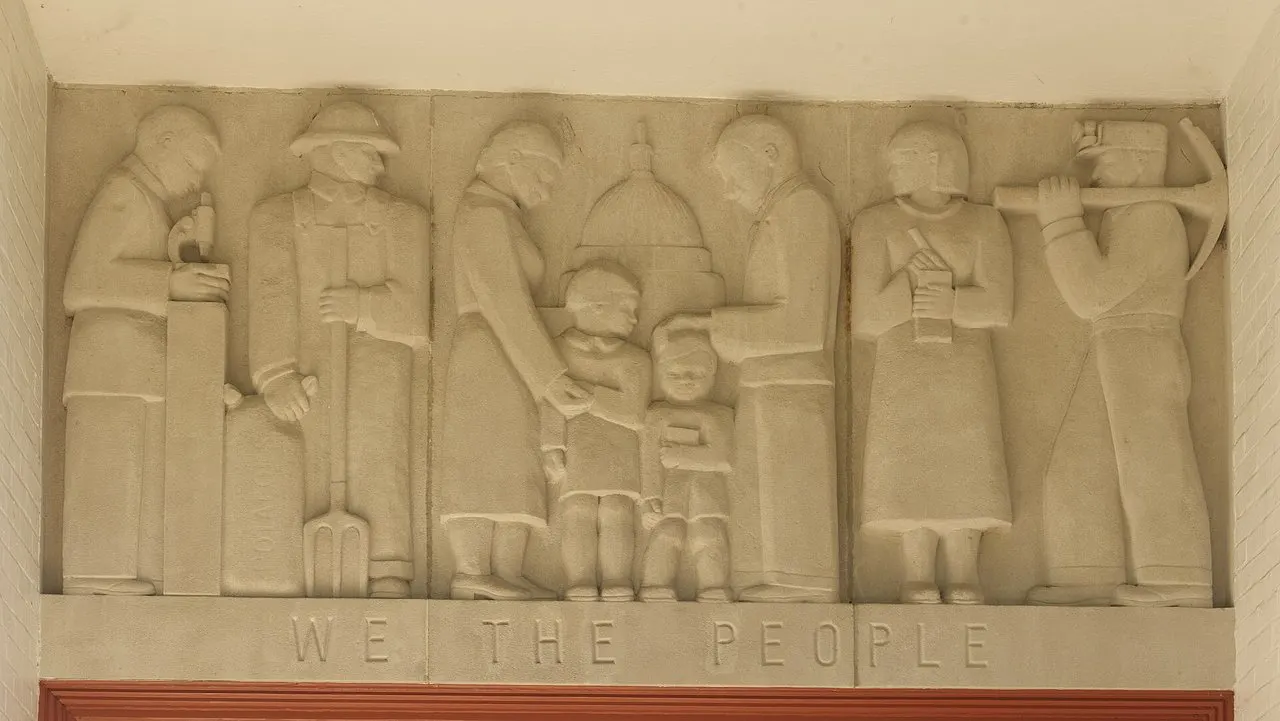
The First Amendment protects free speech, and that protection reaches into public schools too. Students do not leave their rights at the schoolhouse gate, a famous court line that still shapes these fights today. But schools may set limits when speech disrupts learning or breaks clear rules. The Detroit Lakes case will test where that line sits when the speech is a rainbow sticker on a classroom door. Both sides claim the Constitution is on their side. Read about a call to faith that moved many readers.
Students Describe Teasing After the Rule

One student in the Detroit Lakes case said classmates tore down rainbow stickers and harassed them over rainbow clothing after the ban took effect. The student said the teasing started once the stickers came down, as if the rule had given others permission to pick on them. That claim matters because it goes to the heart of the equal protection argument. If a rule aimed at one group leads to worse treatment for that group, a court may look at it very closely. Read about a family reunited after a frightening search.
Why Supporters Back the Rainbow Flag Ban
Supporters of the two policies say the goal is political neutrality in the classroom. They argue that a public school should not take sides on contested issues, and that a rainbow flag is a political symbol. In their view, taking all such symbols down treats every student the same. They also say parents should decide what values children learn at home. The argument has found a wide audience among parents who want schools to stick to lessons. Read about a study about faith and family in America.
Critics Say One Community Is Singled Out
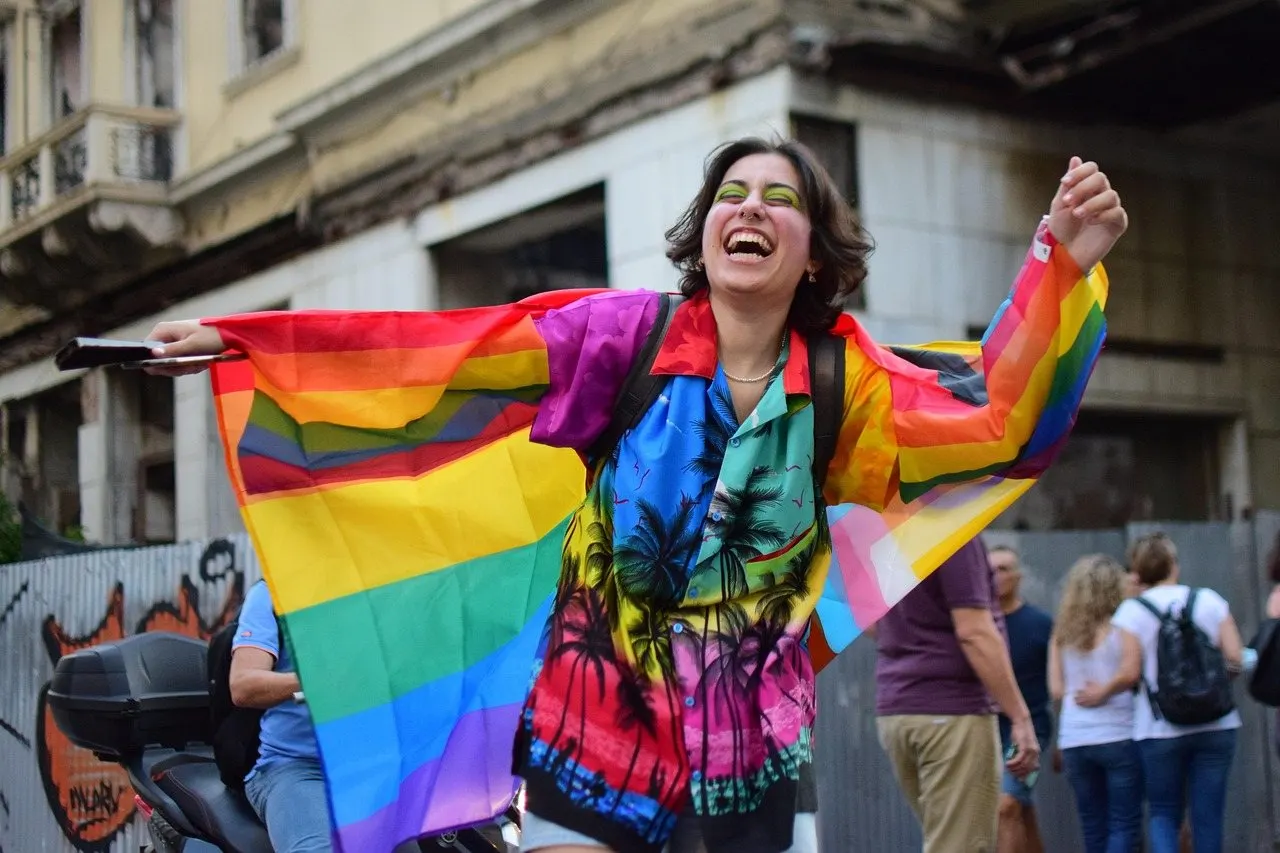
Critics of the bans say neutrality is not what is happening at all. They point out that the policies name rainbow items directly while leaving other displays alone. In their view, singling out the rainbow flag targets gay and lesbian students and tells them they are less welcome. They also note that the stickers were small and had hung quietly for years without trouble. For them, the bans are not about keeping politics out of schools but about keeping one group out of sight. Read about a life shaped by faith.
The Rainbow Flag Ban Debate Reaches Tennessee
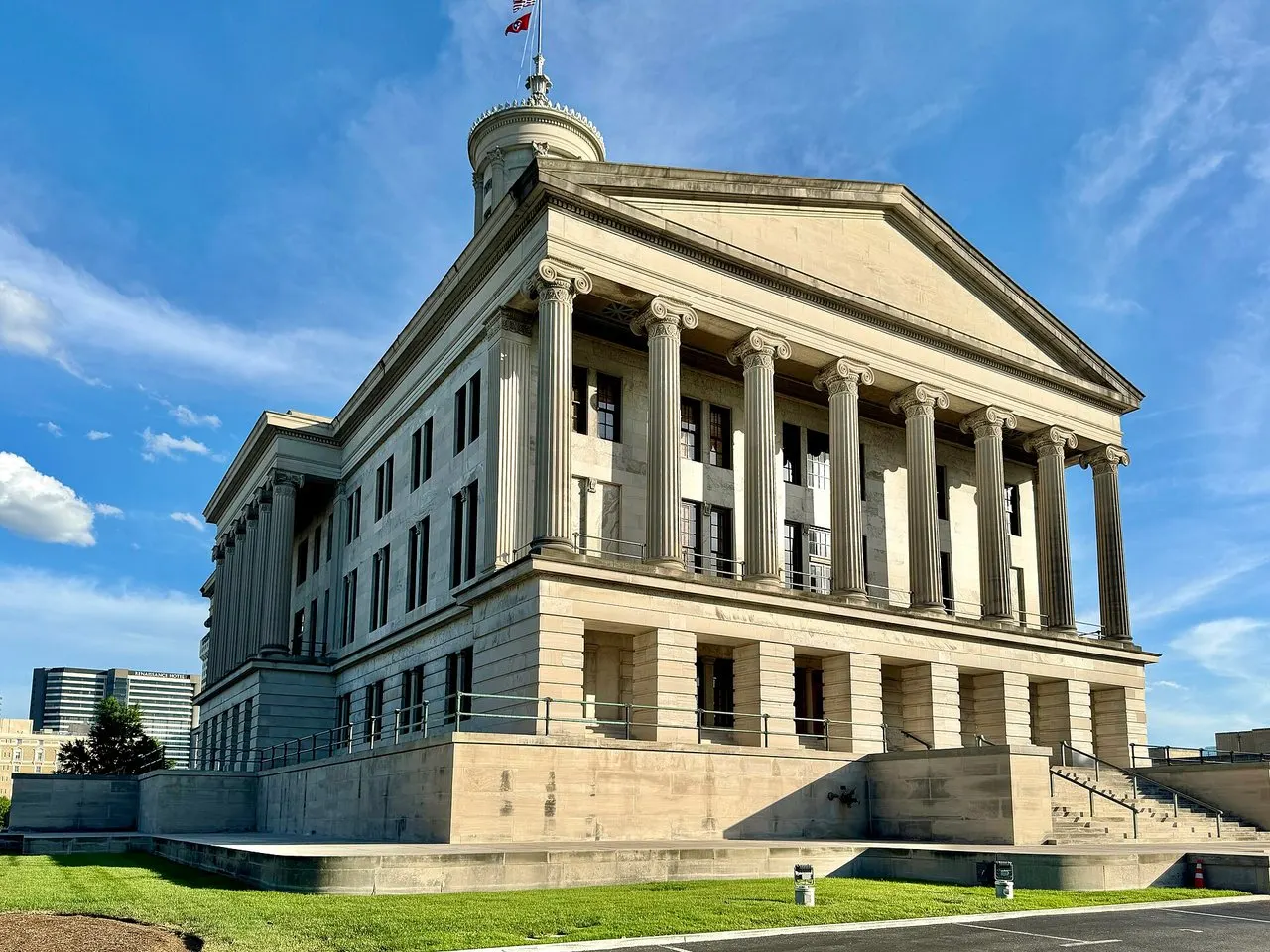
The fight is not limited to North Carolina and Minnesota. In Tennessee, lawmakers have debated a bill that could ban pride flags in classrooms across the state. Opponents of the bill asked whether its broad wording might even allow Nazi flags, a question that showed how hard it is to write a fair rule about symbols. The Tennessee debate shows that the same question is now being asked in statehouses far from the two school boards that started it. Read about a star who wants a new role.
A Teacher Told to Take Down a Rainbow Poster

A related case shows the same issue for teachers. A school board ordered a high school teacher to remove a poster that read Hate Has No Home Here beside a rainbow. The teacher argued that the poster was about kindness, not politics. A court sided with the school board, saying the board could control what hangs in its classrooms. That ruling is now cited in debates like the one in Detroit Lakes, where teachers also lost their rainbow displays. Read about a man who avoids high school reunions.
Tinker and the Right to Speak at School
The most famous student speech case is Tinker v. Des Moines, decided by the Supreme Court in 1969. Students wore black armbands to protest the Vietnam War, and the school sent them home. The court ruled for the students, saying they do not shed their constitutional rights at the schoolhouse gate. Schools may only limit speech when it would substantially disrupt learning. That test still guides judges today, and it will shape how judges view this fight over classroom flags. Read about a gentle actor and his love of pit bulls.
The Supreme Court May Have the Final Word
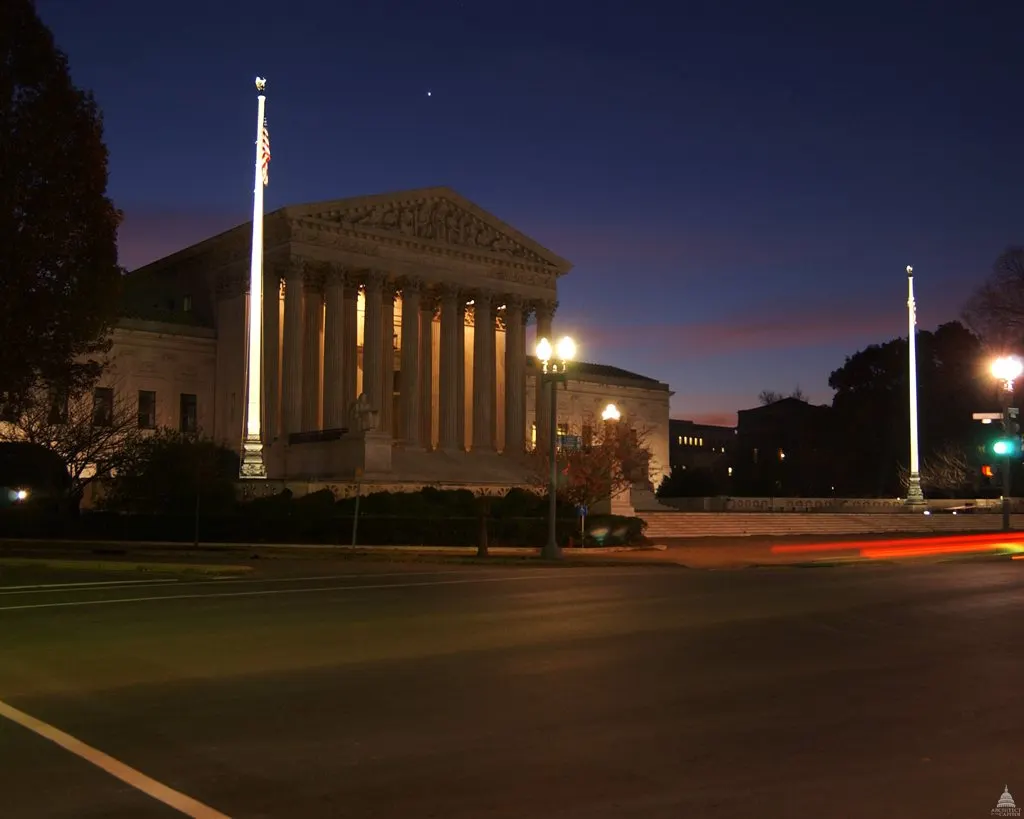
If the Detroit Lakes case climbs through the courts, the Supreme Court may one day have the final word. The justices have ruled on student speech many times, and their answers have not always pointed in the same direction. Some rulings protect students, while others give schools wide room to control their own buildings. A new ruling on rainbow flags would set a rule for every public school in the country. Until then, districts are left to guess where the line sits. Read about a wedding one month in.
Where Schools Draw the Line on Disruption

Schools often say their rules are about keeping order, not about taking sides. A classroom full of posters, flags and signs can distract students from lessons. That is why many districts already limit what may hang on walls. The hard part is drawing the line in a way that feels fair. When one symbol is banned and others stay up, students notice, and parents ask questions. The Detroit Lakes case will test whether the line was drawn fairly or not. Read about a nurse whose life is remembered.
What the Rainbow Flag Ban Means for Safe Spaces

A small rainbow sticker may look like nothing much to an adult walking past a classroom door. To a student who is unsure whether they belong, it can mean a great deal. It says the teacher sees them and will stand up for them if other students are unkind. Students in Detroit Lakes said the stickers helped them feel safe enough to ask for help. Losing that small sign felt, to them, like losing a promise. Read about a delivery fight in New York.
How Other Districts Handle Classroom Displays

Not every district has chosen to ban rainbow flags. Some have kept them up, saying a welcoming classroom helps students learn. Others have set broad rules that cover all flags and posters, so no single symbol is named. Still others leave the choice to each teacher, trusting them to know their own students. The result is a patchwork, where a flag may be welcome in one town and banned in the next. That uneven picture is part of why the debate keeps growing. Read about a silent shrug in Berlin.
The Rainbow Flag Ban Puts School Boards in the Spotlight
School boards are elected, and that means voters have a direct say in these fights. In many towns, board races used to draw little attention. That has changed. Parents now turn out to vote over classroom rules, library books and flags on the wall. Candidates openly campaign on where they stand, and a single vote can change a whole district. The rainbow flag ban shows how a local election can shape daily life in a classroom. Read about a court verdict after a fire.
Parents, Teachers and the Classroom Conversation

Behind every school board vote sit parents and teachers who want the best for children, even when they disagree. Parents worry about what their children see each day at school. Teachers worry about keeping every child safe and ready to learn. When the two sides talk, they often find they share more than they expect. The fight over classroom flags has been painful for many families, but it has also started conversations that had never happened before. Read about a warning about robots and toys.
What Happens Next for the Rainbow Flag Ban Lawsuit
The Detroit Lakes lawsuit is still moving through the courts, and its next steps matter for schools everywhere. Lawyers will argue about free speech, equal protection and the power of a school board to control its classrooms. The district will defend its rule as a neutral policy about school materials. The students will say the rule targets them. Whatever the court decides, the ruling will guide other districts facing the same question. Read about another clash over public symbols.
The National Picture for Classroom Flags
Across the country, the question of flags in classrooms is far from settled. Some states are weighing bills, some districts are writing new rules, and some courts are hearing cases. The Johnston County and Detroit Lakes votes are only two examples in a much larger pattern. Each new vote adds pressure on the next town to pick a side. Until the courts or lawmakers settle the issue, the map will stay a patchwork of different rules. Read about a new look at armed schools.
Teachers Talk About the Rainbow Flag Ban

Teachers say the climate of a classroom shapes how much students learn. A room that feels safe helps children ask questions, try hard work and admit when they are stuck. A room that feels tense does the opposite. That is why many teachers care so much about the small signs on their walls. Whether it is a rainbow sticker or a welcome poster, teachers see these items as tools for learning, not as politics. Their voices matter in this debate. Read about two teens found safe at last.
Students Find Their Voice in the Debate

Students have not stayed quiet while adults argue about their classrooms. In Detroit Lakes, two students took their case to court. In other towns, students have spoken at board meetings, written letters and organized walkouts. They say the rules affect them most, so their views should count. Whatever adults decide, the students who live with the rules each day will keep speaking up. Their courage has already changed how the country talks about this issue. Read about a father who puts his kids first.
Should Schools Keep the Rainbow Flag Ban?
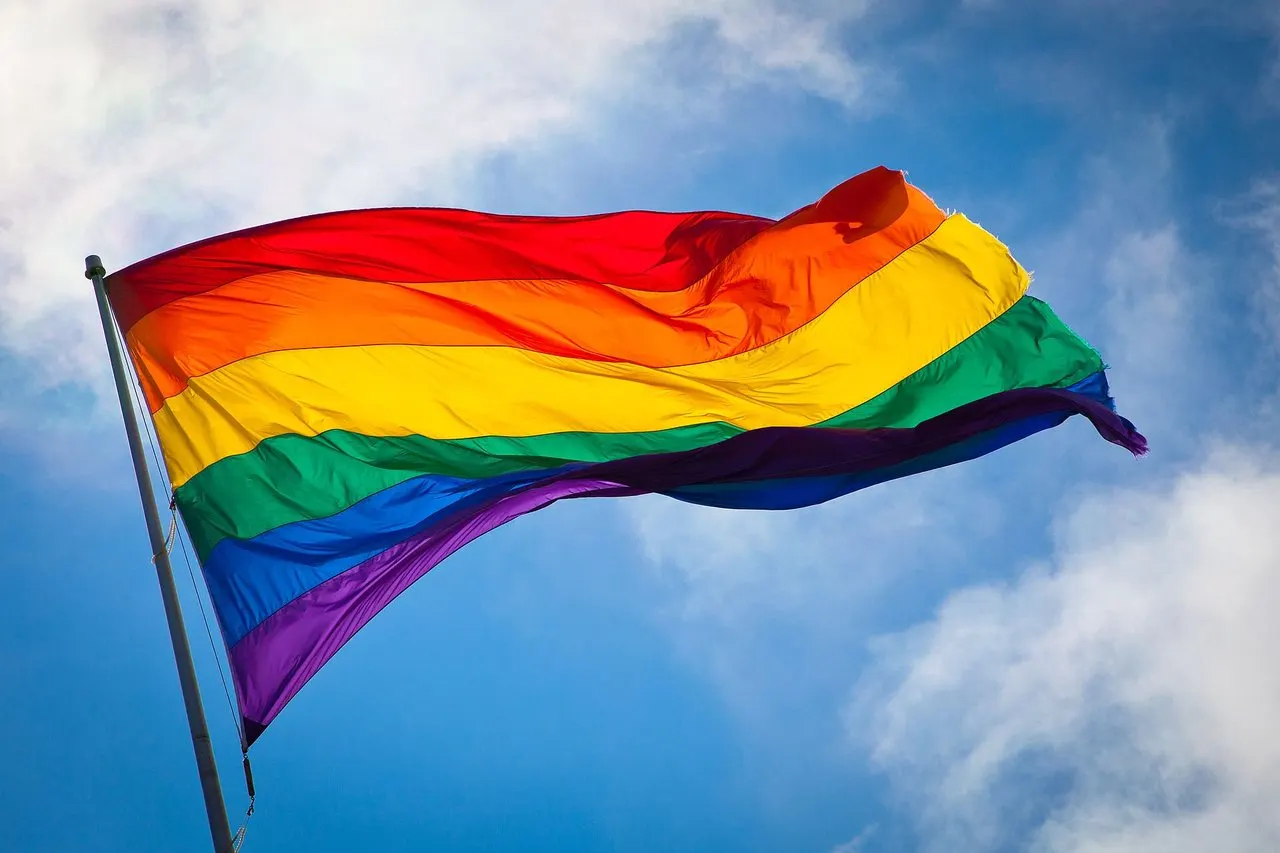
Two school boards have said yes, two students have sued to say no, and the courts have yet to give a final answer. The rainbow flag ban has become a test of free speech, fairness and what a classroom should feel like. Where do you stand? Should a rainbow flag hang in a classroom or a daycare center, or should schools keep their walls clear of every symbol? Share your view in the comments below, and keep reading another school case that drew wide attention.