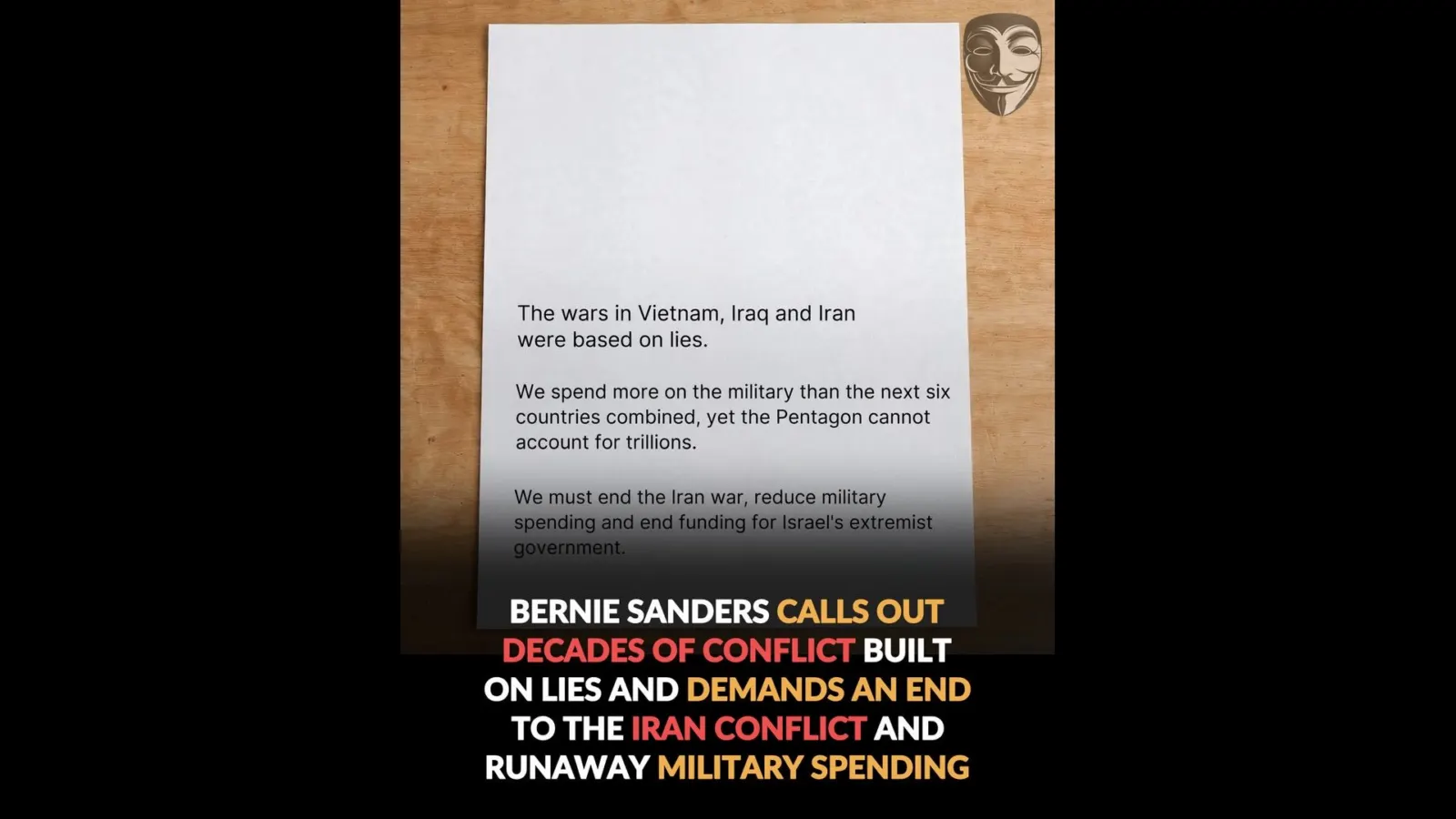
Bernie Sanders Iran Warning Starts With One Post
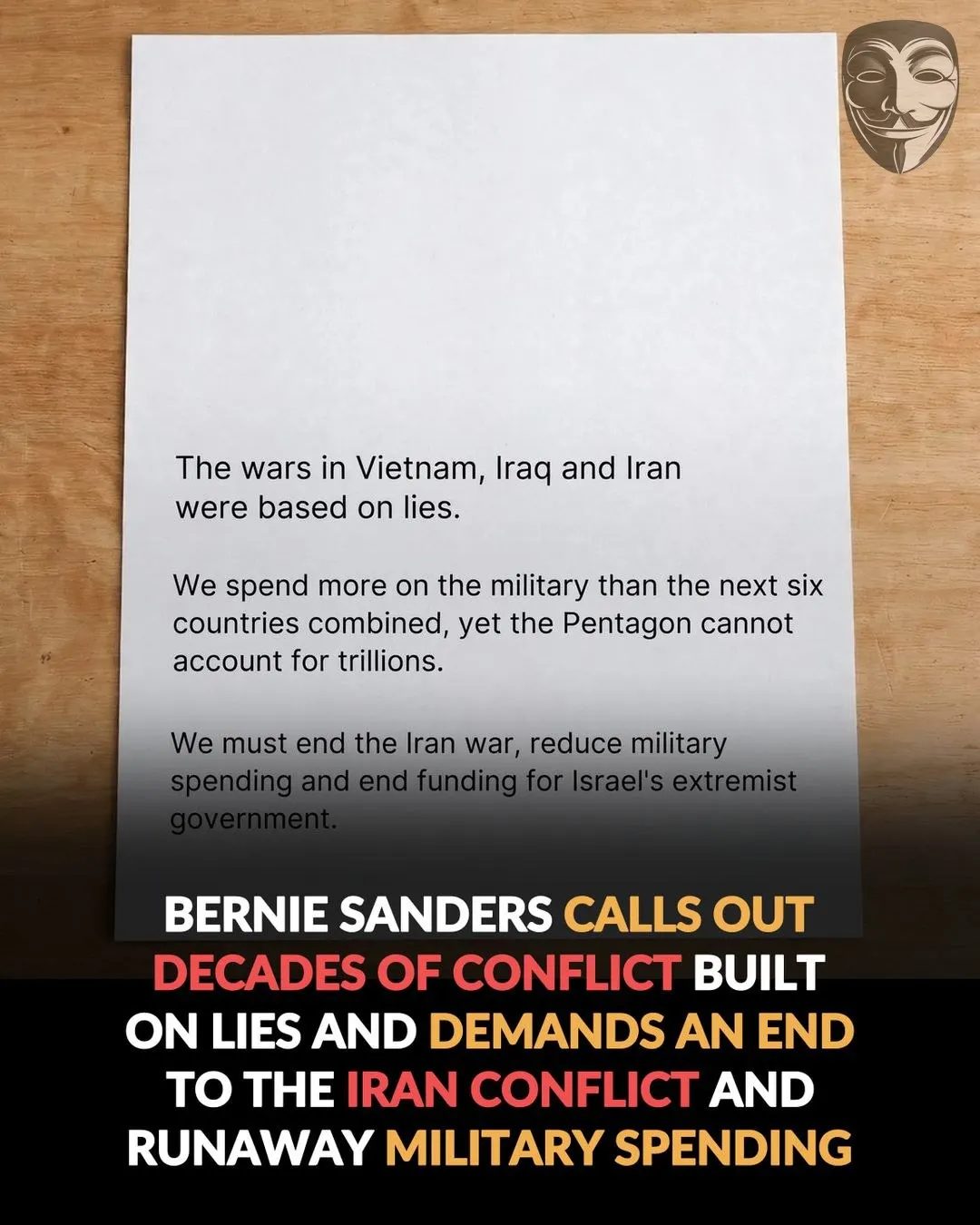
The Bernie Sanders Iran post from November 19 drew a straight line from Vietnam and Iraq to the conflict in Iran. Senator Bernie Sanders said all three conflicts were based on lies, and he pointed to the scale of American military spending to make his case. The United States spends more on its military than the next six countries combined, a figure he used to show how large the budget has grown. His words landed as Congress debates conflict funding and the future of American power abroad.
Sanders also criticized the Pentagon for failing to account for trillions in spending, and he called for an end to the Iran conflict, a cut in military spending and an end to funding for the Israeli government. His message has drawn wide attention as Congress debates conflict funding and the choices facing the country. In the slides ahead we look at the history he cited, the money behind the debate and the people who feel the cost. Read more in our report on the defense budget fight.
References:
Combat Rated: Bernie Sanders Says Trump’s Iran Conflict Is Part of a Pattern of Wars Based on Lies
ABNA24: US Democrats Push to Block Funding for Conflict on Iran Without Congressional Approval
Close Up: Iran Conflict Funding Should Congress Approve or Cut It
News Hunt: Iran Conflict Based on Lies, Vietnam and Iraq Wars Also Began Through Deception, Bernie Sanders
The Bernie Sanders Iran Post in His Own Words

In his November 19 post, Sanders said the conflicts in Vietnam, Iraq and Iran were based on lies, a claim that tied three different eras together. He did not soften the message or leave room for doubt about what he meant. The post named the pattern plainly and asked readers to look at how each conflict began. His hook put it simply, that the conflicts in Vietnam, Iraq and Iran were based on lies. You can read about the Senate vote in our story on the Iran resolution vote and about spending in our report on the defense budget fight.
Vietnam and the First Conflict Built on Lies

Vietnam was the first example Sanders named, and it still shapes how many Americans think about official claims for conflict. In the 1960s, large crowds marched in the streets to protest the fighting, and trust in government statements fell as the years passed. Families watched the news each night and asked hard questions about why young Americans were being sent so far from home. The protest era left a lasting mark on American politics. Learn more in our story on the Pentagon audit debate and in our report on the United Nations vote on self determination.
Iraq and the Second Conflict Built on Lies
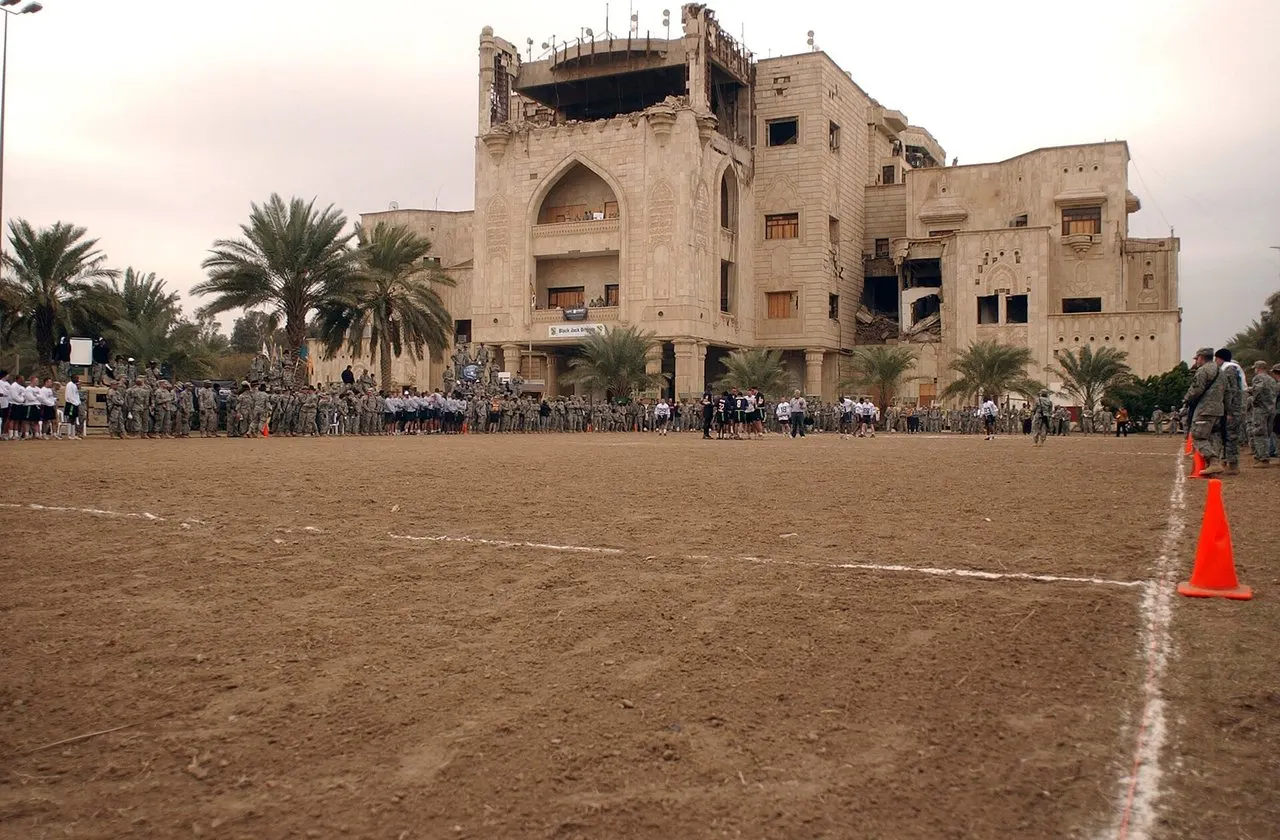
Iraq was the second example in the post, and it is the one many readers remember most clearly. The United States invaded Iraq in 2003 after claims about weapons that were never found, and the fighting lasted for years. Baghdad became a name every American knew, and the costs in lives and money kept growing long after the first weeks. Sanders argues that the same pattern of misleading claims paved the way. Read our story on the Senate vote on Iran operations and on the Putin and Iran intelligence report.
Bernie Sanders Iran Call Focuses on Tehran

The Bernie Sanders Iran message turns now to Tehran, a city of millions that sits at the center of the current debate. Sanders called for an end to the Iran conflict, saying the pattern of misleading claims should not be repeated a third time. Democrats in Congress have pushed to block funding for conflict on Iran without approval from Congress, a move that would put the decision back in the hands of lawmakers. The debate is far from settled. See our coverage of the Iran intelligence report.
The Pentagon Cannot Account for Trillions
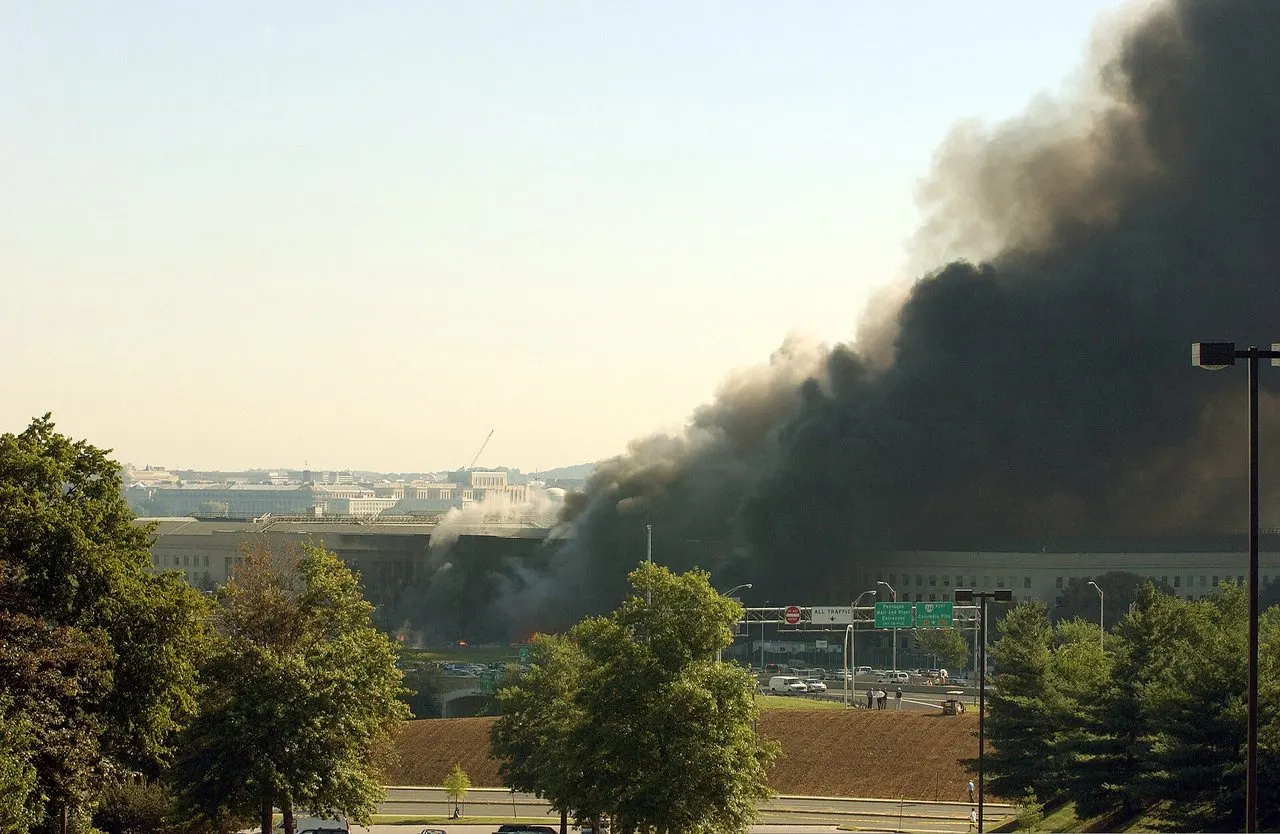
Sanders pointed to the Pentagon and its failure to account for trillions in spending, a charge that has echoed for years. The military budget is so large that even small gaps add up to sums most people can barely picture. Audits have raised questions again and again about where the money went and why the books do not balance. For Sanders, that missing money is the heart of the case for cuts. Read our report on the defense budget fight and on the Pentagon audit debate.
America Spends More Than the Next Six Countries

The United States spends more on its military than the next six countries combined, a figure Sanders used to frame the whole debate. It means the American budget alone is larger than the military budgets of six other nations added together. Supporters say the spending keeps the country safe, while critics say it crowds out schools, health care and help for working families. The number itself is hard to argue with. Learn more in our story on the Musk election spending debate and in our report on the oligarchy warning.
Congress Holds the Power Over Conflict Funding

Congress holds the power of the purse, which means no conflict funding moves forward without lawmakers. That is why the debate over Iran has landed in the Capitol, where members argue about approval, limits and cuts. Democrats have pushed to block funding for conflict on Iran without approval from Congress, and the question now is whether enough votes exist. The building where those votes happen has seen many such fights. Read our story on the silent shrug in Berlin and on the Pentagon ceremony moment.
Bernie Sanders Iran Stance Includes Israel Funding

The Bernie Sanders Iran post also called for an end to funding for the Israeli government, a demand that added heat to an already fierce debate. Supporters of the funding say it supports a close ally in a dangerous region, while critics say the money should stop until the fighting ends. Jerusalem sits at the center of that argument, a city sacred to millions and tied to every part of the discussion. The funding question will not go away soon. See our coverage of the question about Iran and Russia.
The Senate Vote on Iran Operations
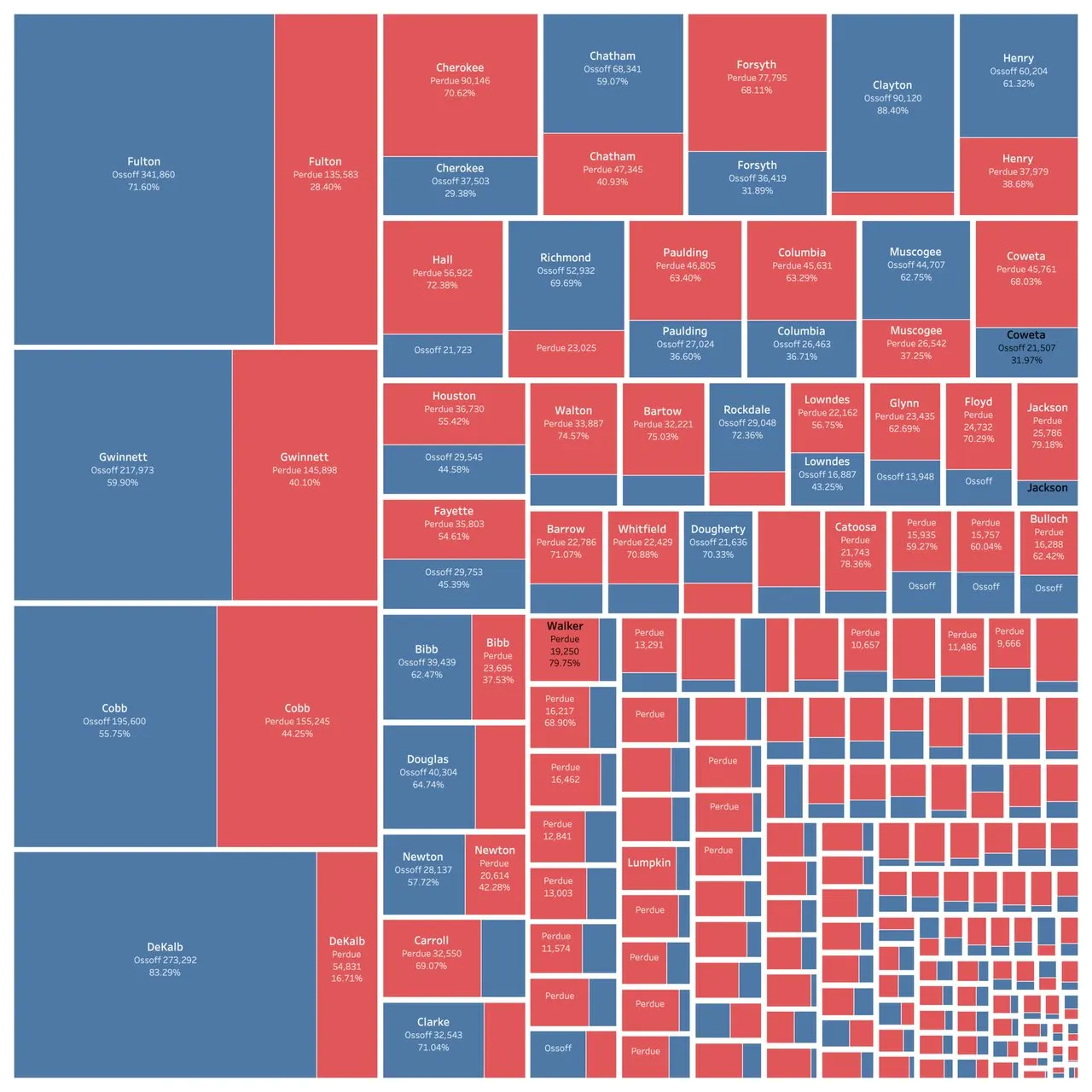
The Senate has already voted on whether to force an end to military operations against Iran, and the result was close. The vote was 51 to 48 against the resolution, which means the operations were allowed to continue for now. Close votes like that show how divided the chamber is on questions of conflict and presidential power. Each senator who voted had to weigh the claims, the costs and the risks. Read our story on the Iran resolution vote and on the silent shrug in Berlin.
How a Senate Vote Can Shape a Conflict
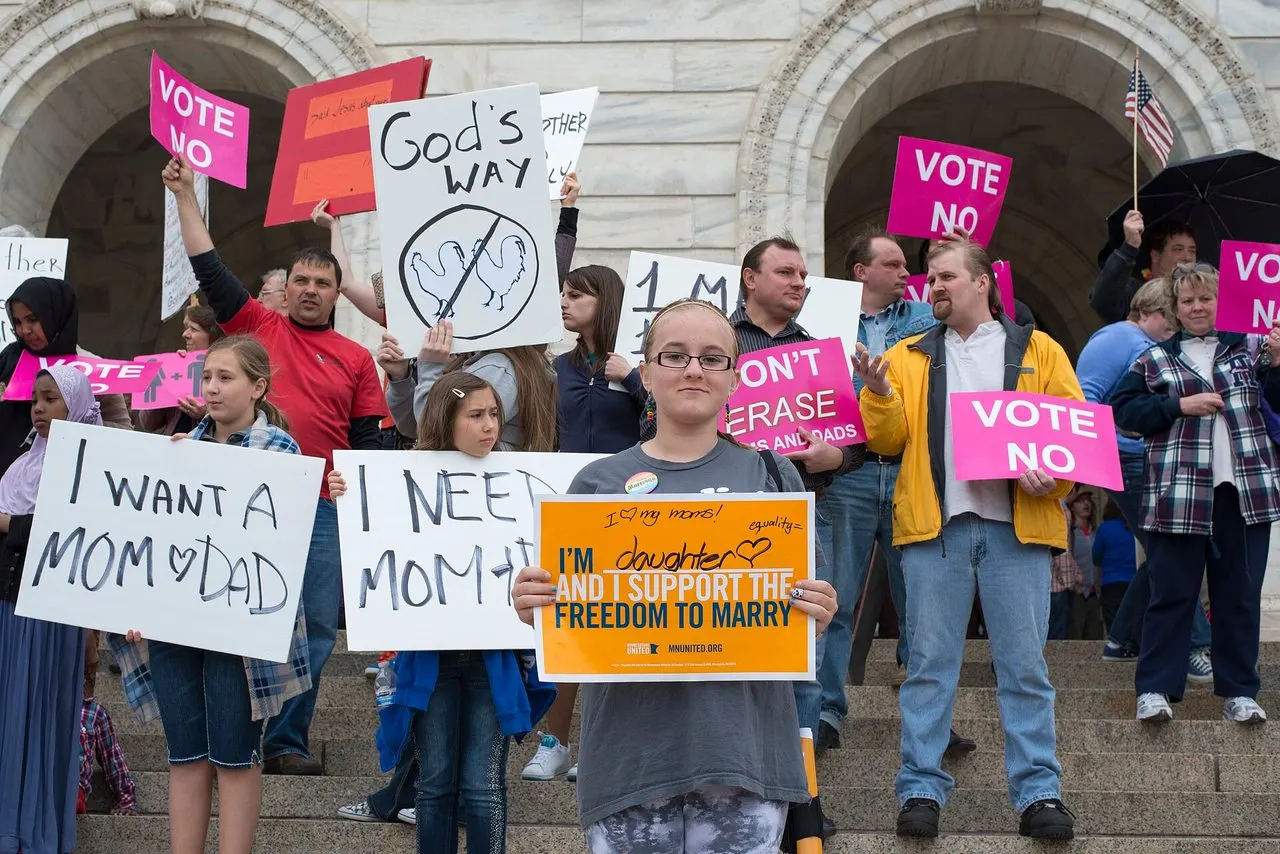
A single Senate vote can shape a conflict, even when the resolution fails, because it forces every senator to take a public stand. The debate before the vote puts the claims and the costs on the record for voters to see. War powers resolutions have a long history in American politics, and they remain one of the few tools Congress has to check a president. The 51 to 48 result showed just how narrow the margin was. Learn more in our report on the oligarchy warning and on the Sanders reply to Musk.
Bernie Sanders Iran Message Reaches a Rally Crowd
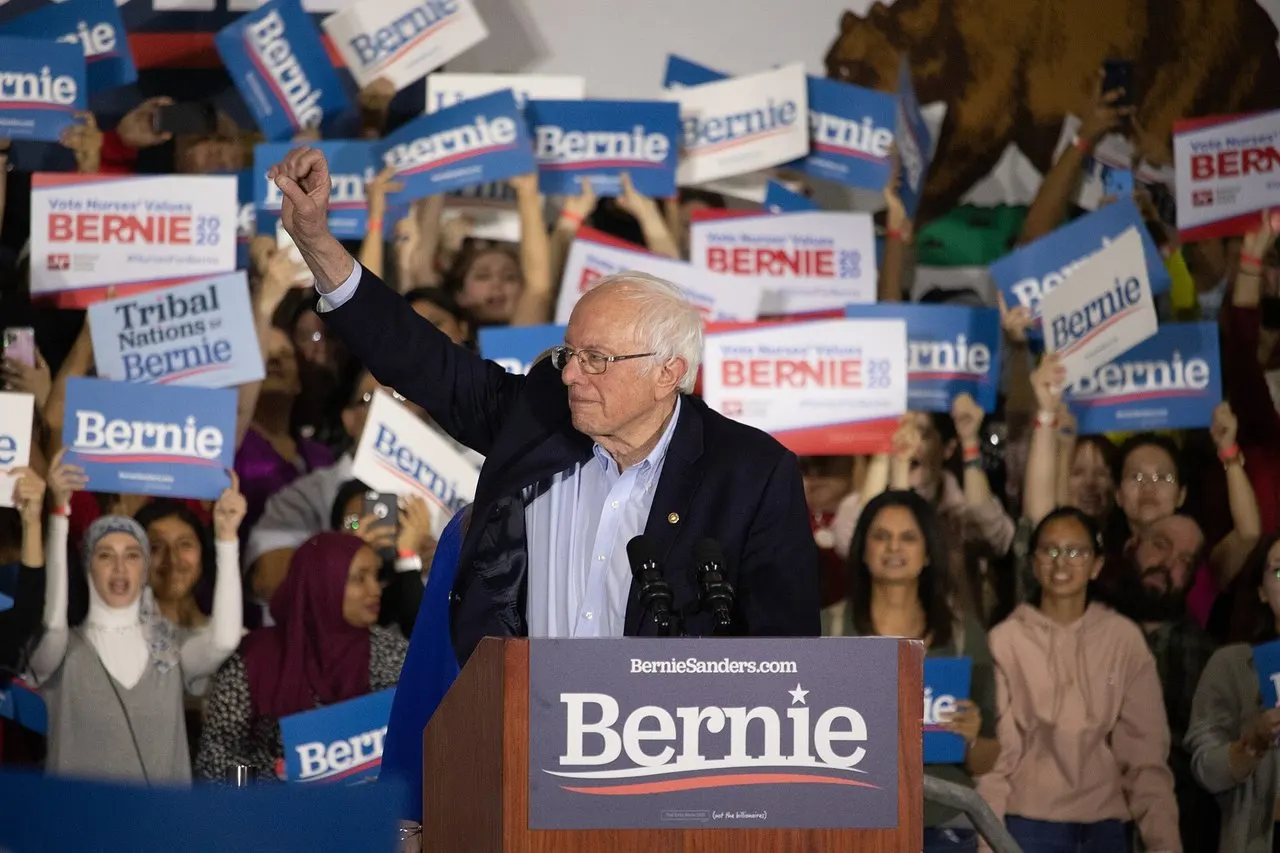
The Bernie Sanders Iran message is one Sanders has carried to rally crowds for years, speaking from a stage with a microphone in hand. His supporters fill halls and parks to hear him talk about working families, health care and the cost of conflict. At rallies, his plain style and steady voice are part of the appeal, and the crowds answer with signs and cheers. The November post carried that same voice to millions online. Read our story on the Musk election spending debate and on the Sanders reply to Musk.
Bernie Sanders Iran Fight Also Targets Oligarchy

The Bernie Sanders Iran fight is tied in his telling to a wider warning about oligarchy, where a few billionaires hold vast power over politics. Sanders has said Elon Musk spent about 2 billion dollars on elections, a figure that stuns many readers. Musk runs SpaceX, whose rockets now carry crews to the International Space Station, and Tesla, the electric car company. Sanders argues that such wealth should not buy elections. See our report on the Musk election spending debate and on the Tesla robot story.
Voters Decide the Future of Conflict and Spending
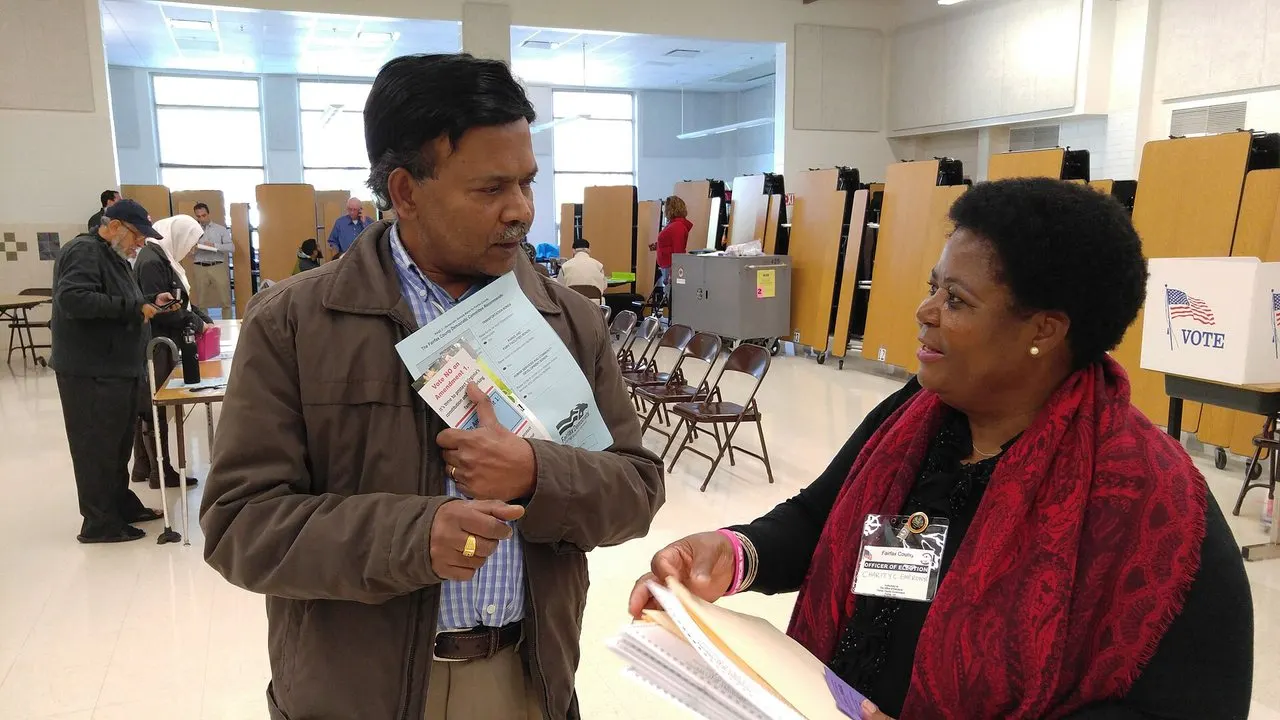
Voters decide the future of conflict and spending, because they choose the lawmakers who approve the budgets and the votes. Every election gives Americans a chance to weigh the cost of the military against the needs at home. Poll workers hand out ballots and stickers in towns across the country, and long lines form when the stakes feel high. The November post was aimed squarely at those voters. Learn more in our story on the Sanders reply to Musk and in our report on the United Nations vote on self determination.
Bernie Sanders Iran Case Remembers the Troops
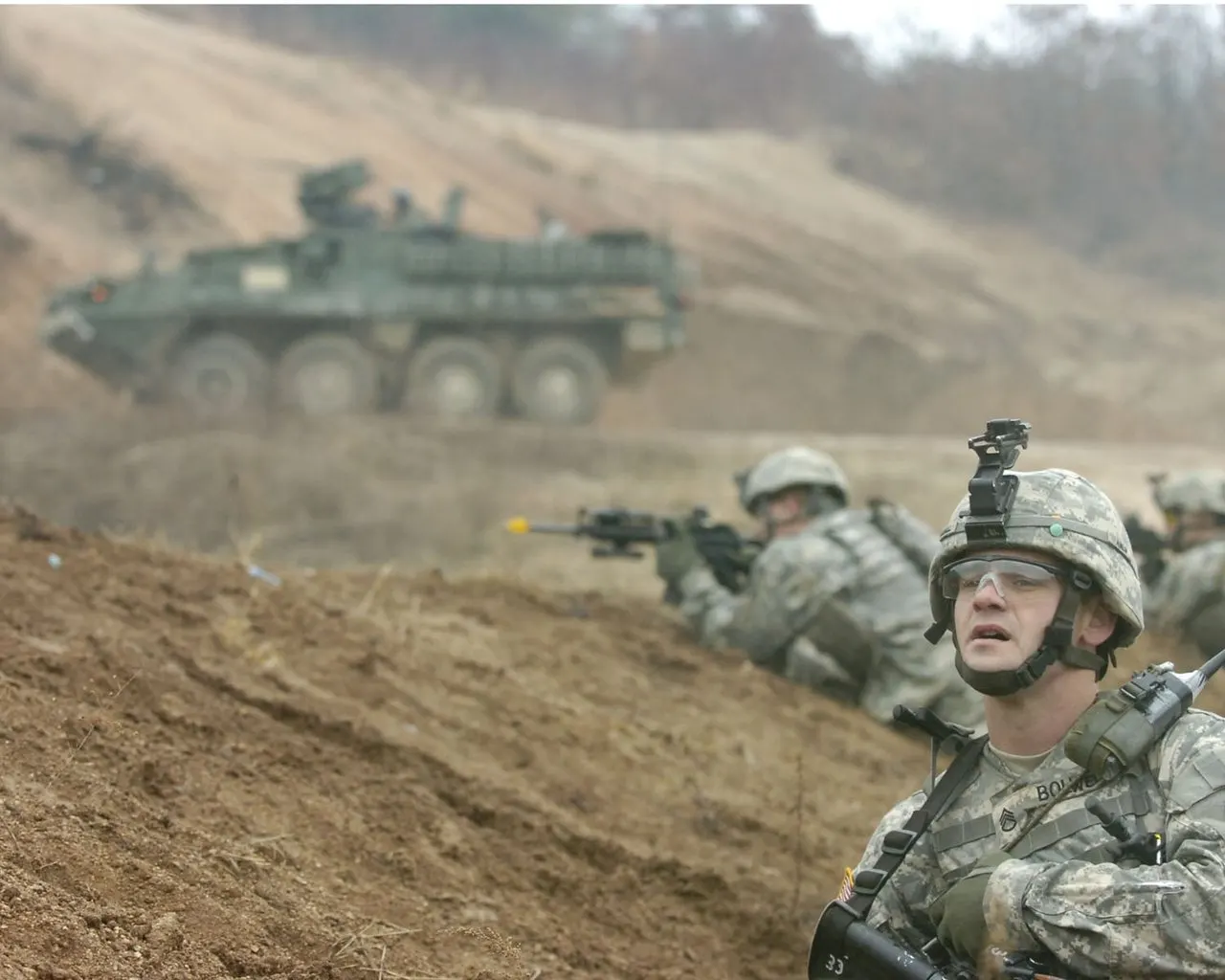
The Bernie Sanders Iran case is also about the troops who serve, the men and women who carry out the orders that leaders give. Soldiers train for months and years, and they and their families bear the weight when a conflict drags on. Sanders argues that sending them into another conflict built on lies would repeat the mistakes of Vietnam and Iraq. The human cost is the part of the budget that never shows up in dollars. Read our story on the Pentagon ceremony moment and on the canned pistols story.
The Vietnam Memorial Keeps the Names in View
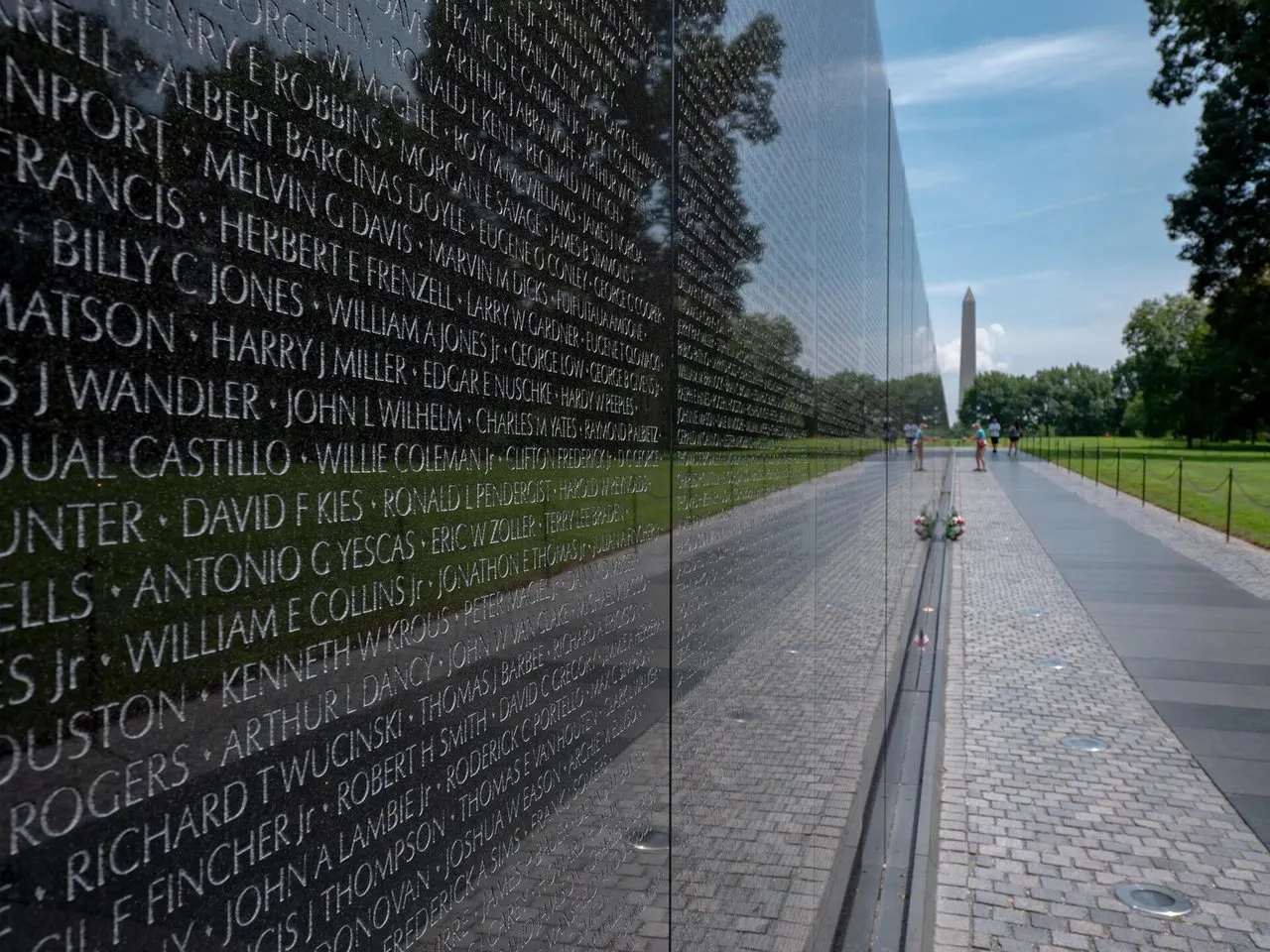
The Vietnam Veterans Memorial in Washington keeps the names of the fallen in view, etched into a long black wall that visitors touch with quiet hands. The Washington Monument rises nearby, a reminder that the memorial sits at the heart of the capital. Families leave flowers and notes, and veterans return year after year to remember friends who never came home. The wall makes the cost of conflict impossible to ignore. See our coverage of the Gaza remarks debate.
Protests Give the Public a Voice on Conflict
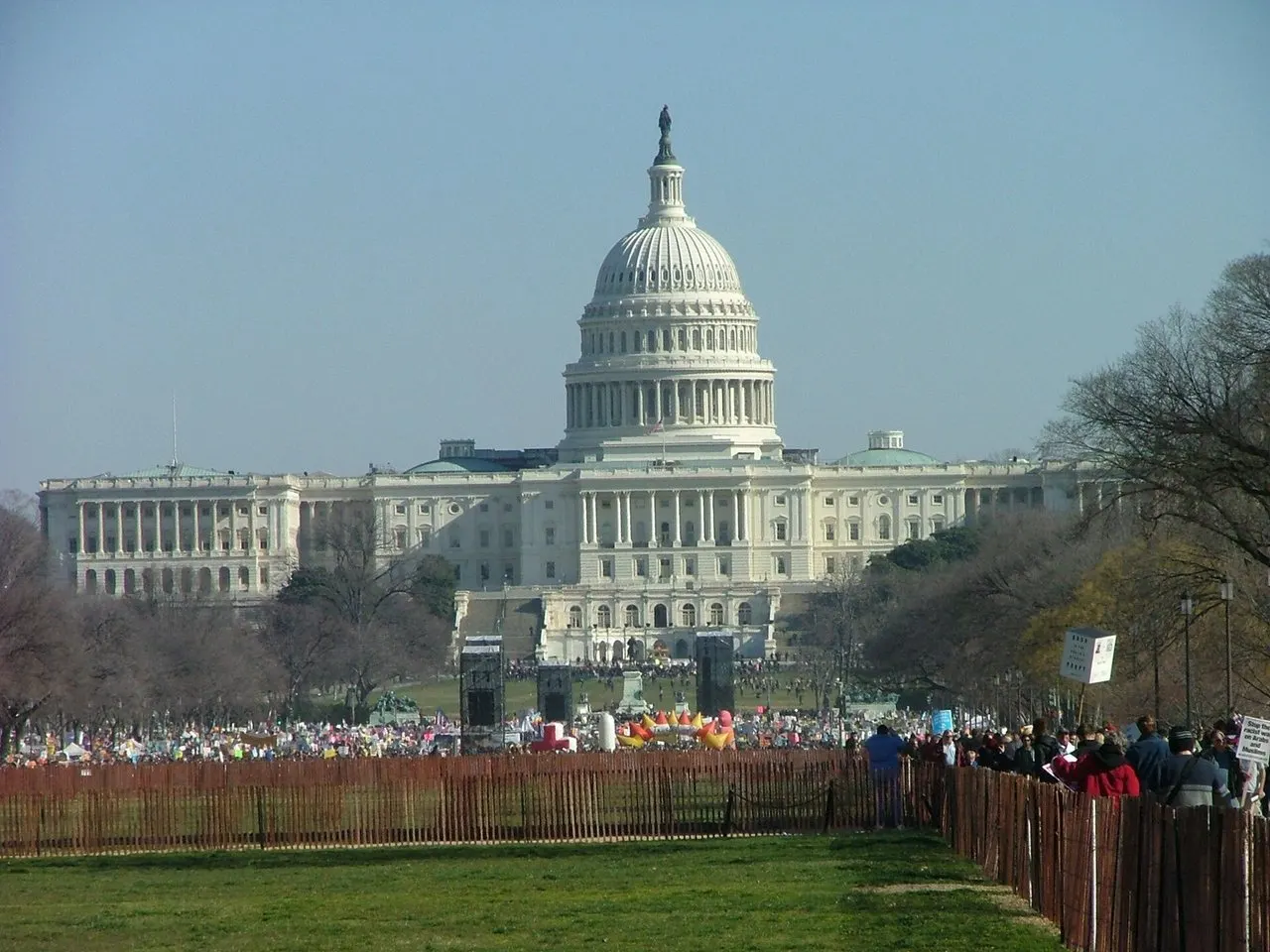
Protests give the public a voice on conflict, and the streets of Washington have seen many of them. In January 2007, crowds gathered in the capital to oppose the Iraq conflict, carrying signs and chanting for an end to the fighting. Such marches rarely change policy overnight, but they show leaders that the public is watching and that patience has limits. Sanders has long stood with that spirit of dissent. Read our story on the Iran intelligence report and on the Gaza remarks debate.
Bernie Sanders Iran Argument Rests on the Constitution

The Bernie Sanders Iran argument rests on the Constitution, which gives Congress the power to declare conflict and control the money that pays for it. The founding document sits in the National Archives in Washington, where visitors can see it behind glass. Its words were written to stop any one leader from taking the country into conflict alone, and that check still matters today. The funding fight is, at its core, a constitutional fight. Learn more in our report on the question about Iran and Russia and on the Pentagon ceremony moment.
Working Families Feel the Cost at Home

Working families feel the cost at home when military spending grows while wages stay flat and bills keep rising. Sanders has long argued that cutting defense spending would free up money for health care, schools and help for ordinary people. A family dinner table is where those trade offs become real, in talk about rent, groceries and the price of medicine. The debate is not only about faraway places. See our story on the oligarchy warning and on the Tesla robot story.
People in Washington Make Their Voices Heard

People in Washington make their voices heard in marches that fill the streets around the Capitol and the White House. In June 2020, crowds gathered in the capital to protest and to demand change, and the city became a stage for the whole country. Such crowds remind leaders that the public is paying attention, even when the cameras move on. The debate over Iran is one more chapter in that long story. Read our report on the United Nations vote on self determination and on the canned pistols story.
What Do You Think of the Bernie Sanders Iran Call

Sanders has made his call, and now the question turns to you. Do you agree that the conflicts in Vietnam, Iraq and Iran were based on lies, and should the United States cut military spending and end the Iran conflict? Or do you think the spending keeps the country safe and the funding should continue? There is no single right answer, and readers see this debate very differently. Share your thoughts in the comments and keep reading our story on the canned pistols story and on the Tesla robot story.