Christ the King Feast Closes the Liturgical Year
The Christ the King feast closed the liturgical year on Sunday, November 22, 2026, as Catholics around the world honored Jesus Christ as King of the Universe. The solemnity fell on the final Sunday of Ordinary Time, one week before Advent begins on November 29. Pope Leo XIV led the Angelus in St. Peter’s Square and told the crowds that Christ is the King of peace and justice for all the peoples of the world. The feast, first established a century ago, still gathers families, parishes and pilgrims to crown the Church year with praise.
In the slides ahead we look back at Pope Pius XI, who established the feast in 1925 with his encyclical Quas Primas, and at Pope Paul VI, who moved it to the last Sunday of the year in 1969. We also hear the Gospel of Matthew 25, where Jesus teaches that caring for the hungry, the thirsty and strangers is caring for him. For more on lives shaped by faith, read how Pierce Brosnan holds on to Jesus.
References:
National Catholic Register: Pope Leo XIV: ‘The King of the Universe Stands Alongside the Least and the Oppressed’
Catholic Sun: Full text: Pope Leo XIV’s Angelus address given November 22, 2026
Catholically: Christ the King: The Story Behind the November 22 Solemnity
Idaho Catholic Register: Nov. 22, 2026 is the Solemnity of Christ the King of the Universe
The November 22 Solemnity That Ends the Church Year
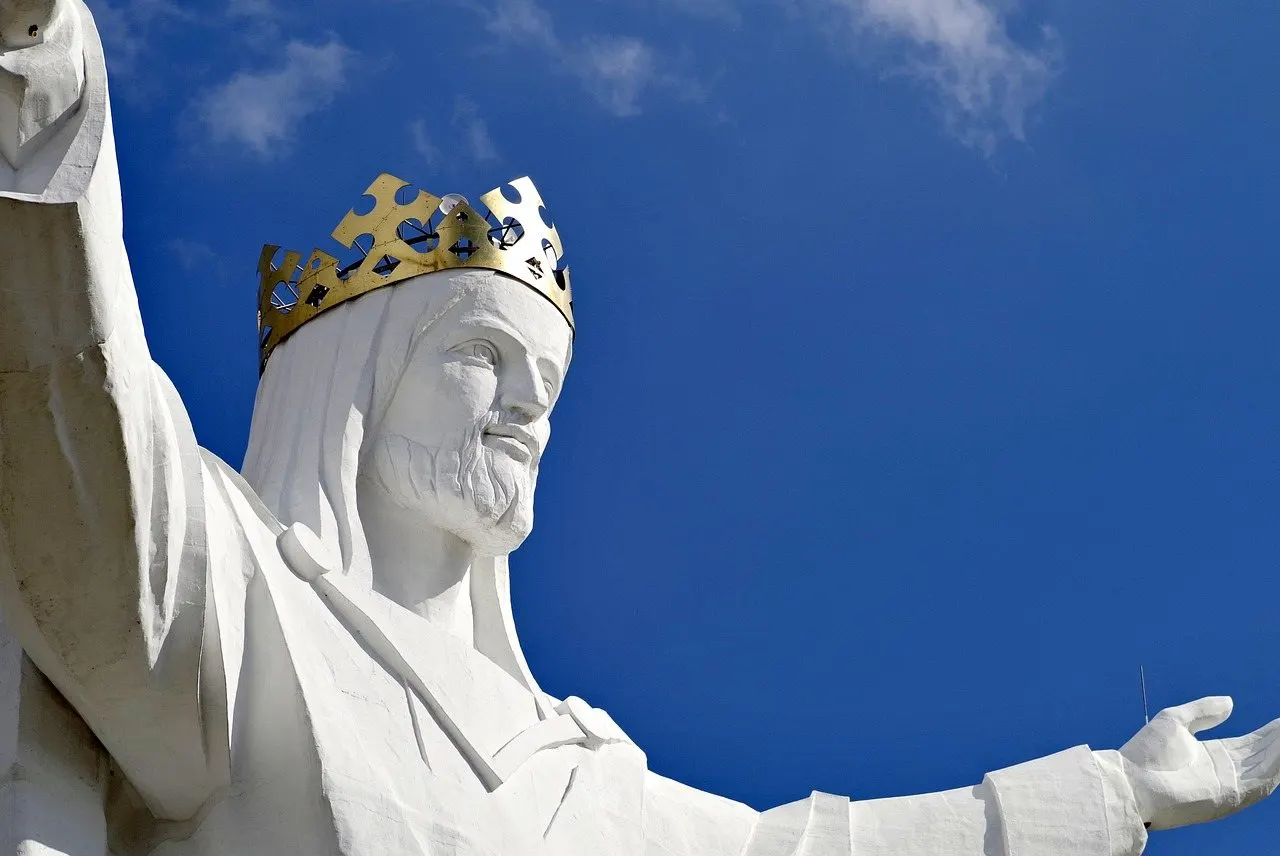
Catholics celebrated the Solemnity of Our Lord Jesus Christ, King of the Universe, on November 22, 2026, the final Sunday of the liturgical year. The feast closes a year of Sundays that began with Advent and passed through Christmas, Lent and Easter before returning to Ordinary Time. It is a day when churches honor Christ not as a distant ruler but as a king whose crown was made of thorns. For stories of gratitude and grace, see Patricia Heaton on moving forward with gratitude.
Pope Pius XI Established the Feast in 1925
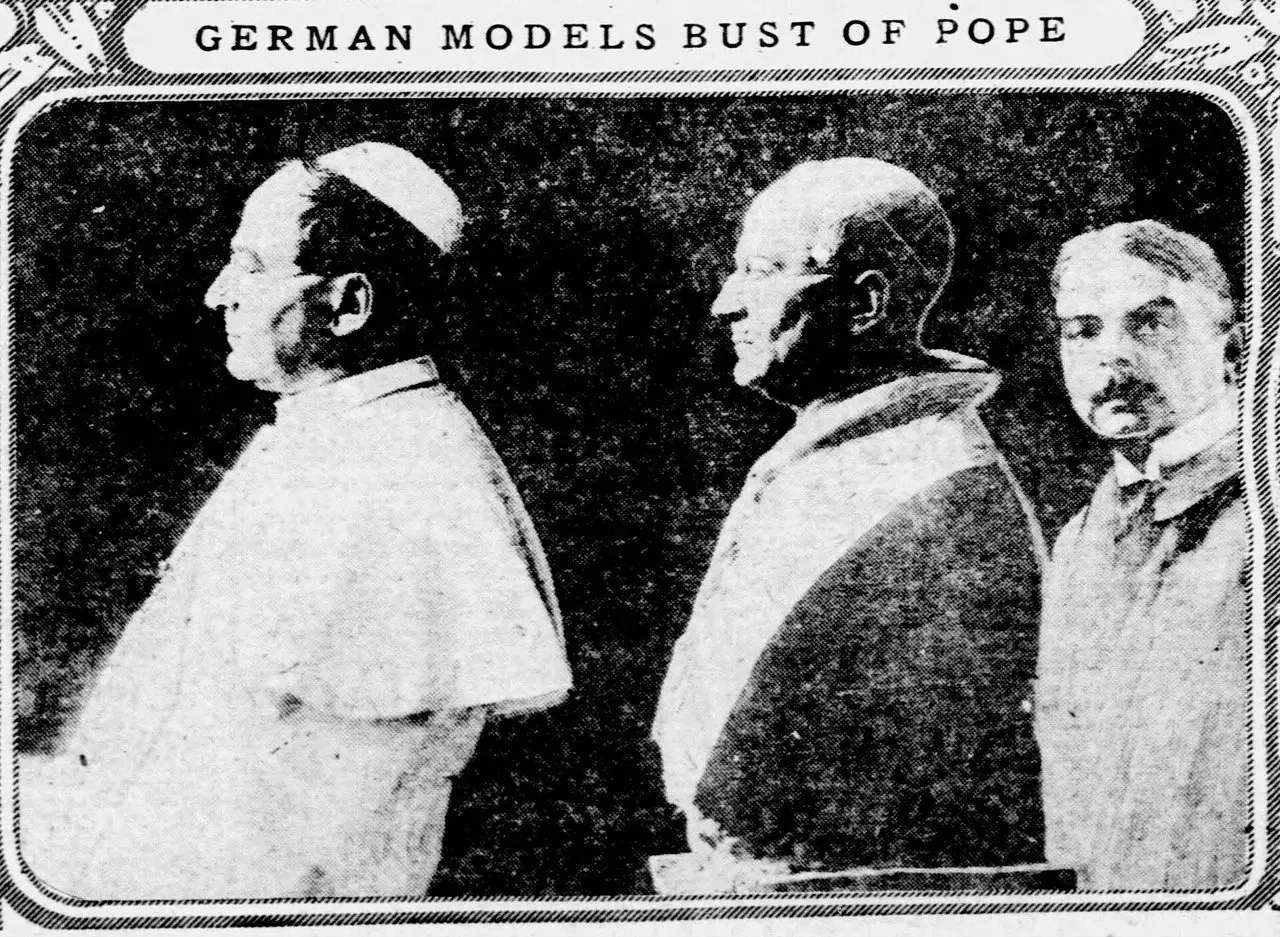
Pope Pius XI established the feast in 1925 with his encyclical Quas Primas, a letter to the whole Church about the kingship of Christ. The pope wrote after the First World War, when many nations had turned away from faith and old empires had fallen. He wanted Catholics to remember that Christ remains king even when earthly thrones disappear. The new feast gave the Church a yearly moment to honor that truth in prayer and song. Read about lives that inspired others in our tribute to Peter June Simon.
Quas Primas: The Letter Behind the Feast
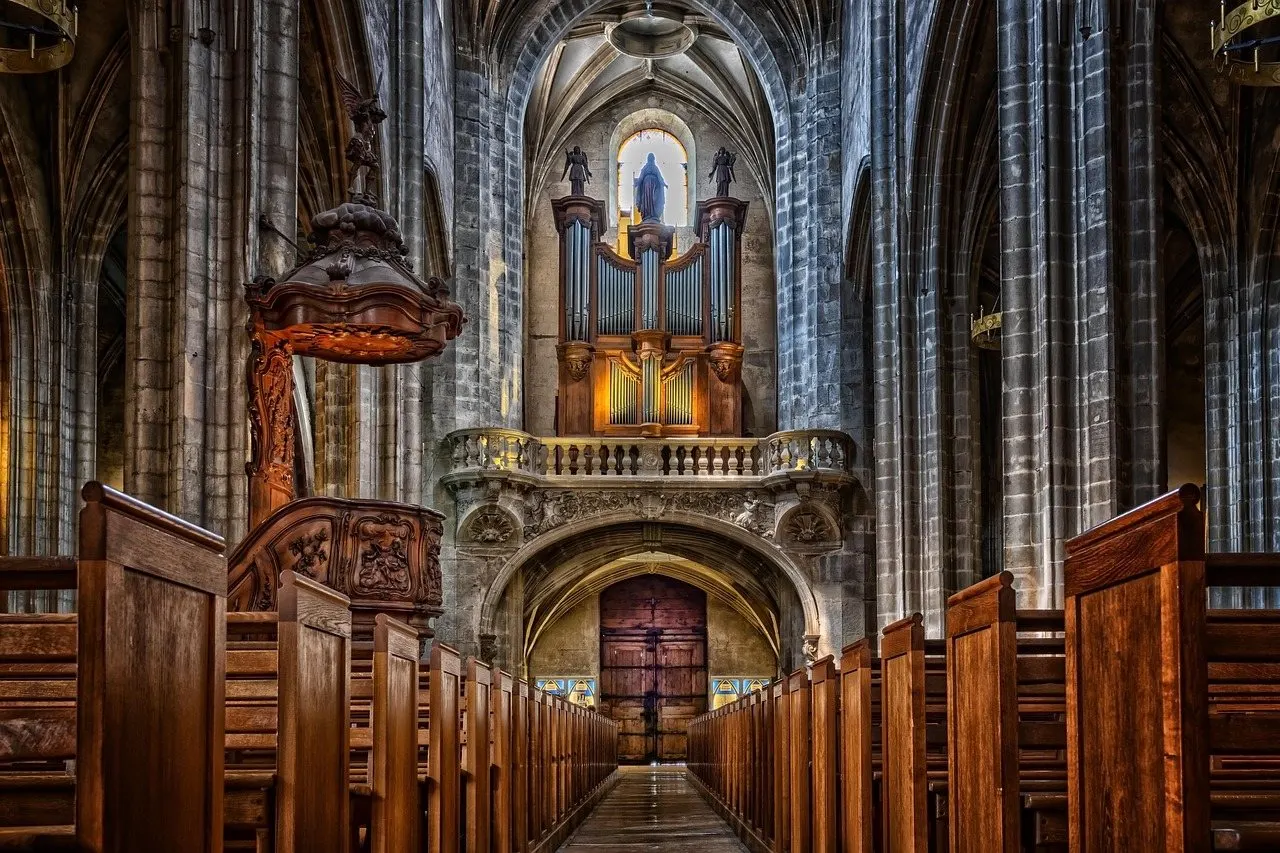
Quas Primas was written in a troubled time, a few years after a war that had cost millions of lives and shaken old certainties. Pius XI saw governments pushing faith out of public life and warned that peace built without God would not last. The encyclical answered with a claim that Christ is king of minds, hearts and nations. A century later, the feast still carries that message into a world that forgets it. For more on leaders and the search for peace, read our report on Trump, Putin and Xi.
Pope Paul VI Moved the Feast in 1969
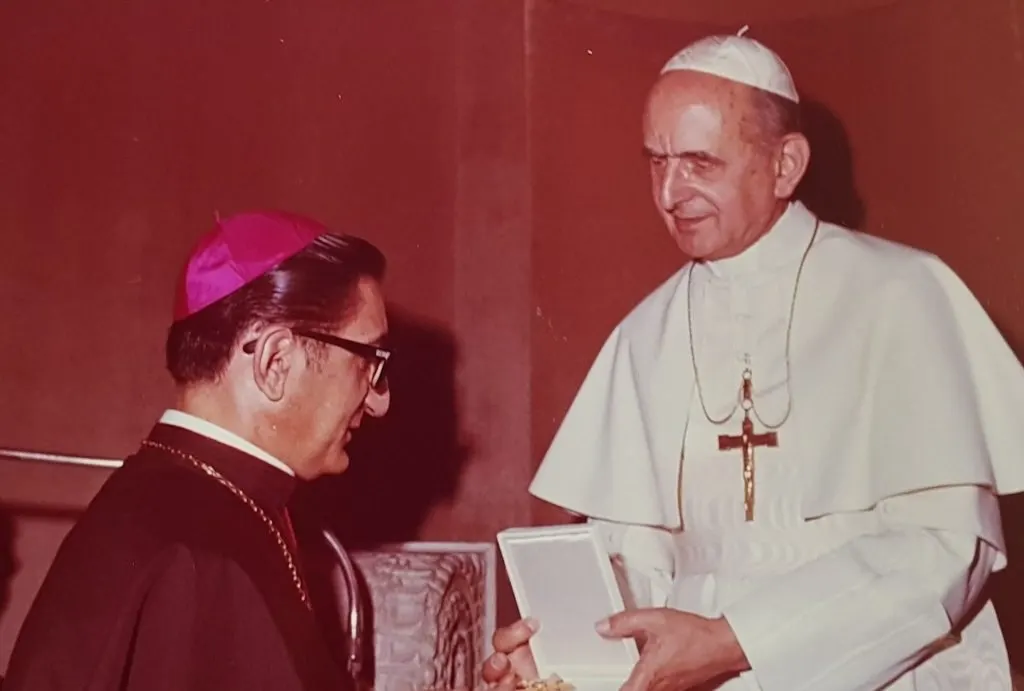
In 1969, Pope Paul VI moved the feast to the last Sunday of Ordinary Time, the final Sunday before Advent begins. Before that, Catholics had kept it on the last Sunday of October. The change placed the feast at the very end of the Church year, so the year closes by honoring Christ as king before a new year begins with Advent hope. The move also tied the feast more closely to the Gospel of Matthew 25. For more on leaders who shaped their times, read Michelle Obama on a mature, selfless president.
What Ordinary Time Means for Catholics
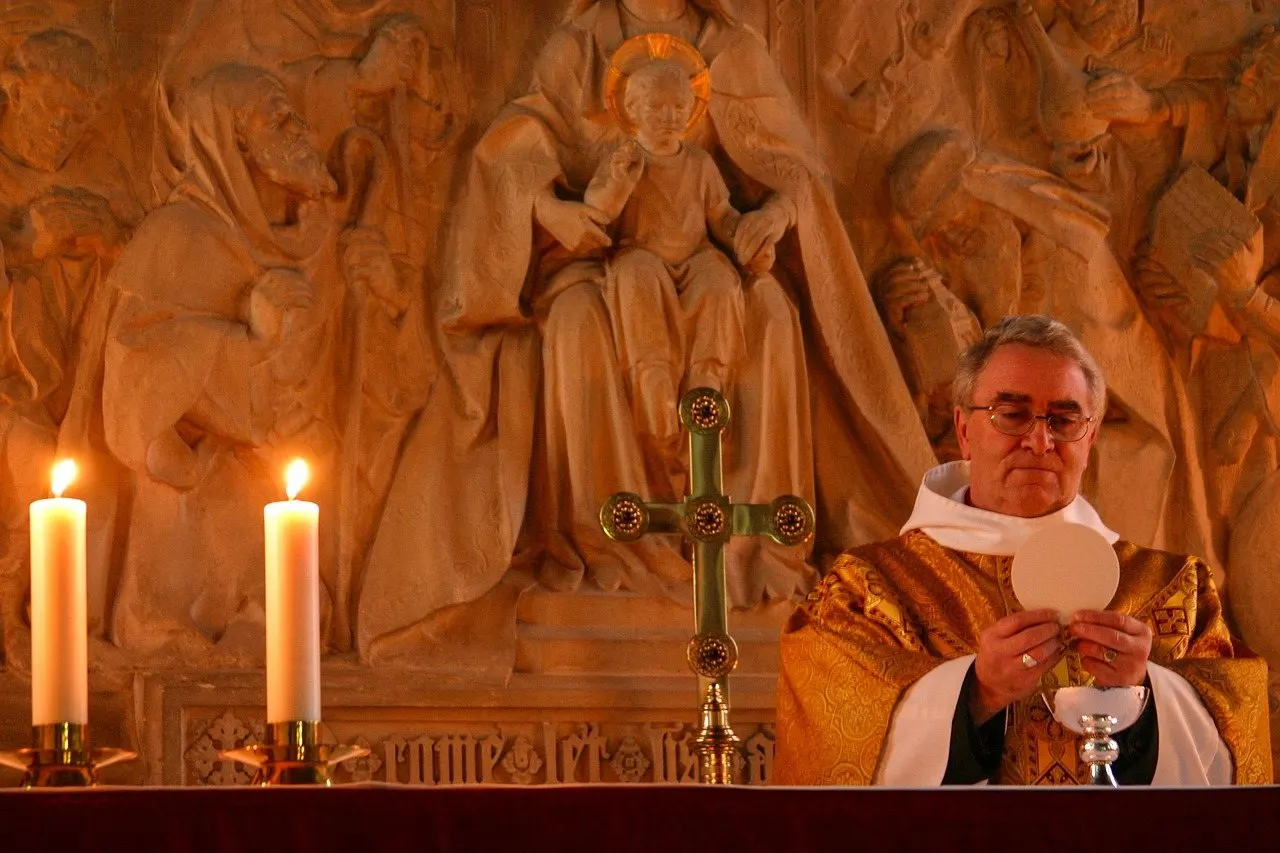
Ordinary Time is the long stretch of the Church year outside the great seasons of Advent, Christmas, Lent and Easter. It is counted in weeks, and its Sundays carry the steady teaching of Jesus through the Gospels. The name does not mean plain or unimportant. It comes from the word ordinal, which means counted, because the weeks are numbered in order. The final week of Ordinary Time ends with the feast of Christ the King. For seasonal tables and shared meals, see Native American foods that nourished this land.
Pope Leo XIV Led the Angelus in St. Peter’s Square
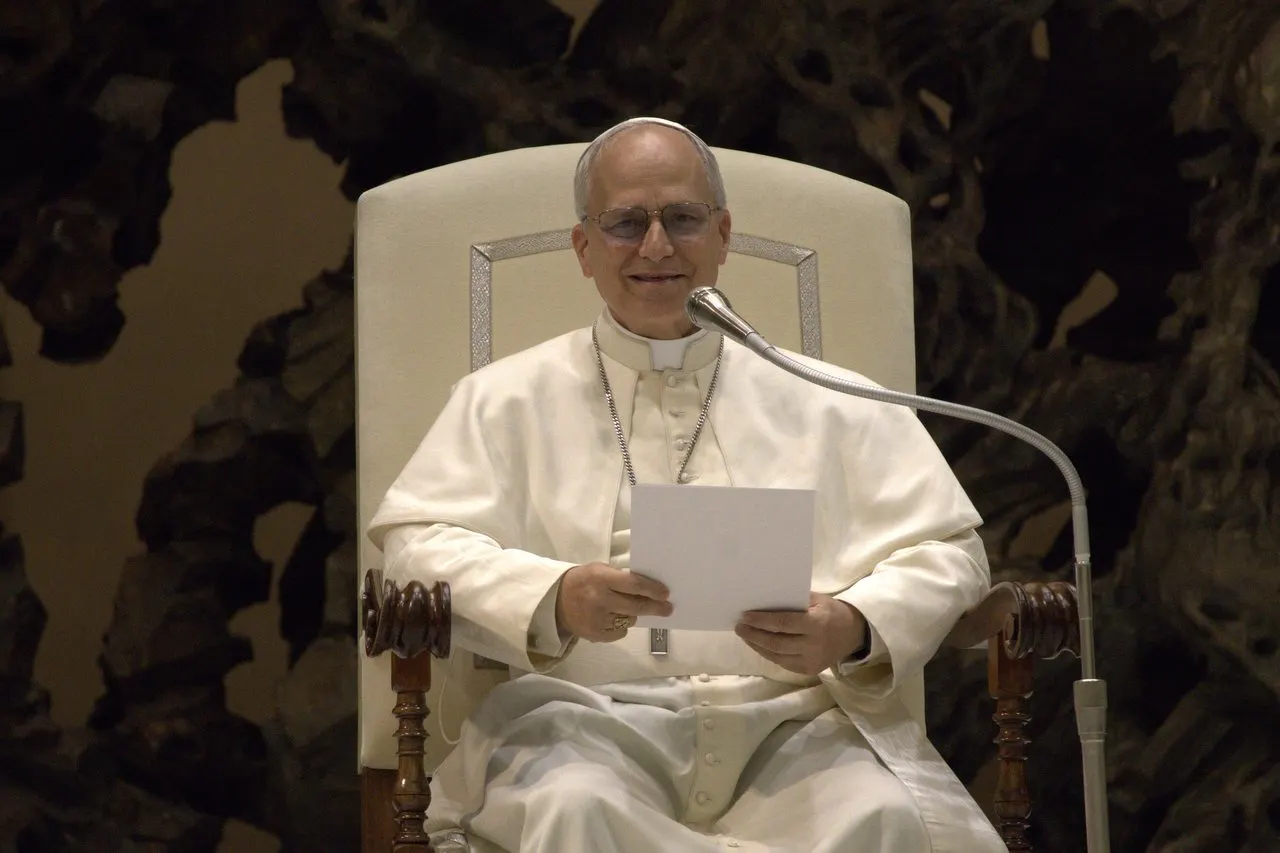
This year, Pope Leo XIV led the Angelus in St. Peter’s Square on the feast day, as thousands of pilgrims gathered below the great basilica. The Angelus is a midday prayer that recalls the Annunciation, when the angel told Mary she would be the mother of Jesus. Popes often lead it from the window of the Apostolic Palace on Sundays and feast days. The crowd listens, prays along and receives the blessing. For more on peace and gratitude, read Melania Trump on her wish for peace.
The Christ the King Feast Proclaims a King of Peace
Pope Leo XIV told the crowds that Christ is the King of peace and justice for all peoples. It is a kingship that does not rest on armies, wealth or borders. Peace grows where people are treated fairly and where the weak are protected. Justice is not only a matter for courts. It begins in daily choices, in honest work and in care for neighbors. The Christ the King feast asks every believer to carry that peace into the world. Read more on peace in Melania Trump on her wish for peace.
The King Who Stands With the Least and the Oppressed
The pope recalled that the King of the universe stands alongside the least and the oppressed. Those words turn the usual idea of a king upside down. Earthly kings are guarded by soldiers and kept far from the poor. Christ, the pope said, stands with people who are overlooked, pushed aside and forgotten. The feast therefore belongs not only in grand cathedrals but also in shelters, hospitals and food lines. For more on people who speak for the voiceless, read the Awa tribe and its warning to the world.
Matthew 25 and the Heart of the Christ the King Feast
The Gospel was Matthew 25, verses 31 to 46, where Jesus describes the judgment. The King separates people as a shepherd separates sheep from goats. Did you feed the hungry, give drink to the thirsty, welcome the stranger. Jesus says whatever was done for the least was done for him. That is why the Gospel sits at the heart of the feast, a call to see Christ in every person in need. For more on the words of Jesus, read a lighthearted look at the Sermon on the Mount.
Feeding the Hungry Is Serving the King
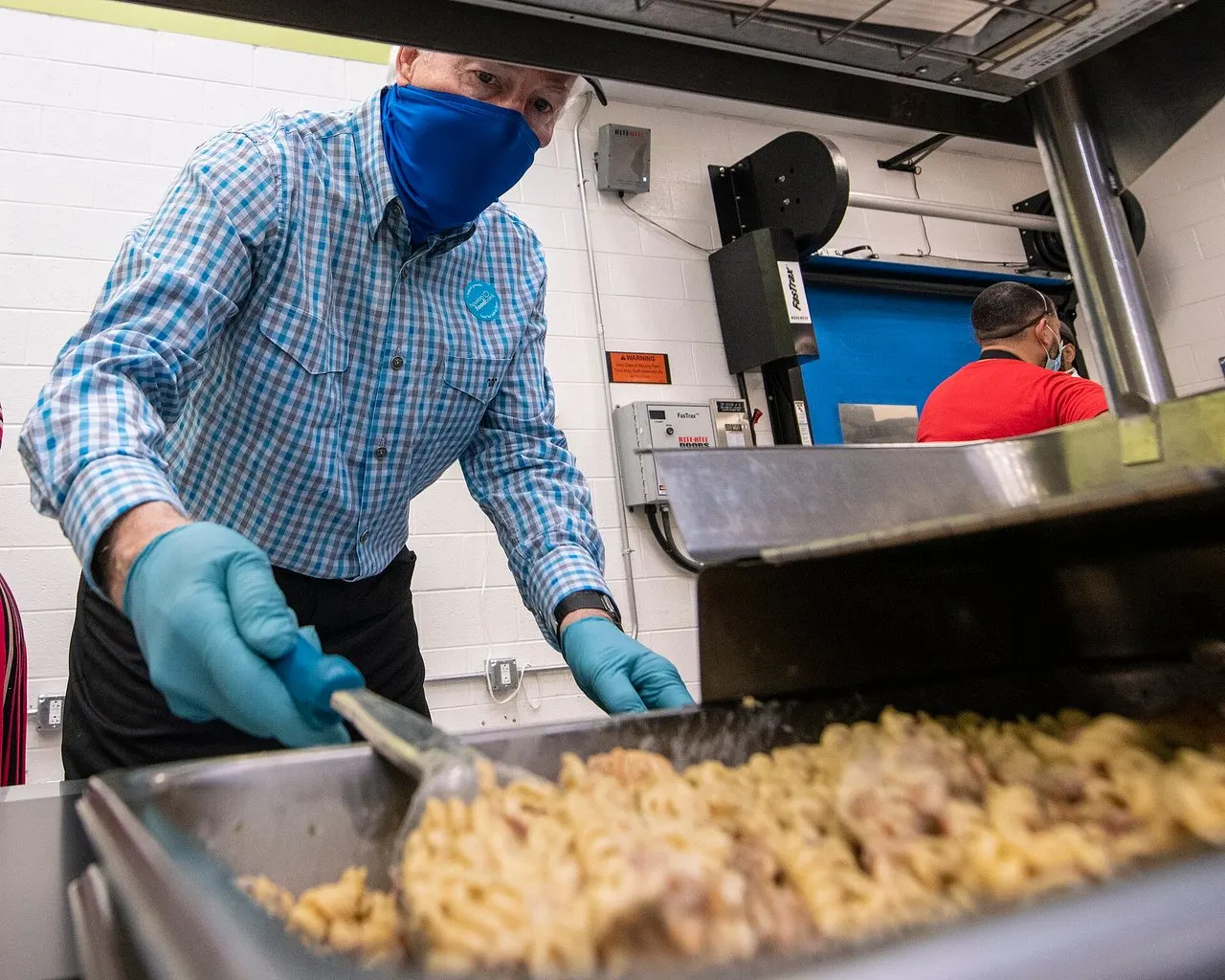
Feeding the hungry is the first work of mercy named in the Gospel, and it is also the most direct. A meal shared with a stranger is a small act, yet it carries the whole message of the feast. Food banks, parish kitchens and neighbors with extra groceries all live this teaching every day. When a volunteer ladles soup or packs a box of food, the Gospel is happening in real time. For more on food that brings people together, see Native American foods that nourished this land.
A Cup of Water at the Christ the King Feast

A cup of cold water seems like almost nothing, yet Jesus names it among the works that matter at the final judgment. Thirst is a need every person understands, and meeting it asks for little more than attention and kindness. In hot places and in crowded cities, clean water is still a gift that many people lack. The feast reminds us that small mercies count. For more on simple lives and quiet generosity, read how Vivian Wilson splits rent with three roommates.
Welcoming the Stranger as You Would Welcome Christ

Welcoming the stranger is the third work of mercy in the Gospel, and it asks more than a polite hello. It means opening a door, making room at a table and treating a newcomer as a neighbor rather than a threat. Many parishes live this out by helping refugees and new families settle into town. An open door can change a life. For more on standing up for people in trouble, read the Maine teen whose arrest a judge ruled unlawful.
Clothing the Naked and Sharing What We Have
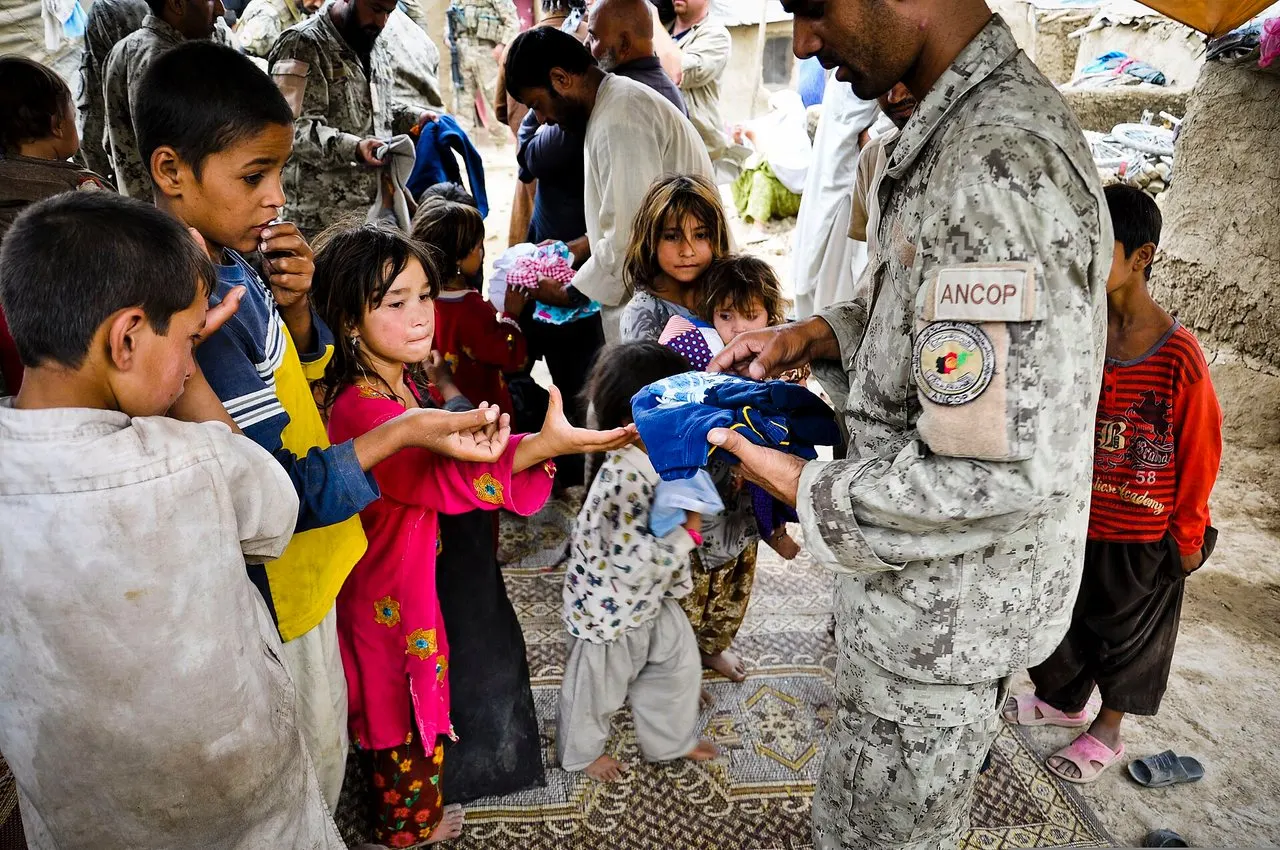
Clothing the naked is another work of mercy from the same Gospel passage, and it is still lived out in simple ways. A donated coat, a box of children’s clothes and a parish clothing drive all carry the same message. Nobody should face cold weather without warm clothes. When we share what we have, we share the dignity that belongs to every person. For more on people who stand with the vulnerable, read our report on the largest ICE detention center.
The Christ the King Feast in Art and Images
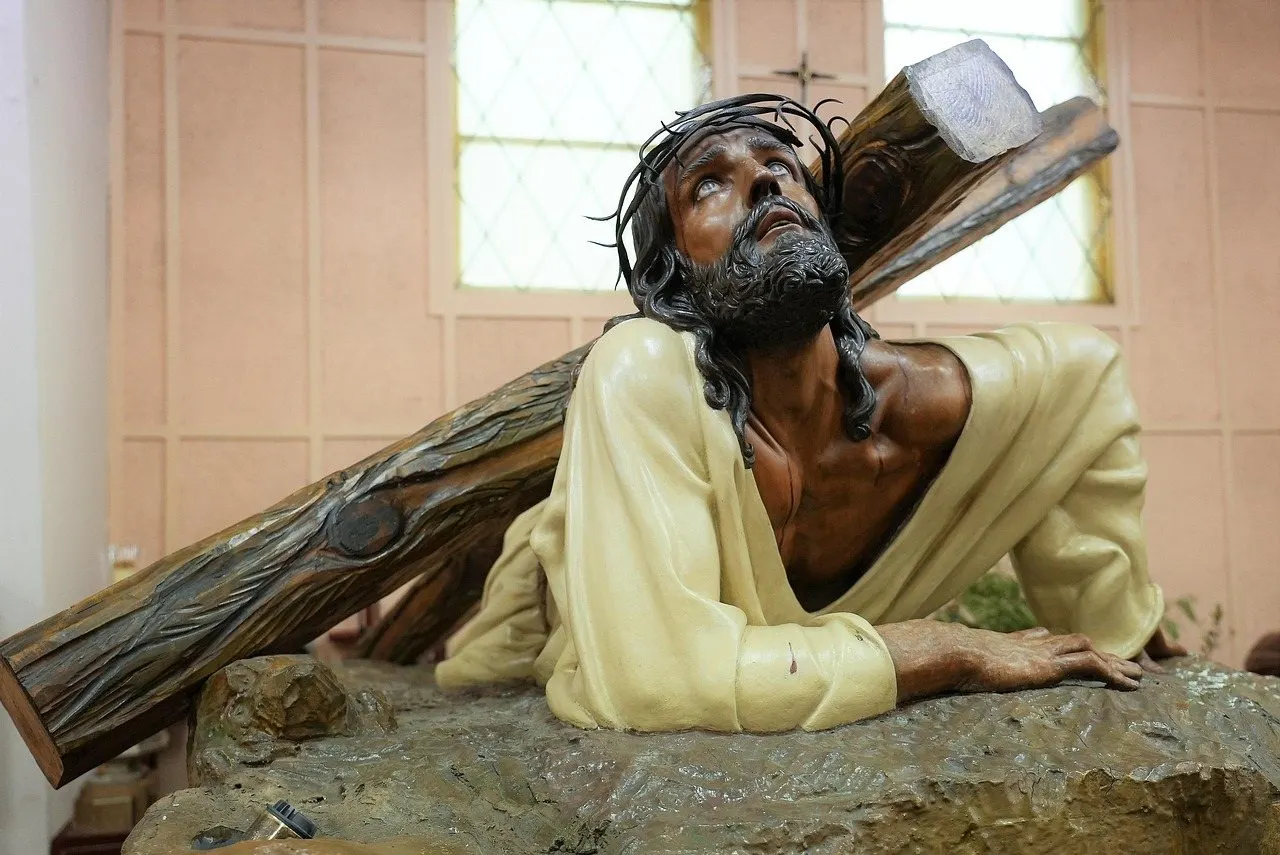
Artists have painted Christ the King for a century, showing him crowned, robed and enthroned above the world. Some images are gentle, with a face and open hands. Others are grand, with gold, light and angels. Each one tries to say the same thing in paint and stone. This king does not rule by force. He rules by love. The feast in art and images keeps that vision before our eyes. For more on faith told with humor, read a lighthearted look at the Sermon on the Mount.
Cristo Rei of Lisbon Watches Over the River
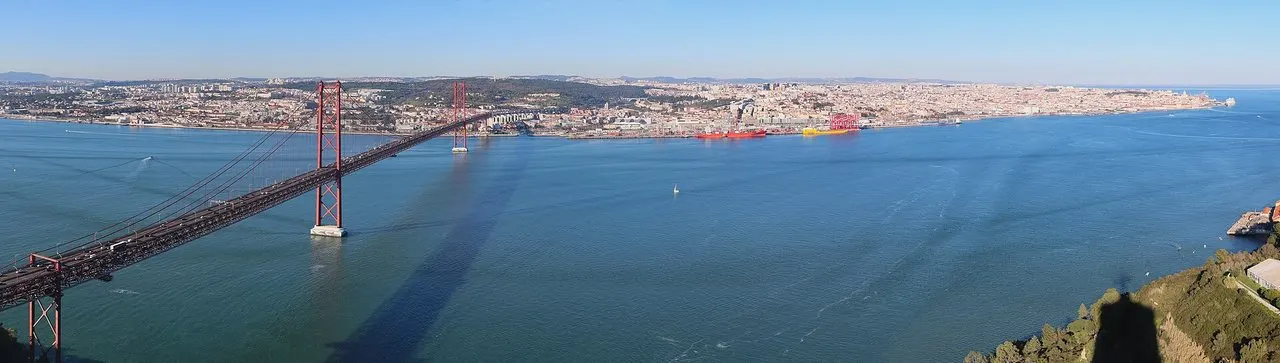
The Cristo Rei statue in Lisbon stands on the south bank of the Tagus River, arms open wide over the city. It was built as a sign of thanks after the Second World War and modeled on the famous statue in Rio de Janeiro. Visitors ride up to the viewing platform and look out over the water and the rooftops. The open arms say what the feast says. Christ welcomes the whole world. For more on surprising wonders, read the gorilla whose fingers look like a human hand.
St. Peter’s Square on Christ the King Feast Day
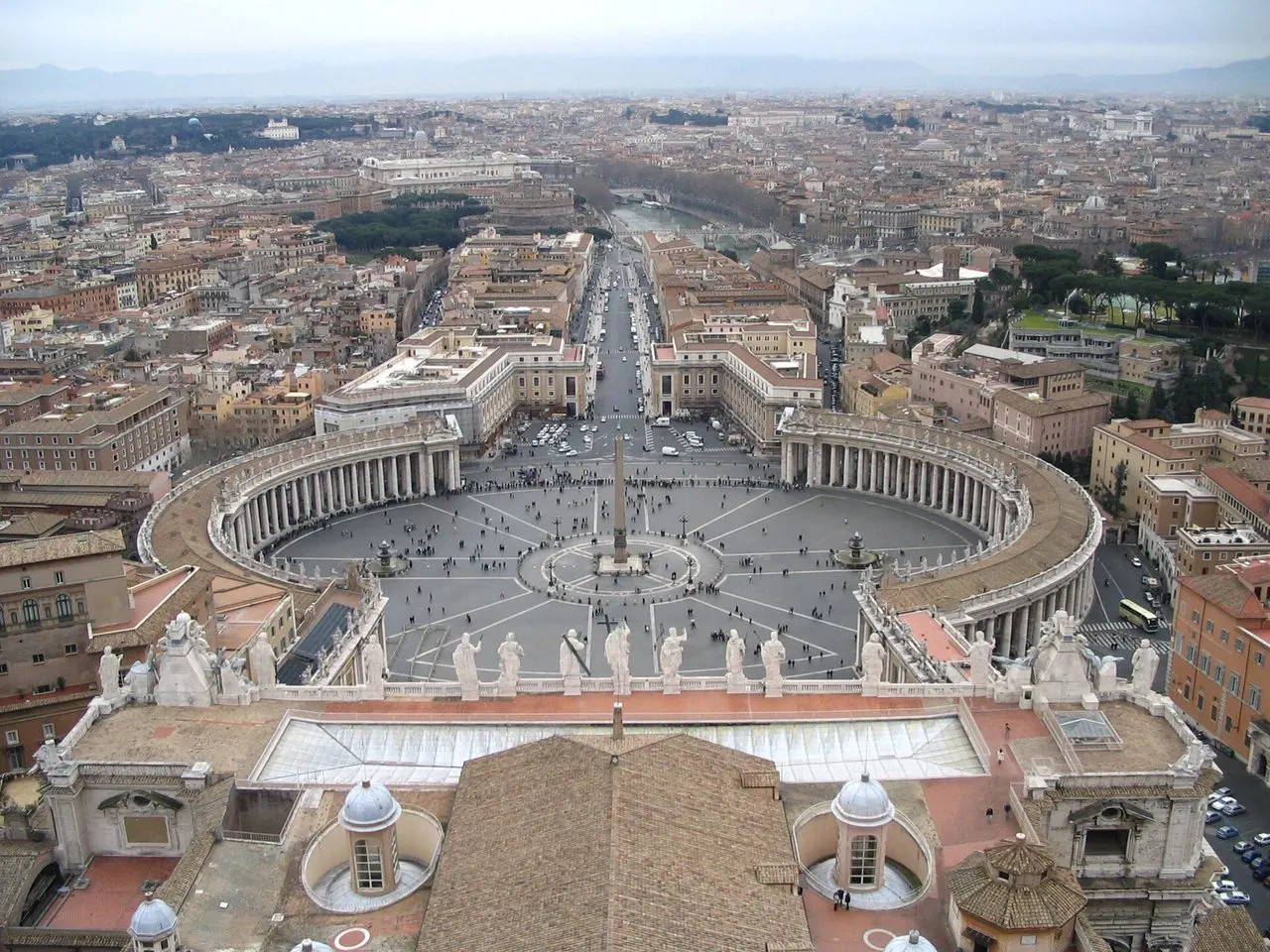
St. Peter’s Square is the open space in front of St. Peter’s Basilica in Vatican City, ringed by Bernini’s colonnades. On Sundays and feast days, thousands gather there to pray the Angelus with the pope. The square holds a long history of pilgrims, processions and blessings. From the dome above, the whole scene looks like a single family at prayer. The square on the feast day was filled with that same spirit. For more on public moments that said more than words, read Jimmy Kimmel on Trump, Putin and old photos.
The Bells That Call the Faithful to Prayer
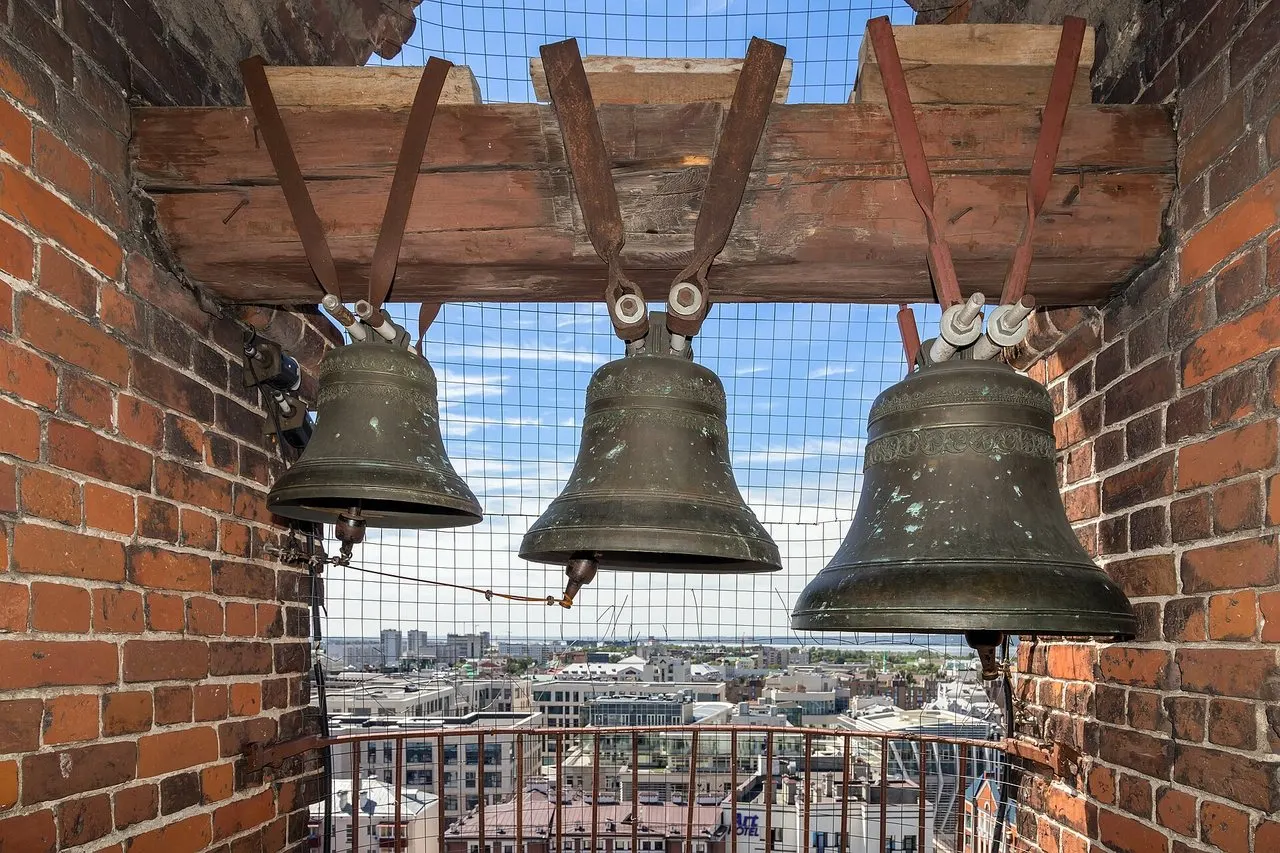
Church bells have called the faithful to prayer for centuries, ringing out over towns and villages before Mass. A single bell can be heard for miles, and its sound tells everyone nearby that something holy is about to happen. On feast days, the bells often ring longer and louder, joining the singing inside the church. The sound is a reminder that faith is not private. It is meant to be heard. For more on holiday traditions, read fried Christmas treats Grandma saved for once a year.
From the Christ the King Feast Into Advent
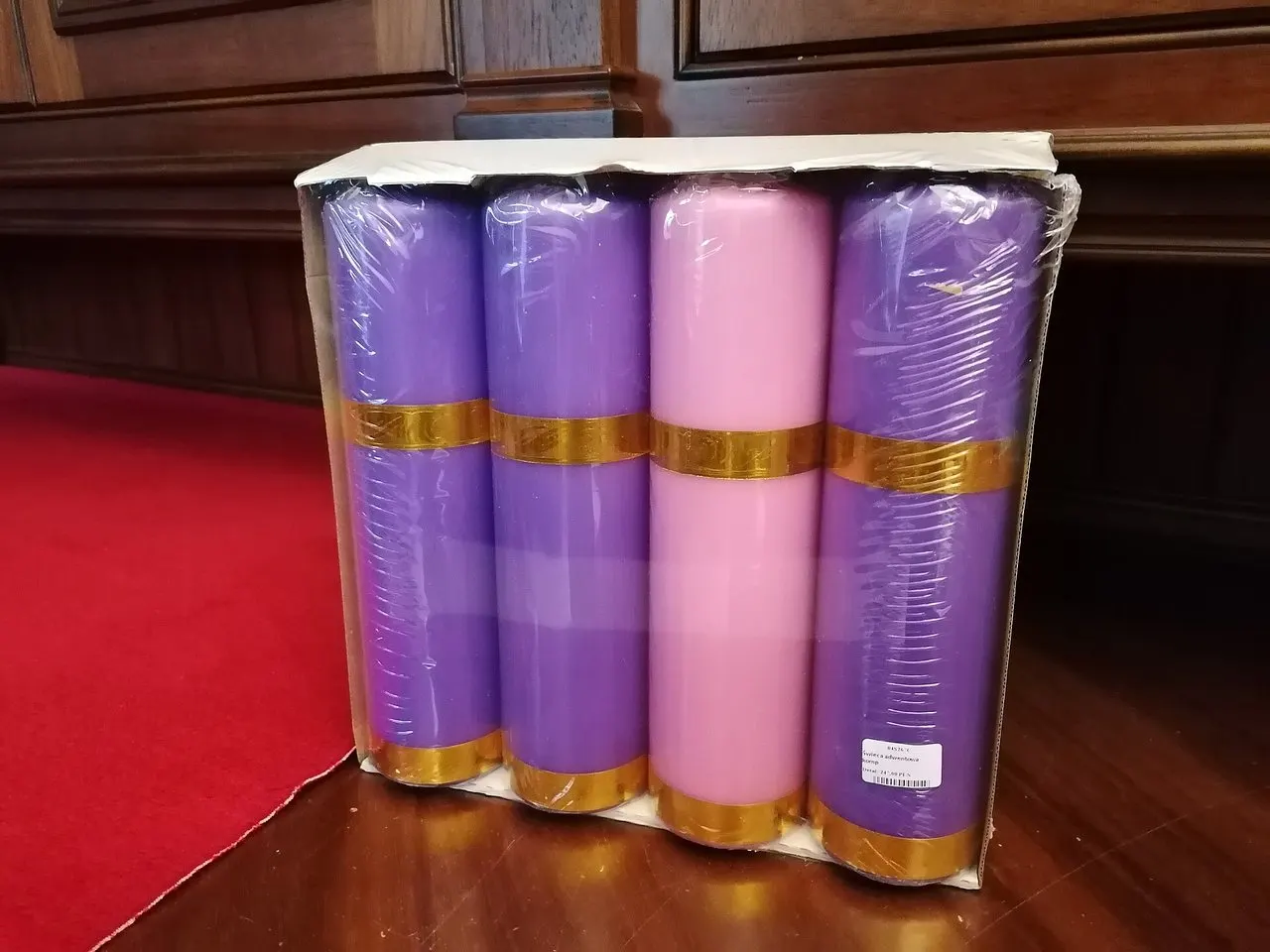
The feast is the last Sunday before Advent, and Advent begins on November 29 this year. That means the feast is also a doorway. Behind it lies a whole year of grace. Ahead lies four weeks of waiting, candles and quiet hope before Christmas. Families will light the first candle of the Advent wreath and begin the slow walk toward Bethlehem. The king we honor today is the child we await. For more on Christmas at home, read Kelly Clarkson on a holiday room that stays decorated all year.
The Advent Wreath and Its Four Candles
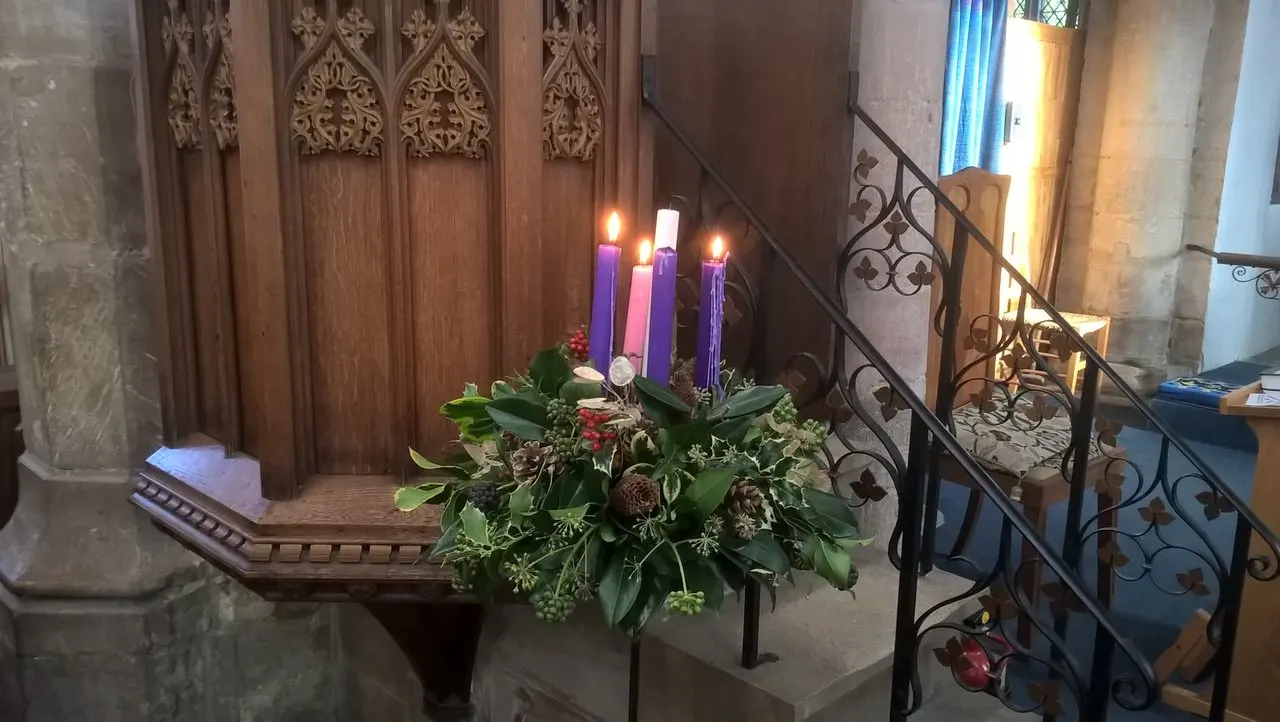
The Advent wreath is a circle of evergreen with four candles, three purple and one rose. One candle is lit on each Sunday of Advent, and the growing light marks the approach of Christmas. The rose candle burns on the third Sunday, a day of joy in the waiting. The wreath is a sign that hope grows slowly, week by week. Many families keep one on the table and pray as the candles burn. For old fashioned holiday baking, read Dylan Hollis on strange vintage bakes that really work.
How the Christ the King Feast Fits the Church Year
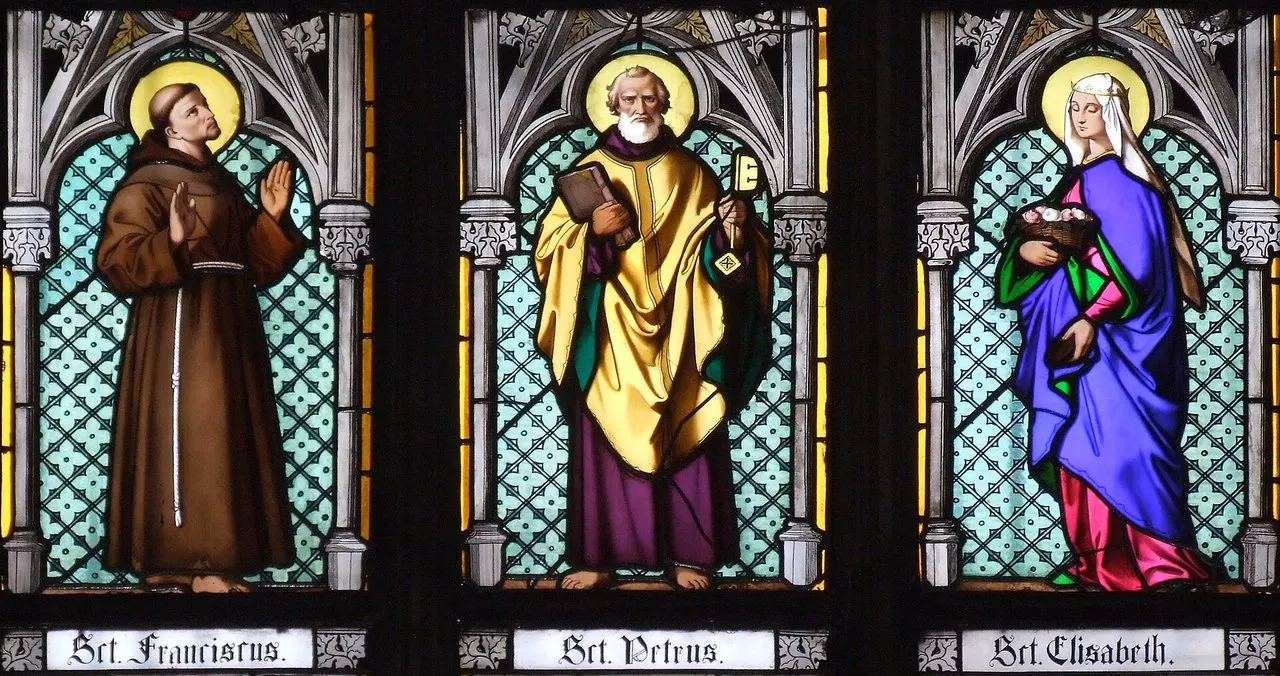
The liturgical year is the Church’s way of telling the whole story of Jesus, year after year. It begins with Advent, moves through Christmas and Lent, rejoices at Easter and settles into Ordinary Time. The Christ the King feast is the final page of that story, and the next page turns back to the beginning. The cycle never grows old because the story is always new to someone hearing it for the first time. For more on healing and hope, read histotripsy, the cancer treatment that uses sound waves.
White Vestments Mark the Joy of the Day
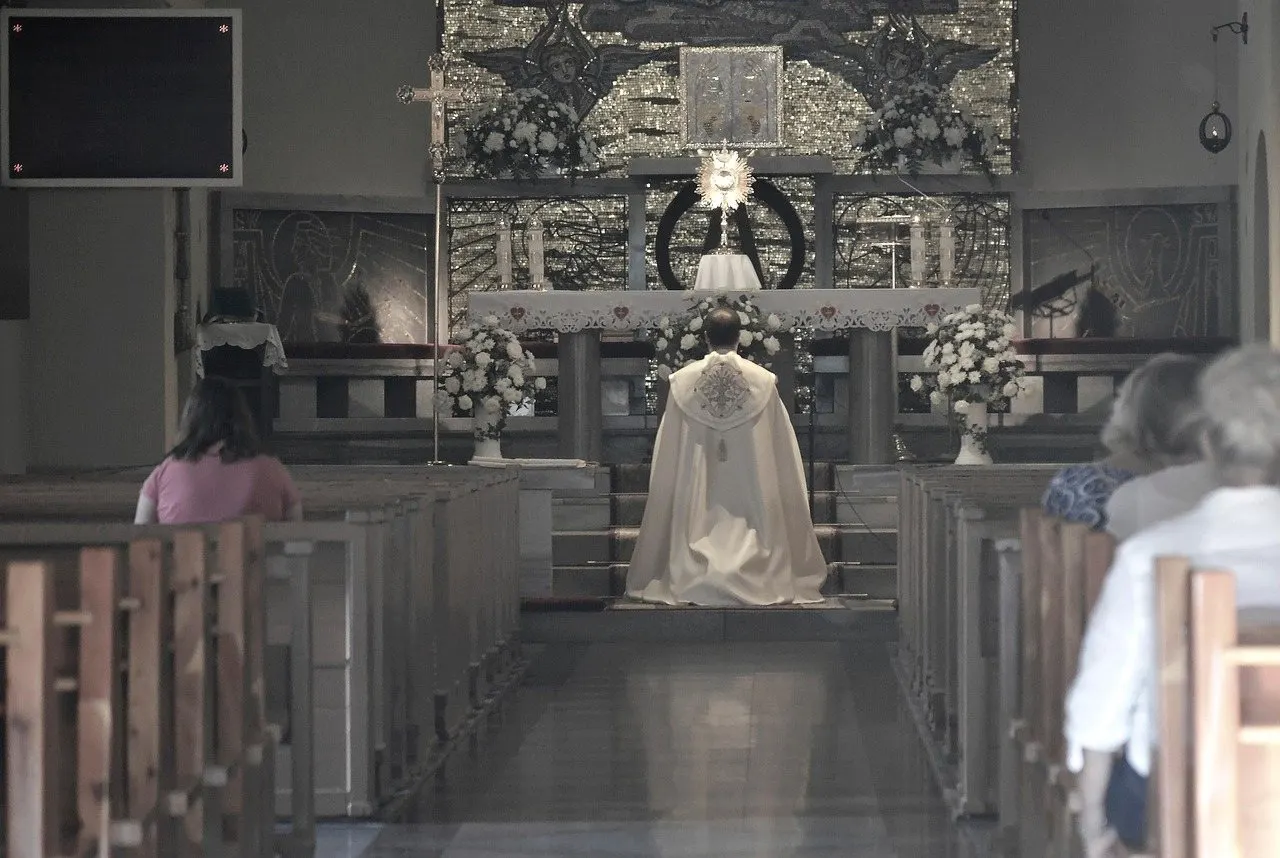
On the feast of Christ the King, priests wear white vestments, the color of joy, glory and resurrection. White is worn on the great feasts of the Lord, from Christmas to Easter and on this final Sunday. The color tells the story before a single word is read. This is a day of triumph, not of mourning. The white altar cloths, the candles and the flowers all point to the same truth. For more on family love, read Bruno Mars on his father, the greatest dad in the world.
Hymns Sung at the Christ the King Feast
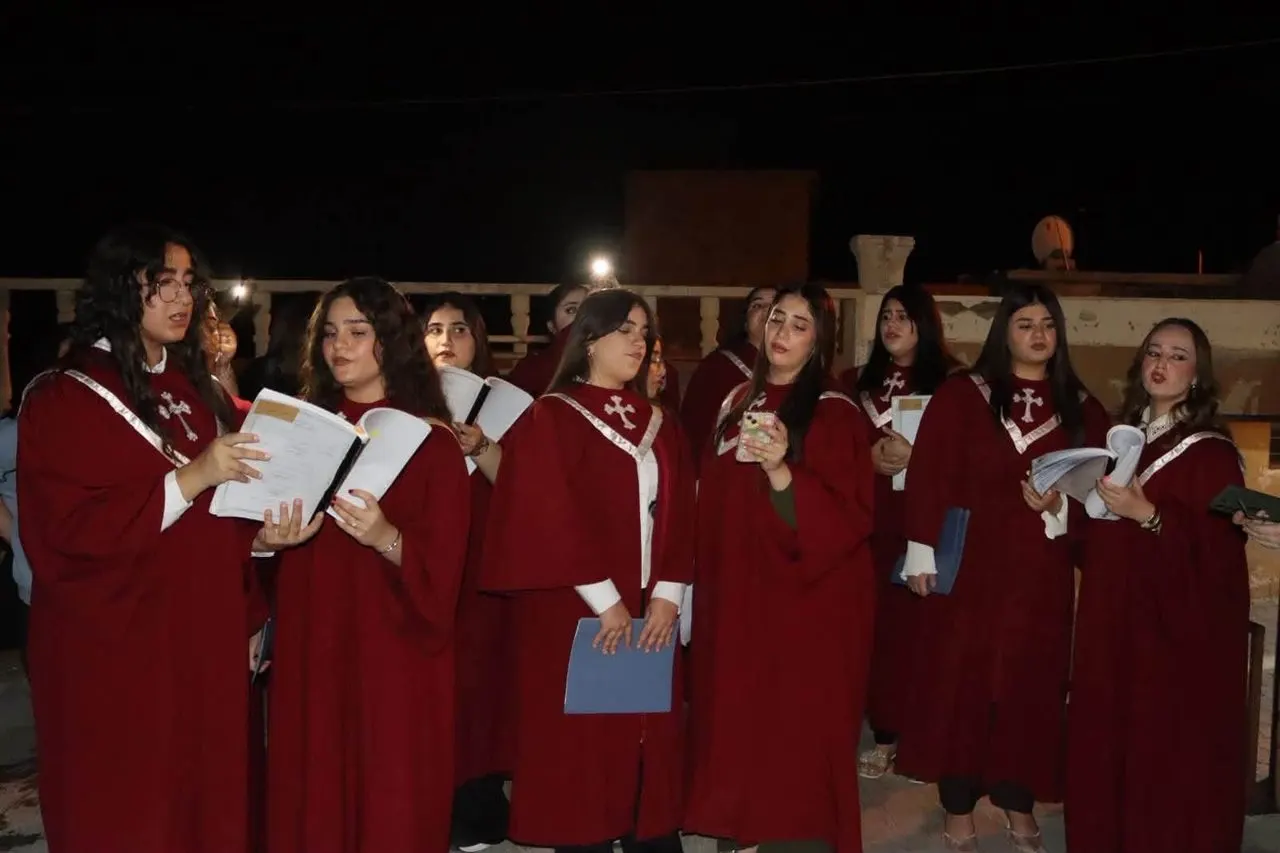
Hymns have carried the feast since its first year, and the best known is To Jesus Christ, Our Sovereign King, a hymn written to honor the new feast. Congregations sing it with organ and choir, and its words name Christ as king of hearts and minds. Singing together does something that reading alone cannot. It joins many voices into one voice of praise. The hymns sung at the feast lift churches every November. For more on voices that carry a message, read Jimmy Kimmel on Trump, Putin and old photos.
Processions Carry the Feast Through the Streets
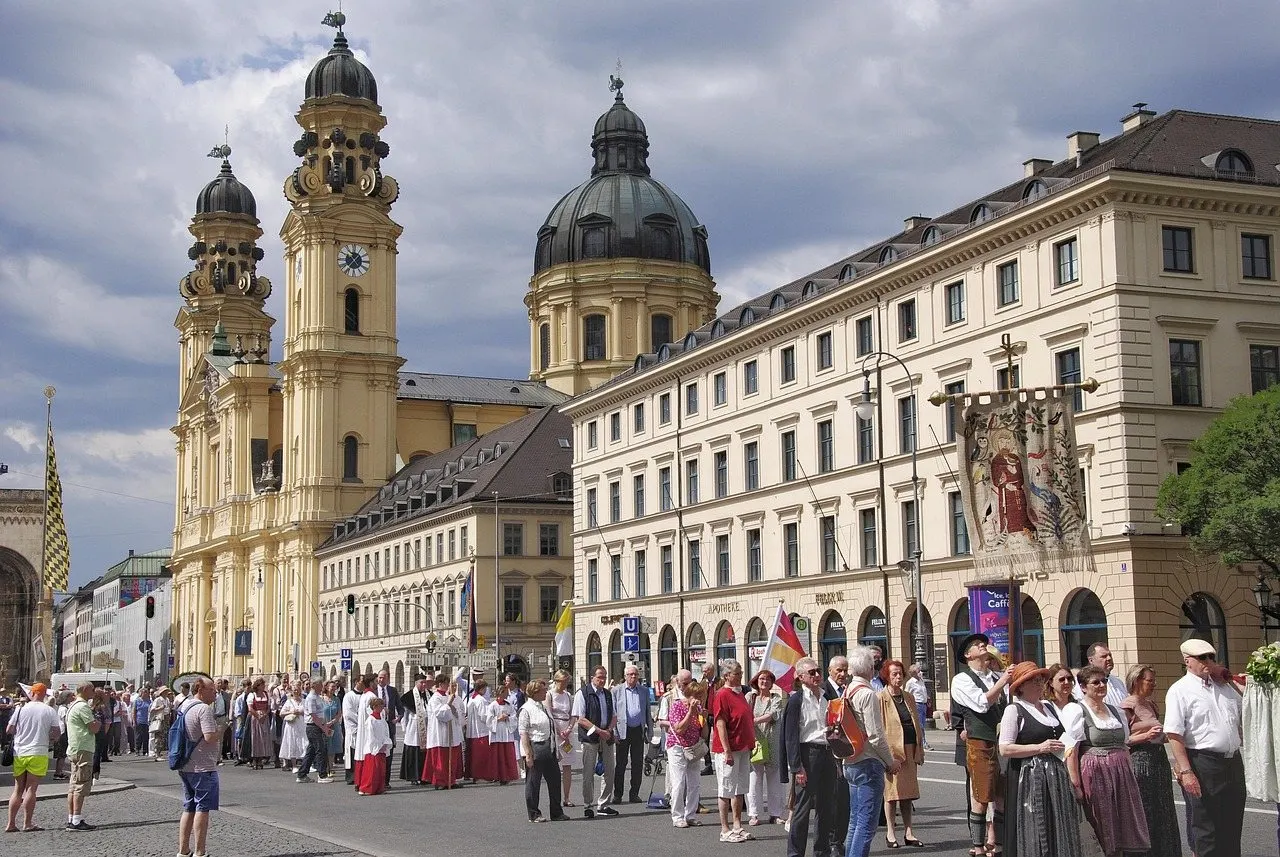
In many places, the feast is marked by a procession, with the Blessed Sacrament carried through the streets under a canopy. People walk behind it singing hymns, and windows and balconies are decorated along the way. The procession says that Christ the King does not stay inside the church walls. He goes out into the streets where people live and work. The whole town becomes part of the prayer. For more on leaders and their meetings, read Zelensky’s silent shrug in Berlin.
The Christ the King Feast and the Kingdom Not of This World
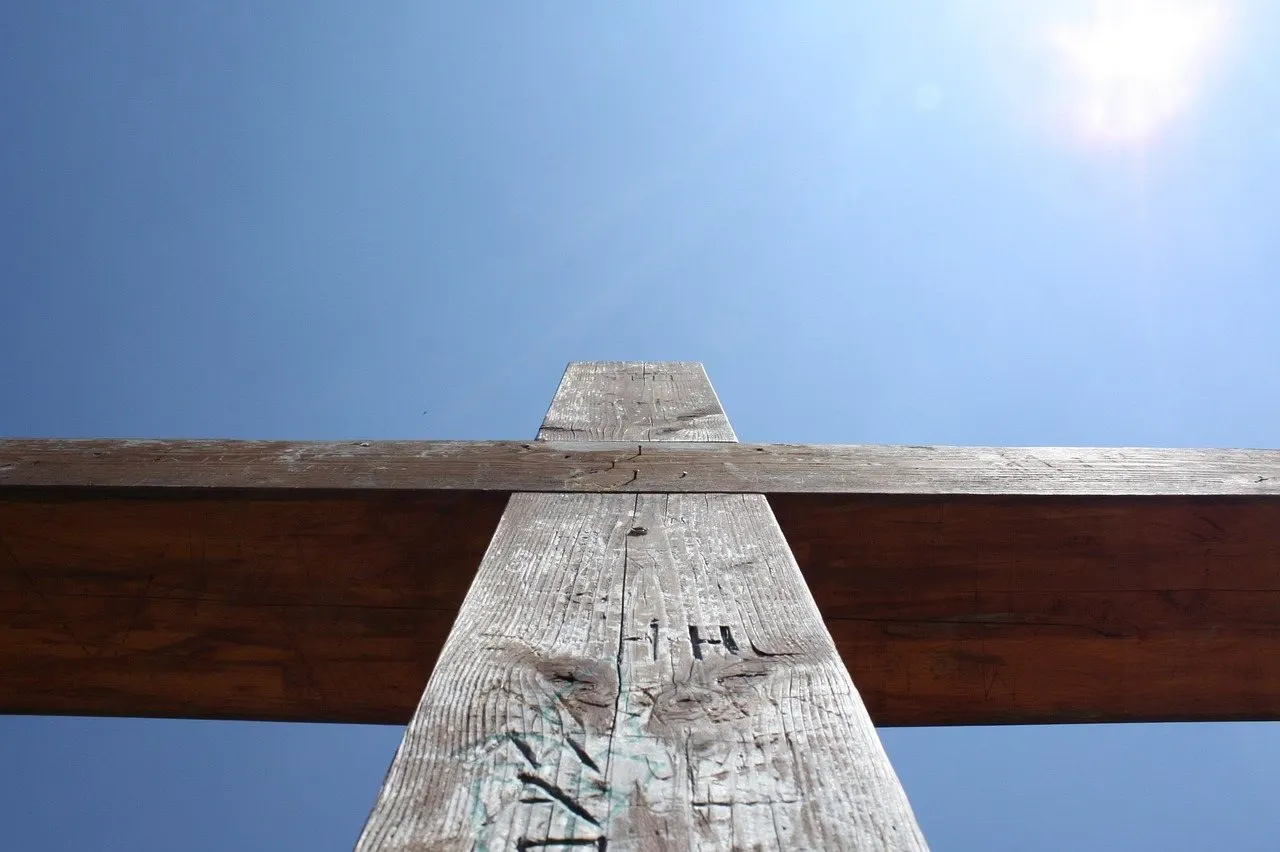
Before Pilate, Jesus said that his kingdom is not of this world. It was a strange answer from a man standing trial, yet it holds the whole meaning of the feast. His kingdom is not won by armies or kept by force. It grows in hearts that choose truth, mercy and love. The Christ the King feast and the kingdom not of this world remind us that true power looks like service. For more on mature leadership, read Michelle Obama on a mature, selfless president.
The Crown of Thorns and the Crown of Glory
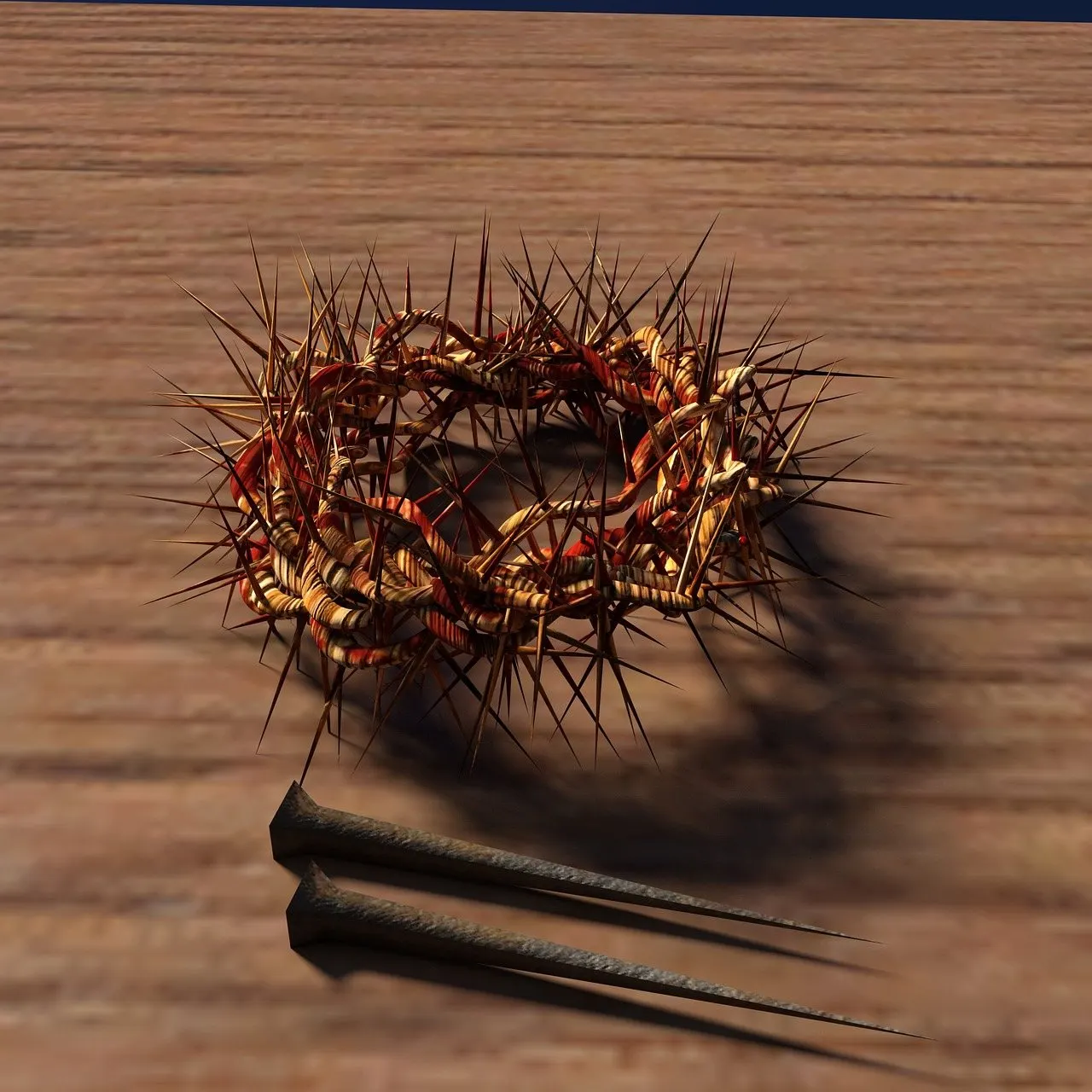
The crown of thorns is the sharpest image of the feast, because it shows what kind of king Christ is. Soldiers pressed it onto his head to mock him, yet Christians now see it as a true crown. It is a crown won by suffering, not by conquest. The thorns remind us that the king we honor knew pain, and that he stands close to all who suffer. The feast holds the thorn and the glory together. For more on lives remembered with love, read the story of Samuel Prinz.
Prayer That Turns Hearts Toward the King
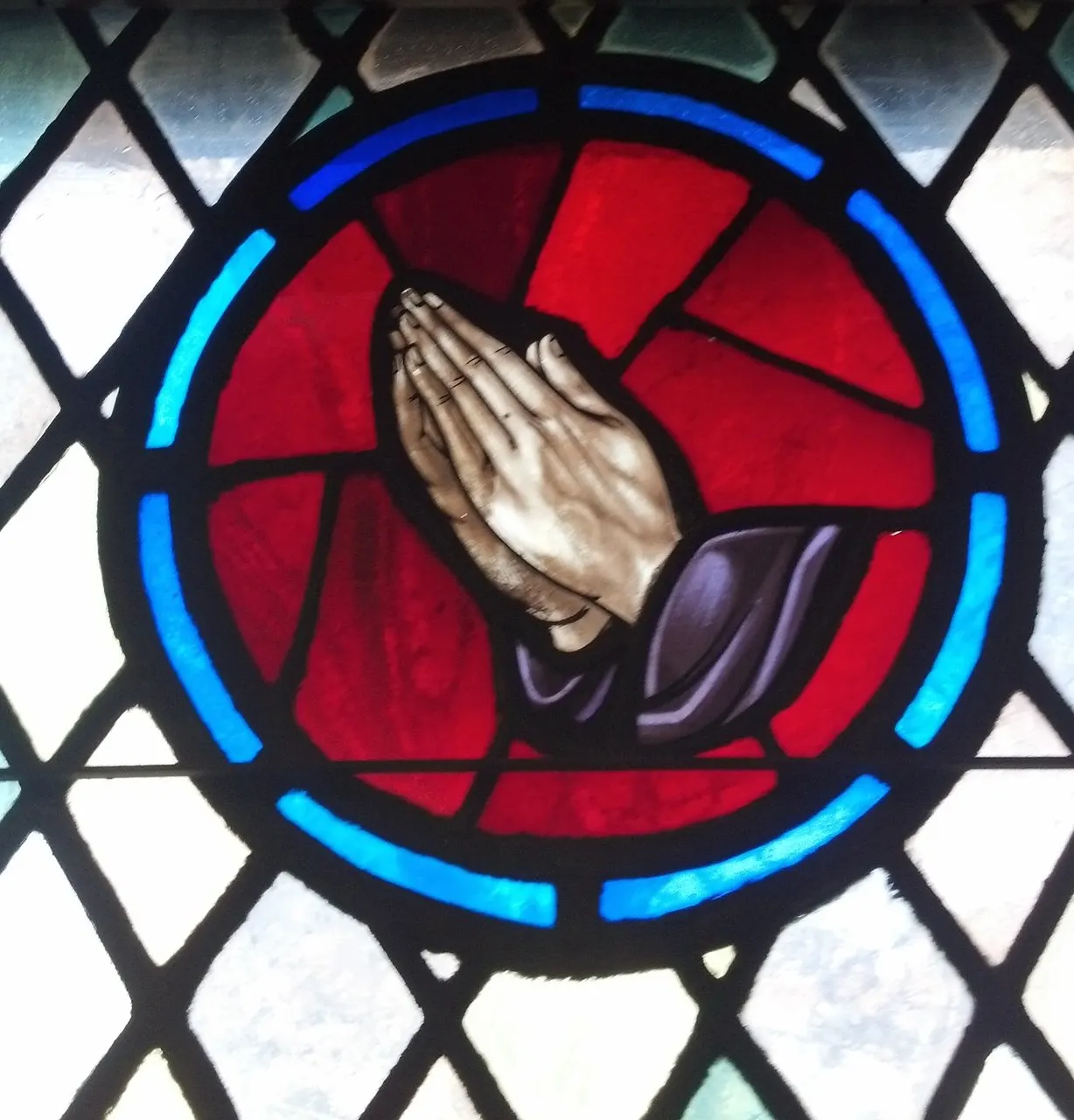
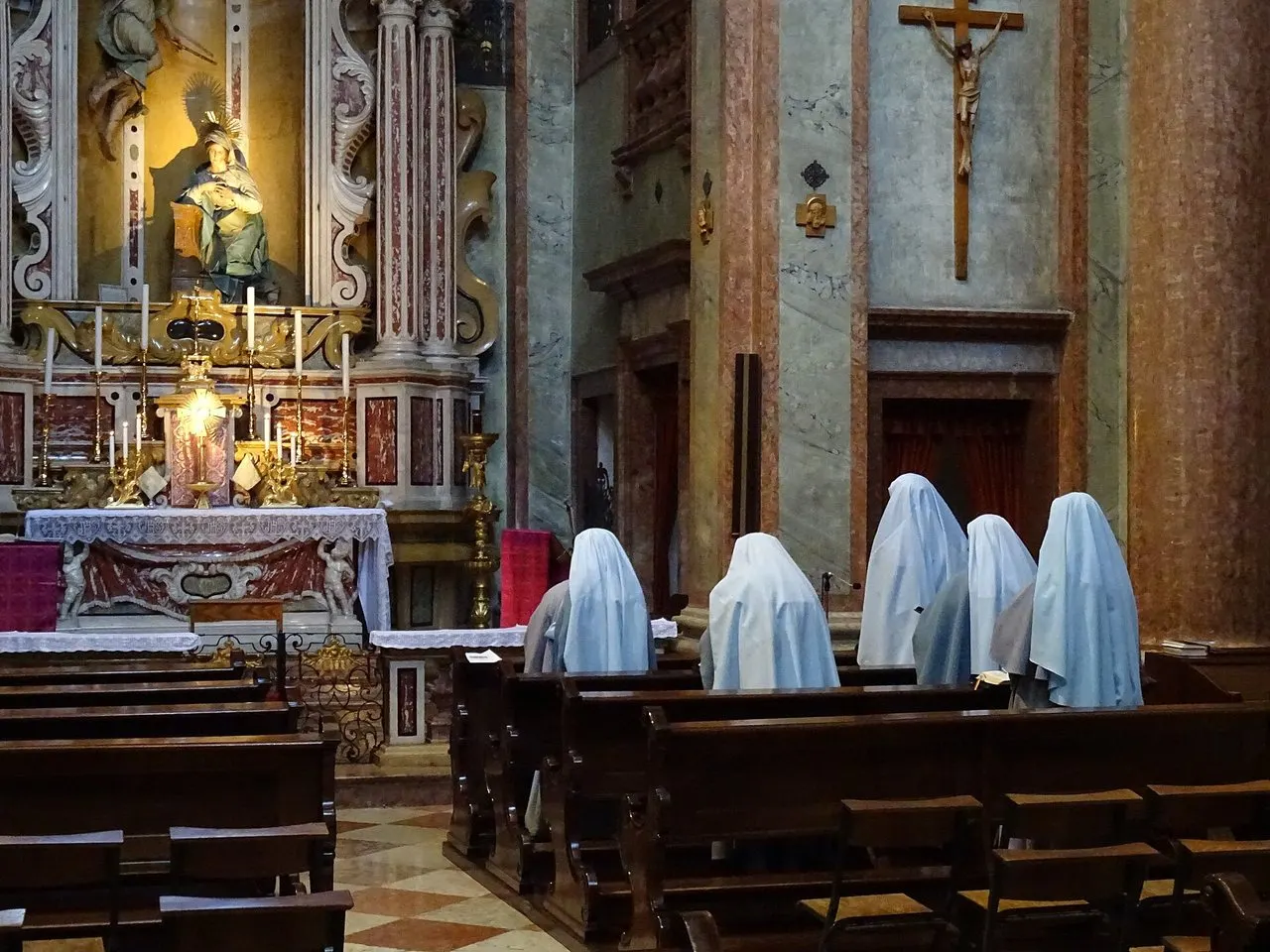
Prayer is the quiet heart of the feast, and it is where the kingship of Christ becomes personal. Folded hands, a whispered prayer and a few minutes of silence can turn a busy Sunday into a holy one. Prayer does not change God. It changes us, softening our hearts toward the people around us. The Christ the King feast invites every believer to kneel, even for a moment, before the king who listens. For more on gratitude in daily life, read Patricia Heaton on moving forward with gratitude.
Hope Rises With the Sun After the Christ the King Feast
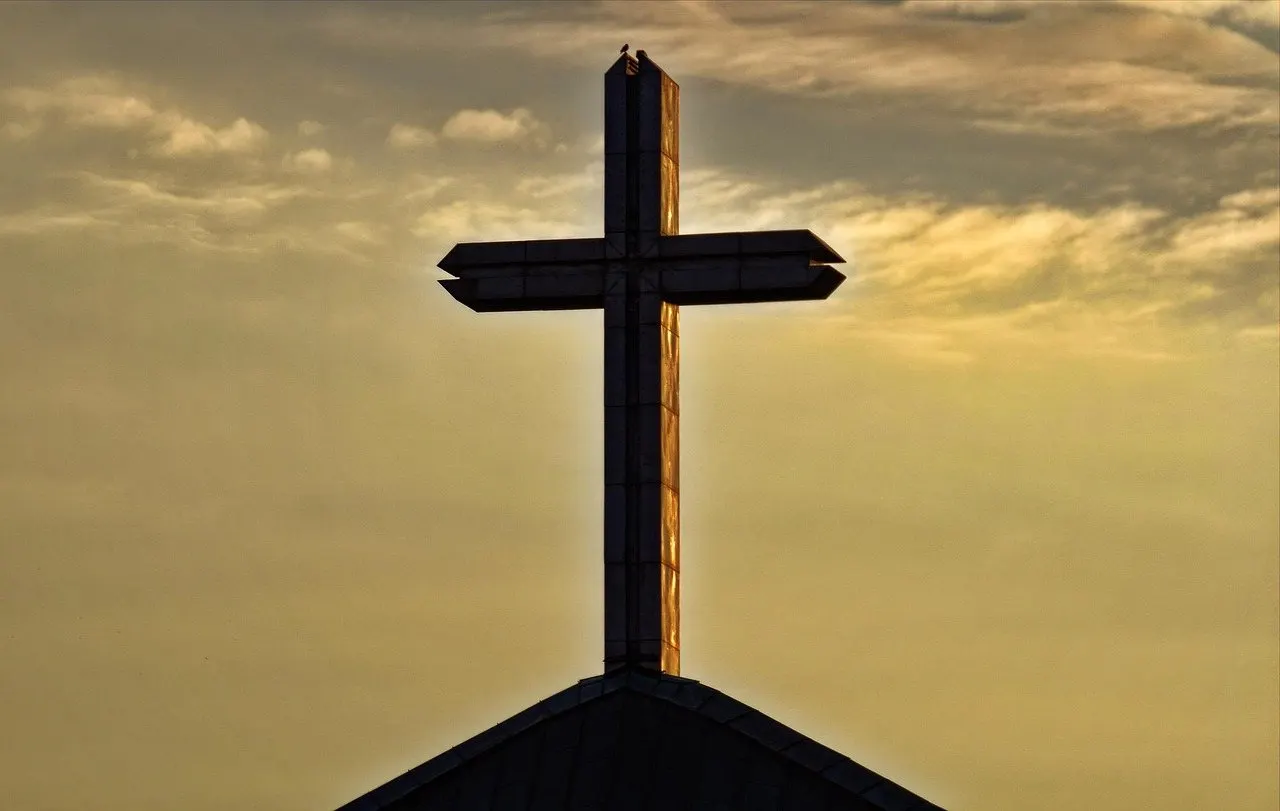
Hope rises with the sun after the feast, because the king we honor is also the child we await in Advent. The days grow shorter as November ends, yet the Church lights candles and sings of a light that darkness cannot overcome. That hope is not a vague feeling. It is rooted in a promise kept, in a manger and in an empty tomb. The feast ends the year by pointing to the dawn. For more on hope and healing, read histotripsy, the cancer treatment that uses sound waves.
What Does Christ the King Mean to You?
The feast leaves us with a question that is simple and personal. If Christ is king, what does his kingship change in your daily life. Does it change how you treat a stranger, share a meal or forgive a hurt. Tell us in the comments what the feast means to you and how your parish marked the day. Your stories are part of the story, and we want to hear them. For more on family and love, read Bruno Mars on his father, the greatest dad in the world.