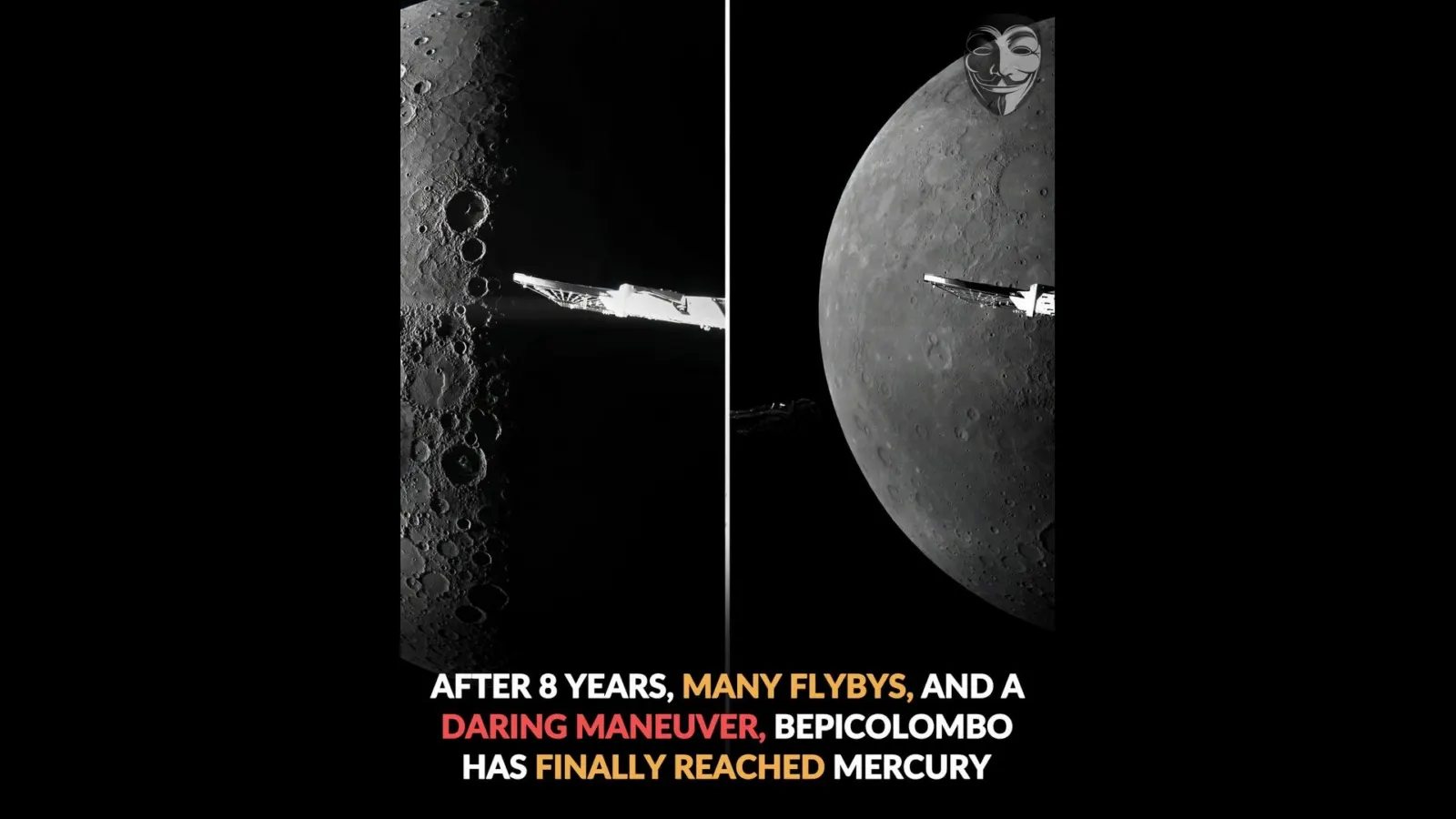
BepiColombo Mercury Orbit Is Now Real
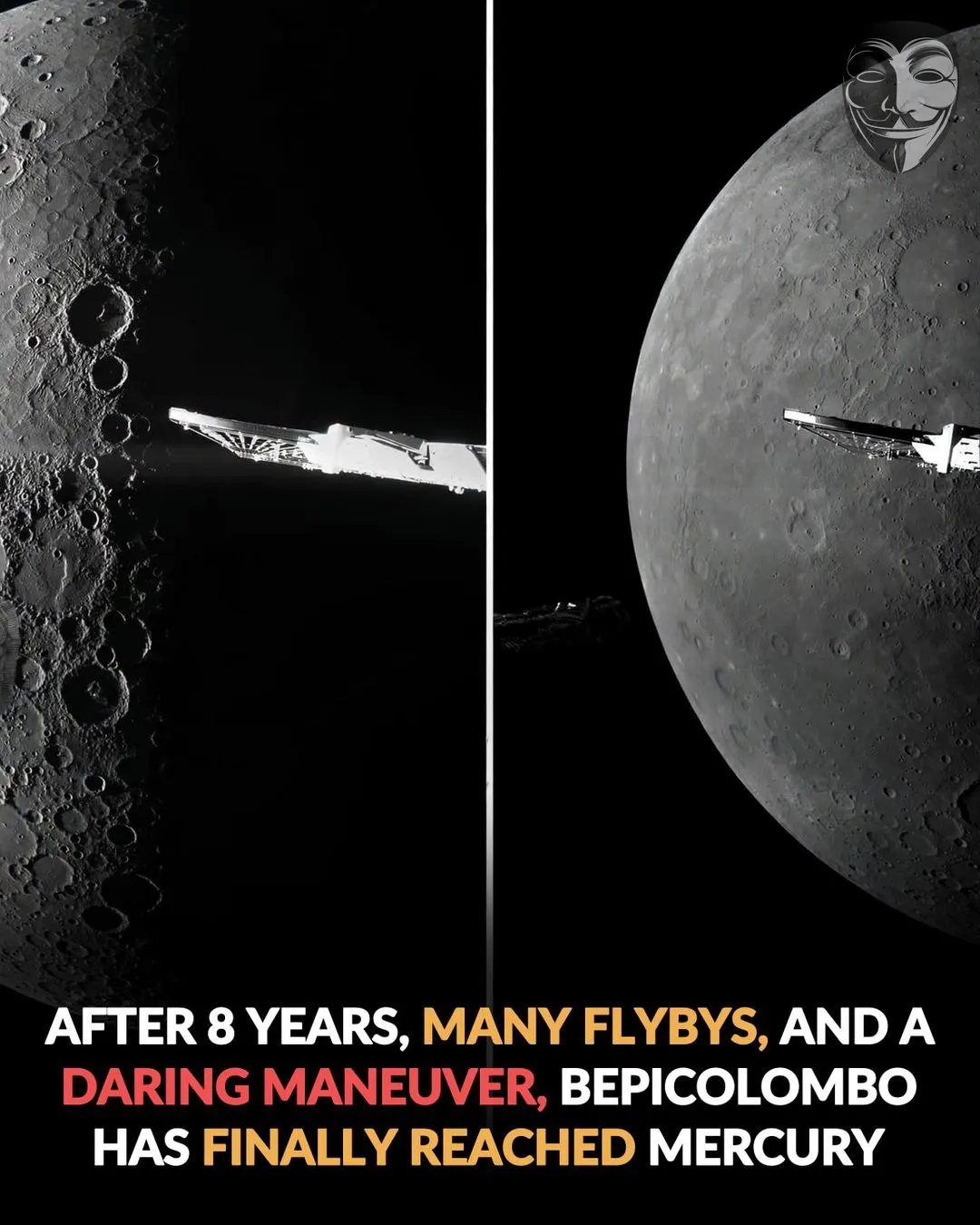
BepiColombo Mercury orbit is now real, and after eight years in space the joint ESA and JAXA mission has finally reached its destination. The spacecraft launched on October 20, 2018, and crossed the inner Solar System with nine gravity assist flybys past Earth, Venus and Mercury. On November 21, 2026, its thrusters fired at 18:24 UTC as it passed just 635 km above Mercury, and the mission slipped into orbit around the smallest planet. For the second time in history, Mercury has an orbiter around it.
The arrival was not perfectly smooth, because a software glitch cut the thruster burn short and briefly sent the spacecraft into safe mode. Engineers worked through the problem, and BepiColombo is safe in a stable 75 hour orbit. Its two orbiters will separate on December 9 and 10, 2026, and science work is set to begin in April 2027. In the slides ahead we look at the long journey, the daring maneuver and the science to come. You may also like a warning over SpaceX funding.
References:
ESA: BepiColombo Safely in Mercury Orbit Despite Unexpected Challenge
JAXA: The ESA JAXA BepiColombo Mission Reaches Mercury
Nature: BepiColombo Finally Reaches Mercury After Eight Year Odyssey
Sky and Telescope: BepiColombo Arrives at Mercury After 8 Year Odyssey
Launch Day on October 20, 2018
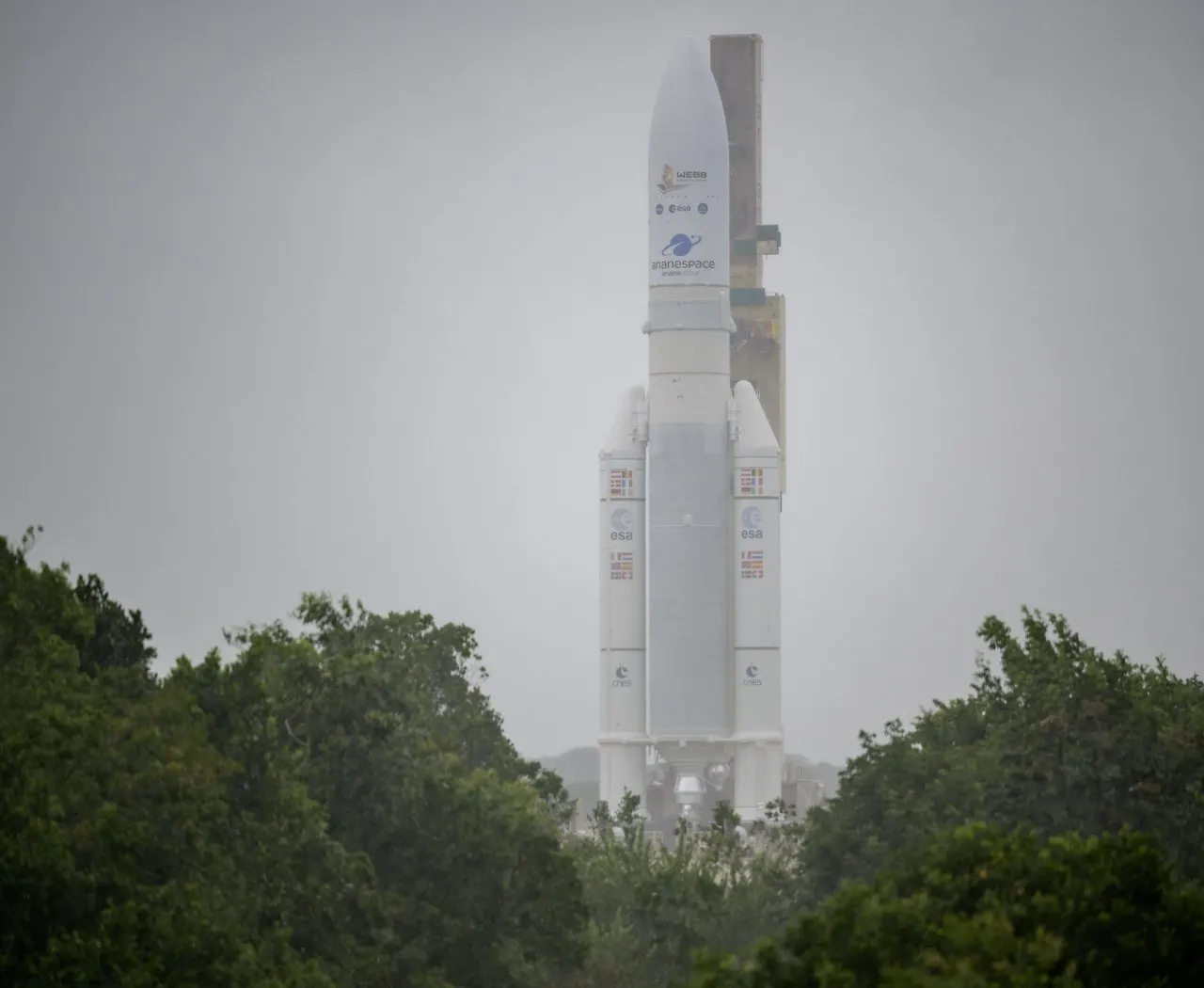
BepiColombo left Earth on October 20, 2018, riding an Ariane 5 rocket into the sky from French Guiana. The launch began an eight year voyage to the smallest planet in our Solar System, a trip that would demand patience, careful planning and nine flybys of three different planets. Few space missions take so long to reach their target, and the team knew the spacecraft would need to shed a huge amount of speed before Mercury could capture it. Read about a pardon for a baseball legend.
The Long Road to a BepiColombo Mercury Orbit

The road to Mercury was long because the planet sits deep inside the Sun’s gravity well, and a spacecraft racing in from Earth arrives far too fast to stop. BepiColombo had to lose speed step by step, using the gravity of planets to bend its path and slow it down. Each flyby shaved off energy and set up the next encounter, turning a straight shot into a careful dance across the inner Solar System. The plan worked. Learn about forests cleared to build data centers.
Nine Flybys to Slow Down
BepiColombo used nine gravity assist flybys in total, swinging past Earth once, Venus twice and Mercury six times before its final arrival. Each close pass let the planet’s gravity tug on the spacecraft and change its speed and direction without burning fuel. The flybys were spread across eight years, and each one had to be timed with great care. A small error early on could have sent the mission far off course. See a vow about meeting Vladimir Putin.
The Earth Flyby That Set the Course
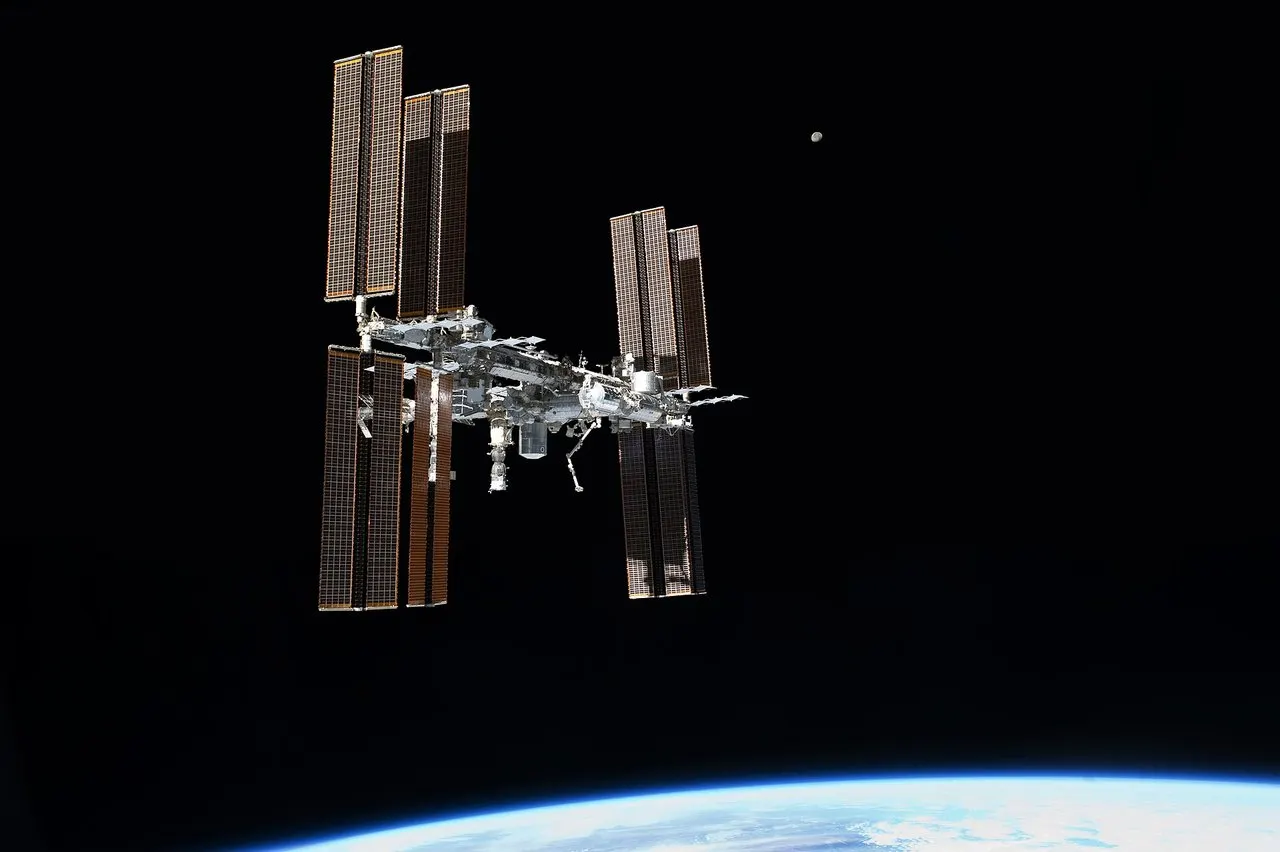
The first gravity assist came when BepiColombo flew past Earth, its home planet, and used the encounter to adjust its path toward Venus. Seeing Earth from space is a powerful moment for any mission team, and this flyby was both a technical step and a quiet goodbye to home. After that pass there was no turning back, and the spacecraft headed deeper toward the Sun. Read about signs it is time for a new season.
Two Passes by Venus
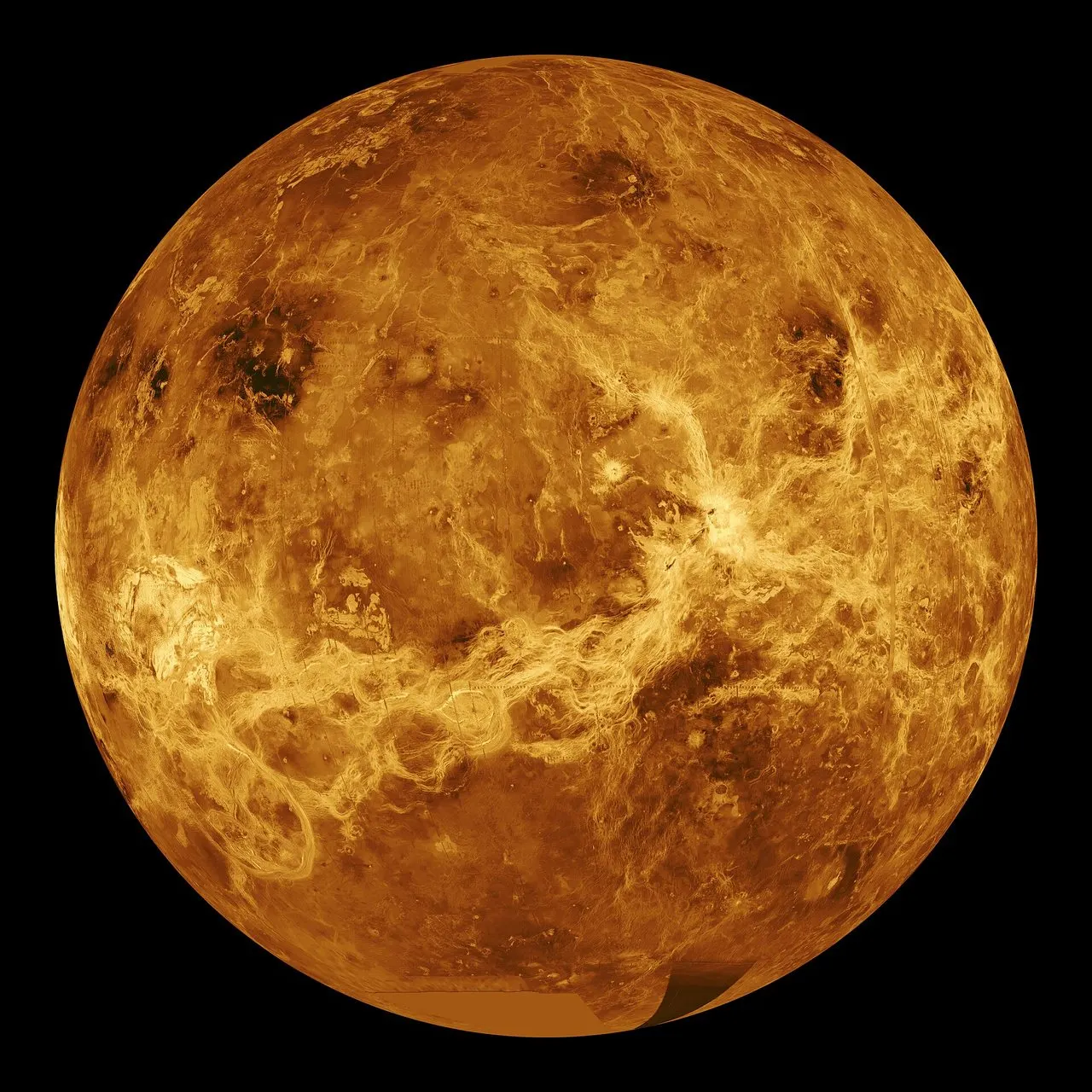
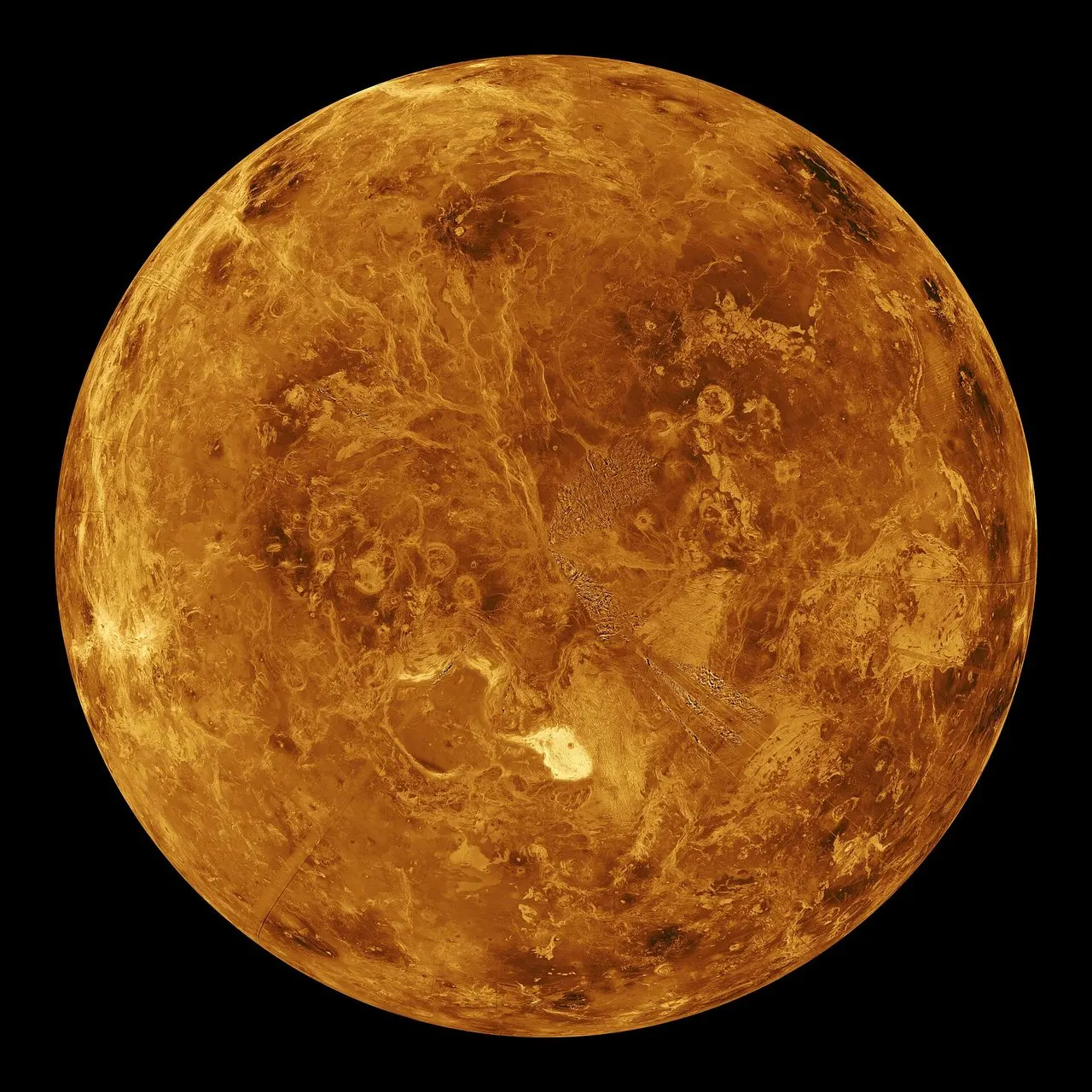
Venus gave BepiColombo two gravity assists, and each pass used the hot, cloud covered planet to slow the spacecraft further. Venus is close to Earth in size but very different in nature, with thick clouds and a crushing atmosphere that hides its surface. The spacecraft swept past without landing, borrowing a little of the planet’s motion to shape its own path. Discover a silent shrug in Berlin.
Flybys That Shaped the BepiColombo Mercury Orbit
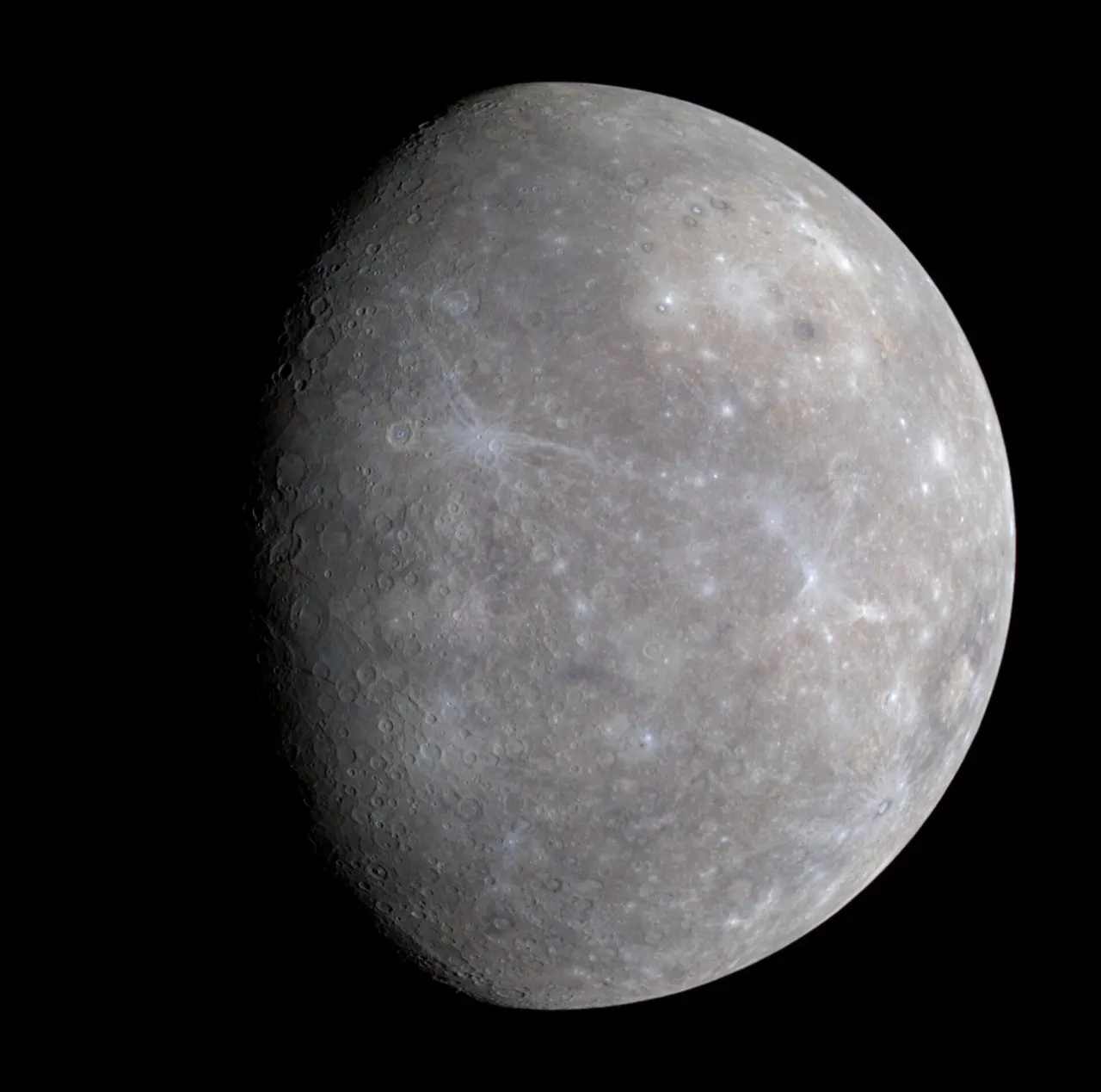
Mercury itself gave BepiColombo six flybys before the final arrival, and each one brought the spacecraft closer to the speed it needed. These passes also gave scientists early views of the cratered surface, with pictures and measurements taken as the spacecraft swept past. The last of these flybys set up the final approach, and after that there was only the capture burn left. See a truck that looked like it drove through a wall.
The Daring Maneuver at 18:24 UTC
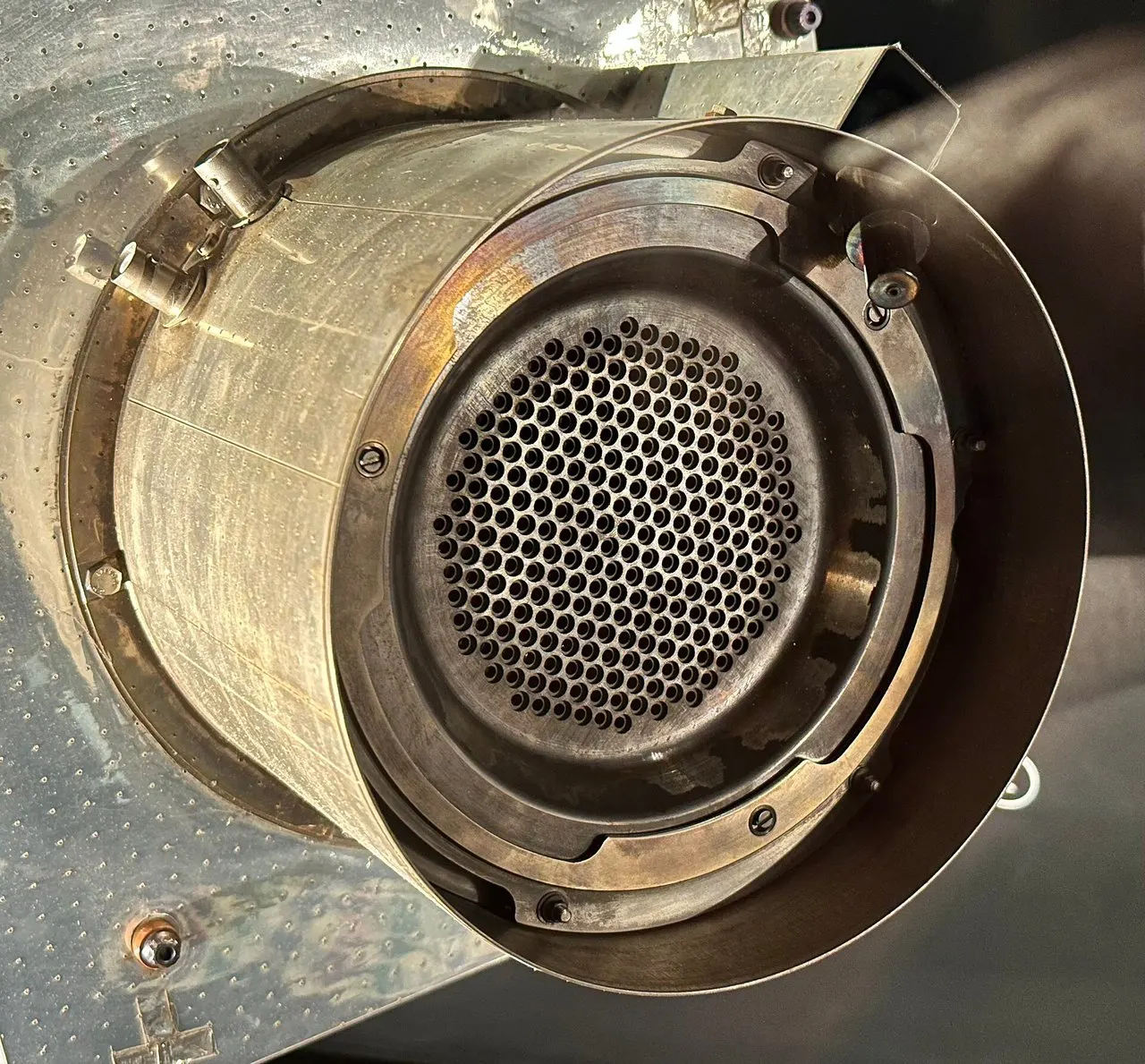
On November 21, 2026, BepiColombo fired its thrusters at 18:24 UTC as it passed just 635 km above Mercury. The burn was the daring maneuver the whole mission had been building toward, because it had to slow the spacecraft just enough for Mercury’s weak gravity to catch it. The timing was exact, and the team watched every second as the engines pushed against eight years of speed. Read about what truly lasts in a life.
Just 635 Kilometres Above Mercury
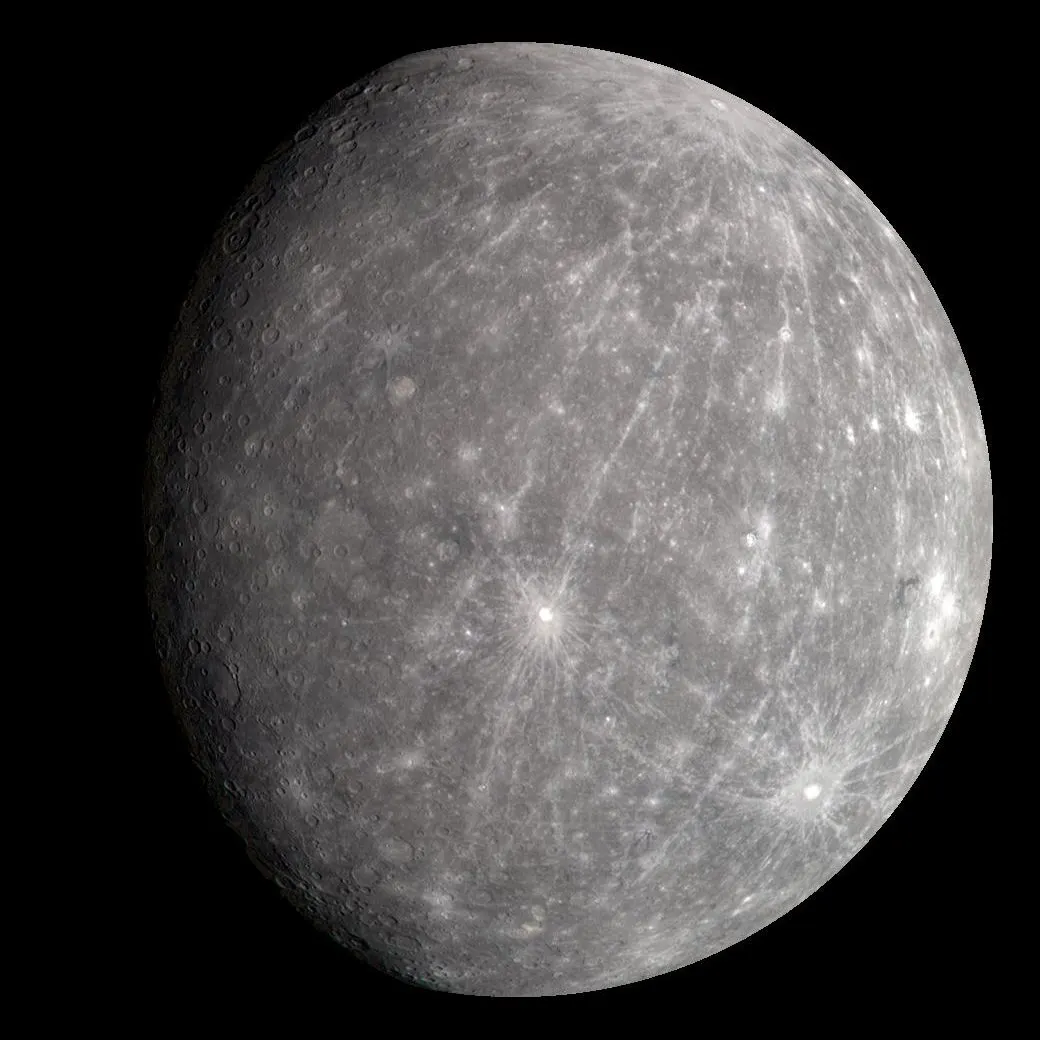
The capture burn happened at a height of only 635 km above Mercury, closer than many satellites fly above Earth. At that distance the surface details are sharp, and the spacecraft raced over craters and plains at great speed. Mercury is the smallest planet, and its surface is marked by impacts from billions of years of collisions. The low pass gave the mission its best early look. Learn about a UK court case about online abuse.
A Joint Mission by ESA and JAXA
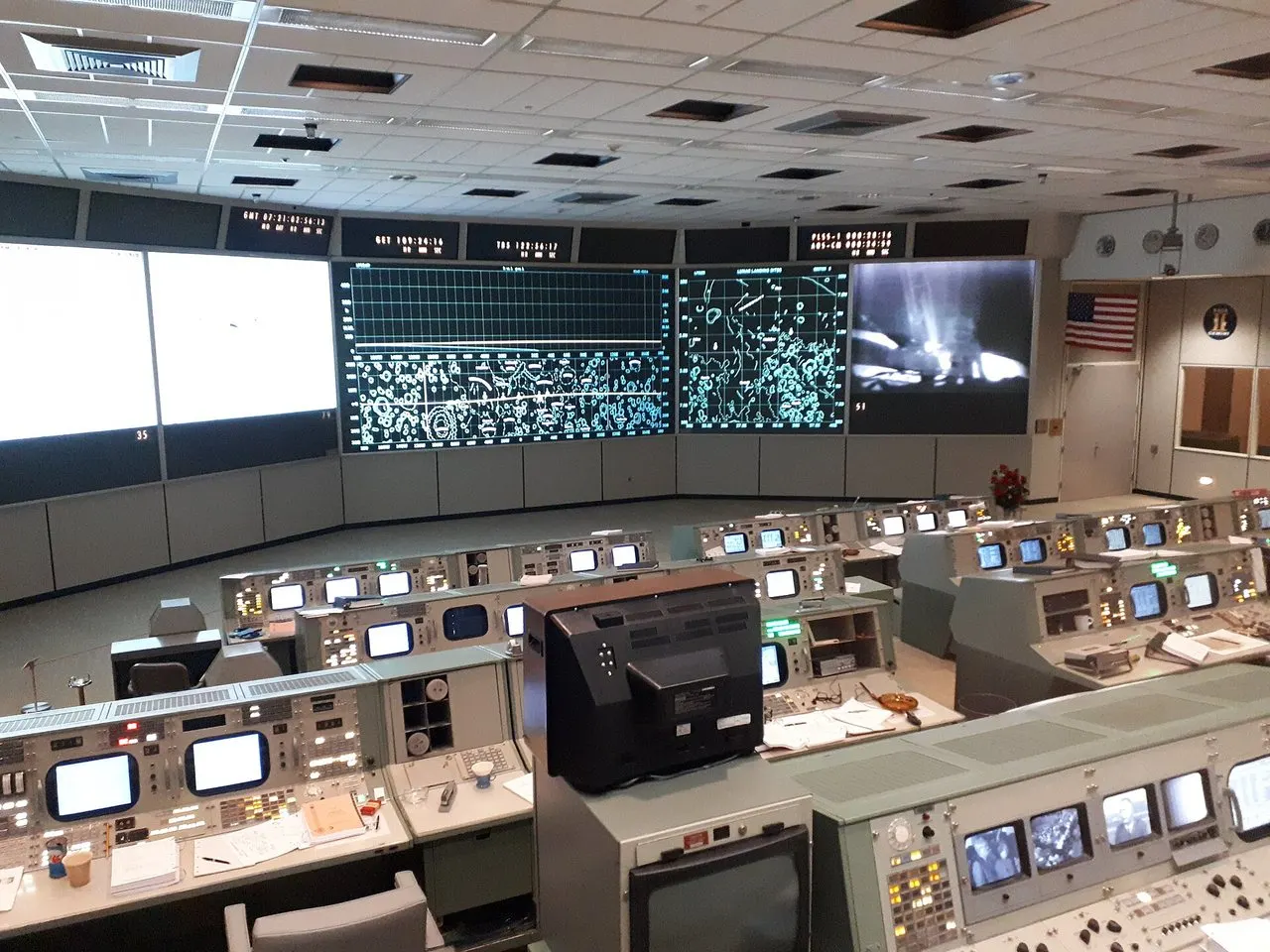
BepiColombo is a joint mission by the European Space Agency and the Japan Aerospace Exploration Agency, two agencies working together on one of the hardest trips in spaceflight. ESA built the Mercury Planetary Orbiter, and JAXA built Mio, and the two spacecraft travel together as one stack. Sharing the work lets each side bring its own skills, and the mission shows what countries can do when they aim at the same planet. See a sentence in a tragic case.
A Software Glitch Cut the Burn Short
The arrival was not perfectly smooth, because a software glitch cut the thruster burn short and briefly sent BepiColombo into safe mode. Safe mode is a careful state where a spacecraft protects itself and waits for instructions from Earth, and it is used when something unexpected happens. The team worked through the fault, and the spacecraft came back under control. Read about a visit urging grace inside the caucus.
Safe Mode and a Quick Recovery
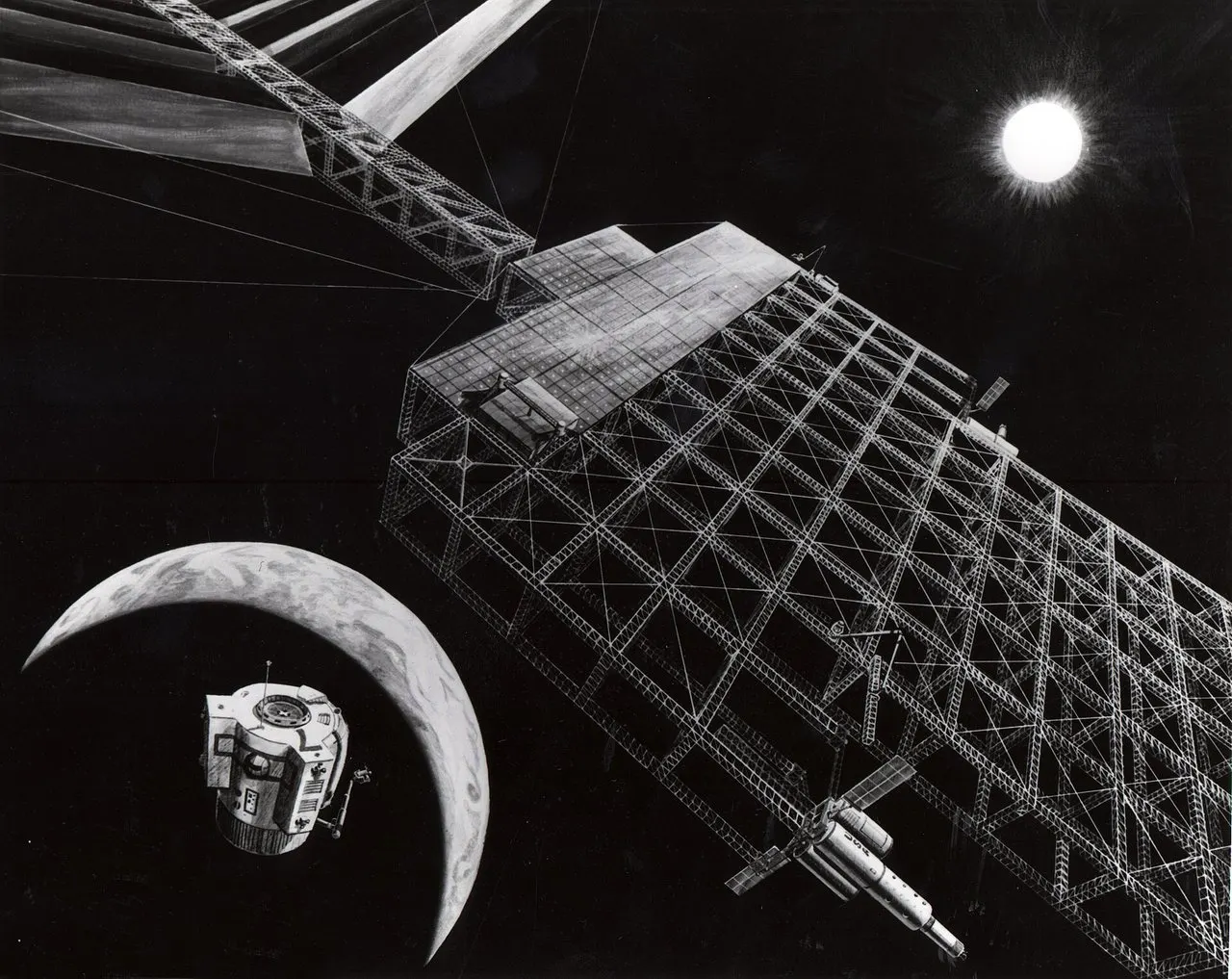
Safe mode sounds alarming, but it is a normal safety step that spacecraft use when they meet a surprise. In safe mode the spacecraft points its solar panels at the Sun, keeps its power steady and waits for new commands. BepiColombo came out of safe mode and settled into a stable 75 hour orbit around Mercury, which means each loop around the planet takes just over three days. Discover a journey of faith over six years.
A Stable BepiColombo Mercury Orbit at Last
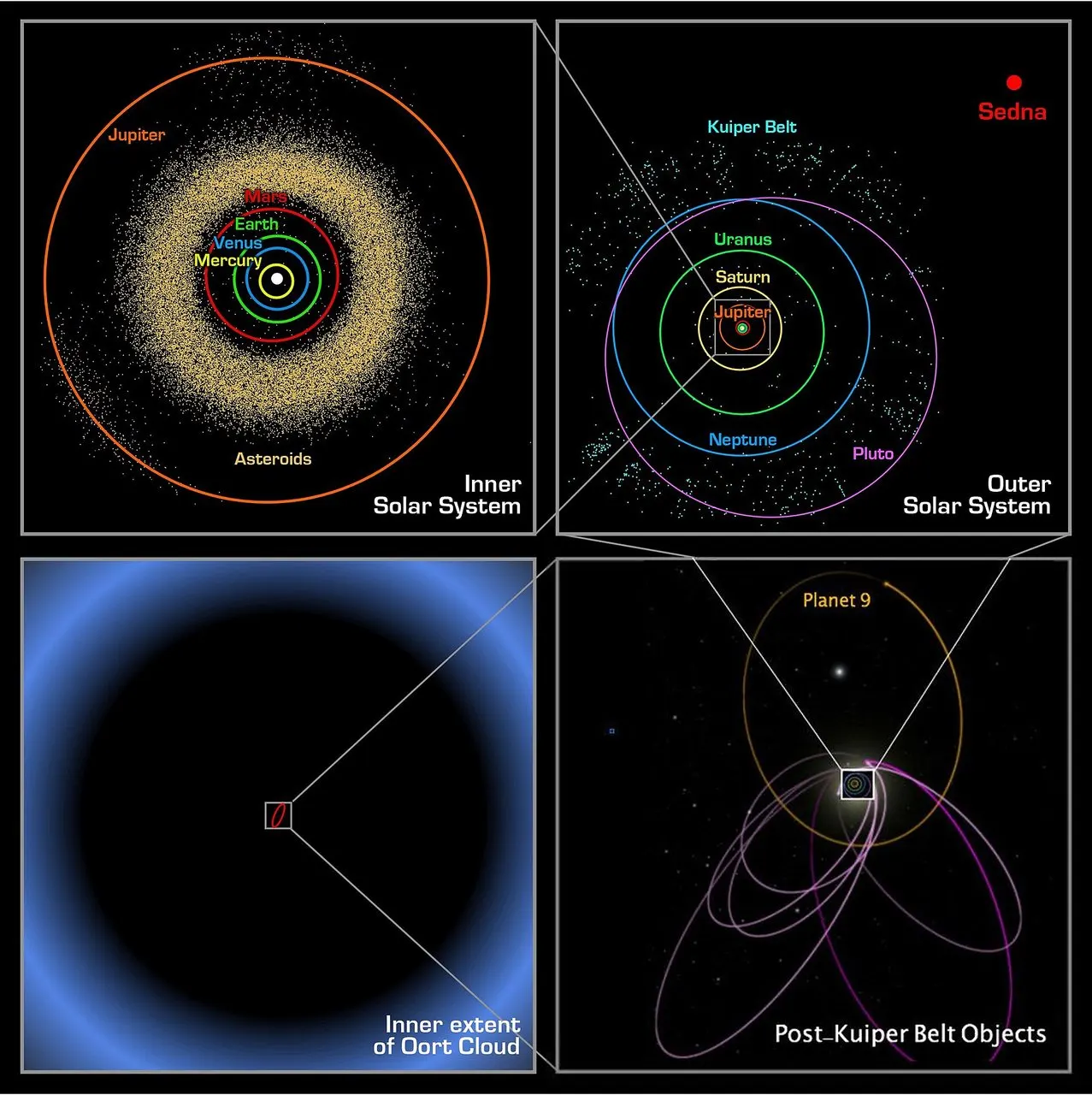
After eight years of travel, BepiColombo is now in a stable orbit that takes 75 hours to complete. A stable orbit means the spacecraft will keep circling Mercury in a steady path, ready for the next steps of the mission. The orbit is the reward for years of planning, nine flybys and one daring burn. From here the mission can slow down, check its systems and get ready for science. See an eviction from Pinoy Big Brother.
Two Orbiters Share the BepiColombo Mercury Orbit
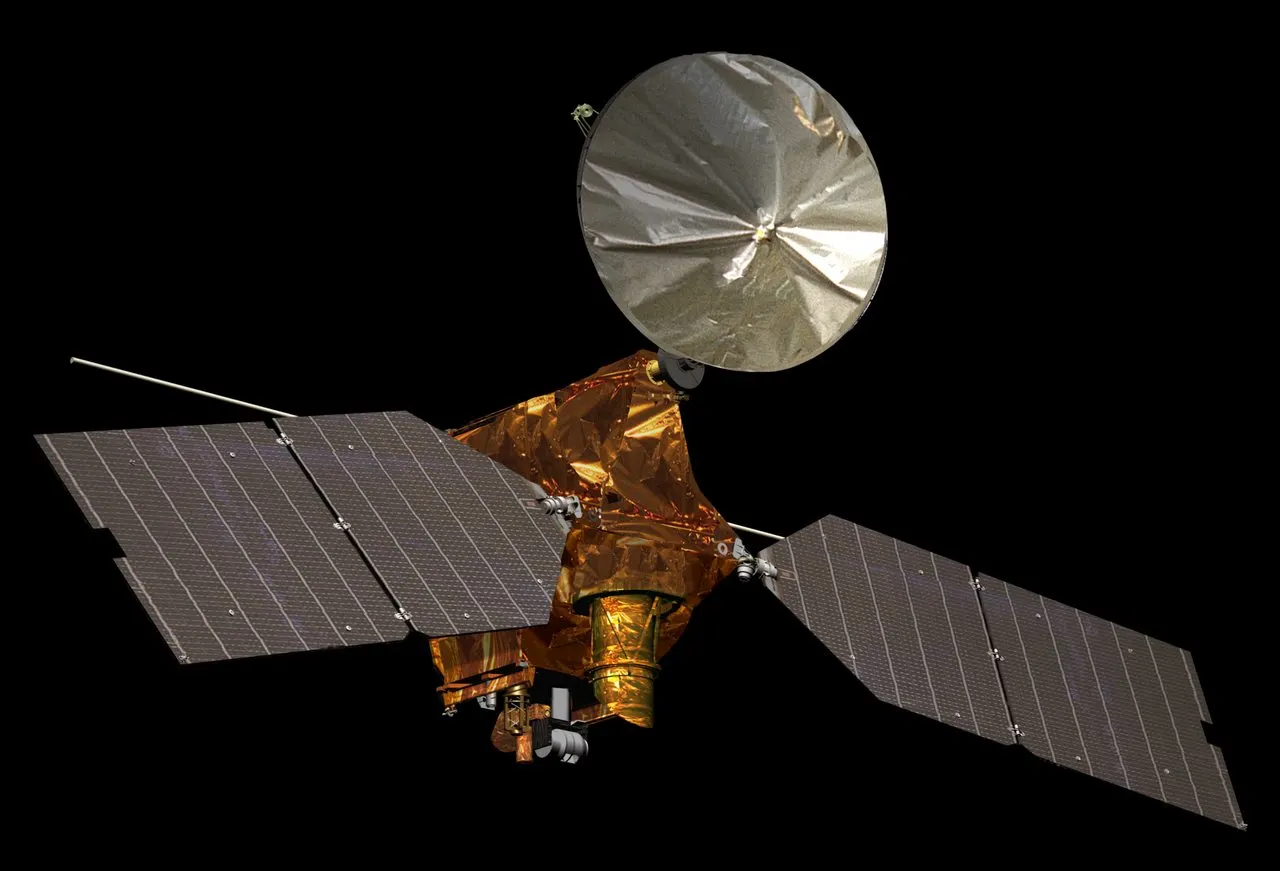
BepiColombo carries two orbiters that will work together around Mercury. ESA’s Mercury Planetary Orbiter will study the surface and the inside of the planet, while JAXA’s Mio will study the magnetic field and the space around Mercury. Having two orbiters at once is a step further than earlier missions, and it lets scientists watch the planet and its surroundings at the same time. Learn about lips made from 10,000 colored pencils.
Mio, the Orbiter From Japan
Mio is the orbiter built by JAXA, the Japan Aerospace Exploration Agency, and it will focus on Mercury’s magnetic field and the charged particles around the planet. Mercury has a magnetic field even though it is small, and scientists want to know how it is made and why it is so weak compared with Earth’s. Mio will watch the space weather around Mercury while its partner maps the ground below. Read about a sentence and a wrongful suit.
Separation Day Inside the BepiColombo Mercury Orbit
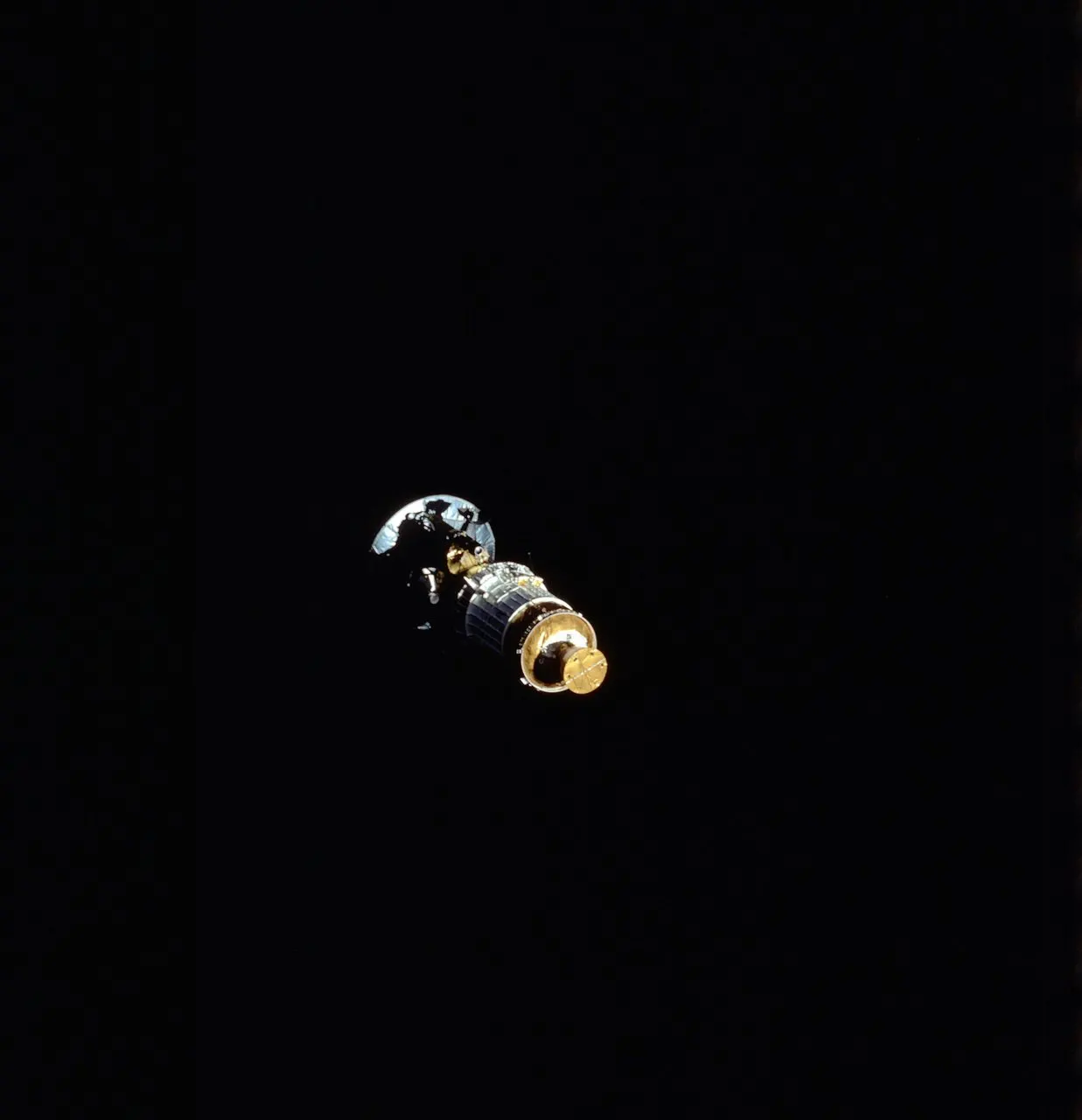
The two orbiters will separate on December 9 and 10, 2026, and go their own ways around Mercury. Separation is a careful step, because each orbiter must move into its own path without hitting the other. Once they are apart, there will be two orbiters around the closest planet to the Sun, a first in the history of spaceflight. That is the moment this mission was built for. See a warning over SpaceX funding.
Science Work Begins in April 2027
Science work is set to begin in April 2027, a few months after the two orbiters separate. Until then the teams will test every instrument, check the orbits and make sure both spacecraft are ready. Starting science takes time, because each camera and sensor must be switched on and tuned in the harsh light and heat near Mercury. When the work starts, new data will flow back to Earth. Discover robots that may one day outnumber people.
Only the Second Mission to Orbit Mercury
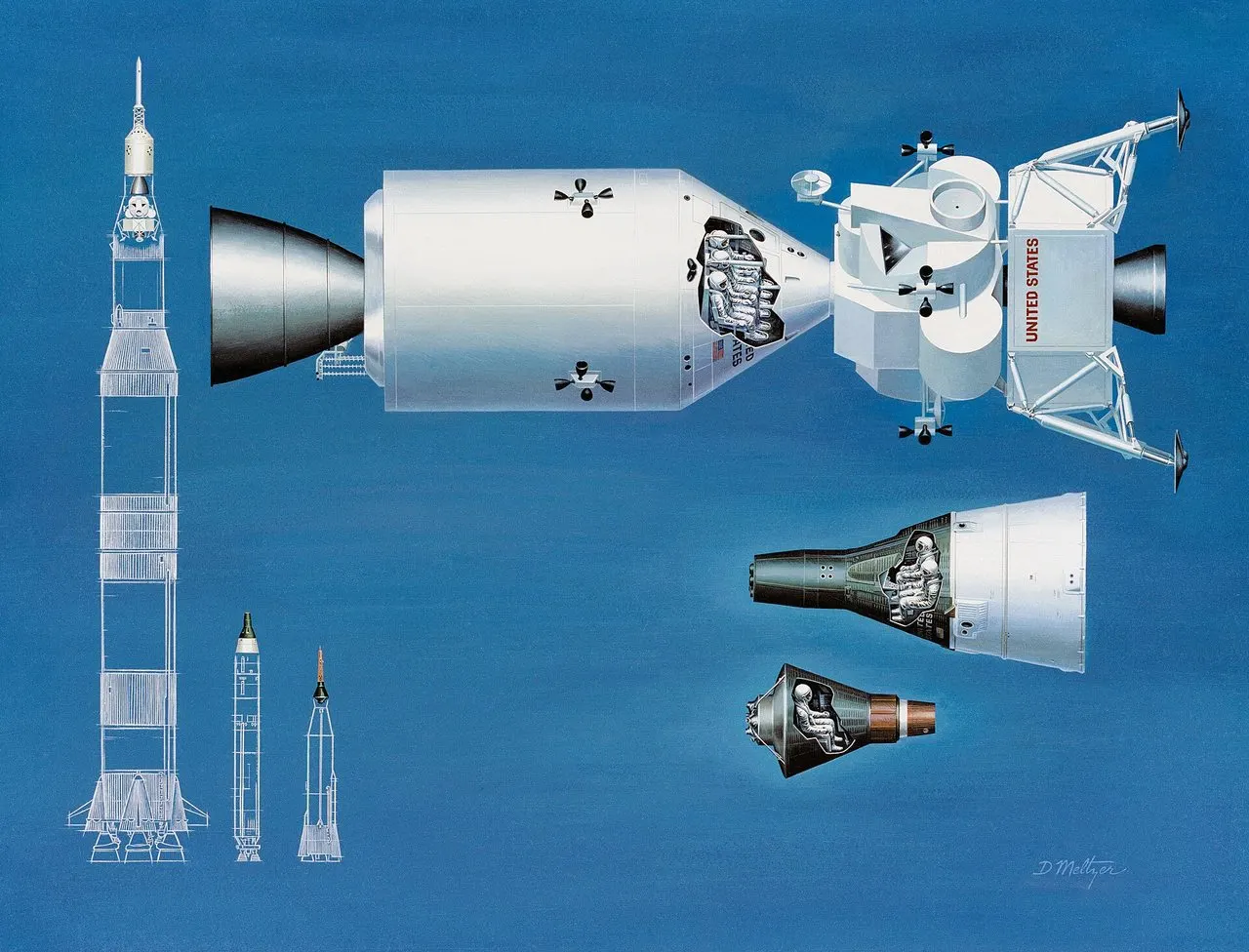
BepiColombo is only the second mission ever to orbit Mercury, after NASA’s MESSENGER, which circled the planet from 2011 to 2015. MESSENGER mapped the surface and found water ice in shadowed craters near the poles, a surprise on a planet so close to the Sun. BepiColombo follows in its footsteps with two orbiters and newer tools, ready to answer the questions MESSENGER left open. Learn about a deal over nearly a billion in legal work.
The Closest Planet to the Sun
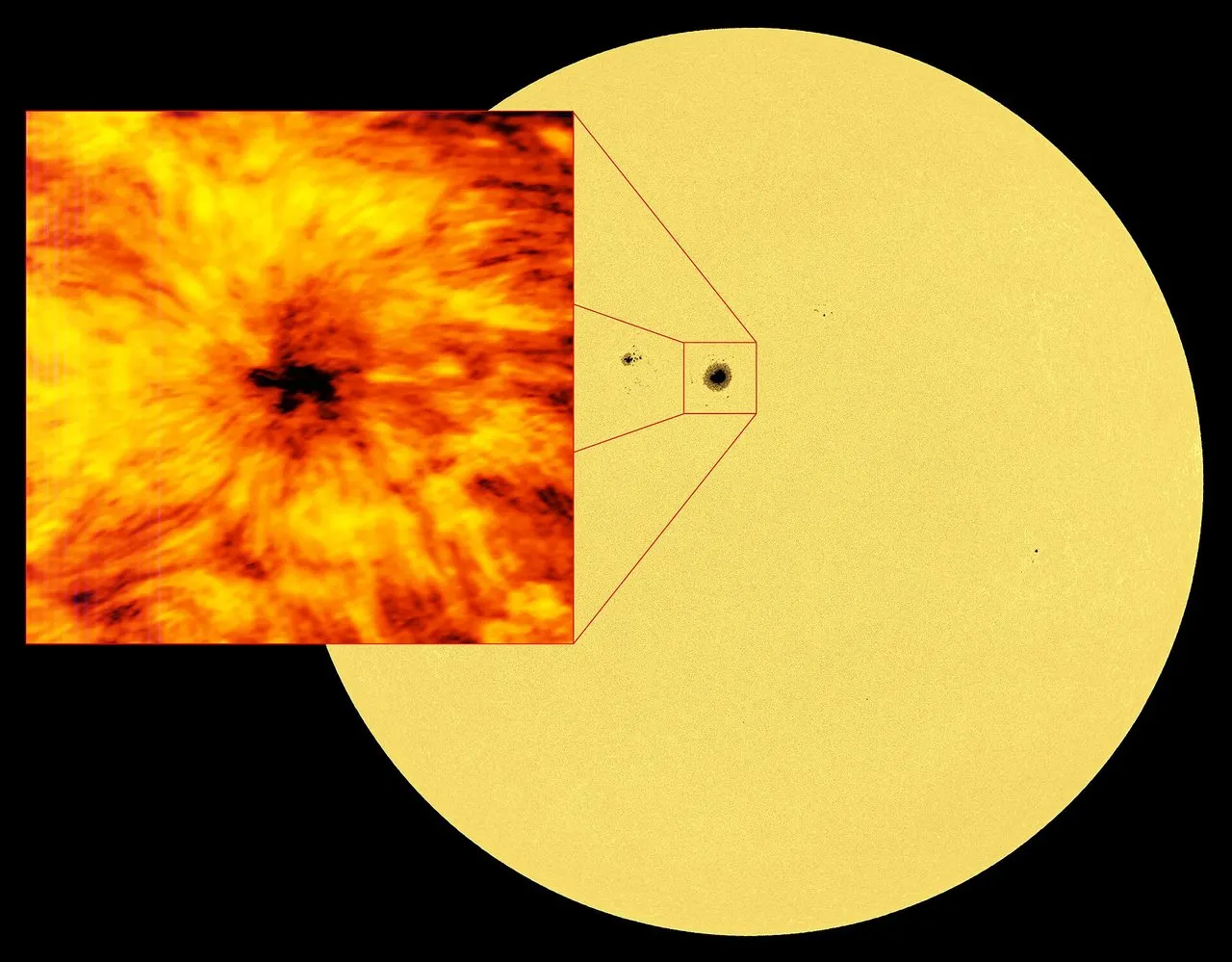
Mercury is the closest planet to the Sun, sitting about 58 million km from our star, and that closeness is what makes it so hard to visit. A spacecraft falling toward the Sun picks up great speed, and the heat grows fierce as it gets near. BepiColombo had to fight that pull for eight years, slowing down step by step until Mercury could finally hold it. Read about signs it is time for a new season.
What the Orbiters Will Study
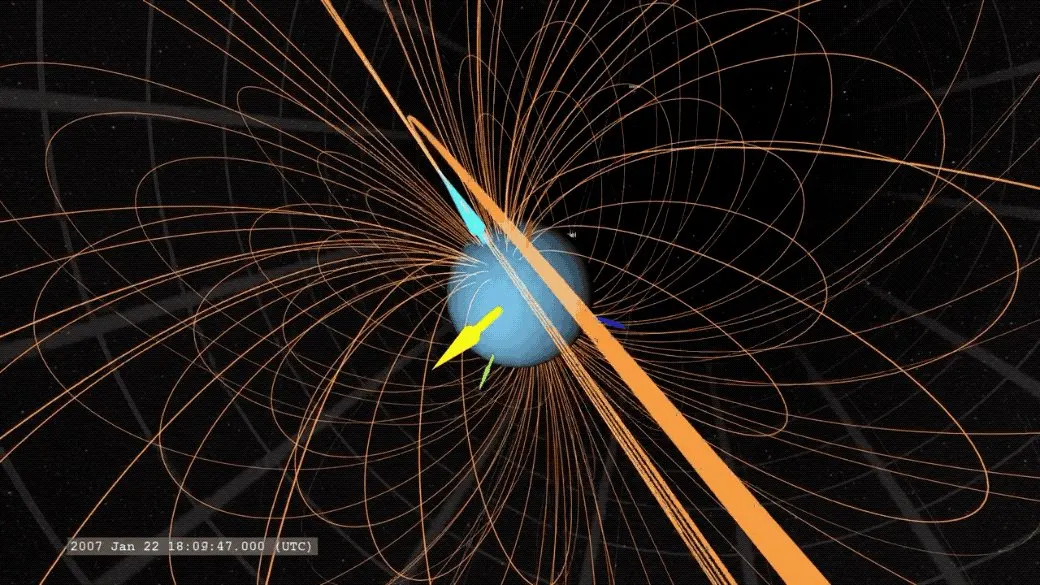
The two orbiters will study Mercury from the surface to its magnetic field, and from its thin exosphere to the inside of the planet. Scientists want to know why Mercury has such a large iron core, how its magnetic field works and what its surface is made of. The answers will help explain how the rocky planets formed, including Earth, and why Mercury turned out so different from its neighbors. See a silent shrug in Berlin.
What the BepiColombo Mercury Orbit Will Reveal
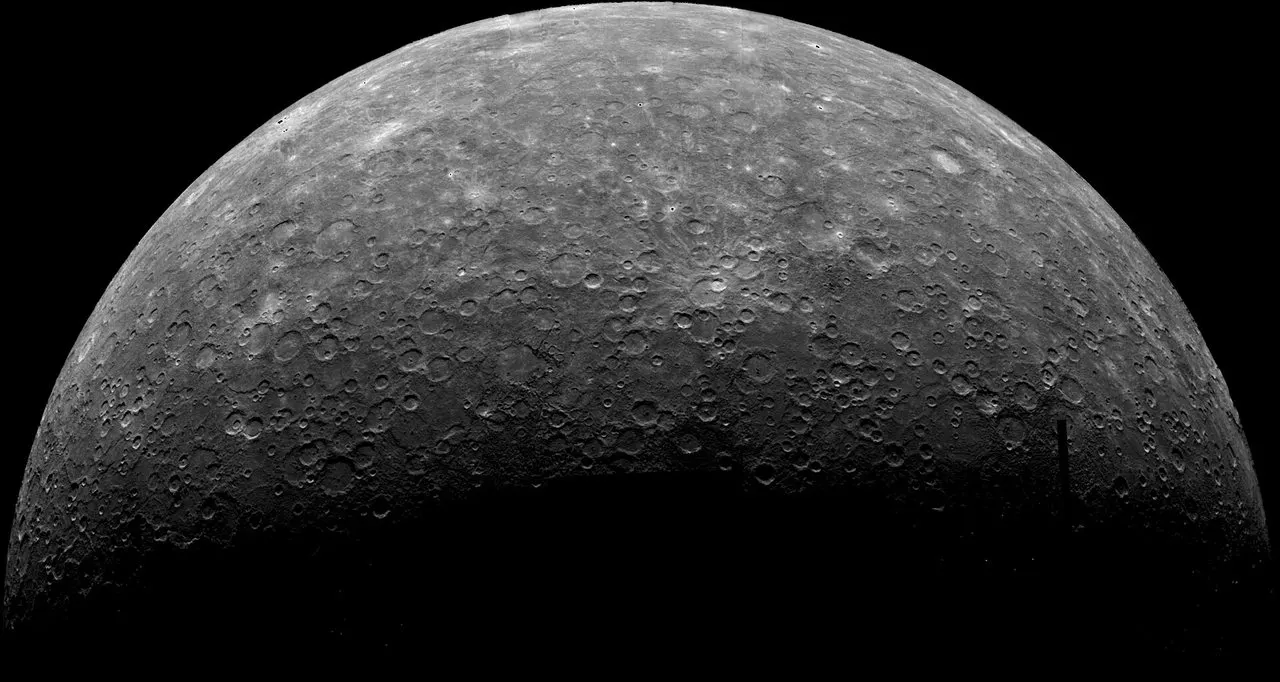
Mercury’s surface is covered in craters, cliffs and plains that hold the story of the early Solar System. Because the planet has almost no air, its surface has kept the marks of billions of years of impacts. The orbiters will map those marks in fine detail and look for clues about water ice hiding in shadowed craters. Each new picture will add to a story that began long before Earth had life. Learn about a truck that looked like it drove through a wall.
Why This Arrival Matters for Space Science
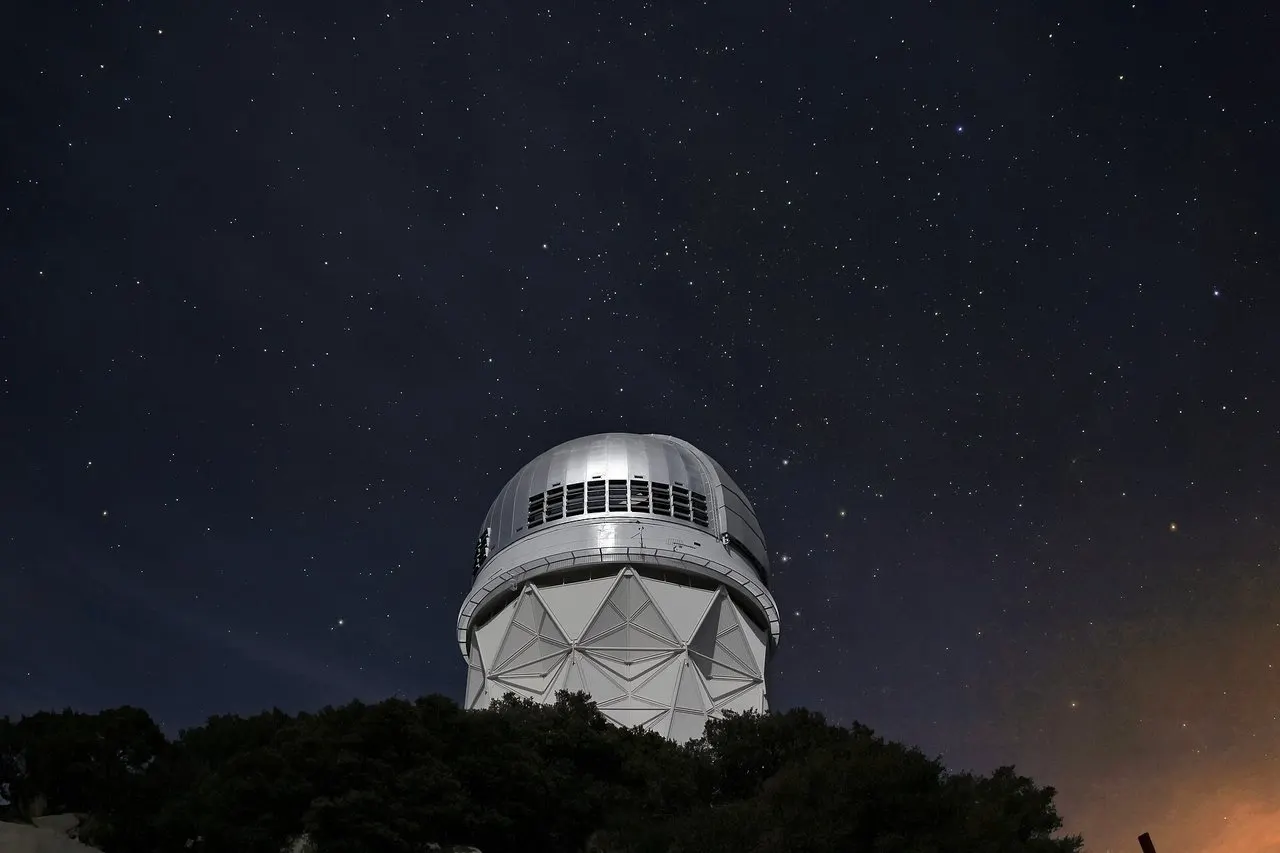
Reaching Mercury matters because the smallest planet is a puzzle that can teach us about all the rocky worlds, including our own. Its huge iron core, its weak magnetic field and its scarred surface do not fit simple ideas about how planets form. With two orbiters working together, scientists can watch Mercury and its surroundings at the same time, and the data may change how we see the early Solar System. Discover what truly lasts in a life.
What Would You Ask About Mercury?
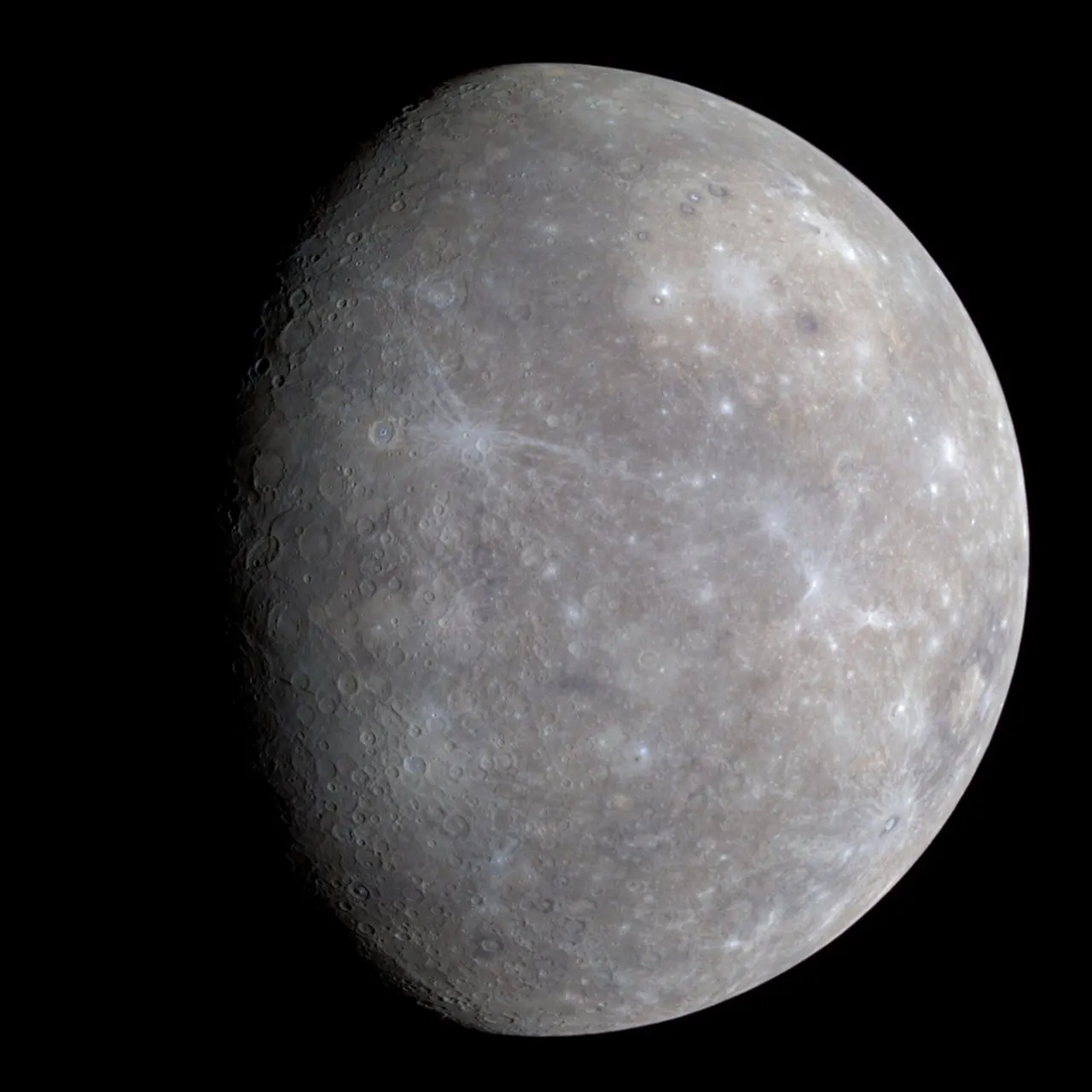
BepiColombo has finally reached Mercury after eight years, many flybys and one daring maneuver, and now the real work begins. Two orbiters will circle the smallest planet, and science starts in April 2027. What do you most want to learn about Mercury? Would you ask about its iron core, its ice filled craters or its strange magnetic field? Share your thoughts in the comments and keep following this mission. Read about a UK court case about online abuse.