Muslim Population 2035: A Historic Shift Is Coming
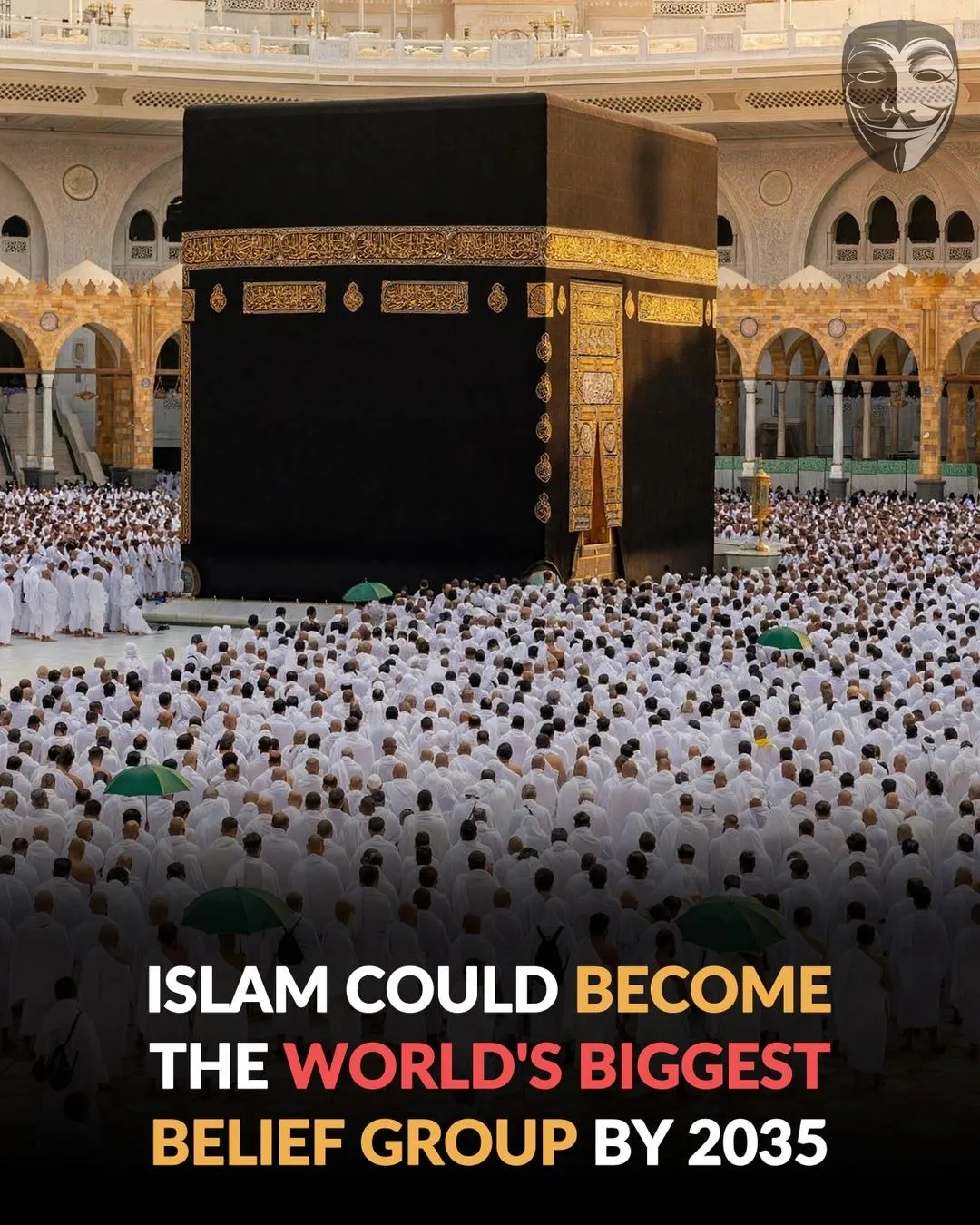
Muslim population 2035 is the year Pew Research Center says the map of world faith will change, with Muslims set to pass Christians as the largest belief group on earth. The study, released on November 18, 2026, projects 2.57 billion Muslims and 2.52 billion Christians by that year, a gap of about 50 million people. Christianity has held the top spot for centuries, so the change would mark a turning point in world history. In the slides ahead, we look at the numbers, the reasons behind them and what they could mean.
The shift comes from simple facts of life, not sudden change. Muslims have more children on average than Christians, and the Muslim population is younger, so more young people are reaching the age when they start families of their own. Pew says both groups will keep growing in number, yet Islam is growing faster, and by 2070 the gap could widen much further. For more on this story, read our report on the same Pew projections.
References:
Associated Press: Islam expected to surpass Christianity as the world’s largest belief group by 2035
Religion News Service: How Pew’s projections for Christianity and Islam worldwide changed and why
National Catholic Reporter: Islam is expected to surpass Christianity as the world’s largest belief group by 2035
WSB TV: Muslims to outnumber Christians by 2035, says Pew Research Center
What the New Pew Study Found
Pew Research Center released its new report, The Future of World Religions, on November 18, 2026, and the headline finding surprised many readers around the world. The study looks at seven religious groups in 201 countries and territories, covering nearly all of humanity, and it projects how each group could grow or shrink through the year 2070. Its main finding is clear. Muslims are expected to pass Christians as the largest belief group by 2035. Read our report on the same Pew projections for more detail.
Muslim Population 2035 in Plain Numbers
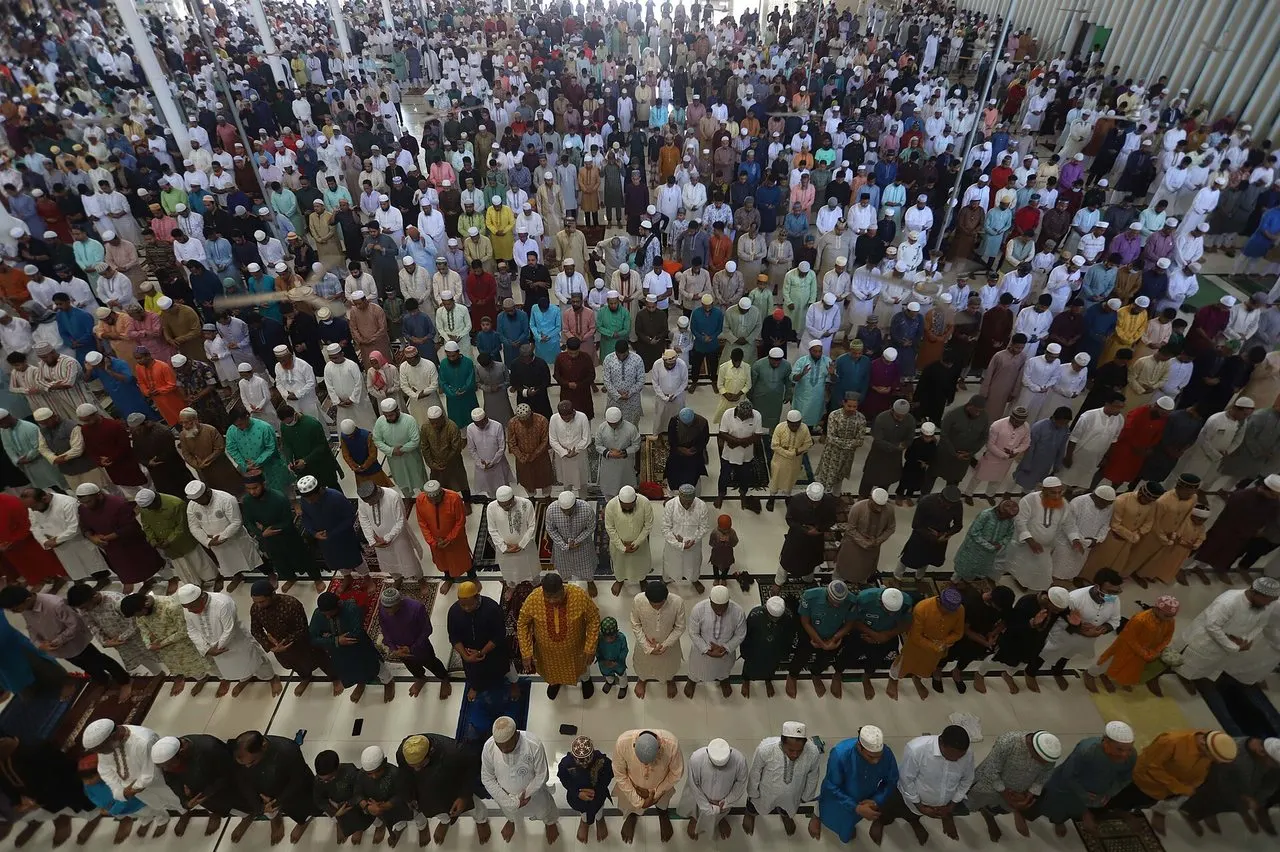
The numbers behind Muslim population 2035 are simple to follow. Pew projects 2.57 billion Muslims and 2.52 billion Christians in that year, a difference of about 50 million people. In 2020 the picture was the other way around, with 2.27 billion Christians and 2.02 billion Muslims. Both groups are still growing, so nobody is shrinking, but Islam is growing faster, and that faster pace is what closes the gap. See the same Pew numbers in our report for the full picture.
Why Muslim Population 2035 Comes Down to Birth Rates
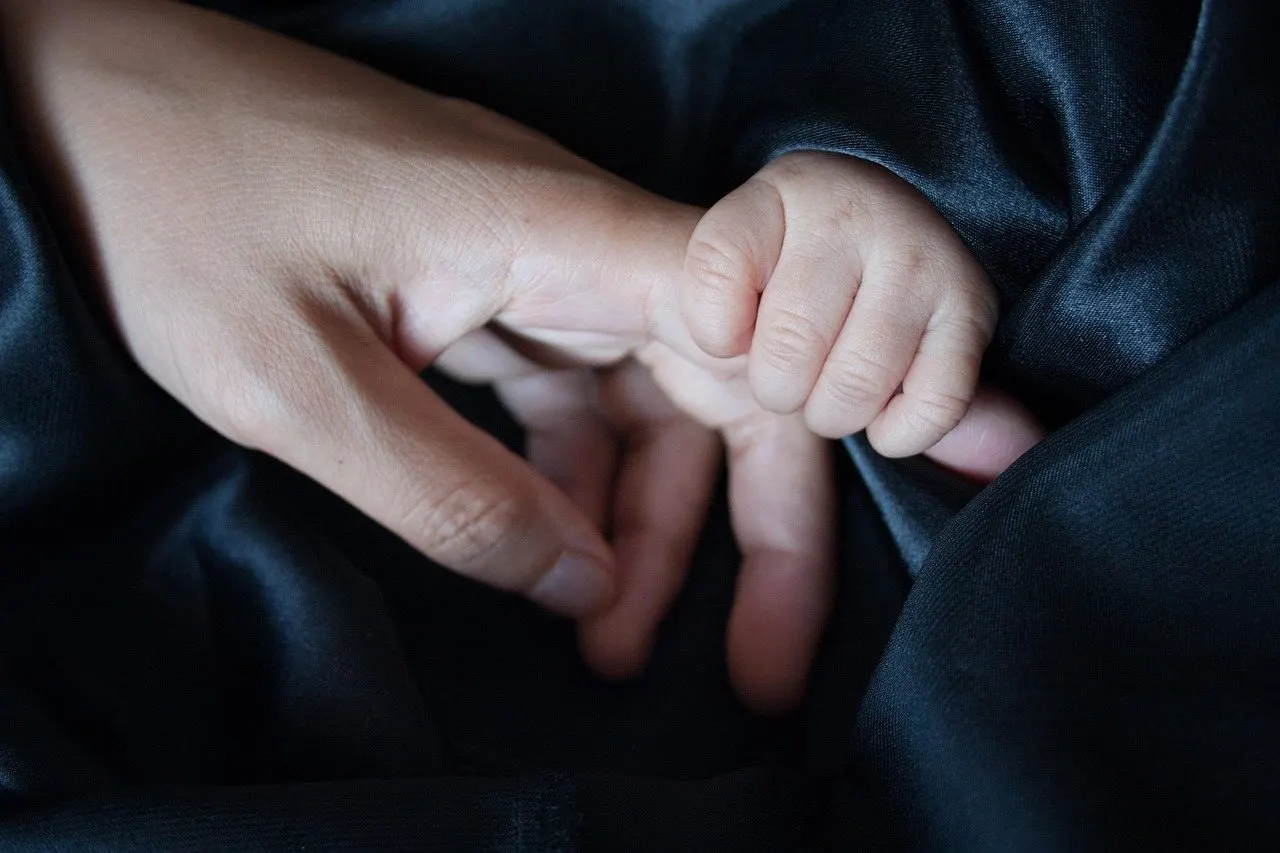
The main reason for the change is birth rates. Between 2020 and 2025, Muslim women had 3.1 children on average, while Christian women had 2.5, according to Pew. That gap may sound small, but across hundreds of millions of families and many years, it adds up to a very large difference. More births mean more young Muslims, and more young Muslims mean more families in the next generation. Learn how the projections changed over time in our related coverage.
A Younger Muslim Population

Age matters as much as birth rates in this story. The Muslim population is younger on average than the Christian population, which means a larger share of Muslims are in their childbearing years right now. A young population grows faster even when birth rates stay steady, because there are simply more parents in each new generation. This age gap is one of the main reasons Pew expects the change to happen by 2035. Read our report on Muslim unity for more on the people behind the numbers.
Muslim Population 2035 and the Road to 2070

The story does not stop in 2035. Pew projects that by 2070 there will be 3.64 billion Muslims, making up 36 percent of all people on earth, while Christians will number just under 3 billion and make up 29 percent. In 2020 Muslims were 26 percent of the world, so the share keeps rising through the century. The world as a whole is set to grow by 29 percent in the same period. See the same long view in our report for more context.
Projections Are Not Promises

Pew is careful to say that these numbers are projections, not promises. They are built on current trends in births, deaths, migration and people changing faith, and if those trends change, the numbers will change too. A large revival, a sudden shift in birth rates or a wave of migration could all move the date. That is why the report speaks in careful language about what could happen, not what will happen for certain. Read our report on the same projections for more on what the numbers can and cannot tell us.
How Pew Counts the World’s Faiths
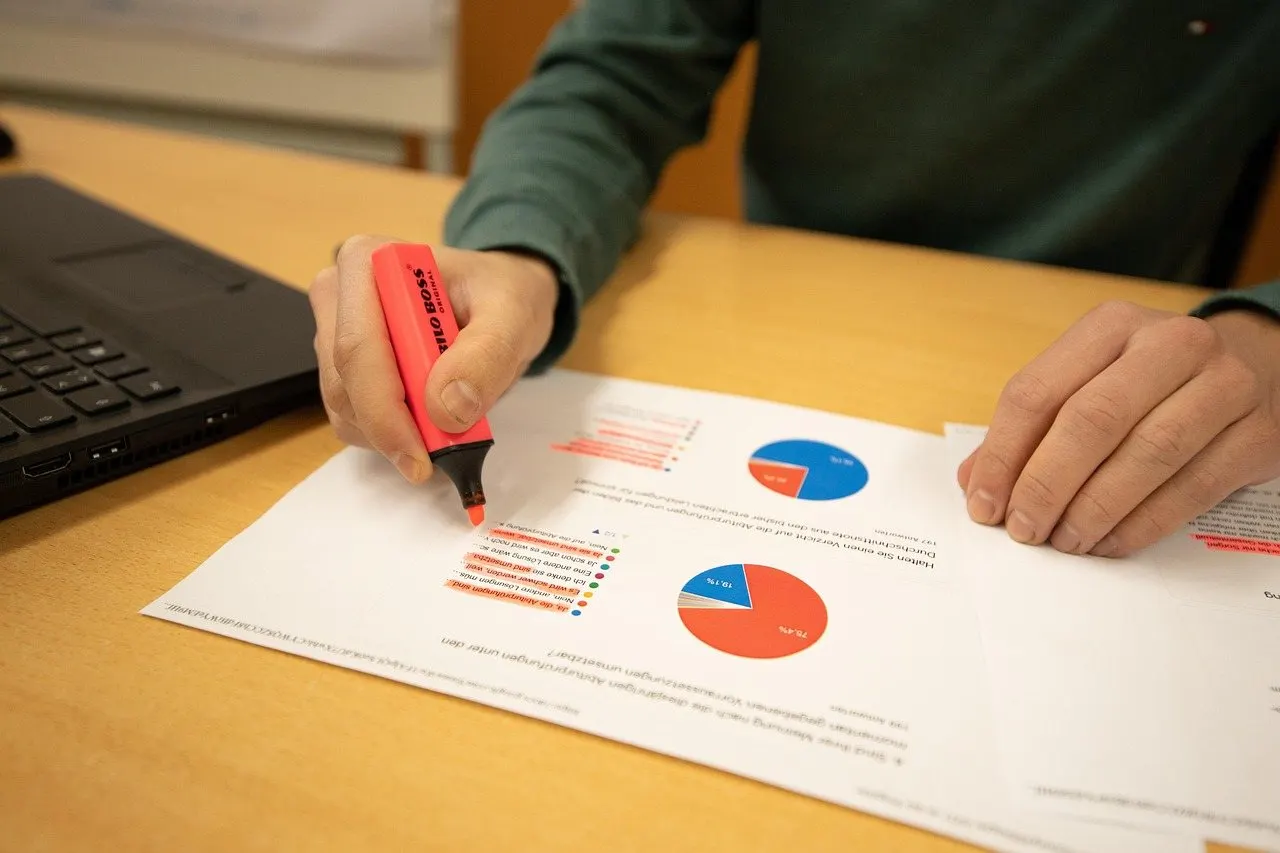
Pew builds its projections from census data and large surveys in 201 countries and territories, covering 99.98 percent of the people on earth. Its researchers look at age profiles, birth rates, death rates, migration and how often people switch faiths, then carry those trends forward year by year. The work is done by demographers who have tracked world religion for 25 years. For more on the method, see our look at the faith shift in detail.
Christianity Today: Still Growing, Just Slower

It is easy to misread the headline as a story of decline, but Pew says Christians are still growing in number. Christians are projected to rise from 2.27 billion in 2020 to 2.52 billion in 2035, and to just under 3 billion by 2070, a rise of 30 percent across the half century. Christianity has been the world’s largest religion for centuries, and it will remain the second largest in 2070. Read another faith story from our pages for more on how faith is changing.
Where Muslim Population 2035 Is Growing Fastest
The growth is not spread evenly around the world. It is fastest where birth rates are highest and populations are youngest, and that points to parts of Africa and Asia, where many Muslim families live. Pew notes that Christians in sub-Saharan Africa are also growing fast, with Christians in Congo alone projected to reach 299 million by 2070. The map of faith is shifting toward the south and east. See another faith story from our pages for more on the people behind the shift.
Africa’s Role in the Global Shift

Africa sits at the heart of this story because it has some of the youngest and fastest growing populations on earth. High birth rates and a young age profile mean that many African countries will add millions of people in the decades ahead, and both Muslims and Christians there are growing. As Africa’s share of world population rises, so does its share of both faiths. Read the debate over faith in public life for more on how the world is changing.
What Muslim Population 2035 Means for Families
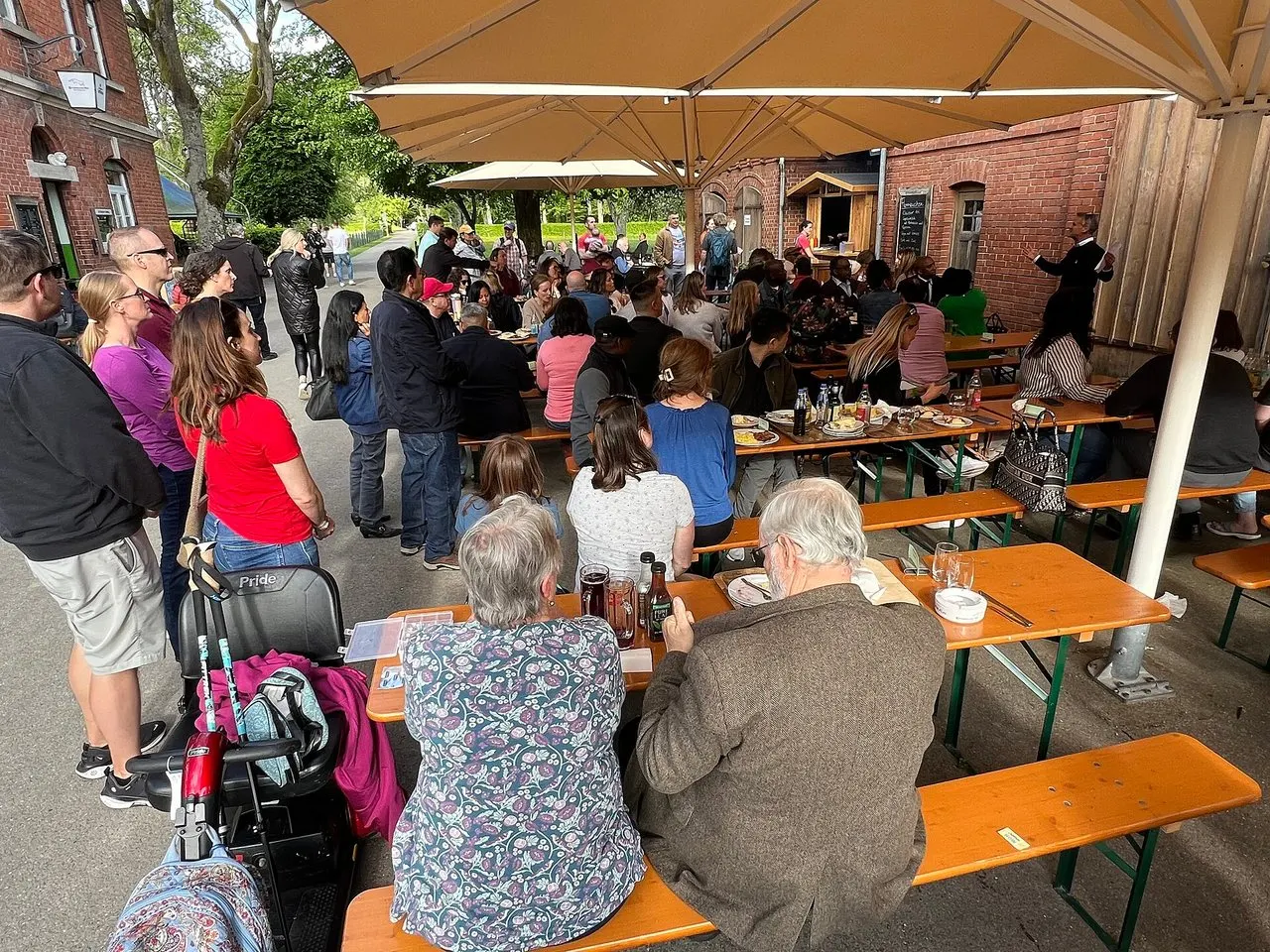
Behind every number in this report is a family. The rise in Muslim population 2035 comes from millions of ordinary choices, like couples having children and raising them in their faith, repeated across whole countries. Family size is shaped by health care, schooling, income and custom, and all of these are changing as countries develop. As families change, so does the map of world faith. See a story about children and faith for more on how everyday life shapes big trends.
How Young Families Shape the Future

A young population carries its own momentum. When many people are in their twenties and thirties, births stay high even if each family has fewer children than before, because there are simply more parents. That is why demographers watch the age of a population as closely as its birth rate. The Muslim world is young today, and that youth is a large part of the 2035 story. Read a story of quiet strength for more on how the young shape tomorrow.
Other Faiths in the Muslim Population 2035 Picture
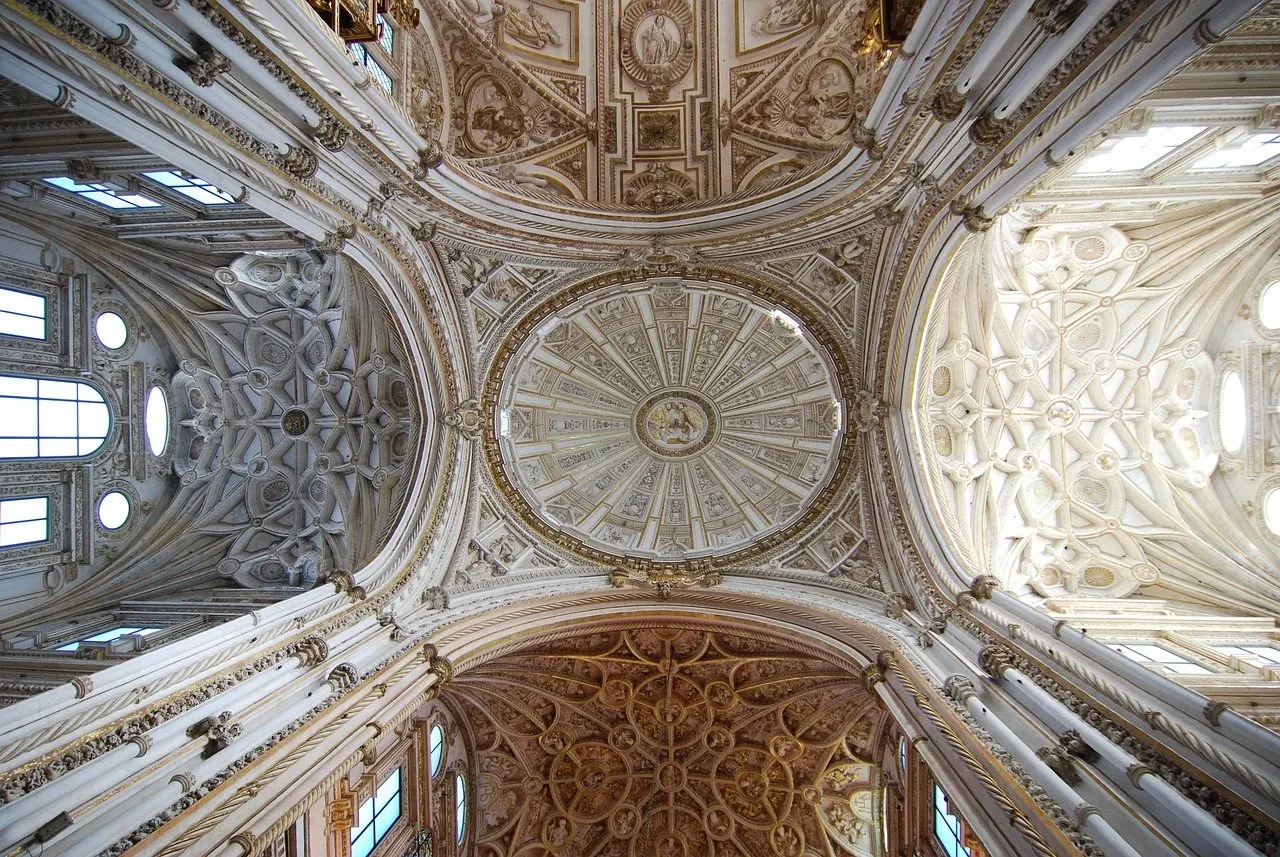
Pew studied seven groups in all, not just Muslims and Christians. Hindus, Buddhists, Jews, followers of other religions and people with no religion were all counted, and each group has its own story of growth or change. The world’s total population is set to rise by 29 percent between 2020 and 2070, and only Muslims and Christians are expected to keep pace with that rise. See a debate that divided opinion for more on faith in a changing world.
What the Shift Means for Big Cities
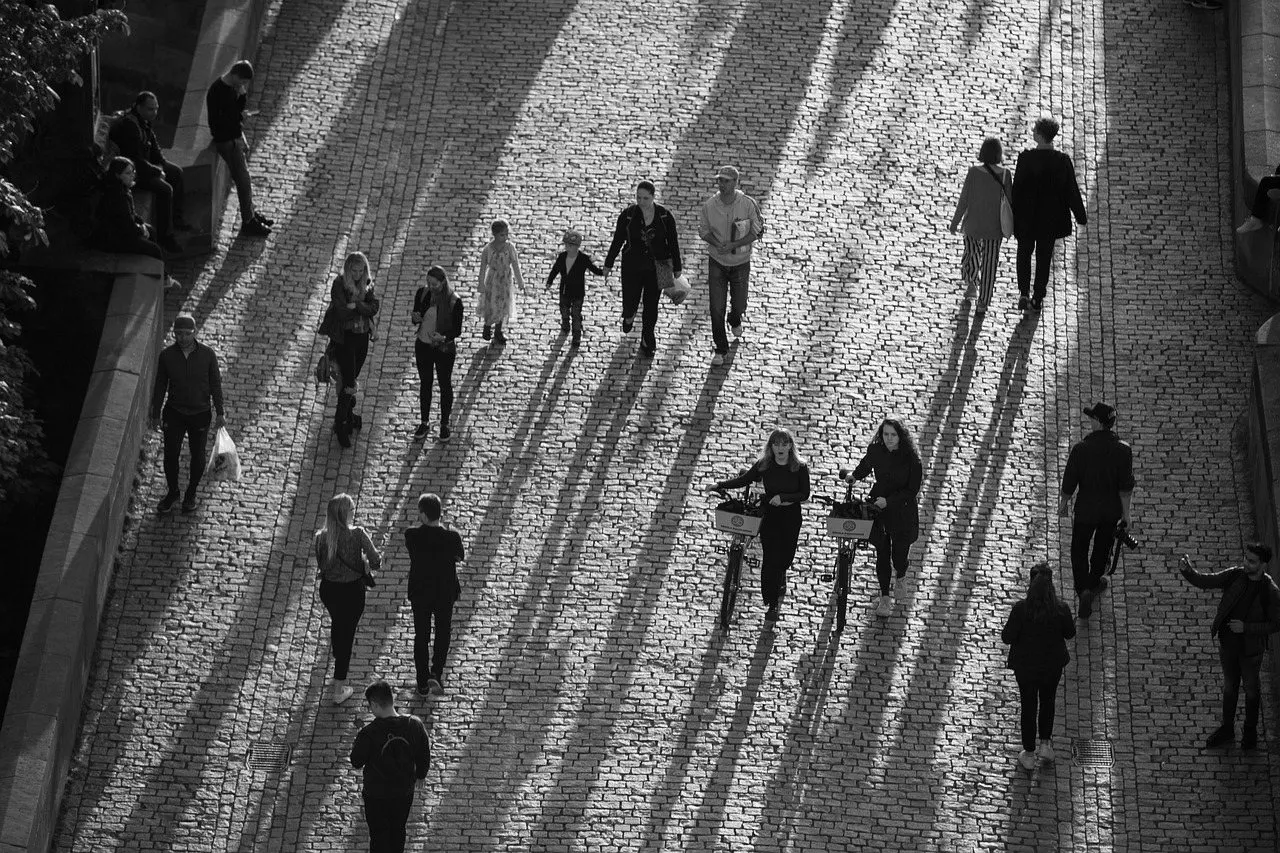
As the world grows, it also crowds into cities, and the faith map changes street by street. Big cities already mix many faiths, languages and customs, and that mix will grow richer as populations rise in Africa and Asia. Mosques, churches and temples stand side by side in many modern cities, and their congregations are younger than ever. Read a standoff in Washington for more on how cities and people change together.
Muslim Population 2035 and the Places People Worship
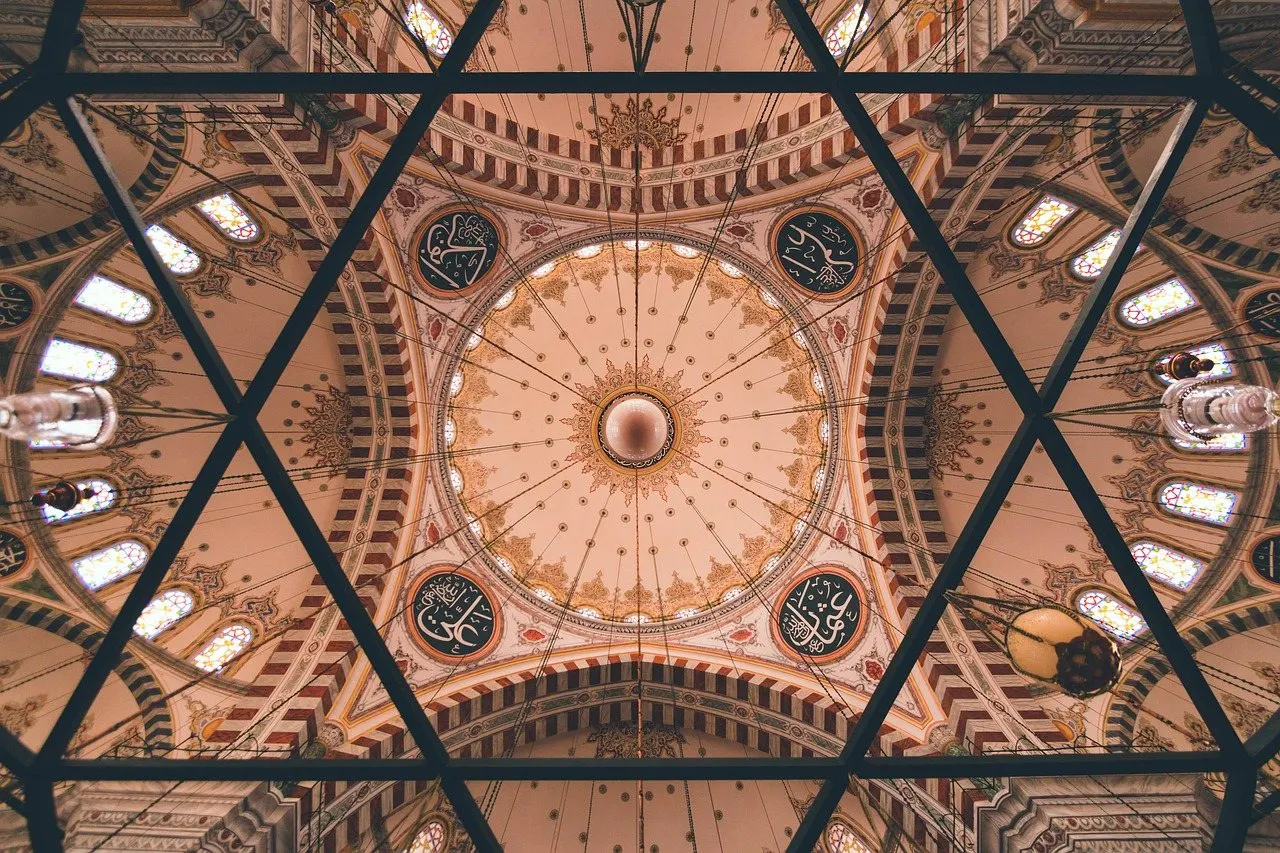
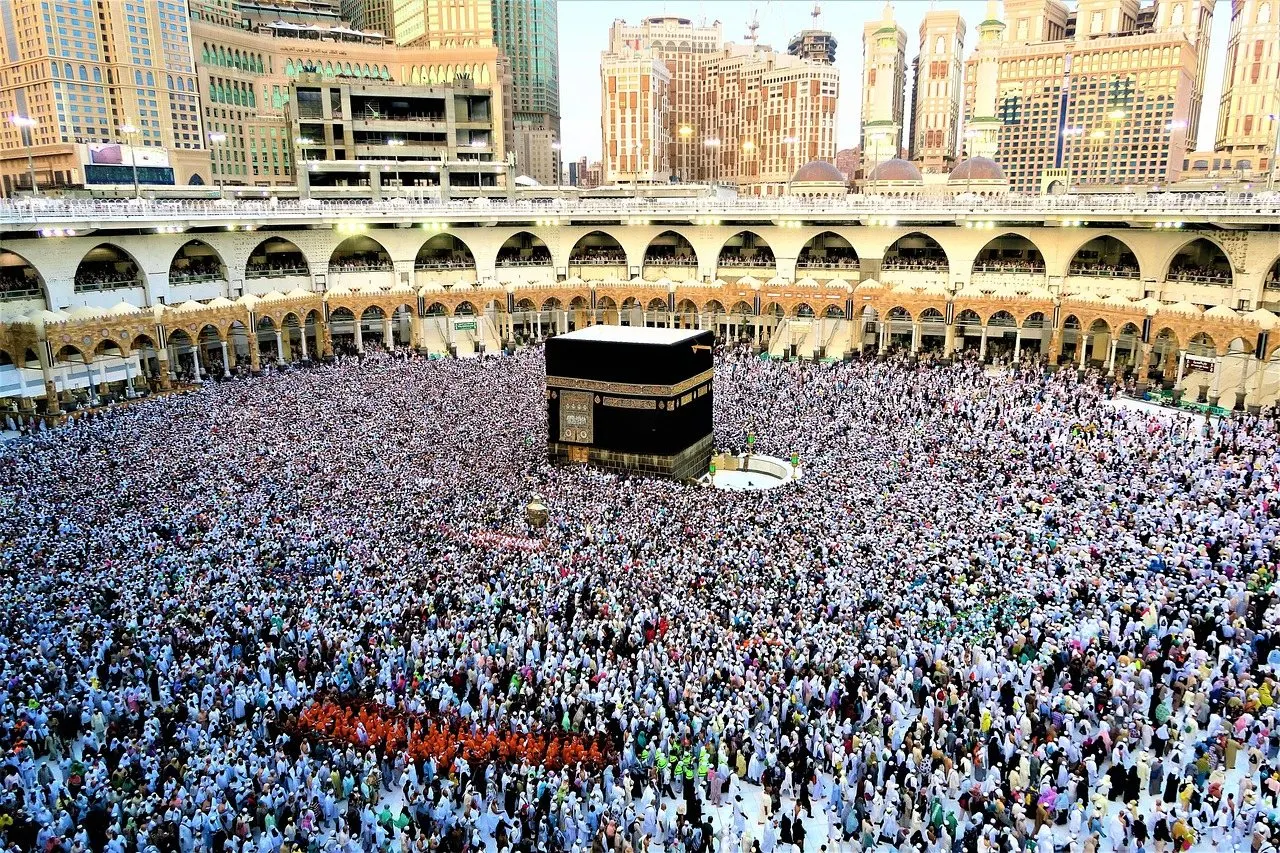
Places of worship tell the story in brick and stone. The Grand Mosque in Mecca draws millions of pilgrims each year, and mosques in every country are filling with younger faces. Churches, too, are growing in Africa and Asia even as they age in Europe and North America. The buildings stay, but the people inside them keep changing. See a robot story from another world for more on the places where faith lives.
How the News Traveled Around the World

The Pew report landed on November 18, 2026, and newsrooms around the world picked it up within hours. The Associated Press, Religion News Service, the National Catholic Reporter and WSB TV were among the first to carry the story, each with its own headline on the same striking numbers. The speed of the coverage showed how much the world cares about faith and the future. Read a medical breakthrough for more stories that traveled fast.
Faith Leaders Watch Muslim Population 2035
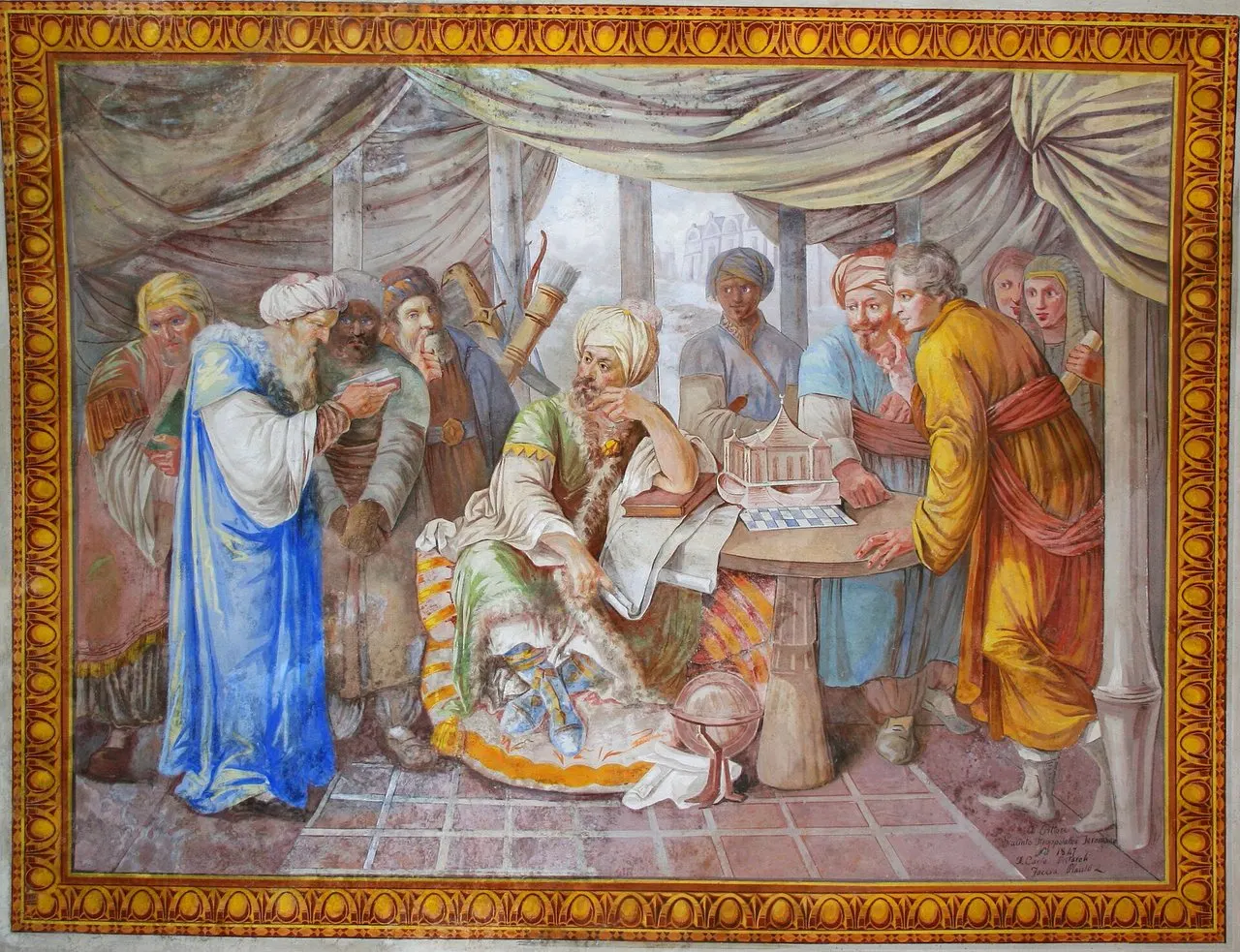
Religious leaders and scholars are reading the Pew numbers closely, and the report has started conversations in mosques, churches and classrooms alike. Some see a chance to build bridges between faiths, while others see a call to serve growing congregations. Pew’s own researchers stress that the figures describe trends, not winners or losers, and they urge readers to treat the numbers with care. See a visit about grace and values for more on faith in public life.
Pew Has Tracked Faith for 25 Years

This is not Pew’s first look at world faith. The center has been issuing reports on religious demography for 25 years, and each new study refines the last one with fresh census data and better surveys. The 2026 report draws on work that began with estimates for 2020 and carries them forward to 2070. That long view is what makes the findings hard to ignore. Read a life that left a mark for more on work that stands the test of time.
Why Muslim Population 2035 Caught the World’s Eye
The year 2035 is close enough to feel real, and that is part of why the story spread so fast. It is less than a decade away, inside the lifetime of every reader, and it marks the first time in centuries that the world’s largest faith could change. A date that near turns a distant trend into news people can picture. See a story about finding your voice for more on moments that caught the world’s eye.
What Comes After 2035
Even if the crossover happens on schedule, the story keeps moving. Pew says that if every group had the same birth rate, Muslims would still pass Christians by 2040, only five years later, because the age gap alone pushes the change along. And by 2070 the gap could reach hundreds of millions. The future is not fixed, but the direction is clear. Read a reality show eviction for more on what comes next in a changing world.
The Bigger Picture Beyond Muslim Population 2035

Step back, and the 2035 crossover is one part of a much larger story. The world is adding people, cities are growing, and faith is moving south and east toward Africa and Asia. In the United States, Pew says Christians could fall to 47 percent by 2070 while people with no religion rise to 41 percent. Every region has its own pattern, and the whole picture is still taking shape. See a moment at a world summit for more on the world in motion.
What Do You Think About the 2035 Projection?

We have reached the end of this look at a study that could mark a turning point in world history. The numbers say Islam could pass Christianity as the largest belief group by 2035, driven by birth rates and a young population, yet the future is never fixed. What do you think the change would mean for the world, and for your own community? Share your thoughts in the comments below. Read a story of quiet strength while you are here.