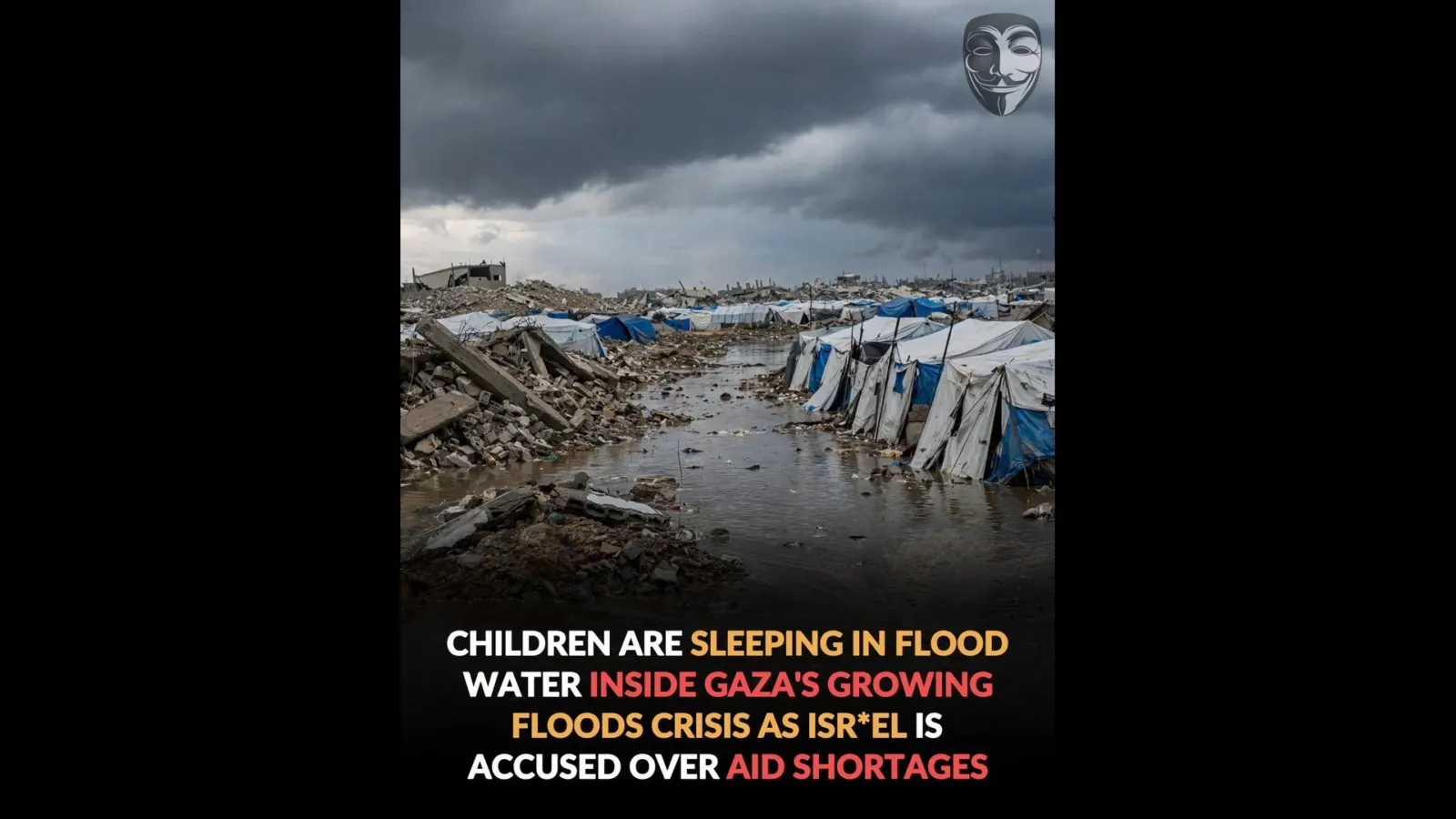
Gaza Floods Crisis Leaves Children Sleeping in Flood Water
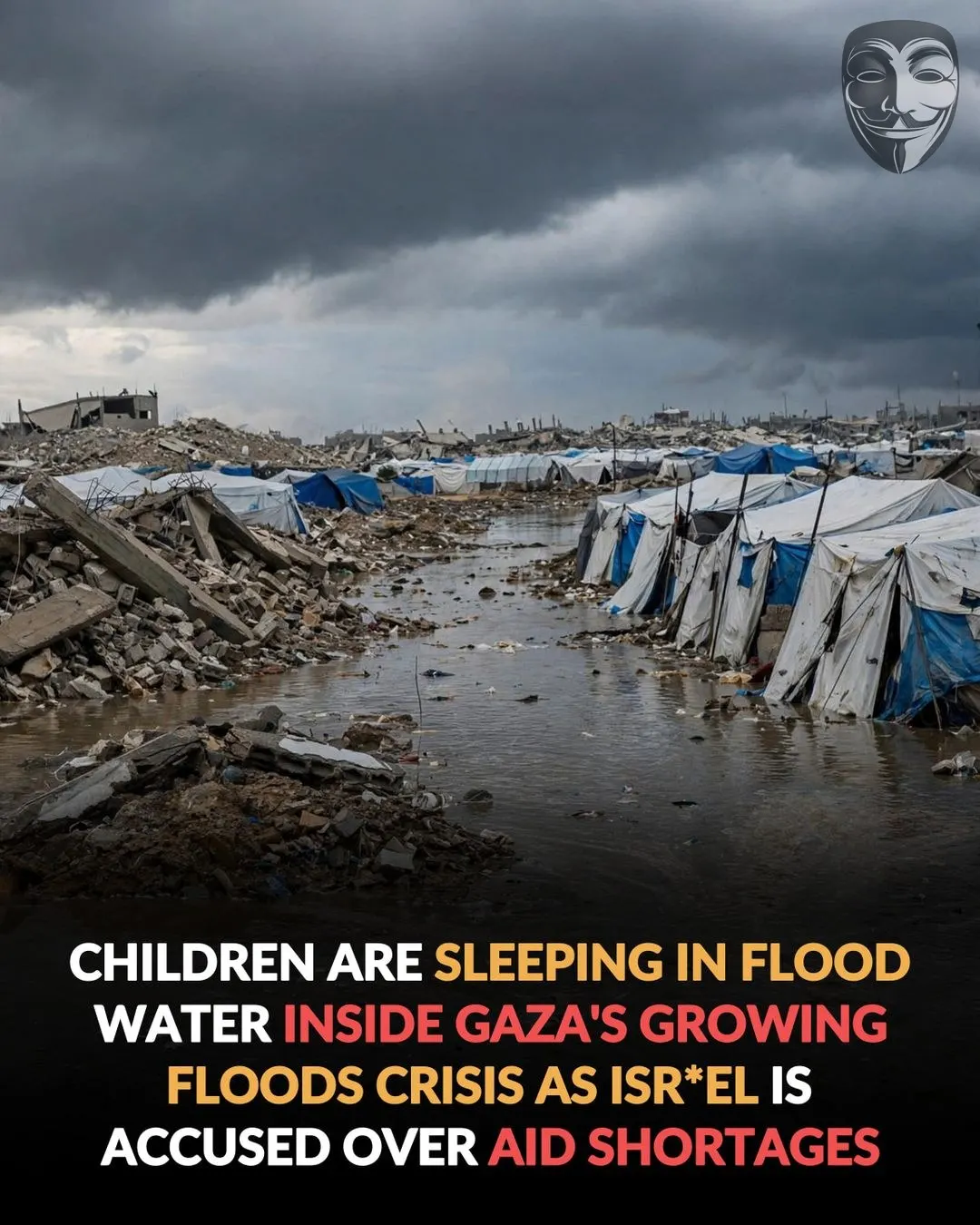
The Gaza floods crisis began on November 6, when Gaza’s first big winter storm brought heavy rain that flooded about 70,000 tents in just 12 hours. Families watched the water rise around their children as more than 150,000 tents bought by aid groups waited outside the border for permission to enter. In Gaza City, displaced resident Mokhtar told The Independent the situation had grown absolutely horrific, and he asked where people were supposed to go when the rain had barely begun and everything was already soaking wet. Read the children of Gaza for more.
The flooding killed at least six people, including three children who were crushed when a waterlogged sand embankment collapsed near Deir al-Balah, and Gaza’s Civil Defence took more than 1,500 emergency calls as flood water reached 1.5 metres in some camps. The foreign ministers of Britain, Canada, Australia and Italy said the tents and other vital supplies were being held at the border and prevented from entering, and they called the situation entirely reversible if the crossings opened now. Read the debate over Wallace Shawn’s Gaza remarks for more.
References:
The Independent: ‘Children are sleeping in flood water’: Inside Gaza’s escalating floods crisis as Israel accused over aid shortages
Al Jazeera: Four children among five killed in Gaza floods
Gaza Herald: Gaza Faces Deadly Winter as 150,000 Tents Remain Blocked Outside
CARE: Gaza floods November 2026: How CARE is responding
The First Big Winter Storm Arrives on November 6
November 6 brought the first big winter storm of the season to Gaza, and the rain fell hard on families who had already spent months living in tents. Winter storms in this part of the world often arrive with little warning, and the first one is usually the hardest because shelters are not yet ready for cold and wet weather. The storm marked the start of a long winter for people with no solid roof over their heads. For more, read the debate over Wallace Shawn’s Gaza remarks.
The Gaza Floods Crisis Floods 70,000 Tents in 12 Hours
Heavy rain from the storm flooded about 70,000 tents in just 12 hours, an astonishing number that shows how fast the water moved through the camps. Families watched the water rise around their children and tried to lift mattresses, clothes and food out of reach. In half a day, tens of thousands of people lost the only dry place they had. The scale of the flooding shocked even aid workers who had seen many winters in Gaza. You can also read the children of Gaza for more on this story.
150,000 Tents Wait Outside the Border
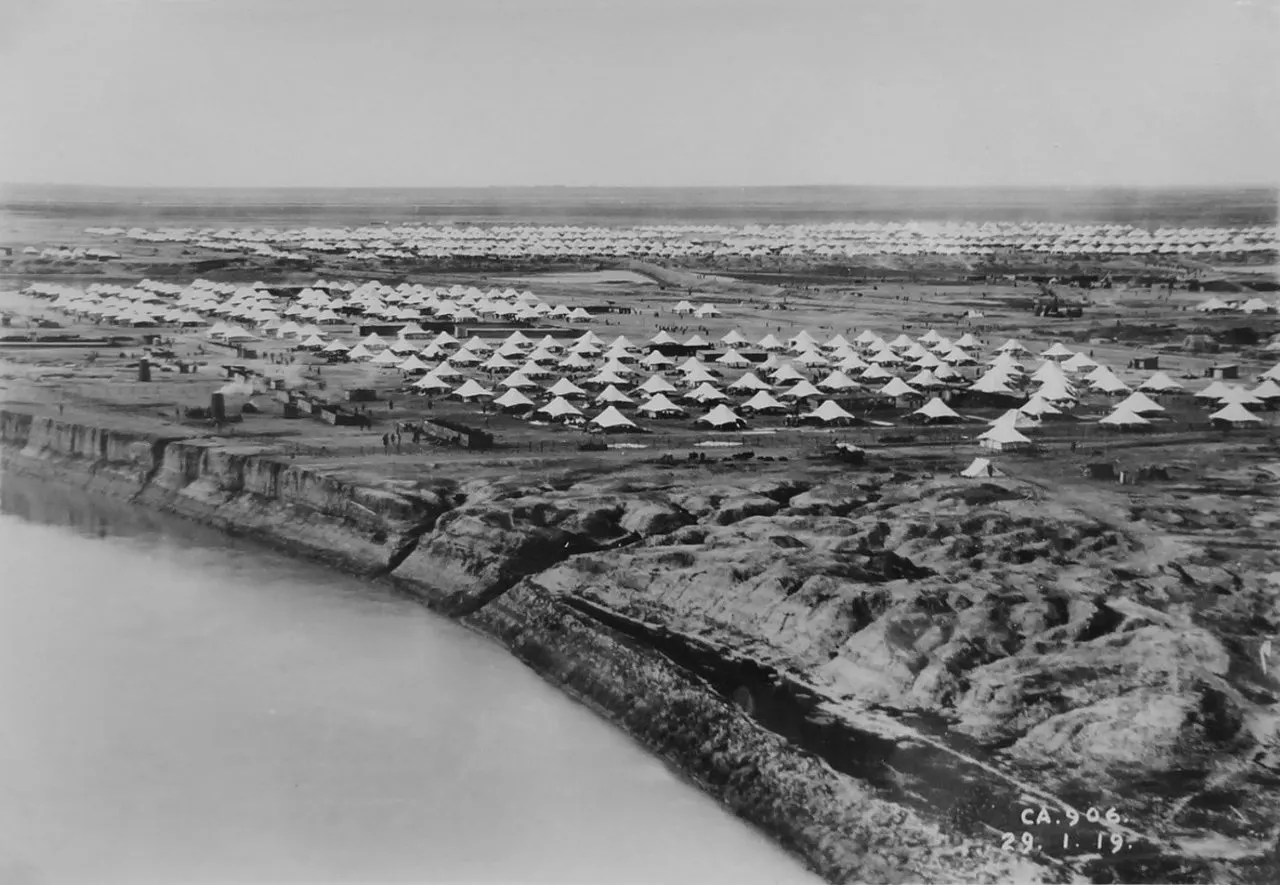
More than 150,000 tents bought by aid groups waited outside the border for permission to enter while the camps flooded. The tents were already paid for and ready to go, but they sat in storage instead of sheltering families. Aid groups say the tents were meant for exactly this moment, when winter rain turns a camp into a lake. Every day they wait is another night families spend in the wet and cold. Read more in Bruce Willis and Demi Moore as family and in the YMCA dance for Trump and Xi.
Mokhtar Calls the Situation Absolutely Horrific
In Gaza City, displaced resident Mokhtar told The Independent the situation had grown absolutely horrific. He spoke for many families when he described rain that had barely begun and homes that were already soaking wet. His words travelled around the world because they were simple and direct. He asked where people were supposed to go, and nobody had a good answer for him that night. For related reading, see the Plant City family tragedy.
Where Are People Supposed to Go in the Gaza Floods Crisis
Mokhtar asked the question that has stayed with readers since the storm. Where are Gazans supposed to go, from tents to where? Families who fled their homes once already now face rain inside the place they fled to. There is no dry building waiting for them and no second camp to move to. The question is not only about shelter, it is about dignity and safety for children who have nowhere else to sleep. Our coverage continues in Melania Trump’s small staff.
Children Sleeping in Flood Water
The image that defines this story is a child asleep in flood water, with no dry floor beneath the blanket. Parents did what they could, lifting children onto raised beds and piling clothes under small bodies, but the water kept rising. Sleep is hard when the ground is wet and cold, and children woke up shivering through the night. For families, the sight of a child sleeping in water is the hardest part of the floods. For more, read the Florida flood rescue.
Three Children Lost Near Deir al-Balah
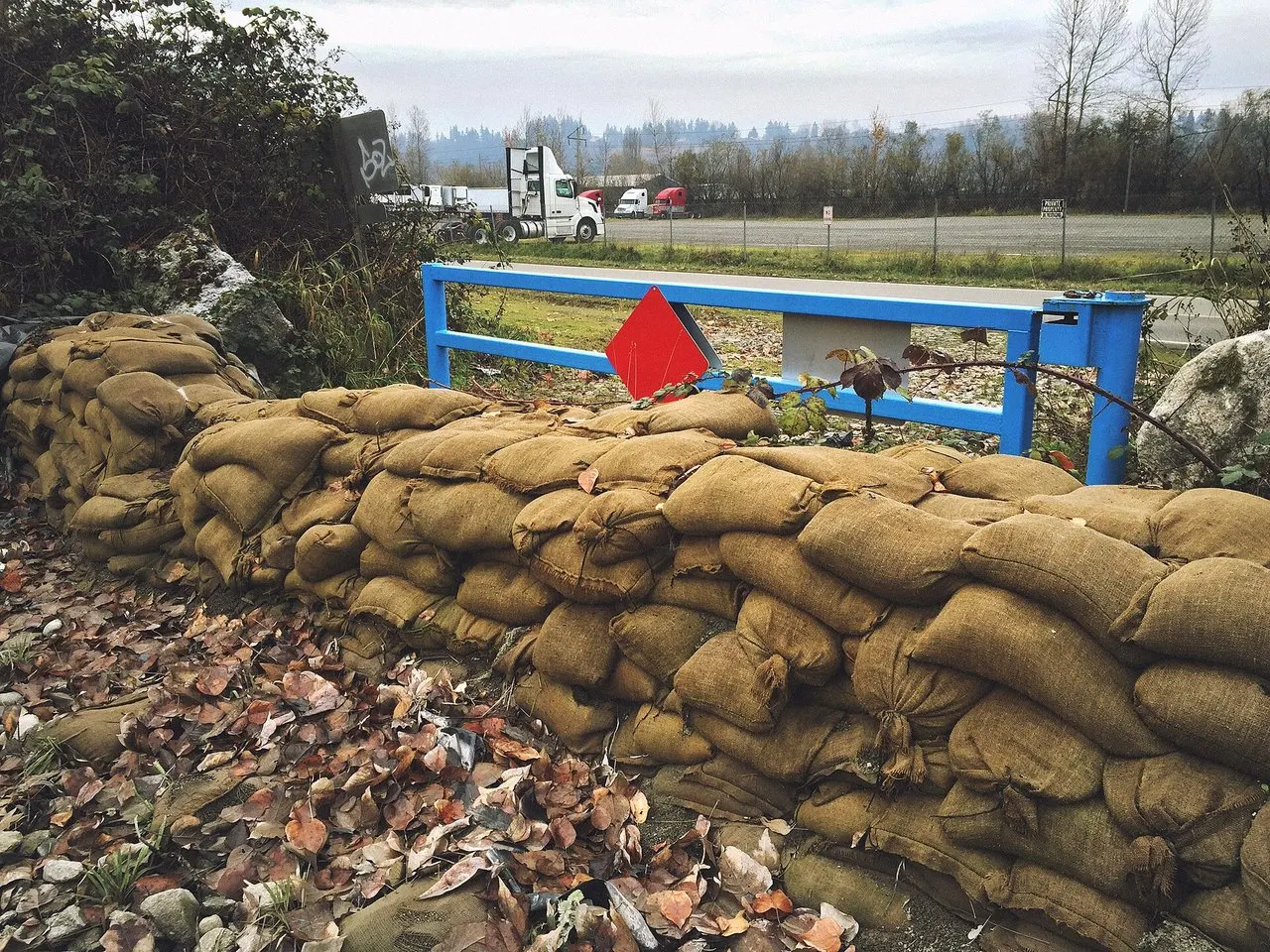
The flooding killed at least six people, including three children who were crushed when a waterlogged sand embankment collapsed near Deir al-Balah. The embankment had soaked up rain until it gave way without warning. Rescue teams reached the site quickly, but the collapse happened too fast for anyone nearby to stop it. The three children were among the youngest victims of a storm that spared nobody in its path. You can also read the unimpressed newborn for more on this story.
Six People Lost Their Lives in the Floods
At least six people lost their lives in the flooding, and the number reminds us that a storm is never only about wet tents. Behind each number is a family that will grieve through the winter and beyond. Aid groups count the dead carefully, but the true cost is felt in homes where a chair stays empty. The deaths have made the call for open crossings louder, because every tent kept out is a family left in danger. Read more in the faith journey of Diego Arellan and in being your true self.
The Gaza Floods Crisis Brings 1,500 Emergency Calls
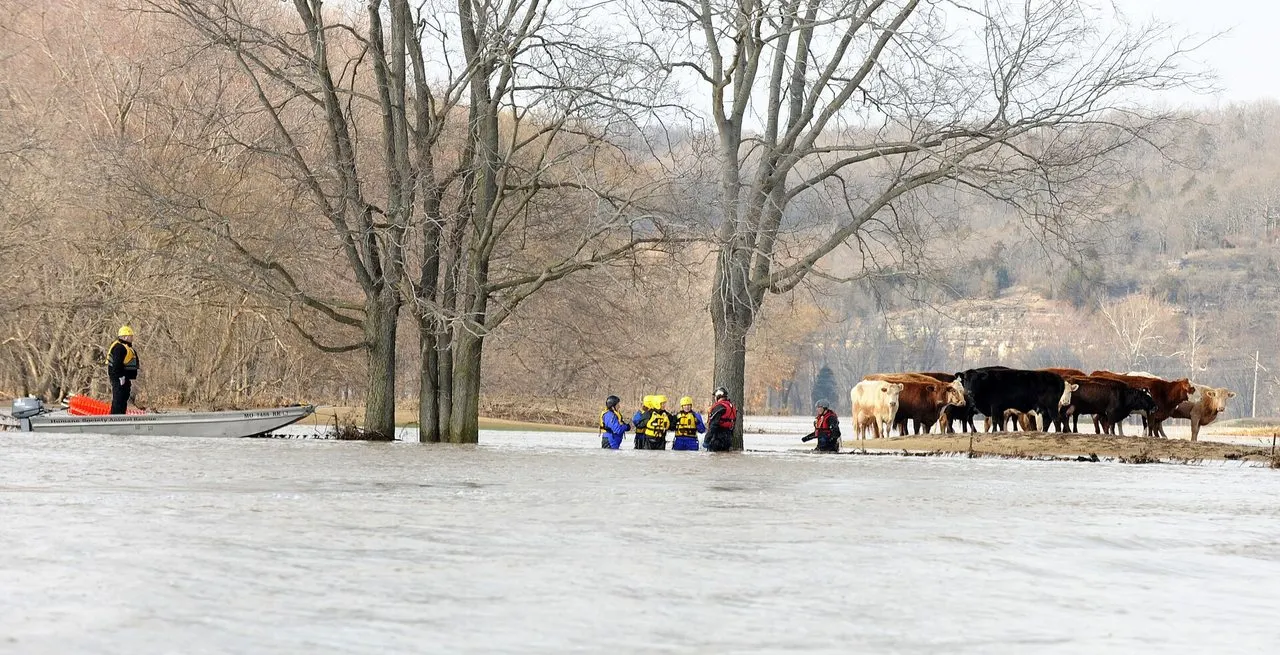
Gaza’s Civil Defence took more than 1,500 emergency calls during the storm, as families begged for help from flooded tents. Callers reported water rising inside shelters, walls giving way and children trapped in the cold. The rescue teams worked through the night, moving from one camp to the next with limited equipment. Each call was a family in trouble, and the sheer number shows how wide the flooding reached. For related reading, see the Pope and Grand Theft Auto VI.
Water Reaches 1.5 Metres in Some Camps
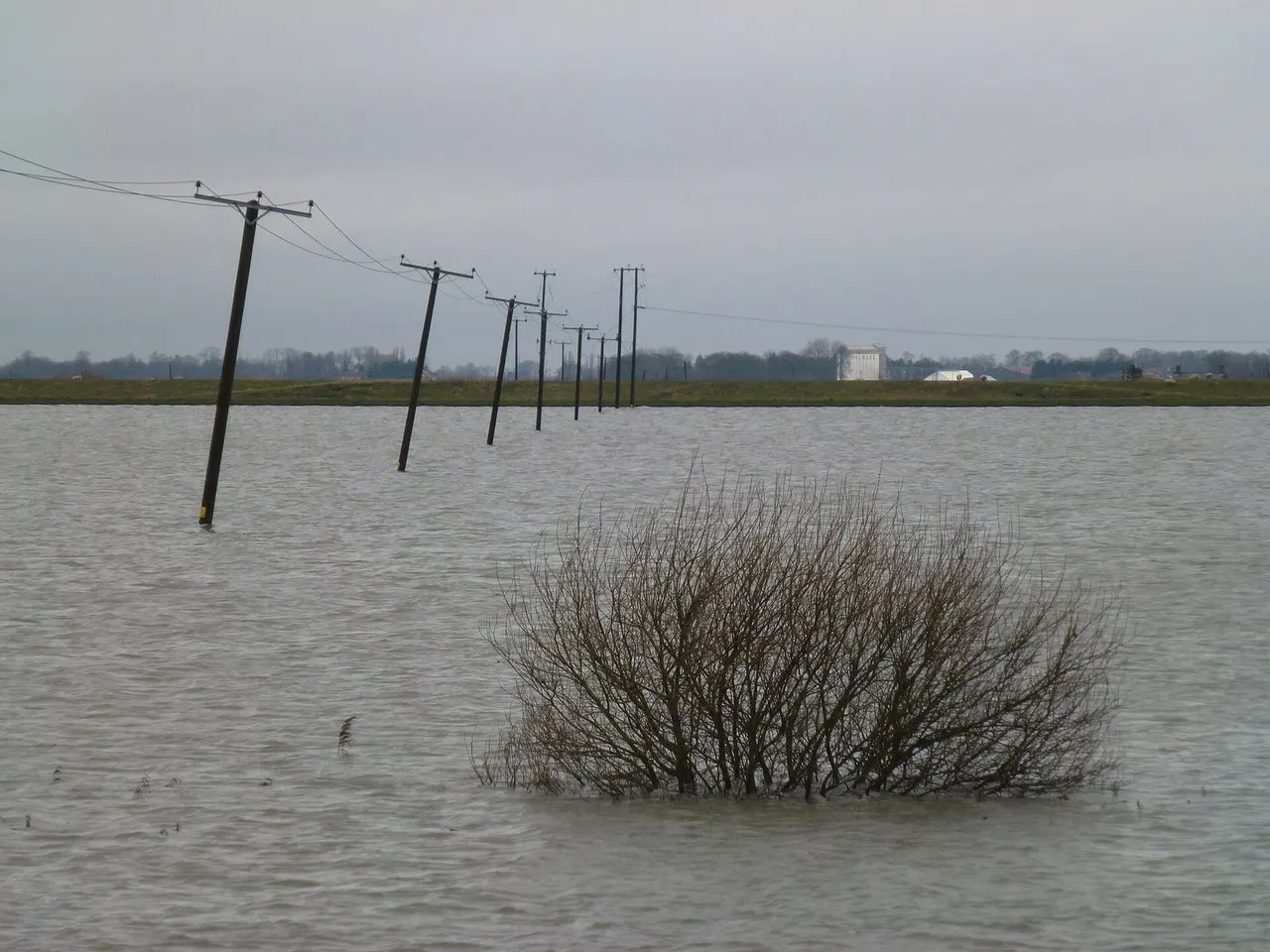
Flood water reached 1.5 metres in some camps, high enough to cover a small child standing up and to swallow beds, cooking pots and school books. At that depth, a tent is not a shelter at all, it is a pool with cloth walls. Families waded through the water carrying what they could save, while the rest floated away. The depth explains why so many shelters were ruined in a single night of rain. Our coverage continues in Malaysia’s visa rule change.
Four Foreign Ministers Speak With One Voice
The foreign ministers of Britain, Canada, Australia and Italy spoke together about the tents held at the border. They said the tents and other vital supplies were being held at the border and prevented from entering Gaza. Four countries rarely issue one statement like this, and their shared words carried weight. They wanted the world to know that the shortage was not caused by a lack of tents, but by a border that stayed shut. For more, read two mothers and one bond.
The Gaza Floods Crisis Is Entirely Reversible, Ministers Say
The four ministers called the situation entirely reversible if the crossings opened now. Their message was hopeful in a dark week, because it said the suffering could still be eased. Opening the crossings would let the waiting tents roll in before the next storm arrives. The ministers asked for action while there is still time, before winter fully sets in and the rain grows heavier and colder. You can also read the Abydos helicopter carving for more on this story.
What the Gaza Floods Crisis Means for Displaced Families
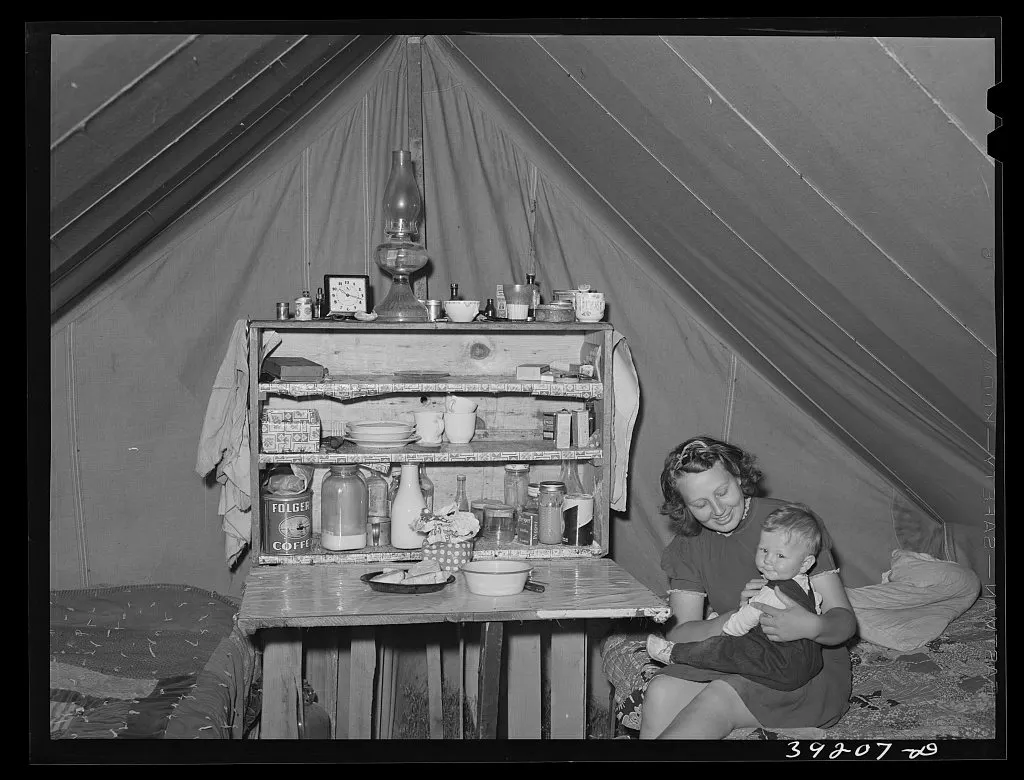
For displaced families, the floods are not a news story but a night without sleep and a morning spent drying clothes that will never fully dry. Parents worry about coughs turning into fevers and about food spoiled by dirty water. Children miss school and play in puddles that hide sharp objects and waste. The crisis touches every part of daily life, from cooking to washing to simply staying warm through the night. Read more in the ancient rock art mystery and in Dr. Stella Immanuel’s call.
Why a Tent Matters So Much in Winter
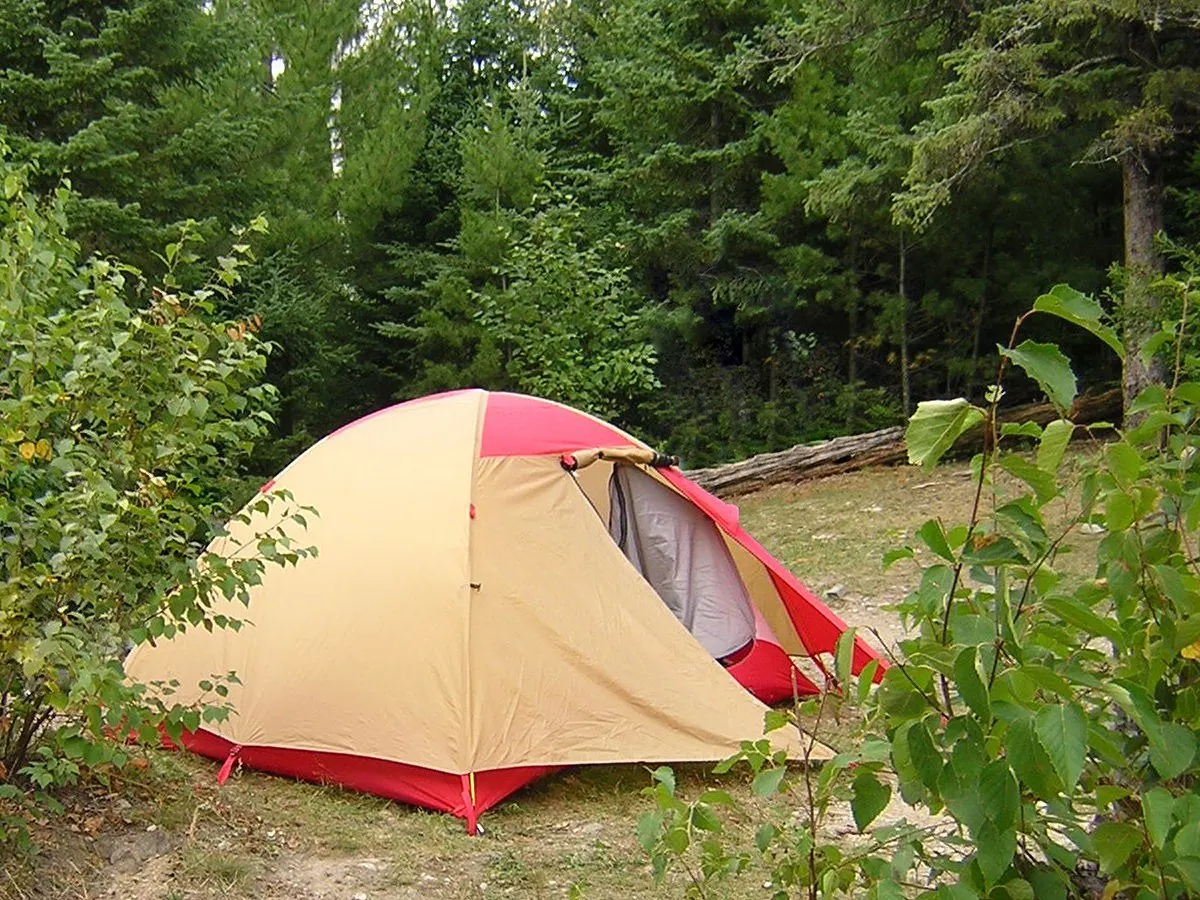
A tent is a simple thing, a few poles and a sheet of cloth, but in winter it is the difference between a family staying dry and a family sleeping in water. A good tent keeps rain off, blocks the wind and holds in a little warmth. A worn tent leaks at the seams and lets cold air pour through the door. That is why aid groups count tents so carefully and why 150,000 waiting tents matter so much to families in Gaza. For related reading, see the GTA 6 Easter eggs.
Cold Water and the Risk to Small Children
Cold water is dangerous for small children, whose bodies lose heat faster than adults. A child who sleeps in wet clothes can start shivering within minutes, and long nights in the cold can lead to coughs, fevers and worse. Parents know this and stay awake to check on their children through the night. Warm blankets and dry clothes are not luxuries in a flooded camp, they are the things that keep a child safe until morning. Our coverage continues in the FEMA hearing on Illinois aid.
Why a Waterlogged Embankment Can Collapse
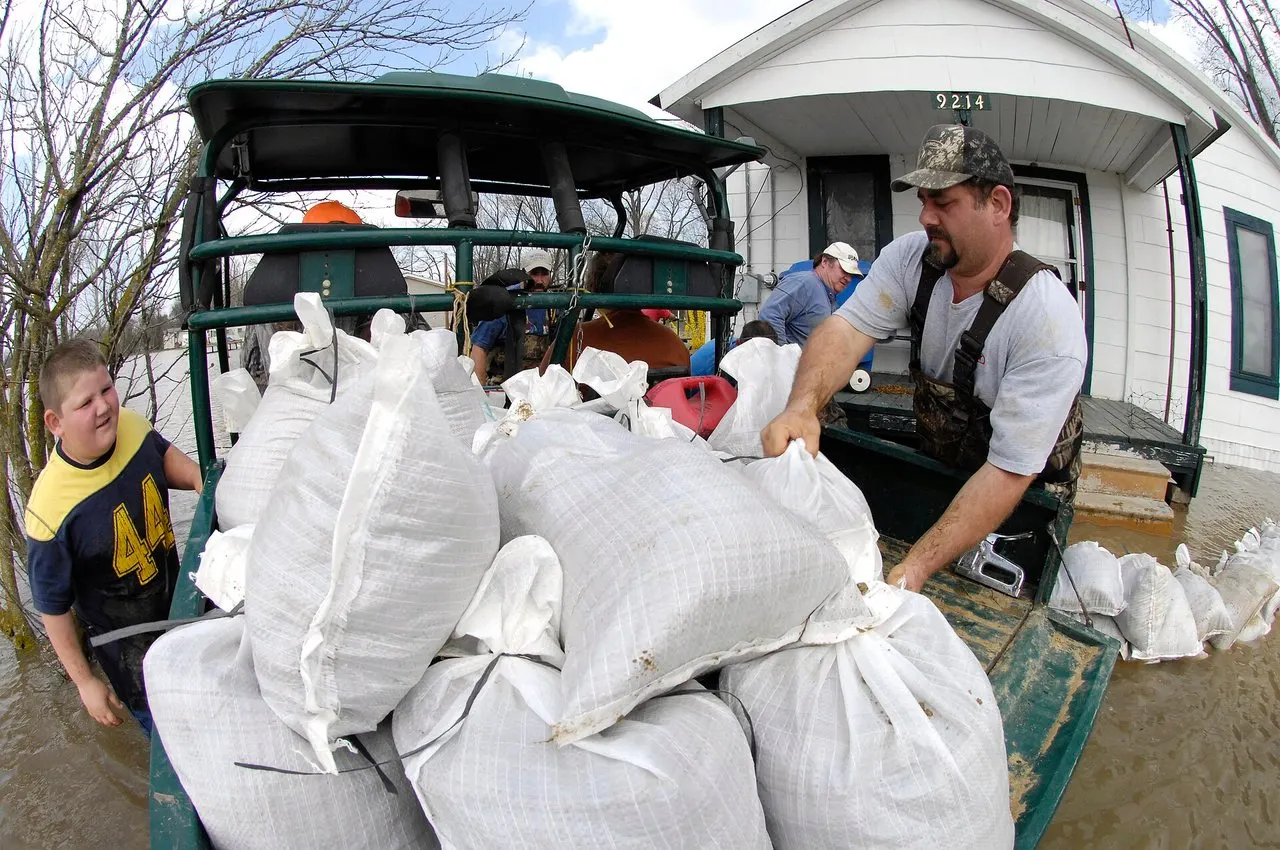
A sand embankment is a wall of packed earth built to hold back water, but it grows weak when it soaks up too much rain. Water fills the tiny gaps between grains of sand until the wall turns soft and heavy. Then it can slide or crumble without warning, which is what happened near Deir al-Balah. Engineers know this risk well, and that is why flood defences need constant care during a storm. For more, read the silent shrug in Berlin.
Life Inside a Camp in the Gaza Floods Crisis
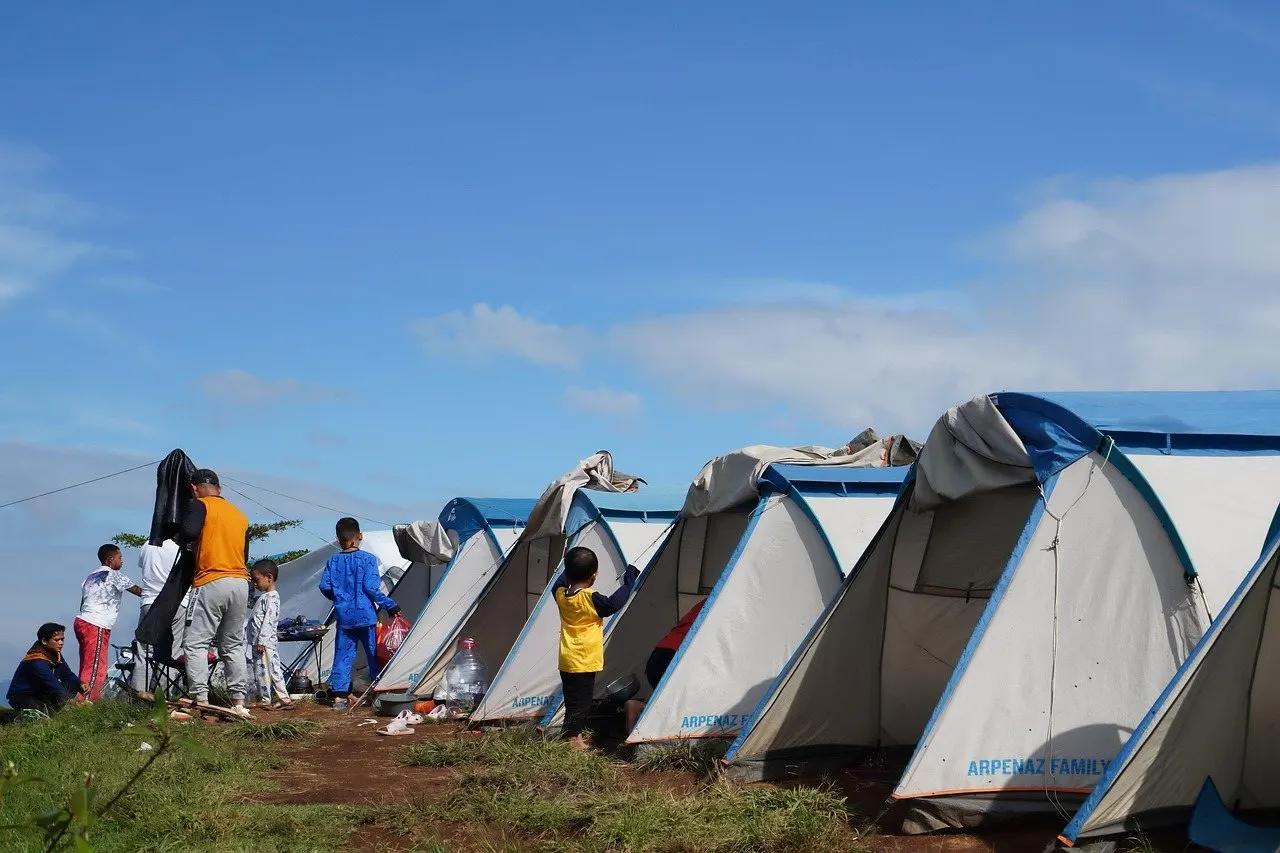
Life inside a flooded camp is a daily struggle with mud, wet bedding and ruined food. Families stack their belongings on crates and hang clothes from ropes, hoping the next rain will be lighter. Cooking becomes hard when firewood is soaked, and washing means using cold, dirty water. Yet neighbours help each other, sharing dry blankets and mopping out tents together, because nobody in a camp survives a flood alone. You can also read the grandma whose Thanksgiving story became a movie for more on this story.
Aid Groups Bought the Tents, Borders Stopped Them
Aid groups did their part by buying more than 150,000 tents and sending them toward Gaza. The tents were ready, the trucks were loaded and the need was clear. What stopped them was not money or planning, but permission to cross the border. Humanitarian groups say they have faced the same problem for months, with vital supplies piling up while families wait. The tents exist, they simply cannot reach the people who need them. Read more in the YMCA dance for Trump and Xi and in the Plant City family tragedy.
How Winter Rain Falls on Gaza
Gaza sits on the eastern shore of the Mediterranean Sea, where winter brings most of the year’s rain in short, heavy bursts. Storms roll in from the sea between November and March, and a single night can drop more rain than weeks of summer. The land is low and flat in places, so water gathers fast and drains slowly. For families in tents, this seasonal pattern turns every winter into a test of shelter and strength. For related reading, see the Tesla Optimus robot.
Everything Soaking Wet in the Gaza Floods Crisis
Mokhtar said everything was already soaking wet, and that simple line explains the whole disaster. Mattresses, blankets, clothes and school books all soak up water and stay damp for days. Wet bedding smells, grows mould and makes children cough through the night. Drying anything is hard when the sun hides behind storm clouds and the air stays cold. For families, dry clothes feel like a luxury they cannot buy. Our coverage continues in the extra Christmas bonus story.
Blankets, Dry Clothes and a Warm Place to Sleep
After a flood, the first things families ask for are blankets, dry clothes and a warm place to sleep. A dry blanket can warm a shivering child in minutes, and a change of clothes can stop a cold from taking hold. Aid workers hand these out first because they save lives quickly and cheaply. The 150,000 tents waiting outside Gaza would help too, but blankets and clothes are the urgent need tonight. For more, read the warning about oligarchy.
Answering the Calls in the Gaza Floods Crisis
The people who answer the emergency calls are Gaza’s Civil Defence teams, rescue workers who drive into flooded camps when everyone else is trying to get out. They carry children through waist deep water, pump out tents and pull families from collapsed shelters. Their job is hard in the best of times, and during a storm it becomes a race against the rising water. More than 1,500 calls in one storm shows how much families rely on them. You can also read Alan Ritchson’s faith for more on this story.
How CARE Is Responding to the Floods
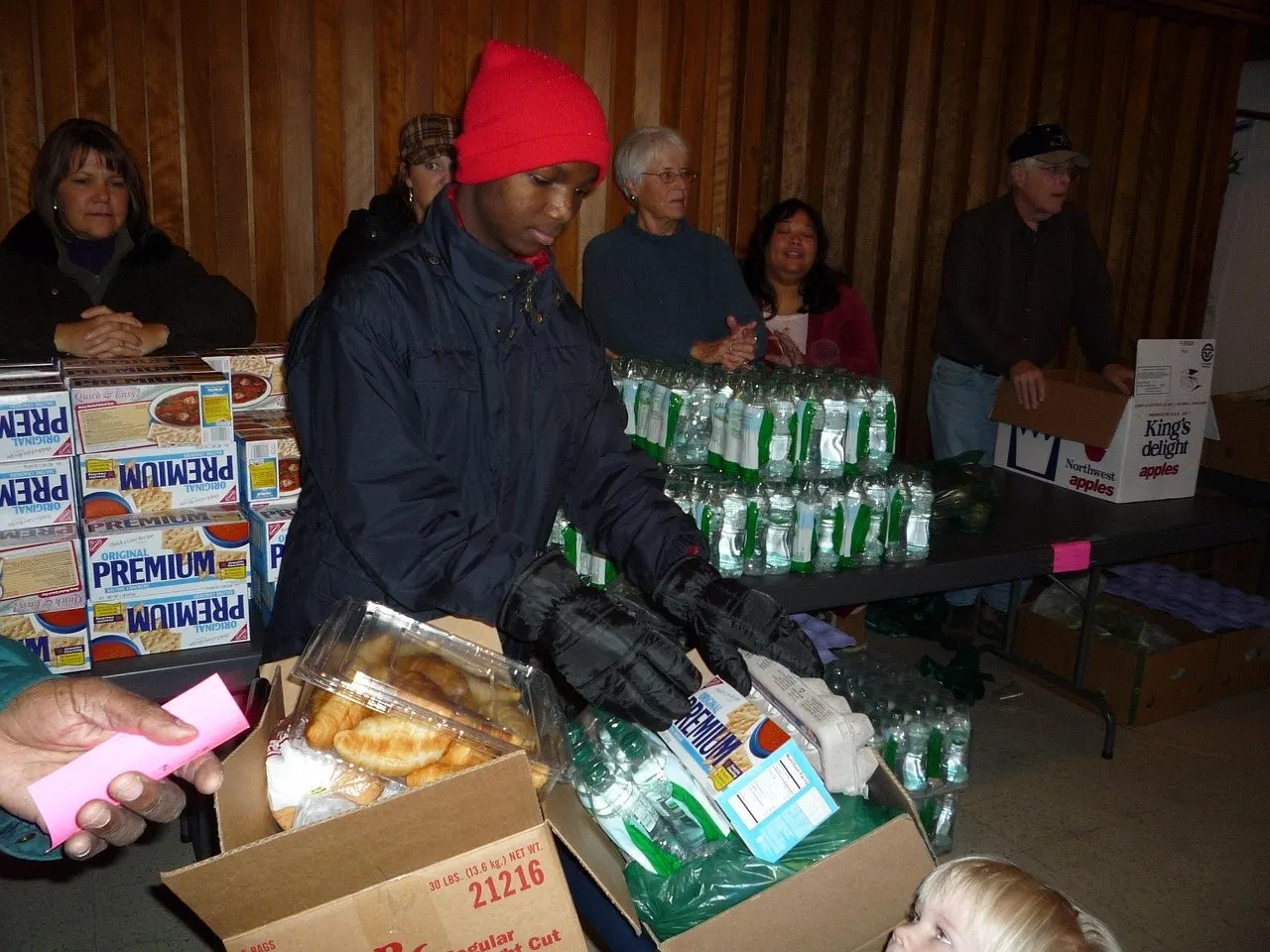
CARE is one of the aid groups responding to the Gaza floods of November 2026, and its work is part of the wider relief effort described in our references. Aid groups like CARE bring shelter materials, clean water and warm clothing to families hit by storms. Their staff work in hard conditions, moving supplies through crowded camps and checking on the families most at risk. The scale of the need is huge, but each delivery makes one more night a little safer. Read more in being your true self and in the Pope and Grand Theft Auto VI.
Why the World Is Watching the Gaza Floods Crisis
The world is watching because the floods show how a border decision can become a matter of life and death. When 150,000 tents sit outside Gaza while children sleep in flood water, the problem is no longer only about weather. News reports, aid groups and foreign ministers have all pointed to the same fix, which is to open the crossings. The eyes of the world are on the border, waiting to see if the tents will finally move. For related reading, see the Starshield funding warning.
The Long Wait at the Border Crossings
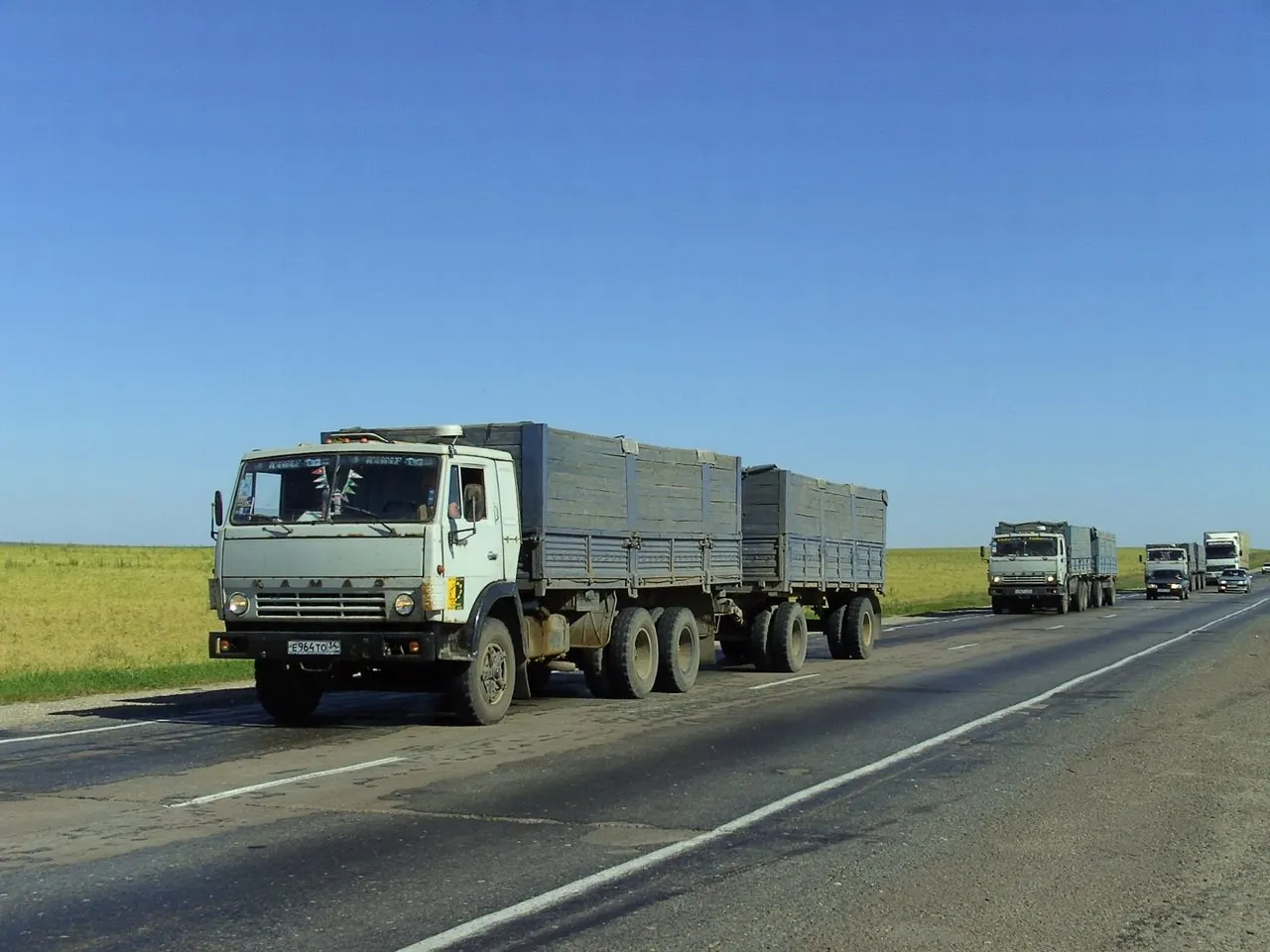
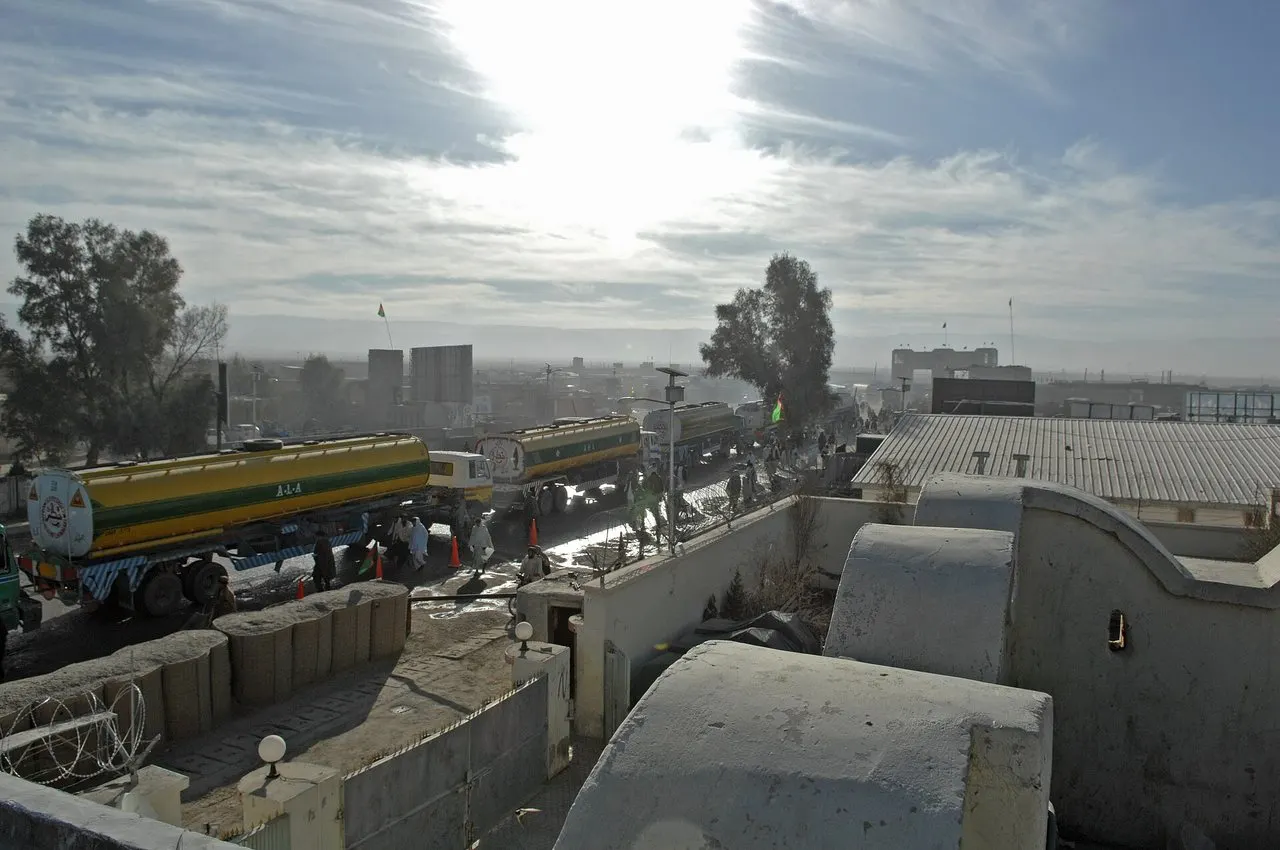
The border crossings are where the tents wait, and the wait has grown long. Trucks loaded with shelter and winter supplies queue for days while paperwork and permissions are checked. Drivers sleep in their cabs and aid workers make phone calls that go nowhere. Each day of delay is another night of rain for families in Gaza. The crossings are not just gates in a fence, they are the line between help and hardship. Our coverage continues in Samuel giving away $35,000.
What Families Need in the Gaza Floods Crisis
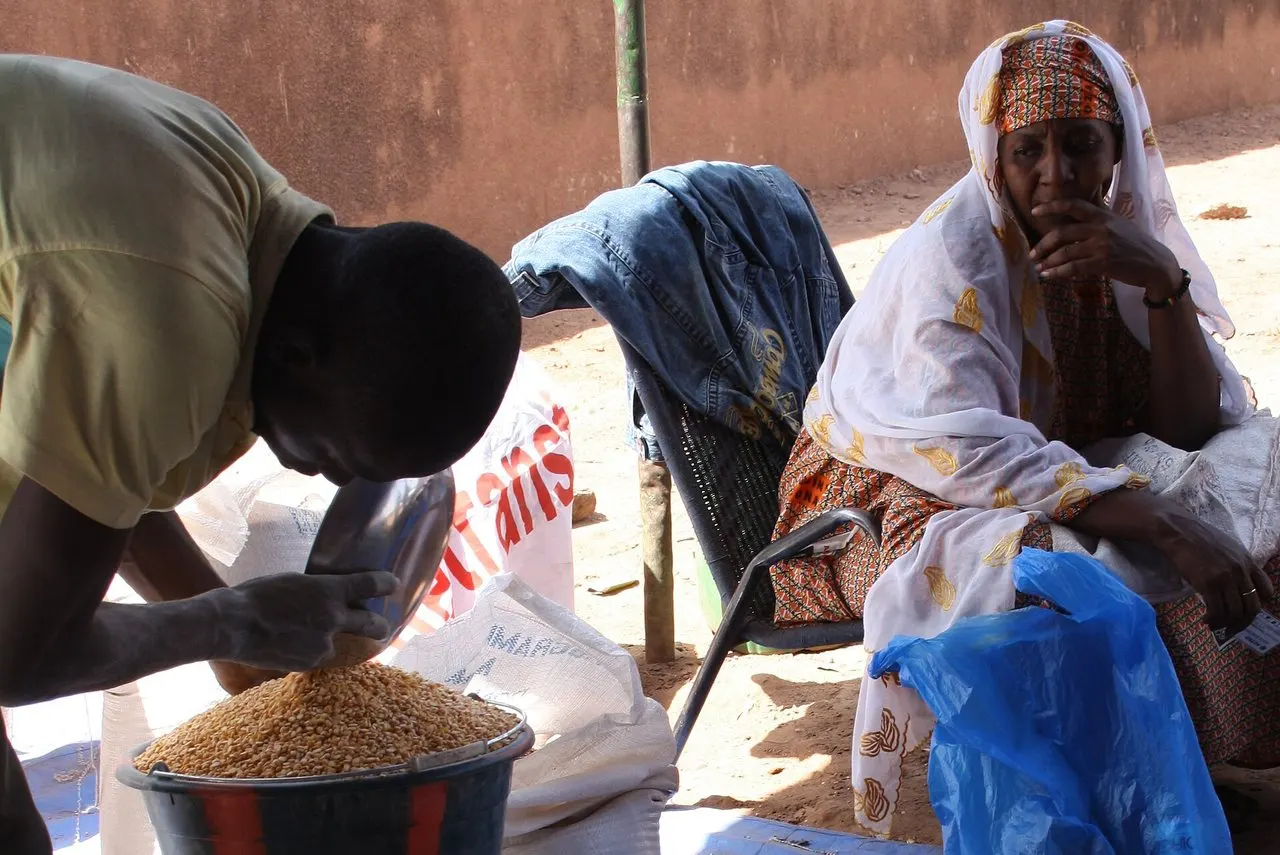
Families need dry tents first, then blankets, warm clothes, clean water and food that has not been spoiled by flood water. They need the crossings to open so the 150,000 tents can finally reach the camps. They also need time, because drying out a flooded home takes days even after the rain stops. The list is simple and the supplies already exist. What families need most is for the waiting to end before the next storm arrives. For more, read the record Air Force One flight.
Hope After the Storm Passes
Storms pass, and after the rain there is always a morning when the clouds break and the work of rebuilding begins. Families dry their clothes, repair their tents and help neighbours who lost more than they did. Aid groups restock and plan for the next storm, hoping the crossings will open in time. Hope in Gaza is not a soft feeling, it is the stubborn choice to keep going after a night in flood water. You can also read the Obama and Putin meeting for more on this story.
What Should Happen Before the Next Storm?

The next storm is coming, and the question is whether the tents will be inside Gaza before it arrives. Should the crossings open now, while there is still time to act before winter fully sets in? Should more be done to protect the camps that flood first? We want to hear what you think, so share your thoughts in the comments below and tell us what step matters most to you and your family. Read more in Dr. Stella Immanuel’s call and in the GTA 6 Easter eggs.