Florida Flood Rescue: DeSantis Moves Fast as Heavy Rain Hits
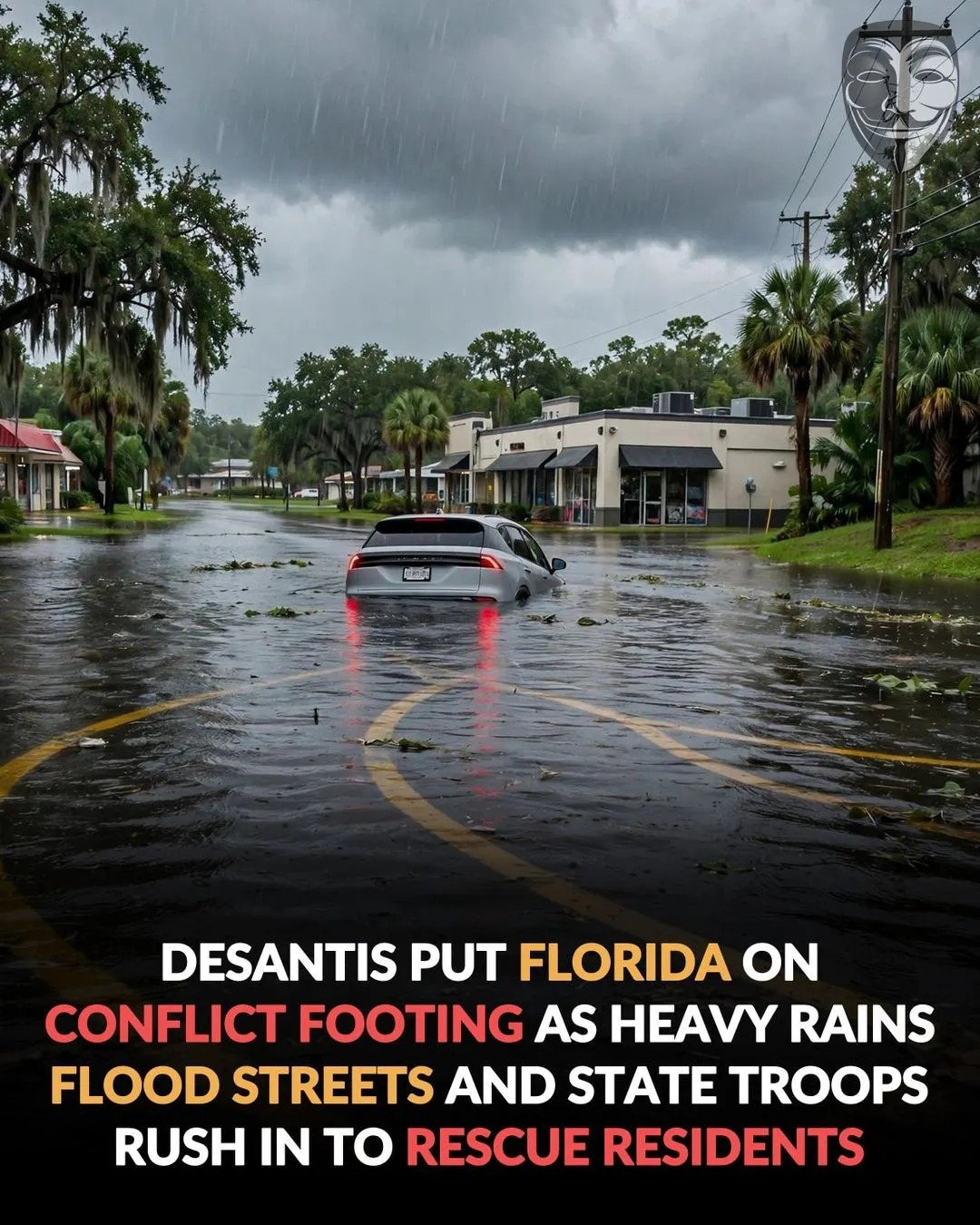
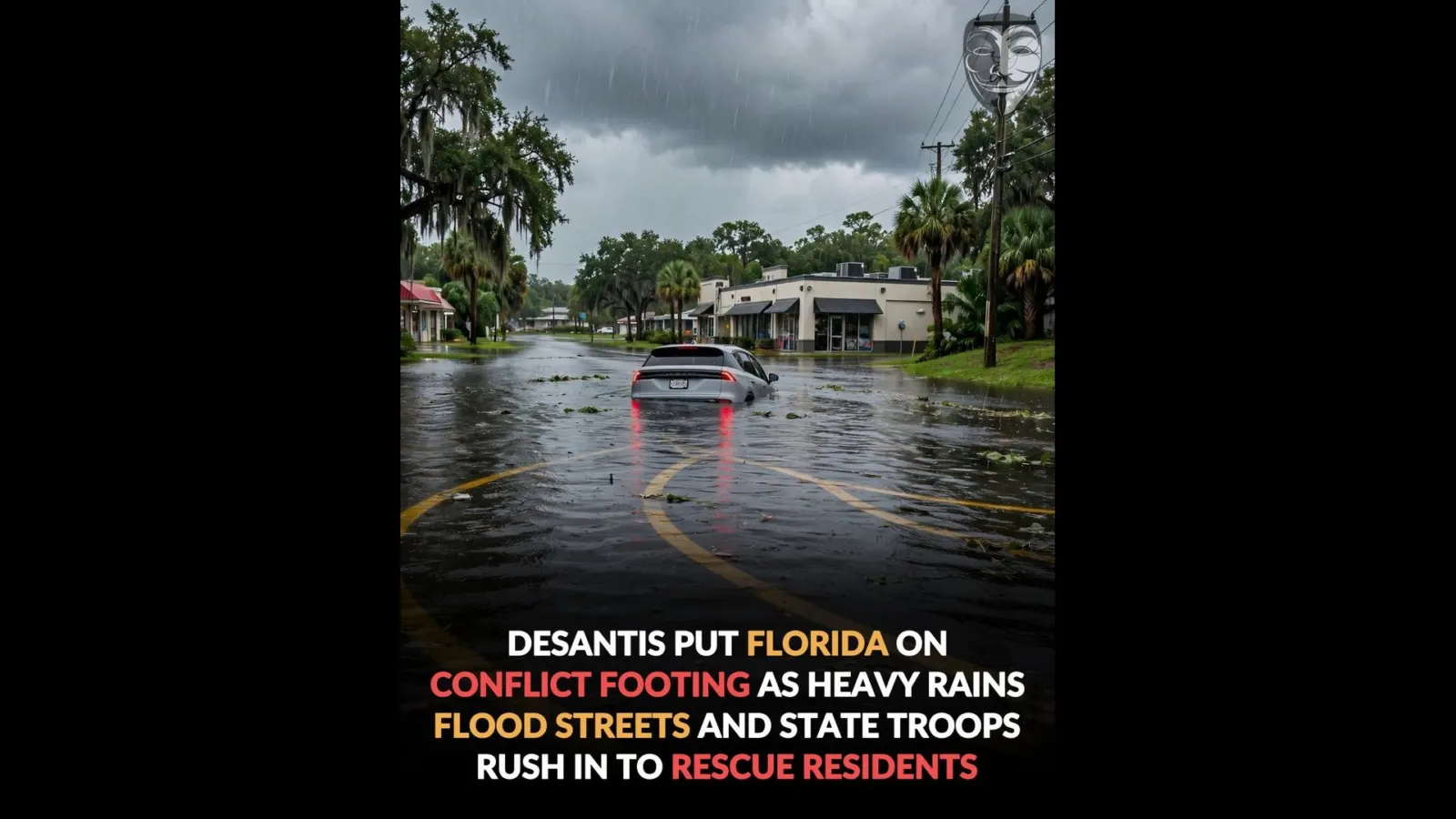
Florida flood rescue crews moved fast as heavy rain slammed communities across the state, and Governor Ron DeSantis put Florida on alert before the worst of the water arrived. The state mobilized hundreds of National Guard and State Guard personnel, more than 200 Highway Patrol troopers and 235 Fish and Wildlife officers to reach people in the hardest hit areas. Crews have completed nearly 500 floodwater rescues, staged 50 high water vehicles and 60 pumps, and placed more than 10,000 feet of flood barriers around critical buildings.
The rain kept falling while the state worked, and shelters stood ready for anyone who needed a dry place to wait it out. More than 6,000 feet of flood barriers were pre-positioned, generators and vacuum trucks were staged for use, and 750 Department of Transportation crews supported the effort in the hardest hit areas. Local officials remain the point of contact on the ground, and residents are being told to follow their guidance. For more on Florida leaders in the news, read our report on Florida’s first Black governor and our story about a governor facing a health emergency.
References:
FOX 49: ‘Biblical rain’: Record-breaking Florida floods trigger nearly 500 rescues
WWSB: DeSantis: State agencies complete nearly 500 floodwater rescues
Florida Disaster: ICYMI: Governor Ron DeSantis Issues Updates on State Response and Recovery Efforts for November Fall Flooding
The Floridian: DeSantis Shares Rescue Recovery Efforts Following Historic November Rainfall
Florida Flood Rescue Began With Rain That Would Not Stop
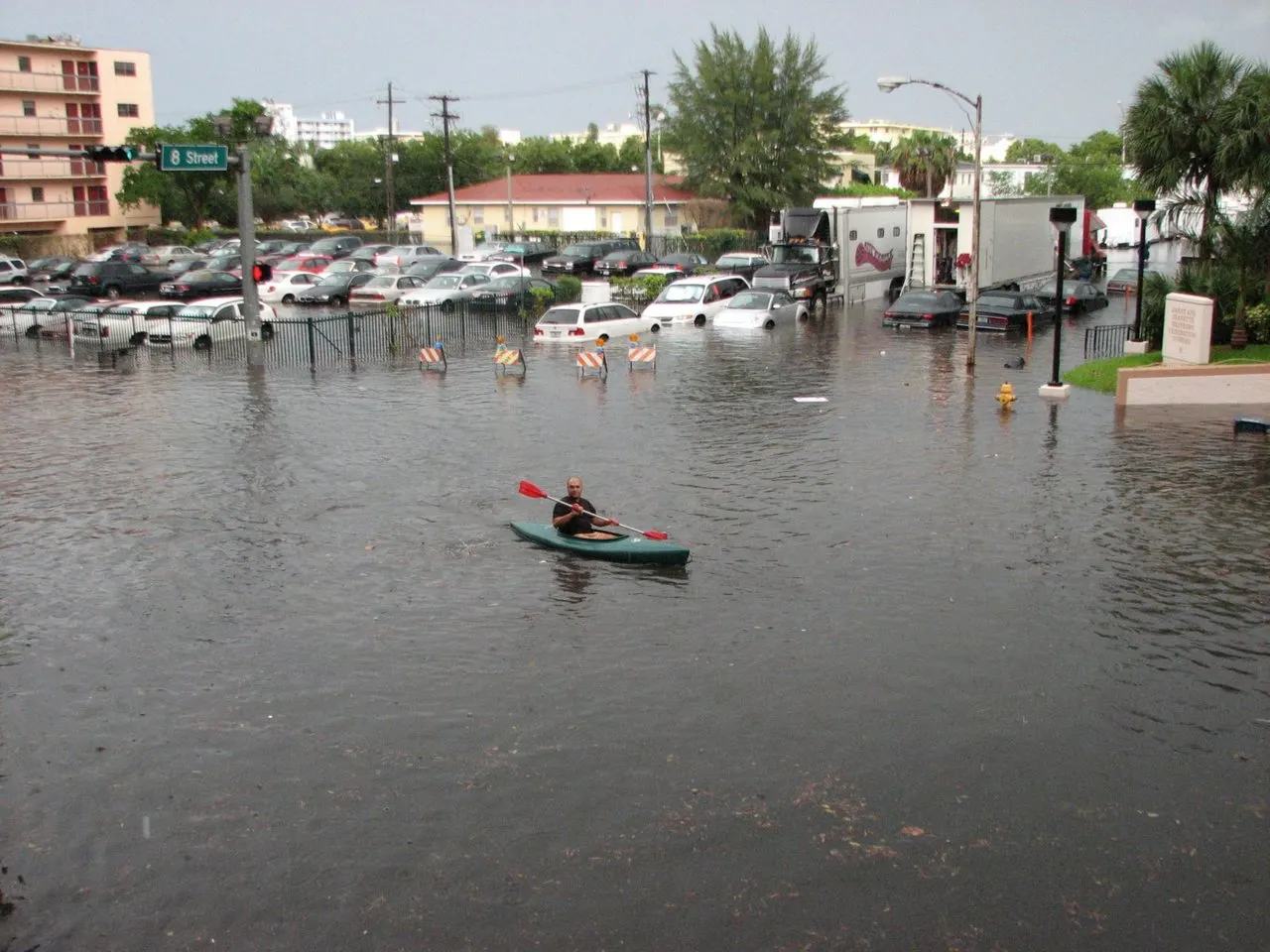
The rain arrived in sheets and stayed, turning streets into slow rivers and filling low yards across Florida. Drivers found roads they could not cross, and water crept toward front doors in the lowest neighborhoods. FOX 49 called it biblical rain, and the record breaking floods soon proved the name right. As the water rose, the state response rose with it, with crews and equipment moving into place while the rain was still falling. Read more in our report on what America spends on health administration and our story about babies born with measles.
DeSantis Moves Fast and Puts the State on Alert

Governor Ron DeSantis did not wait for the rain to stop before he acted. He put the state on alert, and the Florida Division of Emergency Management began moving people and equipment into the hardest hit areas. Speed matters in a flood, because water can rise fast and cut off roads before families can leave. The governor’s message was simple. The state would use its own troops, its own boats and its own equipment to protect residents right now. Read more in our report on Florida’s first Black governor and our story about a blunt message delivered at APEC.
Hundreds of Guard Troops Join the Florida Flood Rescue
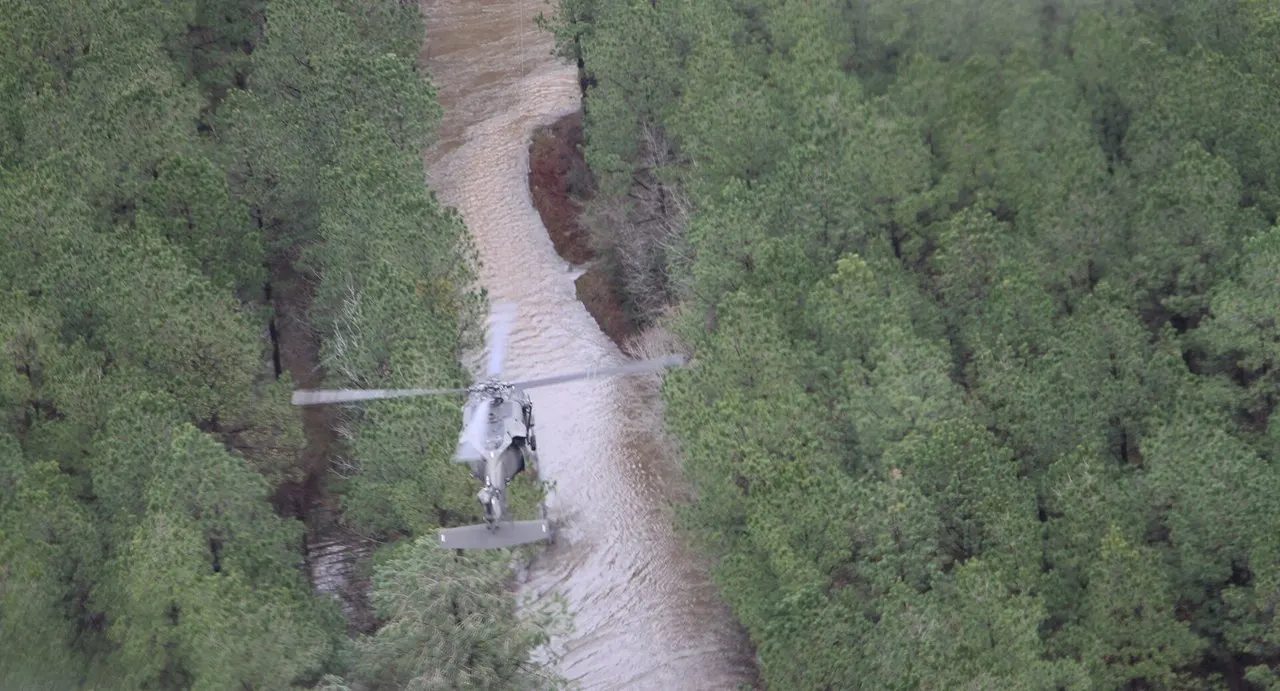
Hundreds of Florida National Guard and State Guard personnel joined the response, bringing trucks, boats and helicopters to the flooded areas. Guard troops train for days like this, when ordinary roads vanish under water and only heavy vehicles can get through. They helped carry people out of flooded homes, moved supplies to cut off neighborhoods and stood watch through the night. Their presence showed how fast a state can act when it keeps its own forces ready. Read more in our report on a joke about meeting dictators and our story about intelligence shared with Iran.
Highway Patrol Troopers Fan Out Across the State

More than 200 Highway Patrol troopers took up posts on flooded roads across Florida, guiding drivers away from deep water and keeping rescue routes open. Troopers know the roads better than almost anyone, and that local knowledge matters when signs are under water and detours change by the hour. They closed dangerous stretches, helped stranded drivers and stayed in touch with the Guard and the rescue boats. Their steady work kept the rescue effort moving. Read more in our report on a bill to stop using children as bait and our story about a stalled vote in Ohio.
Fish and Wildlife Officers Take to the Water
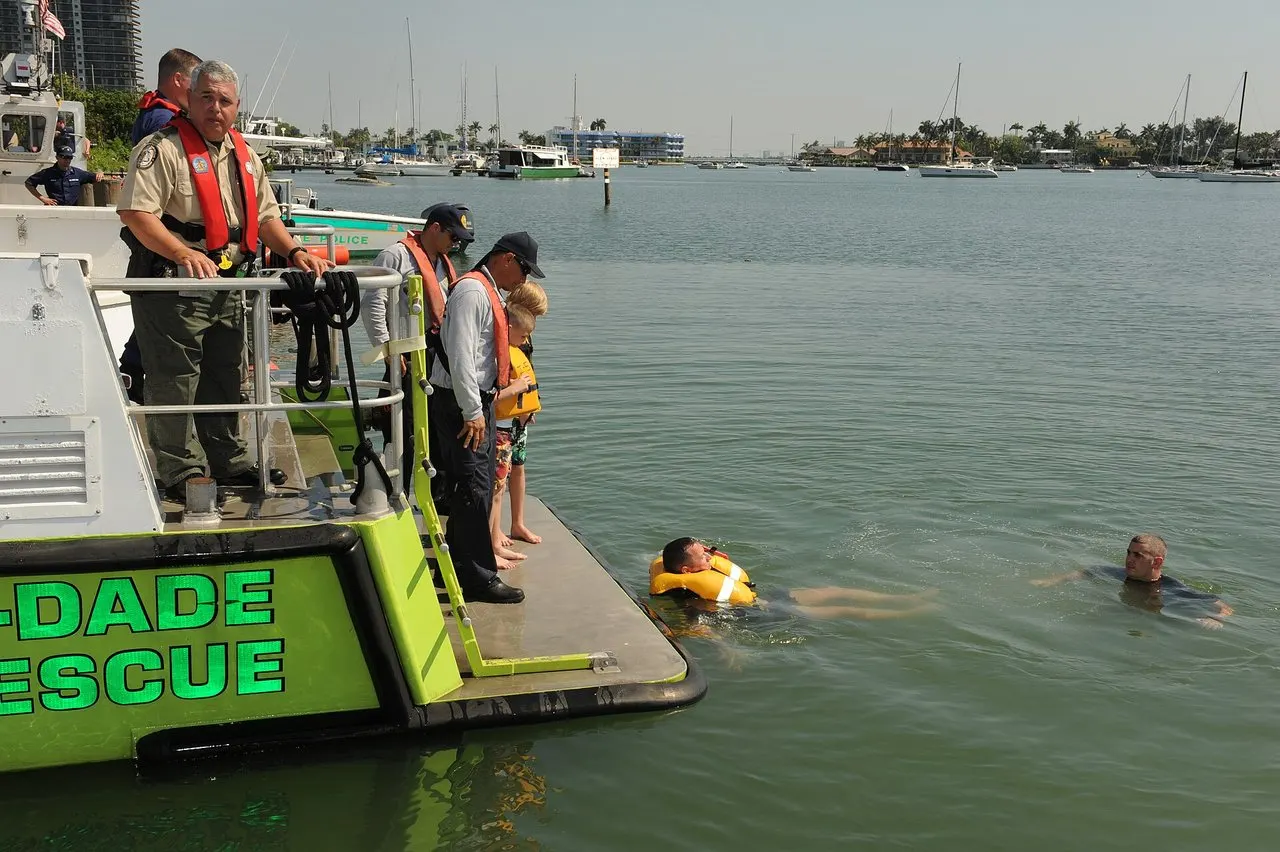
The 235 Fish and Wildlife officers in the response brought boats built for shallow water, where ordinary rescue craft cannot go. They know Florida’s rivers, marshes and back streets from years on patrol, and they used that knowledge to reach homes cut off by the flood. Officers checked on families, carried people to dry ground and kept working as the rain fell. Their boats turned flooded streets into routes that rescuers could actually use. Read more in our report on a rare golden tiger named Ava and our story about a rare warning from an endangered tribe.
Nearly 500 Rescues in the Florida Flood Rescue
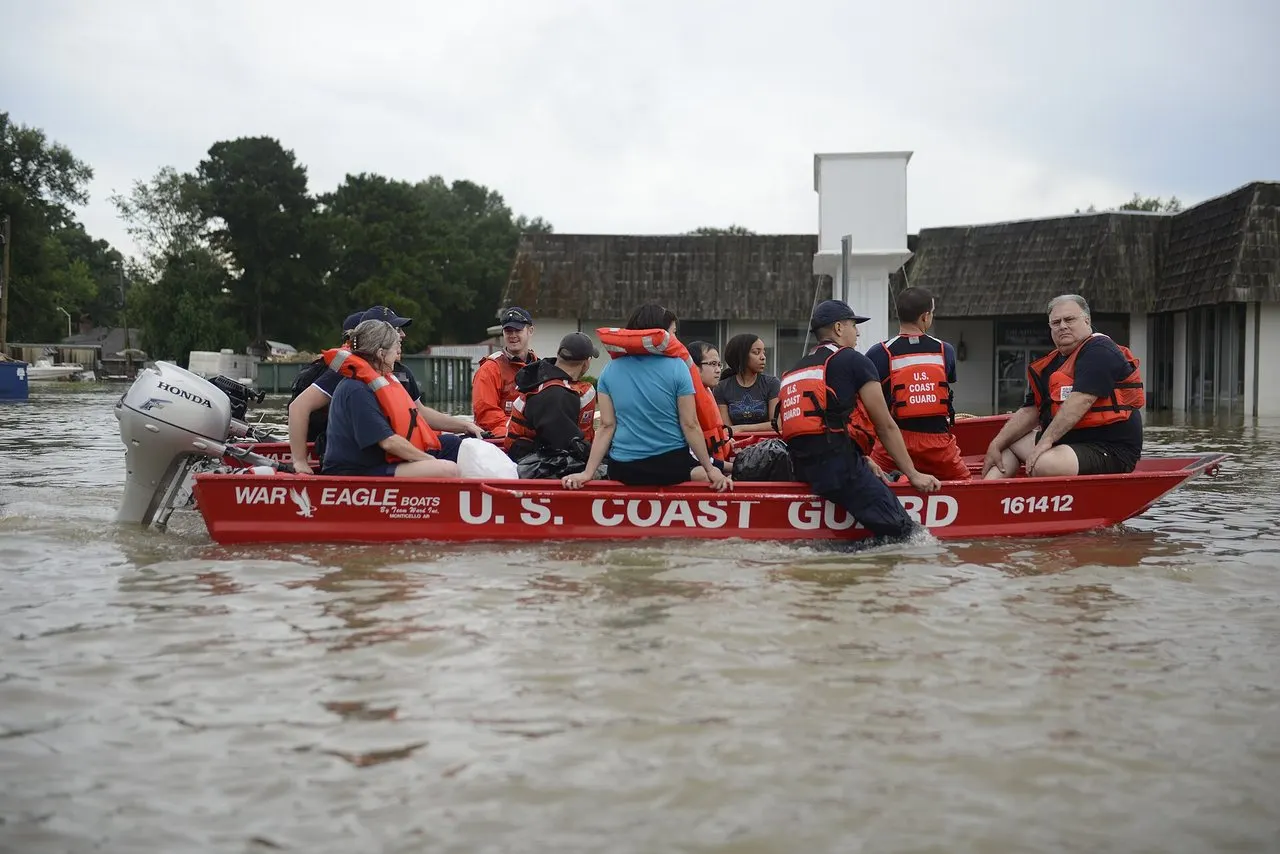
Florida flood rescue teams have completed nearly 500 floodwater rescues, each one a person pulled out of rising water. Every rescue starts with a call and a crew that knows the area, and every one ends with someone safe on dry ground. The number keeps climbing as crews reach more streets, and it shows what happens when boats, trucks and helicopters work as one team. Behind each rescue is a person who went home safe. Read more in our report on a cancer treatment that uses sound waves and our story about a sharp question about Trump and Putin.
High-Water Vehicles Roll Into the Florida Flood Rescue
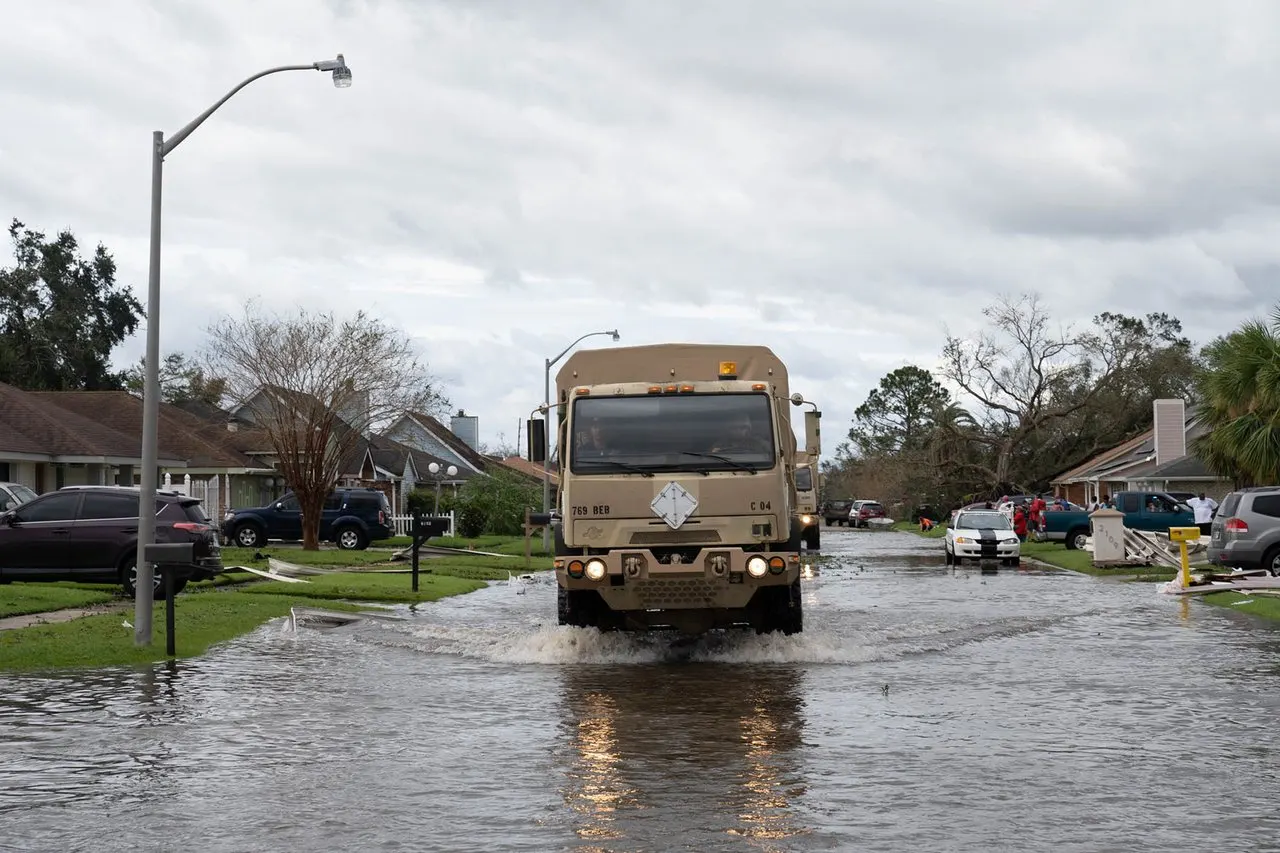
The state staged 50 high water vehicles, trucks tall enough to drive through flooded streets that would swallow a car. They carried rescue crews into neighborhoods where the water was waist deep, and they brought people out the same way. A high water truck can push through currents that would sweep a small car away, so it gives rescuers a safe way in and a safe way out. They became the workhorses of the flood response. Read more in our report on a warning that dishonor will remain and our story about a speech in Lagos about Africa rising.
Pumps and Barriers Hold the Line
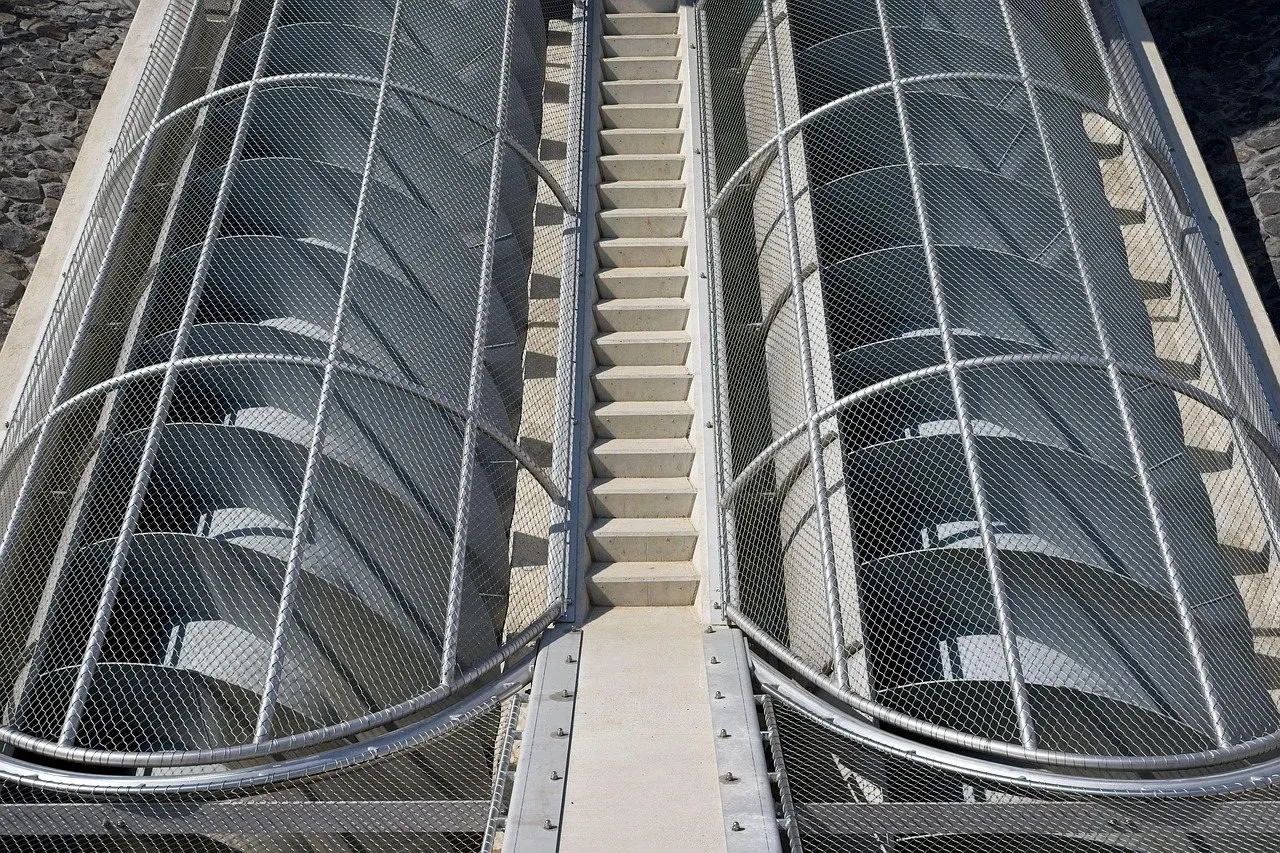
The state staged 60 pumps and placed more than 10,000 feet of flood barriers around critical buildings, with more than 6,000 feet pre-positioned before the rain arrived. Pumps pull water out of streets and low buildings, while barriers hold it back from hospitals, power stations and other places that must stay dry. Together they buy time for rescue crews and protect the systems a town needs to recover. It is quiet work, but it saves whole neighborhoods. Read more in our report on pistols sealed like soup and our story about the herd heading back to the Lost World.
Airboats Glide Over the Florida Flood Rescue
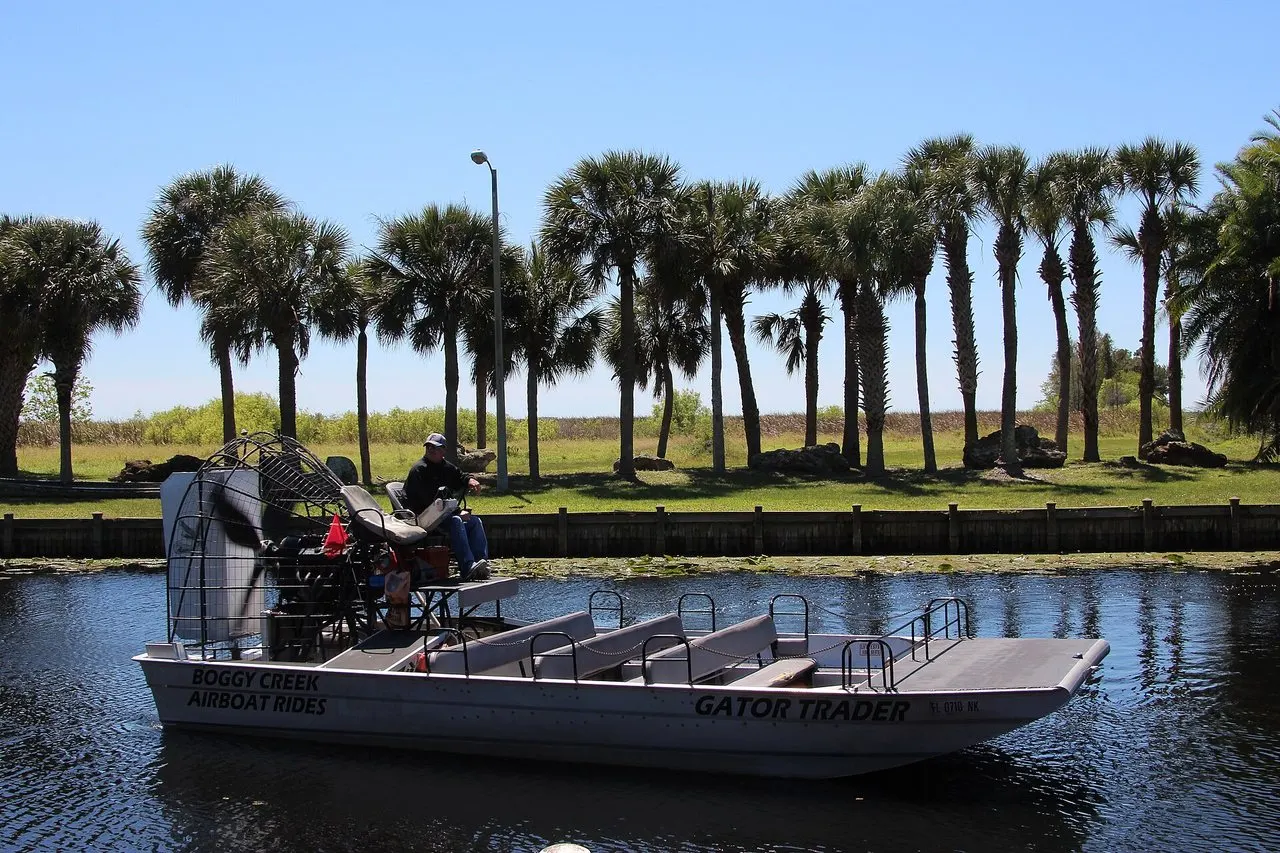
The Fish and Wildlife crews brought 17 airboats, flat bottomed boats pushed by a big fan that can skim over water only inches deep. Airboats can cross flooded fields and marshes where propellers would tangle in weeds, so they reached homes that no other boat could touch. Their loud fan is a familiar sound across Florida’s wetlands, and in a flood it means help is close. They carried rescuers in and residents out. Read more in our report on a postponed blast plan in Iowa and our story about how much water data centers use.
Swamp Buggies and the Fat Truck
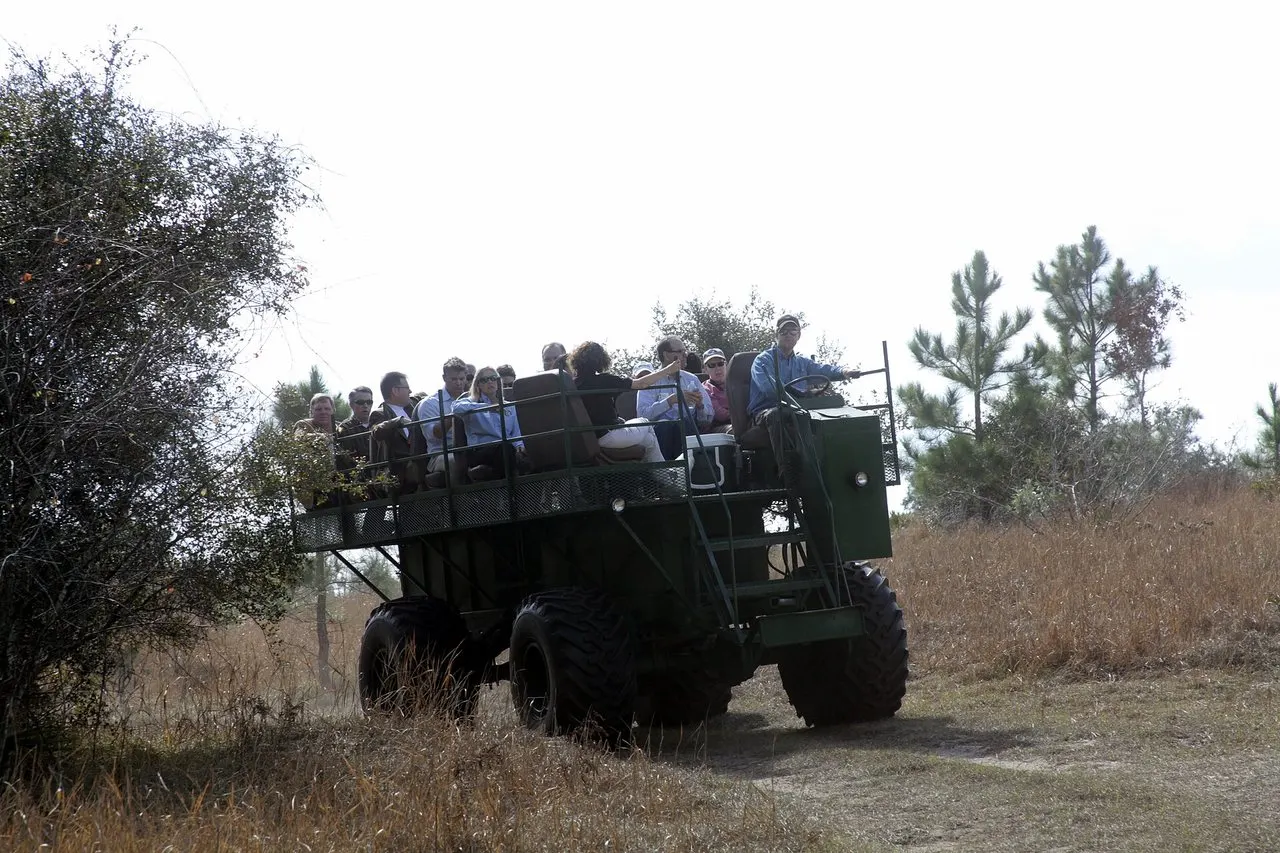
The response also included eight swamp buggies and a Fat Truck, vehicles built for ground that is half water and half mud. Swamp buggies ride on huge tires that spread their weight, so they can cross soft, flooded ground without sinking. The Fat Truck does the same job on an even bigger scale, carrying crews and gear where roads have vanished. These odd looking machines are Florida tools, made for Florida ground. Read more in our report on a mature, selfless president and our story about Florida’s first Black governor.
Road Crews Work Around the Clock
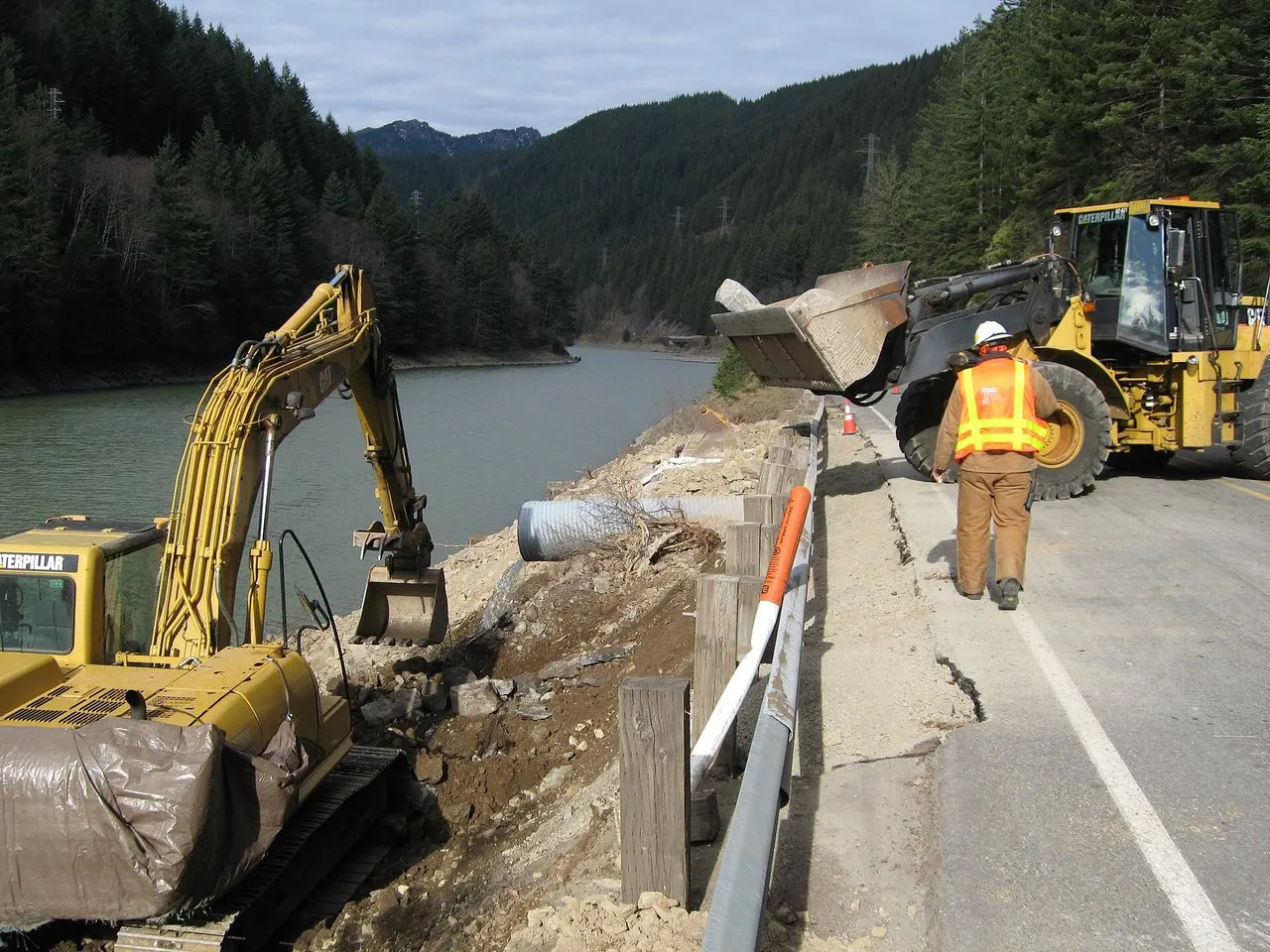
Another 750 Department of Transportation crews supported the effort in the hardest hit areas, clearing drains, fixing washed out shoulders and keeping highways open for rescue traffic. Road crews work in the rain that everyone else is fleeing, and their repairs decide whether an ambulance or a high water truck can reach a street. They also watch bridges and culverts, where fast water can eat away the ground underneath. Their work keeps the whole response moving. Read more in our report on a governor facing a health emergency and our story about what America spends on health administration.
Shelters Stand Ready in the Florida Flood Rescue
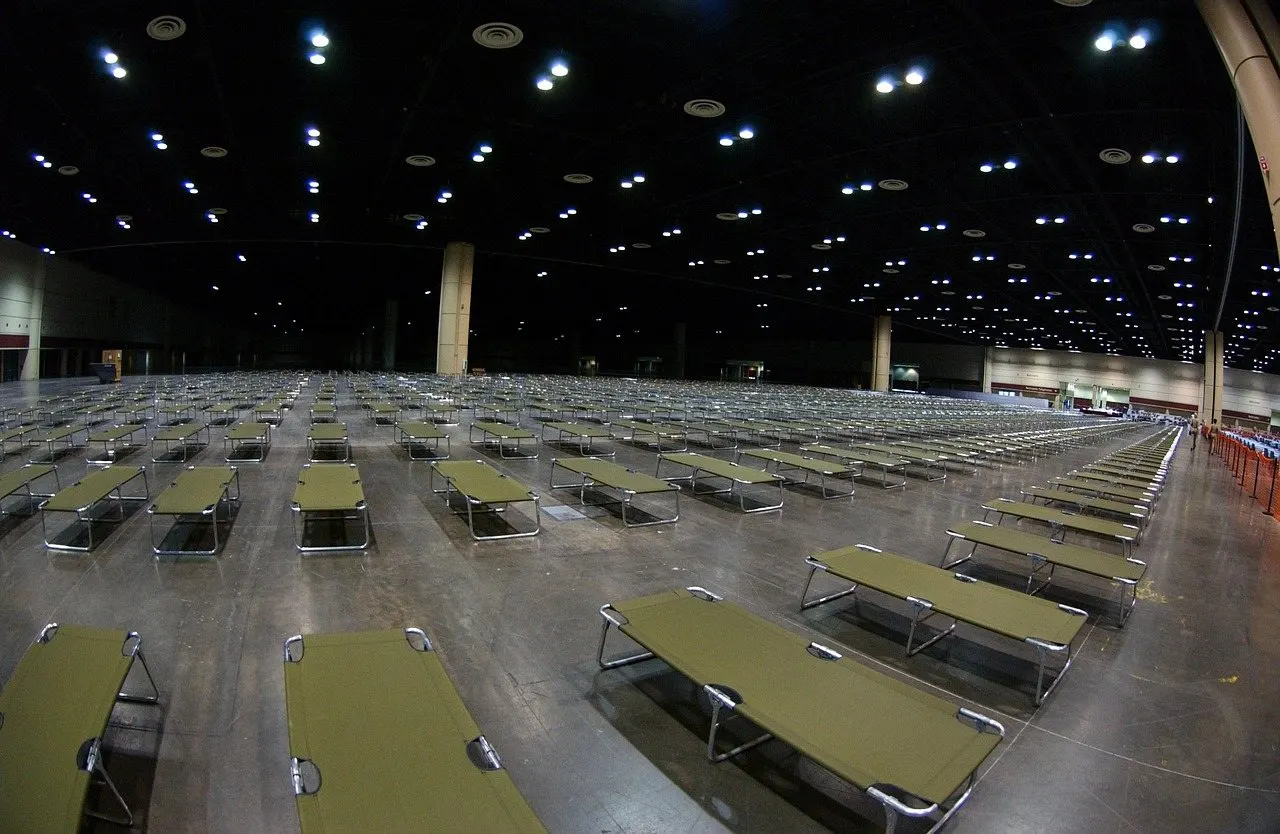
Shelters stood ready across the state for anyone whose home filled with water, with cots, food and dry clothes waiting. A shelter is a simple thing, a big dry room with lights on, but for a family leaving a flooded home it means safety and a night of sleep. Staff and volunteers keep the doors open around the clock during a flood, and they welcome pets and neighbors alike. Nobody was turned away while the rain fell. Read more in our report on babies born with measles and our story about a joke about meeting dictators.
Generators and Vacuum Trucks on Standby
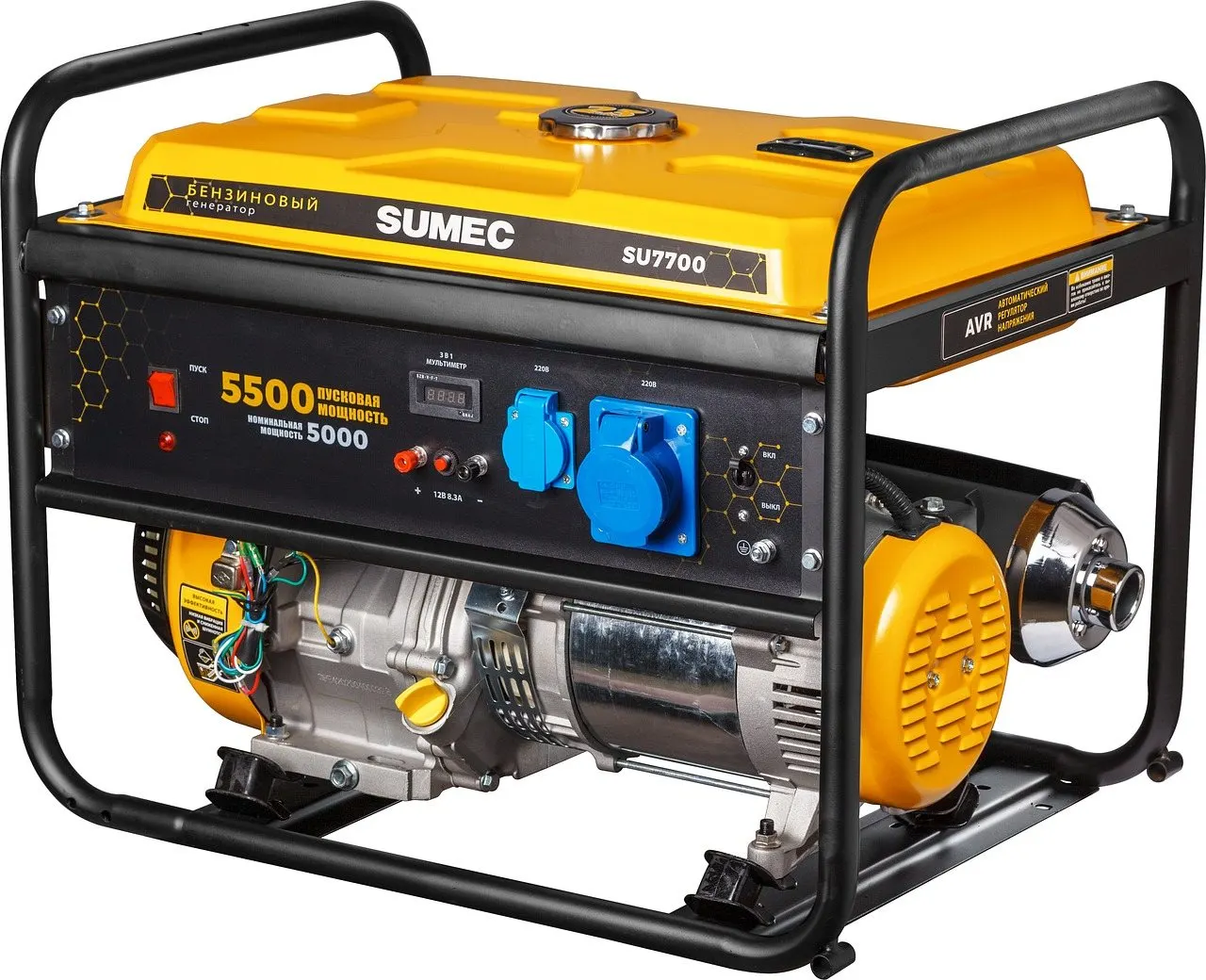
Generators and vacuum trucks were staged for immediate use, ready to bring power back and pull water out of buildings. A generator can keep a shelter lit, a pump running and phones charging when the grid goes dark. Vacuum trucks suck flood water out of homes, shops and underpasses so cleanup can start sooner. Staging them early matters, because once roads flood, moving heavy equipment gets much harder. The state had them in place before they were needed. Read more in our report on intelligence shared with Iran and our story about a bill to stop using children as bait.
Local Officials Lead on the Ground
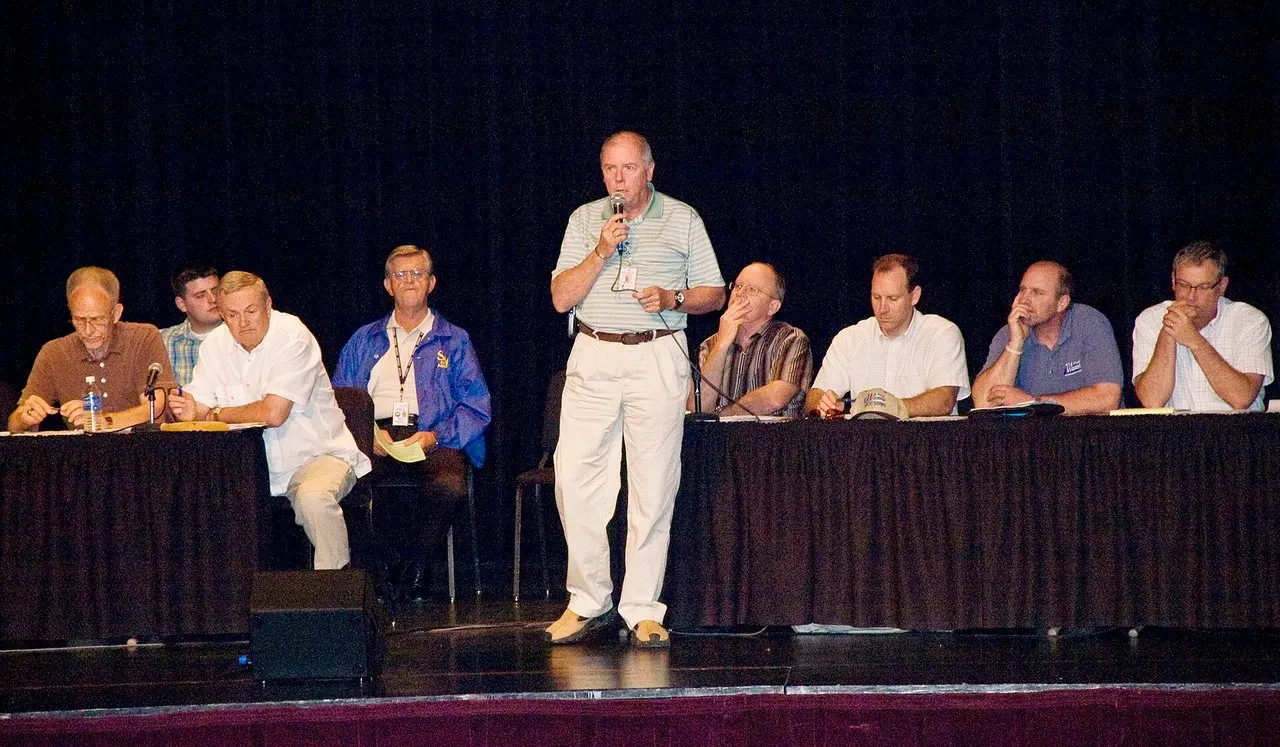
Local officials remain the point of contact on the ground, and that is how Florida’s system is built to work. County and city leaders know their streets, their shelters and their people, so they direct the state crews to the places that need help first. Residents were told to follow local guidance, because a county emergency manager knows which roads are open and which are not. State troops and local knowledge make a strong team. Read more in our report on a stalled vote in Ohio and our story about a rare golden tiger named Ava.
What Residents Were Told to Do
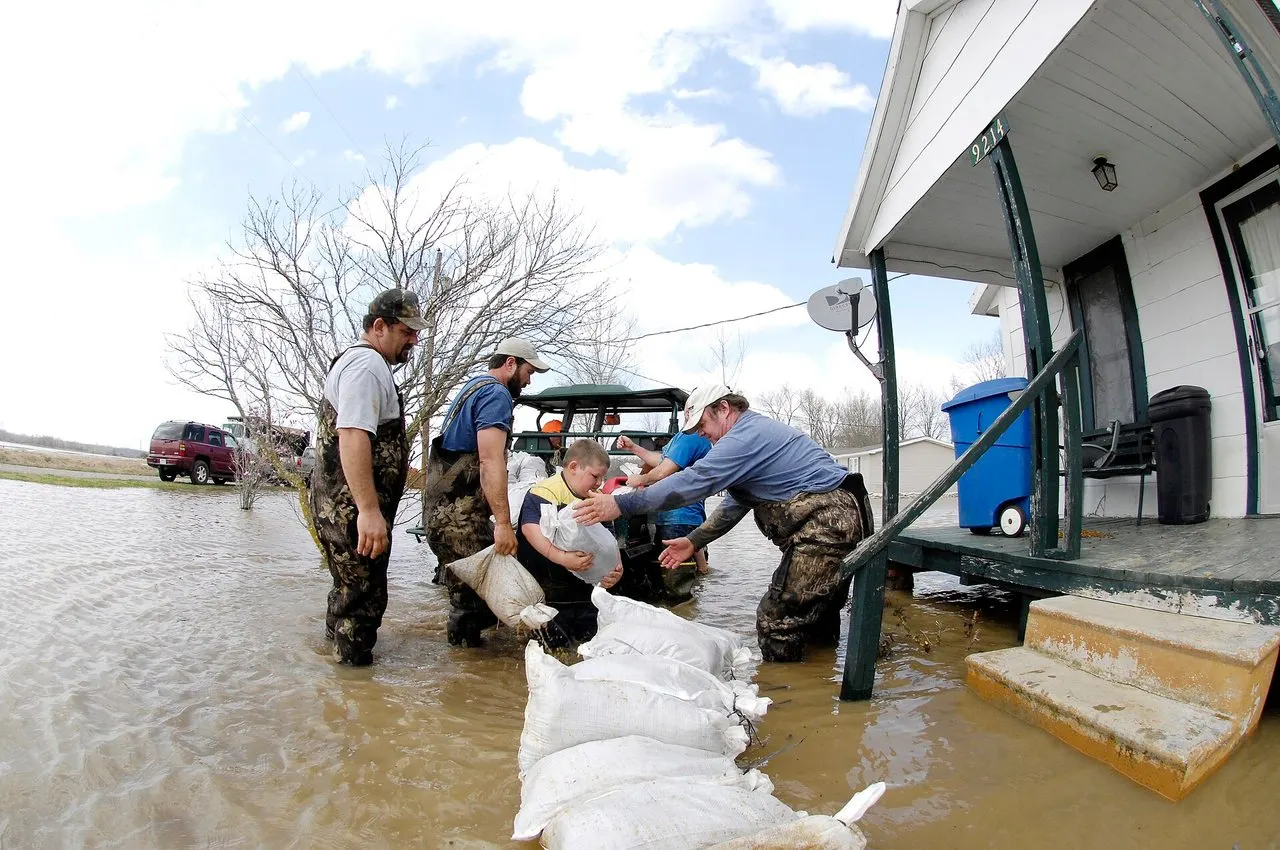
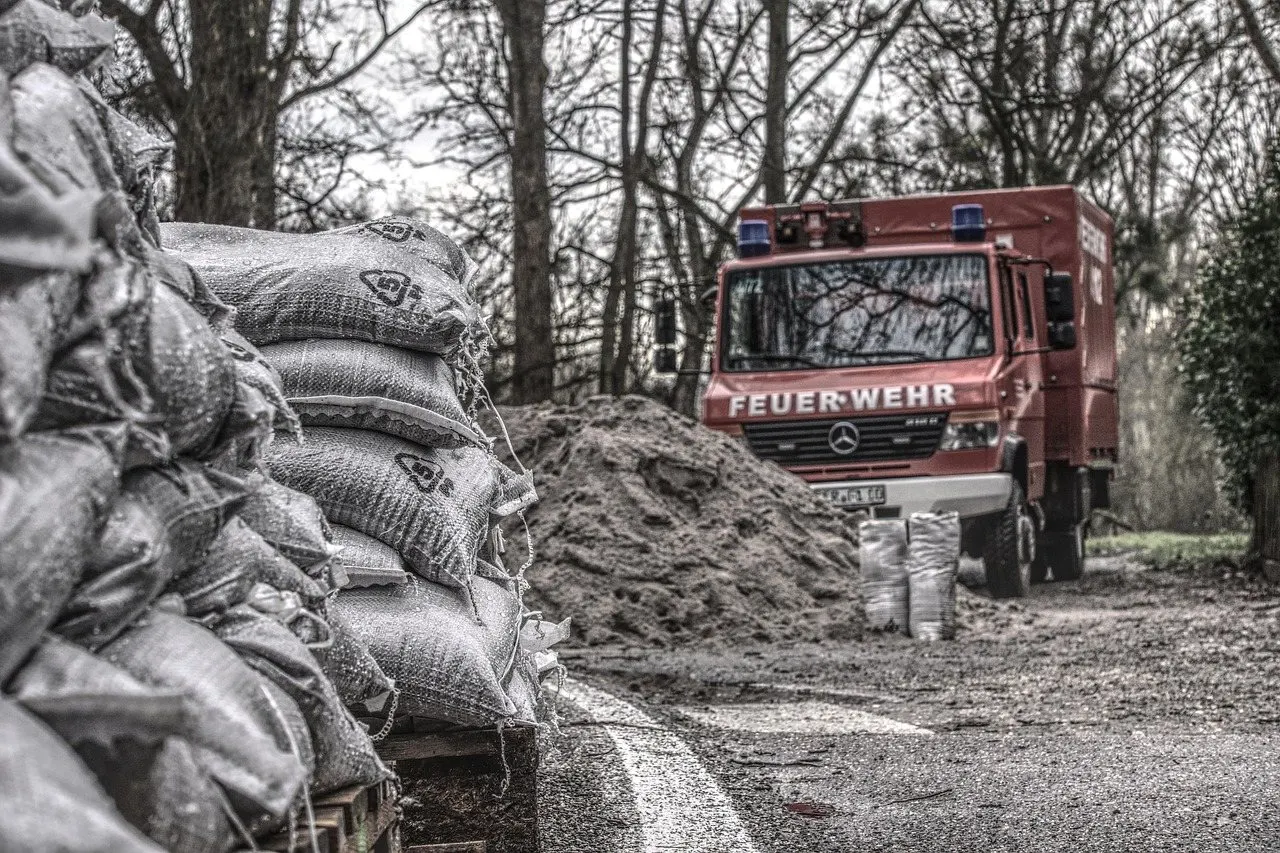
Residents in the hardest hit areas were urged to follow local guidance, stay out of flood water and never drive through a flooded road. Flood water can hide a washed out road, a live wire or fast currents, and just a foot of moving water can sweep a car away. Families were told to keep sandbags by the door, charge their phones and check on neighbors. Simple steps keep a bad night from turning worse. Read more in our report on a rare warning from an endangered tribe and our story about a cancer treatment that uses sound waves.
How a Florida Flood Rescue Team Works
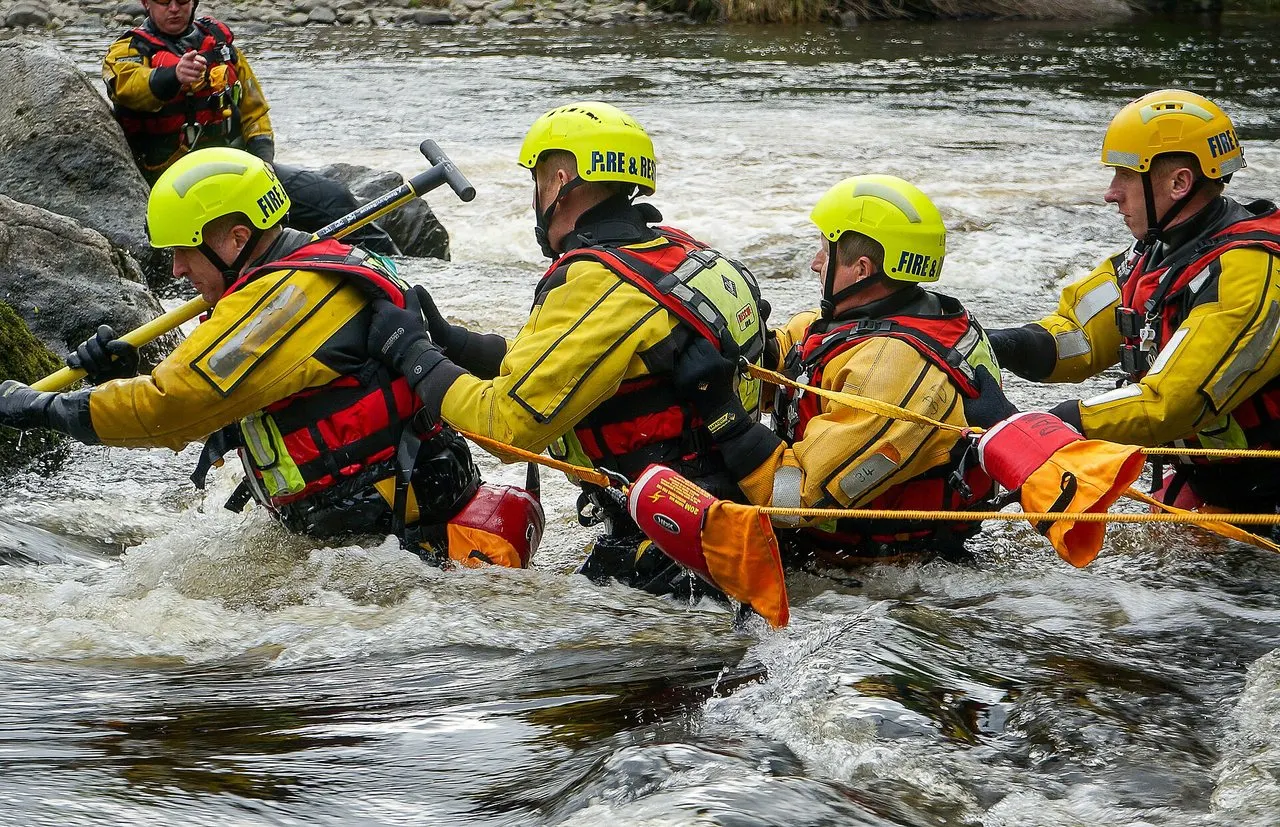
A flood rescue team works in small groups, with a boat driver, a swimmer and a spotter watching the water and the rope. They read the current before they move, because flood water can push a boat into a fence or a car. Teams train in fast water so the real thing feels familiar, and they always work with a backup crew nearby. It is slow work, and that care is what brings people home safe. Read more in our report on a sharp question about Trump and Putin and our story about a warning that dishonor will remain.
Palm Trees Bend as the Storm Pushes Through
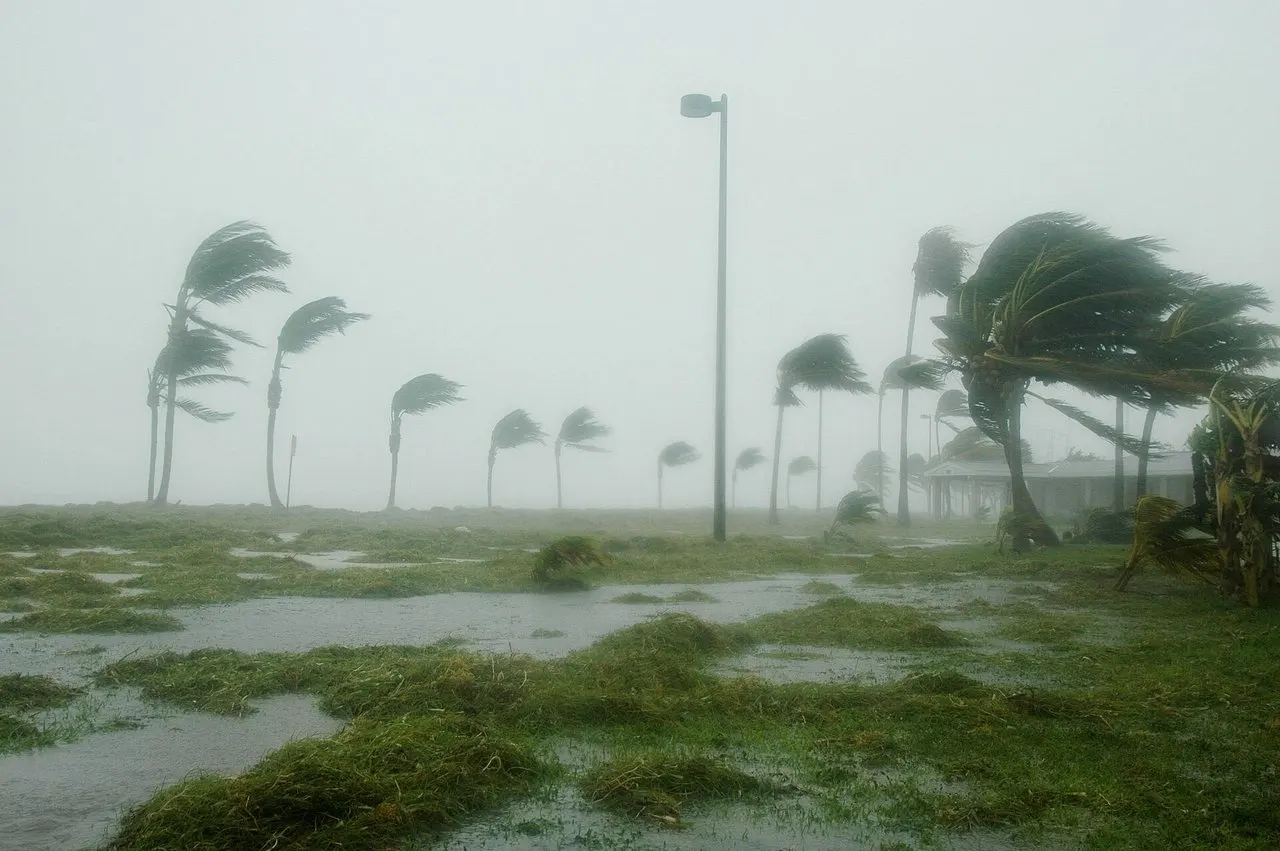
Palm trees bent in the wind as the storm pushed across Florida, and rain hammered roofs from the coast to the inland towns. Florida palms are built to flex, and most spring back once the wind drops, but their bending shows how hard the storm hit. The same wind that bends the palms pushes water into streets and rivers, and that is when the flooding starts. The storm passed, but the water stayed behind. Read more in our report on a speech in Lagos about Africa rising and our story about pistols sealed like soup.
Inside the Florida Flood Rescue Command Center
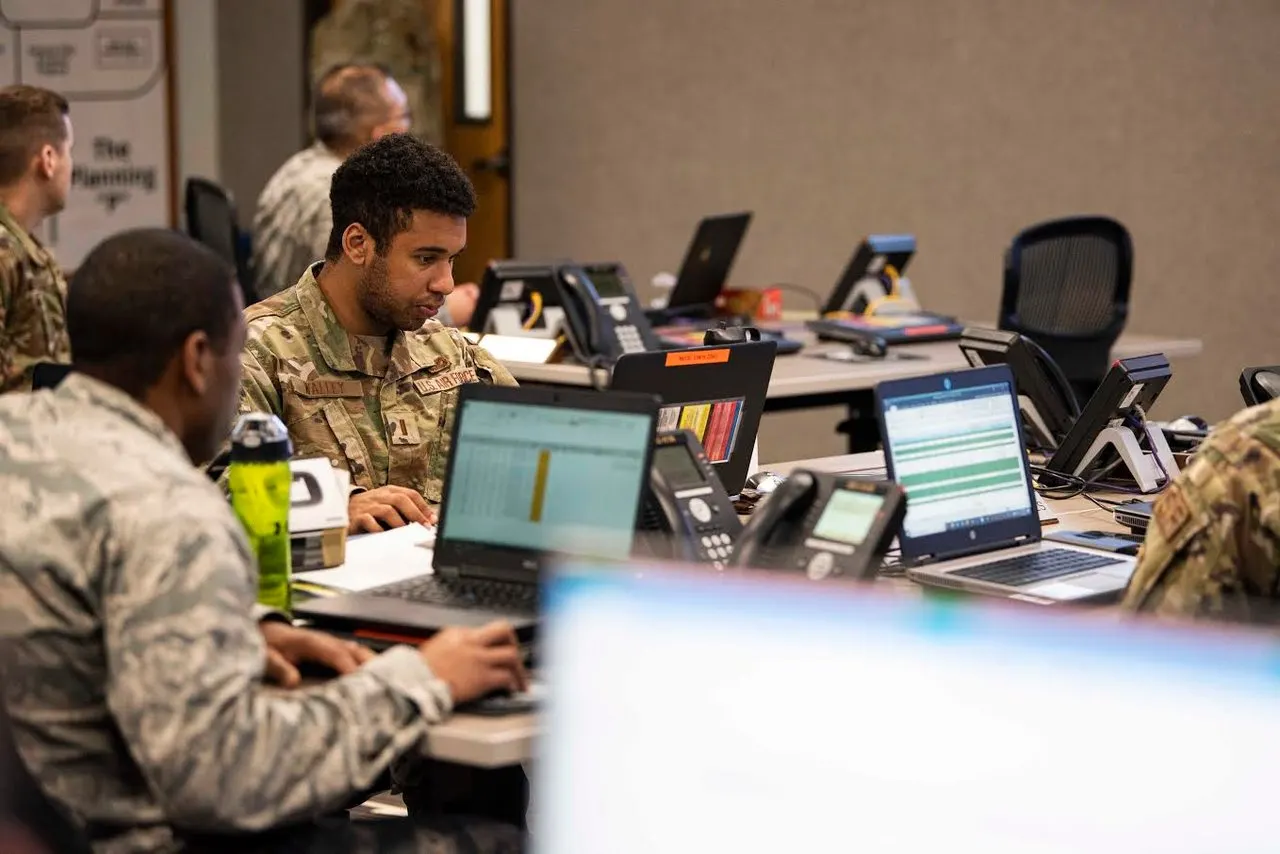
Inside the emergency operations center, staff tracked the rain, the rescues and the road closures on screens and maps around the clock. The Florida Division of Emergency Management runs this kind of center during every big storm, pulling reports from counties and sending crews where the need is greatest. Good information is as important as a boat or a truck, because it puts help in the right place. The center never slept while the rain fell. Read more in our report on the herd heading back to the Lost World and our story about a postponed blast plan in Iowa.
Dark Clouds Gather Over the State
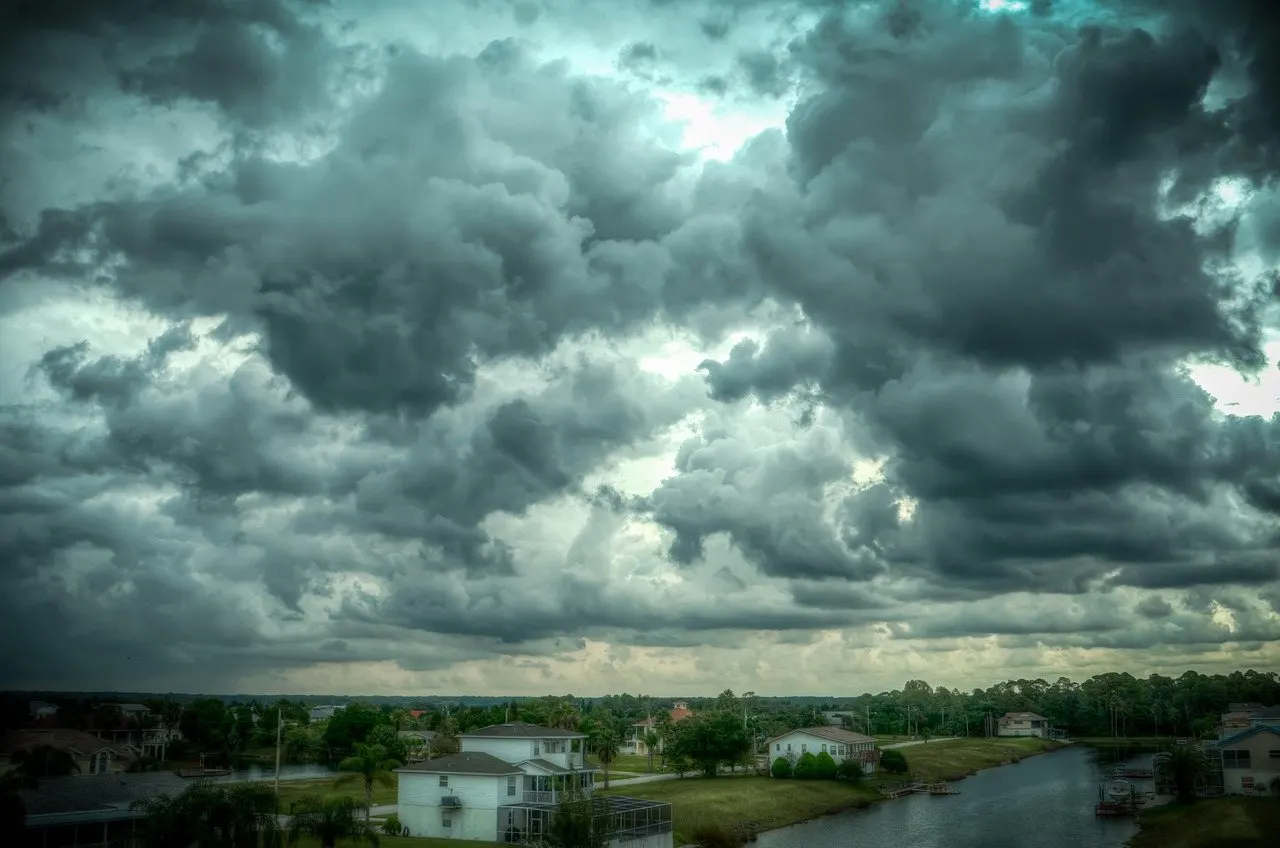
Dark clouds gathered over Florida for days, and the rain they carried broke records in some places. November rain on this scale is rare, and it caught many people by surprise, because the month usually brings drier weather. The Floridian reported on the rescue and recovery efforts that followed the historic November rainfall, and the state update tracked the response county by county. The sky finally cleared, but the work was only starting. Read more in our report on how much water data centers use and our story about a mature, selfless president.
A Record November Rain in the Florida Flood Rescue
The Florida flood rescue followed a record breaking November rainfall that filled rivers and streets faster than drains could clear them. FOX 49 called it biblical rain, and WWSB reported that state agencies had completed nearly 500 floodwater rescues. Rain gauges across the state measured totals that turned ordinary creeks into rivers, and the water kept coming long after the first streets flooded. Records like these remind Florida why it prepares for the worst. Read more in our report on a governor facing a health emergency and our story about a blunt message delivered at APEC.
Cleanup Begins as the Water Drops
As the water drops, cleanup begins, and that work is slower than the rescue. Volunteers and crews shovel mud out of homes, toss ruined furniture to the curb and wash down floors that sat under water for days. Flood water leaves behind silt and germs, so gloves and boots are a must, and anything soaked through usually has to go. Neighbors help neighbors, and the town starts to look like itself again. Read more in our report on what America spends on health administration and our story about babies born with measles.
Neighbors and Sandbags
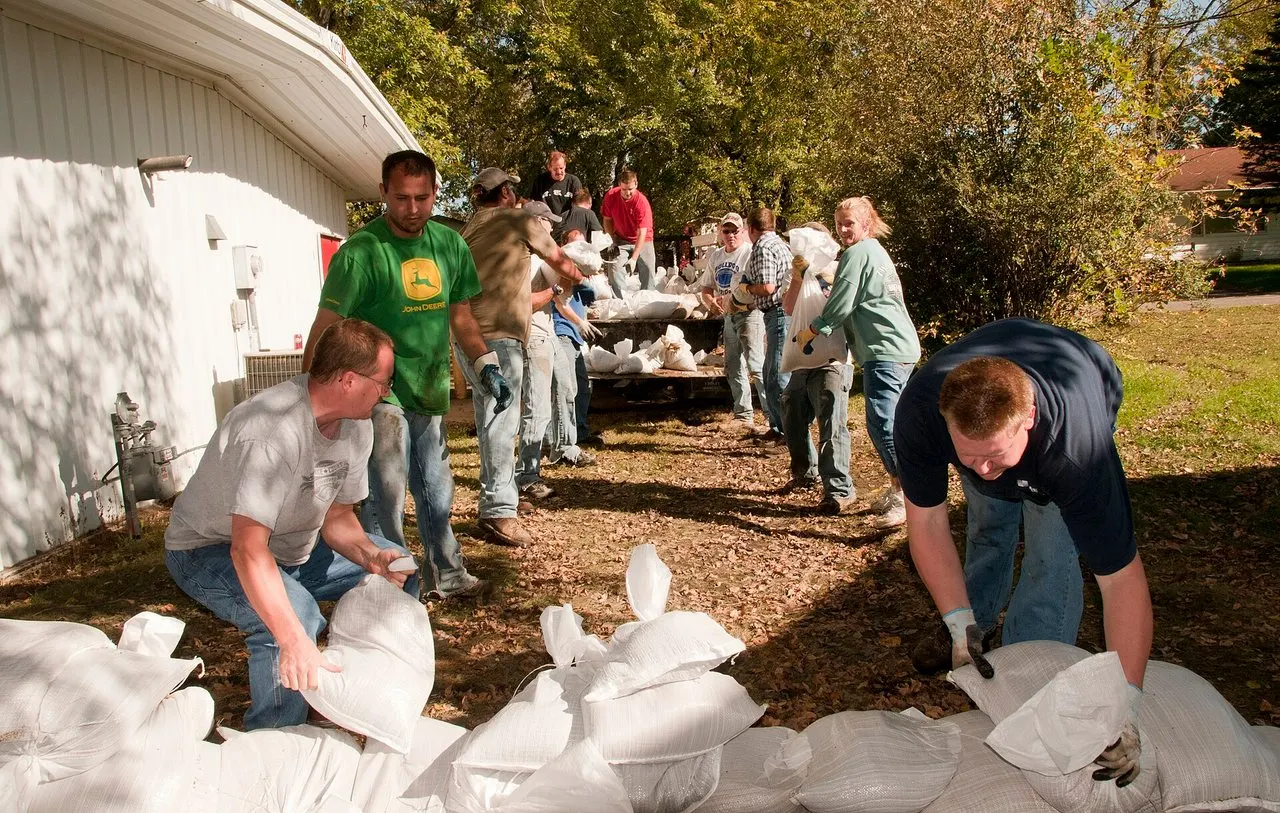
Before the water arrived, neighbors filled sandbags together, stacking them by doors and low windows to hold the flood back. Sandbagging is hard, muddy work, and it goes faster when a whole street pitches in. A wall of sandbags can keep inches of water out of a living room, and those inches decide whether a floor survives. It is the oldest flood defense there is, and it still works. Read more in our report on a joke about meeting dictators and our story about intelligence shared with Iran.
Stay Safe After the Florida Flood Rescue
Even after the rescue crews leave, flood water stays dangerous, so residents should never wade through it or let children play near it. Water can hide sharp debris, open manholes and live wires, and it can carry germs that cause sickness. Boiled water rules may apply, and anyone feeling ill after contact with flood water should see a doctor. Staying careful after the flood is part of staying safe. Read more in our report on a bill to stop using children as bait and our story about a stalled vote in Ohio.
What Would You Do if the Water Rose?

Florida answered this flood with troops, boats, pumps and neighbors working side by side, and nearly 500 people came home safe because of it. But every flood is different, and the next one could reach your street. Would you know where your shelter is, and would you leave early or wait for the water? Share your answer in the comments, and tell us what you would pack first if the rain would not stop. Read more in our report on a rare golden tiger named Ava and our story about a rare warning from an endangered tribe.