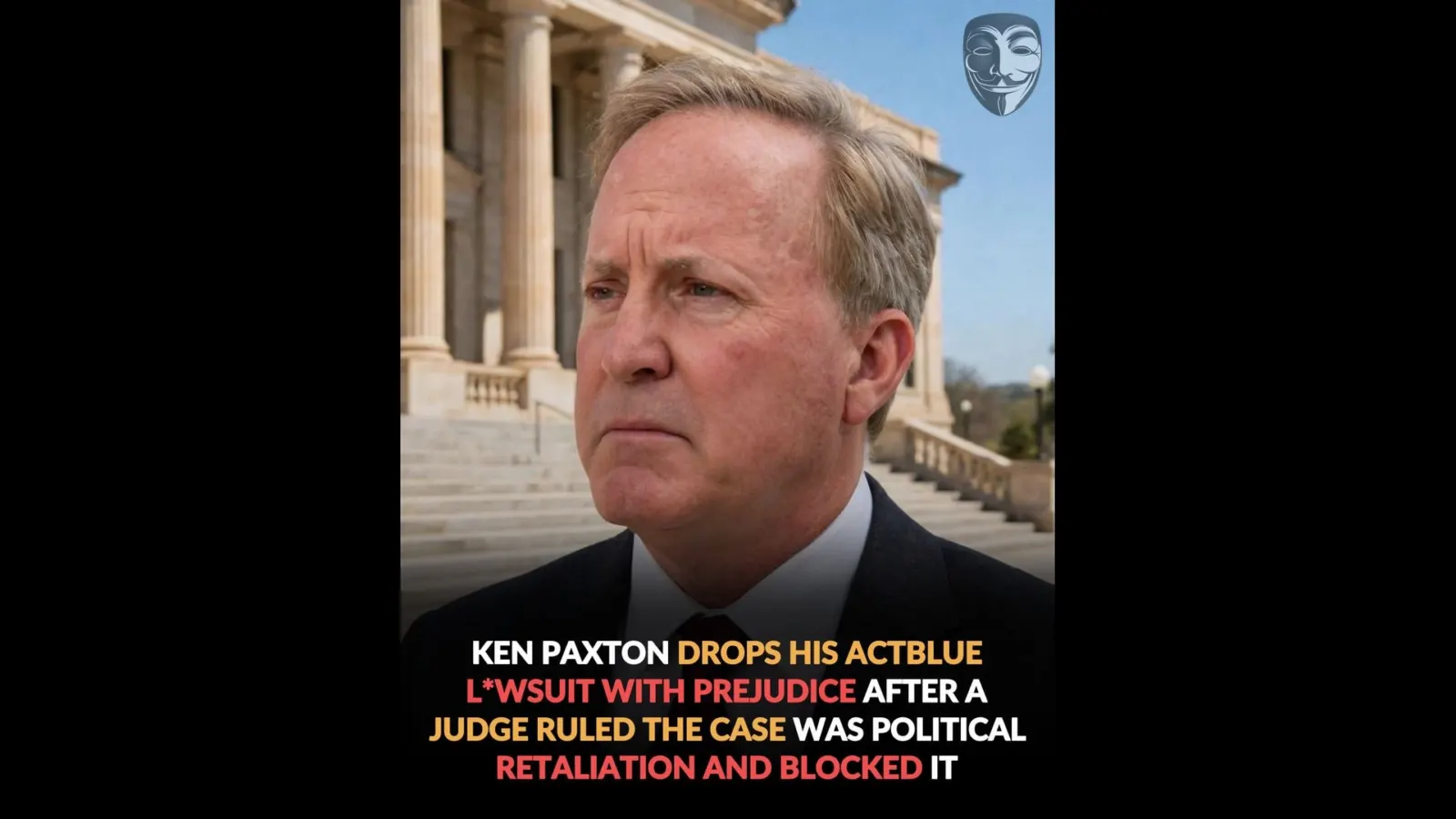
The Paxton ActBlue Lawsuit Ends With a Dismissal With Prejudice
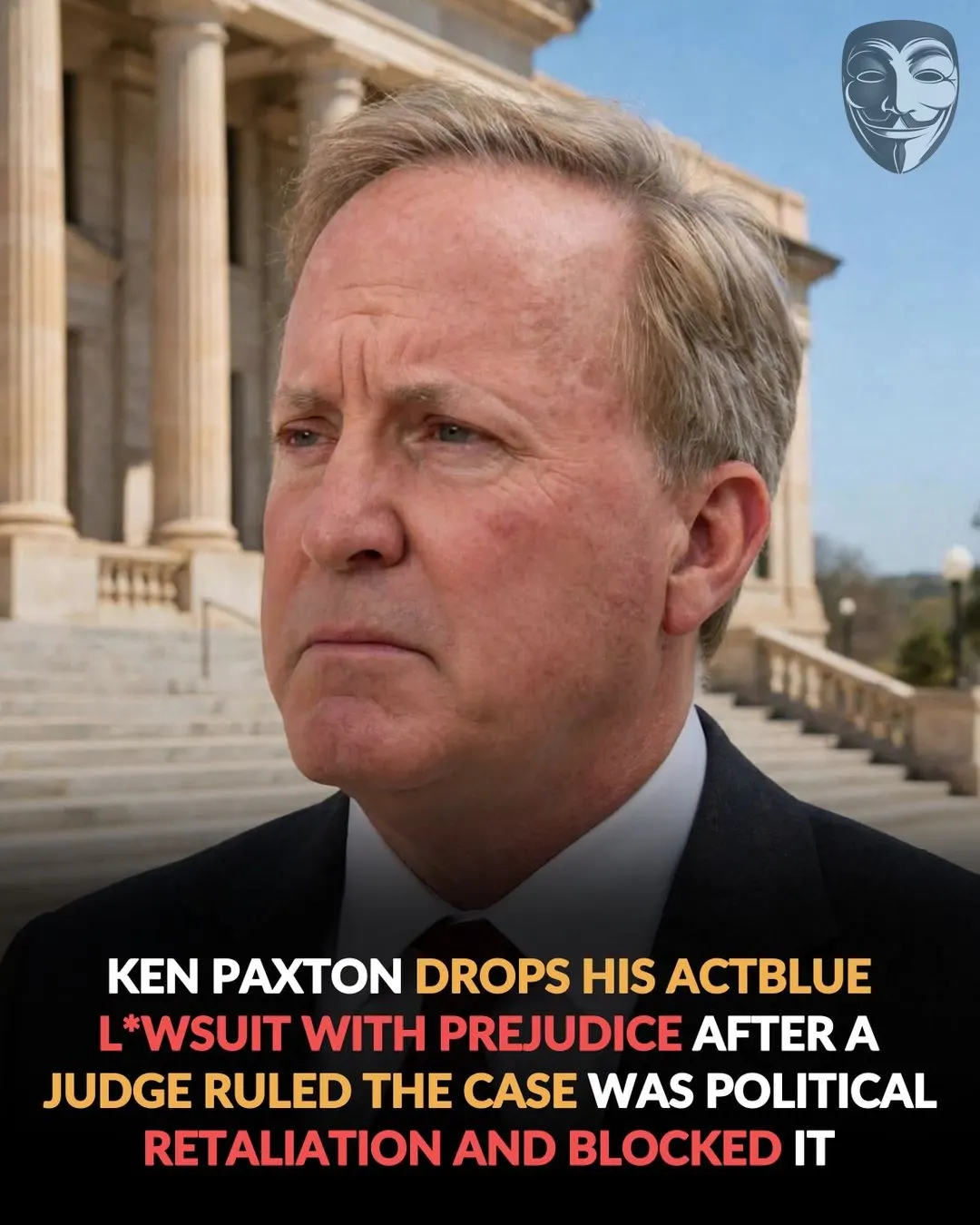
The Paxton ActBlue lawsuit is over. Texas Attorney General Ken Paxton filed court papers on Friday voluntarily dismissing his lawsuit against ActBlue with prejudice, which means the state cannot bring the same claims again. His office also asked the federal appeals court to dismiss his appeal as moot, ending both the state case and the related federal fight in one move. The filing closed a case that began in April 2026 and turned on claims about donors and political fundraising.
Paxton sued ActBlue in April 2026, accusing the Democratic fundraising platform of misleading donors and allowing improper donations. ActBlue fought back in federal court in Massachusetts, and in June a judge blocked Paxton from pursuing the case, finding strong evidence it was retaliation for ActBlue raising money for his Senate opponent, James Talarico. In the slides ahead we look at the filing and the ruling. Read our report on the Justice Department dropping its case in Alaska.
References:
Law360: Texas AG Paxton Drops Suit Over ActBlue Donations
ActBlue: ActBlue Celebrates Major Legal Victory as Ken Paxton Dismisses Politically Motivated Lawsuit
Headline USA: ActBlue CEO Responds After Paxton Abandons Landmark Lawsuit
World Today Journal: Paxton Drops Trans Care, Abortion Pill, ActBlue and Immigration Suits Before Leaving Office
Friday Papers Bring the Paxton ActBlue Lawsuit to a Close

On Friday, Paxton’s office filed the papers that ended the case. The filing said Texas was voluntarily dismissing its lawsuit against ActBlue with prejudice, a legal phrase with real weight. It means the same claims cannot be filed again. The move came months after the June ruling that had already stopped Paxton from pressing ahead. For a case that once looked like a long fight, the end arrived in a short filing. Read our story on a seabed sale a judge ruled unlawful.
What Dismissal With Prejudice Means for the Paxton ActBlue Lawsuit

Dismissal with prejudice is one of the strongest ways a case can end. It means the claims are closed for good and cannot be brought again in a new filing. That is different from a dismissal without prejudice, which leaves the door open to try again later. When a party asks for this kind of dismissal, it is giving up the claims in full. Read our report on a judge ordering the release of a teenager in Maine.
The Paxton ActBlue Lawsuit Appeal Is Dismissed as Moot

Paxton’s office also asked the federal appeals court to dismiss his appeal as moot. An appeal becomes moot when there is nothing left to decide, and here the main case was already over. The court was asked to close the appeal because the ruling below it no longer had a live dispute behind it. That step ended the second track of the fight, the one that had kept the case alive after June. See our story on the blocked triumphal arch.
How the Paxton ActBlue Lawsuit Began in April 2026

Paxton sued ActBlue in April 2026, and the Paxton ActBlue lawsuit began with sharp claims. His office accused the platform of misleading donors and allowing improper donations. The suit said ActBlue had broken Texas consumer protection laws. Those claims put a major fundraising platform on the defensive and drew national attention. The case was framed as a fight over honest fundraising, but ActBlue saw it very differently from the start. Read our report on the Texas attorney general and the Starlink deals.
ActBlue Fights Back in a Massachusetts Court

ActBlue did not wait to answer in Texas alone. It fought back in federal court in Massachusetts, asking a judge there to stop Paxton from pursuing the case. The move shifted the fight to a court far from Austin. ActBlue argued that the lawsuit was political retaliation that violated its First Amendment rights. That claim turned the case into a test of free speech and fair treatment. See our story on a Maine arrest a judge called unlawful.
A Judge Blocks the Paxton ActBlue Lawsuit in June

In June, a judge blocked Paxton from pursuing the case. The order stopped the Texas lawsuit while the federal court looked at the claims. Judges grant this kind of order when they see a strong case that harm is likely and the law favors one side. For ActBlue, the June ruling was the first big win. It kept the platform free to keep raising money while the courts sorted out the fight. Read our report on a plan stopped by a second judge.
The Judge Sees Retaliation Behind the Paxton ActBlue Lawsuit
The judge found strong evidence that the case was retaliation. ActBlue had raised money for James Talarico, the Senate opponent Paxton was facing. The timing and the pattern pointed to punishment for political fundraising. Courts take that kind of claim seriously, because the government is not supposed to punish people for supporting a rival. The finding sat at the heart of the June order. See our story on a masked witness and suitcases of cash.
James Talarico and the Paxton ActBlue Lawsuit

James Talarico is a Texas state lawmaker who became Paxton’s Senate opponent. ActBlue raised money for his campaign, and that fundraising became part of the court record. Small donations from many people can add up fast, and ActBlue is built to collect them. The judge linked that fundraising to the reason Paxton sued. Talarico himself was not a party to the case, but his race shaped it. Read our story on the 51 to 48 Senate vote.
Regina Wallace-Jones Calls the End a Resounding Victory

ActBlue chief executive Regina Wallace-Jones called the dismissal a resounding victory. She said it was a win for donors and for every American who believes the government cannot punish political opponents. Her words framed the end of the case as a win for free speech, not just for one company. Chief executives rarely speak this plainly about a court win, and her statement set the tone for how ActBlue told the story. See our story on a silent shrug in Berlin.
What the Paxton ActBlue Lawsuit Means for Donors

The dismissal matters most to the people who give. ActBlue collects small donations from supporters across the country, and those donors trust the platform to pass their money to the candidates they choose. A lawsuit that scared donors away could have chilled that giving. The end of the case tells donors the platform can keep working. That message is why ActBlue called the result a victory for donors first. Read our report on leaders agreeing that a nuclear conflict must never be fought.
How ActBlue Raises Money for Democrats

ActBlue is a fundraising platform used by Democrats and progressive groups. It lets supporters give online in a few clicks, and it bundles those gifts for campaigns and causes. The platform grew by making small gifts easy, so a race can raise money from thousands of people instead of a few big donors. That model is why a legal fight over its practices drew so much attention. See our story on the old law some want to bring back.
Texas Consumer Protection Law and the Paxton ActBlue Lawsuit

Paxton accused ActBlue of violating Texas consumer protection laws. Those laws are meant to stop businesses from misleading buyers and donors. The state argued that ActBlue had misled the people who gave through its site. Consumer protection cases often turn on what donors were told and what they understood. ActBlue denied the claims, and the courts never ruled that the platform had broken those laws. Read our story on a Texas investigation into Musk and Starlink.
The Job of the Texas Attorney General

The Texas attorney general is the state’s top lawyer. The office brings cases on behalf of Texas, defends state laws in court and enforces consumer protection rules. The attorney general is elected by voters, so the office sits close to politics. That closeness is why courts watch these cases with care. When the office sues a political fundraising platform, the line between law and politics gets close. See our story on the Texas governor elect and ICE.
What a Federal Appeals Court Does

A federal appeals court reviews what lower courts have done. It does not hear new witnesses or retry the facts. Instead, three judges read the record and decide whether the law was applied the right way. Appeals can take months, and they often decide the fate of a case. Paxton’s appeal kept the June ruling in play until his office asked for it to be dismissed as moot. Read our story on a sale stopped by a judge.
How a Voluntary Dismissal Works in Court

A voluntary dismissal happens when the side that filed the case asks the court to end it. The court usually agrees, and the filing closes the case without a trial. Adding the words with prejudice makes the end final, so the same claims cannot return. Lawyers choose this path when a case has run its course or the fight is no longer worth it. Here, the Friday papers did exactly that. See our report on an investigation into lawyer claims.
The Paxton ActBlue Lawsuit Federal Case Ends Too

The parties also agreed to dismiss the related federal lawsuit with prejudice. That case grew out of the same fight, and it had run alongside the Texas case. Ending both together means no part of the dispute stays alive in another court. A clean end matters, because a loose case can flare up again. With both cases closed, the legal fight is finished on every front. Read our report on the verdict in the Barracas fire case.
Paxton Drops Other Suits Before Leaving Office

The World Today Journal reported that Paxton is dropping more than this one case before leaving office. Its headline lists suits over trans care, the abortion pill, ActBlue and immigration. Dropping several cases at once is a common way for an outgoing official to clear the desk. Each of those cases had its own fight, but they share one ending. The office is closing them rather than handing them on. See our story on the carriage ban.
What Law360 Reported About the Donations Case
Law360 covered the story under the headline Texas AG Paxton Drops Suit Over ActBlue Donations. Trade press like Law360 follows court filings closely, so its report landed quickly after the papers were filed. The headline put the focus on donations, which were at the center of the claims. Readers who follow the courts knew within hours that the case was over. The report matched the Friday filing in every key point. Read our story on Putin, Iran and American troops.
How the ActBlue Chief Responded in Public

Headline USA reported the response from the ActBlue chief under the headline ActBlue CEO Responds After Paxton Abandons Landmark Lawsuit. Wallace-Jones used the moment to speak for donors, not just for her company. Her message was simple: the government should not punish people for their politics. That line was quoted widely, because it summed up the whole case in one sentence. The response set the tone for the coverage that followed. See our story on the shrug that said more than words.
A Timeline of the Paxton ActBlue Lawsuit

The case moved fast by court standards. Paxton sued in April 2026, ActBlue pushed back in federal court, and a judge blocked the case in June. Paxton appealed, but months later his office filed the papers that ended it all. From filing to dismissal, the story moved through spring, summer and fall. Each step changed the shape of the fight, and the last step closed it for good. Read our story on Melania Trump and her small staff.
Political Fundraising After the Paxton ActBlue Lawsuit

Political fundraising sits close to free speech. People give money to support the candidates and causes they believe in, and the courts have long protected that choice. When a government office sues a fundraising platform, donors notice. They wonder whether their gifts could draw trouble. That worry is why cases like this one are watched far beyond the courtroom, by donors and campaigns alike. See our story on Brosnan and the role of prayer.
The First Amendment and Political Retaliation

The First Amendment protects speech, and that includes political speech and support for a cause. ActBlue argued that the lawsuit punished it for raising money for a Senate opponent, which is political activity at its core. Courts look hard at cases where the state seems to target a speaker for its views. The June ruling agreed that the evidence pointed that way. That protection is what Wallace-Jones meant by a victory for every American. Read our story on Patricia Heaton and gratitude.
When Courts Check the Power of the State

Courts exist to check the power of the state. When a government office brings a case, a judge can ask whether the law truly supports it or whether politics is doing the work. That check protects everyone, not just the side that wins. The June order did that job, and the dismissal finished it. The system worked the way it was built to work, slowly and in public. See our report on the New York carriage plan.
The Case Is Over for Good

The Paxton ActBlue lawsuit is over for good. The state case was dismissed with prejudice, the appeal was dismissed as moot, and the related federal case was dismissed with prejudice too. Nothing in the filing leaves a door open for the same claims to return. For ActBlue, the result clears the way to keep raising money without this case hanging over it. The fight that began in April 2026 ends here, in a short filing on a Friday. Read our report on the first lady office and its costs.
Why Small Donors Watched This Case

Small donors are the heart of ActBlue. Thousands of people give a little at a time, and those gifts add up to real power in a campaign. A case that questioned the platform could have made those donors think twice. The dismissal tells them their gifts are safe and the platform is steady. When small donors trust the system, more people take part, and that is good for democracy. See our report on a Senate vote about war powers.
What Do You Think the Dismissal Means?

Paxton dropped the case, the appeal and the related federal suit, all with prejudice. The courts blocked the case in June, and the Friday filing closed it. What do you think this ending means for political fundraising in America? Will donors feel safer giving online, or will other states try a case like this one? Share your thoughts in the comments, and tell us what you would ask the people at the center of this story. Read our report on the debate over the 1952 law.