Mary Peltola Senate Win Is Now Official
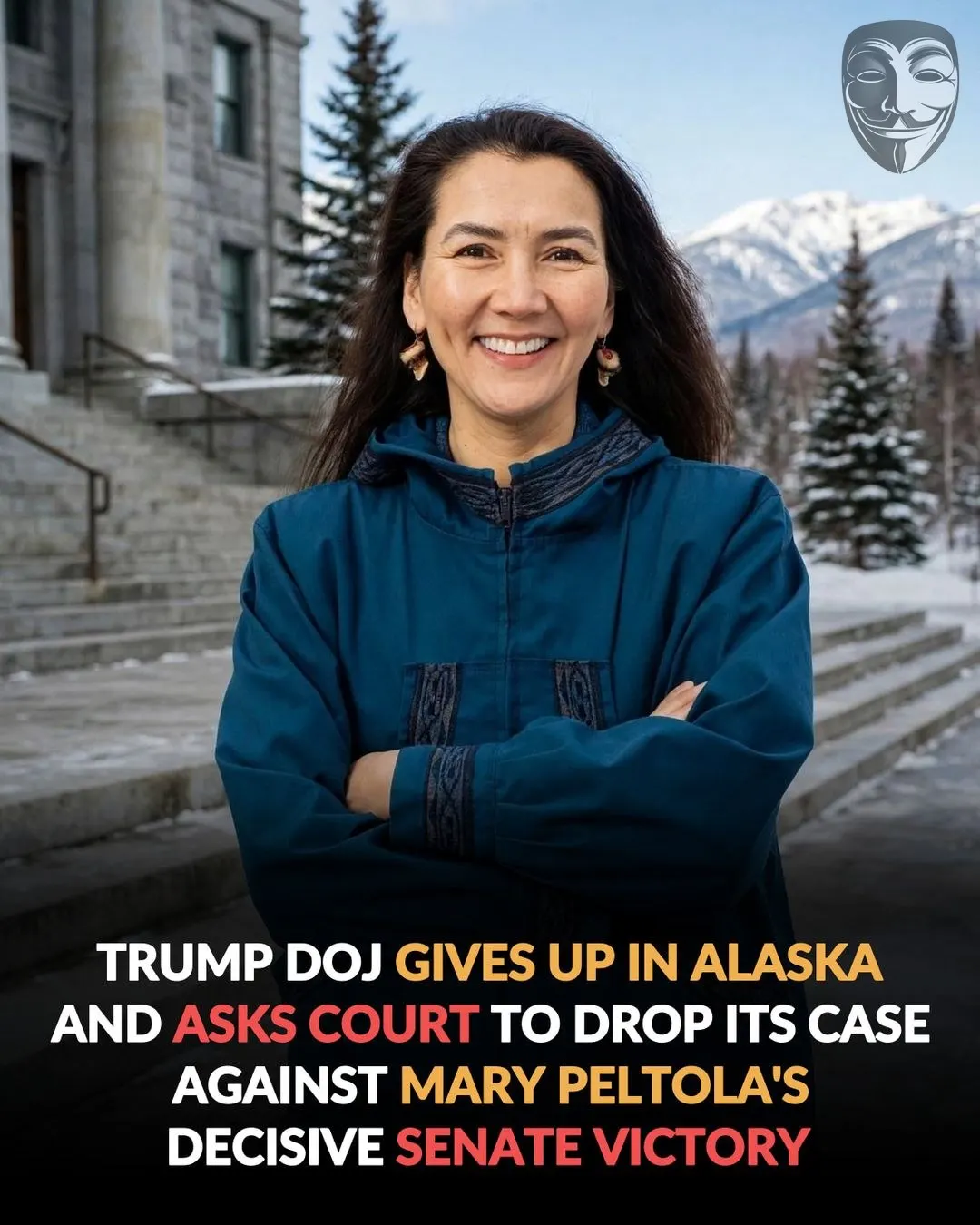
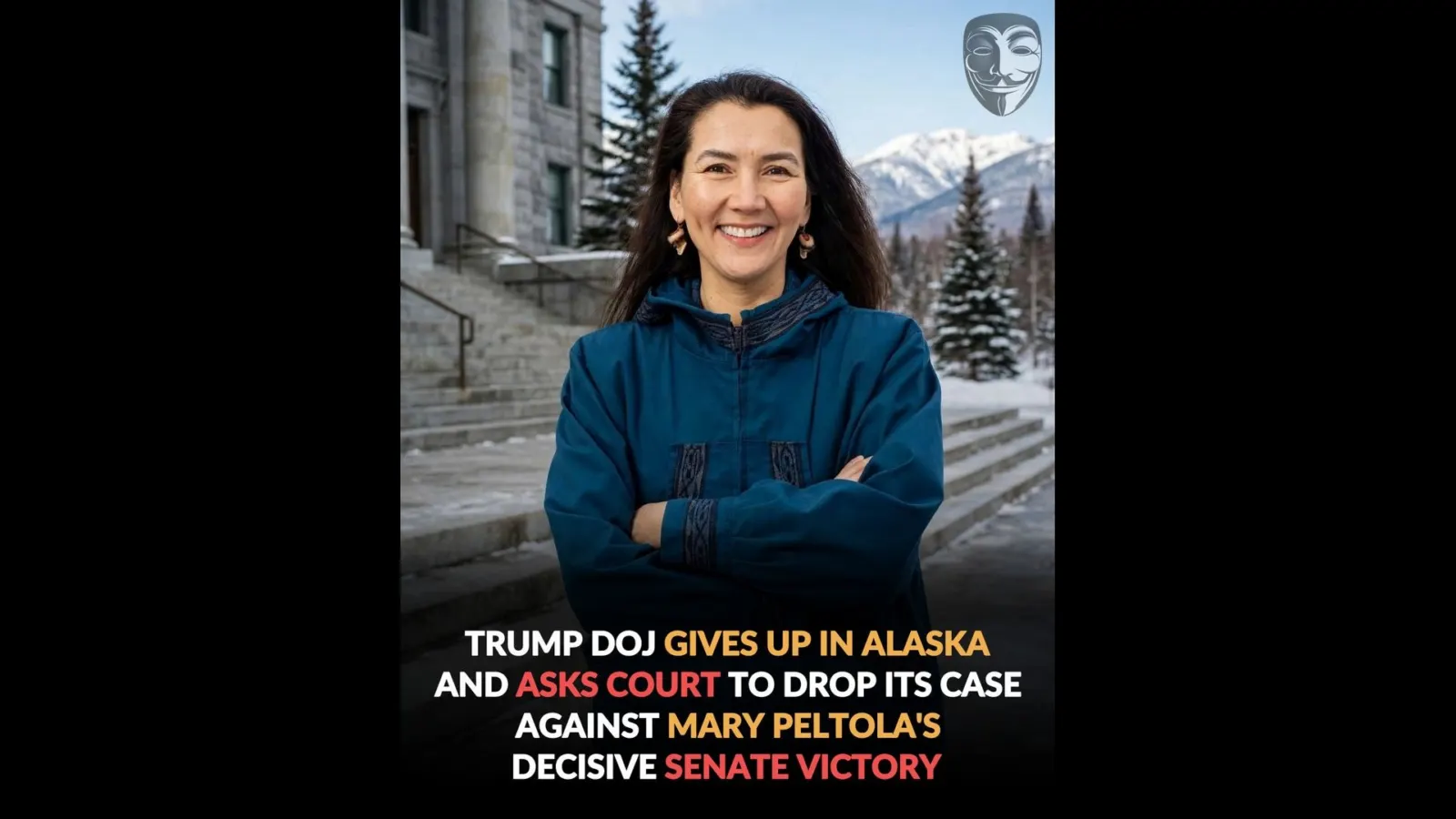
The Mary Peltola Senate Win is now beyond doubt, and the Trump Justice Department has given up its fight to stop her from taking her seat. Peltola won the race for the United States Senate by a wide margin, taking more votes than all of her opponents put together. After trying to block the certification of her win, the Justice Department is now asking a federal appeals court to dismiss its own case as moot. The filing came just two days after the race was called in her favor.
The story has a catch that matters for the record books. The Justice Department is also asking the court to wipe out the lower court ruling against it and to reject requests to punish its lawyers. In other words, the Trump administration is walking away from the fight while still trying to erase the legal defeat from the record. In the slides ahead we look at the lawsuit, the second Sullivan, the ranked choice count, and what comes next for Alaska. Read a silent shrug that said more than words.
References:
Associated Press: Justice Department dropping Alaska Senate certification lawsuit, saying case is moot
CBS News: Justice Department asks appeals court to declare Alaska Senate case moot
NBC News: Justice Department seeks dismissal of its lawsuit in the Alaska Senate race
NPR: Judge dismisses lawsuit seeking to block certification of Alaska Senate race
The Justice Department Gives Up the Fight

On November 19, the Justice Department told the Ninth Circuit Court of Appeals that its case was now moot. The filing came two days after the race was called for Peltola, and asked the court to dismiss the case and send it back to the lower court. The department said it reluctantly accepted that no one could now tell whether votes cast for Daniel J. Sullivan were meant for the senator. The fight to block certification was over. See a seabed auction held days after a judge ruled it unlawful.
Mary Peltola Senate Win Was Decisive

Peltola won by a commanding margin, taking 50.3 percent of first choice votes under Alaska’s ranked choice system. Senator Dan Sullivan took 45.9 percent, and the other Sullivan took 1.7 percent. That means Peltola received more votes than all of her opponents put together, so even if every other first choice vote had gone to one rival, she would still have won. The size of the win is what made the Justice Department’s case fall apart. For more, read a first lady’s office that runs on five staff.
The Second Sullivan on the Ballot

The whole case turned on a second name on the ballot. Alongside Senator Dan Sullivan, voters also saw the name of Daniel J. Sullivan, a retired school teacher from Petersburg. The Justice Department argued that voters might have mixed up the two men and voted for the wrong Sullivan. The New York Times reported that Peltola’s campaign had recruited the retired teacher to run. The department wanted time to study whether that confusion changed the result. You may also like a Virginia ruling on the triumphal arch project.
Mary Peltola Senate Win Began With a Lawsuit in October

The Justice Department sued Alaska on October 22, before the election had even happened. The suit was filed at President Donald Trump’s direction, and it asked the courts to stop the state from certifying a Peltola win until investigators could check for voter confusion. It was an unusual move, because courts rarely block certification before votes are counted. The filing set off a legal fight that ran right through Election Day and beyond. Read a life sentence for the Barracas fire.
A Judge Threw the Case Out Before Election Day
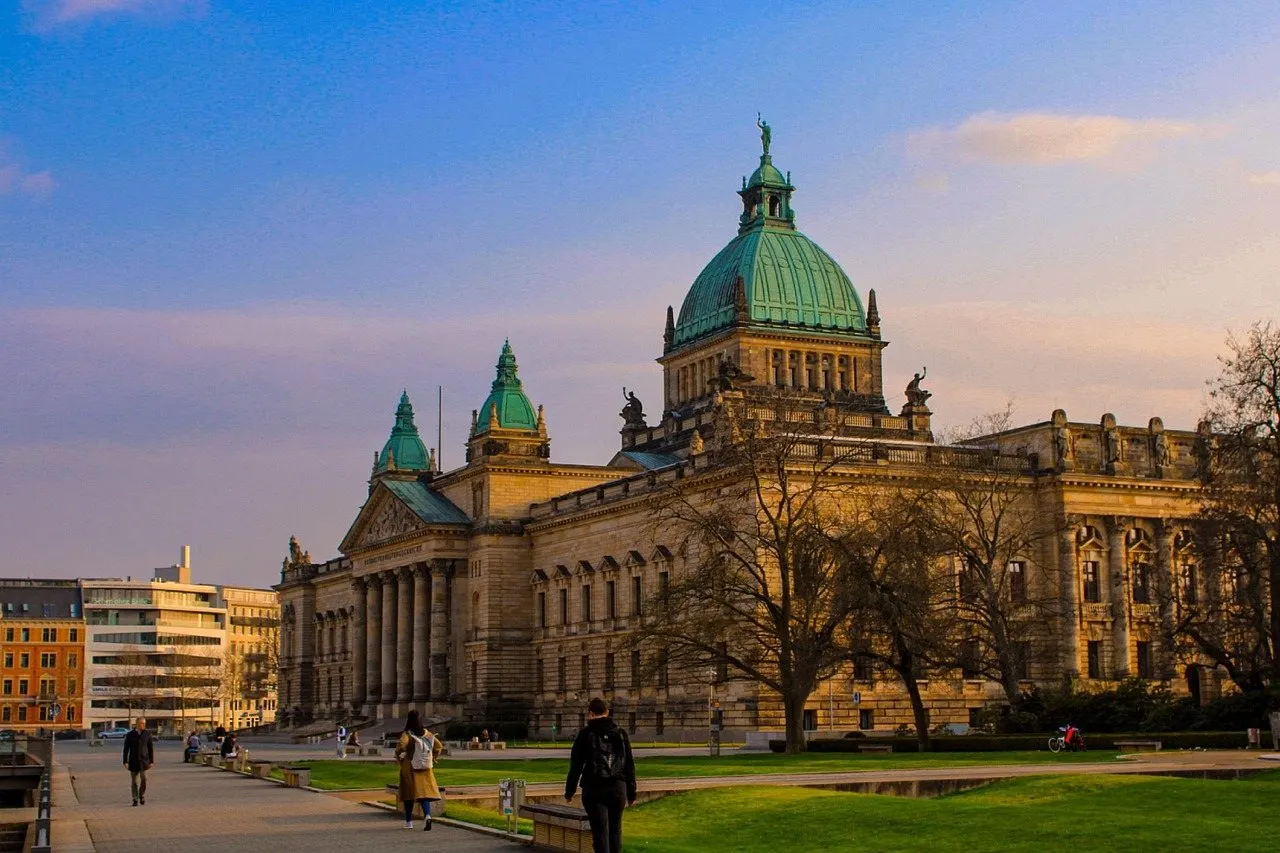
Two days before the election, on November 1, United States District Judge Sharon Gleason dismissed the case. She ruled that the department had no workable remedy, because separating the ballots for the second Sullivan would violate the right of Alaskans to a secret ballot. The judge found that federal officials could not show how a court could give them the relief they wanted while protecting ballot secrecy. The Justice Department appealed her ruling to the Ninth Circuit. See a 15-hour flight from China and a briefing room report.
What It Means When a Case Becomes Moot

In American law, a case is moot when later events have settled the dispute, so a court ruling can no longer change anything. Judges do not decide moot cases, because there is nothing left for them to fix. Here the election was finished, the ballots were counted and mixed together, and the result was clear. That is why the Justice Department now agrees the case should be dismissed, even though it still wants the lower court ruling wiped away. For more, read a trucker rescue of a 2-year-old boy.
The Catch in the Mary Peltola Senate Win Filing
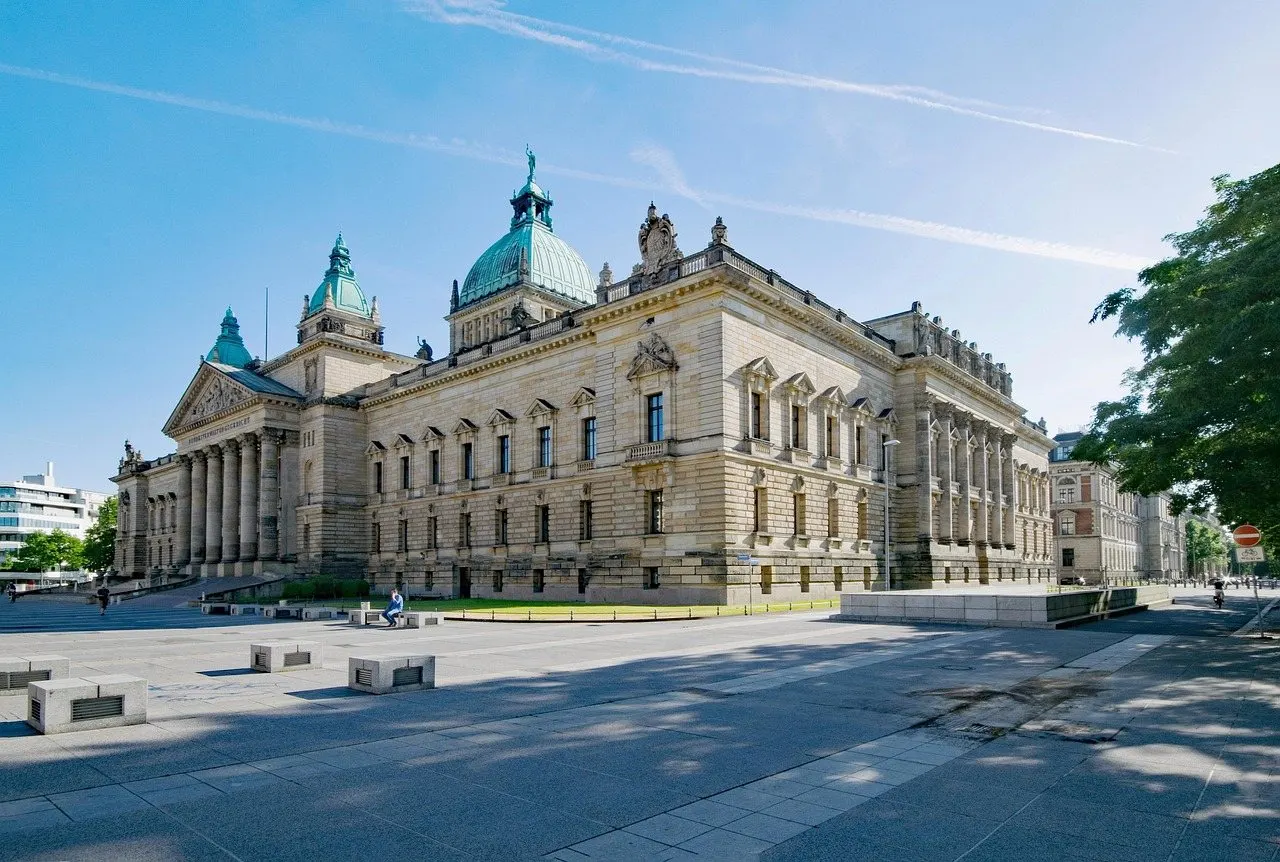
The filing asks the appeals court to do two things at once. First, it asks the court to declare the case moot and dismiss it. Second, it asks the court to vacate the lower court order, which would erase Judge Gleason’s ruling against the department from the record. The department told the court to hold the case moot, vacate the order, and send the case back for dismissal. It wants the loss gone, even as it gives up the fight. You may also like a docuseries premiere at Lincoln Center.
Sanctions Requests Are Still Before the Court
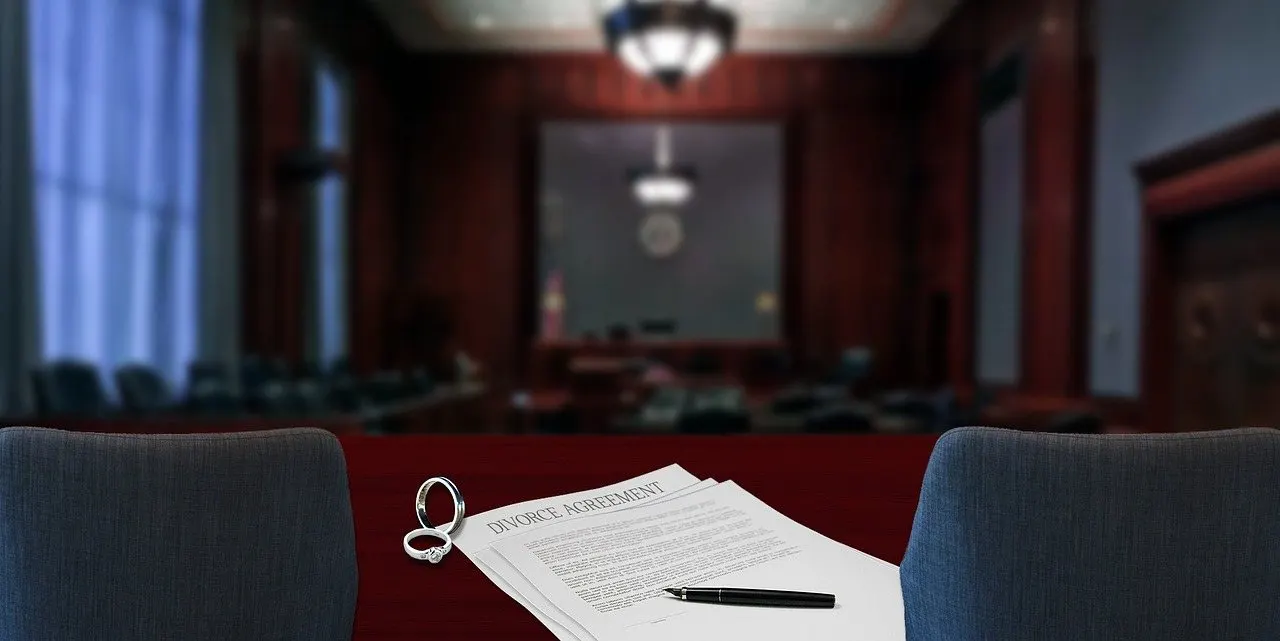
The Justice Department is also asking the court to reject requests to sanction its attorneys. Election groups involved in the case have asked the court to punish the department’s lawyers for bringing the suit. The department argues that its filing had merit and that sanctions are not justified. The Ninth Circuit has not yet ruled on the request to wipe out the lower court ruling or on the sanctions requests, so both questions are still open. Read a 90-minute White House briefing.
Ranked Choice Voting Shaped the Mary Peltola Senate Win

Alaska uses ranked choice voting, a system voters adopted in 2020. Voters rank candidates in order of preference instead of picking just one. If no candidate wins a majority of first choice votes, the candidate with the fewest votes is removed and those ballots go to the voters’ next choice. The process repeats until someone passes half the vote. Peltola won 50.3 percent of first choice votes, so no extra rounds were needed at all. See a pardon for baseball legend Pete Rose.
Alaska Is Big, Wild and Hard to Reach

Alaska is the largest state in the country, bigger than Texas, California and Montana put together. It holds huge mountain ranges, vast forests, tundra and long coastlines, and much of it has no roads at all. People travel by plane, boat and snow machine to reach small villages spread across the state. That size shapes everything about Alaska politics, from how campaigns reach voters to how ballots are collected and counted. For more, read 22 moments of hope after almost giving up.
Juneau, the Capital You Cannot Drive To
Juneau is the capital of Alaska, and it is one of the few state capitals in America that you cannot reach by road. The city sits between steep mountains and the sea in the southeast panhandle, and visitors arrive by plane or by ferry. The state capitol building in Juneau is where Alaska’s governor and lawmakers work. For a statewide race like the Senate contest, Juneau is the center where results come together and certification takes place. You may also like a handshake with Putin and Xi.
Mary Peltola and Her Senate Win

Mary Peltola is from Bethel, a town in western Alaska, and she is Yup’ik, a member of one of Alaska’s Native peoples. She served in the Alaska state legislature and later in the United States House of Representatives, where she was the first Alaska Native elected to Congress. Before politics she worked in commercial fishing, a way of life that is central to many Alaska families. Her win in the Senate race continues a career built on Alaska roots. Read hidden Easter eggs found by GTA 6 fans.
Dan Sullivan, the Senator She Beat

Dan Sullivan is the Republican senator Peltola defeated, and he had held the seat since first winning it in 2014. Before joining the Senate he served as Alaska’s attorney general and as a commissioner in state government. He is also a veteran of the United States Marine Corps. Sullivan won reelection in 2020, so his loss in this race ends more than a decade in the Senate. The two Sullivans on the ballot made his name the center of the legal fight. See a UN vote on women and children.
The Ninth Circuit Court of Appeals
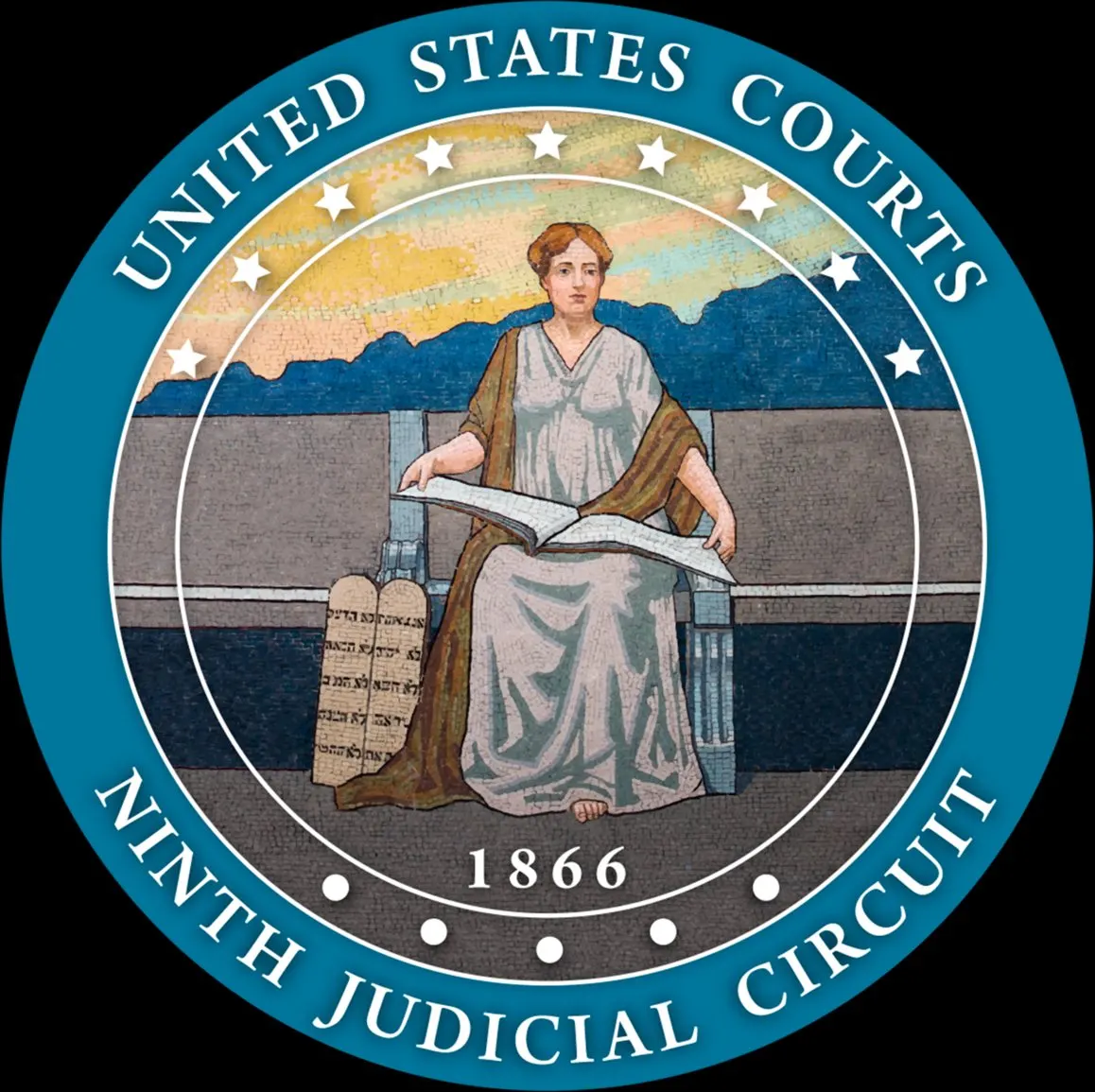
The Ninth Circuit Court of Appeals is the federal appeals court that covers Alaska and the western states. It is the largest appeals court in the country, with judges across the West and its main seat in San Francisco. When a federal trial court in Alaska rules on a case, the losing side can appeal to the Ninth Circuit. The Justice Department took its case there after Judge Gleason dismissed it, and the new filing now sits there. For more, read a reunion nearly three years after a split.
Certification Will Seal the Mary Peltola Senate Win
Alaska officials plan to certify Peltola’s victory on November 25. Certification is the formal step when election officials confirm the results and declare them official. It follows a careful count, checks for errors, and a review of the returns from every part of the state. Once certification is complete, the result stands and the winner can prepare to take office. The Justice Department’s filing removes the last legal barrier to that step. You may also like a silent shrug that said more than words.
A New 56 to 44 Senate Majority

Peltola’s win gave Democrats their 56th Senate seat, the ninth Senate pickup for the party in the midterms. The result leaves the Senate split 56 to 44 for the Democrats. A win in Alaska, a state that often votes Republican, was one of the night’s biggest surprises. It also shows how much one race can change the balance of power in Washington. Senate control shapes which bills reach a vote and which judges win confirmation, so every seat matters. Read a seabed auction held days after a judge ruled it unlawful.
The Margin Made the Mary Peltola Senate Win Clear
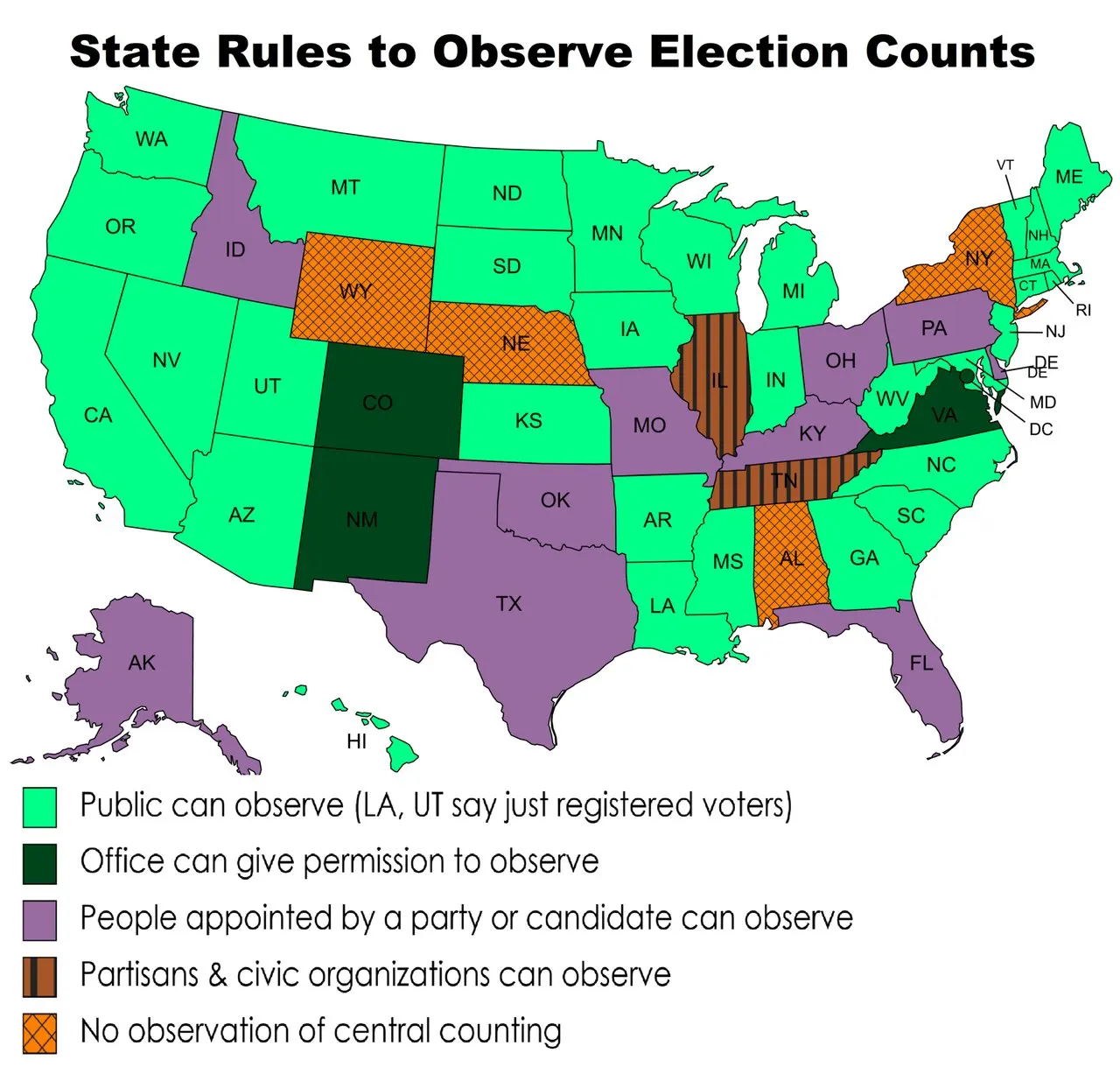
The margin is the reason the case collapsed. Peltola won by more than four percentage points, a gap wide enough that the second Sullivan’s votes could not have changed the outcome. Even if every ballot cast for Daniel J. Sullivan had gone to Senator Sullivan, Peltola would still have won. The Justice Department admitted in its filing that the ballots had been mixed together, so there was no way left to sort out voter intent. See a first lady’s office that runs on five staff.
Ballot Secrecy Protected Every Alaska Voter
Ballot secrecy is a basic promise in American elections. Each voter’s choices are private, and no one can trace a completed ballot back to the person who cast it. Judge Gleason ruled that pulling apart the ballots for the two Sullivans would break that promise. Once ballots are counted and mixed, they cannot be separated without asking voters how they voted. That ruling is the one the Justice Department now wants erased. For more, read a Virginia ruling on the triumphal arch project.
The Justice Department’s Own Words

The filing used careful language, and one phrase stood out. The department said it reluctantly acknowledges that there no longer exists any means of determining whether votes cast for Daniel J. Sullivan were meant for Senator Sullivan. That admission is the heart of the case for dismissal. The department still maintains that its first filing had merit, but it concedes that the facts on the ground have changed and the case cannot move forward. You may also like a life sentence for the Barracas fire.
Elias Law Group Defended the Mary Peltola Senate Win
The Elias Law Group represents the Peltola campaign and the Democratic Senatorial Campaign Committee in this case. The firm is known for election law work, and it argued that the Justice Department’s suit should be dismissed. Lawyers for the campaign told the court that the department had no right to interfere with Alaska’s certification process. Their side also joined the requests for sanctions against the department’s attorneys, a question the court still has to answer. Read a 15-hour flight from China and a briefing room report.
What the Appeals Court Must Decide Now
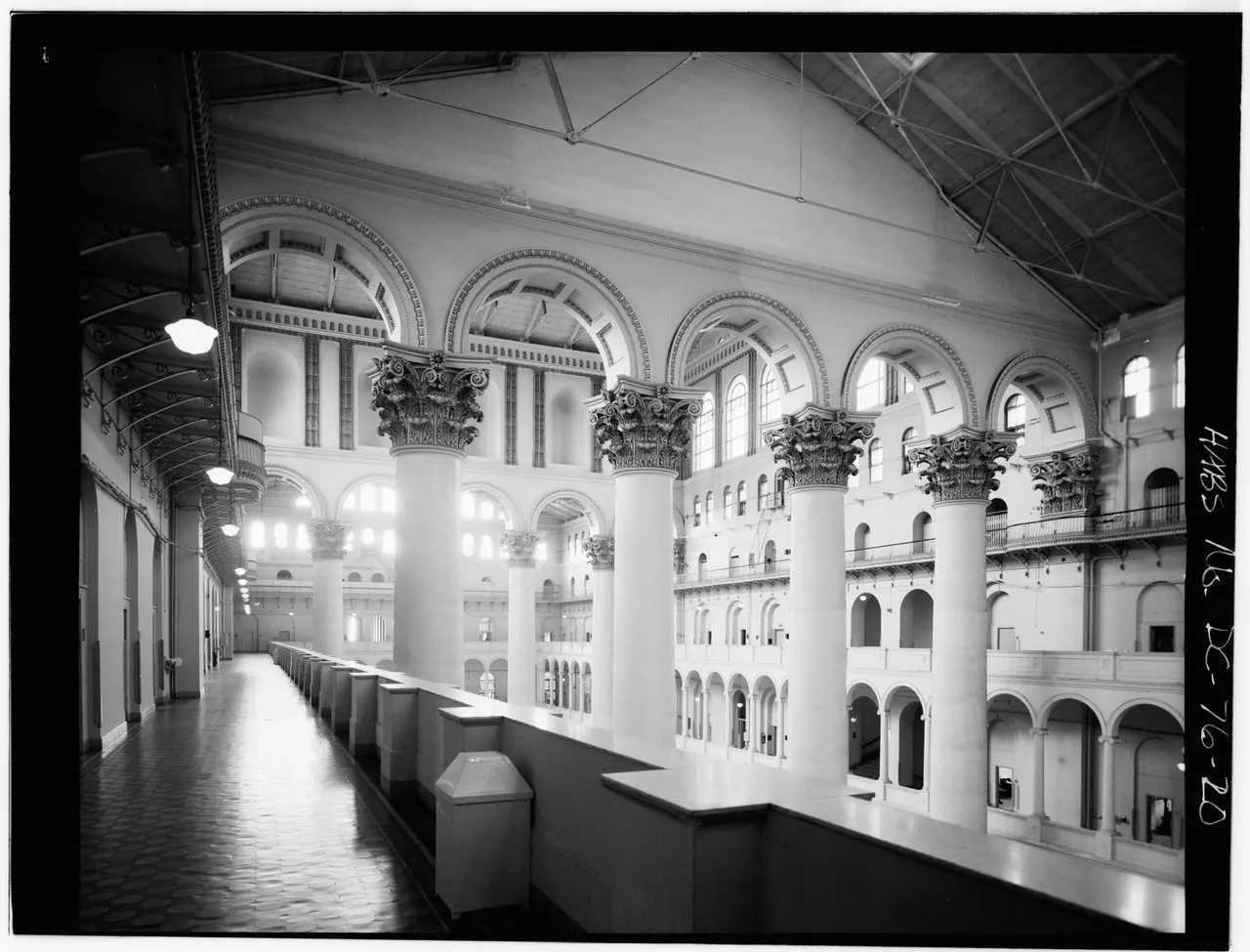
The Ninth Circuit still has to rule on what the Justice Department asked for. The court could agree that the case is moot, wipe out the lower court ruling, and send the case back for dismissal, just as the department requested. It could also keep Judge Gleason’s ruling in place and dismiss the case on other grounds. Either way, the election result stands. The only open question is what happens to the legal record of the fight. See a trucker rescue of a 2-year-old boy.
Peltola’s Road From Bethel to Washington
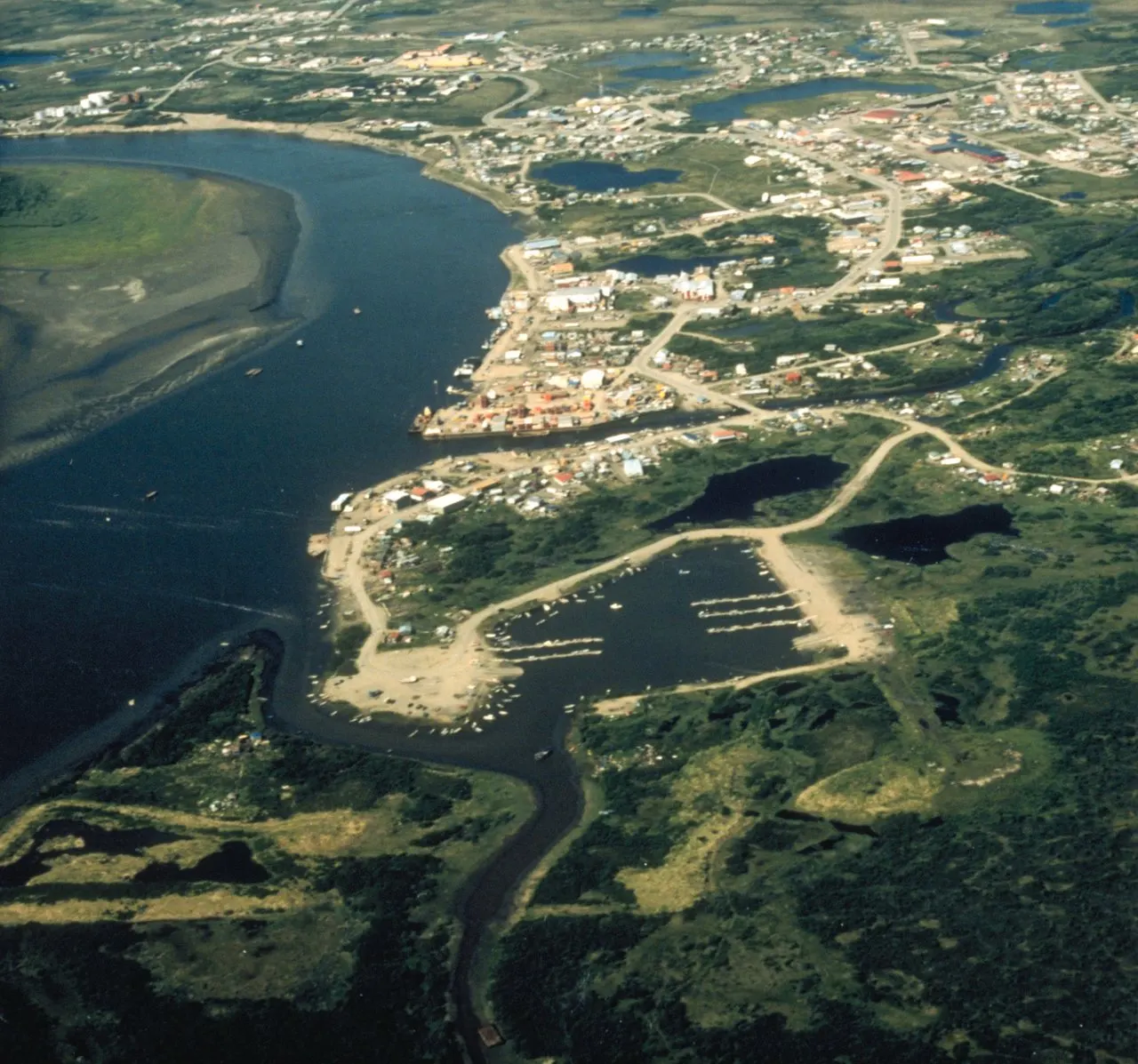
Peltola’s road to the Senate began far from Washington, in Bethel, a hub town on the Kuskokwim River in western Alaska. Bethel serves dozens of small villages across the Yukon-Kuskokwim Delta, a region where many families live by fishing and hunting. Growing up there gave Peltola a deep knowledge of rural Alaska and its Native communities. That background has shaped her politics and her appeal to voters across the state. For more, read a docuseries premiere at Lincoln Center.
The Mary Peltola Senate Win Changes the Senate Map

A Senate seat from Alaska carries weight far beyond the state’s small population. Alaska’s senators vote on energy, land, fishing and Native affairs, issues that matter deeply to the state. With a 56 to 44 majority, Democrats can move their agenda with more room to spare. Peltola’s win also shows that Alaska voters are willing to cross party lines for a candidate they trust, a lesson both parties will study. You may also like a 90-minute White House briefing.
How Alaska Picks Its Leaders
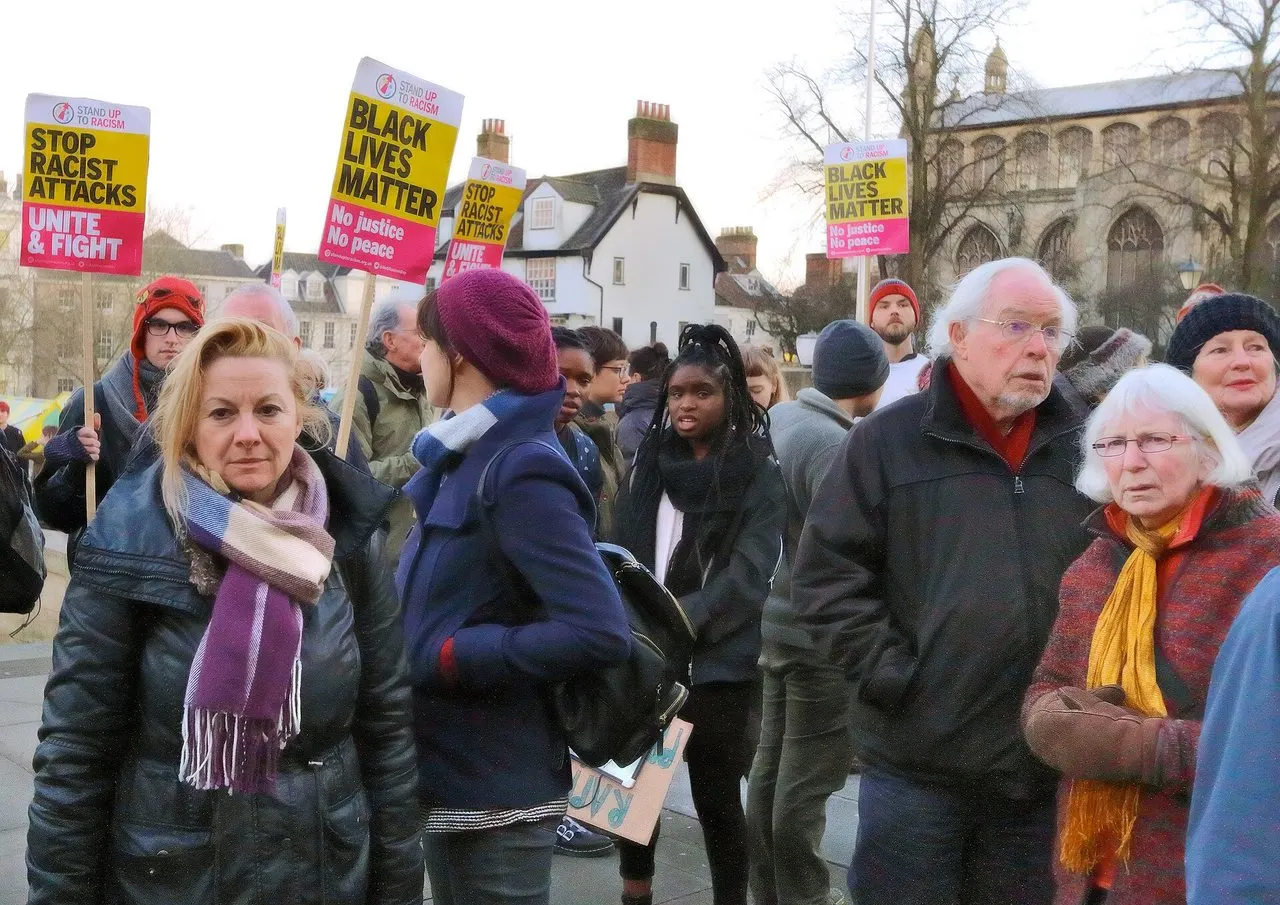
Alaska voters have a history of independence. The state uses ranked choice voting and open primaries, reforms that voters chose in 2020 to give more power to voters and less to parties. Alaskans have elected independents and members of both parties to high office. That spirit helps explain why a Democrat could win a Senate seat in a state that often leans Republican, and why the race drew so much national attention. Read a pardon for baseball legend Pete Rose.
The Teacher Who Shared a Famous Name
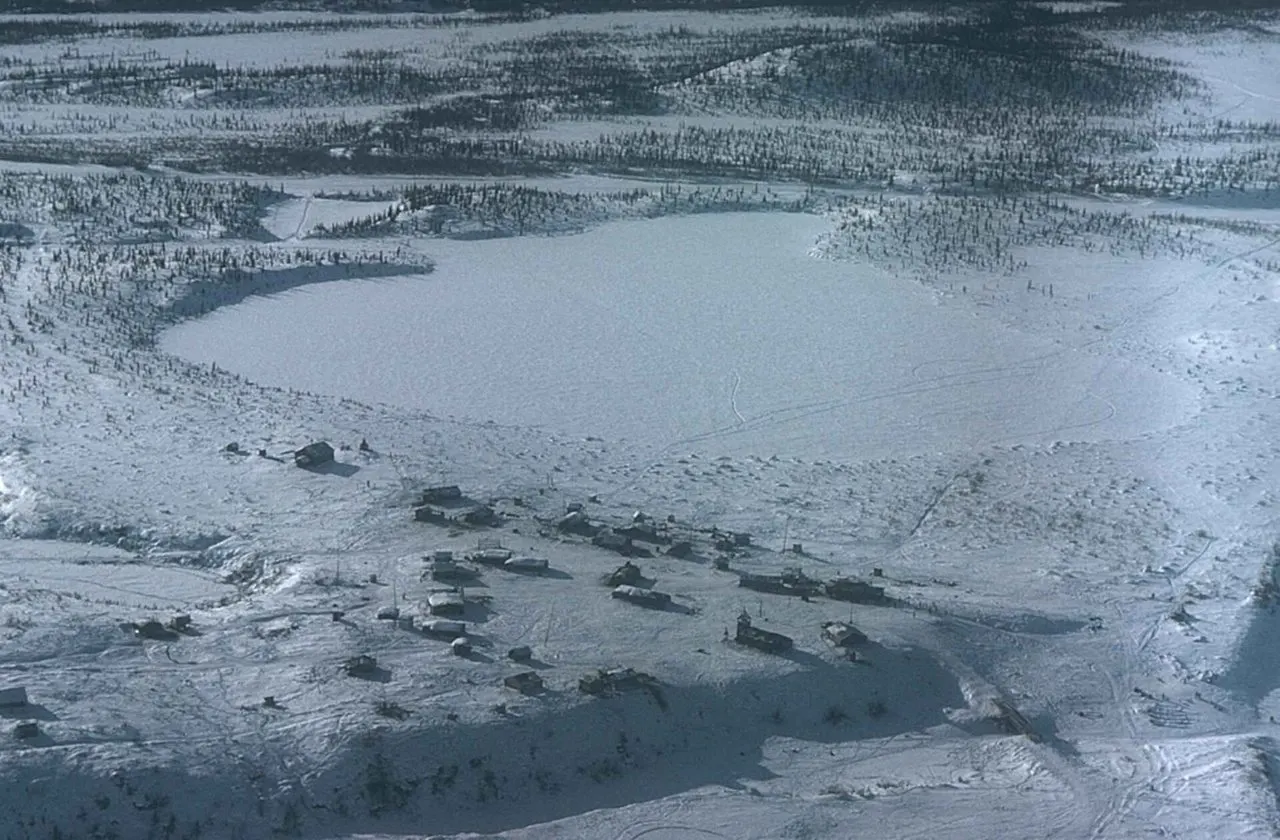
Daniel J. Sullivan is a retired school teacher from Petersburg, a small fishing town in southeast Alaska. He was not a well known politician, and he took only 1.7 percent of the vote. Yet his name put him at the center of a federal lawsuit, because it matched the incumbent senator’s name. The New York Times reported that Peltola’s campaign recruited him to run. His small share of the vote is part of why the case fell apart. See 22 moments of hope after almost giving up.
50.3 Percent Sealed the Mary Peltola Senate Win
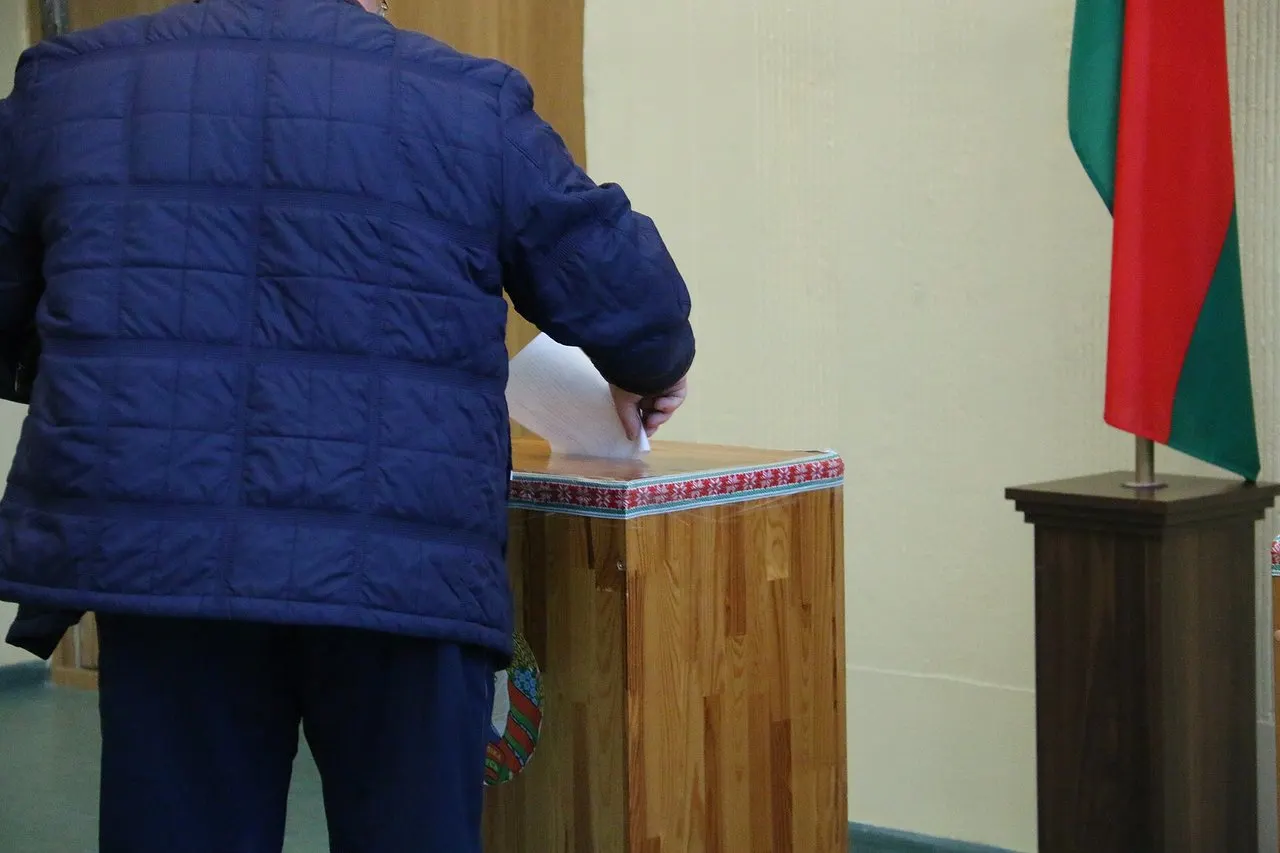
The number 50.3 percent is the key to this whole story. In Alaska’s ranked choice system, a candidate who wins more than half of first choice votes wins outright, with no extra rounds of counting. Peltola cleared that bar on the first count, taking more votes than all her opponents combined. That is why the race was called for her and why the Justice Department could no longer argue that confusion might have changed the outcome. For more, read a handshake with Putin and Xi.
Denali and the Land Peltola Represents
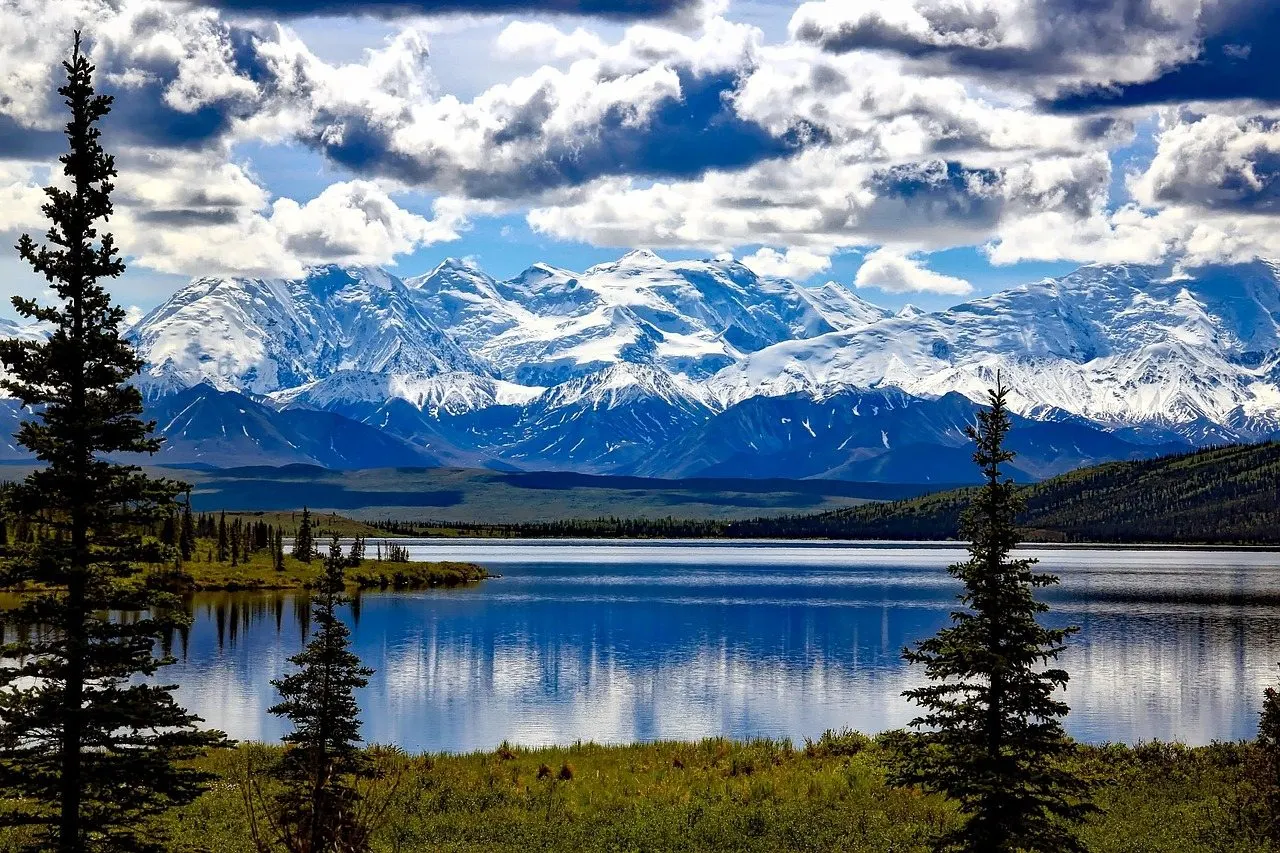
Denali is the tallest mountain in North America, rising 20,310 feet above sea level in the Alaska Range. The peak stands in Denali National Park, a vast wilderness of tundra, forest and wildlife that draws visitors worldwide. For Alaskans, Denali is more than a landmark. It is a symbol of the state, and it appears on the state flag in the stars that guide travelers home. Peltola will represent that land and its people in the Senate. You may also like hidden Easter eggs found by GTA 6 fans.
Taking Her Seat After the Mary Peltola Senate Win

When Peltola takes her seat, she will join a Senate where her party holds 56 of 100 seats. New senators are sworn in after certification, and they begin work on committees, bills and votes right away. Peltola’s experience in the House and the Alaska legislature means she arrives with knowledge of how Washington works. Her first task will be to serve the people of a state that stretches from the Arctic to the Pacific. Read a UN vote on women and children.
Mary Peltola Senate Win: What Do You Think Comes Next?
The Mary Peltola Senate Win is settled, but the questions it raised are not. Should the Justice Department have sued before the election, and should the lower court ruling stay on the books? What does this race mean for ranked choice voting and for future Senate contests in Alaska? We want to hear what you think. Would you have voted for Peltola, and what should the appeals court do now? Share your views in the comments below. See a reunion nearly three years after a split.