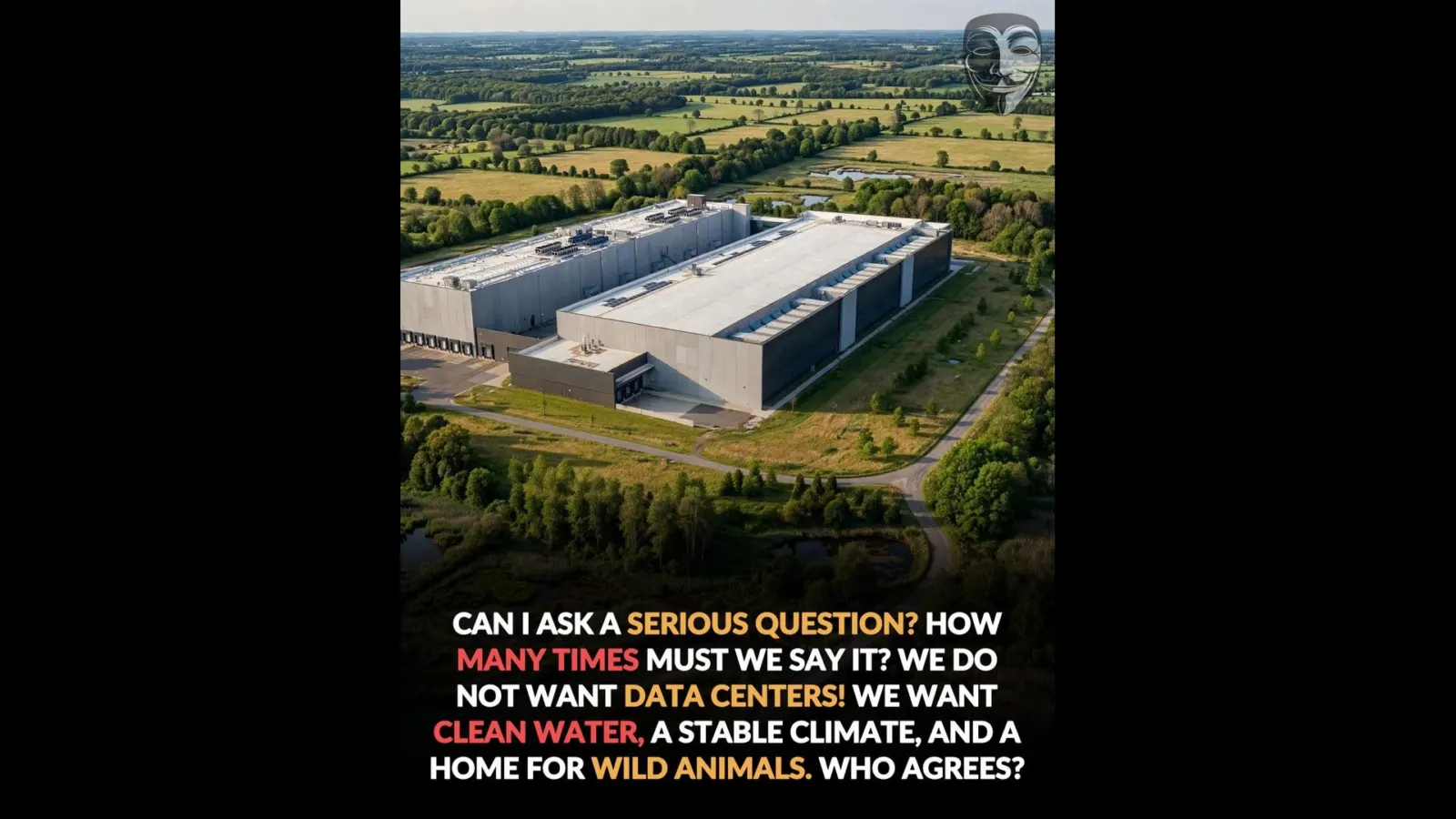
Michigan Data Centers and the Fight for Clean Water

Michigan data centers are at the center of a growing fight over water, power and the future of the Huron River. Across the state, residents are asking a plain question. How many times must they say they do not want more data centers when clean water runs short and wild animals lose their homes. The question comes from a Facebook post that struck a nerve, and it echoes through town halls, riverbanks and kitchen tables across Michigan. The story starts with three huge facilities proposed near the Huron River watershed.
In the slides ahead we look at the river, the power demand, the water use and the people who are pushing back. The numbers are large and the stakes are plain, because a river that feeds towns and wildlife cannot be treated as an endless tap. You can read our report on whether data centers should share their water use each year and our story about the forest that was cleared for a data center. Together they show why this fight matters far beyond one river in Michigan.
References:
The Communicator: A Data Center on the Huron River, Ypsilanti Township Pushes Back
Environment Energy Leader: Michigan Bill Targets Data Center Water Disclosure
Toms Hardware: AI data center project secretly sucked 29 million gallons of water over 15 months before detected by residents complaining about low water pressure, officials refuse to fine builders of massive 6.2 million-square-foot facility over unauthorized water use
InfotechLead: How Much Water Do AI Data Centers Use? $58 Billion Infrastructure Challenge Puts Cooling in Focus
The Huron River Runs Through the Heart of the Fight
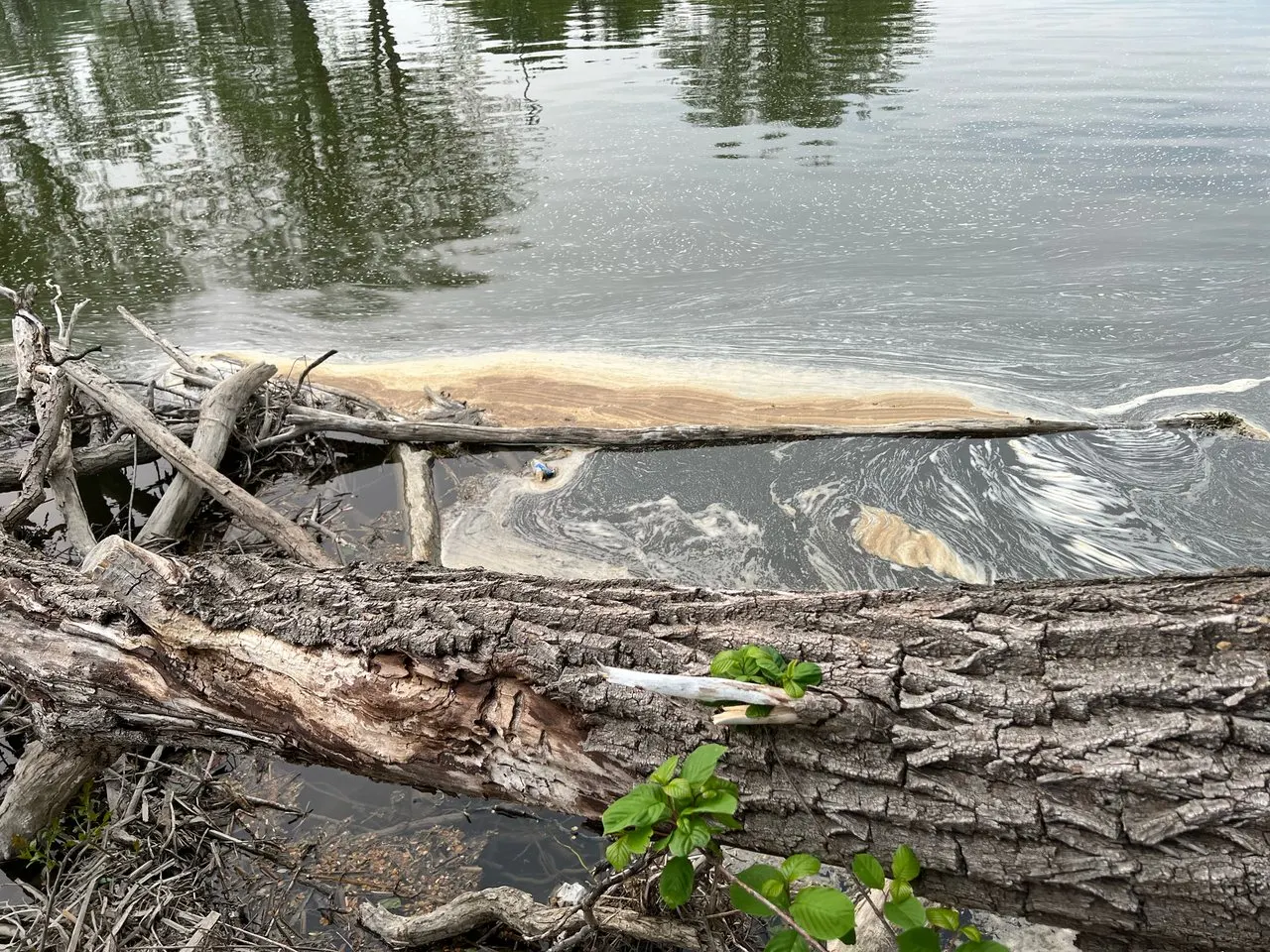
The Huron River winds for more than 100 miles through southeastern Michigan, and it feeds towns, farms and wild places along the way. It is a drinking water source, a fishing spot and a home for herons, turtles and deer. The Huron River Watershed Council watches over it, When new industry arrives on its edge, the river is the first thing residents think about. See how one city changed course after residents spoke up and read about the foods that nourished this land for centuries. Both stories show why this river is worth protecting.
Michigan Data Centers Planned on 144 Acres in Ypsilanti
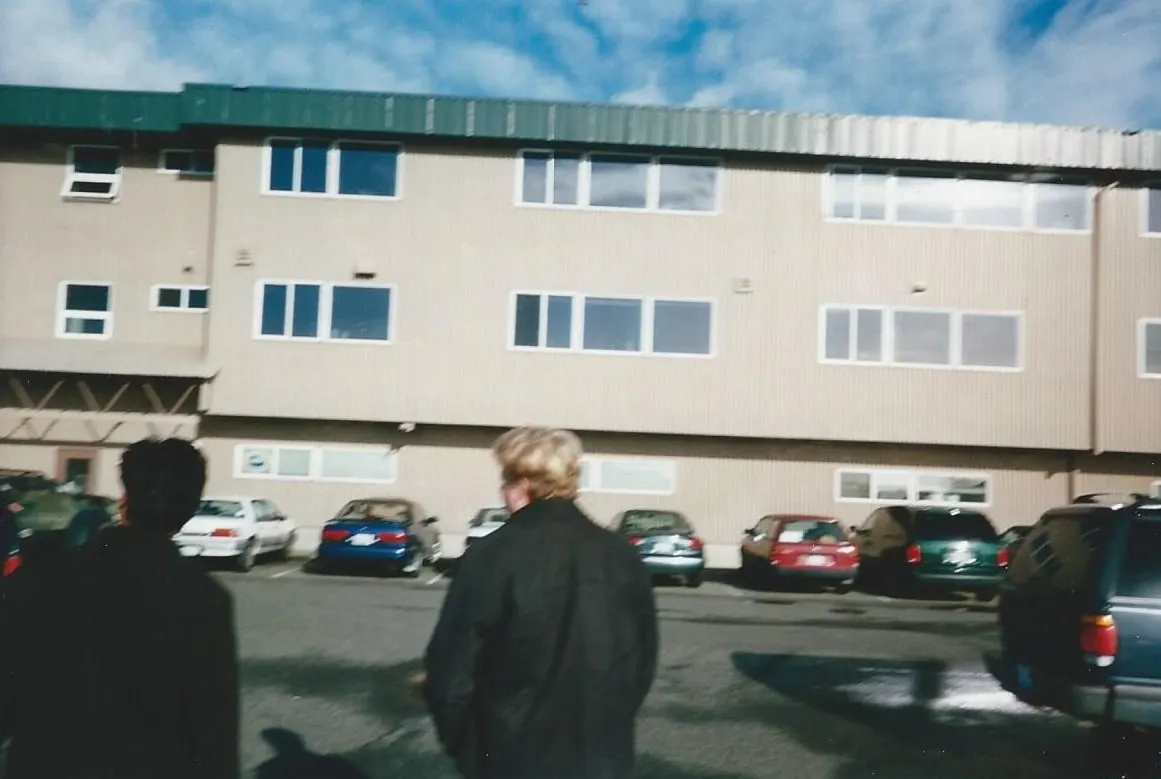
The University of Michigan and Los Alamos National Laboratory plan a research computing center on a 144 acre site on Textile Road in Ypsilanti Township, along the Huron River. The regents approved it by a vote of 7 to 1, at a cost of 1.25 billion dollars. Opponents call it a data center, and they say the site is the wrong place for it. Read how robots may soon outnumber people.
What Powers the Machines Inside
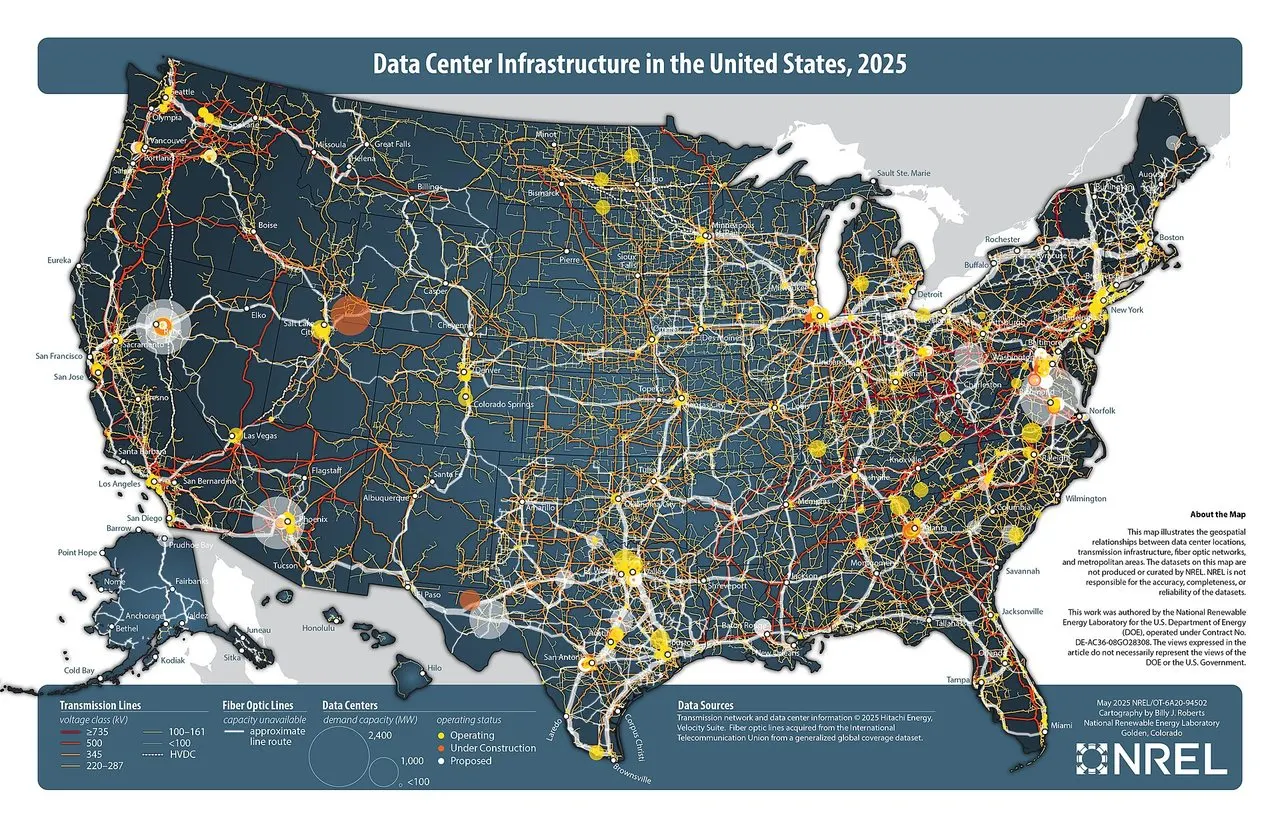
Inside a data center, row after row of servers hum day and night, According to the International Energy Agency, a typical AI focused data center uses as much electricity as 100,000 households. That is a small city worth of power for one building. The machines also make heat, and heat is why water matters so much to this story. The thirst of these buildings is the heart of the fight in Michigan. See the robot that could become the largest product ever.
How Much Water Michigan Data Centers Use
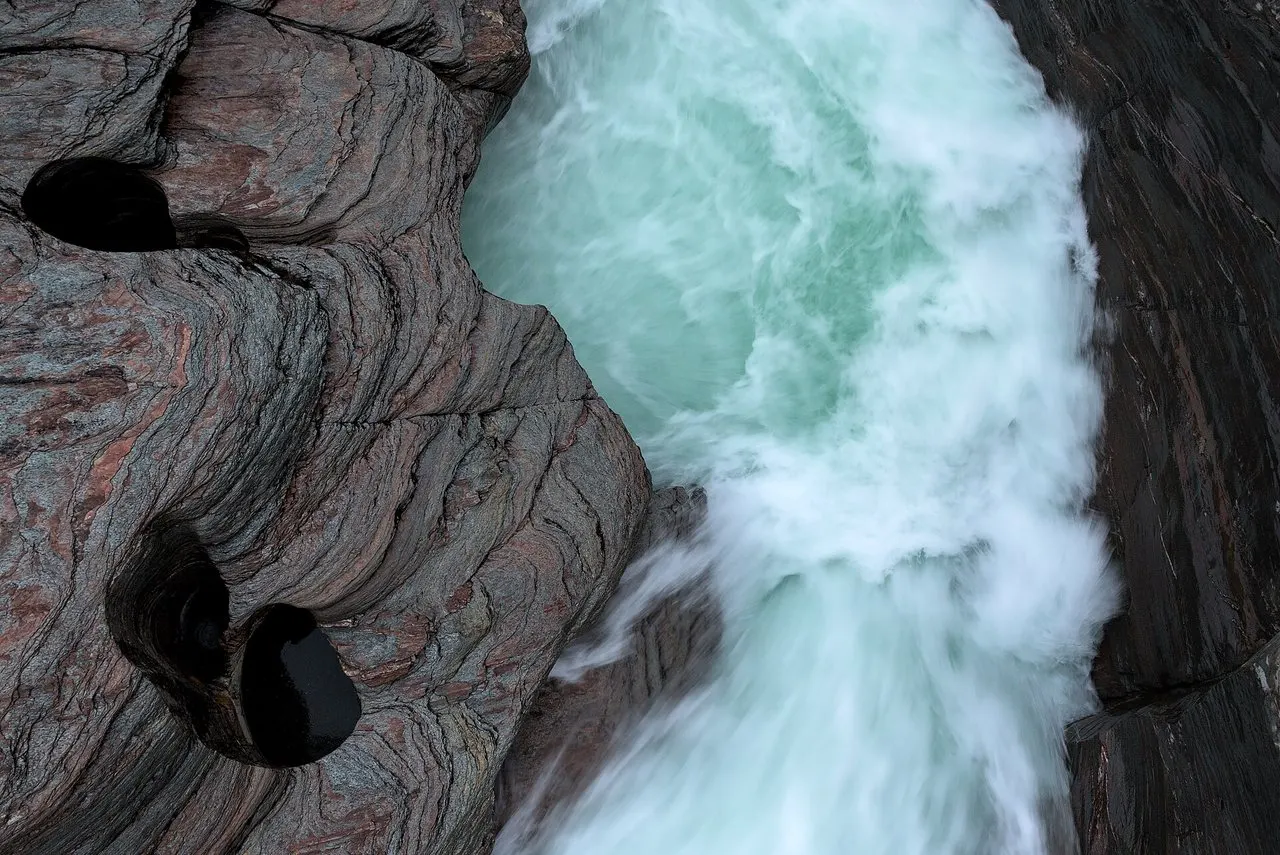
The water demand is just as heavy as the power demand. An average 100 megawatt data center uses about 530,000 gallons of water a day, and the largest can use up to 5 million gallons a day. Three facilities proposed near the Huron River watershed alone would draw a combined 2,500 megawatts, enough to power about 2 to 2.5 million homes. Read whether data centers should share their water use each year.
Ypsilanti Township Says No

In Ypsilanti Township, residents are already pushing back against the huge computing center planned along the Huron River. In March, the township passed a formal resolution declaring strong and unequivocal opposition to the plans. In September, residents protested, and Hail No lawn signs appeared across the area. The United Tribes of Michigan, a group of the 12 federally recognized tribes in the state, passed its own resolution in support of the township. See how a city changed a police unit after protests.
Wind, Sun and a Cleaner Path Forward
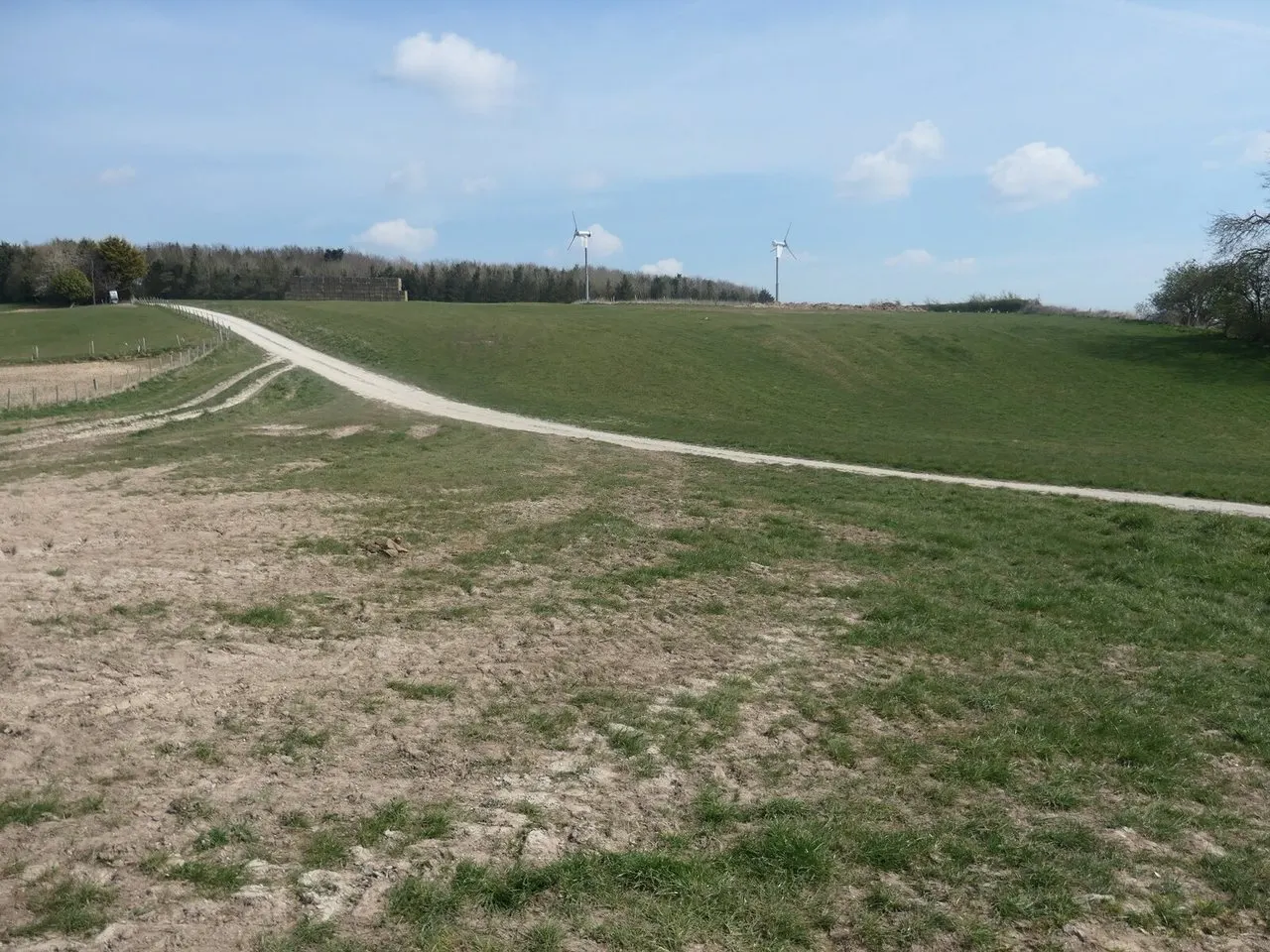
Michigan does not have to choose between technology and clean water. Wind turbines already spin over fields across the state, The university itself says its computing center will study clean energy, which makes the choice of site and cooling all the more important. Clean power and a stable climate go hand in hand, and residents say new projects should prove they fit that future before a single tree is cut. Read the forest that was cleared for a data center.
Solar Power Could Light the Way
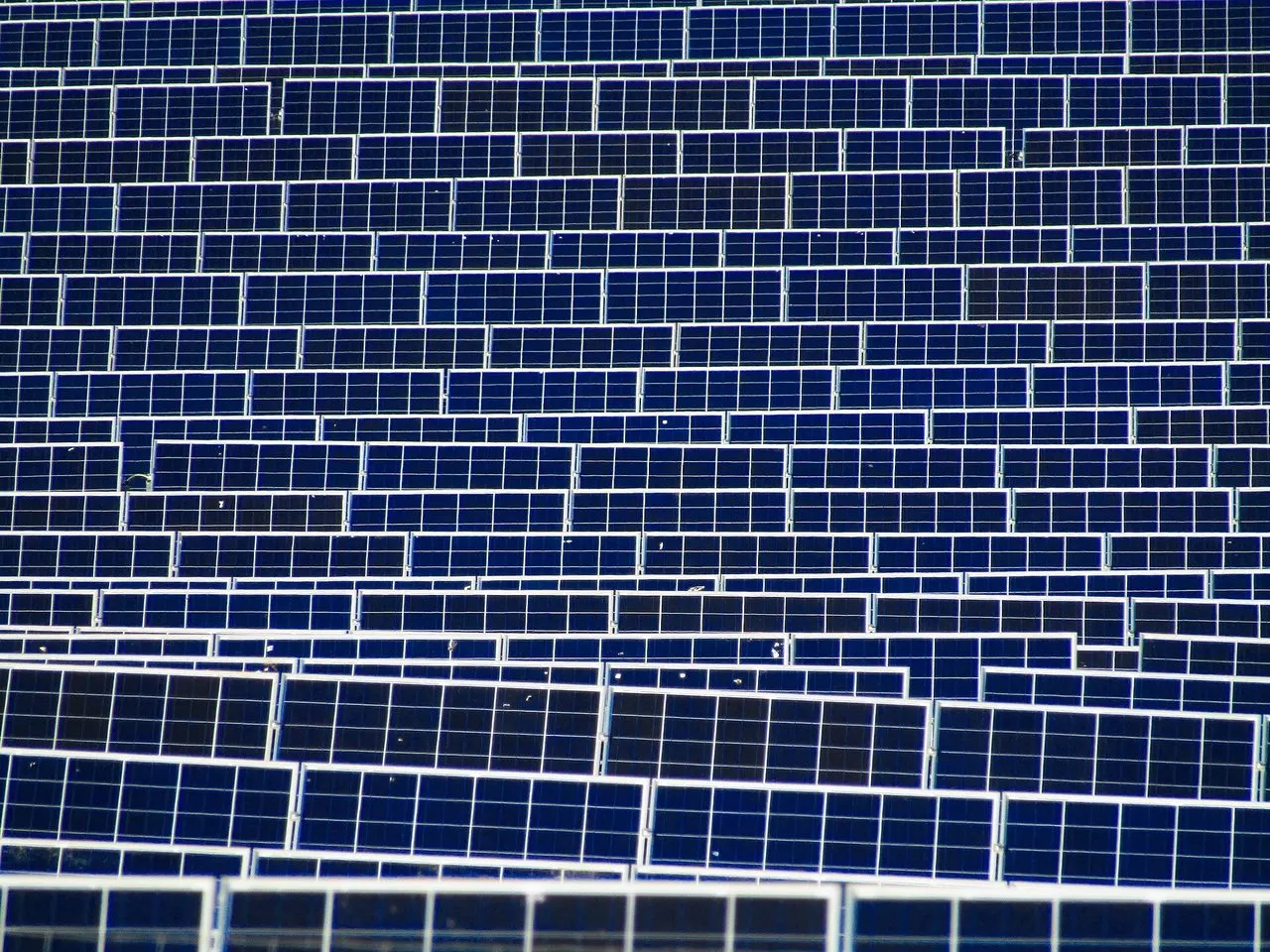
Solar panels turn sunlight into power with no smoke, no noise and no thirst for river water. A data center that runs on clean power still needs cooling, but pairing efficient design with renewable energy would ease the strain on the grid and the climate. Residents ask a fair question. If the machines of the future need so much power, should that power not come from the sun and the wind. See the robot that could become the largest product ever.
When Forests Are Cleared for Concrete
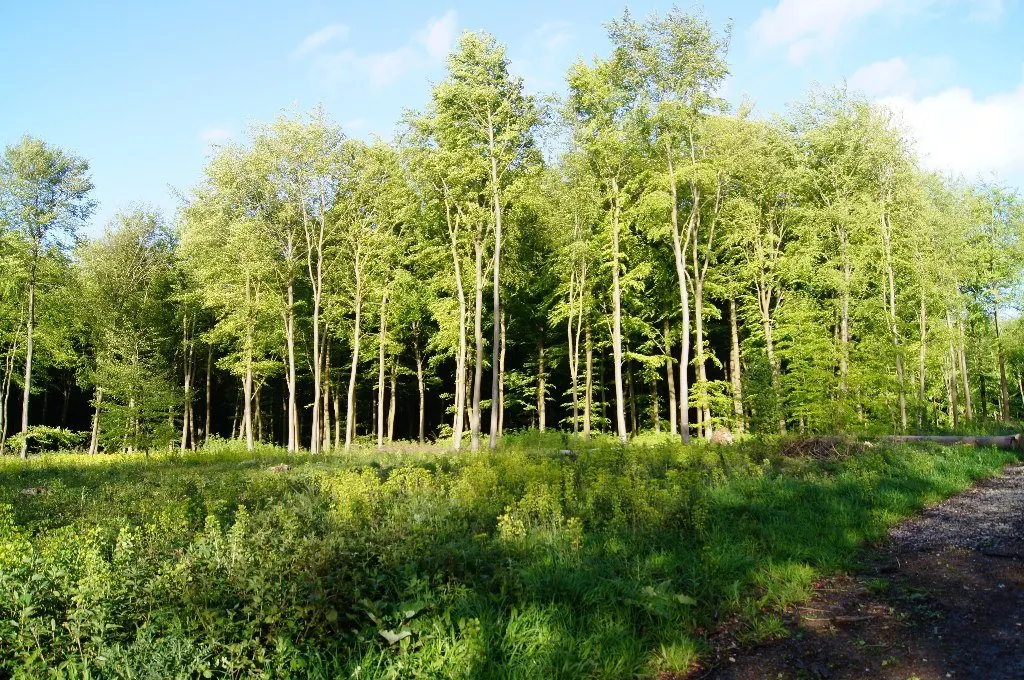
Building these facilities often means clearing forests, fields and wetlands that wild animals depend on. A forest is not empty land. Once the trees are gone and concrete is poured, that home is gone for good. The Ypsilanti site is 144 acres of mostly undeveloped land, and the state historic preservation office calls it highly archaeologically sensitive, a past trail route for Native American tribes. Read the forest that was cleared for a data center.
Wetlands Do Quiet Work for Everyone
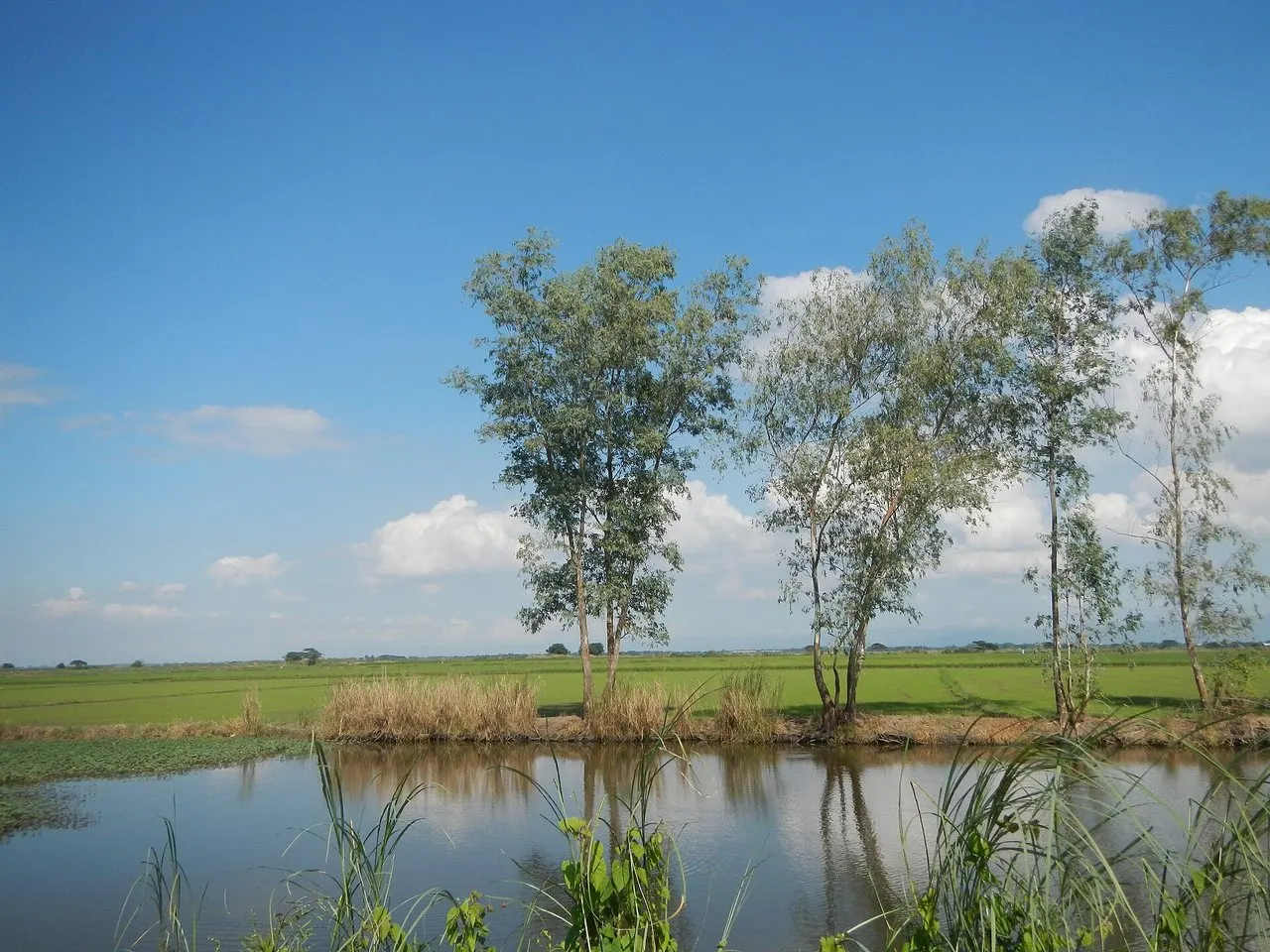
Wetlands are the quiet workers of a watershed. When a wetland is drained or paved over, the river loses a natural filter and the town loses a buffer against floods. Michigan is rich in wetlands, and the Huron River depends on them to stay clean. Protecting them is not just about birds and beauty. It is about the water that comes out of the tap. See the fire that nearly destroyed a wildlife care center.
Deer, Foxes and the Animals Who Live There

These are the wild neighbors of the Huron River, and they ask for nothing but a place to live. When forests and fields are cleared for new buildings, animals lose the cover, food and quiet they need to raise their young. The Facebook post that started this story speaks for them. We want a home for wild animals. That simple line has been shared again and again. Read the call for men to be more like Aragorn and stand up for others.
Clean Water First as Michigan Data Centers Grow

Clean water is not a luxury and a stable climate is not optional. That is the heart of the post that Michigan residents are sharing. A glass of water from the tap should be safe, cold and plentiful, and a river should run clear enough for fish and children alike. Michigan sits beside the Great Lakes, the largest group of fresh surface water on Earth, and still its people worry about every drop. See a 50 billion dollar plan for rural health.
Cooling Towers and the Thirst for Water
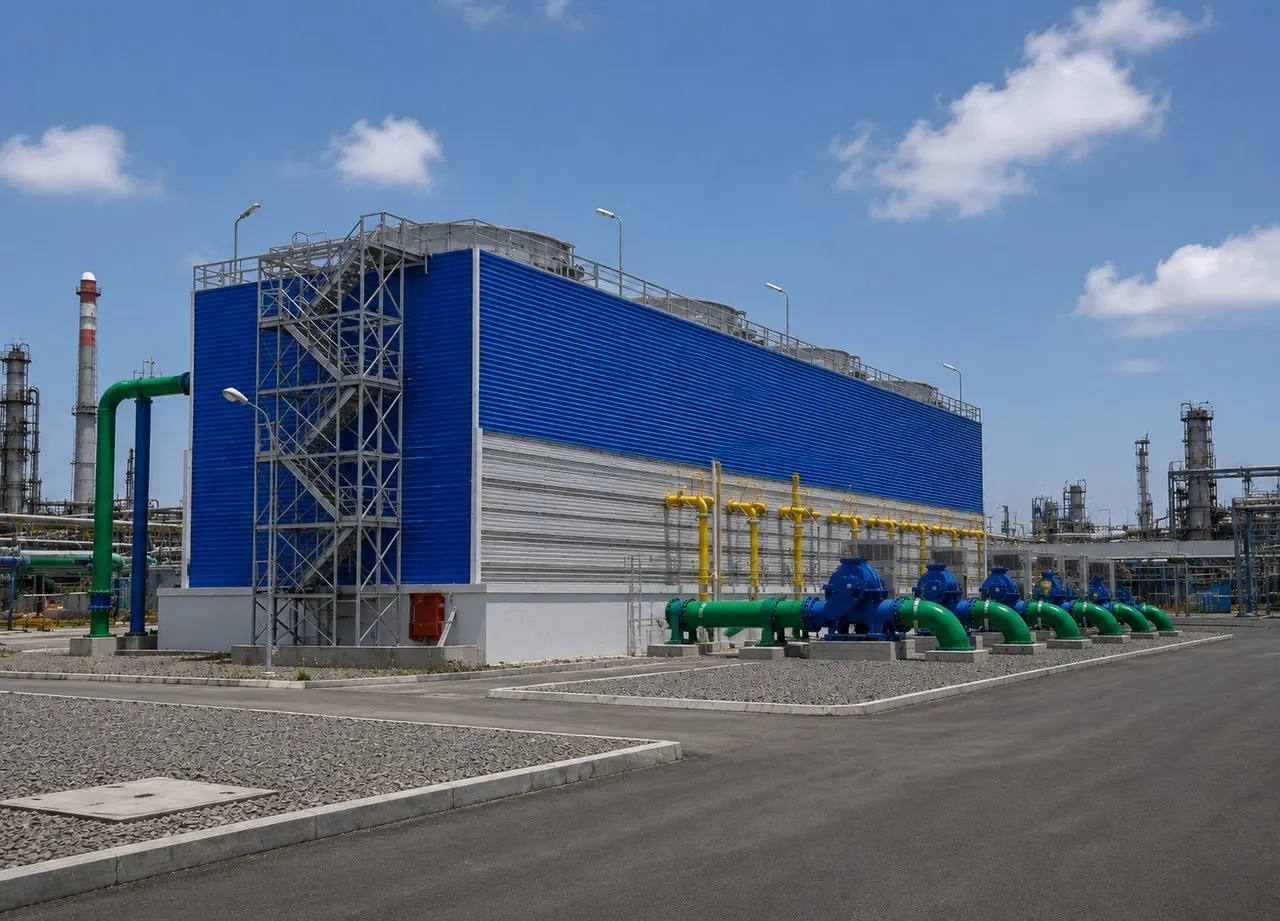
Data centers stay cool by moving heat out of the server halls, and many do it with water. The University of Michigan says its new center will not draw water from the Huron River or discharge water into it, and it is considering cooling systems that would reduce freshwater use. Residents welcome that promise, and they want it written down and checked, not just spoken at a meeting. Read whether data centers should share their water use each year.
Michigan Data Centers and the Power Grid
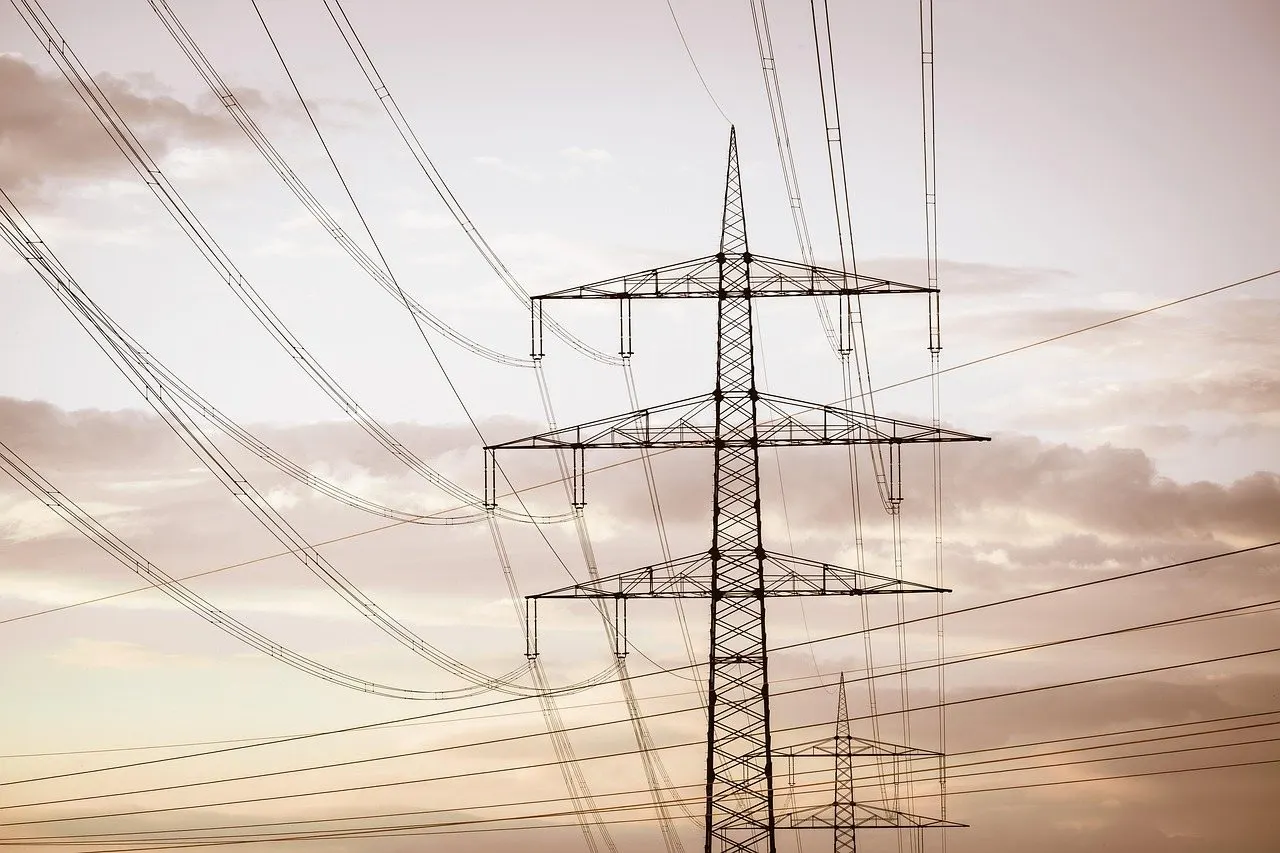
Power is the other half of the story. Three facilities near the Huron River watershed would draw a combined 2,500 megawatts, and the US Department of Energy projects that data center electricity use could reach 12 percent of the national total by 2028. Michigan lawmakers and regulators are now asking who pays for new lines, new plants and the grid upgrades that big users require. See the warning that wealth is piling up at the top.
Town Hall Meetings Where Voices Rise

The fight is being waged in town hall meetings, where residents line up to speak for three minutes at a time. Hours after the regents approved the computing center, the township hosted a panel discussion about opposition to the project. A township attorney said a community benefits package is not a substitute for democracy. A check is not an environmental impact statement, he said. See how a city changed a police unit after protests.
Michigan Data Centers Face New Rules in Lansing
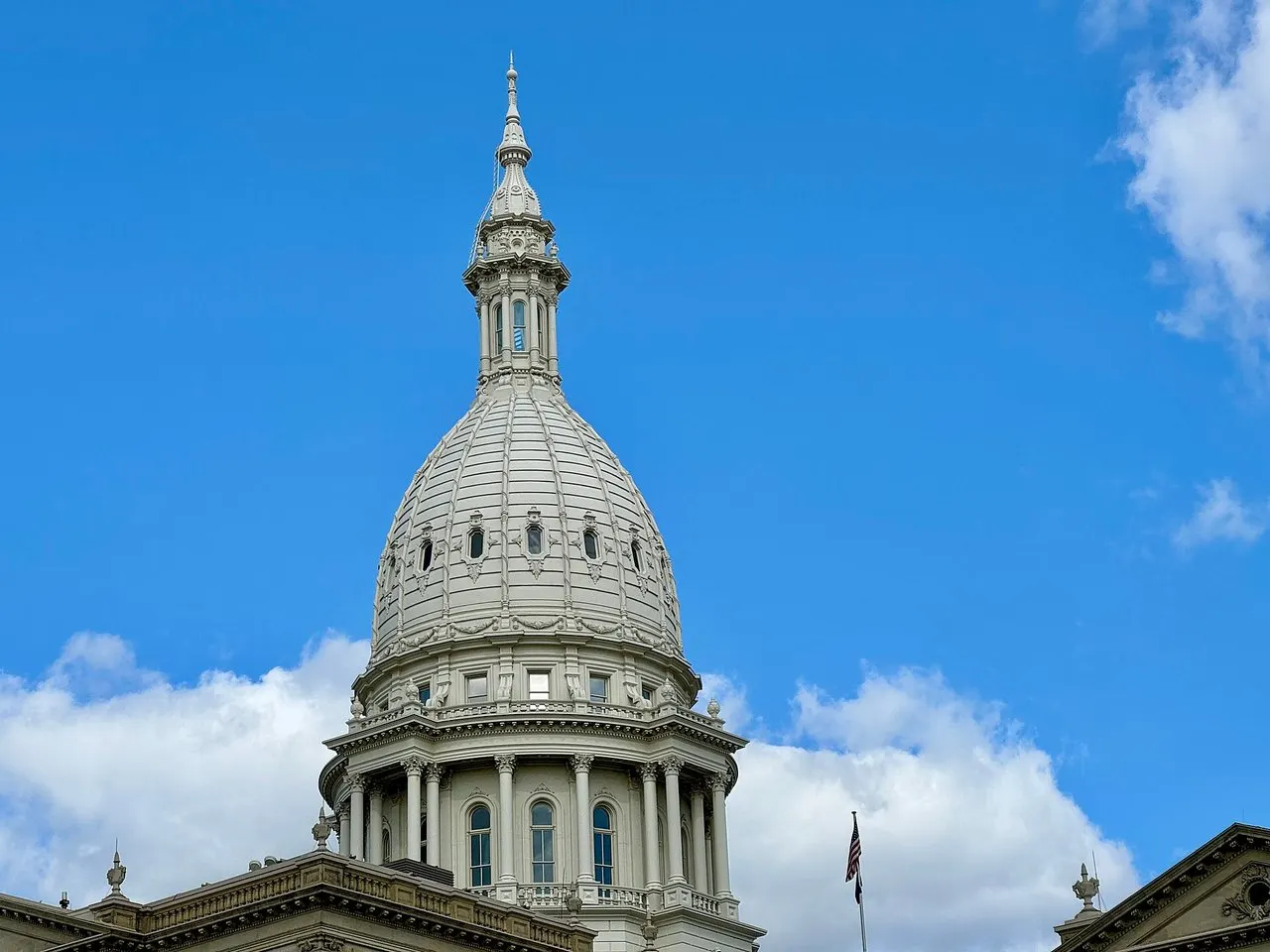
Michigan lawmakers are now calling for public disclosure of how much water each data center really uses. Senate Bill 1046, introduced on June 18 by Senator Rosemary Bayer, would require the state Department of Environment, Great Lakes, and Energy to publish the total water used by each data center in each public water supply area. The first report would be due July 1, 2027. The bill would also require permits and three public hearings. Read how America spent 3 trillion on education.
How Water Plants Keep Taps Running
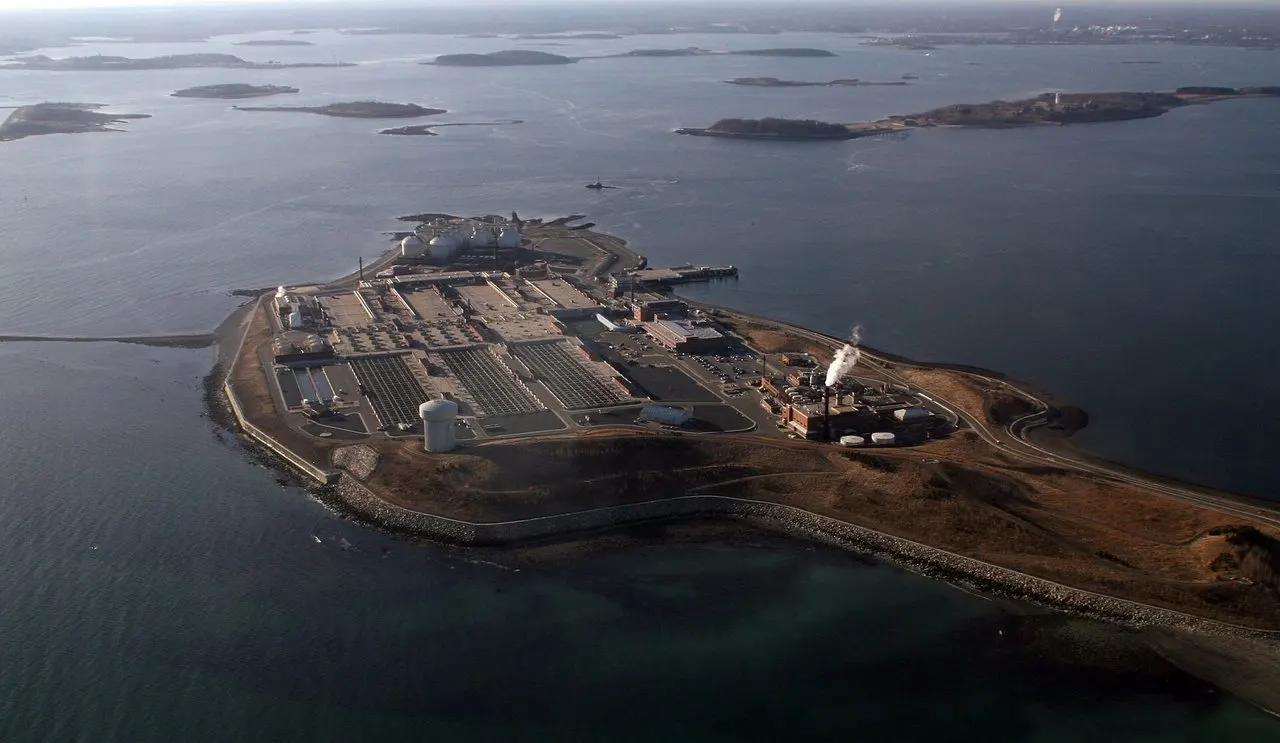
Behind every tap stands a public water system, Under the proposed bill, each public water supply would send its data center water totals to the state by June 1 each year, so the public could see the numbers for each facility instead of a single blurry total. That kind of detail matters, because a town cannot protect its water if it cannot see who is using it. Clean water starts with honest counting. See why every man should be more like Aragorn.
The Great Lakes Hold a Treasure Worth Guarding

Michigan touches four of the five Great Lakes, a treasure that holds about a fifth of the fresh surface water on Earth. That water has shaped the state, its farms, its cities and its way of life. Guarding the Huron River is part of guarding the lakes, and guarding the lakes is part of guarding Michigan itself. Read the flood rescue that brought a state together.
Herons, Turtles and the River Wild Neighbors

These animals depend on clean water and undisturbed banks, and they cannot speak at a town hall meeting. That is why residents speak for them, and why the Facebook post ends with a simple plea for a home for wild animals. A river full of life is a sign of a healthy town, and a healthy town is something worth fighting for. See the vet who keeps saving animals in Gaza.
The Georgia Lesson for Michigan Data Centers
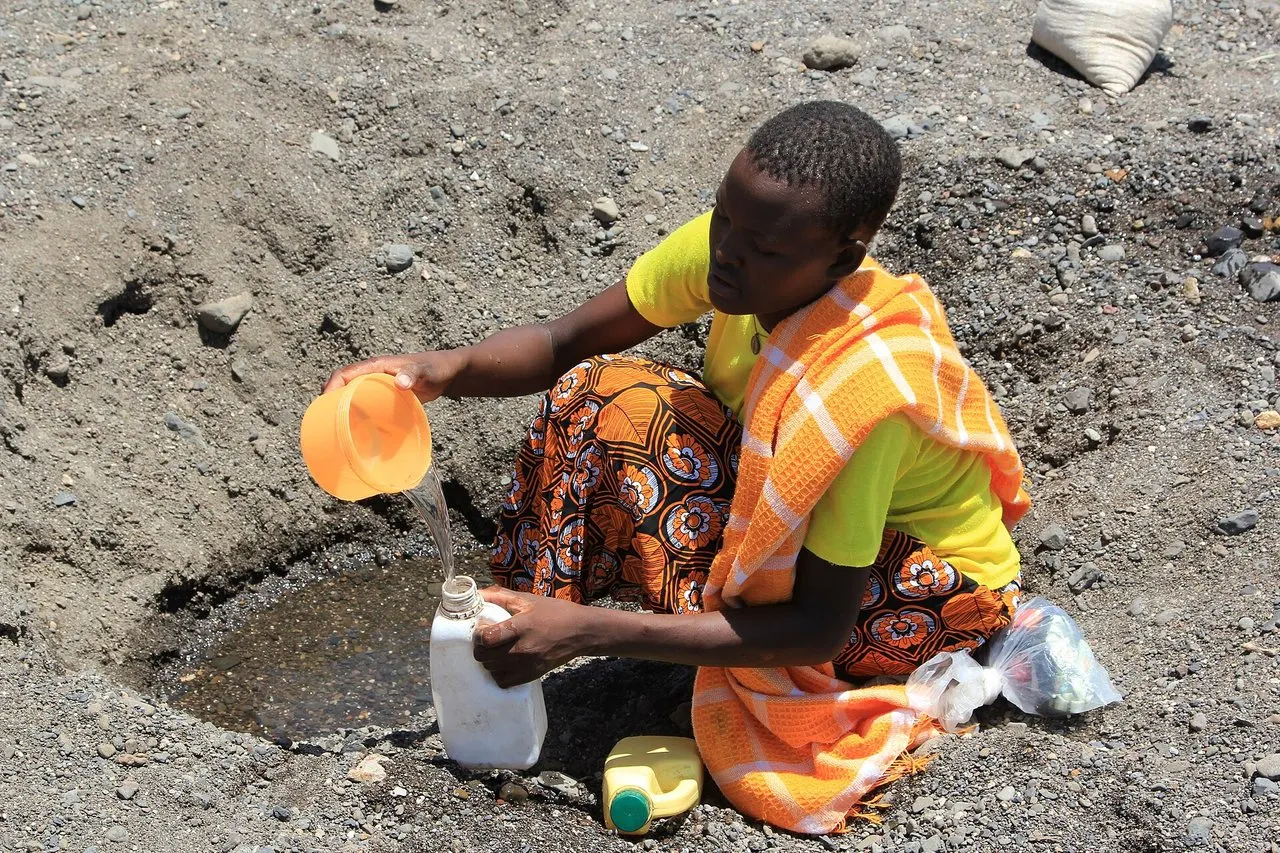
Georgia offers a warning. A data center project in Fayette County secretly drew about 29 million gallons of water over 15 months before residents complaining about low water pressure exposed it. Officials found two water connections the county did not know existed at a massive 6.2 million square foot facility. Michigan residents read that story and ask the obvious question. Could it happen here without public disclosure. Read the warning that wealth is piling up at the top.
Foxes, Forests and a Home Worth Keeping

A red fox in the forest needs the same things people need, clean water, shelter and room to roam. It loses the den where it raised its young and the field where it hunted. Michigan residents who share the Facebook post are not against computers or progress. They are asking for balance, for projects that fit the land instead of erasing it, and for wild animals to keep a home too. See the vet who keeps saving animals in Gaza.
What Should Michigan Data Centers Do Next

So here is the question the post asks, and the question we ask you now. We do not want data centers that drain our rivers. We want clean water, a stable climate and a home for wild animals. Should new centers prove they can run without harming the river, or should towns be able to say no. Tell us what you think in the comments. Read how America spent 3 trillion on education.