Blumenthal Confirmation Hearing Puts Trump Nominees on the Spot
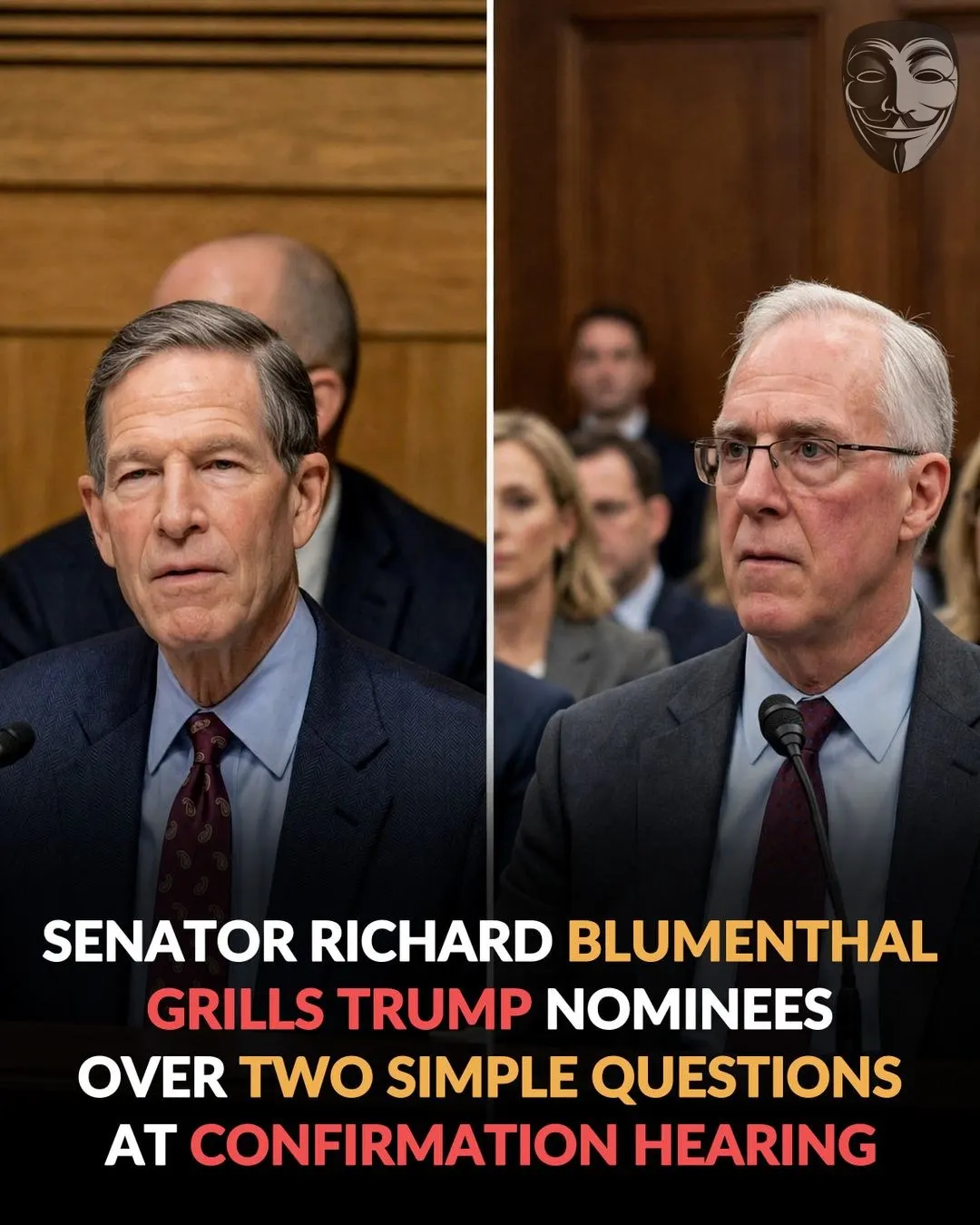
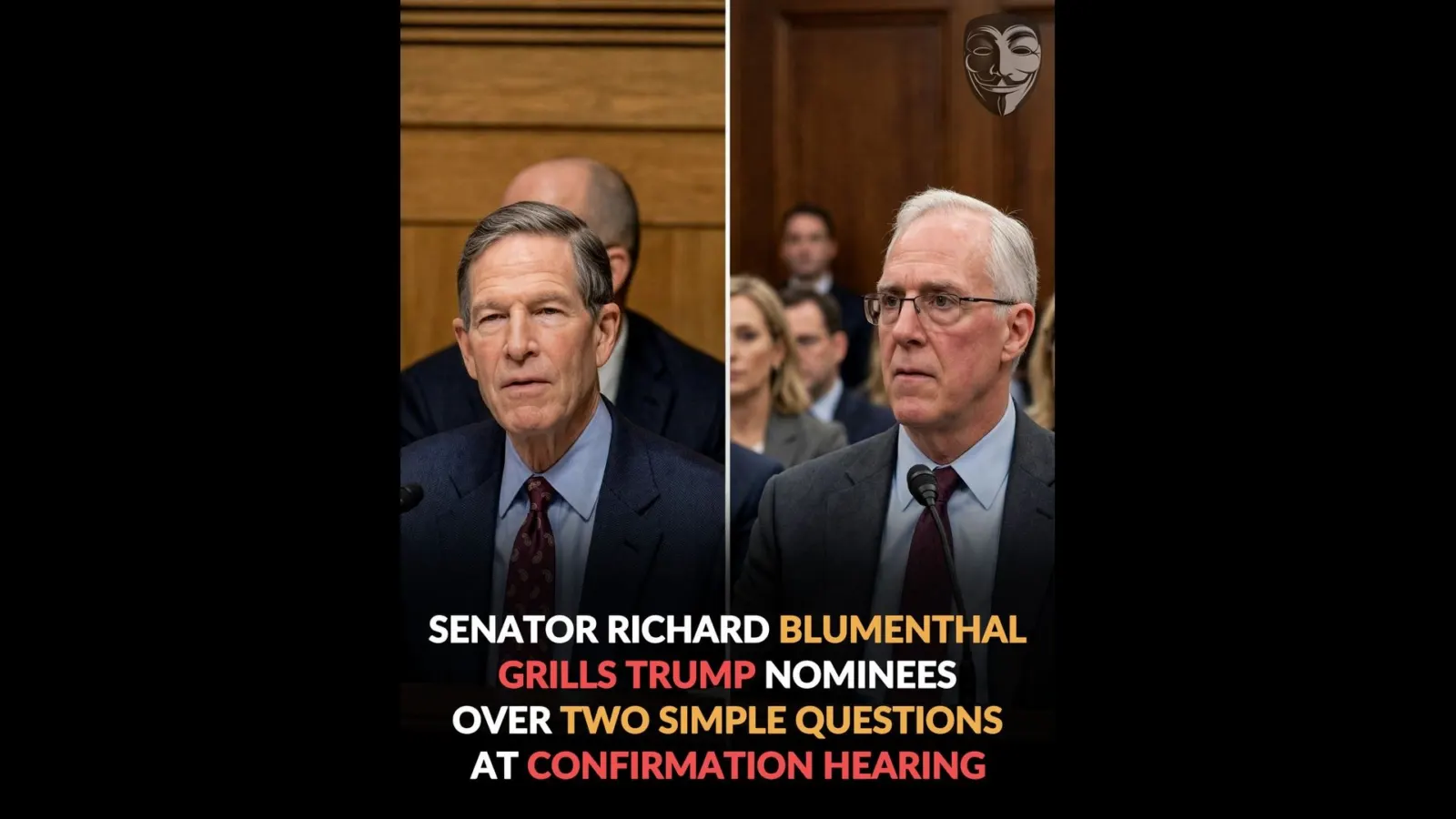
The Blumenthal confirmation hearing turned into a sharp test for President Trump’s nominees when Senator Richard Blumenthal asked two simple questions and got silence, dodges and flat refusals in return. At a Senate confirmation hearing on Capitol Hill, Blumenthal asked the nominees for cybersecurity chief, government ethics chief and inspector general who won the popular vote in 2020 and whether there was an attack on the Capitol on January 6. The answers, or the lack of them, set the tone for a tense day.
Michael LoSapio, the cybersecurity nominee, refused to answer the first question and said he did not believe January 6 was an attack, prompting Blumenthal to tell him he was disqualified from the job. Michael Chamberlain, the ethics nominee, would only say Joe Biden was president for four years, while Maria D’Avanzo said she did not know who won the most votes. Even four nominees for federal judgeships stayed silent. Read how a Republican senator blocked the cyber nominee after the hearing.
References:
The Bold News: Trump nominee refuses to call Jan 6 an attack: Were you alive on the planet
Political Org: Trump’s CISA Nominee Michael LoSapio Dodges Questions on 2020 Election and Jan. 6 at Senate Hearing, Tillis, Wyden Plan Holds
US News Pulse: CISA Nominee LoSapio Denies Jan. 6 Was an Attack as Bipartisan Holds Sink His Bid
Radio Free Hub City: US Senate panel grills Trump cyber director about outages making people jittery
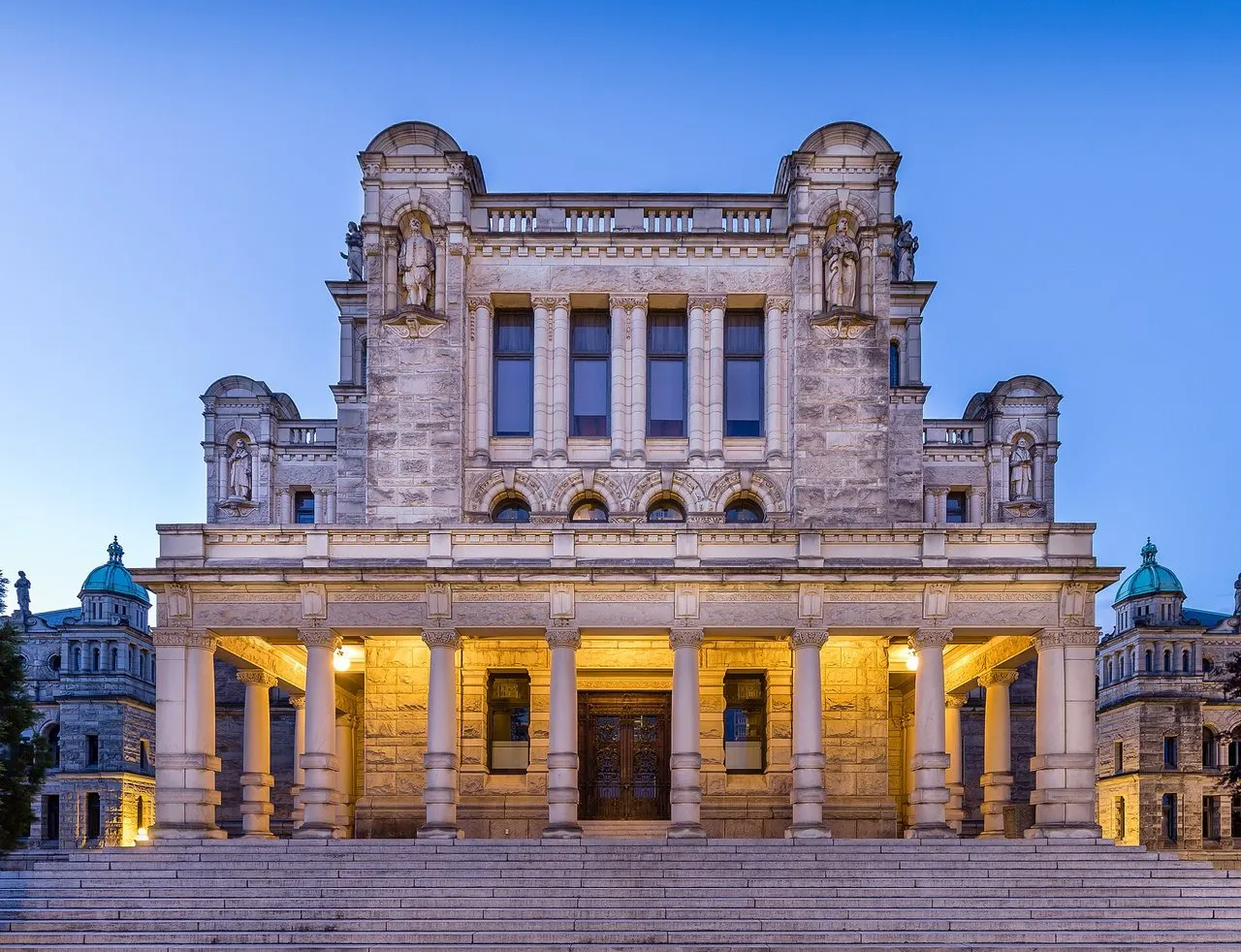
A Hearing Room on Capitol Hill

The hearing took place on Capitol Hill, where the Senate meets to question the people a president picks for top jobs. Committee rooms there have seen many tense days, but this one stood out because the questions were so simple. Blumenthal wanted clear answers about the 2020 popular vote and the events of January 6. The nominees sat before the committee with their records on display. Read our story on a senator set to lead a House committee.
Two Simple Questions at the Blumenthal Confirmation Hearing
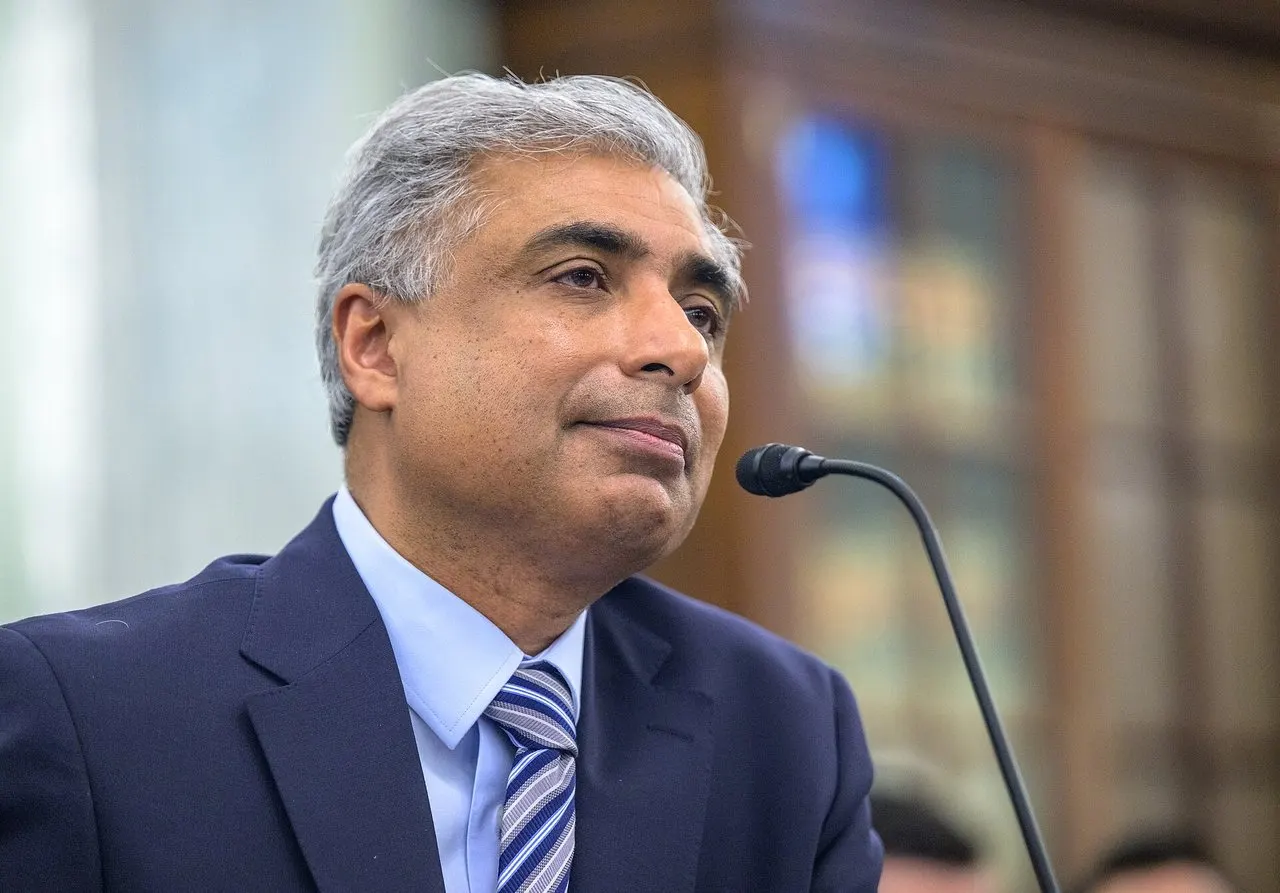
Blumenthal kept his test simple. First he asked who won the popular vote in the 2020 presidential election. Then he asked whether there was an attack on the Capitol on January 6. These are basic facts of recent American history, and a nominee for a top job should be able to answer them without pause. The senator asked the same questions again and again as each nominee took a turn. Read how a Republican senator blocked the cyber nominee after the hearing.
LoSapio Refuses to Answer the First Question
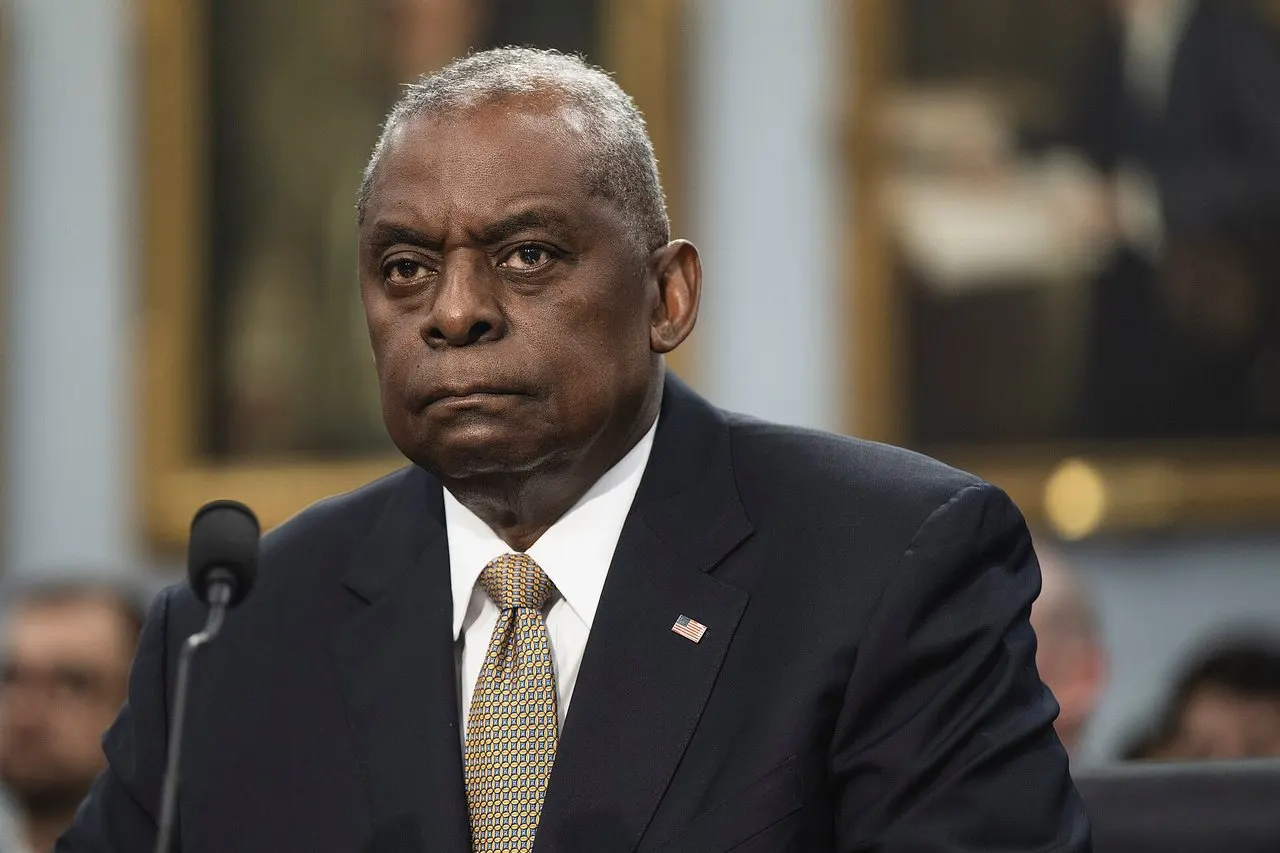
Michael LoSapio is President Trump’s pick to lead the Cybersecurity and Infrastructure Security Agency, the office that guards federal networks and helps protect elections. When Blumenthal asked him who won the popular vote in 2020, LoSapio would not answer. He said he was not going to answer a question about an election six years ago. The refusal stunned the room because the job itself is about election security. Read our report on a senator who grilled a FEMA chief over denied aid.
You Are in Charge of Election Security
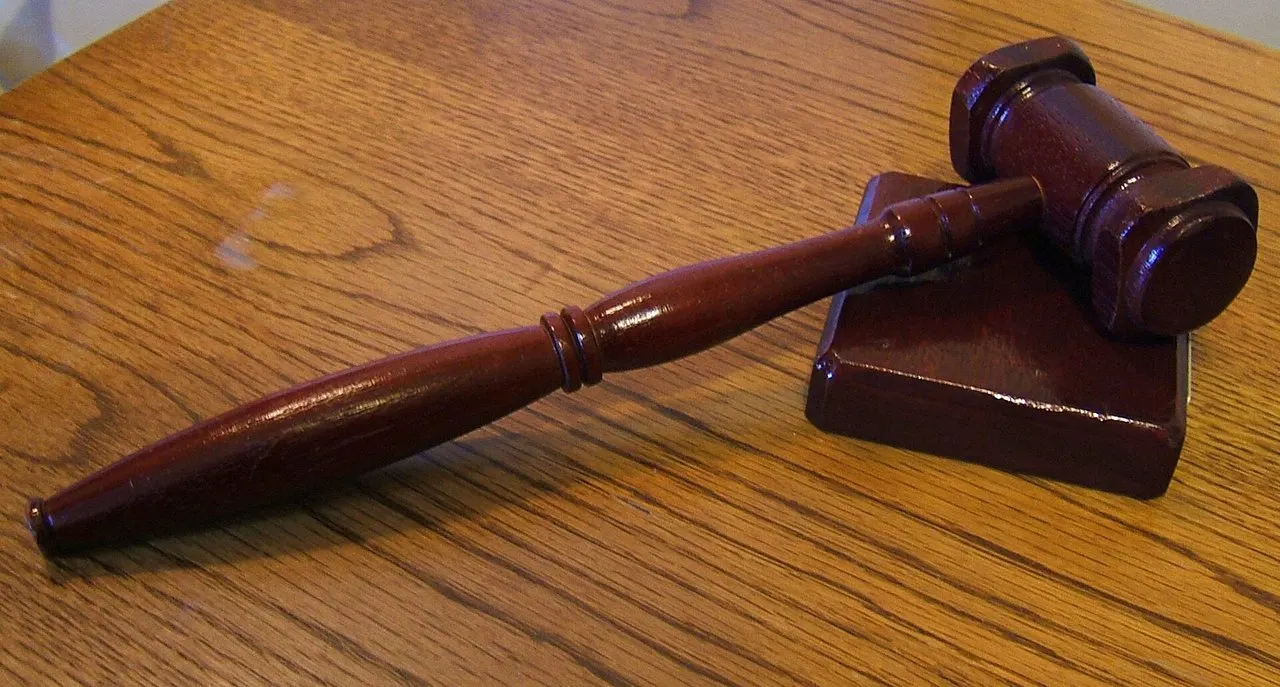
Blumenthal pressed LoSapio on the gap between his answer and his job. He pointed out that the cybersecurity chief is supposed to look at the facts and protect the vote. A nominee who will not say who won a past election raises a plain question about fitness for that role. The senator told LoSapio plainly that his answer disqualified him from the job. The exchange quickly became the sharpest moment of the hearing. Read our story on a senator set to lead a House committee.
The Blumenthal Confirmation Hearing Tests the Cyber Chief Pick

The head of the Cybersecurity and Infrastructure Security Agency, known as CISA, leads the defense of federal computer networks and helps states guard their elections. It is a job built on facts, threats and clear judgment under pressure. A leader who dodges simple questions about a past election leaves senators wondering what else he might dodge. That worry sat at the center of the Blumenthal confirmation hearing. Read how a Republican senator blocked the cyber nominee after the hearing.
Chamberlain and the Ethics Office

Michael Chamberlain is the nominee to lead the Office of Government Ethics, the office that sets ethics rules for federal workers and checks their financial disclosures. When Blumenthal asked him the two questions, Chamberlain would only say that Joe Biden was president for four years. He did not say who won the most votes in 2020. For an ethics chief, a straight answer about a plain fact should be the easy part of the job. Read our report on a warning to Republican colleagues about dishonor.
D’Avanzo Faces the Blumenthal Confirmation Hearing

Maria D’Avanzo is the nominee for inspector general of the General Services Administration, the agency that manages federal buildings, supplies and services. Asked who won the most votes in 2020, she said she did not know. An inspector general is meant to be an independent watchdog who follows facts wherever they lead. Senators expect that kind of official to answer a factual question without fear or favor. Read our story on a senator who refused to back another shutdown.
Four Judge Nominees Stay Silent Too

The silence was not limited to the three agency nominees. Even four nominees for federal judgeships in Washington stayed quiet when Blumenthal asked the same two questions. Judges are meant to be the face and voice of justice, and the senator asked them why they wanted those jobs if they could not answer simple factual questions. Their silence drew a sharp look from the committee. Read our report on a bill to stop senators getting paid during shutdowns.
Why the Blumenthal Confirmation Hearing Questions Matter
The two questions were not a trick. They tested whether nominees for powerful jobs accept plain facts about the last election and about January 6. A cybersecurity chief, an ethics chief and an inspector general all need sound judgment and trust. If a nominee will not state a basic fact in public, senators ask what he or she will do in private. That is why the Blumenthal confirmation hearing drew so much attention. Read our story on whether data centers should share water and power use.
What the Cybersecurity Chief Actually Does
CISA protects the computer systems of the federal government and works with states to keep elections safe from hackers and foreign meddling. Its director must read threat reports, weigh evidence and act fast when systems come under attack. The job calls for steady nerves and a firm grip on facts. That is why senators put the nominee through such a careful test. Read our story on a silent shrug that said more than words.
The Blumenthal Confirmation Hearing and the Palantir Pick

LoSapio works at Palantir, a company known for data and software used by government and business. His backers say that background gives him a practical view of modern cyber threats. His critics say a private company view is not the same as public service. The hearing gave senators a chance to weigh both sides before they decide on his future. Read our report on a senator vowing to refuse a shutdown vote.
What an Inspector General Is Meant to Do

An inspector general is an independent watchdog inside a federal agency. The job is to hunt for waste, fraud and abuse, and to report what is found without fear or favor. That work only matters if the watchdog is willing to state plain facts, even when they are awkward. A nominee who will not answer a simple question gives senators a reason to pause. Read our story on a president reporting back after a long flight.
The Ethics Chief and the Blumenthal Confirmation Hearing

The Office of Government Ethics helps federal workers follow the rules on gifts, conflicts and financial interests. Its leader sets the tone for honest conduct across the government. Chamberlain would only say Joe Biden was president for four years, a careful line that avoided the question of who won the most votes. Senators noticed the gap, and the exchange fed the wider doubts about the nominees. Read our report on a House vote to make history with a new Speaker.
Senators Watch the Blumenthal Confirmation Hearing Closely
The hearing drew eyes from both parties because the nominees would shape key parts of the government. Republicans want loyal officials in place before Democrats take over in January, while Democrats want nominees who accept basic facts. That split made every answer matter more than usual. The room stayed tense as each nominee faced the same two questions in turn. Read our story on a push to ban toxic pesticides from food.
Tillis Puts a Hold on the Cyber Nominee
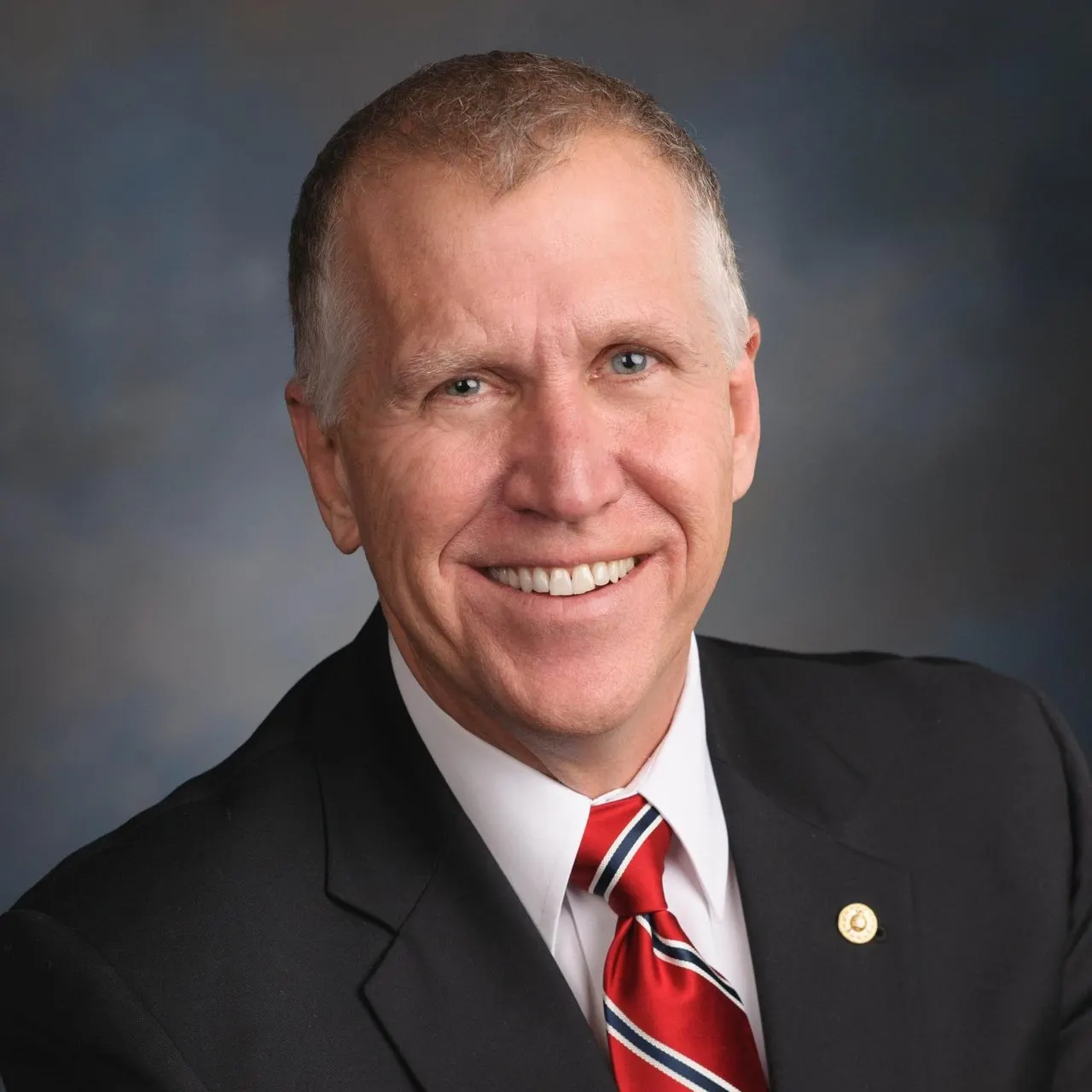
Republican Senator Thom Tillis moved to block LoSapio after the hearing, joining Democrat Ron Wyden in planning holds on the nomination. A hold is a Senate tool that can slow or stop a nomination from moving forward. The move showed that doubts about LoSapio crossed party lines. Bipartisan holds are rare, and they carry real weight in the Senate. Read our report on a warning to Republican colleagues about dishonor.
Outages Leave People Jittery, Senators Hear

The hearing also touched on outages that have left people jittery, a worry raised when the Senate panel grilled the cyber director pick. Power and network outages can unsettle whole towns, and the public wants to know who is in charge when systems fail. A cybersecurity chief must answer for readiness as well as for facts. Senators pressed for clear answers on both fronts. Read our story on a senator who refused to back another shutdown.
The Committee Gauntlet Before a Full Vote
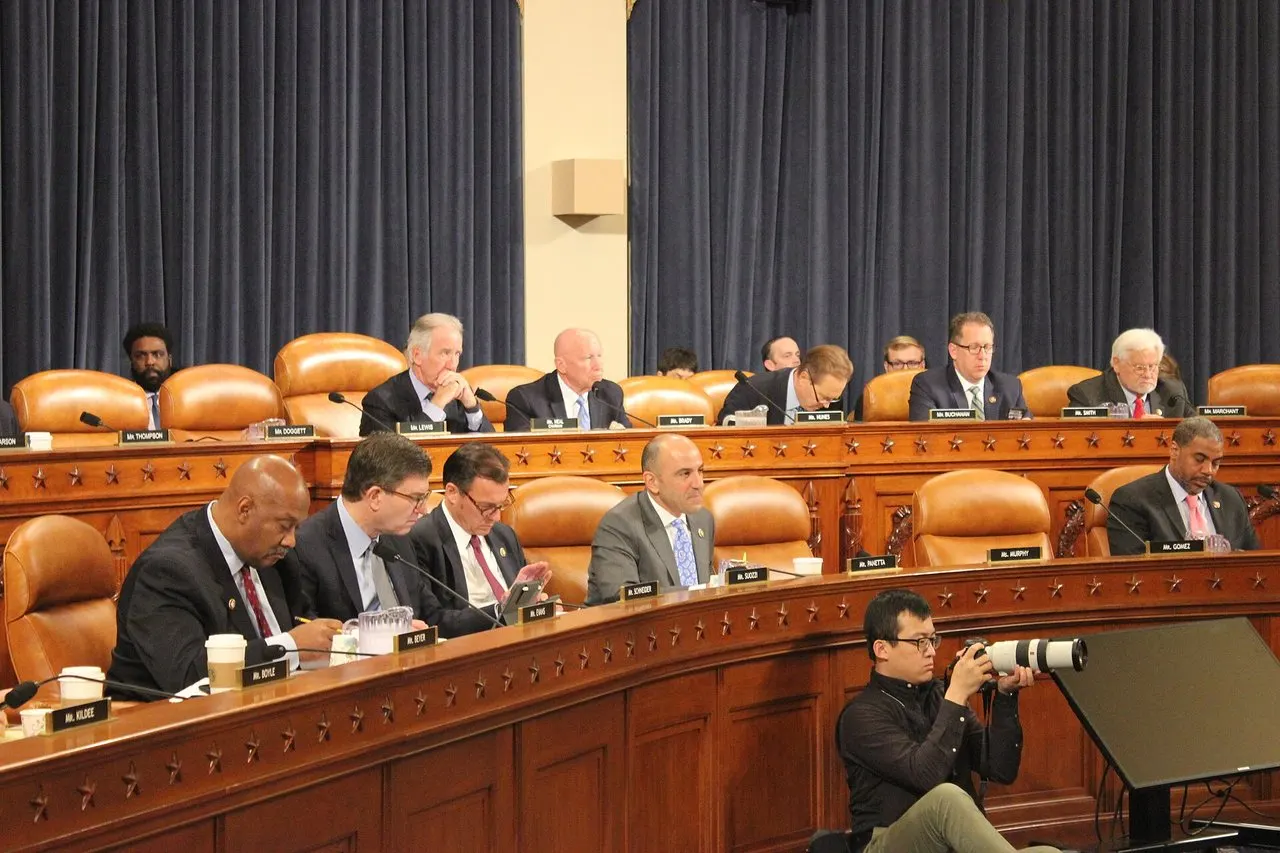
Before the full Senate votes, nominees must pass the gauntlet of a Senate committee, where senators test their knowledge, judgment and honesty. Blumenthal used his time there to embarrass the nominees and show how unqualified he believes they are. The committee stage is where weak picks often stumble. This hearing showed why that stage matters so much. Read our report on a bill to stop senators getting paid during shutdowns.
The Blumenthal Confirmation Hearing and the 2020 Vote
The first question was simple: who won the popular vote in 2020. LoSapio would not answer, Chamberlain spoke only of four years in office, and D’Avanzo said she did not know. The public record is clear, and senators expect nominees to know it. The Blumenthal confirmation hearing showed that a plain fact can still divide a hearing room. Voters will judge the answers for themselves. Read our story on whether data centers should share water and power use.
A Full Senate Vote Still Lies Ahead
The nominees still face a full Senate vote, and the hearing gave every senator a record to weigh. Some will back the picks and praise their experience. Others will point to the dodged questions and vote no. The rush to confirm before January adds pressure to the calendar. What happens next will shape key offices for years to come. Read our report on a senator vowing to refuse a shutdown vote.
Would You Want These Nominees in Government

We have looked at the exchanges, the dodged questions and the holds that followed. Now it is your turn to decide. Would you want any of these people in the government at all. Do the answers change your view of the nominees, or do you think the questions were unfair. Share your thoughts in the comments below and tell us what you would have asked in their place. Read our report on a House vote to make history with a new Speaker.