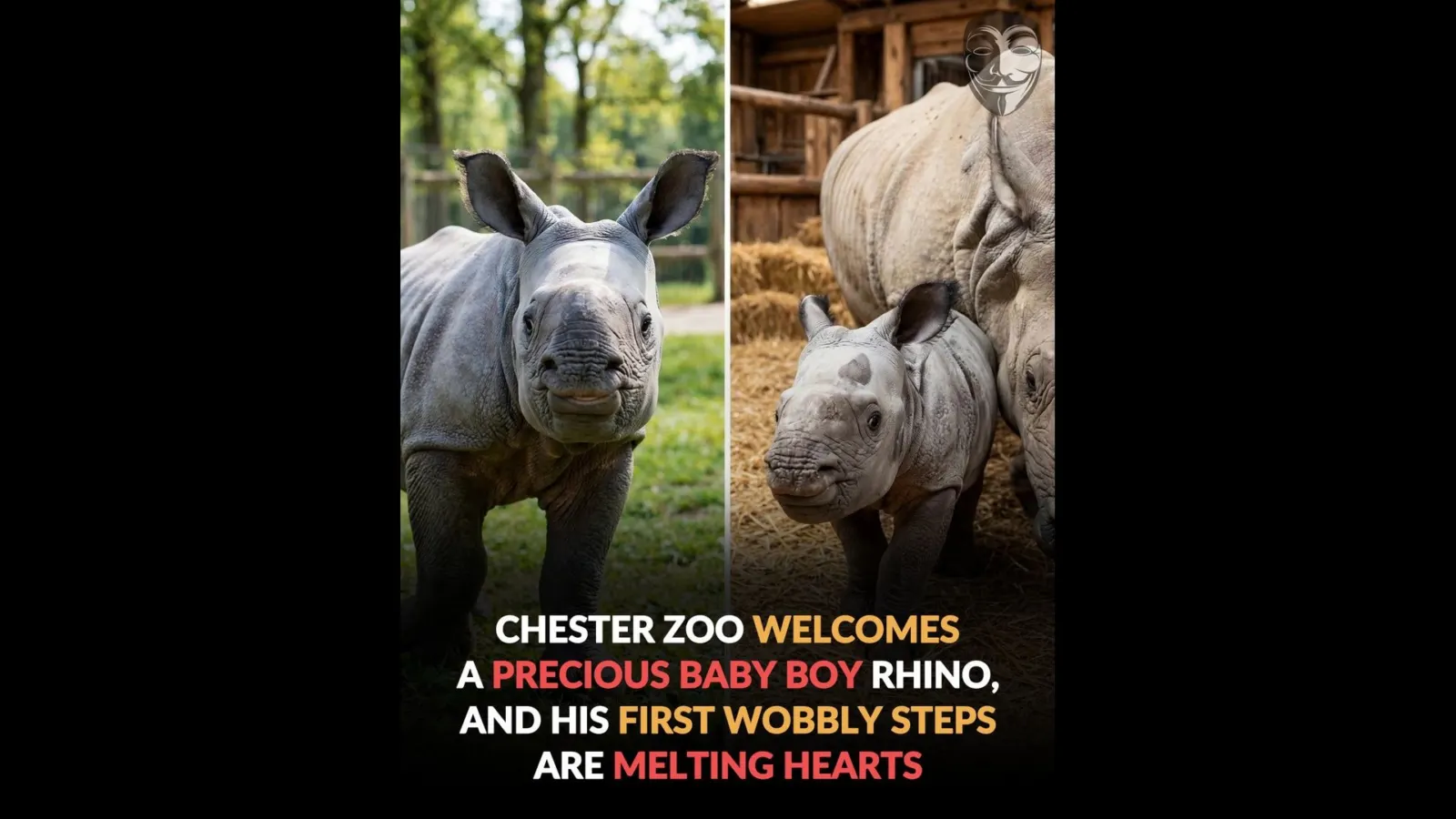
A Baby Rhino Takes His First Steps at Chester Zoo
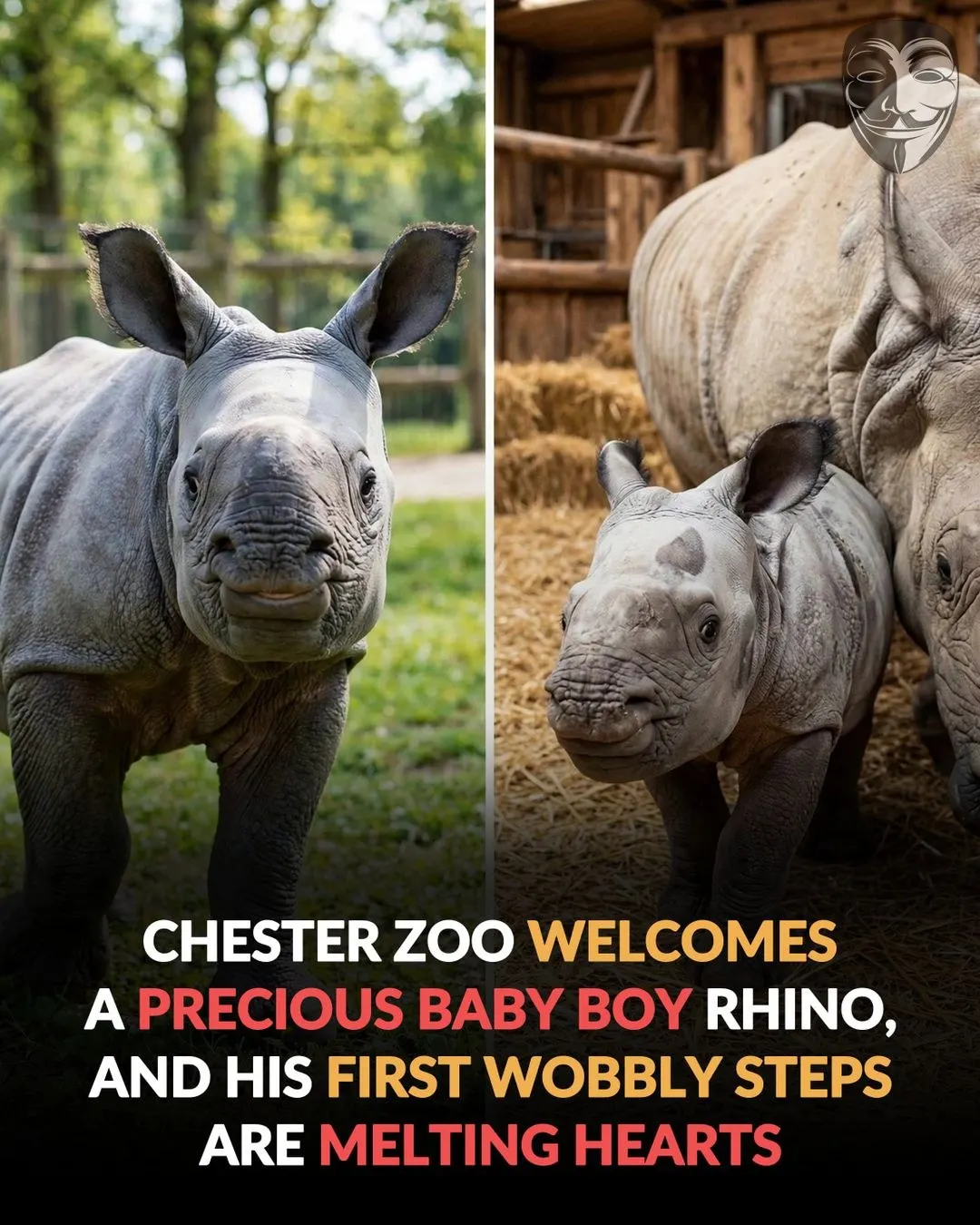
A baby rhino took his first wobbly steps at Chester Zoo in England, and the tiny newcomer is already melting hearts around the world. Asha, a 19-year-old greater one-horned rhino, gave birth to her fourth calf on November 11 after a pregnancy of about 15 months. The little one was up on his feet within an hour and feeding shortly afterwards, and keepers say both mother and calf are doing well. Footage shows the little guy staying close to his mother as he explores his new surroundings, a scene that recalls another beloved zoo baby.
The birth carries extra meaning because the calf’s father, Beni, died earlier this year after a short illness, so the new arrival continues his line. With only around 4,000 greater one-horned rhinos left in the wild across India and Nepal, every calf born through the Europe-wide breeding programme is a hopeful step for the species. In the slides ahead we look at the long wait, the first steps and what this birth means for rhinos everywhere, and you may also enjoy a newborn meeting her mother for the first time.
References:
CNN: Chester Zoo celebrates rare one-horned rhino birth
Chester Zoo: Greater one-horned rhino born at Chester Zoo
Albia News: Rare baby rhino takes first steps at zoo
Paw Nation: Rare Baby Rhino Takes First Steps Within an Hour of Birth
Fifteen Months of Waiting
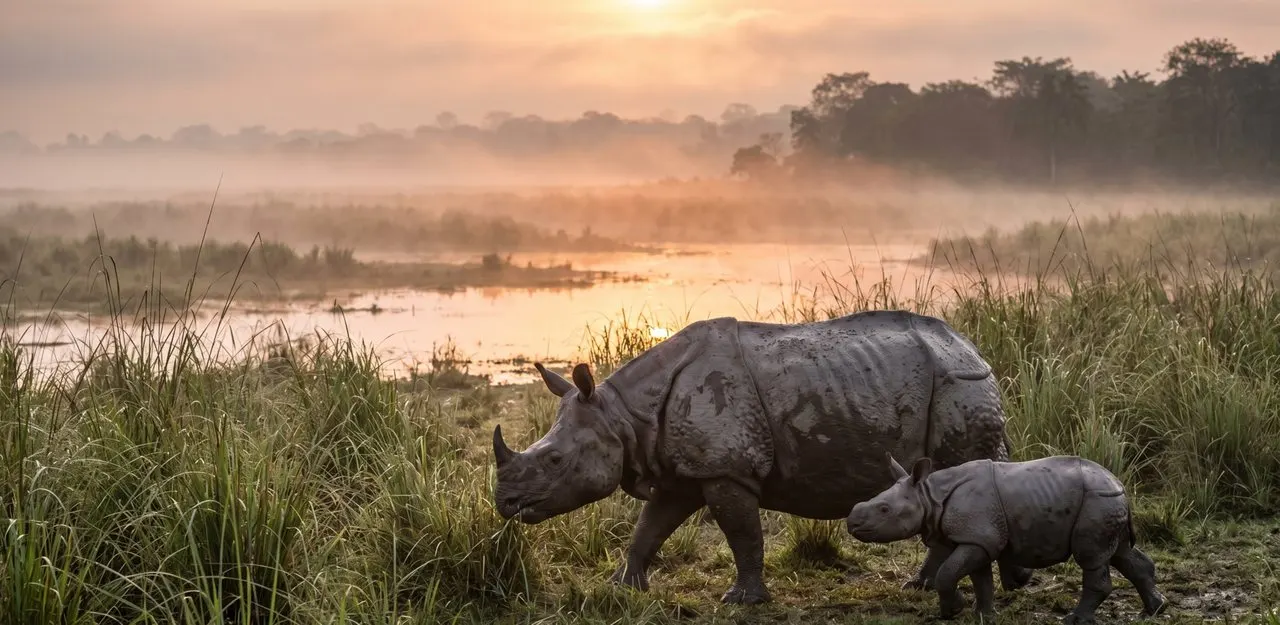
Fifteen months is a long time to wait for any arrival, and Asha’s pregnancy lasted about that long before her calf was born on November 11. Greater one-horned rhinos carry their young for around 15 months, one of the longest pregnancies among land animals, and keepers watch the mother closely through the final weeks. By the end, Asha was ready, and the birth went well for both mother and calf. Long waits end in joyful hellos, like a gorilla with unusual pink fingers.
Meet Asha, a Mother of Four
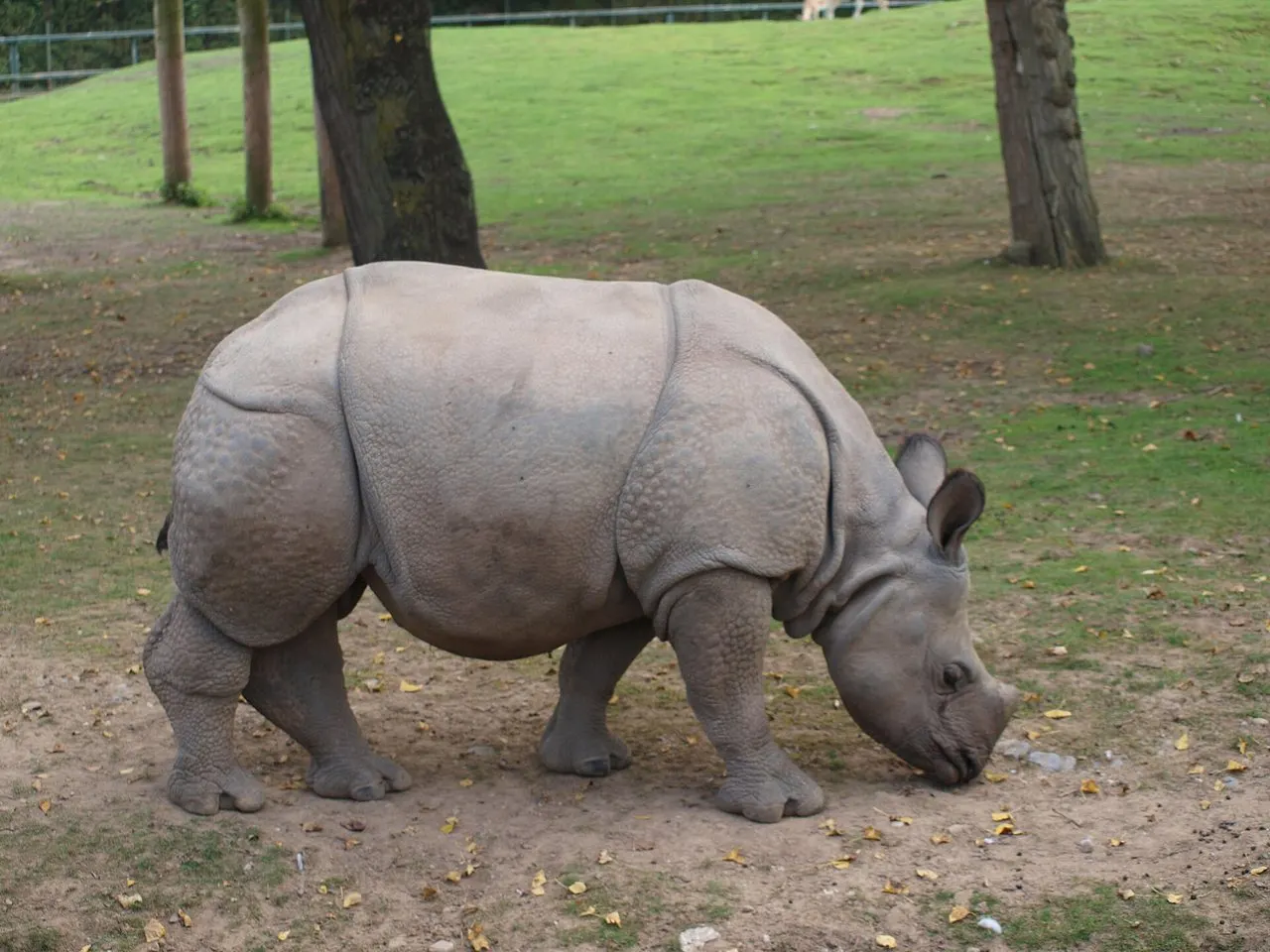
Asha is 19 years old, and this calf is her fourth, so she is an experienced mother who knows the job well. At 19 she is in the prime of her life for a greater one-horned rhino, and her keepers trust her calm nature around a newborn. Experienced mothers often settle quickly after birth, and Asha did just that, letting her calf find his feet and his first feed. Strong mothers come in many forms, like a rare orange nurse shark found off Costa Rica and a father who refused to give up his son.
A Baby Rhino on His Feet Within an Hour
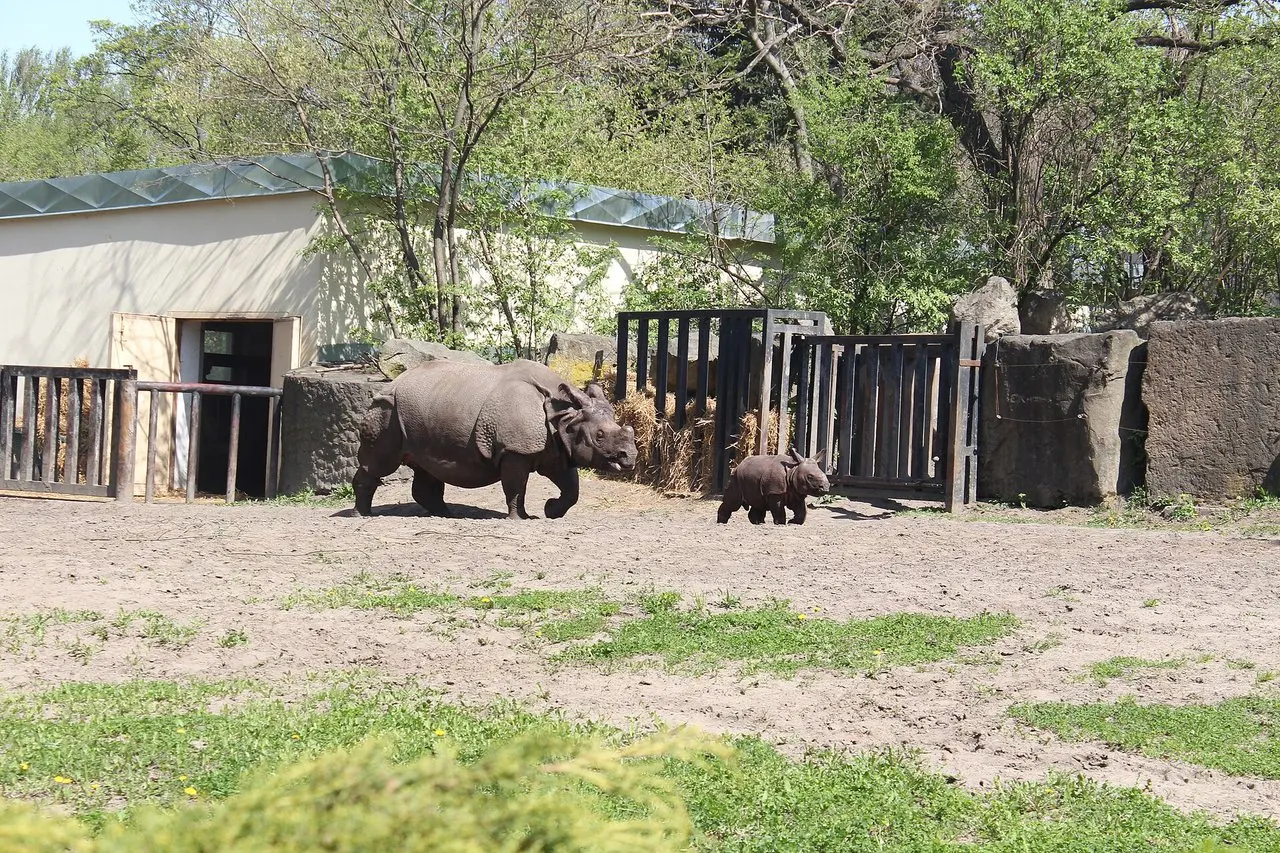
Within an hour of being born, the little calf was already up on his feet, a remarkable feat for a newborn of any species. Newborn rhinos are wobbly at first, but their legs are strong, and standing quickly matters because it lets the calf reach his mother to feed. Keepers watched with delight as he found his balance and took those first unsteady steps beside Asha. Quick starts can change everything, as a stranded chimpanzee rescued by drone shows, and like a father and daughter 18 years apart.
A Baby Rhino Takes His First Wobbly Steps
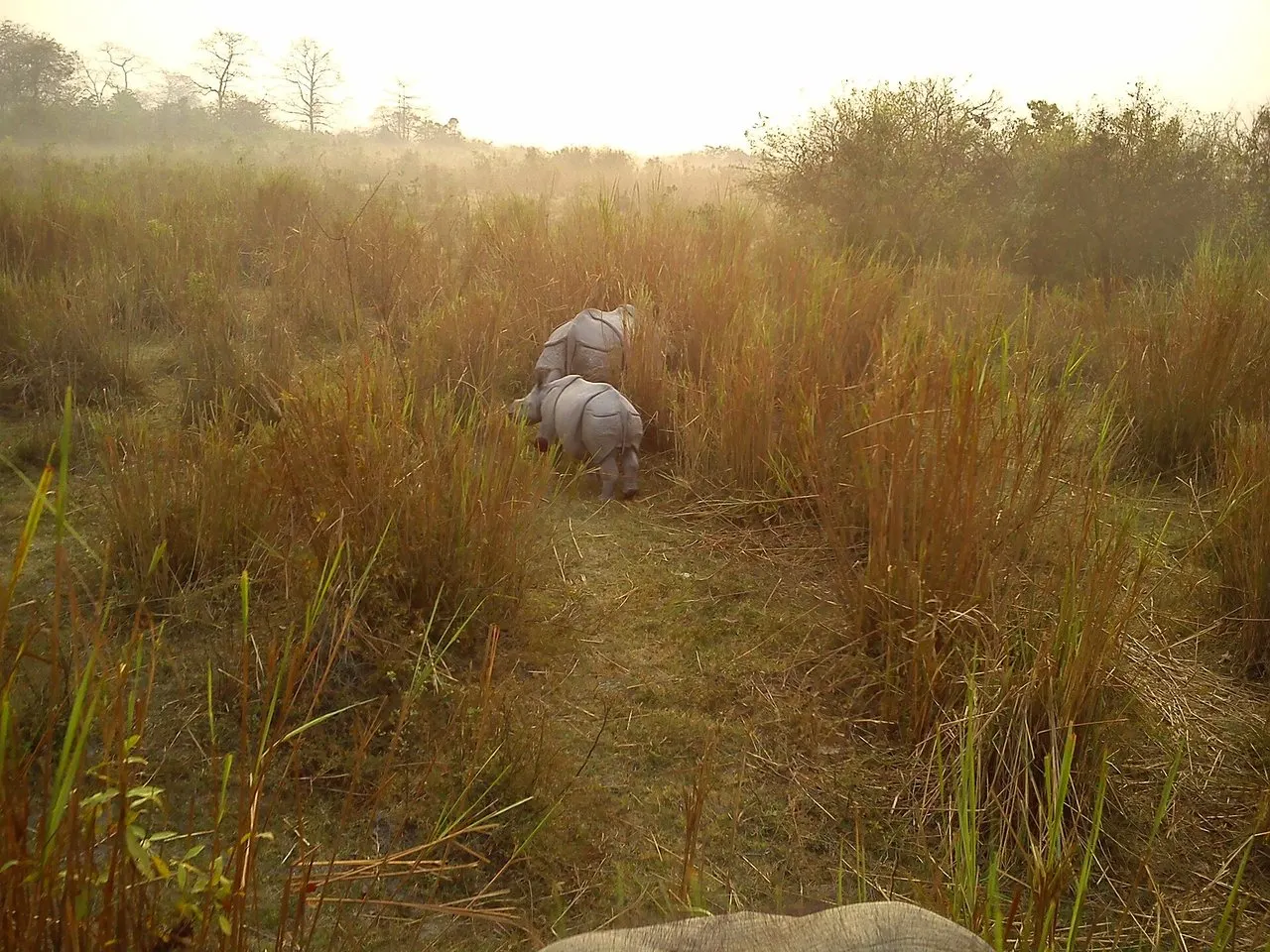
Those first steps were wobbly, and that is exactly why they melted so many hearts. A newborn rhino calf has long legs and a big body to manage, so every step is a small adventure in balance, and he stayed close to Asha as he practised. Footage of the moment spread quickly, and viewers could not get enough of the tiny calf finding his feet. First steps are precious everywhere, from Fiona the hippo who survived a miracle birth to a story of hope that kept going.
Staying Close to Mum
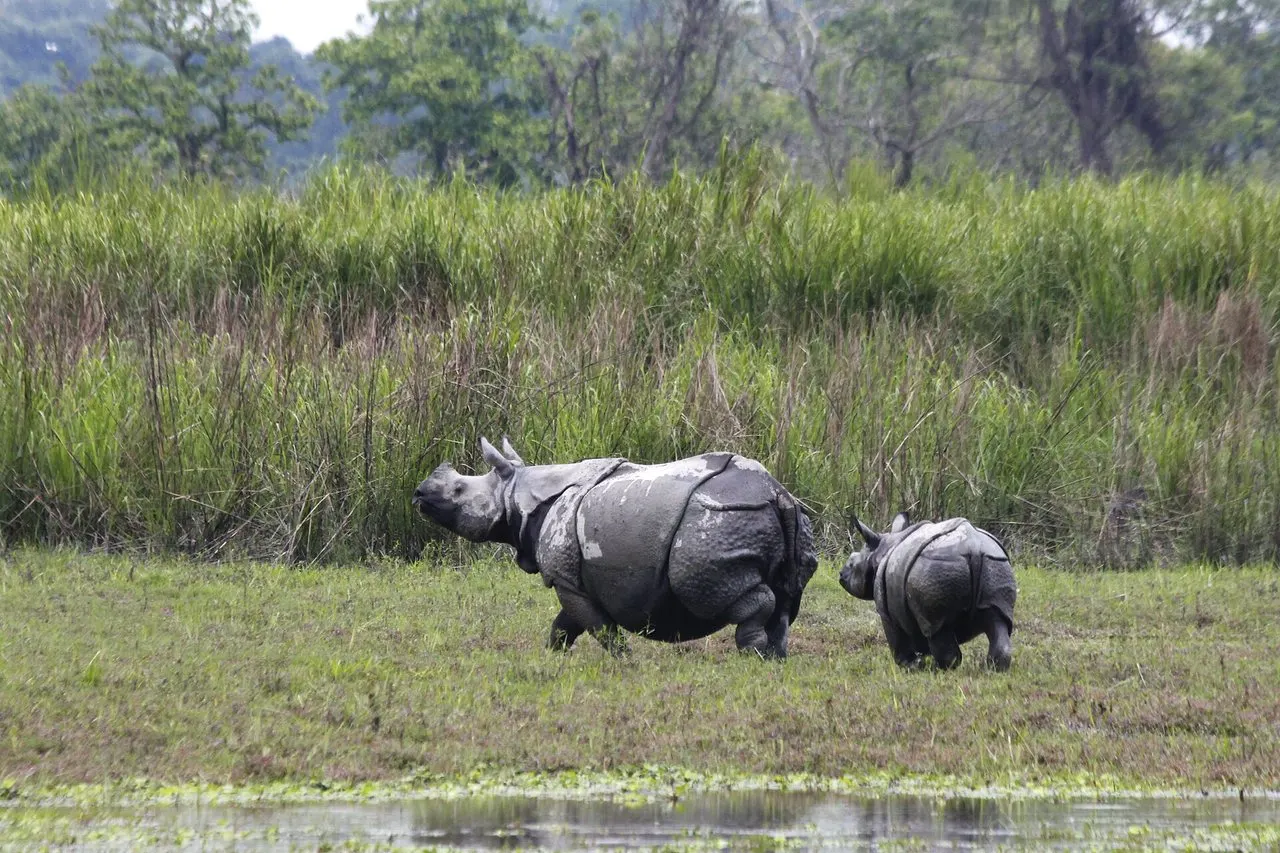
In the footage, the little calf never strays far from Asha, and that is exactly how it should be. A newborn stays close to his mother for warmth, for food and for safety, and Asha keeps a watchful eye on him as he explores. The pair move together through the enclosure, the calf tucked near her side, learning the world one small step at a time. Close bonds save lives, like one unimpressed newborn meeting her mother and a drone rescue in a minefield.
A Baby Rhino Gets His First Meal
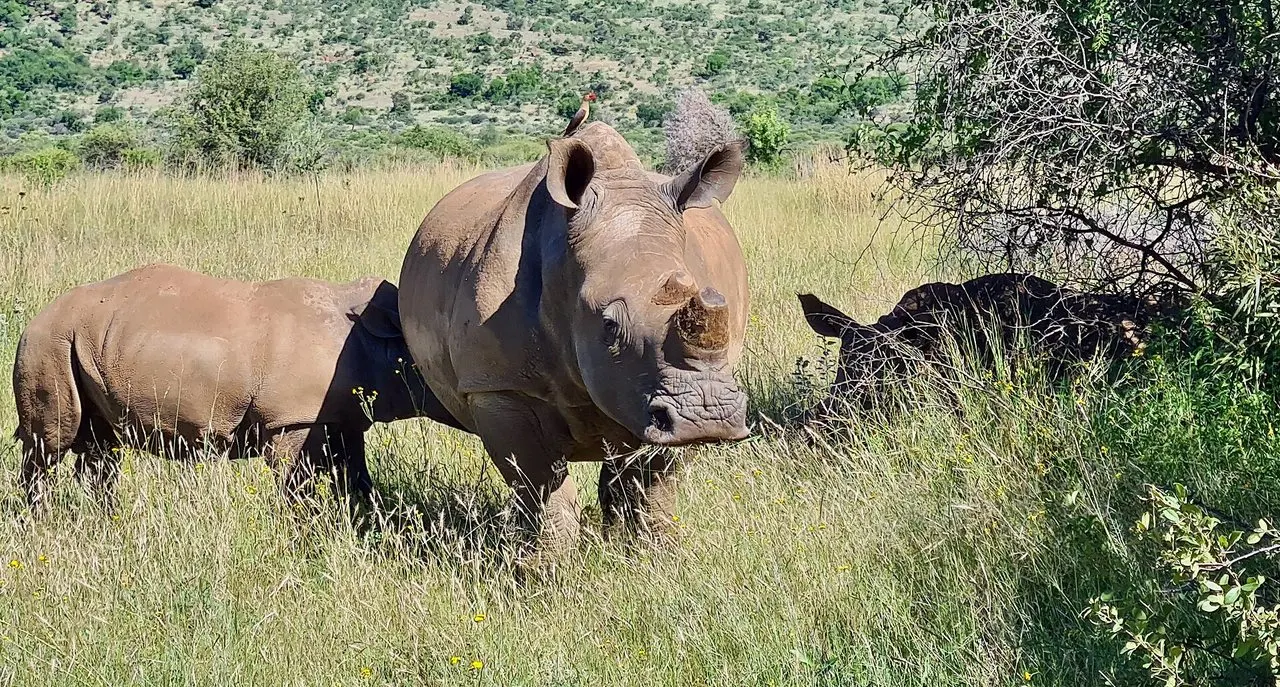
Feeding started shortly after birth, and that first feed is one of the most important moments of a calf’s life. A mother’s milk gives the newborn warmth, energy and protection while he finds his strength, and Asha stood patiently as her calf nursed. Keepers say both mother and calf are doing well, and a good first feed is a strong sign of that. New arrivals bring joy in many places, from a grandmother welcoming a new baby boy to a viral post about a baby.
Remembering Beni, the Calf’s Father
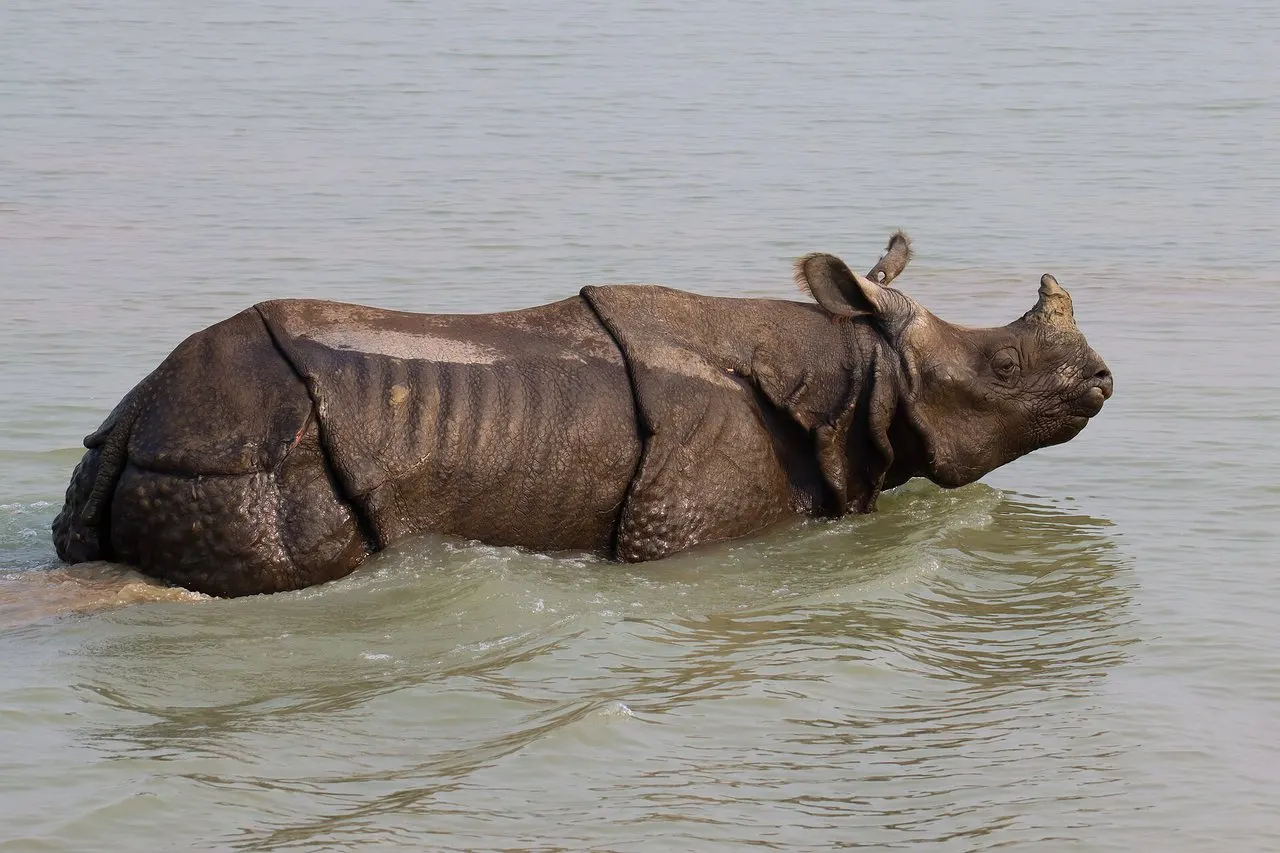
The birth carries a sad note too, because the calf’s father, Beni, died earlier this year after a short illness. Beni was part of the Chester Zoo family, and his loss was felt by the keepers who cared for him. Now his calf carries his line forward, a living reminder of a father the little one will never meet. Families hold on through loss, like a father who refused to give up his son, and they find their own way forward, as a young woman splitting rent with three roommates shows.
Carrying on His Father’s Line
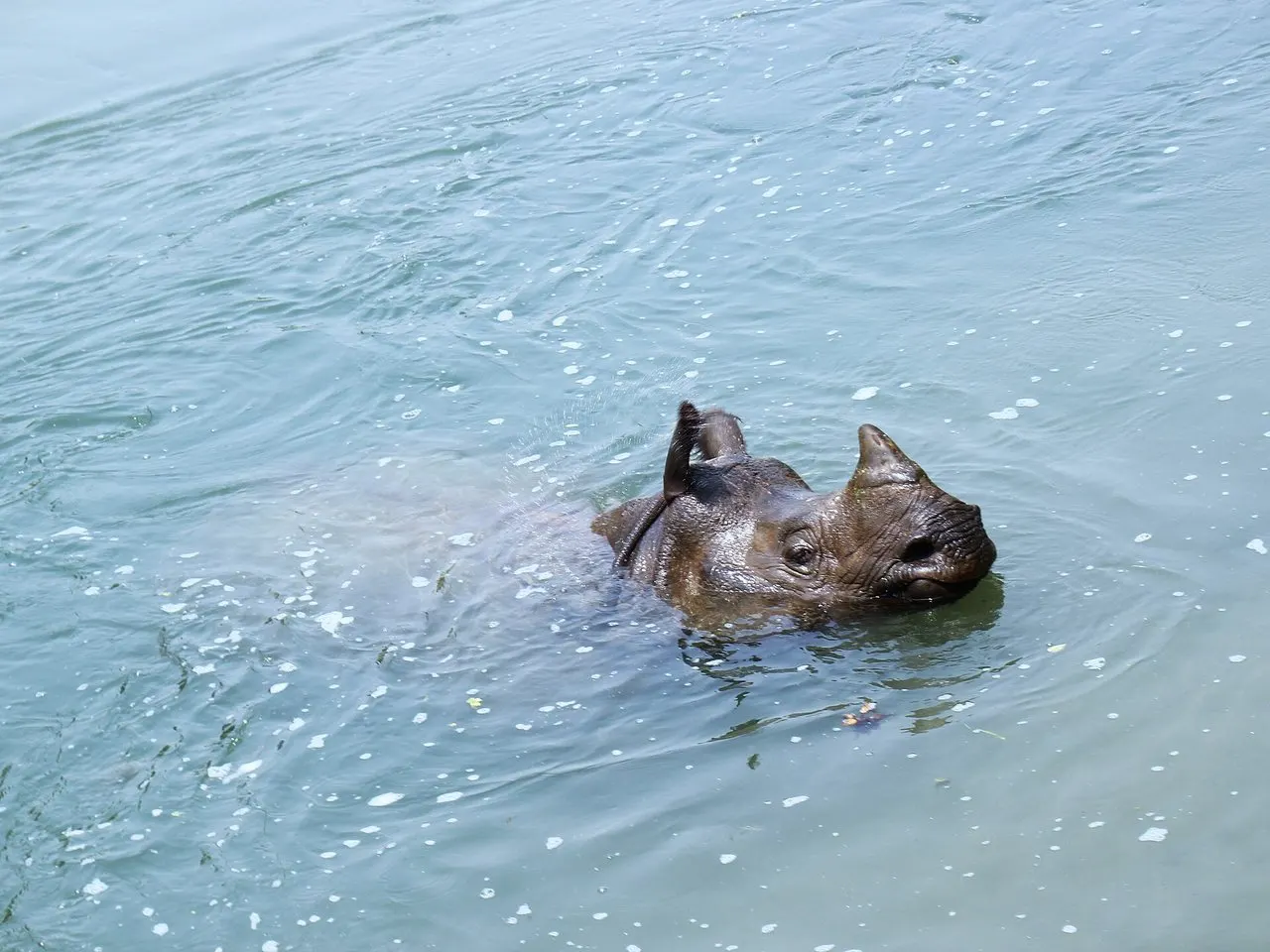
Beni may be gone, but his line lives on in this calf, and that is why the birth means so much to the zoo. In breeding programmes, every calf carries the genes of its parents into the next generation, keeping the bloodline strong and the species diverse. This little one is Beni’s legacy, a new chapter that began the day he was born. Legacies take many forms, from a father and daughter 18 years apart to long nights of dedication, like a gamer who stayed awake 50 hours straight to finish a challenge.
Only Around 4,000 Left in the Wild
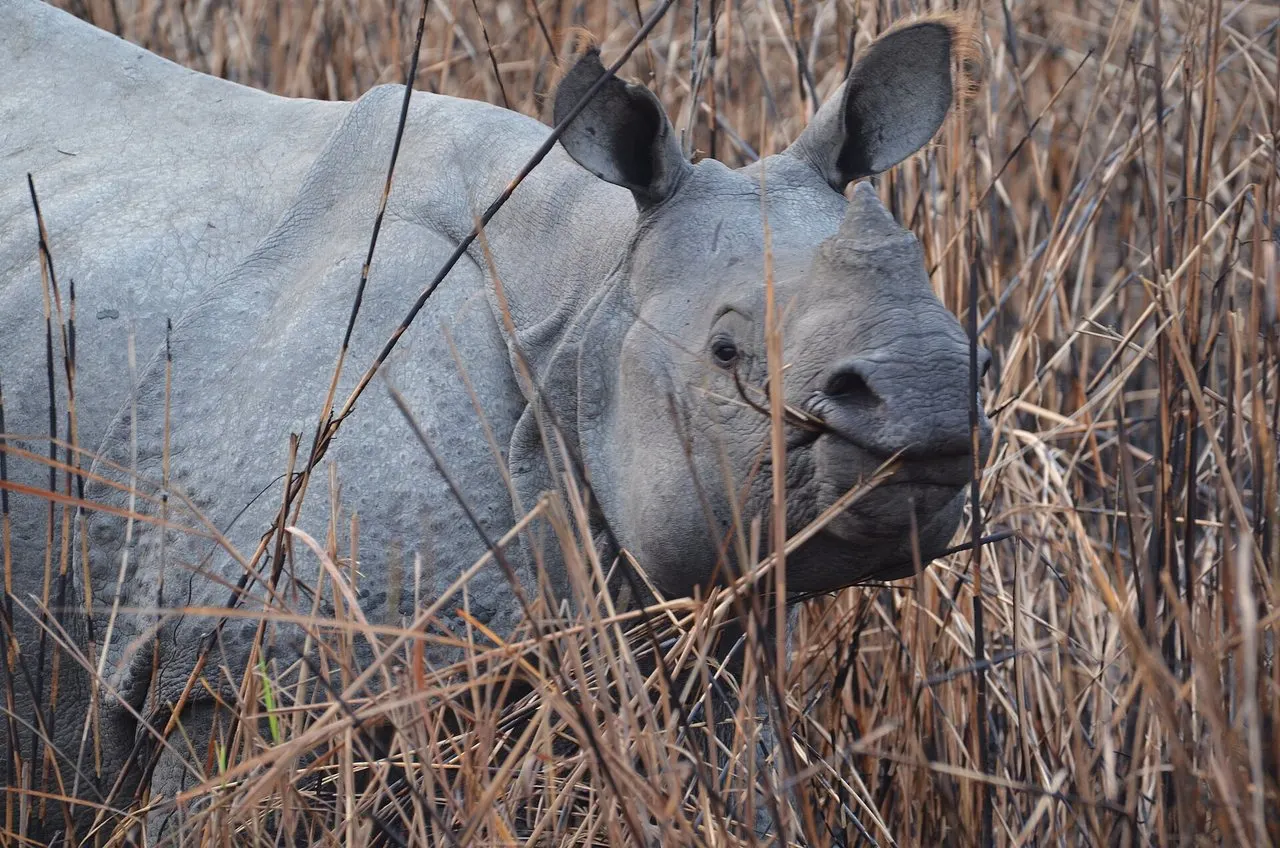
Only around 4,000 greater one-horned rhinos are left in the wild, a number that shows how precious each new calf is. They live in the grasslands of India and Nepal, where protected parks give them room to roam, yet their numbers are still far below what they once were. Every birth in a zoo breeding programme adds hope for a species that came close to disappearing. Big firsts make news everywhere, from a story of hope that kept going to a jet powered fighter entering service for the first time.
Home in the Grasslands of India and Nepal
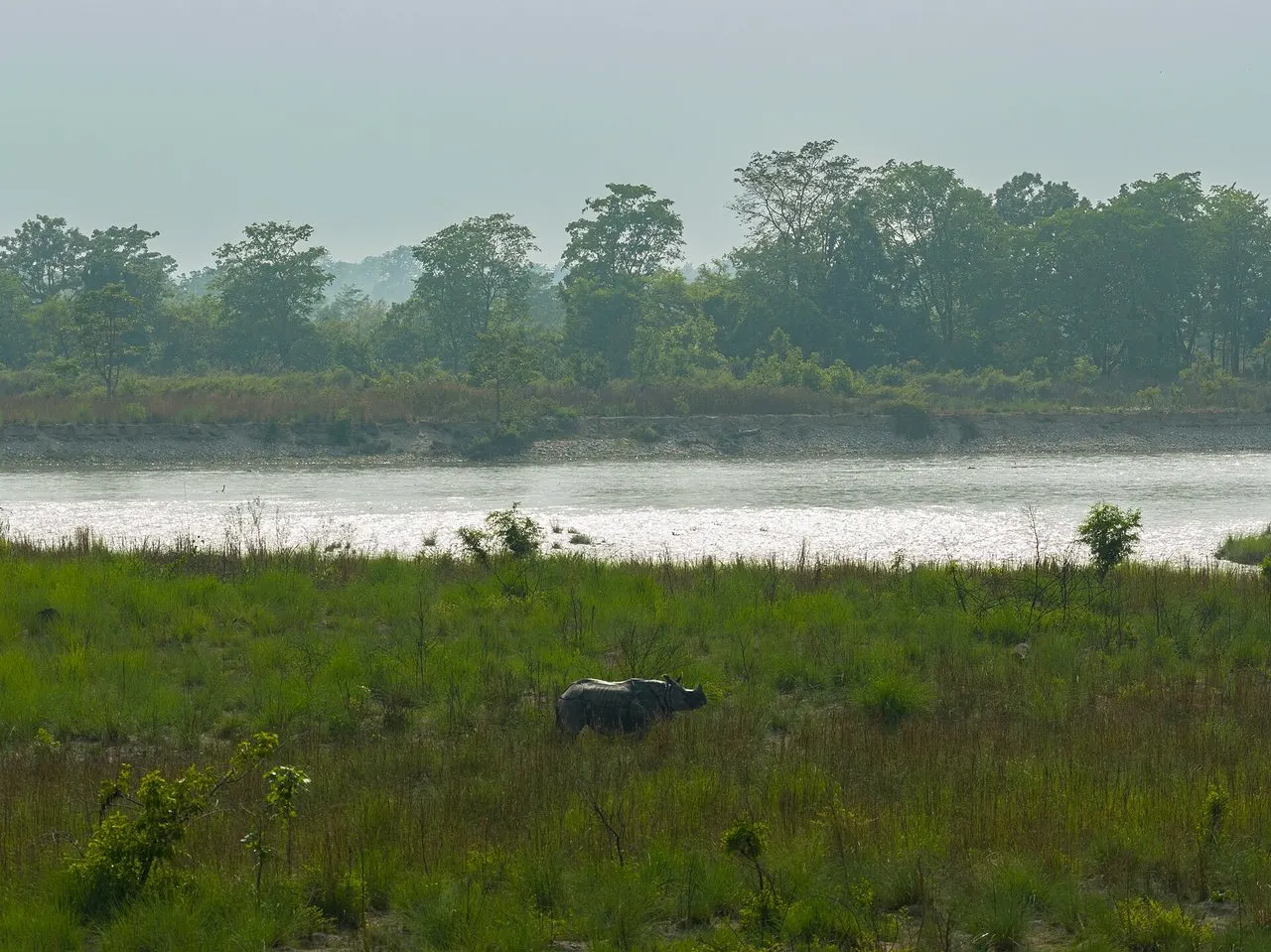
India and Nepal are the only places on Earth where greater one-horned rhinos still live in the wild. In India they roam the tall grasslands of Kaziranga, and in Nepal they graze the plains of Chitwan, two parks that guard the species day and night. The calf at Chester Zoo carries the blood of those wild grasslands, even though he was born far away in England. Care comes in many forms, from a drone rescue in a minefield to hands on work, very different from a robot that its maker says will wash dishes within 18 months.
A Breeding Programme Across Europe
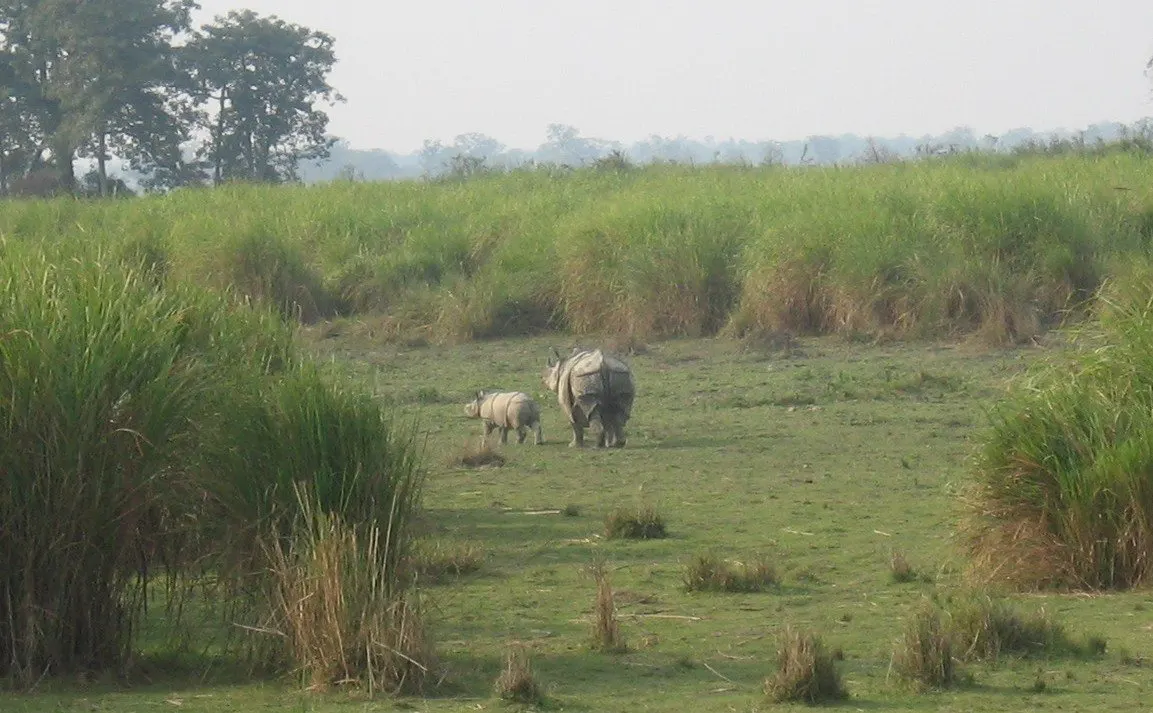
This calf was born as part of a Europe-wide breeding programme, a team effort that links zoos across the continent. Zoos share knowledge, move animals carefully between collections and match pairs so the rhino population stays healthy and varied. A birth like this one is the reward for years of patient planning by keepers and vets. Quiet night work matters, and night feeds are calm, nothing like a viral post about a baby.
A Baby Rhino Joins the Chester Zoo Family
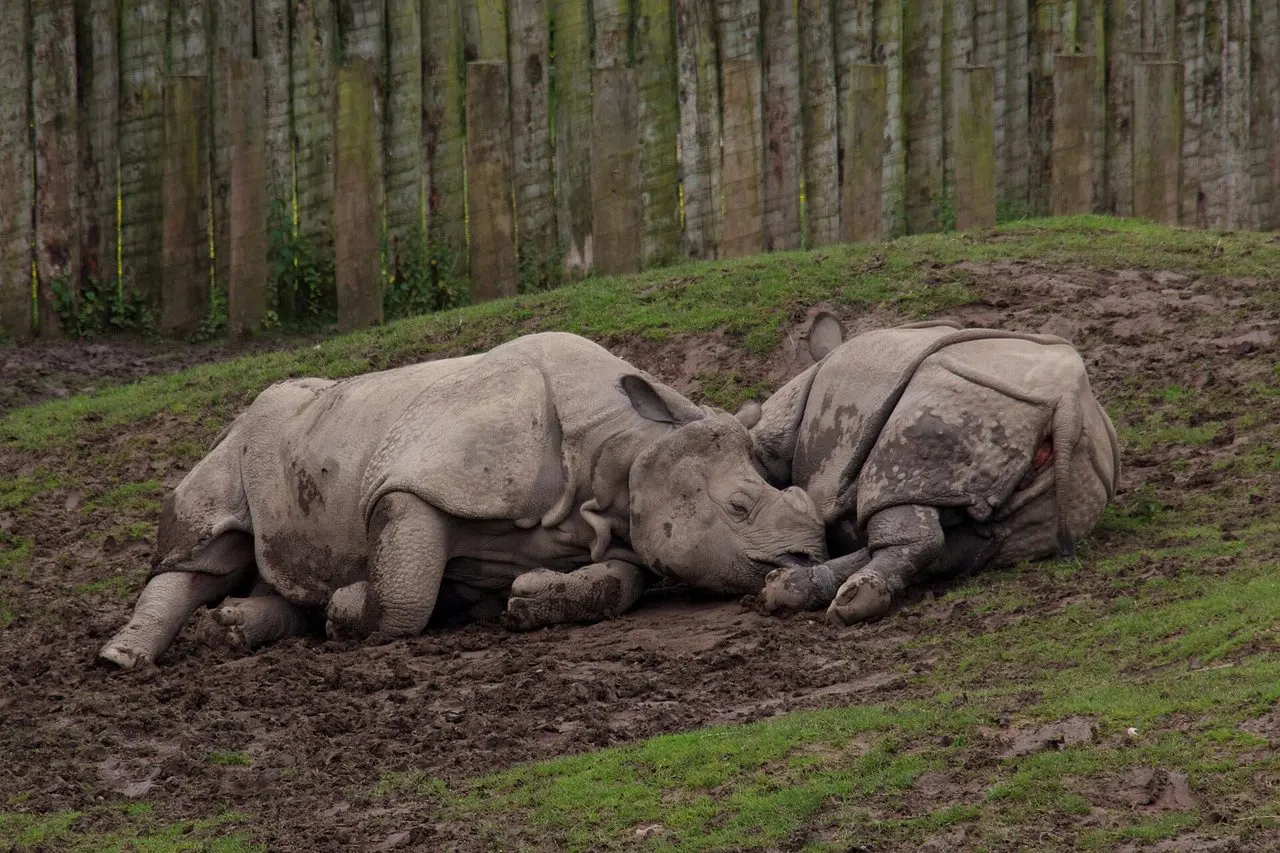
Chester Zoo in England is where this story began, and the zoo’s rhino team is proud of the new arrival. Chester Zoo cares for greater one-horned rhinos as part of its wider work to protect species that are struggling in the wild, and the birth is a bright moment for everyone there. Visitors will soon be able to watch the calf grow, and his first steps are already famous. The birth made headlines around the world, a record breaking day for the zoo, like a game launch that made billions in a day, and like another beloved zoo baby.
One of the World’s Largest Rhino Species
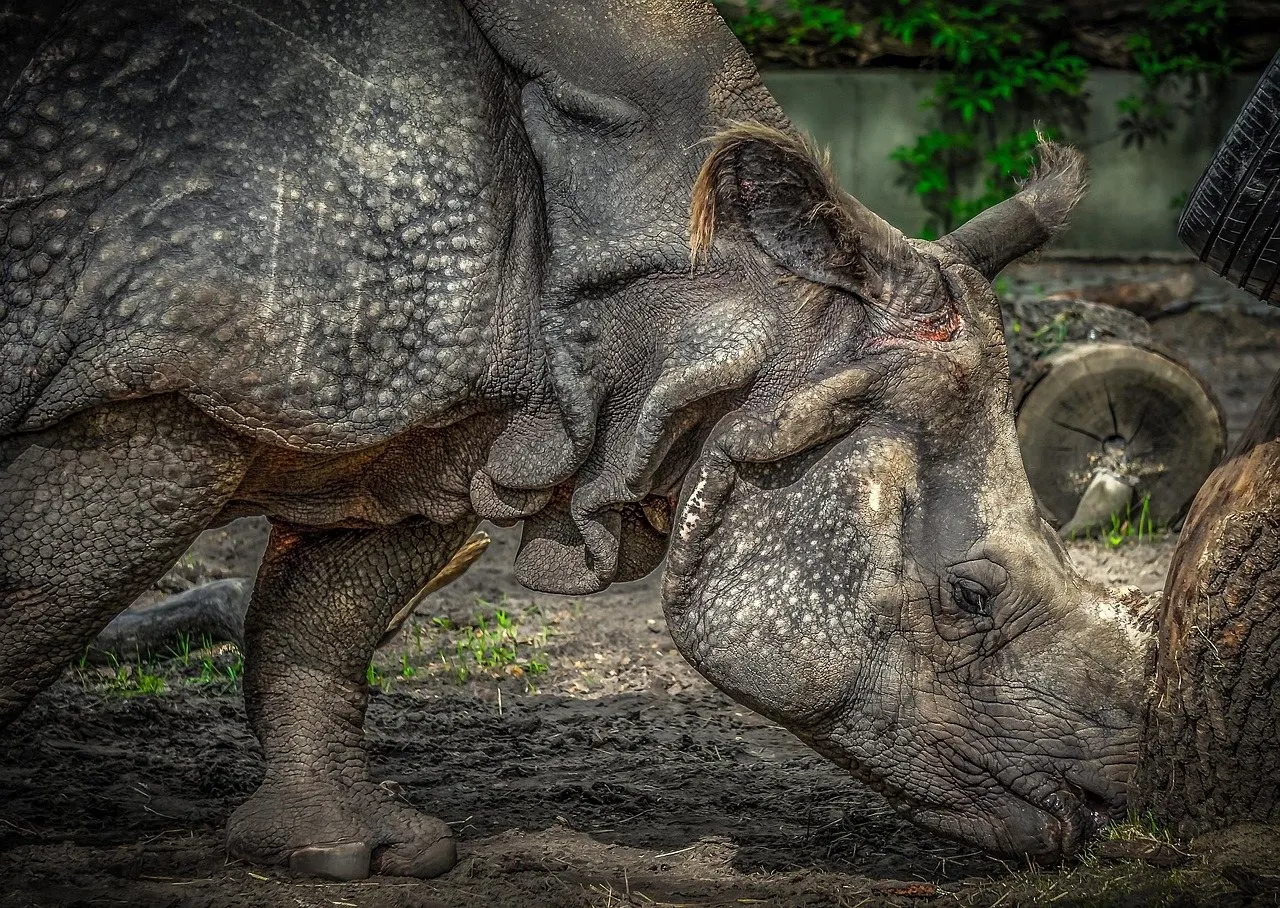
The greater one-horned rhino belongs to one of the world’s largest rhino species, and adults can weigh more than two tonnes. That bulk sits on short, sturdy legs, and the animal’s folded grey skin looks like plates of armour, a look that has earned it the nickname of the armoured rhino. Yet for all that size, the calf beside Asha looks tiny, and he will take years to grow into his frame. Big animals come in many kinds, from a gorilla with unusual pink fingers to a rare orange nurse shark found off Costa Rica.
The Single Horn That Gives the Species Its Name
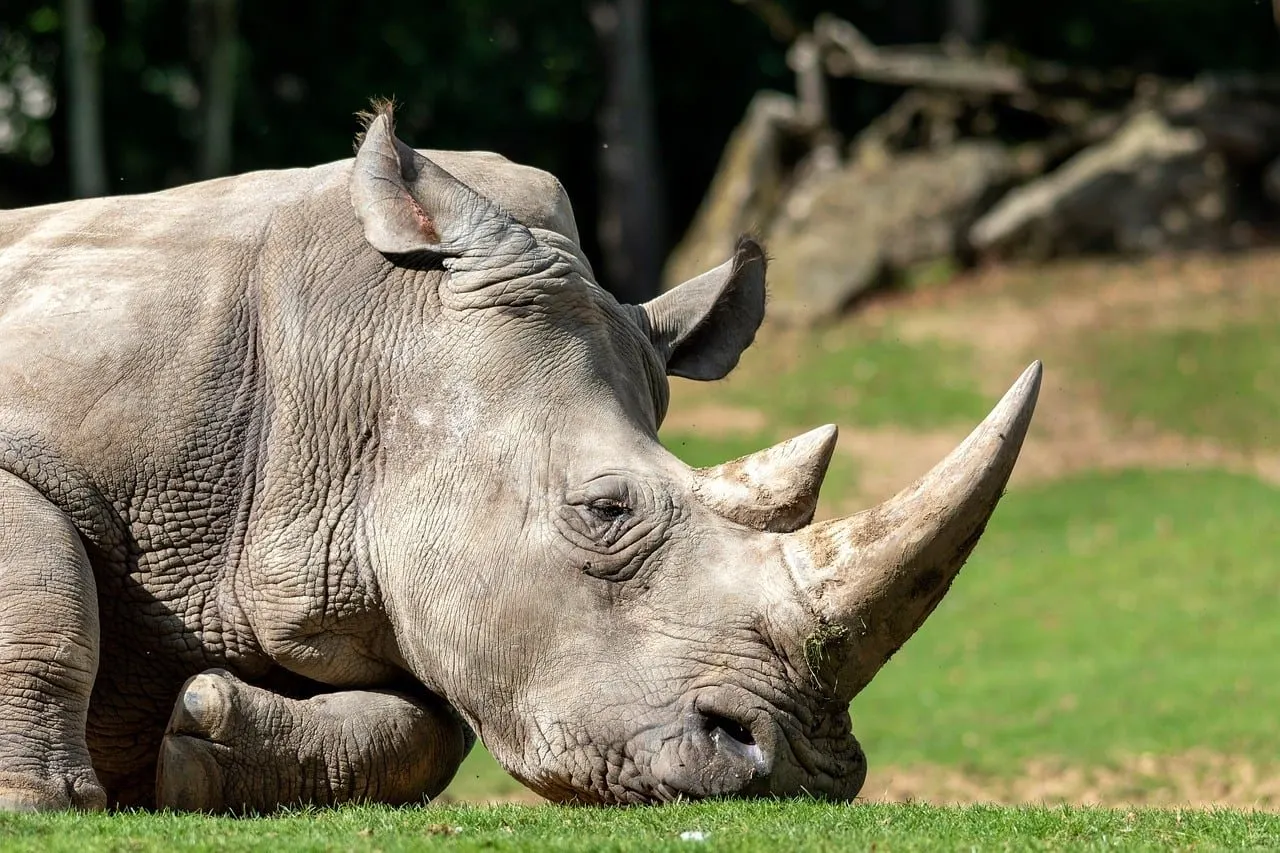
The greater one-horned rhino carries a single horn on its nose, and that horn is what gives the species its name. The horn is made of keratin, the same material as human fingernails, and it grows throughout the animal’s life. For a calf, the horn is only a small bump at first, and it will grow as he does. Small beginnings lead to big things, as a stranded chimpanzee rescued by drone shows, and like one unimpressed newborn meeting her mother for the first time.
From the Brink of Extinction
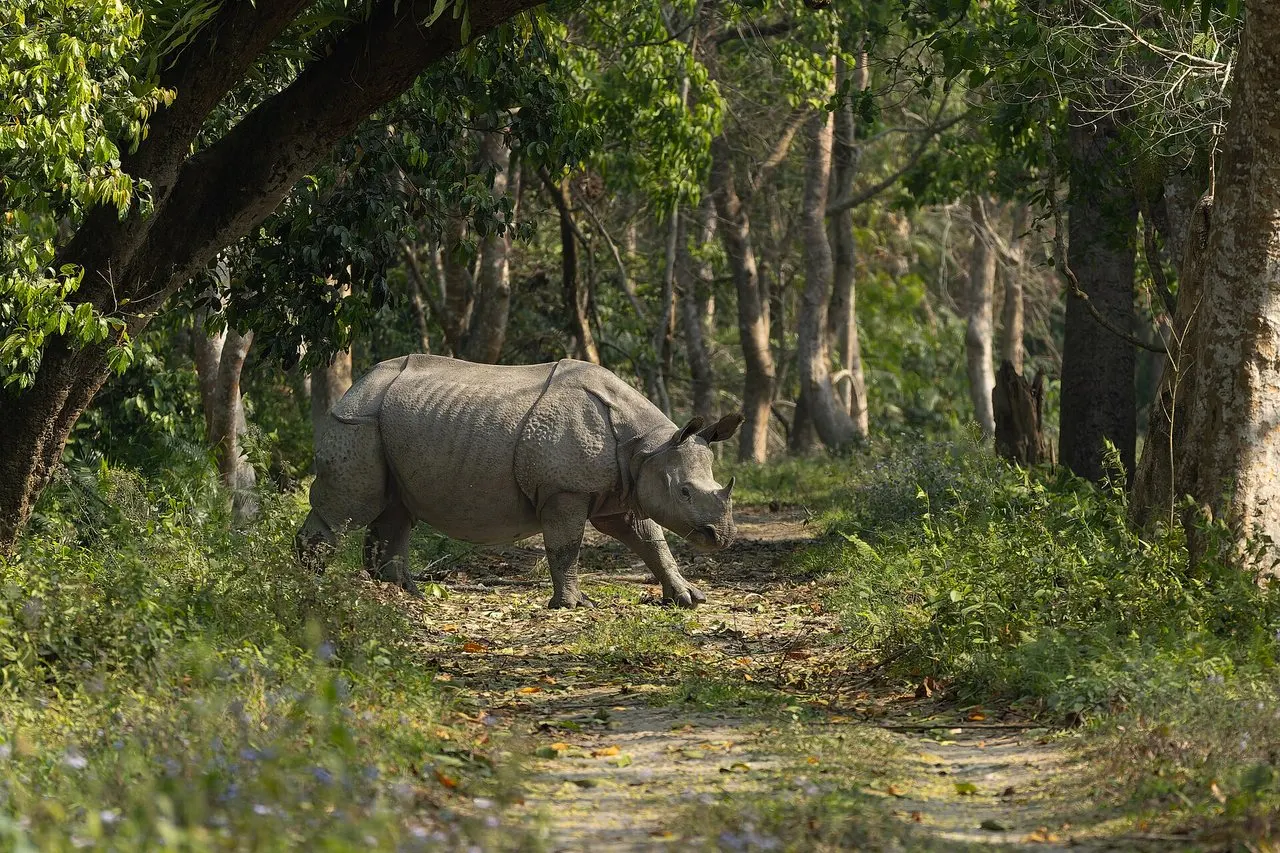
There was a time when the greater one-horned rhino was pushed close to extinction, with only around 200 left in the wild in the early 1900s. Hunting and the loss of grassland had driven numbers down, and the species seemed doomed. Then protected parks, guards against poaching and breeding work turned the story around, and today around 4,000 roam the wild. Comebacks inspire us all, from a grandmother welcoming a new baby boy to a father who refused to give up his son.
The Keepers Who Watch Day and Night
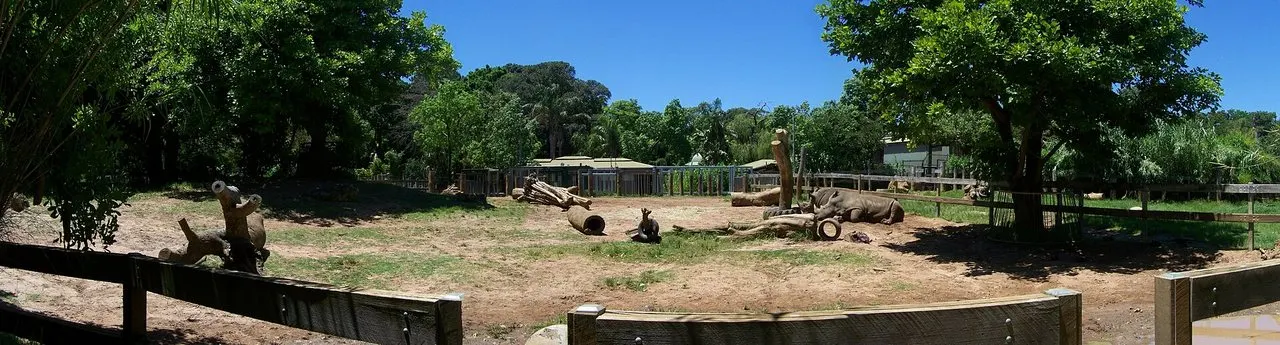
Behind every zoo birth is a team of keepers who watch day and night, and Asha’s team knew her well. Keepers learn each animal’s habits, they notice small changes in appetite or mood, and they stay close through the birth so help is near if it is needed. Their quiet work rarely makes headlines, yet it makes moments like this possible. Dedication runs through many stories, from a father and daughter 18 years apart to a story of hope that kept going.
Why Rhinos Love a Mud Bath
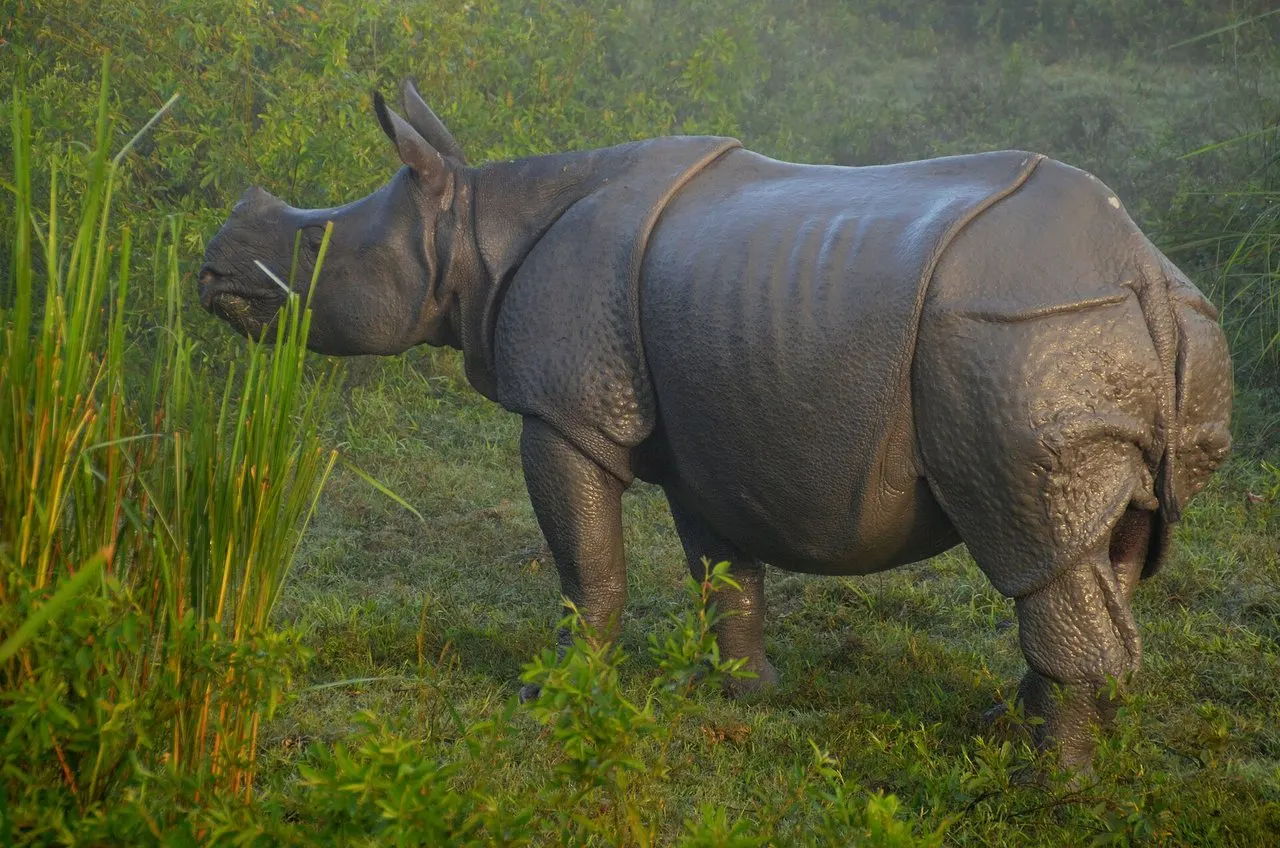
Rhinos love a mud bath, and wallowing in cool mud is one of their favourite ways to spend a warm day. The mud coats the skin, keeps biting insects away and helps the animal cool down, and calves learn the habit by copying their mothers. One day the little calf at Chester Zoo will join in, rolling happily in the mud beside Asha. Simple pleasures are the best, from a drone rescue in a minefield that saved a life to a viral post about a baby that made the world smile.
Grass for Breakfast, Lunch and Dinner
Grass is the main food of the greater one-horned rhino, and the species spends much of its day grazing. Rhinos pull up tall grasses with their flexible upper lip, and they also eat leaves, twigs and fruit when they can find them. A growing calf will soon start nibbling grass beside his mother, learning what is good to eat. Growing up takes time, like a young woman splitting rent with three roommates finding her feet, or long nights, like a gamer who stayed awake 50 hours straight.
A Baby Rhino Grows Fast
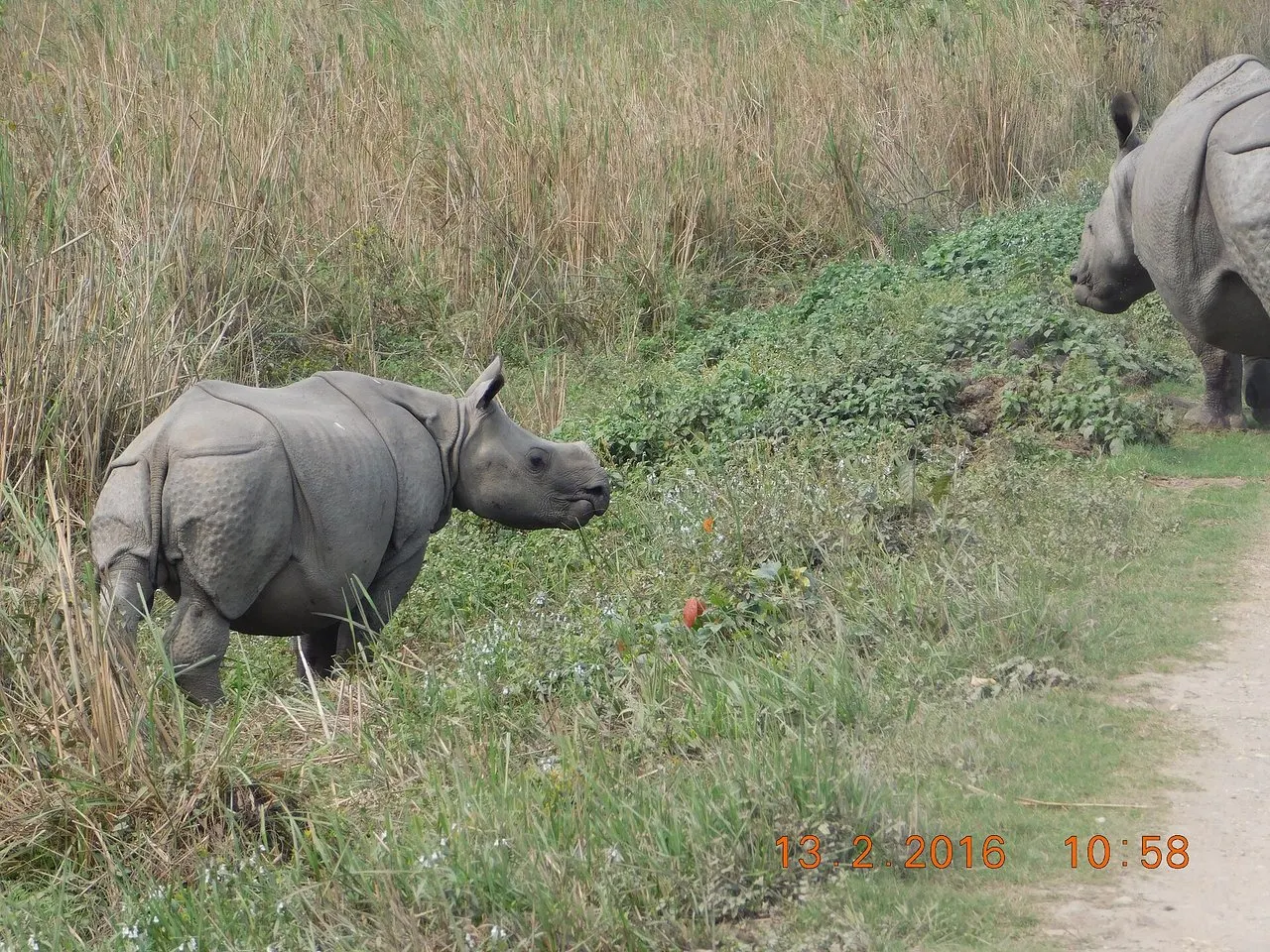
A rhino calf grows fast, and the little one at Chester Zoo will soon be much bigger than he is today. In his first year he will put on hundreds of kilos, drinking his mother’s milk and then moving on to grass as his teeth and stomach grow stronger. Keepers will weigh him and watch his growth closely, and every kilo is a good sign. Growth brings change, from new arrivals like a jet powered fighter entering service for the first time to daily care, very different from a robot that its maker says will wash dishes within 18 months.
Calves Stay With Mum for Years
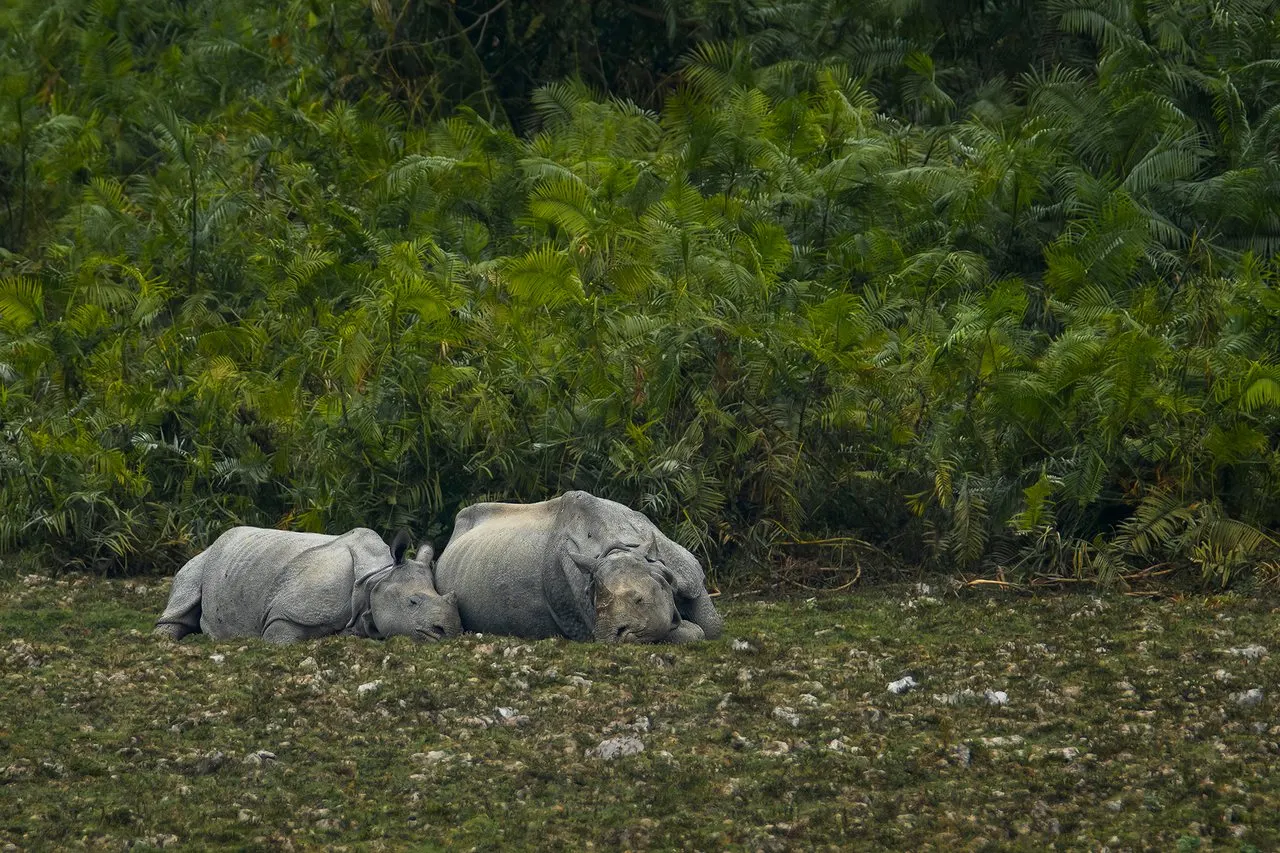
Rhino calves stay with their mothers for two or three years, and that long childhood is how they learn to survive. The calf learns where to graze, where to wallow and how to stay safe, all by watching Asha. For now the world is small and safe beside her, and that bond will shape the rhino he becomes. Quiet nights at the zoo are calm, nothing like a plastic container opened at 2 AM that sounds louder than fireworks, and his birth was a big day, like a game launch that made billions in a day.
A Baby Rhino Brings Hope
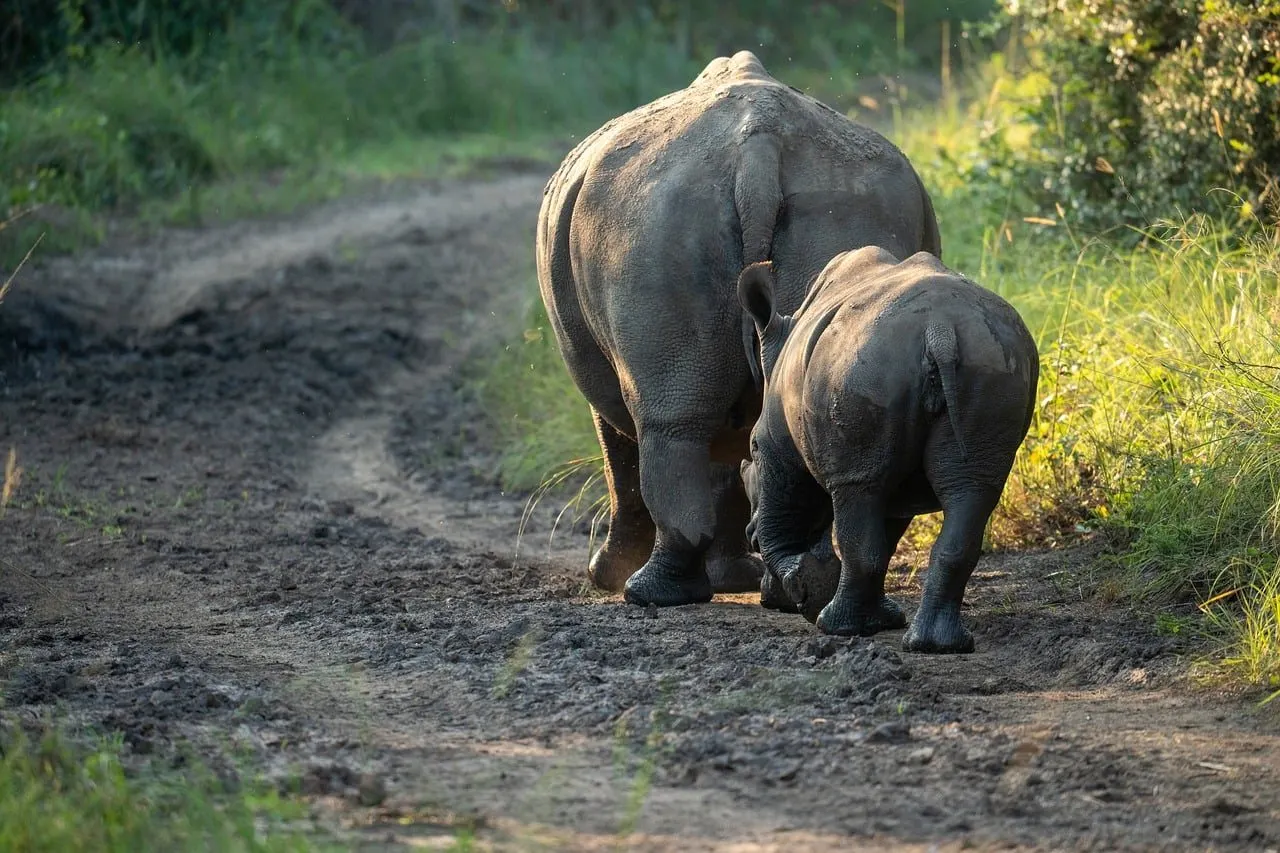
This birth is a small but real reason for hope, and hope is something rhino conservation needs. Every calf born in a breeding programme is a step towards a future where greater one-horned rhinos are safe in the wild, and the joy of this little one reminds people why the work matters. When a calf takes his first steps, the whole world watches and smiles. Hope shows up in many places, from a gorilla with unusual pink fingers to a stranded chimpanzee rescued by drone.
Why Every Calf Counts
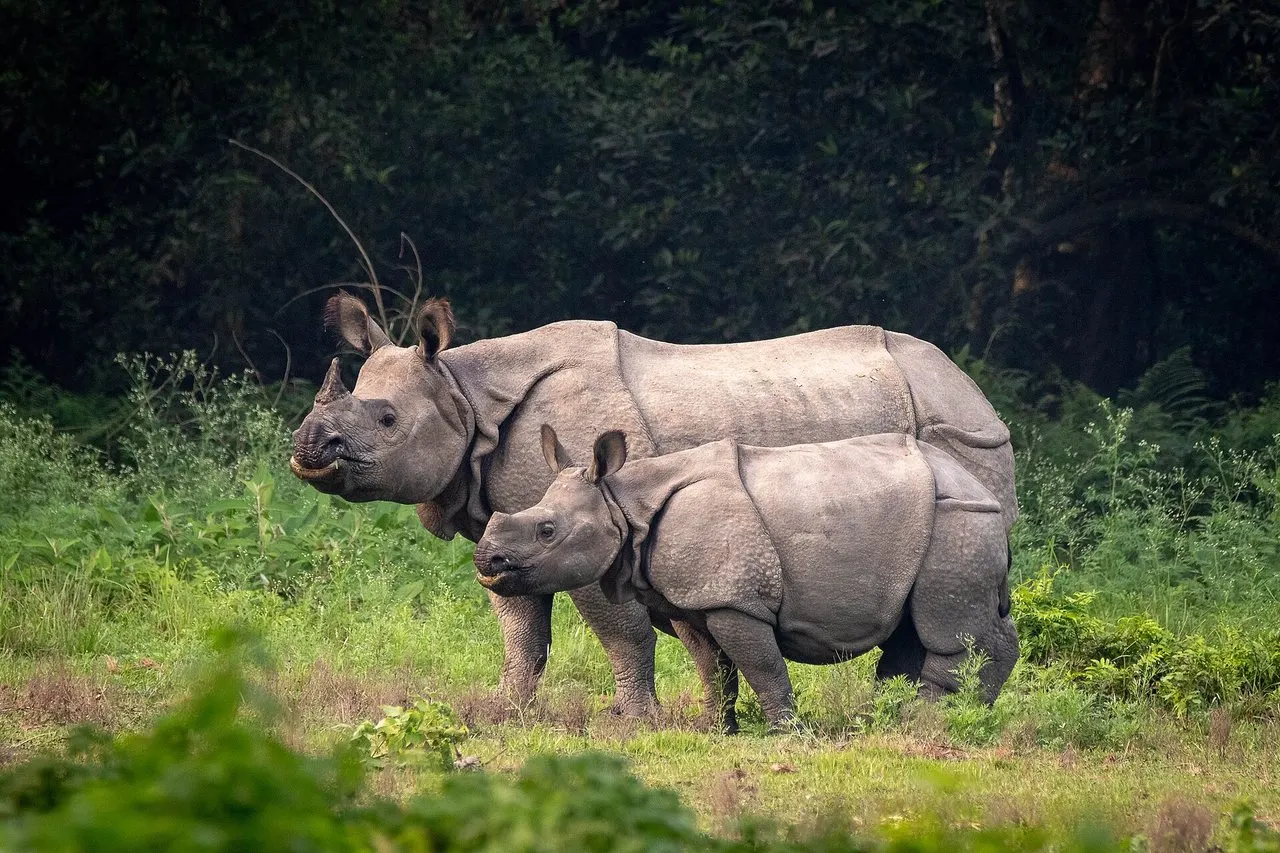
Every calf counts because the wild population is still small, and each birth adds strength to the whole species. Zoos and parks work together across continents, sharing animals and knowledge so the gene pool stays wide and healthy. The calf at Chester Zoo is one more piece of that puzzle, and his life will help rhinos for years to come. New life brings joy everywhere, from a rare orange nurse shark found off Costa Rica to a young woman splitting rent with three roommates building a life of her own.
Meeting the New Arrival at Chester Zoo
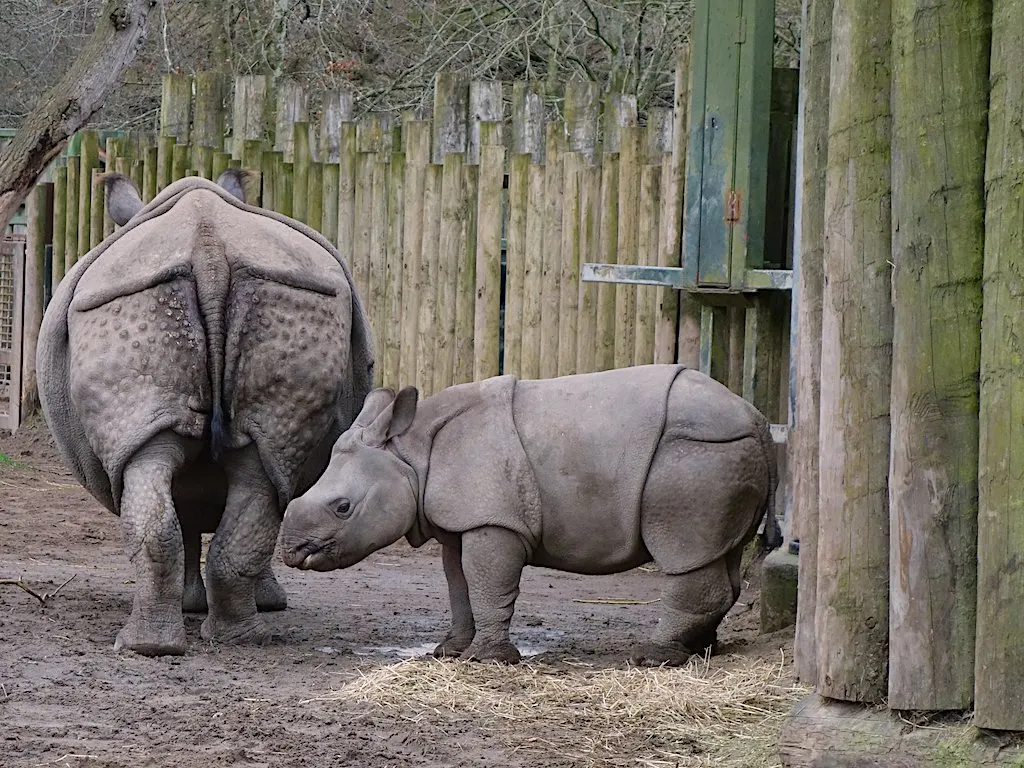
Visitors to Chester Zoo will soon be able to meet the new arrival, and he is sure to be a favourite. Watching a calf explore his enclosure, stay close to his mother and practise his wobbly steps is the kind of memory that stays with families long after they go home. Zoos give people a chance to fall in love with animals they may never see in the wild. Big days draw crowds, from long nights like a gamer who stayed awake 50 hours straight to new arrivals like a jet powered fighter entering service for the first time.
A Baby Rhino Stole Our Hearts, What Do You Think
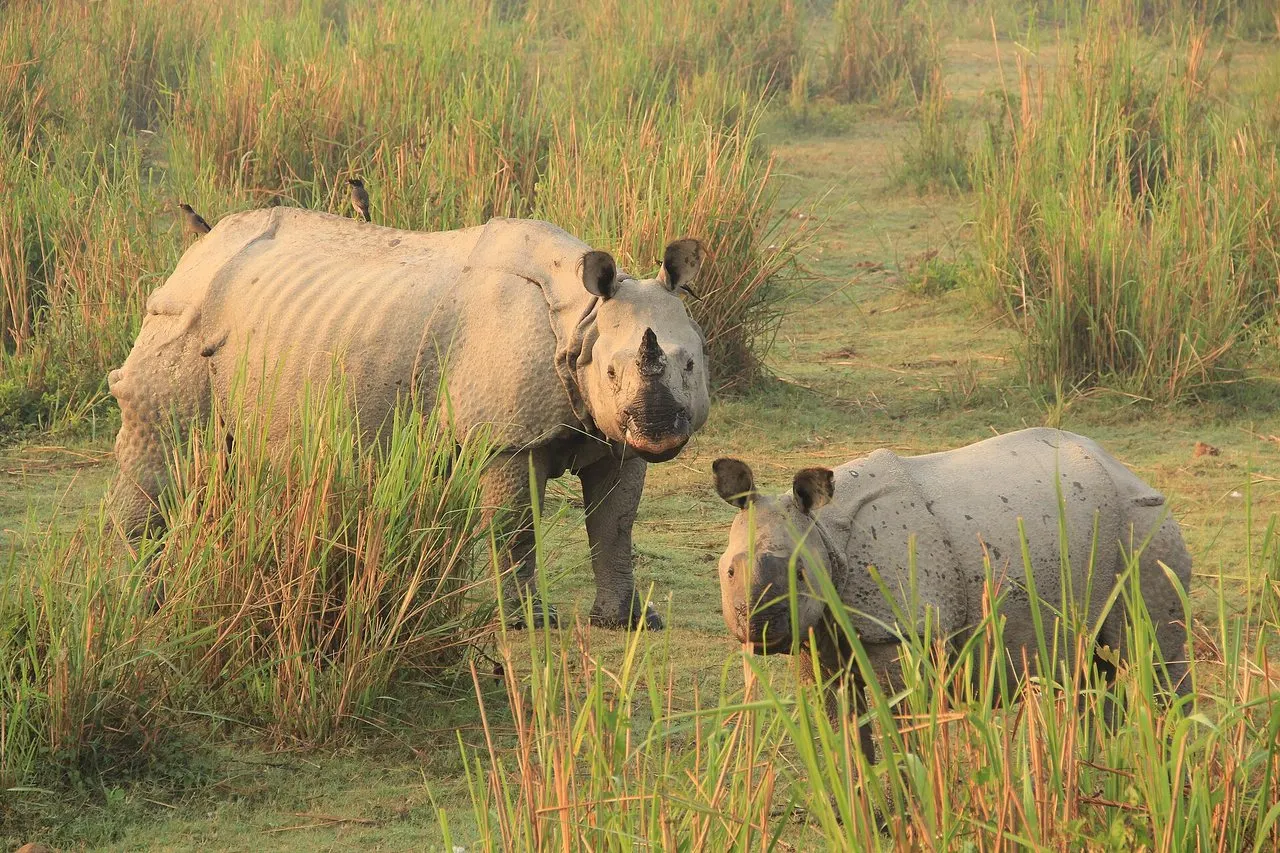
So what do you think of the little calf and his first wobbly steps at Chester Zoo? Did the footage melt your heart the way it melted ours, and will you be planning a visit to see him grow? Tell us in the comments below, share your favourite moment from his first days, and keep reading our animal stories. Daily care keeps him thriving, very different from a robot that its maker says will wash dishes within 18 months, and his nights are calm, nothing like a plastic container opened at 2 AM that sounds louder than fireworks.