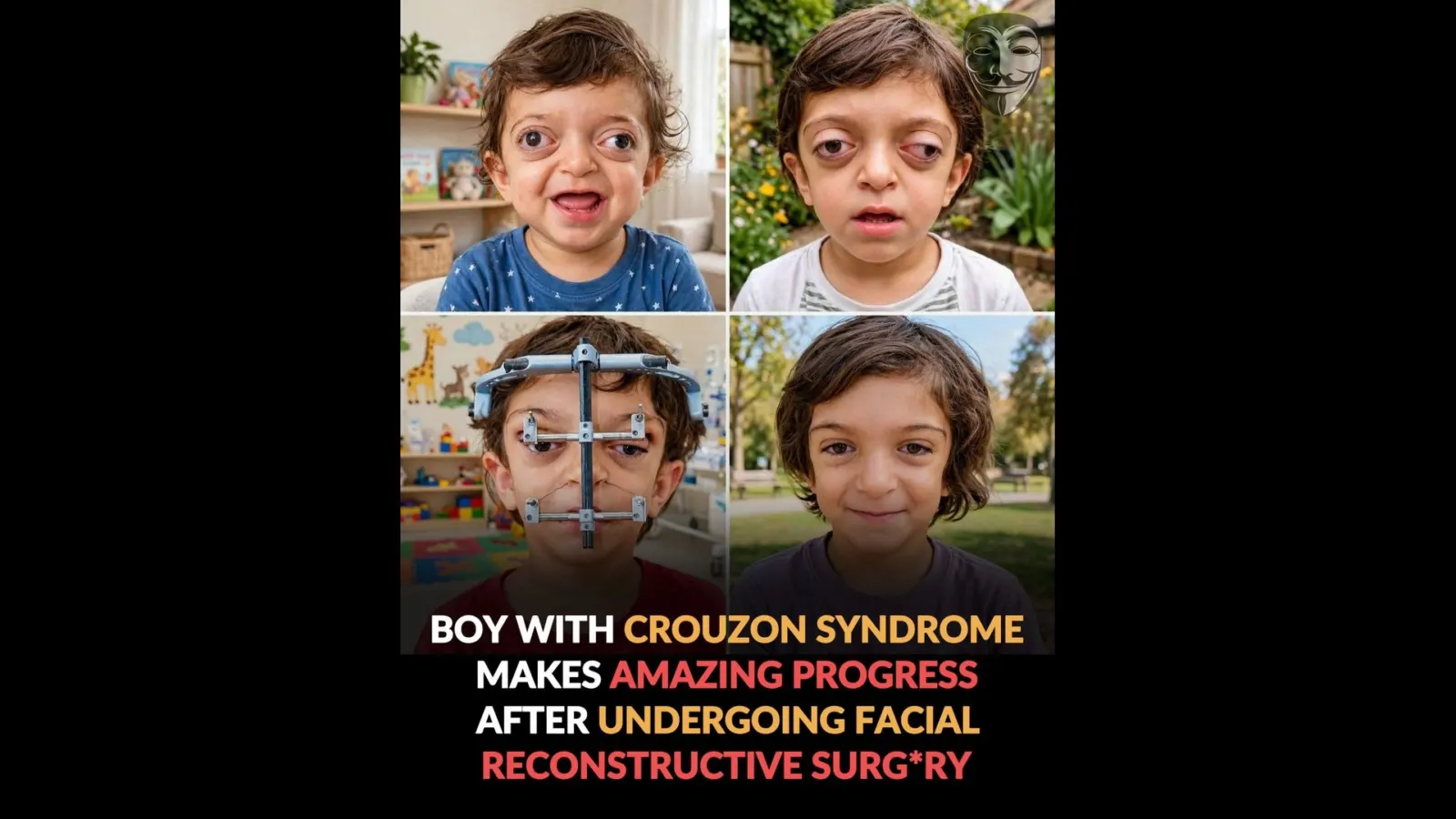
A Boy With Crouzon Syndrome Is Breathing and Smiling Easier
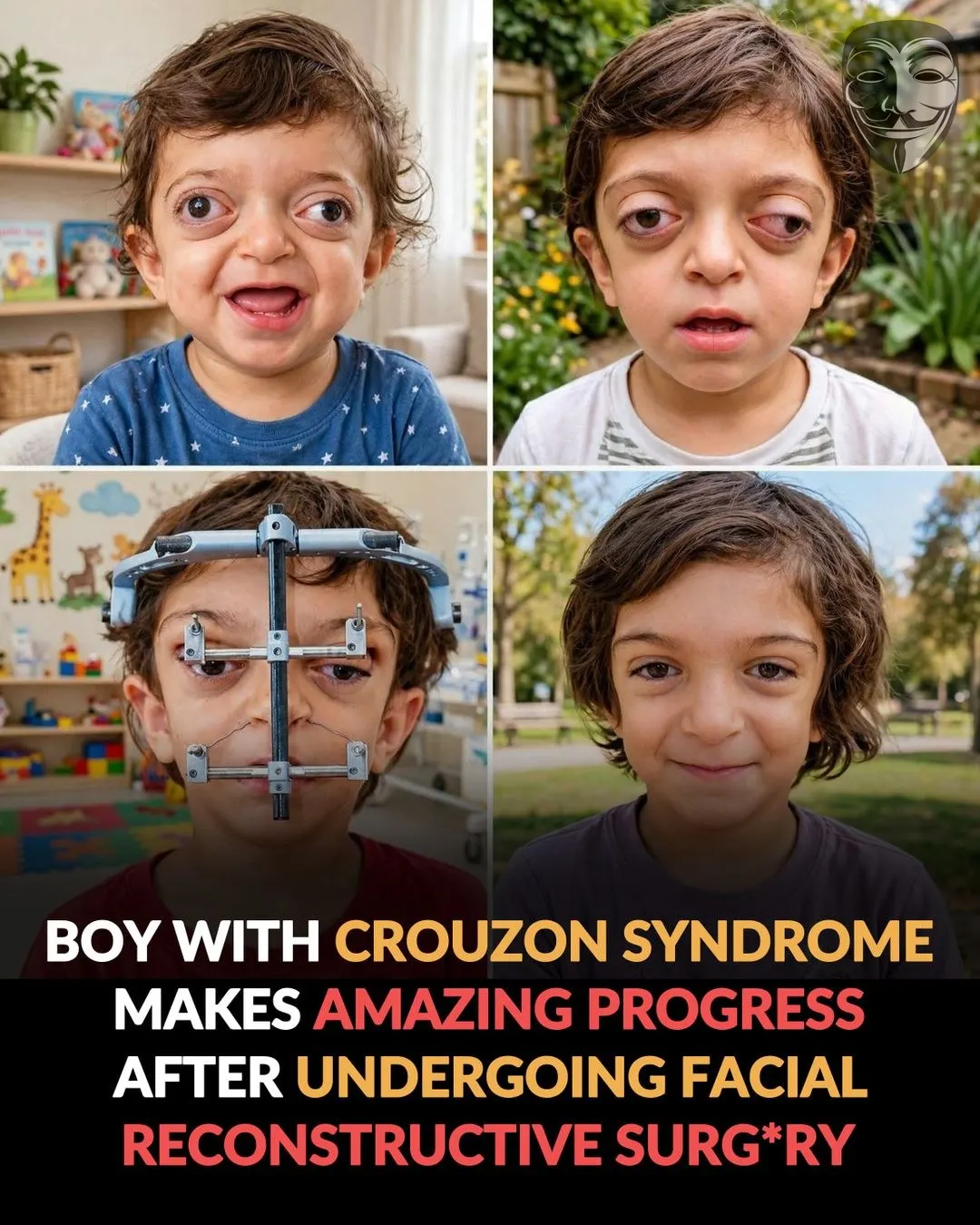
A boy with Crouzon syndrome is breathing and smiling easier after major facial surgery, and his progress has given his family fresh hope. He was born with a rare condition in which the bones of the skull fuse too early and the middle of the face does not grow as it should. Surgeons performed a complex procedure called Le Fort III distraction osteogenesis, fitting a special external frame that slowly moved his midface forward a little at a time so new bone could grow in the gap. The change has opened up his airway and made everyday life gentler.
The treatment can create more space around the eyes, open up the airway and make breathing, eating and speaking easier. Children with Crouzon syndrome often need several operations over the years, and doctors say the slow, gradual movement of the bones gives the face time to heal and grow into its new shape. In the slides ahead we follow his journey step by step, from the first diagnosis to the smile he wears today. You can also read our earlier report on his surgical journey.
References:
Children’s Hospital of Philadelphia: Multisuture Craniosynostosis: Diego’s Story
Seattle Children’s: Crouzon Syndrome
Shriners Children’s: MJ, Born With Crouzon Syndrome, Is Making Great Progress After Major Surg*ry
PubMed: A Case of Improved Obstructive Sleep Apnea by Distraction Osteogenesis for Midface Hypoplasia of an Infantile Crouzon’s Syndrome
How a Boy With Crouzon Syndrome Grows Up Differently
Crouzon syndrome is a rare condition that changes how a baby’s skull and face grow before birth. In most babies the seams of the skull stay open so the brain has room to grow, but here those seams close far too soon. The skull cannot expand in the usual way, and the midface stays small while the rest of the head keeps growing. Doctors often spot the signs early, and families start a long partnership with a care team. See a cancer treatment that uses sound waves.
When the Bones of the Skull Fuse Too Early
Doctors call the closing of the skull seams craniosynostosis, and it is the heart of Crouzon syndrome. When the seams close too soon, the growing brain pushes against bone that will not move, and the head can take on a different shape. The eyes may sit wider apart and seem to bulge, while the upper jaw stays back as the forehead grows forward. A boy with Crouzon syndrome may also have trouble with hearing, vision and sleep. Doctors plan care child by child. See a new pill being tested for pancreatic cancer.
A Boy With Crouzon Syndrome and a Long Road Ahead
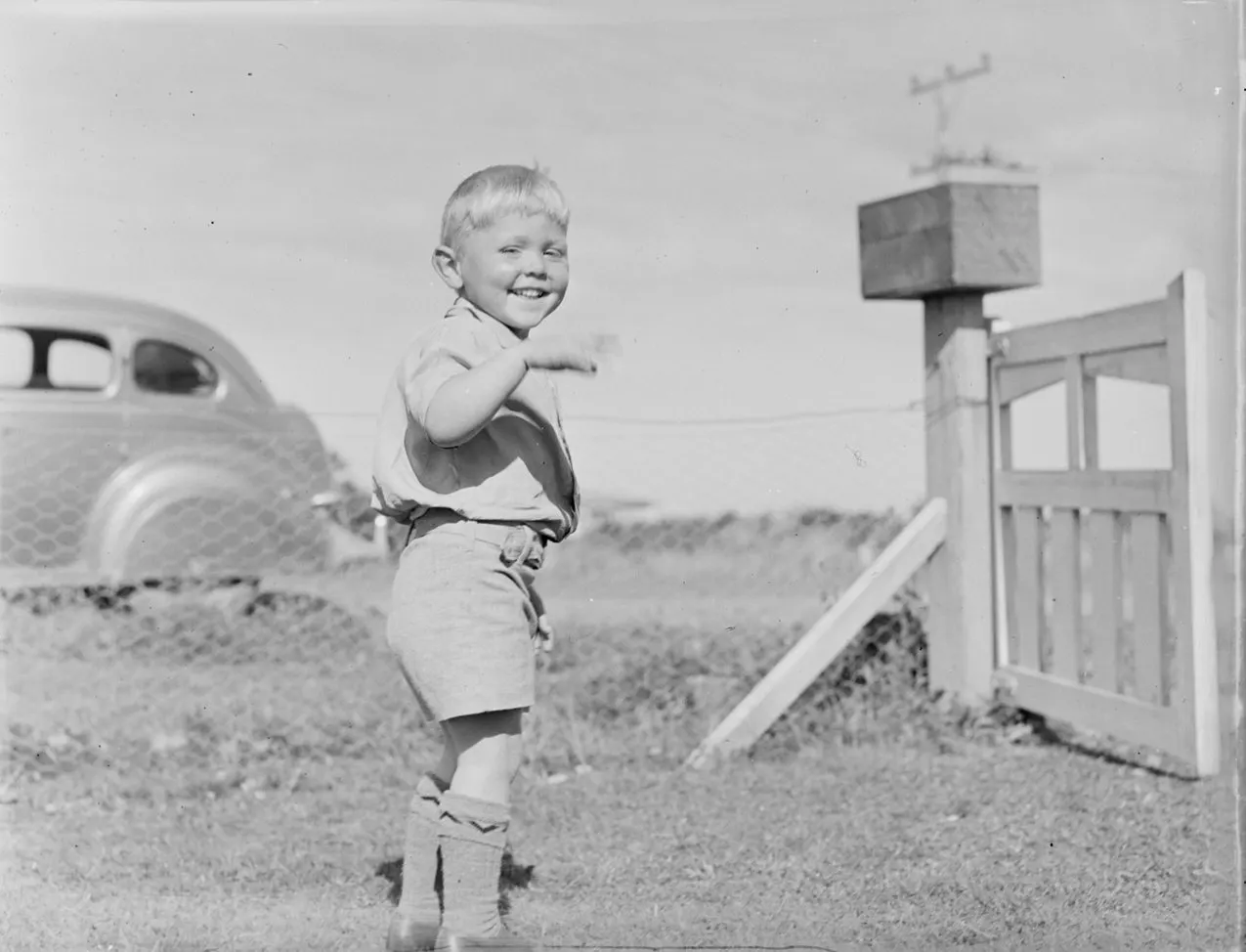
The young boy at the center of this story was born with Crouzon syndrome, and his family learned early that his care would take patience. Photos shared online show him as a small child, then older, wearing a metal frame that slowly moved his midface forward. Each picture marks a step in a journey that took years, not weeks. His family kept going to appointments, kept asking questions and kept believing that better days were ahead. Read the photos that trace his surgical journey.
The Operation That Helps a Boy With Crouzon Syndrome
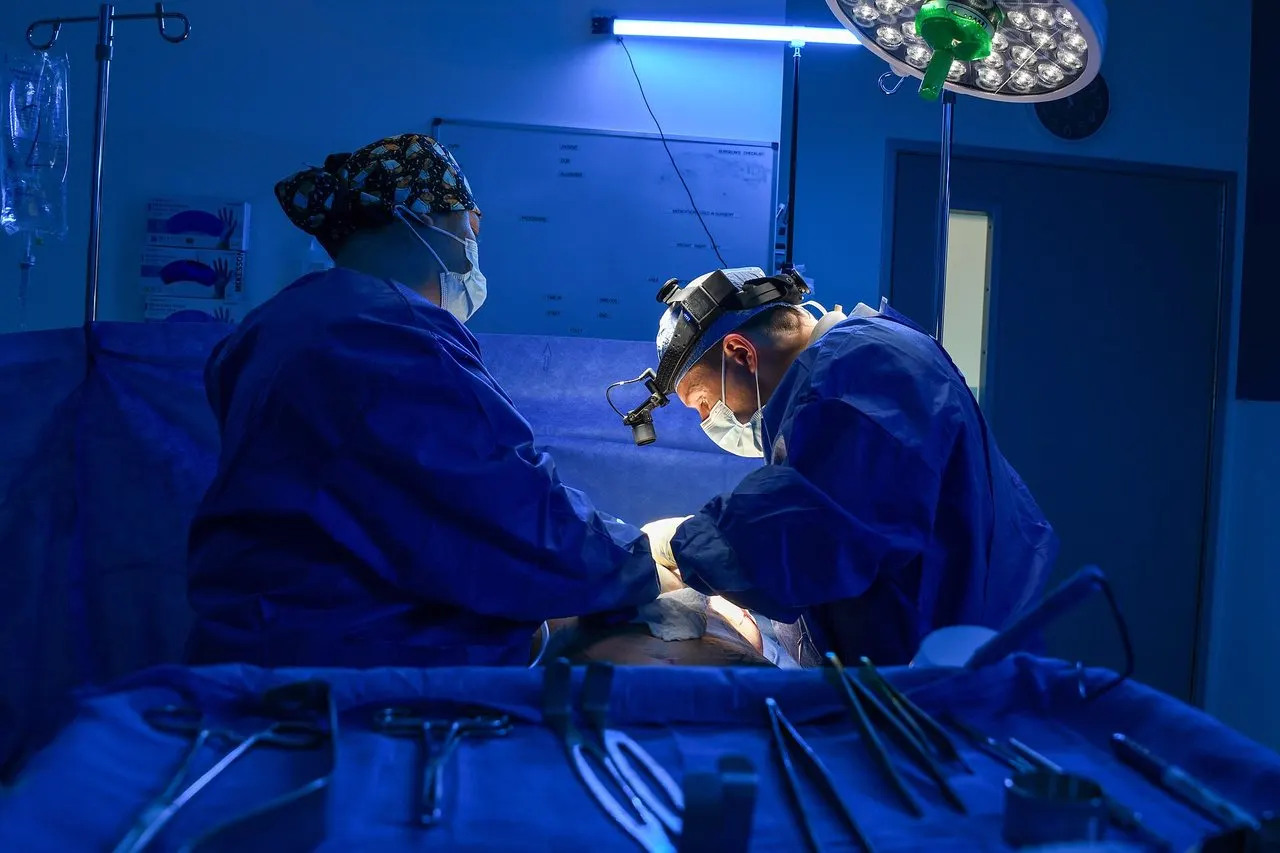
The operation is called Le Fort III distraction osteogenesis, and it is as careful as it sounds. Surgeons cut the bones of the midface in a planned pattern, then fit a special external frame that holds everything in place. Over days and weeks the frame is turned a tiny amount at a time, moving the midface forward bit by bit. The slow pace matters, because it lets new bone grow in the gap as the face moves. See an implant that helps the body make insulin.
The Special Frame That Works a Little at a Time
The external frame looks strange at first, a light metal halo fixed to the skull with small pins and rods that reach the midface. It is the heart of the treatment, because it holds the bones steady and moves them on a strict schedule. Parents learn how to turn the small screws a set amount each day, and the care team checks the progress often. The frame stays on for weeks while the new bone forms and hardens. Read about a cancer treatment that uses sound waves.
How New Bone Grows in the Gap
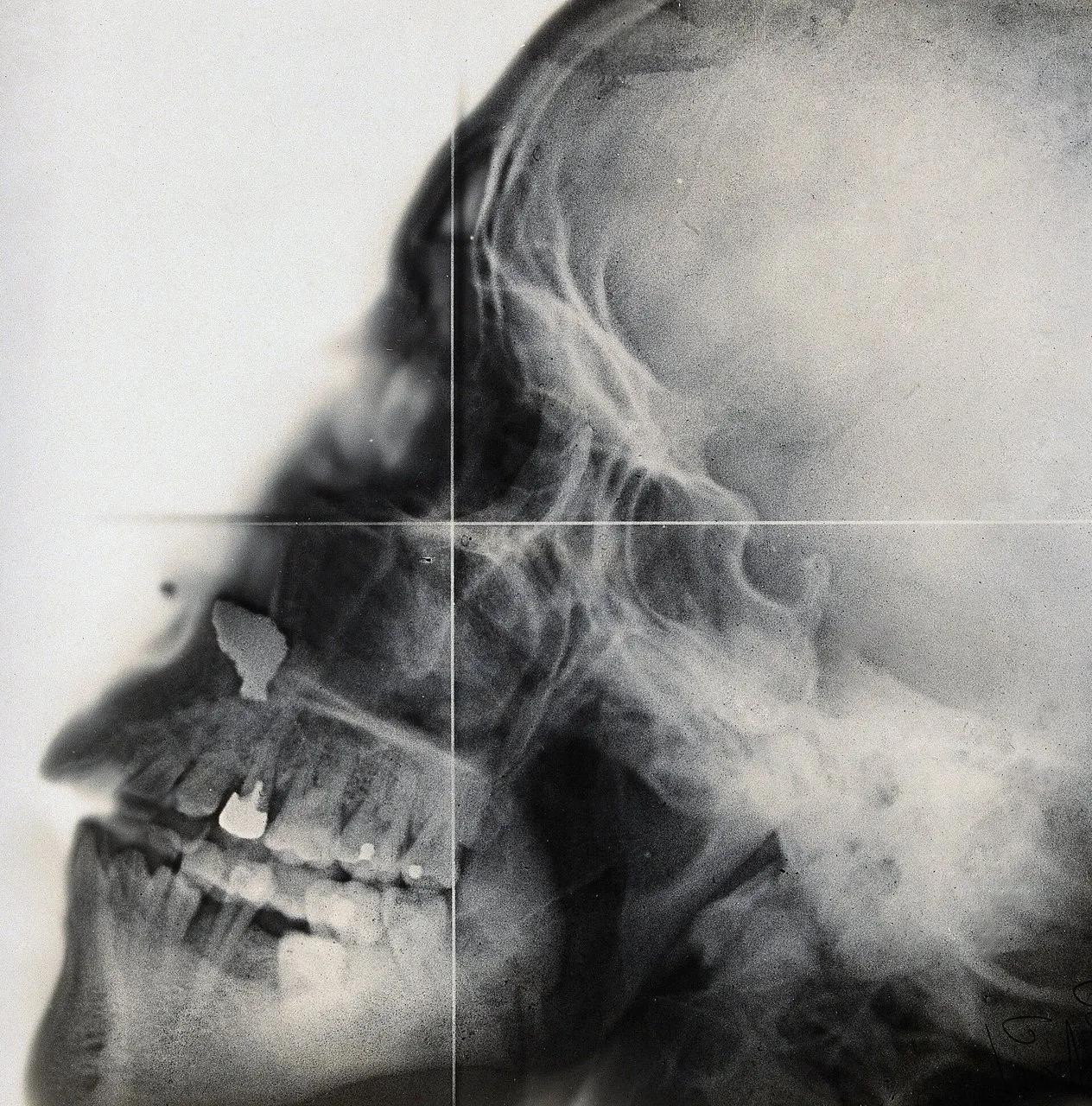
When bone is pulled apart very slowly, the body answers by filling the gap with fresh bone. That is the simple idea behind distraction osteogenesis, and it is why the frame moves only a fraction of an inch each day. Soft tissue, blood vessels and nerves stretch along with the bone, so the whole face adapts together. Doctors watch the growth with scans and checkups, and they adjust the plan when the face needs more time. See a new pill being tested for pancreatic cancer.
A Boy With Crouzon Syndrome Breathes Easier at Night

A small midface can crowd the airway, and many children with Crouzon syndrome struggle to breathe well, above all while they sleep. The nose and throat passages stay narrow, and the tongue may sit further back than usual. Moving the midface forward opens up that space, so air can flow more freely day and night. Parents often notice the change first at bedtime, when breathing grows quieter and sleep grows deeper. Read our report on the same surgical journey.
More Room Around the Eyes
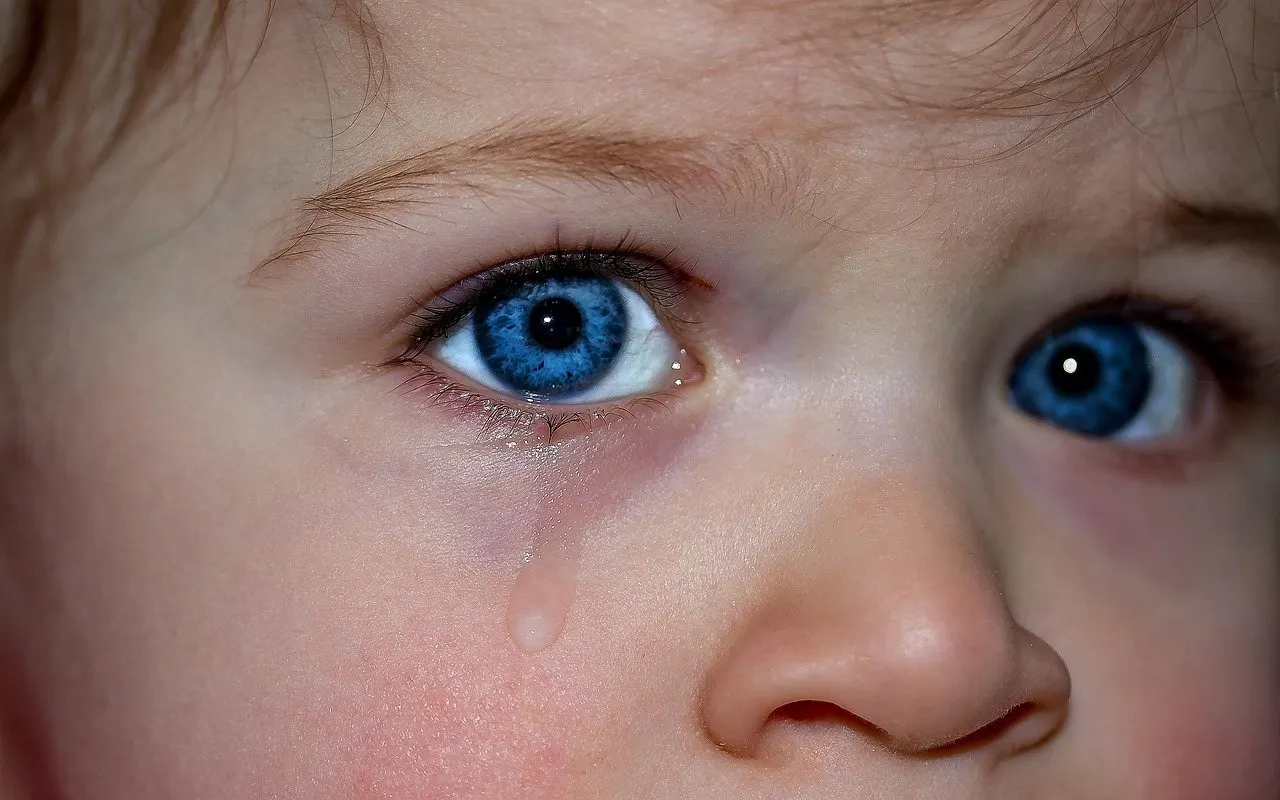
The eyes tell much of the story of Crouzon syndrome, because shallow eye sockets leave them less protected than usual. Children may have eyes that seem to bulge, and they can struggle to close them fully, which dries the surface and risks harm. Creating more space around the eyes is one of the main aims of the surgery, and it can ease strain and protect vision. Eye doctors stay part of the care team for years after the operation. See a son saying goodbye to his father.
How a Boy With Crouzon Syndrome Eats and Speaks Easier

A midface that sits too far back can make chewing, swallowing and speaking hard work. The upper jaw shapes the roof of the mouth, so when it is small the teeth may not meet and words may come out less clearly. Moving the jaw forward can open the mouth, line up the bite and give the tongue more room to shape sounds. Speech therapy often follows, and children practice new sounds with a therapist they know well. Read a 22-year-old whose story moved many readers.
Why a Boy With Crouzon Syndrome Needs More Than One Operation
One operation rarely finishes the job, because a child with Crouzon syndrome keeps growing and the face changes with age. Surgeons often plan a series of steps across childhood and the teenage years, each one timed to the way the bones are growing. Some steps ease pressure on the brain, some reshape the skull, and some move the midface forward. Families learn to think in stages, and each stage brings its own recovery and its own progress. See a golden retriever who followed a camera.
Healing Slowly and Growing Into a New Shape

Slow healing is the quiet hero of this story, because the body needs time to turn a moved bone into a strong one. After the frame comes off, the new bone keeps hardening for months while the face settles into its new shape. Children rest, eat well and return for checkups while the care team watches every change. Parents often say the waiting is the hardest part, and also the part that makes the result last. Read Emma Watson and a pledge signed by film workers.
Diego’s Story at Children’s Hospital of Philadelphia
Children’s Hospital of Philadelphia shares the story of Diego, a child living with multisuture craniosynostosis, where several seams of the skull close early. His story is one of the references for this article, and it shows how one hospital team walks with a family through scans, surgery and recovery. Like many children with craniosynostosis, Diego needed care for the brain, the eyes and the shape of the skull together. His family found help close to home. See a father who chose to raise his son with Down syndrome.
What Care Looks Like for a Boy With Crouzon Syndrome
Seattle Children’s explains Crouzon syndrome as a condition that affects the skull and face from birth, and its care pages guide families through what to expect. The hospital describes a team that may include surgeons, eye doctors, ear doctors, speech therapists and dentists, all working from one plan. Families learn how the condition is found, how it is watched over time and when surgery can help. Clear facts like these help parents ask better questions. Read a rare orange shark found off Costa Rica.
A Published Case on Sleep Apnea and the Same Operation

A case report in PubMed describes an infant with Crouzon syndrome whose blocked sleep breathing improved after distraction osteogenesis for a small midface. Sleep apnea, the pauses in breathing during sleep, is common when the airway is narrow, and it can tire a child and slow growth. The report adds weight to what surgeons see in the clinic, that moving the midface forward can open the airway and ease sleep. One small case can guide care for many. See Patricia Heaton on gratitude after an election.
MJ, a Teenager From Jamaica Who Found Care in Ohio
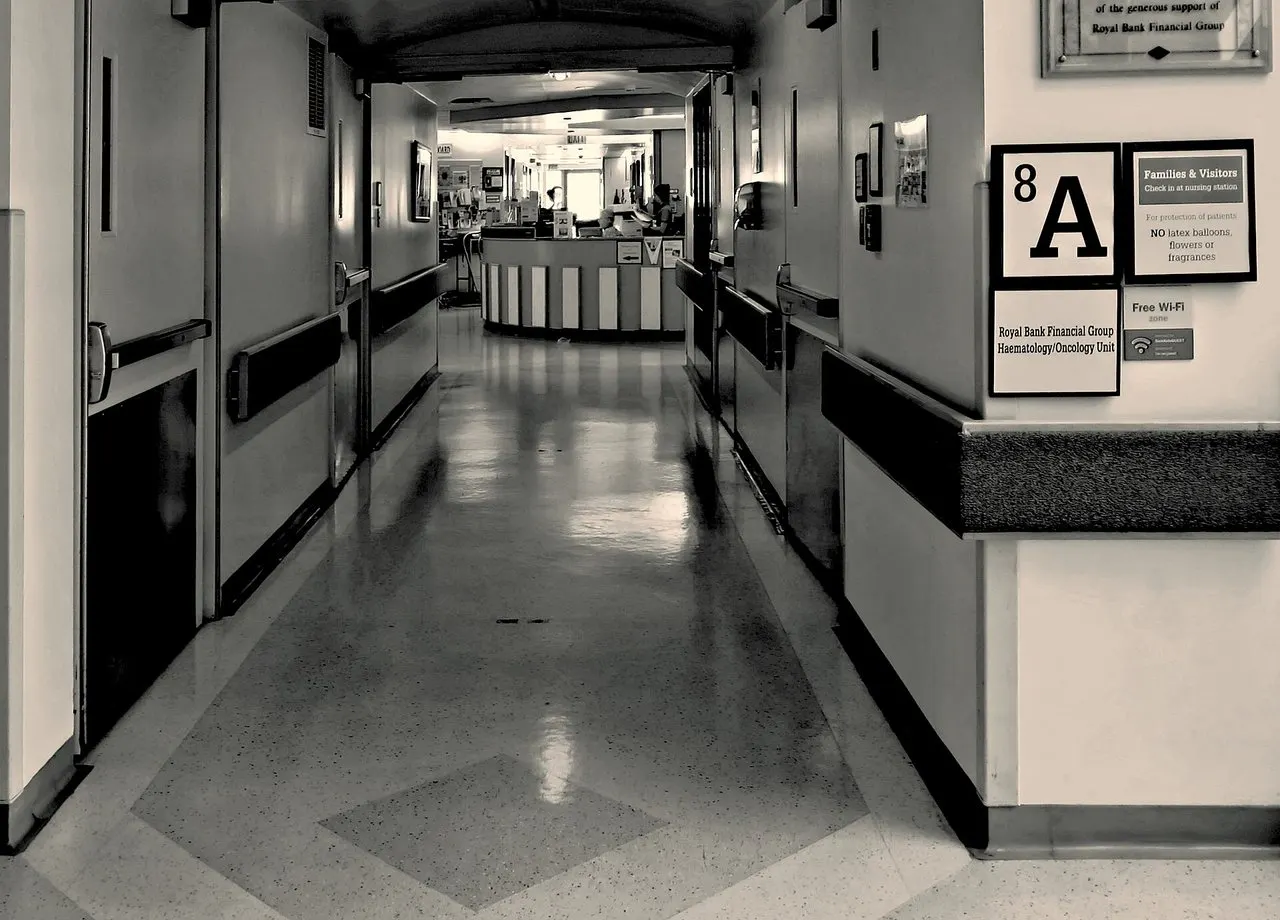
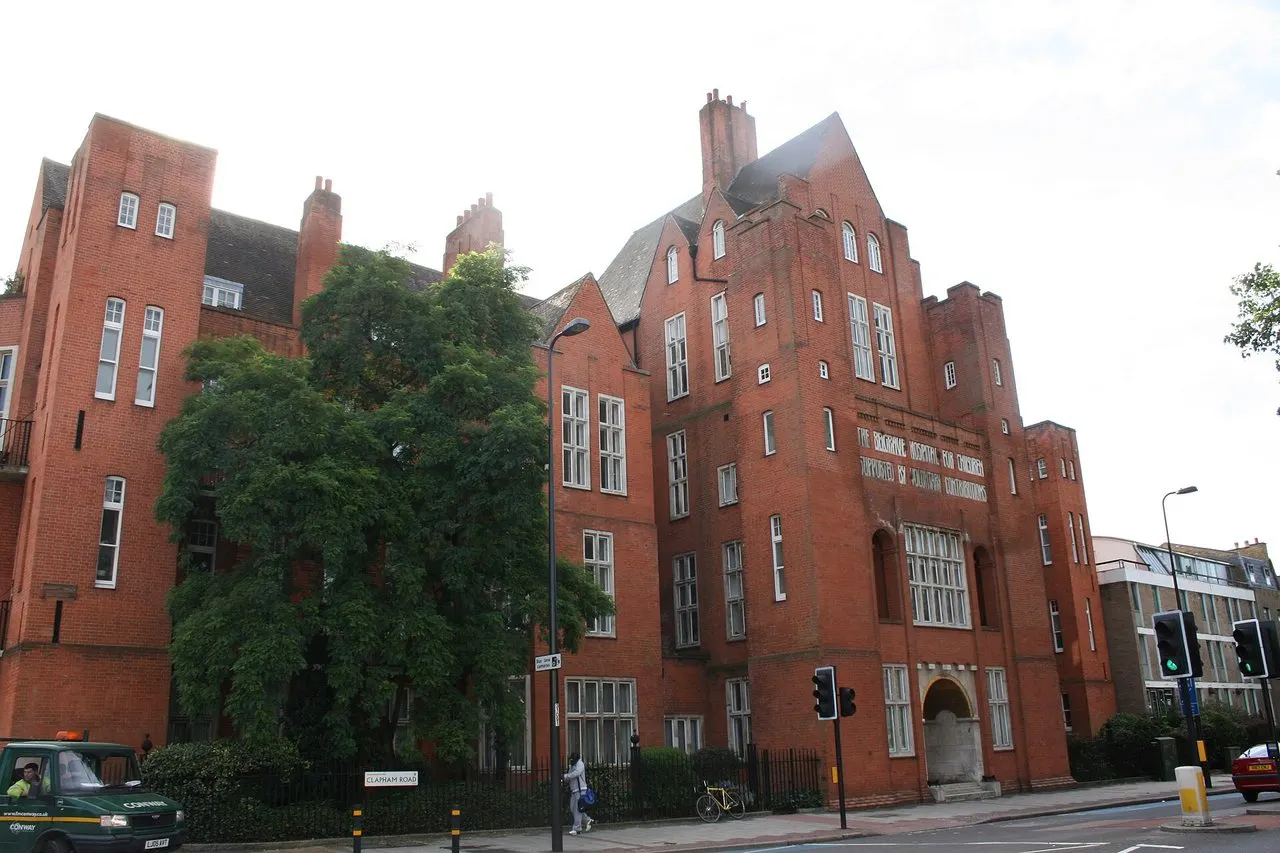
Shriners Children’s tells the story of MJ, a teenager from Jamaica who came to Ohio for care with Shriners Children’s and Dayton Children’s Hospital. He was born with Crouzon syndrome, and pressure on his brain had left his eyes bulging, made walking hard and slowed his thinking. In January 2024 surgeons operated to ease the pressure on his brain, and more operations followed to reshape his skull. His family stayed nearby at the Ronald McDonald House. Read a father and daughter who shared two graduations.
A Boy With Crouzon Syndrome Learns to Run Again
Only a few months after surgery, MJ was running down the hospital hallway, high fiving the staff who cheered him on. It was the first time in several years he had managed a run without falling. He told his doctor that his brain was working better, and that where he once could think of one thing at a time, he could now think of many things. His walking grew steadier, his words grew clearer, and his smile grew wider with every visit. See Bruno Mars and his dad.
The Team Around One Child

No single doctor can carry a case like this alone, and MJ saw a long list of specialists, from speech therapy and physical therapy to ear, nose and throat care, audiology, eye care and sleep clinics. A plastic surgeon and a brain surgeon worked side by side, and dietitians and radiology staff filled in the rest of the picture. The two hospitals call it one team, and families feel the difference when every visit builds on the last. Read a life remembered at 86.
A Boy With Crouzon Syndrome Finds His Smile
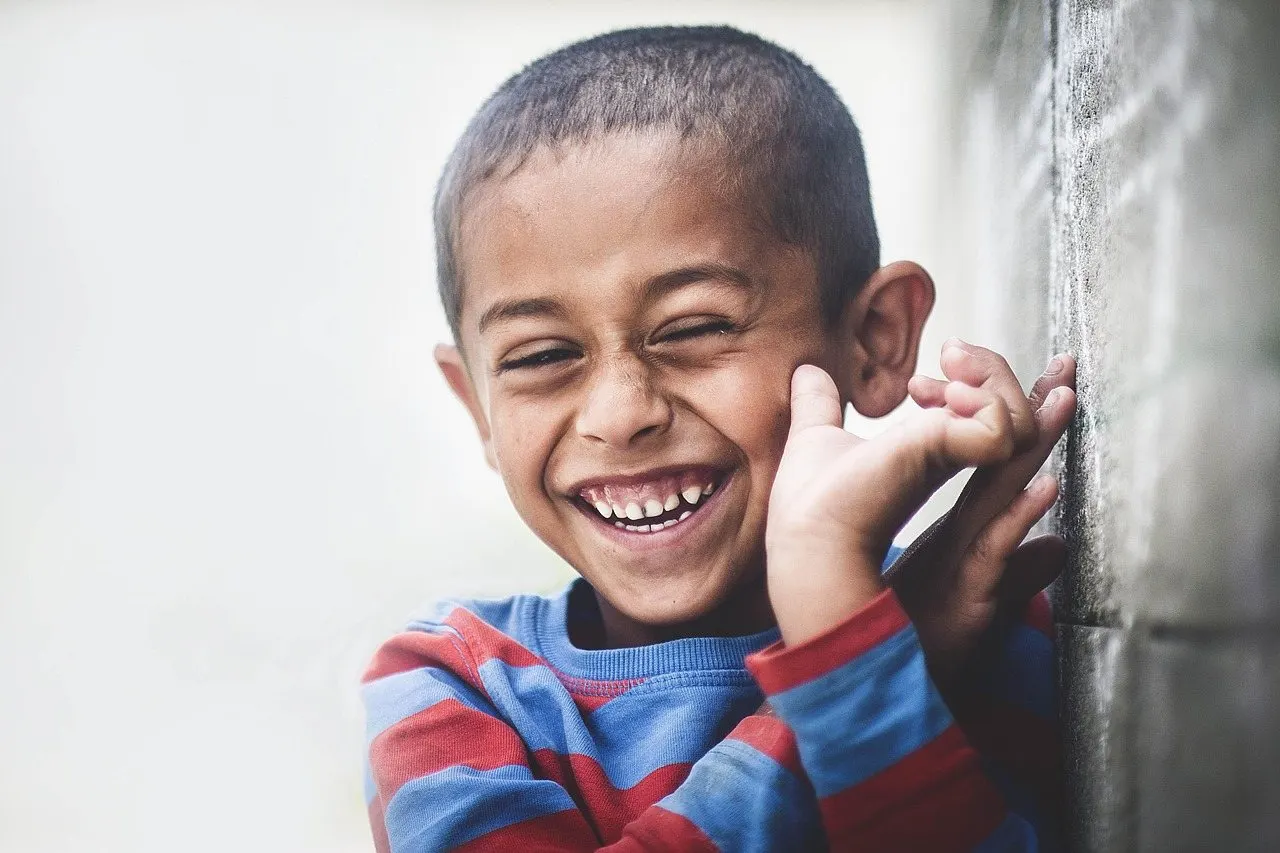
The smile is what people notice first in the latest photos, a wide and easy grin that was hard to see in the early pictures. Surgery cannot change who a child is, but it can take away pain, open the airway and let a face move the way it should. For this boy, smiling easier means eating easier, breathing easier and joining in with friends. His family says the change is not only in his face but in his whole day. See Maru the golden retriever.
How Surgeons Plan Such a Complex Operation
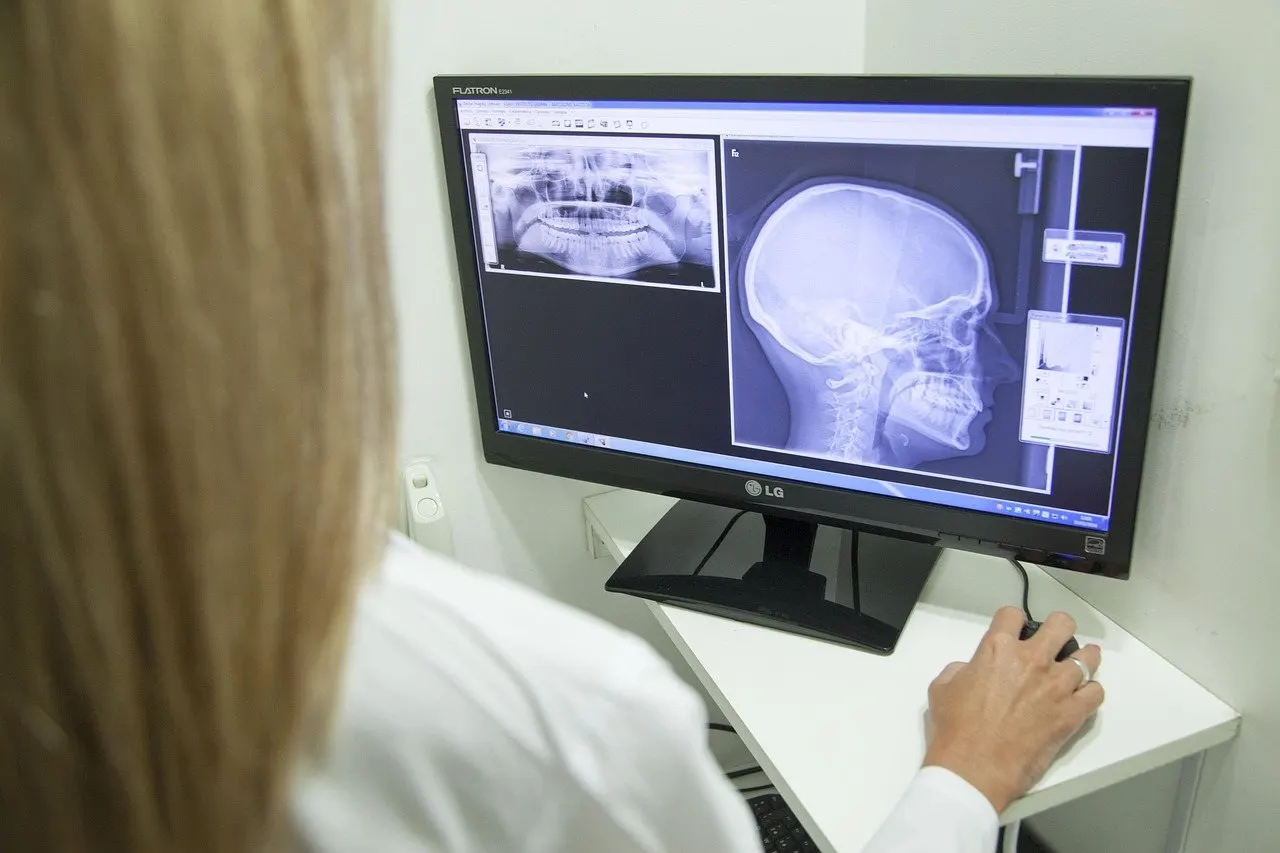
Before any cut is made, surgeons study scans of the skull and plan exactly where the bone should move. They measure the airway, the eye sockets and the bite, and they talk through each step with the care team. Families get a plain picture of what will happen, how long the frame will stay on and what recovery looks like. Good planning keeps a long operation safe and gives the child the best chance of a smooth result. Read Emma Watson and a pledge signed by film workers.
Families Lean on Each Other
Families who have walked this road before are often the best guides for the ones just starting out. They share tips on hospital stays, on turning the frame screws, on school notes and on the small wins that keep everyone going. A boy with Crouzon syndrome does better when his family feels steady, and steady families often come from knowing they are not alone. Support groups, hospital social workers and other parents all play a part. See John Travolta and the role he has chased for years.
Research That Keeps Moving Forward
Doctors keep learning more about why Crouzon syndrome happens, and much of the answer sits in a gene called FGFR, which helps guide how bones and the brain develop. Knowing the cause helps teams spot problems sooner and plan treatment earlier in a child’s life. New tools for imaging, planning and surgery arrive every year, and each one makes the next operation a little safer. Research moves slowly, but for these families every step counts. Read a court case that divided a community.
A Boy With Crouzon Syndrome Looks Ahead

The road is not finished, and more checkups and perhaps more operations lie ahead as he grows. But the progress so far is real, and it shows in the way he breathes, eats, speaks and smiles. His family looks ahead with hope rather than fear, and his doctors keep watching his growth with care. Stories like his remind us that slow, patient medicine can change a life one small turn of a frame at a time. See signs it is time for a new season in life.
What Gives You Hope in This Story?

This boy’s journey began with a hard diagnosis and a long list of operations, yet today he is breathing easier, smiling wider and running further than before. His story shows what can happen when skilled surgeons, a steady family and a patient child work together over years. If this story moved you, share your thoughts below. What would you say to his family, and what gives you hope when a child faces a long road? Read a young woman who survived a terrible crash.