Astigmatism Night Driving Turns Every Headlight Into a Starburst
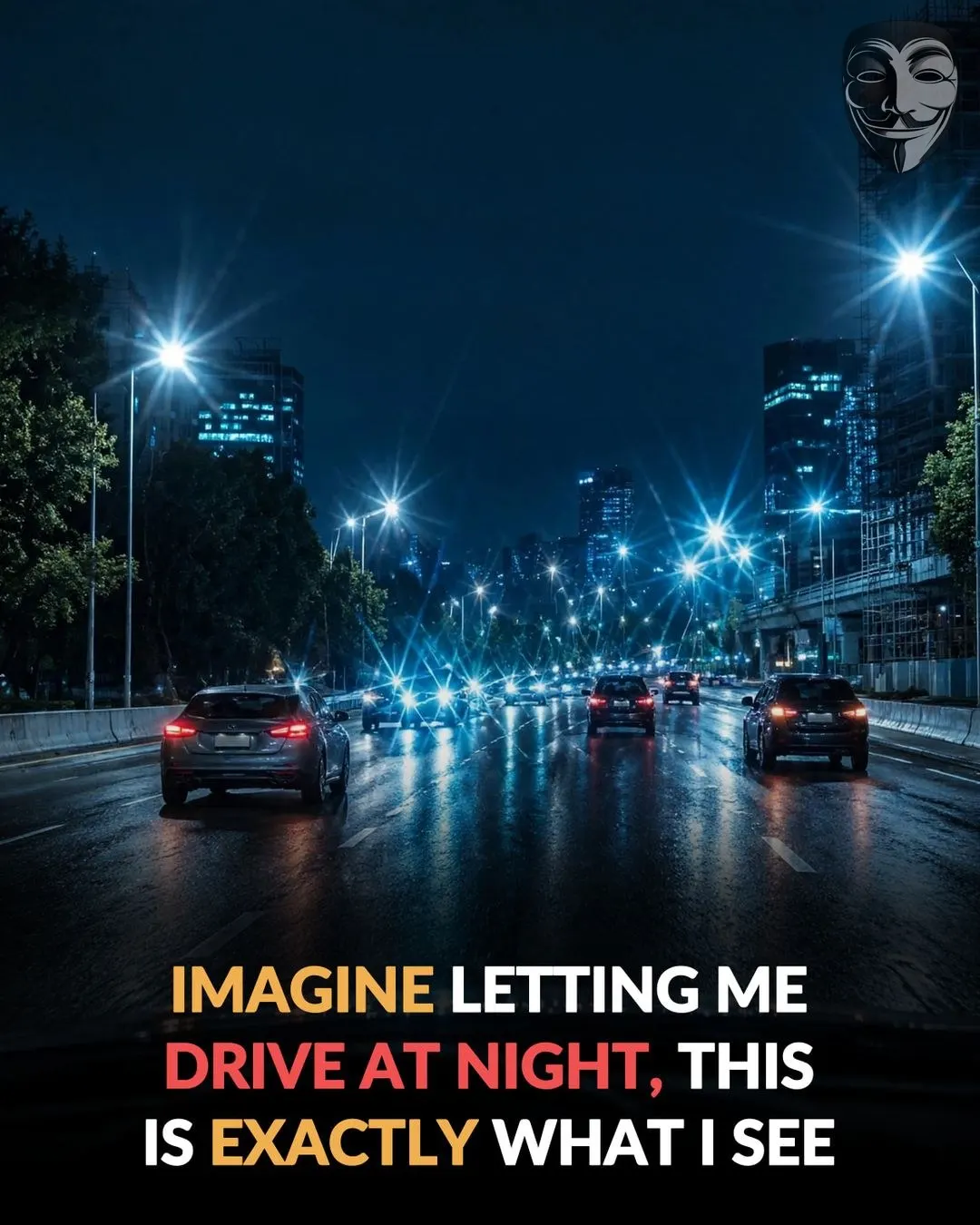
Astigmatism night driving turns every headlight into a blinding starburst, and for some drivers that is what the road looks like after dark. Every streetlight and headlight stretches into bright rays, and the glare can make a normal trip feel stressful. Eye experts say the effect is often linked to astigmatism, where an uneven curve in the eye bends light in different directions. After dark the pupil opens wider and lets in more unfocused light.
Glare can make it hard to judge distances and read lane markings, especially in rain, so eye doctors suggest a clean windshield, slower speeds, and an eye exam if the starbursts keep showing up. Glasses or contact lenses made for astigmatism can bend the light back into focus and make the night road look much clearer. In the slides ahead we look at why the stars appear and what helps most. For more, read our story on the trucker who boxed in a car to save a toddler and our look at a bright supermoon over snowy mountains.
References:
Warby Parker: Astigmatism Night Driving Symptoms and Tips
Acuvue: How astigmatism affects your vision when driving at night
UW Medicine: Why Astigmatism Makes Lights Look Weird at Night
Ubie Health: Seeing Starbursts Why Your Eye Blurs Light and Medically Proven Next Steps
What Astigmatism Night Driving Looks Like on a Wet Road
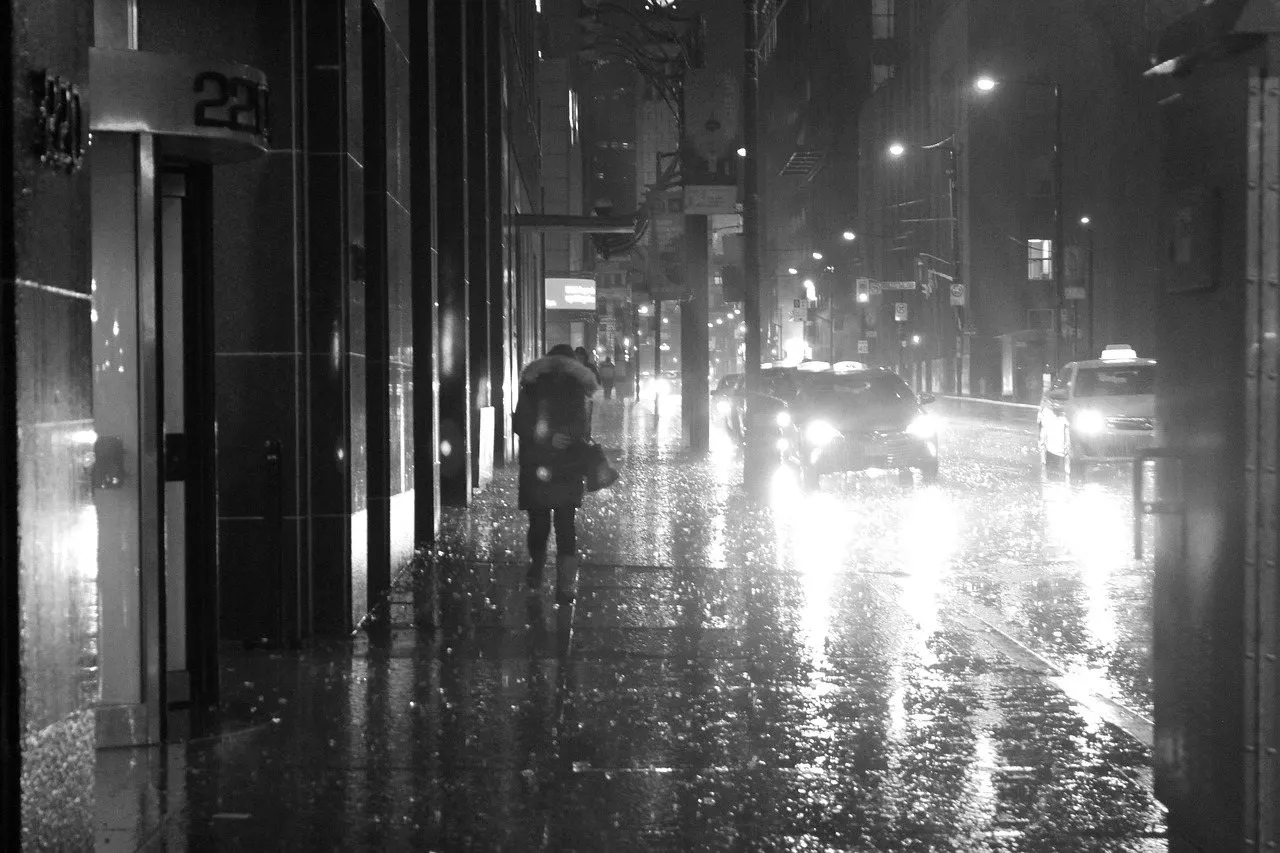
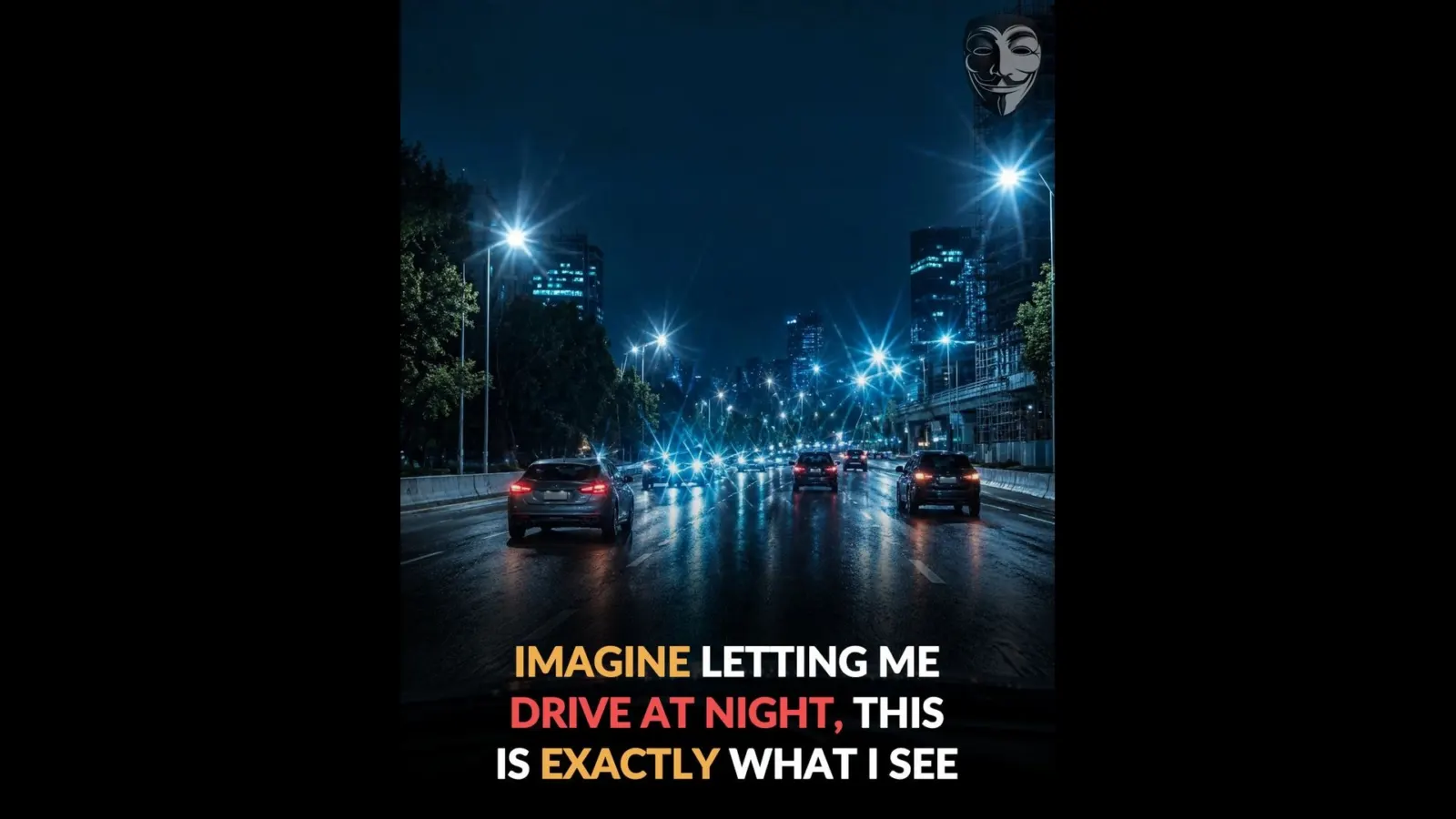
For some drivers, night driving looks exactly like the photo on our post, with every light stretching into a starburst across wet asphalt. The original caption said it simply, night drive struggles, and many readers recognized the view at once. Rain adds another layer, because water on the road bounces light back toward the driver and spreads each glow even wider. The result can feel like driving through a field of small bright suns. Read about one father who kept going for his son.
Astigmatism Night Driving Starts With the Shape of the Eye
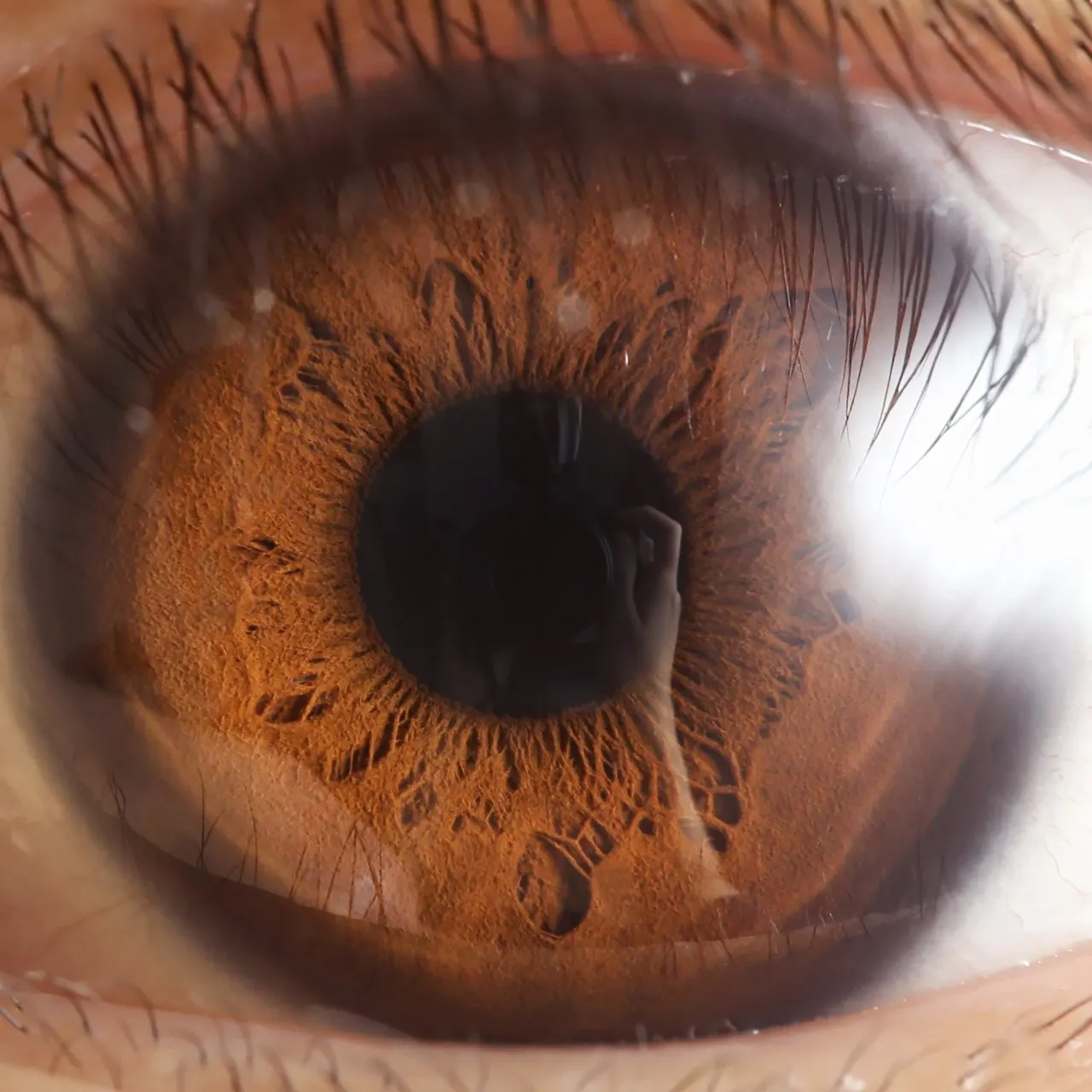
Astigmatism happens when the front of the eye, the cornea, is not shaped like a smooth ball but curves more in one direction than the other. That uneven curve bends incoming light in different directions, so the eye cannot bring it to one sharp point on the retina. Instead of a clean dot, a headlight becomes a streak or a star. Many people are born with this shape and never know it until a night drive shows the signs. Learn how rest helps a healthy workplace.
Why Astigmatism Night Driving Gets Worse After Dark
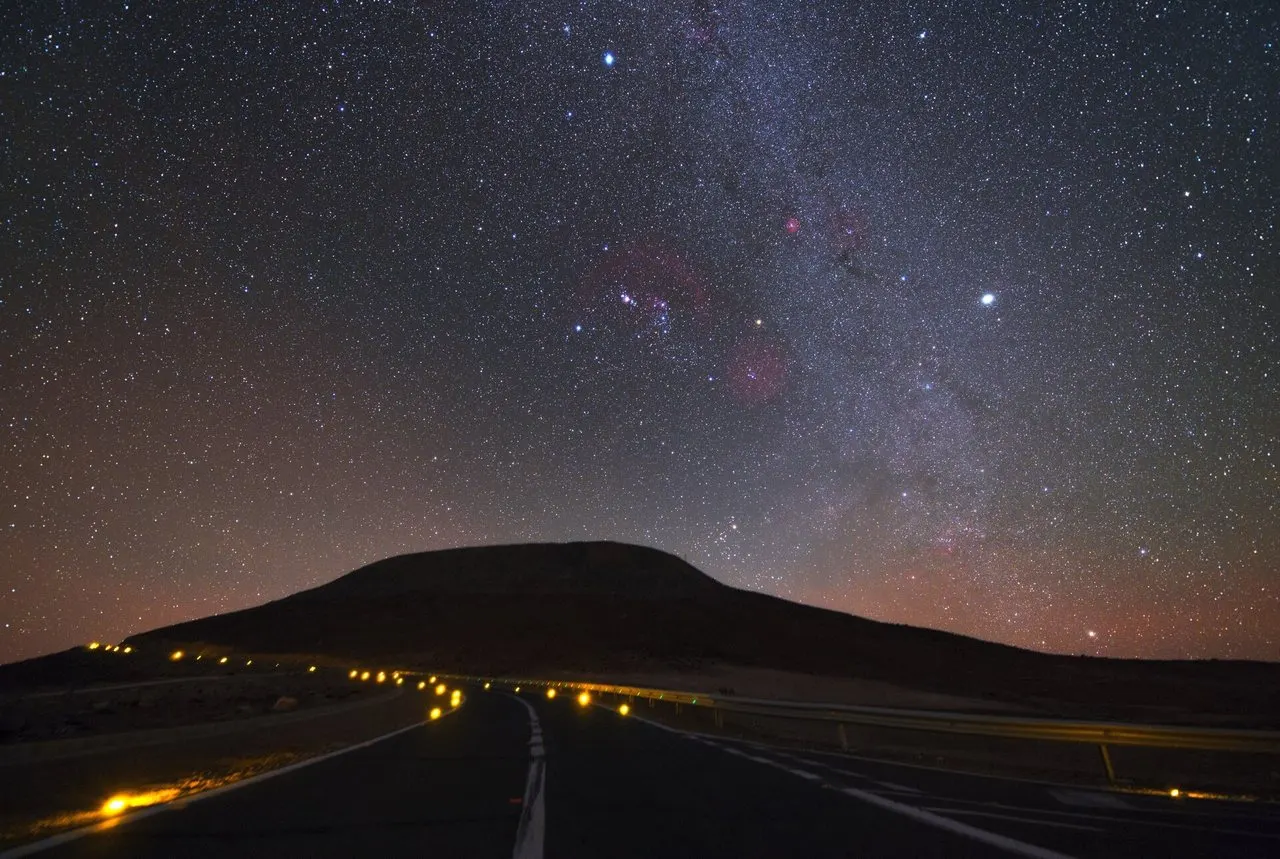
Daylight keeps the pupil small, so only the center of the eye gathers light and the image stays fairly sharp. After dark, the pupil opens wide to let in more light, and the wider opening lets in more of the bent, unfocused rays from the edges of the cornea. That is why headlights that look fine in the evening can turn into starbursts later at night. The change is normal eye biology, not a sign that the driver did something wrong. See what a calm life looks like for one family.
Rain Turns Every Light Into a Bigger Glow
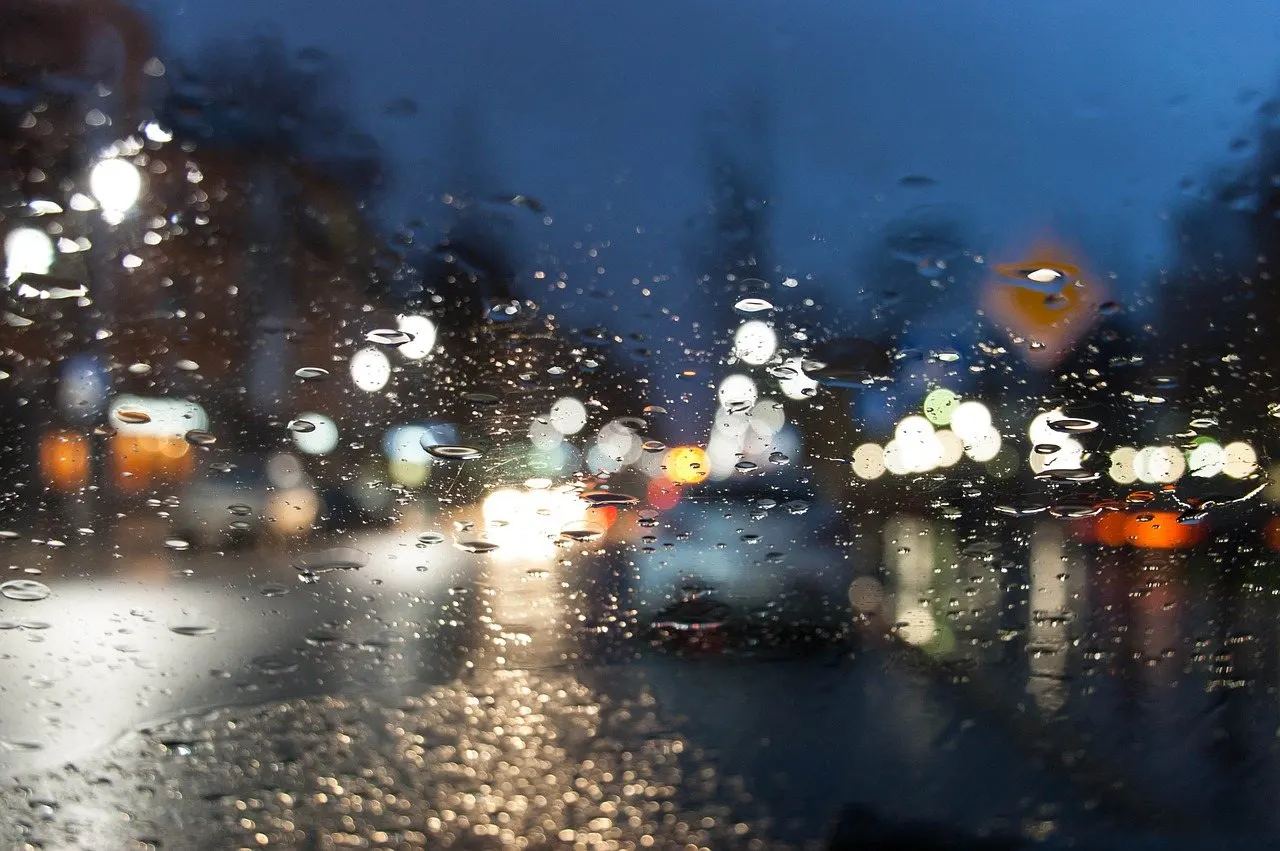
Rain makes the starburst effect stronger in two ways. Drops on the windshield scatter light before it even reaches the eye, and water on the road acts like a mirror that throws each headlight back up as a long bright streak. Together they can hide lane markings and make it hard to tell where the road ends and the sidewalk begins. Drivers with astigmatism often say rainy nights are the hardest drives of all. Read how one singer found his way back to family.
Astigmatism Night Driving Makes Distances Hard to Judge
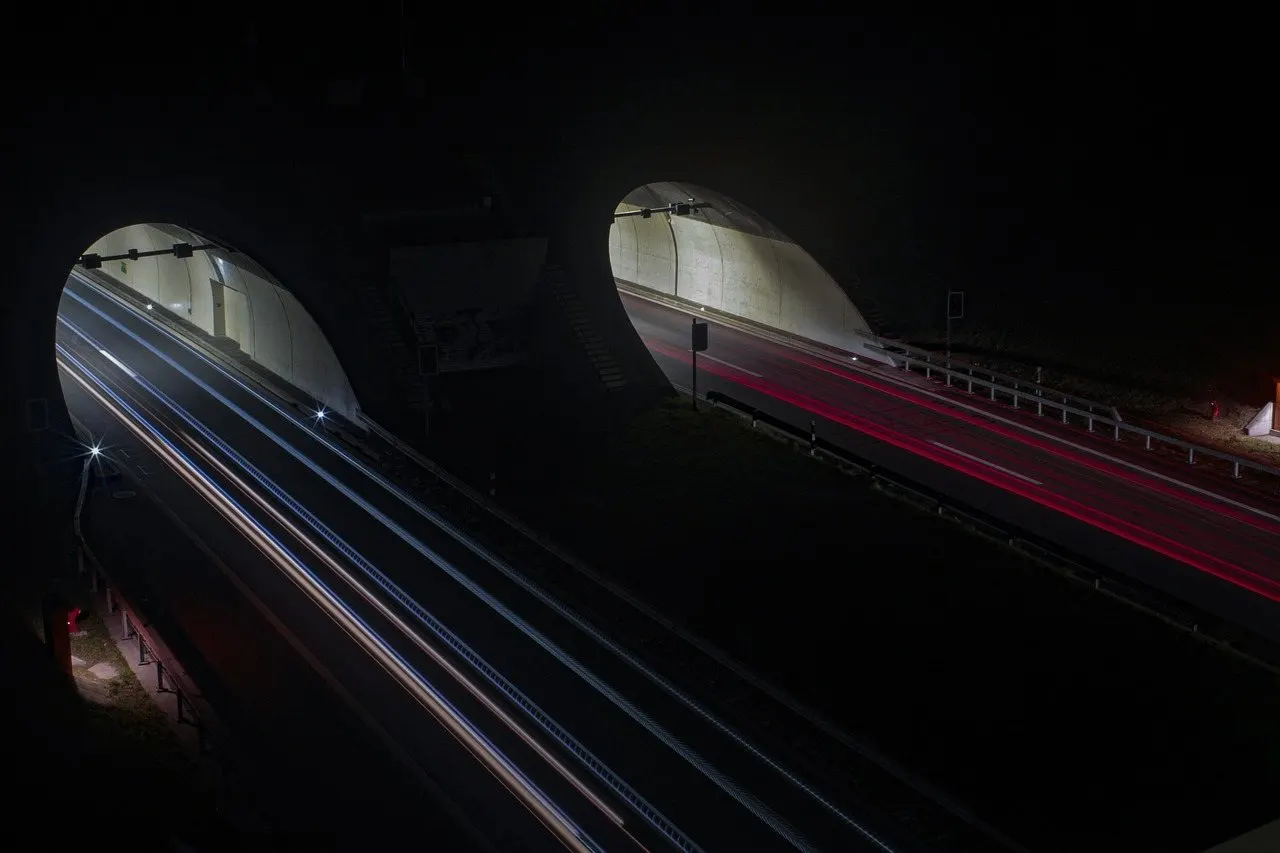
Glare does more than annoy the eyes. When every light blooms into a star, it becomes hard to judge how far away the next car is or how fast it is coming toward you. Lane markings can blur into the glow, and a curb or a turning car may appear later than it should. That lost depth is why eye doctors take night glare seriously. Slowing down gives the brain more time to read the road. Learn how a golden retriever charmed a bank teller.
A Clean Windshield Is the Cheapest Fix
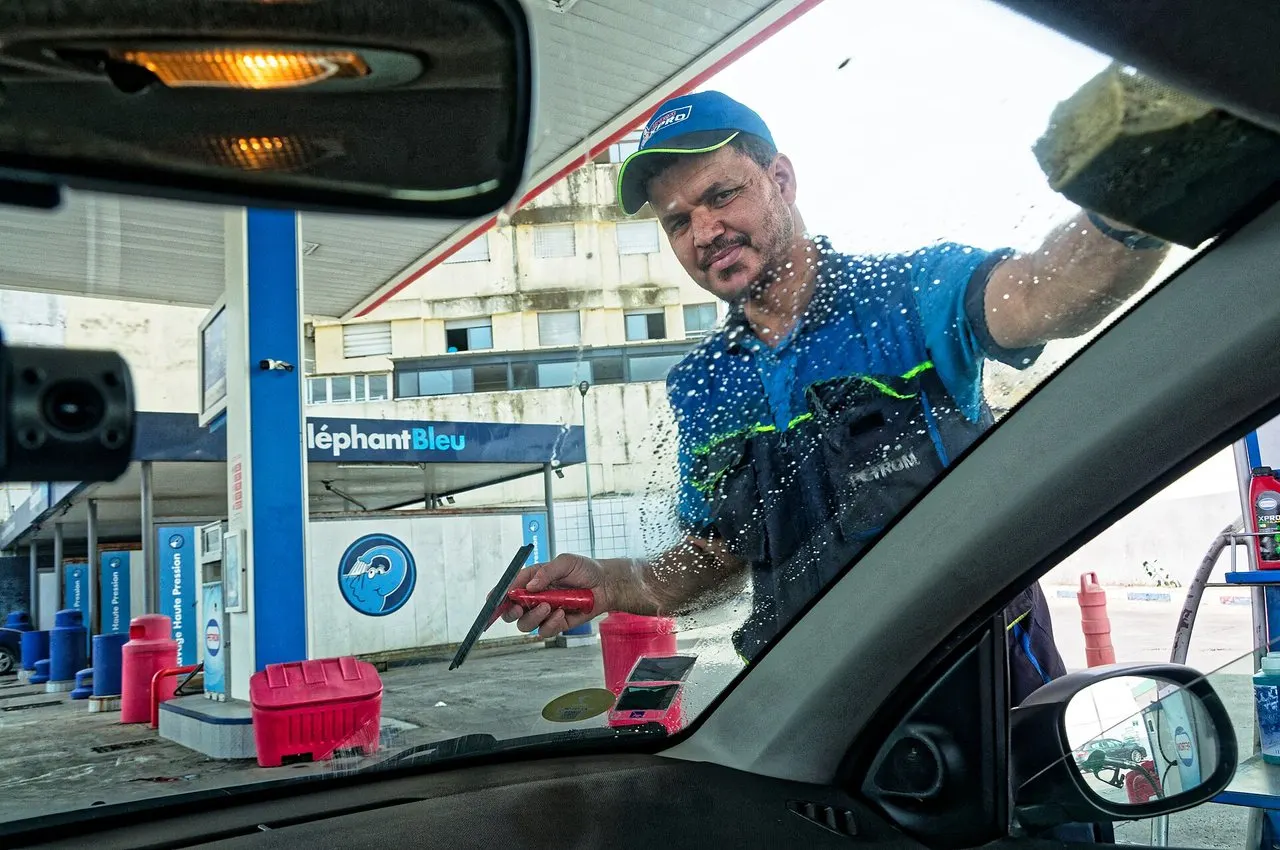
A dirty windshield scatters light the same way a scratched pair of glasses does, so eye doctors suggest keeping the glass clean inside and out. Smears, dust and a thin film from the dashboard can turn a small glare into a wide haze. A quick wipe with a clean cloth and glass cleaner, plus fresh wiper blades, can make a real difference on the next night drive. It costs almost nothing and takes only a few minutes. See how one late night host roasted a summit.
Slowing Down Gives Your Eyes More Time
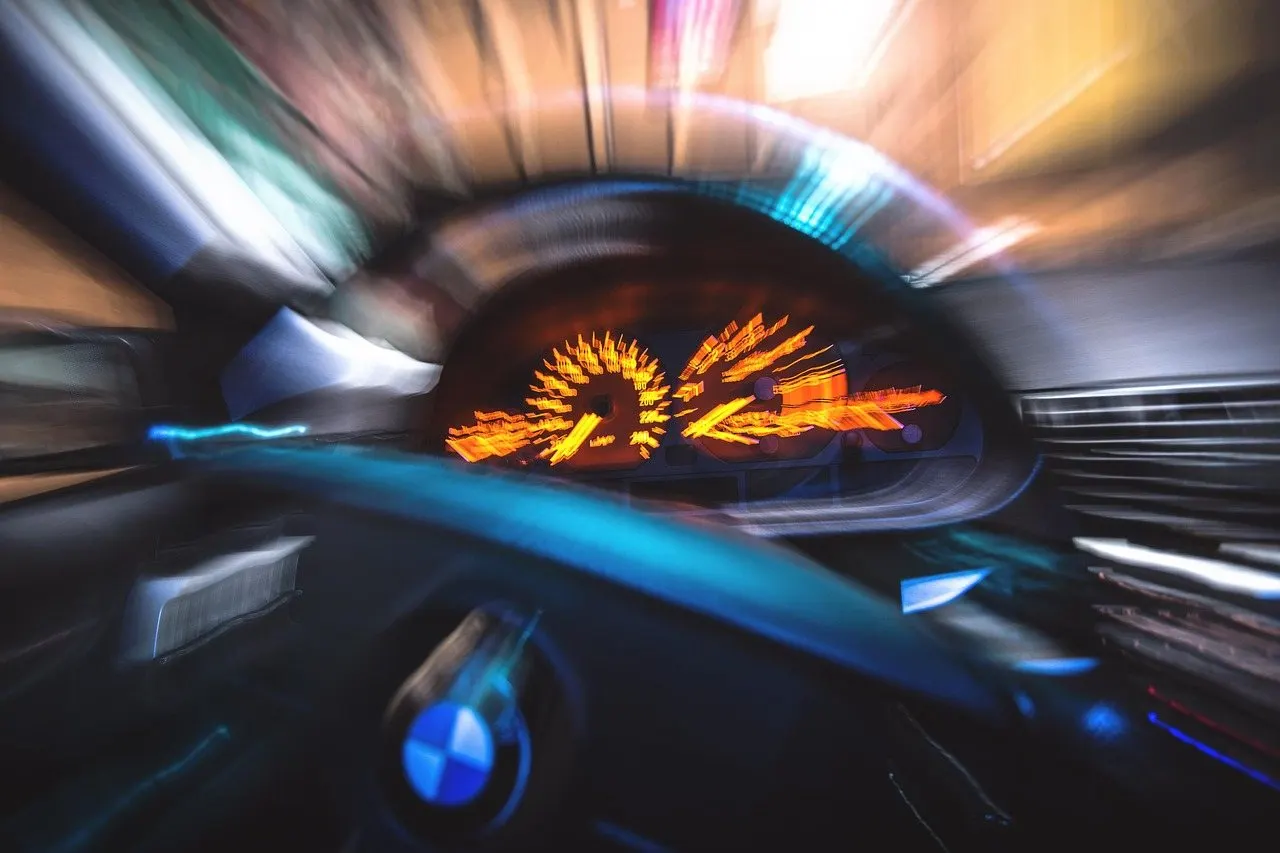
Speed makes glare worse because the eyes have less time to adjust between bright lights and dark road. Easing off the gas gives the pupils a moment to settle and gives the driver more time to spot lane markings, signs and other cars. Eye doctors suggest this simple step first, before any new glasses or treatment. It also leaves more room to brake if a starburst hides something ahead. Read about how two leaders greeted each other in China.
An Eye Exam Can Confirm Astigmatism Night Driving
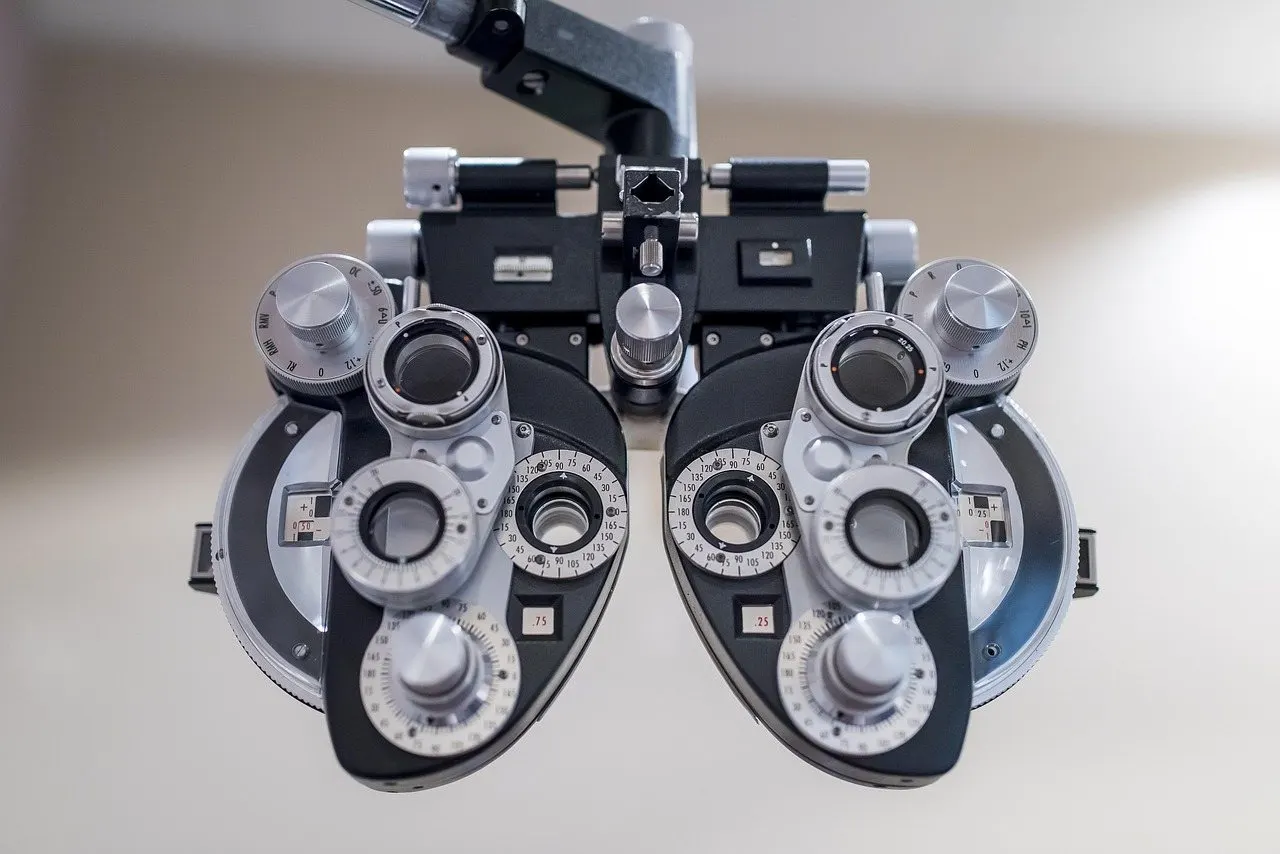
If the starbursts keep showing up, eye doctors suggest booking an eye exam. The test is simple and painless, and it measures exactly how the cornea bends light. The doctor may use a chart, a light and a machine that maps the curve of the eye. Many people learn for the first time that they have astigmatism, and that a small correction can change how the night road looks. Read what happened after a long flight from China.
Glasses Made for Astigmatism Night Driving
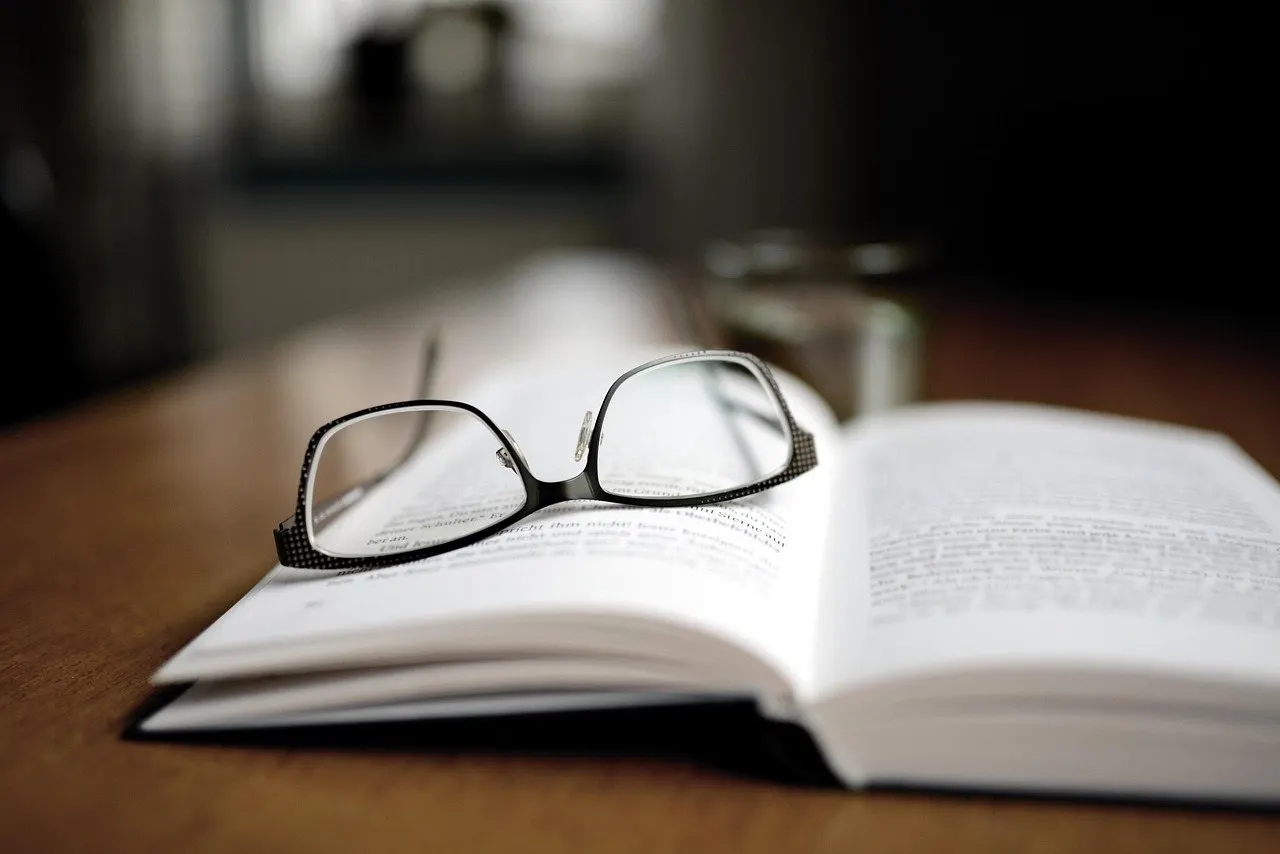
Glasses made for astigmatism use a special lens shape that bends light back into focus before it reaches the eye. The lens corrects the uneven curve of the cornea, so headlights shrink back toward small points instead of wide stars. Many drivers keep a dedicated pair in the car just for night trips. The change can feel sudden, like wiping fog from a window for the first time. Learn about the gorilla with pink fingers at Zoo Atlanta.
Contact Lenses Can Help Astigmatism Night Driving Too
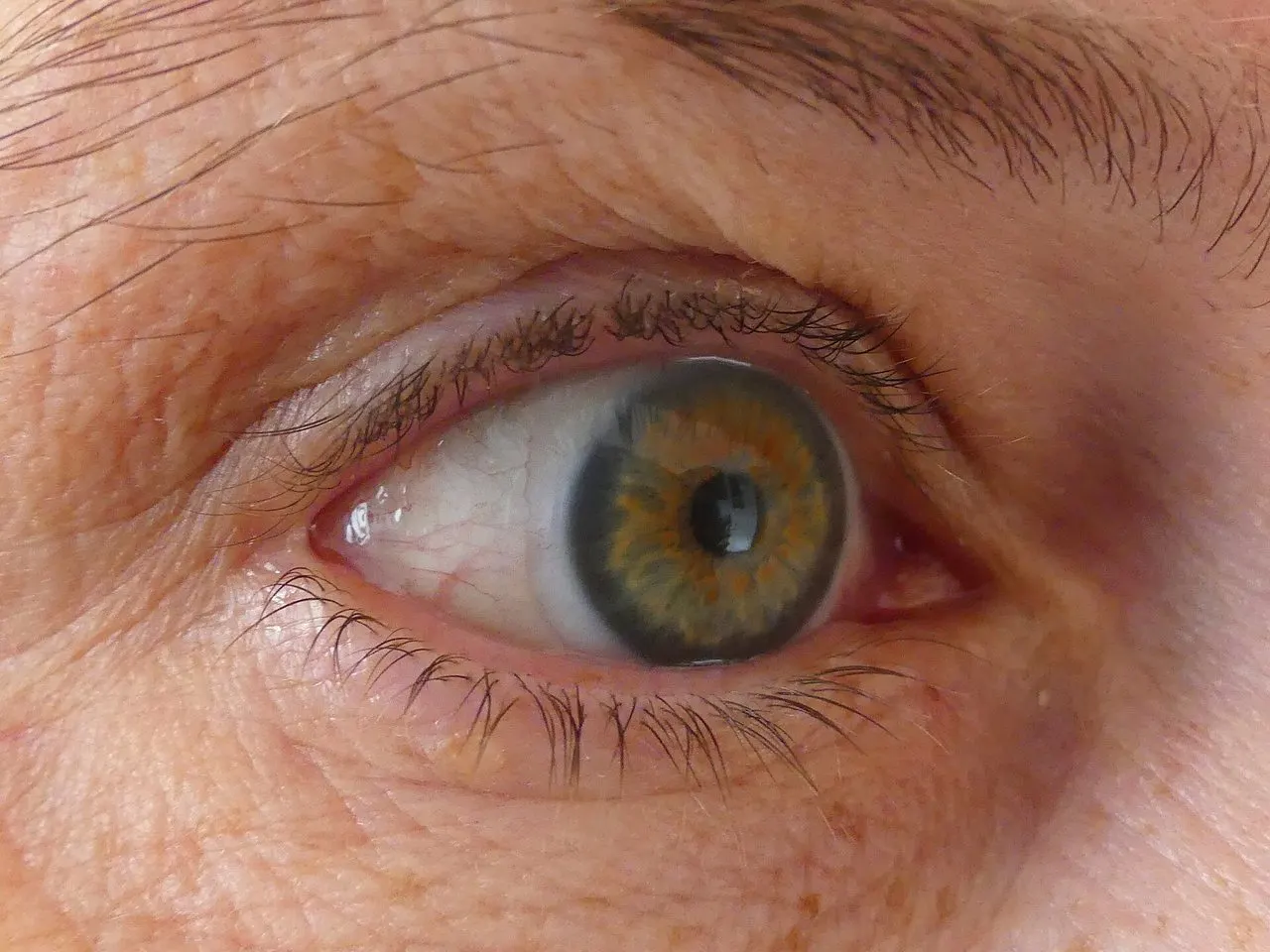
Contact lenses made for astigmatism sit directly on the eye and move with it, which can give a wide, steady field of view. Toric lenses are shaped to correct the uneven curve in different directions, and many wearers say night lights look cleaner with them in place. An eye doctor fits them to the exact shape of each eye, so a fitting visit matters more than a guess at the store. Read why one official received a life term.
What Happens During the Eye Test
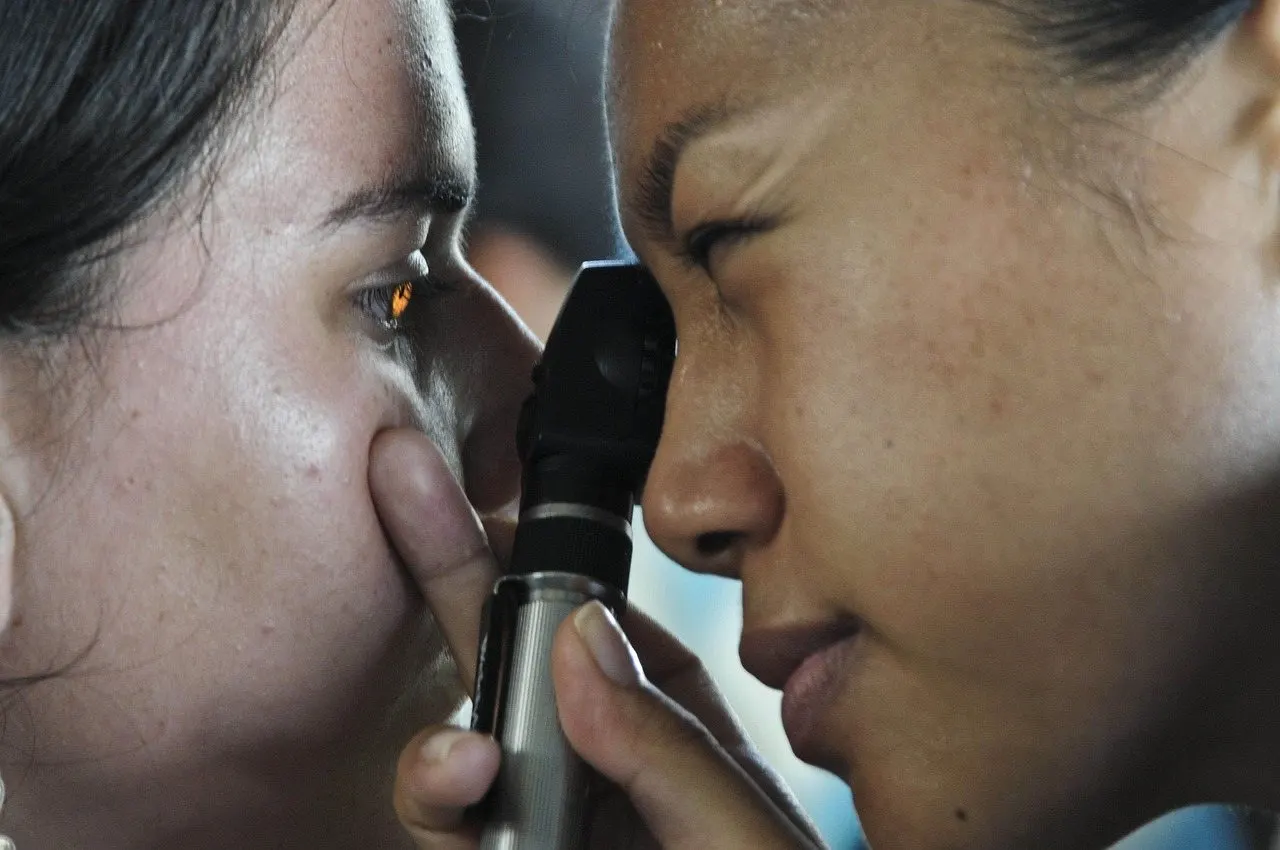
At the exam, the doctor checks how each eye reads a chart, then shines a light to look at the cornea and the retina. A machine called a keratometer or a topographer can map the curve of the front of the eye in detail. The visit usually ends with a prescription that lists the exact correction for each eye. Bringing notes about when the starbursts appear helps the doctor choose the right test. See the seabed sale near American Samoa.
Oncoming Headlights and Astigmatism Night Driving
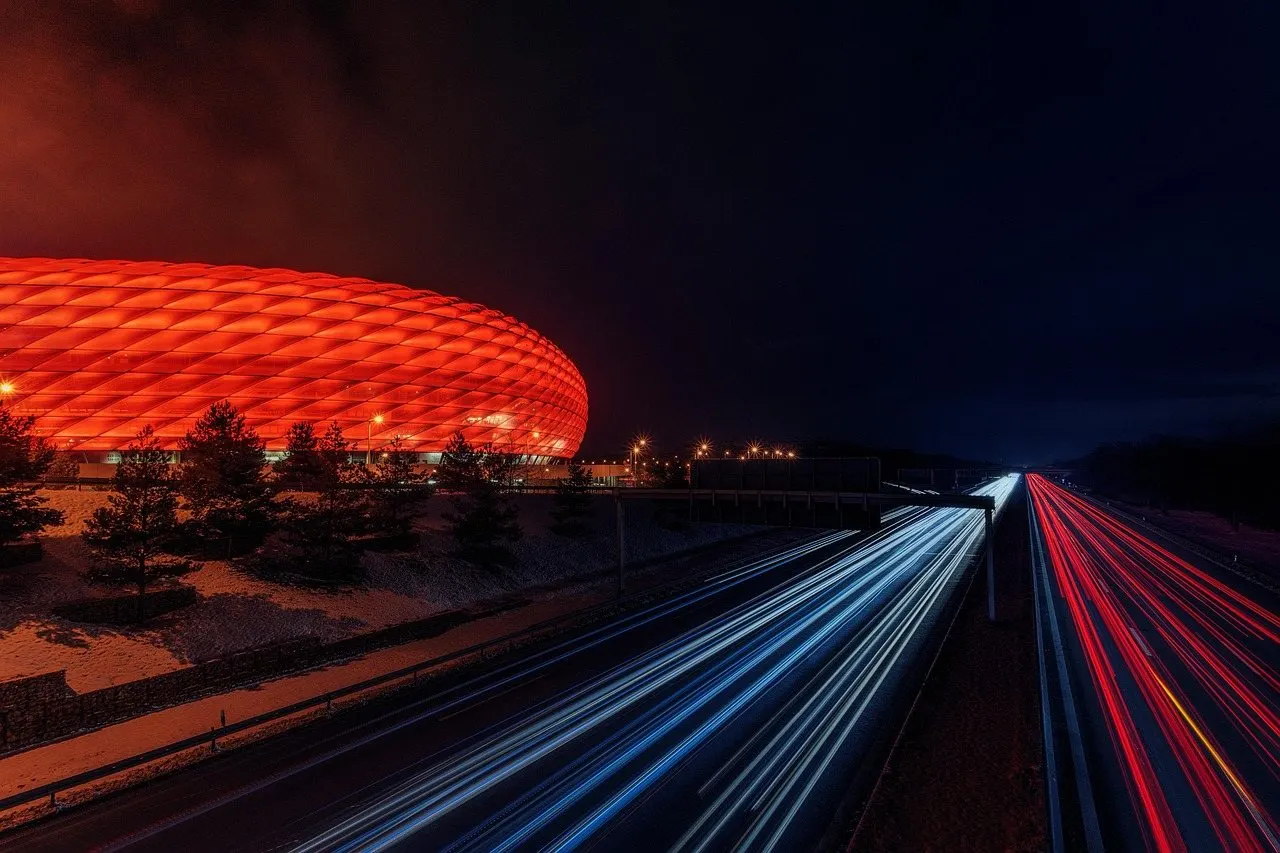
Oncoming headlights are the hardest part of the night for many drivers with astigmatism. A bright beam from the opposite lane can bloom into a wide star that covers the road ahead for a second or two. Looking slightly down and to the right, toward the edge line, can help the eyes recover faster. Dimming the dashboard lights also helps, because a bright dash makes the pupils smaller and the outside darker. Read why a judge blocked a triumphal arch plan and about the editor who ran an aerial photo of a home.
Streetlights Stretch Into Stars Too
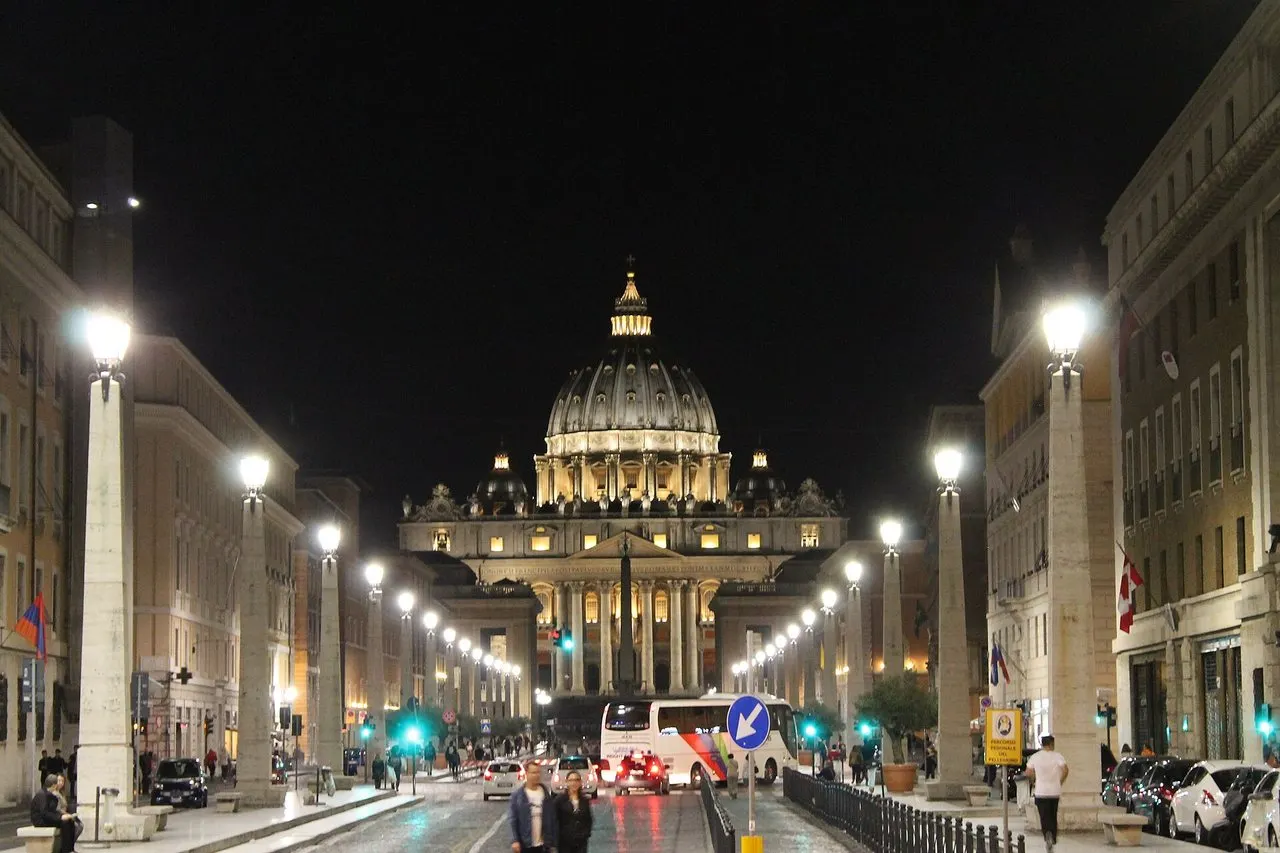
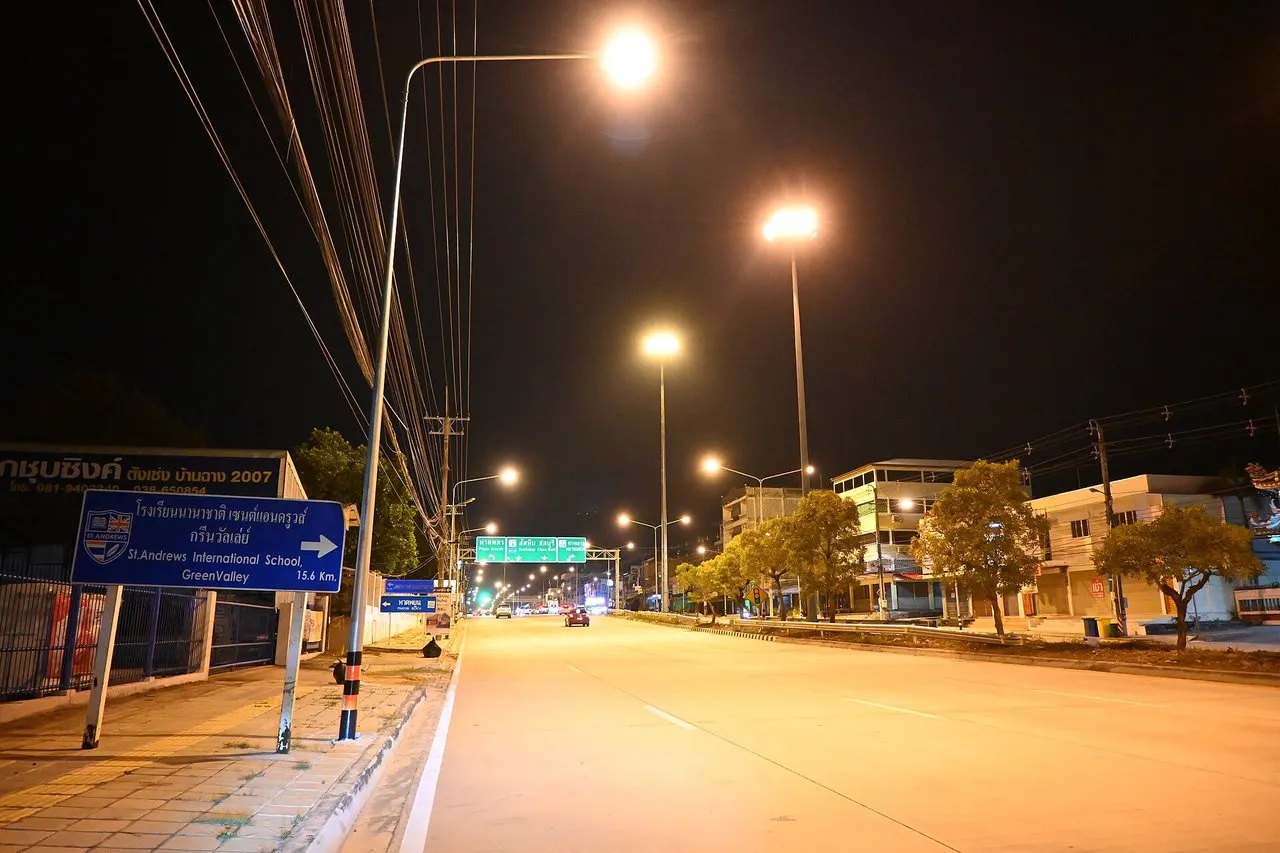
It is not only car headlights that bloom. Streetlights, shop signs and traffic lights can all stretch into long rays when the cornea bends light unevenly. In a city the effect can feel like a wall of glow, with every light wearing a small halo. Drivers often notice it most on streets with tall lamps and wet pavement, where each light doubles in the reflection below. Read the warning about wealth and power.
Wet Roads Double Every Light
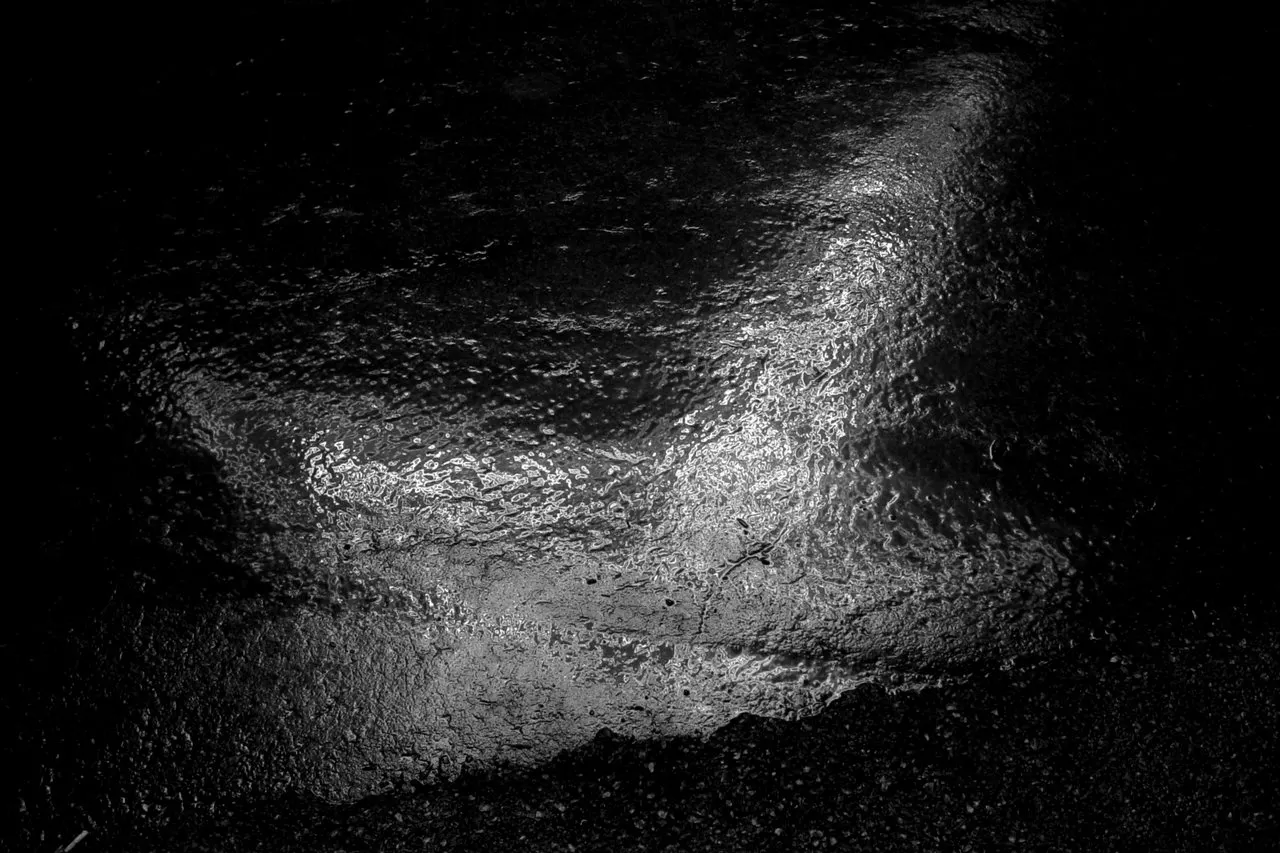
A wet road acts like a dark mirror. Each headlight and streetlamp paints a long reflection on the asphalt, so the driver sees the light twice, once in the air and once on the ground. For eyes with astigmatism, both images bloom into stars, and the road can look like it is covered in light. Slowing down and keeping a longer gap to the car ahead gives the eyes time to sort the real road from the shine. See how a trucker spotted danger on the road.
Planning Night Trips Around Your Eyes
Drivers who know their eyes struggle at night can plan around it. Short trips, familiar roads and dry evenings are easier than long drives in rain on unknown highways. Some drivers choose to travel before dark or ask someone else to drive after sunset. None of this is giving up, it is simply matching the trip to what the eyes can do that day. Learn how one dad refused to give up.
Anti Glare Coatings for Astigmatism Night Driving
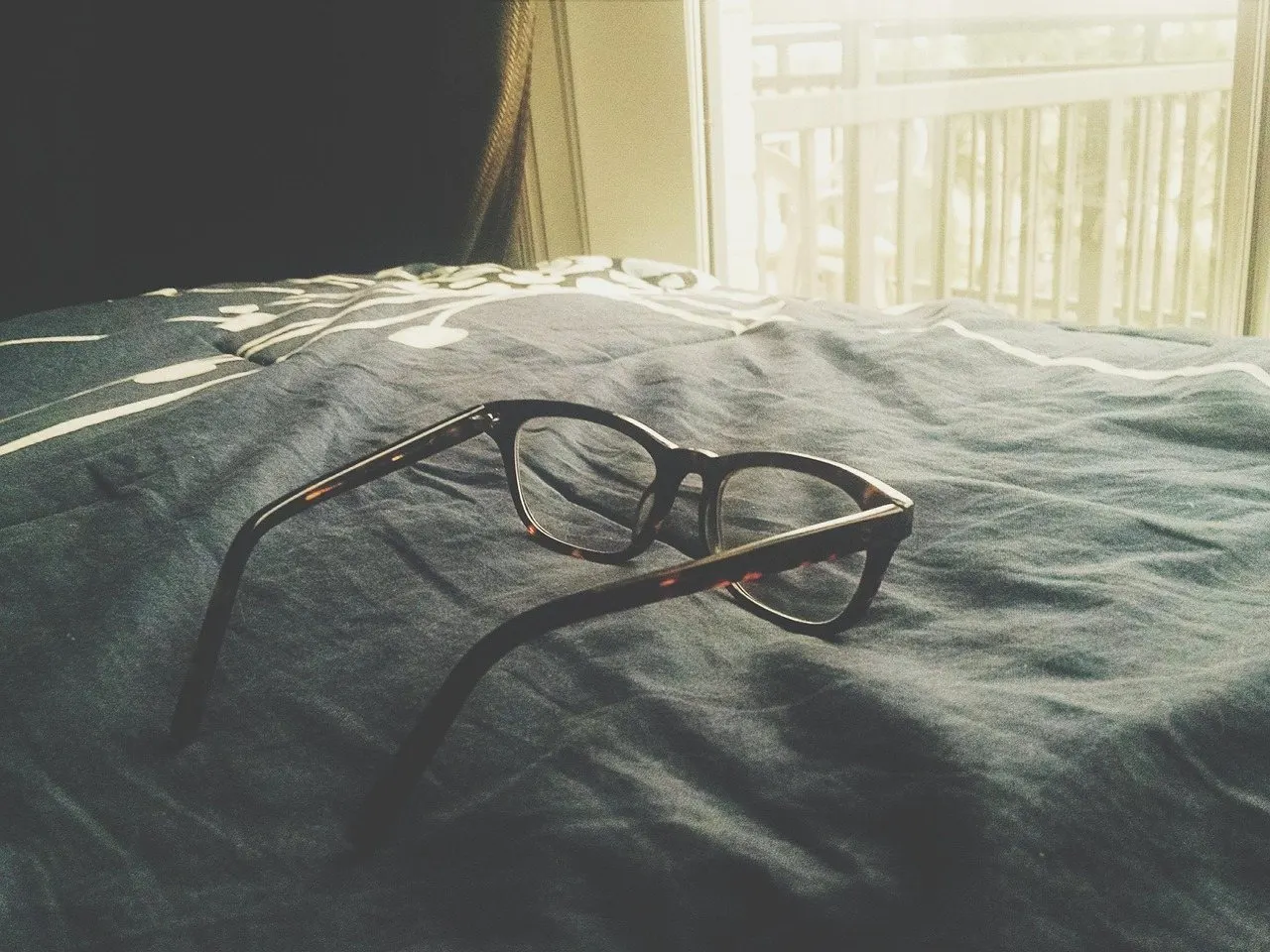
Many glasses for astigmatism come with an anti glare coating that cuts reflections on the lens itself. The coating stops light from bouncing around inside the glasses and adding a second halo to every headlight. It does not fix the shape of the eye, but it removes one extra source of glare that makes night driving harder. An optician can add the coating when the lenses are made. Read why small habits matter at work.
Keep Your Glasses Clean and Handy
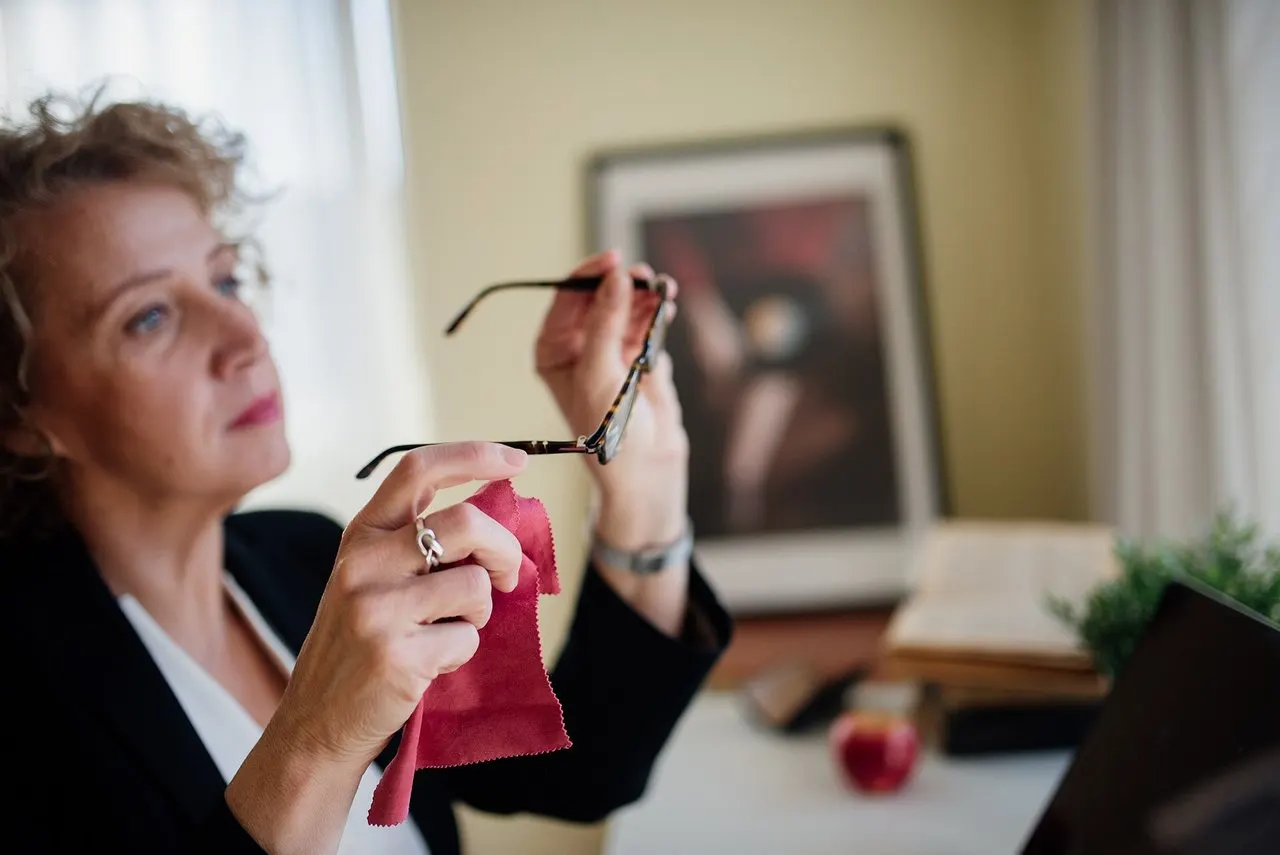
Smudged lenses scatter light just like a dirty windshield, so a quick clean before a night drive matters. A microfiber cloth and a drop of lens cleaner remove the film that builds up during the day. Keeping a spare pair in the car means a scratched or lost pair never forces a drive with blurry vision. It is a small habit that protects every trip after dark. See how one family keeps life simple and calm.
Night Driving Safety Helps Everyone on the Road
The tips that help drivers with astigmatism help every driver after dark. Clean glass, slower speeds, dimmed dashboard lights and regular eye exams make the road safer for the driver and for everyone sharing it. Night crashes are more common than day crashes, and glare plays a part in many of them. Looking after your eyes is one of the simplest ways to look after the road. Learn how one singer rebuilt his family life.
Living Well With Astigmatism Night Driving

Astigmatism is common, and most people who have it live full, active lives with the right glasses or lenses. The starbursts are a sign to get checked, not a reason to fear the road. With a current prescription, clean lenses and a few careful habits, night driving can feel normal again. Many drivers say the first night with new glasses feels like someone turned the lights down and the road back up. Read how a golden retriever asked for a loan.
What Do You See When You Drive at Night?
Now we want to hear from you. When you drive at night, do headlights bloom into starbursts, or does the road stay sharp and clear? Have glasses or contact lenses changed how the night looks for you, and what tip helped you most? Share your story in the comments below, and tell us what you would ask an eye doctor about night glare. Your answer might help another driver book the exam that changes their nights. Read how a late night host took on a summit.