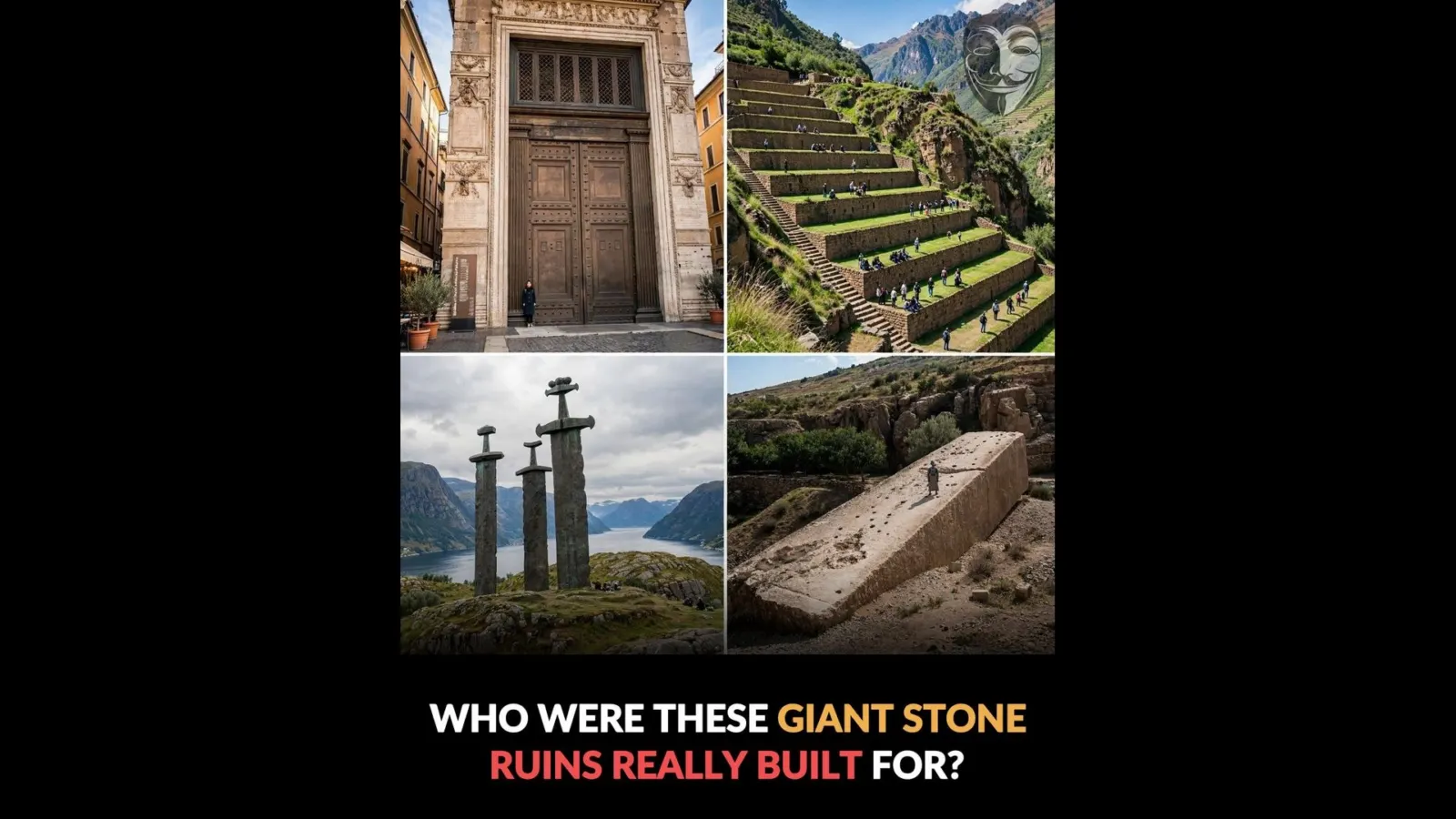
Giant Stone Ruins and the Question Nobody Can Answer
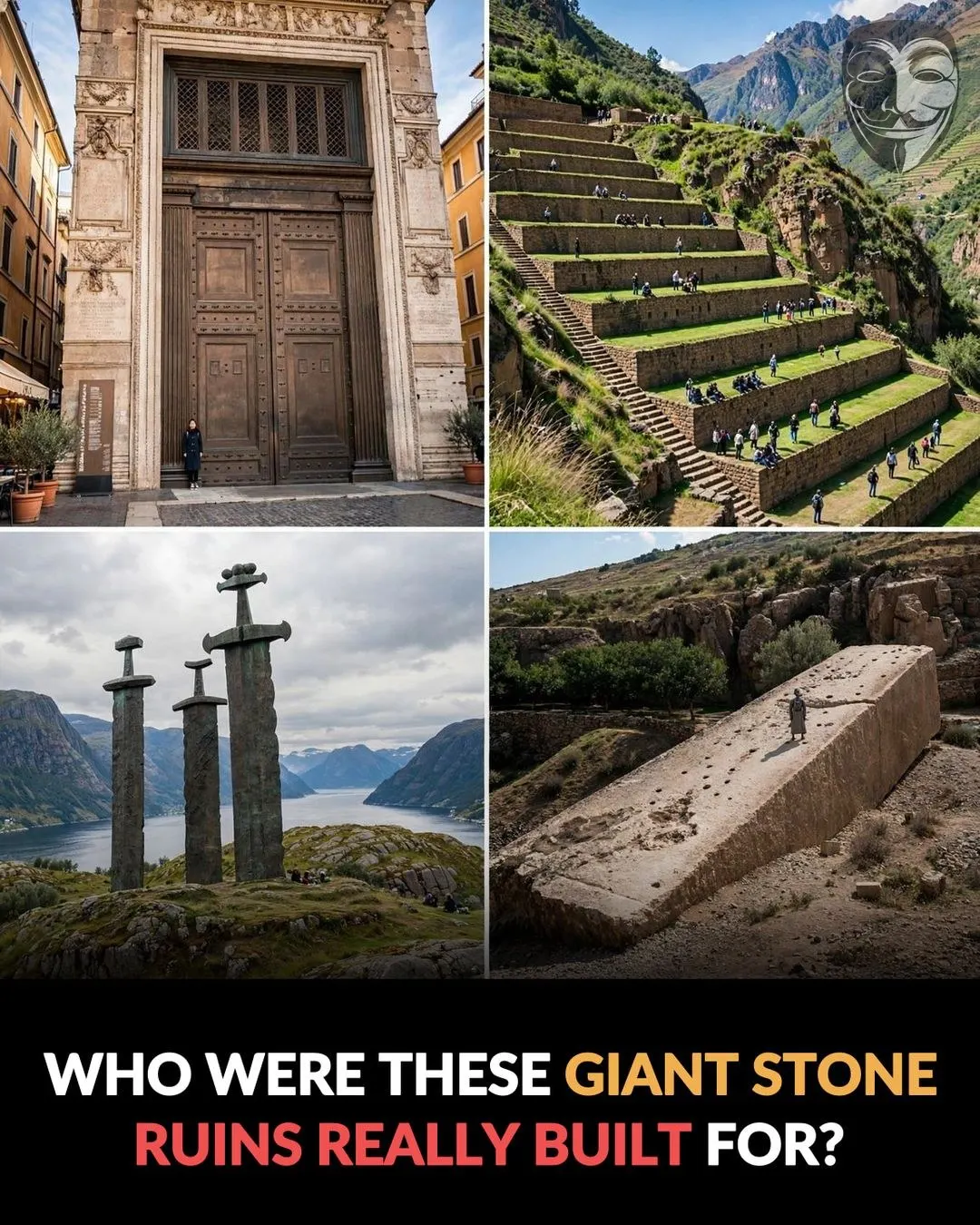
Giant stone ruins around the world raise one simple question that still has no clear answer. The first photo in our post shows the Pantheon in Rome, where a woman stands beside bronze doors about 24 feet tall that have stood for nearly 2,000 years. According to Britannica, the doors are so well balanced that one person can still push them open today. That fact alone makes us ask why a doorway that size was ever needed, and who it was built for.
In the slides ahead we visit the giant terraces of Ollantaytambo in Peru and the Stone of the Pregnant Woman in Lebanon, a single block of about 1,000 tons that was never moved from its quarry. We also look at the three swords in Norway, a 1983 monument to the Battle of Hafrsfjord that we can explain, unlike the ancient sites. For more on mysteries that still puzzle experts, read our story on ancient rock art and its giant figures.
References:
Britannica: Pantheon, Building in Rome, Italy
World History Encyclopedia: Baalbek Stones
Inca Rail Blog: How did the Incas build the giant steps in the Ollantaytambo Ruins
Ruinscape: Ollantaytambo, what happened and how it ended
Giant Stone Ruins Begin at the Pantheon in Rome
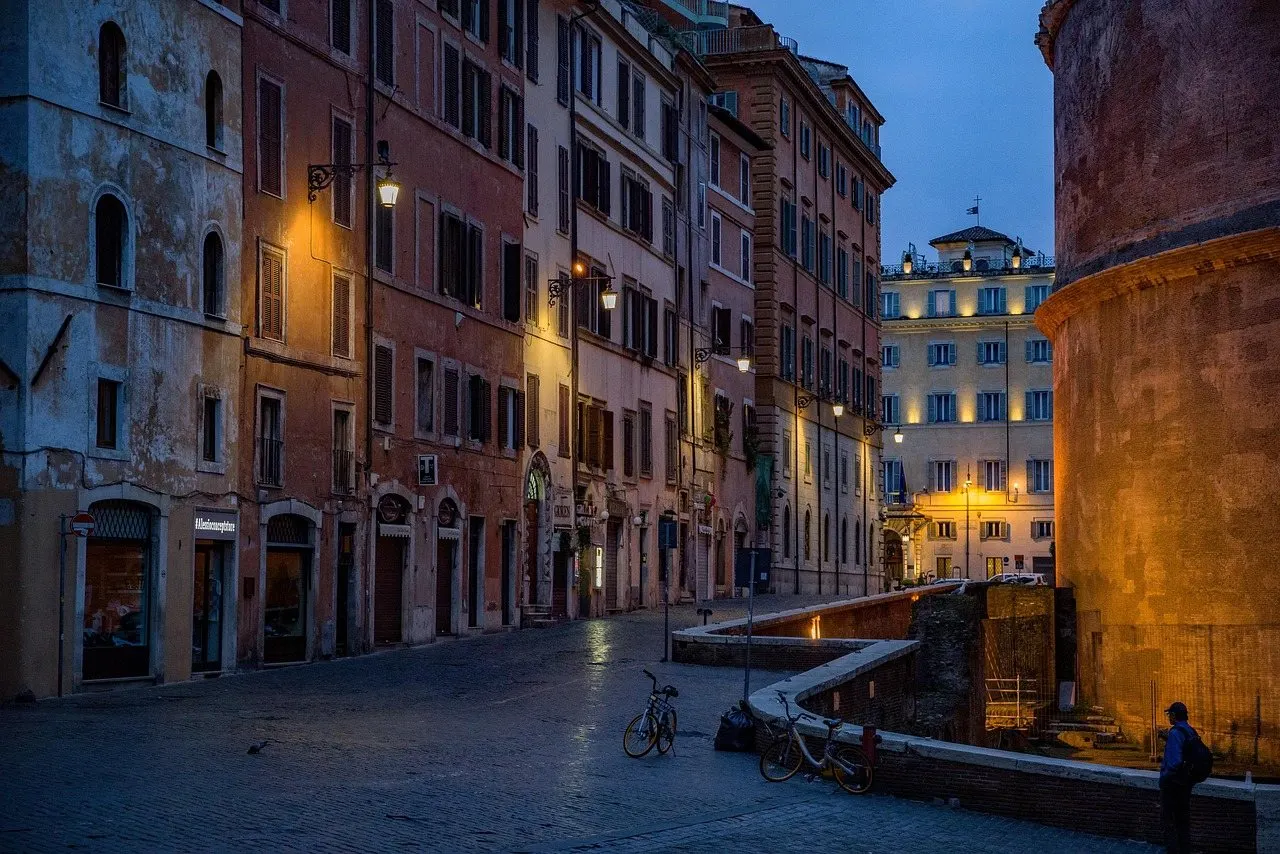
The Pantheon in Rome is one of the most visited ancient buildings in the world, and its bronze doors are part of the reason. The doors stand about 24 feet tall, and they have guarded the entrance for nearly 2,000 years. They were cast in solid bronze, a metal that is heavy and hard to shape, yet the doors swing with a gentle push from one person. The scale feels wrong for a normal doorway, and that is where the mystery starts. See a sculpture made from 10,000 colored pencils.
A Woman Stands Beside Doors 24 Feet Tall
The photo shows a woman standing beside the great bronze doors of the Pantheon, and she does not even reach the handle. The doors rise about 24 feet, which makes adults look small. Her size tells the story at a glance. The woman is only a visitor, but her height against the door shows the scale better than any number can. See a photo that also plays tricks with scale in our story on a truck that looks like it drove through a wall and meet a dog who followed a photographer for years.
Doors So Balanced One Person Can Push Them
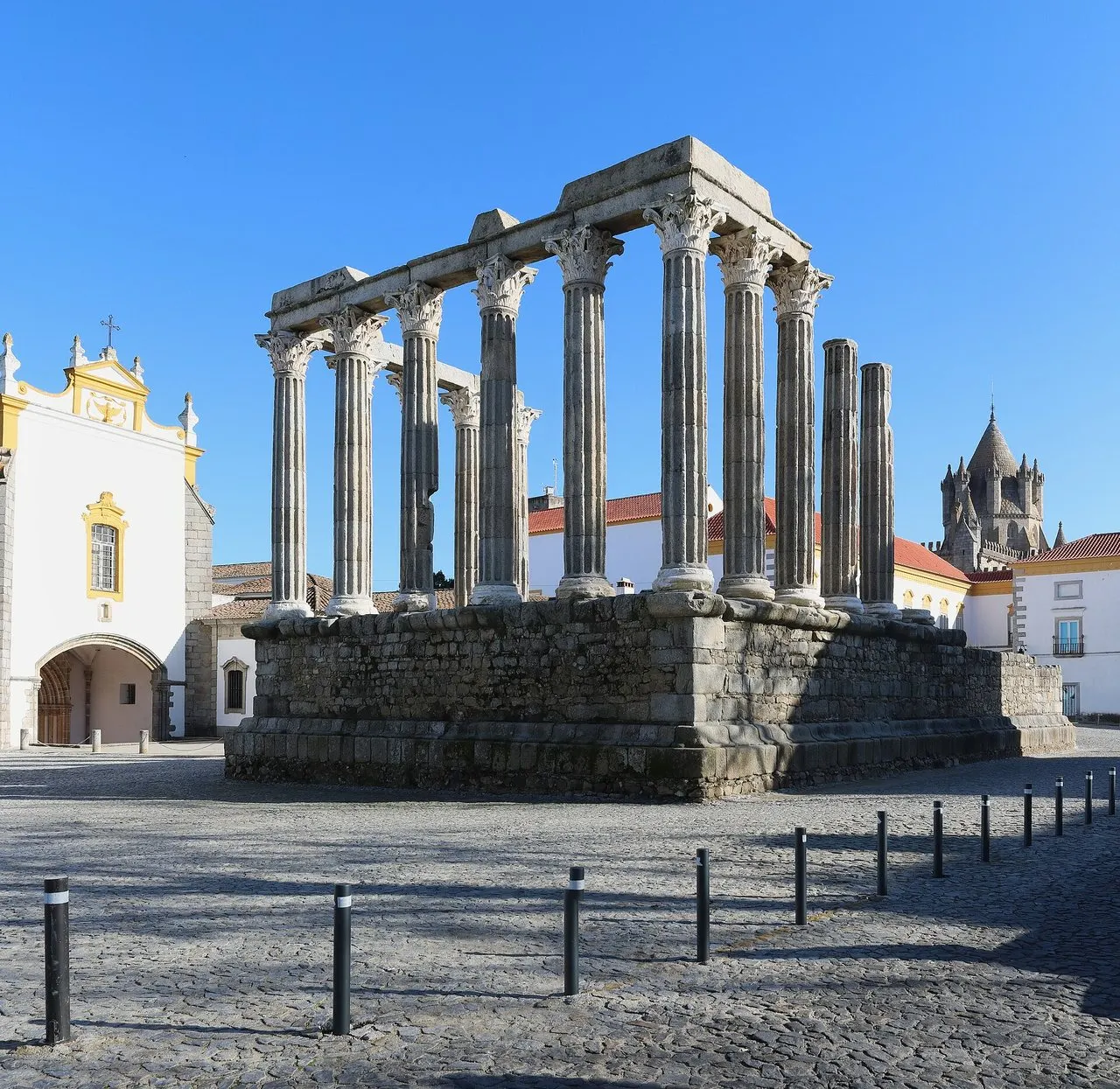
According to Britannica, the Pantheon doors are so well balanced that one person can still push them open today, nearly 2,000 years after they were made. Solid bronze is far heavier than wood or stone of the same size. The Romans used clever pivots and hinges, and they set the doors so the weight rests in balance. Modern engineers still admire the work. For a story about steady faith through hard years, read our piece on holding on to what matters and see why people say we should know what data centers use.
Why Build a Door That Tall
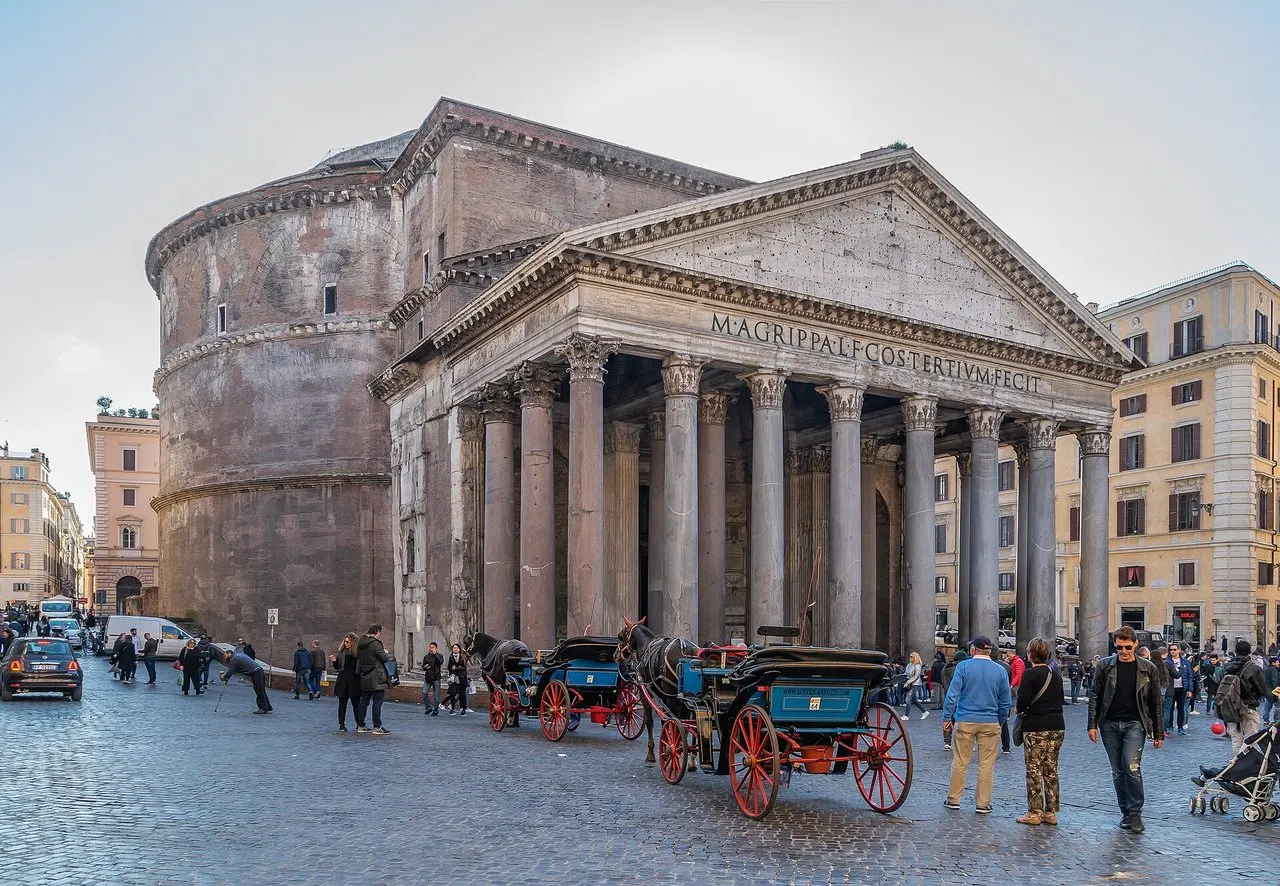
The post asks the question out loud. You do not build a door 24 feet tall just for decoration, because the cost and the effort are far too great. A door that size makes sense only if something that size has to walk through it, or if the builders wanted to show power on a huge scale. Roman temples were built to impress, and the Pantheon still does that today. Read about an honest boy who found a lost phone and took it to the police.
Giant Stone Ruins Rise in Ollantaytambo, Peru
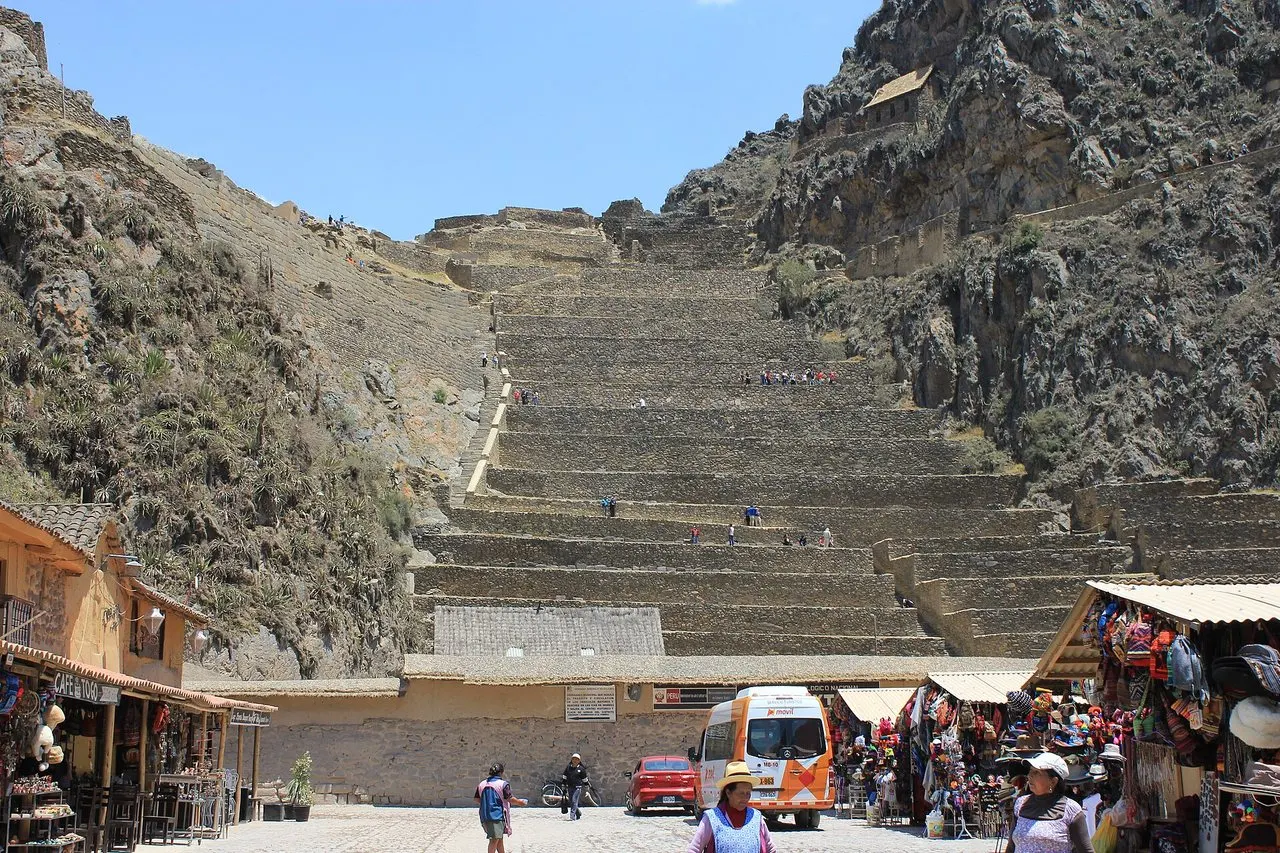
Giant stone ruins rise above the town of Ollantaytambo in the Sacred Valley of Peru, where the Incas built wide terraces from huge blocks of stone. Visitors look tiny beside each step, and the scale is hard to take in until you stand there yourself. The terraces climb the hillside in neat rows, and each one is far taller than a person. The site has drawn travelers for years, yet the full story of how it was built is still debated. Read about what truly lasts in a life well lived.
Steps So Big They Swallow a Grown Adult
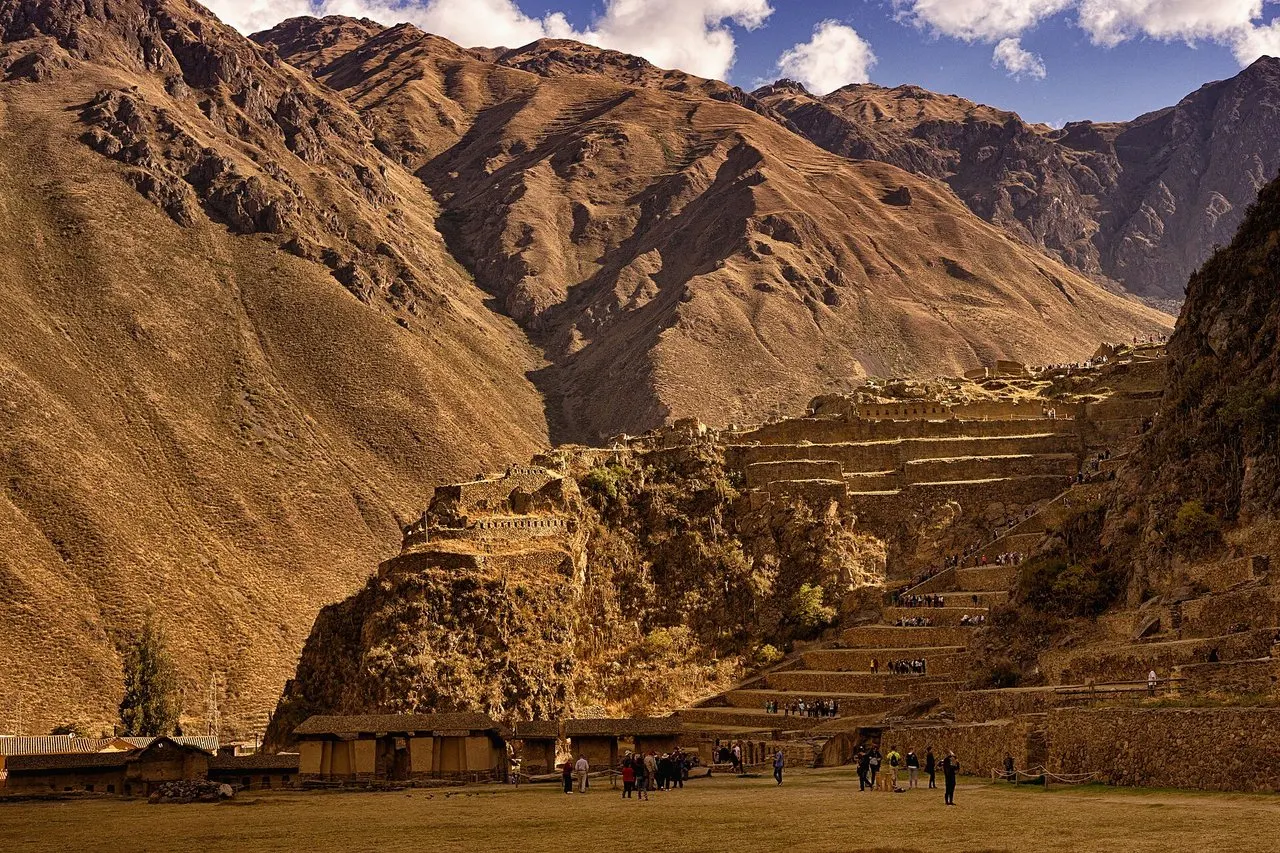
Stand a grown adult on one step at Ollantaytambo and the step swallows them, because each riser is a climb. The official line calls these terraces farming land, and some of them may have grown crops, but no farmer lays out a field he has to scale like a cliff. The steps look more like a fortress than a garden. The post says the scale only makes sense if the builders moved on a different scale than we do. See a warning that still echoes in politics.
How Did the Incas Build the Giant Steps
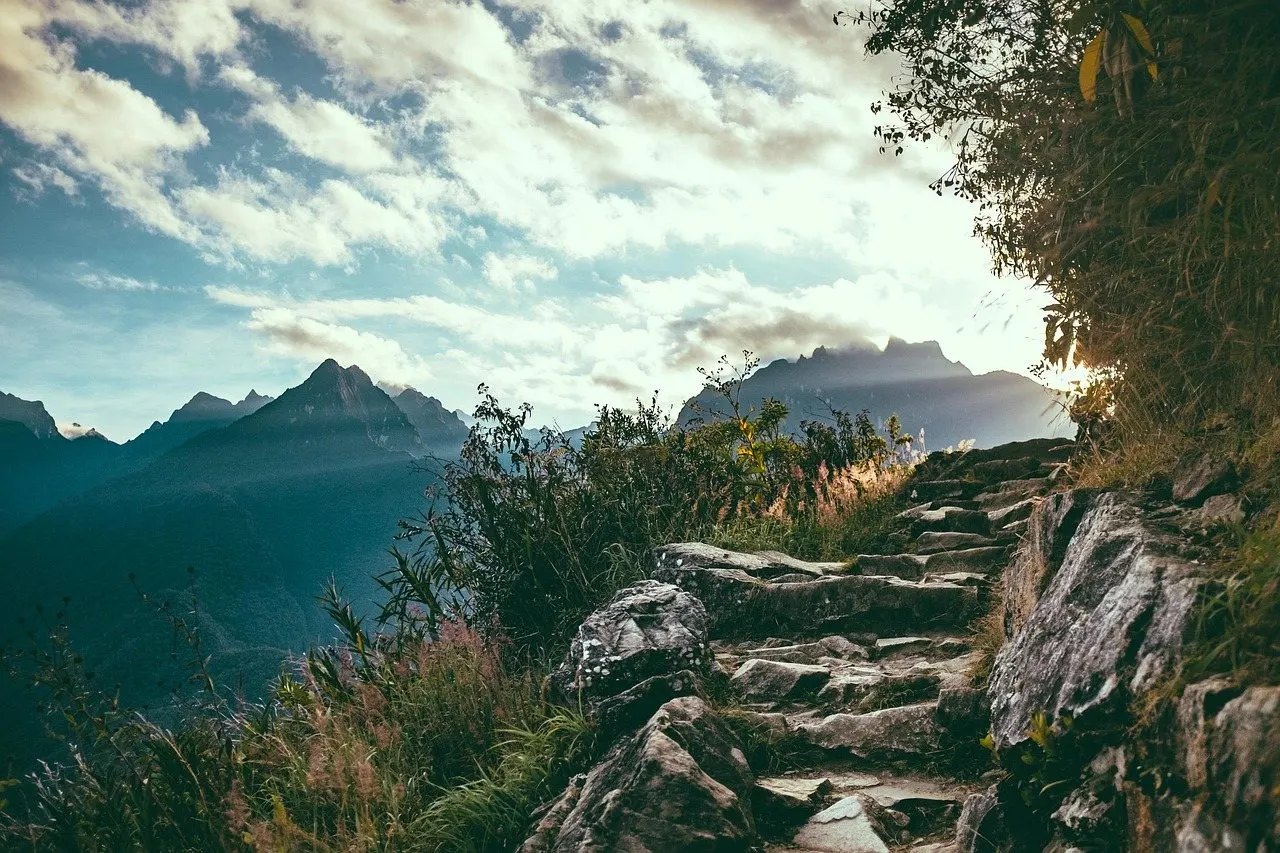
The Inca Rail Blog asks how the Incas built the giant steps in the Ollantaytambo ruins, and the answer is still not settled. The Incas had no iron tools, no wheels and no draft animals, yet they cut and fitted stones with great skill. Some stones were shaped to lock together without mortar, and the joints are so tight that a blade will not fit between them. Workers moved the blocks with ramps, ropes and many hands. Read about a silent shrug that said more than words.
Giant Stone Ruins or Farming Terraces

The great steps at Ollantaytambo are often called farming terraces, and the name may be true for part of the site. The Incas were skilled farmers who built terraces on steep hillsides all across the Andes, and those terraces fed whole towns. But the great steps are far larger than a farm needs, and their walls are built like a fortress. Ruinscape asks what happened there, and the site keeps its secrets. For faith and courage in hard times, read our story on holding on to Jesus.
The Stone of the Pregnant Woman in Lebanon
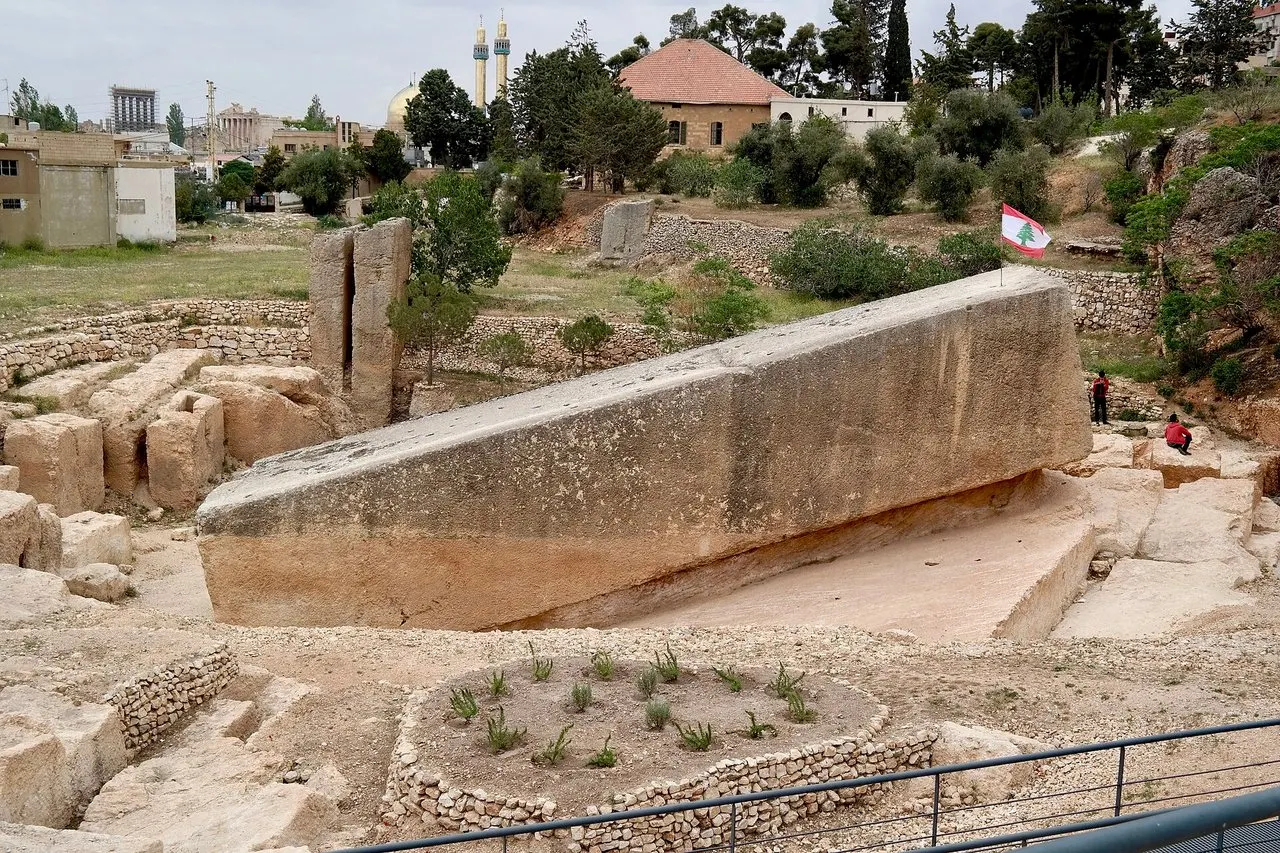
In Lebanon, in the ancient city of Baalbek, lies the Stone of the Pregnant Woman, a single block of stone that weighs about 1,000 tons. It was cut and shaped in the quarry, but it was never moved from the place where it was cut. A person on top of it looks small. The World History Encyclopedia tells the story of the Baalbek stones, and the size still shocks visitors today. Read about faith that carried an actor through grief.
Giant Stone Ruins Weighing About 1,000 Tons
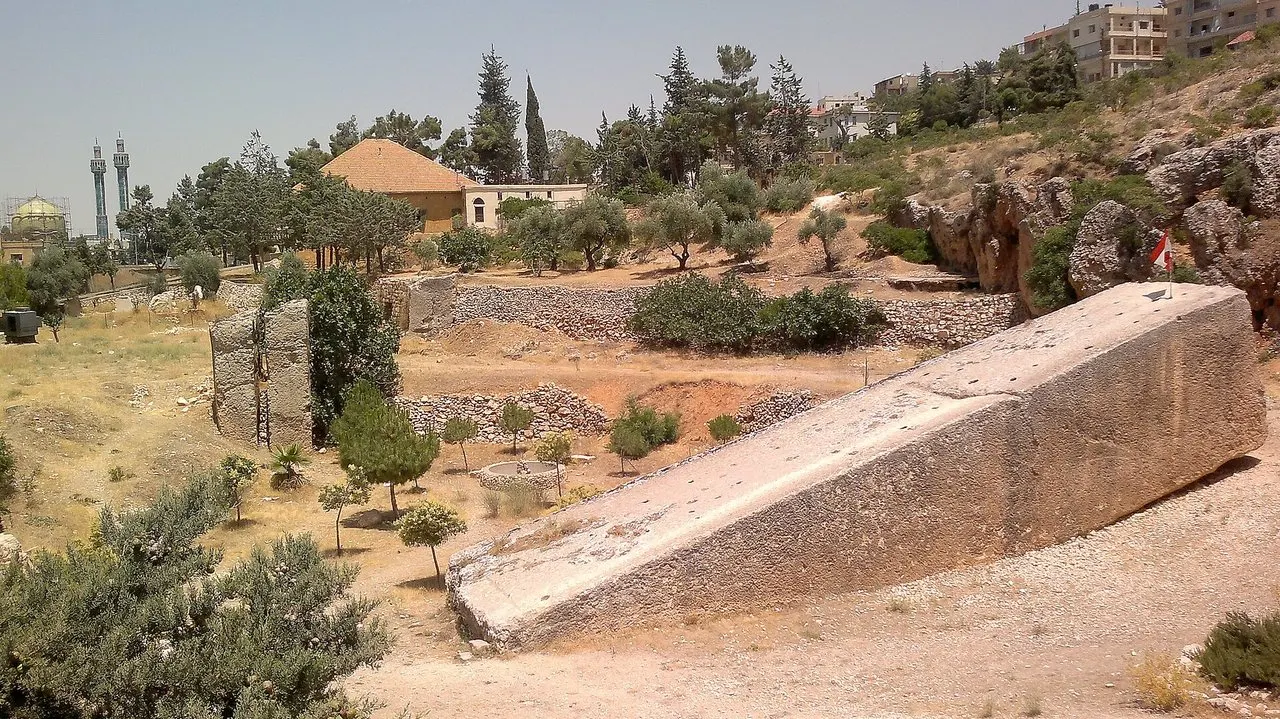
Giant stone ruins do not get much bigger than the block in Baalbek, which weighs more than a thousand tons. There is no machine on Earth today that can lift it in one piece, and yet it was cut, shaped and set by people we are told had rope and wooden rollers. That is not an answer, the post says, it is a shrug dressed up as history. The stone still sits in its quarry, unexplained. See a debate about words spoken on a stage.
Baalbek and the Stones That Never Moved
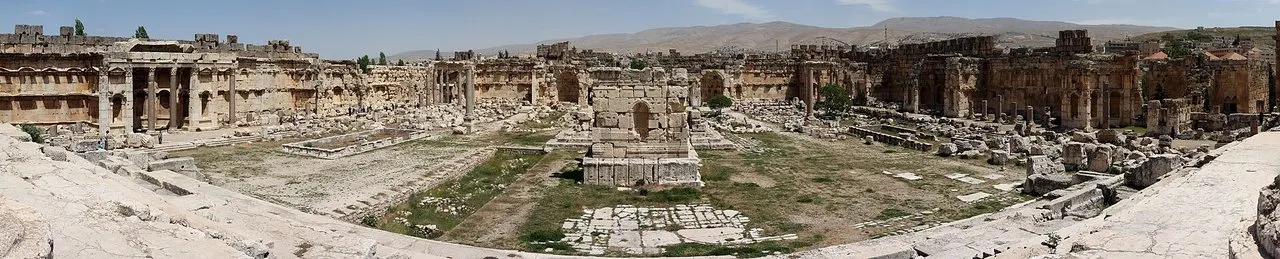
Baalbek holds more than one giant stone, and the great temple platform there was built with blocks that weigh hundreds of tons each. The Romans built temples on older work, and the older stones puzzle experts most. Moving such weight, then lifting it into place, would be a huge job even with modern cranes. The stones never moved from the quarry tell us the builders could cut them, but not how they planned to move them. Read about a trip where leaders showed respect.
Giant Stone Ruins Moved by Rope and Rollers
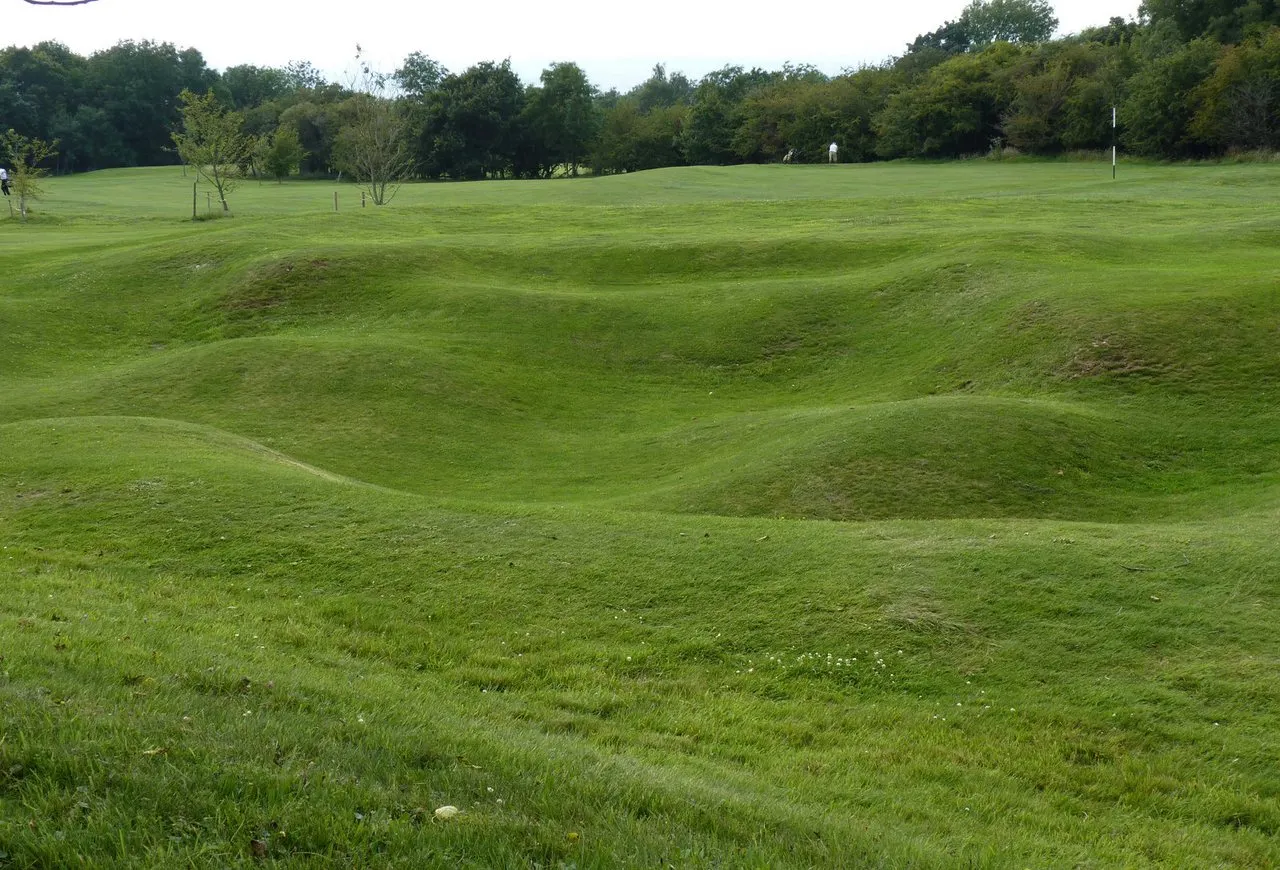
Giant stone ruins like the ones at Baalbek are often explained with rope and wooden rollers, and that may be part of the truth. Ropes, ramps, levers and many workers can move great weight, and ancient builders knew these tools well. But the 1,000-ton block is far beyond what those tools have ever been shown to move in one piece. The post calls that explanation a shrug, not an answer, and asks for a better one. See a warning about chats that erase themselves.
The Three Swords of Norway
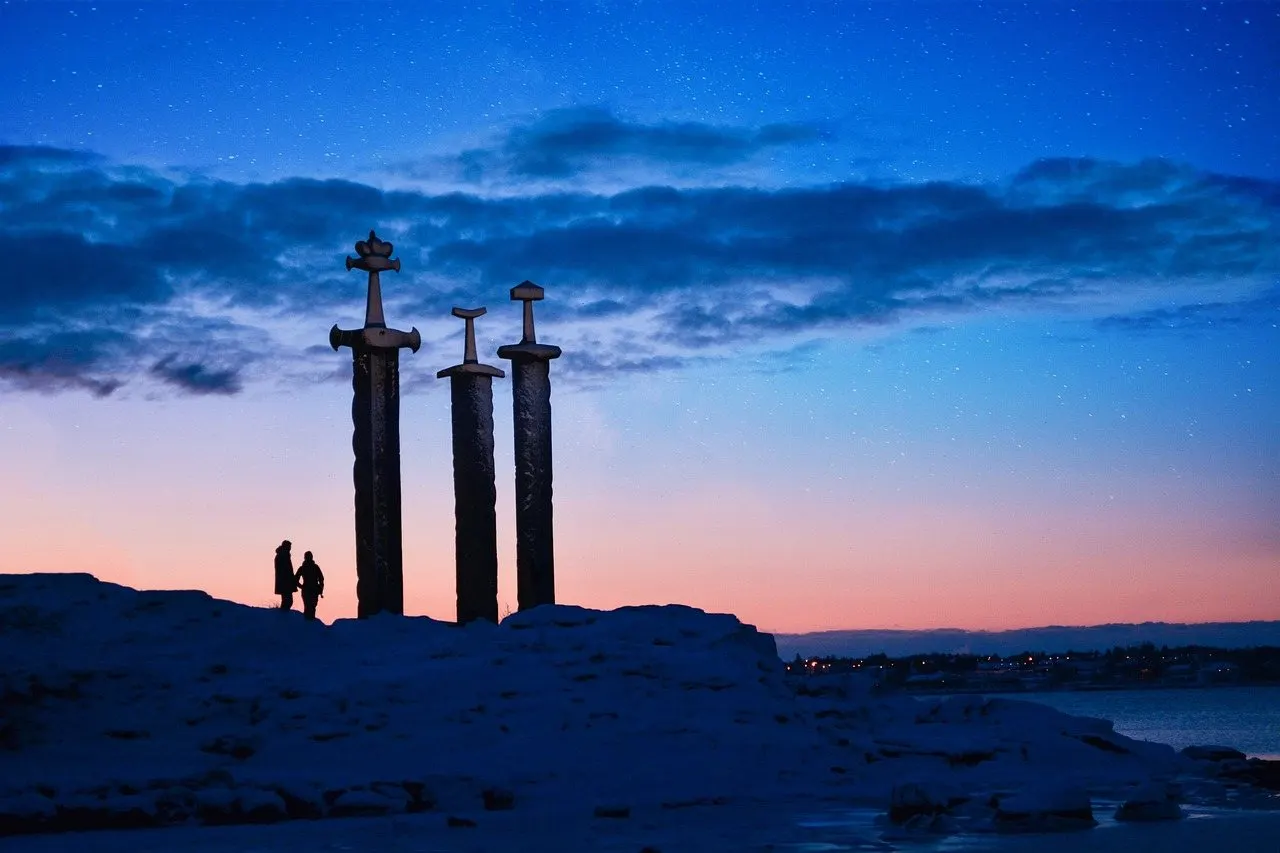
The three swords in Norway are the one modern piece in the post, and they are there on purpose. Sverd i fjell, which means swords in rock, stands near Stavanger and was raised in 1983 to mark the Battle of Hafrsfjord. The three huge bronze swords stand for the three kings who fought there long ago. We still raise giant monuments to greatness today, and the difference is that we can explain ours. Read about unity and one belief.
A Modern Monument We Can Explain
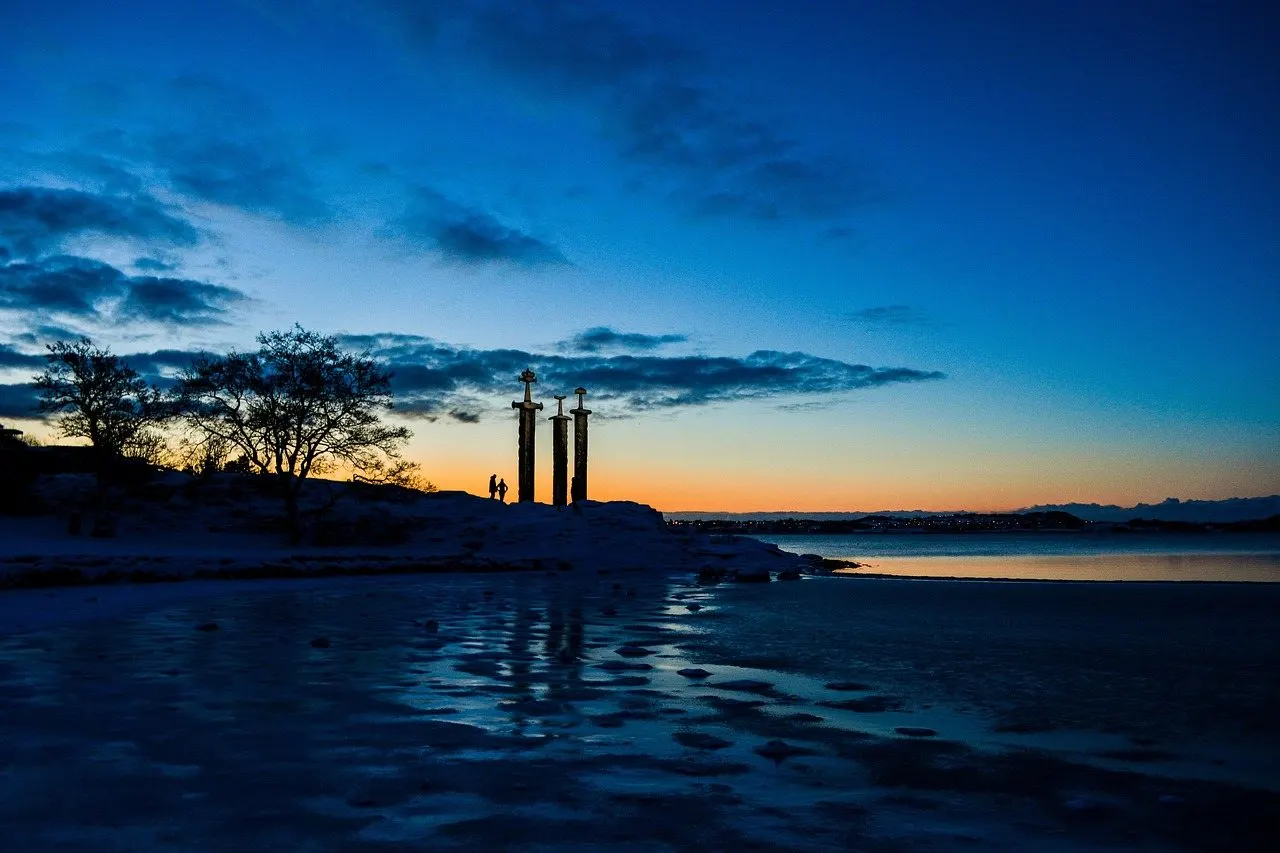
The swords in Norway show that humans still love to build big, and we still do it to honor great events. The monument was designed, funded and built in our own time, and every step of its story is on record. Nobody has to guess who made it, why it stands there, or how the swords were raised. That is the point the post makes, because the ancient sites give us no such record. The scale is the same, but the story is clear. See a warning about funding for space.
Giant Stone Ruins at Stonehenge in England
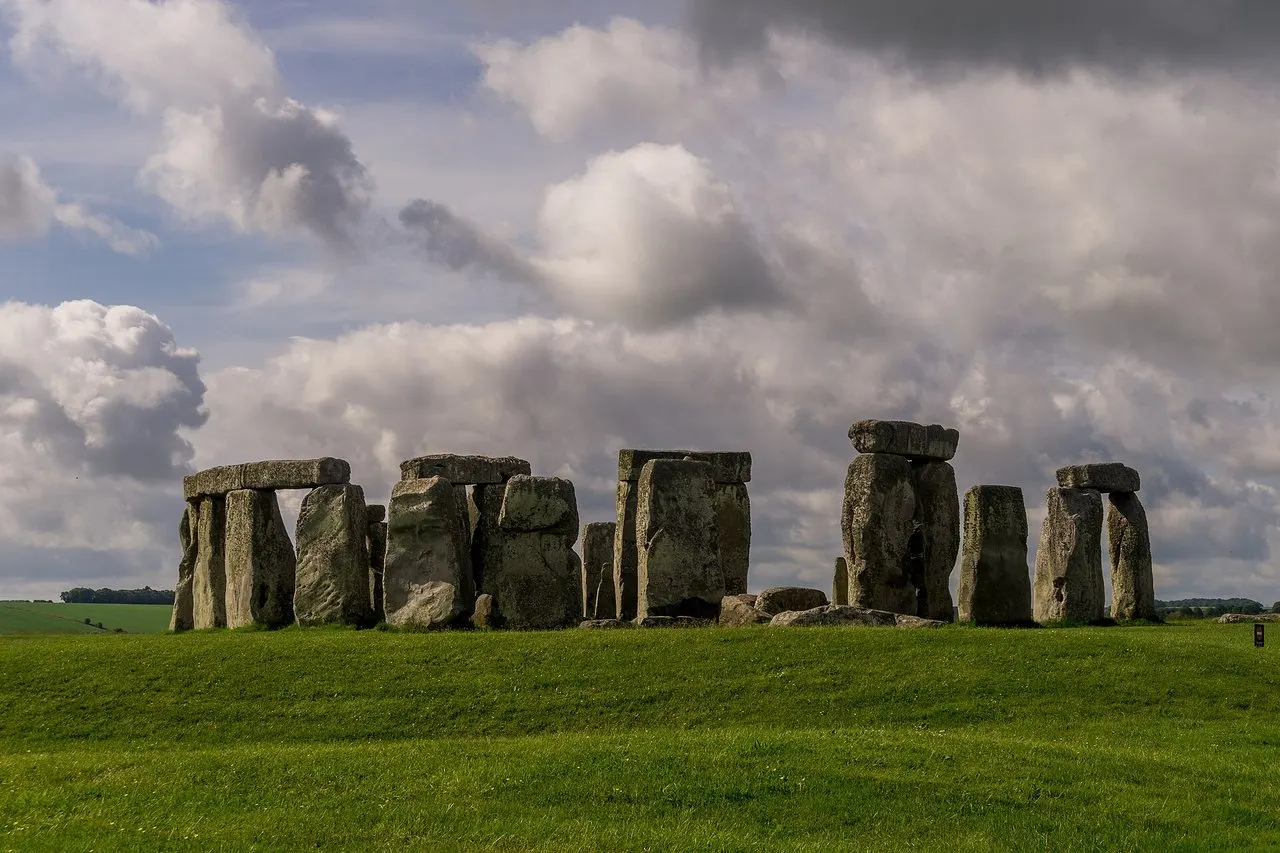
Giant stone ruins are not only found in Rome, Peru and Lebanon, because Stonehenge in England raises the same questions. The great stones there were raised thousands of years ago, and some weigh about 25 tons each. The stones were dragged for miles across the land, then set upright in a ring on Salisbury Plain. Experts have tested many ideas about how it was done, yet no one can say for sure why the builders chose that place. Read about ancient rock art and its giant figures.
The Pyramids of Giza and Their Scale
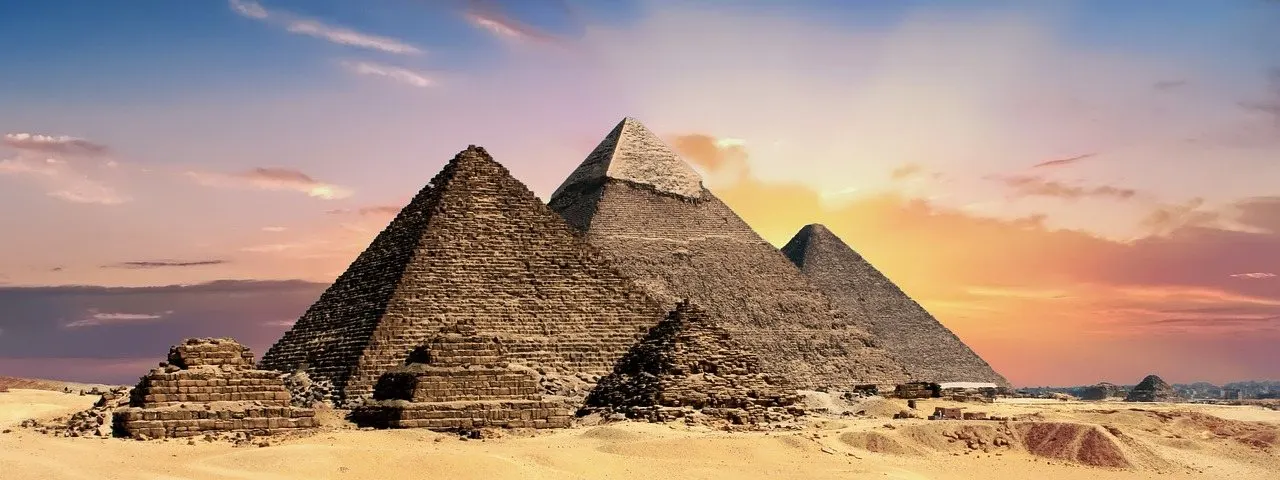
The pyramids of Giza in Egypt are the most famous giant stones in the world, and they still set the standard for scale. The Great Pyramid was built from about 2.3 million blocks of stone, and it stood as the tallest building made by humans for thousands of years. Workers moved the blocks with ramps and sledges, and the plan was carried out with great care. Yet the sheer size of the work still leaves visitors asking how it was done at all. See a sculpture made from 10,000 colored pencils.
Easter Island and the Moai Statues
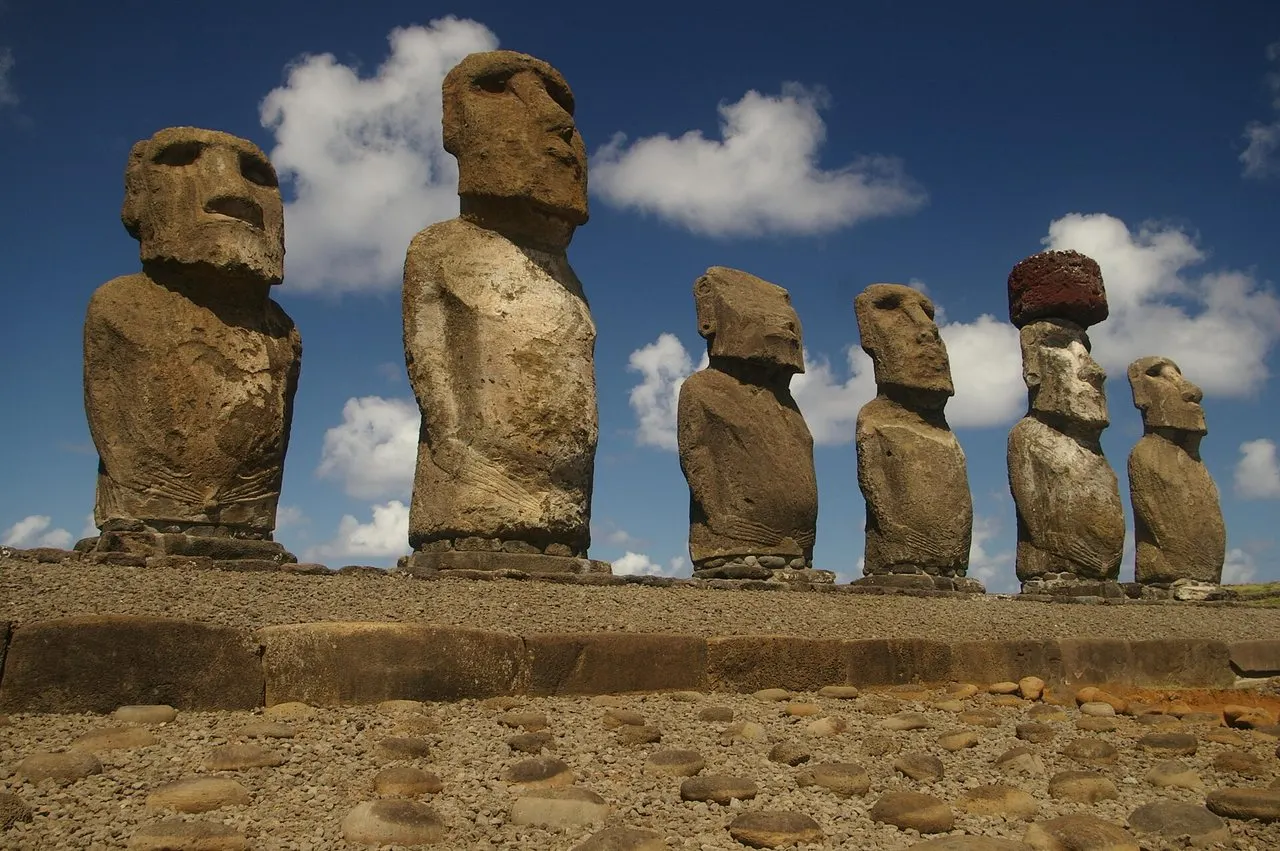
On Easter Island, far out in the Pacific Ocean, stand the moai statues, great stone heads and bodies that watch over the island. Some stand about 33 feet tall and weigh many tons, and they were carved in a quarry, then moved across the island. The people of Rapa Nui moved them without wheels or large animals, and the exact method is still debated. They remind us that giant stonework appears all over the world. Meet a dog who followed a photographer for years and see a truck that looks like it drove through a wall.
Machu Picchu and Stones Without Mortar
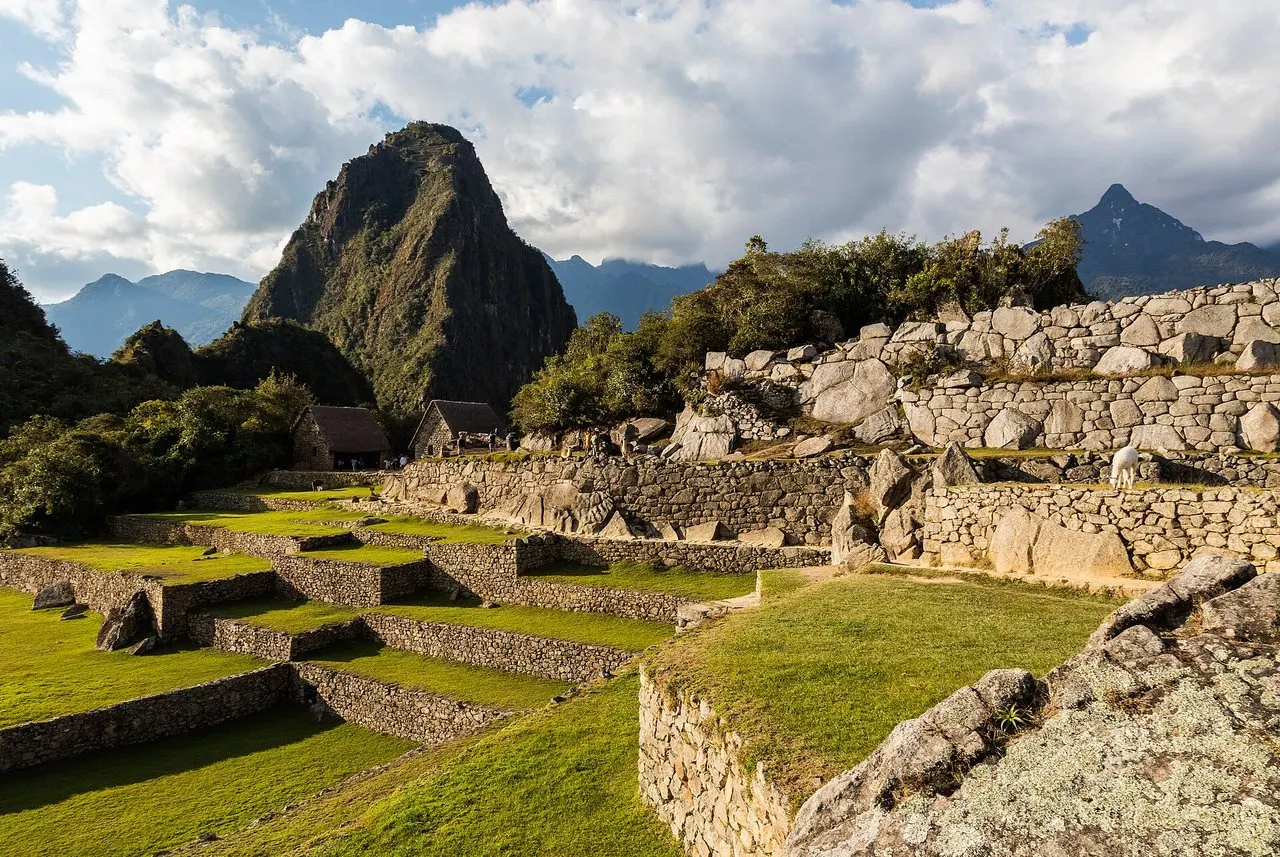
Machu Picchu in Peru is another Inca wonder, built high in the Andes in the 1400s. Its walls are made of stones fitted together so well that they hold without mortar, and they have stood through earthquakes that shook the region. The Incas shaped each stone to fit its neighbor, a skill that took great patience and care. The city was a royal retreat, and it stayed hidden from the wider world for centuries. Read about a day that reminds men to be like Aragorn.
The Great Wall and Building on a Huge Scale
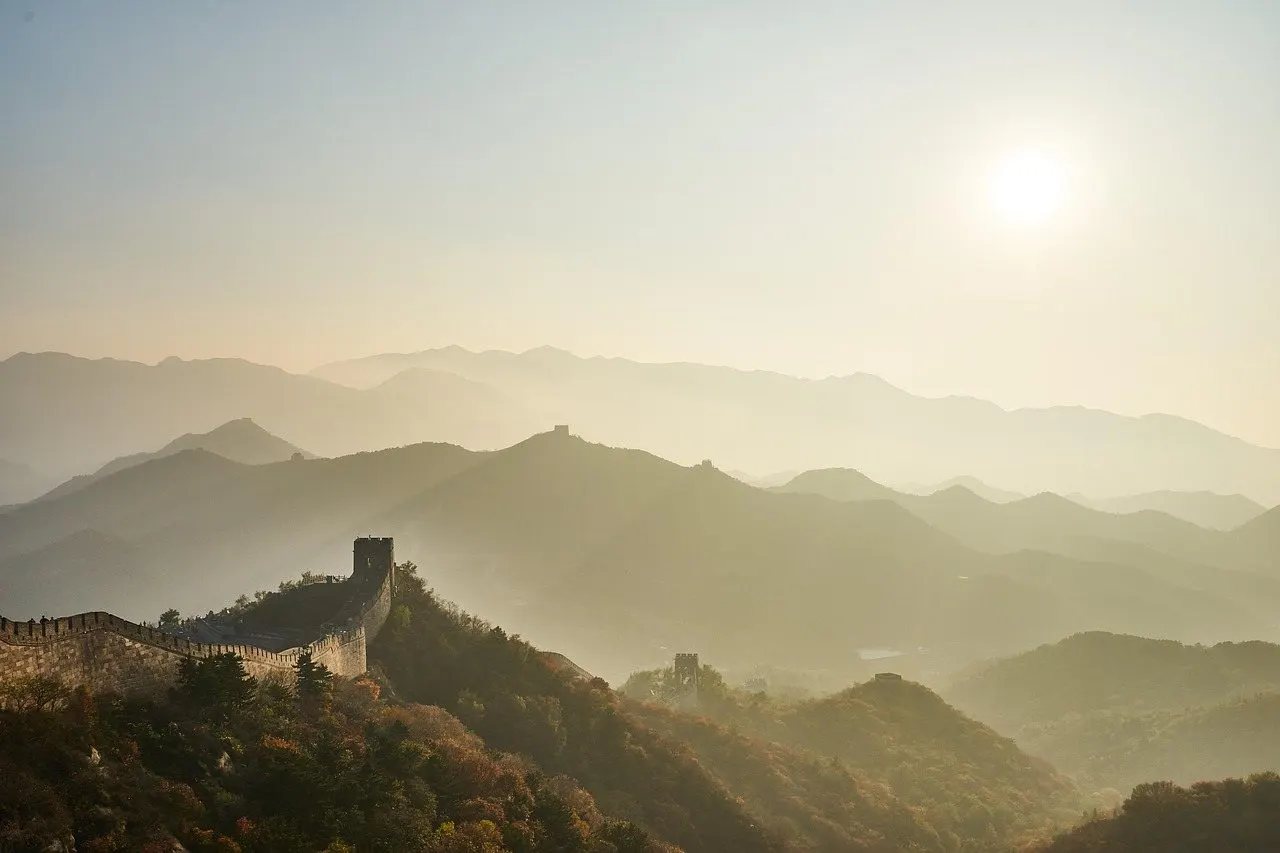
The Great Wall of China shows that building on a huge scale was not limited to one place or one age. The wall runs for thousands of miles across mountains and deserts, and it was built and rebuilt over many centuries by many workers. It was made to guard the border, and its size was part of its purpose, because a wall that big tells every traveler that a great power stands behind it. The effort is hard to grasp even today. Read about an honest boy who found a lost phone.
Giant Stone Ruins and Why Builders Chose Huge Stones
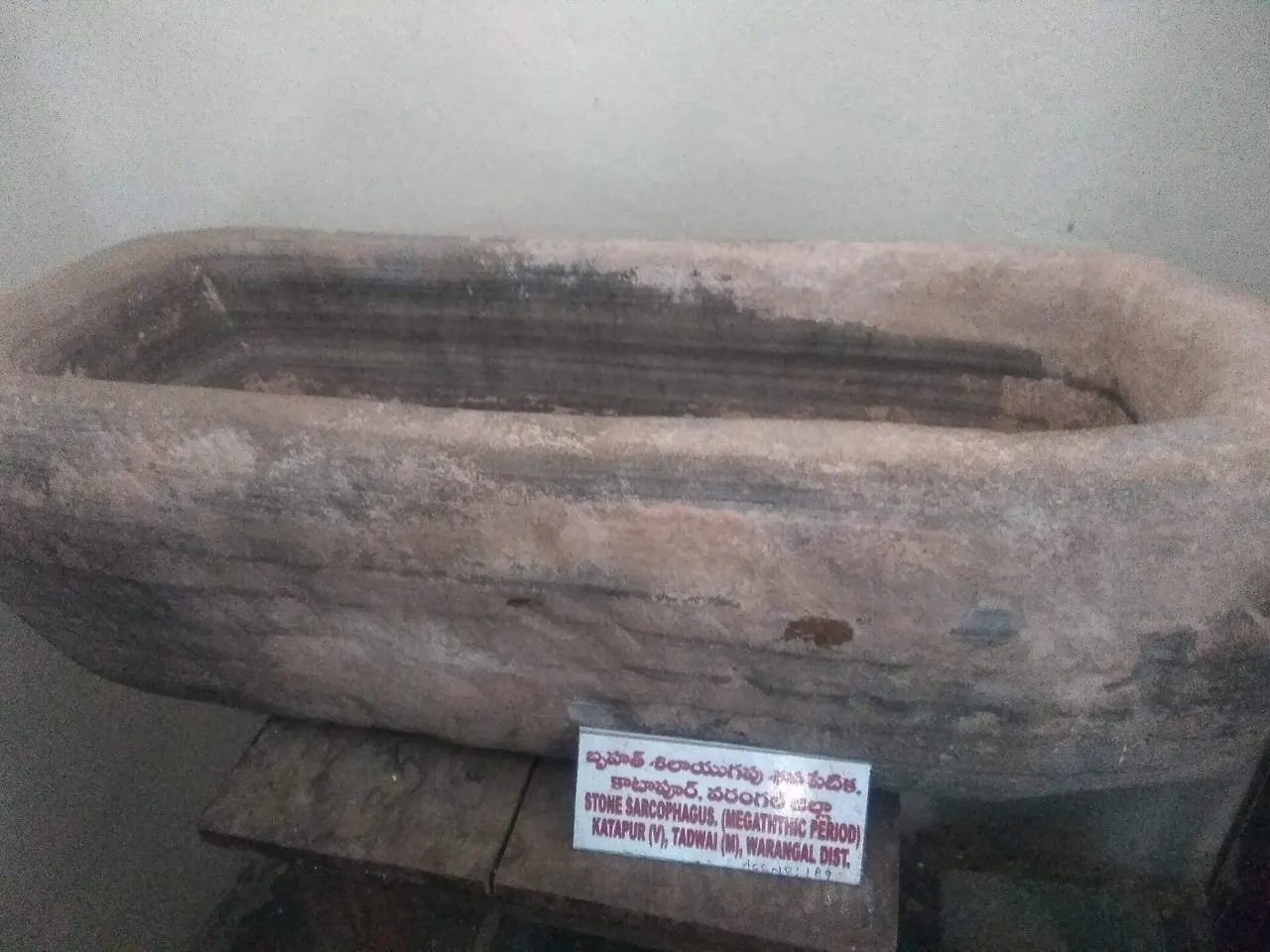
These great stones make us ask why ancient builders chose blocks so big that moving them was a struggle. One answer is that big stones last, because a wall of huge blocks can stand for thousands of years while smaller work falls apart. Another answer is power, because a huge stone tells everyone who sees it that the builders could do great things. A third answer is faith, because temples were built to honor the gods. Read about what truly lasts in a life well lived.
What Archaeologists Say About the Sites
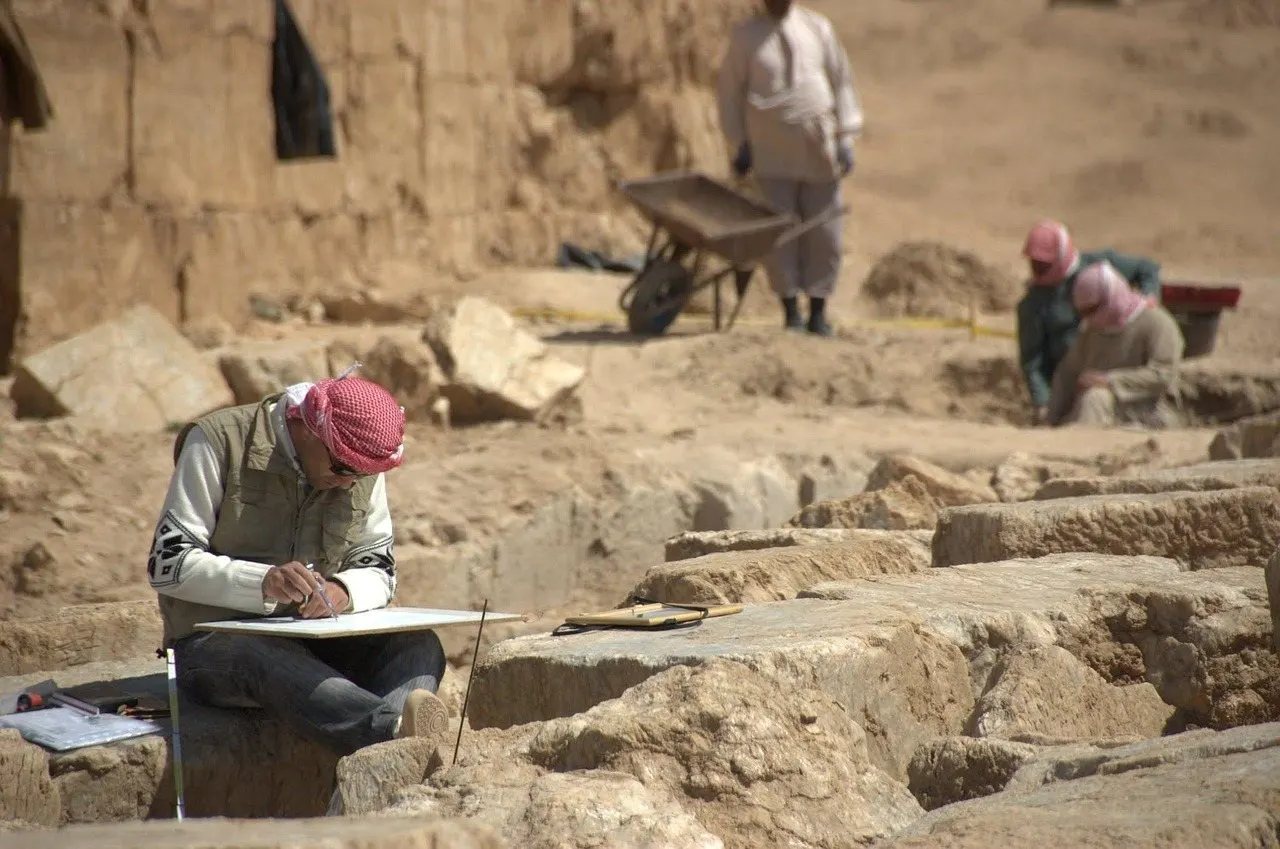
Archaeologists who study these sites say the builders used simple tools with great skill, and they point to ramps, levers, ropes and large teams of workers. They have tested the methods on smaller stones, and the tests show that many of the great blocks could be moved that way. They say the work took many years and whole towns of labor. The answers are careful, yet some stones are so large that the tests do not fully settle the question. See a warning that still echoes in politics.
What the Sites Still Cannot Explain
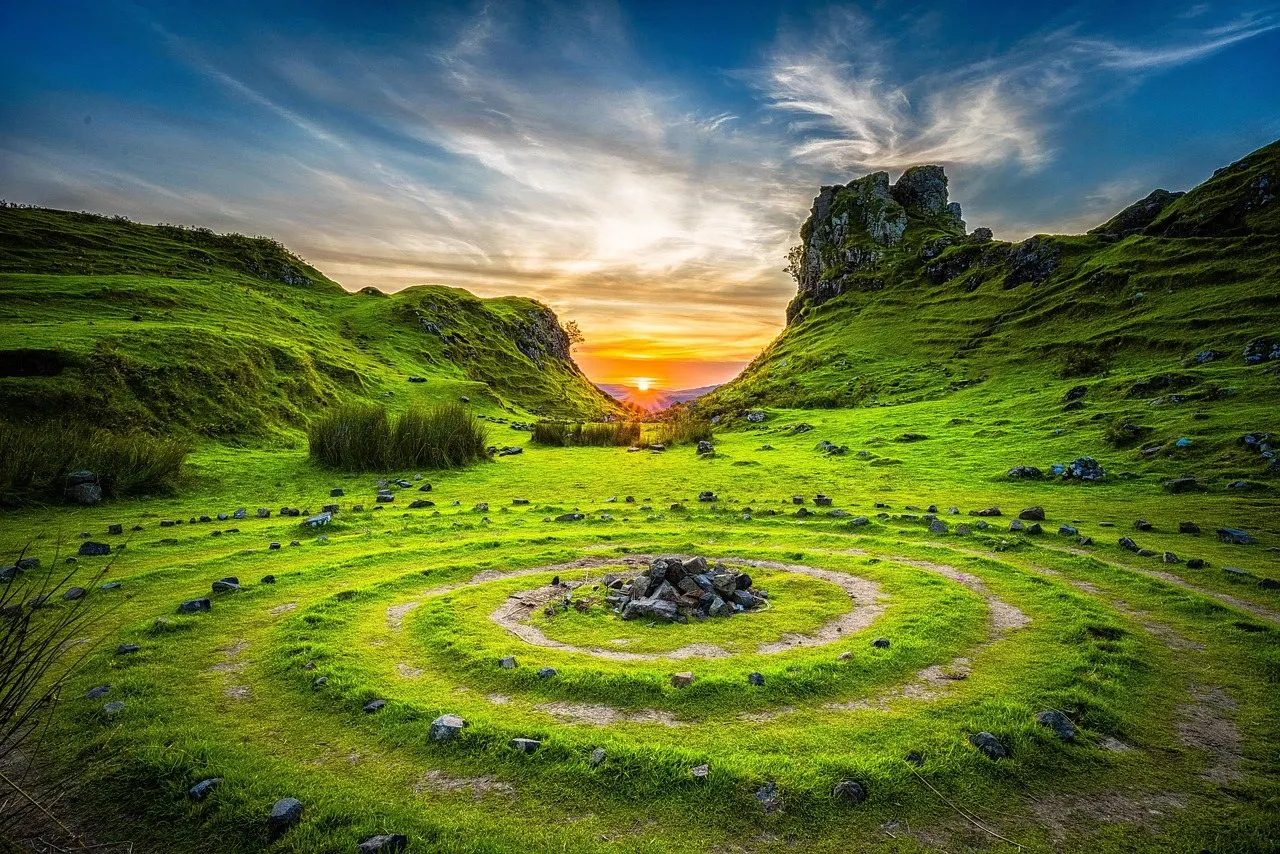
Even with careful study, the sites still cannot explain everything, and that is what keeps the question alive. The 1,000-ton stone in Lebanon is the hardest case, because no test has shown how such a block could be lifted and set in place. The 24-foot doors of the Pantheon raise a softer question, because they work well, yet no one knows why they had to be that tall. The mystery is that the scale still feels beyond need. Read about a silent shrug that said more than words.
Giant Stone Ruins You Can Visit in Rome Today
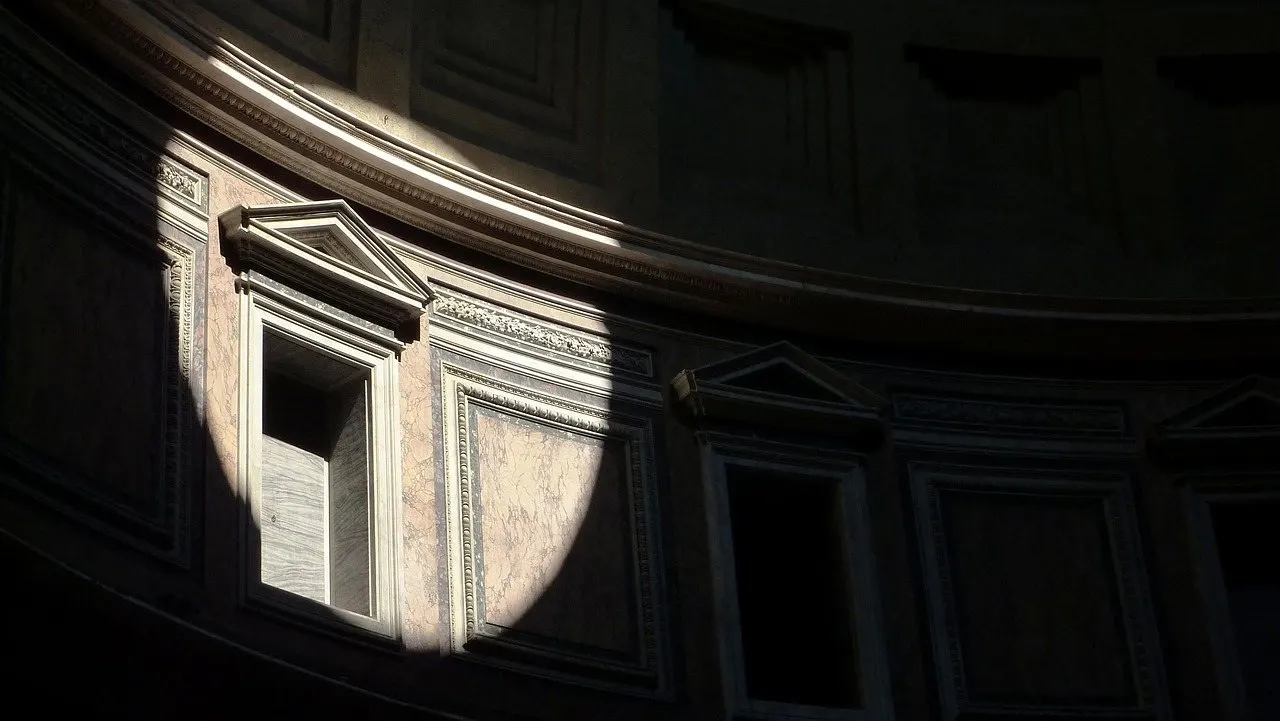
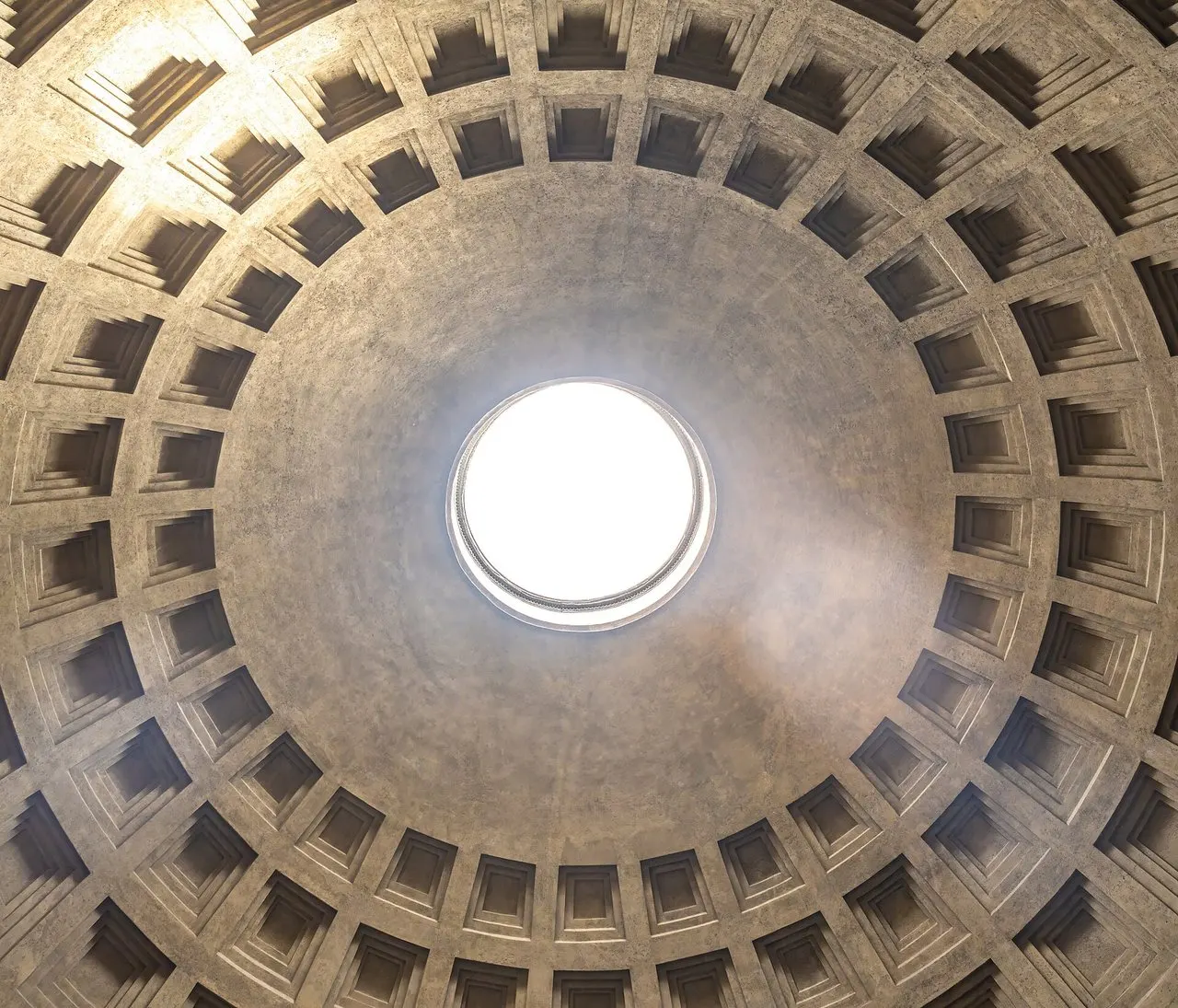
The giant stone ruins in Rome are easy to visit today, because the Pantheon still stands in the heart of the city. The building is free to enter, and crowds pass through the great doors every day, just as people did long ago. Inside, the dome rises above you, open to the sky. It is one of the few ancient buildings that still feels alive. For faith and courage in hard times, read our story on holding on to Jesus.
Visiting Ollantaytambo and Baalbek Today
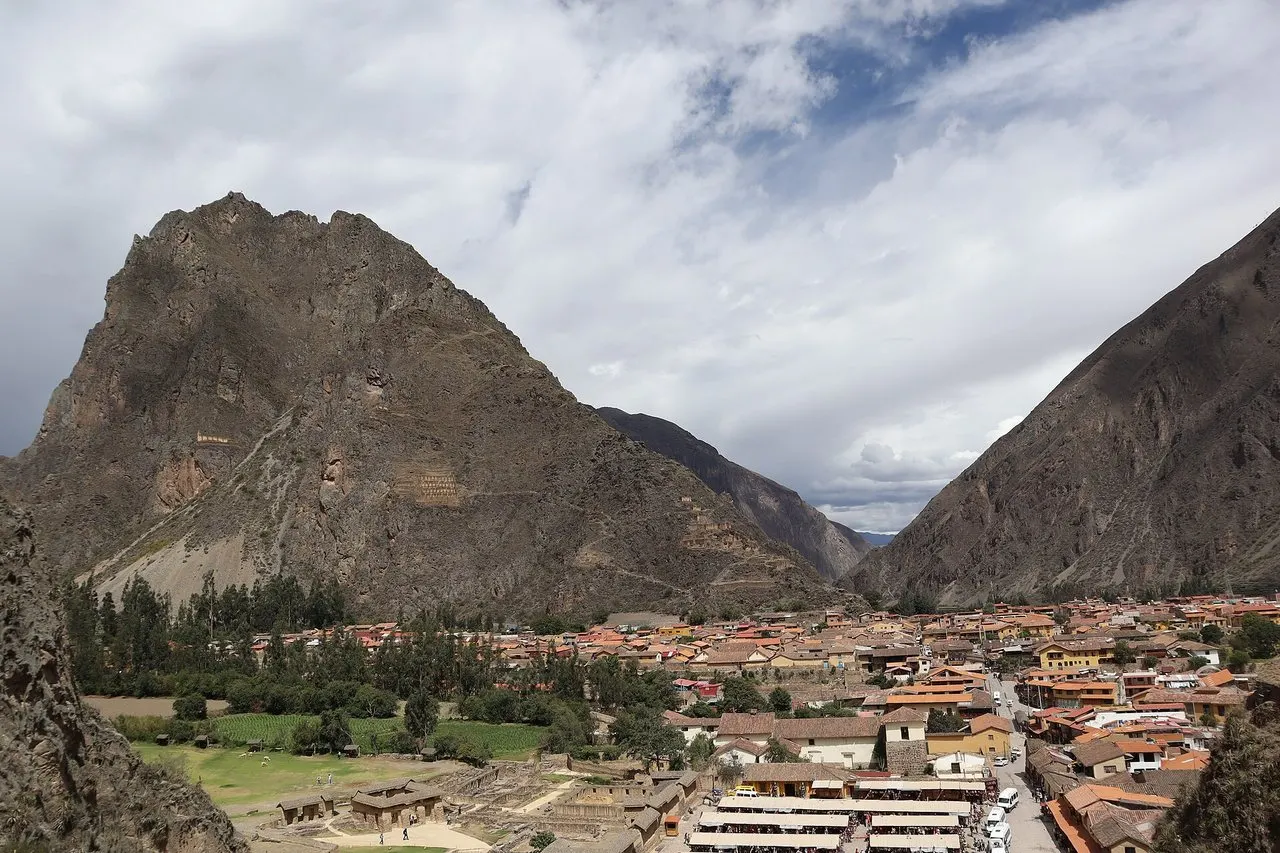
Travelers can still visit Ollantaytambo and Baalbek today, and both sites reward the trip. Ollantaytambo sits in the Sacred Valley of Peru, and visitors climb the great terraces for views across the town and the mountains. Baalbek stands in Lebanon, where the temple ruins and the great stones in the quarry draw visitors from far away. Both places ask for respect, because they are old, fragile and full of history. Read about faith that carried an actor through grief.
The Question That Keeps Coming Back
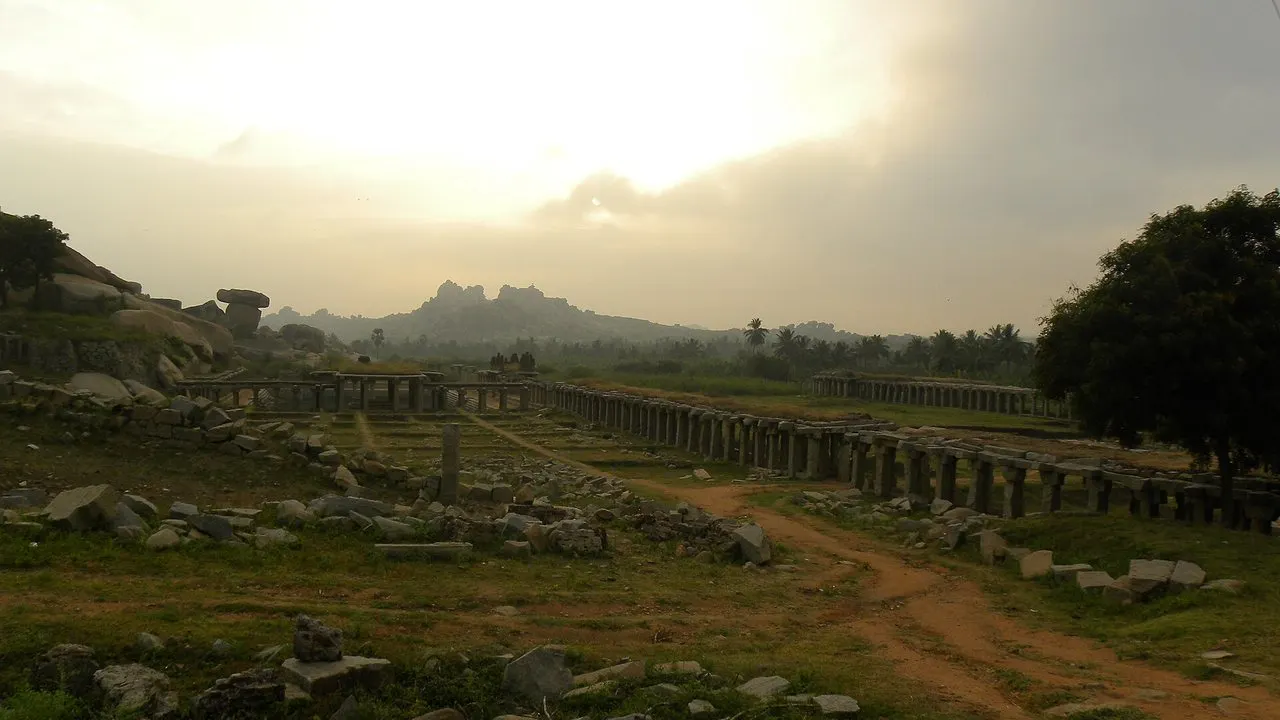
The question keeps coming back because the ruins are still there, and they still do not fit the simple stories we tell about them. One giant ruin is a curiosity, the post says, but the whole planet covered in them is a pattern. From Rome to Peru to Lebanon, the same scale appears again and again, and the same question follows it. The builders left us their work, but they did not leave us their reasons. See a debate about words spoken on a stage.
One Giant Ruin Is a Curiosity
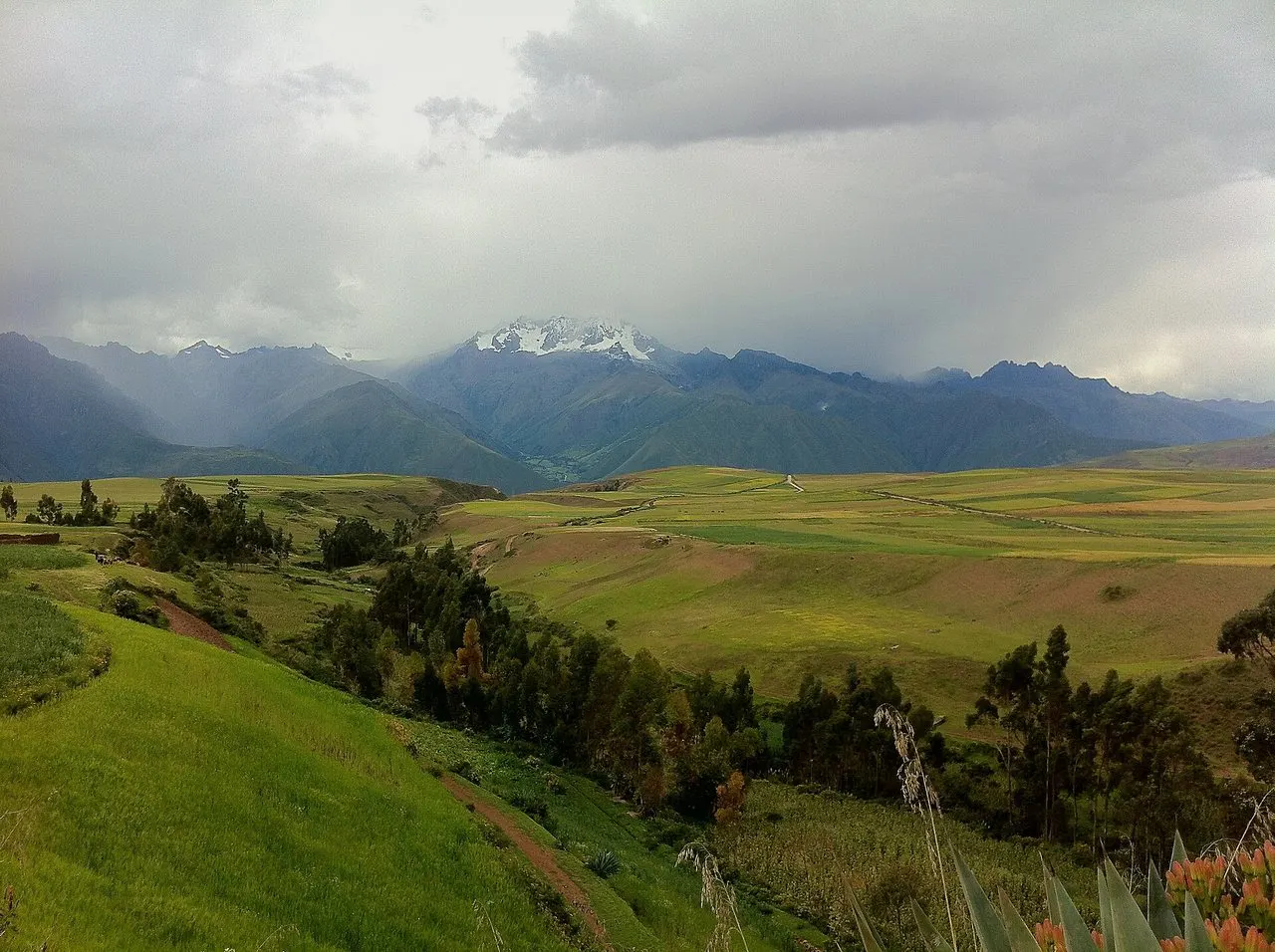
One giant ruin is a curiosity, but the whole planet covered in them is something more. The terraces of Peru, the doors of Rome and the great stone of Lebanon each tell their own story, yet together they tell a bigger one. Ancient people all over the world built on a scale that still stuns us, and they did it with tools we would call simple. The pattern is what makes the question so hard to drop. Read about a trip where leaders showed respect.
What Do You Think These Giant Stone Ruins Were Built For
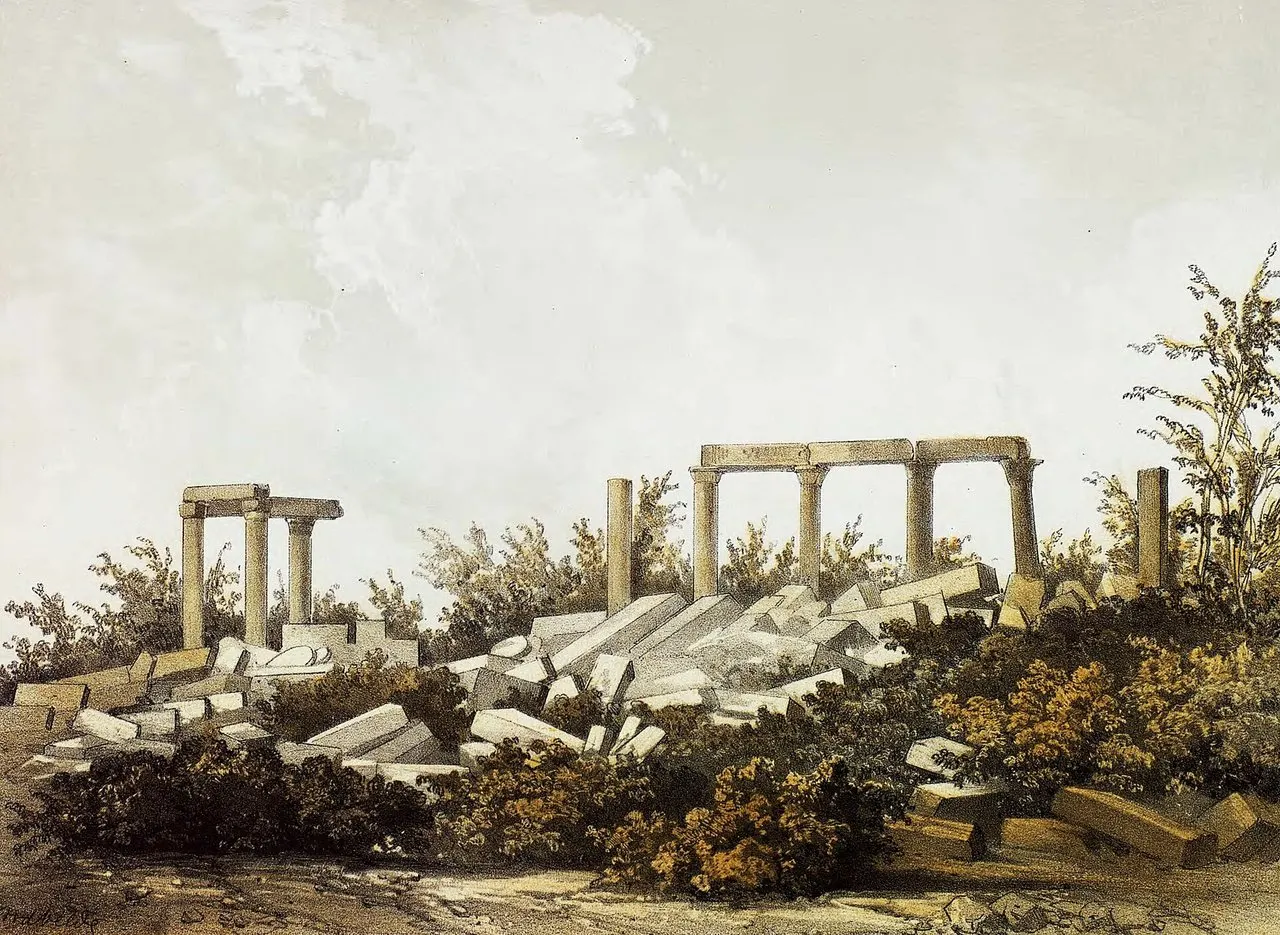
Giant stone ruins leave us with one question, and it is the same one the post asked at the start. Who were these giant stone ruins really built for, and why did the builders choose a scale so far beyond daily life. Was it faith, power, or something we have not yet guessed. There may never be a full answer, but your view matters too. Tell us in the comments what you think these ruins were built for, and read a warning about chats that erase themselves.