Skills Over Degrees: PM Modi’s Message to Lucknow Graduates
Skills over degrees was the message Prime Minister Narendra Modi carried into Lucknow when he addressed the 5th Kaushal Deekshant Samaroh at the Indira Gandhi Pratishthan. Speaking to about 2,000 graduating ITI students, he told them that practical skill will matter more than paper certificates in the years ahead. He said that even as artificial intelligence changes workplaces, no one can take away the job of a person who has real skill. The hall listened closely as he described a future where hands and craft count for more than a framed degree.
Modi praised the young graduates for choosing hands-on training and said India is moving toward becoming the skill capital of the world. He noted that Uttar Pradesh has trained more than 17 lakh young people under its skill mission, with over seven lakh finding jobs through campus placements. Read about Tesla Optimus, the humanoid robot Elon Musk calls the largest product ever as we begin the story.
References:
Press Information Bureau: 21st-century India can progress only by honouring skills
PM India: PMs address during participation in Kaushal Deekshant Samaroh in Lucknow Uttar Pradesh
TVN World: Modis Skills Not Degrees Will Safeguard Jobs from AI in Uttar Pradesh
Daily Kiran: PM Modi Emphasizes Skills Over Degrees at Lucknow Event
Skills Over Degrees at the 5th Kaushal Deekshant Samaroh
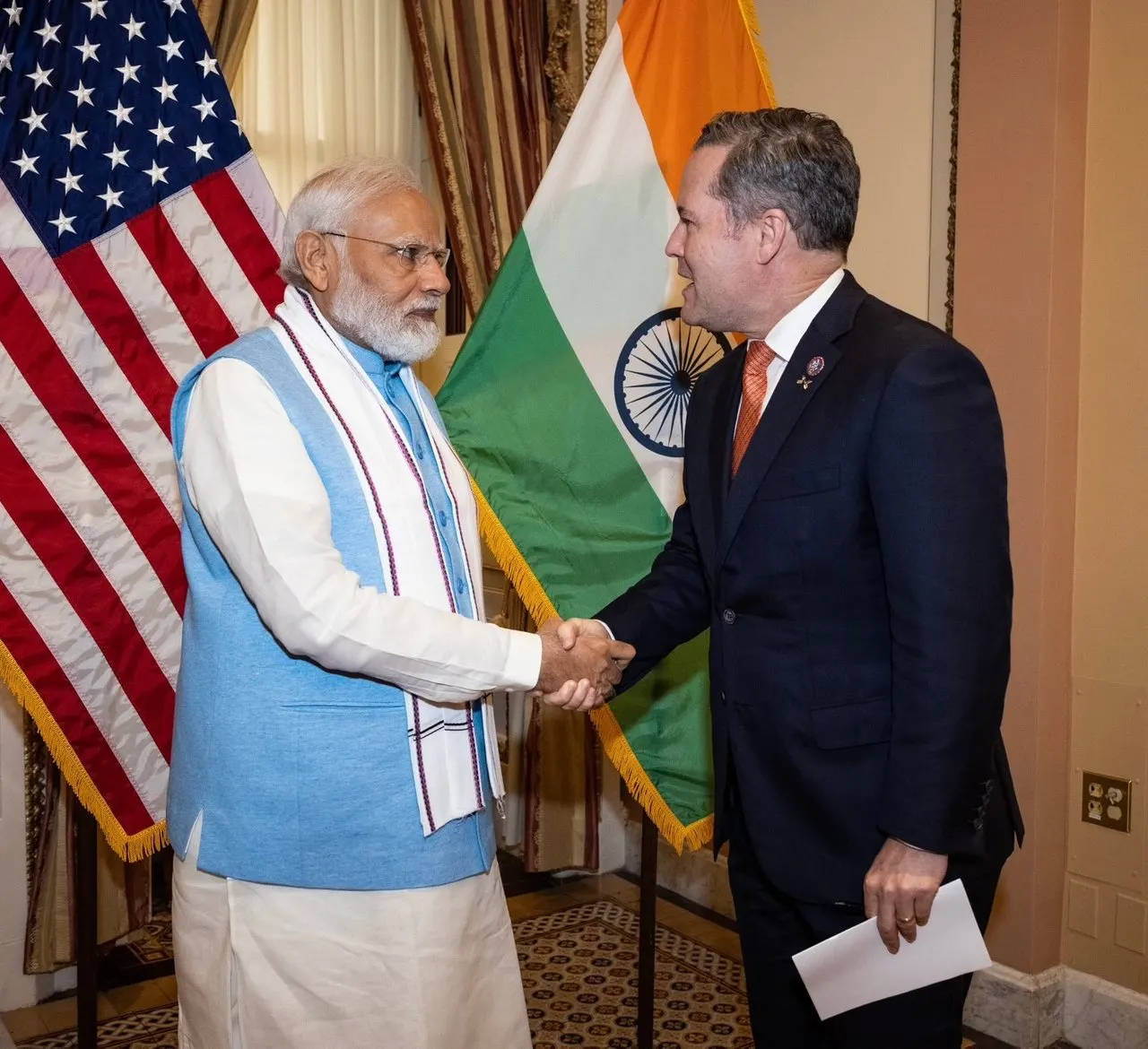
The 5th Kaushal Deekshant Samaroh is the national graduation ceremony for skill trainees, modelled on a university convocation, and this was its fifth edition. Modi said he was happy that Lucknow was chosen to host such a major skill event, and as a Member of Parliament from Uttar Pradesh he called it a matter of pride. Read about whole forests cleared to build data centers to see how the day unfolded.
Times Are Changing, and Skilled People Will Be Valued More

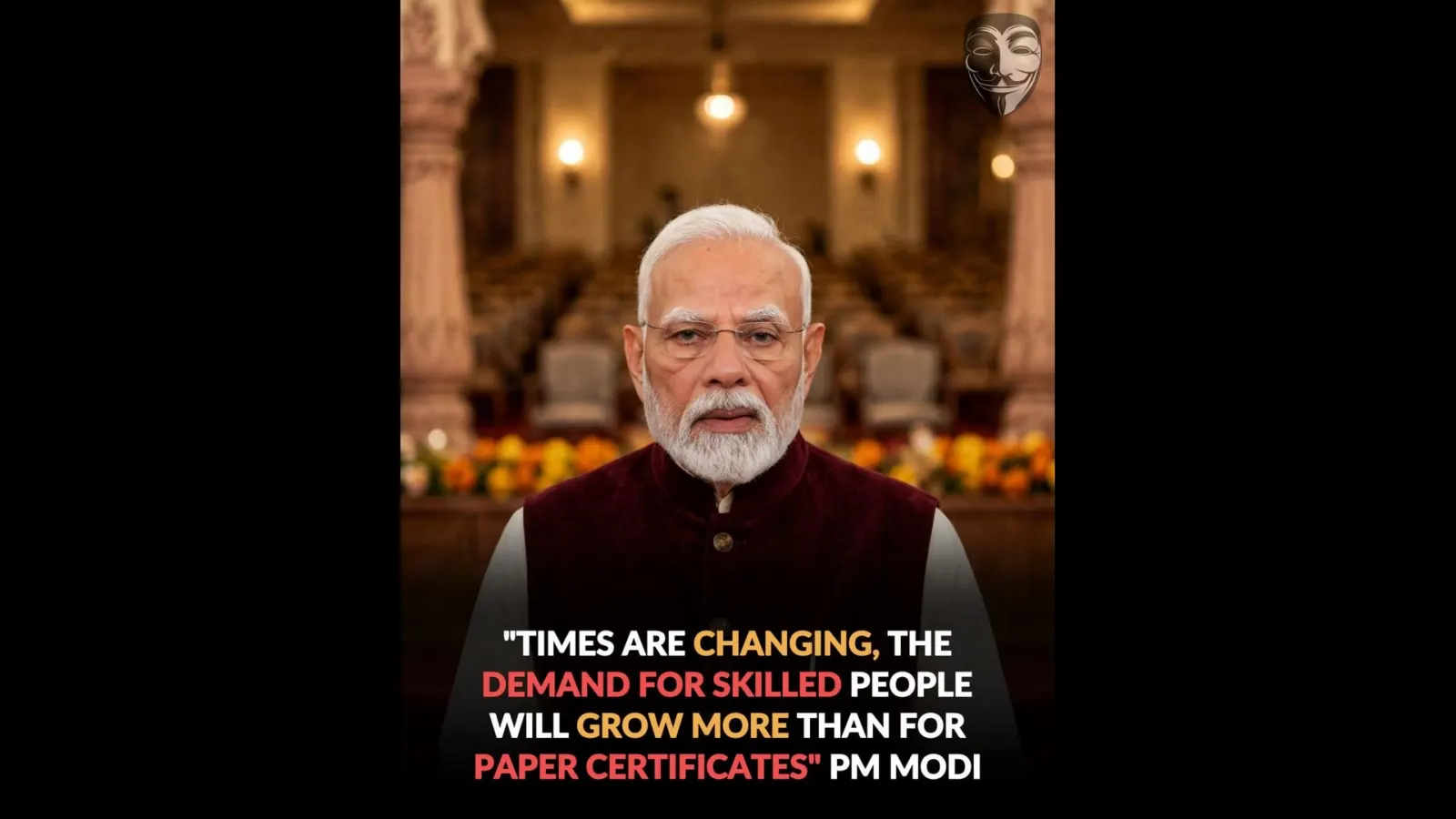
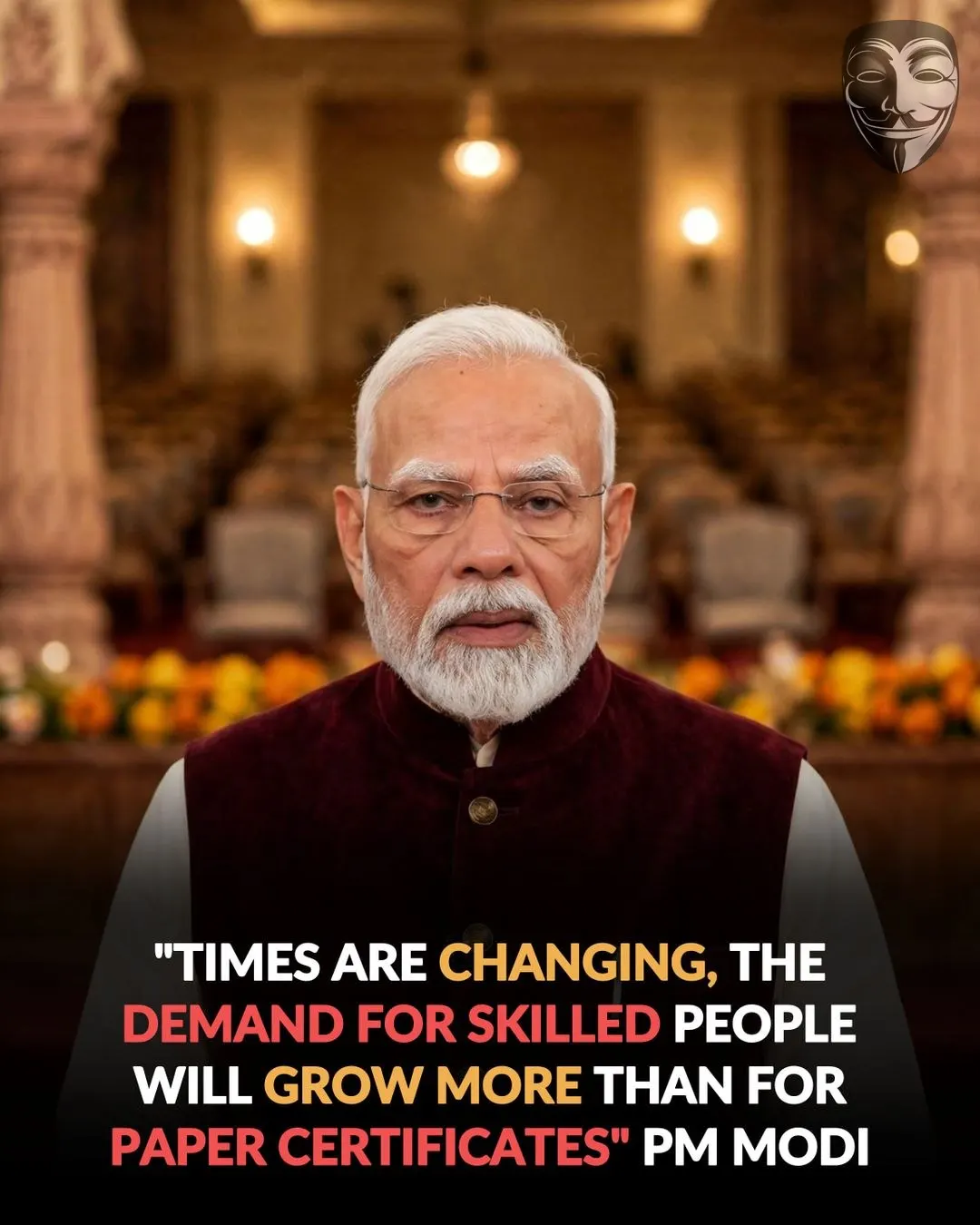
Modi asked the graduates to write down his words. He said times are changing, and people with skills will be valued more than those who walk around with paper certificates, wearing suits and ties. The demand for those with skill and talent will keep growing, he said, while the value of a certificate alone will fall. It was a direct challenge to the old idea that a degree is the only ticket to a good life. Read about workers facing big changes in their trade for more on his message.
AI Cannot Take the Job of a Person Who Has Skill
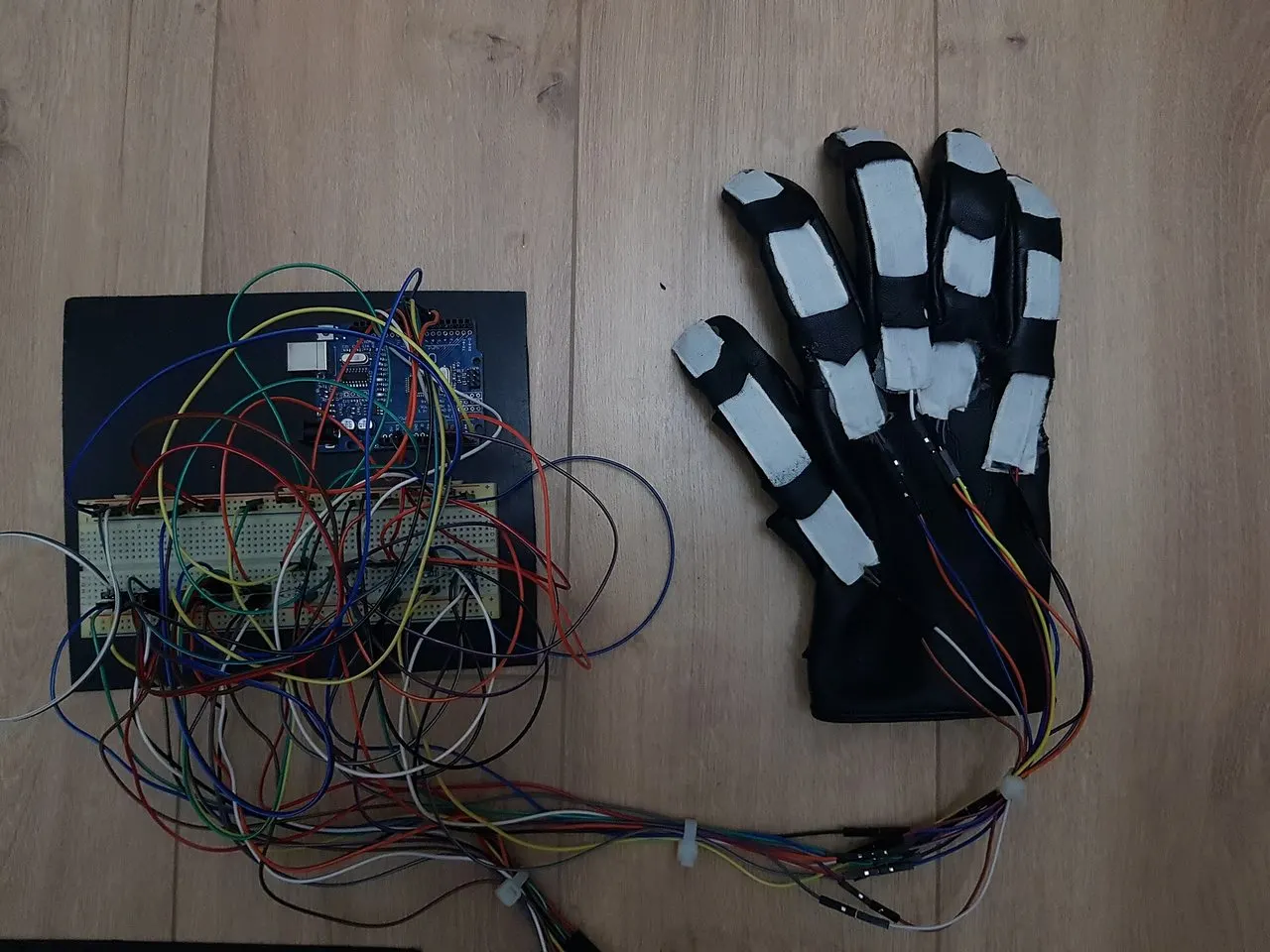
There is a lot of talk about artificial intelligence taking jobs, Modi told the hall, but he asked the graduates to understand one point very clearly. No one can take away the job of a person who possesses skill, he said, even as AI keeps changing how work is done. Machines can write, calculate and sort, but they cannot replace the hands that build, fix and care. Read about what Sir Anthony Hopkins says truly lasts to see why skill is a shield against AI.
Skills Over Degrees: ITI Students Deserve the Same Respect as IIT Students
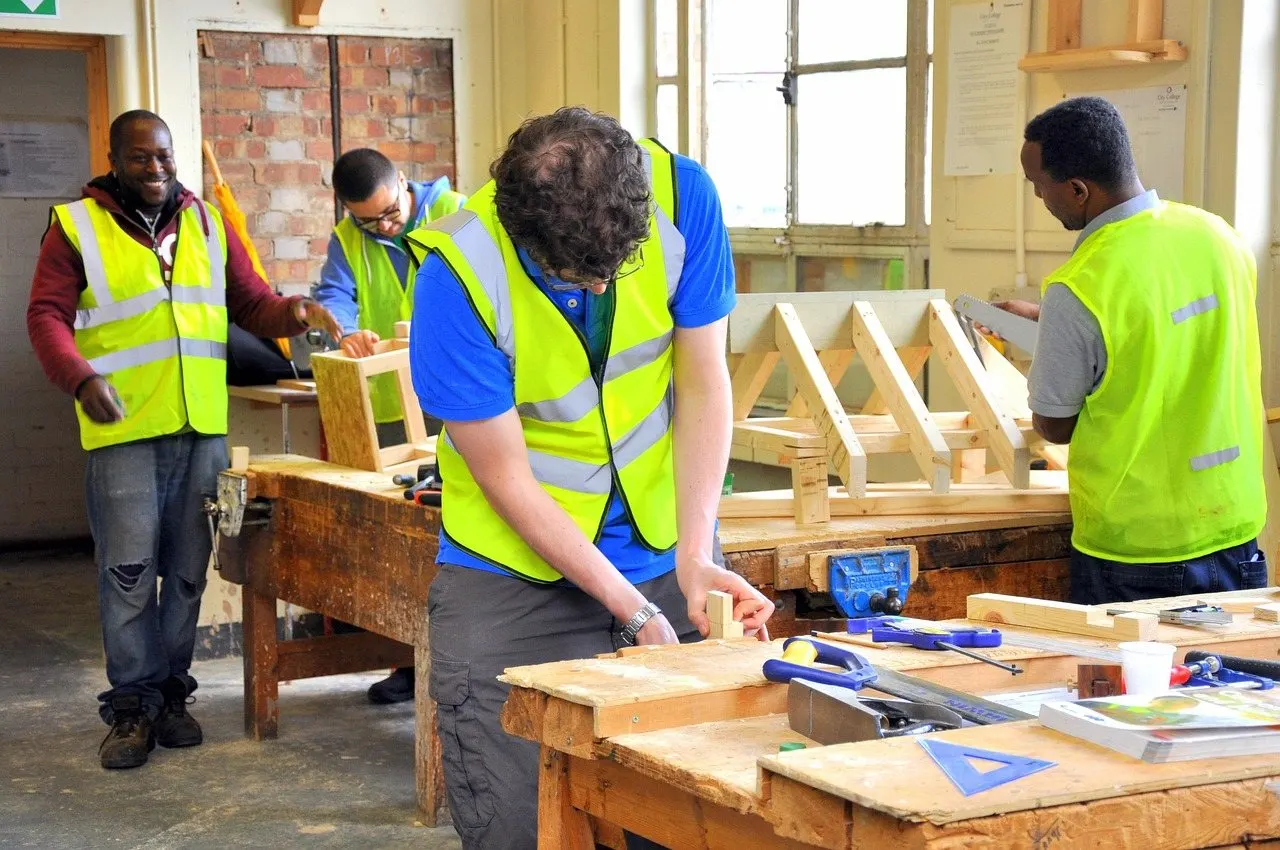
One of the strongest lines of the speech was aimed at the status gap between two kinds of students. Modi said students of Industrial Training Institutes should receive the same respect as those studying at the Indian Institutes of Technology. For him, skills over degrees is not just a slogan but a matter of respect for young people who learn with their hands. Read about advice to extend grace inside your own caucus for more on closing the gap.
The Lesson of Covid: Skilled Hands Kept the World Running
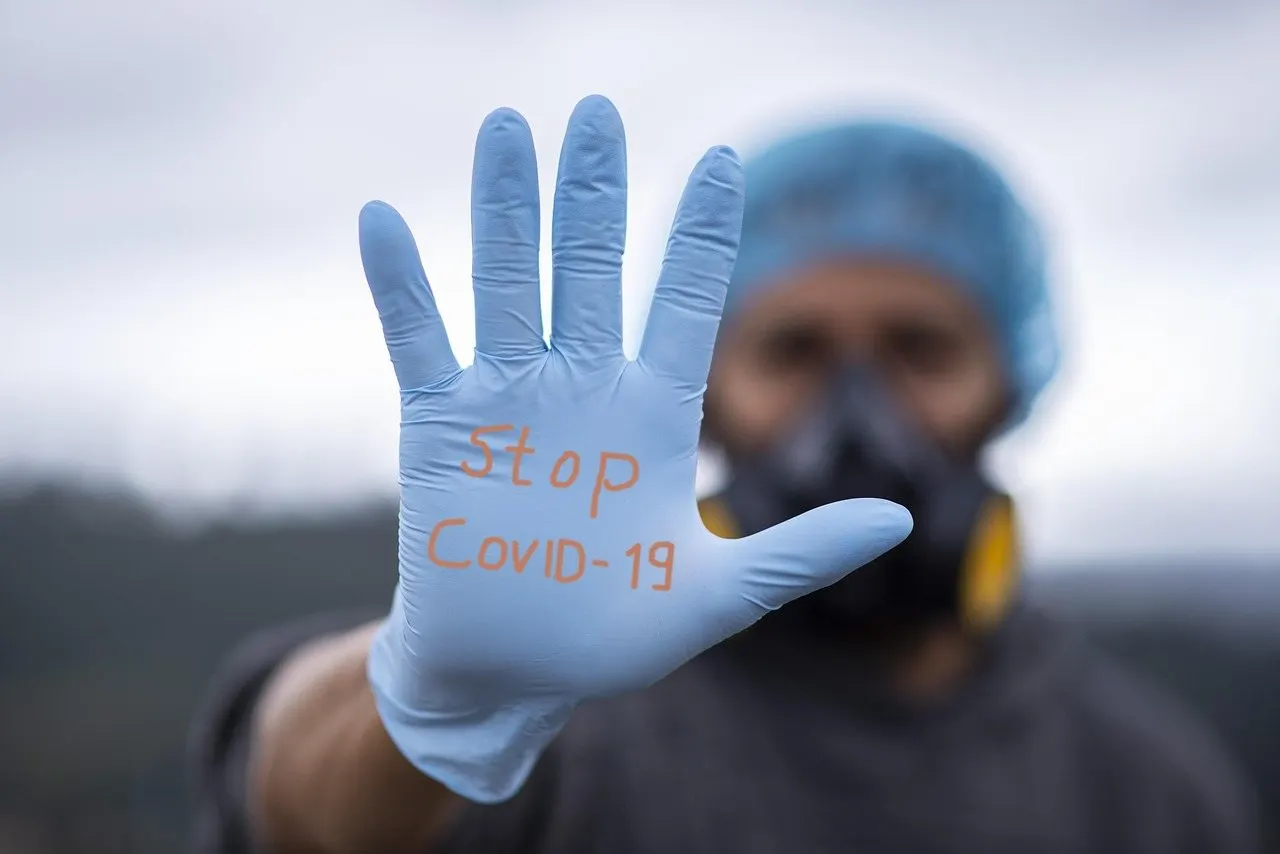
Modi reached back to the Covid pandemic to make his point about skill. When everyone felt helpless, he said, it was skilled workers who managed critical operations and kept things running. Nurses, drivers, electricians, plumbers and technicians did the work that kept hospitals, homes and supply lines alive. The lesson stayed with him. A crisis shows who a society truly depends on, and it is often the people whose names never appear in the news. Read about a silent shrug that said more than words for more on the workers who kept going.
India’s Craft Heritage: Chikankari, Silk and Pashmina
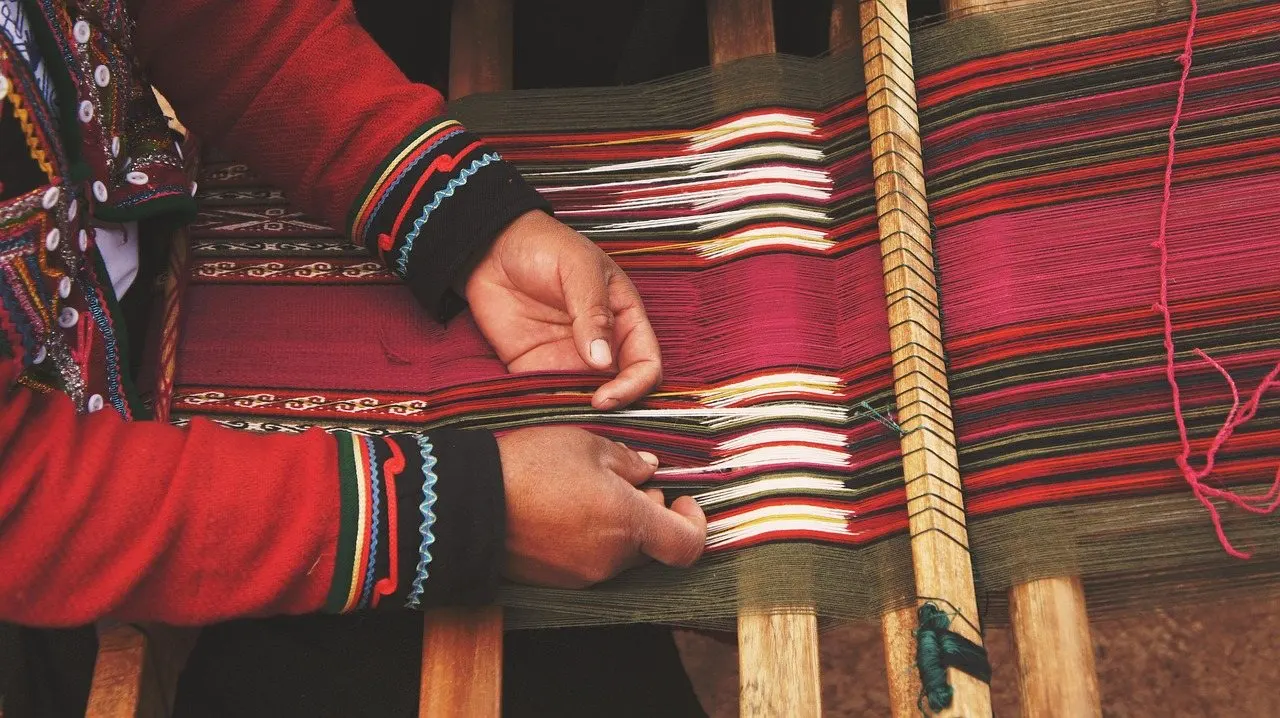
Modi reminded the hall that India has respected craftsmanship for centuries. He named Lucknow’s Chikankari, fine muslin, Banaras and Kanjeevaram silk, Kashmir Pashmina, cotton textiles and Kalamkari, along with steel for the world’s finest swords and bronze and Panchdhatu idols. These crafts once formed the pillars of society, and India’s identity in the world came through such skills. That heritage is still alive in workshops across the country. Read about a warning about chats that erase themselves for more on the crafts that built India.
How a Clerk-Making System Pushed Skills Aside
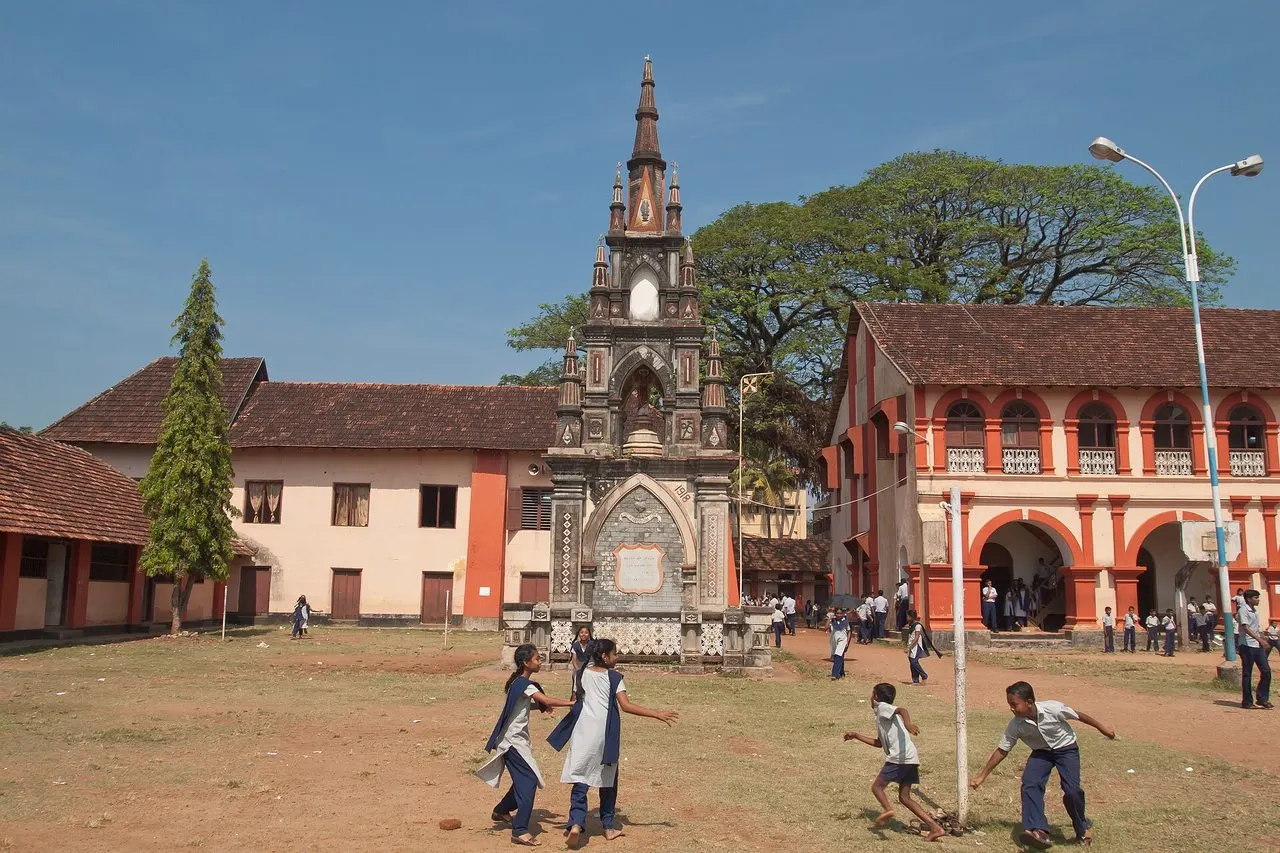
The Prime Minister said the old skill system lost ground when invaders damaged it and the British brought an education system built to produce clerks. Clerical jobs came to be revered even after independence, while skilled craftspeople were made to feel inferior and began shying away from their trades. A society that once honoured the maker began to honour the paper pusher instead. Modi called that shift a slavery mindset that India must now leave behind. Read about Liz Cheney’s warning to her Republican colleagues for more on how the change happened.
Skills Over Degrees and the Dignity of Labour
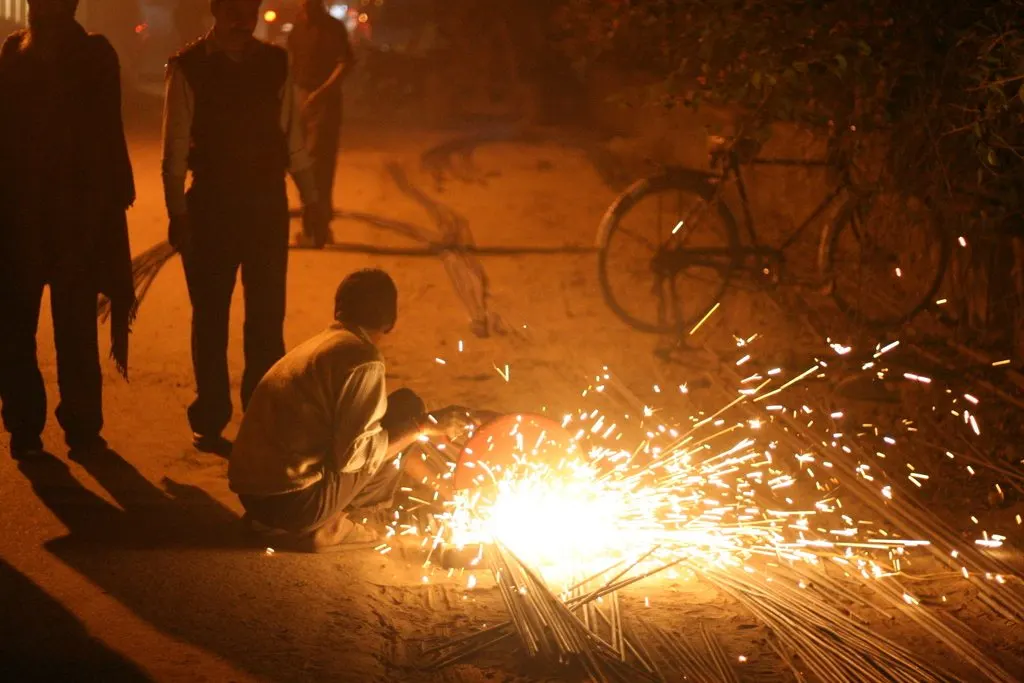
Modi pointed to the steps his government has taken in the spirit of Shrameva Jayate, the belief that labour itself deserves honour. Convocations were extended beyond college degree holders to ITI skill certificate recipients, and the new National Education Policy places strong emphasis on skill development. A separate Ministry of Skill Development now leads the work. The message is simple. A nation that respects its makers will keep growing. Read about a call to surrender life to Christ for more on honouring craft.
A Thousand Skills From Waking to Sleeping
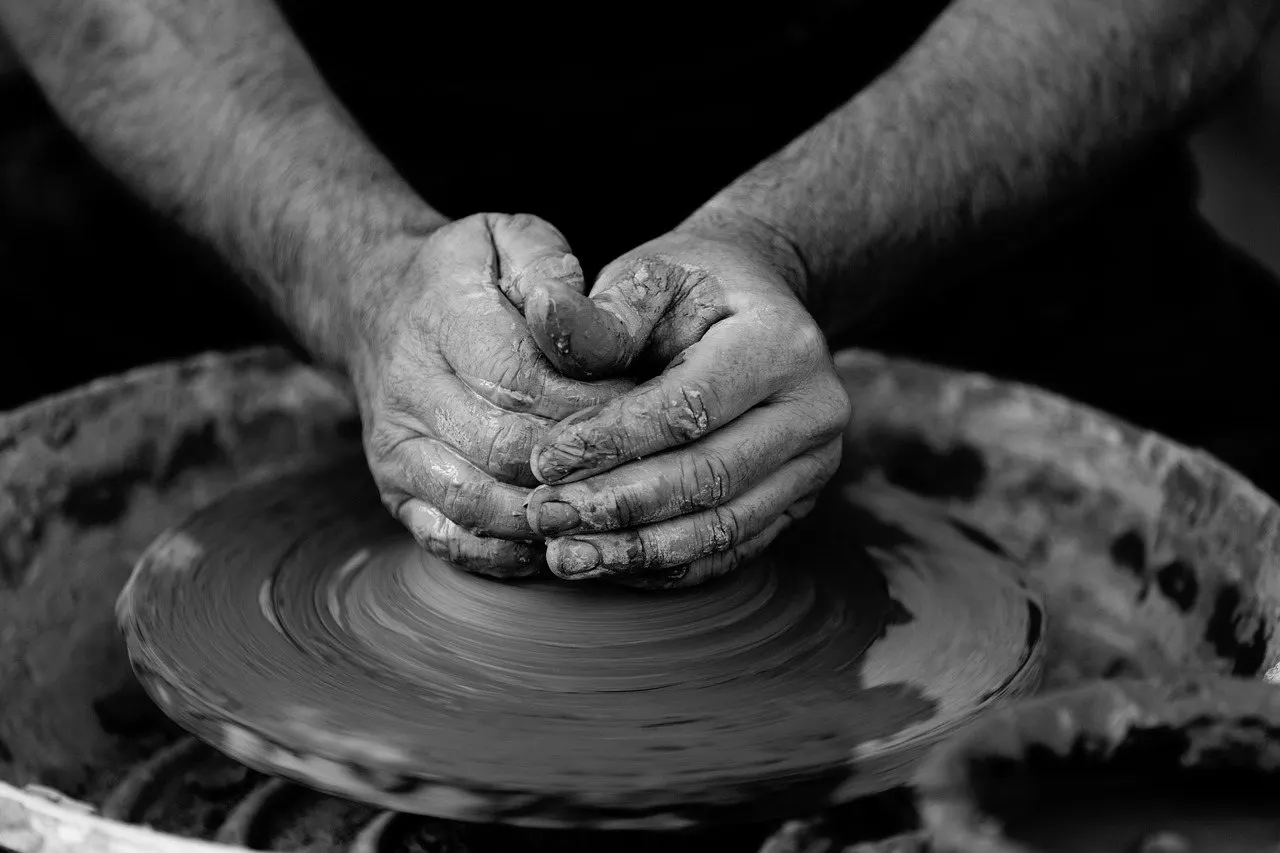
As Chief Minister of Gujarat, Modi once asked officers to list every task a person needs from waking up to sleeping, and from birth to death. The exercise produced around one thousand essential skills that keep society moving, from cooking and cleaning to building and healing. He also spoke of Gujarat’s Vasavaya tradition, where skilled artisans settled wherever a new village was built. Every region of India once had such a system. Read about a wrong number text that became a friendship for more on the skills that hold daily life together.
Skills Over Degrees in Uttar Pradesh: 17 Lakh Trained

Uttar Pradesh has become the centre of India’s skill push. Chief Minister Yogi Adityanath, who was present at the event, said the Uttar Pradesh Skill Development Mission has trained more than 17 lakh young people since 2017. That is one of the largest skilling efforts by any state in the country. Behind the number are real young people learning trades that employers actually want. Read about the Tesla Optimus robot and the jobs it may change for more on the mission’s reach.
Seven Lakh Jobs Prove Skills Over Degrees
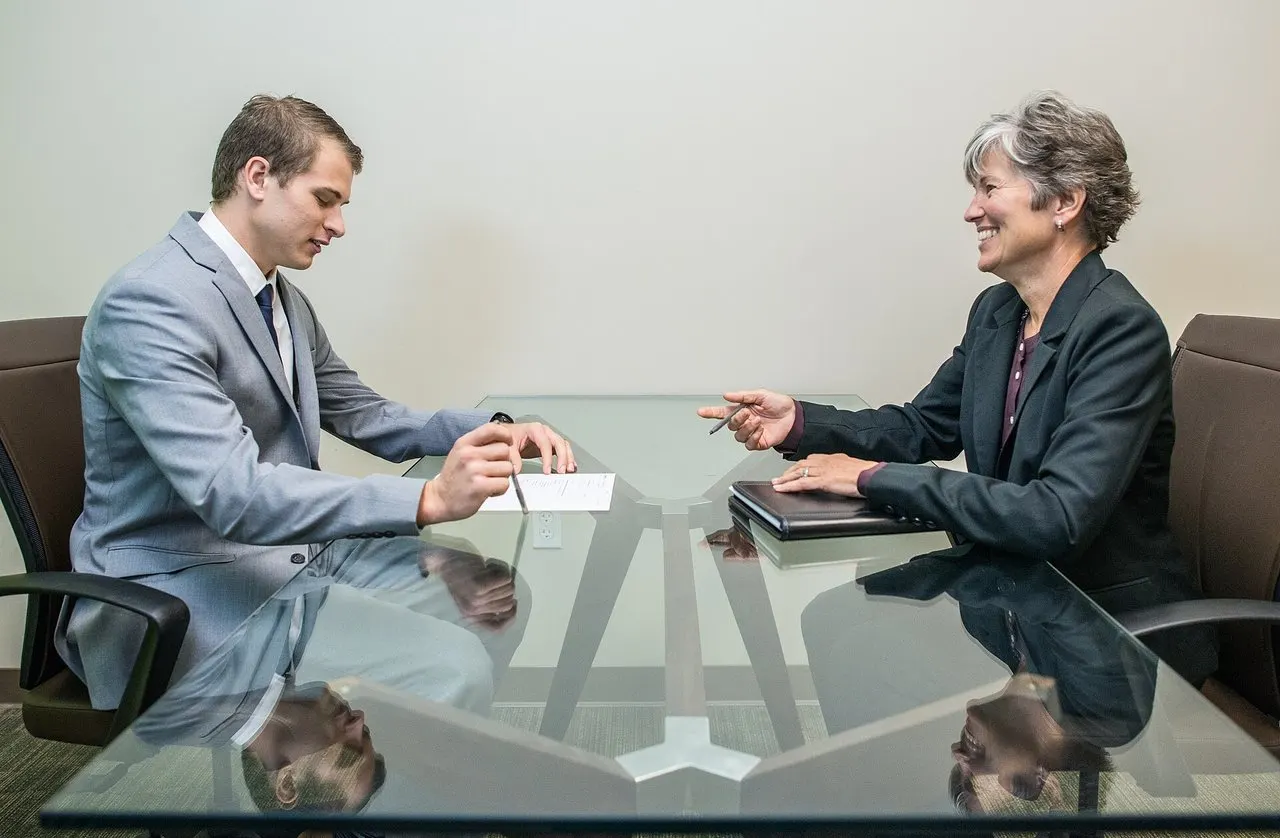
Training matters most when it leads to work. More than seven lakh of the young people trained under the Uttar Pradesh mission have found jobs through campus placements. That means employers came to the training centres and hired graduates straight into jobs. For a young person from a small town, a campus offer can change the whole family’s future. Read about the forests cleared for data centers for more on how placements change lives.
Rural Youth and New Technology Trades
The mission’s reach goes beyond the big cities. More than 1.23 lakh rural youth found employment under the Deen Dayal Upadhyay Grameen Kaushalya Yojana, a scheme that trains young people from villages. Over 12,000 ITI trainees in emerging technologies also secured jobs through campus placements. These numbers show that skill training is reaching the places where jobs are needed most. Read about a plan that affects about 200 workers for more on rural opportunity.
New Courses Reach 150 ITIs With Tata Technologies
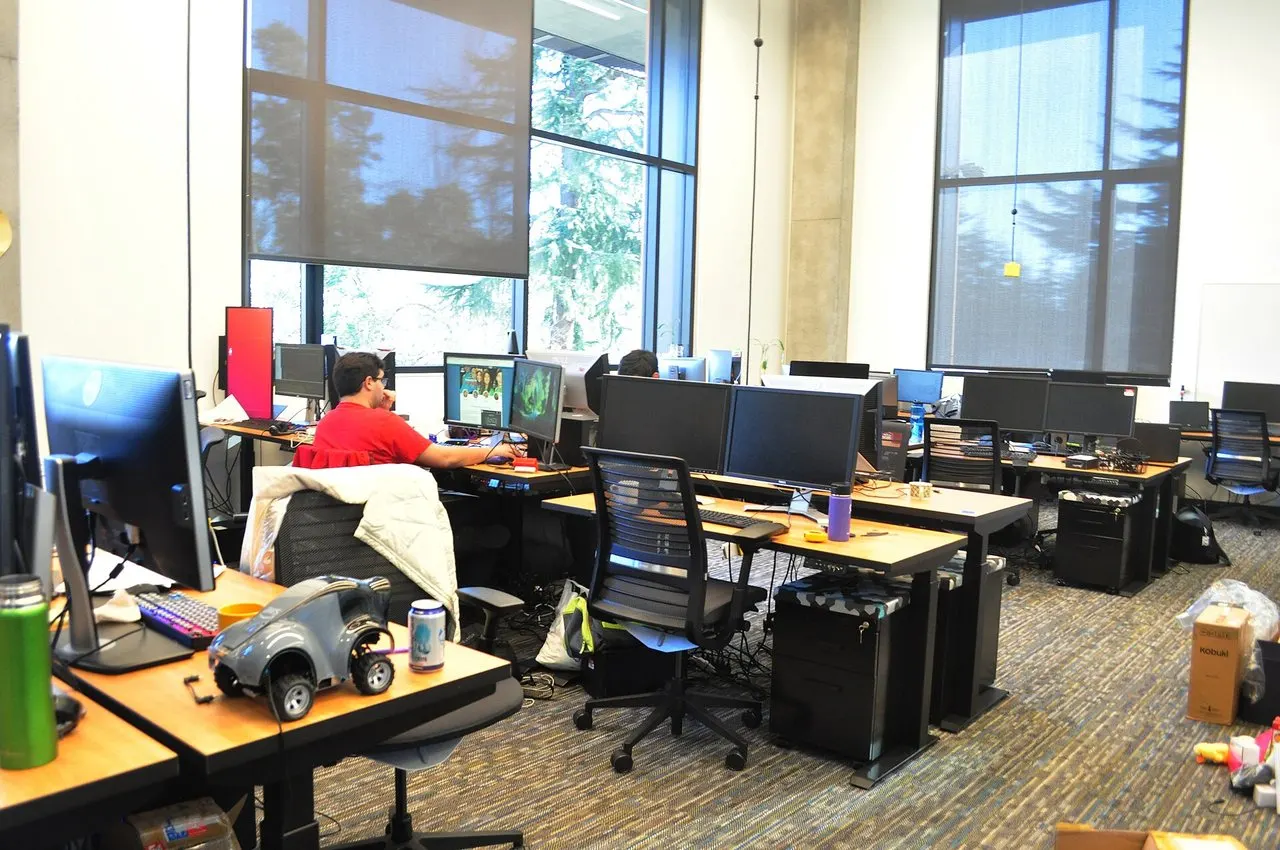
Uttar Pradesh has also joined hands with Tata Technologies to offer industry courses in more than 150 Industrial Training Institutes. The courses cover new fields like artificial intelligence, robotics, drone technology, the Internet of Things and 3D printing. That means an ITI student in a small town can now learn the same tools used in modern factories. Read about Hopkins on what lives on after us for more on new skills for new industries.
5,000 New ITIs Since 2014
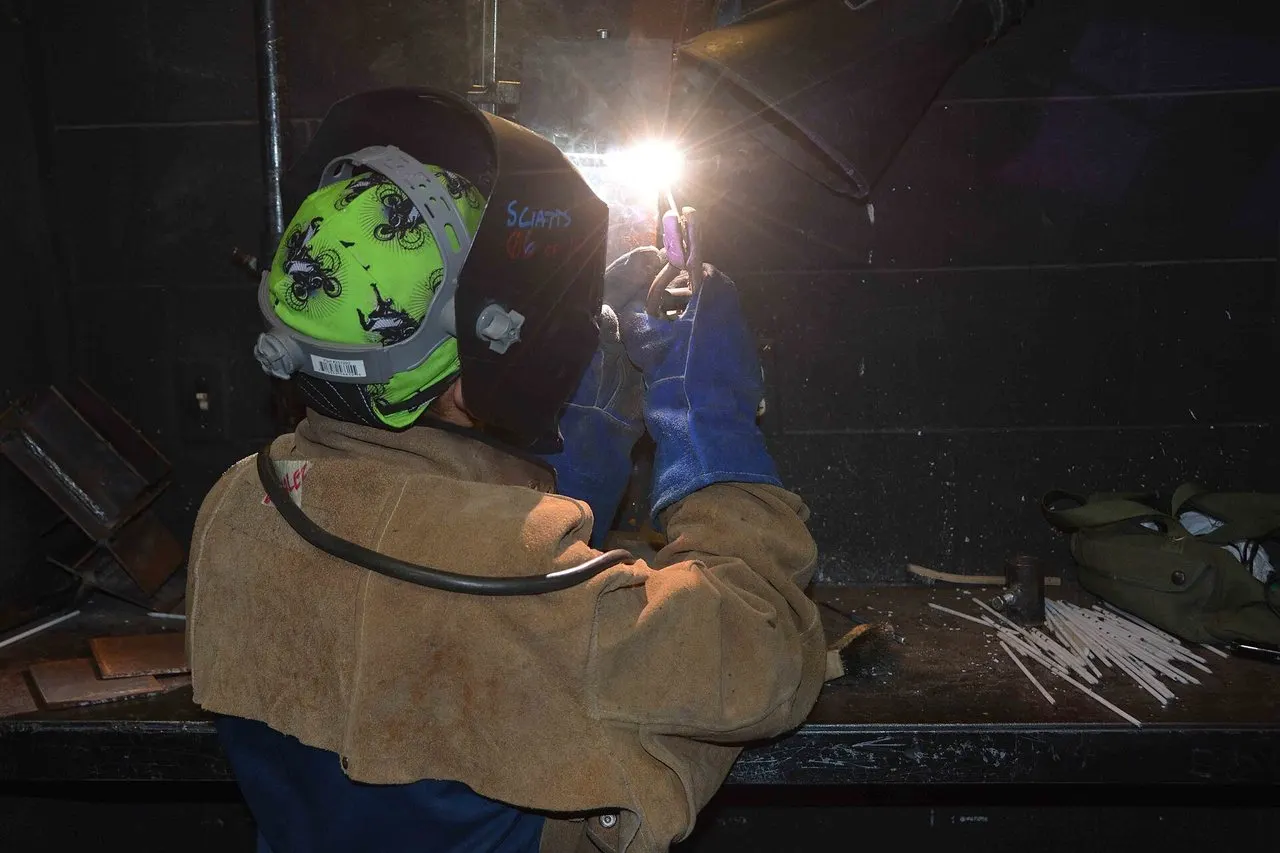
The national picture is just as striking. Since 2014, more than 5,000 new ITIs have been set up across India, and an additional five lakh students have enrolled. Thirty new trades are now being taught, so young people can train for work that did not exist a generation ago. The network of institutes keeps growing every year. Read about Obama’s visit to House Democrats for more on the spread of skill training.
New Trades: Drones, Green Hydrogen and Semiconductors
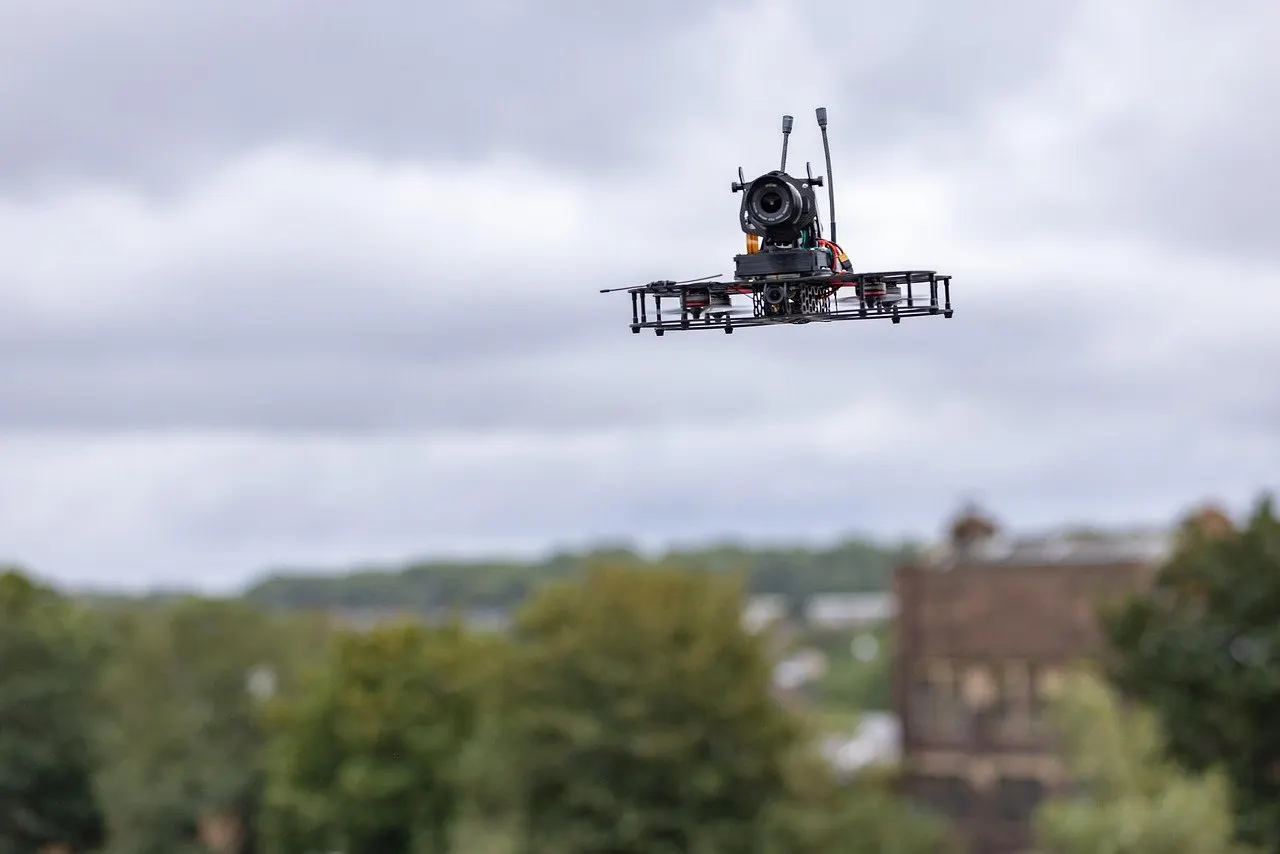
The new trades read like a list from the future. Students can now train as aeronautical technicians, cyber security experts, drone operators, green hydrogen workers and semiconductor technicians. These are the jobs that modern industry needs, and they pay for real ability rather than a paper certificate. A young person who learns one of these trades can walk into work anywhere in the world. Read about Zelensky’s quiet moment in Berlin for more on the trades of tomorrow.
Skills Over Degrees: India Becomes the Skill Capital of the World
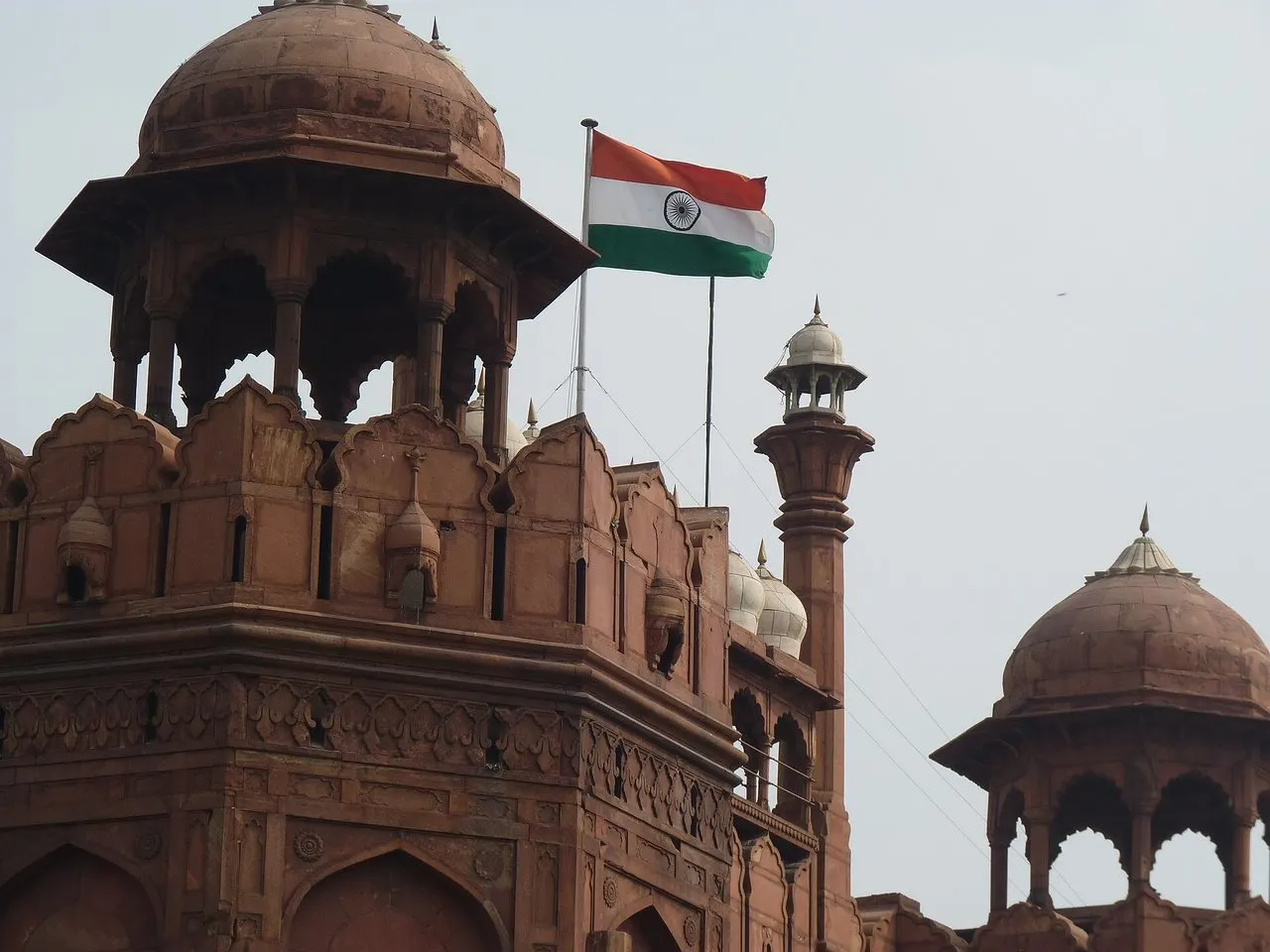
Modi told the graduates that India is progressing toward becoming the skill capital of the world, and it is happening because of young people like them. When the world needs skilled hands, he said, it will look to India first. For young Indians, skills over degrees can open doors in every country, since employers everywhere want people who can actually do the work. Read about Raskin’s warning about disappearing messages for more on India’s place in the world.
WorldSkills 2027 Comes to Greater Noida

Next year, India will host the WorldSkills Competition in Greater Noida, Uttar Pradesh, the world’s largest contest for young skilled workers. Young welders, chefs, coders and builders from many countries will compete side by side. Hosting the event puts India’s training system on the world stage. For ITI students, it is a chance to see the best in the world up close. Read about a warning about dishonour that will remain for more on the coming contest.
Skills Over Degrees: Trade Deals Want Indian Workers

Modi also said the trade deals India is signing with other countries carry a high demand for Indian skilled workers abroad. These countries do not ask for people with university degrees, he said. They ask for ITI workers who possess real skills. That demand turns training into a passport, letting a young electrician or welder find work far from home. Read about Dr. Stella Immanuel’s message for more on work beyond India’s borders.
Ending the Embarrassment of the ITI Tag

Modi spoke plainly about the shame some families feel over the ITI tag. Parents of ITI students have felt embarrassed, he said, as if a trade were a lesser path than a degree. He said he is determined to change that view, so that a young person who learns a skill feels proud, not small. Respect starts at home, and it starts with parents. Read about Wanda and Jamal ten years later for more on changing minds about trades.
Big Companies Run on ITI Workers
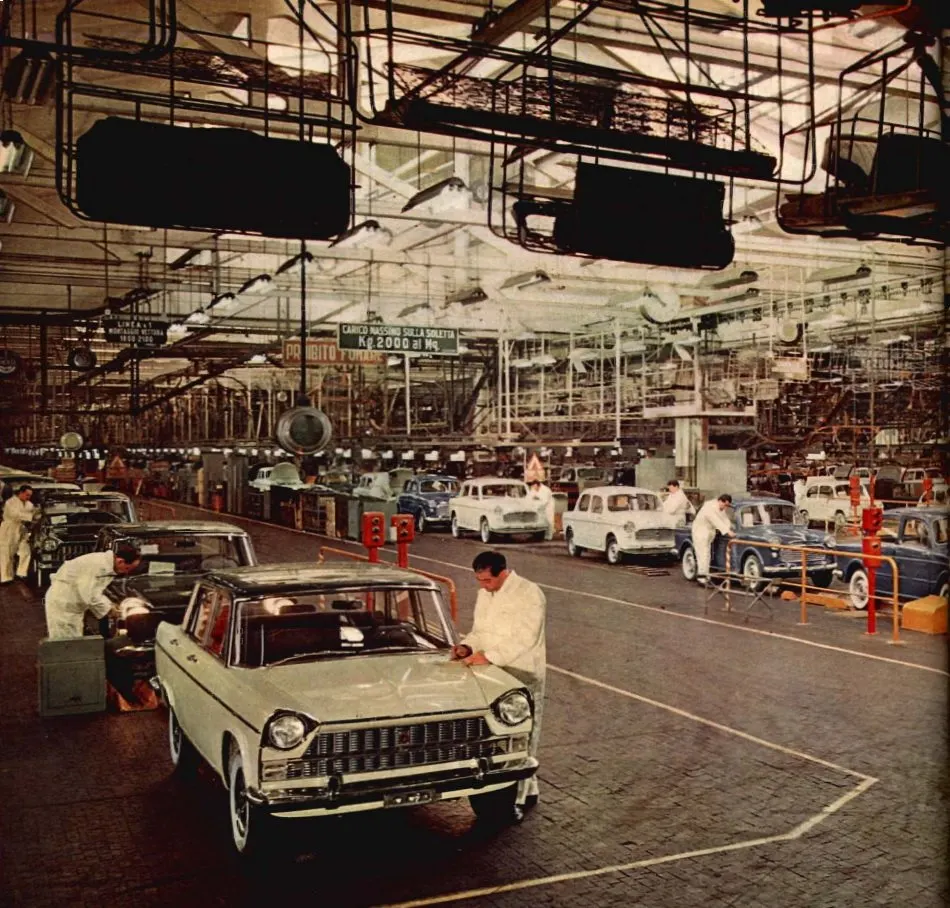
The Prime Minister gave the hall a striking picture of modern industry. While only a handful of people hold the high-value paper certificates, he said, big corporations are functioning thanks to a workforce of 200 to 300 ITI pass-outs. The people who keep the machines running, the lines moving and the orders going out are skilled workers. Without them, the offices upstairs would stop. Read about the Tesla Optimus robot and the jobs it may change for more on who really keeps companies running.
The Convocation Tradition Since 2021
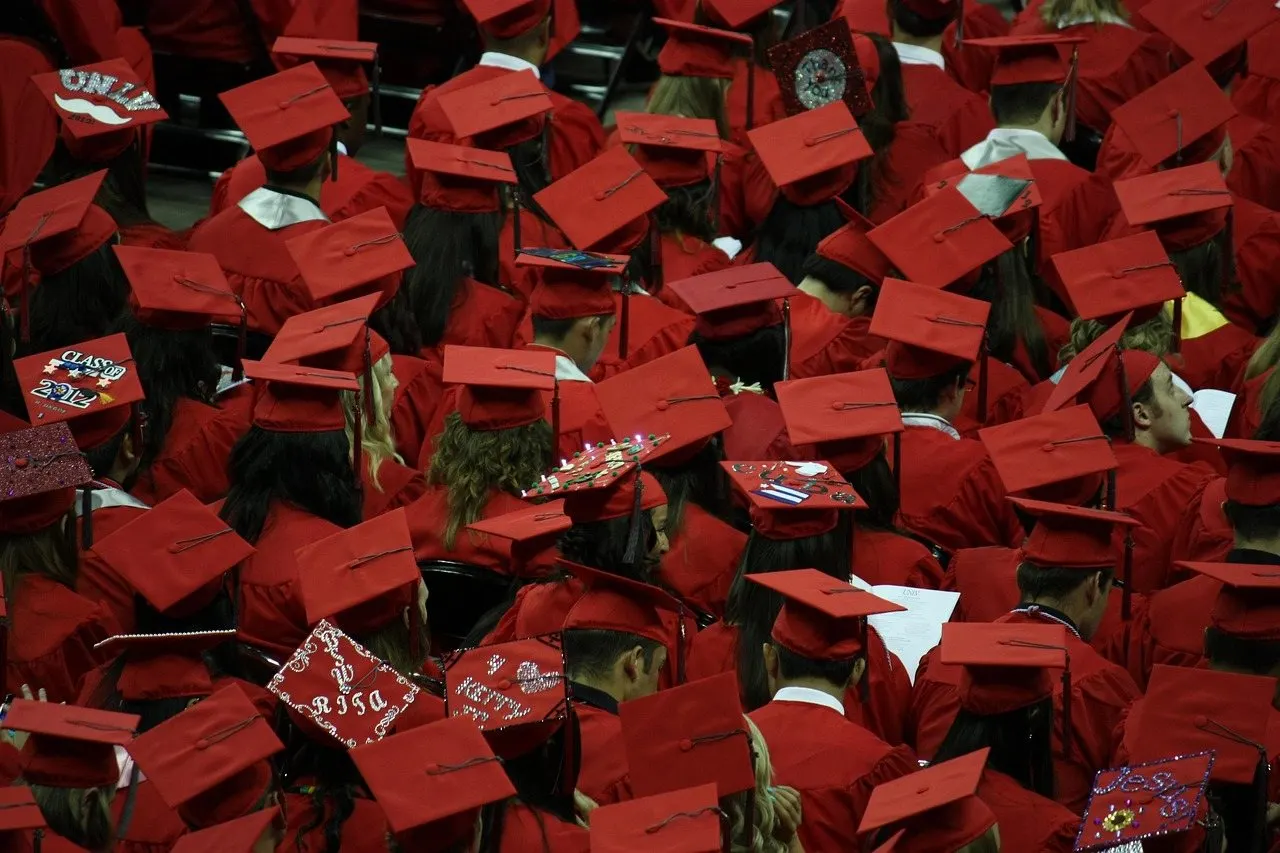
The Kaushal Deekshant Samaroh itself is part of the change. It began in the 2021-22 academic session as a national platform to recognise excellence in skill development and to celebrate the move from training into work. Each year it felicitates all-India toppers and high achievers from the skill ecosystem. This year, 52 national-level toppers from ITIs and training institutes were honoured. Read about the forests cleared for data centers for more on celebrating skill.
A Safer Uttar Pradesh for Women
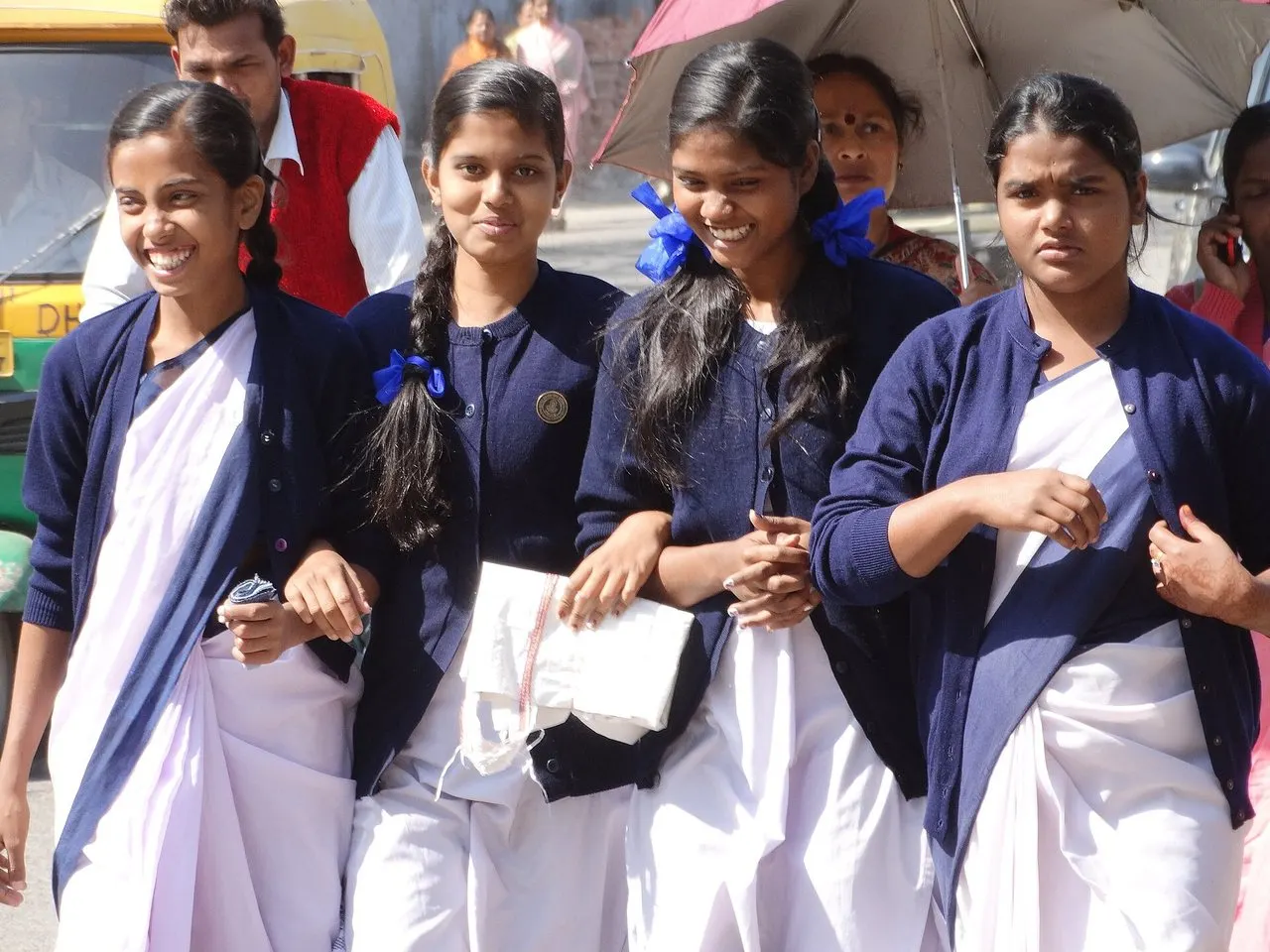
Modi also praised the Yogi Adityanath government for creating a safe environment for women in Uttar Pradesh. Safety matters for skill training too, because young women can only learn and work when they feel secure on the road, in the classroom and at the workplace. A state where women feel safe is a state where more families send their daughters to learn a trade. Read about a plan that affects about 200 workers for more on safety and opportunity.
Skills Over Degrees: What It Means for a Young Person
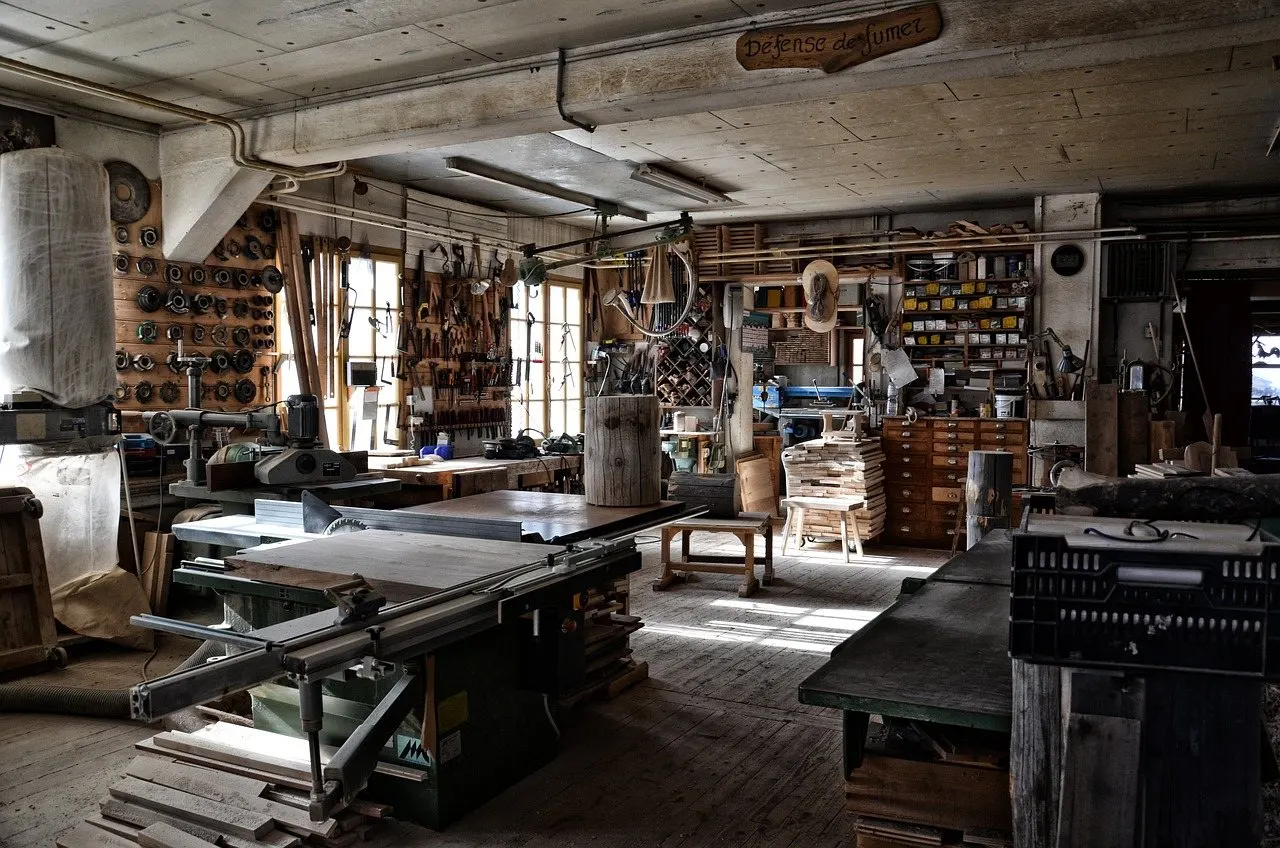
For a young person wondering what to do next, the message from Lucknow is clear. Choose a skill, learn it well, and keep learning as the work changes. A trade can be learned in months, practised for a lifetime and carried to any city or country. Parents, teachers and friends may push for a degree, but the world will pay for what you can do. Read about Hopkins on what lives on after us for more on choosing a path.
Skills Over Degrees: Keep Learning for a Changing Future
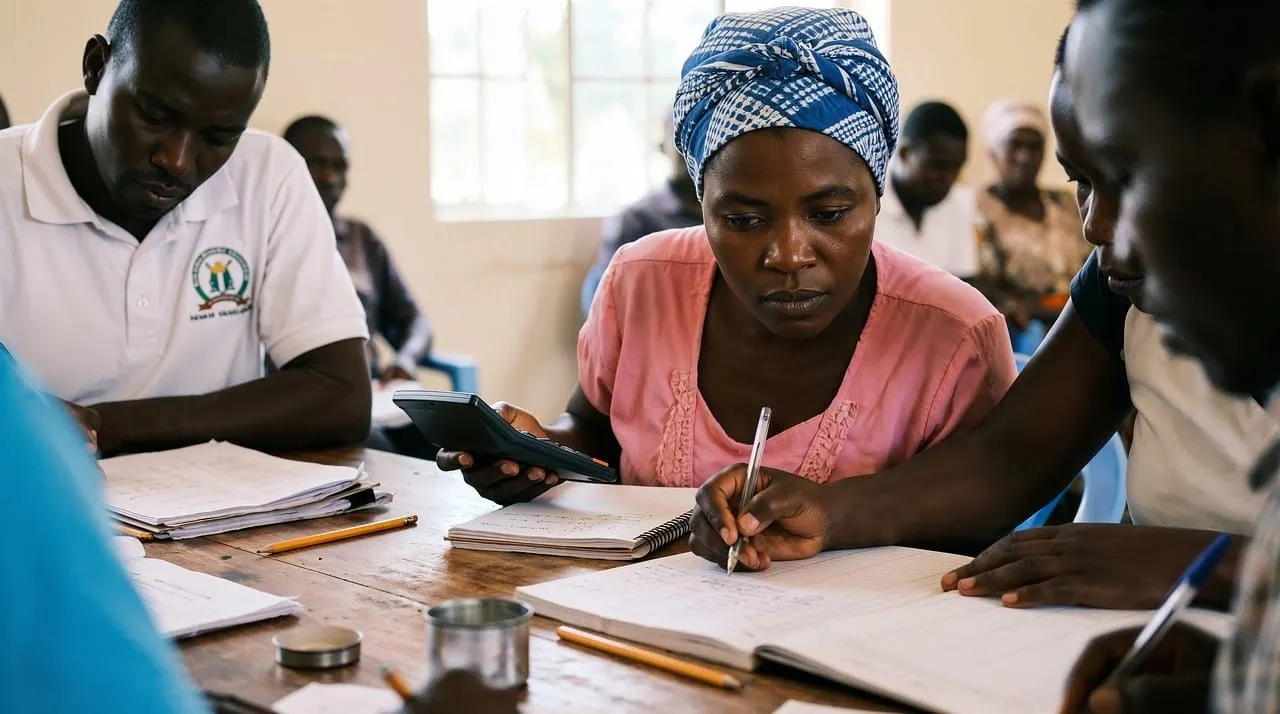
The world of work will keep changing, and Modi urged the youth to keep developing their skills and to focus on practical learning. A skill learned today may need new tools tomorrow, so the best workers are the ones who never stop training. Short courses, new certificates and hands-on practice all add up over a career. The habit of learning is itself a skill. Read about Obama’s visit to House Democrats for more on staying ready for the future.
What Skill Would You Learn First?

We have looked at 26 facts about a speech that put skill ahead of certificates, from the hall in Lucknow to the workshops of Uttar Pradesh and the world stage. The message was simple and it was aimed at every young Indian. Times are changing, and the demand for skilled people will keep growing. Now we want to hear from you. What skill would you learn first if you could choose today? Tell us in the comments, and read Zelensky’s quiet moment in Berlin for more stories worth your time.