AI Ad Disclosure Law Signed in Pennsylvania
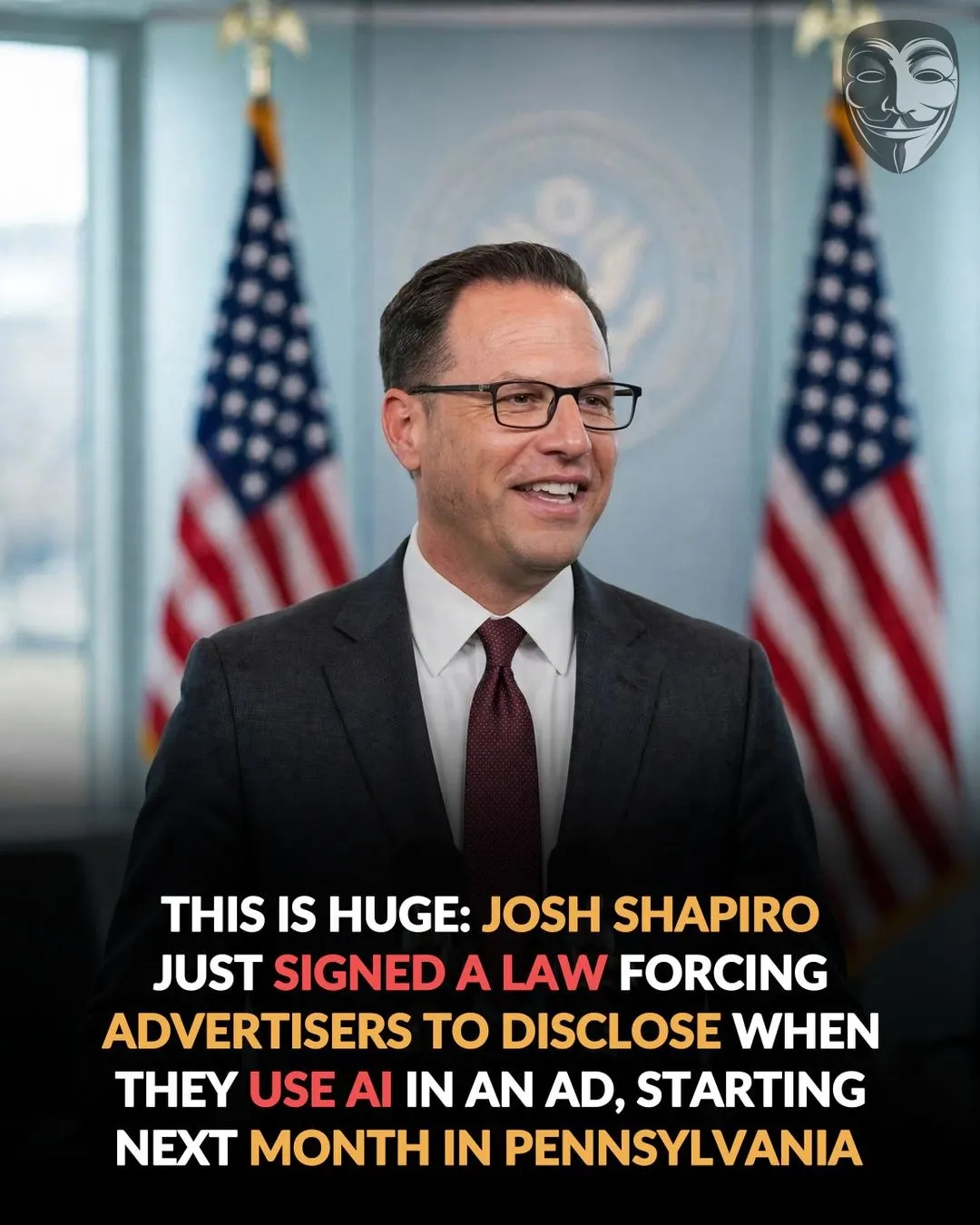
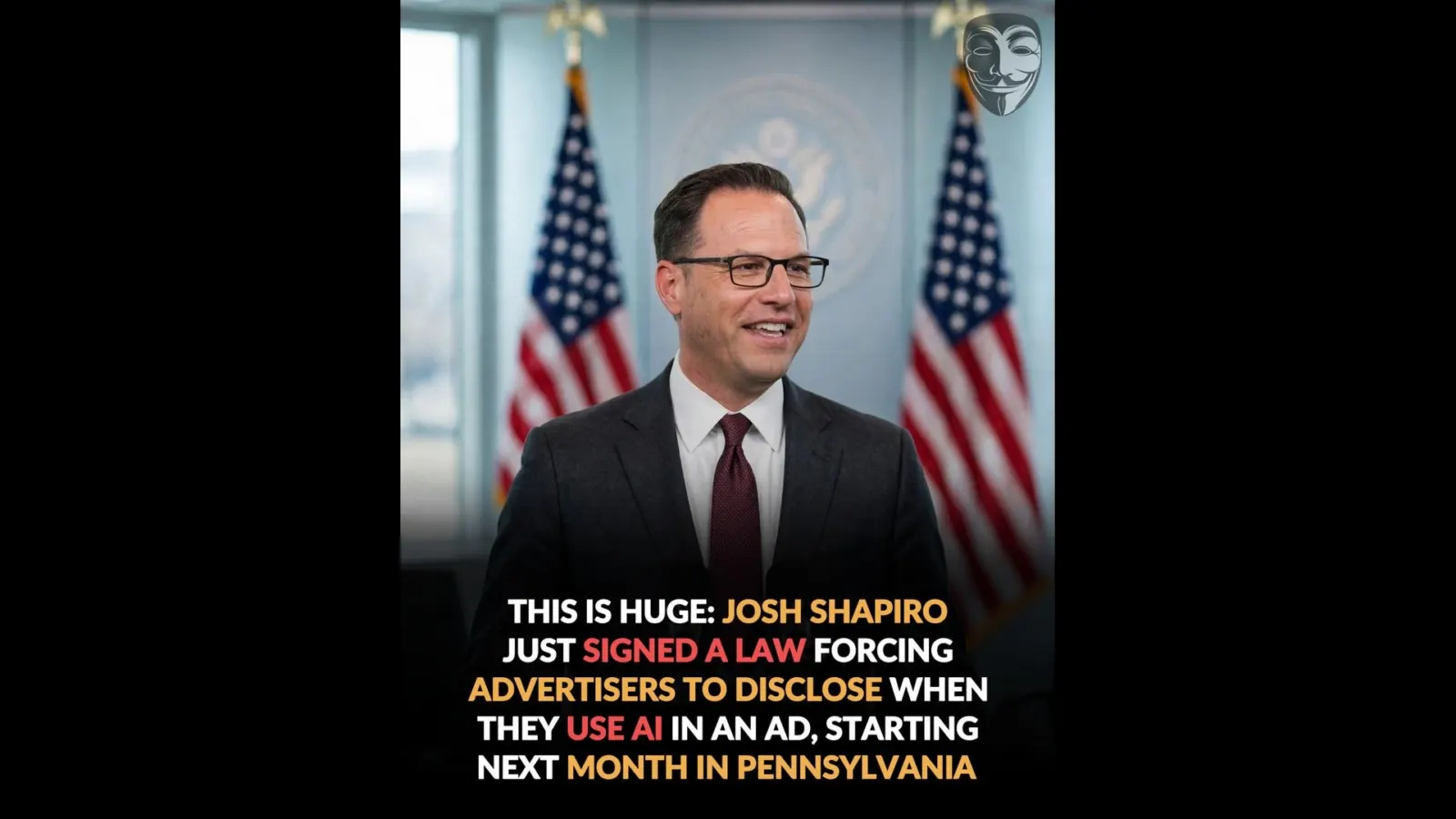
The AI ad disclosure law signed by Governor Josh Shapiro changes what every advertiser in Pennsylvania must do starting December 21. Senate Bill 806, called the Artificial Intelligence Deceptive Advertising Act, was signed on October 22. From the day it takes effect, any ad that uses artificial intelligence to create the person, the voice or the customer review must say so right in the ad itself. The warning cannot hide in small print or in terms and conditions that nobody reads.
Pennsylvania now joins New York and California with this kind of rule, and the state attorney general and district attorneys can enforce it with fines of up to $3,000. In the slides ahead we look at what the law covers, who it protects and what companies must change before the deadline. For more on the wider debate about artificial intelligence, read our report on how much water and power data centers use and our story about how Trump stood apart from America’s allies.
References:
Lehigh Daily: Pa. law will require labels on AI ads that mislead shoppers
Legal 500: Pennsylvania Enacts Artificial Intelligence Deceptive Advertising Act: New Disclosure Requirements For AI-Generated Advertising
Reed Smith: Fake content, false impression: Pennsylvania’s AI ad disclosure law takes effect December 21
Holland and Knight: Did AI Touch Your Ad? Pennsylvania May Require You to Say So
Senate Bill 806 Is the AI Ad Disclosure Law

Senate Bill 806 is the name of the new rule, and its full title is the Artificial Intelligence Deceptive Advertising Act. The bill passed through the Pennsylvania legislature before it reached the governor’s desk for his signature. It is written to cover ads that use artificial intelligence in ways that could mislead shoppers about what they are buying. Lawmakers wanted a rule that shoppers could understand. Read about the wider push for openness in our report on how much water and power data centers use and the debate over the fight over written security guarantees for Ukraine.
Shapiro Signed the AI Ad Disclosure Law on October 22
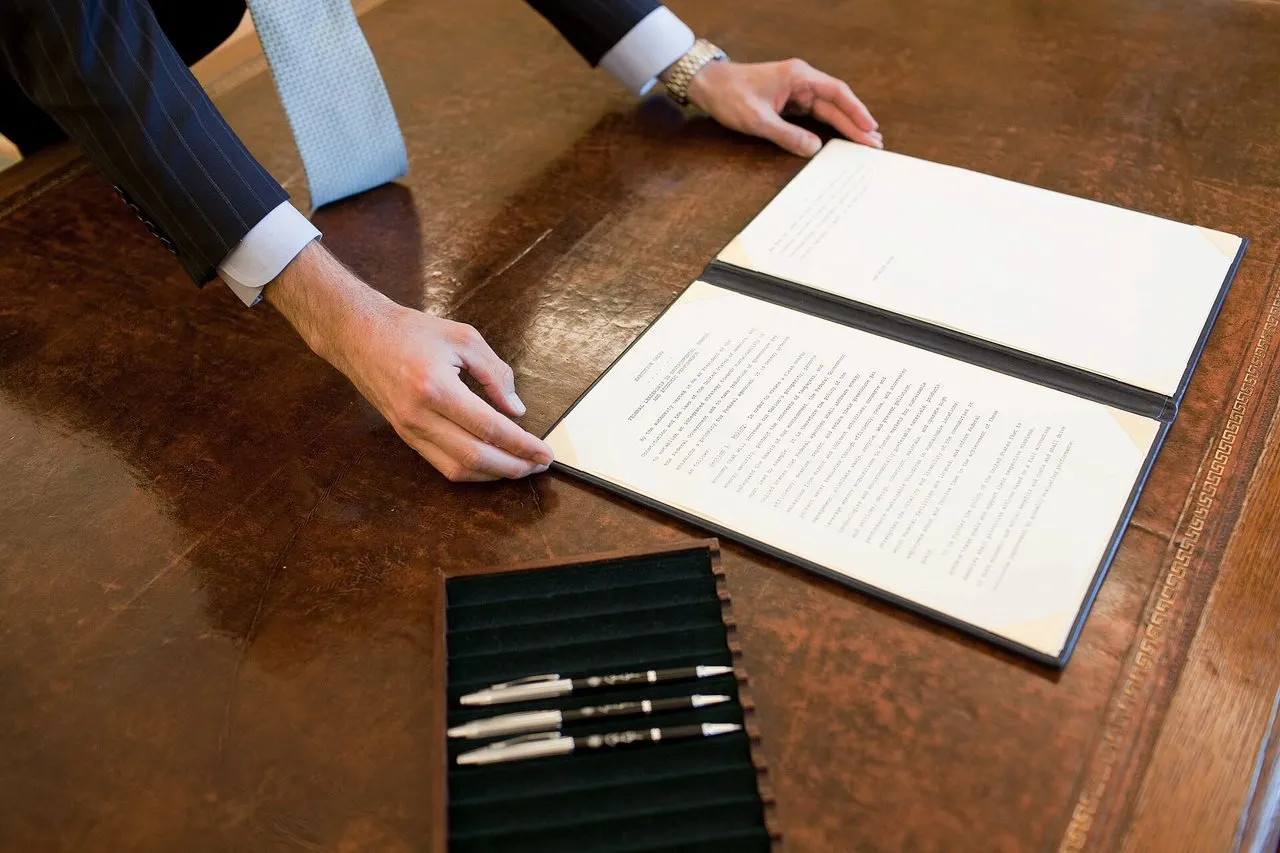
Governor Josh Shapiro signed Senate Bill 806 on October 22, putting the new rule on the books with about two months to go before it takes effect. A governor’s signature turns a bill passed by lawmakers into a law that people and companies must follow. Shapiro has made the fight against misleading online content part of his public message, and this signing fits that theme. The date matters because it starts the clock for advertisers. See Stephen Miller’s first speech as chief of staff and read about a former Trump adviser who would not defend calling Putin a friend.
The AI Ad Disclosure Law Takes Effect December 21
The AI ad disclosure law takes effect on December 21, which gives companies about a month from the signing to get their ads honest. The gap between signing and enforcement is common, because it lets businesses change their ads, train their staff and fix their systems before fines can apply. Shoppers in Pennsylvania will start to see the new labels on ads just before Christmas, when many people are buying gifts online. Learn about Zelensky’s silent shrug in Berlin.
The AI Ad Disclosure Law Covers the Person in the Ad

The AI ad disclosure law covers ads where artificial intelligence creates the person you see on screen. That person may look like a real doctor, a happy customer or a trusted neighbor, but no such person exists. The ad must now say so in plain sight, so a shopper knows the face is made by a computer. The rule is aimed at the exact trick that has become cheap and common online. Read how Obama greeted Vladimir Putin at a summit and our story on the G20 meeting in Hangzhou.
The AI Ad Disclosure Law Covers the Voice You Hear
The AI ad disclosure law also covers the voice reading the ad, because a voice can now be cloned from a short recording of a real person. A famous voice can be made to endorse a product that the person has never heard of, and a warm, trusted voice can sell a cure that does not work. The law says the ad must disclose that the voice was made by artificial intelligence. That one line can break the spell. See the claim that America is respected again after the Asia trip.
The AI Ad Disclosure Law Covers Customer Reviews

The AI ad disclosure law covers customer reviews too, so a glowing review in an ad must be flagged when artificial intelligence wrote it. Fake reviews have long misled shoppers, because people trust the words of other buyers more than a sales pitch. When a computer writes the praise, the buyer is hearing from a machine, not a happy customer. The new rule puts that fact where shoppers can see it. Read about the historic first summit of Trump, Xi and Putin.
The Fake Doctor Who Does Not Exist

One example in the story is a kindly looking doctor who does not exist, telling viewers that a supplement cured his patients. The face is calm, the white coat is real looking, and the words sound wise, so many people believe him. But there is no doctor, no clinic and no cured patients, only a picture made by a computer. Under the new law, that ad must say the doctor was made by artificial intelligence. See the report on a $32 million defense stake.
The Grandmother Who Was Never Born

Another example is a grandmother who was never born, saying that an investment saved her retirement. Her kind face and gentle voice make the pitch feel safe, and that is exactly why the trick works. Older savers who trust a warm face can lose money they cannot get back. The law now forces that ad to admit the grandmother is not a real person. That simple label can stop a scam before it starts. Read how much water and power data centers use.
A Cloned Voice Can Endorse Anything

A cloned voice of somebody famous can endorse a product they have never heard of, and that is one of the tricks the new law is written to stop. Fans trust a voice they know, and scammers know it, so they copy the sound of a star and put words in that star’s mouth. The ad may look polished and real, but the endorsement is fake from start to finish. Now the ad must say the voice was made by a machine. See the fight over written security guarantees for Ukraine.
Older Shoppers Are Hit the Hardest

The people who get hit hardest by fake AI ads are the people least likely to spot them, and older shoppers are near the top of that list. Many grew up in a time when a face on a screen and a voice on the radio meant a real person was speaking. That trust is now used against them by ads that look honest and sound kind. The new disclosure rule gives them a clear warning before they believe the pitch. Read a former Trump adviser who would not defend calling Putin a friend.
Fear Makes the Scam Work Better

People scared about money or sick and looking for answers are easy targets for fake AI ads, because fear makes anyone reach for hope. A promised cure or a safe investment sounds like a lifeline when life feels hard, and a friendly fake face makes the promise feel true. The scam works precisely because it looks like a real human being talking to you. A clear label that the person is not real can break that trust in the trick. See Jimmy Kimmel’s roast of the summit in China.
Pennsylvania Joins New York and California

Pennsylvania now joins New York and California with this kind of disclosure law, and that puts three of the biggest states on the same side of the issue. When large states act together, advertisers often change their ads everywhere rather than make one version for each state. That means shoppers far beyond Pennsylvania may start to see the same honest labels. The trend could push other states to pass their own versions soon. Read about the G20 meeting in Hangzhou.
The AI Ad Disclosure Law Has Real Teeth

The AI ad disclosure law is not just a polite request, because the state attorney general and district attorneys can enforce it. That means the officials who take companies to court over fraud can now act when an ad hides its use of artificial intelligence. Enforcement matters, because a rule with no penalty is easy for a dishonest advertiser to ignore. This law gives the state a way to make the labels stick. See the trilateral summit in Shenzhen.
Fines Can Reach $3,000 for Each Violation
Violations of the new law can bring fines of up to $3,000, which gives companies a strong reason to fix their ads before December 21. A fine that size may look small to a big company, but it can add up fast when one misleading ad runs thousands of times. Honest advertisers have little to fear, because the law only asks them to say what is true. The fine is there for those who choose to hide it. Read the warning about messages that erase themselves.
Companies Have About a Month to Get Honest

Companies have about a month to make their ads honest, and that clock started when Shapiro signed the bill on October 22. Advertisers must now check every ad that uses artificial intelligence and add a clear label where shoppers can see it. Marketing teams, video makers and review writers all need to change how they work. The month is short, but the fix is simple, and honest ads need no change at all. See the fines facing Amish schools in New York.
The Disclosure Must Be in the Ad Itself

The disclosure must appear right in the ad itself, not hidden away in the small print, and that is the heart of the new rule. A label that sits where the shopper is already looking cannot be missed, and that is the point. Terms and conditions are rarely read, and a footnote at the bottom of a page is easy to skip. Putting the truth in the ad means the shopper sees it before deciding to buy. Read how Trump stood apart from America’s allies.
Not Buried in Terms and Conditions

The old trick was to bury the truth in terms and conditions that nobody reads, and the new law closes that door. A company could once claim it had disclosed the use of artificial intelligence while hiding the fact in pages of legal text. Shoppers never saw it, and the ad kept working its trick. Now the warning must sit in the ad itself, in plain sight, where the person, the voice or the review appears. See Stephen Miller’s first speech as chief of staff.
Shapiro Took on Trump Over Putin in Philadelphia

Shapiro has had a busy week, because on Friday he stood in front of a room of NATO allies in Philadelphia and took Trump apart over Vladimir Putin. The governor argued that America should stand with its allies rather than cozy up to a leader who threatens them. The moment showed a governor willing to speak plainly on the world stage. It also showed why his signing of this law drew so much attention. Read Zelensky’s silent shrug in Berlin.
Why the AI Ad Disclosure Law Matters to You

The AI ad disclosure law matters to every shopper, because it gives you a right to know whether the person in the ad is a person. Ads shape what we buy, what we trust and even what we believe about our health and our money. A single label cannot fix every scam, but it gives you a fair chance to pause and ask questions. That pause is often all it takes to spot a trick. See how Obama greeted Vladimir Putin at a summit.
Would You Trust an Ad After This Law?

Pennsylvania has now said out loud that you have a right to know whether the person in the ad is a person, and that is a big change for shoppers everywhere. Do you think a clear label will stop the worst fake ads, or will scammers just find a new trick? Would you still buy from a company that used a fake doctor or a fake review? Share your thoughts in the comments below and keep reading our stories. Read the claim that America is respected again after the Asia trip.