Kushner Defense Stake Raises Questions for the Peace Negotiator
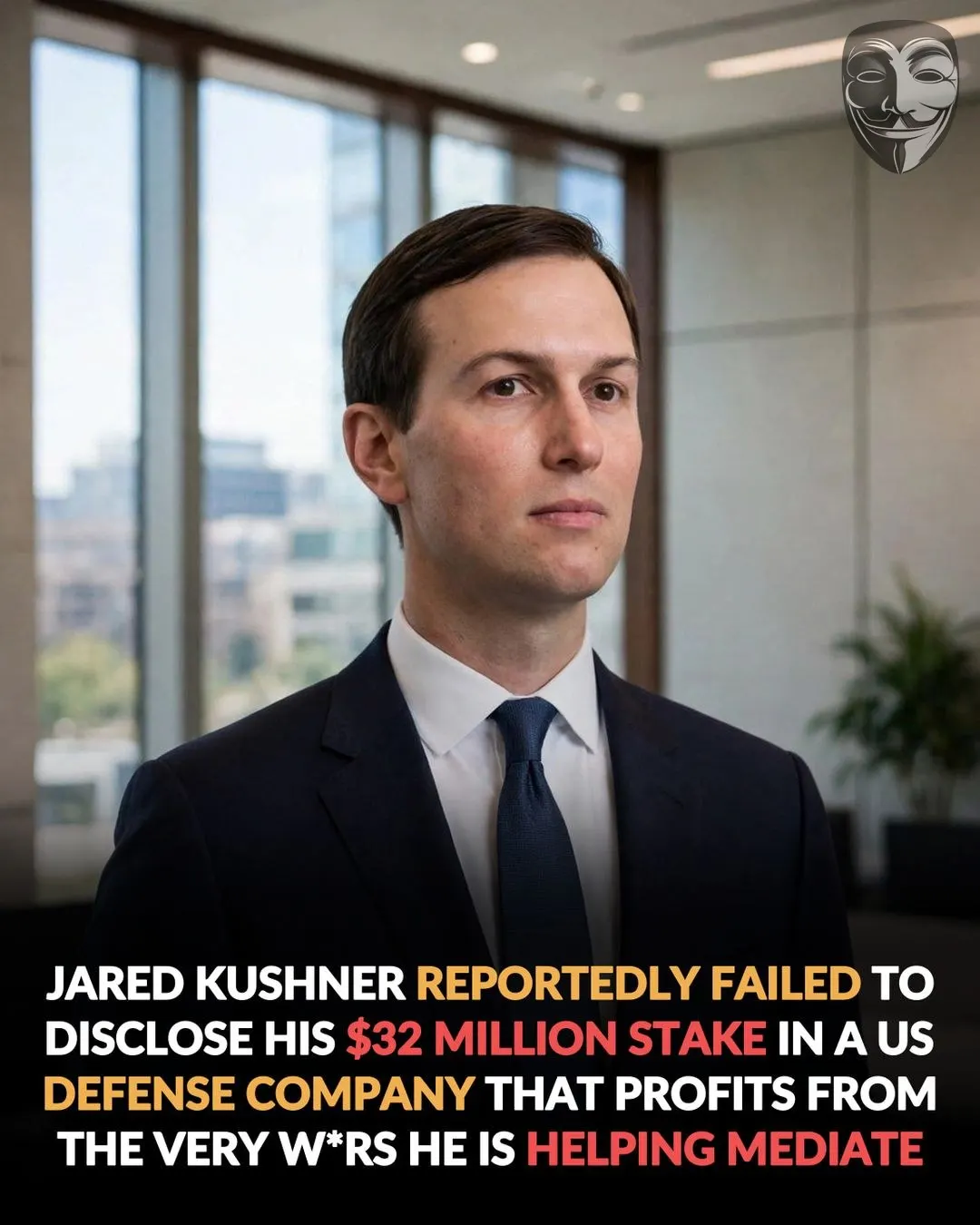
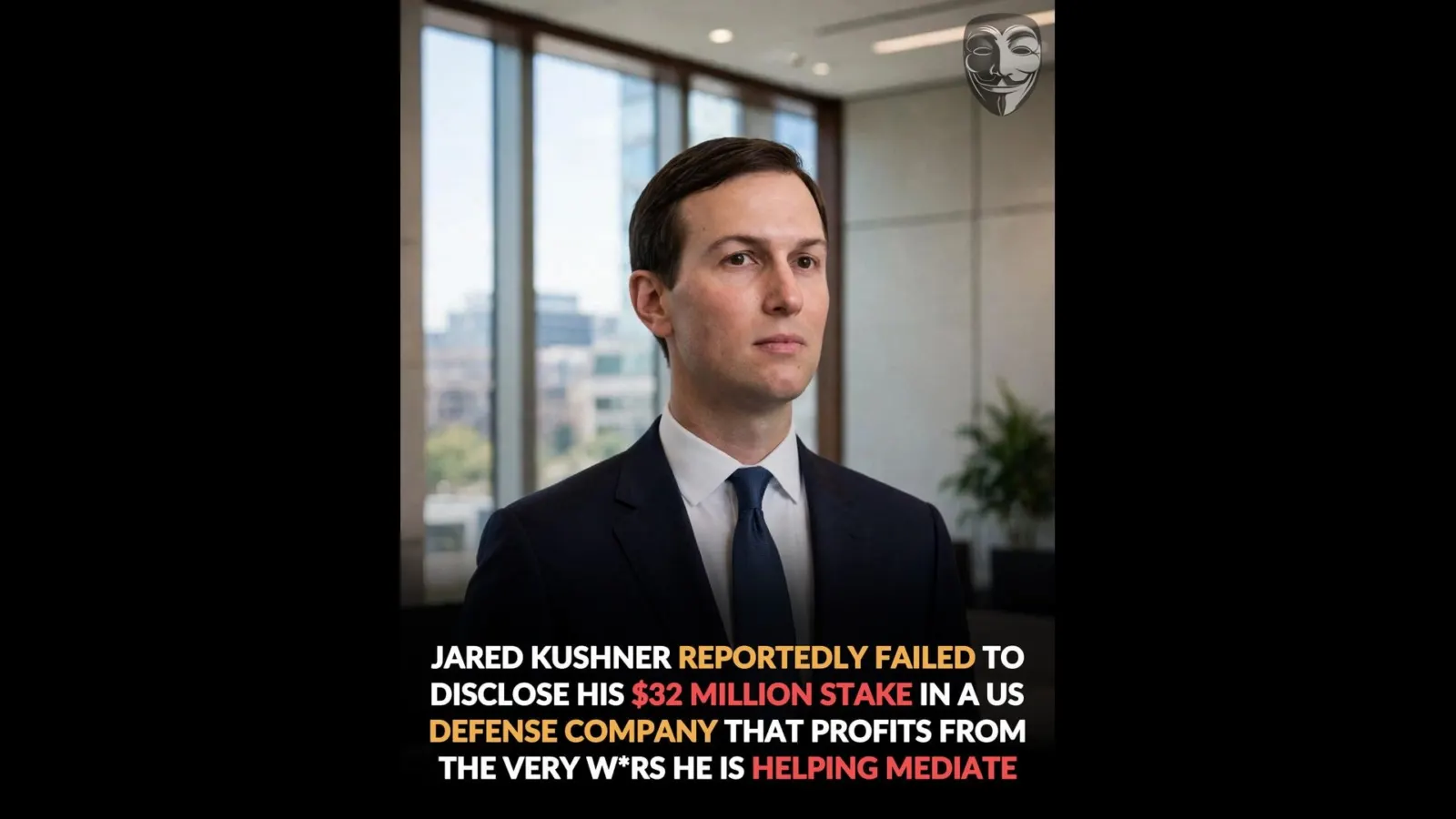
The Kushner defense stake at the center of this story is a $32 million holding in Arxis, a defense contractor in Connecticut, owned by Affinity Partners, the private equity firm founded by Jared Kushner. According to The Atlantic, the firm bought 689,411 shares after President Trump returned to office, while Kushner was working as a negotiator on conflicts in Gaza, Ukraine and Iran. The holding was missing from the firm’s August filing to the Securities and Exchange Commission, and it only appeared in an amended filing on November 5.
The timing has drawn attention because the amended filing came two days after the midterm elections, and the firm gave no explanation for the delay. Arxis makes parts for F-35 jets, Navy destroyers and submarines, and about 47 percent of its $1.6 billion in revenue last year came from defense and space work. In the slides ahead, we look at the shares, the filing, the company and the questions now being asked. For more on the White House and Ukraine, read how Trump urged European leaders on Ukraine.
References:
Moneywise: Kushner’s $32M Defense Contractor Stake
IBTimes: Kushner Was Negotiating Peace While His Firm Held $32 Million In Defense Stock
Europe Says: Peace Negotiator Kushner is Making Bank Off of Conflict
We Got This Covered: Did Jared Kushner’s Firm Add $32 Million Stake to a Company Two Days After Midterm Elections
The Kushner Defense Stake Worth $32 Million

Affinity Partners held a $32 million stake in Arxis, a defense contractor based in Connecticut. The firm is a private equity company founded by Jared Kushner, and the holding came to light through a report in The Atlantic. A stake of this size means the firm owned a large slice of a company that supplies the American military, which is why the story has drawn so much attention. Readers can follow the wider debate in the Armenia and Azerbaijan peace deal.
689,411 Shares Bought After Trump Returned to Office

The firm bought 689,411 shares in Arxis after President Trump returned to office, according to The Atlantic. That is a large block of shares in a single company, and it shows the firm was building a serious position in the defense business. Share purchases of this kind are normal for a private equity firm, but the timing matters here because Kushner was also serving as a negotiator. For more on the administration, see the story of a 15 hour flight on Air Force One.
The Holding Was Missing From the August Filing

The Arxis holding was missing from the firm’s August filing to the Securities and Exchange Commission. Public filings are how investors and the public learn what a firm owns, so a missing holding leaves a gap in the record. The filing went in during August, and the Arxis shares were nowhere to be found in it. That gap is at the heart of this story, and it is the reason the late disclosure has raised questions. Read about another big money story in the $250 million detention center fight.
The Kushner Defense Stake Appears Two Days After the Midterms
Affinity amended the filing on November 5, two days after the midterm elections, to add the Arxis stake. The new version of the filing listed the shares that had been left out in August, but the firm offered no explanation for the delay. Two days is a short gap on a calendar, yet the timing has become a central part of the story because the midterm elections had just passed. For more on the elections, read how Musk reacted to midterm spending.
Arxis Makes Parts for F-35 Jets

Arxis makes parts for F-35 jets, the fighter aircraft flown by the United States military and its allies. A jet like the F-35 is built from thousands of parts made by many different companies, and each supplier plays a role in keeping the aircraft flying. That is why a stake in a parts maker still counts as a stake in the defense business. You can read about the military in the drone rescue of a wounded soldier.
Parts for Navy Destroyers and Submarines

Arxis also makes parts for Navy destroyers and submarines, the warships that carry American sailors across the oceans. Destroyers guard fleets and patrol sea lanes, while submarines work quietly below the surface, and both need reliable parts to stay safe at sea. A company that supplies these ships sits close to the heart of naval power. Read more about the Navy in the record flight on Air Force One.
47 Percent of $1.6 Billion Came From Defense and Space

About 47 percent of Arxis revenue last year came from defense and space work, out of $1.6 billion in total revenue. That means nearly half of everything the company earned came from military and space contracts, which shows how deeply the business is tied to government work. A firm with that much defense income is a defense company in every real sense. For more on big business, see Buffett’s plan to give away 99 percent of his fortune.
Kushner Defense Stake Shadows His Work as Negotiator

While the firm held the Arxis shares, Kushner worked as a negotiator on conflicts in Gaza, Ukraine and Iran. A negotiator in those talks deals with some of the most sensitive issues in the world, and the countries involved watch every move closely. Holding a stake in a defense company at the same time creates the appearance of a conflict, even before anyone proves a real one. Read about the peace talks in the Armenia and Azerbaijan deal at the White House.
What a Conflict of Interest Really Means
A conflict of interest happens when a person’s private business could shape, or seem to shape, their public work. The concern is not always that someone did something wrong, but that the public cannot be sure the work was done for the right reasons. That doubt alone can damage trust in a negotiation, which is why disclosure rules exist. Learn more about Washington fights in the third try to impeach Trump.
How SEC Filings Are Supposed to Work

The Securities and Exchange Commission requires firms to file public reports about what they own, so investors and the public can see the full picture. These filings are a basic part of how American markets stay open and honest, and missing a holding leaves a hole in that picture. When a firm later amends a filing, it fixes the record, but the late change still raises questions. Read about money and power in the law firm deal and Adam Schiff.
How the Kushner Defense Stake Came to Light

The Atlantic reported the story, tracing the Arxis shares from the firm’s purchase to the missing August filing and the November amendment. News reports like this one matter because they bring hidden filings into public view, and they let readers judge the facts for themselves. Without that reporting, the late disclosure might have passed without notice. For more reporting on the White House, read the Trump call with European leaders.
The Midterm Elections Set the Calendar
The midterm elections, held two years into a presidential term, decide control of Congress and many state offices across the country. Voters across America cast ballots for the House, the Senate and local races, and the results shape the next two years of politics. The amended filing came two days after those elections, a detail that has fueled much of the discussion. Read about election spending in Musk’s regret over $450 million for Republicans.
Arxis, the Connecticut Defense Contractor

Arxis is a defense contractor based in Connecticut, a state with a long history of building ships, aircraft parts and engines for the American military. Connecticut factories have supplied the armed forces for generations, and the state is home to skilled workers who build complex machines. A company rooted there is part of a deep industrial tradition. For more on American industry, see the Pacific seabed auction near American Samoa.
The F-35, a Jet Built by Many Hands

The F-35 is a modern fighter jet flown by the United States and its allies around the world. Building one takes thousands of workers and hundreds of suppliers, from big factories to small shops that make single parts. Each part must meet strict standards, because a jet that flies at high speed leaves no room for error. Read about military technology in the first drone medical evacuation in Ukraine.
Kushner Defense Stake and the Business of Defense

Defense companies earn their money by supplying the military, and their fortunes rise when governments spend more on weapons and equipment. Investors often see defense as a steady business, because countries keep buying even in hard times. That steady demand is part of what makes a $32 million stake in a contractor so valuable. For more on defense money, read Sanders calling the $350 billion increase insane.
Affinity Partners, the Firm Behind the Holding

Affinity Partners is the private equity firm founded by Jared Kushner, and it invests in companies across different industries. Private equity firms buy stakes in businesses, help them grow, and sell later for a profit, which is a normal part of the financial world. The Arxis holding is one of many investments such a firm might hold. Learn more about big money in Buffett’s $156 billion fortune and his gift.
Kushner the Negotiator After Trump Returned

Kushner took on a role as negotiator after President Trump returned to office, working on conflicts in Gaza, Ukraine and Iran. Those three conflicts each involve different countries, histories and stakes, and each demands long hours of talks behind closed doors. A negotiator in that position carries the trust of the president and the hopes of people caught in the fighting. Read about the White House in the Armenia and Azerbaijan peace deal.
The Questions the Kushner Defense Stake Raises

The central question is simple: did the late disclosure hide anything, or was it a paperwork error with no deeper meaning? The firm has not explained the delay, so the public is left to weigh the facts on its own. Until an explanation comes, the timing and the missing filing will keep drawing attention. For more on accountability, read the third impeachment try against Trump.
Why a Two Day Delay Still Matters

Two days may sound like a small gap, but in politics the calendar is everything, and the days right after an election draw the most attention. A filing that arrives just after voters have cast their ballots cannot be weighed by those voters, which is why the timing stings. Even a short delay can change how a story is received. Read about timing in politics in the 15 hour Air Force One flight.
What Regulators Could Look At Next

Regulators at the Securities and Exchange Commission can review late or missing filings, and they can ask a firm to explain what happened. Most filing errors end with a correction, but a pattern of late disclosures can draw a closer look. For now, no regulator has announced any action over the Arxis filing, and the story rests on the public record. Learn about the law in the FedEx driver sentence in the Athena Strand case.
Defense Contractors and Public Trust

Defense contractors build the tools that keep a country safe, and the public trusts them to do that work honestly. When a contractor’s owners include people close to power, that trust is tested, because the public wants to know that contracts are won on merit. Open records and honest filings are how that trust is kept. Read about trust in public life in the Shapiro speech taking Trump apart on Ukraine.
Kushner Defense Stake and the Line Between Business and Diplomacy
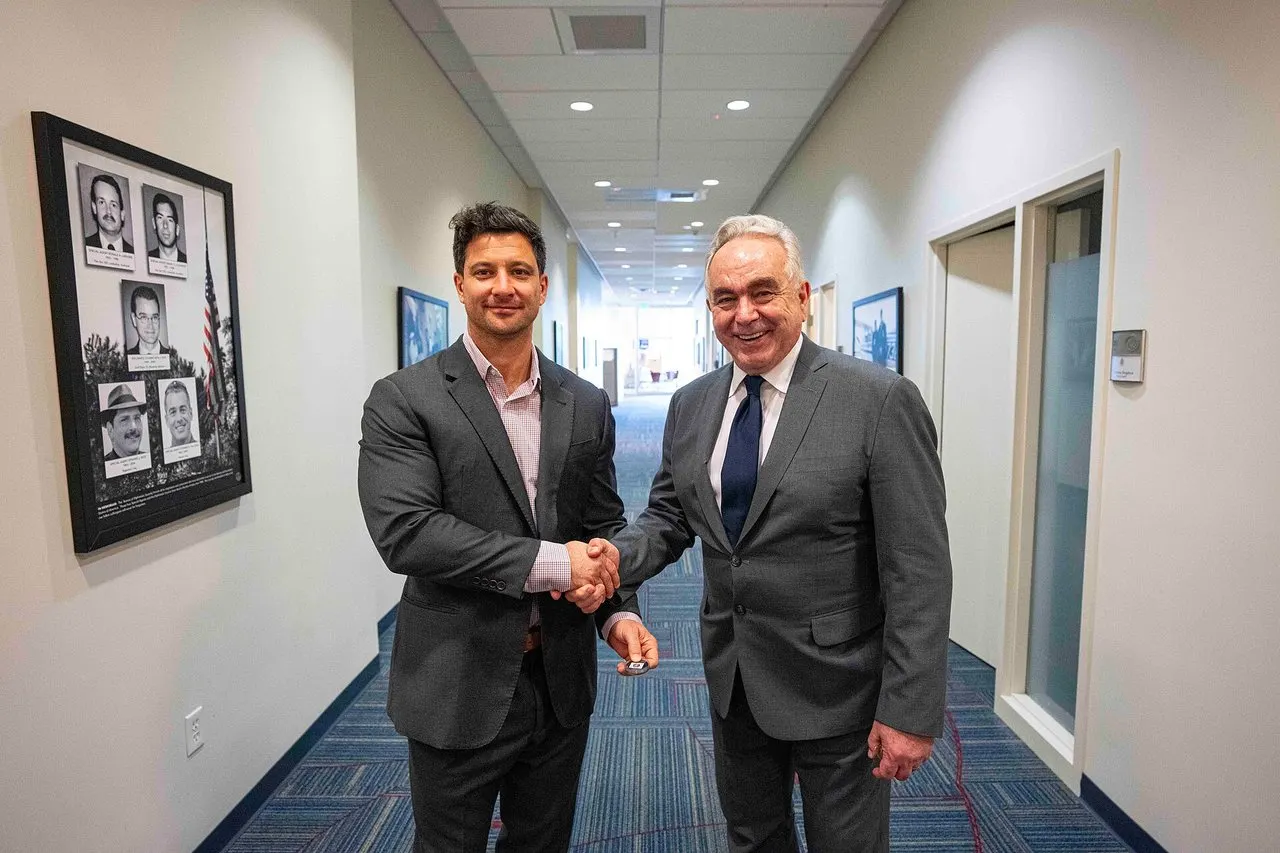
Business and diplomacy often overlap, because the same people move between boardrooms and negotiating tables. That overlap is not always wrong, but it needs clear rules and open records so the public can see where business ends and public service begins. The Arxis case shows why those lines matter. When the lines blur, even honest work can look compromised. For more on diplomacy, read Zelensky’s silent shrug in Berlin.
What to Watch in the Days Ahead

In the days ahead, watch for any statement from Affinity Partners explaining the delay, and for any comment from the Securities and Exchange Commission. Watch also for how Kushner’s negotiating work continues, and whether the story changes the way the public views his role. New facts may still come out, and the record may still grow. Stay with the news in our report on Gaza’s children.
What Do You Think About the Late Disclosure?

The facts are now on the table: a $32 million stake, a missing August filing, and an amendment two days after the midterms. Some readers will see a simple paperwork error, while others will see a warning sign about business and power mixing. What do you think? Did the firm owe the public a faster explanation, or is this story being blown out of proportion? Share your view in the comments below, and keep reading the survivor who changed her life with one honk.