
ICE Detention Profits and the Bill to End Them
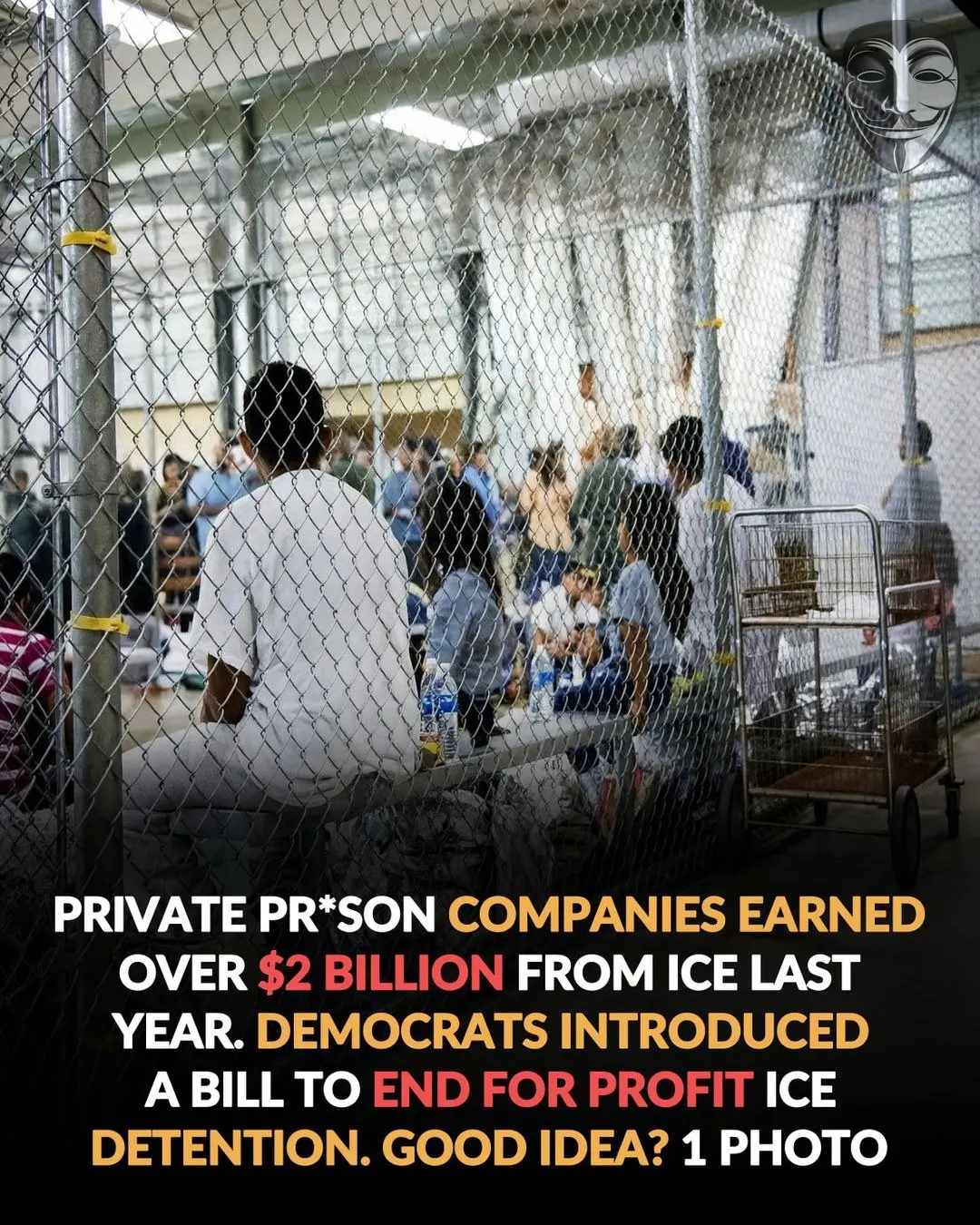
ICE detention profits reached an estimated $2.4 billion in 2025, and the scale of that money has started a serious debate in Washington. Private prison companies earned the money from contracts to hold people for Immigration and Customs Enforcement, known as ICE, and two firms took most of it. GEO Group and CoreCivic together accounted for about $1.9 billion of the total. The companies run most of the detention centers ICE uses, and their revenue climbed as detention expanded across the country.
Now Democratic lawmakers including Pramila Jayapal, Adam Smith and Cory Booker have introduced the Dignity for Detained Immigrants Act, a bill that would phase out privately run immigration detention over three years. Supporters say no company should profit from holding people, while opponents say private operators are needed to run the facilities. The question has divided Congress, and it sits at the center of a wider fight over immigration policy. Read how a loophole bill drew a warning from Chris Van Hollen.
References:
OpenSecrets: Some Major Trump Donors Are Now Reaping Billions in ICE Contracts
Conservatives Today: GEO Groups $254 Million and the Democratic Push to End For-Profit Immigration Detention
Sherafy: Who Profits From ICE Detention? Follow the $45 Billion Money Trail
Gitnux: Private Pr*son Industry Statistics
ICE Detention Profits Reached $2.4 Billion in 2025

In 2025, private prison companies generated an estimated $2.4 billion in revenue from ICE detention contracts. It shows how large the business of detention has become. Two major operators, GEO Group and CoreCivic, accounted for approximately $1.9 billion combined, leaving the rest spread across smaller firms. The money flows from the federal government to companies that house people while their immigration cases move forward. For more on big money in Washington, read how a loophole bill drew a warning from Chris Van Hollen.
GEO Group and CoreCivic Lead the Market

GEO Group and CoreCivic are the two names that dominate private immigration detention in the United States. Together they took about $1.9 billion of the $2.4 billion earned from ICE contracts in 2025, which means most of the money went to just two companies. The two firms run most of the detention centers used by ICE across the country. Their size gives them a strong position when new contracts are offered. Read our report on a defense company stake worth $32 million.
How Private Firms Came to Run Detention Centers

Private companies have run prisons and detention centers in the United States for decades. The idea was that firms could build and manage facilities for less than the government could. Over time, the model spread from state prisons to federal immigration detention, and ICE came to rely on private beds for much of its capacity. Supporters of the model say it adds flexibility when detention numbers rise quickly. Critics say it puts a price on each person held. See how Ohio lawmakers handled a bill on child marriage.
ICE Detention Profits Grew as Detention Expanded

Revenue for the private prison companies climbed as detention expanded across the country. When ICE holds more people, it needs more beds, and more beds mean larger contracts for the firms that run the centers. That link between growth and profit sits at the heart of the debate. Critics argue that a company paid per bed has a financial interest in keeping those beds full. The firms say they simply provide a service the government asks for. Read how protesters in South Africa demanded tougher immigration laws.
Pramila Jayapal Leads the Push in the House

Representative Pramila Jayapal is one of the lawmakers behind the Dignity for Detained Immigrants Act. She has long argued that immigration detention should not be a business, and she has pushed for limits on private contracts before. Her name on the bill gives it a clear voice in the House, where she has built a record on immigration and civil rights. Supporters see her as a steady advocate for people held in detention. Read how a court case ended with a life sentence.
Adam Smith and Cory Booker Back the Bill

Representative Adam Smith and Senator Cory Booker joined Jayapal in introducing the bill, giving it support in both chambers of Congress. Smith brings a long record on defense and government spending, while Booker has spoken often about fairness in the justice system. Their backing signals that the effort is not a single lawmaker’s idea but a shared project among Democrats. The bill still faces a long road to becoming law. See what a chief of staff said in his first speech.
What the Dignity for Detained Immigrants Act Would Do

The Dignity for Detained Immigrants Act would phase out the federal government’s use of privately operated immigration detention facilities over three years. That means contracts with firms like GEO Group and CoreCivic would wind down instead of being renewed. The goal, supporters say, is to end a system where companies earn money from holding people. The three year window is meant to give the government time to change how detention works. Read how Ohio lawmakers handled a stalled bill.
ICE Detention Profits and the Case Against the Business

Supporters of the bill say no company should profit from holding people. Their argument is simple: when detention becomes a business, the incentives can become deeply problematic. A company that earns money by housing people has a financial interest in maintaining or expanding the number of facilities it operates. Longer contracts, more beds and continued demand can become drivers of revenue and lobbying. That, supporters say, is the wrong reason to hold anyone. See how a grandmother story became a movie.
The Conflict Between Shareholders and Detainees

The original caption for this story put the problem in plain terms. It said detention creates an inherent conflict between the interests of shareholders and the interests of the people being detained. Shareholders want growth and steady returns, while detainees want fair treatment and a quick resolution of their cases. Those two goals do not sit easily together. The bill’s supporters say the only clean answer is to remove the profit motive entirely. Read how a beloved hippo became a flash point for Americans.
Why Opponents Say Private Operators Are Needed

Opponents of the bill say private operators are needed to run the facilities. Their case is that the government does not have enough of its own beds to hold everyone ICE detains, and building new public centers would take years and cost a great deal. Private firms, they argue, can add capacity fast when numbers rise. They also say the debate should focus on conditions inside centers, not on who runs them. Read two mothers and the strength guiding their sons.
How ICE Detention Contracts Are Awarded

ICE detention contracts are large federal agreements, and they usually run for years at a time. A company agrees to provide beds, staff, food and medical care, and the government pays for the service. Because the contracts are so large, only a few firms can compete for them, which helps explain why GEO Group and CoreCivic take such a large share. The size of the deals also means each renewal draws close attention. See how a record launch made billions in one day.
ICE Detention Profits and the $45 Billion Money Trail

One of the references for this story asks who profits from ICE detention and follows a $45 billion money trail. That figure covers a much wider web of spending than the $2.4 billion earned by private prison companies in a single year. It includes the many firms that supply food, transport, health care and security to the detention system. The trail shows how many businesses touch the system, even when they never run a center themselves. Read how one man journey led him to a new faith.
Donors, Contracts and the OpenSecrets Report

The OpenSecrets reference for this story reports that some major Trump donors are now reaping billions in ICE contracts. The finding links campaign giving to the award of large government deals, a pattern that draws scrutiny in every administration. Donors say their gifts reflect their views, not a bid for contracts. Watchdogs say the timing deserves a closer look. Either way, the report adds a political edge to the money story. See a warning about messages that erase themselves.
GEO Group and the $254 Million Figure

The Conservatives Today reference for this story ties GEO Group to a $254 million figure and to the Democratic push to end for profit immigration detention. The number is one more piece of the money picture around the largest private detention operator. GEO Group has long been the most visible company in the sector, and its earnings are often cited by both critics and defenders. The bill would hit its business directly. Read why whole forests are being cleared for data centers.
What the Industry Numbers Show

The Gitnux reference for this story collects statistics on the private prison industry. The numbers show a sector that grew as the United States locked up more people, and that later found a large share of its growth in immigration detention. Industry figures are often debated, because each side picks the numbers that support its case. Even so, the broad picture is clear: detention is a multibillion dollar business. See how protesters demanded tougher immigration laws.
ICE Detention Profits in the Public Debate

The question at the top of the original post was simple: should immigration detention be a for-profit business? The post asked readers whether it was a good idea for Democrats to introduce a bill to end it. That kind of direct question draws strong replies, because it touches on immigration, money and fairness all at once. The debate has now moved from social media to Congress, where the bill waits for its next step. Read what a chief of staff said in his first speech.
How Other Countries Handle Immigration Detention

Other countries handle immigration detention in different ways. Some rely on public facilities run by government staff, while others use private firms much like the United States does. A few countries have moved toward community based alternatives, where people live outside detention while their cases are decided. Supporters of the American bill point to those models as proof that change is possible. Critics say the scale of the United States makes comparison hard. See a grandmother story that became a movie.
Life Inside a Detention Center

For the people held inside, the debate about profit is not abstract. Detainees spend their days waiting for news about their cases, often far from family and lawyers. The story behind this article is careful on one point: it does not claim every private operator mistreats detainees. The concern is about the system itself, and about what happens when a company can benefit from holding people longer. Read how a beloved hippo became a flash point.
The Three Year Clock in the Bill

The bill gives the government three years to phase out privately run immigration detention. That clock matters, because ending contracts overnight would leave ICE with far fewer beds than it uses today. Supporters say three years is enough time to build public capacity and expand alternatives. Opponents say it is still too fast, and that the government will struggle to cope. The timeline will be a key point in any debate. See two mothers and the strength guiding their sons.
ICE Detention Profits and What Comes Next

What happens next depends on Congress. The bill has been introduced, but introduction is only the first step, and many bills never reach a vote. Its supporters will need to win over colleagues who worry about capacity and cost. Its opponents will argue that the current system, for all its faults, works. The money at stake, an estimated $2.4 billion a year, means the fight will stay loud. Read how one man journey led him to a new faith.
Should Detention Be a Business?

So here is the question the original post put to its readers: should immigration detention be a for-profit business? The facts in this article show a system worth $2.4 billion a year, two companies taking most of it, and a bill that would end it over three years. Now it is your turn to weigh in. Do you think profit has a place in detention, or should the government run it alone? Tell us what you think in the comments. Read how Ohio lawmakers handled a stalled bill.