Hegseth Internal Threat Warning Puts America First at Home
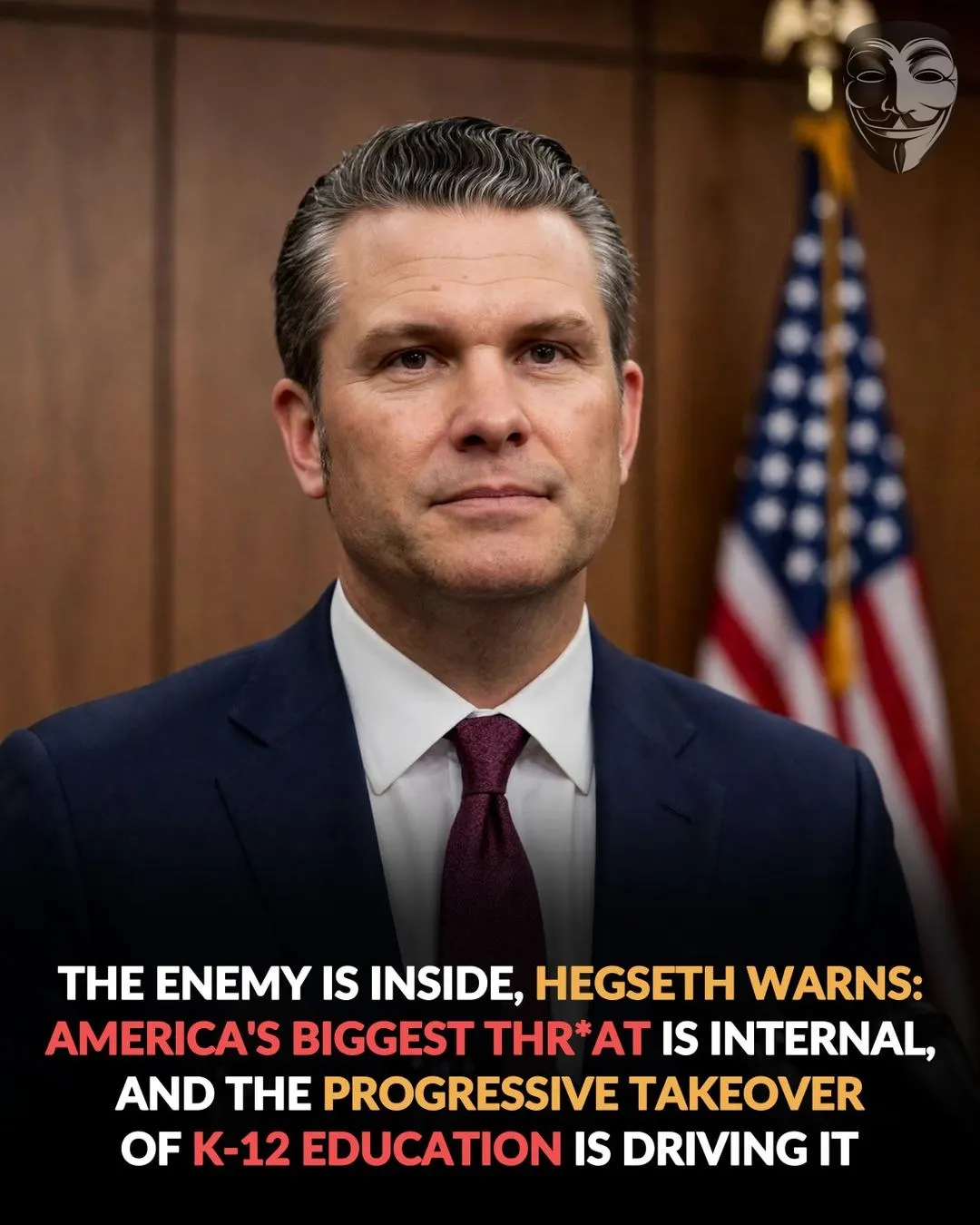
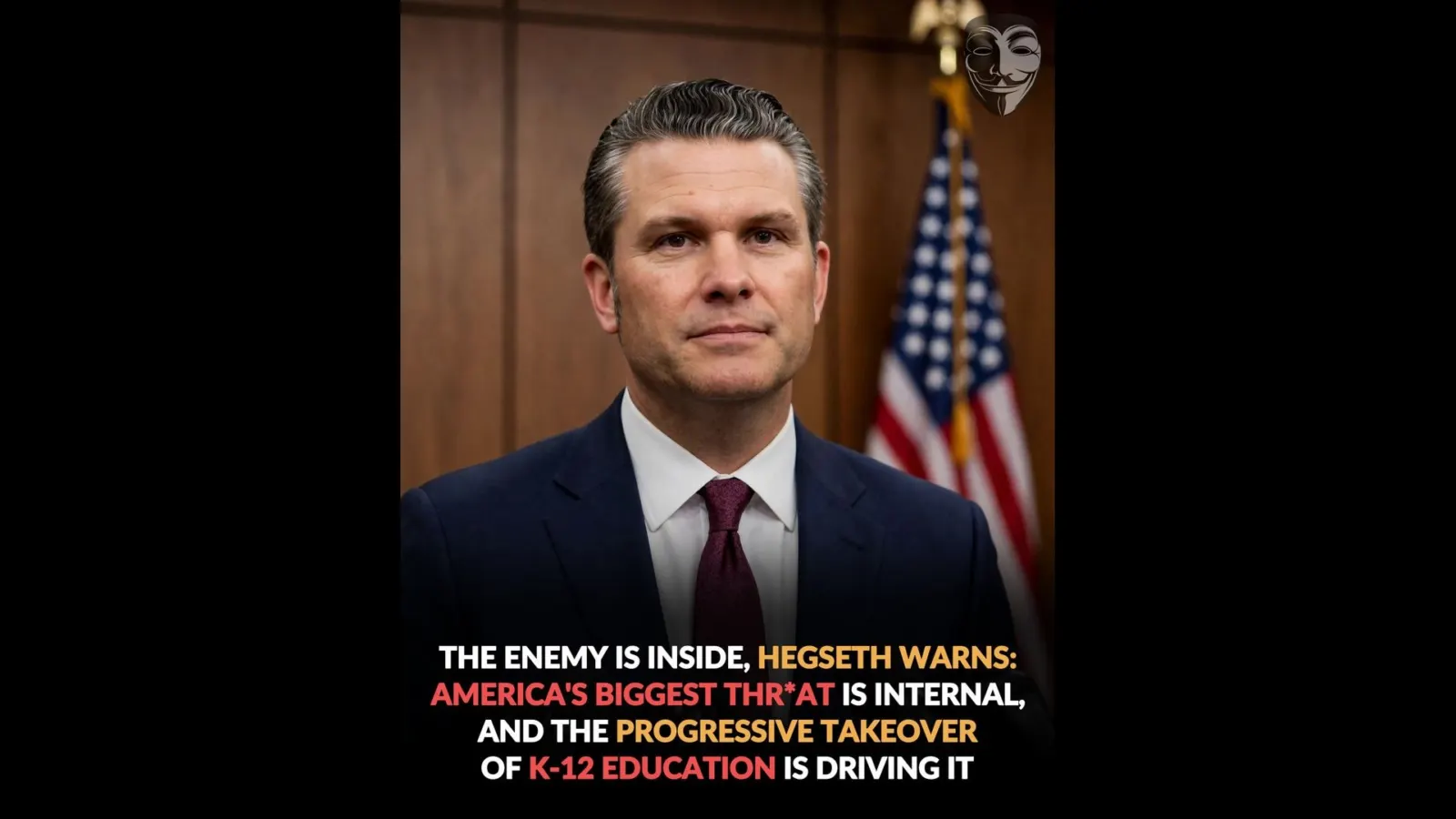
The Hegseth internal threat warning says the greatest danger facing America is not overseas but inside the country itself. Secretary of War Pete Hegseth made the point in a recent interview, saying the nation has lost focus on the basics that made Western civilization and America exceptional, fruitful, prosperous, strong and free. He said groups inside the country are determined to tear those foundations down, and he blamed the progressive takeover of K-12 education for much of the decline. For more on his time at the Pentagon, read our report on his new limits on military ties with Canada.
Hegseth leads the United States military, so his words carry weight far beyond a television interview. When the man in charge of national defense says the danger is at home, the debate about classrooms and culture becomes a national security debate too. Supporters say he is naming a problem others avoided, while critics say his language goes too far. This gallery lays out the facts as reported and the questions still open. You can also read our story on how armed schools fared over 25 years for a related look at safety and schools.
References:
Dedicated Issues: Secretary of Conflict Pete Hegseth says that America is being brought down from the inside
KVNU Talk: Pete Hegseth’s plan to overhaul America’s military: ‘You need to fire a ton of generals’
US News Pulse: Pentagon’s $5.7m No-Bid Audit of Military Base Schools Sparks Education Row
CNN: Hegseth announces new autonomous tools command while repeating Att*cks on ‘woke’ culture during speech to troops
The Hegseth Internal Threat Interview That Started It All
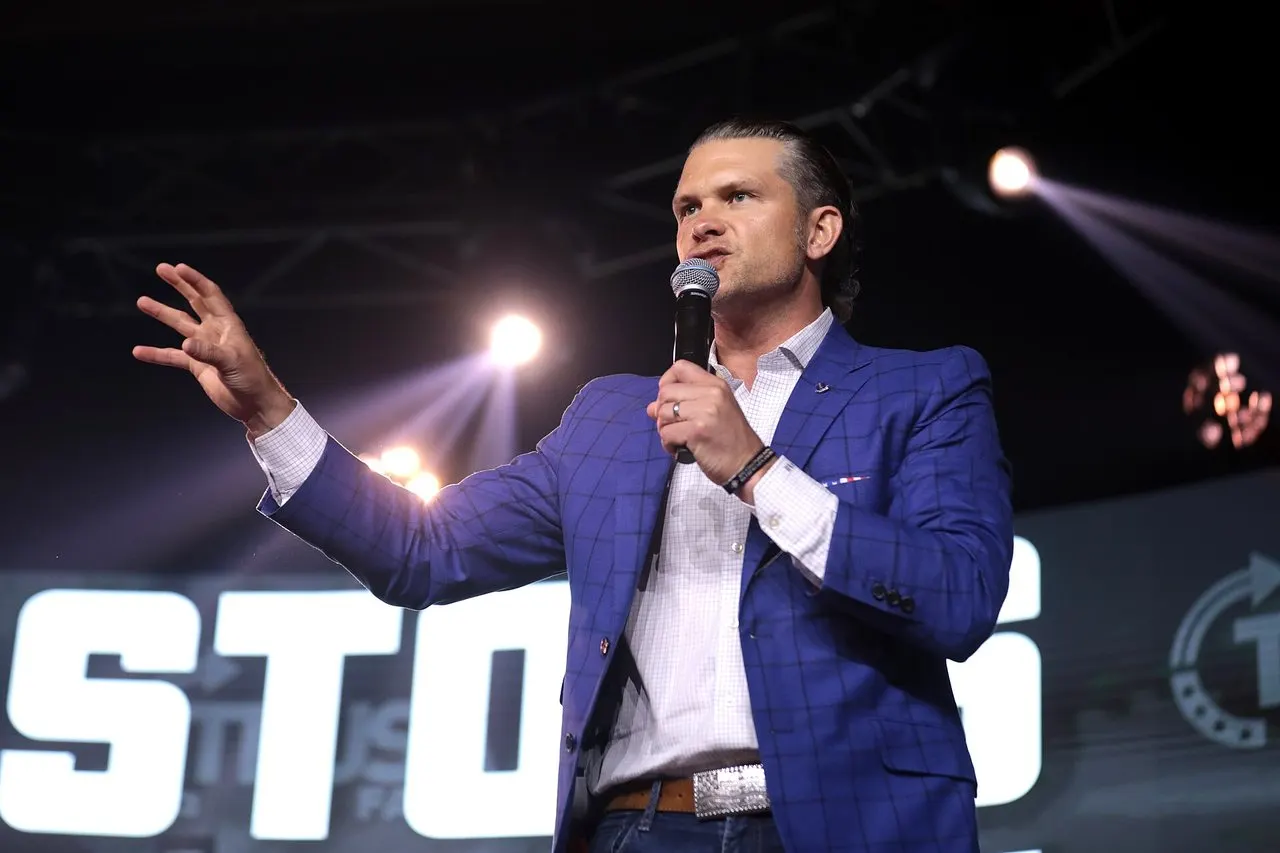
Pete Hegseth gave the interview on November 20, 2026, and his answer surprised listeners because it turned the security debate upside down. Asked about the biggest danger to America, he did not name a foreign army or a rival power. He said the danger is internal, and he said the country is losing its way on the basics that once made it strong. The interview spread online, where supporters praised his candor and critics questioned his framing. Read our report on his new limits on military ties with Canada.
Why the Hegseth Internal Threat Is About Home, Not Abroad
Hegseth argued that America faces its gravest risk from within its own borders, not from enemies overseas. He said the country is committing a slow form of cultural decline, losing complete focus on the building blocks of Western civilization and the values that made America exceptional. For a defense secretary to frame the problem this way is striking, because his job is usually about threats from abroad. His point was that a nation that forgets its own foundations cannot defend them. See how a silent shrug spoke volumes in Berlin.
What He Means by Losing the Basics

When Hegseth talks about the basics, he means the building blocks of Western civilization: reading, history, honest work, faith, family, and love of country. He said America has lost complete focus on those foundations, and that the loss shows up in classrooms, in public life, and in how young people see their own nation. Historians often point to the same roots when they explain how the West grew strong, from Greek thought and Roman law to the American founding. You can read how Americans view the presidents who led them.
K-12 Education at the Center of the Hegseth Internal Threat

Hegseth pointed directly at K-12 education, saying the progressive takeover of the school system is driving the decline he described. In his telling, classrooms shape how the next generation understands America, so what is taught there decides the future of the country. That claim puts teachers, parents, school boards, and textbooks at the center of a national security debate. It also explains why his words struck a nerve with families on both sides of the argument. Read a study of armed schools over 25 years.
What Is a Progressive Takeover of Schools?
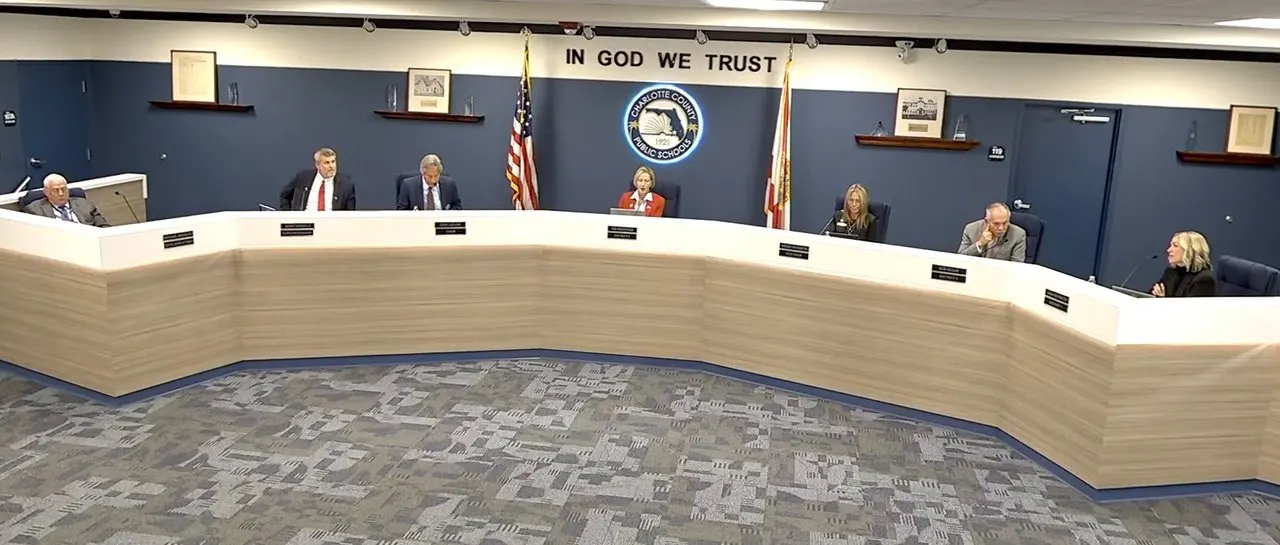
Critics of the school system use the phrase progressive takeover to describe changes they see in what children are taught about history, identity, and American values. They say lessons have shifted away from the basics toward ideas that divide students by group and teach them to distrust their own country. Supporters of those lessons say they reflect a fuller and more honest history. The argument plays out at school board meetings across America, where parents now show up in large numbers. Read about school fines in New York.
The Hegseth Internal Threat Warning From the Pentagon Chief
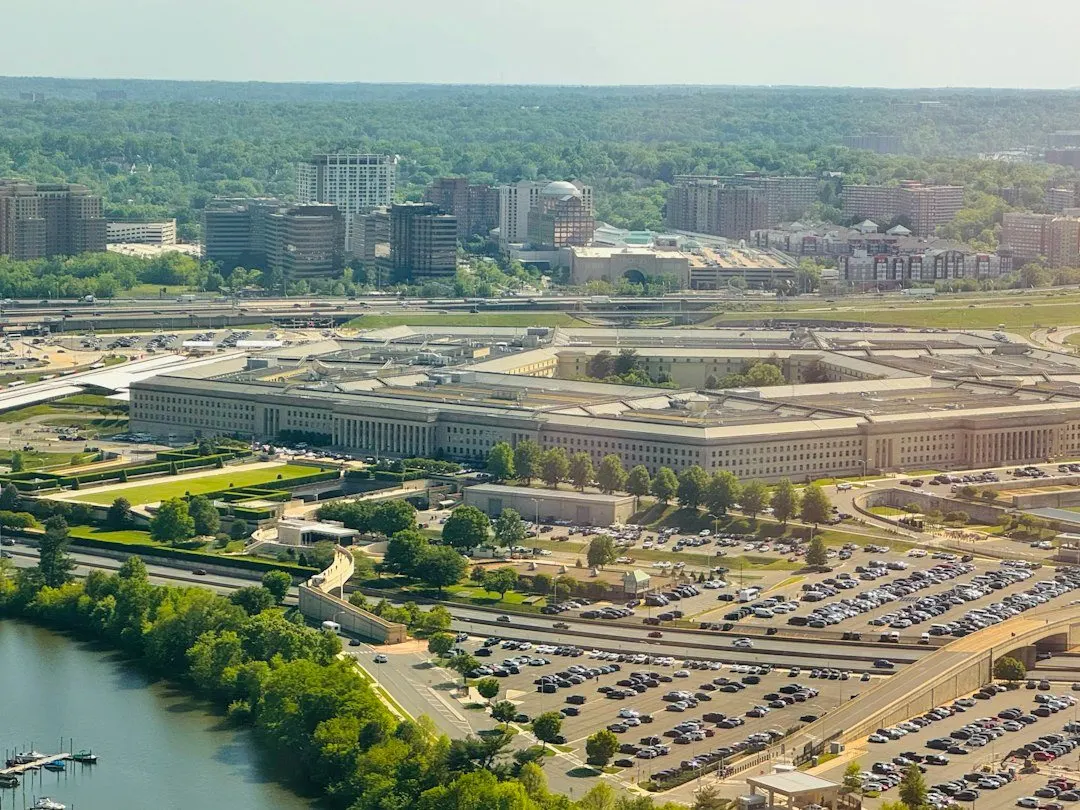
As Secretary of War, Hegseth runs the military on earth, with troops, ships, planes, and bases around the world. That is why his warning landed with force: the man who plans for foreign wars says the real fight is at home. His supporters say that makes his message more credible, not less, because he sees the full picture of American strength. His critics say a defense secretary should focus on the military and leave school debates to educators. Read our report on his new limits on military ties with Canada.
His Plan to Overhaul the Military
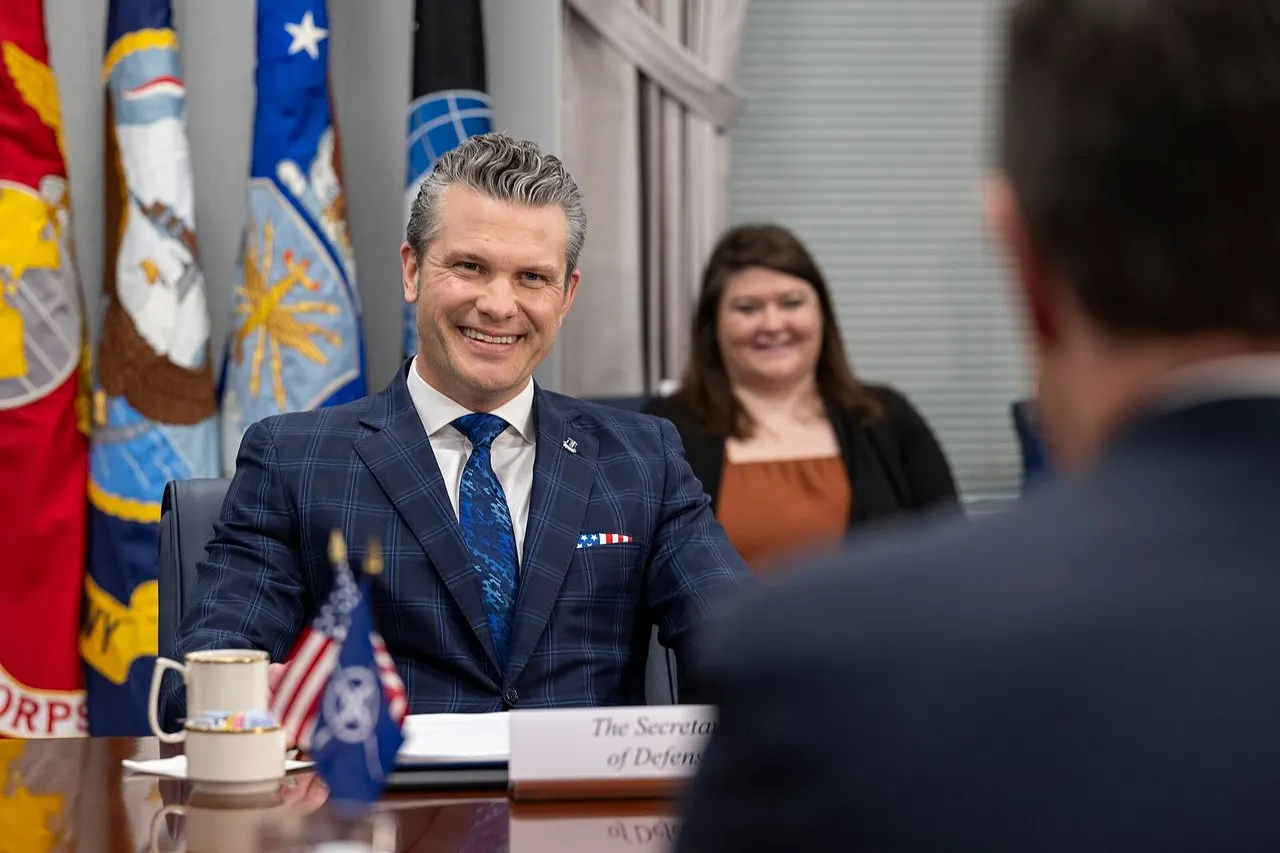
Hegseth has pushed an overhaul of the military, and KVNU Talk reported his line that the Pentagon needs to fire a ton of generals. He argues that senior officers have become managers of a bureaucracy instead of warfighters, and that a leaner leadership would make the force stronger. The plan has won praise from those who want a tougher military and concern from those who value experience at the top. It is part of the same message as his school warning. Read a former adviser who broke with Trump over Putin.
The $5.7 Million Audit of Military Base Schools

US News Pulse reported that the Pentagon ordered a $5.7 million no-bid audit of military base schools, and the move sparked a row about education. Children of service members attend those schools, so the audit touches military families directly and links the Pentagon to the classroom debate. Supporters of the audit say parents deserve to know how the money is spent and what children are taught. Critics say a no-bid deal raises fair questions about process and cost. Read a study of armed schools over 25 years.
Hegseth Internal Threat Remarks Came With a New Command
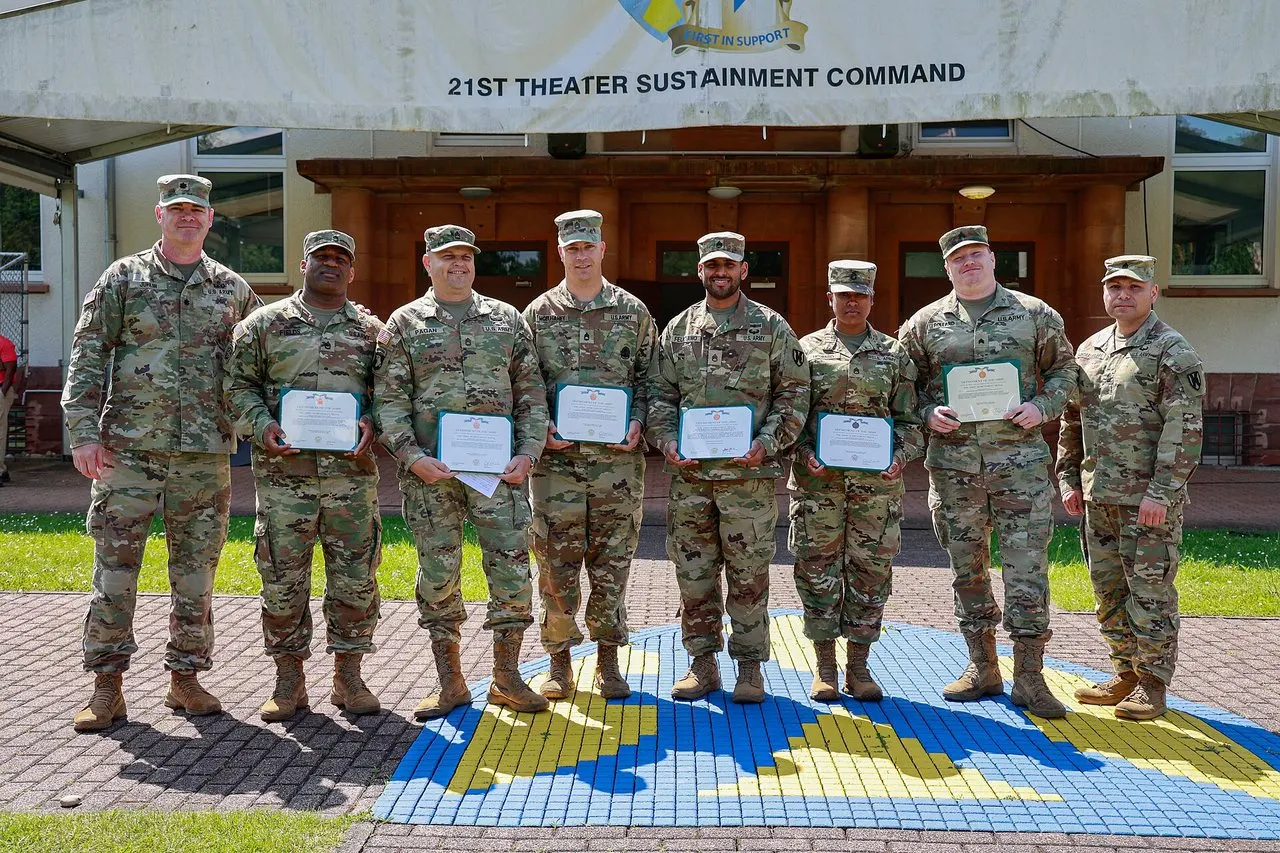
CNN reported that Hegseth announced a new autonomous tools command while repeating his criticism of woke culture during a speech to troops. The new command covers unmanned systems and new technology, a sign that the Pentagon is betting on machines as well as people for future wars. In the same speech he returned to his cultural theme, telling troops that the military should focus on fighting and winning. The pairing of new weapons and old values sums up his approach. Read a debate over who America calls the threat.
Generals in the Crosshairs
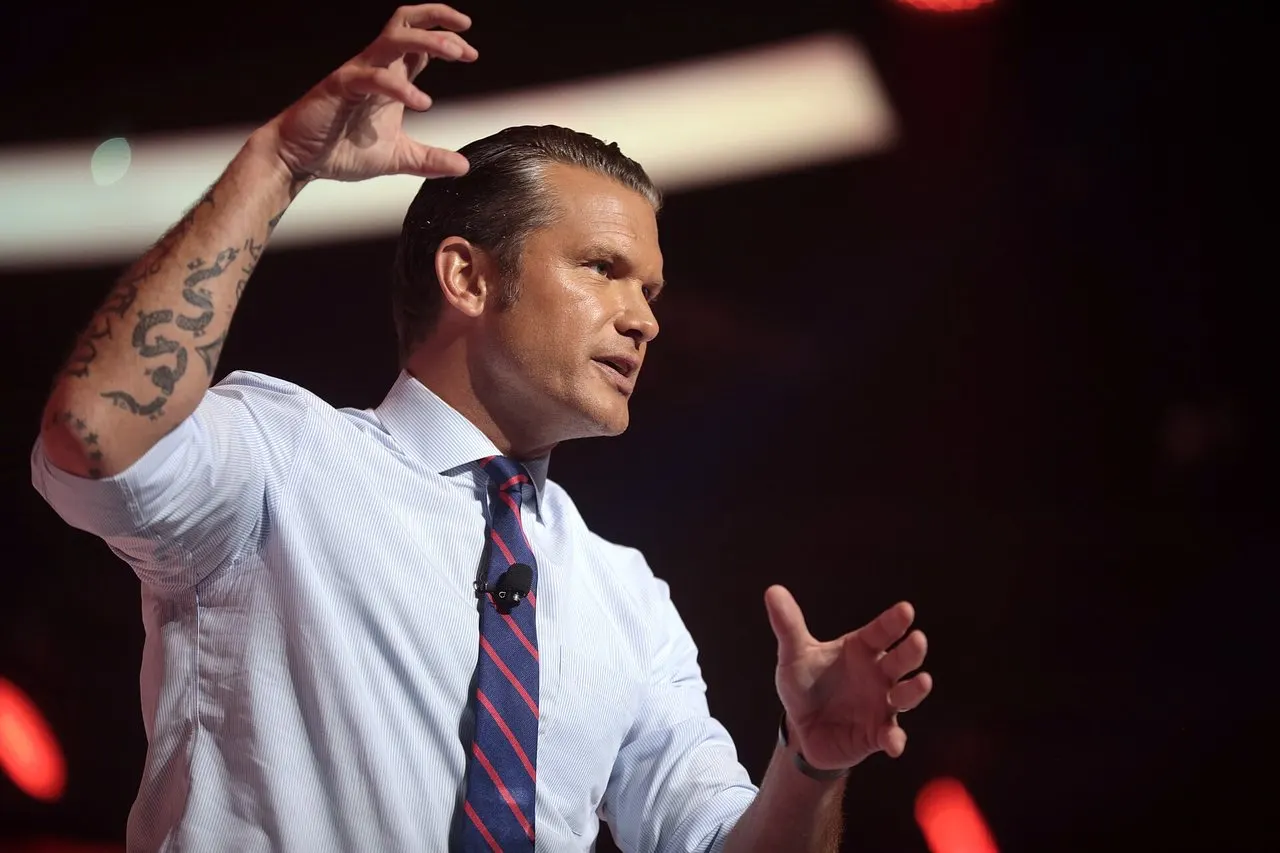
Hegseth has made no secret of his view that the ranks of the military need a shake-up, and his call to fire a ton of generals says it most plainly. He believes the officer corps has grown large and cautious, and that leadership would restore a warrior culture. Officers who spent years rising through the ranks see the system differently, and many say experience keeps the force ready. The clash shapes the Pentagon for years. Read a former adviser who broke with Trump over Putin.
Classrooms Become a National Security Debate

Once a defense secretary calls schools a national security issue, the classroom debate changes. Parents, teachers, and lawmakers now argue not only about grades and homework but about whether the country itself is at stake. That raises the temperature, and it also raises the stakes for every local school board vote. Some families welcome the attention, saying schools have needed scrutiny for years. Others worry that national politics will crowd out the work of teaching children to read and count. Read remarks that questioned why Iran is called the threat.
The Hegseth Internal Threat Debate Reaches the Classroom

At the heart of the debate is a simple question: what should American children learn about their own country. Hegseth and his supporters want lessons that stress pride in the founding, the Constitution, and the achievements of Western civilization. Their opponents say a full history must also face the hard chapters, and that hiding them does students no favors. Both sides agree on one thing, which is that the classroom matters more than most people thought. Read about school fines in New York.
Teachers Caught in the Middle
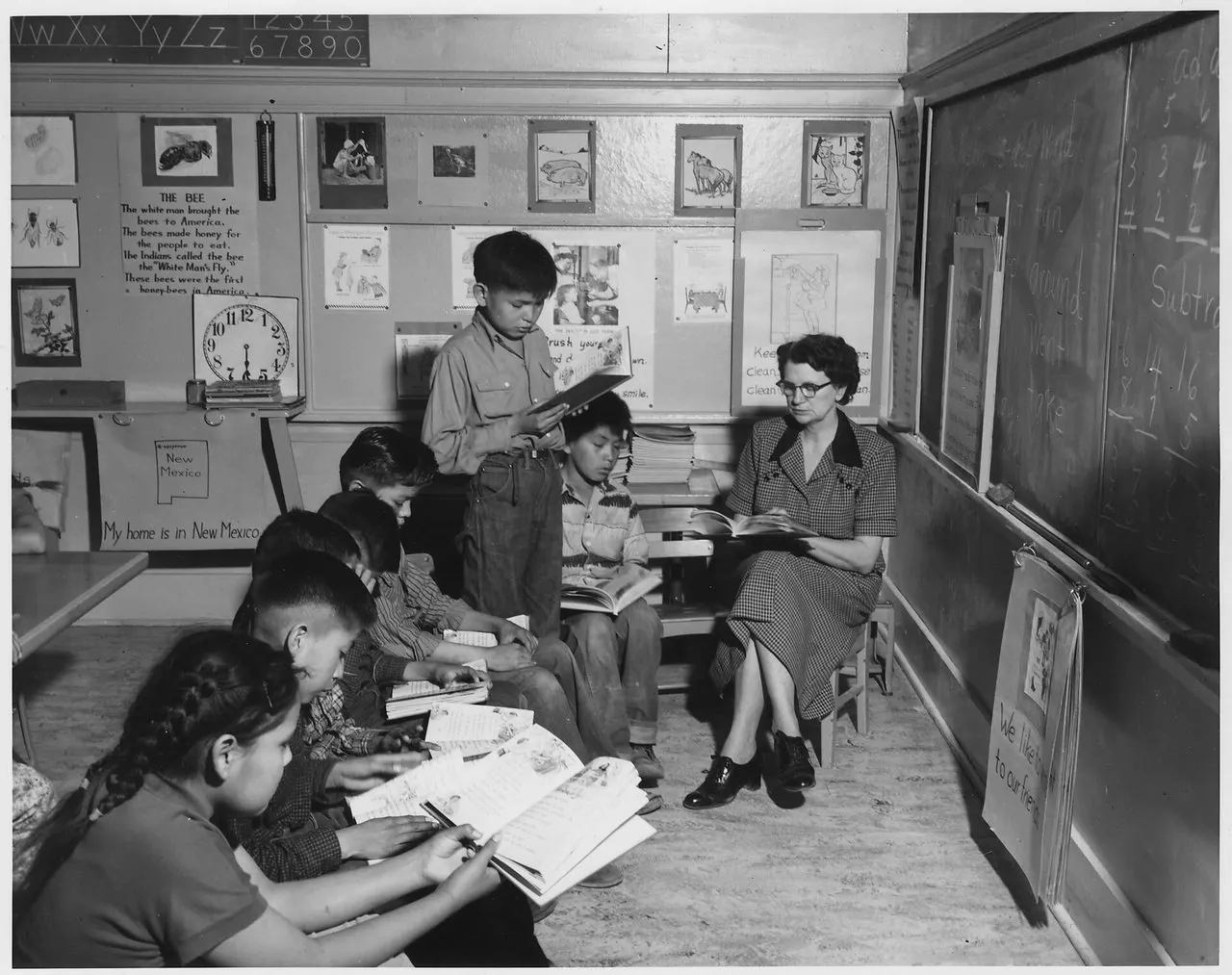
Teachers stand at the center of this fight, and many say they feel caught between parents, administrators, and politicians. They are asked to teach the basics, handle new curriculums, manage crowded classrooms, and now answer for the direction of the country. Most teachers say they simply want to do their jobs well and help every child learn. The debate over schools often forgets the people who show up each morning to teach. Read a sharp question about Trump and Putin.
The Building Blocks He Says America Lost

Hegseth listed the building blocks he believes America has lost: the basics of Western civilization, the habits that made the country exceptional, fruitful, prosperous, strong and free. Those words echo the American founding, when leaders spoke of liberty, duty, and the pursuit of happiness as shared ideals. Whether the country has truly lost them is now a public argument, with each side pointing to different evidence. The gallery ahead looks at the people and places behind that argument. Read how Americans view the presidents who led them.
Parents and the Hegseth Internal Threat Debate

Parents have become the loudest voices in the school debate, and Hegseth spoke directly to their concern. Many parents say they want to know what their children are taught, and they want a say when lessons touch on values and identity. They pack school board meetings, run for local office, and organize online, turning quiet frustration into a movement. Their rise is one reason a defense secretary’s words about schools travel so far. Read about a complete pardon for a baseball legend.
Washington Reacts to the Warning
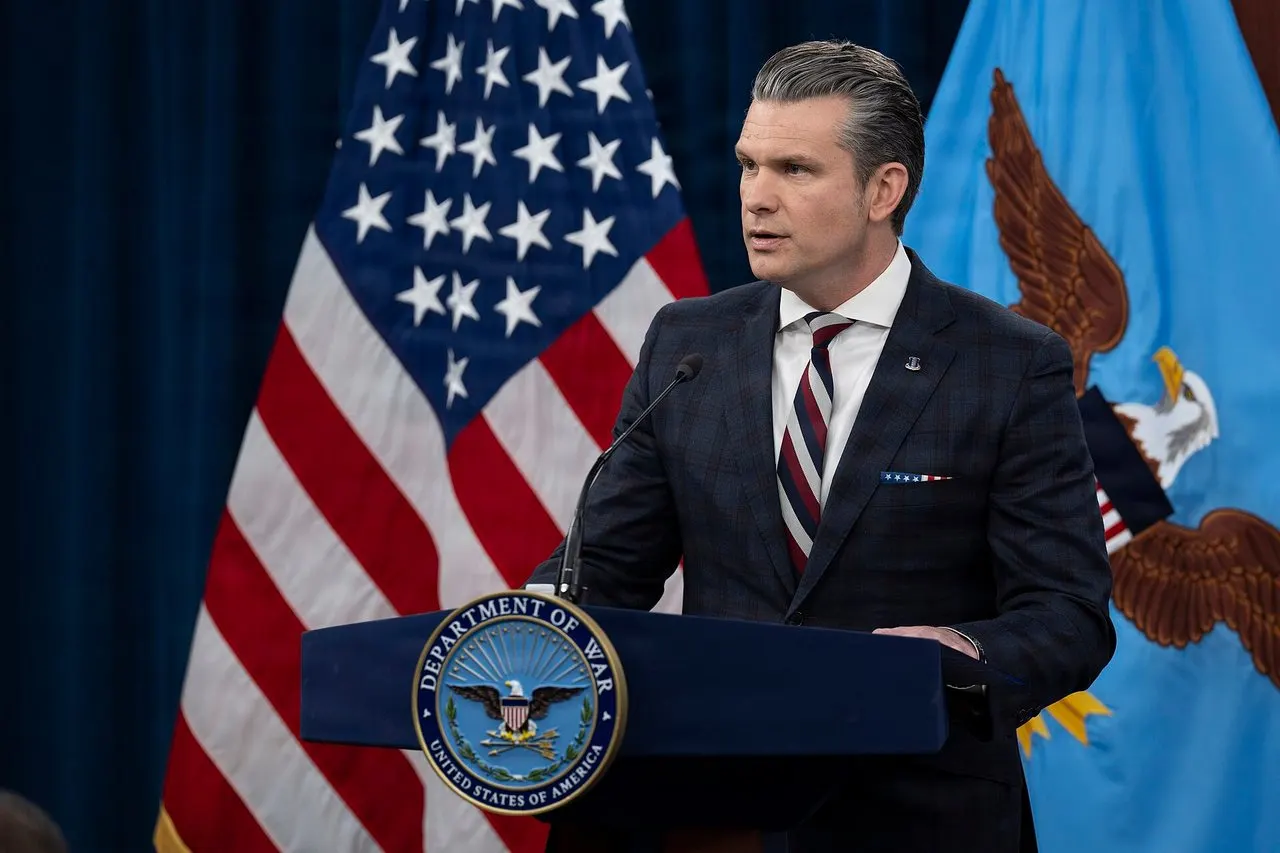
Washington reacted quickly to Hegseth’s warning, with allies cheering and opponents pushing back. Lawmakers who share his view say the Pentagon chief is saying out loud what many voters already believe about schools and culture. Lawmakers who disagree say his job is to run the military, not to grade the classroom, and they warn that his words deepen division. The split follows the familiar lines of American politics, but the subject is new. Read a warning about disappearing messages at the FBI.
From Television to the Pentagon
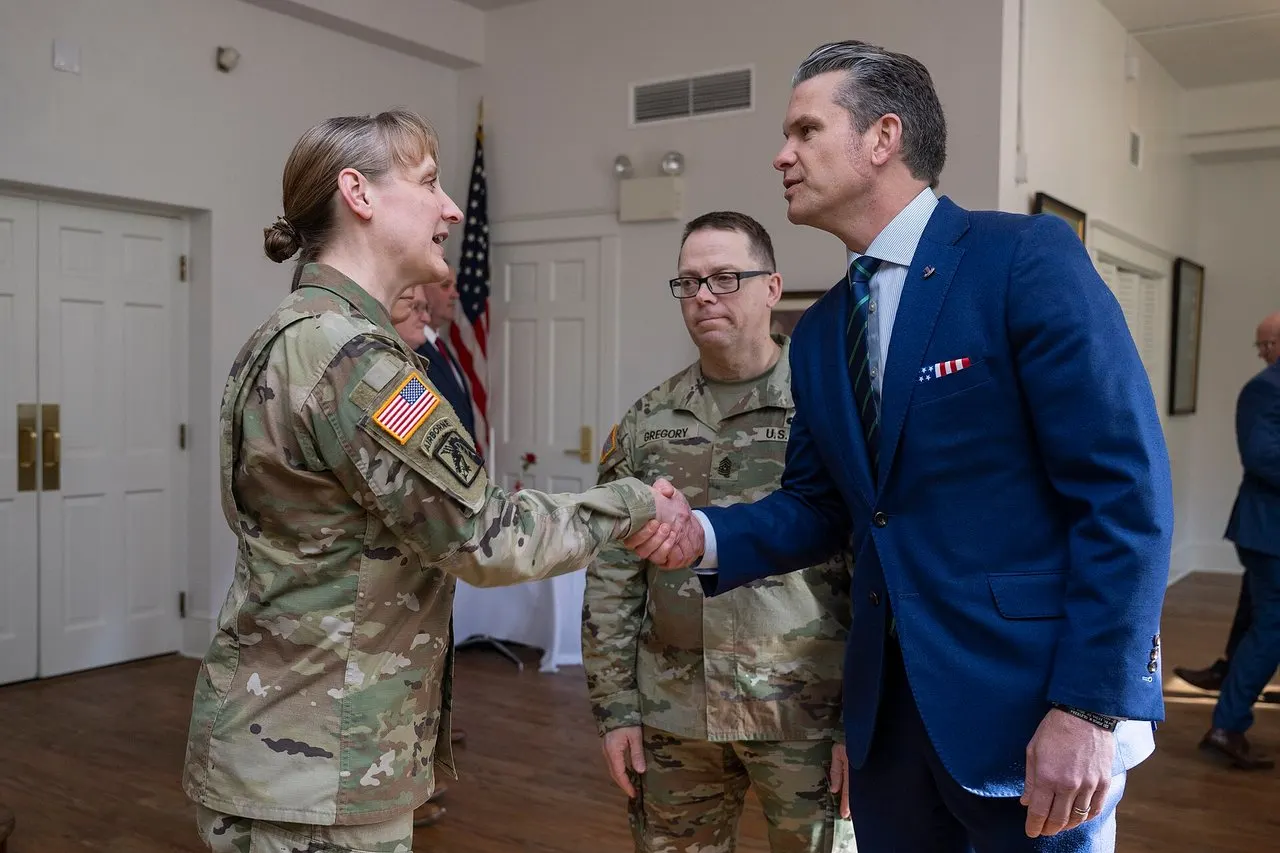
Before he led the Pentagon, Hegseth was known to millions as a television host and an Army veteran who served in the National Guard. He wrote books, spoke at rallies, and argued on air for a stronger and prouder America. That background explains his style: direct, plainspoken, and ready for a fight. It also explains why his words spread so fast, because he knows how to speak to a camera. Read our report on a complete pardon for a baseball legend.
Readiness and the Hegseth Internal Threat Warning

Hegseth ties his cultural warning to military readiness, arguing that a strong force needs a strong country behind it. Ships, planes, and new autonomous tools matter, but he says they are not enough if the nation forgets why it fights. The Navy keeps building and sailing, the Army keeps training, and the Pentagon keeps buying new systems, yet he insists the deepest strength is cultural. That link between the classroom and the battlefield is the core of his message. Read a call for a world without nuclear weapons.
What Happens Next
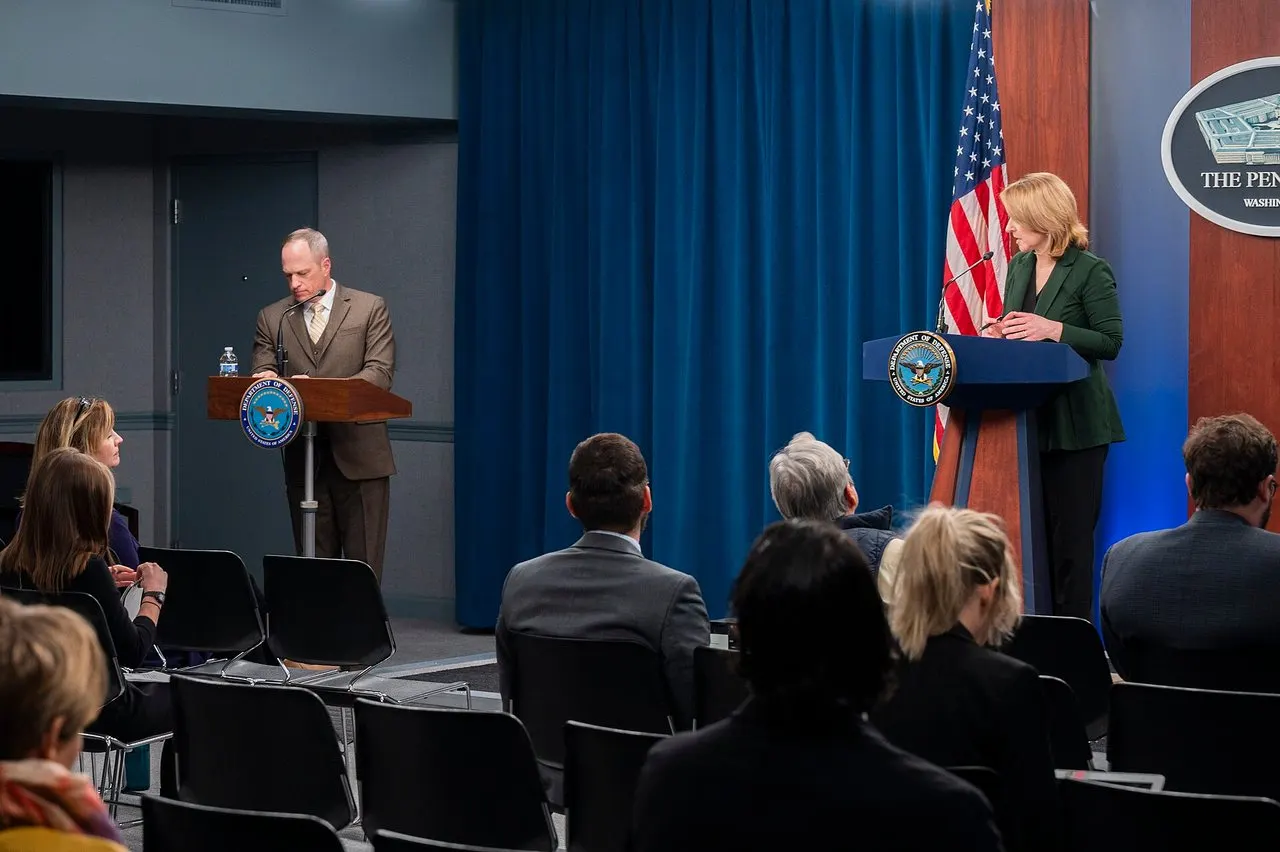
The debate Hegseth started will not end soon, and the next steps will play out in Washington, in state capitals, and in local school boards. The Pentagon may press ahead with its military overhaul and its audit of base schools, while parents and teachers keep arguing over lessons and books. Lawmakers may hold hearings, and voters will weigh in at the ballot box. For now, the warning has done what warnings do: it has forced a conversation. Read how a silent shrug spoke volumes in Berlin.
Why Families Are Listening to the Hegseth Internal Threat Warning

Families are listening because the warning touches the two things they care about most: their children and their country. A parent who worries about the classroom and a veteran who worries about the military hear the same message in Hegseth’s words. That is why the interview spread so widely, and why school meetings now draw crowds that once stayed home. Whatever readers think of his language, the concern behind it is shared by millions. Read a complete pardon for a baseball legend.
Do You Agree With Hegseth?

Hegseth says the enemy is inside, and he says the progressive takeover of K-12 education is driving the danger. Do you agree with him, or do you think a defense secretary should leave schools alone and focus on the military? Is the country losing its foundations, or is it simply changing in ways that make some people uneasy? Share your thoughts in the comments, tell us what your own school taught you, and keep the conversation respectful. Read a complete pardon for a baseball legend.