Eleanor Roosevelt Tennessee: A Warning She Refused to Heed
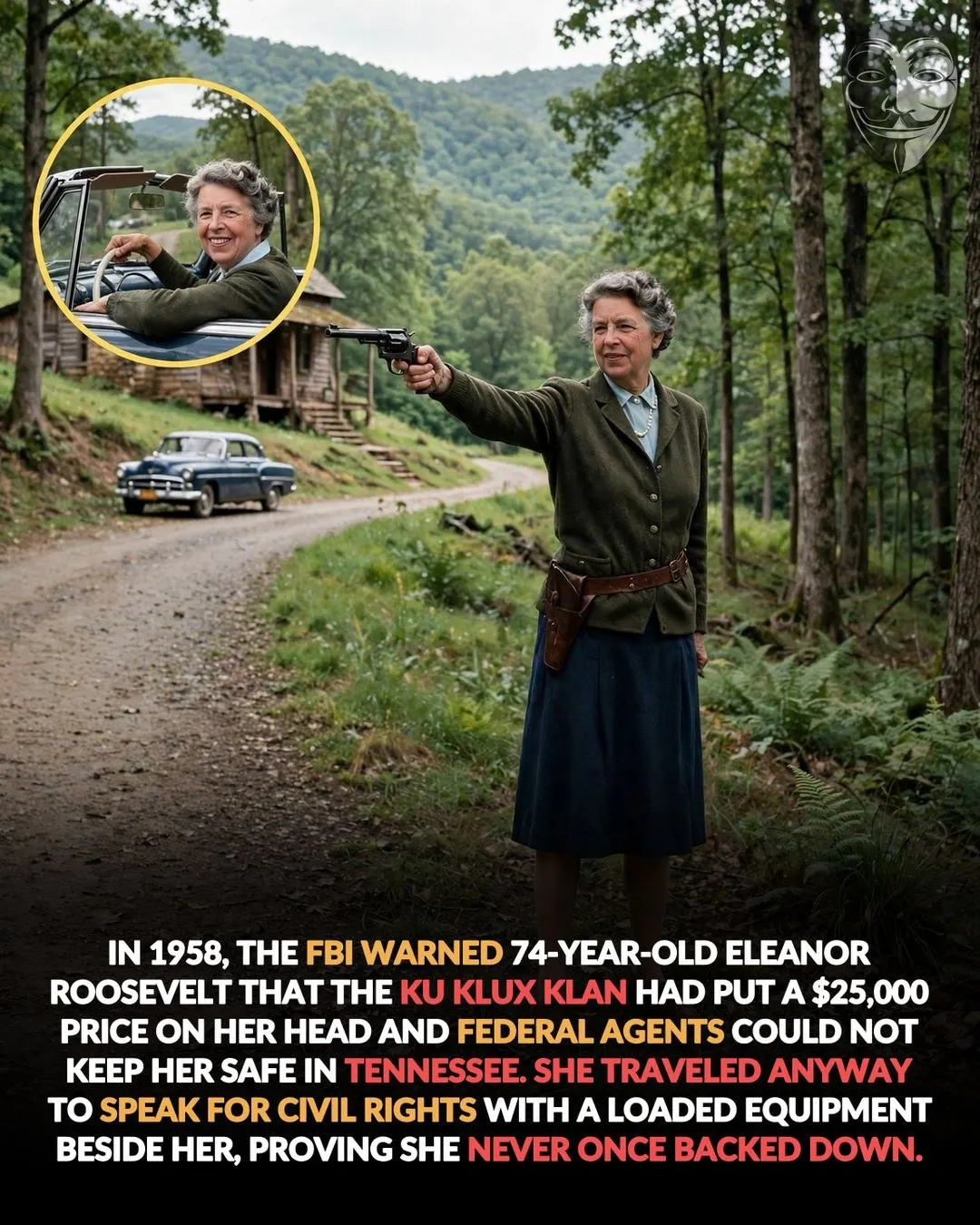
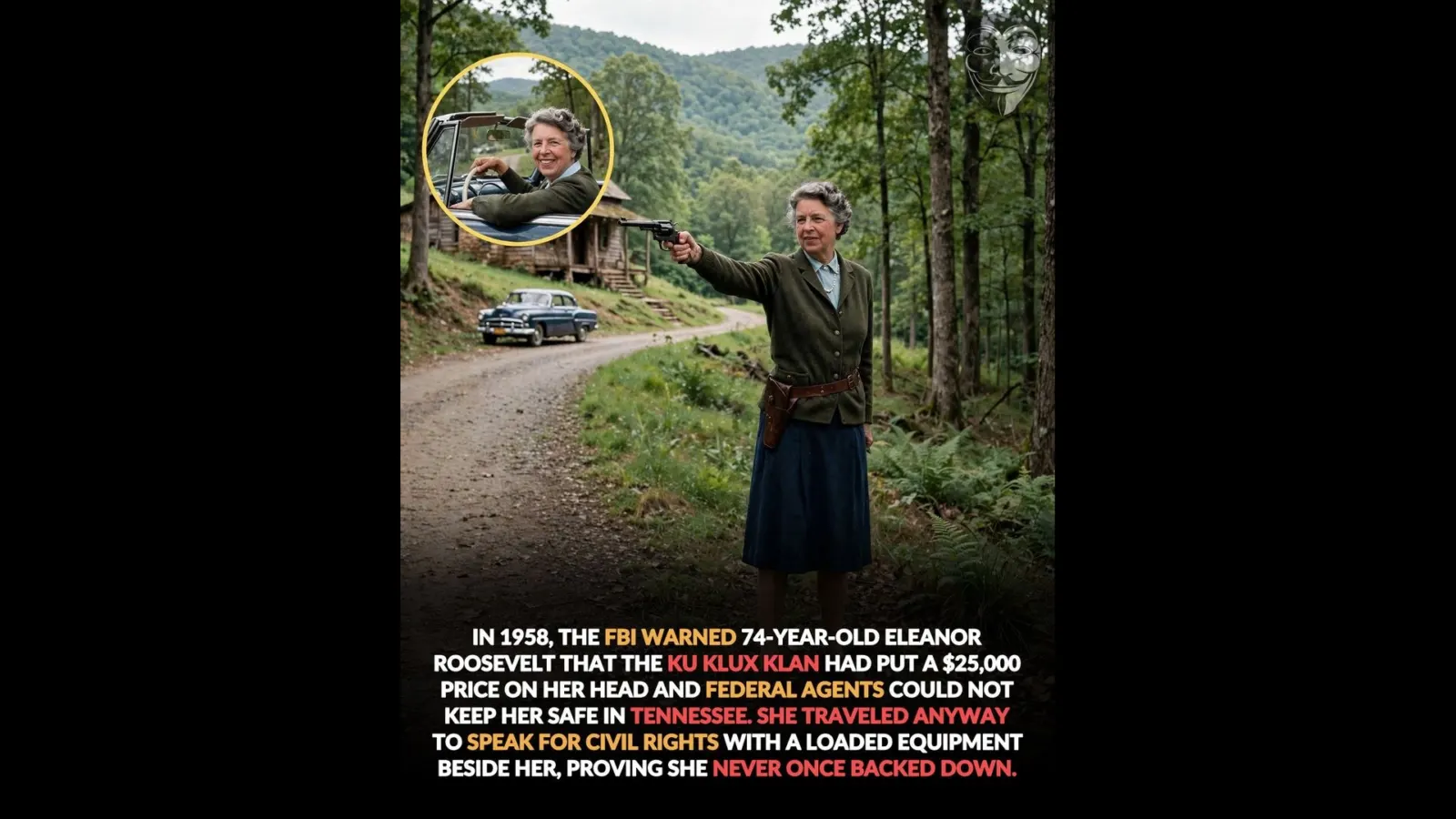
The Eleanor Roosevelt Tennessee trip of June 1958 began with a warning that would have stopped most people. The FBI told the 74-year-old former First Lady that the Ku Klux Klan had reportedly put a $25,000 price on her head if she traveled to Tennessee to speak at the Highlander Folk School. Agents said they could not keep her safe on the trip and urged her to stay home. Roosevelt listened, thanked them, and went anyway, because the work mattered more to her than the fear.
With a friend beside her, she drove through the Tennessee mountains at night with a loaded pistol on the seat between them, and she reached Highlander and spoke for voting rights and community-based equality. At 74, she showed that fear would not keep her from the work she believed in. In the slides ahead, we follow her journey from the warning to the welcome at the school. For more stories of people who stood their ground, read about a leader who said America is respected again.
References:
Booklist: Ilene Cooper’s Eleanor Roosevelt, Fighter for Justice
Britannica: Highlander Research and Education Center
Sewanee: Prof. Lehn Gives Legacy Lecture on Eleanor Roosevelt
World History Edu: Eleanor Roosevelt: Timeline and Major Facts
Eleanor Roosevelt Tennessee Warning Came From the FBI
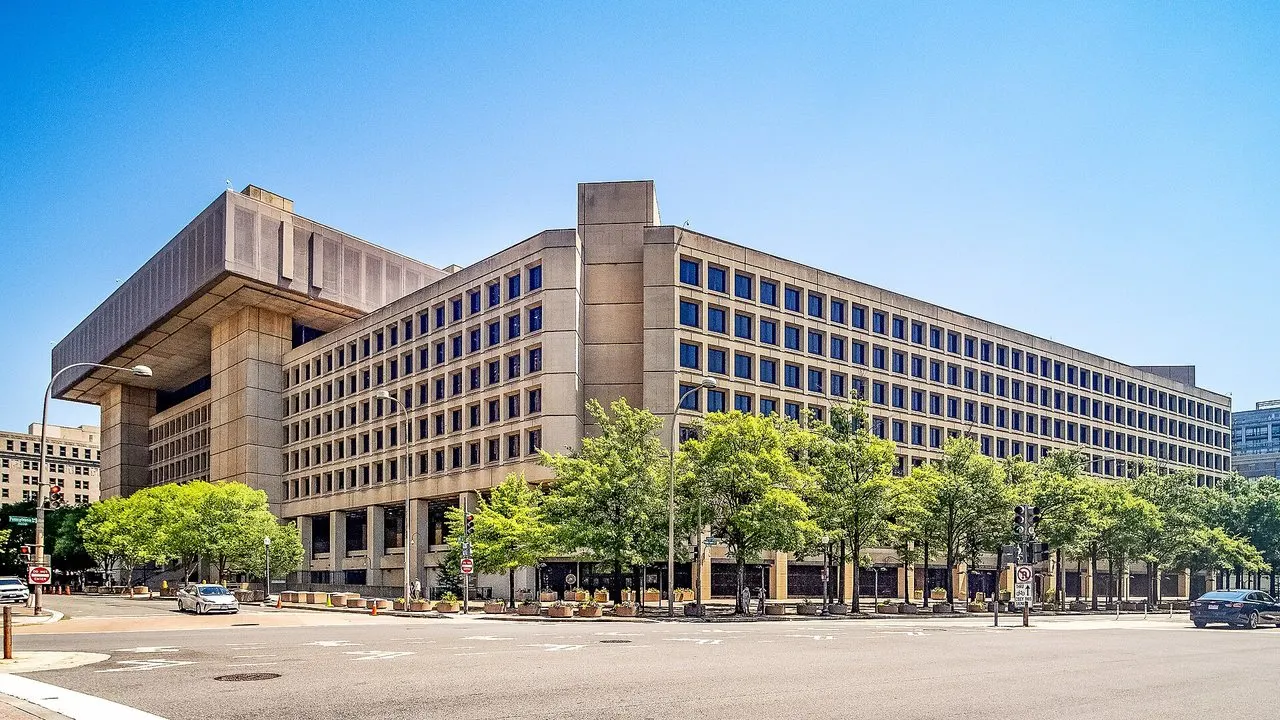
In June 1958, the FBI warned the 74-year-old former First Lady that the Ku Klux Klan had reportedly put a $25,000 bounty on her head if she traveled to Tennessee. Agents told her plainly that they could not keep her safe on the trip, and they urged her to stay home. It was a frightening message at any age, and it came from the federal agents whose job was to protect people. Roosevelt heard them and made her own choice. Read about a mystery carved in stone long ago.
A $25,000 Price on Her Head
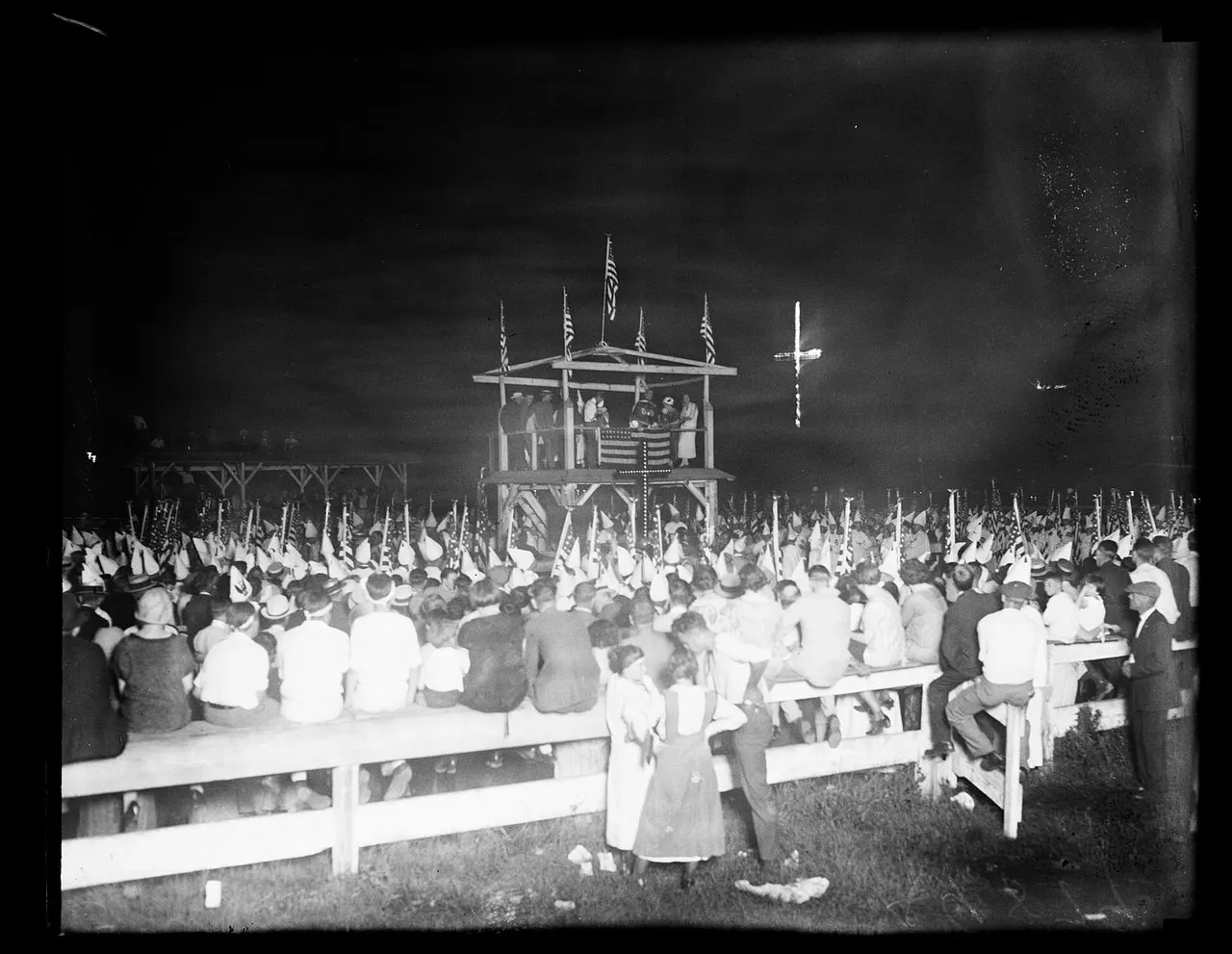
The threat was specific and chilling. The Ku Klux Klan had reportedly offered $25,000 to anyone who captured Roosevelt if she came to Tennessee, a sum meant to scare her away from the civil rights gathering at Highlander. In 1958, that kind of money could buy a house, and the offer showed how far her enemies would go. The warning was not a rumor passed in whispers. It came through the FBI, and it named a price. See a doctor who spoke about faith.
Seventy-Four and Still on the Road
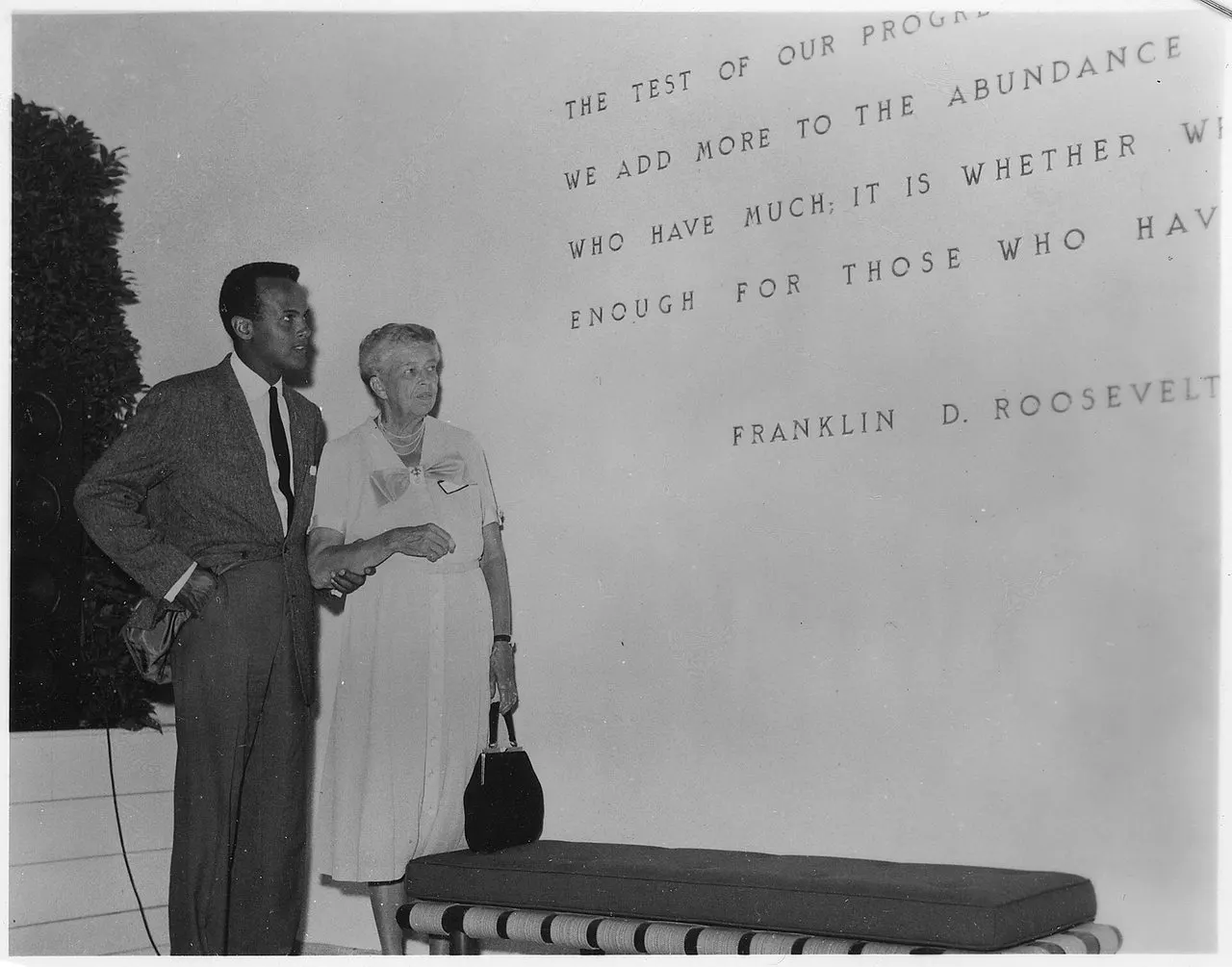
Roosevelt was 74 years old when the warning came, an age when most people have long since slowed down. She had already lived a full public life as First Lady, writer, and diplomat, yet she kept traveling to the places where her voice was needed. Her friends knew she did not frighten easily, and her long record showed it. Age had not softened her views or her courage. At 74, she packed her bags and went. Read about a first lady who ran a lean office.
Eleanor Roosevelt Tennessee Trip Led to Highlander
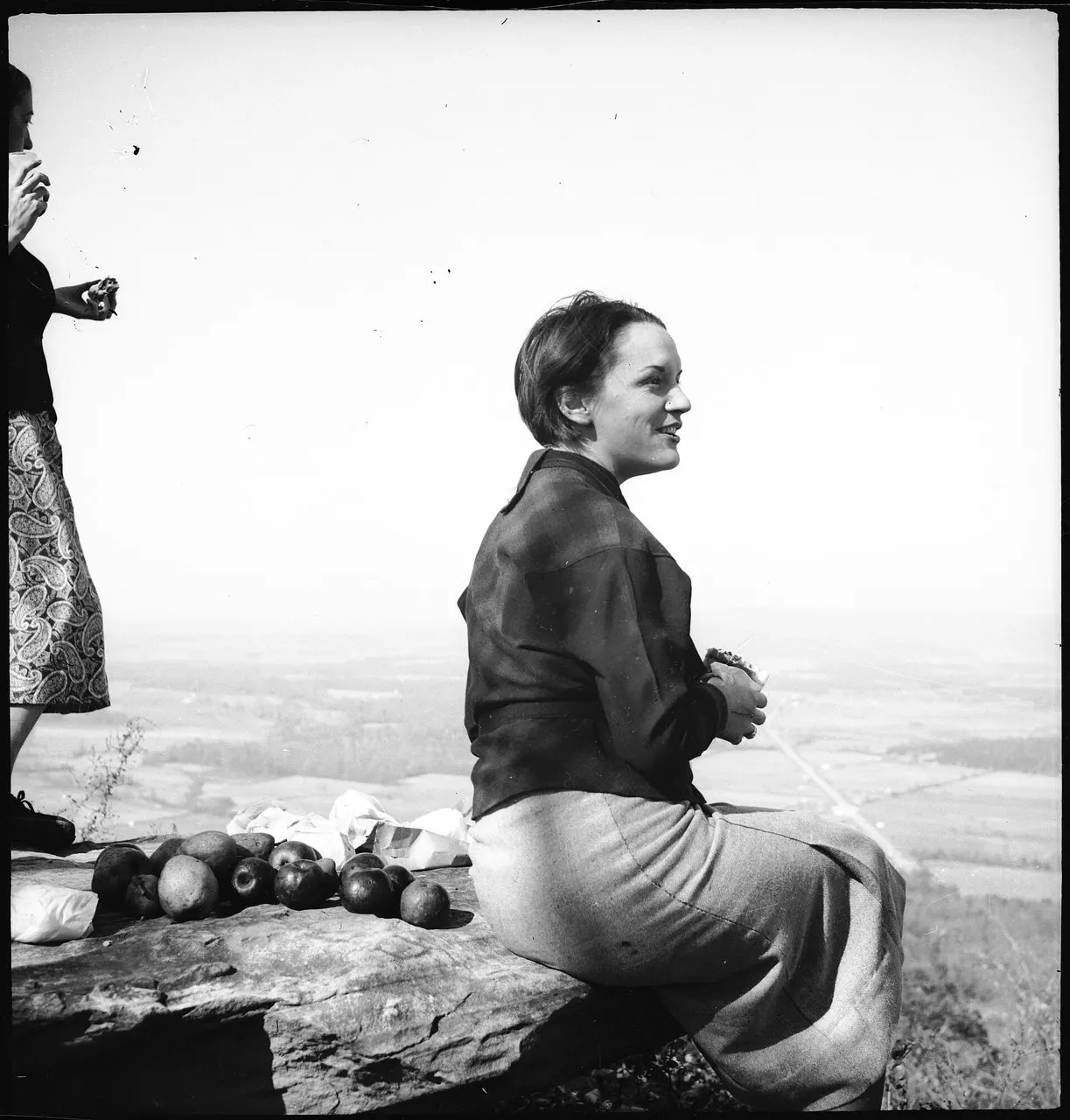
Her destination was the Highlander Folk School in Monteagle, Tennessee, a small school with a large role in American history. Highlander trained people to organize their communities, register voters, and stand up for their rights. Its workshops brought together Black and white Southerners at a time when that was rare and risky. Roosevelt had long admired its work, and she wanted to be there in person. Learn more in a newborn who was already unimpressed.
Monteagle, a Small Town in the Tennessee Mountains
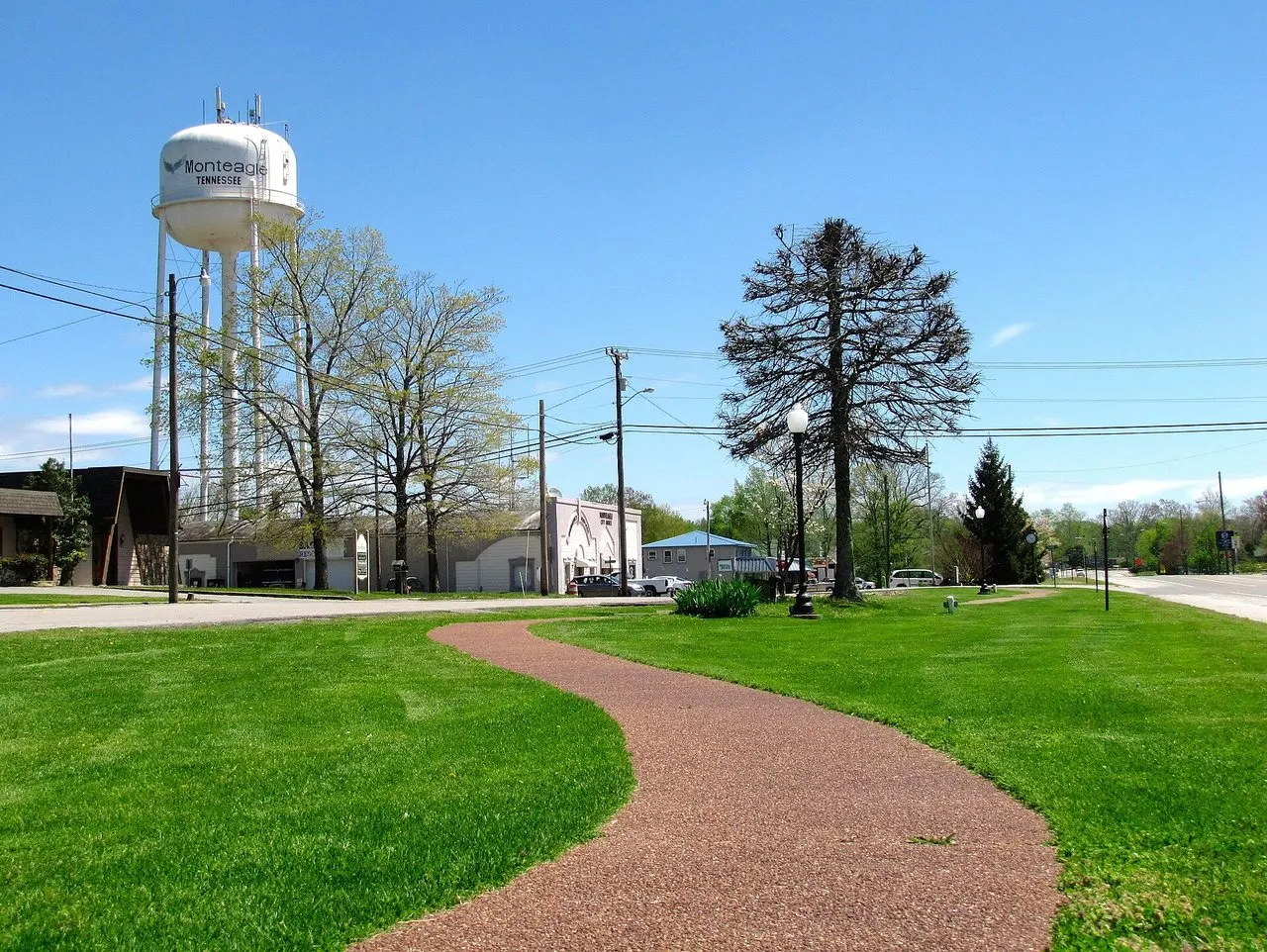
Monteagle sits high in the mountains of Tennessee, a quiet town of winding roads and cool air. In 1958, it was the kind of place where everyone knew when a stranger arrived, and a visit from a former First Lady was big news. The school stood on a hillside above the town, far from the cities where Roosevelt usually spoke. Getting there meant a long drive through dark mountain roads. Read about a boy who took a lost phone to the police.
Eleanor Roosevelt Tennessee Night Drive Through the Mountains
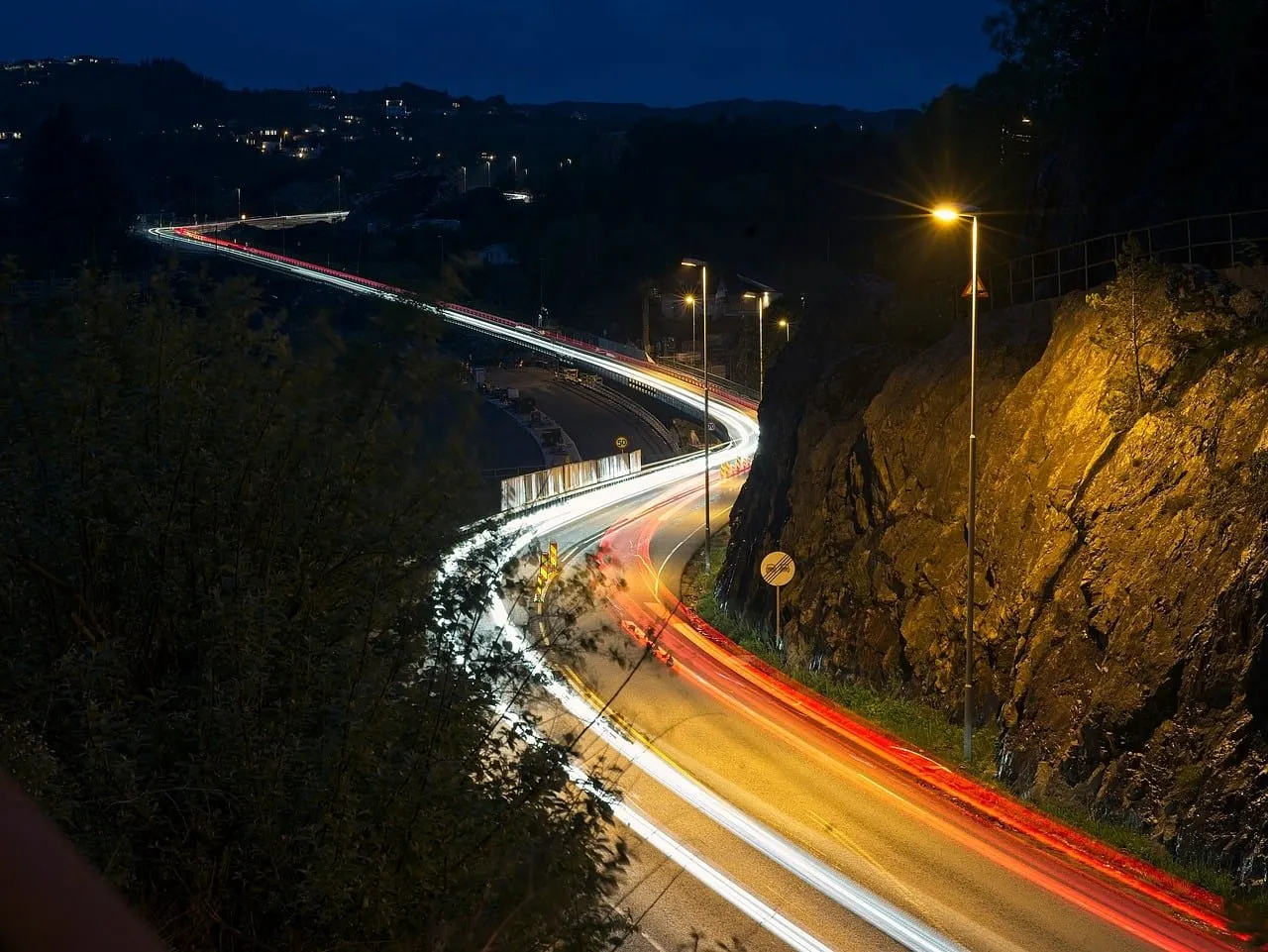
Roosevelt made the trip at night, driving through the Tennessee mountains with only the headlights to show the road ahead. The curves were sharp, the woods were dark, and every mile carried the weight of the warning she had received. A night drive through strange mountains would test anyone, and she was 74. Yet she kept going, mile after mile, toward the school. See a bill meant to close a loophole.
A Friend Rode Beside Her
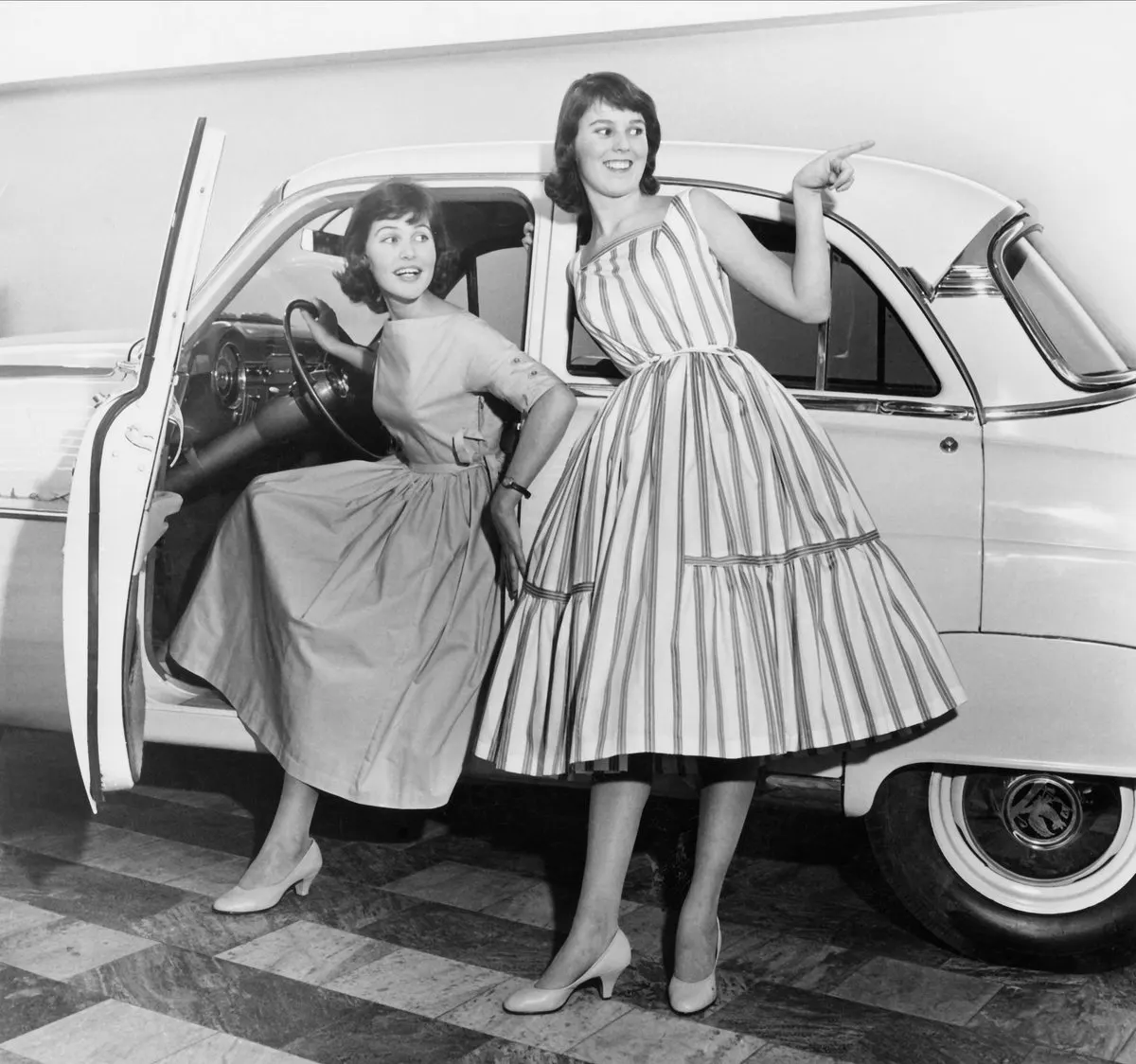
Roosevelt did not make the drive alone. A female friend sat beside her for the whole journey, sharing the long night road and the worry that came with it. Having a friend along made the trip less lonely and a little safer, and it showed the quiet support that carried so much civil rights work. The two women talked as they drove, watching the road together. Their friendship was part of the story. Read about an actor who spoke about sacred rage.
A Loaded Pistol on the Seat Between Them
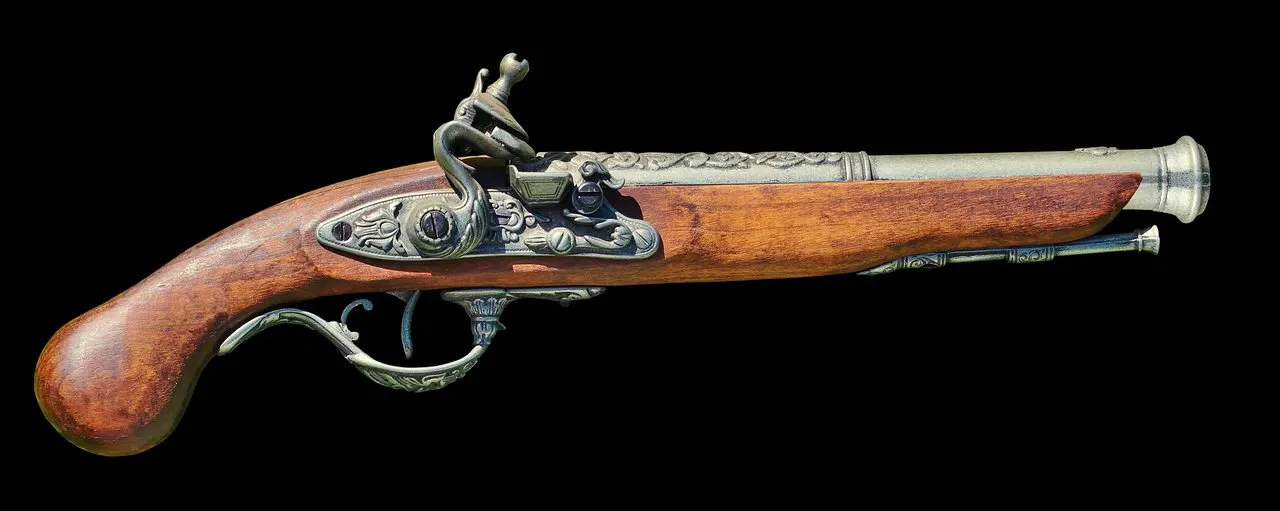
Between the two women on the car seat lay a loaded pistol, kept close in case trouble found them on the dark road. Roosevelt was not a person who sought danger, but she was practical about it, and the pistol showed how seriously she took the threat. It was a stark detail in a story about a speech on voting rights. She hoped she would never need it, and she never did. Learn more in a grandma whose dinner invite became a movie.
Eleanor Roosevelt Tennessee Speech Backed Voting Rights
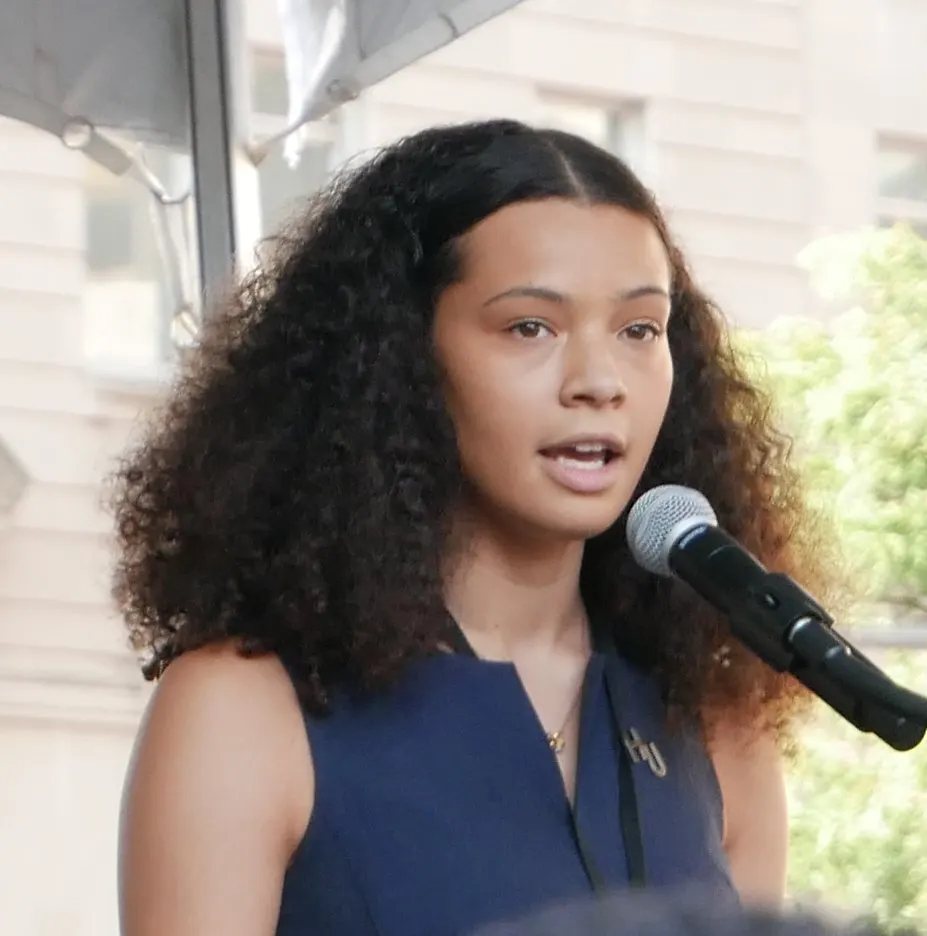
When Roosevelt reached Highlander, she spoke in support of voting rights and racial equality, the very ideas that had drawn the threat. She told the gathering that every citizen should have a voice in choosing leaders, and that community-based equality was worth working for. Her words were calm and clear, the way they always were. The audience listened closely to every sentence. See an artist who turned pencils into giant lips.
America in 1958 Was a Divided Country
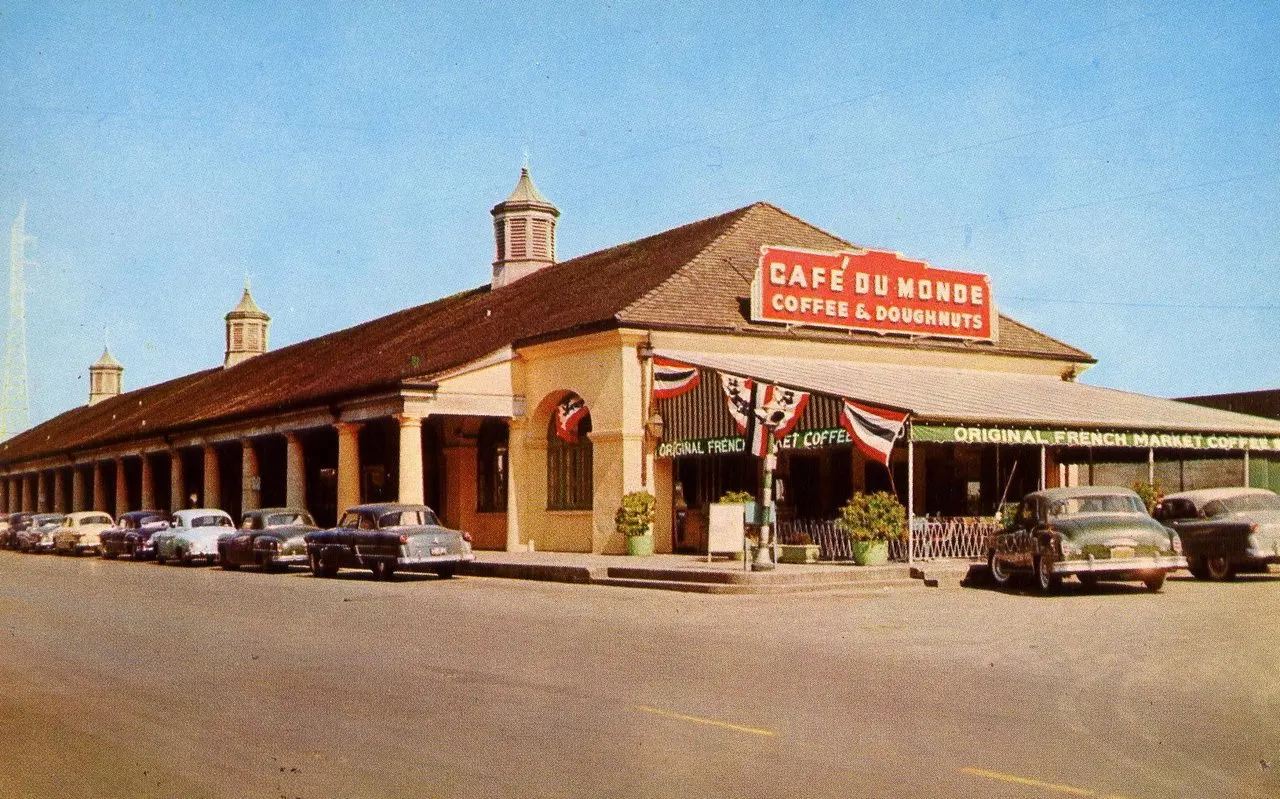
The year 1958 was a tense time in America. Segregation was still the law across much of the South, and Black citizens faced poll taxes, literacy tests, and violence when they tried to vote. The civil rights movement was growing, but change came slowly and at great cost. Roosevelt had watched these struggles for decades, and she believed the country had to do better. Read about a leader who said America is respected again.
The Signs of Segregation Were Everywhere
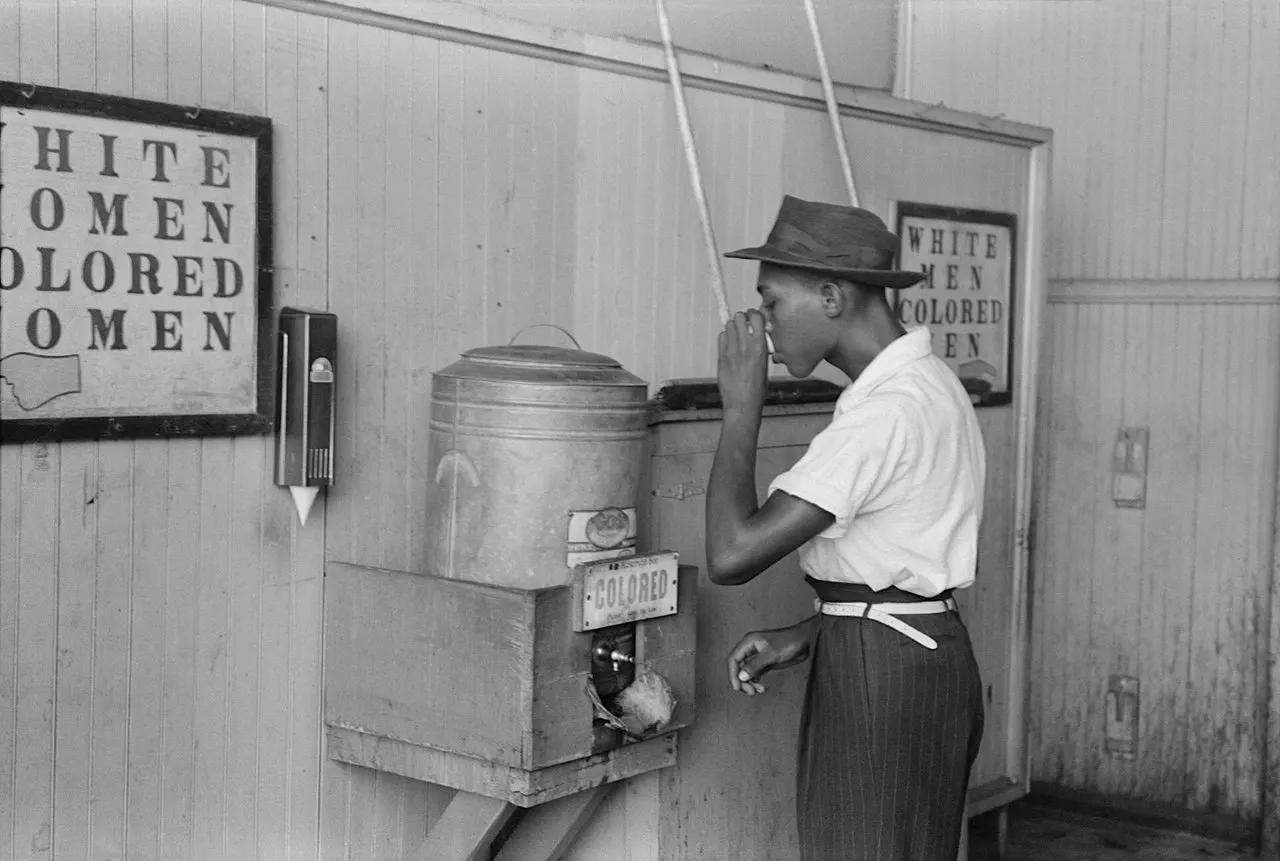
In the segregated South of 1958, signs marked separate waiting rooms, water fountains, and lunch counters, and Black travelers never knew where they would be welcome. The rules were written into daily life, and breaking them could bring arrest or worse. Roosevelt had spoken against these rules for years, in public and in print. Her visit to Highlander was one more stand against them. Learn more in a mystery carved in stone long ago.
Eleanor Roosevelt Tennessee Courage Grew in the White House
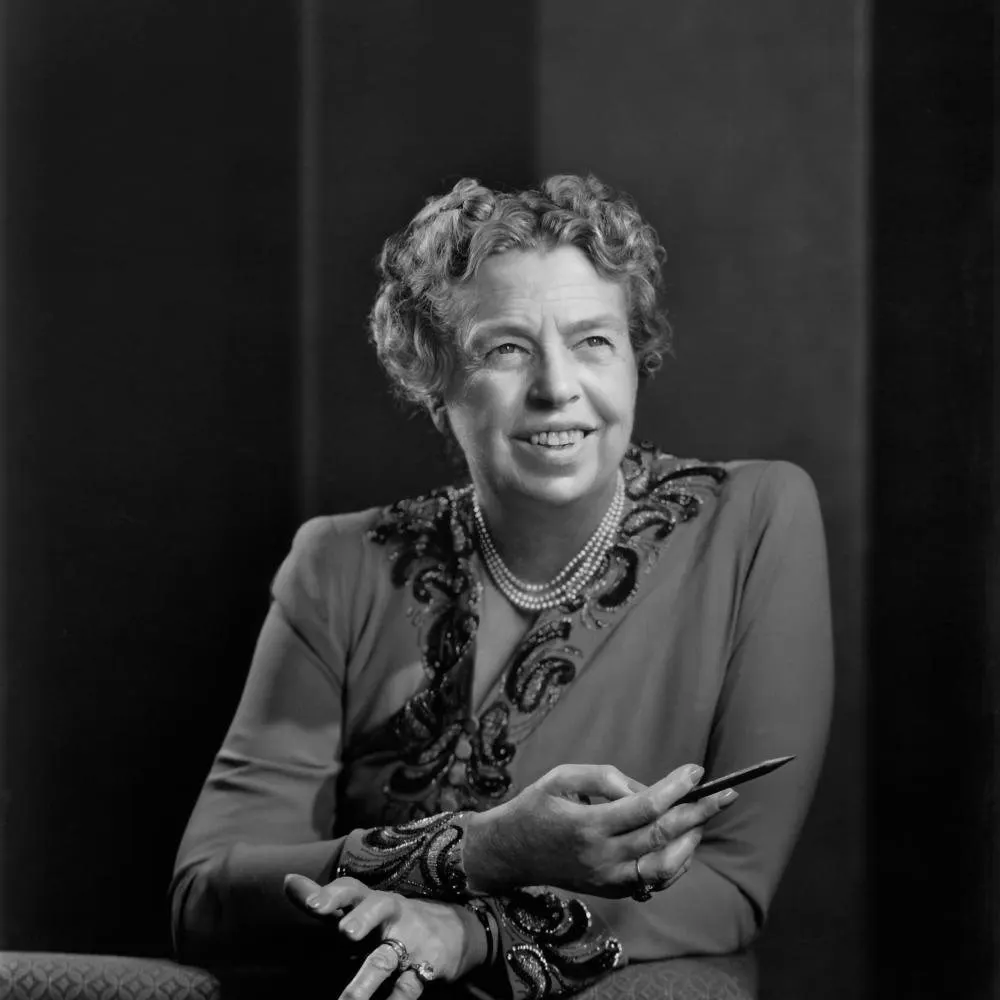
Roosevelt learned to speak out during her years as First Lady, from 1933 to 1945, when she traveled the country and reported back on what ordinary people faced. She visited coal mines, hospitals, and schools, and she wrote about what she saw. Her husband was president, but her voice was her own, and it often pushed further than his. That habit of honesty stayed with her. See a doctor who spoke about faith.
From the White House to the United Nations
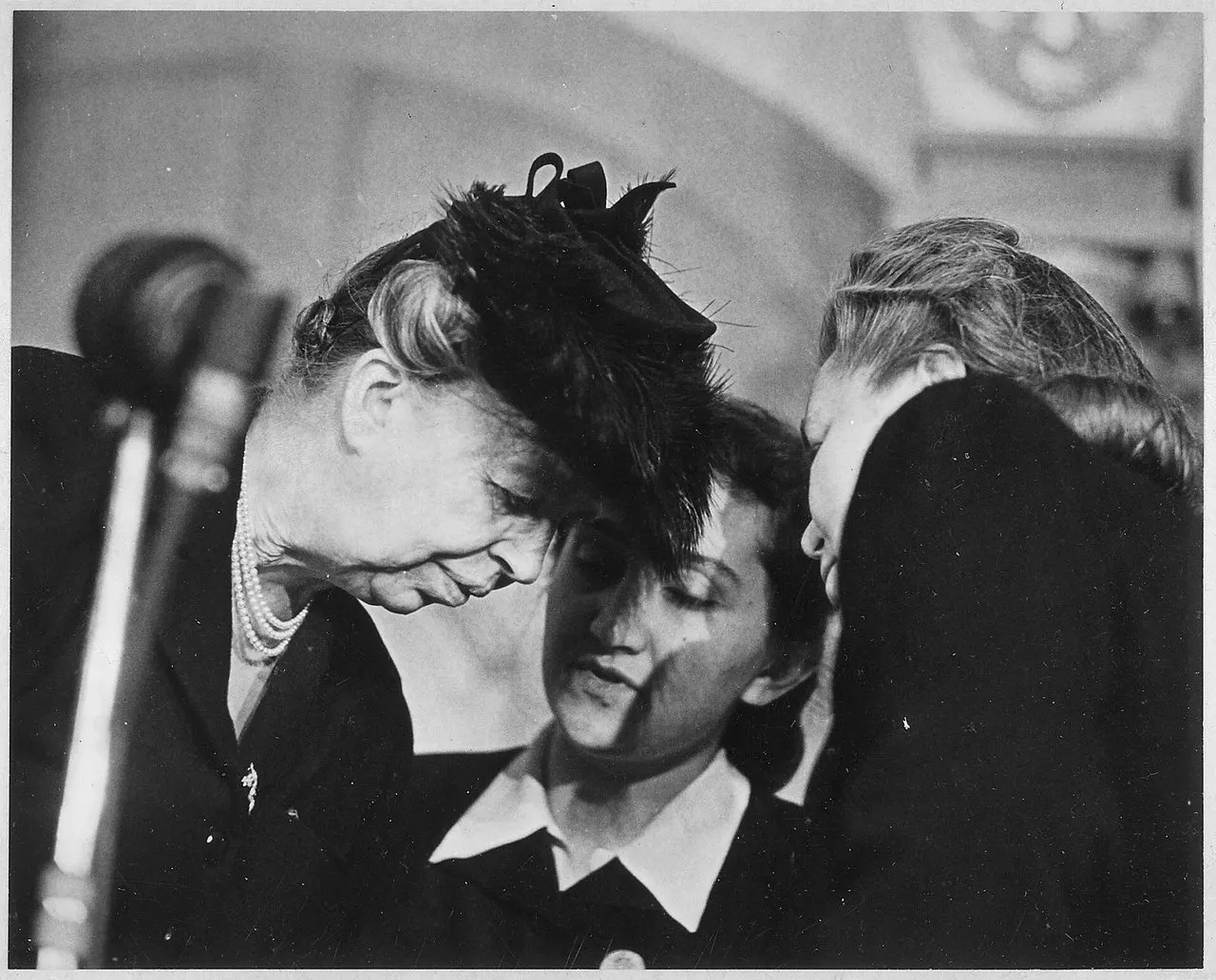
After the White House, Roosevelt went on to the United Nations, where she helped shape the Universal Declaration of Human Rights. She chaired the committee that wrote it, and she believed its promise that all people are born free and equal in dignity and rights. That work made her a global figure, but she never stopped caring about small towns like Monteagle. Read about a first lady who ran a lean office.
The FBI Watched the Country Closely
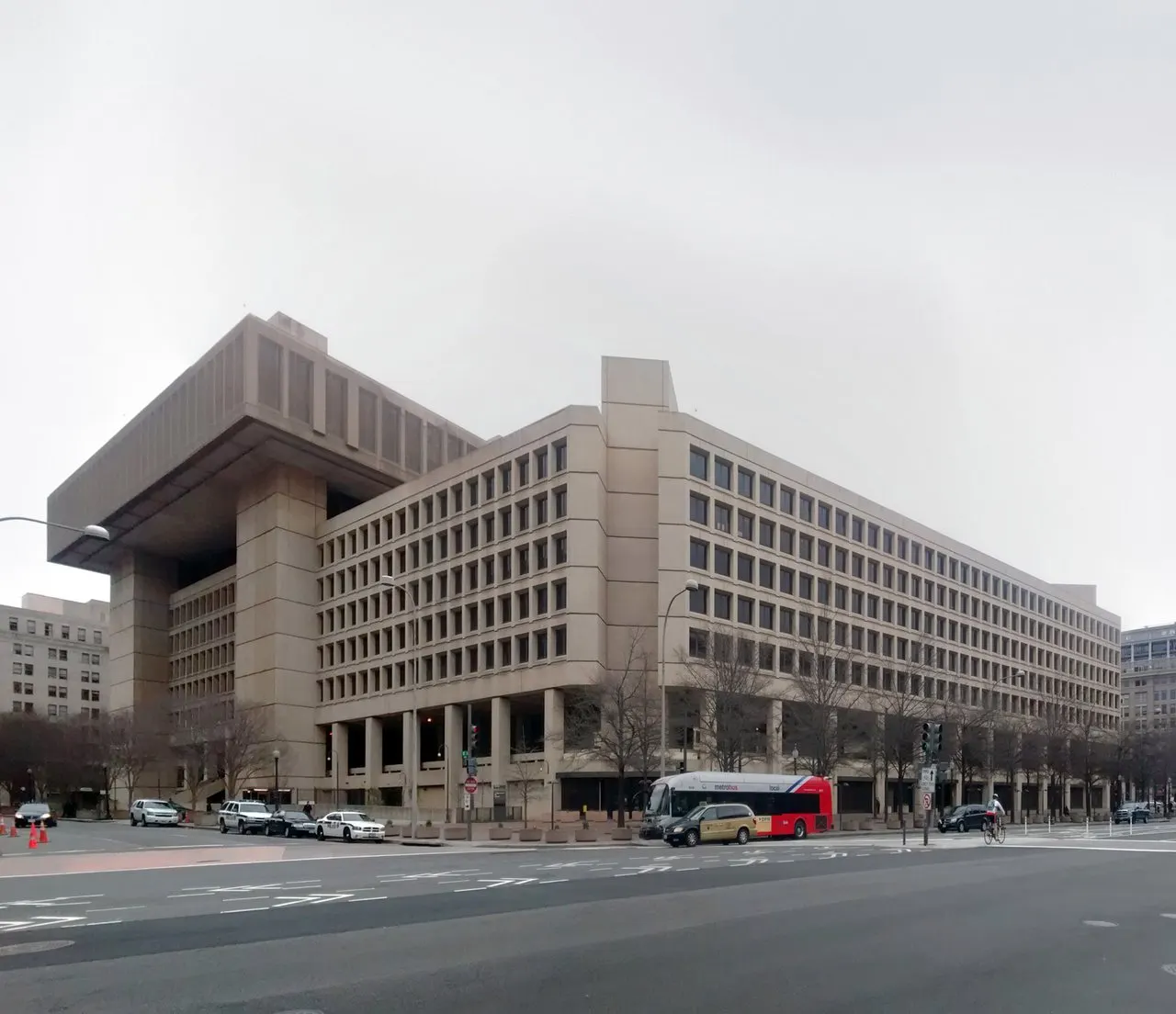
The FBI of the 1950s, led by J. Edgar Hoover, kept close watch on political movements across the country, and its agents often knew about threats before the public did. In this case, the warning came from the Bureau itself, which told Roosevelt it could not guarantee her safety in Tennessee. The message was honest, and it was frightening. She weighed it and went anyway. Learn more in a newborn who was already unimpressed.
She Wrote About Justice All Her Life
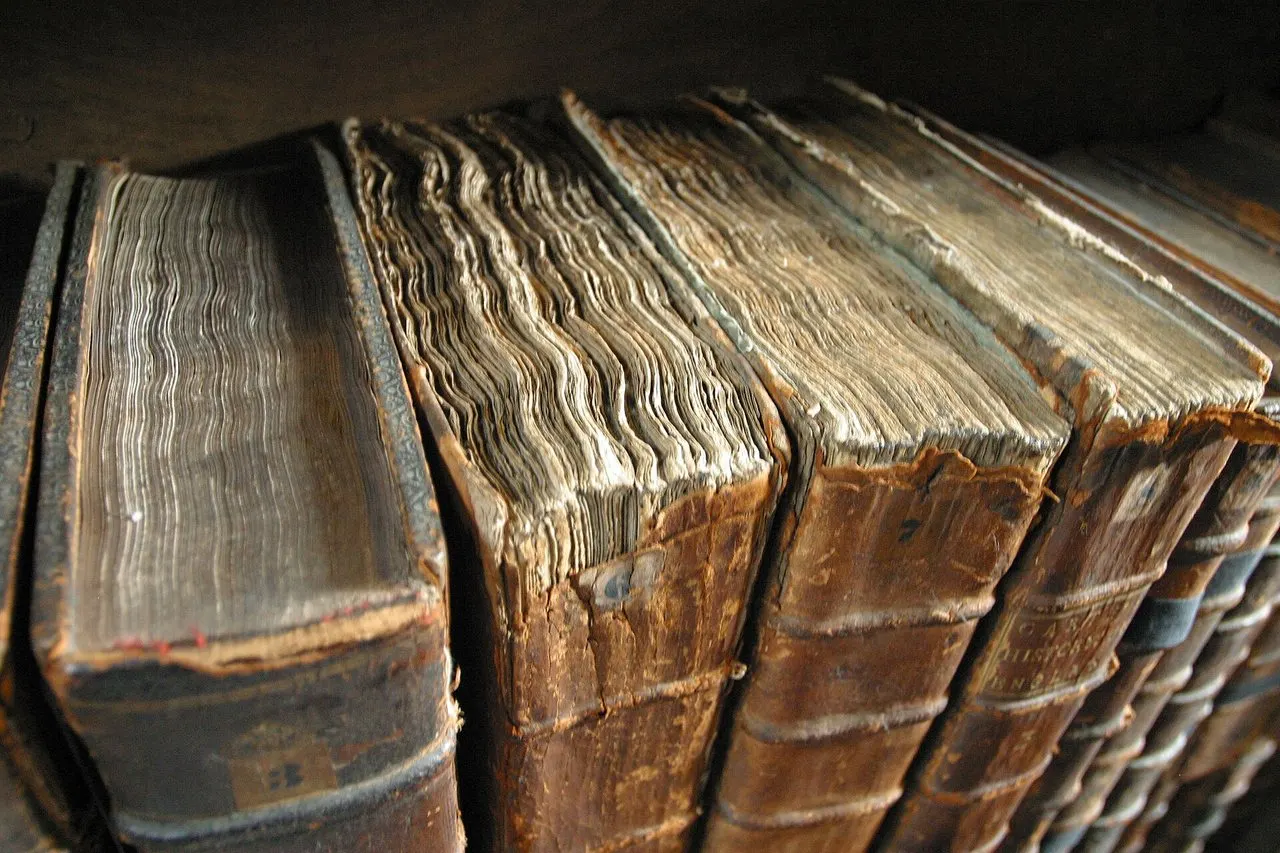
Roosevelt was also a writer, and her books and columns carried her ideas to millions of readers. Her daily newspaper column, My Day, ran for years, and her books on justice and human rights are still read today. A Booklist review of a book about her calls her a fighter for justice, and the title fits. She wrote plainly, and she wrote what she believed. See a boy who took a lost phone to the police.
Inside a Highlander Classroom

At Highlander, learning happened in circles, not rows. People sat together, shared stories, and practiced the skills they needed to organize back home. Teachers guided the talk, but the students taught each other too, drawing on lives shaped by segregation and hard work. Roosevelt joined that kind of room, not a stage with a distant crowd. It was the school at its best. Read about a bill meant to close a loophole.
Eleanor Roosevelt Tennessee Audience Listened Closely

The people who gathered to hear Roosevelt at Highlander were organizers, teachers, and neighbors who had risked much to be there. They knew the dangers of the time, and they knew what her visit meant. When she spoke about voting rights and equality, they heard a famous friend saying what they believed. The room was quiet, and her words carried. Learn more in an actor who spoke about sacred rage.
The Mountain Roads at Dusk
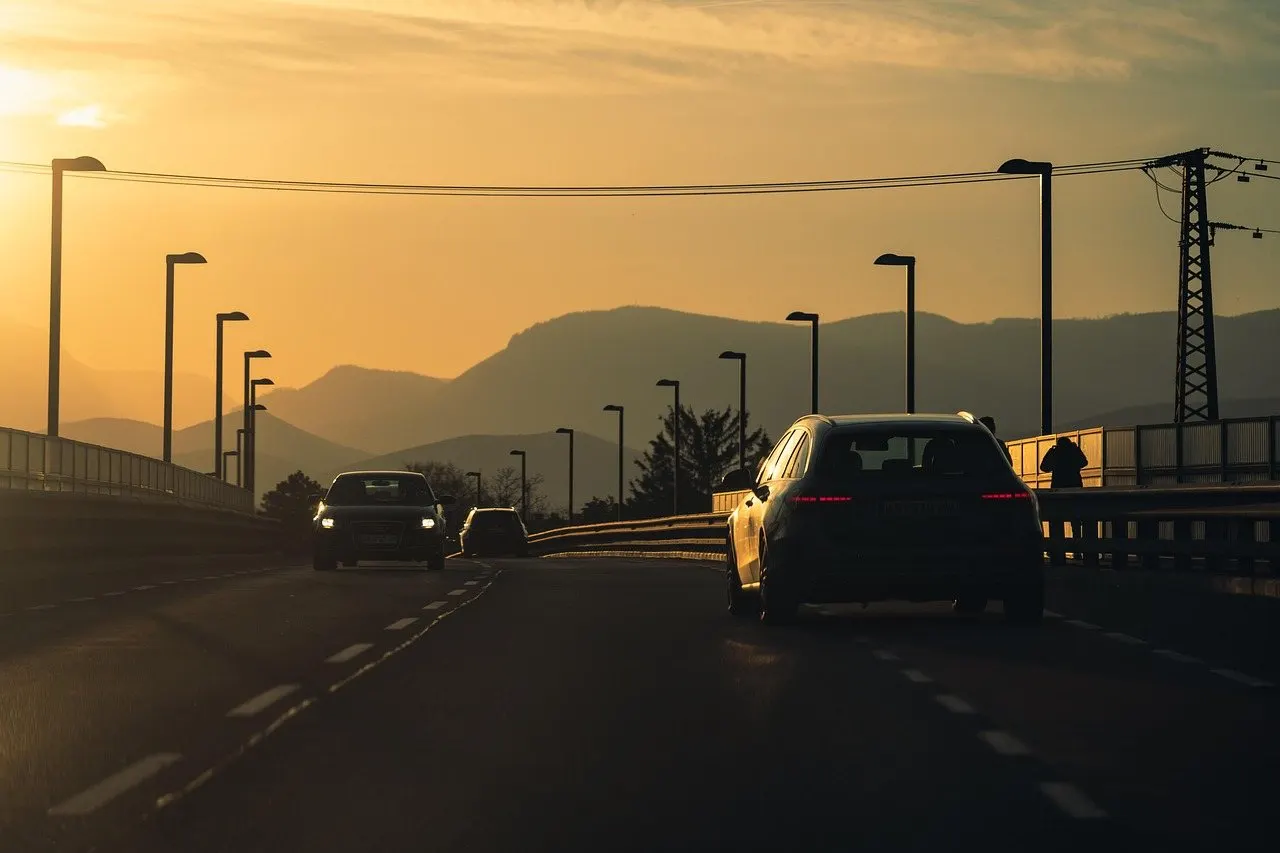
The roads around Monteagle wind through hills and valleys, and at dusk the light fades fast between the trees. Driving them in 1958 meant no bright highway lamps, only headlights and careful attention to every turn. Roosevelt and her friend made that drive in the dark, trusting the road and each other. It was a journey few would have attempted after such a warning. See a grandma whose dinner invite became a movie.
A Voice That Never Grew Tired
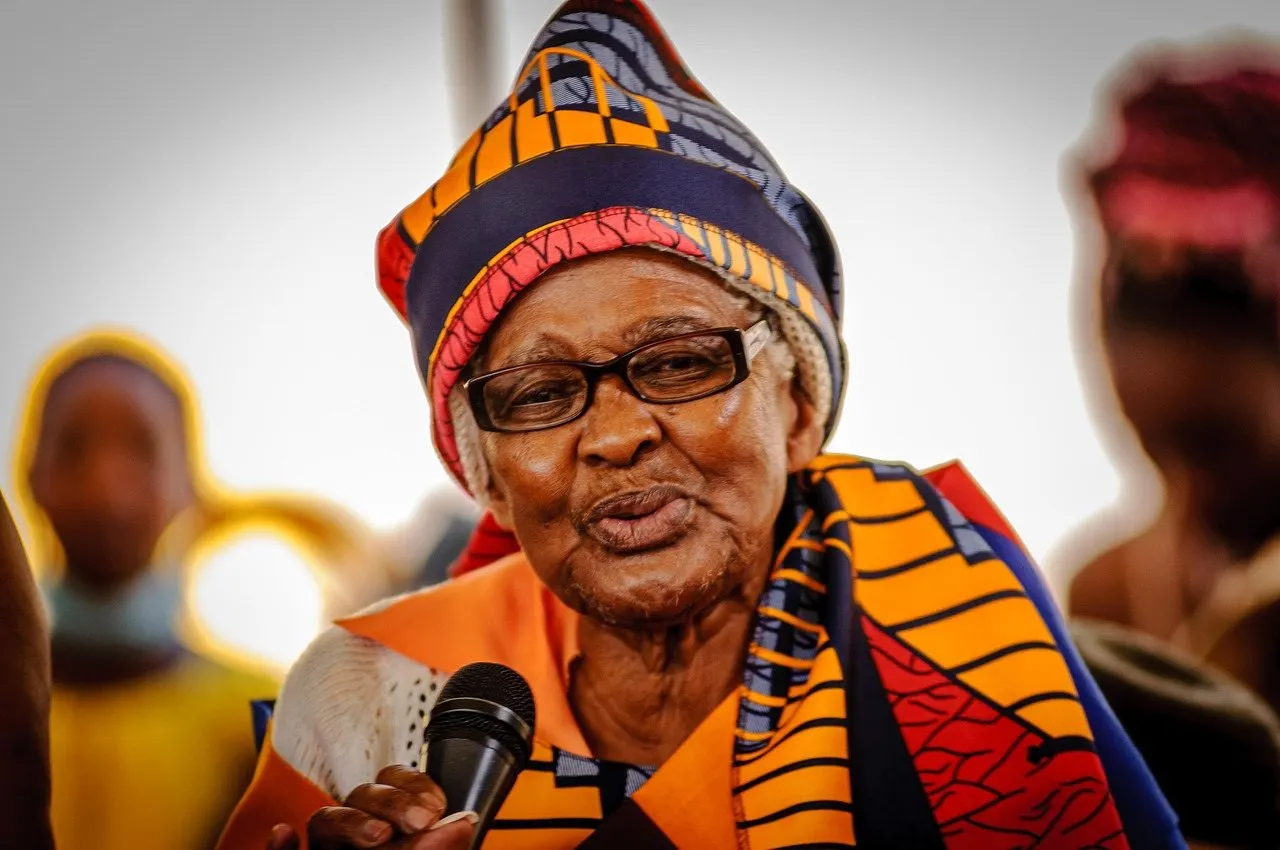
Even in her seventies, Roosevelt kept a schedule that would tire people half her age. She traveled, spoke, wrote, and met with activists, and she did it with energy that surprised everyone around her. Friends said she seemed to draw strength from the work itself. The Tennessee trip was not unusual for her. It was simply the latest stop on a long road. Read about an artist who turned pencils into giant lips.
Her Story Is Still Taught Today
Today, students still learn about Roosevelt in classrooms and lectures, including legacy talks that trace her life and work. Teachers use her story to show how one person can keep standing up, year after year, even when the cost is real. Her Tennessee trip is a favorite example, because it is simple and clear. A warning came, and she went anyway. Learn more in a leader who said America is respected again.
Eleanor Roosevelt Tennessee Journey Still Inspires Today
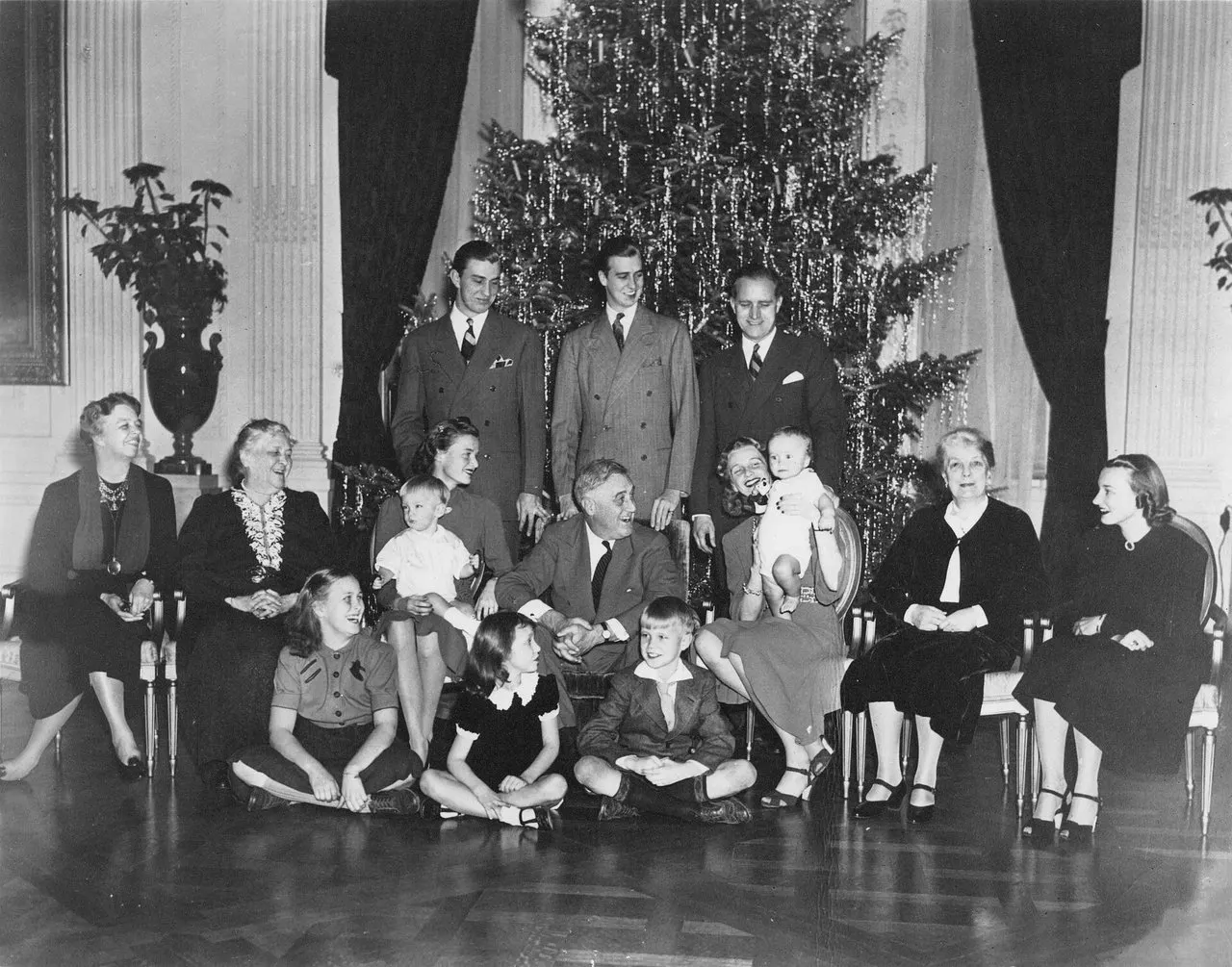
Looking back at her life, from the White House to the United Nations to a mountain school in Tennessee, the pattern is steady. She showed up, she listened, and she spoke plainly for people who had little power. Timelines of her life list many honors, but the Tennessee trip stands out for its courage. It reminds us that bravery is often quiet and practical. See a mystery carved in stone long ago.
Walking Forward, Not Looking Back
Roosevelt never looked back with regret on the risks she took. She believed that fear was a poor reason to stay home, and that the work of justice could not wait for safe times. Her life offers a simple lesson for anyone facing a hard choice. Keep walking forward, one step at a time, and let courage grow with each step. The road ahead is always clearer once you start. Read about a doctor who spoke about faith.
Statues and Schools Keep Her Memory Alive
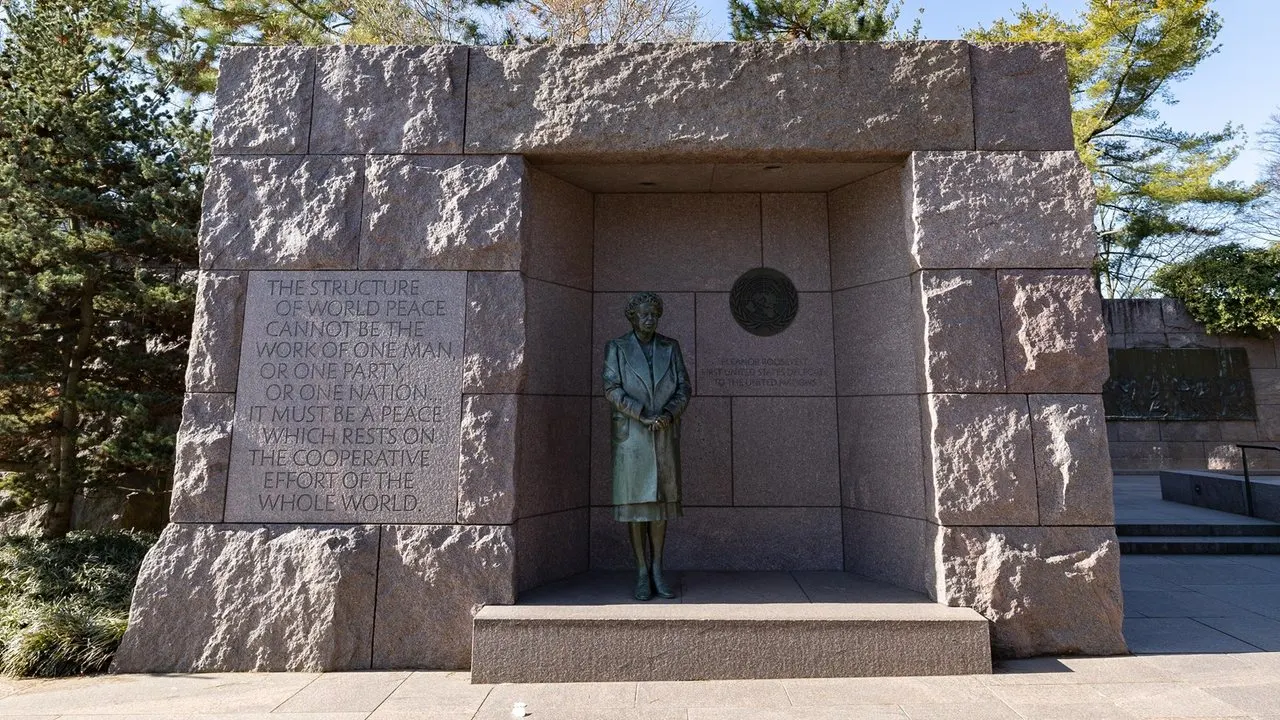
Across America, statues, schools, and memorials carry Roosevelt’s name, and visitors stop to remember what she stood for. A statue in Washington shows her as a working First Lady, not a distant figure on a pedestal. Children learn her story in school, and adults still quote her words. Her memory lives on because her example still speaks. Learn more in a first lady who ran a lean office.
What Would You Have Done in Her Place?
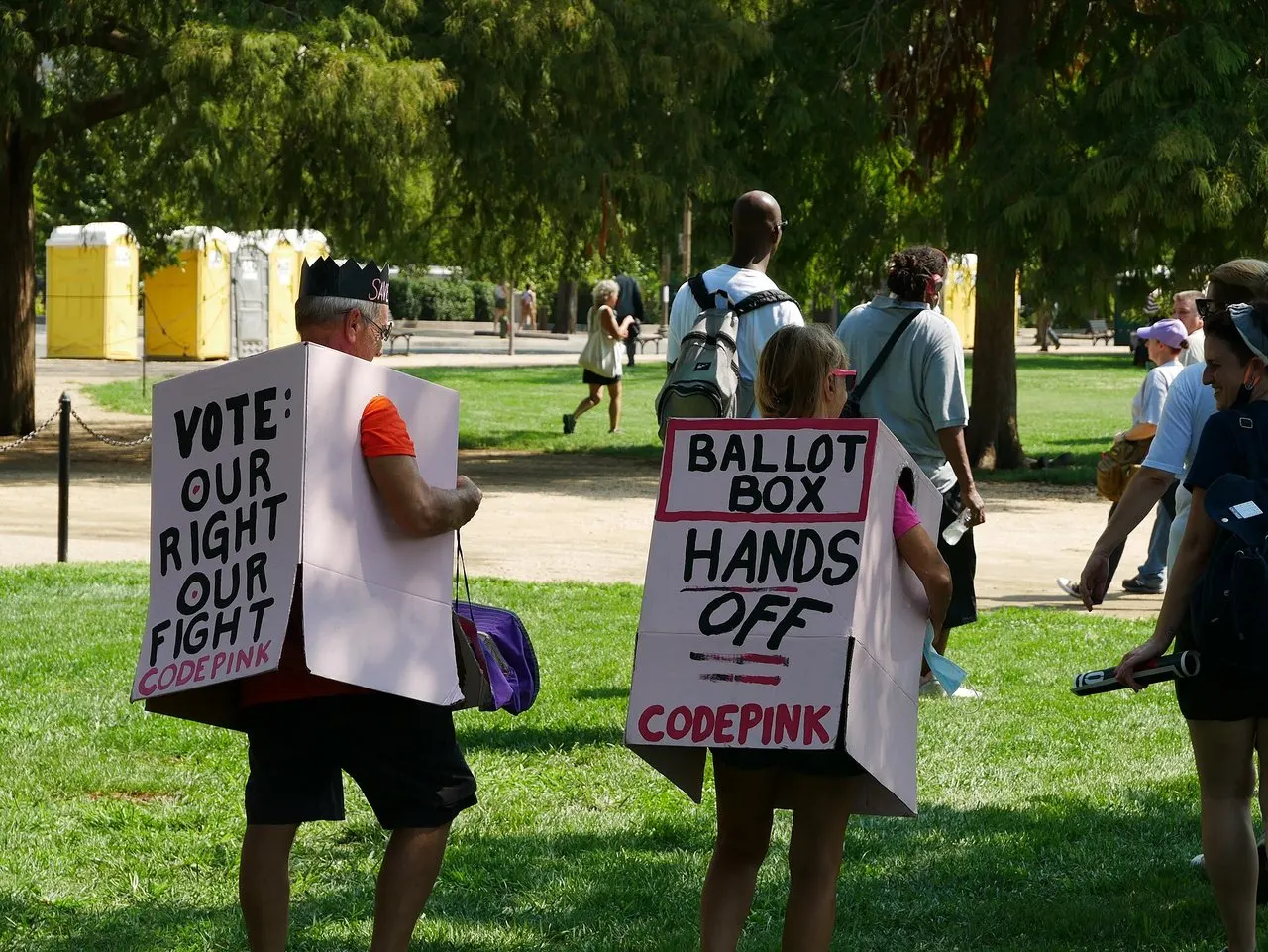
Roosevelt reached Highlander, spoke for voting rights, and went home knowing she had faced the threat and not backed down. Her story asks each of us a question that still matters today. If you received a warning like hers, would you stay home, or would you go? Tell us in the comments what you think, and share this story with someone who needs courage. Read about a newborn who was already unimpressed.